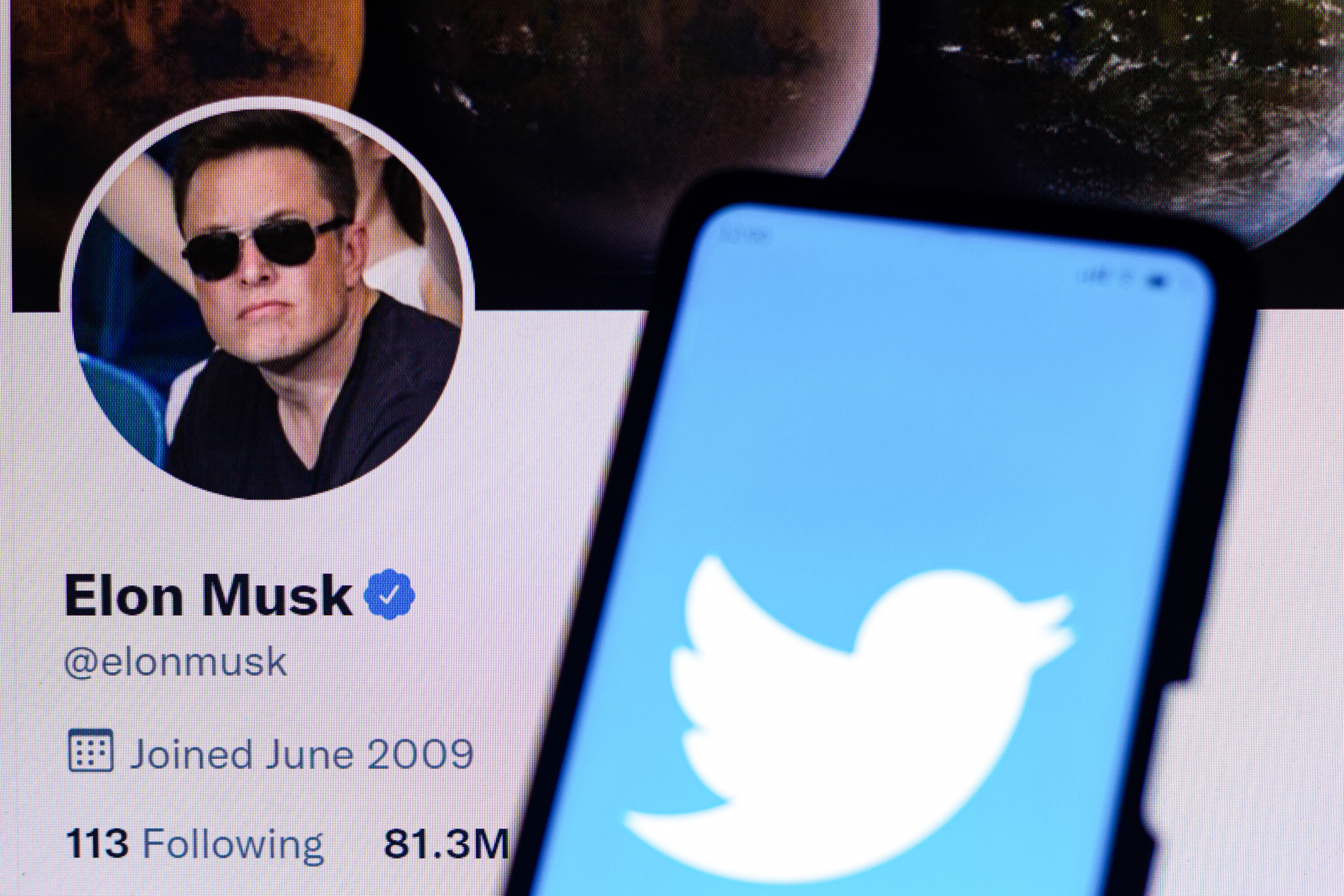
Twitter has confirmed that Elon Musk has offered to buy the company for a second time this year.
The website said in a statement that it plans to agree to the offer at 54.20 dollars (£47.23) per share, the same price Musk previously put forward.
The total value of the deal would be 44 billion dollars (£38.3 billion).
A spokesperson for Twitter said: “We received the letter from the Musk parties which they have filed with the SEC. The intention of the company is to close the transaction at 54.20 dollars per share.”
Earlier this year, the SpaceX founder offered to purchase the company but pulled out in July.
Lawyers for Musk said it was due to the platform “not complying with its contractual obligations” surrounding the deal, namely giving him enough information to “make an independent assessment of the prevalence of fake or spam accounts on Twitter’s platform”.
Twitter said in response it was “committed to closing the transaction” and launched legal action.
A month later, in a published court document, Twitter accused Musk of “looking for an excuse” to get out of the deal, with the firm calling Musk’s accusations “factually inaccurate, legally insufficient, and commercially irrelevant”.
The stalled takeover was due to head to trial in the US later this month.
Elon Musk, the richest person in the world, has offered to buy Twitter for more than 40 billion dollars (£30.5 billion) in a move that prompted the same question across the world: why?
The billionaire Tesla and SpaceX boss has proposed buying “100% of Twitter for $54.20 per share in cash”, valuing the company at $41.39 billion.
Advertisement
The 50-year-old, whose bid comes soon after he bought a 9% stake in Twitter and said he would join the board, believes changes are needed in order to help the site thrive and better support free speech.
In just ten days, Musk has gone from popular Twitter contributor to the company’s largest individual shareholder to a would-be owner of the social platform — a whirlwind of activity that could change the service dramatically given Musk’s self-identification as a “free speech absolutist”.
Advertisement
Who is Elon Musk?
Musk, 50, has an estimated $273.6 billion (£209.21 billion) fortune that makes him the wealthiest person in the world, worth $92.3 billion (£70.58 billion) more than runner-up Jeff Bezos. Musk was born in Pretoria, South Africa, to a Canadian mother and South African father and later attended the University of Pennsylvania, where he graduated in 1997.
Advertisement
With a stable of businesses ranging from electric cars to private rocket ships, Musk did not found Tesla, which he has led from 2008. But his insight that the firm’s electric cars should be high-performance machines with sophisticated, smartphone-style software revolutionised the global auto business, prompting established companies to try to catch up while spurring new, all-electric competitors. Wall Street values Tesla at more than $1 trillion – more than all three Detroit car makers, plus Toyota Motor Corp, combined.
At the same time, his company SpaceX, has upended the space launch industry by developing rockets capable of putting satellites into space and returning to Earth for re-use.
Perhaps more than any other person, Musk has helped bring bitcoin and other cryptocurrencies into the mainstream, with Tesla holding about $2 billion in bitcoin on its balance sheet and the company among the few to accept dogecoin as payment.
Musk and Twitter
Advertisement
Twitter helped Musk become a household name. He has 81 million followers and built a pop culture following large enough to help him earn a spot hosting the venerable US comedy TV show Saturday Night Live in 2021.
Musk has used Twitter to go after investors, and he posts on everything from Dad jokes to polls on what he should do with his gains from Tesla’s surging stock price.
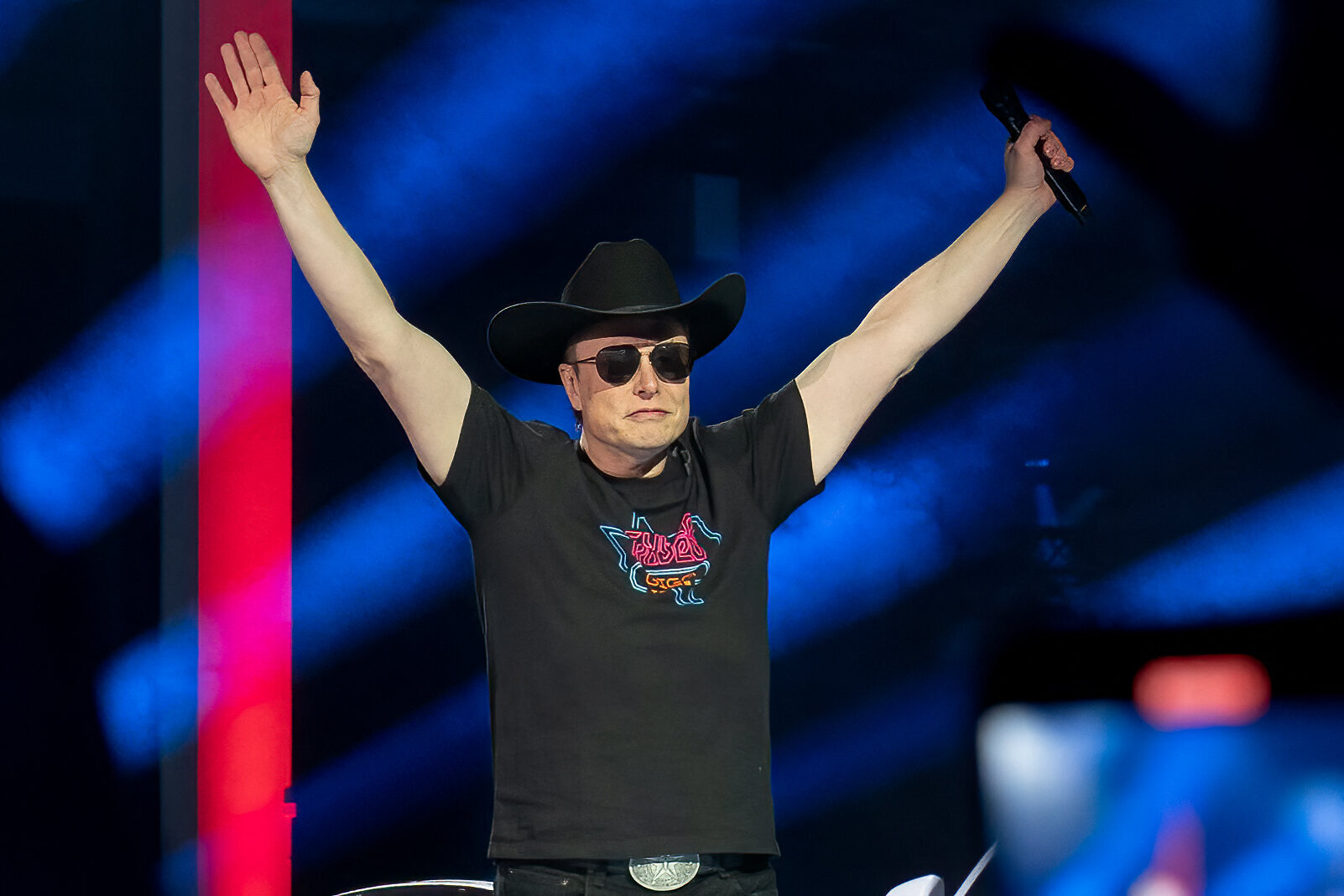
<img class="img-sized__img landscape" loading="lazy" alt="Elon Musk speaks at the Tesla Giga Texas manufacturing "Cyber Rodeo" grand opening party in Austin, Texas.” width=”720″ height=”480″ src=”https://www.wellnessmaster.com/wp-content/uploads/2022/04/why-does-elon-musk-want-to-buy-twitter-3.jpg”>
Elon Musk speaks at the Tesla Giga Texas manufacturing “Cyber Rodeo” grand opening party in Austin, Texas.
SUZANNE CORDEIRO via Getty Images
While Twitter’s user base remains much smaller than those of rivals such as Facebook and TikTok, the service is popular with celebrities, world leaders, journalists and intellectuals. Musk’s followers rival pop stars such as Ariana Grande and Lady Gaga.
What’s been going on?
Musk began buying Twitter stock in earnest only a few months ago.
Earlier this month, it was announced he had bought a 9% stake and would join the board, only for Twitter chief executive Parag Agrawal to confirm that Musk had changed his mind just days later.
Now the billionaire entrepreneur has offered to buy the company outright.
In his offer letter to Bret Taylor, chairman of the Twitter board, Musk said he had invested in the social media platform “as I believe in its potential to be the platform for free speech around the globe, and I believe free speech is a societal imperative for a functioning democracy”, but added “since making my investment I now realize the company will neither thrive nor serve this societal imperative in its current form”.
He said the move was his “best and final offer” and if not accepted the billionaire “would need to reconsider my position as a shareholder”.
Twitter has confirmed it has received the offer and said it will now consider it.
Advertisement
How could Twitter look?
Much of Musk’s vocal criticism of Twitter over recent weeks has centred around his belief that it falls short on free speech principles. The social media platform has angered followers of Donald Trump and other far-right political figures who’ve had their accounts suspended for violating its content standards on violence, hate or harmful misinformation.
Musk also has a history of his own tweets causing legal problems. He has previously run into problems with US regulators at the Securities and Exchange Commission (SEC) over his own tweets, having been accused of breaching trading rules when tweeting about his business interests.
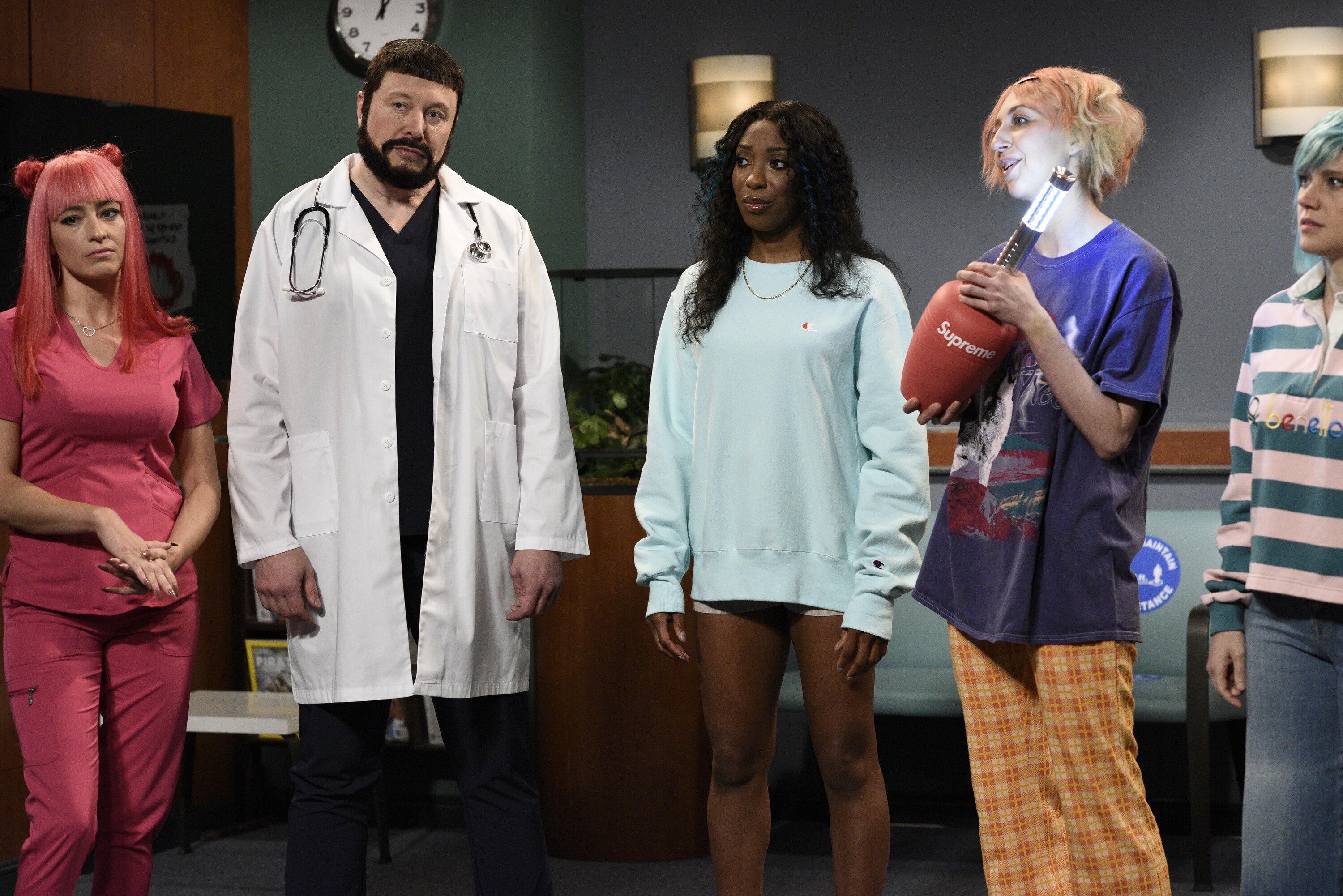
<img class="img-sized__img landscape" loading="lazy" alt="Elon Musk, second from left, on Saturday Night Live.” width=”720″ height=”480″ src=”https://www.wellnessmaster.com/wp-content/uploads/2022/04/why-does-elon-musk-want-to-buy-twitter-4.jpg”>
Elon Musk, second from left, on Saturday Night Live.
NBC via Getty Images
Musk has also been accused of tweeting misinformation about Covid-19 after posting in March 2020 that children were “essentially immune” to the disease.
The entrepreneur outlined some specific potential changes on Thursday — like favouring temporary rather than permanent bans — but has mostly described his aim in broad and abstract terms.
“I believe free speech is a societal imperative for a functioning democracy,” Musk said in the filing. “I now realise the company will neither thrive nor serve this societal imperative in its current form. Twitter needs to be transformed as a private company.”
Some believe a Musk takeover could mean a return to the platform for Trump and others, but reinstating those users would be a highly controversial move and could bring further scrutiny to the company and its approach to moderation, just as major new regulation for the sector is on the horizon.
HuffPost is part of Verizon Media. Click ‘I agree‘ to allow Verizon Media and our partners to use cookies and similar technologies to access your device and use your data (including location) to understand your interests, and provide and measure personalised ads. We will also provide you with personalised ads on partner products. Learn more about how we use your data in our Privacy Centre. Once you confirm your privacy choices here, you can make changes at any time by visiting your Privacy dashboard.
Click ‘Learn more‘ to learn and customise how Verizon Media and our partners collect and use data.
HuffPost is part of Verizon Media. Click ‘I agree‘ to allow Verizon Media and our partners to use cookies and similar technologies to access your device and use your data (including location) to understand your interests, and provide and measure personalised ads. We will also provide you with personalised ads on partner products. Learn more about how we use your data in our Privacy Centre. Once you confirm your privacy choices here, you can make changes at any time by visiting your Privacy dashboard.
Click ‘Learn more‘ to learn and customise how Verizon Media and our partners collect and use data.
HuffPost is part of Verizon Media. Click ‘I agree‘ to allow Verizon Media and our partners to use cookies and similar technologies to access your device and use your data (including location) to understand your interests, and provide and measure personalised ads. We will also provide you with personalised ads on partner products. Learn more about how we use your data in our Privacy Centre. Once you confirm your privacy choices here, you can make changes at any time by visiting your Privacy dashboard.
Click ‘Learn more‘ to learn and customise how Verizon Media and our partners collect and use data.
HuffPost is part of Oath. Oath and our partners need your consent to access your device and use your data (including location) to understand your interests, and provide and measure personalised ads. Oath will also provide you with personalised ads on partner products. Learn more.
How Oath and our partners bring you better ad experiences
To give you a better overall experience, we want to provide relevant ads that are more useful to you. For example, when you search for a film, we use your search information and location to show the most relevant cinemas near you. We also use this information to show you ads for similar films you may like in the future. Like Oath, our partners may also show you ads that they think match your interests.
HuffPost is part of Oath. Oath and our partners need your consent to access your device and use your data (including location) to understand your interests, and provide and measure personalised ads. Oath will also provide you with personalised ads on partner products. Learn more.
How Oath and our partners bring you better ad experiences
To give you a better overall experience, we want to provide relevant ads that are more useful to you. For example, when you search for a film, we use your search information and location to show the most relevant cinemas near you. We also use this information to show you ads for similar films you may like in the future. Like Oath, our partners may also show you ads that they think match your interests.