Met Office Shares 5 ‘Essentials’ For Snow-Related Power Cuts

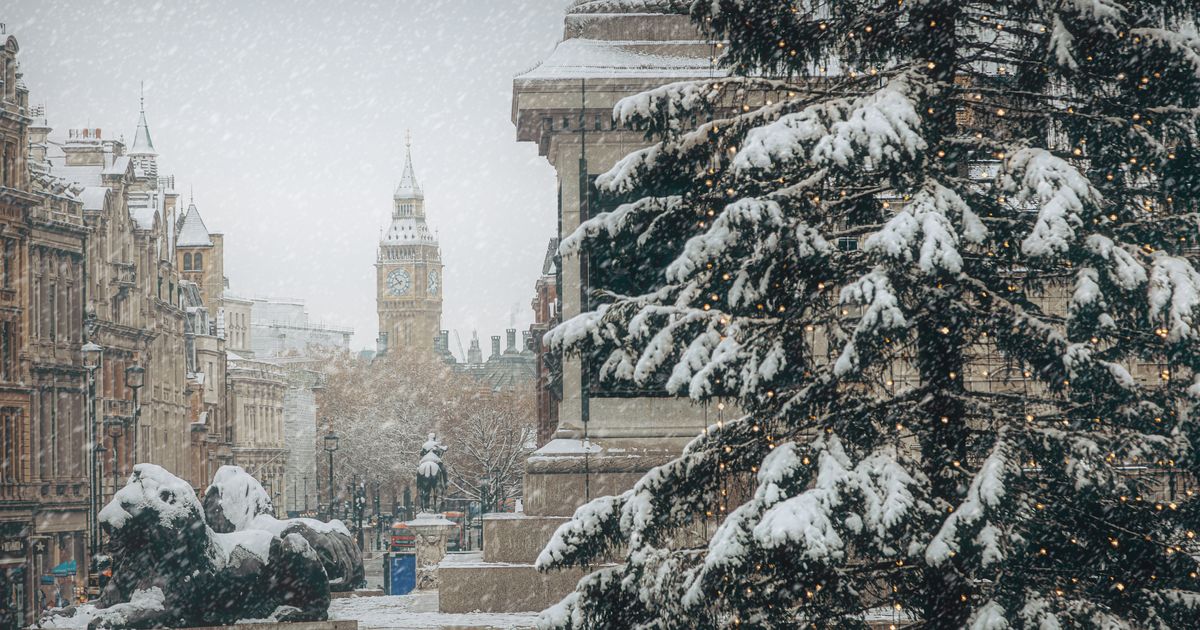
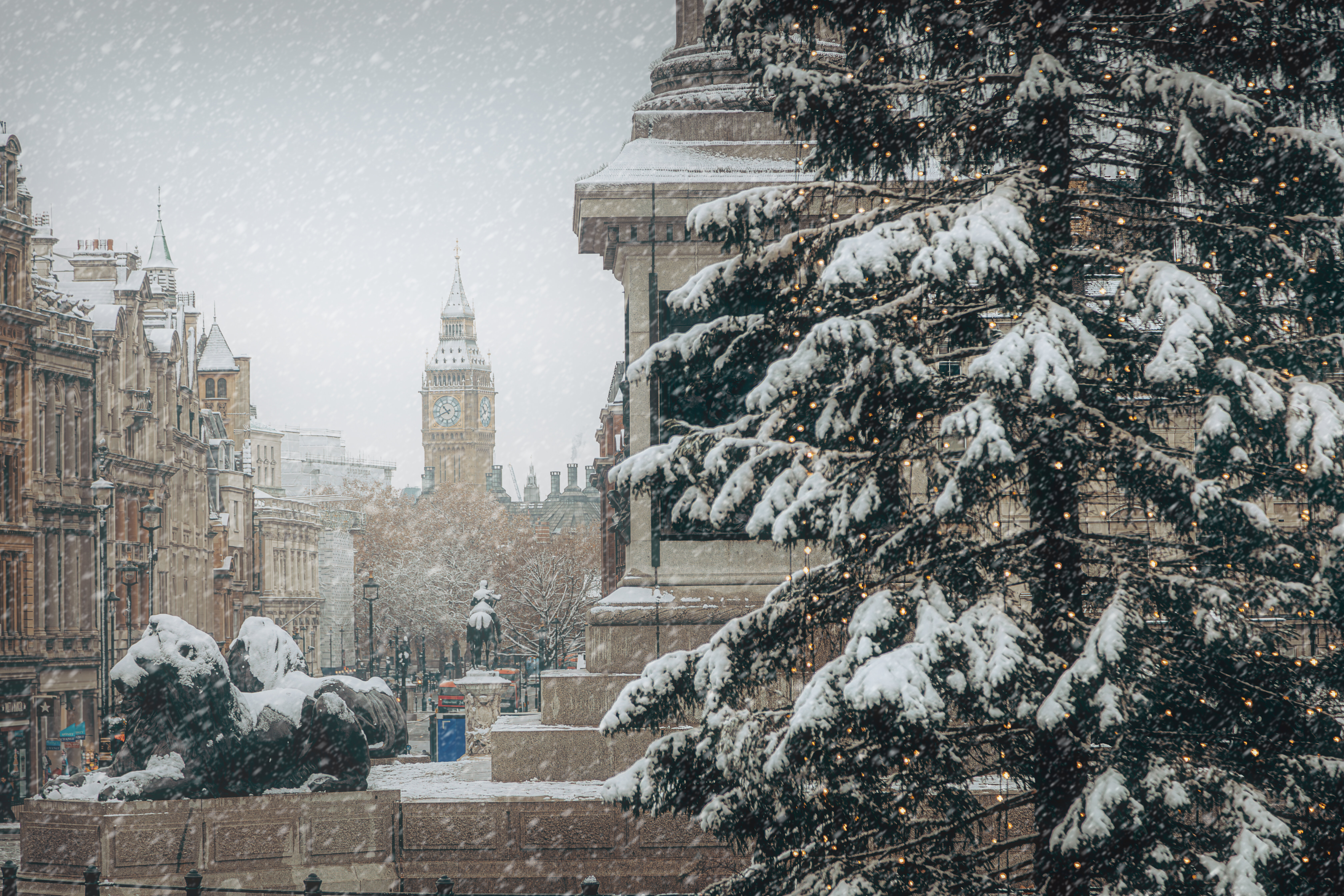
Hundreds of schools have been forced to close on the first Monday of the new year as snow covers parts of the UK.

This follows temperatures as low as -10.9°C recorded on 4 January, in Cumbria and 52cm of snowfall recorded at Tomintoul in Banffshire this morning (Monday, 5 January).

Yellow snow and ice alerts are in place across Scotland, Northern Ireland, the North of England, Devon, Cornwall, the East of England, and the West of Wales.

These warnings mean “possible power cuts and an increased risk of other services, like phone signal, becoming impaired,” the Met Office’s site reads.

That’s why experts recommend getting some “essentials” together in advance in case you’re affected by a power cut, as driving in the snow is best avoided when at all possible.

Which essentials do you need in a power cut?

Per the Met Office, you should ensure you have:

  1. Torches
  2. Batteries
  3. Candles
  4. Matches or lighters
  5. A mobile phone power pack.

The office added that if you’ve been affected by a power cut, you should unplug all electronics that need to be attended at the wall. That way, when the power comes back on, you won’t accidentally restart them and forget, eg, a pair of hair straighteners that you were using when the power cut began.

Leave at least one light on so you can figure out when the power is back, and check to see if your neighbour has the same problem (if they don’t, the problem could be a tripped switch).

Wrap up warm, keep internal doors shut to trap in heat, and use a portable heater if you have one.

Additionally, you can call 105 – it’s a free service for those in Scotland, England, and Wales which allows you to report the power cut to your electricity network operator, and receive more information if you need any.

Why do snow and ice cause power cuts to begin with?

Snow and ice can build up on branches and power lines in a way that water, which drips off, can’t.

That can make branches fall onto power lines or weigh the lines themselves down, Interesting Engineering shared.

Then, there’s the simple fact of the temperature. The many component parts of a power system each have ideal running temperatures; very cold and very hot weather can throw them off, forcing the network to work harder.

Even in the absence of snowfall, tree roots can sometimes provide a pathway for ice on the ground to make its way to underground power lines.

Share Button

Why A GP Says ‘Snowshoeing’ May Be Better Exercise Than Walking

It’s very hard to predict snow in the UK, which means we don’t yet know whether we’ll have a white Christmas.

Still, those who have access to thick blankets of fluffy flakes, like those in parts of Scotland, might benefit from “snow shoeing” in it, said Dr Suzanne Wylie, GP and medical adviser for IQdoctor.

What is “snowshoeing”?

“Snowshoeing” works more or less like you’d think it would.

It “is simply walking on snow using snowshoes to give extra flotation and grip,” Alpine Exploratory shared.

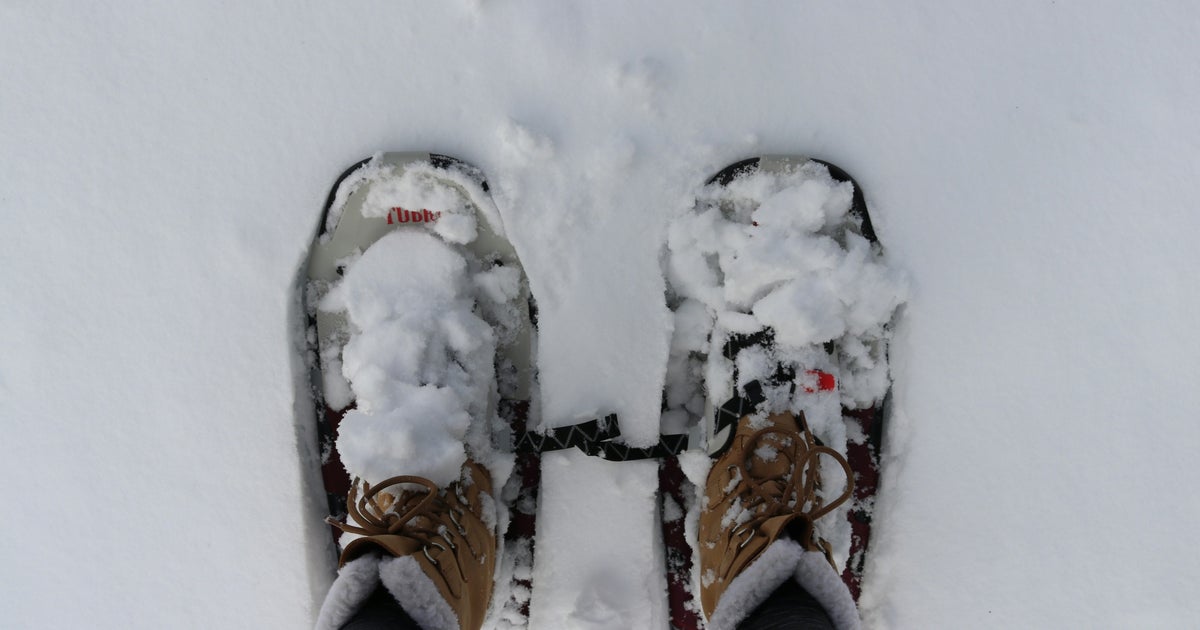
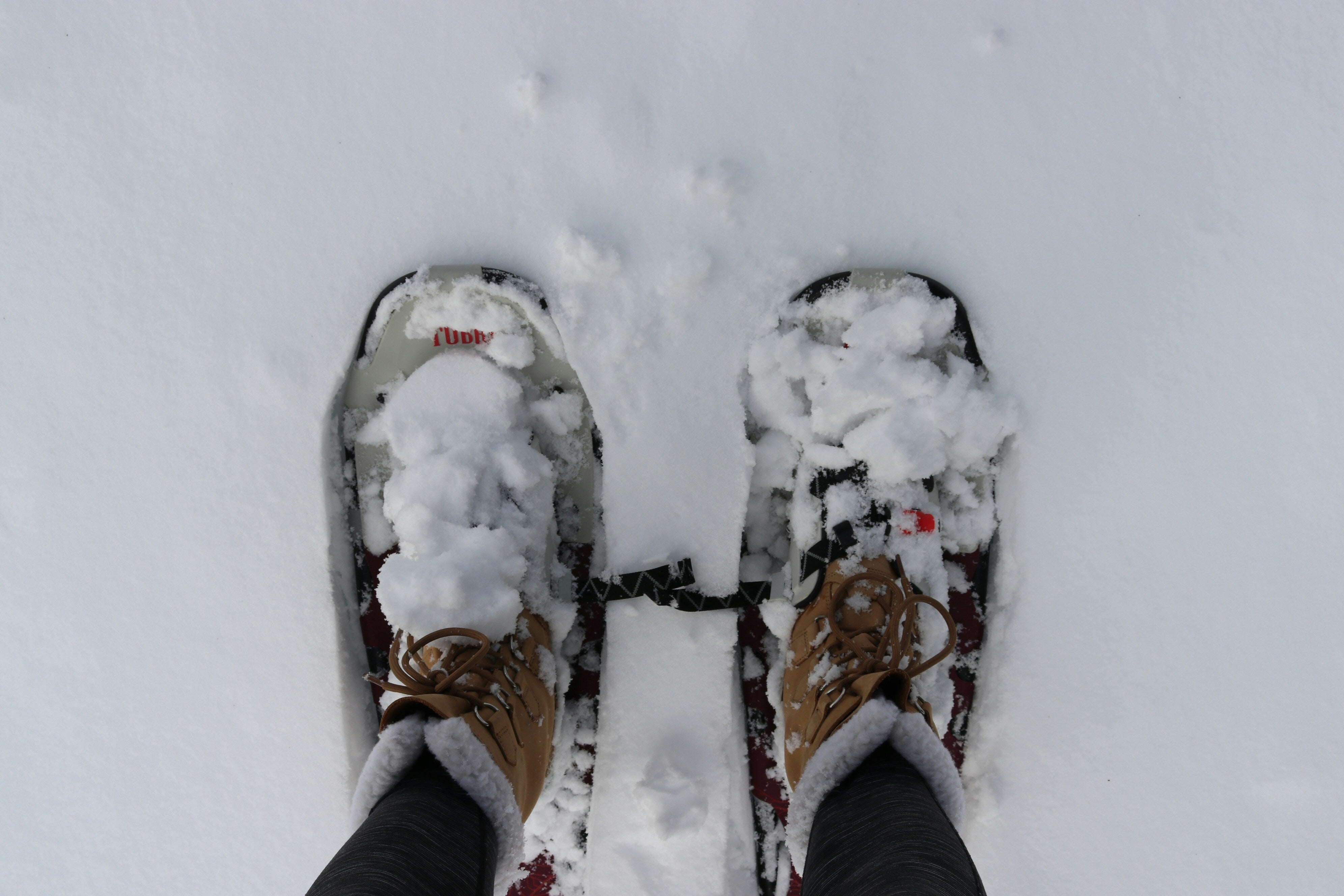
Snowshoes are frames, with spikes for added grip, that you can strap onto your walking boots to prevent sinking into deep snow.

Historians have found wooden versions of the design dating back to 3,800 BC.

And, like with “Nordic walking”, you’ll also have some poles to hold onto to propel you along.

If you’re taking an unexplored or difficult path, Alpine Exploratory recommends using a guide.

What are the health benefits of “snowshoeing”?

“Snowshoeing can offer some advantages over normal walking, largely because of the environment and the physical demands involved,” Dr Wylie told HuffPost UK.

“Walking on snowshoes requires greater effort due to the resistance of snow and the added weight on the feet, which can increase cardiovascular workload and energy expenditure compared with walking on flat, firm ground.

“This can help improve aerobic fitness and engage a wider range of muscle groups, particularly in the legs and core, while still remaining relatively low impact on the joints.”

And, she explained, the method reduces the likelihood of hurting yourself on othwerwise trickty terrain.

“The wider base of the snowshoe can also reduce the risk of slipping compared with walking on icy ground in standard footwear, although good technique and suitable terrain are important to minimise falls”.

Like other forms of walking, the GP added, snowshoeing “supports heart health, helps with weight management, and can improve blood sugar control”.

“Snowshoeing” might benefit our mood, too

All exercise can help to boost our mood, and some research suggests that mountain walking might make us happier than strolling on a treadmill.

So perhaps it’s no wonder Dr Wylie said that snowshoeing “has the added benefit of being an outdoor activity often done in natural, scenic settings.”

She continued, “Exposure to daylight and nature is associated with improved mood, reduced stress, and better mental wellbeing, which can be particularly valuable during winter months when people are more prone to low mood.

“As with any exercise, it should be approached sensibly, taking into account individual fitness levels and medical conditions, but for many, snowshoeing can be an enjoyable and effective way to stay active both physically and mentally.”

BRB – looking for the snowiest spot I can…

Share Button

So THAT’s What Our Chances Of A White Christmas This Year Are

The countdown to the 25 of December is officially on because the MET Office has revealed the Christmas day forecast.

But, it’s not great news if you’re a snow-lover. (Sorry!)

Temperatures have certainly dropped recently, with most of us feeling the chill as the predicted cold snap is expected to hit the UK later this week. And yes, that forecast does include snow.

And, in the run-up to the festive period, temperatures are expected to plummet to below zero in some parts (looking at you Scotland). But, when it comes to the big day, things are looking like they might be unseasonably mild, with wetter and windy weather than normal.

This is what the meteorologists say: “Conditions are most likely to be changeable through this period.

“Wetter and windier than average conditions are slightly more likely than normal, especially in the west and northwest.

“Temperatures are most likely to be near or above average overall, although this doesn’t rule out some spells of cold weather and associated wintry hazards.”

So if you’re looking forward to building that snowman, or making snow angels, then you might be waiting a long time.

But all snow-related-hopes are not lost, as forecasters have warned that there is still a chance of us running into some “associated wintry hazards”.

A month is a long time, and things can change rapidly. While snow isn’t looking likely, it definitely hasn’t been ruled out completely.

So maybe the no-show-snow-day is a blessing in disguise?

Share Button