If You Want Stronger Legs But Have Sore Knees, A Surgeon Loves ‘Cyclist Squats’

We’ve written before about how helpful Spanish squats and reverse lunges can be if you sometimes struggle doing exercise due to knee pain.

And according to orthopaedic surgeon Dr Chris Raynor, you can add “cycling squats” to that list.

In a YouTube short, the expert said he loves to use these kinds of exercises “for rehabilitation after knee injury or knee surgery, because I think that they are a safe way of activating the quadricep muscle and developing quadricep strength”.

Men’s Health, meanwhile, called them the “ultimate quad burn” which can increase your ankle mobility, reduce the strain on your lower back, and, of course, strengthen your legs.

What are cyclist squats?

Also known as “heel elevation squats”, cyclist squats involve – surprise – keeping your heels elevated as you perform the exercise.

This is sometimes done with a sloped squat ramp or “riser”.

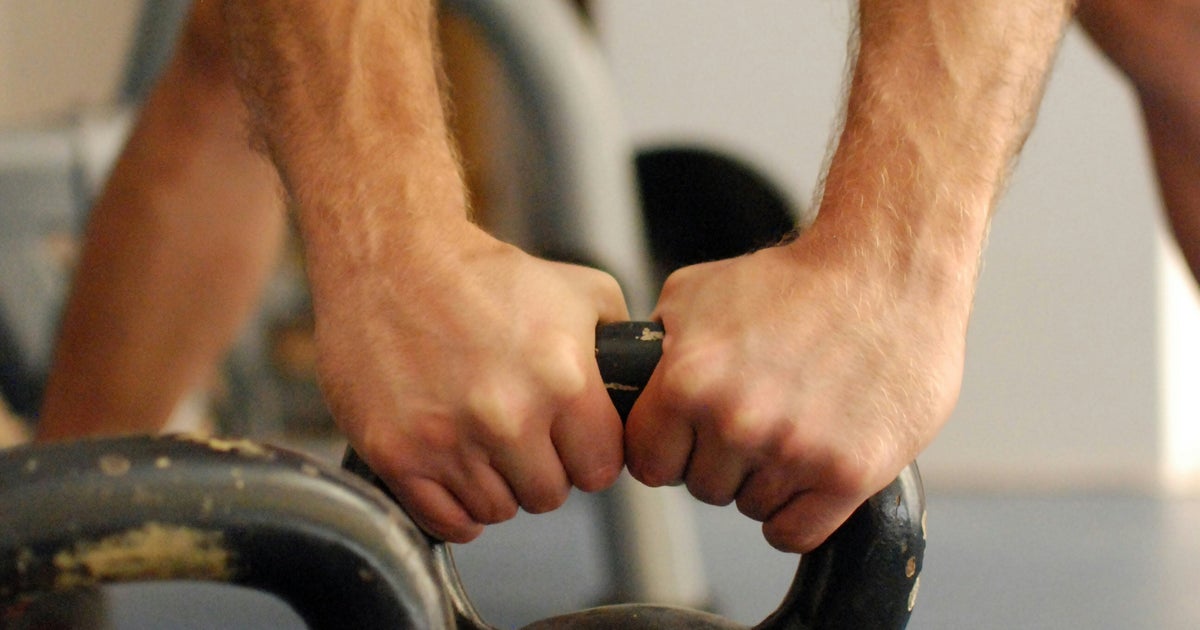
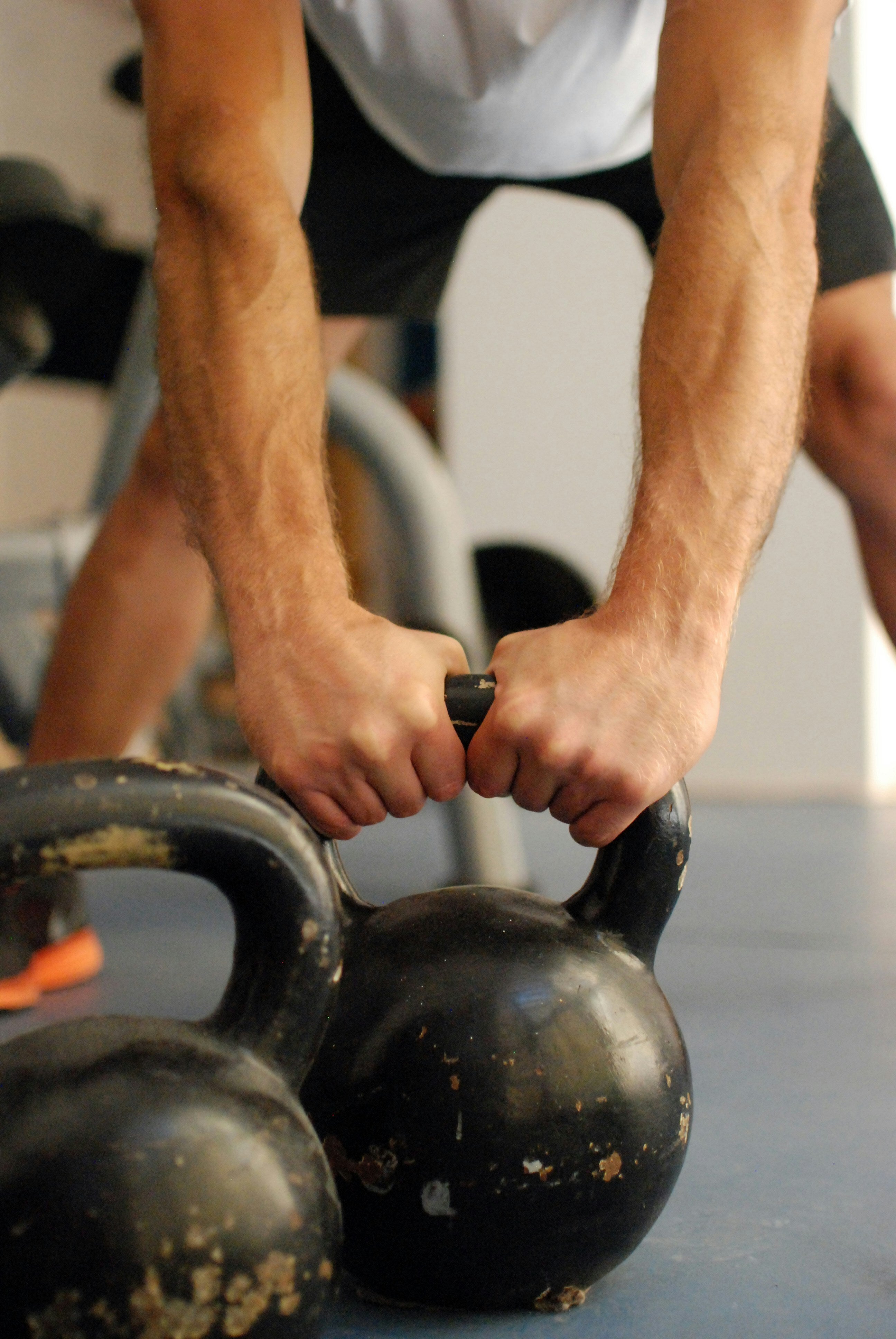
You should keep your feet together as you perform the movement, which can be done with or without a kettlebell or dumbbell held in front of you to your chest.

Cyclist or heel elevated squats with a kettlebell are called “goblet cyclist squats”.

How do you complete a cyclist squat?

The steps include:

  • Stand on a squat ramp or “riser” with your feet together, torso straight, and arms either straight in front of you or holding a weight to your chest.
  • Lower yourself down, hinging at the hips and knees, as if you’re trying to tuck your bottom on top of your heels.
  • Rise back up, “pushing” the floor away with your feet.

What are the benefits of cyclist squats?

This type of squat “encourages more work from the quads, and less on the hips, low back and adductors” than a regular squat, Mirafit explained.

They added that for people with weaker knees, cycling squats can help you progressively overload the joint over time, protecting it from future harm.

The heel elevation can help you achieve a deeper squat, too. And if you’re holding a kettlebell while doing the exercise, you’ll work your postural muscles, which help both your upper and lower back.

Dr Raynor added that goblet cyclist squats may help to activate the vastus medialus obliqus (VMO), a teardrop-shaped muscle in our upper legs, as “one of the best ways to make sure that it is engaged is to activate the quad when it is in its most lengthened position”.

That happens during deeper squats, like this one. The VMO is a key muscle in stabilising our knees.

A 2025 paper found that “elevated heel heights… can enhance squat stability by reducing centre of pressure (COP) deviation and trunk lean, both of which are key factors for minimising injury risks in squatting exercise”.

Share Button

‘Heel Walks’ Can Make Your Shins Stronger And Improve Your Balance

We’ve written before at HuffPost UK about “Japanese walking,” “incline walking”, “6-6-6 walking”, and “retro walking”.

But if you want to strengthen your calves and shins, either for running or just for better mobility, some experts, like physical therapist Dr Jo, reccomend “heel walking”.

In the caption of a YouTube video, they shared: “Walking on heels is a great exercise for helping with lower leg injuries and muscle imbalances. It can also help with ankle pain and plantar fasciitis.”

What are heel walks?

Happily, it doesn’t involve walking in high heels.

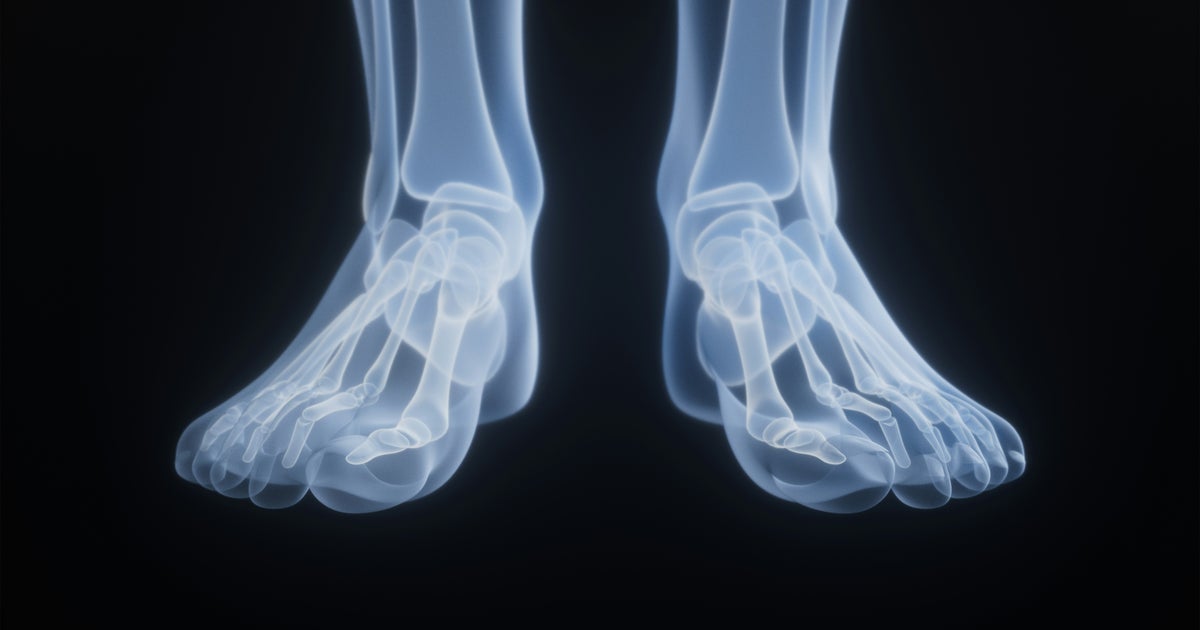
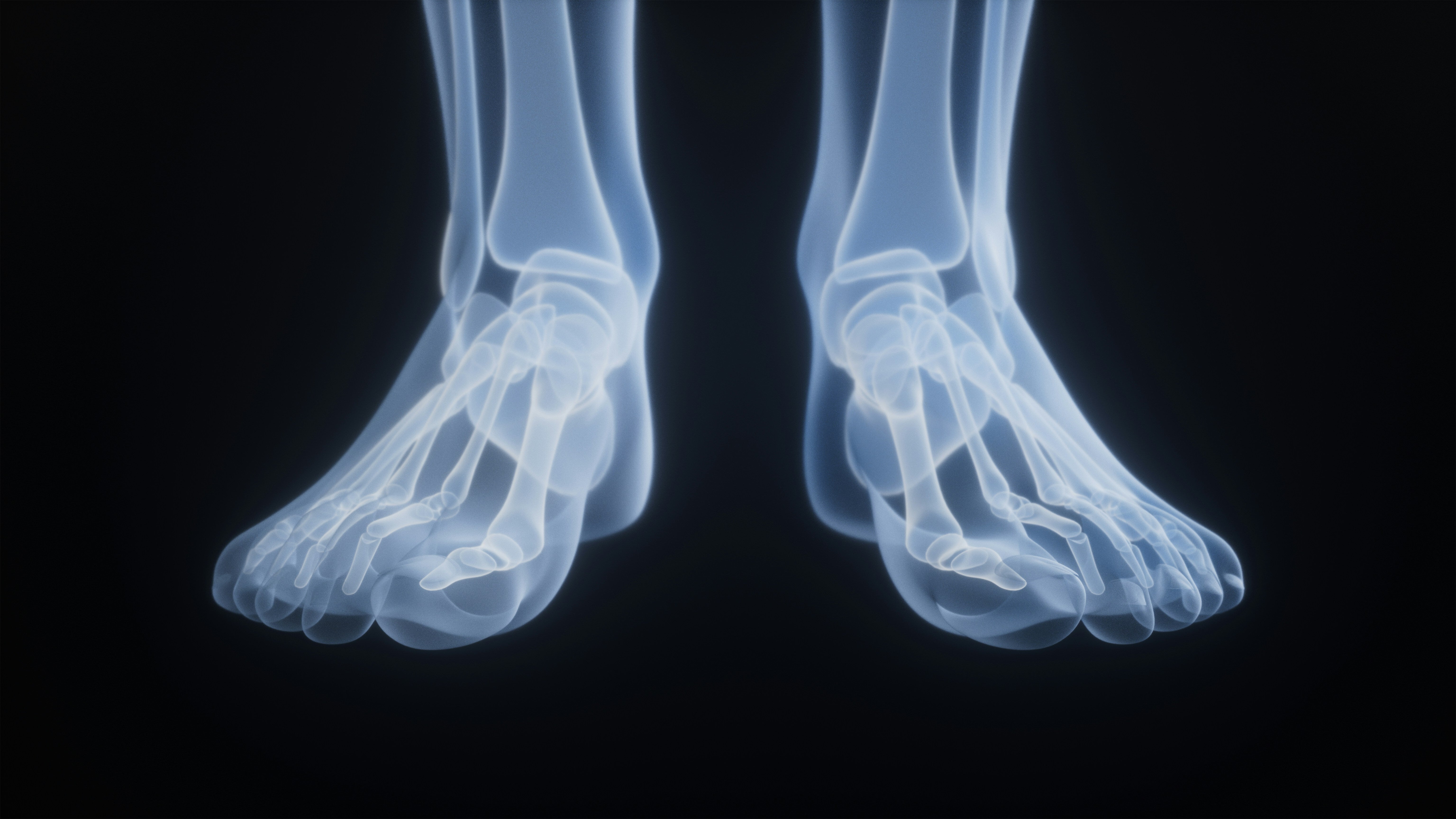
They’re performed by lifting your toes and the balls of your feet up and walking on a flat surface on your heels. You can go forward or backwards with your feet hip-width apart, physical therapist group Therapeutic Associates Inc shared.

They should be short, small steps. “The aim is to point your toes as much as you can towards the ceiling so there is as much dorsiflexion in the ankle as possible,” said Runna.

You should keep your upper body tall with your eyes looking straight forward. Tuck your elbows in and let your arms follow your leg movements.

Keep your glutes and hips tucked in.

Theraputic Associates Inc added, “you may want to perform this exercise to fatigue as in, you can’t keep your toes up off the ground anymore and exhaust the shin muscles”.

What are the benefits of heel walks?

Runna explained that, “Heel walks are a very simple but effective warm-up exercise for the muscle that runs along the front of the shin bone (tibialis anterior).”

This is responsible for keeping your feet lifted and preventing a condition called “foot drop”. Calling it an “underappreciated muscle,” Mirafit added that a strong tibialis anterior contributes to healthy movements of the lower leg which are “all essential when it comes to everyday life and specifically when walking and hiking.”

It may help to prevent shin splints, increase your balance and mobility, and reduce your risk of overuse injuries because they make you better at absorbing shocks, they continued.

Heel walks also stretch your calf muscles and strengthen the flexors in your foot, Runna said.

Share Button

Wall Planks May Be The Best Exercise For Blood Pressure

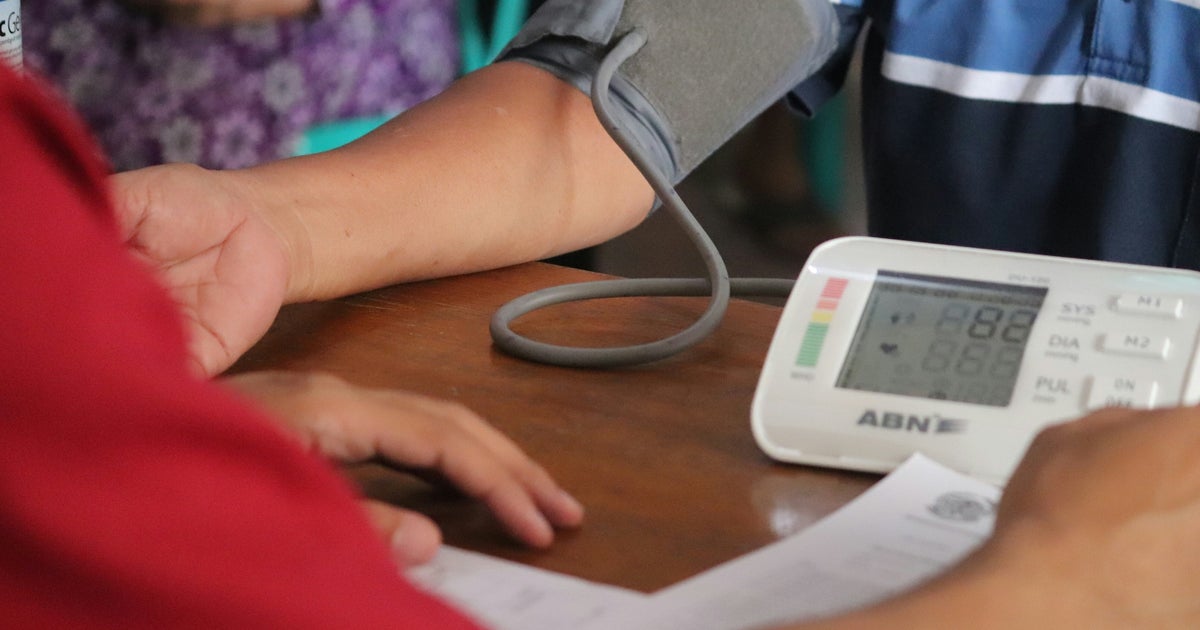
Regular exercise can help to manage blood pressure, because it makes our hearts stronger.

But according to a huge 2023 study, which looked at 270 trials from 1990-2023, “isometric” exercises might be the most effective at the job, with “wall sits” the best performer among these.

Researchers found that isometric exercise was more likely, on average, to lower blood pressure than aerobic exercise training, dynamic resistance training, combined training, and high-intensity interval training, though all forms were still immensely helpful.

What is isometric exercise?

It involves keeping your body still while you tense specific muscles for a set period of time. You don’t move your joints during the movement.

“Isometric exercise” is sometimes called “static” exercise.

It is the opposite of “dynamic,” or “isotonic” exercise, which involves little load and consistent pressure on various muscles. For example, running and swimming.

Most forms of exercise involve a combination of isometric and isotonic exercise, though some are 100% one or the other.

What are some examples of isometric exercises?

These include:

  • Wall sits
  • Planks
  • Glute bridges
  • Side planks
  • V-holds
  • Calf raises
  • Hollow holds
  • Copenhagen planks.

In the 2023 study we mentioned earlier, published in the BMJ, wall sits (placing your back against a wall with your thighs parallel to the ground) were the most effective of the isometric exercises for lowering blood pressure.

Does that mean I should only do isometric exercises?

The best approach to exercise seems to be a mixture of weight training and aerobic training. This has been linked to increased longevity compared to sticking to one or the other.

Speaking to the British Heart Foundation, senior cardiac nurse, Joanne Whitmore, said: “Exercise is good for your heart health and health in general. It can reduce the risk of heart and circulatory diseases by up to a third.

“Aerobic exercise in particular can help the heart and circulatory system work better through lowering blood pressure. Current guidelines also encourage muscle-strengthening exercises, like yoga or Pilates.

“It’s encouraging to see other forms of exercise explored in this research as we know that those who take on exercise they enjoy, tend to carry on for longer, which is key in maintaining lower blood pressure.

“However, there are other lifestyle choices that can benefit your blood pressure. These include keeping to a healthy weight, eating a balanced diet, cutting down on salt, not drinking too much alcohol and taking any prescribed medication”.

Speak to your doctor if you have a heart condition and want to take up new exercise, she added.

Share Button

If You Need Running Motivation, Here Are Eight Of Its Greatest Benefits

About six and a half million adults in the UK were regular runners from 2023-24, or just over 9% of the population.

Still, not everyone sticks to it. In one paper, 11% of people who said they wanted to run a marathon quit the sport entirely before they got close to the start line.

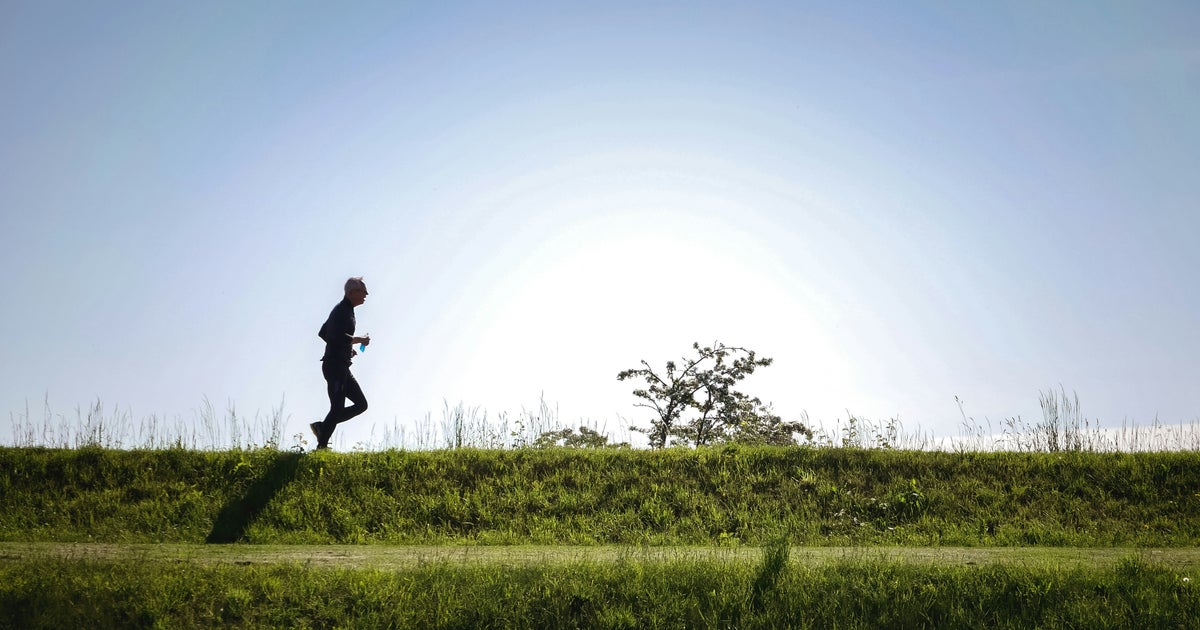
But you don’t need to break records to see the health benefits of running. Here, we thought we’d share some of the (many) advantages of the sport – just in case you needed a little extra motivation.

1) It may be beneficial for your joints

You might have grown up hearing that running wrecks your knees (I did). But a systematic review of 17 studies found that “In the short term, running is not associated with worsening [patient-reported outcomes] or radiological signs of knee [osteoarthritis] and may be protective against generalised knee pain.”

2) It can boost your mood

A review of over 100 studies concluded that running appeared to have “important positive implications for mental health, particularly depression and anxiety disorders”.

And another paper found that a single 10-minute run can help to boost participants’ mood and even executive function.

3) It could help you live longer

More proof that small efforts are far better than nothing in a 2015 paper, researchers noted that five to 10 minutes of running a day and/or running slower than 9.6km/hour was linked to a lower risk of all-cause and cardiovascular mortality.

4) It’s really, really good for your heart

Running is a cardio workout, so perhaps it’s no wonder it’s so good for our hearts. It’s linked to lower cholesterol, better blood pressure, and a decreased risk of adverse cardiovascular events, like heart attacks or strokes.

5) It can strengthen your bones

Scientists found that marathon runners’ bones may be denser than those of their non-running counterparts.

6) It’s a great way to get a good night’s sleep

Exercise, especially exercise with outdoor light exposure (e.g. running in your local park) is linked to better sleep quality and improved sleep habits.

7) It can make your legs stronger

Like walking, running can help to build your leg strength. But it can plateau after a while, which is why it’s important to mix in some strength training.

8) Your endurance will improve

Running trains the heart and lungs, meaning you’ll be able to exercise harder, for longer, once you get into the habit.

What about the downsides?

While running is good for us, there are some downsides.

A 2020 paper found that injury rates were about 20% among runners, especially those with weaker hips. The risk is higher for new runners.

Strength training, including that which targets the hamstrings, knee-stabilising methods, hips, and glutes, can reduce your likelihood of getting injured.

Like HIIT, overdoing running can lead to insomnia. About a third of all runners are believed to suffer some form of overtraining syndrome.

If you notice mood changes, fatigue, poor sleep, and getting sick more often, get more rest and let your running shoes breathe for a while.

Remember that running three days a week is enough to lower your risk of early death by 40%, and that five to 10 minutes of running does a lot of good.

Share Button

The ‘7/10’ Rule: Giving 100% In Interval Training Might Hold You Back

If you’re a runner, it can feel tempting to go above your limits to improve your pace, duration, VO2 max, and other metrics.

But lots of research suggests that going easy is beneficial. Elite athletes only spend about 20% of their time intensively training, for instance – they’re mostly “zone 2” running.

You might think the exception to that is the speedy part of interval training, which sees runners switch between jogs and sprints.

But even in those, researchers think we should only be giving it a seven out of 10 effort.

Why might “7/10 effort” help runners?

Researchers wanted to see how running at different intensities affected people’s VO2 max, or their ability to use oxygen efficiently, and their heart rates.

They asked participants to run three times. Each run was three minutes each, with two minutes’ rest in between.

Runners were asked to run at three different levels of perceived intensity: 6/10, 7/10, and 8/10 effort. That was measured by how hard the participants felt they were pushing themselves in their run (they were told to keep the level of difficulty the same throughout).

The longer you spend close to your maximum VO2 and heart rate during exercise, the more your aerobic capacity will increase.

The scientists noticed that people who ran with 6/10 effort in interval training spent less time at 90% of their VO2 max and heart rate levels.

But for those giving it a 7/10 or 8/10, the results were about the same; they spent roughly as long in the 0% or higher zone. And training at 7/10 provided less “ventilatory stress,” or difficulty breathing, than doing so at 8/10.

In other words, 6/10 seemed not to benefit interval runners as much as running at a 7/10 or 8/10. Both of those had the same potential to improve participants’ fitness, but the harder workout was more stressful with no added benefits.

Does the 7/10 rule always help runners?

Probably not. Different runs, and even walks, have their own benefits for runners; this test was only done on interval runs, which involve shorter sprints.

The runners only spent nine minutes in total at this higher level of effort, too. Training your aerobic capacity is helpful for more efficient running, but running slowly and long can train your endurance.

But for short bursts of interval training, the study suggests that forcing yourself too far beyond your limit might not necessarily be better. And as anyone who’s struggled with exhausting sprints will know, any mercy is welcome.

Share Button

I Swapped A 10k Step Goal For A ‘3-3-30’ Method Lunch Walk – It’s Much More Efficient

Though the 10,000 steps a day “rule” is actually a marketing gimmick, there is some merit to getting a few thousand paces under your belt (or should that be soles?) daily.

Some research suggests that 7,000 steps a day can help to lower heart disease, cancer, type 2 diabetes, depression, and falls risk, and can even reduce your likelihood of all-cause mortality by 47%.

But since I gave up my sleep tracker, I’ve grown a little weary of step-counting devices too. So, I tried a 3-3-30 walk on my lunch break instead (experts say a midday stroll can help to boost our mood and health in winter and early spring).

That’s because some research says the half-hour activity could improve your blood pressure, aerobic capacity, and strength even more than “regular” walking,

What is 3-3-30 walking?

It’s a type of interval training, a bit like the “Jeffing” or “run walk run” method is for runners.

It involves walking briskly for three minutes, then more slowly for another three minutes, on repeat for half an hour.

A study into the technique concluded that “High-intensity interval walking may protect against age-associated increases in blood pressure and decreases in thigh muscle strength and peak aerobic capacity”.

These results were stronger for the interval walking group than the steady-pace walkers.

Speaking to HuffPost UK previously, doctor and consultant practitioner, Dr Hussain Ahmad, said: “If you’re aiming to maintain general health, brisk walking for at least 150 minutes a week (about 30 minutes a day, five days a week) can help reduce the risk of heart disease, improve mood, and support weight management”.

Brisker walking is associated with a 20% lower risk of early death compared to 4% for slower walkers.

Just to add the vitamin D-boosting cherry on top, doing the surprisingly efficient workout when the sun is at its highest – from 11am to 3pm – can boost your mood, sleep, and energy in the cooler months.

Some goslings and a swan that made my lunchtime walk even more worthwhile

Amy Glover / HuffPost UK

Some goslings and a swan that made my lunchtime walk even more worthwhile

So, how did it go?

I don’t know if it was because I tried 3-3-30 walking on the same day this year’s endless barrage of storms gave way to sunshine, but I couldn’t believe how much it boosted my mood.

It’s also way more practical than my noble, but unrealistic, step count goals, which sometimes required either an earlier wakeup than I can usually manage or a dark, depressing post-work stroll.

A plus: because I wasn’t checking my step count during the walk, I was able to concentrate more on the nature around me (including some impossibly cute fluffy gislings, pictured above).

That meant the walk was more sustainable, more enjoyable, and (probably) more efficient. No wonder I’ve been trying to get friends and family on board.

Share Button

Best Exercises For Depression Symptoms According To A New Review

According to the leading mental health charity Mind, 1 in 5 people report experiencing a common mental health problem (like anxiety and depression) in any given week in England.

Additionally, the overall number of people reporting mental health problems has been rising in recent years. The number of people with common mental health problems went up by 45% between 1993 and 2023/24, in both men and women and suicide risk is at its highest for people in their 50′s.

Now, a new review by psycholologists from James Cook University has revealed that some exercises can be beneficial in tackling common mental health issues and the symptoms that come with them.

Exercises that help with anxiety and depression

Writing for The Conversation, the researchers said: “Exercise is effective at reducing both depression and anxiety. But there is some nuance. We found exercising had a high impact on depression symptoms, and a medium impact on anxiety, compared to staying inactive.

“The benefits were comparable to, and in some cases better than, more widely prescribed mental health treatments, including therapy and antidepressants. Importantly, we discovered who exercise helped most. Two groups showed the most improvement: adults aged 18 to 30 and women who had recently given birth.”

The researchers urge that all forms of exercise reduce symptoms but the most beneficial exercises for both anxiety and depression were aerobic exercises such as running, cycling or swimming.

“For depression, there were greater improvements when people exercised with others and were guided by a professional, such as a group fitness class.”

If exercise isn’t usually your kind of thing, the researchers assure that exercising once or twice a week had a similar effect on depression as exercising more frequently. And there didn’t seem to be a significant difference between exercising vigorously or at a low intensity – all were beneficial.

They add: “For people who are hesitant about medication, or facing long waits for therapy, supervised group exercise may be an effective alternative. It’s evidence-based, and you can start any time.”

You’ve got this.

Help and support:

  • Mind, open Monday to Friday, 9am-6pm on 0300 123 3393.
  • Samaritans offers a listening service which is open 24 hours a day, on 116 123 (UK and ROI – this number is FREE to call and will not appear on your phone bill).
  • CALM (the Campaign Against Living Miserably) offer a helpline open 5pm-midnight, 365 days a year, on 0800 58 58 58, and a webchat service.
  • The Mix is a free support service for people under 25. Call 0808 808 4994 or email help@themix.org.uk
  • Rethink Mental Illness offers practical help through its advice line which can be reached on 0808 801 0525 (Monday to Friday 10am-4pm). More info can be found on rethink.org.
Share Button

This Trend Is Exploding Among Millennials And Gen Z – And Honestly, It’s Worth Celebrating

As more research emerges about the harmful health effects of alcohol, fewer people – namely, younger people – are consuming it.

According to a 2025 Gallup poll, 54% of American adults say they drink, the lowest percentage since Gallup started polling.

With fewer folks relying on alcohol as a social lubricant, a healthier way to interact with others has gained traction. Enter “daylife”, a term coined by the fitness social app Sweatpals.

“Daylife” refers to daytime social outings involving alcohol-free fitness as a way to meet new people with similar interests.

“It’s just the concept of using wellness, using movement as a way to meet, as a way to get entertainment and to socialise, versus relying on alcohol,” Sweatpals co-founder Salar Shahini told HuffPost.

People are certainly still using alcohol-fuelled gatherings to meet new people, whether at a happy hour or a full-on party. But it’s less popular among young millennials and members of Gen Z as they drink less than older generations.

Shahini thinks this shift is partly due to the Covid-19 pandemic. “During Covid, all we could do for a few years was get together outside and just move and work out.”

For younger generations, that type of activity became the norm, Shahini said. During the pandemic, at-home fitness equipment and at-home fitness apps also surged in popularity.

But now, community-based fitness such as Hyrox competitions (which are commonly team-based) and run clubs are only becoming more popular – proof that people are looking for community.

“And we’re going to see more of that,” Shahini predicted.

More and more young people are turning to social gatherings that don't center alcohol.

Willie B. Thomas via Getty Images

More and more young people are turning to social gatherings that don’t center alcohol.

“Daylife” allows people to make new friends without centering alcohol

People who are drawn to daylife-aligned activities want to meet people and want to go out, but don’t want social gatherings to be centered on drinking, according to Shahini.

Research shows that alcohol consumption is linked to a higher risk of cancer, including colorectal cancer and breast cancer and an increased risk of dementia.

Beyond the health impacts, Kathryn Cross, a licensed professional counsellor with Thriveworks in Atlanta, said people are avoiding alcohol for its mental health impact, too.

“We are seeing that people are starting to prioritise other activities and other forms of socialisation just because we are in a season where everybody, for different reasons, is feeling heavy and alcohol tends to highlight heaviness in many different ways,” Cross said, “whether that’s aggression, irritability, sadness, it kind of traps people in their mind a little bit, and people are trying to find a better outlet for being so internalised in their thoughts.”

Shahini added that people are aware of the side effects of drinking alcohol – hangovers, bad sleep, getting drunk, bad decisions – which is also leading this shift.

Movement-based social gatherings lead to feelings of joy and accomplishment

“When you work out and feel that high that comes from working out … you keep feeling better. I think that’s much more interesting,” Shahini said.

People want to take care of themselves, he noted, which is a major feature of the run clubs, Pilates classes and other fitness activities that are booming in popularity right now. And while exercise helps you build muscle, bone strength and cardiovascular fitness, it also has measurable mental health benefits.

“Exercise stimulates the release of endorphins, the feel-good hormones in your body, which would help reduce the symptoms of anxiety and depression,” Cross said.

Joining a fitness class or run club to meet people already gives you a baseline level of connection

If you go to a certain gym or certain fitness club, you already have something in common with the other people there, Shahini said. You have similar fitness interests and you probably live in the same area.

This makes it easier to build a friendship with someone. Think about it: You can bring up your latest workout or your new fitness goal with another person who understands the kinds of workouts you do.

Social connections help us feel less isolated, Cross added, which is necessary in a country that has an epidemic of isolation and loneliness.

If you want to try out daylife, start with gyms in your area – sign up for classes on the same day and time each week so you eventually get to know the people who go to the gym then. You can also look at local groups on Facebook to learn more about local Pilates groups, running clubs and more, Cross noted.

When you do eventually make it out to one of these fitness groups, don’t be nervous about meeting or talking to new people. As mentioned above, you already have something in common.

Plus, “everyone is looking for an opportunity to feel seen by others, and everyone could use connections,” said Cross.

Help and support:

Share Button

Here’s What It Means If Your Face Gets Bright Red After A Workout

I do not know what people are talking about when they describe having, or being, “gym crushes”. For me, fellow gym-goers see my ugliest self: sweaty brow, frizzy hair, magenta face. Not exactly romantic.

But what does it actually mean if, like me, you go bright red after exercise?

Like getting out of breath after climbing the stairs, is it more or less worrying depending on its severity? Is there a “normal” level of redness after exercise?

We spoke to Dr Dominic Greenyer, GP and director at The Health Suite in Leicester, about why some people turn scarlet after a run and what it means.

The post-workout redness that made me think, "when is this worth worrying about?"

Amy Glover / HuffPost UK

The post-workout redness that made me think, “when is this worth worrying about?”

Why does my face turn red after a workout?

When you work out, your muscles need more blood (so much more, in fact, that over time, regularly exercised muscle tissue builds more blood vessels).

So, “when you exercise, your blood flow increases and pushes heat to the surface to help you regulate your temperature,” Dr Greenyer told HuffPost UK.

“We have lots of capillaries close to the skin on our face, which is why some people can look red in appearance” after working out, he added.

The more intense and/or long-lasting the workout, the redder your face might become. That’s because your body is working harder to try to cool you down.

“Some people are more prone to this, including those with fair skin or who suffer from a condition called rosacea,” the GP added.

Rosacea is a long-term skin condition that makes a person’s skin, including the skin on their face, appear redder due to dilated blood vessels.

Should I be worried if my face is always red after working out?

Thankfully, Dr Greenyer told us, “experiencing a red face after exercise is usually a very normal response, especially if you have really exerted yourself”.

It is usually nothing to worry about, even if you go very red.

But, the doctor cautioned, it could sometimes “suggest other conditions affecting the heart or liver” if it comes alongside other symptoms.

“Having a red face after exercise is usually nothing to worry about, and will return to normal once you stop, take some slow deep breaths and drink plenty of water,” he ended.

“But if it is accompanied by other symptoms such as dizziness, nausea, chest pain or shortness of breath, see a doctor.”

Share Button

The Science Behind When You’re Too Old To Be A Runner

Every New Year, many of us make the resolution to take up exercising more often and what could be more accessible to us than running. Simply throw on some trainers and go, right?

Then the year goes by, the resolution slowly goes down the drain and uh, maybe next year will be the time that we’re running 10k’s and eyeing up the London Marathon ballot.

However, is there an age when we’re simply too old to be trying to take up this sport? Isn’t it going to be rougher on our knees as we age?

Isn’t running bad for the knees?

Writing for The Conversation, Hunter Bennett, a Lecturer in Exercise Science, University of South Australia argues that actually, running could help our knees as we age.

One way to think of this is to not think of our body as something that decays over time. Bennett explains: “Your body isn’t simply a pile of bones and cartilage that gets worn down with every step. It is a living dynamic system that grows and adapts in response to the loads that are placed upon it.”

With this in mind, he says that the more we use our knees, the more benefits we’ll experience.

He says: “Your knee joint is incredibly strong and designed to move. The cartilage inside your knee is a strong, flexible, connective tissue that cushions and protects the bones of your knee joint.

“There is good evidence to show when someone’s load is removed – for example, during prolonged bed rest or immobilisation – their bone and cartilage begins to deteriorate.”

This makes perfect sense.

So, when are we too old for running?

Bennett says: “Unfortunately (at least to my knowledge) there is no strong evidence examining what happens when you pick up running later in life. However, other lines of research do suggest it is likely safe and effective.

“A 2020 study demonstrated that older adults (65 years and older) who start high intensity jump training (known as “plyometric” training) not only see improvements in strength and function, but also find it safe and enjoyable.”

He went on to explain that these types of training lead to higher joint loads than running, giving us a fair indication that running later in life is safe.

How to get started with running

Bennett advises: “Like any type of exercise, your muscles and joints need time to adapt to the new load that is being placed upon them.

“With this in mind, it’s best to start with intervals where you walk for a short period, then jog for a short period. Then you can gradually increase your running distance over time, giving your body time to adapt.”

The NHS Couch to 5k plan is ideal for this.

Share Button