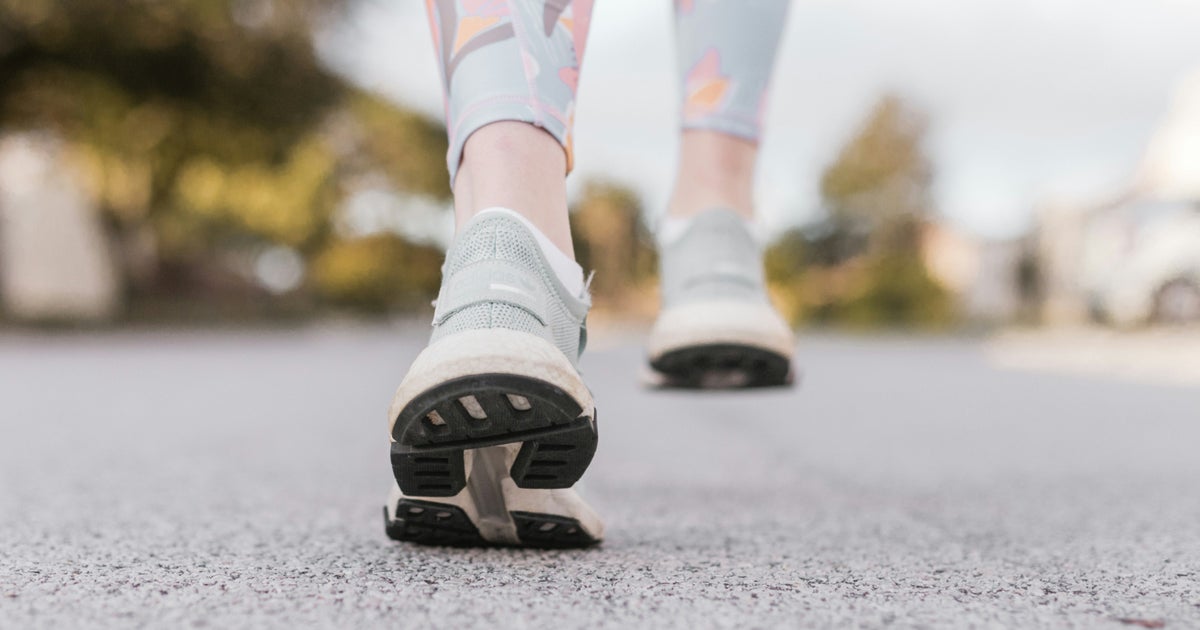
I Swapped A 10k Step Goal For A ‘3-3-30’ Method Lunch Walk – It’s Much More Efficient

Though the 10,000 steps a day “rule” is actually a marketing gimmick, there is some merit to getting a few thousand paces under your belt (or should that be soles?) daily.

Some research suggests that 7,000 steps a day can help to lower heart disease, cancer, type 2 diabetes, depression, and falls risk, and can even reduce your likelihood of all-cause mortality by 47%.

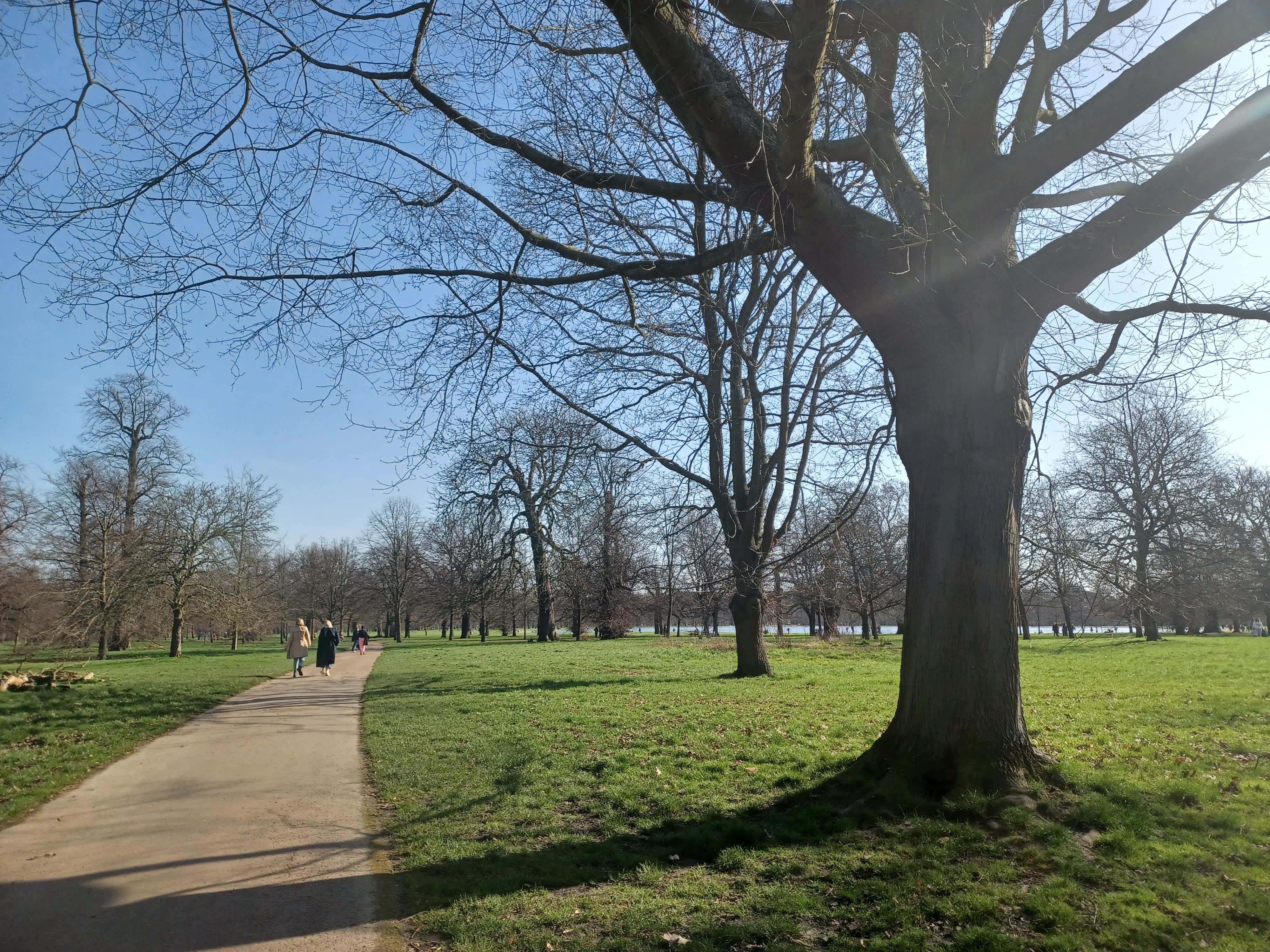
But since I gave up my sleep tracker, I’ve grown a little weary of step-counting devices too. So, I tried a 3-3-30 walk on my lunch break instead (experts say a midday stroll can help to boost our mood and health in winter and early spring).

That’s because some research says the half-hour activity could improve your blood pressure, aerobic capacity, and strength even more than “regular” walking,

What is 3-3-30 walking?

It’s a type of interval training, a bit like the “Jeffing” or “run walk run” method is for runners.

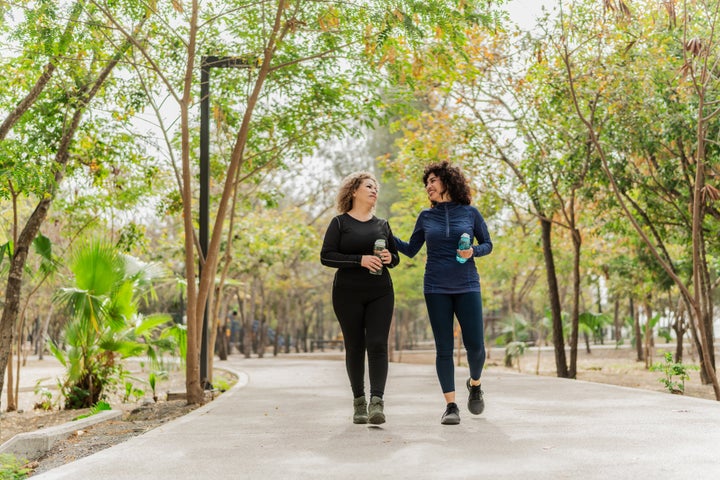
It involves walking briskly for three minutes, then more slowly for another three minutes, on repeat for half an hour.

A study into the technique concluded that “High-intensity interval walking may protect against age-associated increases in blood pressure and decreases in thigh muscle strength and peak aerobic capacity”.

These results were stronger for the interval walking group than the steady-pace walkers.

Speaking to HuffPost UK previously, doctor and consultant practitioner, Dr Hussain Ahmad, said: “If you’re aiming to maintain general health, brisk walking for at least 150 minutes a week (about 30 minutes a day, five days a week) can help reduce the risk of heart disease, improve mood, and support weight management”.

Brisker walking is associated with a 20% lower risk of early death compared to 4% for slower walkers.

Just to add the vitamin D-boosting cherry on top, doing the surprisingly efficient workout when the sun is at its highest – from 11am to 3pm – can boost your mood, sleep, and energy in the cooler months.

Some goslings and a swan that made my lunchtime walk even more worthwhile

Amy Glover / HuffPost UK

Some goslings and a swan that made my lunchtime walk even more worthwhile

So, how did it go?

I don’t know if it was because I tried 3-3-30 walking on the same day this year’s endless barrage of storms gave way to sunshine, but I couldn’t believe how much it boosted my mood.

It’s also way more practical than my noble, but unrealistic, step count goals, which sometimes required either an earlier wakeup than I can usually manage or a dark, depressing post-work stroll.

A plus: because I wasn’t checking my step count during the walk, I was able to concentrate more on the nature around me (including some impossibly cute fluffy gislings, pictured above).

That meant the walk was more sustainable, more enjoyable, and (probably) more efficient. No wonder I’ve been trying to get friends and family on board.

Share Button

I Tried 10 Walking Trends In 2025 – Only 3 Are Staying In 2026

2025 was a busy year for my step tracker. I tried “Japanese walking,” “retro walking,” “meditative walking,” “rucking,” walking earlier in the mornings, “6-6-6 walking,” “mindful walking,” strolling like a Jane Austen heroine, and “colour walking” this year (phew).

And while I only outright disliked one – “plogging,” I’m afraid, is not my cup of tea – it’d be pretty unreasonable to have expected all of these to stick.

Predictably, most have not. “6-6-6” walking, for instance, was based on great theory, but I found it a little too prescriptive in practice.

Rucking” probably did help my posture a bit. But if I don’t need a bag, I don’t need a bag; and after a couple of weeks of trying the trend, I slowly stopped looking for an excuse to fill one up (and did not buy a weighted vest).

So, I thought I’d share the three I still regularly engage in, and why I find them so beneficial.

I’ll be honest: I was a little sceptical of this walking method at first, though it’s based on research that links the method to improved blood pressure, stronger thigh muscles, and better aerobic capacity than those who walked 8,000 steps a day at a regular pace.

The idea is to walk quickly in intervals (a slower cousin of running’s “Jeffing,” AKA the “run-walk-run” method).

I walked fast for three minutes, then slower for another three, five times. That cut my daily walking time to just half an hour.

GP Dr Suzanne Wylie said at the time, “From a clinical perspective, any form of consistent, moderate-intensity walking, especially if it incorporates posture, breathing, or mindfulness as Japanese walking sometimes does, can further enhance cardiovascular and mental health”.

While that’s true, I’ve stayed “Japanese walking” for other, more selfish reasons: it’s fast, it feels more satisfying than a regular walk, and I think it’s made my quads stronger.

A more recent addition to my routine, this method has proven surprisingly addictive.

It’s simple: you walk backwards. While I did this in a park at first, which was indeed mortifying, I’ve since stuck to treadmills.

Another reason to get over the initial embarrassment? “Retro walking” has been linked to better arthritis results when paired with conventional treatment, lessened back pain for athletes, more balance, gait speed, and lower body benefits for older people than “regular” walking, and even brain boosts.

“When you walk backwards, your movement pattern changes completely: you use different muscle groups and place different loads through your joints,” Dr Wylie said.

“In particular, it tends to activate the quadriceps more and places less compressive stress on the kneecap compared to forward walking, which may explain why some people notice improvements in knee discomfort.”

That explains my real reason for sticking to the trend: it’s proven great for my worn knees.

Can you tell I love a walking trend – something quantitative, research-backed, and trackable?

That’s all well and good, but when I got injured earlier this year, I learned the importance of “meditative” walking.

Yes, it seems I needed expert advice to tell me to chill out and enjoy my walk.

“We can discuss the physical benefits of running and walking all day long, but it is perhaps the mental benefits that are most important.

“Walking… has been associated with breath regulation, decreased anxiety, decreased depression, and increased overall sense of well-being,” said Joy Puleo, pilates expert, avid runner, and director of education at Balanced Body.

“Take the pressure off doing it right, doing it too fast or too slow. Just commit to the walk, enjoy your time outside, ask a friend to join.”

This is perfect when I don’t feel up for a longer walk; in the past, I’d have given up on going outside due to worries my stroll “wouldn’t count”.

I could not have been more wrong about that, I now realise.

Share Button

Why A GP Says ‘Snowshoeing’ May Be Better Exercise Than Walking

It’s very hard to predict snow in the UK, which means we don’t yet know whether we’ll have a white Christmas.

Still, those who have access to thick blankets of fluffy flakes, like those in parts of Scotland, might benefit from “snow shoeing” in it, said Dr Suzanne Wylie, GP and medical adviser for IQdoctor.

What is “snowshoeing”?

“Snowshoeing” works more or less like you’d think it would.

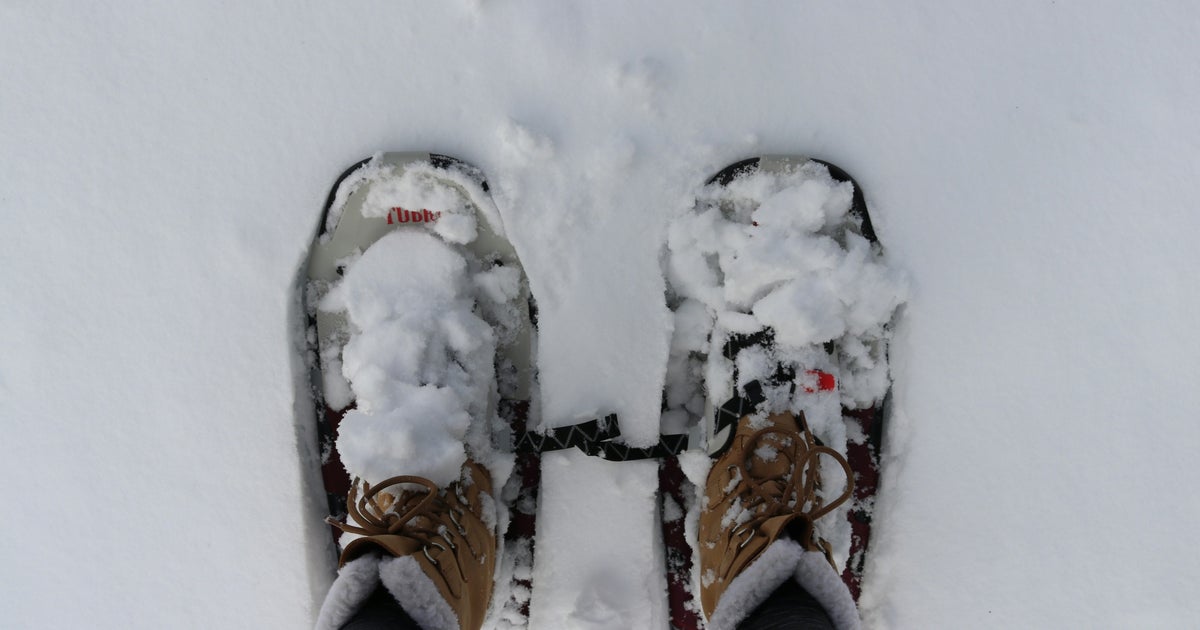
It “is simply walking on snow using snowshoes to give extra flotation and grip,” Alpine Exploratory shared.

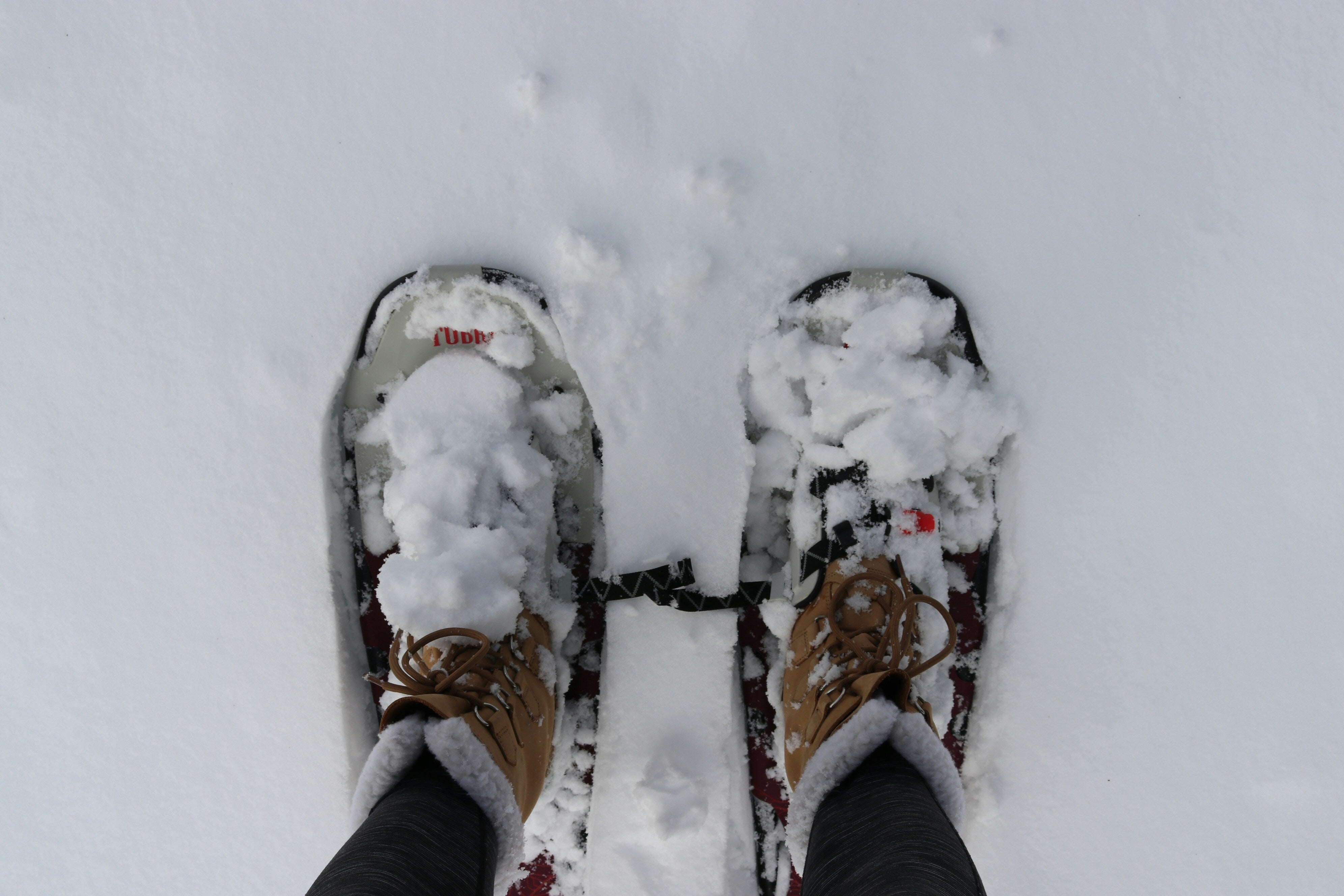
Snowshoes are frames, with spikes for added grip, that you can strap onto your walking boots to prevent sinking into deep snow.

Historians have found wooden versions of the design dating back to 3,800 BC.

And, like with “Nordic walking”, you’ll also have some poles to hold onto to propel you along.

If you’re taking an unexplored or difficult path, Alpine Exploratory recommends using a guide.

What are the health benefits of “snowshoeing”?

“Snowshoeing can offer some advantages over normal walking, largely because of the environment and the physical demands involved,” Dr Wylie told HuffPost UK.

“Walking on snowshoes requires greater effort due to the resistance of snow and the added weight on the feet, which can increase cardiovascular workload and energy expenditure compared with walking on flat, firm ground.

“This can help improve aerobic fitness and engage a wider range of muscle groups, particularly in the legs and core, while still remaining relatively low impact on the joints.”

And, she explained, the method reduces the likelihood of hurting yourself on othwerwise trickty terrain.

“The wider base of the snowshoe can also reduce the risk of slipping compared with walking on icy ground in standard footwear, although good technique and suitable terrain are important to minimise falls”.

Like other forms of walking, the GP added, snowshoeing “supports heart health, helps with weight management, and can improve blood sugar control”.

“Snowshoeing” might benefit our mood, too

All exercise can help to boost our mood, and some research suggests that mountain walking might make us happier than strolling on a treadmill.

So perhaps it’s no wonder Dr Wylie said that snowshoeing “has the added benefit of being an outdoor activity often done in natural, scenic settings.”

She continued, “Exposure to daylight and nature is associated with improved mood, reduced stress, and better mental wellbeing, which can be particularly valuable during winter months when people are more prone to low mood.

“As with any exercise, it should be approached sensibly, taking into account individual fitness levels and medical conditions, but for many, snowshoeing can be an enjoyable and effective way to stay active both physically and mentally.”

BRB – looking for the snowiest spot I can…

Share Button

Ask A GP: Should We All be Reading On The Treadmill?

I love a good walking trend, be it “retro walking,” “Japanese walking”, “Jeffing,” or “6-6-6″ walking.

But I have to confess that the first time I saw a TikTok advising me to read on a treadmill in order to finish my book faster, I thought, “That might be a literal step too far”.

To be honest, the combination sounded a little overwhelming to me. Still, it seems science may be on the side of the viral health fad.

Some studies suggest that staying active can boost your creativity, while even a short walk could help you to stay more alert ― sounds like a great recipe for immersing yourself in, and enjoying, a novel, right?

We asked Dr Suzanne Wylie, GP and medical adviser for IQdoctor, whether she’d prescribe the combo.

Should we all be “treadmill walking”?

“Treadmill reading is an interesting idea that may offer some benefits, but it also comes with caveats,” the GP told HuffPost UK.

“Walking, even at a slow pace, has clear benefits for cardiovascular health, circulation, mood, stress reduction, and sleep. Combining light walking with reading could allow you to fit in some physical activity while engaging your mind.”

But, she cautioned, pairing the two activities could prove a little overwhelming.

“Reading while walking places a dual demand on your attention, as you need to focus both on the text and on maintaining your balance and posture. This can make reading less efficient and may reduce comprehension,” she stated.

“There is also a small risk of strain or minor accidents if the treadmill speed is too fast or if posture is poor.”

And “While light walking can boost alertness and mood,” Dr Wylie pointed out that “it does not necessarily improve focus or the ability to perform complex cognitive tasks”.

How should you try treadmill walking?

“In practical terms, if someone wants to try treadmill reading, it is best to keep the pace slow and steady, maintain good posture, and avoid reading at speeds or inclines that challenge balance,” Dr Wylie ended.

“It should be seen as a light, optional way to stay active rather than a replacement for dedicated reading or exercise. For relaxation or mild stress relief, combining gentle movement with reading may be helpful, but for deeper reading or learning, sitting quietly is likely to be more effective.”

She ended, “Treadmill reading offers some modest benefits but is not a guaranteed way to improve focus”.

Share Button

Ask A GP: Is ‘Nordic Walking’ Better Than 10,000 Steps?

Amidst what can sometimes feel like a barrage of exercise advice, the NHS says that the benefits of a simple walk often go “overlooked”.

The movement, after all, is linked to better heart, brain, and mental health.

And, some posit, “Nordic walking” may be even better for you than the “regular” kind.

It’s been associated with higher calorie expenditure and less joint pain than going for a normal stroll, while some research suggests it may even ease chronic fatigue.

Here, we spoke to Dr Giuseppe Aragona, GP and medical adviser for Prescription Doctor, about why “Nordic walking” seems to be so good for us – and how it stacks up against the oft-repeated 10,000 steps rule.

What is “Nordic walking” and is it better than 10,000 steps?

Nordic walking involves using two poles to propel yourself as you walk. It was first popularised in the ’90s by skiers, hoping to build their strength off-season.

Because it involves the use of your torso and arms, it engages more of your muscles (up to 90% vs regular walking’s 50-ish %, Harvard Health said).

“In many ways,” Dr Aragona told HuffPost UK, “it offers advantages over simply aiming for 10,000 steps a day”, provided you move enough to meet fitness recommendations.

After all, she explained, the figure “was never based on robust medical evidence; rather, it emerged as a marketing concept in the 1960s.

“What we now know is that meaningful health benefits can be achieved with far fewer steps, and that the quality and intensity of movement matter just as much as the number of steps taken.”

Nordic walking may be a more vigorous activity, the GP continued, because it gets more of your body moving.

“Studies suggest it can increase energy expenditure by around 20% compared with ordinary walking at the same speed, so people often achieve a moderate-intensity workout more quickly,” she stated.

“For most adults, around 150 minutes of moderate-intensity activity per week is the recommended target, and Nordic walking is an excellent way to meet that… Nordic walking can make each step ‘count’ a little more towards cardiovascular fitness.”

Who might benefit most from “Nordic walking”?

Dr Aragona explained that the technique is an excellent choice for those suffering from joint pain, “including those with mild-to-moderate osteoarthritis”.

That’s because “The poles act almost like a support system, distributing some of the body weight through the arms and reducing the load going through the hips, knees, and ankles. This can make walking more comfortable and allow people to walk further or more confidently than they might otherwise manage.”

Additionally, Nordic walking encourages better posture and a longer stride – both of which the GP says can reduce stiffness.

And the added stability and balance the poles offer “can reduce the fear of falling and allow [people] to remain active, important for joint health in the long run”.

The sport, which is often associated with older people, can “be an excellent full-body workout for any age group,” as “It strengthens the core, improves coordination, and provides a cardiovascular boost without the higher impact of running,” Dr Aragona shared.

“Younger adults who find walking ‘too easy’ often enjoy the increased challenge and pace they can achieve with poles,” she ended.

“It can also be ideal for people recovering from injury, those who want a low-impact form of cross-training, or anyone looking for an outdoor activity that improves fitness and strength simultaneously.”

Share Button

The 15-Minute Lunch Change An Expert Says May Banish Your Afternoon Slump

It feels like we went from 9pm sunsets to a black sky at half bloomin’ four in a matter of seconds.

And with increasing darkness comes the onset of seasonal affective disorder (SAD) and vitamin D deficiencies for some. That’s not to mention potentially dysregulated sleep and decreased physical activity, either.

So perhaps it’s no wonder that Brenig Moore, health and safety and technical officer at Astutis, told HuffPost UK: “Lunch breaks matter all year round, but more so over the darker seasons of autumn and winter”.

In fact, Moore said, a 15-minute change to your lunch break could be considered a “basic safety requirement”.

You should go for a walk on your lunch break in winter

Sunlight during winter is scarce, which can deplete your stores of vitamin D and even disrupt your sleep.

But it will likely be too dark to get enough of that sweet sunlight on the other side of your work day.

So, the Royal Osteoporosis Society’s advice – “to let the sun shine on your face or arms for about 10 minutes between 11am and 3pm” – might be best achieved for many on their lunch break.

“It is a basic safety requirement to get out and take a small walk for at least ten minutes to boost your alertness, mood and energy,” Moore revealed.

He added, “Short days mean your body’s natural wake/sleep cycle is disrupted. Even just fifteen minutes outdoors can help you avoid that mid-afternoon slump that leads to mistakes, stress and burnout.”

Even your joints struggle in the colder, more sedentary months, he continued.

“Cold weather tightens muscles and joints, and what’s going to make that even worse is sitting in the same office chair all day… Moving at midday resets posture and reduces aches that lead to long-term issues.”

It may be especially useful in times of high pressure, the health expert stated: “Winter workloads spike, but powering through kills efficiency… The people who pace themselves work smarter, not longer. A 30-minute break can save hours of tired mistakes.”

What are the other benefits of taking a walking break this winter?

“You may find your mood to be a lot lower in winter than it is in summer, and this isn’t uncommon,” Moore said.

“A break in natural light helps keep serotonin levels stable, and stops stress building up and overwhelming you.”

Not enough motivation?

“Constant screen time drains the brain. Stepping away at lunch resets concentration and judgement, which will lower the risk of accidents happening both at work and at home,” the expert ended.

“By going out and resetting your brain, you’re less likely to come back to the office or your laptop and make any mistakes. Some accidents may just be something as simple as not including an attachment in an email, but some accidents may be something that could cause injuries for you or others in the workplace.”

BRB, just putting my trainers on…

Share Button

This 1 Type of Walking Could Be The Key For Upping Your Step Count Without Wrecking Your Body

Want to add some extra challenge to your walk? Or want to tone down your too-tough run? “Jeffing” may be your answer.

Jeffing is a training method that comprises both running and walking intervals during a workout. It was founded by Jeff Galloway, an Olympic runner, who came up with the run-walk concept to help folks of all levels run further, protect themselves from injuries and enjoy running more, according to Galloway’s website.

The method is known by a few different names, such as the Galloway run-walk program and the run-walk method, but they all have the same goal: to help people build endurance, run faster and move more by employing both running and walking intervals during a workout.

Here’s what jeffing might look like: Going for a two-minute run followed by a three-minute walk and repeating that a few times for a full workout.

Whether you’re a runner or not, jeffing is a way to make running more accessible and for your step count to skyrocket in the process. Here’s what to know:

‘Jeffing’ is useful for runners of all levels, but is especially valuable for beginners.

Jeffing is good for anyone to try, whether you’re running a marathon or lacing up your shoes for the first time ever.

“I’ve always thought of Galloway’s run-walk as taking what he did when he was an Olympic runner … and … [bringing it] to people like my mom who never thought that they could be a runner,” said Randy Accetta, the director of coaching education at the Road Runners Club of America and founder of Run Tucson.

Runners training for races are known to employ this run-walk (or run-jog) method in their training, Accetta added.

While jeffing can help someone running a high-stakes race cross the finish line, it can also be a particularly good strategy for new runners, said Jeff Dengate, the runner-in-chief for Runner’s World magazine.

“We’ve seen this time and time again where somebody [takes] up running, they head out their driveway, and they think, ‘I have to be a runner. I have to be fast,’ so they get down the road and they’re just cooked, they’re just exhausted,” Dengate said.

For new runners, having a run-walk strategy can keep that exhaustion from happening. “It’s a really good introduction to running,” said Riley Buchholz, the men’s and women’s cross country coach at Temple University in Philadelphia. And it can be protective.

“A lot of people don’t realize that whenever you’re running, you’re applying three to four times your body weight [on your joints] — so, it’s a lot on the body to handle, especially if you just start pumping out miles at a harder effort that you aren’t used to. It takes time to adapt to that,” Buchholz explained.

A mix of running and walking when you head out to the trail or track can help protect your body from that impact.

Jeffing is a run-walk method that can help build up endurance and muscle strength.

FG Trade Latin via Getty Images

Jeffing is a run-walk method that can help build up endurance and muscle strength.

It can help build up strength and endurance.

Don’t let the walking fool you. If your goal is to build up your running capability, this jeffing still has a place in your training.

Alternating between running and walking can help you build up your lung capacity, endurance, and muscles, noted Buchholz before adding, “Anytime you’re exercising, you’re getting better.”

“It helps a lot of people build, not only the stamina, the endurance, but also speed,” Dengate said. “Runners can get faster by using those little walk breaks as well.”

Jeffing is also a good way to learn your preferred pace and effort, Buchholz said.

It takes some of the pressure off running, too.

Anyone who has gone for a run knows the feeling of wanting to stop for a break but feeling guilty about the pause. While there is never a reason to feel guilty (movement is movement), jeffing helps take away those bad feelings during exercise.

“It gives us all the opportunity to exercise without having to feel bad about wanting to stop,” Accetta said. “In the Galloway run-walk, you [intentionally take] the walk breaks. So you know going in that you’re going to run for five minutes and walk for a minute.”

That way, when you’re done with your workout, you can proudly check it off your to-do list because you set out to run and walk from the beginning, Accetta added. “And that’s different than, ‘oh my god, I’m so tired, I need to take a nap. I need to stop walking’ and then stressing whether … you’re ‘quitting’ or not.”

Here’s how to try it:

While some people choose to follow a formula such as one-to-one efforts (meaning, for example, five minutes of running followed by five minutes of walking), there really isn’t a hard-and-fast rule, according to Accetta.

“I think the beauty of … jeffing, or run-walk, is that you can manipulate the effort and rest intervals to fit the physical and emotional needs of the athlete as well as the terrain,” Accetta explained. “For me, there is no perfect ratio.”

It’s all up to you how you start. New runners could try running for 30 seconds, followed by a three-minute walk, or even 15 seconds of running, followed by a three-minute walk. Experienced runners could run for 10 minutes and follow it up with a 30-second walk. There is no wrong formula.

Buchholz said he generally recommends a one-to-four ratio for beginner runners. “Normally, the running is the one and the four is your walking,” he said.

This means if you’re moving for 20 minutes, five minutes can be spent running and 15 can be spent walking, Buchholz said.

If you do want a specific formula, Dengate said there are run-walk calculators online that can help you determine your pace and timing based on your mile time.

When it comes to pace, there are a few things to keep in mind. An everyday jog pace shouldn’t totally deplete you, according to Dengate. “We usually say to use the talk test. If you can’t carry a conversation with the person next to you, you’re probably running too fast on most days.”

“But then, how fast do we do those walk intervals? It’s not a full recovery — you want to walk with purpose … I like to tell people, move like you’re a New Yorker going down the sidewalk. You’re getting somewhere,” Dengate explained.

If you slow down too much during your walk interval, it’s hard to start running again, Dengate added.

Movement should feel good and rewarding, so take the pressure away and keep that in mind when you head outside for your weekly jeffing.

“Far too often we thought of running as punishment for other sports, or it’s something I have to do,” Dengate said. “I like to remind people, running is something we get to do. We’re fortunate enough to be able to have that opportunity to go out and spend that time doing it, so go have fun with it.”

Share Button

‘Zone Zero’ Exercise Is The Workout You Don’t Even Know You’re Doing – Here Are Its Benefits

Good news for fellow slow runners: it turns out zone two cardio, which sees joggers plod along at a conversational pace, is incredibly good for us.

Professional runners spend about 85% of their training doing that sort of low-impact activity. It puts runners at about 60-70% of their max heart rate.

But if even that sounds a little too much, zone zero movement (yes, really) might be the under-appreciated, super-low-effort way to keep you active without a pricey gym membership or even a pair of trainers.

Never putting your heart above 50% of its max rate, it can be done accidentally – it’s that easy and approachable.

What is zone zero training?

Primary care organisation The Lanby describes zone zero training as a kind of “active rest” – it “aids in active recovery, ensuring your body is ready for the next challenge”.

It means your heart rate never goes above half its maximum level, as we mentioned above. Your max heart rate changes by age: in general, it’s calculated by subtracting your age from 220.

So, say you’re 30 years old. Your max heart rate is around 190; and zone zero training will never see your pulse go above 95 beats per minute.

It can include slow walking, gentle cycling, and yoga. But popping to the shops, doing a bit of light tidying, and pottering around in the kitchen count too.

What are the benefits of zone zero training?

Zone zero training is not only a great way to make exercise accessible to those who might find the idea of a full-on workout a bit much, but active recovery also benefits active people as it helps to flush out waste material that builds up in tired muscles.

Some experts think that those who work out might subconsciously compensate for the added load by not engaging in zone zero moves (like tapping your foot or taking an extra few steps) throughout the day. Remembering to include zone zero work in your routine might help this.

Taking a short stroll after eating, in particular, might help to even out your blood sugar, too. And some suggest that pottering can keep you alive for longer.

What are some examples of zone zero training?

These can include:

  • Stretching at your desk
  • Light walking
  • Yoga
  • Walking meetings
  • Rolling your feet on a roller or ball as you work
  • Gently yoga
  • Slow cycling
  • Tidying
  • Cooking.

Parking a couple more metres away from work than usual or popping to the shops instead of ordering in can all add up.

That’s not to say that zone zero training should replace current health guidelines – the NHS says we should stick to 75 minutes of high-intensity or 150 minutes of moderate-intensity (over 50% of your max heart rate) activity a week.

Not doing so has been linked to shorter, less healthy lives.

Still, going from no activity to some has enormous health benefits too – and whether you find yourself intimidated by intense exercise or are struggling to properly recover from your most hardcore workouts, zone zero may offer an approachable answer.

Share Button

I Swapped 10,000 Steps A Day For 30 Minutes Of ‘Japanese Walking’ – I’ve Never Been More Active

Even though I love running and regularly go to the gym, facts are facts; I work from home and don’t love a long evening ramble. As a result, I regularly fail to get 10,000 steps a day, even though that’s been my goal for years.

All my “Jeffing,” VO2 max training, and treadmill interval sessions were not enough. I average around 6,500 steps daily, and my ongoing attempts to hit the 10k target have proven unsuccessful and inconvenient.

I tried walking after work (a non-starter), taking a lunch-break stroll (sometimes useful, but mostly impossible due to the Endless Kitchen Tasks working from home seems to highlight).

So, you can imagine how happy I was to read about “Japanese walking,” the strolling style said to be as good for us as 10,000 steps, while taking a fraction of the time.

Ironically, despite spending less time walking, my average steps are up to 8,100 a day.

What is “Japanese walking”?

Japanese walking, also known ‘the 3-3 walking workout’, is essentially the interval training of the walking world. It was developed by Professor Hiroshi Nose and Associate Professor Shizue Masuki at Shinshu University in Matsumoto, Japan.

Like “Jeffing,” which sees runners intersperse periods of high-intensity running with walking, Japanese walking packs bursts of intense stepping into a stroll.

Specifically, it asks you to walk for three minutes at a fast pace and slowly for another three minutes. Repeat this five times for a 30-minute workout.

The 2007 paper that the method’s inventors wrote found that, among middle-aged participants, those who tried “Japanese walking” left with lower blood pressure, stronger thigh muscles, and better aerobic ability than those who either did not walk or walked 8,000 steps a day at a moderate pace.

“High-intensity interval walking may protect against age-associated increases in blood pressure and decreases in thigh muscle strength and peak aerobic capacity,” the paper reads.

Dr Suzanne Wylie, a GP and medical adviser for IQdoctor, told HuffPost UK: “Even a modest 30-minute walk delivers remarkable cardiovascular benefits, reducing the risk of heart disease and stroke whilst improving blood pressure control.

“Regular movement helps maintain a healthy weight and strengthens muscles and bones – a crucial factor as we age, to help prevent osteoporosis and preserve mobility.”

A recent early walk (I usually hate them, but Japanese walking made it more bearable)

Amy Glover / HuffPost UK

A recent early walk (I usually hate them, but Japanese walking made it more bearable)

I’ve never found walking easier or more fun

Having tried the method myself, it’s safe to say I’m never going back.

Somehow, knowing the walk is going to take a maximum of half an hour means I’m much more open to the idea.

I walk more often, enjoy the time more (I think that the three-minute-on, three-minute-off approach makes the exercise go by much faster), and have even upped my step average by a couple of thousand per day.

“From a clinical perspective, any form of consistent, moderate-intensity walking, especially if it incorporates posture, breathing, or mindfulness as Japanese walking sometimes does, can further enhance cardiovascular and mental health,” Dr Wylie shared.

As a recent convert, I couldn’t agree more.

Share Button

The One Thing You Should Be Doing After A Big Meal To Improve Your Health

Is there anything more satisfying than the feeling after a big meal? You’re full, you’re a little sleepy, and you’re satisfied. In fact, for some (me), it’s the ideal time to just nod right off and have a cheeky 20 minute nap.

In fact, the Christmas Day nap after the huge dinner is a highlight of the day for me.

However, apparently, what we should be doing is not napping but actually, walking. I know, I know, I’m disappointed too, but I think the health benefits may make it worthwhile.

According to @nikkithepa, an aesthetics, emergency and functional med physician assistant and TikTok creator, going for a walk after a big meal has a multitude of health benefits.

@nikkithepa

Taking a walk after eating can significantly improve digestion and enhance overall metabolism. 🍽️🔬 When you engage in gentle physical activity, like walking, it helps stimulate your digestive system, aiding in the breakdown of food and absorption of nutrients. It also encourages the movement of food through your gastrointestinal tract, reducing the likelihood of discomfort and bloating. 💪🌟 Moreover, walking after a meal has been found to positively impact blood sugar control. After you eat, your blood sugar levels rise, but walking can help your body utilize glucose more effectively. This means it helps prevent sharp spikes and dips in blood sugar, which is particularly beneficial for individuals with diabetes or those aiming to manage their weight. 📊🥦 Post-meal walks can also contribute to weight management. Engaging in light exercise, like walking, increases the number of calories burned, assisting in weight maintenance or even weight loss over time. It’s a fantastic way to stay active without putting excessive strain on your body. 🏃♀️🌈 So, why not make post-meal walks a regular part of your routine? Not only will you optimize digestion and metabolism, but you’ll also enjoy the added benefits of fresh air, stress reduction, and a chance to connect with nature. 🌳🌼 Remember, it doesn’t have to be a vigorous workout. A gentle stroll around the block or a nearby park is all it takes to reap these scientifically proven advantages. 💚✨ #PostMealWalks #ElevateYourWellBeing #HealthyHabits #weighloss #glucosecontol

♬ Don’t Let Me Go – Lane 8 & Arctic Lake

Why you should go for a walk after a big meal

In a recent video, Nikki says that this is the most simple but effective health habit you should be adding to your day for these x reasons:

Can help with digestion

Taking a short walk after a meal improves digestion. This is because walking helps to stimulate the muscles in your abdomen, promoting the movement of food through your digestive system.

Helps with blood sugar control

Nikki says: “By engaging in a post-meal walk, your muscles become more receptive to glucose uptake, allowing them to efficiently utilise and absorb the sugar from your blood stream.”

She adds that this helps regulate your blood sugar levels, preventing sharp spikes and crashes, promoting a metabolic balance.

It offers mental and emotional benefits

Nikki said that as you walk after a meal, your brain releases “feel good neurotransmitters” like serotonin and endorphins which improve the mood and reduce stress levels as well as enhancing overall mental wellbeing.

Nikki advises walking between 30 minutes to an hour after your meal and your walk only needs to be 10 to 15 minutes.

We’re off to get our steps in….

Share Button