Common Scent May Boost Your Mood, But Only In These Situations

Some experts think that, be it through the placebo effect of plain ol’ distraction, eating sour sweets may help those with anxiety through stressful smells.

And research suggests that the smell of mint can help those feeling tense, too.

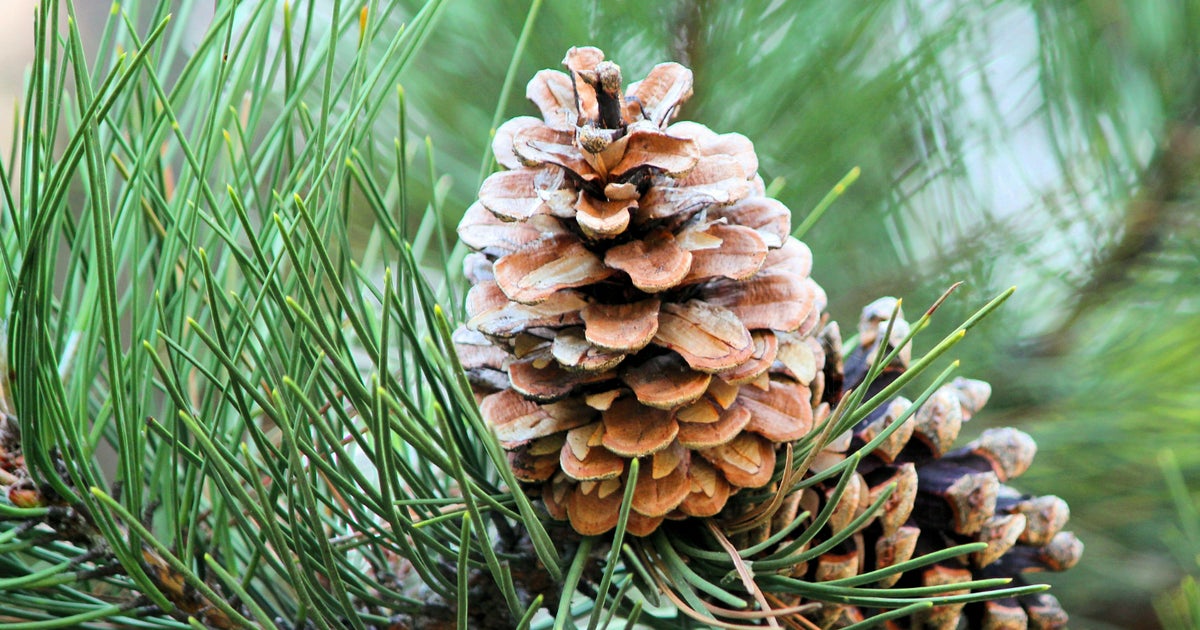
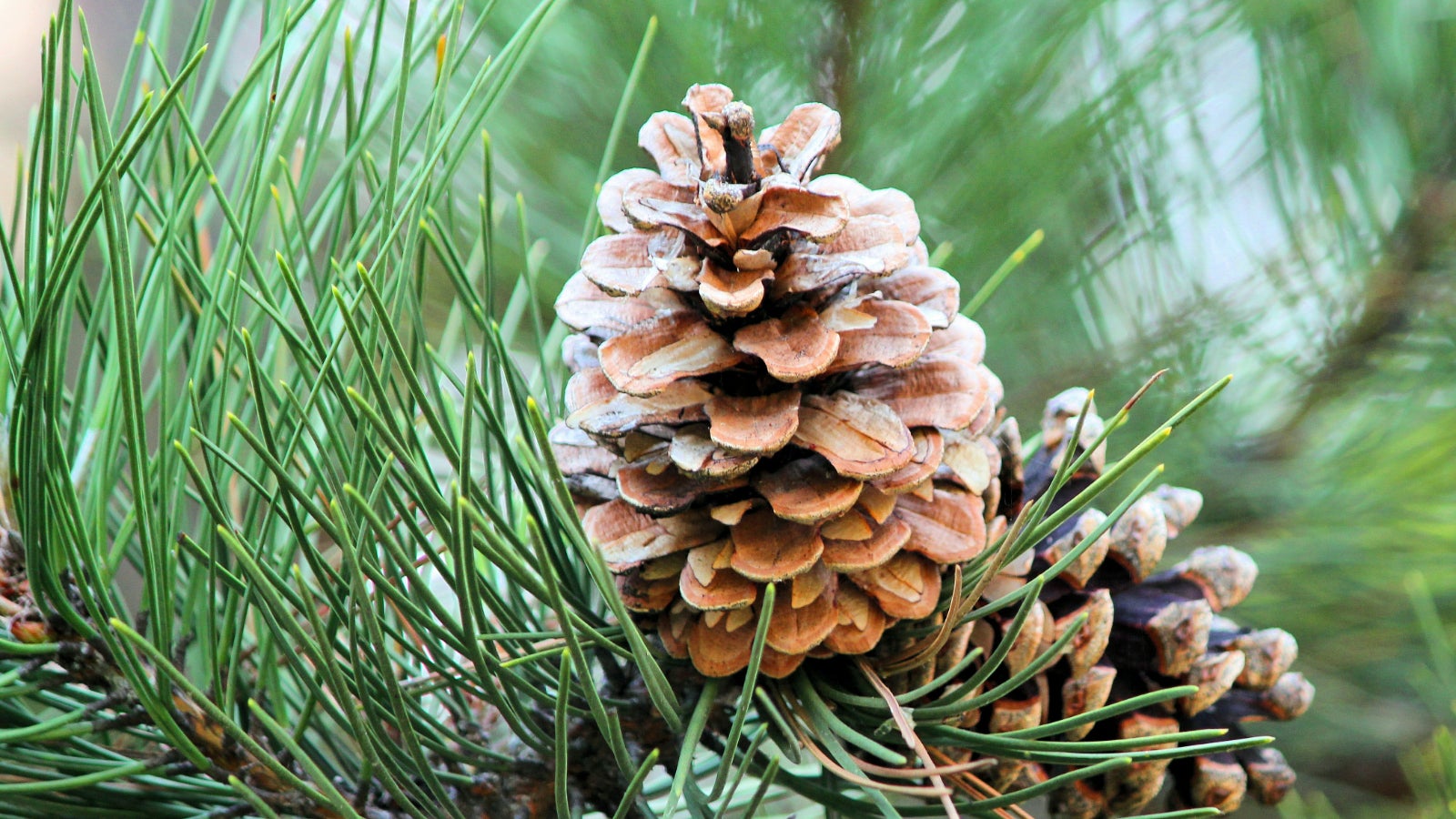
A more seasonal smell, pine, has been linked to increased activity in the areas of the brain responsible for “judgment, feeling, motor activity of the frontal lobe, as well as the memory area of [the] temporal lobe,” too.

Speaking to the BBC, Baroness Kathy Willis, an Oxford University biodiversity professor, said that the smell of a pine forest can make you feel calmer in as little as 90 seconds; an effect which can last as long as 10 minutes.

But a paper from 2001 found that while the scent of pine might soothe us, it only does so in certain contexts.

Why might pine boost our mood?

A 2022 paper reads: “Unlike other senses, smells are unique in the mechanism with which they affect cognitive processes, and subsequently our emotions, memories, and perceptions of the world around us”.

That same paper said that woodland smells “affected multiple domains of wellbeing with physical wellbeing discussed most frequently, particularly in relation to relaxation, comfort, and rejuvenation” among participants.

But the 2001 paper we mentioned earlier suggests the smell of pine trees might have a different effect on us than, say, a pine-scented cleaner.

“Let’s say you have an essential oil, or a real tree or a chemical fabricated for a cleaning product. If a person is blindfolded and smells each of these samples, the perceptual experience would be the same,” neuroscientist at Brown University, Dr Rachel Herz, said she learned from the 2001 research she co-authored.

Speaking to Popular Science, she added, “Where context really comes into play is in the interpretation.

“If I’m standing in the bathroom opening a bottle of pine cleaner to clean the toilet, that pine smell is going to have a completely different connotation for me”.

She continued, “You could consciously experience that nostalgia, but what’s going to happen first is you’re going to have that mood boost, and that happy feeling… Then you might reflect on a memory of a time you went camping as a child, for example, but that is not necessary.”

In other words, the smell of pine, which Dr Herz describes as being very “psychological,” is likelier to boost your mood if you associate it with happy memories first.

As a result, pine trees, which could remind you of Christmas, may make you happier than a whiff of pine-scented floor cleaner.

Why do cleaning products smell of pine to begin with?

A 2022 BMJ article argued that though “the scent of pine in the home may now be predominantly artificial and the forest itself is absent, a strong connection remains with historical concepts that associate pine odour with health and cleanliness”.

That’s because, they suggested, “The influence of Germany as a pioneer of sanatorium treatment for tuberculosis led to mountainous and forested locations becoming seen as the ideal place for sanatoria”.

Those seeking treatment for conditions like tuberculosis in the UK, they posit, were then exposed to the “borrowed” concept of “therapeutic pine-infused air”.

And over time, doctors may have started to believe in an inherent cleanliness linked to the plant, a link that cleaning companies might have taken advantage of. Take health company Sanitas, they say, an 1879 advert from which reads: “The Health Giver; Or, the Pine Forest at Home”.

The authors added, “The continued use of pine in cleaners suggests that it has remained an indicator of cleanliness and still considered to smell ‘good’, even if it is gradually being usurped by other smells or even products that promise not to smell at all”.

Share Button

So THAT’s Why There Are So Many Acorns This Year

You might have noticed very early browning of leaves this year, as well as a premature blackberry bounty.

That’s partly because this heatwave-packed year has sparked sooner flowering and fruiting, and sadly, drought has left many trees stressed.

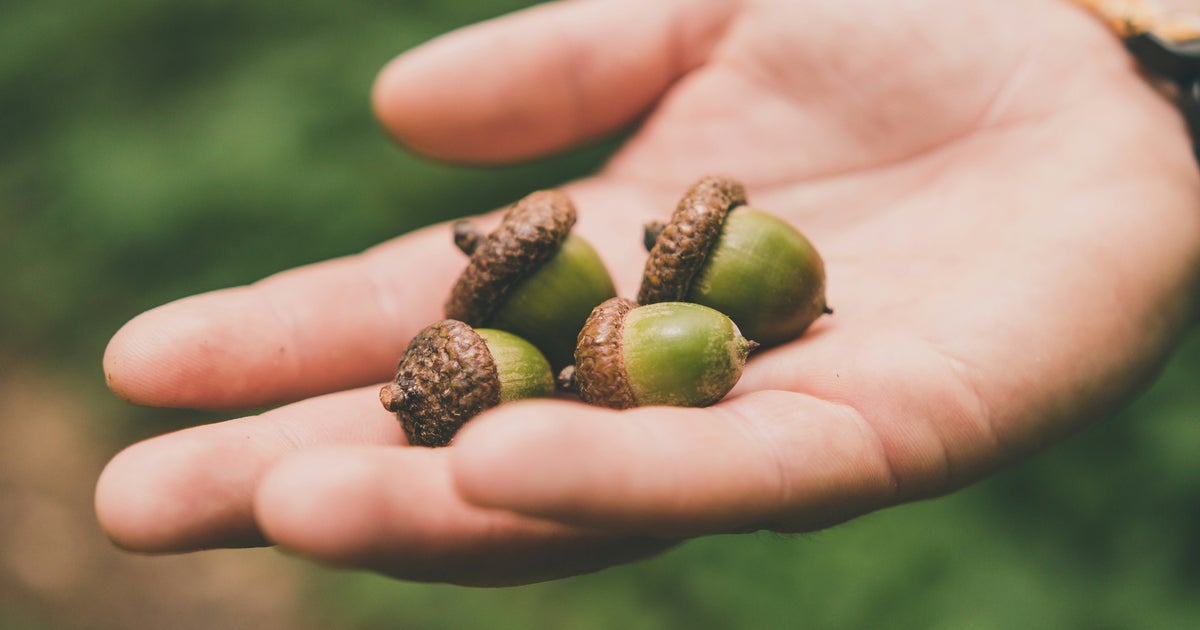
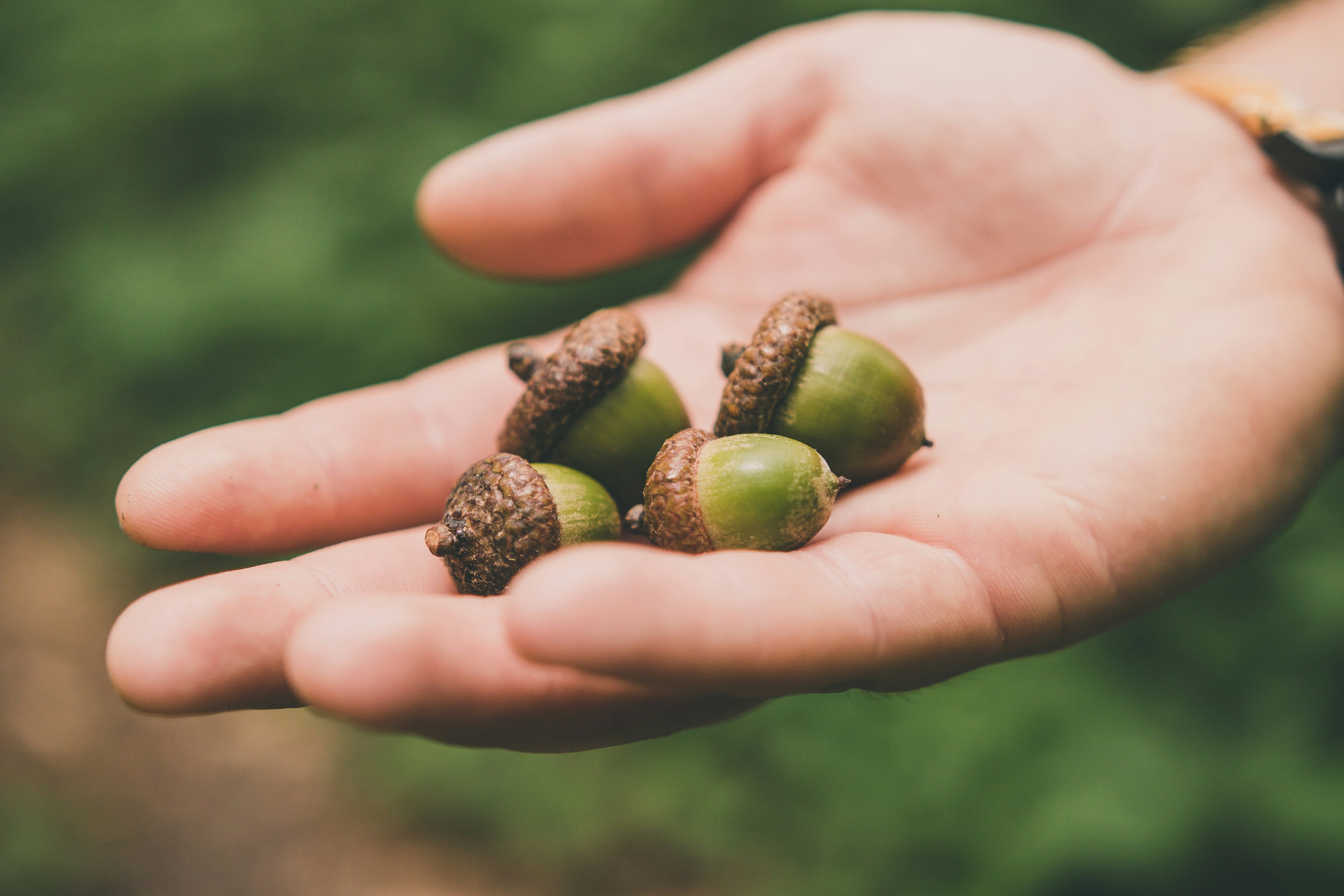
But if you’ve noticed far more acorns on your forest floor than you’re used to, there may be a different cause – it seems oaks are experiencing a “mast year”.

What is a “mast year” for oak trees?

Both oak and beech trees (which produce beech nuts) experience this phenomenon, the Woodland Trust explained.

“Mast” refers to all the fruits and nuts trees release in autumn to allow them to reproduce. It comes from the Old English word “mæst”.

So, when oak and beech trees – whose seed output can change enormously from year to year – have a particularly high-yielding autumn, this is called a “mast year”.

Why do mast years happen?

We don’t know, but experts have theories.

Some think this is down to “predator satiation”, or making more food than animals who eat acorns and beech nuts (like squirrels, badgers, and mice) can realistically consume.

Because the output is so unpredictable, populations of these predators cannot optimise for the amount of seeds the trees put out. In other words, the theory goes, animal populations and eating habits would evolve to match and eat the exact amount of nuts the oaks release – leaving none to grow into other trees.

By making too many acorns some years, the plants ensure there are some left behind to grow after the feeding frenzy. And because acorn production was lower in the previous years, predator populations aren’t big enough to get through them all.

But the cost of doubling down on seeds and nuts is not insignificant. It uses so much energy, the tree’s growth might be slightly stunted.

That’s why “mast years” only happen roughly every five to 10 years.

Share Button

UK Gardeners Urged To Pee In Watering Cans For 2 Surprising Benefits

The UK’s recent heatwave has ended (for now), meaning watering and mowing rules have gone back to normal for gardeners.

Still, a bowl of water left in your garden remains useful for animals like hedgehogs, and though this week is safer than last for trimming your grass, you might want to keep your cut shreds on the lawn.

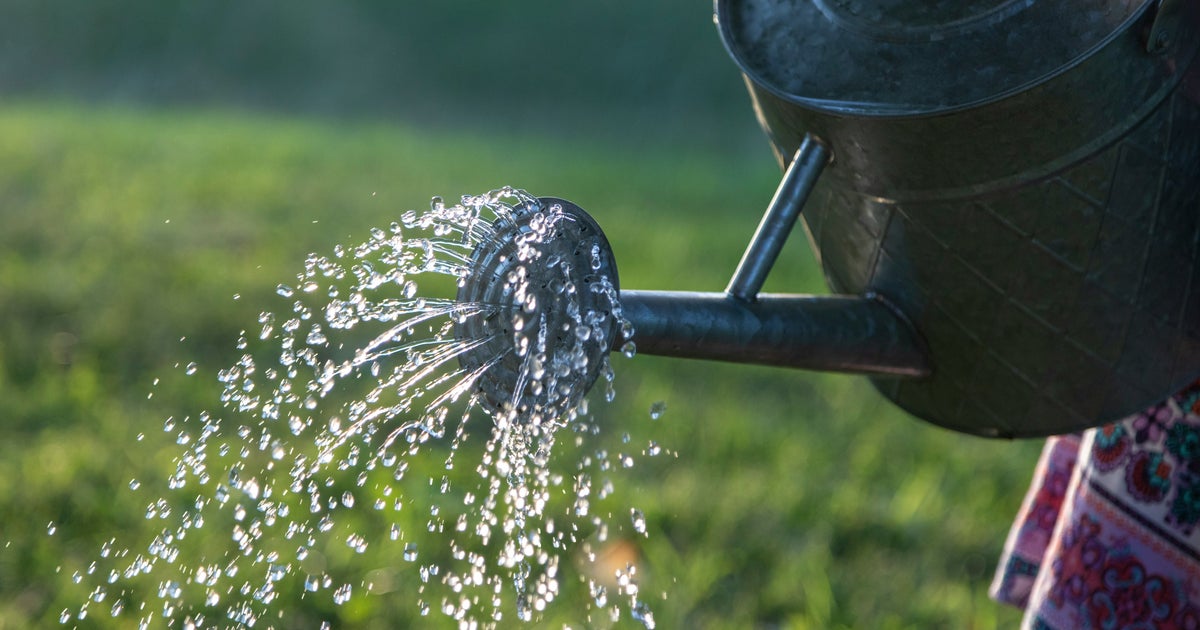
And according to author and former garden manager for various Royal Horticultural Society and National Trust sites, Simon Akeroyd, apparently, we should be peeing in our watering cans too.

“Sorry if this horrifies you,” a recent Instagram Reel of his read, “But the key to successfully growing plants is natural fertiliser.”

Why pay for specially-made products, the gardener argued, when “you have free access to the best natural stuff out there” – pee?

How could pee possibly help plants grow?

Calling your very own liquid gold the “best plant food” out there, Akeroyd shared that wee is “high in the three main plant nutrients needed for healthy plant growth – nitrogen, phosphorus and potassium.

“It’s particularly high in nitrogen,” he continued.

Nitrogen is key to plant health as it provides the building blocks of their DNA (though too much isn’t great for them either – nitrogen created by sewage can throw off the ecosystems of waterways, leading to too much algae).

That may be why Akeroyd recommends diluting your free plant feed “at a rate of about ten parts water to one part wee.”

Once placed in a watering can, t can be used to treat plants “once a week,” he added.

The expert isn’t alone – a 2017 paper published in Environmental Science and Technology reads, “Human urine contains significant amounts of N (nitrogen) and P (phosphorus); therefore, it has been successfully used as fertiliser in different crops.”

“Humans have been collecting urine and using it for fertiliser for a long, long time, but then in the west that really stopped with the invention of [the] sewage system,” Dr Krista Wigginton, who researched the topic, told The Guardian.

“We are just trying now to figure out with this infrastructure system that we have, how do we pull back and think differently about what goes into this sewage system and capture some of those valuable products before [they] get mixed and diluted with everything else?”

Does pee get rid of foxes?

Some people report that male human pee, and especially the first one of the day, can repel foxes by interrupting their scent markers.

“Once the fox’s scent has been masked, they will feel more vulnerable and leave your garden altogether. This is a free, effective, if not a bit strange way to get rid of foxes without killing them,” Shield Pest Control wrote.

As Black Foxes UK said, there’s no empirical evidence to prove this definitely works yet.

But hey – if you’re using it to feed your plants anyway, it might be a welcome side-effect.

Share Button

Before Moving A Snail, Do This 1 Thing To Avoid Injuring It

As we move into the sunnier months, we’re likely to spend more hours sunning ourselves in gardens and parks.

Of course, this means sharing space with all sorts of critters as, realistically, it’s their home and we’re just the fair-weather visitors.

Yet if you spot a snail who’s a little too close for comfort, before you go scooping it up there is one thing you should do to keep them safe and unharmed.

How to safely pick up a snail

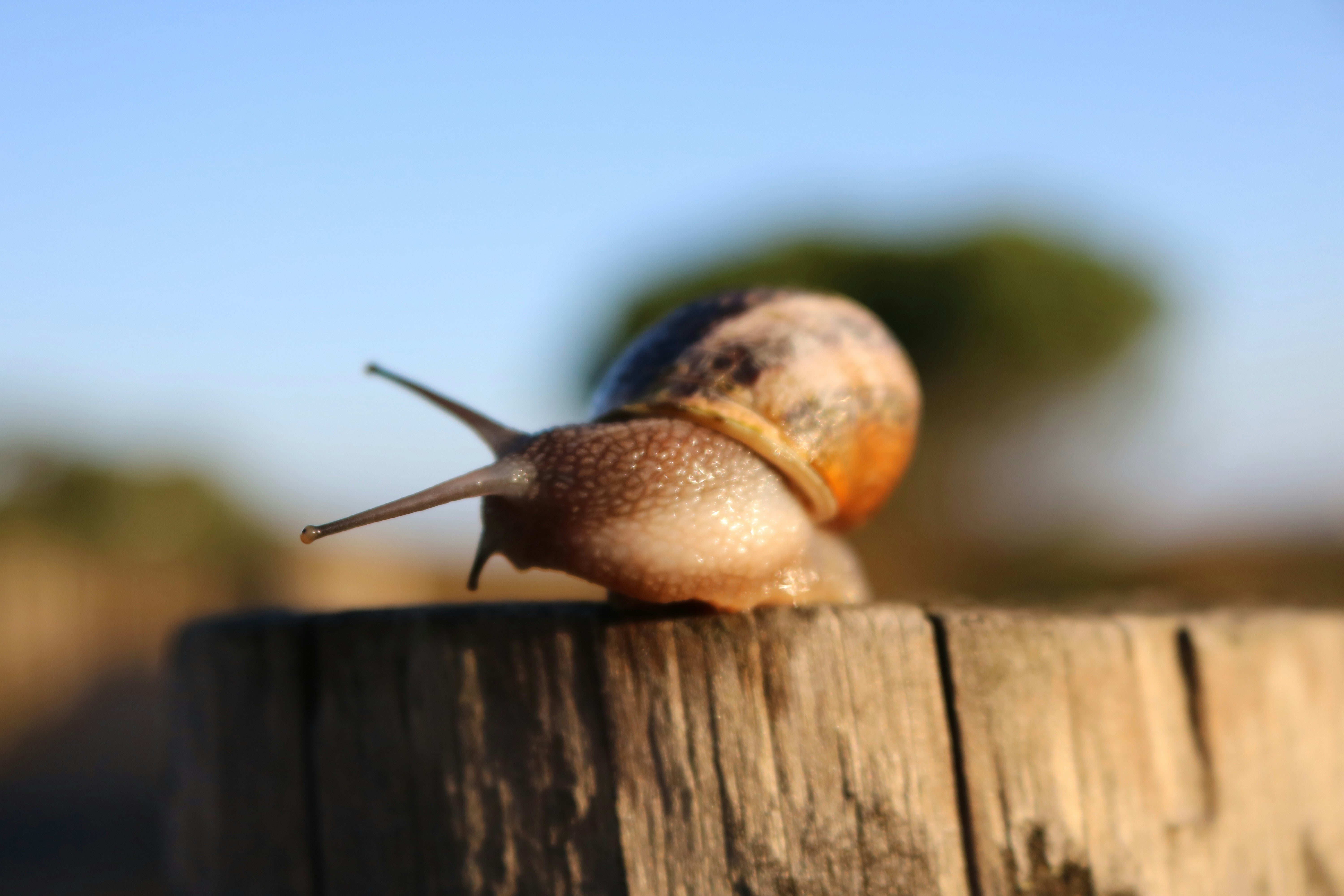
According to self-confessed ‘nature nerd’ Bug Woman, we should be tapping snails’ shells to give them time to retract before moving them.

On her website she explains: “If you suddenly pick up a snail in order to, say, move it off of the pavement so that it doesn’t get trodden on, the snail feels pain as it is ripped away from the ground.

“However, if you give the shell a gentle tap first, the snail will withdraw, and you can pick the snail up without causing it any discomfort and move it to a more suitable location.”

TikTok user Amy Coan also does this, and shared a video explaining how it works…

One user commented: “I always encourage they walk into my hands first cause I like having them walk on me whilst I call them cuties, then it’s tap and go.”

Another added: “You can also slide the back of your nail underneath them from their front, it breaks the suction and they lift right off. Prevents mantle collapse, these little beasts deserve the love and care.”

We couldn’t agree more.

Share Button

UK Gardeners Advised To Do These 6 Tasks In March

When I texted my partner, “You won’t believe what I’ve just seen!” this morning, I think he figured I’d witnessed a crime.

Nope ― it’s just that my 7:45 return from the gym was bathed in real, blue-skied sunlight. That felt unthinkable even two weeks ago.

This sign of life sounds the first death knell for February, to which I say, good riddance. Spring is on its way; intrepid blossoms take their first floral gasps of above-0° air, and the garden begins to return to its verdant glory.

Of course, all this comes with a downside (or upside, depending on your perspective). Don your dormant gloves, gardeners ― we’re back to work!

Here are the tasks experts advise finishing in March:

1) Plant and sow

Now’s the time to plant everything from summer-flowering bulbs to new roses to shrubs, climbers, and wildflower seeds.

You can also sow onions and shallots, alongside other hardy veg like cabbage, lettuce, early potatoes, broad beans, radish, and cauliflower.

2) Prune roses

For the most bountiful display in spring and summer, it’s important to prune roses and climbers early on in the month ― dogwoods and willows will benefit from a harsher cut-back now too.

3) Weed, even if the weeds don’t look all that damaging

We’ve written before about how tackling perennial weeds before summer hits is key, even if they don’t look like they’re doing much harm.

They’ve growing thick, hard-to-remove roots at the moment; lift them and their roots from the ground as soon as you can to save yourself a horticultural headache later.

4) Get ahead of slug infestations

Slugs and snails seem to wake up the second your prized veggies do (funny, that).

Try biological controls or alternatives to keep their numbers in check ahead of spring.

5) Check for aphids too

Tender new stems don’t stand much of a chance against swarms of spring aphids. Manually remove them before the problem goes out of control.

6) Deadhead spring flowers

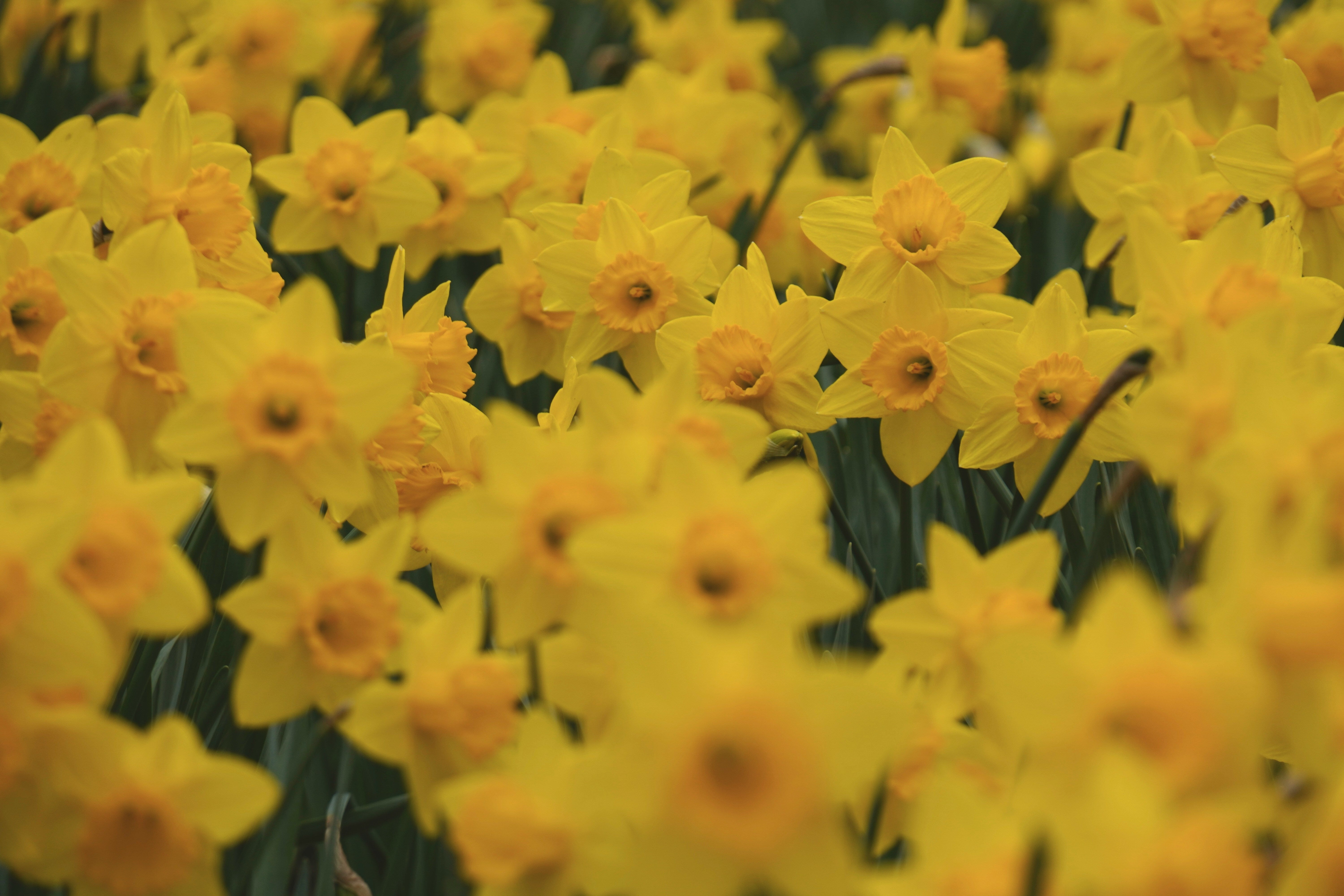
We were all excited when the first daffodils puffed their yellow chests up, but it’s important to deadhead those who have since wilted.

That’ll ensure an equally resplendent show next year, especially if you feed the bulbs with tomato feed.

Share Button

Gardening Expert Shares The Plant Every New-Build Owner Should Grow

For a nation of people who really seem to enjoy nature, it doesn’t seem like most Brits are getting anything like enough of it. Research from house-builders Redrow found that roughly “One in four (Brits) haven’t seen worms (27%), a butterfly (26%) or snails (24%) in the last month.”

In a way, it makes sense. “9.7 million people were estimated to live in rural areas in England in 2020, compared with 46.9 million people in urban areas,” Government figures from March 2023 show.

It can be hard to find the space to grow a gorgeous green garden in a bustling city – and even if you have a bit of room, new build gardens can feel impossible to sow and grow in.

The shallow, compacted soil can seem hard to work with, and identical fences and smooth, flat lawns can make newer lawns look a little same-y (as well as discouraging all-important biodiversity).

HuffPost spoke to gardening expert Arthur Parkinson about the best plants to grow avoid the “cardboard box” look of new-build gardens. Here’s what he had to say:

Climbers are the secret to making new gardens look established

When most of us think about growing a flourishing garden, our minds automatically go to the ground. But Parkinson shared that when it comes to new builds, it’s important to think vertically, too.

“Just going back to what a new build garden normally is, you’re overshadowed by other housing. And also the worst thing is just that typical cardboard box feeling of fence panels,” the gardening pro told HuffPost.

“So what one thing I would say to anyone when they’re thinking about what the first plants to plant? Always think about dressing the fences, because that’s almost like putting wallpaper around your garden.”

“Things like honeysuckle and climbing hydrangea, things that are very fast to grow” are a great idea for newer backyards, Parkinson stated. “It’s all about making the garden feel established in a shorter time frame as possible,” he said.


Not sure which plant in particular to go with? Parkinson especially recommends sweet-smelling honeysuckle.

“Honeysuckle is one of the best plants for pollinators – moths can smell it from miles away at nighttime,” he said. “It’s very fragrant, so it’s lovely for us as well. And it then gives a berry in the autumn for birds.”

Whatever you do, though, Parkinson recommends you don’t neglect your fences. ”If you don’t dress the fences, no matter what you do, it will always look like a fairly new garden because those fence panels are just there, very bare-looking, like they need to be dressed,” he warns.

The Royal Horticultural Society (RHS) says that honeysuckle is surprisingly easy to grow, provided it has space, additional support from twine, lattices, or trellises, and ideally some dappled shade.

“Climbing honeysuckles can be bought and planted all year round. You’ll get the best results, however, if you plant deciduous ones in winter and evergreens in spring or autumn,” the RHS adds.

Don’t mind me, just off to the garden centre…

Share Button

From Plastic Use To Carbon Offsetting, The Truth About Four Common Climate Myths

LIFE

Climate activists Pattie Gonia, Aneesa Khan, Anita Okunde and Isaias Hernandez debunk some of the common climate myths currently in debate. The campaigners set the record straight If you’ve ever heard: ‘plastic use is harmless’, ‘the environment can’t be racist’, ‘carbon offsetting will save us’ or ‘it’s your fault’.

Share Button

Want To Live A Greener Lifestyle? These 10 Top Brands Can Help

HuffPost is part of Verizon Media. We and our partners will store and/or access information on your device through the use of cookies and similar technologies, to display personalised ads and content, for ad and content measurement, audience insights and product development.

Your personal data that may be used

  • Information about your device and internet connection, including your IP address
  • Browsing and search activity while using Verizon Media websites and apps
  • Precise location

Find out more about how we use your information in our Privacy Policy and Cookie Policy.

To enable Verizon Media and our partners to process your personal data select ‘I agree‘, or select ‘Manage settings‘ for more information and to manage your choices. You can change your choices at any time by visiting Your Privacy Controls.

Share Button

In Pictures: Europe Swelters Through Heatwave Amid Pandemic

HuffPost is part of Verizon Media. Click ‘I agree‘ to allow Verizon Media and our partners to use cookies and similar technologies to access your device and use your data (including location) to understand your interests, and provide and measure personalised ads. We will also provide you with personalised ads on partner products. Learn more about how we use your data in our Privacy Centre. Once you confirm your privacy choices here, you can make changes at any time by visiting your Privacy dashboard.

Click ‘Learn more‘ to learn and customise how Verizon Media and our partners collect and use data.

Share Button

UK Weather: Chilly Weekend Ahead As Temperatures Plunge

HuffPost is part of Verizon Media. Verizon Media and our partners need your consent to access your device and use your data (including location) to understand your interests, and provide and measure personalised ads. Verizon Media will also provide you with personalised ads on partner products. Learn more.

Select ‘OK’ to continue and allow Verizon Media and our partners to use your data, or select ‘Manage options’ to view your choices.

Share Button