The Smartest Time Of Day To Eat Fibre, According To Dietitians

About 90% of us fail to eat the recommended 30g of fibre a day, which means we could be missing out on the nutrients’ brain, heart, and bowel benefits.

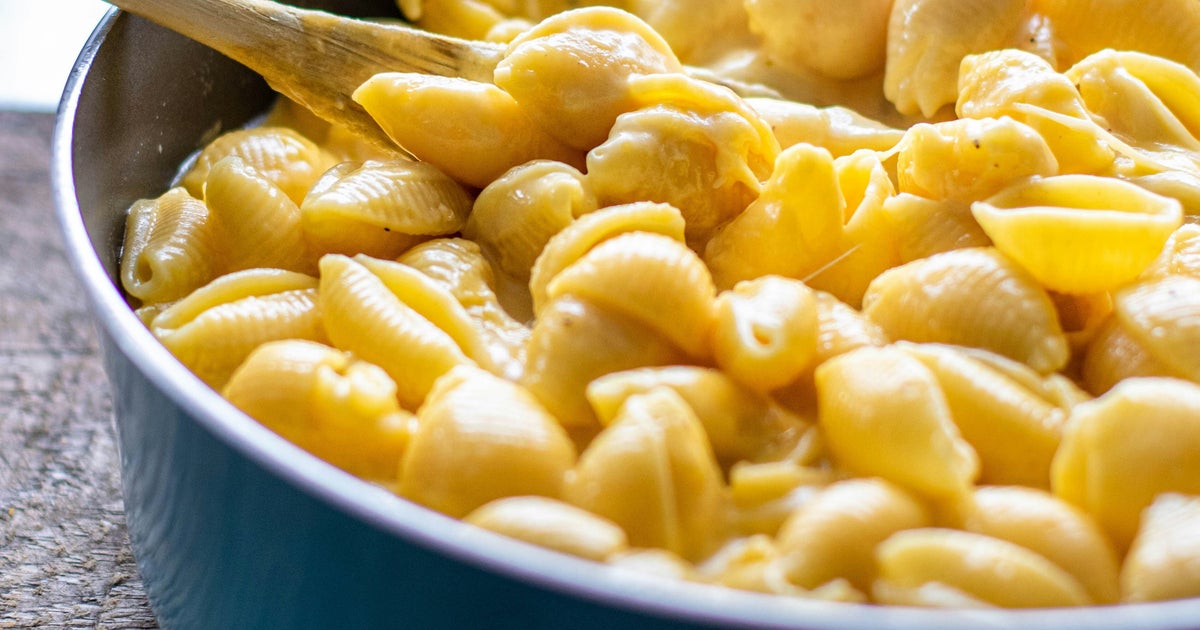
That means most of us should focus on getting enough fibre to begin with. But dietitians say that eating it early on in the day can not only help us to achieve that goal, but might confer greater benefits too.

“If you start your day [of eating fibre] in the morning, you get a big advantage,” registered dietitian Lisa Young told TODAY.

And the Mayo Clinic said we should try to choose a breakfast with at least 5g of fibre.

Why should I eat fibre in the morning?

Part of it has to do with motivation. If you begin your day with more fibre, you don’t have to make up for any gaps later on in the day when you’re more tired.

One study found that people who ate higher-fibre breakfasts went on to eat healthier, more fibre-rich fare throughout the day.

Secondly, our gut is more active earlier in the day.

That might mean that your body has more of a chance to process and enjoy the satiating benefits of fibre if you consume it first thing.

“For some people, especially those with bloating, reflux, or slower digestion, a super fibre-heavy meal right before bed can feel like it just kind of sits there,” registered dietitian Alyssa Simpson told EatingWell.

How can I eat more fibre in the morning?

Another good reason to eat fibre at breakfast? A lot of breakfast foods, including cereals like bran flakes, porridge, wholemeal bread, and fruit, are naturally high in fibre, making it easier to sneak more of the nutrient into your diet.

″[Two] slices of wholemeal toast with peanut butter followed by a medium-size orange should give you around 8.3g of fibre” at breakfast, for instance, the NHS said. That equates to almost a third of your daily goal.

Add more fruits to your breakfast, choose bran or wholegrain versions of your food, or add wheat bran to lower-fibre versions, the Mayo Clinic added.

I found that eating chia chocolate overnight oats, stewed pear porridge, overnight Weetabix “carrot cake”, or mango chia pudding gets me to at least half of my goal before noon.

Should I only eat fibre in the morning?

No – eating it in the morning might have extra benefits, but the most important thing is to meet your fibre goal in the first place.

Eating too much fibre in one go can sometimes cause digestive issues, too, registered dietitian Brea Lofton from Lumen shared previously.

“I usually find that spreading it out across the day is better tolerated than having one giant fibre-heavy meal, especially for people with bloating or sensitive digestion”, Simpson said.

As a reminder, most adults should aim for 30g of fibre a day.

Share Button

Dementia Risk Factors Seem To Have A Sleep Change In Common

Researchers think heart conditions, chronic stress, and depression may all be linked to a higher risk of developing dementia.

Thankfully, many of these risk factors are “potentially modifiable,” per a standing review from medical journal The Lancet. Treating high cholesterol, staying physically active, and not smoking can all help, for instance.

But a new review published in Science suggested that one thing might link multiple dementia risk factors: how well our brain is able to clear waste while we’re sleeping.

What part of sleep may affect dementia risk factors?

Researcher and neuroscientist Professor Maiken Nedergaard from the University of Rochester Medicine (URM) tried to look at sleep in terms of brain chemicals such as norepinephrine, serotonin, and dopamine.

These “neuromodulators” affect our mood, attention, how awake we feel, and even how well we learn.

Her research noted that “neuromodulators” behave differently during sleep. They run in slow cycles that turn roughly every minute in a manner believed to affect everything from breathing to brain activity.

These sleep changes are also linked to changes in blood vessels called vasomotion, which works independently of our hearts’ pumping motion. One effect of this process is pushing fluid through the brain, helping to clear waste products such as amyloid-beta and tau proteins.

Amyloid plaques come from the buildup of abnormal protein fragments, while tau can turn into stringy proteins that lead to tau tangles. Amyloid plaques and tau tangles have been compared to the “trigger and bullet” of dementia progression.

This paper argued that changes to vasomotion, which happen when we age, face stress, experience some heart conditions, experience poor sleep, or take certain medications, might connect various dementia risk factors.

“Many disorders that increase dementia risk also disrupt the brain’s sleep rhythms”, Prof Nedergaard told URM.

“Our work suggests these may not be separate phenomena. They may be connected through the brain’s ability to clear waste during sleep”.

The researchers hope this will lead to earlier dementia detection

This paper also mentioned heart rate variability, or the variation of time between heartbeats, as a possible sign of sleep-related brain health.

The study authors hope that tracking this might serve as a non-invasive way to monitor the brain’s waste-clearing systems, potentially helping to spot dementia risk earlier.

“Sleep is not a quiet or inactive state,” Prof Nedergaard said.

“During sleep, the brain shifts into a coordinated rhythm that appears to support one of its most important housekeeping functions.”

Share Button

The Worst Mistake A Psychologist Says Demotivated People Make

We’ve written before at HuffPost UK about how feeling “meh” all the time can be a sign of anhedonia or dysthymia.

But according to psychologist Dr Bijal Chheda of Nos Curare, not feeling particularly motivated can be caused by a range of issues and conditions.

She said that demotivation is “one of the brain’s early responses to ongoing stress,” explaining, “As stress builds, the brain shifts into energy-saving mode, making focus and initiating tasks feel difficult, which can drain motivation.”

This can be common among those with ADHD, for instance, she added.

While many of us may try to will ourselves out of these periods, the psychologist said this is a mistake.

What should I do if I feel demotivated?

Sometimes, Dr Chheda said, the stress and self-blame you feel about not being productive can, ironically, take a lot of energy. “Overwhelm and perfectionism” are common culprits.

But believing you’re a failure when you don’t give everything 100% – and thinking you can will yourself back into an A-star performance – is a trap that can sap your motivation, she continued.

“If this sounds familiar, it can help to stop relying on willpower and instead lower the barrier to entry. Start with a messy first version, giving yourself permission to do it badly just to get it moving.”

I’ve seen success with half-assed workouts, which helped to keep me way more consistent than all-or-nothing exercise regimens I inevitably dropped out of. Science says that tiny shifts in our eating, sleep, and exercise routines – we’re talking two minutes more movement and grams more vegetables a day – can help you to live longer, too.

Actively deciding it’s OK to do a less-than-optimal version of whatever task you’re hoping to achieve “makes it easier to re-engage with the task, without feeling pressure to succeed the first time round,” the expert said.

Speak to an expert if demotivation lasts a long time

As we’ve mentioned before, feeling demotivated for a long time can be related to anhedonia or dysthymia.

If you feel this is a consistent pattern, it may be worth exploring whether ADHD could be a factor with a qualified mental health professional,” Dr Chheda added.

The NHS says that low mood, which can include not enjoying things you used to, not being able to concentrate, and feeling helpless, can be signs of depression, for which you should consider speaking to a professional.

Share Button

A Professor Ranked The 41 Best Fruits And Veg To Fight Disease

GP Dr Dawn Harper previously told HuffPost UK that she’s sceptical of “superfoods” – “there is no one single silver bullet that will enhance your chances of living a long and healthy life,” she said.

You might think that Dr Jennifer Di Noia, an Associate Professor of Sociology at William Paterson University, whose 2014 paper sought to find the best fruits and veg to reduce our disease risk, was more fond of terms like these.

But she had her own concerns. “Efforts to define… powerhouse fruits and vegetables (PFV), foods most strongly associated with reduced chronic disease risk… are lacking,” she wrote at the time.

So, the researcher set out research-backed terms.

What counts as “powerhouse fruits and vegetables” or PFVs?

In her study, “powerhouse” fruits and vegetables had to offer at least 10% more of 17 nutrients per 100 calories than other foods.

These nutrients the study looked at were:

  1. potassium,
  2. fibre,
  3. protein,
  4. calcium,
  5. iron,
  6. thiamin,
  7. riboflavin,
  8. niacin,
  9. folate,
  10. zinc,
  11. vitamin A,
  12. vitamin B,
  13. vitamin B,
  14. vitamin C,
  15. vitamin D,
  16. vitamin E, and
  17. vitamin K.

These nutrients had been deemed of public health importance by the Food and Agriculture Organisation of the United Nations and Institute of Medicine, the paper read.

The more of these a plant packed per calorie, the higher the PFV’s nutrient density score was.

However, the paper stressed that these aren’t the only potentially health-boosting components of food; therefore, these metrics could miss some produce that’s great for us.

41 fruits and vegetables, ranked by disease-fighting potential

Of the 47 foods the study author looked at, 41 met her criteria for “PFV”. (The six that missed the mark were raspberries, tangerines, cranberries, garlic, onion, and blueberries).

In order, their nutrient density scores were:

  • Watercress – 100.00
  • Napa cabbage – 91.99
  • Chard – 89.27
  • Beetroot greens – 87.08
  • Spinach – 86.43
  • Chicory – 73.36
  • Leaf lettuce – 70.73
  • Parsley – 65.59
  • Romaine lettuce – 63.48
  • Collard greens – 62.49
  • Turnip greens – 62.12
  • Mustard leaves – 61.39
  • Endive – 60.44
  • Chive – 54.80
  • Kale – 49.07
  • Dandelion leaves – 46.34
  • Red pepper – 41.26
  • Rocket – 37.65
  • Broccoli – 34.89
  • Pumpkin – 33.82
  • Brussels sprouts – 32.23
  • Spring onion – 27.35
  • Kohlrabi – 25.92
  • Cauliflower – 25.13
  • Cabbage – 24.51
  • Carrot – 22.60
  • Tomato – 20.37
  • Lemon – 18.72
  • Iceberg lettuce – 18.28
  • Strawberry – 17.59
  • Radish – 16.91
  • Winter squash (all varieties) – 13.89
  • Orange – 12.91
  • Lime – 12.23
  • Grapefruit (pink and red) – 11.64
  • Swede – 11.58
  • Turnip – 11.43
  • Blackberries – 11.39
  • Leeks – 10.69
  • Sweet potato – 10.51
  • Grapefruit (white) – 10.47.

With that said, the best approach for a healthy diet is eating a balance of healthy foods. Diets rich in fruits and vegetables of all different kinds is liked to better heart health, the British Heart Foundation has said.

Share Button

There’s A Reason Your Friends Have More Friends Than You

In 2012, Pew Research found that while the typical Facebook user had 245 Facebook friends, the average *friend* someone has on Facebook had 359.

That sounds completely illogical at first. But it’s explained by the “friendship paradox,” a term resulting from sociologist Professor Scott Feld’s 1991 paper.

The phenomenon has since been translated into mathematical theories.

But what exactly is this “friendship paradox”, and what does it actually mean for our social lives?

What is the friendship paradox?

In a Purdue University video, Prof Feld said he was “surprised” to find “that it’s always true in social networks that friends in general have more friends on average than people do”.

If that sounds a bit like a head-scratcher, well, it is (hence the “paradox” part).

“People assume that if there’s a pair of friends, one must have more friends and the other must have [fewer] friends, so you would expect that half the people would have fewer friends than their friends,” he continued.

But instead, he said, some people have loads of friends, and naturally, those people are likelier to be friends with lots of people who have fewer friends than them.

And the other people who have fewer friends are less likely to be our mates.

In other words, it’s not so much that most people hover around an average amount of friends, with some having slightly more than others. Instead, very extroverted people throw the balance off a lot (a bit like counting billionaires when calculating people’s net worth).

“Each of us seems to be thinking that our friends have more friends than we do, which they, in fact, do, because our friends are the people who are friends with everybody,” said Prof Feld.

Later analysis found that the mathematical premise of the “friendship paradox” seems to bear out in real life.

So… what does that mean?

Well, Professor Feld said, one takeaway could be to remember that comparing yourself to your mates isn’t really a great indicator of your true standing: we should try to remember that this sample is “biased”.

Secondly, on a broader level, it means some people could spread more of anything – from ideas to disease and misinformation – than the average person might, meaning more of us are influenced than influencing.

“So if you want to stop the spread of a pandemic,” Prof Feld continued, “you really would like to vaccinate people’s friends more than you’d want to vaccinate random people.”

The same goes for switching people onto a certain product. Basically, whatever spread you want to create, track, or predict, you’re better off looking at other people’s mates’ habits than their own.

Share Button

A Doctor Explains What It Can Mean If You Get Dizzy Standing Up

Though you might think something as ordinary as feeling winded after taking the stairs is normal, Dr Katherine Pohlgeers previously told HuffPost that if your breathing “stay[s] elevated past three minutes or a prolonged period of time, that’s when it becomes more concerning”.

But what about feeling dizzy when you stand up?

We asked Dr Donald Grant, a GP and senior clinical advisor at The Independent Pharmacy, what it could mean and when to see a doctor.

It could be normal, or it may be orthostatic hypotension

“Feeling dizzy when you stand up can be normal, and it usually occurs due to blood pressure changes, which means the brain gets less blood flow for a brief moment,” Dr Grant explained.

“This is particularly common after standing or sitting for extended periods, but outside of that, several potential causes shouldn’t be ignored.”

One of the most “common” of these, he added, is “postural hypotension” (also known as orthostatic hypotension), or a sudden lowering of blood pressure that happens when you go from sitting to standing.

“Other common signs of this include blurred vision, general weakness, confusion and nausea,” he explained.

The NHS said it’s important to see a doctor if you get repeated signs of low blood pressure, like dizziness and fainting.

Any other causes?

“Dizziness may also be caused by dehydration, so it’s important to drink enough fluids each day, especially as we approach the warmer months,” Dr Grant continued.

“While it can vary depending on age, health conditions and the weather, people should generally aim to drink six to eight cups of fluid each day.”

Additionally, some medications and pre-existing health conditions, like anaemia, diabetes, and heart problems, can make you feel dizzy when you stand up too.

When should I see a doctor about this?

“If dizziness occurs regularly or suddenly worsens, seek urgent medical attention. A qualified health professional can provide more tailored advice on potential causes and treatment,” shared Dr Grant.

In general, the NHS suggests you should see a doctor if your dizziness or vertigo keeps coming back or lasts a long time, or if hearing or speaking becomes difficult.

You should also visit your doctor if you experience tinnitus (ringing in the ears); double or blurred vision; numbness or weakness in the face, arms or legs; changes in pulse; fainting; headaches or nausea, according to the health service.

Share Button

Microplastics Could Be Making Global Warming Worse, Study Says

Microplastics, or tiny fragments of plastics that haven’t completely broken down, are basically everywhere.

They can be found in rubbish, dust, fabrics, cosmetics, cleaning products, rain, seafood, produce, table salt, and more, according to Harvard Magazine. They’re in our bodies, too: microplastics have been discovered in our blood, saliva, liver, kidneys, and even the placenta in pregnant individuals.

Some worry these might hurt our health, though not all experts agree. Either way, though, new research has suggested that sub-5mm pieces could be heating our planet further.

How can microplastics impact global warming?

The study, published in Nature Climate Change, suggested that, on average, microplastics have a warming effect on the environment.

Study author Professor Drew Shindell said we hadn’t known for sure whether microplastics cooled or heated the atmosphere overall. Paler-coloured fragments might scatter and reduce the heating power of the sun, while darker ones could hold onto heat.

So, the researchers used an electron energy-loss spectroscopy (EELS) to see how plastic debris reacted to sunlight and radiation. They found that the size and colour of the plastic mattered, with yellow, black, red, and blue microplastics absorbing light more strongly than lighter colours.

And Shindell said that lighter hues darken into yellows over time, too.

“The key finding is really that the warming strongly outweighs the cooling,” the researcher told Science Direct.

“I think we have a lot of confidence in that because we did all of these measurements in the laboratory of how [microplastics and nanoplastics] interact with sunlight. What we don’t have so much confidence in and what’s still a big uncertainty is exactly how many of these are in the atmosphere.”

How much of a difference was there?

It seemed that the warming effect was about five times greater than the cooling effect in this study.

This impact would still pale in comparison to something like the burning of fossil fuels, Shindell added.

And the researchers said that one of the problems with this study is that we don’t know for sure how many microplastics and nonplastics there are in the Earth’s atmosphere.

But, he said, “it just adds another compelling reason why we should pay more attention to keeping plastic waste out of the environment”.

Share Button

Six Personality Traits Psychologists Say Lead To A Longer Life

There isn’t an exact formula for a longer life yet, though researchers think they have some pretty good guesses.

Great genes, enough sleep, and a decent diet can go a long way if you want to reach 100, for instance.

But some factors are less strictly physical.

For instance, one paper found that people who had a positive view of ageing may be less likely to experience age-related decline.

And having a sense of purpose “appears to widely buffer against mortality risk across the adult years,” a 2015 paper found.

Yet another paper, this time looking at data from 22,000 participants, found that “Personality nuances were associated with mortality risk in four samples”.

Which personality traits might help you live longer?

1) Being active

This self-descriptor was most linked to a longer life in the 2025 paper (27% lower mortality risk).

Study author, psychologist Professor René Mõttus, told The Guardian: “The word ‘active’ was the most striking.

“Participants who described themselves this way were significantly less likely to die during the study period – with a 21% lower risk, even when age, gender and medical conditions were taken into account.”

2) Being lively

The trait, tied in this study to outgoingness, seemed te be another helpful self-description (12% lower risk) for those hoping to live long.

“The extraversion items active and lively were related to a lower mortality risk,” the paper reads.

Separate 2017 research linked higher levels of extraversion to a 14% reduction in mortality.

3) Being organised

The study also found that higher levels of conscientiousness, including describing yourself as organised, were linked to a longer life (14% lower mortality risk).

“Being ‘organised’ might help people stick to routines that improve health, but it may also reflect underlying psychological resilience or social habits that contribute to a longer life,” study author Professor Páraic O’Súilleabháin told The Guardian.

It’s not the only paper to link greater conscientiousness to a longer life, either.

4) Being responsible

Linked to a 12% lower risk of death in this paper, the term also falls in the “conscientiousness” bracket.

5) Being hardworking

Those who saw themselves as industrious had a 15% lower risk of mortality, as did those who self-described as “thorough”.

One 2016 paper found that those who worked even a year later than retirement age saw an up-to-11% lower risk of death in an 18-year follow-up period.

6) Being helpful

This personality trait, which fell into the broader category of “agreeableness”, has also been linked to a longer lifespan.

Another paper found that people who volunteered more often lived longer.

Share Button

From Honey To Coffee: Five Recipes To Make From The Dandelions In Your Garden

Sometimes treated as a weed, dandelions can be key to a healthy backyard. Not only do they help to feed hungry bees, but their seeds can nourish birds – including rapidly-dwindling greenfinch populations – too.

So perhaps it’s not surprising we can benefit from eating the plant, too. Dandelions contain a range of vitamins, potassium, iron, antioxidants, and prebiotic fibre.

Some in-vitro research suggests it could reduce cell inflammation (chronic inflammation is linked to worse ageing), too.

Speaking to the Cleveland Clinic, registered dietitian Nancy Geib said their leaves are “probably the most nutritionally dense green you can eat – outstripping even kale or spinach”.

Which means we probably shouldn’t be asking if we should eat dandelions, but instead focus on how.

Just make absolutely sure the dandelions you’re eating haven’t been treated with weedkiller or other pesticides, and clean them thoroughly.

5 dandelion recipes

1) Fried dandelion heads

This Appalachian recipe is pretty simple; baste dandelion flowers in eggs before tossing them in seasoned flour and frying them.

Reviewers of its Allrecipes entry called the meal cheap, easy, and tasty.

2) Dandelion green salad

Younger, more tender leaves are sweeter and milder, and are probably best for beginners. These are delicious blanched and sautéd with garlic and herbs.

But older, more bitter leaves can bear seriously strong flavours, like intense salty and sweet notes (just make sure to blanch them before eating). Try them in a salad with feta, bacon, maple dressings, and other punchy accompaniments, or boil them in soups or stews.

Be careful to thoroughly wash dandelion greens, young or old, before eating them.

3) Dandelion pesto

Make it as you would a basil version: wash the leaves and blend them with pine nuts, oil, hard cheese, garlic, and salt.

Or, if you want a truly Italian finish, make it in a pestle and mortar.

4) Dandelion honey

Perfect for vegans and gastronomes alike, this recipe is essentially an infused syrup.

Boil the heads, after shaking them to remove any insects, with water and lemons. Let them sit to infuse for a couple of hours, strain the liquid, and then boil the flavoured water into a syrup with sugar (it thickens a lot as it cools).

5) Dandelion coffee

You read that right. The washed and dried roots of dandelions can be chopped small and roasted in an oven until dark brown and ground into a powder.

You can then turn that into a distinctly flavourful “coffee” by adding water.

Share Button

Jet2 Says Power Banks Without A Key Sign Are ‘Forbidden’ On Board

Passengers hoping to bring their “smart bags”, which have chargers in them, might be disappointed: those “with non-removable batteries above 2.7Wh are not permitted onboard,” sites like Ryanair advise.

That’s because they contain lithium batteries, which power banks also have.

These can sometimes short-circuit and are generally not permitted in the hold as they can catch fire.

And on their site, Jet2 said that they ban “lithium-ion batteries, lithium metal batteries and power banks that don’t clearly state” an important rating.

Power banks need to show their watt/hour rating

Those that don’t include the “watt-hour rating or lithium metal content, or where the watt-hour rating cannot easily be otherwise ascertained, are forbidden”.

A watt-hour rating is usually shortened to Wh. Power banks should have a rating “not exceeding 160Wh, providing they are individually protected against short circuit”, Jet2 said.

What if my power bank doesn’t have a Wh rating?

This doesn’t need to be on the power bank explicitly, as you can work it out from the milliampere-hour (mAh), ampere-hour (Ah), and/or nominal voltage (V).

Once you find these, the UK Civil Aviation Authority said: “You can arrive at the number of watt-hours your battery provides if you know the battery’s nominal voltage (V) and capacity in ampere-hours (Ah) using this calculation ― Ah x V = Wh.

“If only the milliampere hours (mAh) are marked on the battery, then divide that number by 1000 to get ampere-hours (Ah). For example, 4400 mAh / 1000 = 4.4 Ah.”

If none of these is available, though, your power bank might not pass muster.

Don’t bring more than two power banks with you, either

Those are only some of the rules the airline enforces.

Their rules include:

  • No more than two power banks per passenger,
  • Power banks should not exceed 160Wh,
  • Power banks can’t be charged whilst onboard the aircraft,
  • Power banks can’t be used on-flight,
  • Power banks have to be carried on-board in hand luggage and placed under your seat,
  • Power banks must not be used to charge or power any portable electronic devices during taxi, take off, and landing.

Jet2 is not the only airline to have some or all of these rules, so check with your airline before flying.

Share Button