Common Scent May Boost Your Mood, But Only In These Situations

Some experts think that, be it through the placebo effect of plain ol’ distraction, eating sour sweets may help those with anxiety through stressful smells.

And research suggests that the smell of mint can help those feeling tense, too.

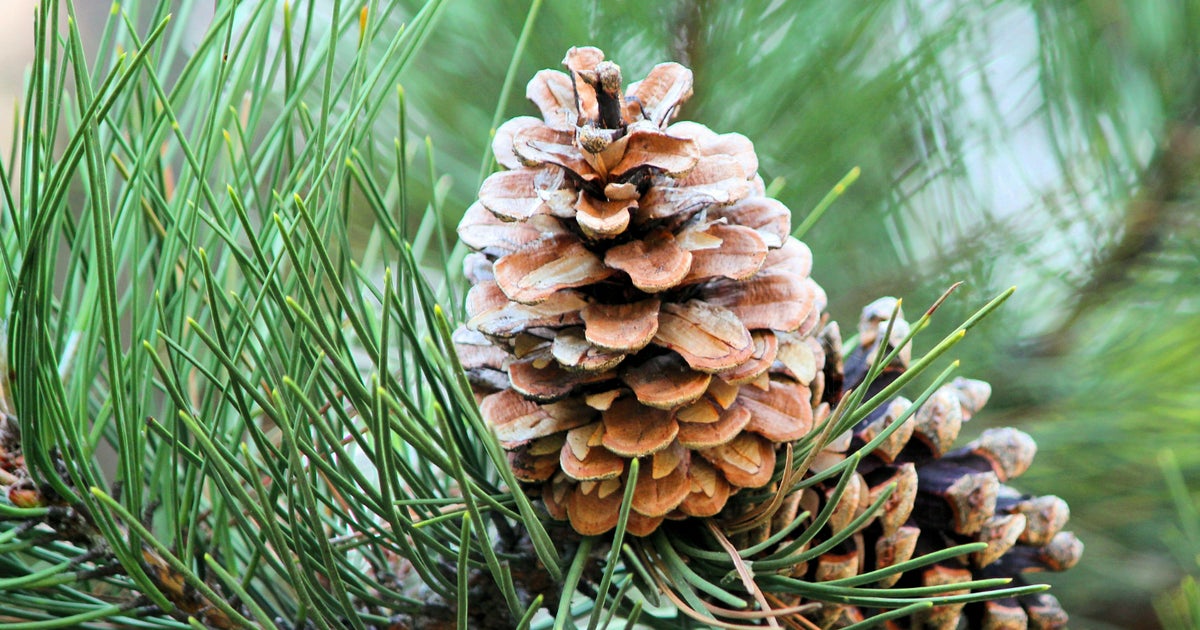
A more seasonal smell, pine, has been linked to increased activity in the areas of the brain responsible for “judgment, feeling, motor activity of the frontal lobe, as well as the memory area of [the] temporal lobe,” too.

Speaking to the BBC, Baroness Kathy Willis, an Oxford University biodiversity professor, said that the smell of a pine forest can make you feel calmer in as little as 90 seconds; an effect which can last as long as 10 minutes.

But a paper from 2001 found that while the scent of pine might soothe us, it only does so in certain contexts.

Why might pine boost our mood?

A 2022 paper reads: “Unlike other senses, smells are unique in the mechanism with which they affect cognitive processes, and subsequently our emotions, memories, and perceptions of the world around us”.

That same paper said that woodland smells “affected multiple domains of wellbeing with physical wellbeing discussed most frequently, particularly in relation to relaxation, comfort, and rejuvenation” among participants.

But the 2001 paper we mentioned earlier suggests the smell of pine trees might have a different effect on us than, say, a pine-scented cleaner.

“Let’s say you have an essential oil, or a real tree or a chemical fabricated for a cleaning product. If a person is blindfolded and smells each of these samples, the perceptual experience would be the same,” neuroscientist at Brown University, Dr Rachel Herz, said she learned from the 2001 research she co-authored.

Speaking to Popular Science, she added, “Where context really comes into play is in the interpretation.

“If I’m standing in the bathroom opening a bottle of pine cleaner to clean the toilet, that pine smell is going to have a completely different connotation for me”.

She continued, “You could consciously experience that nostalgia, but what’s going to happen first is you’re going to have that mood boost, and that happy feeling… Then you might reflect on a memory of a time you went camping as a child, for example, but that is not necessary.”

In other words, the smell of pine, which Dr Herz describes as being very “psychological,” is likelier to boost your mood if you associate it with happy memories first.

As a result, pine trees, which could remind you of Christmas, may make you happier than a whiff of pine-scented floor cleaner.

Why do cleaning products smell of pine to begin with?

A 2022 BMJ article argued that though “the scent of pine in the home may now be predominantly artificial and the forest itself is absent, a strong connection remains with historical concepts that associate pine odour with health and cleanliness”.

That’s because, they suggested, “The influence of Germany as a pioneer of sanatorium treatment for tuberculosis led to mountainous and forested locations becoming seen as the ideal place for sanatoria”.

Those seeking treatment for conditions like tuberculosis in the UK, they posit, were then exposed to the “borrowed” concept of “therapeutic pine-infused air”.

And over time, doctors may have started to believe in an inherent cleanliness linked to the plant, a link that cleaning companies might have taken advantage of. Take health company Sanitas, they say, an 1879 advert from which reads: “The Health Giver; Or, the Pine Forest at Home”.

The authors added, “The continued use of pine in cleaners suggests that it has remained an indicator of cleanliness and still considered to smell ‘good’, even if it is gradually being usurped by other smells or even products that promise not to smell at all”.

Share Button

So THAT’s Why There Are So Many Acorns This Year

You might have noticed very early browning of leaves this year, as well as a premature blackberry bounty.

That’s partly because this heatwave-packed year has sparked sooner flowering and fruiting, and sadly, drought has left many trees stressed.

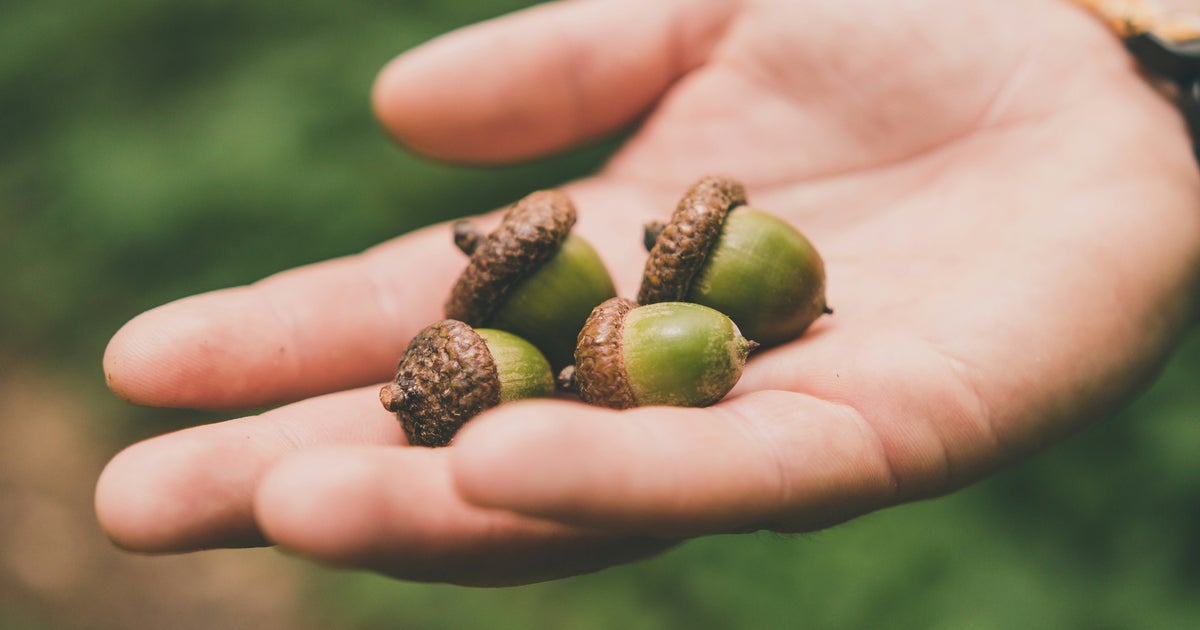
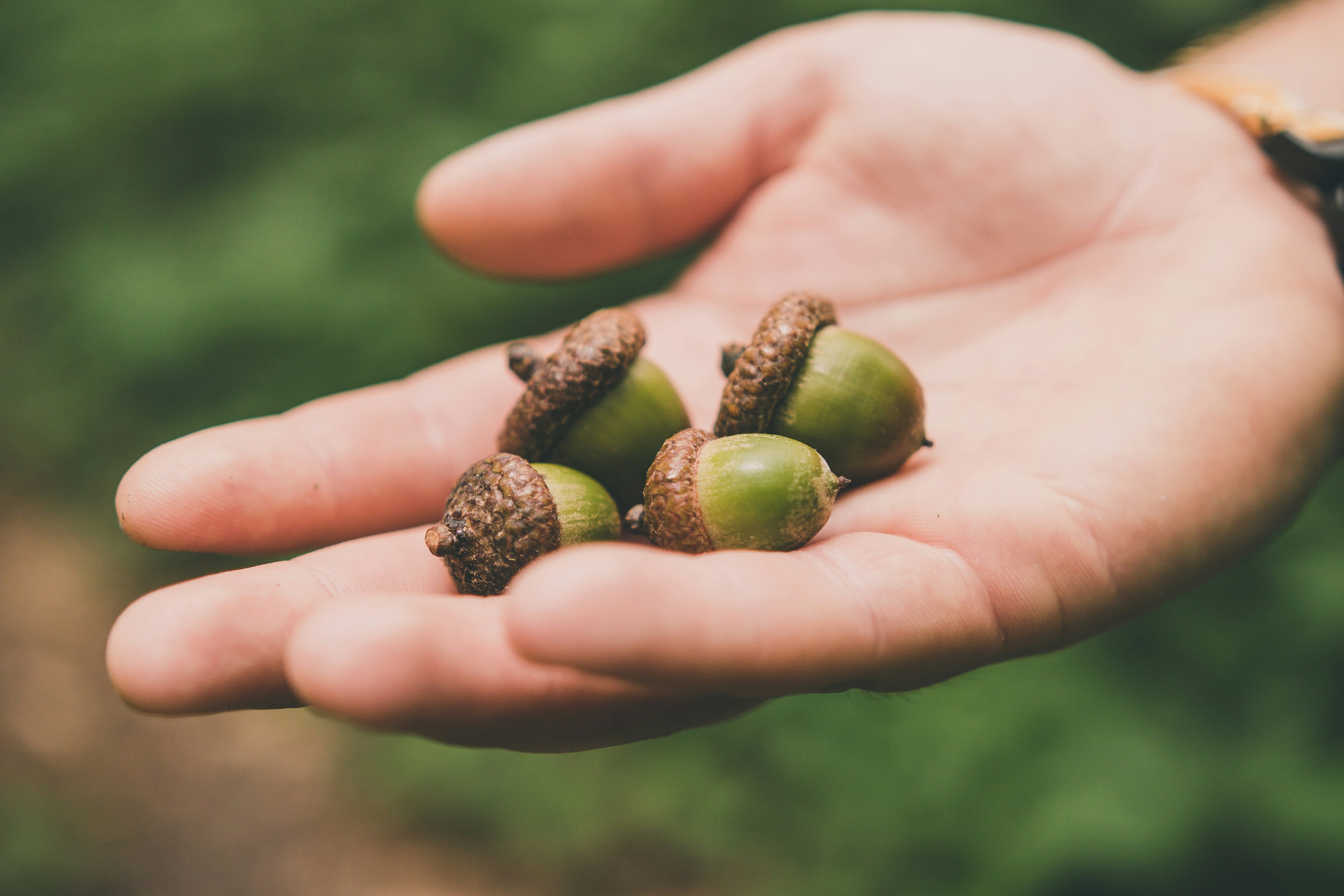
But if you’ve noticed far more acorns on your forest floor than you’re used to, there may be a different cause – it seems oaks are experiencing a “mast year”.

What is a “mast year” for oak trees?

Both oak and beech trees (which produce beech nuts) experience this phenomenon, the Woodland Trust explained.

“Mast” refers to all the fruits and nuts trees release in autumn to allow them to reproduce. It comes from the Old English word “mæst”.

So, when oak and beech trees – whose seed output can change enormously from year to year – have a particularly high-yielding autumn, this is called a “mast year”.

Why do mast years happen?

We don’t know, but experts have theories.

Some think this is down to “predator satiation”, or making more food than animals who eat acorns and beech nuts (like squirrels, badgers, and mice) can realistically consume.

Because the output is so unpredictable, populations of these predators cannot optimise for the amount of seeds the trees put out. In other words, the theory goes, animal populations and eating habits would evolve to match and eat the exact amount of nuts the oaks release – leaving none to grow into other trees.

By making too many acorns some years, the plants ensure there are some left behind to grow after the feeding frenzy. And because acorn production was lower in the previous years, predator populations aren’t big enough to get through them all.

But the cost of doubling down on seeds and nuts is not insignificant. It uses so much energy, the tree’s growth might be slightly stunted.

That’s why “mast years” only happen roughly every five to 10 years.

Share Button

Why This Iconic English Tree Is Facing Particular Pressure From Climate Change

The National Trust has warned that an iconic English tree is already struggling due to climate change.

Yes, the English oak, which pops up repeatedly throughout our national history, is said to support more life than any other native tree species in the UK and creates one of the hardest timbers on the planet, is under strain due to our shifting climate.

In fact, climate change is exacerbating a phenomenon already known as acute oat decline, caused by a non-native pest.

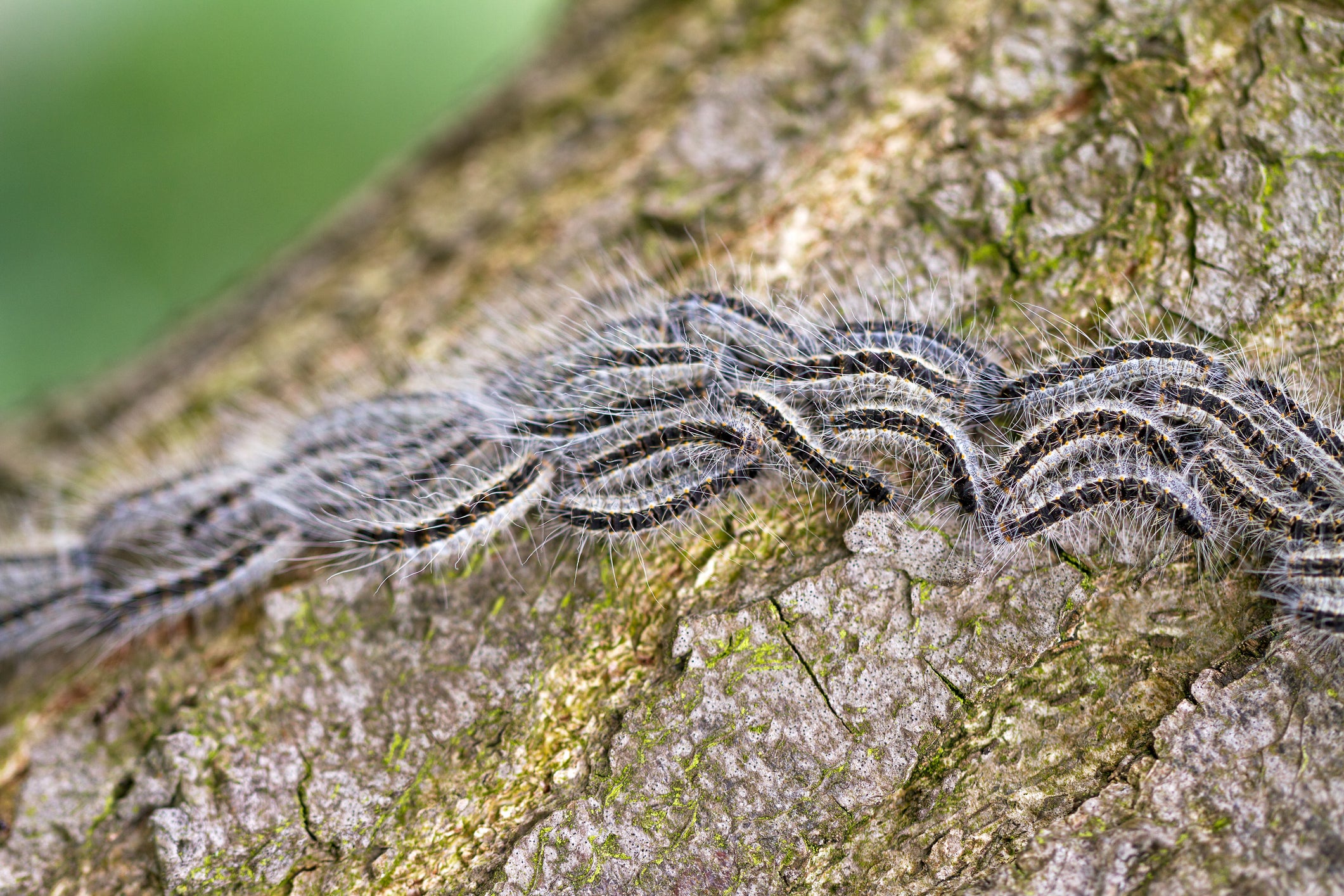
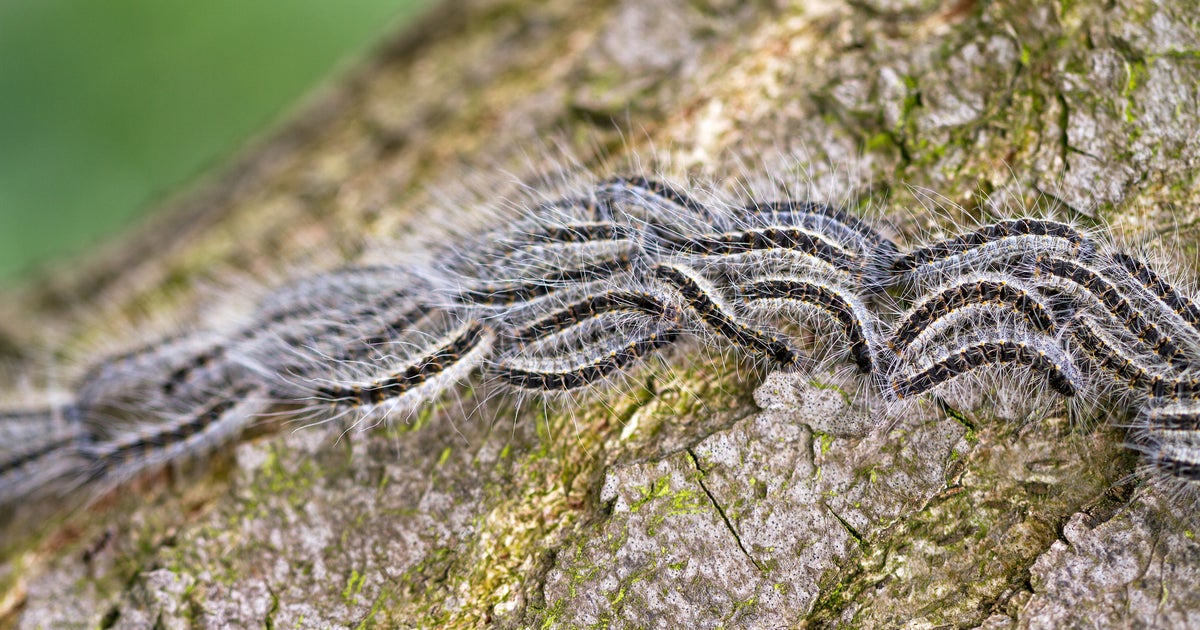
The oak processionary moth damages the tree’s foliage and increases its susceptibility to other diseases – and climate change means the pest is sticking around for much longer these days, due to shorter winters.

John Deakin, head of trees and woodland at the National Trust “cold snaps [are] just not long enough to kill off diseases such as oak processionary moth, whose caterpillars infest oak trees, leaving them vulnerable to other threats.”

And the moth’s spread northwards through Europe away from their traditional home in the Mediterranean “is a tangible consequence of our warming climate,” Deakin added.

Deakin explained that growing any new trees – not just oak – is especially difficult in periods of drought, too, with up to 80% of saplings dying in some areas of the country.

While experts have devised techniques using wood mulching and sheep fleeces to help keep moisture in the soil and prevent grass growth, they are now looking at how trees will need different environments in the next 50 years.

For instance, beech trees and woodlands – typically found in the south – may soon only suit the north of England.

Deakin explained: “Our traditional thinking of where certain species like English oak and Sessile oak may thrive geographically is also likely to change as we are already seeing the huge impact of Acute Oak Decline on English oak in the south east and midlands, previously their stronghold, now being compromised.”

Ben McCarthy, head of the Trust’s nature and restoration ecology, also noted that shifting weather patterns in the UK mean many trees were constantly under stress.

Sometimes they can end up producing too much berries and nuts, without the chance to “rest”.

And while these are “incremental shifts”, these changes build up over a decade to cause serious changes in our wildlife.

McCarthy said: “It’s these baseline changes that we’re seeing that are really worrying and what we should be taking more notice of, particularly when combined with extreme weather events, which makes things even more challenging.”

Meanwhile, the national climate change consultant at the Trust, Keith Jones, said the UK must not be “lulled into any sense of false security” when it comes to our weather.

“We are likely to experience a combination of drought and high temperatures as well as high rainfall and floods – and we need to get ready for this new ‘norm’,” Jones explained.

Share Button

New Shoots From Felled Sycamore Tree Offer Hope For Nature Fans

Green shoots of hope emerged this morning among nature fans, after specialists suggested the famous, felled, tree which stood at the Sycamore Gap may one day return to its former glory.

The solitary bit of foliage was known for growing at a natural trough between two small hills at the Roman-era Hadrian’s Wall, creating quite the picturesque scene.

The tree was often named after the 1991 film it starred in, Robin Hood: Prince of Thieves, and was a real tourist attraction.

The Northumberland icon was even named Tree of the Year in 2016 by Woodland Trust.

Its exact age was unknown, but it was believed to be around 300 years old.

However, it was found cut in two in a reported act of vandalism on Thursday morning – prompting an outpouring of sadness on social media.

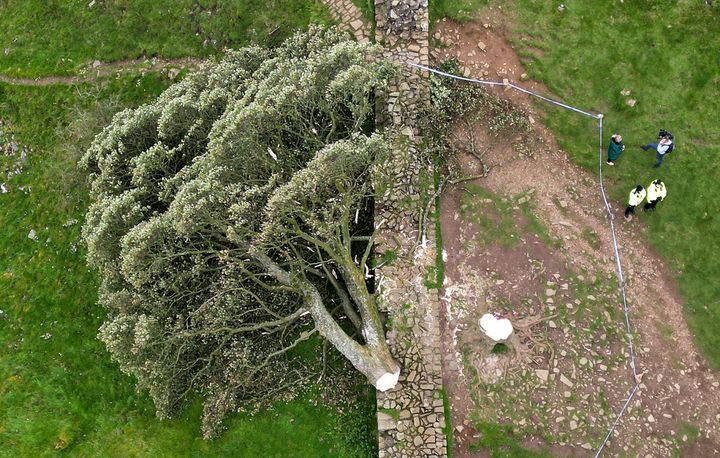
Aerial view of the 'Sycamore Gap' tree on Hadrian's Wall lying on the ground.
Aerial view of the ‘Sycamore Gap’ tree on Hadrian’s Wall lying on the ground.

Jeff J Mitchell via Getty Images

Still, the National Trust general manager Andrew Poad told BBC Breakfast that the stump which remained was “healthy” and so could be used to grow new shoots – a technique known as coppicing.

He said: “It’s a very healthy tree, we can see that now, because of the condition of the stump, it may well regrow a coppice from the stump, and if we could nurture that then that might be one of the best outcomes, and then we keep the tree.”

However, the estate manager at the Woodland Trust, said it would take a few years to develop into “even a small tree” – and up to 200 years “before it is anywhere close to what we have lost”.

He added: “Once a tree of this age has gone, the sad truth is you can’t replace them within any visible timeframe. It takes centuries.”

A 16-year-old boy was arrested on the suspicion of criminal damage as part of a police investigation into the incident on Thursday.

Police said at the time that he was in custody and helping with the investigation.

Northumberland National Park Authority officials have also concluded that the tree was “deliberately felled”.

The high sheriff of Northumberland, Diana Barkes, said the incident was a “huge loss” to everyone, according to the BBC.

She added: “Whether we can create something out of the wood for people to come and remember the tree and remember their loved ones, I don’t know, but maybe.”

Share Button