All The Health Benefits Linked To A Cup Of Rooibos Tea

Mint tea may have benefits for our digestive system, while passionflower tea can help us sleep.

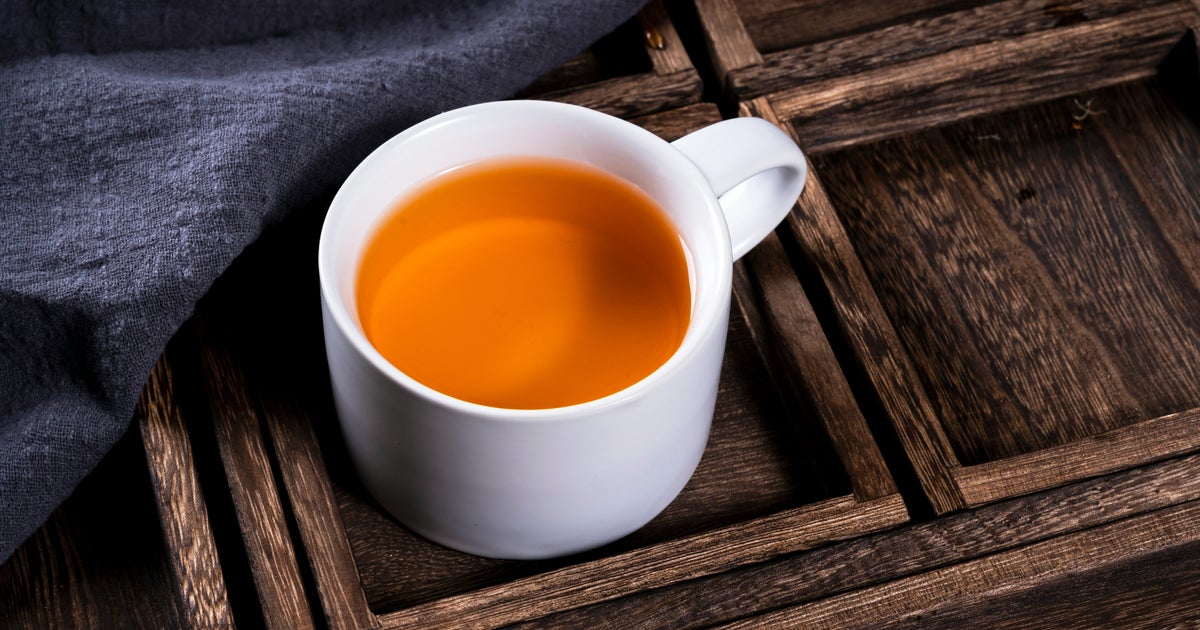
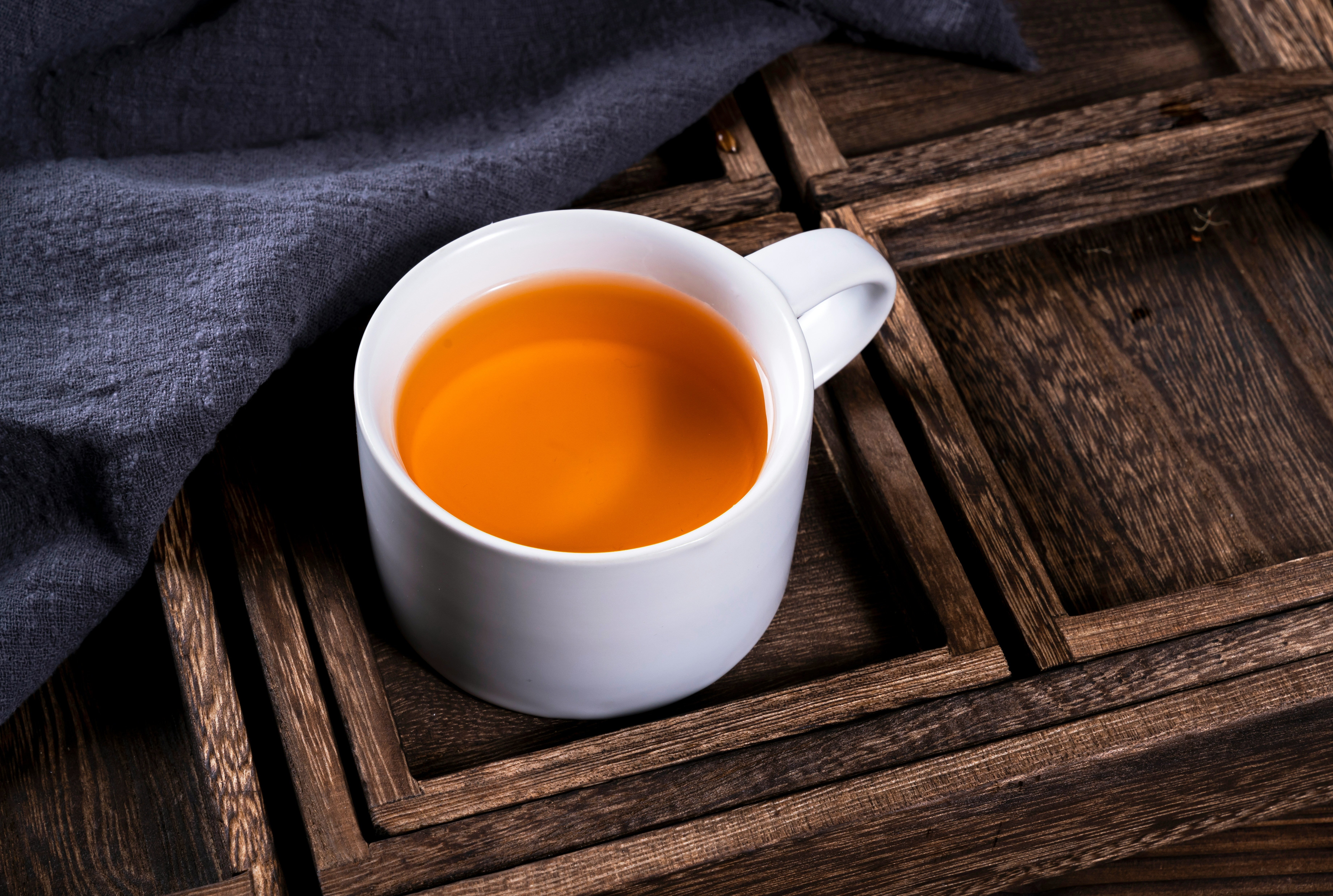
And there’s some evidence to suggest that rooibos tea, a South African variety made from the fermented leaves of the Aspalathus linearis shrub, can help with everything from reducing inflammation to controlling blood sugar and boosting our gut health.

Green rooibos is made from the same leaves, but they’re unfermented.

Here are some of the potential health benefits of the caffeine-free tea:

1) It’s brimming with antioxidants

Green rooibos tea is the only source of aspalathin (which helps to maintain cell health), and it’s high in other antioxidants, like quercetin (potentially anti-inflammatory, anti-histamine, and immune-boosting), too.

Antioxidants help to protect our DNA from harmful free radicals. They may also assist in protecting against chronic illness, heart disease, and cancer.

A 2023 review found that drinking rooibos tea seemed to be linked to higher antioxidant levels in our bodies.

2) It could be good for our gut health

According to a 2024 paper, green rooibos tea appears to help to keep our guts moving.

It could also help the integrity of a single-cell gut layer, which helps us to absorb nutrients and keeps toxins and disease out.

3) It could help to manage inflammation

Inflammation isn’t always a bad thing. We need it to build muscle and recover from some illnesses.

But when inflammation becomes chronic and happens when the body doesn’t need it, it can lead to “inflammaging”. That can “contribute to conditions such as heart disease, type 2 diabetes, dementia, and frailty,” GP Dr Suzanne Wylie previously told HuffPost UK.

A 2021 paper said that rooibos tea might help to limit the growth of angiotensin converting enzymes (ACEs), linked to inflammation and high blood pressure.

4) It may help to manage blood sugar

Remember the rooibos tea-specific aspalathin we mentioned earlier? A 2023 paper suggested that it could help to explain why rooibos tea seemed to help control blood sugar levels in both healthy and at-risk individuals.

Still, more research is needed to work out how, why, and to what extent that’s true.
Share Button

How Much Matcha Does It Take To Cause Health Issues?

Mataha is having a bit of a moment – especially in the age group the BBC has dubbed “the matcha generation” (Gen Z).

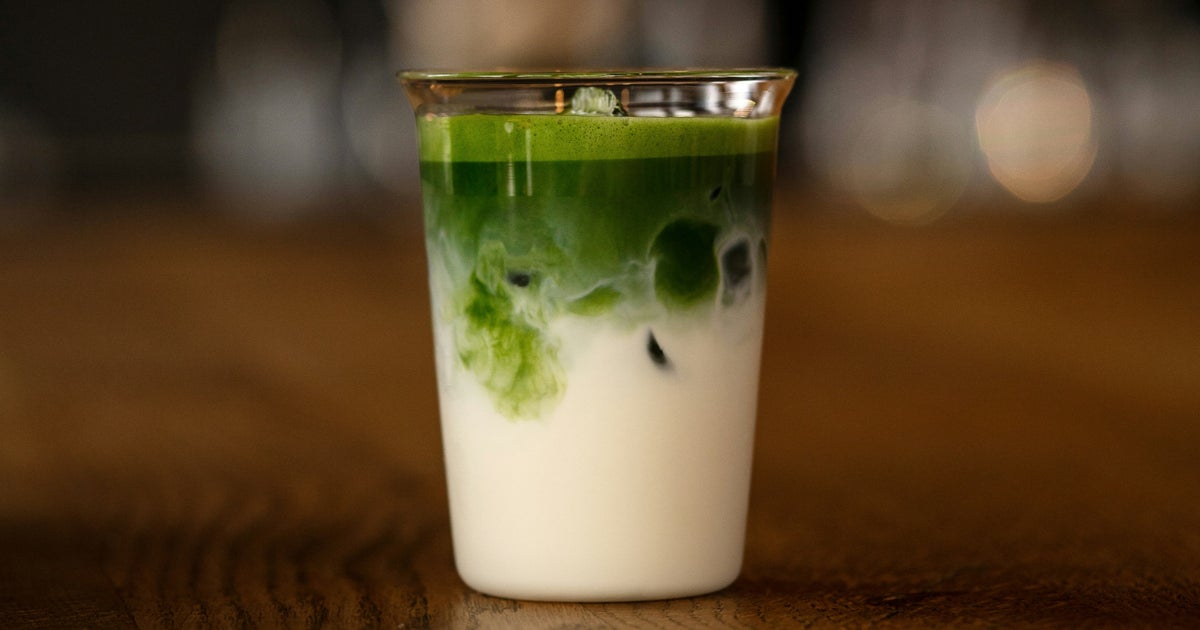
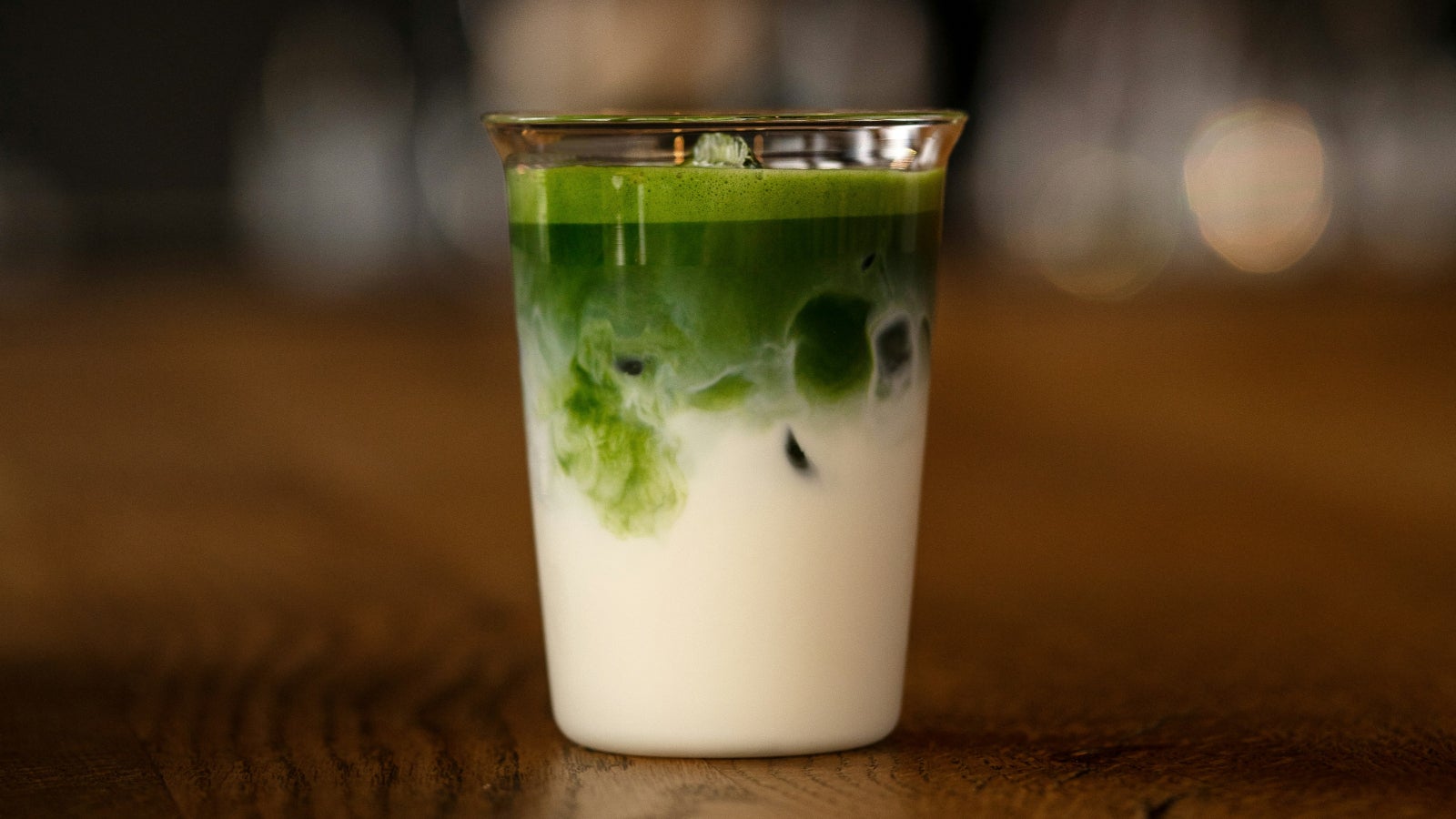
The TikTok-viral drink, which is packed with antioxidants, is touted as both a luxurious treat and a health booster: it offers potentially anti-inflammatory ingredients, tastes great with strawberry, and looks grid-worthy in a see-through cup.

But, a video by surgeon Dr Karan Rajan revealed, too much can sometimes cause health issues.

Very high consumption over a long period of time can inhibit iron absorption, and women “of reproductive age” (so a lot of the trendy drink’s fans) might be at a higher risk, he added.

Here, we spoke to Dr Suzanne Wylie, GP and medical adviser for IQdoctor, about how much matcha is too much, and why it might affect your health.

Some matcha may be good for you

Speaking to HuffPost UK, Dr Wylie said that there really may be some health advantages to the popular green drink.

“Matcha, a finely ground powdered green tea, is celebrated for its high antioxidant content, notably epigallocatechin gallate (EGCG), which is linked to various health benefits, including improved focus and metabolism,” she explained.

“However, matcha also contains tannins and catechins, polyphenolic compounds that can bind to non-heme iron (the type found in plant-based foods) in the digestive tract, reducing its absorption.

“This effect is more pronounced in matcha due to its concentrated form, which retains the whole tea leaf, unlike traditional steeped teas.”

Therefore, she explained, it’s important to drink it in moderation.

Wondering how much is too much? “For most individuals, moderate matcha consumption, typically one cup per day, is considered safe and unlikely to cause significant health issues,” she said.

“However, excessive intake, especially when consumed with iron-rich meals or supplements, can lead to decreased iron absorption over time.”

How can I lower my risk of developing anaemia from matcha?

The first step is to drink less of it if you’re having loads, but Dr Wylie said those aren’t the only steps matcha lovers can take.

“It’s advisable to consume matcha between meals rather than with or immediately after meals rich in non-heme iron,” she said.

“Additionally, pairing iron-rich foods with vitamin C can enhance iron absorption. If iron supplementation is necessary, it’s best to take it at least one to two hours apart from matcha consumption.”

Those who should pay particular attention to their intake include vegetarians, vegans, menstruating individuals, and those with known iron deficiencies.

“Symptoms of iron deficiency may include fatigue, weakness, and pale skin,” the GP ended.

If you think you might have iron deficiency anaemia, the NHS says you should see your doctor.

Share Button