If the plane crashes, I will finally be free.
The thought came to me often when I was a young teenager, as easily as breathing. My mother was away, and I imagined what life would be without her. The fantasy didn’t last — she always came home — and everything exploded.
One night in 1969, I was in the car with my friends. I was running 30 minutes late. I’d tried to call my mom from a public phone booth, but the rotary dial was broken. My stomach tightened. I knew what awaited me.
As the headlights swept across the driveway, I saw her standing there — stiff and stern, her body rigid with rage. One hand clutched our dog’s leash, the other gripped a glass of water and was trembling slightly — not from fear, but from fury held barely in check. Her jaw was so tight, it looked like it might snap.
Advertisement
Brightly lit by the car lights, she hurled the water in my face before I could even say hello.
“Walk the dog,” she snapped. “I don’t care if you get raped — if you weren’t already.”
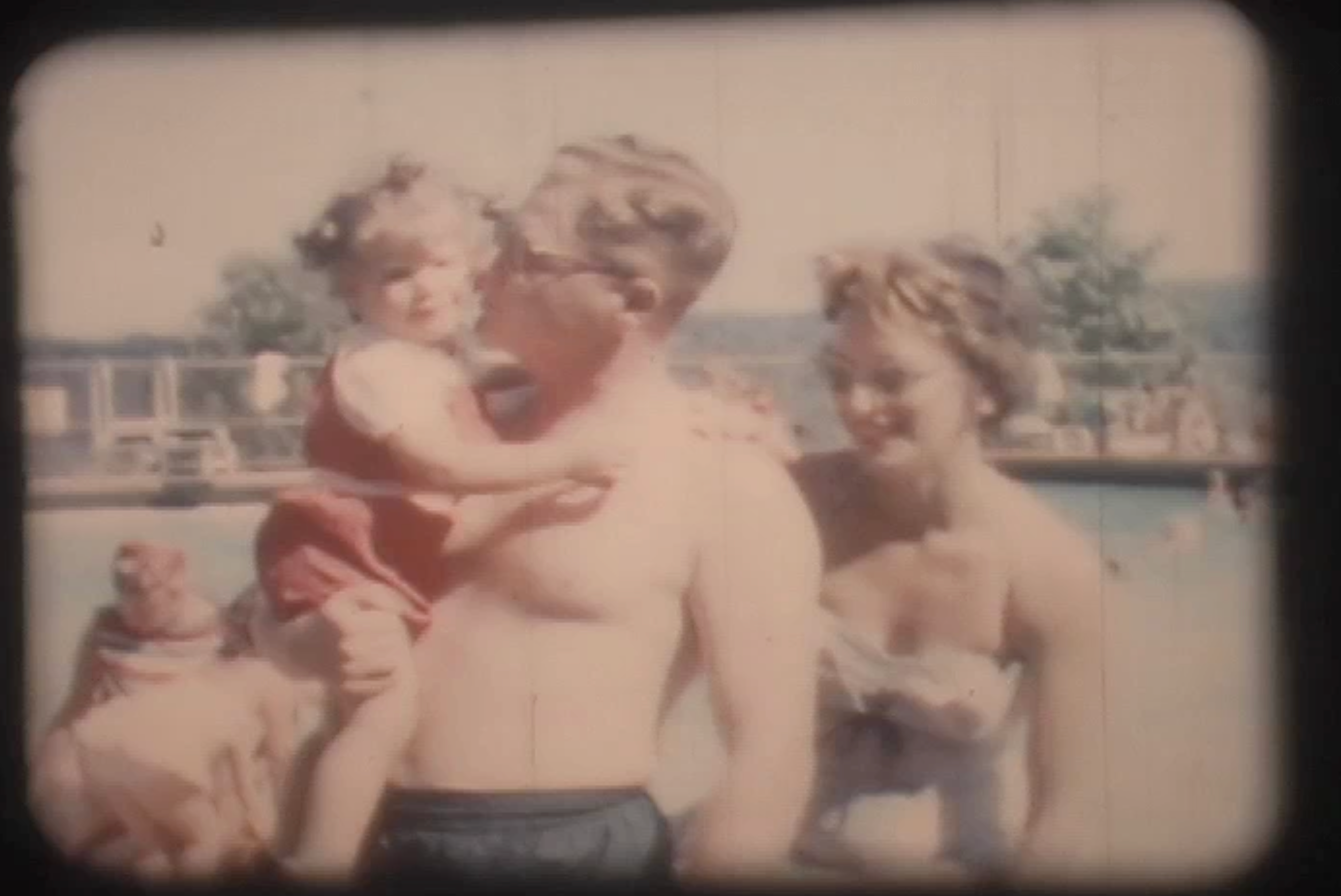
Courtesy of Gayle Kirschenbaum
She marched to the car and demanded everyone’s phone numbers. I burned with humiliation. I knew this wasn’t the end — it was only the beginning.
Inside, she ordered me upstairs. Her angry breath followed me like a shadow. My father was asleep. She ripped every item from my closet and screamed at me to put everything back. Every time I tried, she tore it all out again. Her rage was unstoppable. It was as if she saw the devil… and that devil was me. Her fury was always aimed at me.
Advertisement
If you believe in deeply personal journalism — the kind that connects us in our hardest, most honest moments — please consider becoming a HuffPost member today.
That night bled into the next day. At our cabana at the local beach club, she forced me into a skimpy bikini. I was painfully thin and flat-chested, and ashamed of my body. My mother refused to let me wear my cover-up. My brother teased me constantly, saying things like, “The carpenters need you — they need flat boards.”
Mother had a solution, one I didn’t want. She stuffed my bikini top — the hard-cup kind — with foam falsies.
Advertisement
My worst fear happened. During swimming lessons, the pads floated out, one at a time. Everyone saw them and started laughing. I wanted to sink to the bottom of the pool and stay there.
Humiliation was routine for me.
My brothers became my mother’s enforcers. At her command, they once hoisted me onto the refrigerator and left me there, terrified, while the family ate dinner. I begged to be taken down. They laughed. She stayed silent.
One brother frequently pinned me down and shoved the dog’s blanket into my mouth as I squirmed and screamed. Mother’s voice would ring out from downstairs: “Leave your brother alone.” I was blamed even when I was the one being attacked.
Advertisement
My body responded to the unpredictable attacks. I experienced dizzy spells. Headaches. Nausea. I lived in a constant state of fight-or-flight.
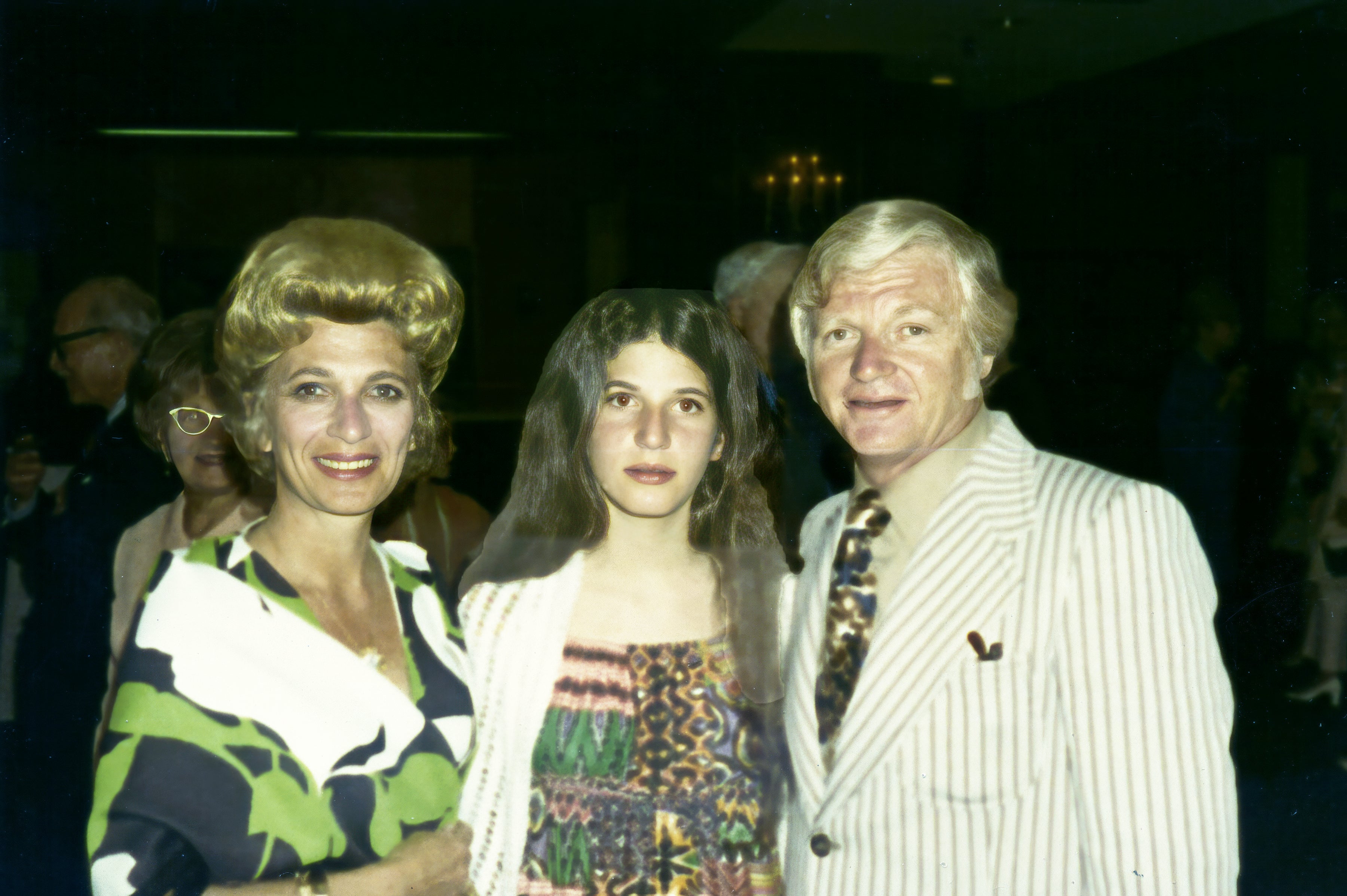
Childhood friends saw glimpses of my torment. They heard my mother call me in her high-pitched voice, order me around, and constantly interrupt my time with them. She forced-fed me oatmeal as my friends watched and were told to eat it too. They stopped sleeping over.
Kirschenbaum Family Archives
Advertisement
At 16, a social worker — likely from school — told me I had to get out. I can’t remember much about her; my memory has gaps so large that pages and even chapters of my life are gone. People get frustrated when I can’t recall them or our shared experiences. I do remember a sense of urgency and finding out how to graduate high school early, which I did.
By January 1972, I had fled 200 miles away to college at SUNY Binghamton. It was a hippie school then, and I fit right in. My long, thick, frizzy hair — which my mother constantly straightened when I was a child — was suddenly admired. I dove into the fine arts department, and began painting and drawing. I was surrounded by people who praised me instead of tearing me apart.
But I was still desperate to be loved. I said yes to too many boys because I thought saying no would make them leave. I fell in love for the first time, and experimented with drugs. I had relationships, but they didn’t last. I had made a vow: No one will ever hurt me again. My walls stayed high.
Advertisement
I couldn’t outrun the wounds.
My relationship with my mother remained toxic. She craved control. Once, she drove up for a surprise visit. When I walked into my apartment, she was sitting with my roommates, having already rummaged through my drawers.
When I was 20, she became convinced I was dying of lymphoma because I had slightly enlarged lymph nodes. Every doctor told her I was fine. She told friends I was dying anyway. Eventually, she found an elderly ENT at Mount Sinai who was willing to operate on me.
The night before my surgery, she jokingly said, “Now that you’re here, you might as well get a nose job.” It was something I never wanted, but she’d been campaigning for it since I was 14. She’d had her first facelift by then.
Advertisement
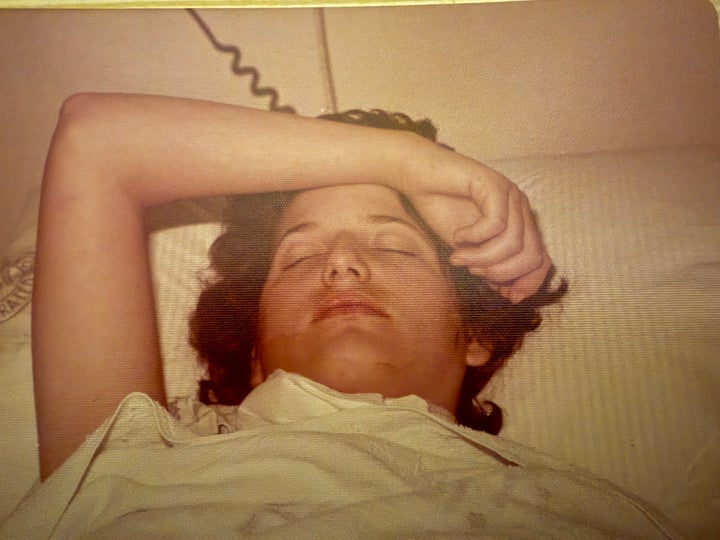
When I woke up from the anaesthesia, she was standing over me saying, “You’ll never guess what we’ve done?” I lifted my hand and patted my nose in fear that she had them do it when I was out.
The lymph nodes were benign, but the surgeon had cut against the grain of my neck, leaving a scar like a slash across my throat. I covered it for years with a scarf. Twenty-five years later, I decided to get a copy of the surgical report. I learned then that the doctor had accidentally cut my jugular vein. Many people die from that. I didn’t because the surgeon quickly stitched it closed with vascular sutures.
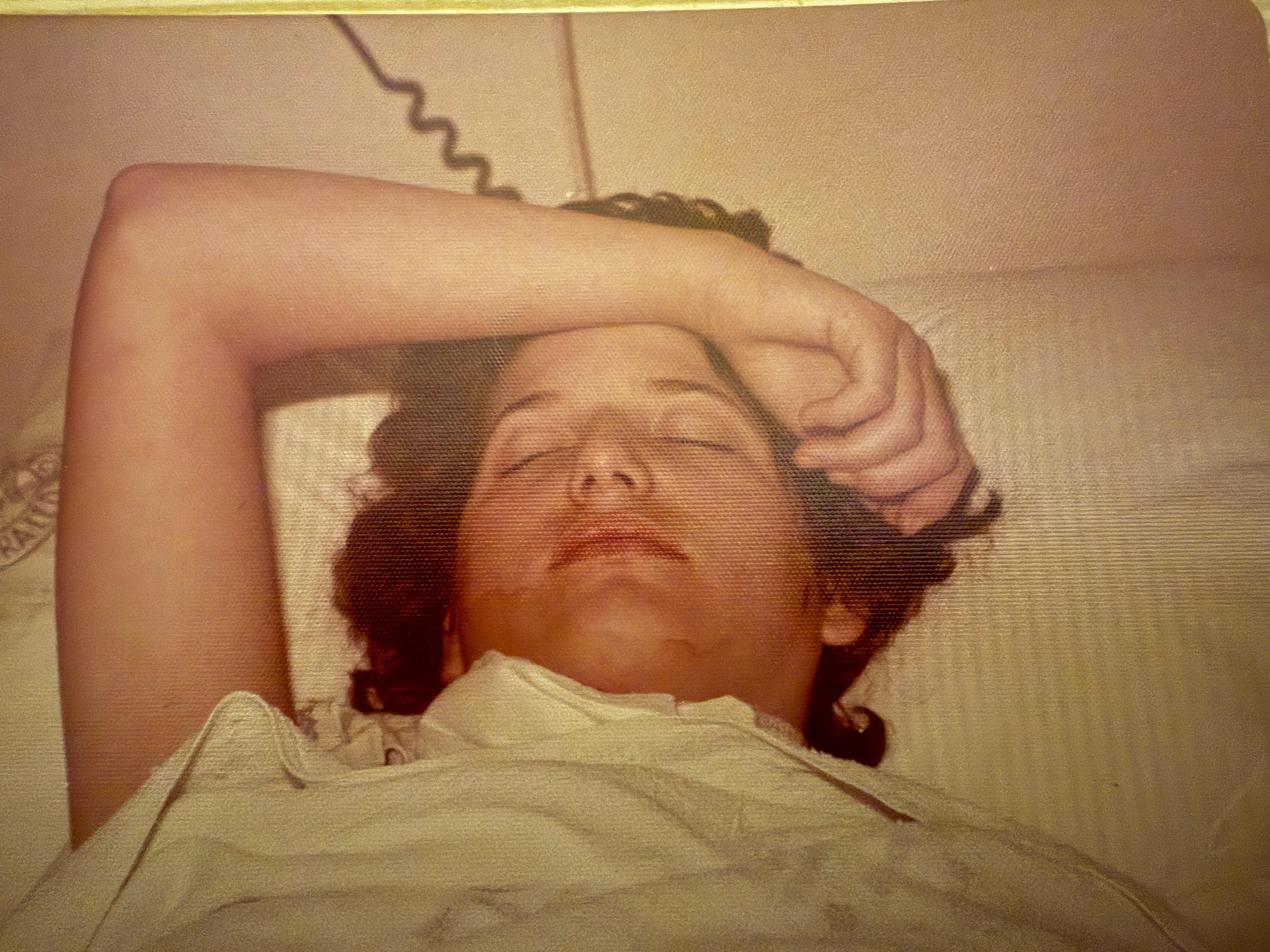
Courtesy of Gerald Kirschenbaum
Advertisement
Friends urged me to cut off contact with my mother. They heard my stories, my complaints, and some even witnessed the terror that she inflicted. I couldn’t do it. Even as a child, I’d sensed she must have been deeply wounded to be so cruel. I used to ask her brother, my Uncle Sonny, “What happened to Mommy when she was little? What happened in your childhood?” But I never got an answer. They grew up in a time when they learned not to share bad things. Instead, they buried them.
The truth is, I didn’t want to cut my mother off completely. Part of it was fear — the idea of losing her felt like another rupture I couldn’t survive. Part of it was that she wasn’t always cruel. We took countless road trips — on weekends, weeklong trips, even a cross-country drive. Mom had a sense of adventure and curiosity about life, which I inherited from her. And part of it was something harder to admit: I still wanted a mother. Even a damaging connection with her felt less painful than no connection at all. So when she pushed and pushed, I gave in to her.
When I was 51, I agreed to visit three plastic surgeons with her for consultations about my nose — but only if I could bring a camera crew. My mother instantly said yes. She loved attention. What resulted was a funny short film called “My Nose” about her relentless campaign to get me to have the surgery.
Advertisement
At film festivals, when I got off the stage after the Q&A, there was always a line of people who wanted to chat with me. They usually said the same three things:
“I love your nose. Don’t touch it.”
“I can’t stand your mother. How do you talk to her?”
“Let me tell you my story.”
Often their tale had nothing to do with their nose. Instead, it was about the childhood trauma they were still struggling with. Some of the people I met were much older than me, and their mothers were long deceased. I realised I wasn’t alone, and I wanted to do something to help others.
When “My Nose” played in Washington, D.C., The Washington Post ran a story about it on the cover of the style section. The first line of the piece was “Whatever your holiday woes this season, be glad you don’t have a mother like Gayle Kirschenbaum, and if you do, get thee to a psychotherapist.”
Advertisement
When Mom read it, she said, “Bad press is better than no press. I’m on the cover of The Washington Post.”
That told me everything. She loved attention at all costs.
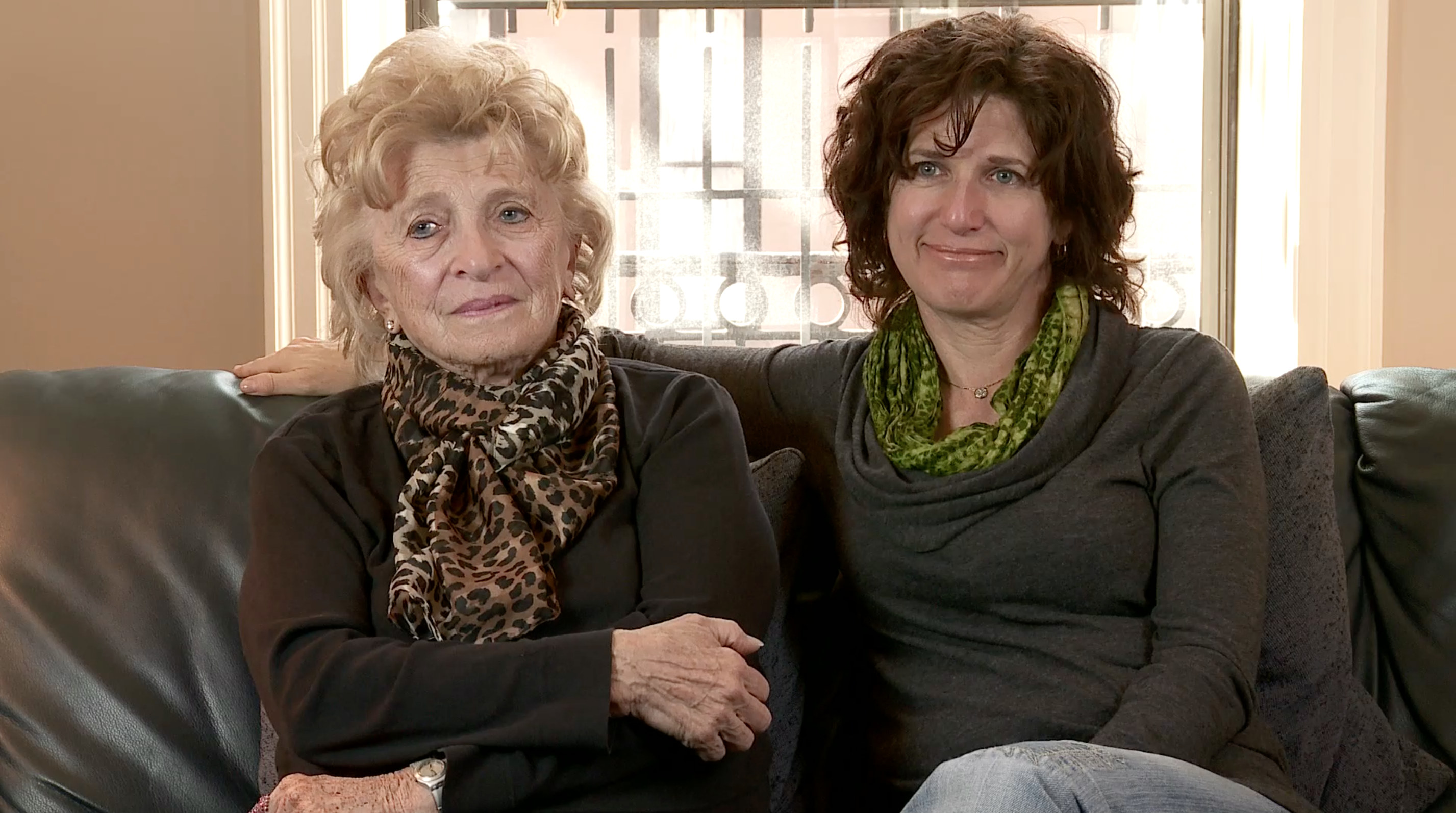
Courtesy of Gayle Kirschenbaum
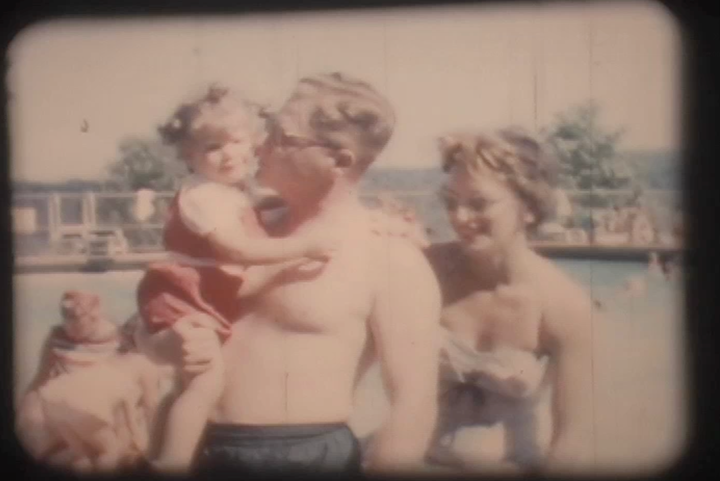
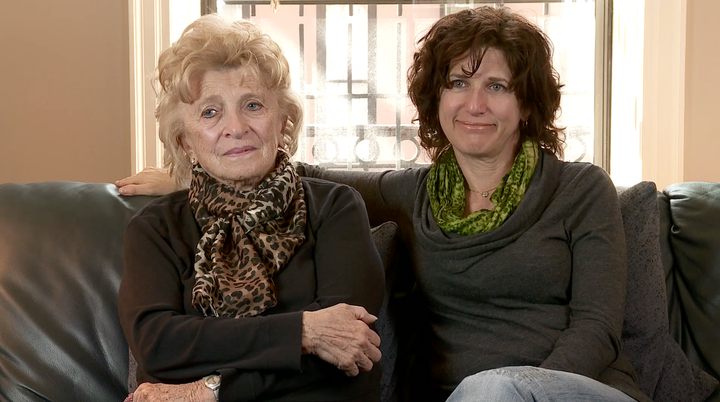
I asked her if she’d be willing to work on our relationship in front of the cameras. She said yes. I felt like I won the lottery. At the time, she was in her late 80s — funny, smart, happy, living well in a Florida country club community. I had a treasure trove of archival material: the 8mm films my father began shooting in the 1950s, old love letters, my childhood diaries, and tons of genealogy records I had dug up.
Advertisement
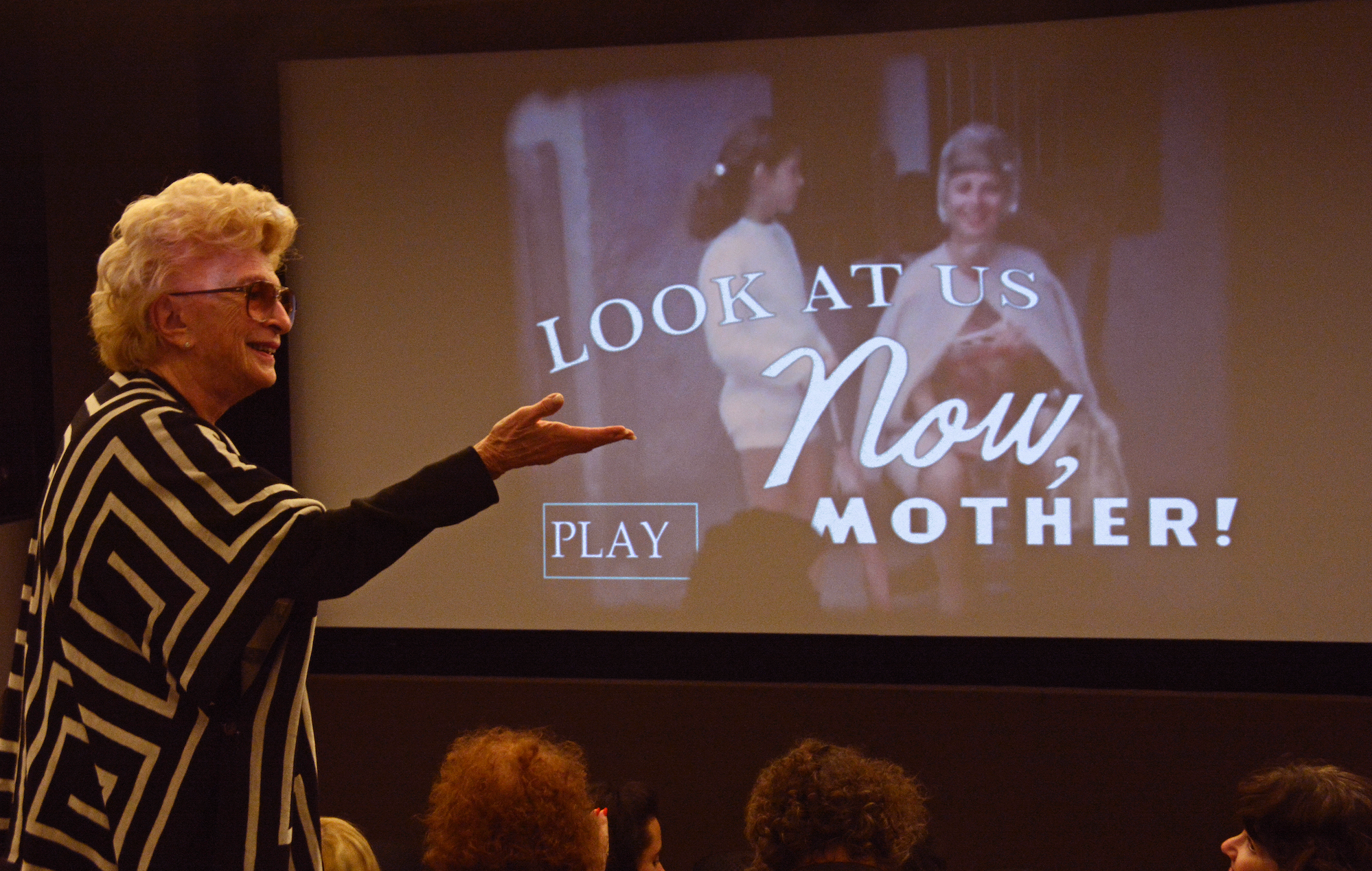
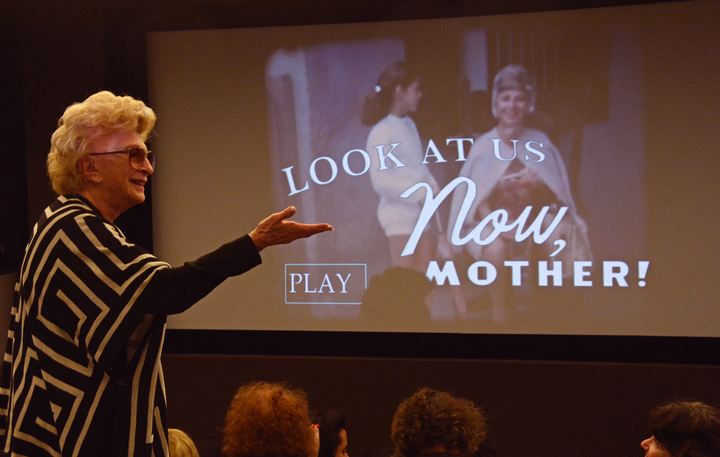
The resulting film ― “Look At Us Now, Mother!” ― is about our journey. The cameras rolled as I confronted her in therapy sessions. At first, she denied everything, but slowly, cracks formed.
“I once pulled a ‘Mommie Dearest’ on her,” she admitted, referencing the infamous movie about Joan Crawford’s abuse of her daughter Christina. The closet-and-clothes-hanger night? I was Christina. I was Christina many nights.
“I don’t remember why,” she told the therapist.
But I remembered.
I reminded her of the night with the water, the closet, the threats. I reminded her of the baby boy she told everyone she was giving birth to — Gary — and the baby girl — me — she got instead.
Advertisement
“You weren’t welcomed,” my brother confirmed. “She was just warmer to the males in the house.”
The therapists in the film helped me piece together my mother’s hardships: her father’s mental health issues and his two suicide attempts, the untimely death of her 18-month-old sister, and her family’s financial troubles. My grandmother had to roll up her sleeves and start a business as she was the only provider because her husband was depressed in bed. My mother told me, while wiping the tears from her eyes, how she’d spent more than one summer sitting alone in the lobby of Kings County Hospital while her mother visited her father for hours each day because children weren’t allowed upstairs then. It was the first time I had ever seen her get emotional like that.
Tina Buckman
A true turning point in my life came when a facilitator asked me to close my eyes and imagine my mother as a little girl. An image of my mother as a wounded child came into my mind. The facilitator then told me to imagine myself as a little girl. I knew I was a wounded child. Lastly, I was guided to imagine my younger self walking toward my mother’s younger self. She was no longer my mother or responsible for loving and nurturing me. We were just two wounded little girls who had finally met each other without any of our baggage.
Advertisement
That was the start of my forgiveness journey. It showed me how to reframe the person who had hurt me so much. When I began to see her as a hurt child, my expectations of her changed. When she unleashed her criticism on me, I no longer reacted — there was no more cowering or firing back with rage and anger. Instead, I dismissed it, ignored it, refused to feed it. She lost her power to hurt me, and slowly, she stopped trying.
I was no longer the pincushion that flinched with every stab — no longer the designated scapegoat.
And I chose to forgive her.
Not because she deserved it. Not because she asked. But because I could no longer carry her pain in my body. Forgiveness wasn’t letting her off the hook — it was taking me off it.
At 99, my mother made a video. It was around Yom Kippur, the Jewish day of atonement.
“Gayle, I was very harsh to you in so many ways, and for that, I ask your forgiveness. In my heart, I know you forgave me, but now I’m trying to forgive myself.”
Advertisement
The clip went viral.
Many people responded with some version of, “You’re so lucky. My mother never said sorry.”
What they didn’t know was that I didn’t need the apology. I had already forgiven her.
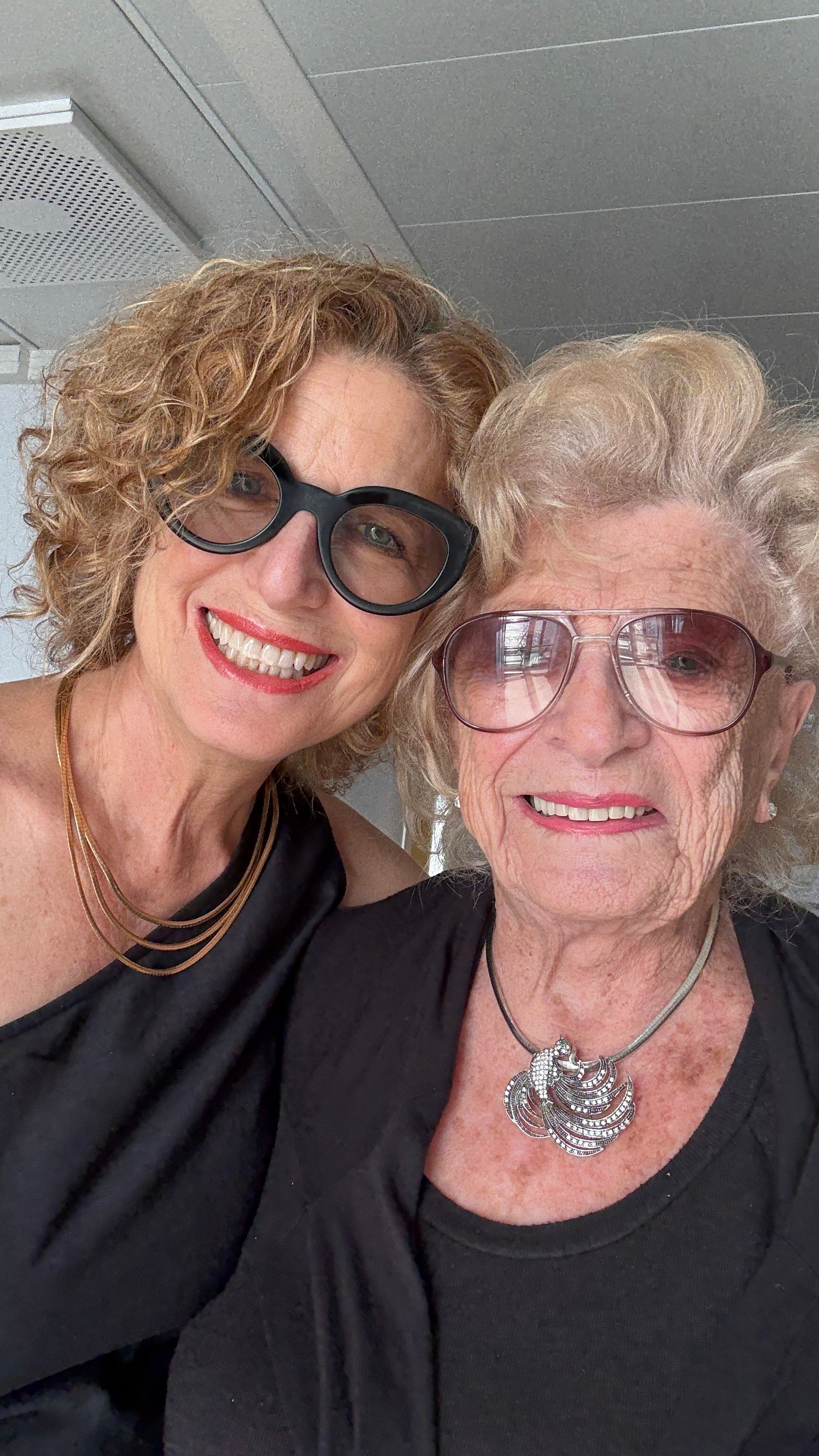
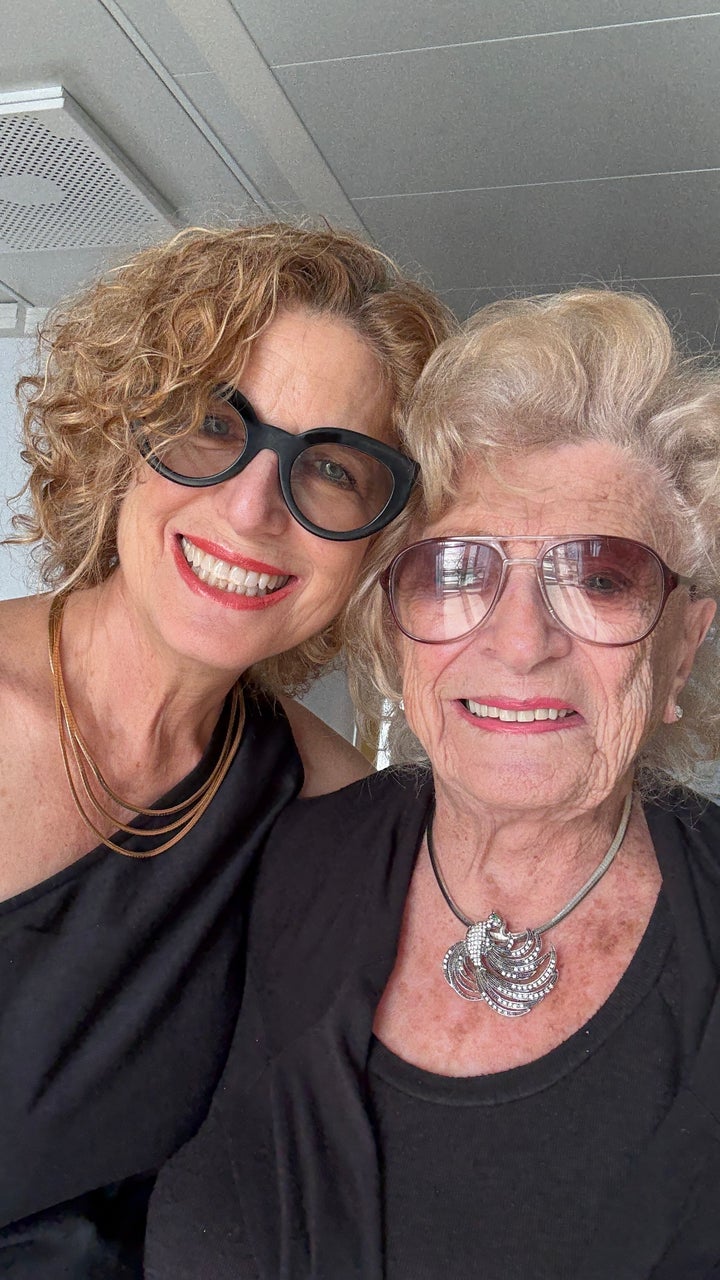
She’s now 102. We’re close — very close.
Courtesy of Gayle Kirschenbaum
Forgiveness didn’t come easily. But it came because I stopped waiting for her to change. I did the changing.
It’s not about forgetting the past. It’s about reclaiming yourself in the face of it.
My mother is not the woman she once was, and I’m no longer the girl she tried to destroy.
Sometimes, peace doesn’t come when someone apologises. It comes when you decide it’s time.
I did. And I’m finally free.
Gayle Kirschenbaum is an Emmy-winning filmmaker, writer, photographer, and forgiveness coach. Her film “Look At Us Now, Mother!” premiered on Netflix and has been credited with transforming lives. She co-authored “Mildred’s Mindset: Wisdom From A Woman Centenarian” with her mother, centenarian influencer Mildred Kirschenbaum. Her debut memoir, “Bullied To Besties: A Daughter’s Journey To Forgiveness,” has been praised by Publishers Weekly as “riveting and beautifully wrought.”
Advertisement