Expanding the impact of CAR T cell therapy: An immunotherapy strategy against all blood cancers

A broad new strategy could hold hope for treating virtually all blood cancers with CAR T cell therapy, which is currently approved for five subtypes of blood cancer. Scientists in the Perelman School of Medicine at the University of Pennsylvania have demonstrated the potential efficacy of this approach in preclinical tests.

In the study, published today in Science Translational Medicine, the researchers used engineered CAR T cells to target CD45 — a surface marker found on nearly all blood cells, including nearly all blood cancer cells. Because CD45 is found on healthy blood cells too, the research team used CRISPR base-editing to develop a method called “epitope editing” to overcome the challenges of an anti-CD45 strategy, which would otherwise result in low blood counts, with potentially life-threating side effects. The early results represent a proof-of-concept for epitope editing, which involves changing a small piece of the target CD45 molecule just enough so that the CAR T cells don’t recognize it, but it can still function normally within the blood immune system.

“Up to this point, we haven’t had the tools to create a targeted cell therapy approach that could work across all different forms of blood and bone marrow cancers,” said senior corresponding author Saar Gill, MD, PhD, an associate professor of Hematology-Oncology. “We’re excited to create a new solution that could solve a major issue in immunotherapy, which is the inability to target surface markers that are found on both cancer cells and healthy cells.”

Each of the currently available cell-based immunotherapies for blood cancer is designed to work against a narrow range of malignancies based on their target antigens. For example, the first CAR T cell therapy, developed at Penn by Carl June, MD, the Richard W. Vague Professor in Immunotherapy, targets the CD19 protein marker on B cells, to treat B-cell lymphomas and leukemias. Four of the six CAR T cell therapies currently approved to treat blood cancers target CD19. The other two target the BCMA protein marker to treat multiple myeloma. While CAR T cell therapy has been remarkably successful, researchers at Penn and across the world are working to make it even more effective for more patients.

“One drawback of the current approach to CAR T cell therapy is that each therapy must be developed individually based on the targets for that cancer type,” said June, co-senior author of the study, who also directs the Center for Cellular Immunotherapies at Penn. “This study lays the groundwork for a more universal approach that could potentially expand CAR T cell therapy to all blood cancers.”

Because CD45 is found on nearly all blood cells — and is usually highly expressed on blood cancer cells — a treatment that wipes out all CD45-bearing cells would leave patients without any blood cells, including red blood cells, platelets, plasma, and even the marrow-based stem cells that generate new blood cells. Furthermore, since T cells are blood cells and normally express CD45, CAR T cells targeting CD45 effectively would kill each other before they could be infused into patients.

The team built on previous work to overcome this challenge, using CRISPR base-editing to develop a new strategy called epitope editing. This involves the genetic modification of both the CAR T cells and blood stem cells to alter a small piece of the CD45 structure or “epitope” where the CAR T cells bind to the CD45 molecule. The altered version of CD45 still works but differs enough from normal CD45 that the anti-CD45 CAR T cells do not recognize and attack it.

advertisement


“It’s essentially a blood stem cell transplant paired with CAR T cell therapy,” said lead author Nils Wellhausen, a graduate student in Pharmacology and a member of Gill and June’s labs. “The idea is that when the engineered cells are infused, the CAR T cells kill the cancer cells that bear normal CD45, but don’t kill each other or the newly engineered blood stem cells. This allows the engineered blood stem cells to begin making new blood cells.”

Because the strategy results in replacing the stem cells that create new blood cells, it also has potential use as a milder form of chemotherapy conditioning, which is given to patients before a bone marrow transplant to suppress the immune system.

The researchers tested the strategy in an extensive set of experiments in cell culture and mice models. They showed that the new approach not only keeps anti-CD45 CAR T cells from attacking each other or stem cells, but also enables swift destruction of blood cell cancers. In one test, the anti-CD45 CAR T cells eliminated leukemia cells within three weeks of infusion and were still present and capable of killing leukemia cells more than two months later.

Further toxicology studies and additional modeling studies are currently underway in preparation for an investigational new drug application before it can move into Phase I clinical trials.

Funding for the study was provided by the National Institutes of Health (P01CA214278-05, U54-CA-244711 25, P01CA214278-05, R01 CA177684 06A1, U54 CA 244711) and the Parker Institute for Cancer Immunotherapy.


Share Button

A system to keep cloud-based gamers in sync

Cloud gaming, which involves playing a video game remotely from the cloud, witnessed unprecedented growth during the lockdowns and gaming hardware shortages that occurred during the heart of the Covid-19 pandemic. Today, the burgeoning industry encompasses a $6 billion global market and more than 23 million players worldwide.

However, interdevice synchronization remains a persistent problem in cloud gaming and the broader field of networking. In cloud gaming, video, audio, and haptic feedback are streamed from one central source to multiple devices, such as a player’s screen and controller, which typically operate on separate networks. These networks aren’t synchronized, leading to a lag between these two separate streams. A player might see something happen on the screen and then hear it on their controller a half second later.

Inspired by this problem, scientists from MIT and Microsoft Research took a unique approach to synchronizing streams transmitted to two devices. Their system, called Ekho, adds inaudible white noise sequences to the game audio streamed from the cloud server. Then it listens for those sequences in the audio recorded by the player’s controller.

Ekho uses the mismatch between these noise sequences to continuously measure and compensate for the interstream delay.

In real cloud gaming sessions, the researchers showed that Ekho is highly reliable. The system can keep streams synchronized to within less than 10 milliseconds of each other, most of the time. Other synchronization methods resulted in consistent delays of more than 50 milliseconds.

And while Ekho was designed for cloud gaming, this technique could be used more broadly to synchronize media streams traveling to different devices, such as in training situations that utilize multiple augmented or virtual reality headsets.

“Sometimes, all it takes for a good solution to come out is to think outside what has been defined for you. The entire community has been fixed on how to solve this problem by synchronizing through the network. Synchronizing two streams by listening to the audio in the room sounded crazy, but it turned out to be a very good solution,” says Pouya Hamadanian, an electrical engineering and computer science (EECS) graduate student and lead author of a paper describing Ekho.

advertisement


Hamadanian is joined on the paper by Doug Gallatin, a software developer at Microsoft; Mohammad Alizadeh, an associate professor of electrical engineering and computer science and a member of the Computer Science and Artificial Intelligence Laboratory (CSAIL); and senior author Krishna Chintalapudi, a principal researcher at Microsoft Research. The paper will be presented at the ACM SIGCOMM conference.

Off the clock

At the heart of interstream delay in cloud gaming is a fundamental problem in networking known as clock synchronization.

“If the controller and the screen could look at their watches and at the same time see the same thing, then we could synchronize everything to the clock. But a lot of theoretical work on clock synchronization shows that there are certain bounds you can never overcome,” Hamadanian says.

Many approaches attempt clock synchronization by ping-pong messaging, where a device sends a ping message to the server, which sends a pong message back. The device counts how long it takes the message to return, and cuts that value in half to calculate the network delay.

But the path over the network is likely asymmetric, so it may take more time for the message to reach the server than it does for the return message. Therefore, this method is unreliable and can introduce hundreds of milliseconds of error. Humans can typically perceive interstream delay once it reaches 10 milliseconds.

advertisement


“So if something happens on the screen, we want it to happen within 10 milliseconds on the controller, as well,” Hamadanian explains.

He and his collaborators decided to try listening to game audio to synchronize these separate streams.

In cloud gaming, the microphone on the player’s controller records audio in the room, including game audio played by the speakers on the screen, which it sends back to the server. But using this for synchronization is unreliable because the room audio contains background noise.

So they designed Ekho to add identical sequences of extremely low-volume white noise, known as pseudo noise, to the game audio before it is streamed to the player’s screen. It uses these pseudo-noise segments for synchronization.

Before building Ekho, the researchers conducted a user study to prove that players could not hear the pseudo noise in the game audio. These noise sequences are also resilient to compression, which is important because audio sent from the controller is highly compressed to speed the data transfer.

Pseudo noise, real success

The Ekho-Estimator module adds pseudo-noise sequences to the game audio. When it receives the recorded game audio from the controller, it listens for those markers and tries to line up the streams. This enables it to precisely calculate the inter-stream delay.

The Ekho-Estimator sends that information to the Ekho-Compensator module, which either skips a few milliseconds of sound or adds a few milliseconds of silence to the game audio being sent by the server, which synchronizes the streams.

They tested Ekho on real cloud streaming sessions and found that it was superior to other synchronization methods, even when the microphone quality was poor or background noise was picked up by the recording.

Ekho limited interstream delay to less than 10 milliseconds for nearly 87 percent of the time during streams. No other method the team tested was able to cut that delay to less than 50 milliseconds.

“The traditional way of doing this, which involves trying to measure the synchronization error using the underlying network, the errors are significantly larger. When we started this project, were weren’t sure whether this could even be done. But the accuracy we can get down to with Ekho, at sub-millisecond levels, it is unheard of,” says Chintalapudi.

Impressed by these results, the researchers want to see how well Ekho performs in more complex situations, such as synchronizing five controllers to the same screen device. Also, since Ekho was targeted for cloud gaming, it has range limitations. Future work could seek to enhance Ekho so it can synchronize devices at either end of a very large room, like a concert hall.

“Using inaudible white noise as a sort of ‘timekeeper’ is a great example of how out-of-the-box thinking can produce unexpected results,” says Alizadeh. “The technique could improve user experience, not just in cloud gaming but potentially in any multidevice streaming scenario.”

Share Button

Junior doctors and consultants to strike together in England

Autumn walkouts in England will involve both groups, but emergency cover will be provided.

Share Button

Brain fog after Covid linked to blood clots – study

A UK study links two proteins in the blood of hospital patients to thinking and memory problems.

Share Button

Covid: New BA.2.86 variant found in Scotland

The strain is highly mutated but not yet considered a concern by health officials.

Share Button

Former Friends Director Names The One Guest Star He Was Less Than Convinced By

Former Friends director James Burrows has admitted there’s one guest star that he was less than sold on.

James directed 15 episodes of Friends during its first five years on the air, as well as working on shows like Will & Grace, The Big Bang Theory, Cheers and its spin-off Frasier.

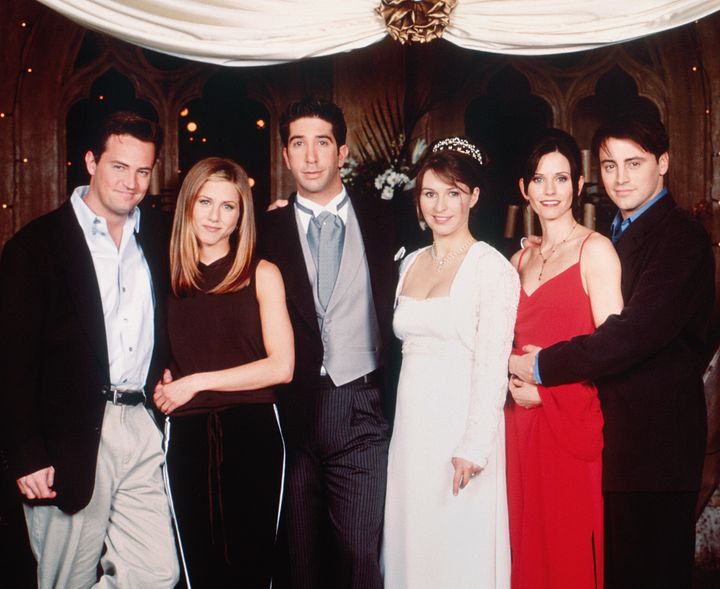
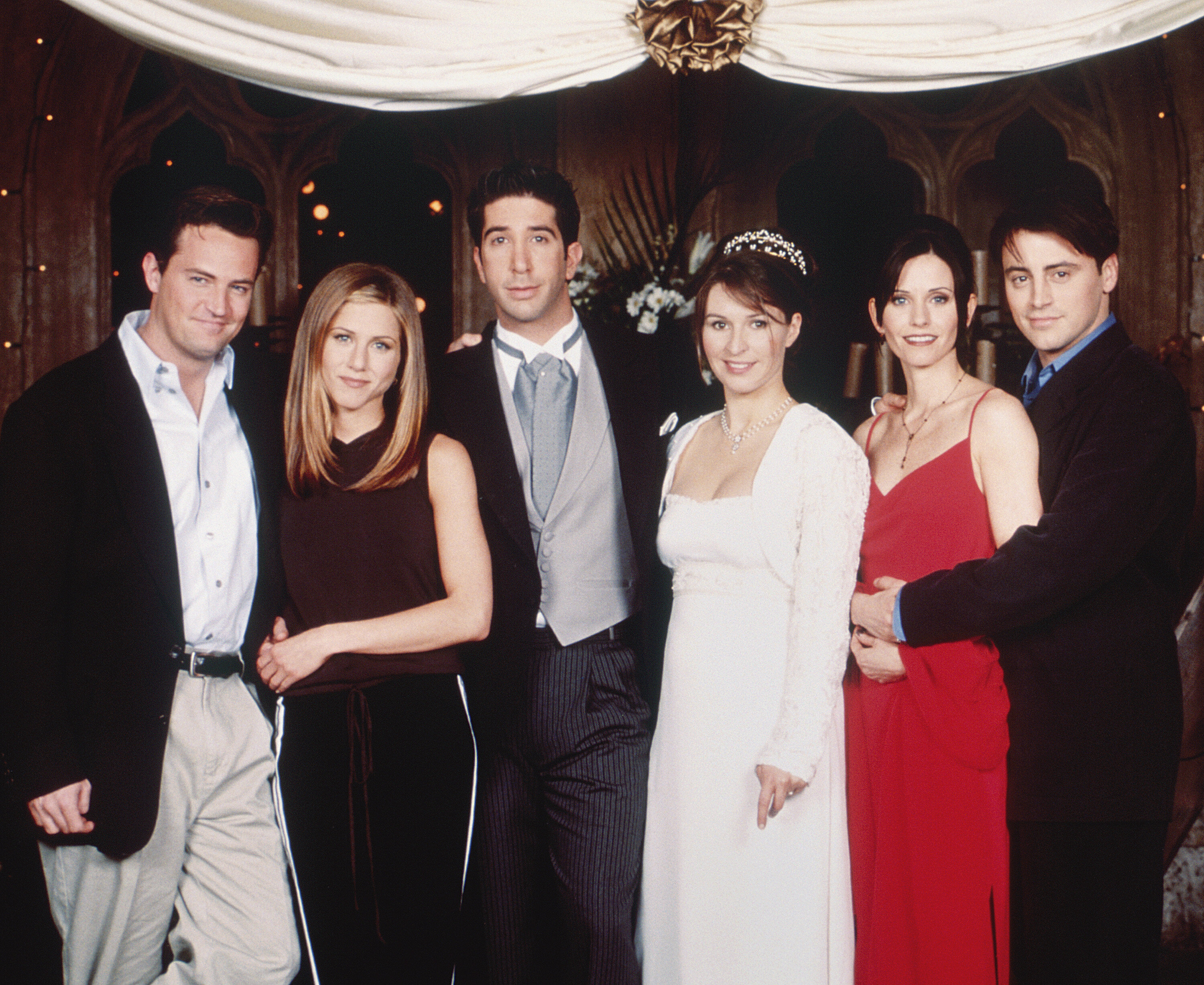
In his memoir Directed By James Burrows, excerpts of which have been published by the Daily Mail, the 11-time Emmy winner reflected on working with Cold Feet star Helen Baxendale, who appeared in Friends’ fourth and fifth seasons.

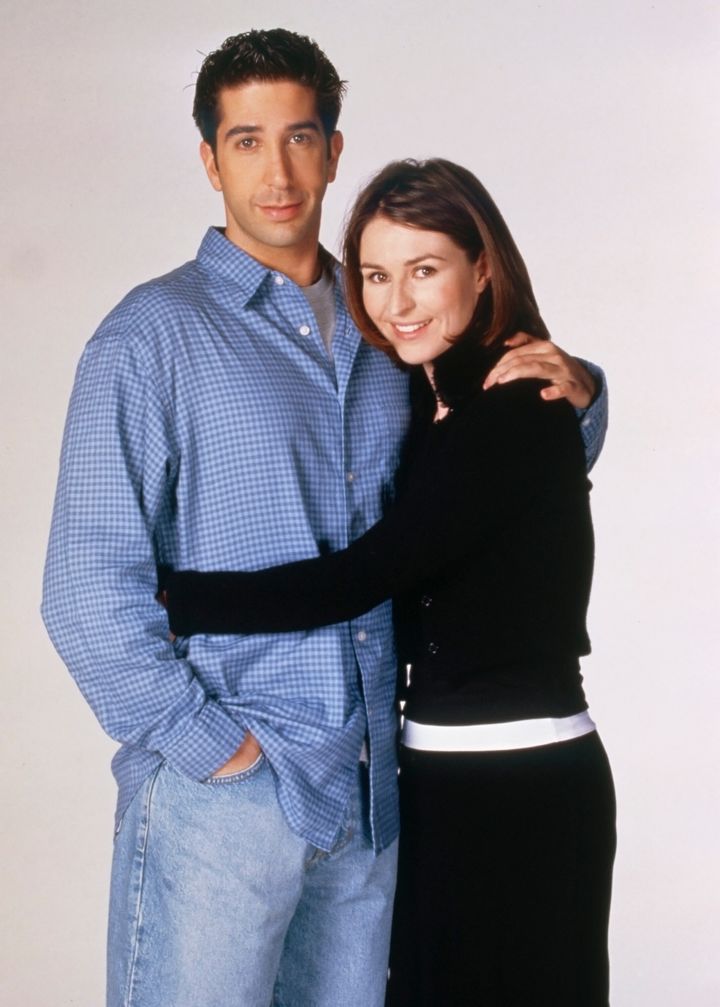
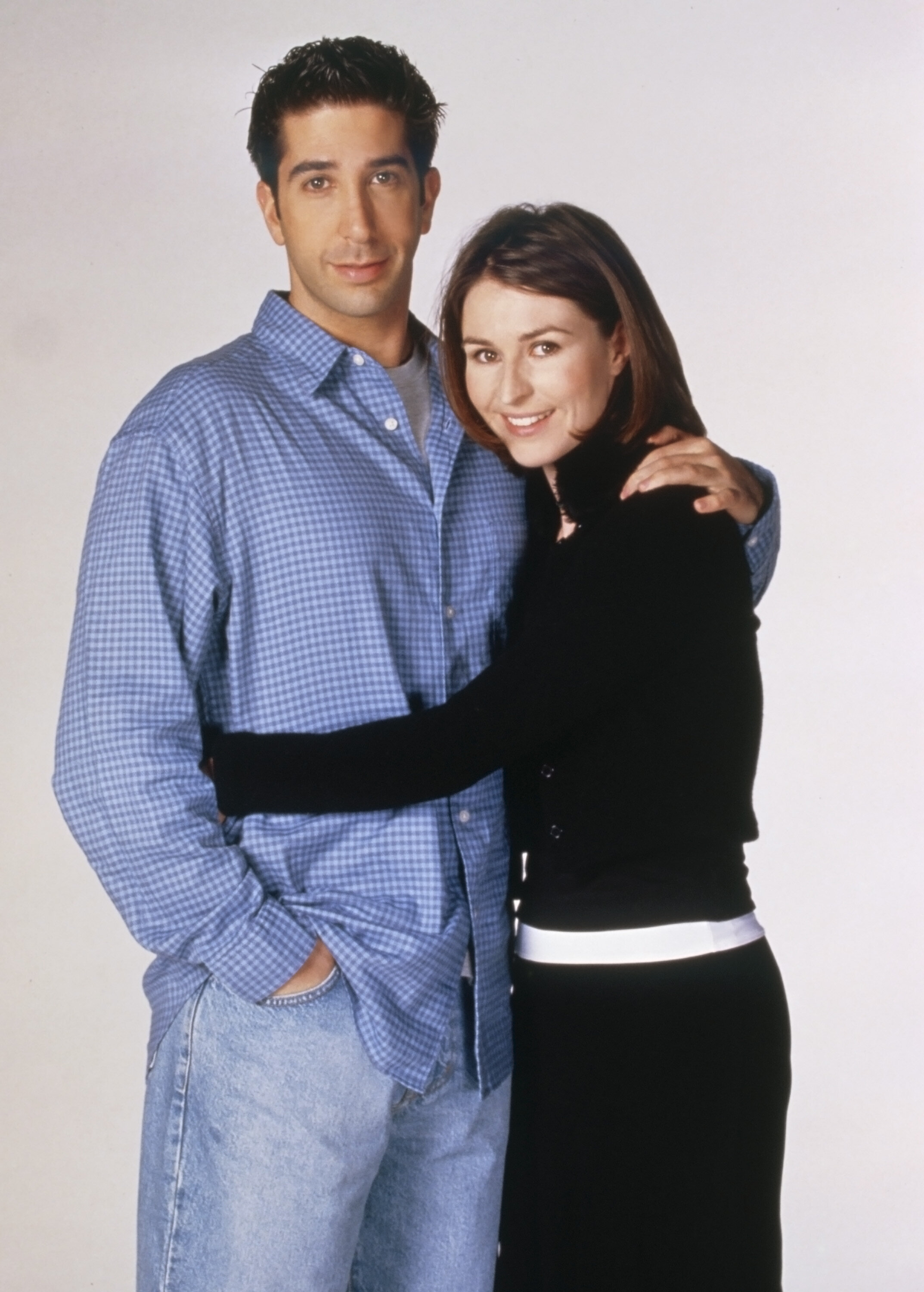
The British actor played Emily Waltham, who met Ross while on holiday in New York and wound up marrying him in a disastrous wedding ceremony that saw him saying the wrong name at the altar.

In his book, James admitted that while Helen was “nice” to work with, he didn’t find her “funny”, and admitted he wanted to recast the character of Emily.

Helen Baxendale with the stars of Friends on location in London

NBC via Getty Images

“She was nice but not particularly funny,” he wrote. “[David] Schwimmer had no one to bounce off. It was like clapping with one hand.

“’In sitcoms and any type of romantic comedy, the funny is just as important as the chemistry. We discovered that any new girlfriend for Ross needed to be as funny as Rachel.

“Often, you can’t recast, because of tight shooting deadlines or other logistical considerations. You don’t cast anyone to be a straw man, unless it’s for one episode.”

He continued: “You need someone who gets laughs. Sometimes you start an arc and it ain’t working out, so you have to get rid of that person.”

After her ill-fated wedding to Ross, Emily remained in London, with Helen’s appearances in the fifth season of Friends being filmed remotely until she was eventually written out.

David Schwimmer and Helen Baxendale in character as Ross and Emily

NBC via Getty Images

Helen previously told The Mirror in 2012: “I am very proud and delighted to have been in such an amazingly successful and international show.

“It’s always a talking point and it was a very clever set up – even now young people especially seem to love it. But it doesn’t feel like part of my life at all now. I look upon it as a strange surreal little blip in my life almost like a dream.”

She recalled: “They were all very nice and professional. We were never great mates though. People expect because it is called Friends that everyone was great friends, but they were real professionals.

“They’d been doing it for years and I was one of many guest stars to appear.”

Singer Louise Redknapp revealed in 2020 that she’d been in the running to play Emily at one point, but eventually turned the part down.

Share Button

Ellie Goulding Shares Update Following Pyrotechnic Mishap During Live Performance

Ellie Goulding has assured her fans she’s doing well following an incident during one of her recent live shows.

Over the weekend, the chart-topping singer was performing her recent hit Miracle at Victorious Festival in Portsmouth, when a stage firework appeared to go off at the wrong time, and ignited close to her face.

The moment was recorded and shared online, with Ellie heard briefly screaming after the firework went off, before shaking it off and carrying on with the rest of her number.

Shortly afterwards, Ellie spoke out to let her Instagram followers know she was “intact” after the performance.

“To those asking, I am OK!” she insisted on her Instagram story. “Pyro didn’t hit me directly in the face. Face is intact.”

Ellie signed off her message “love you, thank you”, adding a firework gif to her post.

The British star recently enjoyed a chart resurgence after teaming up with Calvin Harris for the trance-inspired Miracle, which reached number one in the UK singles chart.

This marked the third time the two musicians have worked together, previously releasing the top 10 hits I Need Your Love and Outside in 2013 and 2014, respectively.

Ellie Goulding and Calvin Harris in 2014

Dave J Hogan via Getty Images

Earlier this year, Ellie unveiled her fifth studio album Higher Than Heaven, which gave the Anything Could Happen singer her fourth number one in the UK, in the same week that Miracle also reached its peak in the singles chart.

To coincide with the release, she’s set to tour the UK and select cities in Europe in October.

Share Button

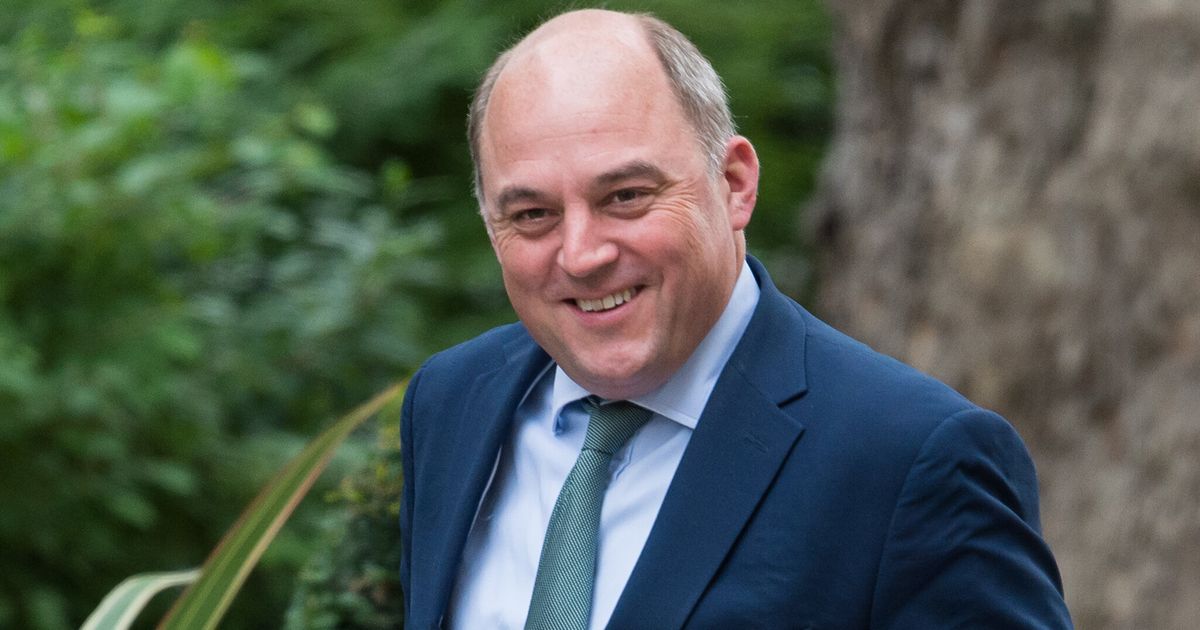
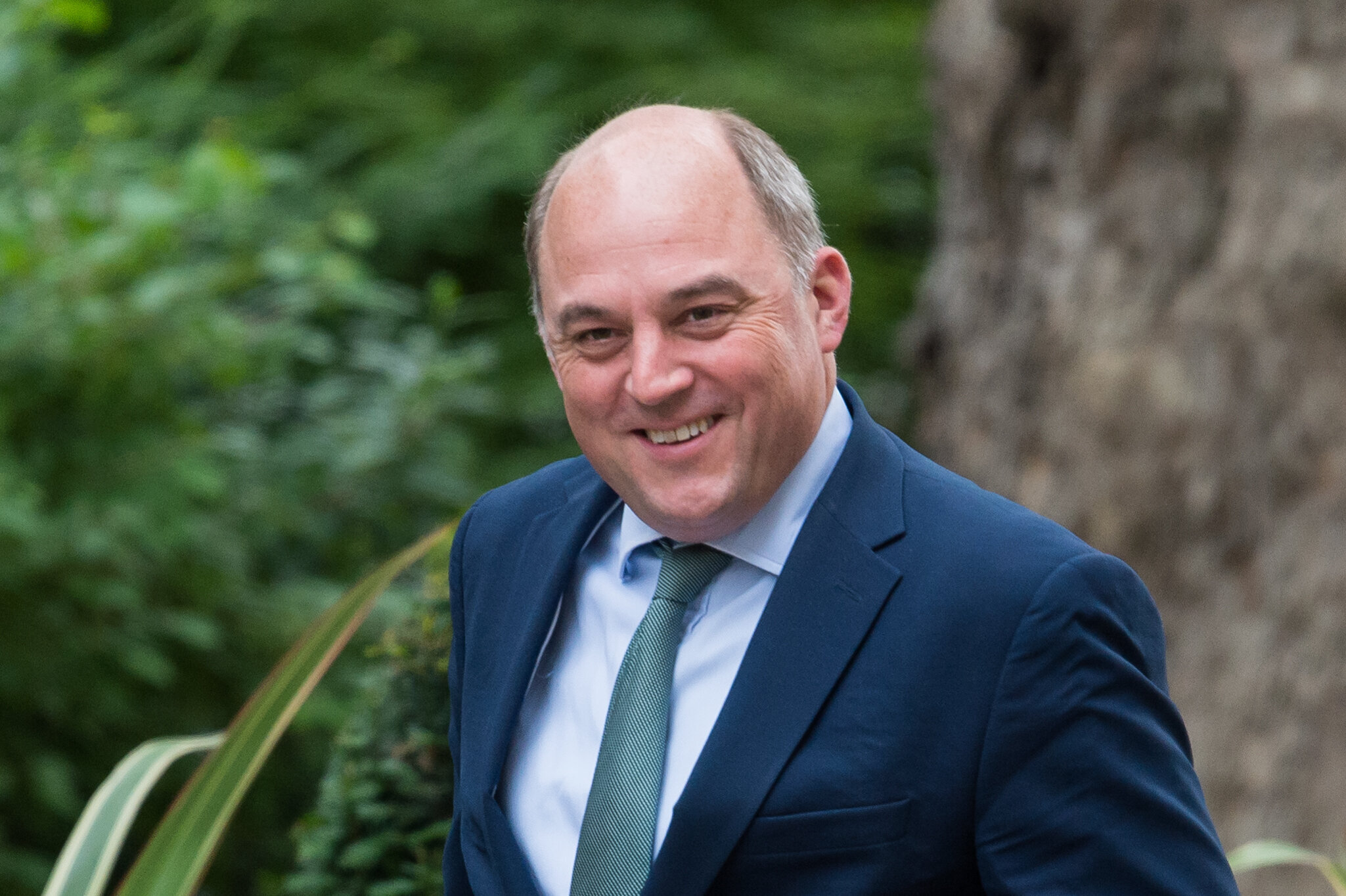
Ben Wallace Has Resigned As Defence Secretary

Ben Wallace has formally resigned as defence secretary ahead of a mini-reshuffle of Rishi Sunak’s cabinet.

In a letter to the prime minister this morning, he said he had “taken the decision to ask that I be allowed to step down” after four years in the job.

Wallace announced last month that he planned to quit the Ministry of Defence and would also not be standing at the the next election.

He told the Sunday Times he would stay in his post until the next reshuffle.

Among those tipped to replace him are Grant Shapps, Treasury minister John Glen and Cabinet Office minister Jeremy Quin.

Sunak is expected to carry out a limited shake-up of his top time this morning, with a wider reshuffle later in the year.

Wallace became an MP in 2005, but his constituency of Wyre and Preston North is being abolished in a review of boundaries and he will not seek a new seat.

Since 2015 he has also been minister for Northern Ireland and a security minister.

Wallace had hoped to be chosen as the next secretary general of Nato, but his chances were scuppered after the United States decided not to support his bid.

In his letter to the PM, Wallace said: “After much reflection, I have taken the decision to ask that I be allowed to step down.

“I won my seat in 2005 and after so many years it is time for me to invest
in the parts of life that I have neglected, and to explore new opportunities.

“Thank you for the support and your friendship. You and the Government will
have my continued support.”

He also called on the government to boost defence spending as the world becomes “more insecure and more unstable”.

In his reply, Sunak said Wallace had “served our country with distinction”.

He said: “I fully understand your desire to step down after eight years of exacting ministerial duties.

“As you say, the jobs you have done have required you to be available on a continuous basis.

“But I know you have more to offer public life both here and internationally. You leave office with my thanks and respect.”

Share Button

Spinal cancer: Giving the gift of extra time to terminal patients

The BBC follows health experts treating patients with dangerous cancer that has spread to the spine.

Share Button

Nitrous oxide: Laughing gas ban could harm users, experts warn

Health experts say a ban on nitrous oxide may stop users seeking medical help.

Share Button