Economist Blasts The ‘Raging Incompetence’ Of Truss And Kwarteng

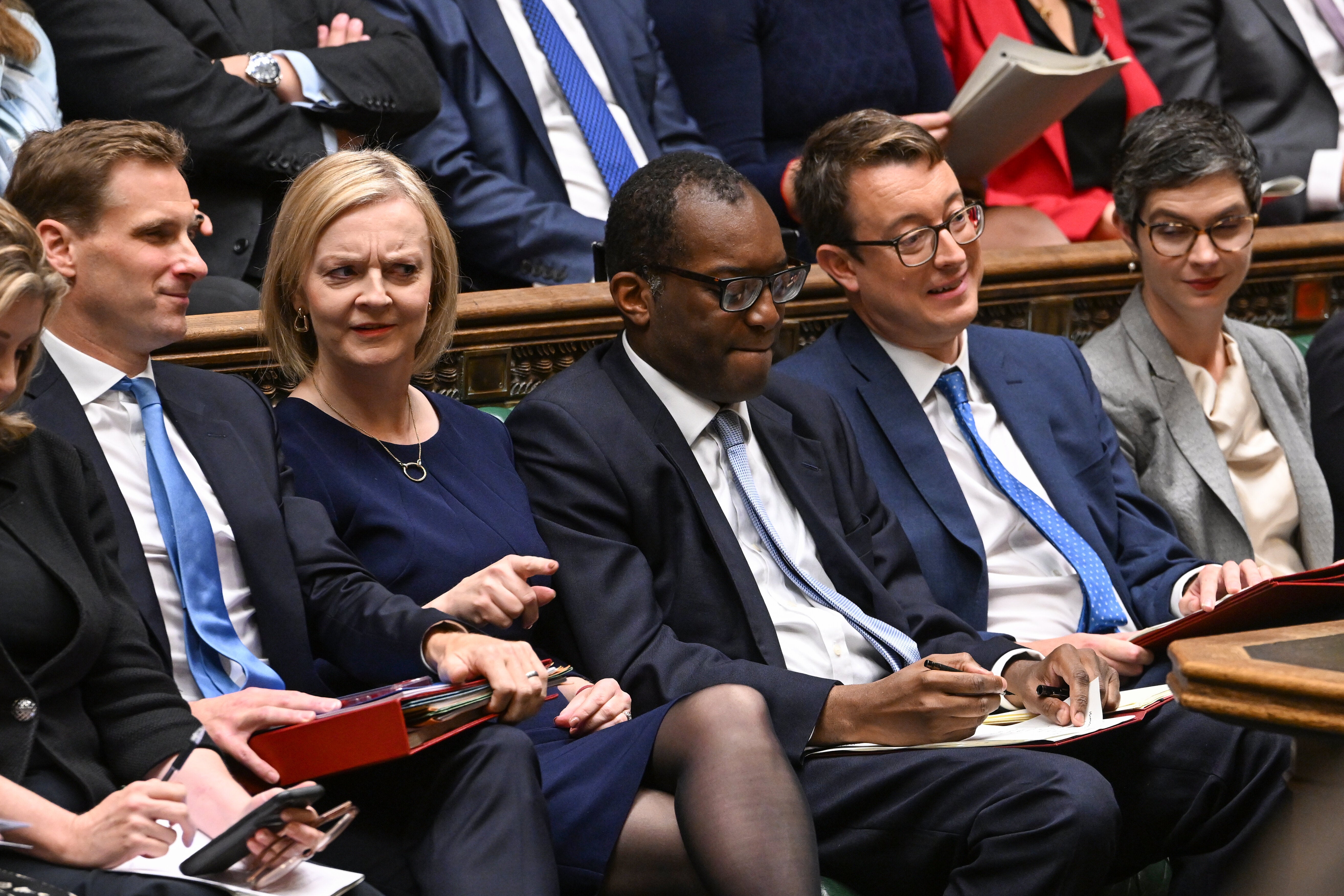
An economist and former interest rate-setter has hit out at the government’s “raging incompetence” as he questioned whether Liz Truss and Kwasi Kwarteng would survive the economic turmoil created by their mini-budget.

David “Danny” Blanchflower, who sat on the Bank of England’s monetary policy committee for three years, said the prime minister and chancellor’s “credibility is completely trashed” within days of taking office.

His outspoken comments followed the Tories unveiling a massive £45 billion tax cut funded by government borrowing on Friday – a move that saw the pound slump to a record low against the dollar by Monday.

The sell-off of sterling, as well as jitters across the financial markets, has led to fears the Bank is certain to raise interest rates dramatically to save the currency, which in turn is likely to spell bad news for homeowners.

Appearing on the Sarah-Jane Mee Show on Sky News, Blanchflower referenced Kwarteng’s plan to explain how he will get debt falling in a medium term fiscal plan to be published on November 23, as he said the uncosted government plans mean Truss and the chancellor “just don’t look credible”.

He added: “So the question is, if you if you’re the chancellor of the exchequer and what you’ve done is you’ve stood up and you crashed the markets – you’ve crashed the bond market, you’ve crashed the foreign exchange market, the stock market dropped, the housing market’s in trouble – and you created a giant recession as the Bank of England has to raise rates … your credibility is completely trashed.

“And what’s the prime minister going to say – well, at the moment she appears to be hiding – but the questions journalists like you and (Sky News journalists) Ian King and Ed Conway and others are going ask is, what are you going to do, it’s all completely failed, hasn’t it? They told you it was going to fail, and it has now, what are you going to do?

“And obviously the question then is, politically, is she going to survive the month? Does she get to – and does he get to – this statement in two months time, because presumably politically they’ve created a disaster. And there’s even an issue: could you get to get this through the House of Commons? Unclear.

“I have never seen anything like this. I’ve been an economist for 50 years. I went through the great recession, and I have never seen such a raging incompetence ever.”

After two days of big changes, the pound settled down on Tuesday, trading at around 1.08 dollars for most of the day, deviating only briefly with a two cent drop.

London’s top stock index, the FTSE 100, was also subdued for most of the day.

The FTSE closed the day down 0.5% on Tuesday afternoon while gilt yields, reflecting the cost of government borrowing, rose 1.6%, more than a quarter higher than just a week ago.

But with some analysts predicting the base rate – currently standing at 2.25% – will have to rise to as high as 6% next year, some lenders began withdrawing some mortgages amid uncertainty over how far they will rise.

Share Button

Fasting-mimicking diet reduces signs of dementia in mice

Cycles of a diet that mimics fasting appear to reduce signs of Alzheimer’s in mice genetically engineered to develop the illness, according to a new USC Leonard Davis School of Gerontology-led study.

The study appeared in Cell Reports on Sept. 27.

The researchers, led by Professor Valter Longo in collaboration with Professors Christian Pike and Pinchas Cohen, found that mice that had undergone several cycles of the fasting-mimicking diet showed less Alzheimer’s pathology. The researchers found lower levels of two major hallmarks of the disease: amyloid beta — the primary driver of plaque buildup in the brain — and hyperphosphorylated tau protein, which forms tangles in the brain. They also found that brain inflammation lessened and better performance on cognitive tests compared to the mice that were fed a standard diet.

The fasting-mimicking diet (FMD) is high in unsaturated fats and low in overall calories, protein, and carbohydrates and is designed to mimic the effects of a water-only fast while still providing necessary nutrients. Previous research led by Longo has indicated that brief, periodic FMD cycles are associated with a range of beneficial effects, including the promotion of stem cell regeneration, lessening of chemotherapy side effects, and lowering risk factors for cancer, diabetes, heart disease and other age-related diseases in mice and humans.

Promising results in mouse models of Alzheimer’s

Alongside healthy mice, the team investigated two mouse models of Alzheimer’s, E4FAD and 3xTg. During the study, mice were fed the fasting-mimicking diet for 4 or 5 days twice per month and were allowed to eat normally between FMD cycles. In a long-term experiment to see the effects in aged mice, 3xTg mice were placed on the diet for 30 cycles in 15 months. Shorter-term experiments in both 3xTg and E4FAD mice ranged from a single FMD cycle to 12 cycles in 6 months.

In both models, mice who underwent FMD cycles showed promising reductions in amyloid beta — which form the sticky, disruptive plaques in the brain — and tau pathology compared to mice eating a standard diet. The FMD mice also showed lower levels of brain inflammation, including a reduction in the number of active microglia, the immune cells that seek and destroy pathogens and damaged cells in the brain. In addition, mice on the diet demonstrated a lower level of oxidative stress, which plays a role in Alzheimer’s pathology by damaging neurons and contributing to the accumulation of amyloid in the brain. The study specifically pointed to the free radical “superoxide” as a central culprit in the damage occurring in these Alzheimer’s mouse models, Longo explained.

Outwardly, mice of both Alzheimer’s models who underwent the FMD showed less cognitive decline than their standard diet counterparts. Cognitive behavior, including exploration and performance within mazes, was tested in young mice before the dietary regimen began and again after several months of either a standard diet or twice-monthly FMD cycles. The Alzheimer’s mice given the FMD significantly outperformed the Alzheimer’s mice given standard diets and in some instances performed similarly to the non-Alzheimer’s-prone control mice, indicating that cognitive decline had been significantly slowed.

The FMD cycles appeared effective in reversing a range of pathology markers but also cognitive defects in two of the major mouse models for Alzheimer’s disease. Longo said that the results are promising.

Small clinical study explores feasibility for humans

In addition to the study in mice, Longo and colleagues also included data from a small Phase 1 clinical trial of the fasting-mimicking diet in human patients diagnosed with mild cognitive impairment or mild Alzheimer’s disease. Forty such patients who were otherwise healthy and had family support were randomized to either a once-monthly, 5-day fasting-mimicking diet or a 5-day period in which lunch or dinner was replaced with a meal based on pasta or rice.

Initial data indicates that the FMD is safe and feasible for patients with mild impairment or early Alzheimer’s disease. Further tests in the ongoing clinical trial will measure cognitive performance, inflammation and more, Longo said.

Other early trials of the diet published by Longo and colleagues have indicated other benefits of a monthly cycle, such as a loss of fat mass without loss of muscle mass and improved cardiometabolic risk factors, especially in overweight or obese people.

Notably, in a recently published clinical trial in which Longo was a co-author, FMD cycles were associated with disease regression in diabetes patients. Diabetes nearly doubles the risk of developing Alzheimer’s disease, per the Alzheimer’s Association.

Other authors included co-first authors Priya Rangan, Fleur Lobo and Edoardo Parrella of USC; Terri-Leigh Stephen, Christian J. Pike, Pinchas Cohen, Kyle Xia, Katelynn Tran, Brandon Ann, and Dolly Chowdhury of USC; Anna Laura Cremonini, Luca Tagliafico, Angelica Persia, Irene Caffa, Fiammetta Monacelli, Patrizio Odetti, Tommaso Bonfiglio, and Alessio Nencioni of the University of Genoa, Italy; Nicolas Rochette, Marco Morselli, and Matteo Pellegrini of UCLA; Mary Jo LaDu of the University of Illinois at Chicago; and Martina Pigliautile, Virginia Boccardi, and Patrizia Mecocci of the University of Perugia, Italy.

The study was funded in part by National Institutes of Health/National Institute on Aging grants AG20642, AG025135, and P01 AG034906 to Longo; AG058068 to Pike; the NIA T32 training grant AG052374 to Rangan; and the PE-2016-02362694 and PE-2016-02363073 grants by the Italian Ministry of Health to Odetti, Mecocci, Monacelli, and Longo. The LaDu lab is funded by NIH (NIA) R01 AG056472, R01 AG057008, UH2/3 NS10012, R56 AG058655, 1R44 AG060826, institutional funds from the College of Medicine at the University of Illinois, Chicago, and generous philanthropic contributions.

Longo is the founder of and has an ownership interest in L-Nutra; the company’s food products are used in studies of the fasting-mimicking diet. Longo’s interest in L-Nutra was disclosed and managed per USC’s conflict-of-interest policies. USC has an ownership interest in L-Nutra and the potential to receive royalty payments from L-Nutra. USC’s financial interest in the company has been disclosed and managed under USC’s institutional conflict-of-interest policies.

Share Button

The neighbors of the caliph: Archaeologists uncover ancient mosaics on the shore of the Sea of Galilee

With the help of geomagnetic surface surveys and subsequent hands-on digging, an excavation team from Johannes Gutenberg University Mainz (JGU) has revealed new insights into the area in which the caliph’s palace of Khirbat al-Minya was built on the shores of the Sea of Galilee. According to these findings, there had already been a settlement occupied by Christian or Jewish inhabitants in the immediate vicinity long before the palace was built.

“This time we have really hit the jackpot with our excavations,” said site director and archaeologist Professor Hans-Peter Kuhnen with regard to the outcome of the most recent undertakings in the area around the early Islamic caliph’s palace Khirbat al-Minya in Israel. The team of archaeologists from Mainz made this major discovery using geomagnetic methods and by digging test pits on the basis of the findings. They discovered that in the early 8th century the caliph had commissioned the building of his palace, with its incorporated mosque and a 15-meter-high gateway tower, not — as hitherto suspected — on greenfield land on the unoccupied shore of the Sea of Galilee, but adjacent to and respectfully co-existing with a prior settlement. The research project was initially conceived as a means of training students in archeological field work. It was undertaken with the support of the Israel Antiquities Authority and financed by the Fritz Thyssen Foundation, the Axel Springer Foundation, the Santander Foundation, and the German Academic Exchange Service (DAAD). The team was accommodated in the Tabgha Pilgerhaus guesthouse run by the German Association of the Holy Land (DVHL), which has owned the site of the excavations on the northwest shore of the Sea of Galilee since 1895.

During their dig, the Mainz archaeological team found stone structures made of basalt dating to various periods, with plastered walls, colorful mosaic floors, and a water cistern. The plants portrayed in one of the mosaics are particularly remarkable as they have the long, curved stems typical of those also depicted in so-called Nile-scene mosaics created in the 5th to 6th centuries. The mosaic’s images of the flora and fauna native to the Nile valley symbolized the life-giving power of the mighty river with its annual floods guaranteeing Egypt’s agricultural fertility. That explains why both late-antique churches, such as that in the nearby Church of the Multiplication in Tabgha, and luxurious dwellings in cities of late antiquity were decorated with Nile-scene mosaics.

Lakeside settlement was there long before the caliph’s palace was planned

The recently discovered mosaic, together with related ceramic finds dating to the 5th to 7th centuries, show that the settlement on the shores of the lake was already thriving centuries before the work on the caliph’s palace had commenced. Its original inhabitants were either Christians or Jews and they were subsequently joined by a small Islamic community, for whom the caliph had a side entrance constructed in the early 8th century so that they could access his palace mosque. The unearthed ceramics have revealed that the site remained occupied under the control of the Umayyad and then Abbasid caliphates from the 7th to the 11th century. New construction projects were initiated in this period during which parts of the mosaics fell victim to pickaxes wielded by religiously inspired iconoclasts, sections of old walls were demolished, and the stones were transported away for reuse elsewhere. The remains finally became the location of a graveyard in which the dead were buried, in accordance with Muslim custom, lying on their side with their faces directed towards Mecca.

Nearby, the Mainz team also exposed a stone built furnace used to process sugar cane. Although sugar cane represented one of the top agricultural exports of the Holy Land from the period of the early Middle Ages and brought in considerable wealth for the landowners, vast volumes of water were needed to cultivate it while large amounts of wood were required to operate boiling furnaces. The result was extensive soil erosion and an environmental disaster that the area around the lake had not fully recovered from even by the 20th century. The immense scale of sugarcane cultivation in the Middle Ages was demonstrated by both the findings of the excavations at the Caliph’s Palace — those from 1936 to 1939 and those in 2016 — and by the 2019 Mainz geomagnetic surveys, which all revealed evidence of dozens of such furnaces in operation between the 12th and 13th/14th centuries. “Our most recent excavations show that Caliph Walid had his palace built on the shore of the Sea of Galilee in an already carefully structured landscape that had long been inhabited. It was here that considerable money was subsequently made through the cultivation of sugar cane, sadly causing lasting damage to the ecosystem,” said Kuhnen. “Our research has brought this settlement adjacent to the caliph’s palace to light again, putting it in its rightful context among the history of human settlement of the Holy Land. Over the centuries, it experienced alternating periods of innovation and decline, but there was no real disruption to its existence during its lifetime.”

Geomagnetic surface surveys showed where to dig

The Mainz-based team was able to locate this historic hotspot so accurately with its test pits due to the results of geomagnetic surface surveys conducted on-site in a pilot project in 2019. The technology employs magnetic sensors to detect and map tiny variations in the Earth’s magnetic field caused by soil disturbances, for example those caused by construction work. This allows archaeologists to predict with a fair degree of confidence the course of walls and flooring and to identify the site of hearths and ovens hidden under the soil, without recourse to a spade. However, to actually verify whether magnetometry results indeed indicate the presence of something interesting and in order to date the potential structures, archaeologists need to dig targeted test pits — as did the team from JGU’s Department of Ancient Studies at Khirbat al-Minya.

Due to the coronavirus pandemic, Kuhnen and his team had to wait three long years before they were able to get back to the site to see what was waiting for them. However, toiling away under the scorching August sun, they were richly rewarded for their efforts. “It was our prior geomagnetic scans that provided us with unusually accurate indications of what we were likely to find below the surface. The outcome of our excavations has been exactly what we hoped for. Combining these two methods of investigation requires less exertion, helps preserve the archaeological heritage, and is thus the future of our discipline,” concluded Professor Hans-Peter Kuhnen in the light of the current excavations on the shore of the Sea of Galilee, which will continue next year.

Share Button

New report offers blueprint for regulation of facial recognition technology

A new report from the University of Technology Sydney (UTS) Human Technology Institute outlines a model law for facial recognition technology to protect against harmful use of this technology, but also foster innovation for public benefit.

Australian law was not drafted with widespread use of facial recognition in mind. Led by UTS Industry Professors Edward Santow and Nicholas Davis, the report recommends reform to modernise Australian law, especially to address threats to privacy and other human rights.

Facial recognition and other remote biometric technologies have grown exponentially in recent years, raising concerns about privacy, mass surveillance and unfairness experienced, especially by people of colour and women, when the technology makes mistakes.

In June 2022, an investigation by consumer advocacy group CHOICE revealed that several large Australian retailers were using facial recognition to identify customers entering their stores, leading to considerable community alarm and calls for improved regulation. There have also been widespread calls for reform of facial recognition law — in Australia and internationally.

This new report responds to those calls. It recognises that our faces are special, in the sense that humans rely heavily on each other’s faces to identify and interact. This reliance leaves us particularly vulnerable to human rights restrictions when this technology is misused or overused.

“When facial recognition applications are designed and regulated well, there can be real benefits, helping to identify people efficiently and at scale. The technology is widely used by people who are blind or have a vision impairment, making the world more accessible for those groups,” said Professor Santow, the former Australian Human Rights Commissioner and now Co-Director of the Human Technology Institute.

“This report proposes a risk-based model law for facial recognition. The starting point should be to ensure that facial recognition is developed and used in ways that uphold people’s basic human rights,” he said.

“The gaps in our current law have created a kind of regulatory market failure. Many respected companies have pulled back from offering facial recognition because consumers aren’t properly protected. Those companies still offering in this area are not required to focus on the basic rights of people affected by this tech,” said Professor Davis, a former member of the executive committee at the World Economic Forum in Geneva and Co-Director of the Human Technology Institute.

“Many civil society organisations, government and inter-governmental bodies and independent experts have sounded the alarm about dangers associated with current and predicted uses of facial recognition,” he said.

This report calls on Australian Attorney-General Mark Dreyfus to lead a national facial recognition reform process. This should start by introducing a bill into the Australian Parliament based on the model law set out in the report.

The report also recommends assigning regulatory responsibility to the Office of the Australian Information Commissioner to regulate the development and use of this technology in the federal jurisdiction, with a harmonised approach in state and territory jurisdictions.

The model law sets out three levels of risk to human rights for individuals affected by the use of a particular facial recognition technology application, as well as risks to the broader community.

Under the model law, anyone who develops or deploys facial recognition technology must first assess the level of human rights risk that would apply to their application. That assessment can then be challenged by members of the public and the regulator.

Based on the risk assessment, the model law then sets out a cumulative set of legal requirements, restrictions and prohibitions.

The report, Facial Recognition Technology: towards a model law, has been co-authored by Prof Nicholas Davis, Prof Edward Santow, and Lauren Perry of the Human Technology Institute, UTS.

Further information: https://www.uts.edu.au/human-technology-institute/explore-our-work/facial-recognition-technology-towards-model-law

Share Button

5 Things We Learned From Keir Starmer’s Party Conference Speech

Keir Starmer’s speech in Liverpool showed he believes that a Labour government is no longer a pipe dream but a serious possibility.

The Labour leader gave a confident and assured pitch not only to the party faithful, but to the country at large — to a Britain that he described as “all at sea”.

Starmer’s speech was designed to demonstrate that he was listening and that Labour was ready to step up where the Tories had stepped down.

Channelling the late Queen Elizabeth’s dedication to duty, he said it was now time to “turn our collar up and face the storm”.

Here are five things we learned from Starmer’s conference speech.

Labour is capitalising on Tory woes

Starmer said there were “two sides of Britain”: one of order and unity characterised by the queue to see the Queen’s lying-in-state, and one where a “cloud of anxiety hangs over working people”.

Starmer firmly pinned the blame for such anxiety on the Tories, whom he portrayed as reckless vandals: “They haven’t just failed to fix the roof. They’ve ripped put the foundations, smashed through the windows and now they’ve blown the doors off for good measure.”

Liz Truss’s decision to abandon the top rate of tax for those earning more than £150,000 has clearly been a gift to Labour, allowing Starmer to paint himself as on the side of working people and the Tories as an out-of touch party of the rich.

“The government has lost control of the British economy – and for what?” he said. “They’ve crashed the pound – and for what?

“Higher interest rates. Higher inflation. Higher borrowing. And for what?

“Not for you. Not for working people. For tax cuts for the richest one per cent in our society. Don’t forget. Don’t forgive.”

The sense of crisis provides Labour with an opportunity to play the adult.

“At moments of uncertainty like this we must provide clear leadership,” he went on. “We must stand with working people. Meet their ambitions for real change. Walk towards a better future. And build a new Britain, together.”

Power to the people

Starmer delighted the conference hall when he unveiled a new policy to create a new state-owned energy firm, Great British Energy, to help create a “fairer, greener, more dynamic nation”.

While the Tories had “failed to prepare” for the economic crisis the UK now finds itself in, Starmer said he was looking to the future by transitioning to a green economy that would give “British power to British people”.

“Green and growth don’t just go together – they’re inseparable,” he said.

“The future wealth of this country is in our air, in our seas, in our skies. Britain should harness that wealth and share it with all.”

The phrase “British power to British people” was not only literal but metaphorical.

Starmer redefined Labour as the party of aspiration, accusing the Tories of failing to understand how they had “choked it off for working people”.

He recalled a meeting with a woman in Grimsby who told him: “I don’t just want to survive; I want to live”.

“Conference, I want to look her in the eyes after five years of a Labour government and I want to know that she, and millions of people like her, are not just surviving, they’re thriving.”

Taking on the Tories’ turf

The Tories have long been regarded as the party of home ownership, but Starmer showed he was serious about reclaiming that title with a pledge to guarantee 70 per cent home ownership.

He said he would bring in a new mortgage guarantee scheme to help real first-time buyers onto the housing ladder.

“My message is this: if you’re grafting every hour to buy your own home Labour is on your side,” he said. “Labour is the party of home ownership in Britain today.”

Country first, party second

Labour has long been criticised for been inward-facing rather than outward- facing, constantly distracted by internal divisions and fights.

If Starmer’s first in-person conference speech was marked by addressing the active issues within his own party, this one will be remembered for how little the Labour Party featured in the leader’s speech.

In a sign of the change the party has gone through under Starmer’s leadership, issues such as the problem of anti-Semitism and Jeremy Corbyn’s ambivalence to Nato, were mentioned as problems past, not present.

Labour’s moment?

Tony Blair famously described the Labour Party as the “political wing of the British people” in his conference speech in 1997 — the year that Labour would go on to win the general election by a landslide.

Starmer said that like 1945, 1964, 1997, “this is a Labour moment”.

Indeed, the party would be hard-pressed to find a moment more opportune to rebuild from the rubble.

Share Button

Oxford Health: Cyber attack continues to hit NHS trust’s services

The CEO of Oxford Health Foundation Trust says it has done all it can to maintain services.

Share Button

Labour opposes junk food ban as living costs soar

The shadow health secretary says imposing food rules when costs were rising would be “tin-eared”.

Share Button

Tory Peer Lord Frost Doesn’t Think ‘Anything Has Gone Wrong’ As Pound Touches Record Low

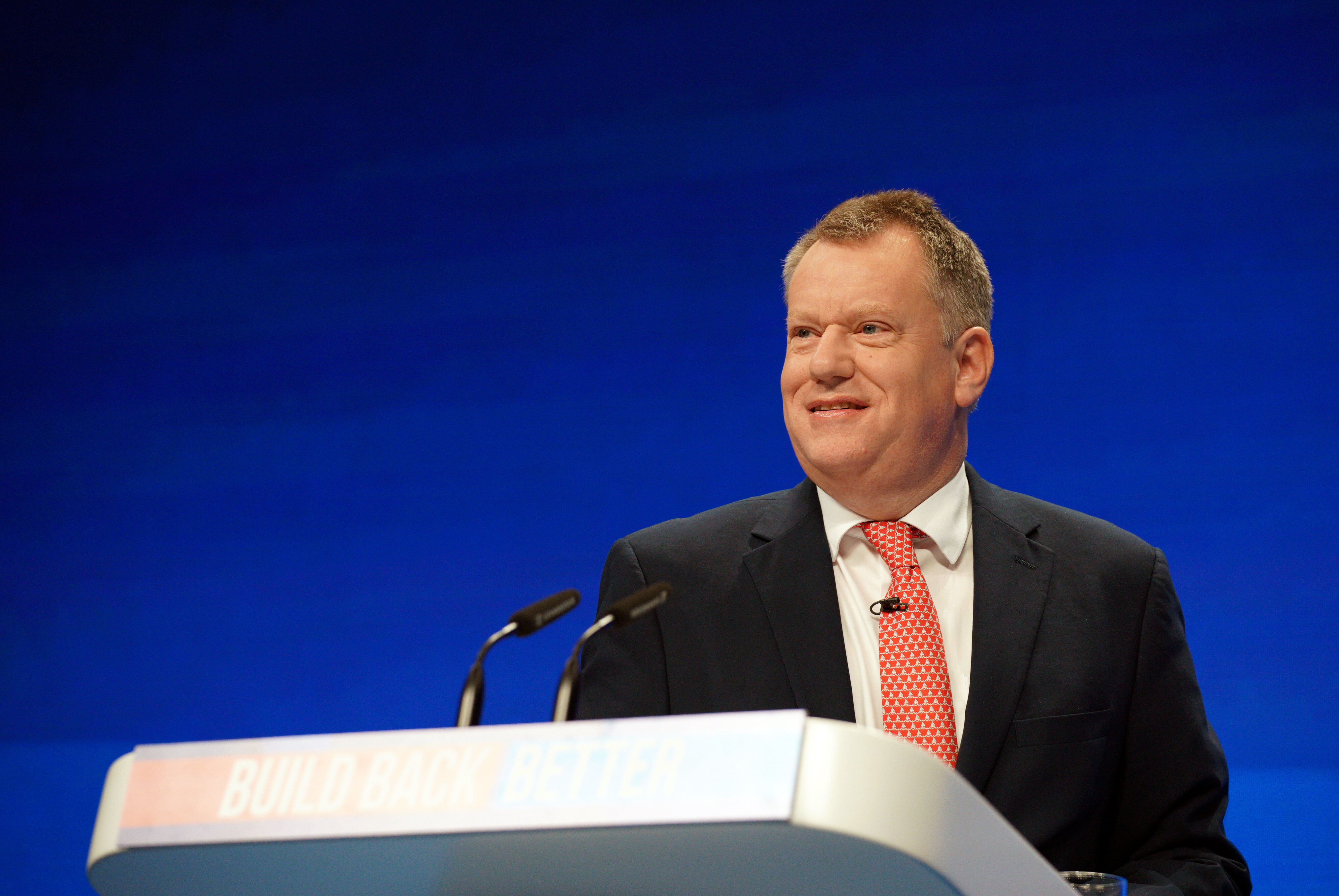
A Conservative peer and former chief Brexit negotiator has said he doesn’t think “anything has gone wrong” after a day of turmoil on the markets which saw the pound briefly slump to an all-time low.

Lord David Frost described the dramatic events since Friday’s mini-budget as “unwarranted” and an “over-reaction” as the Bank of England moved to assure investors it “will not hesitate” to raise interest rates to prop up the value of sterling.

Chancellor Kwasi Kwarteng’s £45 billion package of tax cuts has prompted a run on the currency that has caused wider fears about the state of the economy.

But Lord Frost, speaking on BBC Radio 4’s PM programme as Kwarteng avoided a public statement, appeared relaxed about the pummelling of the pound.

He said: “Well I don’t think anything has gone wrong actually. Liz Truss promised change, a different economic approach to get us back to growth and away from stagnation and that means a number of things have got to happen.

“Yes, rates have got to go up to get inflation under control, we’re going to have to have lower taxes and fiscal support to get people through this period, we’re going to have lots of structural reform as the chancellor said today and we need to hold down spending in the medium term and that’s coming in November.

“So I think what we’ve seen in the last few days is (a) unwarranted and a over-reaction approach to some elements of that, you’ve got to look at the total package which is taking the country on a different direction to get us out of stagnation and get us back to growth.”

Such was the market turmoil on Monday there was growing speculation in financial markets that the Bank would make an emergency interest rate rise after it hiked rates only last week to 2.25% from 1.75%.

Instead, with the pound fragile and bond prices still tumbling, Kwarteng issued a statement just before the British stock market closed to say he would set out medium-term debt-cutting plans on November 23, alongside forecasts from the independent Office for Budget Responsibility of the full scale of government borrowing.

The central bank welcomed “the commitment to sustainable economic growth” from Kwarteng and the independent scrutiny that the OBR growth and borrowing forecasts would bring.

Meanwhile, banks and building societies are withdrawing some of their mortgages from sale.

Three lenders – Halifax, Virgin Money and Skipton Building Society – have so far withdrawn some of their products amid the uncertainty, according to reports.

Share Button

King Charles III Unveils His Royal Cypher (Here’s What That Actually Is)

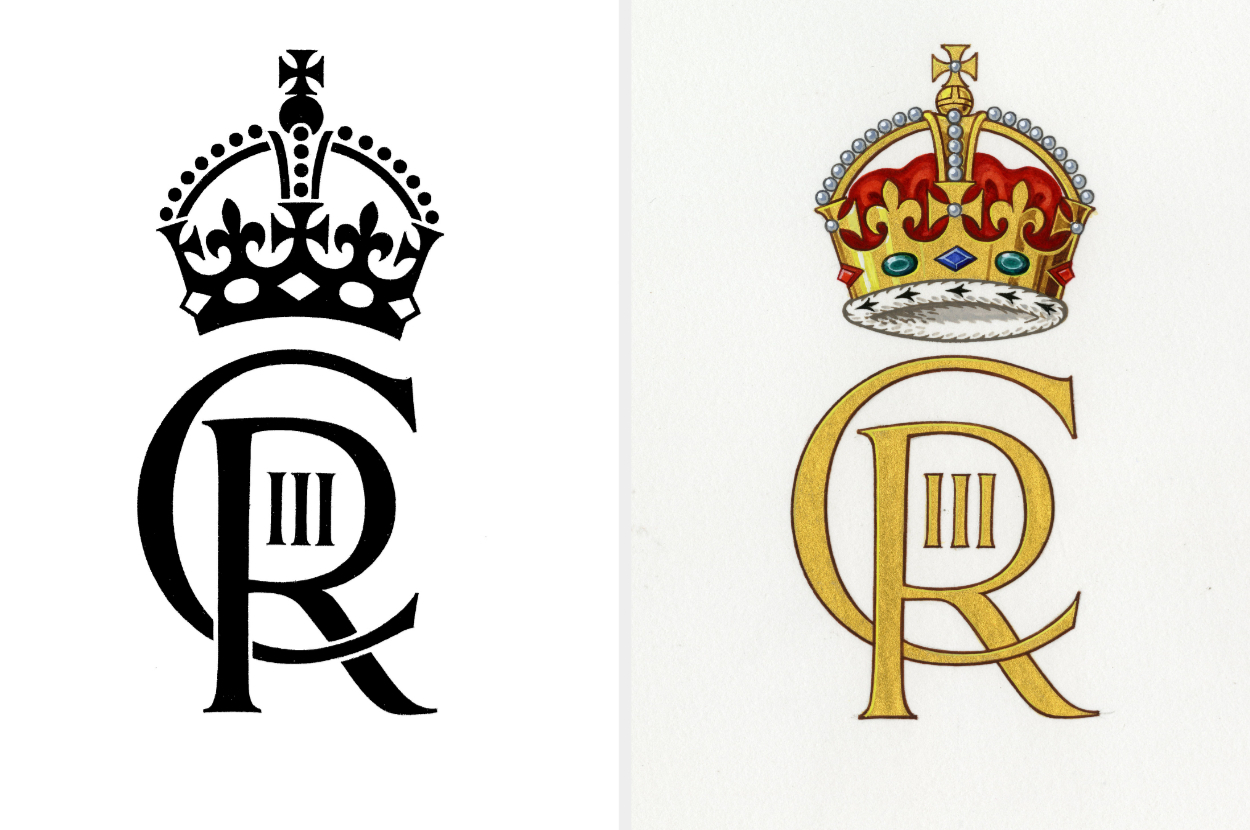
King Charles III has just unveiled his new royal cypher – another, albeit smaller, indication that his reign has officially begun.

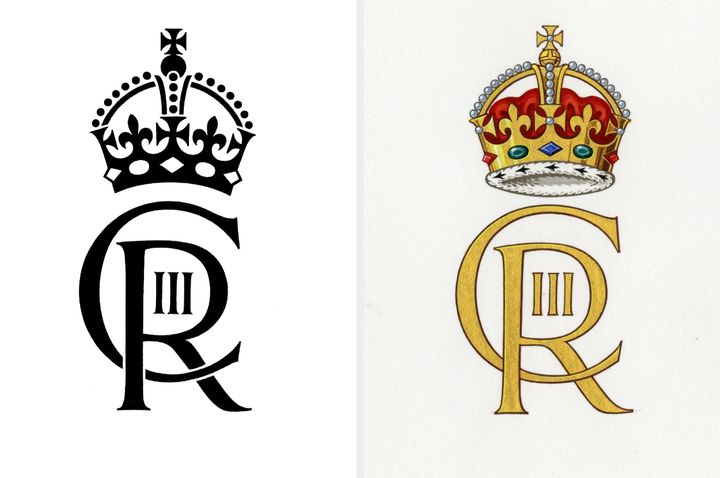
The sign, revealed shortly before the official royal mourning period for the Queen ends on Tuesday, includes the C for his first name and the letter R for Rex, the Latin name for King.

In between these two letters is the Roman numeral for three (III) indicating that he is the third monarch in British history to be known as Charles, so it reads Charles Rex III.

King Charles III's new cypher

Buckingham Palace via PA

King Charles III’s new cypher

The monogram is Charles’ personal property but will appear on government buildings, traditional police helmets, state documents and any post boxes built after his reign began.

It is also used on government departments and the Royal Household for franking mail, although the decision to update the cypher from the Queen’s to the King’s will be at the discretion of individual organisations.

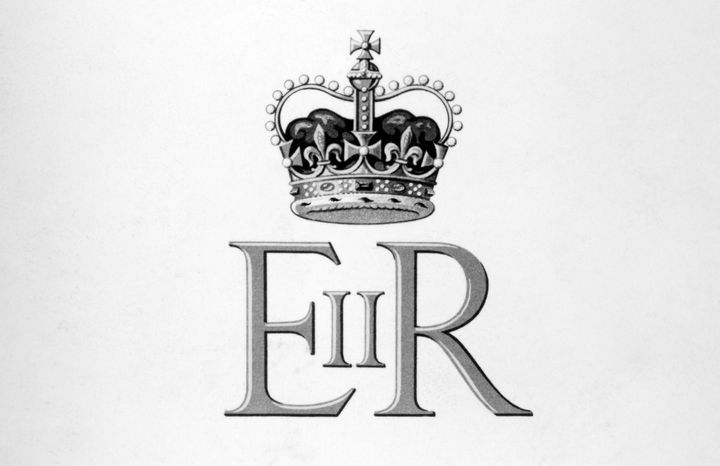
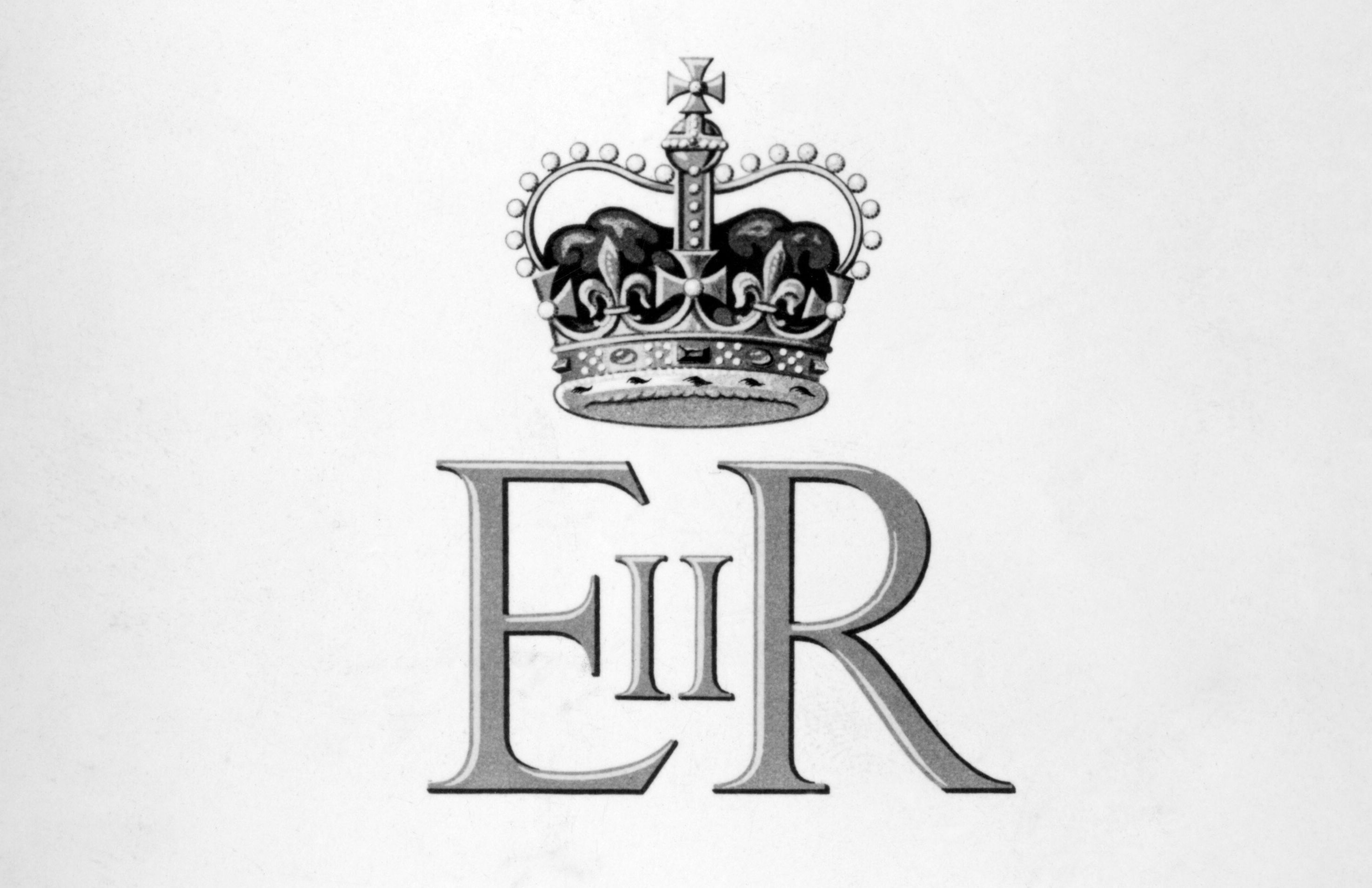
The monogram is not too dissimilar to the one used by his predecessor, his mother Queen Elizabeth II. As the Latin word for Queen is Regina, and she was the second English monarch to use the name Elizabeth, her monogram was ER II (sometimes known E II R).

However, when her cypher was used in Scotland, the II was not used because Scotland never recognised Elizabeth I as their monarch, only Mary Queen of Scots.

And, while kings tend to use the more rounded Tudor crown, queens typically use the St Edward’s crown on their cyphers, as seen below.

The official design, prepared at the College of Arms and approved by the Queen, for the Royal Cypher of Queen Elizabeth II.

PA Images via Getty Images

The official design, prepared at the College of Arms and approved by the Queen, for the Royal Cypher of Queen Elizabeth II.

The King chose his own design after the College of Arms presented him with a series of options. The Scottish version includes the Scottish Crown and was approved by Lord Lyon King of Arms.

The heralds who make up the College are members of the Royal Household.

The cypher could only be shared once Charles confirmed he wanted to reign under his first name, rather than any of his middle names – Philip, Arthur or George.

Don’t expect any huge changes overnight though, as it is traditionally a slow process to alter such symbols on a nationwide basis. The Queen did not experience many of the physical changes until more than a year after her accession to the throne, around 1953.

And, like his mother’s, the King’s coronation is also expected to be a little while off out of respect for his deceased predecessor. There’s speculation that the sovereign will try to have a more toned-down affair as well, in line with his plans for a slimmed down monarchy and amid a worsening cost of living crisis.

Currency, too, will gradually be updated to include Charles’ profile rather than his mother’s, although the new ones will show the King facing to the left. This is a continuation of a 17th Century tradition, which saw successive monarch facing alternative ways.

New stamps, sculptures and portraits, are in the work as well, although they will all need approval from the King himself.

Still, the cypher shows that the new Caroline era is upon us, a name which stems from the Latin equivalent for Charles, Carolus.

This announcement also comes after the Palace released an image of the black ledger stone with the Queen’s name, birth and death dates etched onto it in St George’s Chapel, to mark the late monarch’s final resting place.

She shares the stone with her parents, King George VI and Queen Elizabeth, along with her husband, Prince Philip.

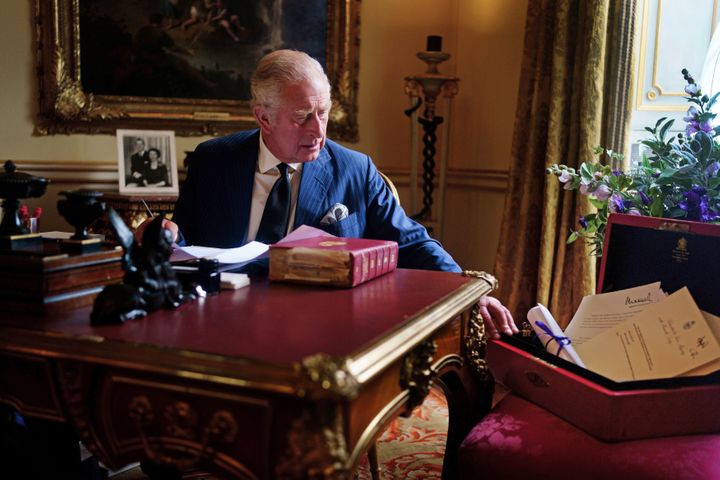
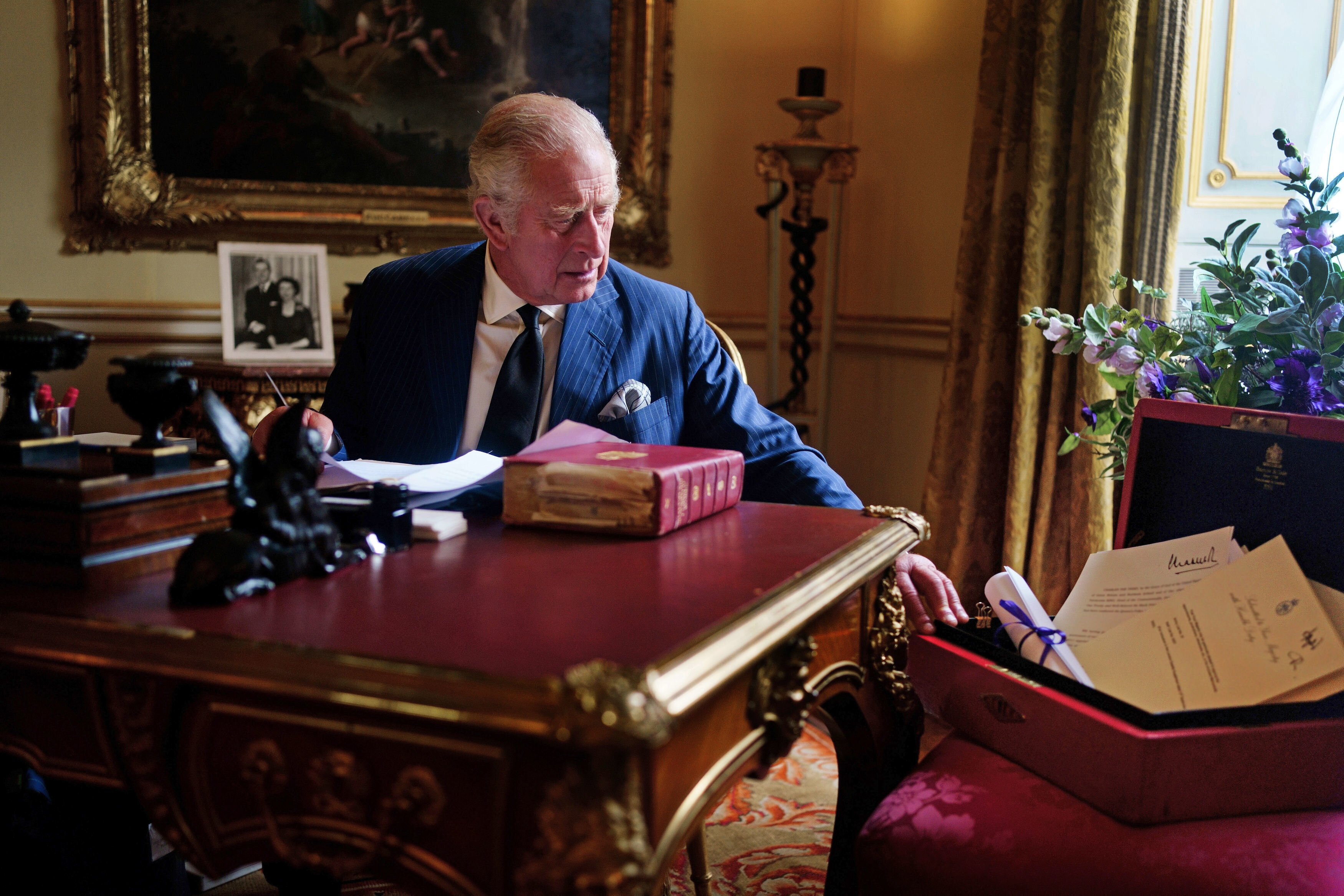
The new monarch also released his first official portrait last week, where Charles is looking at the despatch box while a photo of his parents sits on the side.

King Charles III

Victoria Jones via PA Wire/PA Images

King Charles III
Share Button

Trouble At Topshop: 6 Things We Learned About Our Fashion Fave Of Old

Hard to believe it’s been two years since Topshop closed its doors on the high street, but we’re still trying to understand what happened to one of the most iconic brands in British fashion history.

For a generation of women, Topshop was the place to shop, a position sealed by the likes of Kate Moss, Beyoncé, Cara Delevingne, Adwoa Aboah and Gigi Hadid, who all worked with the brand.

Yet by 2020, its high street reign ended when Phillip Green’s Arcadia group, which also owns Miss Selfridge, Burton and Dorothy Perkins, collapsed into administration.

It was bought up by Asos in February 2021, where it now sells online, but it’s nothing on the heyday of its flagship stores, including its 100,000 sq ft Oxford Circus mecca in London.

Now, a BBC documentary, Trouble at Topshop, tells the story of its rise and fall – shedding new light on what happened behind the scenes.

“This is a story of a group of women who led a fashion revolution. And it’s the story of a man who’s retail empire would make him king of the high street,” we’re told.

“When their world’s collided, there would be a battle for the soul of Topshop.”

The two-part series details Topshop’s biggest controversies – from questions over Green’s tax record to his treatment of employees – all of which have been well documented, though make for fascinating viewing. But along the way, we also learn some lesson-known facts about the brand we worshipped as teens.

Think you knew Topshop? Here are a few snippets from the doc that surprised us.

Topshop was seriously uncool

You probably associate Topshop with the noughties, but the brand (originally Top Shop) was actually founded in Sheffield in 1964 as a ‘youth store’. And by the 80s, when Jane Shepherdson joined the brand as an assistant buyer, it was a “dated retailer for teens”.

“When I took the job at Top Shop I thought: ’Well, this is a bit embarrassing, because it’s Top Shop. It’s a bit naff!” she says in the show.

Burton and Dorothy Perkins were the “cash cows” of the retail group at the time, and Shepherdson recalls: “We didn’t get a huge amount of attention at the time, we were left to get on with it really.”

But thanks to her smart eye, Shepherdson started repositioning Topshop in the market and increasing profits – long before Phillip Green came along.

Women led the fashion revolution

Phillip Green may be the household name, but a team of women led by Shepherdson (who became brand director in 2007), Caren Downie (buying director 1998-2008) and Jenny Garcia (head of buying 2011-2019) created the Topshop look adored by millions.

Until Shepherdson took over, the clothes and marketing were created for the male gaze, says Downie. But she shook up the market by prioritising looks women wanted to buy with their own money – for themselves, not for their husbands.

“Because we were all women and we knew what we wanted to wear – and we knew how it should feel and how it would make us feel – we were able to kind of drive it forward in a completely different way,” Downie says.

Shepherdson would sign off all collections, with outfit options shared in front of a panel – “it was quite Anna Wintour-ish and reminiscent of Vogue,” says Garcia.

But in 2002, Phillip Green’s acquisition meant a shakeup of the business, which was controversial from the off.

“When we heard we were being bought out, there was a whole [sigh] around the office, and a feeling of: ‘Really? What on earth is that going to be like?’” recalls Garcia.

A shoutout for Radio Top Shop

Green’s methods may have been controversial, but he did know how to increase profits – in the early days, at least. And as the brand grew, so did the popularity of its flagship store on London’s Oxford Street. If you visited it in its heyday, you’ll probably remember the DJs positioned by the front door.

But did you know that long before the in-store parties, the brand had its own radio station? Radio Top Shop, which became Fashion FM, launched in 1982 before it eventually closed down. It played in Topshop stores, even launching the career of BBC Radio 1′s Chris Moyles.

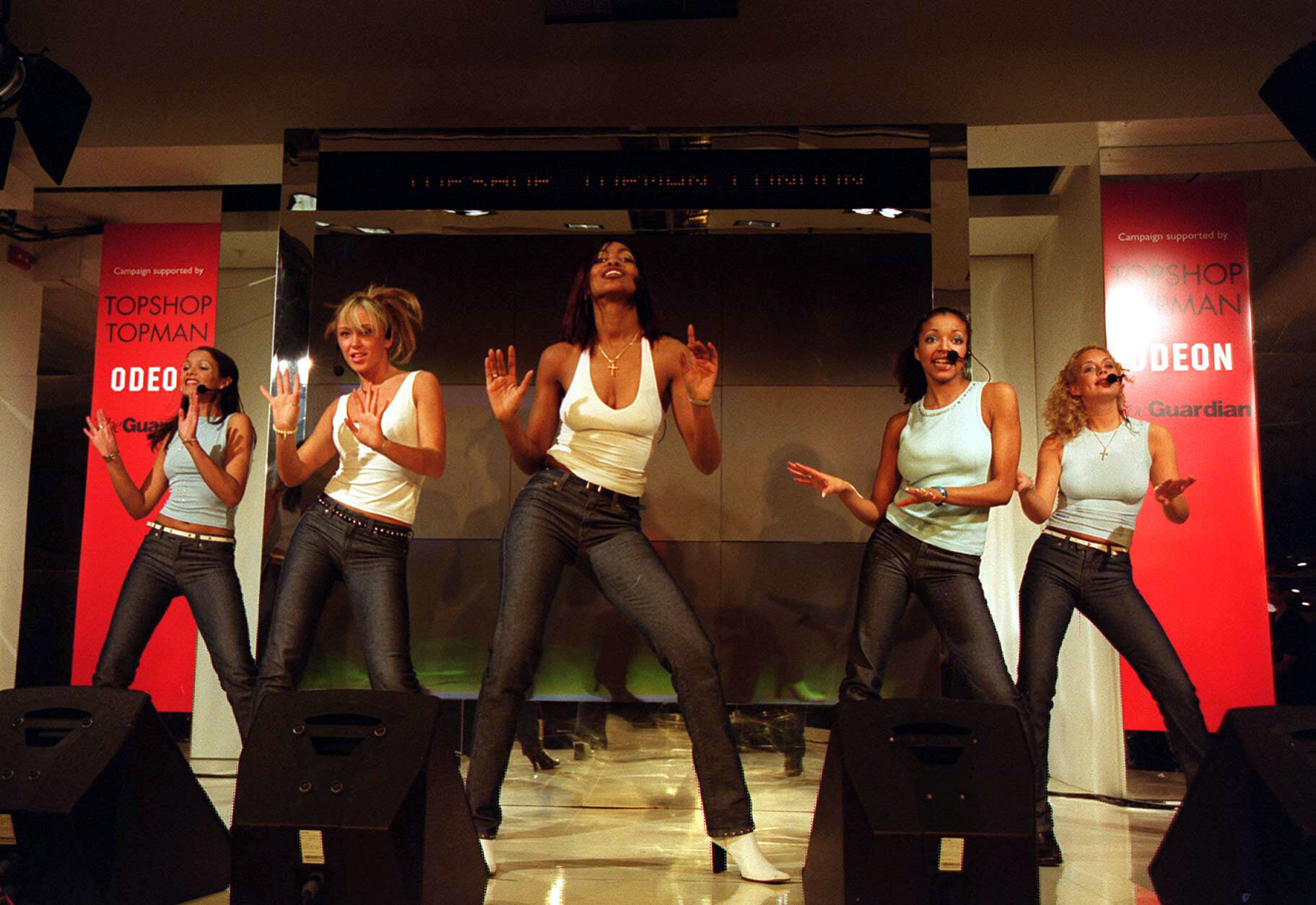
The flagship store also did a turn as a gig venue, with wannabe pop acts performing live next to the clothes.

Pop band Precious, performing at the Topshop / Topman store on Oxford Street, as part of the BBC Talent initiative.

Anthony Harvey – PA Images via Getty Images

Pop band Precious, performing at the Topshop / Topman store on Oxford Street, as part of the BBC Talent initiative.

Topshop wasn’t quite as quintessentially British as you’d think

Topshop marketed itself as the home of Brit-cool fashion, with London very much at its centre. But Garcia reveals the team travelled all around the world to find inspiration for their collections, taking “thousands and thousands of photos” of people on the “fringes” of the fashion scene in streets, clubs, shops, markets – you name it.

Although we associate the brand with British youth culture, it’s actually one of the few British fashion houses that’s broken America. And at its height, Topshop had stores in 40 countries worldwide.

It brought the high street to London Fashion Week

In 2005, Topshop took to the catwalk at London fashion week – something no other high street brand had done. If you were a tween or teen at the time, this game-changing show may have evaded your attention, but it almost definitely influenced the clothes you bought over the next five years.

Topshop was suddenly associated with models – catapulting its reputation to a whole new level – and within months, Phillip Green’s empire was estimated by the Sunday Times rich list to be worth £3bn.

That Kate Moss collab almost didn’t happen

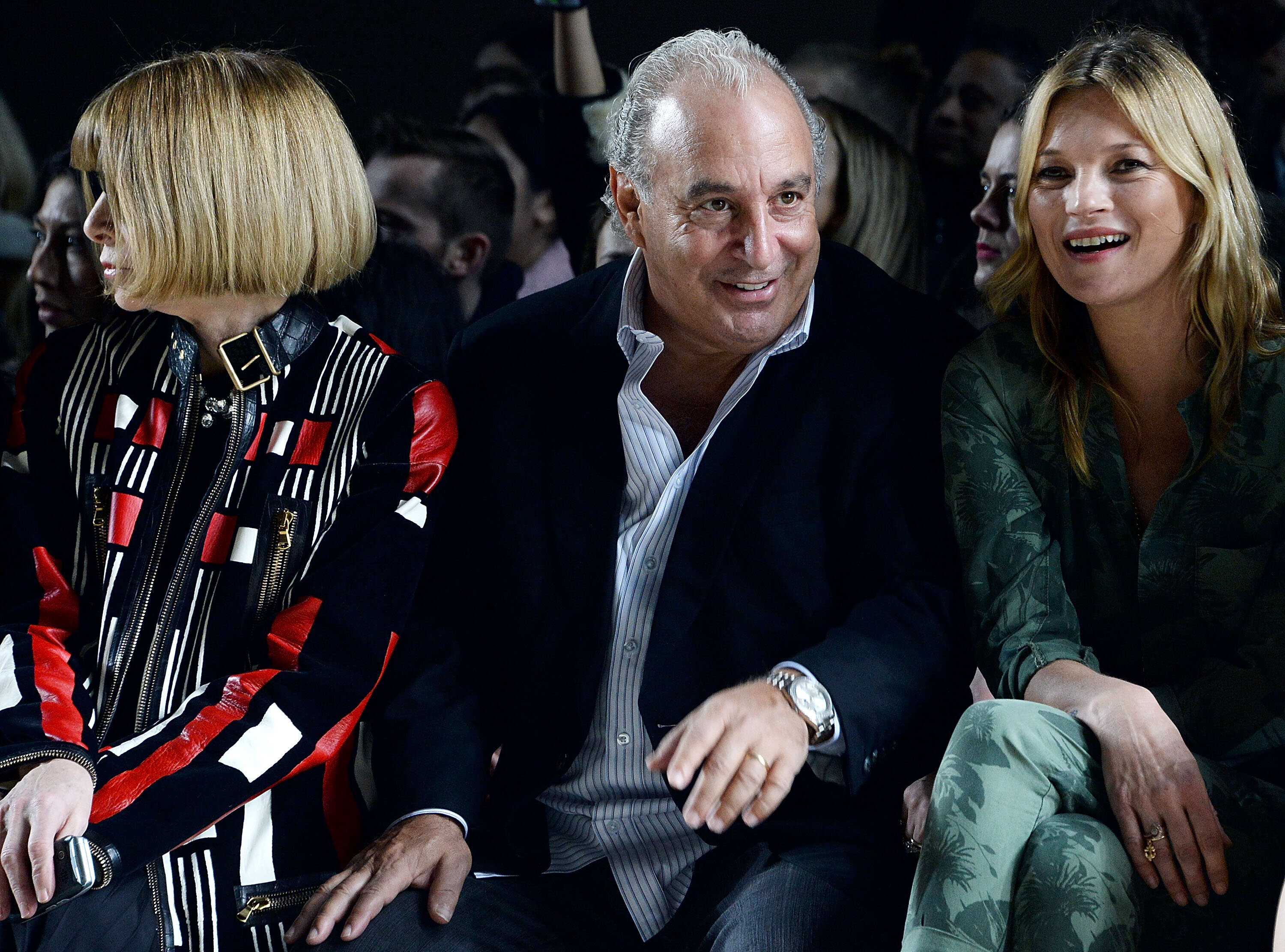
Anna Wintour, Sir Philip Green and Kate Moss attend the Topshop Unique show at London Fashion Week AW14 at Tate Modern on February 16, 2014 in London, England.

David M. Benett via Getty Images

Anna Wintour, Sir Philip Green and Kate Moss attend the Topshop Unique show at London Fashion Week AW14 at Tate Modern on February 16, 2014 in London, England.

Kate Moss launched her first collection for Topshop in 2007 and within its first week, it made around £3m. But it almost didn’t happen. In the documentary, we learn that Green met Moss by chance at a party.

″[It was] by pure luck that I found her, it wasn’t a plan,” he says in interview footage from 2013. “It was just one of those instinctive moments. She said ‘why don’t we do some business?’ and I said ‘well, come and see me.’”

The collection may have been a hit with customers, but papers at the time claimed it contributed towards Shepherdson’s resignation. In the documentary, she says the collection with Moss was a good idea – but hints at tensions mounting behind the scenes regarding how business decisions were made.

You’ll have to watch the documentary for the full details, but what’s clear is without Shepherdson at the helm, Topshop was never the same again.

Trouble at Topshop airs on BBC Two at 9pm on Monday September 26 and on iPlayer

Share Button