The rare species of Ebola involved – known as Bundibugyo – kills around a third of those infected and has no proven vaccine yet.


The rare species of Ebola involved – known as Bundibugyo – kills around a third of those infected and has no proven vaccine yet.

More people are paying close attention to what they eat, often tracking calories, exercising daily, and filling their plates with foods that seem naturally healthy, including fruits and vegetables. Yet even nutritious foods can carry hidden chemical concerns. Some contaminants can enter food from the environment, while others can form during high heat cooking methods such as heating, smoking, grilling, roasting, and frying.
Among the compounds of concern are polycyclic aromatic hydrocarbons, or PAHs (hydrophobic organic compounds comprising multiple fused aromatic rings). Some PAHs are known for their cancer causing potential, which makes reliable food testing an important part of protecting public health.
A Hidden Food Safety Challenge
Detecting PAHs in food is not simple. Conventional extraction methods, such as solid phase extraction, liquid liquid extraction, and accelerated solvent extraction, can be affordable, but they often require lengthy preparation, heavy hands on labor, and chemical intensive procedures that are not ideal for workers or the environment.
To solve these problems, scientists have been turning to a streamlined method known as QuEChERS (Quick, Easy, Cheap, Effective, Rugged, and Safe). The approach is designed to speed up sample preparation, reduce chemical use, improve recovery rates, and make food contaminant testing more practical for routine safety checks.
In a 2025 study, researchers from the Department of Food Science and Biotechnology at Seoul National University of Science and Technology, led by Professor Joon-Goo Lee, used QuEChERS to measure eight PAHs (Benzo[a]anthracene, Chrysene, Benzo[b]fluoranthene, Benzo[k]fluoranthene, Benzo[a]pyrene, Indeno[1,2,3-cd]pyrene, Dibenz[a,h]anthracene, and Benzo[g,h,i]perylene in food. The findings were published in the journal Food Science and Biotechnology.
Faster Testing With Strong Accuracy
The team used acetonitrile to extract PAHs from food samples, then tested several purification strategies involving different combinations of sorbents. The method was validated across multiple food matrices, showing strong performance. Calibration curves for all eight PAHs had R2 values above 0.99, indicating a highly linear and reliable measurement system.
Further analysis using gas chromatography and mass spectrometry showed that the limits of detection ranged from 0.006 to 0.035 µg/kg, while the limits of quantification ranged from 0.019 to 0.133 µg/kg. Recovery rates were also strong, ranging from 86.3 to 109.6% at 5 µg/kg, 87.7 to 100.1% at 10 µg/kg, and 89.6 to 102.9% at 20 µg/kg. Precision values stayed between 0.4 and 6.9% across all tested food matrices.
The study also reported that, among the foods tested, the highest PAH levels were found in soybean oil, followed by duck meat and canola oil.
Prof. Lee explains, “This method not only simplifies the analytical process but also demonstrates high efficiency in detection compared to conventional methods. It can be applied to a wide range of food matrices.”
Why PAHs Matter
PAHs can form when food is exposed to high temperatures or smoke. According to the National Cancer Institute, PAHs can develop when fat and juices from meat drip onto a hot surface or open flame, creating smoke that deposits these compounds onto the food. PAHs can also form during smoking and may be found in sources such as cigarette smoke and car exhaust fumes.
The NCI notes that PAHs and related high temperature cooking compounds have caused cancer in animal studies, although human population studies have not established a definitive link between exposure from cooked meats and cancer. This uncertainty is one reason more accurate measurement tools are valuable. Better testing can help regulators, researchers, and food companies understand where contamination is occurring and how it can be reduced.
Newer Research Points to Broader Use
Since the SeoulTech study, other researchers have continued refining QuEChERS based methods for PAH detection. A 2025 study in Foods developed a modified QuEChERS method with a freeze out step and applied it to 302 retail food samples. That work found the highest concentration of four priority PAHs in Kezuribushi, a smoked and dried fish product, and identified grilled chicken feet as a possible health concern based on the European Food Safety Authority margin of exposure approach.
Another 2025 study focused on cereals and cereal based products. Researchers developed a modified QuEChERS method using Z Sep⁺ clean up and gas chromatography with tandem mass spectrometry. In 96 cereal samples and 18 cereal based products from the Romanian market, only chrysene was quantified in 17% of cereal samples, while no PAHs were quantified in the derived products.
Together, these newer findings suggest that QuEChERS based approaches are becoming increasingly useful for different food categories, from oils and meats to smoked products and cereals. They also show why food specific testing matters, since PAH levels can vary widely depending on ingredients, processing, cooking methods, and environmental exposure.
Safer Food Testing and Cleaner Labs
For the food industry, a faster and more efficient PAH testing method could improve safety management by making it easier to inspect products before they reach consumers. The approach may also reduce costs and improve working conditions by cutting down on time consuming procedures and limiting the use of hazardous chemicals.
“Our research can improve public health by providing safe food. It also reduces the use and emission of hazardous chemicals in laboratory testing,” concludes Prof. Lee.
The broader takeaway is clear: food safety testing is becoming faster, cleaner, and more precise. By improving how scientists detect PAHs, methods like QuEChERS could help identify hidden contaminants, support safer food production, and reduce chemical waste in the lab.
About Professor Joon Goo Lee
Joon Goo Lee is a Professor at the Department of Food Science and Biotechnology, Seoul National University of Science and Technology. He is an expert in food regulation and safety assessment. He served as a scientific officer at Korea’s Ministry of Food and Drug Safety and as a visiting researcher at FSANZ. He is a member of the National Food Sanitation Committee and an expert for the FAO/WHO JECFA. He also serves as the executive director of the Korean food safety societies. His research focuses on risk assessment and the reduction of contaminants in food, contributing to science based policies and improved public health.

Vitamin B12 is best known for helping the body make DNA, red blood cells, and healthy nerve tissue. But research suggests that simply meeting the current minimum standard may not always be enough, especially for older adults.
A UCSF led study found that healthy older people with lower vitamin B12 levels, even when those levels still fell within the accepted normal range, showed signs of subtle neurological and cognitive problems. The findings raise a provocative possibility: some people may be told their B12 status is fine while their brains are already showing early signs of strain.
“Normal” B12 May Not Always Mean Optimal
The study, published in Annals of Neurology, looked at older adults who did not have dementia or mild cognitive impairment. Even in this relatively healthy group, lower levels of active B12 were linked to slower thinking, slower visual processing, and more visible injury in the brain’s white matter. White matter is made up of the nerve fibers that allow different parts of the brain to communicate.
The work was led by senior author Ari J. Green, MD, of the UCSF Departments of Neurology and Ophthalmology and the Weill Institute for Neurosciences. Green and his colleagues said the results call attention to a possible weakness in current B12 guidelines. The minimum threshold used to define deficiency may not capture early functional changes in the nervous system.
“Previous studies that defined healthy amounts of B12 may have missed subtle functional manifestations of high or low levels that can affect people without causing overt symptoms,” said Green, noting that clear deficiencies of the vitamin are commonly associated with a type of anemia. “Revisiting the definition of B12 deficiency to incorporate functional biomarkers could lead to earlier intervention and prevention of cognitive decline.”
Brain Scans Revealed a Troubling Pattern
Researchers enrolled 231 healthy participants through the Brain Aging Network for Cognitive Health (BrANCH) study at UCSF. The participants had an average age of 71, and none had dementia or mild cognitive impairment.
Their average blood B12 level was 414.8 pmol/L, far above the U.S. minimum cutoff of 148 pmol/L. Instead of relying only on total B12, the researchers focused on the biologically active form of the vitamin, which may better reflect how much B12 the body can actually use.
After adjusting for age, sex, education, and cardiovascular risk factors, the team found that participants with lower active B12 had slower processing speed on cognitive tests. The effect was stronger with older age. They also had delayed responses to visual stimuli, pointing to slower visual processing and reduced brain signaling efficiency.
MRI scans added another warning sign. Participants with lower active B12 had a higher volume of white matter lesions, which are areas of brain injury that have been linked to cognitive decline, dementia, and stroke risk.
Why Older Adults May Be More Vulnerable
The study focused on older adults, a group that may be especially sensitive to lower B12 because absorption can become less efficient with age. Some medications, digestive conditions, and diets low in animal based foods can also increase the risk of low B12.
Co-first author Alexandra Beaudry-Richard, MSc, said the findings suggest that low but technically normal B12 could have broader effects than previously recognized. These levels could “impact cognition to a greater extent than what we previously thought, and may affect a much larger proportion of the population than we realize.” Beaudry-Richard is currently completing her doctorate in research and medicine at the UCSF Department of Neurology and the Department of Microbiology and Immunology at the University of Ottawa.
“In addition to redefining B12 deficiency, clinicians should consider supplementation in older patients with neurological symptoms even if their levels are within normal limits,” she said. “Ultimately, we need to invest in more research about the underlying biology of B12 insufficiency, since it may be a preventable cause of cognitive decline.”
Newer Evidence Adds Important Context
Research published after and around the UCSF study has added nuance rather than a simple answer. A 2025 comprehensive review concluded that B12 deficiency remains a modifiable risk factor for neurological and cognitive problems, especially in high risk groups such as older adults and vegetarians. The review also highlighted the growing importance of better biomarkers and brain imaging for detecting problems earlier.
A 2025 systematic review and meta analysis of randomized trials found that supplementation with B vitamins, including B6, B9, or B12, produced a very small benefit in global cognitive function among older adults. The authors rated the cleaned analysis as high certainty, but the effect was small, suggesting that supplementation is not a dramatic brain boost for everyone.
Another 2025 study using Mendelian randomization found no clear evidence that genetically higher total serum B12 levels protect the general population from psychiatric disorders or cognitive impairment. However, the authors noted an important limitation: their analysis used total serum B12, not the bioactive form measured in the UCSF work.
Together, the newer evidence supports a more careful message. B12 is clearly essential for the nervous system, and deficiency should not be ignored. But simply raising B12 for everyone may not be the answer. The more urgent question is whether current testing misses people whose brains are already affected despite “normal” results.
A Preventable Risk Worth Taking Seriously
The UCSF findings do not prove that lower active B12 directly causes cognitive decline, and they do not mean every older adult should begin taking supplements without medical guidance. They do, however, suggest that the current definition of B12 deficiency may be too blunt for brain health.
For clinicians, the study points to the possible value of looking beyond total B12, especially when older patients have neurological symptoms. For patients, it highlights a practical message: a “normal” lab result may not always tell the full story, particularly when subtle changes in memory, thinking speed, or vision are already appearing.
Authors: Co first author is Ahmed Abdelhak, MD, PhD, of the UCSF Department of Neurology and the Weill Institute for Neurosciences.
Funding and Disclosures: Westridge Foundation and the Canadian Institutes of Health and Research. There are no conflicts of interest to report.
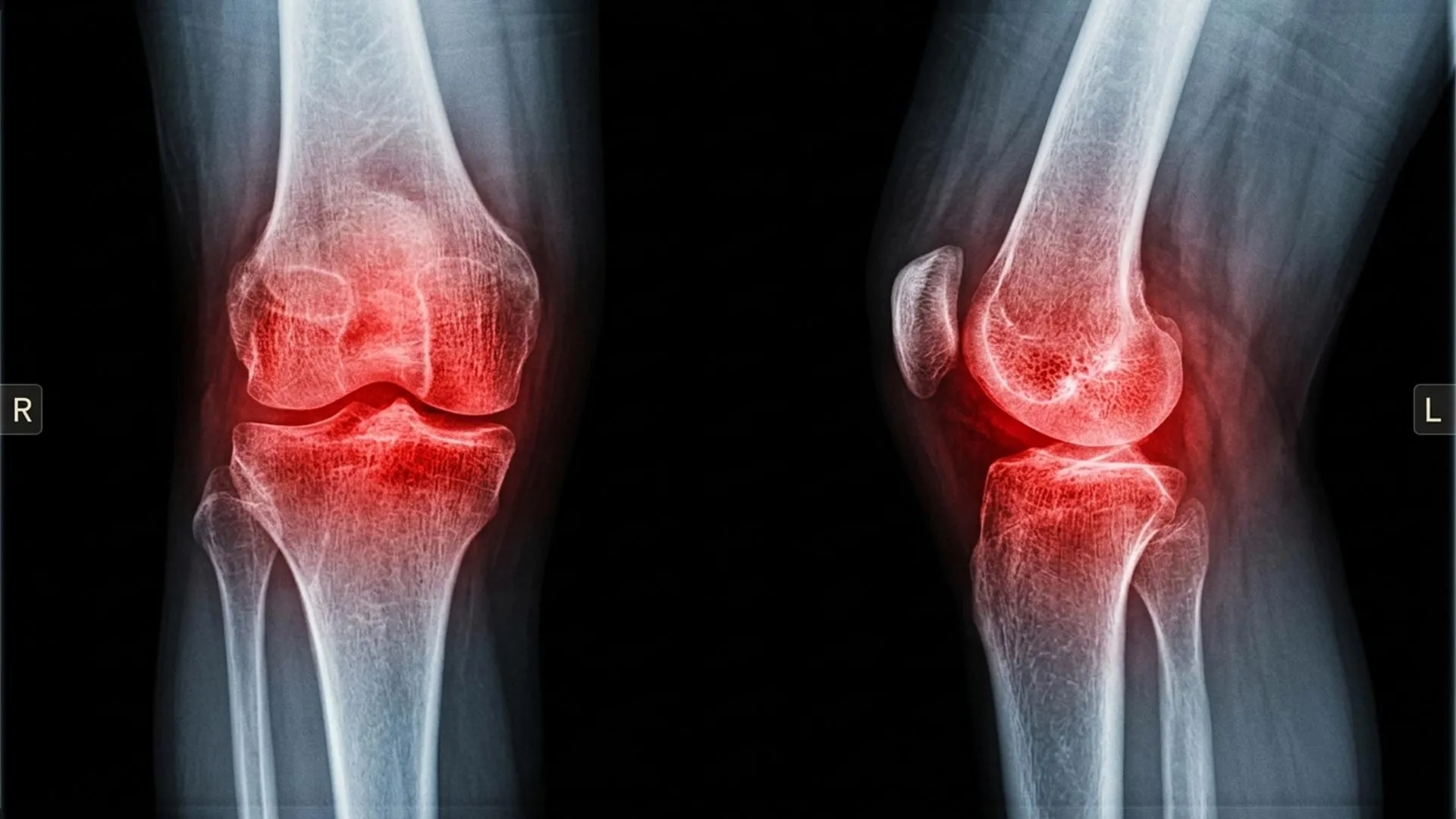
Nearly one in four adults over 40 lives with painful osteoarthritis, a condition that can make everyday movement difficult and is one of the major causes of adult disability. The disease gradually wears down the cartilage that cushions joints. Once that damage occurs, doctors currently cannot reverse it. Treatment usually focuses on pain relief, with joint replacement becoming an option when symptoms become severe.
A clinical trial from researchers at the University of Utah, New York University, and Stanford University points to a different possibility: changing the way a person walks.
A Personalized Shift in Foot Angle
In the yearlong randomized controlled trial, people with knee osteoarthritis were trained to make a small, personalized change in the angle of their foot while walking. The result was striking. Participants who received the real gait retraining reported pain relief comparable to medication, and MRI scans suggested they had less knee cartilage deterioration than people in the placebo group.
The study, published in The Lancet Rheumatology, was co led by Scott Uhlrich of the University of Utah’s John and Marcia Price College of Engineering. According to the researchers, it was the first placebo controlled study to show that a biomechanical intervention could help treat osteoarthritis symptoms and potentially slow joint damage.
“We’ve known that for people with osteoarthritis, higher loads in their knee accelerate progression, and that changing the foot angle can reduce knee load,” said Uhlrich, an assistant professor of mechanical engineering. “So the idea of a biomechanical intervention is not new, but there have not been randomized, placebo-controlled studies to show that they’re effective.”
Why the Treatment Had To Be Customized
The study focused on people with mild to moderate osteoarthritis in the medial compartment of the knee, which is the inner side of the joint. This area usually carries more weight than the outer side, making it a common site for knee osteoarthritis.
But there is a key challenge: the best walking adjustment is not the same for everyone. Some people reduce knee loading by turning their toes slightly inward. Others benefit more from pointing them outward. For some, the wrong change can fail to help or even increase stress on the painful part of the knee.
“Previous trials prescribed the same intervention to all individuals, resulting in some individuals not reducing, or even increasing, their joint loading,” Uhlrich said. “We used a personalized approach to selecting each individual’s new walking pattern, which improved how much individuals could offload their knee and likely contributed to the positive effect on pain and cartilage that we saw.”
That point has become even more important as related research continues to show that foot angle changes can affect knee forces differently depending on the person, the joint, and the walking pattern. A 2024 study in Bioengineering, for example, found that inward and outward foot rotation affected different peaks of knee loading, while not significantly increasing ankle joint moments in the group studied. Other research has also shown that foot progression angle can be measured outside the lab with wearable sensors, supporting the idea that future versions of this approach could be easier to deliver in real life.
How the Trial Worked
During their first two visits, participants received a baseline MRI and walked on a pressure sensitive treadmill while motion capture cameras measured the mechanics of their gait. The researchers used those data to determine whether each person would benefit more from turning the toes inward or outward, and whether a 5° or 10° adjustment would be best.
This screening also identified people who were unlikely to benefit because none of the tested foot angle changes reduced loading in their knees. Those participants were excluded from the trial. The researchers noted that including such people in earlier studies may have helped explain why previous results on pain were less clear.
Of the 68 participants enrolled, half were assigned to the real gait retraining group. The other half received a sham treatment designed to control for the placebo effect. In the sham group, participants were assigned foot angles that matched their natural walking pattern. In the intervention group, each participant received the foot angle change that produced the greatest reduction in knee loading.
Training the New Walking Pattern
Both groups returned to the lab for six weekly training sessions. During these sessions, participants walked on a treadmill while wearing a device on the shin that provided vibration feedback. The vibrations helped them keep their assigned foot angle while walking.
After the six week training period, participants were encouraged to practice the walking pattern for at least 20 minutes each day. The goal was for the movement to become automatic. Follow up visits showed that, on average, participants stayed within one degree of their prescribed foot angle.
After one year, participants reported their knee pain levels and underwent a second MRI so researchers could measure changes in cartilage health.
“The reported decrease in pain over the placebo group was somewhere between what you’d expect from an over-the-counter medication, like ibuprofen, and a narcotic, like oxycontin,” Uhlrich said. “With the MRIs, we also saw slower degradation of a marker of cartilage health in the intervention group, which was quite exciting.”
A Drug Free Option for a Long Treatment Gap
For some participants, one of the most appealing parts of the approach was that it did not require pills, surgery, braces, or a device worn all day. One participant said: “I don’t have to take a drug or wear a device…it’s just a part of my body now that will be with me for the rest of my days, so that I’m thrilled with.”
That long term adherence could be one of the intervention’s biggest strengths. Many people develop osteoarthritis decades before they are candidates for joint replacement. During that time, they may rely heavily on pain medications and other symptom management strategies.
“Especially for people in their 30’s, 40’s, or 50’s, osteoarthritis could mean decades of pain management before they’re recommended for a joint replacement,” Uhrlich said. “This intervention could help fill that large treatment gap.”
A 2026 conference abstract in Osteoarthritis and Cartilage also highlighted continued interest in placebo controlled trials of foot progression angle retraining, underscoring that researchers are still trying to determine which gait strategies work best and for whom. However, this area remains under active study, and the 2025 Lancet Rheumatology trial is still one of the strongest clinical demonstrations of a personalized approach.
Why Patients Should Not Try This Alone
Although the findings are promising, the researchers emphasized that this is not a simple “turn your toes in” or “turn your toes out” recommendation. The benefit depended on careful measurement and personalization. For some people, the wrong adjustment could increase stress on the knee rather than reduce it.
That is why the process still needs to be simplified before it can be used widely in clinics. The motion capture system used to prescribe each person’s walking change is expensive and time consuming. The research team envisions a future version that could be delivered through physical therapy, with retraining taking place during normal walks rather than only inside a lab.
“We and others have developed technology that could be used to both personalize and deliver this intervention in a clinical setting using mobile sensors, like smartphone video and a ‘smart shoe’,” Uhlrich said. Future studies of this approach are needed before the intervention can be made widely available to the public.
Those interested in participating in future studies can contact Uhlrich’s Movement Bioengineering Lab by filling out this web form.
The study, titled “Personalised gait retraining for medial compartment knee osteoarthritis: a randomised controlled trial,” was published in The Lancet Rheumatology. Co lead authors are Valentina Mazzoli of NYU’s Department of Radiology and Julie Kolesar of Stanford’s Human Performance Lab. Coauthors include Amy Silder, Andrea Finlay, Feliks Kogan, Garry Gold, Scott Delp and Gary Beaupre of Stanford and the VA Palo Alto Medical Center. The research was supported by federal research grants from the Department of Veterans Affairs, National Institutes of Health and National Science Foundation.

New guidance from the Equality and Human Rights Commission has been slammed by campaigners for being “exclusionary” and weakening wider LGBTQ+ protections.
The equalities watchdog has ruled that single-sex spaces, like changing rooms and toilets, can only be used on the basis of biological sex.
Advertisement
It states transgender people should instead use a third or a gender-neutral space.
It also warns that leaving the community without access to any services or facilities would be unlikely to be proportionate and could be discriminatory.
The EHRC’s delayed code of practice comes after the Supreme Court ruled that sex in the Equality Act refers to biological sex in 2025.
Councils, NHS trusts and businesses had postponed updating their policies on how to accommodate for single-sex spaces while waiting for the EHRC advice.
Advertisement
MPs and peers now have 40 days to raise their own concerns about the advice before it becomes statutory.
However, campaign groups have warned that this is a step backwards for LGBTQ+ rights.
Trans+ Solidarity Alliance director Alexandra Parmar-Yee said: “The law here is a mess, and clearly many businesses will just go gender neutral to avoid the headache, but the government risks pushing trans people yet further out of public life.
“This guidance is going to be a Section 28 moment for this Labour government, defining their legacy on LGBTQ+ rights.
Advertisement
“It’s the sort of trans rights policy we would expect from Trump’s America, and is worryingly similar to a US bathroom ban condemned by the UK foreign office in 2016.”
The second Trump administration has focused on restricting transgender rights, including attempts to block gender-affirming care and refusing federal funding for single-sex facilities that are not segregated by biological sex.
Parmar-Yee added: “While some language has been softened, the same exclusionary core remains.
“Treating trans people like this puts the UK outside the international human rights norm, and the right thing for Labour to do here would be to urgently legislate to clarify Parliament’s original intent for trans equality.”
Advertisement
Similarly, TransActual said: “The newly published EHRC Code of Practice leaves trans people in the UK today with less rights than they had prior to last year’s Supreme Court ruling.
“Not only does this new guidance fail to protect the rights and dignity of transgender people, but appears to have weakened protections for the LGBTQ+ community as a whole.
“Rather than engage with our community with respect, the government has instead withheld publishing its new Code of Practice until as late as possible.
Advertisement
“TransActual will continue to fight for equal access to public life for all trans people, and will publish our full thoughts on the new Code once we have had the time to properly scrutinise it – something that the government seems keen to avoid.”
The Women and Equalities Unit has been contacted for comment.
After announcing the guidance, women and equalities minister Bridget Phillipson said: “The Equality Act enshrines our rights in law so that people can live free from discrimination and harassment.
“Our focus has always been making sure organisations have clear, accessible guidance on how to implement the law.
Advertisement
“I thank the EHRC for their work updating the draft code of practice, and look forward to continuing to work with them to ensure people’s rights are upheld across our country.”
Subscribe to Commons People, the podcast that makes politics easy. Every week, Kevin Schofield and Kate Nicholson unpack the week’s biggest stories to keep you informed. Join us for straightforward analysis of what’s going on at Westminster.
Subscribe to Commons People, the podcast that makes politics easy. Every week, Kevin Schofield and Kate Nicholson unpack the week’s biggest stories to keep you informed. Join us for straightforward analysis of what’s going on at Westminster.

When the trailer for the new Netflix comedy film Ladies First dropped, it quickly raised eyebrows, with some critics going as far as calling it “the worst movie trailer” the had “ever seen”.
And let’s just say the response isn’t any better now that the film has landed on streaming services, with a smattering of one- and two-star reviews.
Advertisement
Ladies First stars Sacha Baron Cohen as a chauvinistic CEO whose life is upended when he wakes up in a parallel world dominated by women.
Despite an all-star cast which includes Rosamund Pike, Fiona Shaw, Charles Dance and Emily Mortimer, the film is getting negative reviews across the board.
Critics are calling out the film’s subpar jokes, borderline-offensive gender politics and misuse of its talented British cast.
Advertisement
Here is what people are saying about Ladies First…
“In its attempt to become a one-stop shop for just about every form of nostalgia possible, Netflix has now decided to revive the dreadful British comedy of the 2000s.
The all-deciding algorithm has somehow deemed it necessary for a return to that cursed era with the release of Ladies First, a broad and chintzy new comedy that would have felt old hat even back then.
“It’s an excruciatingly unfunny high-concept thought experiment, imagining a world with flipped gender politics, that’s far too happy with itself and what it’s allegedly achieving to be passed off as just some charming throwback.”
Advertisement
“This a film that attempts to wring side-splitting laughter from the wacky, dystopian sight of, ho-ho, women taxi drivers, women paramedics and women changing tyres. Plus, equally hilarious are the scenes featuring, snicker snicker, men cooking, men hugging and men being interested in their children. Finger off the pulse? Just a bit.”

Rob Youngson/Netflix
“A dated battle-of-the-sexes comedy […] at a time when laws change daily to restrict women’s bodily autonomy, protect men from accountability and reinstate antiquated values that benefit a few at the expense of the many, sexual politics can feel more regressive than ever.
Advertisement
“But as uneven a playing field as women may face against men in their lives, relationships and careers, Ladies First is a movie that seems like it’s made less for this moment than one a few generations ago.”
“This comic tale of an arrogant, sexist male executive who gets his comeuppance when he hits his head and wakes up to find himself in a world dominated by women hits every satirical note you’d expect but provides more knowing chuckles than genuine laughs.
“An almost ridiculously overqualified cast of notable British thespians does their best to elevate the material of this Netflix comedy directed by Thea Sharrock but it’s heavy lifting.”
Advertisement
“The easy feminism of winks and role reversals quickly wears thin. Most of the movie takes place in Damien’s head after all, and much of its lessons are about his growth. Why does that sound so familiar?”

“Sacha Baron Cohen is knocked unconscious early in Netflix comedy Ladies First, a film that only sometimes makes you wish the same for yourself.”
Advertisement
“Men and women both will find a number of alarming concepts in the gender-flipping comedy Ladies First not the least of which will be the idea of Sacha Baron Cohen as a romantic lead.
“He’s a terrific actor. Whether he has the animal magnetism to play opposite Rosamund Pike (who does?) strains credulity. But so does most of the movie.”
Ladies First is now streaming on Netflix.




The Greens’ candidate for the Makerfield by-election has quit after less than 12 hours in the role.
The party said Chris Kennedy, a nurse and children’s safeguarding specialist, stood down for “personal and family reasons”.
He was announced as the candidate at around 7.30am on Thursday but had stood down by approximately 4.30pm.
Advertisement
The Greens are now looking for nominations for new candidates before the by-election on June 18.
Shortly after the news broke, The Times reported Kennedy had shared social media posts describing an attack on Jewish ambulances in north London as a “false flag” operation.
An Instagram video described the attack as “total bullshit to keep the false flag flying” and included an image where parts of the word “Jewish” had been blacked out.
Kennedy also shared a post from Hugh Anthony, who describes himself as a “proud ethno-nationalist”, which claimed the Golders Green terror attack made “no sense”.
Advertisement
A Green Party spokesperson told The Times that Kennedy “apologises for the offence caused” and had deleted the posts.
A party representative told the BBC the posts “don’t reflect the views of The Green Party”.
When announcing Kennedy’s decision to stand down, a Green spokesperson said: “We wish Chris the best and understand that family has to come first.
“As a party, we are re-opening nominations now because we believe people in Makerfield deserve a real choice at this by-election, and the Green Party will be standing to offer exactly that.
Advertisement
“Across the country, more and more voters are turning away from the old parties and looking for politicians who will genuinely stand up for their communities.
“We will also be redoubling our efforts on campaigning to expose the risk of Reform, a party who seeks to divide our communities.
“This election has to be about how to make the super-rich pay their fair share, how we tackle the cost-of-living crisis with lower bills and affordable housing, and how we protect our public services and our green spaces.
Advertisement
“It has to be about offering Makerfield hope over hate.”
Subscribe to Commons People, the podcast that makes politics easy. Every week, Kevin Schofield and Kate Nicholson unpack the week’s biggest stories to keep you informed. Join us for straightforward analysis of what’s going on at Westminster.

Arthritis covers a wide range of joint disorders, including inflammatory conditions such as rheumatoid arthritis and psoriatic arthritis, as well as osteoarthritis, the most common form of the disease. Many people living with arthritis struggle with pain, stiffness, and reduced mobility that can significantly affect daily life.
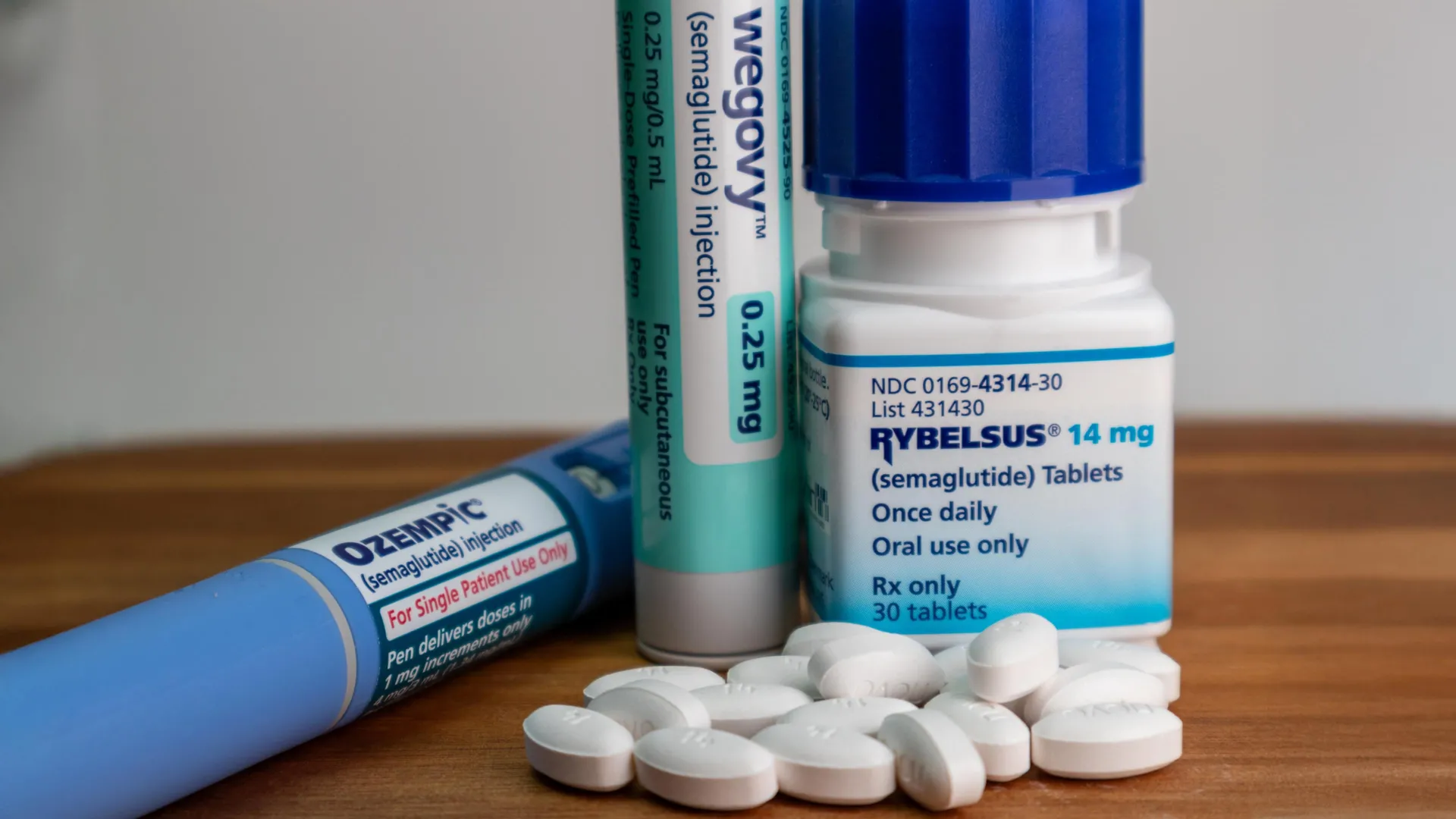
Current treatments mainly focus on easing symptoms and lowering inflammation, depending on the specific type of arthritis. Now, researchers at Aarhus University’s Department of Biomedicine have identified a possible new direction for future therapies involving GLP-1, the hormone targeted by popular weight loss medications such as Wegovy.
The findings were published in Lancet Rheumatology.
“Our study shows that the body’s own GLP-1 hormone is present only in very small amounts in the joints. This means that its natural effect in the joint is likely to be limited. However, it also suggests that GLP-1-based medication, which is administered in much higher doses, may be able to influence inflammation directly in the joints,” said Associate Professor Tue Wenzel Kragstrup, who led the research.
Because GLP-1 medications deliver much higher levels of the hormone than the body naturally produces in the joints, researchers believe these drugs could potentially affect inflammation in those tissues.
Possible Double Benefit From GLP-1 Drugs
Weight management is already recommended for many arthritis patients, especially those with osteoarthritis. According to the researchers, GLP-1 medications could eventually provide benefits beyond weight reduction alone.
“Weight loss is already part of the recommendations for many patients with arthritis, but our study may indicate that medication such as Wegovy could have a dual effect — both through weight loss and by increasing GLP-1 levels in the joints,” Kragstrup said.
The study analyzed blood samples and joint fluid taken from arthritis patients. The data work was led by medical doctor and PhD student Mads Brüner together with PhD student Amalie Broksø.
Researchers found that GLP-1 levels inside the joints closely matched levels circulating in the bloodstream.
“We can see that the levels of GLP-1 in joint fluid are closely linked to the levels in the blood. This suggests that it is primarily the amount of GLP-1 circulating in the body that determines how much reaches the joint,” Brüner explained.
First Detection of GLP-1 in Arthritic Joint Fluid
Earlier studies had suggested GLP-1 might have anti-inflammatory properties, but this marks the first time scientists have detected the hormone directly in the joint fluid of arthritis patients.
“Our findings provide a biological basis for investigating whether GLP-1-based medication may have direct effects in the joints — beyond the known effects on weight and metabolism. However, we have not demonstrated that the treatment works against arthritis. This will require a number of clinical studies,” Kragstrup said.
The researchers caution that patients should not expect GLP-1 drugs to become arthritis treatments anytime soon. Much more research is needed before doctors can determine whether these medications can actually reduce inflammation or relieve symptoms inside the joints.
“The next step is to investigate whether the medication reaches the joints in sufficient quantities and actually reduces inflammation in the joints.”
About the Study
The research was a translational clinical biomarker study that examined paired blood and joint fluid samples from patients with inflammatory arthritis, including rheumatoid arthritis and spondyloarthritis. The goal was to determine whether GLP-1 could be measured in joint fluid and how those levels compared with concentrations found in the blood.
The project involved researchers from Aarhus University’s Department of Biomedicine, the Department of Molecular Medicine (MOMA) at Aarhus University Hospital, the Clinic for Rheumatic and Connective Tissue Diseases at the Medical Diagnostic Centre at Hospitalsenhed Midt, the Novo Nordisk Foundation Center for Basic Metabolic Research, and the Department of Biomedical Sciences at the University of Copenhagen.
Funding came from Director Michael Hermann Nielsen’s Memorial Grant and the Risford Foundation. The authors reported no conflicts of interest related to the study.
Bereaved families are calling for a national cardiac screening programme for over-14s

Researchers are offering a new way to understand why aging is so closely connected to chronic illness. In a review published in Aging-US titled “Aging as a multifactorial disorder with two stages,” scientists from University College London and Queen Mary University of London describe a model suggesting that diseases linked to aging may develop through two separate but connected phases over the course of life.
The review was written by David Gems and Alexander Carver from University College London, along with Yuan Zhao from Queen Mary University of London. Their work combines ideas from evolutionary biology with findings from modern biomedical research to explain how early damage in the body may later contribute to diseases such as cancer, arthritis, and infections.
How Early-Life Damage May Shape Health Decades Later
According to the researchers, the first stage begins earlier in life when the body experiences various forms of disruption. These can include infections, physical injuries, or genetic mutations. While the body is often able to repair or contain much of this damage, some of it may remain hidden rather than being fully removed.
The second stage occurs later in life as normal genetic activity starts changing in ways that are no longer beneficial to the body. These late-life biological changes can weaken the body’s ability to keep earlier damage under control. As a result, previously contained problems may gradually develop into disease.
The scientists argue that this process helps explain why many illnesses appear mainly in older adults even though their origins may trace back much earlier.
Why Diseases Like Shingles and Arthritis Appear With Age
The review highlights aging as a multifactorial process, meaning it is driven by many interacting biological factors instead of a single cause. The proposed model suggests that the combination of earlier damage and later-life genetic changes plays a major role in age-related disease.
For example, dormant viruses that remain inactive for years can become active again when the immune system weakens with age, leading to conditions such as shingles. In a similar way, injuries sustained in youth may eventually contribute to osteoarthritis as aging tissues become less resilient over time.
Inherited genetic mutations may also stay silent for decades before increasing the risk of diseases such as cancer or fibrosis later in life.
Evolutionary Biology and Aging Research
The researchers say their model builds on long-standing evolutionary theories of aging. One influential idea is that natural selection becomes weaker later in life, allowing harmful biological processes to emerge with age because they have less impact on reproduction and survival earlier in life.
The review also references studies involving the roundworm Caenorhabditis elegans. In these experiments, early mechanical damage in the worms eventually led to fatal infections in old age. The scientists suggest similar patterns may also occur in humans.
A New Framework for Healthier Aging
Overall, the review presents aging as a process shaped by multiple interacting causes that unfold over time. By separating aging into two major stages, early-life damage and later-life genetic activity, the researchers believe their framework could help guide future strategies aimed at disease prevention and healthier aging.
The findings also raise the possibility that reducing damage earlier in life or targeting harmful late-life biological changes could help lower the risk of chronic disease in older adults.
