A new toolkit to engineer safe and efficient therapeutic cells

Therapies based on engineered immune cells have recently emerged as a promising approach in the treatment of cancer. Compared to traditional drugs, engineered immune cells are more precise and sophisticated in their ability to detect and eliminate cancer cells.

But despite their promise, cell-based therapies still face important limitations, including toxicity and the possibility that they could attack healthy cells. In addition, scientists don’t have a good handle on how to modify existing therapeutic cells to expand their applications or better control their activity.

To overcome these limitations, researchers at Gladstone Institutes and UC San Francisco (UCSF) undertook a systematic analysis of the molecular building blocks used to engineer therapeutic cells. Their work, reported in the journal Cell, resulted in a comprehensive rule book for the design of therapeutic cells with improved specificity and safety, and for the eventual customization of cell-based therapies.

“We have identified principles that should greatly facilitate the engineering of therapeutic cells with greater sensitivity, accuracy, and safety than was possible before,” says Kole Roybal, PhD, an associate professor in the Department of Microbiology and Immunology at UCSF, an affiliate investigator at Gladstone Institutes and core member of the Gladstone-UCSF Institute of Genomic Immunology, a Parker Institute for Cancer Immunotherapy investigator, and the study’s senior author. “Our work will provide biomedical researchers with a toolkit for directing a range of cell-based therapies to their intended targets and for programming their therapeutic activities.”

Building a Better Receptor

At the core of most therapeutic cells is a molecule called a receptor. Receptors are large proteins that straddle the cell’s outer membrane. Their outer portion recognizes a specific target (for instance a protein on the surface of a cancer cell) and their inner portion tells the cell what to do upon recognizing this target. One way to engineer a therapeutic cell is to insert in a cell — often an immune cell called a T cell — a synthetic receptor made by piecing together fragments of known receptors.

This approach was used to create CAR-T cells, which have proven very effective at eliminating some types of blood cancers. CAR-T cells harbor a “chimeric antigen receptor” (CAR) that is based on a receptor normally found in T cells.

Starting with a different backbone, Roybal previously developed a receptor called synNotch that can direct T cells to better recognize and kill solid tumors. Since this early stage research, Roybal’s lab has shown how synNotch can be used in combination with CARs to develop next-generation cell therapies for ovarian cancer and mesothelioma. The synNotch receptor allows scientists to precisely control when and where the therapeutic T cell is active.

“These smart cell therapies can unleash potent therapeutic activity precisely at the site of disease, improving the efficacy of the therapy and reducing the chance of life-threatening toxicities seen in patients,” says Roybal.

However, the original synNotch receptor is difficult to deploy for cell-based therapy in humans. For one thing it is bulky, which makes it difficult to insert into human cells. For another, some of its parts come from mouse, yeast, and viruses instead of human receptors, which could lead to immune rejection of the engineered cells once introduced in a patient.

To understand what they could keep and remove from the synNotch receptor without losing its desirable features, the Roybal team systematically swapped out various portions of the receptor. After inserting the modified receptors in human T cells, the scientists tested their ability to recognize their intended targets and activate the expected response.

“A challenging but fun feat was figuring out how different parts of known receptors function, so that we could take those pieces apart and put them back together in novel ways to meet our design specifications,” says Raymond Liu, PhD, a first author of the study and postdoctoral fellow in Roybal’s lab.

In the end, the team produced a catalog of receptors they dubbed SNIPRs, which are small enough for cost-effective engineering into human cells. They are also made exclusively from human receptor fragments and can detect and respond to even small amounts of their targets. In addition, the activity of SNIPRs can be adapted so that cells that harbor them don’t just kill target cells, but can also deliver specific molecules to precise disease locations.

“Understanding the rules of receptor design allowed us to build receptors that are more effective and also better suited for clinical translation,” says Iowis Zhu, a graduate student in the Roybal Lab and the other first author of the new study.

A Platform for Next-Generation Cell Therapy

The researchers next assessed the ability of these optimized receptors to clear tumors in mouse models of leukemia, mesothelioma, and ovarian cancer.

To reduce the chances of killing non-target cells, they combined a SNIPR designed to recognize one molecule on the tumor with a CAR receptor tuned to another tumor molecule. Moreover, they made the production of the CAR receptor dependent on the activation of the SNIPR receptor. This way, only cells carrying the targets of both the synNotch and the CAR receptors would be killed, while cells carrying only one target would not.

In each of the three cancer types they tested, this two-step targeting strategy led to more selective elimination of cancer cells than could be achieved with either receptor alone, highlighting the promise of this approach to reduce off-target toxicity of cell therapies.

Cell therapies based on SNIPRs are now being optimized for the treatment of ovarian cancer, renal cancer, prostate cancer, and glioblastoma in both the academic setting and a company called Arsenal Bio, co-founded by Roybal.

And cancer may not be the only condition that could be treated with SNIPR-based cell therapy.

This receptor system is also amenable to enhancing the anti-inflammatory activity of immune cells for the treatment of autoimmunity. In addition, SNIPRs could be used to target stem cells or other cell types to detect tissue damage and induce tissue repair or the reversal of fibrosis.

“Engineered cells have the potential to operate as much smarter therapeutics than traditional small molecules and biologics,” says Roybal. “We’re hoping our new receptor system will serve as a technology platform enabling scientists and clinicians to design safer, targeted, and more effective cell-based therapies against cancer and many other diseases.”

Share Button

MND: ‘It’s like a hand grenade going off in your body’

A man living with motor neurone disease says he tries to stay upbeat despite the “cruel” illness.

Share Button

Brain cancer DNA research hopes to speed up diagnosis

More than 200 brain tumour patients are taking part in research hoping to yield new personalised treatments.

Share Button

Easter Films Guide: What To Watch On TV Over The Looooong Bank Holiday Weekend

Come on, hands up – who’s ready to put their feet up and enjoy laying low over Easter? The four-day bank holiday weekend is finally upon us, and we can’t be the only ones who feel like it can’t have come soon enough.

If you’re among those planning to use their time to rest up at home, you’re in luck, because there’s a string of films both old and new for pretty much everyone to enjoy.

To save your channel-hopping, here’s our guide to 22 films being shown on telly over Easter, and when to watch them…

Hop

Universal/Kobal/Shutterstock

When’s it on? Good Friday at 10.15am on ITV2

Tell me more: A young rabbit named E.B. announces he doesn’t want to follow in his predecessors’ footsteps by becoming the Easter Bunny, and instead wants to pursue his dream of becoming a drummer.

Even more random than that plot is the fact the animated bunny is voiced by Russell Brand, with live-action appearances from James Marsden and Chelsea Handler – not to mention some extremely cute chicks.

Recommended for: At this time of year? Everyone! Come on, who doesn’t want to kick off Easter weekend with this sweet story?

Matilda

Tri Star/Kobal/Shutterstock

When’s it on? Good Friday at 2pm on ITV

Tell me more: Six-year-old Matilda is unappreciated by her neglectful parents and mistreated by the tyrannical Miss Trunchbull, finding solace in books. She has some fun of her own and schemes to get her own back when she discovers that, in addition to her superior intellect, she also possesses telekinetic powers.

Recommended for: To be honest, we’re struggling to think of a time we wouldn’t recommend the cosy and pure magic of Matilda.

Space Jam

Kobal/Shutterstock

When’s it on? Good Friday at 2.15pm on ITV2

Tell me more: Get ready for a serious dose of nostalgia. Perhaps the most 90s film to ever exist, Space Jam mixes space travel, basketball and Looney Tunes, with some impressive A-list cameos including Bill Murray and, of course, sports icon Michael Jordan.

Recommended for: Anyone who was disappointed by the 2021 Space Jam sequel and needs to remind themselves of what it was they loved so much about the original film.

King Of Kings

Moviestore/Shutterstock

When’s it on? Good Friday at 2.30pm on BBC Two

Tell me more: It wouldn’t be Good Friday without some class of biblical epic airing on the BBC in the middle of the afternoon, would it?. This year they’re showing King Of Kings, with Jeffrey Hunter and Rip Torn in the lead roles of Jesus and Judas.

Clocking in at just under three hours, it’s a bit of a bum-number, but it pales in comparison to The Greatest Story Ever Told, which goes for four hours and 20 minutes in total.

Recommended for: If you’re already on a bit of a chocolate-induced sugar high and you need some help settling down for the afternoon.

Ice Age

20th Century Fox/Kobal/Shutterstock

When’s it on? Good Friday at 4pm on ITV2

Tell me more: A snow-covered family favourite that started a whole animated franchise, Ice Age introduces us to a sloth, saber-tooth tiger and wooly mammoth who team up to help return a lost human baby to his tribe.

Unlike a lot of animated films, the voice cast were encouraged to improvise during the recording process, which helped provide some of the humour that helped make Ice Age a favourite for all generations when it debuted 20 (!!) years ago.

Recommended for: If the bank holiday weather doesn’t quite work out in your favour and you decide to just lean into the cold.

Back To The Future

Amblin Entertainment/Universal Pictures/Kobal/Shutterstock

When’s it on? Good Friday at 5.40pm on ITV2

Tell me more: Often held up as one of the best films of all time, Back To The Future introduces us to high school student Marty McFly, who winds up being catapulted back in time to the 50s thanks to mad scientist Doc Brown and his souped-up DeLorean.

Recommended for: Anyone who has somehow made it this long without watching Back To The Future.

The Young Victoria

Gk Films/Kobal/Shutterstock

When’s it on? From Good Friday onwards on Disney+

Tell me more: Written by Downton Abbey creator Julian Fellowes, this historical drama centres around Queen Victoria in the early years of her reign, shining a light on her turbulent relationship and her romance with the eventual Prince Albert.

Alongside Emily Blunt in the lead role, the cast also boasts appearances from Jim Broadbent, Miranda Richardson and Paul Bettany.

Recommended for: Those who can’t quite hang on for season five of The Crown for a taste of royal drama and scandal.

Speed

Snap/Shutterstock

When’s it on? From Good Friday onwards on Disney+

Tell me more: Speed was a breakthrough moment for Sandra Bullock when it was released in the 90s. She and Keanu Reeves play passengers who find themselves on board a bus that has been rigged by terrorists to explode if it goes beneath 50mph in this fast-paced action thriller.

Disney+ also boasts the much-maligned (and much slower) Speed sequel, but given even Sandra has advised against watching that one, we can’t exactly say we recommend tuning in for part two.

Recommended for: If you’ve been watching animated family favourites all day, and need something a bit more high-stakes.

Skyfall

Danjaq/Eon Productions/Kobal/Shutterstock

When’s it on? Good Friday at 8pm on ITV2

Tell me more: Skyfall is the third of Daniel Craig’s five outings as James Bond, and is often considered by fans of the 007 franchise to be the best of the bunch. This instalment sees Bond squaring off against former MI6 agent turned cyberterrorist Raoul Silva, while Naomie Harris and Ben Whishaw also make their debut appearances in the franchise in the film.

Recommended for: Anyone whose idea of a good Friday night includes big explosions, chase scenes, shock twists and generally being shaken (but not stirred).

Whiplash

Moviestore/Shutterstock

When’s it on? Good Friday at 9pm on BBC Three

Tell me more: This seriously intense Oscar-winning film centres around an ambitious jazz drummer who is pushed to the extreme by his ruthless (and, at times, abusive) teacher, played by JK Simmons.

Recommended for: Anyone who wasn’t put through the trauma of school band rehearsals and wants a taste of what it was like.

The Best Exotic Marigold Hotel

Blueprint/20th Century Fox/Kobal/Shutterstock

When’s it on? Good Friday at 10.40pm on BBC One

Tell me more: In The Best Exotic Marigold Hotel, a group of British pensioners decide to ditch the humdrum of retirement in Blighty and embrace the new by moving to a new residence in India, with romance and drama ensuing.

If that doesn’t convince you, the cast includes Dame Judi Dench, Dev Patel, Dame Maggie Smith, Bill Nighy and Celia Imrie.

Recommended for: If you want something gentle to wind down to after a hectic Good Friday.

Joker

Warner Bros/Moviestore/Shutterstock

When’s it on? From Good Friday onwards on Netflix

Tell me more: Joaquin Phoenix won an Oscar for his portrayal of the titular supervillain in this complete rewrite of the Joker’s backstory.

Joker draws heavily on the work of Martin Scorsese, which means there’s considerably more graphic violence and unsettling action than you might expect from a DC Comics adaptation, but despite polarising reviews at the time, the film was hugely successful upon its release in 2019.

Recommended for: If you want the complete opposite of something gentle to wind down to after a hectic Good Friday.

Jason And The Argonauts

Columbia/Kobal/Shutterstock

When’s it on? Saturday at 9.50am on Channel 4

Tell me more: A true cult classic from the 60s (Mr Hollywood himself Tom Hanks once named it his favourite film ever), fantasy adventure Jason And The Argonauts reimagines stories from Greek mythology with a mix of live-action and stop-motion animation.

Recommended for: Those who want to kickstart their Saturday morning with some old-school adventure.

Shrek 2

Dreamworks/Kobal/Shutterstock

When’s it on? Saturday at 4.10pm on ITV2

Tell me more: Probably the best offering from the surprisingly-elaborate Shrek universe, this film picks up where the first film left off with Shrek and newly-permanent ogre Fiona adjusting to married life.

We could go on and on about the plot, but realistically you’ve already seen this film 100 times and know full well it’s all about the Fairy Godmother’s musical number.

Recommended for: Literally everyone. Enjoy!

Captain Marvel

C Zlotnick/Disney/Marvel/Kobal/Shutterstock

When’s it on? Saturday at 9.25pm on Channel 4

Tell me more: Captain Marvel is the first female-led film in the MCU, and what a best foot forward it was. Oscar winner Brie Larson takes the lead in this action adventure, which also boasts appearances from Samuel L Jackson, Lashana Lynch and Jude Law.

Recommended for: Marvel fans who still have a few films to check off their ever-growing MCU list.

Hot Fuzz

Focus/Kobal/Shutterstock

When’s it on? Saturday at 10.40pm on ITV

Tell me more: The second (and biggest) film in Simon Pegg and Edgar Wright’s “Cornetto trilogy” the police comedy sees Simon and regular co-star Nick Frost teaming up to play a pair of coppers investigating grisly murders in a West Country village. We promise it’s funnier than it sounds.

Recommended for: Anyone who just needs a good chuckle.

E.T. The Extra-Terrestrial

Bruce Mc Broom/Universal/Kobal/Shutterstock

When’s it on? Easter Sunday at 3.25pm on ITV2

Tell me more: One of the most beautiful stories of unlikely friendship ever shown on screen, E.T. became the biggest box office smash of all time when it debuted in the 1980s.

The film introduces us to Elliott, a young boy whose life is turned upside down when he befriends a lost alien who has crash-landed on earth.

Recommended for: Anyone, as long as you’re prepared to cry your eyes out in those final moments.

The Lion King

When’s it on? Easter Sunday at 5.45pm on BBC One

Tell me more: Undoubtedly one of the most shining jewels in the Disney renaissance crown, this animated classic is a rough retelling of Shakespeare’s Hamlet as told through animals in the Pride Lands of Africa.

With stunning animation, unforgettable music (by Sir Elton John, no less!) and some of the most iconic characters in Disney history, it’s a film everyone should watch at least once.

Recommended for: The term “fun for all the family” gets thrown around a lot, but The Lion King truly is.

Spectre

Jonathan Olley/Columbia/Eon/Danjaq/Mgm/Kobal/Shutterstock

When’s it on? Easter Sunday at 8pm on ITV2

Tell me more: What, did you think the long weekend was only going to have one James Bond film on TV? Don’t be silly.

Skyfall follow-up Spectre introduces Andrew Scott (otherwise known as Fleabag’s Hot Priest) as 007’s new adversary ​​Max Denbigh, with Sam Mendes returning as director.

Recommended for: If Skyfall piqued your interest on Good Friday.

Shrek

Moviestore/Shutterstock

When’s it on? Easter Monday at 2.05pm on ITV

Tell me more: Pretty much throwing out the fairytale rulebook, Shrek helped put Dreamworks on the map, and made sure they were the go-to for family comedy over Disney in the 2000s.

In the first film of the series, we meet grumpy ogre Shrek, who is furious to find his isolated swamp has been overrun by fairytale creatures, after they’re all banished by Lord Farquaad.

Recommended for: When you enjoyed Shrek 2 so much two days earlier, you want to go back and watch the first film. No, we’ve got no idea why ITV is showing them in this order, either, but let’s not question it.

Beauty And The Beast

Disney/Kobal/Shutterstock

When’s it on? Easter Monday at 2.30pm on BBC One

Tell me more: Remember how many times you watched Disney’s animated Beauty And The Beast when you were growing up? Well, this is the slightly-less-good live-action version, with Emma Watson as Belle. If ever there was proof of the power of great animation, it’s comparing this film’s photo-real Mrs Potts with the version we all knew and loved from the 90s.

Recommended for: Disney devotees, for sure. But if you’ve never seen the original, we’d probably start there.

Spider-Man

Moviestore/Shutterstock

When’s it on? Easter Monday at 6.35pm on ITV2

Tell me more: Long before Tom Holland and even Andrew Garfield, Tobey Maguire swung into action (literally) as Spidey. This was the film that started it all, introducing us to Peter Parker as he’s bitten by a radioactive spider and slowly discovers his unusual abilities.

Recommended for: Any Marvel fans who want some nostalgia from those pre-MCU days.

HuffPost may receive a share from purchases made via links on this page. Prices and availability subject to change.

Share Button

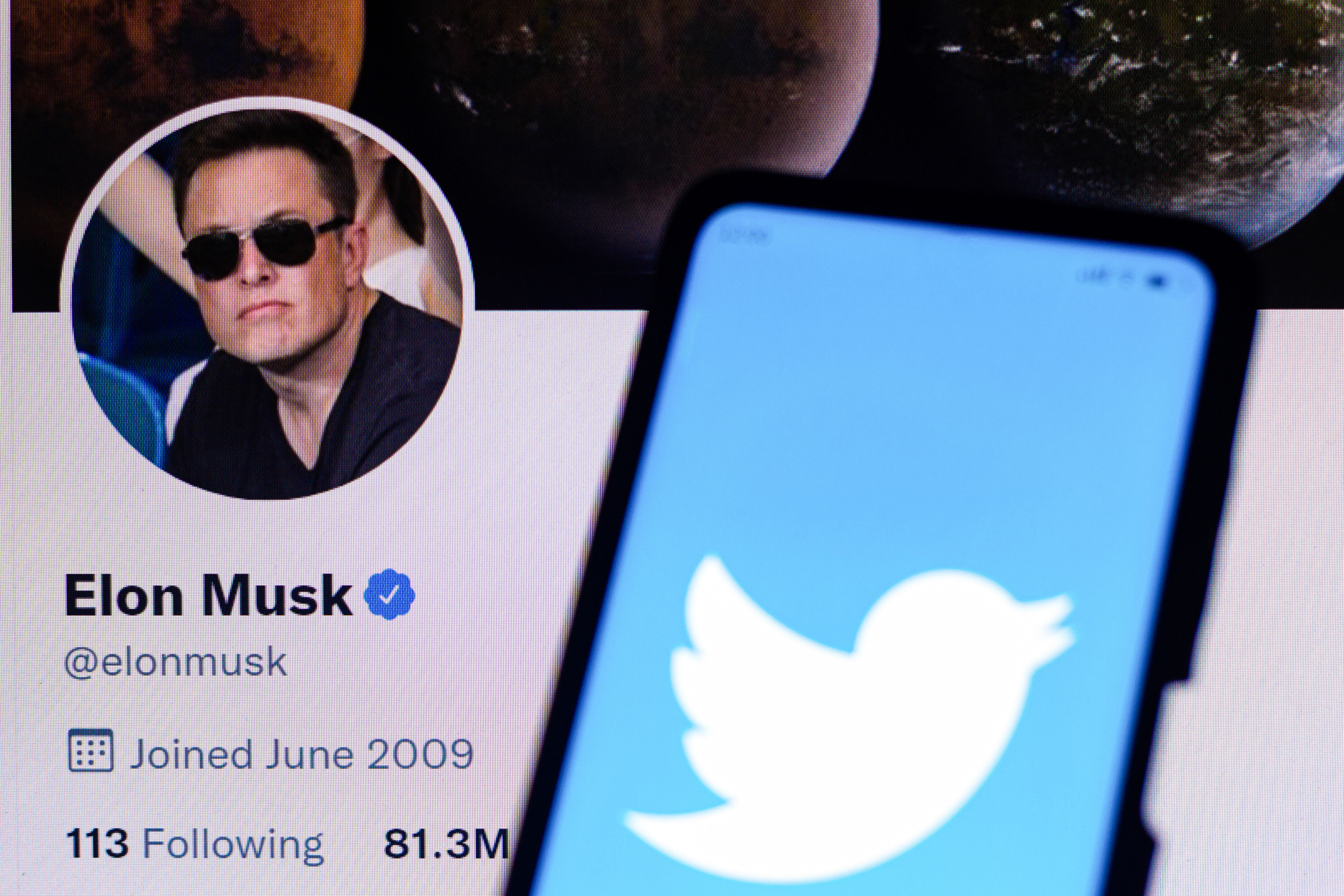
Why Does Elon Musk Want To Buy Twitter?

Elon Musk, the richest person in the world, has offered to buy Twitter for more than 40 billion dollars (£30.5 billion) in a move that prompted the same question across the world: why?

The billionaire Tesla and SpaceX boss has proposed buying “100% of Twitter for $54.20 per share in cash”, valuing the company at $41.39 billion.

The 50-year-old, whose bid comes soon after he bought a 9% stake in Twitter and said he would join the board, believes changes are needed in order to help the site thrive and better support free speech.

In just ten days, Musk has gone from popular Twitter contributor to the company’s largest individual shareholder to a would-be owner of the social platform — a whirlwind of activity that could change the service dramatically given Musk’s self-identification as a “free speech absolutist”.

Who is Elon Musk?

Musk, 50, has an estimated $273.6 billion (£209.21 billion) fortune that makes him the wealthiest person in the world, worth $92.3 billion (£70.58 billion) more than runner-up Jeff Bezos. Musk was born in Pretoria, South Africa, to a Canadian mother and South African father and later attended the University of Pennsylvania, where he graduated in 1997.

With a stable of businesses ranging from electric cars to private rocket ships, Musk did not found Tesla, which he has led from 2008. But his insight that the firm’s electric cars should be high-performance machines with sophisticated, smartphone-style software revolutionised the global auto business, prompting established companies to try to catch up while spurring new, all-electric competitors. Wall Street values Tesla at more than $1 trillion – more than all three Detroit car makers, plus Toyota Motor Corp, combined.

At the same time, his company SpaceX, has upended the space launch industry by developing rockets capable of putting satellites into space and returning to Earth for re-use.

Perhaps more than any other person, Musk has helped bring bitcoin and other cryptocurrencies into the mainstream, with Tesla holding about $2 billion in bitcoin on its balance sheet and the company among the few to accept dogecoin as payment.

Musk and Twitter

Twitter helped Musk become a household name. He has 81 million followers and built a pop culture following large enough to help him earn a spot hosting the venerable US comedy TV show Saturday Night Live in 2021.

Musk has used Twitter to go after investors, and he posts on everything from Dad jokes to polls on what he should do with his gains from Tesla’s surging stock price.

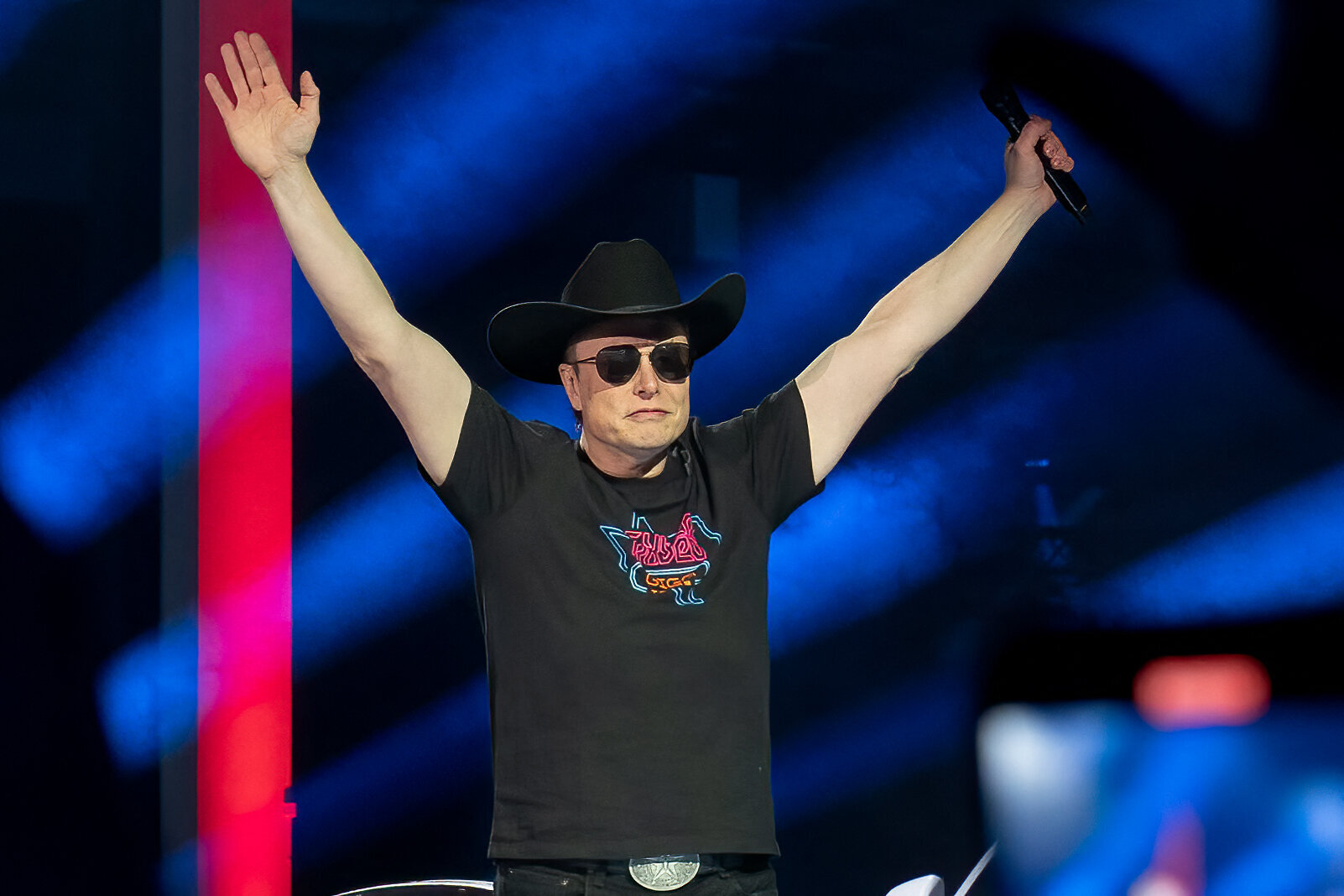
<img class="img-sized__img landscape" loading="lazy" alt="Elon Musk speaks at the Tesla Giga Texas manufacturing "Cyber Rodeo" grand opening party in Austin, Texas.” width=”720″ height=”480″ src=”https://www.wellnessmaster.com/wp-content/uploads/2022/04/why-does-elon-musk-want-to-buy-twitter-3.jpg”>
Elon Musk speaks at the Tesla Giga Texas manufacturing “Cyber Rodeo” grand opening party in Austin, Texas.

SUZANNE CORDEIRO via Getty Images

While Twitter’s user base remains much smaller than those of rivals such as Facebook and TikTok, the service is popular with celebrities, world leaders, journalists and intellectuals. Musk’s followers rival pop stars such as Ariana Grande and Lady Gaga.

What’s been going on?

Musk began buying Twitter stock in earnest only a few months ago.

Earlier this month, it was announced he had bought a 9% stake and would join the board, only for Twitter chief executive Parag Agrawal to confirm that Musk had changed his mind just days later.

Now the billionaire entrepreneur has offered to buy the company outright.

In his offer letter to Bret Taylor, chairman of the Twitter board, Musk said he had invested in the social media platform “as I believe in its potential to be the platform for free speech around the globe, and I believe free speech is a societal imperative for a functioning democracy”, but added “since making my investment I now realize the company will neither thrive nor serve this societal imperative in its current form”.

He said the move was his “best and final offer” and if not accepted the billionaire “would need to reconsider my position as a shareholder”.

Twitter has confirmed it has received the offer and said it will now consider it.

How could Twitter look?

Much of Musk’s vocal criticism of Twitter over recent weeks has centred around his belief that it falls short on free speech principles. The social media platform has angered followers of Donald Trump and other far-right political figures who’ve had their accounts suspended for violating its content standards on violence, hate or harmful misinformation.

Musk also has a history of his own tweets causing legal problems. He has previously run into problems with US regulators at the Securities and Exchange Commission (SEC) over his own tweets, having been accused of breaching trading rules when tweeting about his business interests.

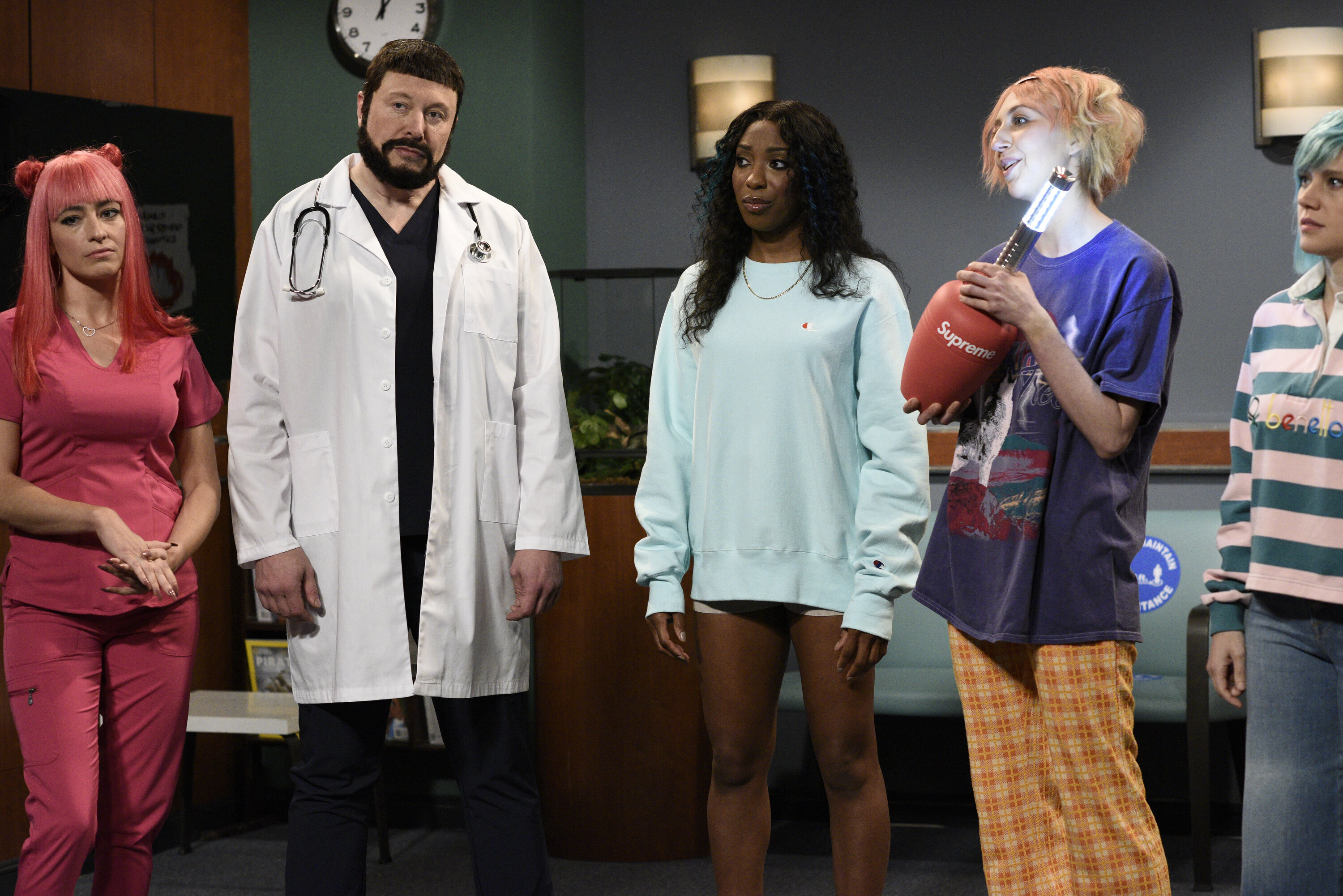
<img class="img-sized__img landscape" loading="lazy" alt="Elon Musk, second from left, on Saturday Night Live.” width=”720″ height=”480″ src=”https://www.wellnessmaster.com/wp-content/uploads/2022/04/why-does-elon-musk-want-to-buy-twitter-4.jpg”>
Elon Musk, second from left, on Saturday Night Live.

NBC via Getty Images

Musk has also been accused of tweeting misinformation about Covid-19 after posting in March 2020 that children were “essentially immune” to the disease.

The entrepreneur outlined some specific potential changes on Thursday — like favouring temporary rather than permanent bans — but has mostly described his aim in broad and abstract terms.

“I believe free speech is a societal imperative for a functioning democracy,” Musk said in the filing. “I now realise the company will neither thrive nor serve this societal imperative in its current form. Twitter needs to be transformed as a private company.”

Some believe a Musk takeover could mean a return to the platform for Trump and others, but reinstating those users would be a highly controversial move and could bring further scrutiny to the company and its approach to moderation, just as major new regulation for the sector is on the horizon.

Share Button

Drug reduced frequency of breathing pauses in sleep apnea

A new University of Gothenburg study has paved the way for the first drug treatment for sleep apnea. Compared to before receiving the treatment, breathing pauses decreased with on average more than 20 per hour for patients given the drug.

The treatment that has been tested is carbonic anhydrase (CA) inhibition, CA being an enzyme that serves to maintain a balance between carbonic acid and carbon dioxide in the body. Several drugs with CA inhibitory properties are already available on the market, and used for treatment of glaucoma, epilepsy and other disorders.

Previous research has not systematically tested whether CA inhibitors also might be used to treat obstructive sleep apnea. The current study was a randomized double-blind clinical trial, and 59 patients with moderate or severe sleep apnea completed it. Patients were randomly assigned to two groups receiving either 400 or 200 mg of the CA inhibitor, and a third group (the control group) that received placebo. The study lasted for four weeks.

Fewer breathing pauses

The results show that, overall, the treatment reduced the number of breathing pauses and promoted oxygenation during the night. A few patients experienced side effects, such as headache and breathlessness, which were more common in those receiving the highest dose.

The study results together with established safety data of the drug sulthiame provide support for continued research on CA inhibition as a new potential treatment for obstructive sleep apnea.

“Among the patients who received the higher dosage of the drug, the number of breathing pauses decreased by approximately 20 per hour. For just over a third of patients in the study, only half of their breathing pauses were left, and in one in five the number fell by at least 60 percent,” says Jan Hedner, Professor of Pulmonary Medicine.

The fact that several approved drugs in the CA inhibitor category are available on the market makes fast-tracking development of an approved drug for sleep apnea practicable. The drug used in this clinical trial was sulthiame, which is sometimes used to treat epilepsy in children.

Treatment options needed

Today, treatment for a patient with sleep apnea is either an oral appliance therapy or a CPAP (Continuous Positive Airway Pressure) mask. Both help to maintain airway patency during sleep.

“These therapy options take time to get used to and, since they frequently are perceived as intrusive or bulky. Insufficient user time is therefore common. If we develop an effective drug, it will therefore make life easier for many patients and, in the long run, potentially also save more lives,” says Ludger Grote, Senior Lecturer at Sahlgrenska Academy, University of Gothenburg.

The German pharmaceutical company Desitin Arzneimittel GmbH funded the trial, and the results are published in the American Journal of Respiratory and Critical Care Medicine.

Story Source:

Materials provided by University of Gothenburg. Note: Content may be edited for style and length.

Share Button

Light amplification accelerates chemical reactions in aerosols

Aerosols in the atmosphere react to incident sunlight. This light is amplified in the interior of the aerosol droplets and particles, accelerating reactions. ETH researchers have now been able to demonstrate and quantify this effect and recommend factoring it into future climate models.

Liquid droplets and very fine particles can trap light — similar to how light can be caught between two mirrors. As a result, the intensity of the light inside them is amplified. This also happens in very fine water droplets and solid particles in our atmosphere, i.e. aerosols. Using modern X-ray microscopy, chemists at ETH Zurich and the Paul Scherrer Institute (PSI) have now investigated how light amplification affects photochemical processes that take place in the aerosols. They were able to demonstrate that light amplification causes these chemical processes to be two to three times faster on average than they would be without this effect.

Using the Swiss Light Source at the PSI, the researchers studied aerosols consisting of tiny particles of iron(III) citrate. Exposure to light reduces this compound to iron(II) citrate. X-ray microscopy makes it possible to distinguish areas within the aerosol particles composed of iron(III) citrate from those made up of iron(II) citrate down to a precision of 25 nanometres. In this way, the scientists were able to observe and map in high resolution the temporal sequence of this photochemical reaction in individual aerosol particles.

Decay upon exposure to light

“For us, iron(III) citrate was a representative compound that was easy to study with our method,” says Pablo Corral Arroyo, a postdoc in the group headed by ETH Professor Ruth Signorell and a lead author of the study. Iron(III) citrate stands in for a whole range of other chemical compounds that can occur in the aerosols of the atmosphere. Many organic and inorganic compounds are light-sensitive, and when exposed to light, they can break down into smaller molecules, which can be gaseous and therefore escape. “The aerosol particles lose mass in this way, changing their properties,” Signorell explains. Among other things, they scatter sunlight differently, which affects weather and climate phenomena. In addition, their characteristics as condensation nuclei in cloud formation change.

As such, the results also have an effect on climate research. “Current computer models of global atmospheric chemistry don’t yet take this light amplification effect into account,” ETH Professor Signorell says. The researchers suggest incorporating the effect into these models in future.

Non-uniform reaction times in the particles

Now precisely mapped and quantified, the light amplification in the particles comes about through resonance effects. The light intensity is greatest on the side of the particle opposite the one the light is shining on. “In this hotspot, photochemical reactions are up to ten times faster than they would be without the resonance effect,” says Corral Arroyo. Averaged over the entire particle, this gives an acceleration by the above-mentioned factor of two to three. Photochemical reactions in the atmosphere usually last several hours or even days.

Using the data from their experiment, the researchers were able to create a computer model to estimate the effect on a range of other photochemical reactions of typical aerosols in the atmosphere. It turned out that the effect does not pertain just to iron(III) citrate particles, but all aerosols — particles or droplets — made of compounds that can react with light. And these reactions are also two to three times faster on average.

Story Source:

Materials provided by ETH Zurich. Original written by Fabio Bergamin. Note: Content may be edited for style and length.

Share Button

New research sheds fresh light on the ‘presenteeism’

Employees who are unwell only engage in presenteeism when they have not met their daily work goals, according to new research from Trinity College Dublin.

The study, published in the Journal of Occupational Health Psychology recently, also found that working on a day when you feel ill drains mental energy which cannot be recovered the next day.

The study seeks to shed further light on the phenomenon of ‘presenteeism’ — defined by the researchers as continuing to work when experiencing ill-health. The practice has been labelled an ‘800-pound gorilla’ by researchers in occupational health psychology because of the tremendous costs it inflicts on employees and organisations alike. These costs include burnout, impaired workability, and productivity loss.

This study led by Dr Wladislaw Rivkin, Associate Professor in Organisational Behaviour, Trinity, deepens our understanding of the harmful impact of presenteeism on employee effectiveness by demonstrating that depletion of mental resources is a key mechanism responsible for these harmful effects.

The research involved 126 employees logging their daily productivity across 12 workdays, resulting in 995 daily work observations. It was conducted during the COVID-19 lockdown in 2020 when all participants were working from home.

Dr Rivkin commented:

“It is crucial to tackle daily presenteeism, especially for remote workers. Managers should openly discourage presenteeism by reassuring team members that if they feel unwell it is acceptable to reduce their daily work goals and instead tend to their health. In light of the energy-depleting nature of presenteeism if employees engage in presenteeism they should work on tasks that are inherently pleasant rather than tedious tasks that further drain their energy.

“So, while it may seem a good idea to work despite ill health to deliver on work goals our research shows that this has a knock-on effect for remote workers’ performance on the next day as presenteeism drains employees’ psychological energy, which cannot be fully recovered after work.”

The full paper was entitled “Should I stay or should I go? The role of daily presenteeism as an adaptive response to perform at work despite somatic complaints for employee effectiveness.”

Wlad Rivkin is an Associate Professor in Organisational Behaviour and Work Psychology whose research focuses on burnout, stress and other demands that people experience at work as well as what organisations can do to protect employee wellbeing and maintain their effectiveness. Other recent research projects include studies on the impact of commuting on employee wellbeing, the role of willpower in overcoming the negative effects of a bad night’s sleep and how smartphone use during non-work time impacts on sleep quality.

Story Source:

Materials provided by Trinity College Dublin. Note: Content may be edited for style and length.

Share Button

GP sexually abused 48 patients over 35 years

Krishna Singh was found guilty of 54 charges of kissing, groping and giving inappropriate examinations to women.

Share Button

Covid levels starting to fall in UK, says ONS

About one in 15 people would test positive for coronavirus, as levels start to fall.

Share Button