New method for probing the bewildering diversity of the microbiome

In recent years, researchers have begun to explore the vast assemblage of microbes on and within the human body. These include protists, archaea, fungi, viruses and vast numbers of bacteria living in symbiotic ecosystems.

Known collectively as the human microbiome, these tiny entities influence an astonishing range of activities, from metabolism to behavior and play a central role in health and disease. Some 39 trillion non-human microbes flourish on and within us, in a ceaseless, interdependent bustle. Together, they make up over half of the human body’s cells, though they may possess 500 times as many genes as are found in human cells. Identifying and making sense of this microbial mélange has been a central challenge for researchers.

In a new study, Qiyun Zhu and his colleagues describe a new method for probing the microbiome in unprecedented detail. The technique provides greater simplicity and ease of use compared with existing approaches. Using the new technique, the researchers demonstrate an improved ability to pinpoint biologically relevant characteristics, including a subject’s age and sex based on microbiome samples.

The innovative research holds the promise of rapidly advancing investigations into the mysteries of the microbiome. With such knowledge, researchers hope to better understand how these microbes collectively act to safeguard human health and how their dysfunction can lead to a broad range of diseases. In time, drugs and other therapies may even be tailor-made based on a patient’s microbiomic profile.

Professor Zhu is a researcher in the Biodesign Center for Fundamental and Applied Microbiology and ASU’s School of Life Sciences. The research team includes collaborators from the University of California, San Diego, including co-corresponding author Rob Knight, Zhu’s former mentor.

The group’s research results appear in the current issue of the journal mSystems.

Tools of the trade

Two powerful technologies have been used to help researchers unlock the diversity and complexity of the microbiome, by sequencing the microbial DNA present in a sample. These are known as 16S and metagenomic sequencing. The technique described in the current study draws on the strengths of both methods to create a new way of processing data from the microbiome.

“We borrow some of the wisdom that developed from 16S RNA sequencing and apply it to metagenomics,” Zhu says. Unlike other sequencing methods, including 16S, metagenomics allows researchers to sequence all the DNA information present in a microbiome sample. But the new study shows that the metagenomic approach has room for improvement. “The way people currently analyze metagenomic data is limited, because whole genome data has to first be translated into taxonomy.”

The new technique, known as Operational Genomic Units (OGU) does away with the laborious and sometimes misleading practice of assigning taxonomic categories like genus and species to the multitude of microbes present in a sample. Instead, the method uses individual genomes as the basic units for statistical analysis and simply attempts to align sequences present in a sample to sequences found in existing genomic databases.

By doing this, researchers can get much more fine-grained resolution, which is particularly useful when microbes are present that are closely related in DNA sequence. This is true because most taxonomic classifications are based on sequence similarity. If two sequences differ by less than a certain threshold, they fall into the same taxonomic category, however the OGU approach can help researchers tell them apart.

Further, the method overcomes errors in taxonomy that persist as relics from the pre-sequencing epoch, when different species were defined by their morphology rather than from DNA sequence data.

In addition to improvements in resolution and simplicity, OGU can help researchers analyze data using what are known as phylogenetic trees. As the name implies, these are branching structures that can describe the degree of relatedness between organisms, based on their sequence similarity. Just as two distantly related species like worms and antelope will appear on more distant branches of a phylogenetic tree, so will more distantly related bacteria and other constituents of the microbiome.

Innovations in sequencing

The most widely used technique for probing the microbiome, known as 16S ribosomal RNA sequencing or just 16S, relies on a simple idea. All bacteria have a 16S gene, which is essential to the machinery bacteria need to initiate protein synthesis. The bacterial 16S gene, measuring 1500 base pairs in length, consists of distinct regions. Some of these regions change very little between different bacteria and over evolutionary timeframes, while others are highly variable.

Researchers realized that the conserved and variable regions of the 16S gene allow it to act as a molecular clock, keeping track of bacteria that are more closely or more distantly related, based on their sequence similarity. Thus, the 8 conserved and 9 variable regions of 16S can be used to fingerprint bacteria.

To do this, a microbiome sample is first collected. This could be a fecal sample, to evaluate the gut microbiome, or a sample from the skin or from the mouth. Each body site is home to a different bacterial menagerie.

Next, PCR technology is used to amplify portions of the 16S gene. By sequencing highly conserved regions, a broad swath of bacteria can be identified, while sequencing of variable regions helps narrow the identity of particular bacteria.

Although 16S is an inexpensive and well-developed method, it has limitations. The technique can only give a general idea of the kinds of bacteria present, with limited resolution. In general, 16S is only accurate to the genus level of identification.

Enter metagenomic sequencing. This technique sequences the full genomes of all microbes present in a microbiome sample, (not just bacteria, as with 16S). Metagenomics allows researchers to sequence thousands of organisms in parallel, providing accurate, species-level resolution. The greater resolution however does come with costs. Metagenomic data is far richer and more computationally challenging to analyze than 16S data and more expensive in time and money to process.

A new path for metagenomics

The OGU technique streamlines metagenomic sequencing, while providing even greater resolution. The approach classifies microbes in a sample strictly according to their alignment with a reference database — no taxonomic assignment required. The approach enables researchers to evaluate the degree of species diversity present in a sample.

Compared with 16S and standard metagenomic sequencing, the new approach is superior in ferreting out biologically relevant information. Using the classic Human Microbiome Project dataset of 210 metagenomes sampled from seven body sites of male and female human subjects, the study demonstrates better correlation between body site and host sex.

Next, 6,430 stool samples collected through a random sampling of the Finnish population were analyzed, using both 16S and metagenomic sequencing. The samples belong to a large, randomly sampled cohort of the Finnish population, known as FINRISK. The aim was to predict the age of sampled individuals, based on gut microbial composition. Again, the OGU method outperformed 16S and conventional metagenomic analysis, providing more accurate predictions.

New research drawing on still larger datasets will further enhance the resolution of the new technique and expand the descriptive power of taxonomy-independent analysis.

Share Button

What Is An NFT? Rishi Sunak Asks Royal Mint To Create A Non-Fungible Token

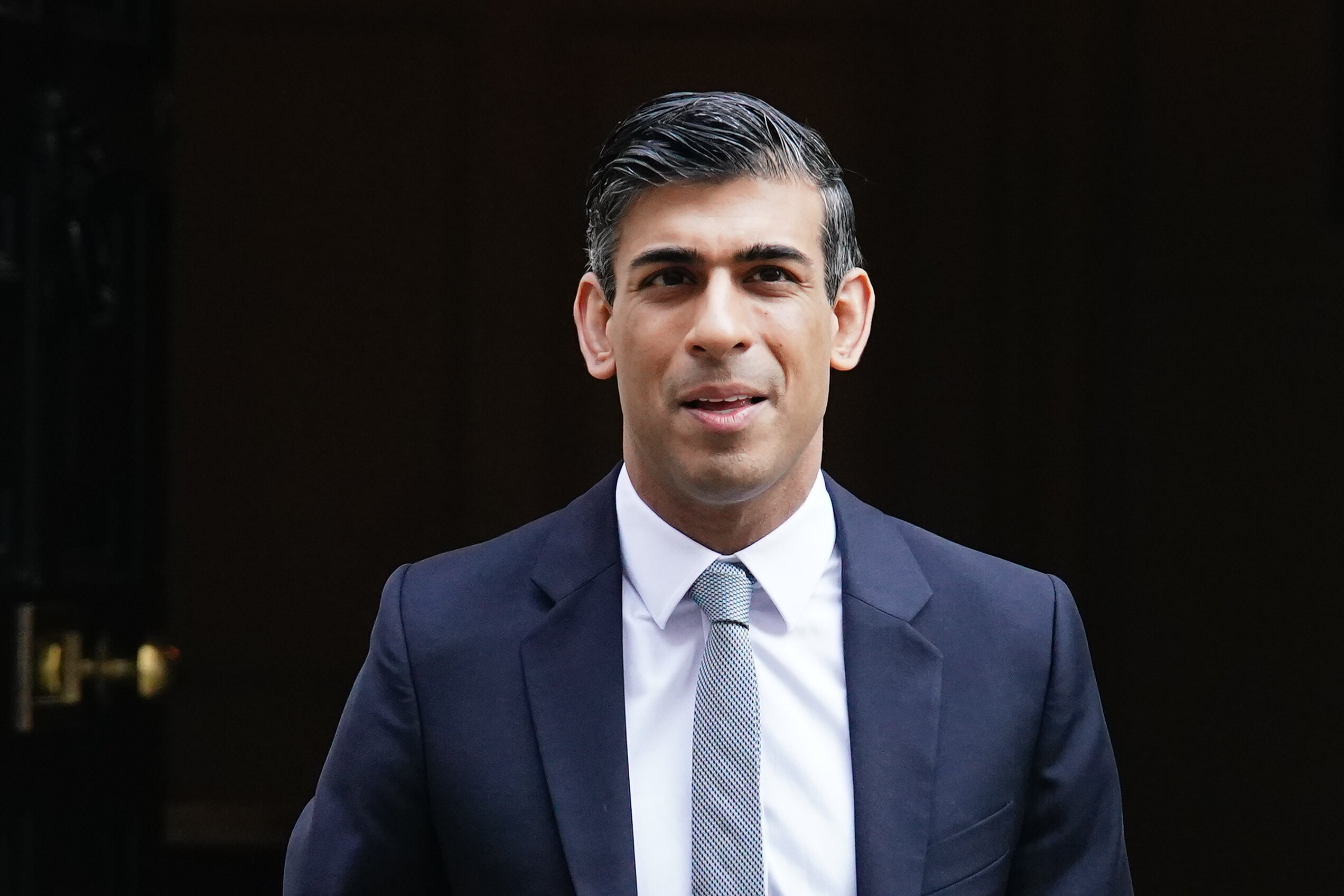
Chancellor Rishi Sunak has asked the Royal Mint to create a non-fungible token (NFT) which is to be issued by the summer, the Treasury said on Monday.

Critics immediately seized on the move towards a UK state-backed NFT as an example of the government being “out of touch” as the cost of living crisis puts the squeeze on households.

So what is an NFT, and why are they so controversial?

What is an NFT?

NFT stands for non-fungible token.

Things that are fungible can be swapped for an asset of the exact same type and value – traditional currencies such as the pound work like this.

When something is non-fungible, it cannot be changed this way because it is unique. Think of it like a famous painting – there will only be one original, no matter how many copies are made.

An NFT is a distinct cryptographic token that cannot be replicated, which acts as a certificate of ownership for virtual items.

What is the point?

Supporters view NFTs as the next phase in art collection, and they have exploded in popularity in recent years – with NFT artworks selling for millions of dollars.

Physical works of art and other rare memorabilia have long been sold for large sums of money but if you create something digitally it is hard to make gains.

So NFT offers a chance for artists in the internet age to make some money by selling ownership to anyone who wants it.

Selling a digital asset does not mean the original creator loses copyright either, unless it is explicitly stated as part of the sale.

Of course, this does not stop the image being easily copied by anyone online, but an NFT provides someone the honour of knowing they “own” the original image.

An NFT exists on a blockchain – a record of transactions kept on networked computers that serves as a public record allowing anyone to verify its authenticity and who owns it.

As with any blockchain system, records cannot be forged or divided, as they are logged on computers around the world that are part of the network.

What kind of NFTs exist?

All kinds of digital objects – images, videos, music, text and even tweets – can be bought and sold as NFTs.

Digital art has seen some of the most high-profile sales, while in sport, fans can collect and trade NFTs relating to a particular player or team.

NFTs can also be patches of land in virtual world environments, digital clothing, or exclusive use of a cryptocurrency wallet name.

Christie’s became the first major auction house to offer a purely digital work with NFT, selling artist Beeple’s creations for £50.5 million worth of Ether cryptocurrency.

The first tweet from Twitter boss Jack Dorsey – “just setting up my twttr” – sold for $2.9 million (£2.2 million) as an NFT in March last year.

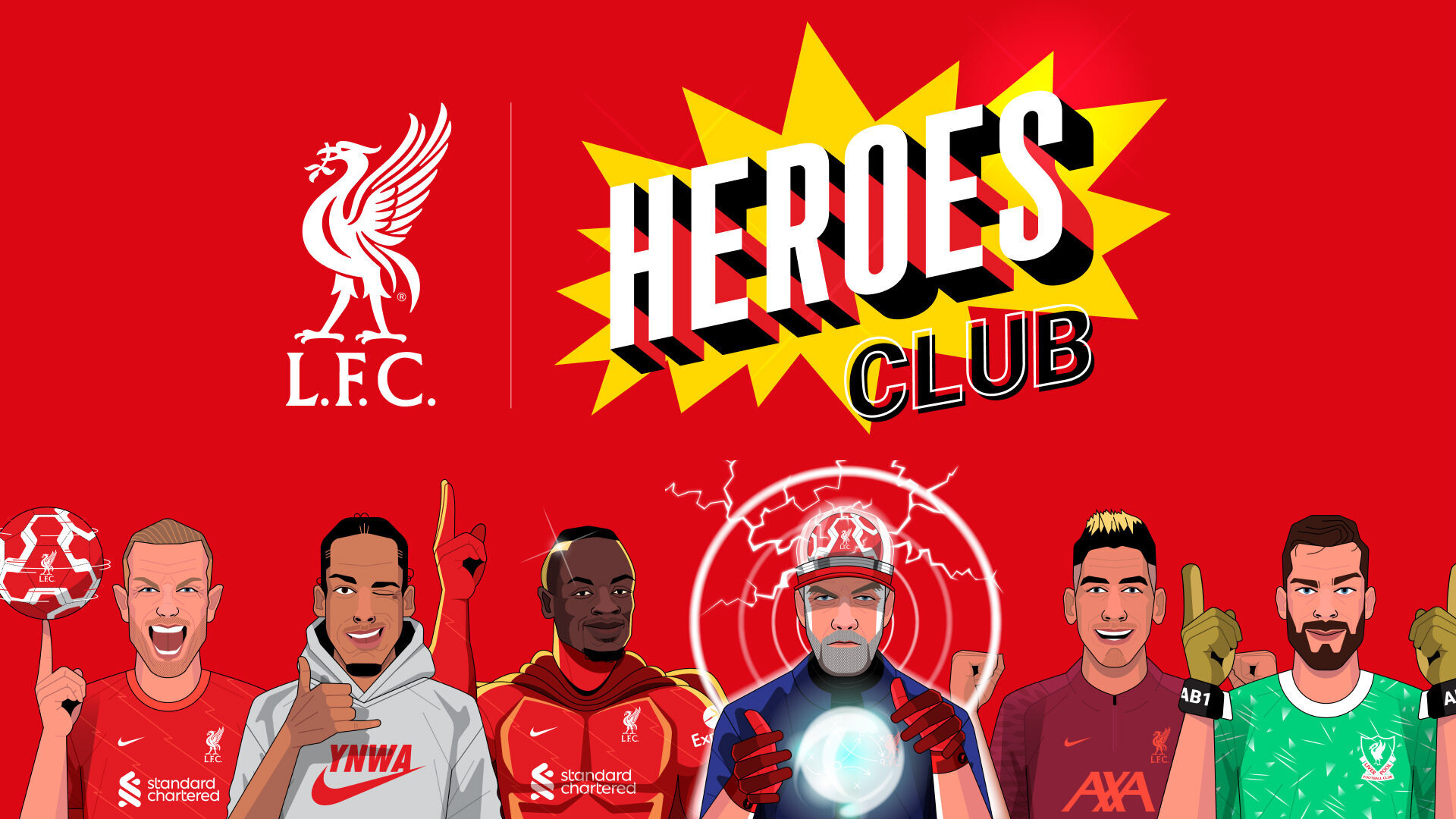
Last month, Liverpool FC became the latest high-profile sports team to get involved with digital assets – announcing the “LFC Heroes Club” will give fans the opportunity to purchase animated, cartoon-style digital artwork of 23 players and manager Jurgen Klopp. All 20 clubs in the Premier League are reportedly exploring the possibility of launching NFTs.

<img class="img-sized__img landscape" loading="lazy" alt="Undated digital artwork issued by Liverpool Football Club of The LFC Heroes Club collection, featuring llustrations of 24 of the male squad, bringing their "individual and superhero characteristics to life".” width=”720″ height=”405″ src=”https://www.wellnessmaster.com/wp-content/uploads/2022/04/what-is-an-nft-rishi-sunak-asks-royal-mint-to-create-a-non-fungible-token-2.jpg”>
Undated digital artwork issued by Liverpool Football Club of The LFC Heroes Club collection, featuring llustrations of 24 of the male squad, bringing their “individual and superhero characteristics to life”.

LFC via PA Media

Why have NFTs surged?

Some attribute the frenzy to lockdowns, which forced people to spend more time at home on the internet.

NFTs are seen as a way to have possessions in online and virtual environments, which can communicate social status and personal taste. For some people, it is the digital equivalent of buying an expensive pair of sneakers.

For others, the lure lies in rapidly rising prices and the prospect of big returns. Some buyers “flip” NFTs, selling them on within a few days or even hours for profit.

What do critics make of it?

Like cryptocurrencies, NFTs are largely unregulated. Anybody can create and sell an NFT and there is no guarantee of its value. Losses can stack up if the hype dies down.

In a market where many participants use pseudonyms, fraud and scams are also a risk.

Given the huge number of computers needed to continuously run for a blockchain to function, there is also the environmental cost to consider.

Share Button

Disbelief in human evolution linked to greater prejudice and racism

A disbelief in human evolution was associated with higher levels of prejudice, racist attitudes and support of discriminatory behavior against Blacks, immigrants and the LGBTQ community in the U.S., according to University of Massachusetts Amherst research published in the Journal of Personality and Social Psychology.

Similarly, across the globe — in 19 Eastern European countries, 25 Muslim countries and in Israel — low belief in evolution was linked to higher biases within a person’s group, prejudicial attitudes toward people in different groups and less support for conflict resolution.

The findings supported the hypothesis of lead author Stylianos Syropoulos, a Ph.D. candidate in the War and Peace Labof senior author Bernhard Leidner, associate professor of social psychology. They collaborated with co-first author Uri Lifshin at Reichman University in Israel and co-authors Jeff Greenberg and Dylan Horner at the University of Arizona in Tucson. The researchers theorized that belief in evolution would tend to increase people’s identification with all humanity, due to the common ancestry, and would lead to less prejudicial attitudes.

“People who perceive themselves as more similar to animals are also people who tend to have more pro-social or positive attitudes toward outgroup members or people from stigmatized and marginalized backgrounds,” Syropoulos explains. “In this investigation, we were interested in examining whether belief in evolution would also act in a similar way, because it would reinforce this belief that we are more similar to animals.”

In eight studies involving different areas of the world, the researchers analyzed data from the American General Social Survey (GSS), the Pew Research Center and three online crowdsourced samples. In testing their hypothesis about the associations of different levels of belief in evolution, they accounted for education, political ideology, religiosity, cultural identity and scientific knowledge.

“We found the same results each time, which is basically that believing in evolution relates to less prejudice, regardless of the group you’re in, and controlling for all of these alternative explanations,” Syropoulos says.

For example, religious beliefs, like political ideology, were measured separately from a belief or disbelief in evolution, the researchers note. “Regardless of whether one considers religion an important part of their life, belief in evolution relates to less prejudice independently from belief, or lack thereof, in God or any particular religion,” Syropoulos says.

Leidner adds, “This whole effect and pattern seems to be present in all major political systems. It’s very much a human phenomenon, no matter where you are in the world.”

The researchers note that Darwin’s 19th century theory of evolution has been cited to perpetrate racism, prejudice and homophobia, in part through the phrase, “survival of the fittest,” used to describe the process of natural selection.

“There have been theoretical accounts that predict the opposite of what we found, so it was exciting for us to show that this actually is not the case, that the opposite is true and that belief in evolution seems to have pretty positive effects,” Leidner says.

The U.S.-based study involved data from 1993, 1994, 2000, 2006, 2008, 2010, 2012, 2014, 2016 and 2018 — the years the GSS surveyed Americans about their beliefs in evolution, as well as measures of attitudes toward immigrants, Blacks, affirmative action, LGBTQ people and other social matters.

The data analysis showed unfailingly “that the disbelief in human evolution is the driving factor and most consistent predictor of prejudice in comparison to other relevant constructs,” the paper states.

In the Israel-based study, people with a higher belief in evolution were more likely to support peace among Palestinians, Arabs and Jews. In the study involving countries in the Islamic world, belief in evolution was associated with less prejudice toward Christians and Jews. And in the study based in Eastern Europe, where Orthodox Christians are the majority, a belief in evolution was linked with less prejudice toward gypsies, Jews and Muslims.

Syropoulos posits that a belief in evolution may expand people’s “moral circle,” leading to a sense that “we have more in common than things that are different.”

The findings also suggest that “teaching evolution seems to have side effects that might make for a better or more harmonious society,” Leidner adds.

The next step, the researchers say, is to investigate how evolution is taught in the classroom and work toward developing models to study and strengthen the positive effects.

Share Button

The art of smell: Research suggests the brain processes smell both like a painting and a symphony

What happens when we smell a rose? How does our brain process the essence of its fragrance? Is it like a painting — a snapshot of the flickering activity of cells — captured in a moment in time? Or like a symphony, an evolving ensemble of different cells working together to capture the scent? New research suggests that our brain does both.

“These findings reveal a core principle of the nervous system, flexibility in the kinds of calculations the brain makes to represent aspects of the sensory world,” said Krishnan Padmanabhan, Ph.D., an associate professor of Neuroscience and senior author of the study recently published in Cell Reports. “Our work provides scientists with new tools to quantify and interpret the patterns of activity of the brain.”

Researchers developed a model to simulate the workings of the early olfactory system — the network the brain relies on for smelling. Employing computer simulations, they found a specific set of connections, called centrifugal fibers, which carry impulses from other parts of the central nervous system to the early sensory regions of the brain, played a critical role. These centrifugal fibers act as a switch, toggling between different strategies to efficiently represent smells. When the centrifugal fibers were in one state, the cells in the piriform cortex — where the perception of an odor forms — relied on the pattern of activity within a given instant in time. When the centrifugal fibers were in the other state, the cells in the piriform cortex improved both the accuracy and the speed with which cells detected and classified the smell by relying on the patterns of brain activity across time.

These processes suggest the brain has multiple responses to representing a smell. In one strategy, the brain uses a snapshot, like a painting or a photograph, at a given moment to capture the essential features of the odor. In the other strategy, the brain keeps track of the evolving patterns. It is attuned to which cells turn on and off and when — like a symphony.

The mathematical models the researchers developed highlight the critical feature of the nervous system — not only diversity in terms of the components that make up the brain but also how these components work together to help the brain experience the world of smell. “These mathematical models reveal critical aspects of how the olfactory system in the brain might work and could help build brain-inspired artificial computing systems,” Padmanabhan said. “Computational approaches inspired by the circuits of the brain such as this have the potential to improve the safety of self-driving cars, or help computer vision algorithms more accurately identify and classify objects in an image.”

Additional authors include Zhen Chen of the University of Rochester. The research was funded by the National Institutes of Health, the National Science Foundation, the Cystinosis Research Foundation, and the Del Monte Institute for Neuroscience at the University of Rochester Pilot Program.

Story Source:

Materials provided by University of Rochester Medical Center. Original written by Kelsie Smith Hayduk. Note: Content may be edited for style and length.

Share Button

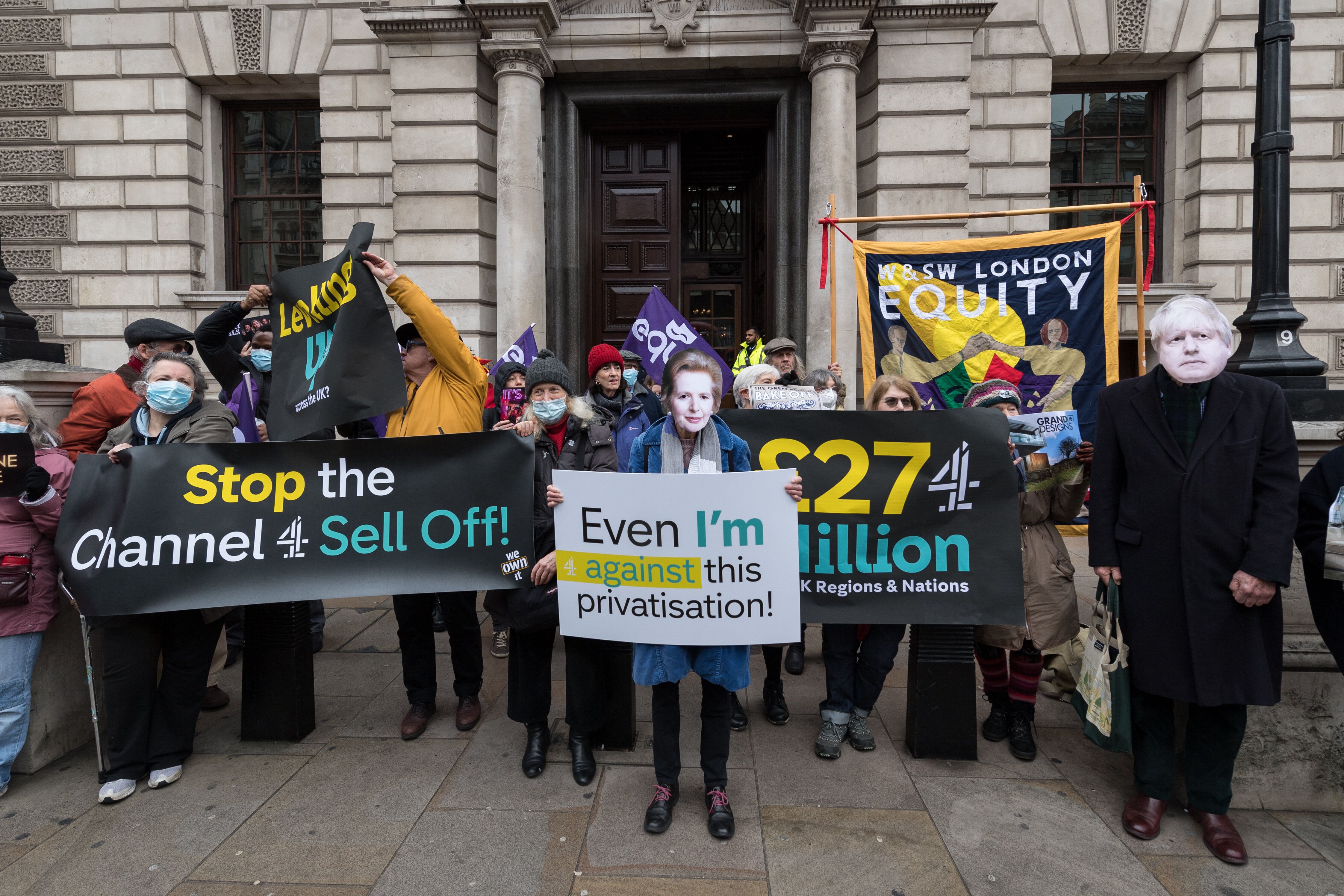
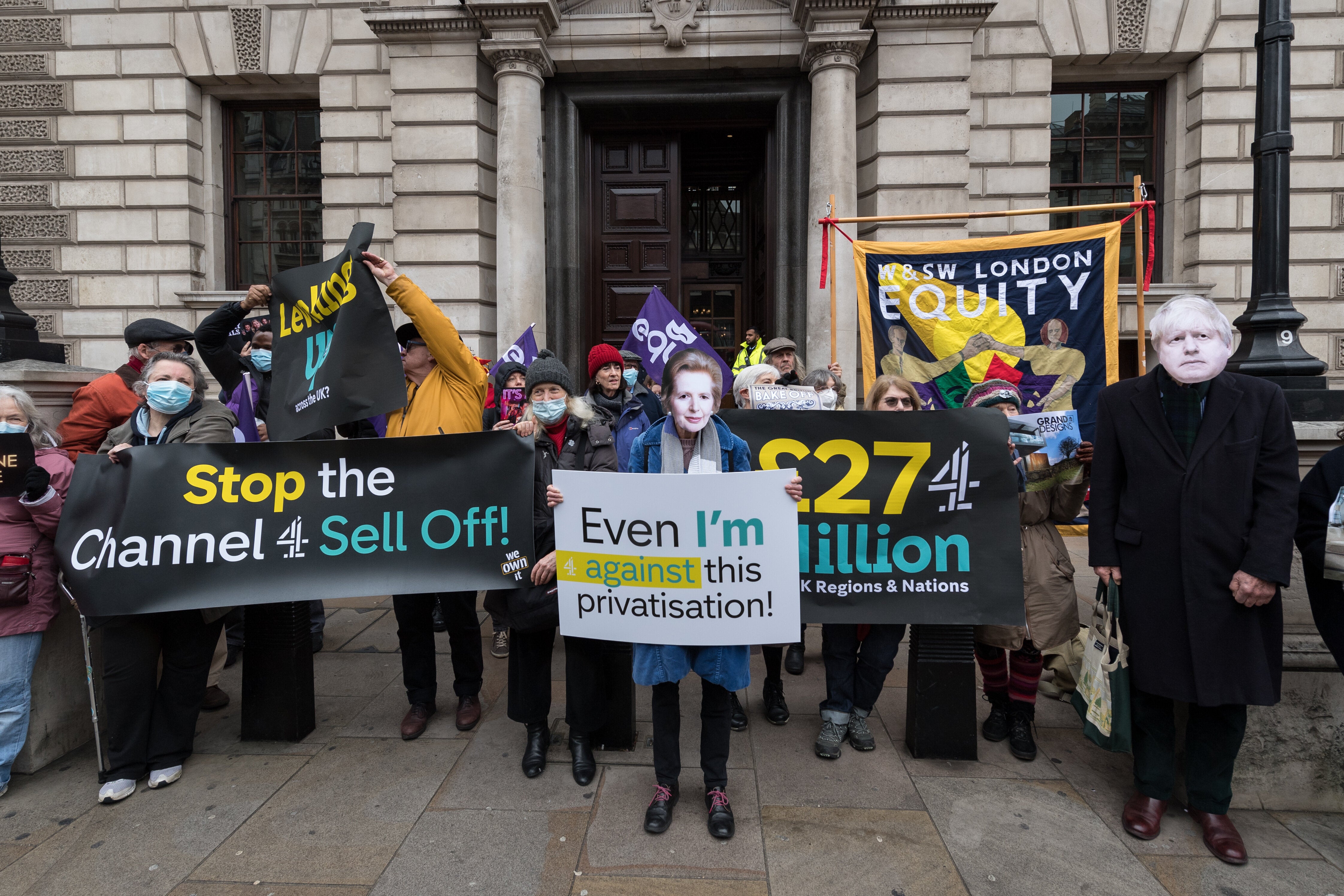
‘Cultural Vandalism’: Government Condemned As Channel 4 To Be Privatised

The government’s decision to press ahead with plans to privatise Channel 4 has been condemned as “very unconservative” by a senior Tory MP.

The channel was launched in 1982 as a publicly-owned, commercially-funded public service broadcaster with a remit to deliver content to under-served audiences.

It does not receive public funding but is ultimately owned by the government, with all money going back into the broadcaster, which commissions all of its programmes from independent producers.

On Monday, a statement by the Department for Digital, Culture, Media & Sport said the sell-off would allow the channel to “thrive in the face of a rapidly-changing media landscape” while a government source said the move would “remove Channel 4’s straitjacket”.

A spokesperson for Channel 4 said it was “disappointed” with the decision, but would “continue to engage” with ministers on the process to “ensure that Channel 4 continues to play its unique part in Britain’s creative ecology and national life”.

The move represents Boris Johnson’s government’s latest broadcasting shake-up after signalling it wants to find a new funding model for the BBC after the licence fee funding deal expires in 2027. Ministers have previously indicated Channel 4 could be sold off by the end of the current parliament in 2024.

The announcement faced an immediate backlash, with Labour calling it a “shameful decision” and even Conservative MPs joining the criticism.

Damian Green, Tory MP and a former Cabinet minister, said: “The sale of Channel 4 is politicians and civil servants thinking they know more about how to run a business than the people who run it. Very unconservative. Mrs Thatcher, who created it, never made that mistake.”

Conservative MP Sir Peter Bottomley said he opposes the privatisation as he feels it is “bad for the diversity of television, bad for viewers and bad for independent producers”.

Labour’s shadow culture secretary Lucy Powell described the move as “cultural vandalism”.

She said: “Selling off Channel 4, which doesn’t cost the tax-payer a penny anyway, to what is likely to be a foreign company, is cultural vandalism. It will cost jobs and opportunities in the North and Yorkshire, and hit the wider British creative economy.

“This shows that the Conservatives have run out of ideas and run out of road. Of all the issues the public wants action on, the governance of Channel 4 isn’t one.”

No price tag has been set by the government yet, but reports suggest the channel could be sold for as much as £1 billion in a process that could take several months, with the proposals needing to pass through both the House of Commons and Lords.

The government has been consulting on plans to privatise the broadcaster following concerns for its survival in the streaming era.

Culture secretary Nadine Dorries said in a tweet that she wanted the broadcaster to remain a “cherished place in British life”, but felt that government ownership was “holding Channel 4 back from competing against streaming giants like Netflix and Amazon”.

She added: “I will seek to reinvest the proceeds of the sale into levelling up the creative sector, putting money into independent production and creative skills in priority parts of the country – delivering a creative dividend for all.”

Channel 4 chief executive Alex Mahon has previously questioned the “logic” behind such a move and whether privatising the broadcaster would help with efforts to “level up” outside of London.

In an internal email to staff on Monday, Mahon said her priority was to “look after all of you and the wonderful Channel 4 spirit” following the announcement.

A spokesperson for Channel 4 said: “With over 60,000 submissions to the government’s public consultation, it is disappointing that today’s announcement has been made without formally recognising the significant public interest concerns which have been raised.

“Channel 4 has engaged in good faith with the government throughout the consultation process, demonstrating how it can continue to commission much-loved programmes from the independent sector across the UK that represent and celebrate every aspect of British life as well as increase its contribution to society, while maintaining ownership by the public.

“Recently, Channel 4 presented DCMS (the Department for Digital, Culture, Media & Sport) a real alternative to privatisation that would safeguard its future financial stability, allowing it to do significantly more for the British public, the creative industries and the economy, particularly outside London.

“This is particularly important given that the organisation is only two years into a significant commitment to drive up its impact in the UK’s nations and regions.”

The statement continued: “Channel 4 remains legally committed to its unique public service remit. The focus for the organisation will be on how we can ensure we deliver the remit to both our viewers and the British creative economy across the whole of the UK.

“The proposal to privatise Channel 4 will require a lengthy legislative process and political debate. We will of course continue to engage with DCMS, government and parliament, and do everything we can to ensure that Channel 4 continues to play its unique part in Britain’s creative ecology and national life.”

Share Button

Rishi Sunak Faces Backlash For Dabbling In Fashionable NFTs During Cost Of Living Crisis

Chancellor Rishi Sunak has faced criticism for joining the controversial NFT trend as the UK faces the biggest cost of living crisis in generations.

On Monday, the Treasury announced the Royal Mint had been asked to create an NFT – a non-fungible token – by the summer as part of a drive to make the UK a “global crypto asset hub”.

An NFT is a digital asset that exists on a blockchain – a record of transactions kept on networked computers that serves as a public record allowing anyone to verify its authenticity and who owns it.

While most digital items can be endlessly reproduced, each NFT has a unique digital signature – meaning it is one of a kind.

Anyone can view the NFT, but only the buyer has the status of being the official owner – a kind of digital bragging rights.

EXPLAINED: WHAT IS AN NFT?

The “Bored Ape” collection of digital images is perhaps the most well-known, having been bought and traded by celebrities for tens of thousands of dollars.

Critics point to the lack of regulation of the NFT market, where many participants use pseudonyms and fraud and scams are a big risk.

The move into state-backed NFTs comes as Sunak is facing criticism for not doing enough to help British households who are facing the biggest fall in living standards since the 1950s, and spiralling energy bills that mean many people are having to choose between heating and eating.

Sunak’s reputation – a Tory leadership favourite when handing out furlough cash, now flagging amid questions about, among other things, his wife’s business links to Russia – has also been tarnished by reports he is set to spend the easter parliamentary recess in California.

Unsurprisingly, the reaction on social media was not especially positive.

Share Button

Covid: Nine new symptoms added to official list

Sore throats, headaches and loss of appetite are now all officially recognised as signs of infection.

Share Button

Ukrainian President Volodymyr Zelenskyy Delivers Impassioned Speech During Grammys Ceremony

Ukrainian president Volodymyr Zelenskyy made an appearance during the Grammys ceremony on Sunday night, urging those in attendance to “support us in any way you can”, other than “silence”.

Zelenskyy delivered an impassioned speech in a pre-recorded video message, which preceded a performance from singer John Legend.

“One thing that has always made music so powerful is the way it responds to the times,” host Trevor Noah said.

“Even in the darkest times, music has the power to lift spirits and give you hope for a brighter tomorrow. And there’s nobody who could use a little help right now more than the people of Ukraine.”

In a message from Kyiv, reported to have been filmed within 48 hours of the Grammys, Zelenskyy was heard saying: “The war. What is more opposite to music? The silence of ruined cities and killed people.

“Our children draw swooping rockets, not shooting stars. Over 400 children have been injured and 153 children died. And we’ll never see them drawing.

“Our parents are happy to wake up in the morning, in bomb shelters, but alive. Our loved ones don’t know if we will be together again. The war doesn’t let us choose who survives and who stays in eternal silence.”

Zelenskyy continued: “Our musicians wear body armour instead of tuxedos. They sing to the wounded. In hospitals.

“Even to those who can’t hear them. But the music will break through anyway. We defend our freedom. To live. To love. To sound. On our land, we are fighting Russia which brings horrible silence with its bombs. The dead silence. Fill the silence with your music! Fill it today. To tell our story.

“Tell the truth about this war on your social networks, on TV. Support us in any way you can. Any – but not silence. And then peace will come.”

He concluded: “To all our cities the war is destroying, Chernihiv, Kharkiv, Volnovakha, Mariupol and others. They are legends already. But I have a dream of them living. And free. Free like you on the Grammy stage.”

John Legend performing with Ukrainian singer Mika Newton

VALERIE MACON via Getty Images

Following his speech, John Legend debuted his new song Free.

​​The performance included vocals from Ukrainian musicians Siuzanna Iglidan and Mika Newton, as well as poet Lyuba Yakimchuk, while images from the war were shown on video screens behind them.

Share Button

Gynaecology waits soar by 60% during pandemic

Waiting lists for gynaecological conditions have risen more sharply than any other specialty.

Share Button

Jim Carrey Says He’s Probably Retiring From Acting: ‘I’ve Done Enough’

Actor and comedian Jim Carrey recently hinted that he plans to step away soon from his Hollywood career.

In an “Access Hollywood” interview that aired Thursday, Carrey said he’s strongly considering retirement. “Well, I’m retiring,” he told host Kit Hoover. “Yeah, probably. I’m being fairly serious. It depends, it depends. If the angels bring some sort of script that’s written in gold ink that says to me that it’s going to be really important for people to see, I might continue down the road. But I’m taking a break.”

Carrey has earned praise ― and, at times, stirred controversy ― as a visual artist in recent years. He said he’d like to focus more extensively on his work in that realm moving forward, but didn’t give an exact idea of when that might happen.

“I really like my quiet life,” he said. “I really love putting paint on canvas, and I really love my spiritual life. And I feel like ― and this is something you might never hear another celebrity say as long as time exists ― I have enough. I’ve done enough. I am enough.”

Watch Jim Carrey’s “Access Hollywood” appearance below.

<div class="js-react-hydrator" data-component-name="YouTube" data-component-id="3606" data-component-props="{"itemType":"video","index":7,"contentListType":"embed","code":"

","type":"video","meta":{"url":"https://www.youtube.com/watch?v=6-uk66ko1Nw","type":"video","version":"1.0","title":"Jim Carrey Says He’s ‘Retiring’: ‘I’ve Done Enough’","author":"Access","author_url":"https://www.youtube.com/channel/UCiKGMZZmZXK-RpbKJGXgH3Q","provider_name":"YouTube","description":"Jim Carrey is planning to take a step away from Hollywood. While discussing his new film \"Sonic the Hedgehog 2\" with Access Hollywood’s Kit Hoover, the funnyman revealed that he’s \"probably\" retiring from his career and is \"fairly serious\" about it. \"It depends – if the angels bring some sort of script that’s written in gold ink, that says to me that it’s going to be really important for people to see, I might. I might continue down the road, but I’m taking a break,\" he said. Jim added, \"I really like my quiet life, and I really love putting paint on canvas, and I really love my spiritual life, and I feel like – and this is something you might never hear another celebrity say as long as time exists – I have enough. I’ve done enough. I am enough.\" The 60-year-old also opened up about his bond with his grandson and reflected on his friendship with the late Bob Saget. \"Sonic the Hedgehog 2\" hits theaters April 8.","thumbnail_url":"https://i.ytimg.com/vi/6-uk66ko1Nw/maxresdefault.jpg","thumbnail_width":1280,"thumbnail_height":720,"cache_age":86400,"options":{"_start":{"label":"Start from","value":"","placeholder":"ex.: 11, 1m10s"},"_end":{"label":"End on","value":"","placeholder":"ex.: 11, 1m10s"},"_cc_load_policy":{"label":"Closed captions","value":false},"click_to_play":{"label":"Hold load & play until clicked","value":false}}},"fullBleed":false,"flags":[],"enhancements":{},"options":{"theme":"news","device":"desktop","editionInfo":{"id":"us","name":"U.S.","link":"https://www.huffpost.com","locale":"en_US"},"slideshowAd":{"scriptTags":[],"otherHtml":""},"slideshowEndCard":{"scriptTags":[{"attribs":{},"scriptBody":"\r\n (function(){\r\n var c = document.getElementById(‘taboola-endslate-thumbnails’);\r\n c.id += ‘-‘ + Math.round(Math.random()*1e16);\r\n \r\n var taboolaParams = {\r\n loader: \"//cdn.taboola.com/libtrc/aol-huffingtonpost/loader.js\",\r\n mode: \"thumbnails-b\",\r\n container: c.id,\r\n placement: \"Endslate Thumbnails\",\r\n target_type: \"mix\"\r\n };\r\n \r\n if (typeof window.modulousQueue === \"function\") {\r\n \twindow.modulousQueue.add(function(){ doTaboola(taboolaParams); });\r\n } else {\r\n \tdoTaboola(taboolaParams);\r\n }\r\n }());\r\n"}],"otherHtml":"

"},"isMapi":false,"isAmp":false,"isVideoEntry":false,"isMt":false,"entryId":"62475d80e4b068157f773a47","entryTagsList":"jim-carrey,dolly-parton,access-hollywood,","sectionSlug":"entertainment","deptSlug":"entertainment","sectionRedirectUrl":"https://www.huffpost.com/entertainment","subcategories":"tv,health,celebrity","isWide":false,"headerOverride":null,"noVideoAds":false,"disableFloat":false,"isNative":false,"commercialVideo":{"provider":"custom","site_and_category":"us.entertainment","package":null},"isHighline":false,"vidibleConfigValues":{"cid":"60afc111dcf87c2cd2f5d8bf","overrides":{"front_page_top_videos":{"desktop":"60b64354b171b7444beaff4d","mobileweb":"60b64354b171b7444beaff4d"},"top_media":{"desktop":"60b8e6bdc5449357a7ada147","mobile":"60b8e701c5449357a7ada2ee","iphone":"60b8e643cdd90620331bb1f6","ipad":"60b8e643cdd90620331bb1f6","androidphone":"60b8e699c5449357a7ada04c","androidtablet":"60b8e699c5449357a7ada04c"},"anthology":{"desktop":"60b8e616cdd90620331bb0ba","mobile":"60b8e671c5449357a7ad9f66","iphone":"60b8e643cdd90620331bb1f6","ipad":"60b8e643cdd90620331bb1f6","androidphone":"60b8e699c5449357a7ada04c","androidtablet":"60b8e699c5449357a7ada04c"},"content":{"desktop":"60b8e616cdd90620331bb0ba","mobile":"60b8e671c5449357a7ad9f66","iphone":"60b8e643cdd90620331bb1f6","ipad":"60b8e643cdd90620331bb1f6","androidphone":"60b8e699c5449357a7ada04c","androidtablet":"60b8e699c5449357a7ada04c"}},"playerUpdates":{"5668ae6ee4b0b5e26955d6a6":"60d2472d9340d7032ad7e443","56aa41bae4b091744c0440d8":"60e869dc7c5f3b17b6741b81","5841b2b5cc52c716ec6e5a7f":"60b8e355cdd90620331ba185","58b5e2b8d85a10302feee895":"60b64316b171b7444beafdb2","58b74698f78ced31417819ae":"60b8e5bec5449357a7ad9b52","58b74ccecebcea57e2c3a3d1":"60b8e5eac5449357a7ad9ca5","58cff690d85a100b9992bc39":"60b8e616cdd90620331bb0ba","58cffb3fb6d9b972a49a3c9d":"60b8e643cdd90620331bb1f6","58cffdd74d96935d7d6ec180":"60b8e671c5449357a7ad9f66","58d03a84f78ced6518eb2fa7":"60b643c82e76be41f112735c","592edf20e0fa177b0c26f7fd":"60b8e699c5449357a7ada04c","5b35266b158f855373e28256":"60b64354b171b7444beaff4d","5c116f29f79c4171d82b7c2a":"60b64440b171b7444beb040b","5c1170fc600c9a697bf0c6b9":"60b646102e76be41f1127ffc","5c47791afa1b317df8ae0c4f":"60b8e6bdc5449357a7ada147","5c477987a6b48b35f164773d":"60b8e701c5449357a7ada2ee","5c4779ee943c3c2a64f28371":"60b8e747cdd90620331bb861","5c477a26fcd67b26879bc7c2":"60b8e788c5449357a7ada67b","5d8921a78c3ae845f366c9b6":"60ae7be5f3a7c13a30417ff9","58b98b00ba82aa39a6534321":"60d0de7c9340d7032ad1146c","58b9d14cb6d9b96c9ec32af3":"60d0dec19340d7032ad115a0","58cff8eccebcea42931e0436":"60d0e005b627221e9d819d44","592edf5de0fa177b0c26f95b":"60d0e38fb627221e9d81adcf","58cff72fd85a100b9992c112":"60d0e447b627221e9d81b0da","56b4d34fe4b022697697c400":"60d2472d9340d7032ad7e443","60b8e4c0c5449357a7ad957d":"60e869dc7c5f3b17b6741b81"}},"connatixConfigValues":{"videoPagePlayer":"f010447b-d244-4111-a314-7b4542ae4145"},"customAmpComponents":[],"ampAssetsUrl":"https://amp.assets.huffpost.com","videoTraits":null,"positionInUnitCounts":{"buzz_head":{"count":0},"buzz_body":{"count":0},"buzz_bottom":{"count":0}},"positionInSubUnitCounts":{"article_body":{"count":9},"before_you_go_slideshow":{"count":0}},"connatixCountsHelper":{"count":1},"buzzfeedTracking":{"context_page_id":"62475d80e4b068157f773a47","context_page_type":"buzz","destination":"huffpost","mode":"desktop","page_edition":"en-us"},"cetUnit":"buzz_body"}}”>

[embedded content]

HuffPost reached out to a representative for Carrey for clarification on his remarks, but did not immediately hear back.

Carrey made his screen debut in the 1981 Canadian comedy “Rubberface,” but his big Hollywood break came 13 years later in “Ace Ventura: Pet Detective.”

He later garnered critical acclaim for more dramatic fare like 1998’s “The Truman Show” and 2004’s “Eternal Sunshine of the Spotless Mind,” the latter of which co-starred Kate Winslet.

Elsewhere in his “Access Hollywood” interview, Carrey suggested he could be coaxed back to the screen by none other than Dolly Parton, who has said she’d like him to portray her musical partner, Porter Wagoner, in a forthcoming biopic about her life.

“I would always speak to Dolly,” he told Hoover. “Dolly’s just, to me, an otherworldly talent that is just bigger than you can imagine.”

For now, Carrey fans can get their fill of the actor as Dr. Ivo “Eggman” Robotnik in “Sonic the Hedgehog 2,” which opens in theaters next week.

Share Button