Tyler West opens up about his experience of school on Sort Your Life Out Unpacked.


Tyler West opens up about his experience of school on Sort Your Life Out Unpacked.
STIs have surged thanks to record cases and gaps in testing and prevention, a health agency reports.
From the producers of Stranger Things comes The Boroughs, a new Netflix sci-fi series that follows supernatural goings on in the unlikeliest of spots.
Led by an all-star cast that includes Alfred Molina, Bill Pullman and Clarke Peters, The Boroughs has already been described as a mix of The Goonies, A Man On The Inside and The Thursday Murder Club.
Advertisement
The show follows a group of pensioners in a luxury retirement village, as they try to hunt down the creature living underneath their homes, after mysterious goings-on threaten them and their loved ones.
Critics have mostly praised The Boroughs, although some have said it doesn’t live up to the earlier series of Stranger Things.
Here’s what critics are saying about The Boroughs so far…
“Like the best hokum, The Boroughs speaks, via monsters and electroplasm, to eternal human fears. Death is one, but The Boroughs parses it further – the fear of dying alone and friendless, after all one’s loved ones have gone, or after years of living in a terrifying, memory-less present – and then gives us comfort, that together most monsters can be defeated.”
Advertisement
“Part Thursday Murder Club, part Stranger Things, The Boroughs is an unexpectedly entertaining mix of adventure and wonder, drama and humour. Age is just a number – and it doesn’t matter what that number is when you’ve got a monster in your front room.”

“Like Stranger Things, The Boroughs is hard to pigeon-hole. There are elements of family drama, shades of comedy and moments of schlocky horror, but it’s just as intriguing as the Netflix hit’s early years.”
Advertisement
“The monster stuff really drags. But I liked the underlying message that you write off older people at your peril.
“It doesn’t take a psychoanalyst to spot that the monsters stalking these retirees represent mortality. Molina plays a man still hit by waves of despair over losing the woman he loved. There are scenes in which he grieves for her, sound-tracked by Bruce Springsteen, which will bring a tear to your eye.”
“Flipping the premise of executive producers the Duffer Brothers’ breakthrough series Stranger Things, where resourceful kids triumphed against monsters from the Upside Down, this series pits characters who could easily be their grandparents against a sinister otherworldly force.
Advertisement
“Setting the mayhem in an otherwise placid retirement community abutting the New Mexico desert (though Roswell oddly is never mentioned) is a stroke of creative genius. The elderly are an especially vulnerable demographic, often robbed of their agency and independence by well-meaning family, patronised as delusional or worse if they confess to seeing things that couldn’t possibly be true. Or could they?”
“Boasting a fantastic cast that brings this ensemble of intricate characters to life, The Boroughs turns a familiar genre on its head, allowing audiences to consider from a different vantage point the constraints of the human experience, what it means to be fearless and the finality of death.
“Fascinating and intense, with The Boroughs, viewers will indeed have the time of their lives.”

Advertisement
“Between its examination of dementia and its tale of a reclusive retiree finding community, The Boroughs feels like a sci-fi version of another stellar Netflix offering: A Man On The Inside.
“The Boroughs may have 100 percent more monster attacks, but it also has A Man On The Inside’s same compassion when it comes to telling stories of retirees living fulfilling, adventurous lives.”
“In between the missteps and monsters, The Boroughs is ultimately a heartfelt and charming series that poses a fair few questions about life, ageing and death – and asks just how far you’ll go for the ones you love.”
Advertisement
“In the final third of the story […] what first seems like simple horror starts to connect to The Boroughs’ bigger questions about the cost of extending life beyond its natural limits, and this sometimes diverts attention away from the main quest.
“The story moves away from a clear good-versus-evil setup, and a simpler version with a hero and villain might have felt more satisfying, even if it meant losing some of the deeper ideas and ambiguity the series deliberately leans into.”
“Davis, Molina, O’Hare, Peters, and Woodard make the show a blast, particularly the terrific middle stretch of the eight-episode first season.
Advertisement
“Too bad about the rest of the ensemble, whose one-note performances are a drag on The Boroughs’ momentum and scares. With leads this strong, you’d expect supporting players who can make lines like ‘The Boroughs is a fortress, a citadel blazing in the dark’ sound spooky, not goofy and uninspiring.
“Fortunately, a few weak links and a slow start don’t diminish The Boroughs’ delightful punch.”
“When conflict arises, the threat of being mistreated by people far younger and stronger than they are is a sobering reminder of the potential for cruelty that comes from organisations that are, in fact, positioned to help.
Advertisement
“It’s a dark mirror to how the kids of Stranger Things bemoan they won’t be believed by the adults in their lives, but unlike the kids, the retirees’ very lives are put under threat that, at times, feels far more frightening than even the menacing presence hiding within the retirement village.”
“Netflix’s The Boroughs gets off to a promising start, with Alfred Molina leading one hell of a great cast of veteran actors as the residents of a retirement community dealing with a monstrous, otherworldly threat.
“The set-up is intriguing and fun, with the first episode establishing an appealingly quirky tone that’s hopefully backed up by a worthy story across the eight episodes that will fully make proper use of these actors.”
Advertisement
“While the sci-fi thriller proves a fine enough way to while away a few hours, with a plot that boils down to ‘Stranger Things but old people’ and an A-list cast that’d turn the grey hairs of A Man On The Inside green with envy, I left thinking too much of its eight 45-minute episodes had been spent on the former, at the expense of the latter.”
“I doubt The Boroughs is about to set Netflix alight on the epic scale that Stranger Things did. It might have an old-timey vintage feel, but it is nowhere near the nostalgia bomb that first got so many in on Hawkins.”
The Boroughs is available to stream on Netflix now.





A minister has slapped down Wes Streeting’s suggestion of a “wealth tax that works”.
Streeting resigned as the health secretary within Keir Starmer’s cabinet last week, accusing the prime minister of offering a “vacuum” instead of a vision for governing.
Starmer has so far resisted dozens of calls from his own MPs to resign and a leadership contest is yet to be triggered.
Advertisement
But Streeting has claimed he would seek to enter any potential competition.
The backbencher now appears to have laid out parts of his policy agenda, telling the BBC’s Political Thinking podcast that he would introduce a wealth tax which could raise £12 billion a year.
He said his plan for a “wealth tax that works” includes reforms to capital gains tax, a levy on the profit made after selling an asset.
He wants to encourage investment by offering lower rates to “genuine” entrepreneurs.
Streeting claimed this would address the unfair system which is “penalising work”.
The annual tax-free allowance for the levy is £3,000 right now. Anything above this is taxed at rates depending on each individual’s income band.
Advertisement
Higher or additional rate taxpayers must pay 24% on gains in the current financial year, but Streeting wants those rates to mirror income tax bands (20%, 40% and 45%).
The ex-health secretary – usually seen to be on the right of the Labour Party – suggested closing loopholes which allow people to conceal income from work as capital gains.
This is a clear appeal to those on the left of the party.
But, it is very different to the Green Party’s proposal of an annual tax of 1% on assets above £10 million and 2% on assets above £1 billion.
Advertisement
Even so, chief secretary to the Treasury Lucy Rigby rejected Streeting’s idea outright.
She told BBC Radio 4′s Today programme: “We already tax wealth in this country.
“The chancellor introduced a host of measures in her first budget, and then further measures in the last budget as well, that try and make sure that tax is as progressive and fair as possible.”
Subscribe to Commons People, the podcast that makes politics easy. Every week, Kevin Schofield and Kate Nicholson unpack the week’s biggest stories to keep you informed. Join us for straightforward analysis of what’s going on at Westminster.


Labour has announced a raft of measures to help alleviate the soaring cost of living for Brits this week.
It comes as Donald Trump’s war against Iran, and the subsequent blockade of the Strait of Hormuz, continues to impact the global economy.
Advertisement
The waterway usually transports around 20% of the world’s oil and 25% of its liquefied national gas supplies, meaning its effective closure has hit energy-dependent countries everywhere.
A food security crisis is looming as a result, and the UK’s household energy price cap is expected to rise by £209 a year from July.
Here’s a look at measures the government has already announced and what chancellor Rachel Reeves is expected to unveil later on Thursday in her “Great British Summer Savings” scheme.
Advertisement
The government announced on Wednesday that it will keep the current 5p cut on fuel duty until the end of the year.
The reduced tax rate for petrol and diesel was meant to be phased out in September.
The policy was announced by the previous Conservative government to help ease the impact of the Russia’s invasion of Ukraine in 2022.
Now, with a fresh energy crisis emerging from the Middle East conflict, the government has decided to extend the scheme.
Advertisement
Red diesel duty will also be cut by one-third and road hauliers will receive a year’s grace on road tax to help the farming community.
Children will travel for free on participating local buses in England for one month over the summer, Reeves announced on Wednesday.
The £100 million fare-free scheme will save a family with two children who make a weekly return trip at £1.50 per fare approximately £27, according to the government.
Advertisement
Those eligible can take an unlimited number of trips and do not need to register to enjoy the perk.
Similar schemes were successfully trialled in the West of England throughout the summer, Easter and Christmas holidays.
The chancellor is expected to announce plans to suspend tariffs on certain supermarket goods on Thursday.
Tariffs – import taxes on goods paid by companies in the supply chain – will be lifted on more than 100 types of products, including biscuits, chocolate, dried fruit and nuts.
Advertisement
Supermarkets will then have to pass that saving onto product prices so shoppers can enjoy a price cut.
The full list of products will be published next week but the scheme is expected to save consumers more than £150 million a year.
There were reports the government was going to force price caps to supermarkets to try to keep the price of essential products – like eggs, bread and milk – down.
Advertisement
However, even the idea of a voluntary scheme was dismissed by the supermarket sector.
Marks & Spencer’s chief executive, Stuart Machin, said the idea was “completely preposterous”.
There were fears that could lead to shortages on shelves and trigger pressure throughout the supply chain.
These measures might improve summer, but there is more pain around the corner.
While inflation did fall this week, it is expected to rise as the conflict in the Middle East triggered sky-high fuel prices.
The Office for National Statistics announced that Consumer Prices Index inflation fell to 2.8% in April, down from 3.3% in March, which is the lowest rate since March 2025.
Advertisement
However, that was driven by regulator Ofgem reducing the energy price cap from the start of April by £10 a month.
The energy price cap is expected to increase significantly from July, too, from the current rate of £1,641 per year to £1,850 for a typical dual fuel household, according to predictions.
But the chancellor will wait until September before finalising any package of targeted support for households in winter when energy use increases.
Advertisement
Ministers are also trying to avoid offering a universal bailout for all households so as not to drive up an increase in government borrowing costs and inflation, leading to the kind of economic disaster seen under Liz Truss.
The government insists it is offering “practical steps that help right now”.
Prime minister Keir Starmer said: “We know many hard‑working families are still feeling the squeeze and too often think they have to hold back.
“By giving every child free bus travel throughout August and cutting tariffs on everyday food items, we’re putting money back into people’s pockets and making life that bit easier.
Advertisement
“This government is focused on practical steps that help right now — easing pressure on household budgets, supporting parents during the school holidays, and backing British businesses.”
Subscribe to Commons People, the podcast that makes politics easy. Every week, Kevin Schofield and Kate Nicholson unpack the week’s biggest stories to keep you informed. Join us for straightforward analysis of what’s going on at Westminster.

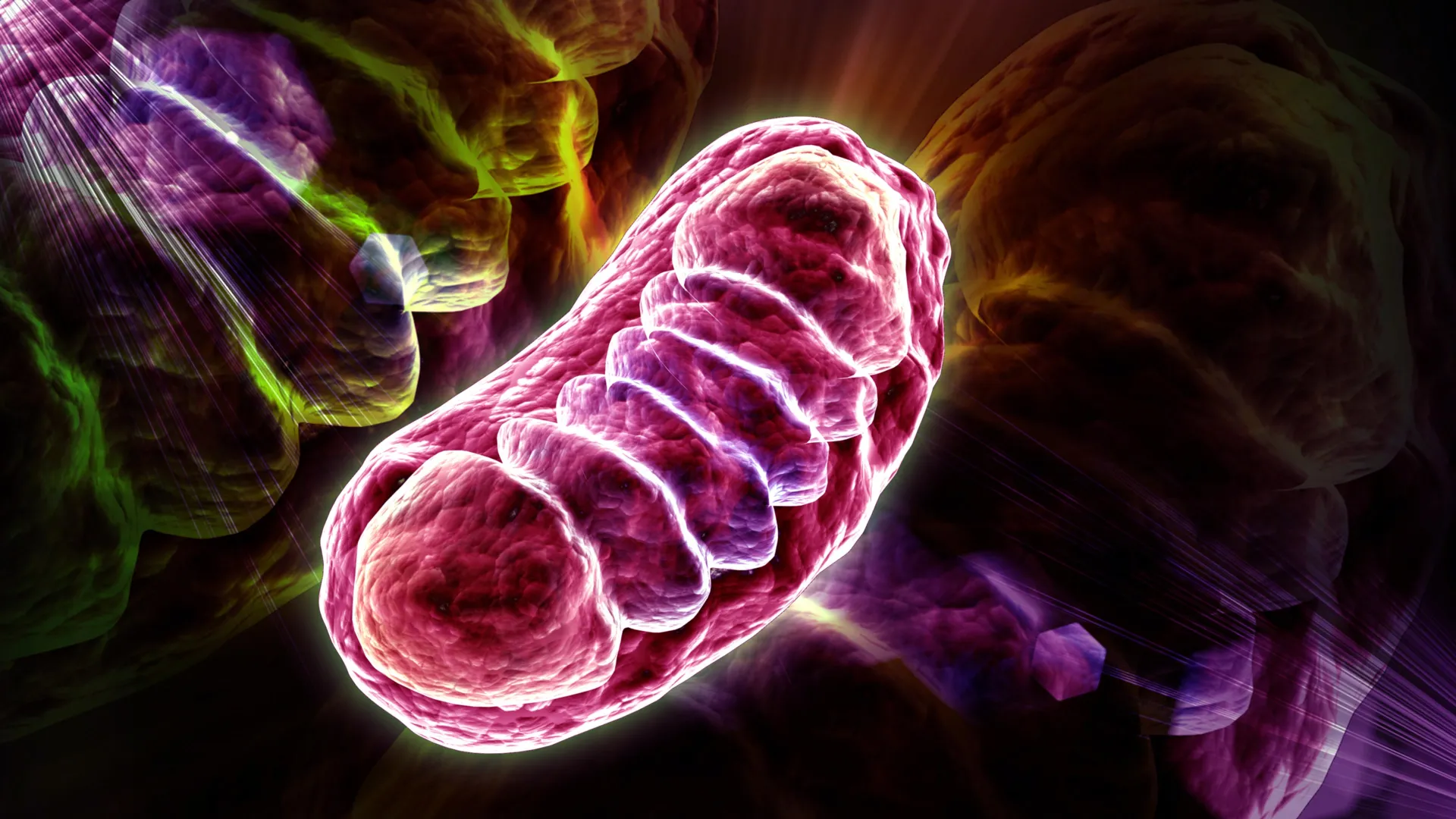
Mitochondria are often called the power plants of the cell because they generate the energy the body needs to function. These tiny structures constantly adjust their activity depending on how much energy cells require. Scientists have long known that nutrients influence this process, but exactly how cells sense and respond to those nutrients has remained unclear.
Now, researchers at the University of Cologne have uncovered a new mechanism showing how the amino acid leucine can enhance mitochondrial performance. Their findings reveal that leucine helps preserve critical proteins involved in energy production, allowing cells to generate energy more efficiently. The study, led by Professor Dr. Thorsten Hoppe from the Institute for Genetics and the CECAD Cluster of Excellence on Aging Research, was published in Nature Cell Biology under the title “Leucine inhibits degradation of outer mitochondrial membrane proteins to adapt mitochondrial respiration.”
How Leucine Supports the Cell’s Power Plants
Leucine is an essential amino acid, meaning the body cannot produce it on its own and it must come from food. It is commonly found in protein rich foods including meat, dairy products, beans, and lentils. While leucine is already known for its role in building proteins, the new research uncovered another important function.
The team found that leucine prevents the breakdown of certain proteins located on the outer surface of mitochondria. These proteins help transport important metabolic molecules into the mitochondria so energy production can continue efficiently. By protecting those proteins from being degraded, leucine allows mitochondria to work at a higher level and helps cells meet increased energy demands.
“We were thrilled to discover that a cell’s nutrient status, especially its leucine levels, directly impacts energy production,” said Dr. Qiaochu Li, first author of the study. “This mechanism enables cells to swiftly adapt to increased energy demands during periods of nutrient abundance.”
The Role of SEL1L in Energy Production
The researchers also identified a key protein called SEL1L that helps regulate this process. Under normal conditions, SEL1L acts as part of the cell’s quality control system by identifying damaged or misfolded proteins and marking them for destruction.
According to the study, leucine appears to suppress SEL1L activity. As a result, fewer mitochondrial proteins are broken down, which improves mitochondrial efficiency and boosts cellular energy production.
“Modulating leucine and SEL1L levels could be a strategy to boost energy production,” Li added. “However, it is important to proceed with caution. SEL1L also plays a crucial role in preventing the accumulation of damaged proteins, which is essential for long-term cellular health.”
Potential Links to Cancer and Metabolic Disease
To better understand the broader impact of the discovery, the researchers studied the effects of leucine metabolism in the tiny roundworm Caenorhabditis elegans. They found that problems with leucine breakdown could damage mitochondrial function and even cause fertility issues.
The team also examined human lung cancer cells and discovered that some cancer related mutations affecting leucine metabolism appeared to improve cancer cell survival. The finding suggests that the pathway may play an important role in future cancer research and therapy development.
Overall, the study provides new evidence that nutrients do far more than simply fuel the body. They also actively influence how cells generate and manage energy at the molecular level. By uncovering how leucine regulates mitochondrial activity, the researchers believe their work could eventually help guide new treatments for metabolic disorders, cancer, and other diseases linked to impaired energy production.
The research was supported by Germany’s Excellence Strategy through CECAD, several Collaborative Research Centres funded by the German Research Foundation (DFG), the European Research Council Advanced Grant “Cellular Strategies of Protein Quality Control-Degradation” (CellularPQCD), and the Alexander von Humboldt Foundation.
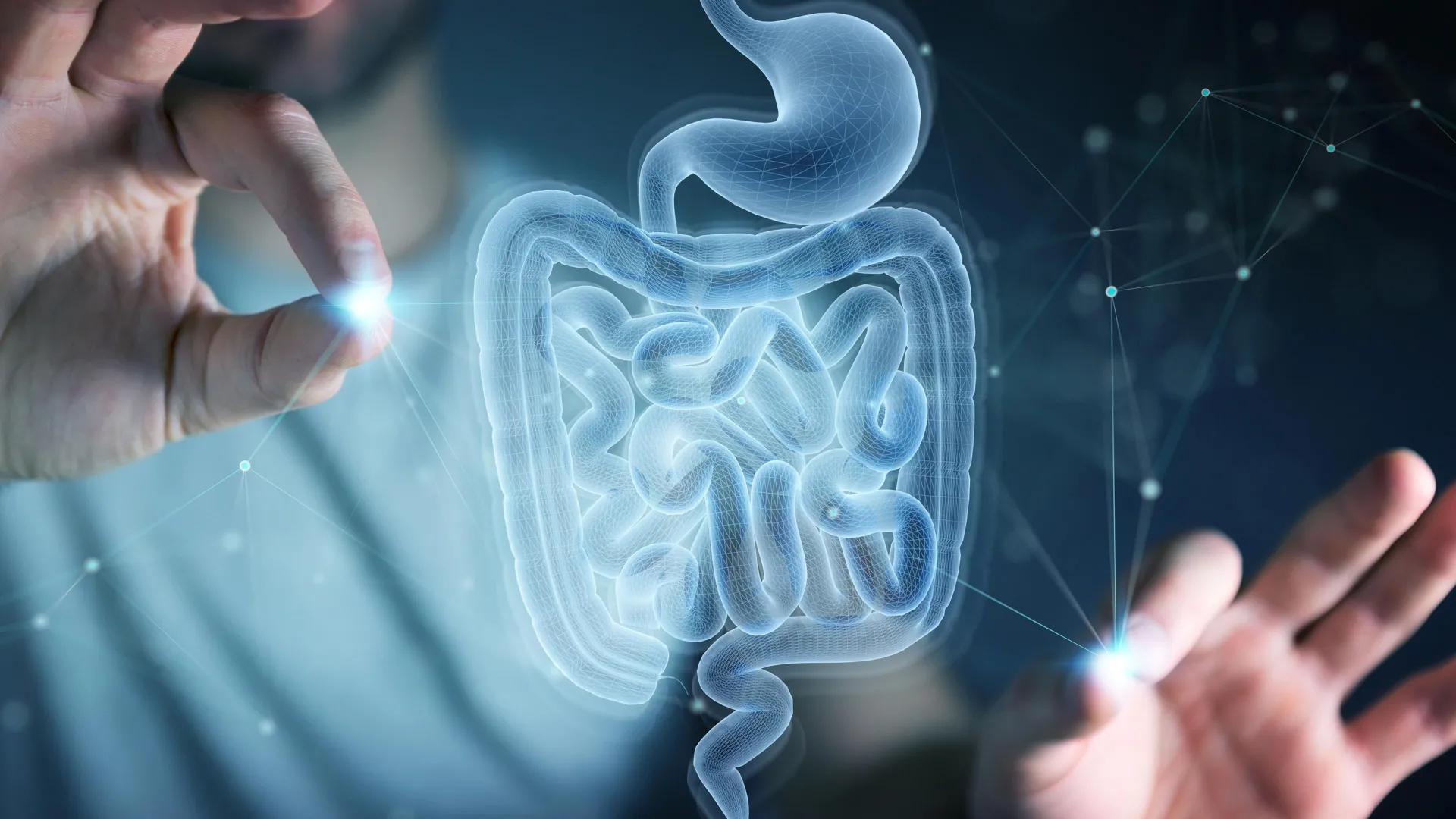
MIT researchers have discovered that a naturally occurring amino acid found in many protein-rich foods may help the intestine repair itself after damage. In a new study, scientists found that cysteine can activate an immune response that boosts intestinal stem cells and helps regenerate tissue in the small intestine.
The findings, which were observed in mice, could eventually lead to new ways to reduce intestinal damage caused by radiation therapy and chemotherapy. Researchers say cysteine-rich diets or supplements might one day help cancer patients recover more quickly from treatment-related injuries.
“The study suggests that if we give these patients a cysteine-rich diet or cysteine supplementation, perhaps we can dampen some of the chemotherapy or radiation-induced injury,” says Omer Yilmaz, director of the MIT Stem Cell Initiative, an associate professor of biology at MIT, and a member of MIT’s Koch Institute for Integrative Cancer Research. “The beauty here is we’re not using a synthetic molecule; we’re exploiting a natural dietary compound.”
The study, published in Nature, is the first to identify a single nutrient capable of directly enhancing intestinal stem cell regeneration. Previous research had shown that broader dietary patterns, such as fasting or calorie restriction, can influence stem cell activity, but scientists had not pinpointed one specific nutrient responsible for this type of repair response.
How Cysteine Activates Gut Repair
Yilmaz and his team wanted to better understand how individual nutrients affect stem cells and tissue health. To investigate, the researchers fed mice diets enriched with one of 20 different amino acids, which are the building blocks of proteins. They then measured how each amino acid influenced regeneration in intestinal stem cells.
Among all the amino acids tested, cysteine produced the strongest regenerative effect on both stem cells and progenitor cells, which eventually mature into adult intestinal cells.
The researchers later uncovered the biological chain reaction behind the effect. When intestinal cells absorb cysteine from food, they convert it into a molecule called CoA. That molecule is then released into the intestinal lining, where it is absorbed by immune cells known as CD8 T cells.
Once activated, these T cells begin multiplying and producing IL-22, a signaling protein called a cytokine that plays a major role in intestinal repair and stem cell regeneration.
Until now, scientists did not know that CD8 T cells could produce IL-22 in a way that supports intestinal stem cells.
“What’s really exciting here is that feeding mice a cysteine-rich diet leads to the expansion of an immune cell population that we typically don’t associate with IL-22 production and the regulation of intestinal stemness,” Yilmaz says. “What happens in a cysteine-rich diet is that the pool of cells that make IL-22 increases, particularly the CD8 T-cell fraction.”
Immune Cells Positioned for Rapid Healing
The researchers found that these activated T cells gather in the lining of the small intestine, placing them in an ideal position to respond quickly when damage occurs. The effect was largely limited to the small intestine because that is where most dietary protein is absorbed.
In the study, mice fed a cysteine-rich diet showed improved recovery from radiation-related intestinal damage. The team also reports that unpublished experiments found similar regenerative benefits after treatment with the chemotherapy drug 5-fluorouracil, which is commonly used against colon and pancreatic cancers but can also injure the intestinal lining.
Foods Rich in Cysteine
Cysteine occurs naturally in many high-protein foods, including meat, dairy products, legumes, and nuts. The human body can also produce cysteine on its own by converting another amino acid called methionine in the liver.
However, researchers say dietary cysteine appears to have a stronger effect on the intestine because it reaches the gut directly before being distributed throughout the body.
“With our high-cysteine diet, the gut is the first place that sees a high amount of cysteine,” Chi says.
Cysteine has long been known for its antioxidant properties, but this is the first study showing that it can directly stimulate intestinal stem cell regeneration.
Future Research on Regeneration
The MIT team is now exploring whether cysteine may also support regeneration in other tissues. One ongoing project is examining whether the amino acid can stimulate hair follicle repair and regrowth.
Researchers are also continuing to investigate the effects of other amino acids that showed signs of influencing stem cell behavior.
“I think we’re going to uncover multiple new mechanisms for how these amino acids regulate cell fate decisions and gut health in the small intestine and colon,” Yilmaz says.
The research was supported in part by the National Institutes of Health, the V Foundation, the Kathy and Curt Marble Cancer Research Award, the Koch Institute-Dana-Farber/Harvard Cancer Center Bridge Project, the American Federation for Aging Research, the MIT Stem Cell Initiative, and the Koch Institute Support (core) Grant from the National Cancer Institute.
The Mediterranean sea is widely perceived as having a low tsunami risk. History and recent modelling technology have demonstrated that destructive waves have already hit the French coast and could do so again. The results of a project carried out in Nice and along the French Riviera show why anticipation and preventive evacuation measures remain the only truly effective means of saving lives.
Tsunamis, formerly known as tidal waves, raz-de-marée in France or maremoti in Italy, are among the most destructive natural phenomena. Triggered by earthquakes, underwater landslides or volcanic eruptions, they spread rapidly over long distances before releasing their energy near the coast in the form of sudden submersion and extremely powerful currents.
From several centimeters to several meters, this flooding is generally characterized by several waves, and the first waves are not necessarily the largest. The speed of the current is such that the pressure exerted on coastal infrastructure can reach several tons per square metre
Since 1970, tsunamis have claimed more than 250,000 lives worldwide, notably the Boxing day tsunami in 2004 in the Indian ocean and the tsunami on March 11 2011 in Japan, for instance.
In the collective imagination, tsunamis have long been associated with the Pacific and the Indian ocean. The risk of an offshore tsunami in the Mediterranean has often been considered marginal, and this in itself could be misleading. In June 2022, UNESCO, which is committed to increasing global tsunami risk awareness among coastal communities, declared:
“Statistics show that there is a 100% chance of a tsunami of at least one metre high in the Mediterranean Sea in the next 30 years.”
After the Pacific, the Mediterranean basin holds the highest number of historical tsunamis recorded, of which several have impacted France’s Côte d’Azur coastline.
According to available data, around twenty incidences were reported in the maritime area along the French Riviera between the 16th century and the early 2000s with waves often exceeding two meters.
The sources of Mediterranean tsunamis can be local or distant. In some scenarios, run-up time for the first waves can be under ten minutes, particularly in the event of an underwater landslide or earthquake close to the coast, such as in the Ligurian sea between Corsica and the Italian coast. Conversely, tsunamis generated further away from France, for example off the northern coast of North Africa, can reach the French Riviera in less than 90 minutes.
The Boumerdès earthquake (Algeria) on May 21, 2003 caused havoc along the entire French Mediterranean coastline. A field enquiry showed that eight marinas on the French Riviera experienced significant sea level drops (from 50 cm to 1.5 m), basin purges, strong eddies and currents, and damaged boats, consistent with harbour resonance phenomena. The effects were observed on the French Riviera coastline an hour and a quarter after the earthquake.
Of more local origin, the tsunami in Nice on October 16 1979, triggered by the underwater collapse of part of the construction site for the new commercial port in Nice (Alpes-Maritimes), adjacent to the airport, caused the deaths of eight people and significant damage in Antibes, Cannes and Nice. The phenomenon was observed in Antibes for around thirty minutes.
Another scenario that could occur closer to the coast is that of the seismic tsunami that struck the Ligurian Sea on February 23, 1887], following an underwater earthquake measuring between 6.5 and 6.8 on the Richter scale. Contemporary accounts describe a sudden retreat of the sea by about one metre in Antibes and Cannes, leaving fishing boats high and dry, before the arrival of a wave reaching nearly two metres, which covered the beaches.
These events are a reminder of how we are completely taken by surprise, and how such short spaces of time show the limits of traditional warning systems. Coastal communities’ ability to evacuate quickly becomes crucial.
France has had a national tsunami alert system that has been part of the Centre d’alerte aux tsunamis (Cenalt) since July 2012, in conjunction with the international system coordinated by UNESCO in the Mediterranean. This system makes it possible to rapidly detect potentially tsunami-generating earthquakes and transmit an alert in less than fifteen minutes to the interdepartmental crisis management operational centre (Cogic) and foreign alert centers.
It is then up to the authorities to disseminate alert messages to the population, in particular via the FR-Alert platform, which allows notifications to be sent to the mobile phones of people located in the danger zone.
However, this global system only covers tsunamis caused by distant earthquakes and is not very effective in the case of local tsunamis or those caused by underwater landslides, where the time it takes for the tsunami to reach the coast may be less than the warning time. This is why it is important to raise awareness among coastal populations about detecting warning signs: felt earthquakes, abnormal sea movements, most often seawater retreats preceding the run-up of the tsunami, but not always.
Along the entire French Mediterranean coastline, an evacuation zone has been defined by government agencies and the University of Montpellier, based on altitude, distance from the sea and historical data. It corresponds to coastal areas with an altitude of less than 5 meters that are less than 200 metres from the sea. Along river mouths, this distance is extended to 500 metres with respect to the estuary.
Including Corsica, 1,700 km of coastline, 187 towns along the French Mediterranean coast, and at least 164,000 residents would be affected. At the height of the summer, an estimated 835,000 beach users would also need to be taken into consideration in the event of a tsunami.
The Nice – Côte d’Azur metropolitan area is vulnerable for a number of reasons: dense urbanization, strong tourist appeal, and very busy beaches. Our photo analysis and modelling work have enabled us to estimate that tens of thousands of people are present in the area to be evacuated during periods of high visitor numbers (between 10,000 and 87,000 people on the beaches, depending on the season and time of day).
When faced with a tsunami, evacuation is the only effective means of ensuring civilian safety. International experience shows that rapid and well-prepared evacuation procedures can save the vast majority of exposed populations. Reactive evacuation measures, for example, saved 96% of Japanese inhabitants when the major tsunami struck the Tōhoku coast on March 11 2011.
In Nice – Côte d’Azur, a comprehensive evacuation strategy has been developed and supported by scientific research led by the University of Montpellier’s Laboratory of Geography and Land Planning. It is based on optimized walking routes, taking into account slopes, obstacles, travel speeds and congestion points. Refuge sites located out of “waves’ reach” were identified and validated by local authorities, and evacuation routes were devised using algorithms to find the fastest routes.
In total, nearly a hundred refuge sites have been mapped out and incorporated into operational evacuation plans designed to quickly guide people to safe places.
Raising tsunami awareness should go beyond evacuation mapping: safety drills such as evacuation exercises, particularly in schools or gradually introducing public warning signage; contribute to encouraging responsible behavior. Several initiatives like these have been implemented in Nice via a project with students in Montpellier.
In Nice, a publicly accessible information platform with interactive maps also allows users to find evacuation zones, routes and instructions to follow in the event of an alert. These tools contribute to the development of a genuine tsunami risk culture.
Beyond France’s Côte d’Azur coastal area, the information portal can be applied to other coastlines elsewhere in France and Europe, both in the Mediterranean and overseas, where tsunami run-up times can be just as short.
The initiatives that are being implemented in Nice are in keeping with UNESCO’s Tsunami Ready international recognition program (TRRP). This 12-point program aims to certify territories that are capable of anticipating a tsunami risk, prepare their populations and coordinate an appropriate response.
The first towns to be awarded the label and that have benefited from our team’s scientific and technical support were Deshaies in Guadeloupe and Cannes, with Nice set to join the program in the near future.
When facing a wave that can arrive in a matter of minutes, being prepared to evacuate undoubtedly makes all the difference.
This article was written with the help of Louis Monnier, Monique Gherardi, Matthieu Péroche and Noé Carles, Université de Montpellier Paul-Valéry.
A ban was meant to bring an end to the practice – but councils continue to fund illegal placements.
After a fourth case of meningitis B has been confirmed in Reading, BBC South’s health correspondent Alastair Fee shares what you need to know.
