This one change to your exercise routine could add years to your life

Regularly engaging in a variety of physical activities could be one of the most effective ways to extend lifespan, according to research published in the open access journal BMJ Medicine. The findings suggest the relationship is not simply about doing more exercise. Instead, benefits appear to level off after a certain point, indicating there may be an optimal amount of activity.

The results also show that variety itself matters. People who participate in different types of physical activity tend to have a lower risk of death regardless of how much total exercise they do. Still, the researchers emphasize that staying active overall remains important.

Why Exercise Variety Matters

Physical activity has long been linked to better physical and mental health, along with a reduced risk of death. However, it has been less clear whether certain types of exercise offer unique advantages, or whether mixing activities provides additional benefits beyond total volume.

To investigate this, researchers analyzed data from two major long-term studies: the Nurses’ Health Study (121,700 female participants) and the Health Professionals Follow-Up Study (51,529 male participants). These studies tracked participants for more than 30 years, with regular updates on lifestyle, health history, and exercise habits collected every 2 years through questionnaires.

Decades of Data on Movement and Lifestyle

Participants reported a wide range of physical activities over time. Since 1986, this included walking, jogging, running, cycling (including stationary machines), lap swimming, rowing or callisthenics, tennis and squash or racquetball.

Later surveys added more detail, covering weight training or resistance exercise; lower intensity exercise, such as yoga, stretching, and toning; vigorous tasks like lawn mowing; moderate outdoor work such as maintenance and gardening; and heavy outdoor work like digging and chopping.

Participants also reported how many flights of stairs they climbed daily, based on the estimate that each flight takes 8 seconds to ascend.

The analysis included 111,467 participants for total physical activity and 111,373 participants for activity variety. To measure activity levels, researchers used MET scores, calculated by multiplying the average time spent on each activity (in hours/week) by its MET value. METs indicate how much more energy an activity uses compared to resting.

Activity Levels, Habits, and Health Profiles

Across both groups, individuals could report up to 11 or 13 different activities depending on the study. Walking was the most common form of leisure exercise, while men were more likely than women to jog or run.

People who reported higher overall activity levels were generally healthier. They were less likely to smoke or have high blood pressure or high cholesterol. They also tended to have a lower body weight (lower BMI), eat healthier diets, drink alcohol, maintain stronger social connections, and take part in a wider range of activities.

Exercise and Risk of Death Over 30 Years

During more than three decades of follow-up, 38,847 participants died, including 9901 from cardiovascular disease, 10,719 from cancer, and 3,159 from respiratory disease.

Higher levels of physical activity, along with most individual types of exercise except swimming, were linked to a lower risk of death from any cause. However, the relationship was not linear. The benefits of total activity appeared to level off after about 20 weekly MET hours, suggesting there may be a point beyond which additional activity provides less added benefit.

Which Activities Were Linked to Lower Risk

Walking showed one of the strongest associations, with those who walked the most having a 17% lower risk of death compared with those who walked the least. Climbing stairs was linked to a 10% lower risk.

Other activities were also associated with reduced risk when comparing the least active to the most active participants. Tennis, squash, or racquetball were linked to a 15% lower risk. Rowing or callisthenics showed a 14% reduction. Weight training or resistance exercises and running were each linked to a 13% lower risk. Jogging was associated with an 11% reduction, while cycling showed a smaller 4% decrease.

The Added Benefit of Exercise Variety

Engaging in a wider range of activities was linked to even greater benefits. After accounting for total exercise levels, participants who performed the most diverse set of activities had a 19% lower risk of death from all causes.

They also showed a 13-41% lower risk of death from cardiovascular disease, cancer, respiratory disease, and other causes compared with those who engaged in fewer types of activity.

Study Limitations and What It Means

This research is observational, which means it cannot prove cause and effect. The researchers also point out several limitations. Physical activity was self-reported rather than directly measured, which may affect accuracy.

In addition, MET scores were calculated under the assumption that participants were fully engaged in each activity, and the lack of detailed information on intensity could have led to some misclassification of energy use. The study population was also mostly White, which may limit how widely the findings apply.

Even so, the researchers conclude: “Overall, these data support the notion that long term engagement in multiple types of physical activity may help extend the lifespan.”

Share Button

Blood vessels found in T. rex bones are rewriting dinosaur science

Despite decades of effort, scientists have never recovered dinosaur DNA. Most paleontology research today still focuses on searching for traces of original organic material in fossils, but DNA has not survived the passage of time.

Much of what we understand about dinosaurs comes from fossilized bones and teeth. These durable remains preserve well, but they offer only limited insight into how these animals actually lived.

Soft tissues, on the other hand, can reveal far more. These rare fossilized materials include muscles and ligaments, pigments or even skin (like scales or feathers). They provide important clues about appearance, movement, and behavior.

Another type of soft tissue sometimes preserved inside bones is blood vessels. My research team and I identified preserved blood vessels in a Tyrannosaurus rex fossil, and our findings were recently published in Scientific Reports.

A Discovery That Began With Physics

As an undergraduate physics student at the University of Regina, I joined a research group that used particle accelerators to study fossils. During that time, I used advanced 3D imaging techniques to examine a T. rex bone and noticed structures that appeared to be blood vessels.

Nearly six years later, I am now pursuing a PhD, continuing to apply physics-based methods to improve how fossils are analyzed.

The Largest T. Rex Ever Found

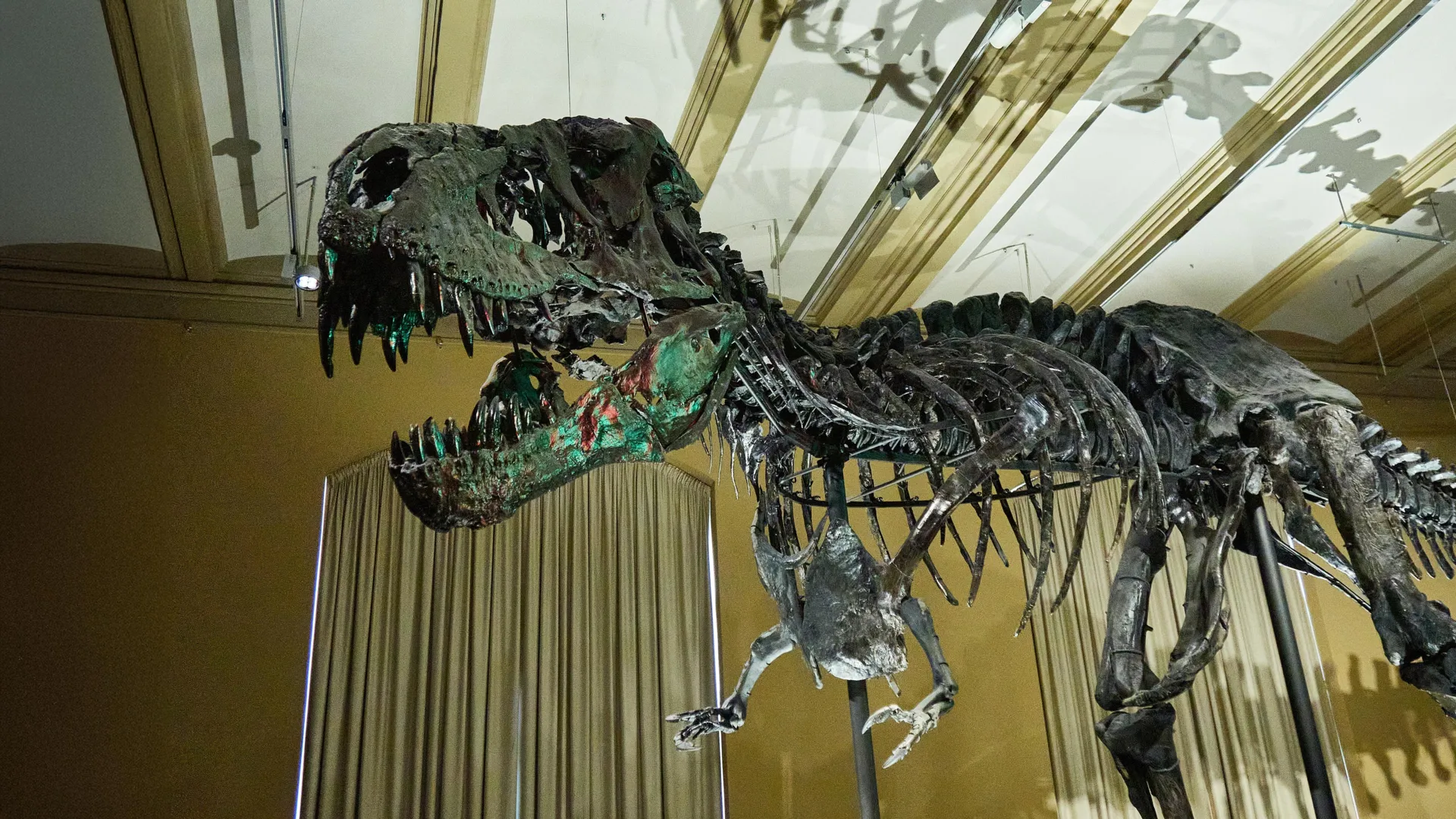
The preserved vessels came from an extraordinary specimen known as Scotty. Housed at the Royal Saskatchewan Museum in Canada, Scotty is the largest T. rex ever discovered and one of the most complete.

Evidence suggests Scotty lived a difficult life around 66 million years ago. Many of its bones show signs of injury, possibly from combat with another dinosaur or from disease. One rib stands out, showing a large fracture that had only partially healed.

When bones are damaged, the body increases blood vessel activity in the affected area to support healing. The structures we observed in Scotty’s rib appear to be part of that process, forming a dense network of mineralized vessels that we reconstructed using 3D models.

Advanced Imaging Reveals Hidden Structures

Studying the inside of fossil bones presents two major challenges. First, researchers need to look inside without damaging the specimen. Second, fossilized bones are extremely dense because minerals have replaced the original organic material over millions of years.

We initially considered using an computed topography (CT) scan, similar to those used in medicine. While this method is non-destructive, standard CT scanners cannot penetrate the dense structure of large fossils.

Instead, we turned to synchrotron light, a powerful form of high-intensity x-rays produced at specialized particle accelerator facilities. This technique allowed us to visualize tiny internal features such as blood vessels with remarkable clarity.

Synchrotron imaging also made it possible to analyze the chemical composition of the structures. The vessels had been preserved as iron-rich mineralized casts, which is a common fossilization process. Interestingly, they appeared in two distinct layers, reflecting a complex environmental history that contributed to their preservation.

What Blood Vessels Reveal About Dinosaur Life

The partially healed fracture in Scotty’s rib offers a rare opportunity to study how a T. rex recovered from injury. By examining the preserved blood vessels, researchers can gain insight into healing processes and survival strategies in large predatory dinosaurs.

This work may also provide a basis for comparison with other dinosaur species and with modern animals such as birds, which are closely related to dinosaurs.

The findings could guide future fossil discoveries as well. Bones that show signs of injury or disease may be more likely to preserve blood vessels or other soft tissues, helping scientists target promising specimens.

With the combination of physics, paleontology, and advanced imaging technologies, researchers are beginning to uncover details about dinosaur biology that were once thought impossible to study.

Share Button

DNA research just rewrote the origin of human species

A sweeping genetic analysis is challenging one of the simplest versions of the human origin story: the idea that all modern humans arose from a single ancestral population in Africa. Instead, the research points to a more intricate beginning, with early human groups spread across Africa, mixing for long stretches of time before some of their differences became visible in the DNA of people living today.

The study, published in Nature in 2023, compared genetic material from present day African populations with fossil evidence from early Homo sapiens populations. The result was a model of human evolution that replaces a clean family tree with something more like a network of deeply connected branches.

A More Complex Beginning in Africa

Scientists broadly agree that Homo sapiens originated in Africa. The harder question is how early human groups separated, moved, reconnected, and shaped one another across the continent.

Brenna Henn, professor of anthropology and the Genome Center at UC Davis and corresponding author of the study, said the uncertainty comes from gaps in both fossils and ancient DNA.

“This uncertainty is due to limited fossil and ancient genomic data, and to the fact that the fossil record does not always align with expectations from models built using modern DNA,” she said. “This new research changes the origin of species.”

The work was co led by Henn and Simon Gravel of McGill University. Their team tested several competing ideas about human evolution and migration in Africa, drawing from models proposed in paleoanthropology and genetics. The analysis included genome data from southern, eastern and western Africa.

The Nama Genomes Added a Key Clue

A major part of the study came from 44 newly sequenced genomes from modern Nama individuals in southern Africa. The Nama are an Indigenous population known for carrying unusually high levels of genetic diversity compared with many other living groups.

Researchers collected saliva samples from people in their villages between 2012 and 2015, while participants were going about daily life. Those samples helped the team examine whether human origins fit a single source model or something broader and more interconnected.

The best fitting model suggested that the earliest population split among early humans still detectable in living people happened roughly 120,000 to 135,000 years ago. Before that split, two or more weakly differentiated Homo populations had been exchanging genes for hundreds of thousands of years.

Even after the split, movement and mating continued between these early groups. The researchers describe this as a weakly structured stem, meaning the roots of modern humans were not one isolated population, but a loose set of connected populations with ongoing gene flow.

Not One Branch, But a Network

That network like model may explain human genetic diversity better than older models, according to the authors. Instead of needing to assume major contributions from an unknown archaic hominin population in Africa, the model shows how patterns in modern DNA could have emerged from structure within ancestral human populations themselves.

“We are presenting something that people had never even tested before,” Henn said of the research. “This moves anthropological science significantly forward.”

Co-author Tim Weaver, a UC Davis professor of anthropology who studies early human fossils, said the results shift how scientists should think about older explanations.

“Previous more complicated models proposed contributions from archaic hominins, but this model indicates otherwise,” he said.

Weaver contributed comparative fossil expertise to the study, helping connect genetic models with what early human remains looked like.

What This Means for Ancient Fossils

The model also has consequences for how scientists interpret the fossil record. According to the authors, only 1 to 4% of genetic differentiation among living human populations can be traced to variation between these ancestral stem populations.

Because the early branches continued mixing, they were probably similar in appearance. That means fossils with very different physical traits (such as Homo naledi) are unlikely to represent lineages that directly contributed to the evolution of Homo sapiens, the authors said.

In other words, the roots of humanity may have been geographically and genetically widespread, but not necessarily divided into sharply different human forms. The deeper picture is one of movement, contact, and repeated mixing across Africa.

Later Research Adds More Depth

Work published after the 2023 study has continued to show how important African genomic diversity is for understanding human origins. A 2024 Nature Ecology & Evolution study reported 9,000 years of genetic continuity in southernmost Africa, highlighting the region’s long and unusually deep human population history.

A later Nature study analyzed genomes from 28 ancient southern African individuals dated between 10,200 and 150 years before present. That work found that ancient southern Africans carried genetic variation outside the range seen in living people and identified Homo sapiens specific variants that may shed light on adaptation and evolution within Africa.

Together, these findings strengthen a bigger message: human origins were not a single spark in one place. They were shaped by many populations, deep African diversity, and long periods of connection across the continent.

Additional co-authors of the 2023 study include Aaron Ragsdale, University of Wisconsin, Madison; Elizabeth Atkinson, Baylor College of Medicine; and Eileen Hoal and Marlo Möller, Stellenbosch University, South Africa.

Share Button

Trump Shares New Footage Of Shooting At White House Correspondents’ Dinner

President Donald Trump shared on Truth Social a photo and video footage of a shooter’s attempt to barrel past a security checkpoint at the White House Correspondents’ Dinner.

The video, shared shortly before a hastily convened press conference at the White House on Saturday night, shows a blur of a man running past law enforcement officers standing near magnetometers at the Washington Hilton.

Trump also posted photos of the suspect seen shirtless on the ground with his hands restrained behind his back.

“The man has been captured. They’ve gone to his apartment,” Trump said. He added that the suspect is in his 30s and from California.

“He’s a sick person, a very sick person, and we don’t want things like this to happen,” Trump added.

One law enforcement officer was shot during the incident but was wearing a bulletproof vest.

“The vest did the job. I just spoke to the officer and he’s doing great, great shape,” Trump said at the press conference.

Trump also used the shooting to promote his plans for a new White House ballroom, saying it will be “drone proof” with “bulletproof glass.”

“That’s why the military are demanding it,” Trump said.

“They’ve wanted the ballroom for 150 years, for a lot of different reasons, but today is a little bit different, because we need levels of security that no one has probably ever seen before,” Trump added.

Asked by a reporter how he’s coping following multiple assassination attempts, Trump said at least it hasn’t made him a “basket case.”

Share Button

Keir Starmer Mocked Over Mandelson Scandal In Brutal Saturday Night Live Sketch

Keir Starmer has been mocked over his decision to appoint Peter Mandelson as the UK’s ambassador to America in a brutal Saturday Night Live UK sketch.

The prime minister was portrayed as a confused and indecisive ‘Who Wants To Remain A Millionaire’ contestant on the Sky TV show.

Asked “is it ever a good idea to give Peter Mandelson a job”, the fake PM is presented with four possible answers.

They are no, of course not, not in a million years, and yes.

Actor George Fouracres, who plays Starmer on the show, says “it’s a tricky one” before saying he wants to ask the audience for their view.

After none of them choose yes, the PM says that has “put a seed of doubt ion my mind” and then asks for two wrong answers to be taken away.

With only “not in a million years” and “yes” left, Starmer says: “Oh gosh, this looks so much easier at home.”

He then adds: “I’m afraid I’m just not being presented with the facts.”

Starmer then asks to phone a friend, who turns out to be Mandelson himself.

After asking to go 50-50 again, and despite being left with only “not in a million years” as a possible answer, the prime minister says: “I have my answer. I know it’s not conventional, but I’d like to actually bring back one of the previous options, because I’m going to go with [yes], final answer.”

Asked if he is totally sure, the PM says: “Oh never.”

When told the correct answer was “not in a million years”, he replies: “It’s clear to me now that was the wrong decision. Would I make the same decision again, knowing what I know now? Quite possibly.”

It is not the first time that SNL has mocked the PM.

Last month, Donald Trump shared a clip from the show in which Starmer was presented as a weak and ineffectual prime minister who is scared of the US president.

Subscribe to Commons People, the podcast that makes politics easy. Every week, Kevin Schofield and Kate Nicholson unpack the week’s biggest stories to keep you informed. Join us for straightforward analysis of what’s going on at Westminster.

Share Button

Keir Starmer Says He Can Fight And Win Next Election Despite Mandelson Scandal

Keir Starmer has insisted he can fight and win the next general election despite the mounting speculation he faces an imminent challenge to his leadership.

The prime minister’s political future has been cast into doubt once again following the latest revelations in the Peter Mandelson scandal.

Starmer sacked Sir Olly Robbins, the top civil servant at the Foreign Office, for not telling him UK Security Vetting had recommended Mandelson not be given clearance to become the UK’s ambassador to Washington.

The PM has admitted appointing the shamed peer to the plum diplomatic role was a mistake and insisted he would not have done so had he known.

Labour is also set to suffer major losses in next month’s elections in England, Scotland and Wales.

That could trigger an attempt to unseat the prime minister, even though his critics remain split on who should take over from him.

But in an interview with the Sunday Times, insisted he had no intention of leaving No.10 any time soon.

Asked if he was planning to stay in post, Starmer said: “Of course. We didn’t wait 14 years to get elected, we didn’t change the Labour Party, we didn’t do all that it entailed to win the election and the mandate for change, not to deliver on it.”

Asked if Labour can win the next election with him at the helm, the prime minister said: “I think we can. I think it’s going to be a very important general election.

“It’s likely to be Labour versus Reform. An election where the defining question is, what is it to be British? An election where what I would call patriotic values of tolerance, decency, live and let live, diversity, are under challenge like we’ve never seen before.”

Starmer also claimed that most Labour MPs remain supportive of him.

On the speculation about his job, Starmer said: “In politics, you get this sort of thing all of the time. There is always talk. What you never hear from are all the people who are supportive, loyal and just want to get on with the job. And that is the vast majority of people in the :arliamentary Labour Party.

“They’re pleased to be in power. They’ve waited a long time to be in power. And they just want to get on with their job. They don’t make a lot of noise about it. They don’t talk to journalists about it. It’s really important that is reflected in these debates.”

Subscribe to Commons People, the podcast that makes politics easy. Every week, Kevin Schofield and Kate Nicholson unpack the week’s biggest stories to keep you informed. Join us for straightforward analysis of what’s going on at Westminster.

Share Button

‘I paid for a private hysterectomy’

Rachel Moore spent years in debilitating chronic pain due to the womb disease, adenomyosis.

Share Button

Fish oil may be hurting your brain, new study finds

A new study from the Medical University of South Carolina is raising fresh concerns about fish oil supplements, especially for people who experience repeated mild traumatic brain injuries. Writing in the journal Cell Reports, researchers report that these widely used supplements, often promoted as protective for the brain, could actually interfere with healing after injury.

The research was led by neuroscientist Onder Albayram, Ph.D., an associate professor at MUSC and a member of the National Trauma Society Committee. His team focused on the biological processes involved in repairing blood vessels in the brain after injury.

Rising Popularity of Omega-3 Supplements

Interest in omega-3 fatty acids, the key components of fish oil, has been growing rapidly. According to Fortune Business Insights, these supplements are now appearing not only in capsules but also in drinks, dairy alternatives, and snack products.

That surge in popularity does not surprise Albayram. “Fish oil supplements are everywhere, and people take them for a range of reasons, often without a clear understanding of their long-term effects,” he said.

“But in terms of neuroscience, we still don’t know whether the brain has resilience or resistance to this supplement. That’s why ours is the first such study in the field.”

Albayram collaborated with Eda Karakaya, Ph.D., Adviye Ergul, M.D., Ph.D., and several other researchers at MUSC and partner institutions. Among them was Semir Beyaz, Ph.D., at the Cold Spring Harbor Laboratory Cancer Center in New York.

EPA Identified as a Potential Weak Point in Brain Recovery

The team discovered what they describe as a context-dependent metabolic vulnerability. In simple terms, this means that changes in how cells use energy may reduce the brain’s ability to recover under certain conditions. This vulnerability appears to be linked to the buildup of eicosapentaenoic acid, or EPA, one of the main omega-3 fatty acids found in fish oil.

In their experimental models, higher levels of EPA in the brain were associated with weaker repair after injury.

Albayram noted that not all omega-3s behave the same way. Docosahexaenoic acid, or DHA, is well known for its beneficial role in the brain and is a major part of neuronal membranes. EPA, however, follows a different pathway. It is less incorporated into brain structures, and its effects can vary depending on how long it is present and the surrounding biological conditions. Because of this, the long-term impact of omega-3 intake on brain recovery and blood vessel adaptation has remained unclear.

Experiments Link Diet, Brain Biology, and Recovery

To better understand these effects, the researchers used a series of models to connect diet, brain function, and healing. In mice, they examined how long-term fish oil use influenced the brain’s response to repeated mild head impacts. Their focus was on signals related to blood vessel stability and repair.

They also studied human brain microvascular endothelial cells, which form part of the barrier between the brain and the bloodstream. In these cells, EPA, but not DHA, was linked to reduced repair capacity, aligning with the findings from the animal models.

To extend the findings to real-world disease, the team analyzed postmortem brain tissue from individuals diagnosed with chronic traumatic encephalopathy (CTE) who had a history of repeated brain injury.

The researchers described the results as having “implications for precision nutrition, therapeutic strategies and the design of dietary interventions targeting brain injury and neurodegeneration.”

Key Findings From the Study

The study identified several major patterns, which are summarized below along with simplified explanations.

  1. EPA-driven neurovascular instability triggers perivascular tauopathy and cognitive decline following TBI.

“In a sensitive brain state modeled in mice, long-term fish oil supplementation revealed a delayed vulnerability. The animals showed poorer neurological and spatial learning performance over time, together with clear evidence of vascular-associated tau accumulation in the cortex, linking impaired recovery to neurovascular dysfunction and perivascular tau pathology,” Albayram said.

  1. EPA reprograms cortical transcriptional responses and suppresses angiogenic signaling following traumatic brain injury.

“In the injured cortex, the team observed a coordinated shift in gene programs that normally support vascular stability and repair,” Albayram said. “The pattern included reduced expression of genes tied to extracellular matrix organization and endothelial integrity, alongside broader changes consistent with altered lipid handling after injury.”

  1. EPA utilization under permissive metabolic conditions impairs angiogenesis and endothelial integrity, recapitulating post-traumatic brain injury cerebrovascular dysfunction.

Albayram said that in human brain microvascular endothelial cells, EPA did not act as a universal toxin. “Instead, when cells were placed in conditions that encouraged fatty acid engagement, EPA was associated with weaker angiogenic network formation and reduced endothelial barrier integrity, matching key features of the neurovascular repair deficit seen in vivo.”

  1. CTE brain reveals neurovascular and fatty acid metabolic reprogramming consistent with EPA-linked vulnerability.

“In postmortem cortex from neuropathologically confirmed CTE cases with a history of repetitive brain injury, the researchers found evidence of disrupted fatty acid balance and broad transcriptional changes affecting vascular and metabolic pathways,” Albayram said. “This human arm was used to provide translational context, asking whether chronic disease tissue shows convergent signatures of altered lipid handling and reduced vascular stability.”

What the Findings Mean for Fish Oil Use

Albayram stressed that the study should not be interpreted as a blanket warning against fish oil. “I am not saying fish oil is good or bad in some universal way,” he said. “What our data highlight is that biology is context-dependent. We need to understand how these supplements behave in the body over time, rather than assuming the same effect applies to everyone.”

The researchers hope their work encourages a more careful look at omega-3 supplementation, both in clinical settings and among the general public. Their experiments focused on a specific scenario, repeated mild brain injury, and used CTE tissue to provide supporting observations rather than direct proof of cause and effect.

“As with any study, there are important boundaries,” Albayram said. “In the human CTE tissue, we can observe patterns, but we cannot prove what drove them. We also cannot capture every variable that shapes omega-3 handling in real life, including overall diet, health status and lifestyle.”

Next Steps in Understanding Omega-3 Effects

The team plans to continue investigating how EPA moves through the body, including how it is absorbed, transported, and distributed. They are especially interested in the mechanisms that control fatty acid movement.

“This paper is a starting point,” Albayram said, “but it is an important one. It opens a new conversation about precision nutrition in neuroscience, and it gives the field a framework to ask better, more testable questions.”

Share Button

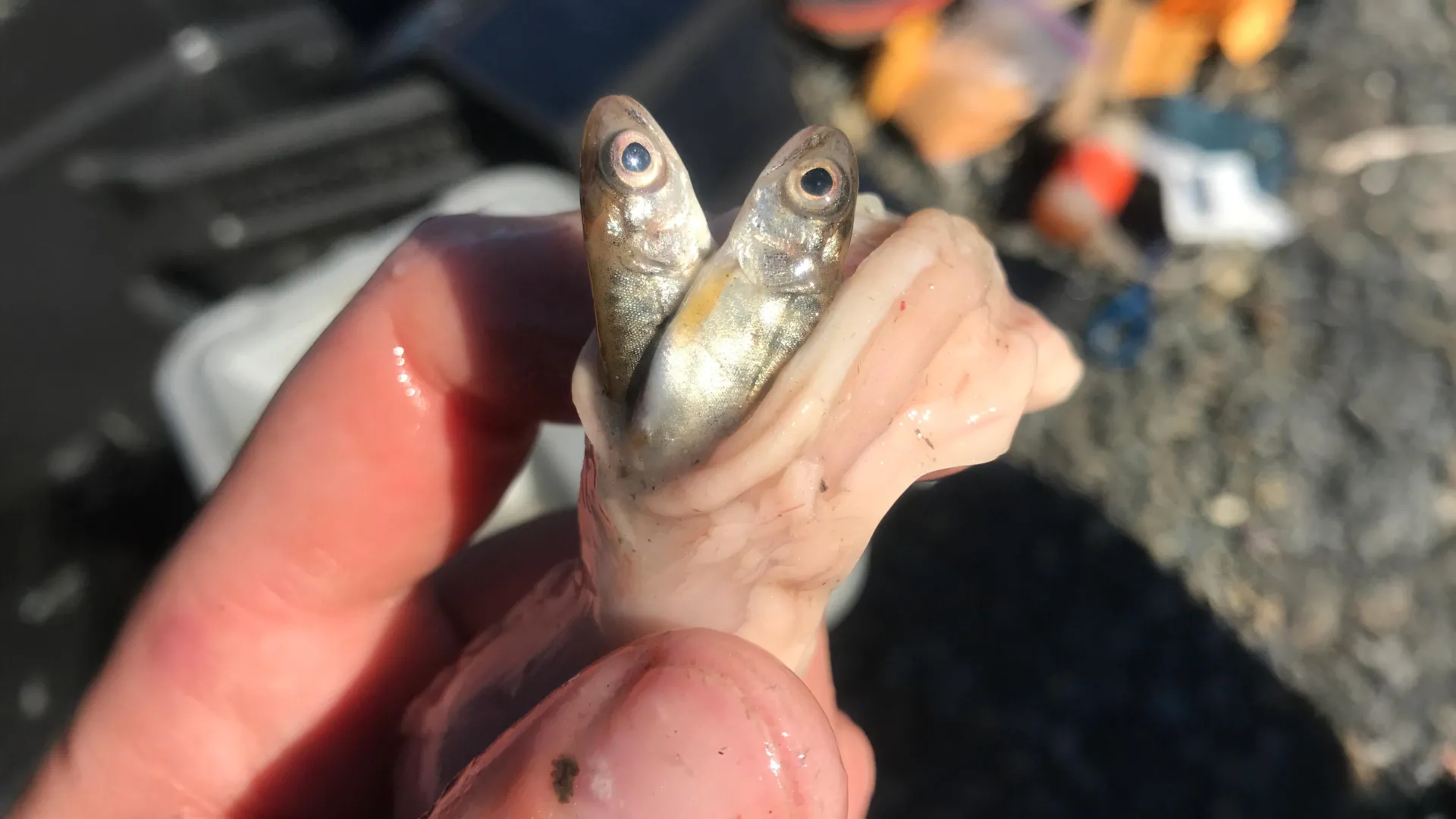
Warming waters are supercharging an invasive salmon predator in Alaska

Rising temperatures in a Southcentral Alaska river are driving a noticeable change in the behavior of invasive northern pike. As the water warms, these predators are eating more, raising concerns about the future of native fish such as salmon.

Researchers led by the University of Alaska Fairbanks examined the stomach contents of northern pike collected by the U.S. Fish and Wildlife Service in the Deshka River during the summers of 2021 and 2022. They compared those findings with samples taken from pike in the same river about ten years earlier.

Their analysis showed that pike across all age groups increased their fish consumption as temperatures rose. The change was especially striking among younger fish, with year-old pike consuming 63 percent more fish than before.

The findings were published in the journal Biological Invasions.

“We expect there will be significant warming in the future, and the amount of fish that pike consume is going to increase with it,” said Benjamin Rich, who led the study while pursuing his graduate degree at the UAF College of Fisheries and Ocean Sciences.

Rising Temperatures in Air and Water

The study area has already experienced a steady warming trend. Average summer air temperatures have climbed by about 3 degrees Fahrenheit since 1919, including an increase of 0.8 degrees over the past decade. Water temperatures in the Deshka River, which flows into the Susitna River, have also remained above historical averages in recent years, Rich said.

Looking ahead, scientists expect this warming to continue throughout the 21st century. Models suggest that northern pike could increase their food intake by another 6%-12% by the year 2100.

Warmer Water Boosts Predator Appetite

The growing appetite of pike in the Deshka River reflects patterns seen in other freshwater systems. As water temperatures rise, predator metabolism speeds up, increasing their energy demands and pushing them to feed more aggressively.

This shift is particularly troubling in Southcentral Alaska, where northern pike were introduced illegally and now share habitat with Chinook and coho salmon populations that are already in decline.

Interestingly, the number of Chinook and coho salmon found in pike stomachs dropped over the past decade. Researchers suggest this likely reflects the shrinking salmon populations in the river rather than reduced predation.

Salmon Face Multiple Pressures

Salmon are already under strain from warming conditions, said UAF fisheries professor Peter Westley. More aggressive predation adds another layer of pressure in an already challenging environment.

“We know that invasive species and climate are individually associated with freshwater fish extinctions,” said Westley, a co-author of the study. “Those impacts may be working together into the future.”

Complex Ecosystem Changes

Erik Schoen, a researcher at UAF’s International Arctic Research Center, emphasized the importance of understanding these interconnected effects. Salmon are a key species, but they are only one part of a broader ecosystem influenced by rising temperatures.

“There’s been a lot of work done about how changes in temperature affect salmon directly. That’s really important, but salmon aren’t alone in these rivers,” said Schoen, who also contributed to the paper. “It’s also important to understand how these changes are affecting salmon indirectly through their predators, prey and pathogens.”

Other contributors to the research included Adam Sepulveda and Jeffrey Falke of the U.S. Geological Survey and Daniel Rinella of the U.S. Fish and Wildlife Service.

Share Button

Conscious Growth Club Year 10 Is Open

Conscious Growth Club Year 10 is now open for enrollment.

CGC is our private, growth-oriented community for people who want more honesty, courage, support, connection, and meaningful forward movement in their lives – not as some kind of self-improvement grind, but as a richer way to live.

We’re beginning our 10th CGC year on May 1st, and you’re warmly invited to join us.

CGC Year 10 Opening

If you’ve been craving a more grounded and supportive space for your personal growth journey, this may be a very good year to come in.

CGC is especially for people who want to keep growing, but who don’t want to do it alone or only through passive learning. It’s a live, interactive, human space where members bring real life into the room – goals, transitions, stuck points, creative projects, relationship challenges, lifestyle shifts, health intentions, business questions, emotional patterns, and those strange “I know something needs to change, but I don’t know what yet” moments.

That kind of growth is much easier when you have a room of thoughtful, caring, self-aware people to explore with.

A lot of people try to navigate their growth with too much isolation. They read books, watch videos, journal, think, plan, and chat with AI now and then. Those can all be useful, but at some point the inner work often needs a real human relational space to deepen and advance.

It helps to be seen and acknowledged by like-hearted people.

It helps to hear how other people are navigating similar challenges.

It helps to share what’s really going on without having to polish it first.

It helps to be welcomed and received as a vibrant member of a rich social community.

It helps to be in a space where growth is normal – where people aren’t shocked that you’re rethinking your work, your relationships, your habits, your identity, your emotional patterns, your lifestyle, or your whole relationship with life.

That’s a big part of what CGC provides. What’s unusual in the outside world – conscious growth – is totally normal in our space.

CGC is not a therapy group. It’s not a social media group. It’s not a pile of static content. It’s a live community and growth environment with a strong emphasis on participation, connection, honesty, and practical support.

During Year 10, we’ll have several dozen live Zoom calls together, mostly around 90 minutes each. These calls are designed to help members reflect, connect, get unstuck, clarify intentions, share progress, explore meaningful questions, and keep translating insight into real-life movement.

We’ll also continue using our private member forums and CGC portal, so you can stay connected between calls, access courses and resources, and participate at your own pace.

What I especially love about CGC is the range of what members bring into the space. One person may be navigating a career transition. Another may be working on health or fitness. Someone else may be deepening their relationship life, exploring a creative project, or trying to bring more courage and truth into their daily decisions.

The common thread is not that everyone has the same goals.

The common thread is willingness.

Willingness to tell the truth.

Willingness to keep growing.

Willingness to participate.

Willingness to be seen.

Willingness to support others while also receiving support.

That makes a big difference.

CGC tends to work best for people who already have some self-development experience and who are ready for a more interactive, higher-trust environment. You don’t need to be perfect, polished, or constantly productive. You don’t need to have your whole life figured out. But you do need to be willing to show up honestly and engage with the room.

This year we’re making CGC feel even more practical, relational, and alive – with more emphasis on translating meaningful intentions into daily life. More real support. More personalized engagement. More warmth. More meaningful connection. More growth that actually impacts daily life and results.

If that sounds good to you, please take a look at the invitation page here:

Join Conscious Growth Club Year 10

Enrollment is open now and closes May 7th at 11:59 PM Pacific time.

CGC Year 10 officially begins May 1st and runs through April 30, 2027. When you join, you’ll get access right away, so you can begin exploring the member portal and community space before the new CGC year begins.

The price is $3333 for new members and for returning past members.

If you’re a renewing member, your renewal price is $1111.

If you feel a clear yes, I’d love to welcome you into the room for Year 10.

And if you read the invitation page and sense that it’s not your space, that’s perfectly okay too. CGC is intentionally not for everyone. It works best when people self-select honestly. That honest self-selection has worked really well for us, helping to create a community of members who want the full, rich, consciously engaged experience.

If some part of you has been wanting a more alive, honest, supportive growth environment – a place where you can keep evolving with thoughtful people who actually care – then I encourage you to listen to that signal.

This is a beautiful year to join us.

Share Button