Experts say a single dose of Pfizer should be offered at least six months after a second dose.


Experts say a single dose of Pfizer should be offered at least six months after a second dose.

DANIEL LEAL-OLIVAS via Getty Images
Boris Johnson is mourning the loss of his mother after she died aged 79.
Charlotte Johnson Wahl, a painter, died “suddenly and peacefully” at St Mary’s Hospital, Paddington, on Monday according to a death notice in The Times.
Johnson once described his mother as the “supreme authority” in the family and credited her with instilling in him the equal value of every human life.
The notice in the Times says she was a “Painter. Mother of Alexander, Rachel, Leo, and Joseph; grandmother of Ludovic, Lara, Charlotte, Milo, Oliver, Cassia, Theodore, Rose, Lula, William, Ruby Noor, Stephanie and Wilfred.”
Labour leader Keir Starmer was among the first politicians to offer his condolences.
“I’m very sorry to learn of the prime minister’s loss. My condolences to him and his family,” he tweeted.
Tory MP Conor Burns said: “So sad to hear of the death of Boris Johnson’s Mum. Thoughts and prayers are with him and the whole of the Johnson clan.”
Fellow Conservative Angela Richardson added: “Sad news for the PM tonight as well as the rest of the Johnson family. Thoughts with them all.”
Conservative Party co-chairman Amanda Milling tweeted: “Thinking of Boris Johnson and his family this evening. Our thoughts and prayers are with you.”
The daughter of the barrister Sir James Fawcett, who was president of the European Commission for Human Rights in the 1970s, Mrs Johnson Wahl studied English at Oxford University.
She interrupted her education to travel to America with Stanley Johnson – who she married in 1963 – before returning to complete her degree as the first married female undergraduate at her college, Lady Margaret Hall.
The couple had four children – Boris, journalist Rachel, former minister Jo and environmentalist Leo – before they divorced in 1979.
As an artist, she made her name as a portrait painter – her sitters included Joanna Lumley and Jilly Cooper – although throughout her life she painted other subjects, including landscapes.
In the years following her divorce, she refused to accept any money from her former husband, eking out a living by selling paintings. She later recalled she was “very hard up”.
In 1988, she married the American professor Nicholas Wahl and moved to New York where she began painting cityscapes – which were the subject of a sell-out exhibition in 2004 – but returned to London following his death in 1996.
At the age of 40, she was diagnosed with Parkinson’s disease but she never allowed her illness to prevent her painting, steadying herself with a walking frame as she worked.
In 2015, she was the subject of a retrospective exhibition at the Mall Galleries in London.

After a year out, the Met Gala was back with a bang on Monday night.
While the annual A-list event is famously held on the first Monday in May, organisers clearly felt that this would simply be too long to make us wait in 2021, so decided to throw together a little something for September.
This year, the event was chaired by singer Billie Eilish, Oscar nominee Timothée Chalamet, poet Amanda Gorman and tennis pro Naomi Osaka, with the theme being “In America: A Lexicon of Fashion”.
As ever, some of the stars in attendance understood the assignment completely, and others missed the mark somewhat.
Here are 18 of the must-see looks from the 2021 Met Ball…

Jeff Kravitz via Getty Images
Serving: Marilyn Monroe reimagined as a Disney princess. She nailed it, let’s be honest.
Nancy Rivera/Bauer-Griffin via Getty Images
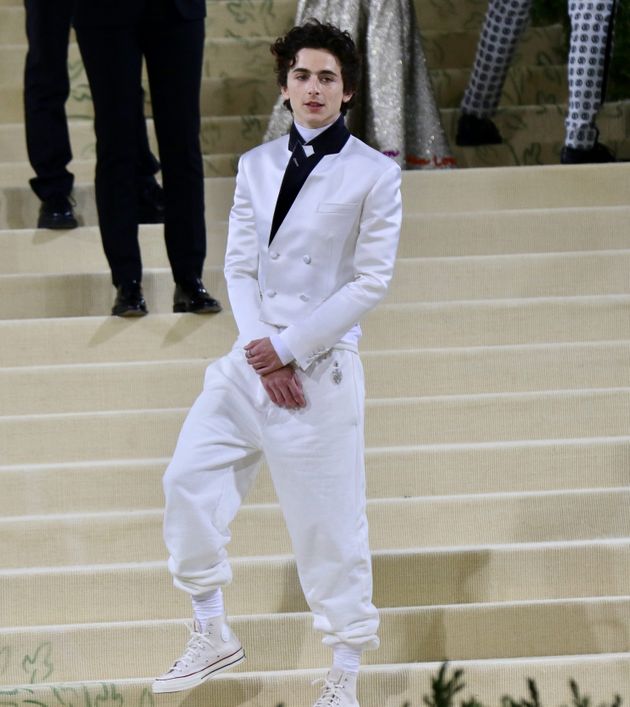
Serving: Zoom call eleganza. Party up top, comfies down below.
John Shearer via Getty Images
Mike Coppola via Getty Images
Gotham via Getty Images
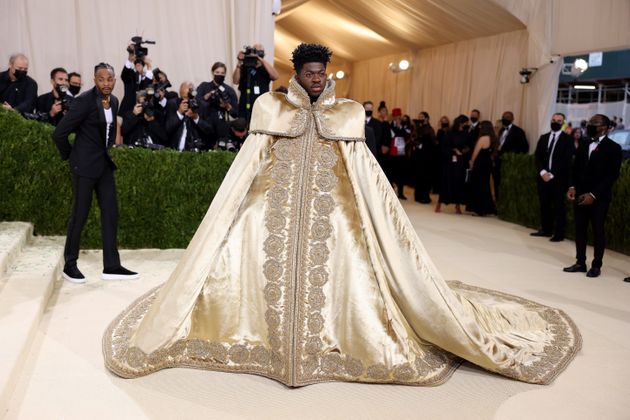
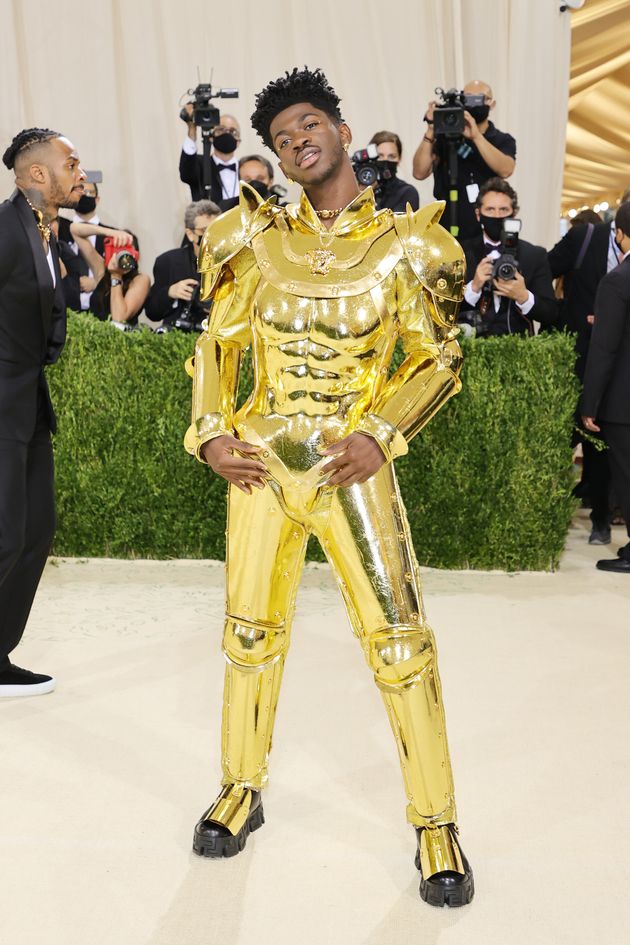
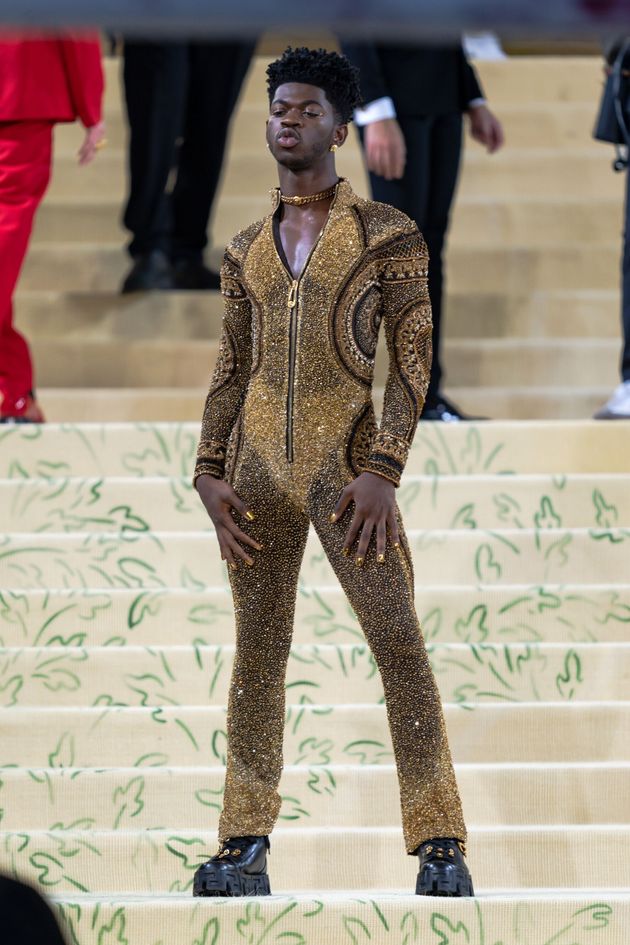
Serving: Why give just one look when you can serve three this good?
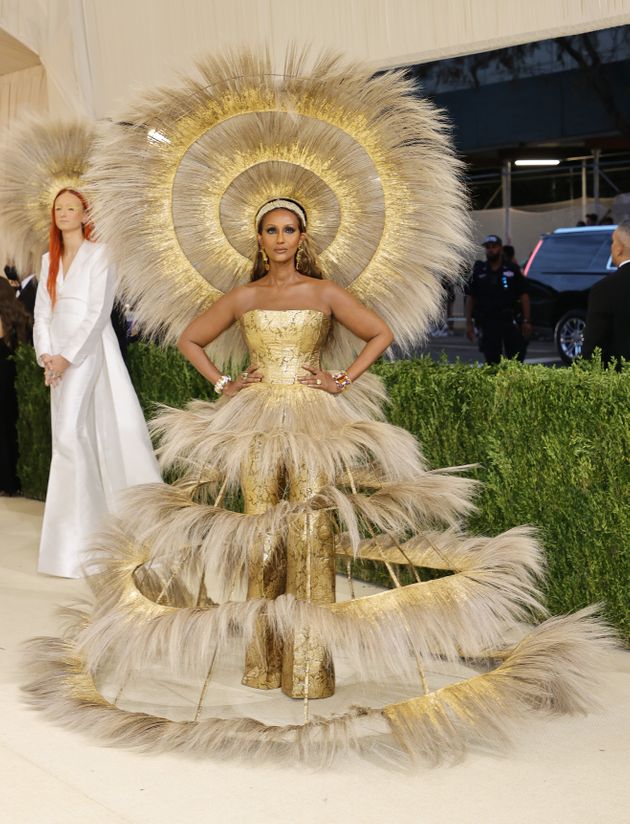
Mike Coppola via Getty Images
Serving: “I’m just running out to the shop, does anybody want anything?”

Dimitrios Kambouris via Getty Images
Serving: “Does anyone still wear a hat? I’ll drink to that…”

Mike Coppola via Getty Images
Serving: Three words… Met Gala royalty.
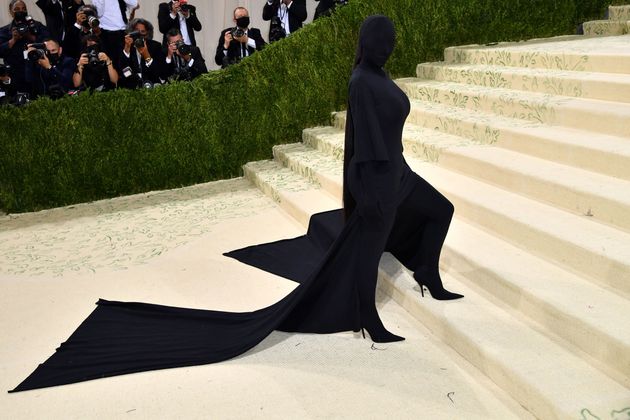
ANGELA WEISS via Getty Images
Serving: “Kim? Is that you under there…?”

Taylor Hill via Getty Images
Serving: “Switchin’ the positions for you, cookin’ in the kitchen and up in the bedroom.”
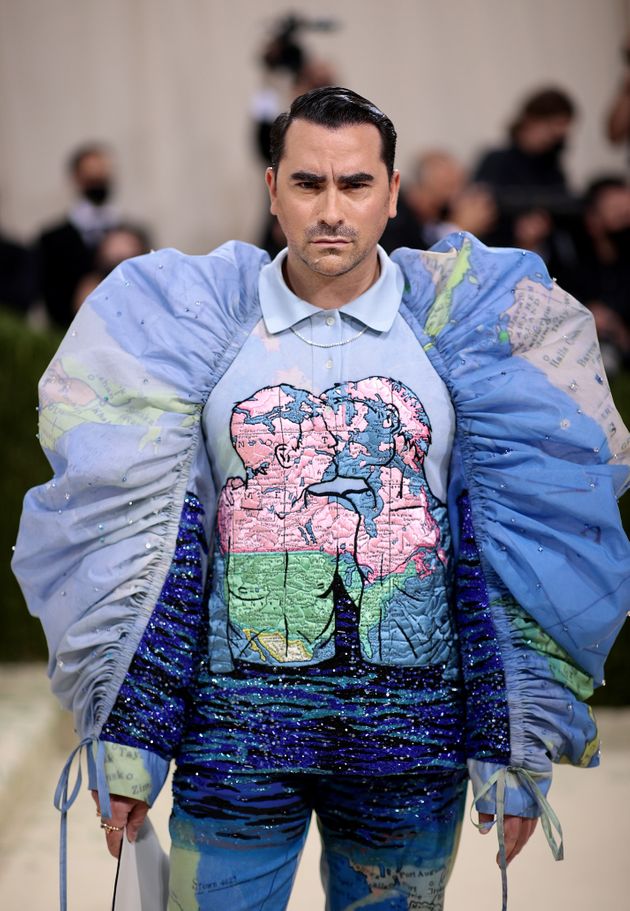
Dimitrios Kambouris via Getty Images
Serving: A plain suit? I don’t think.
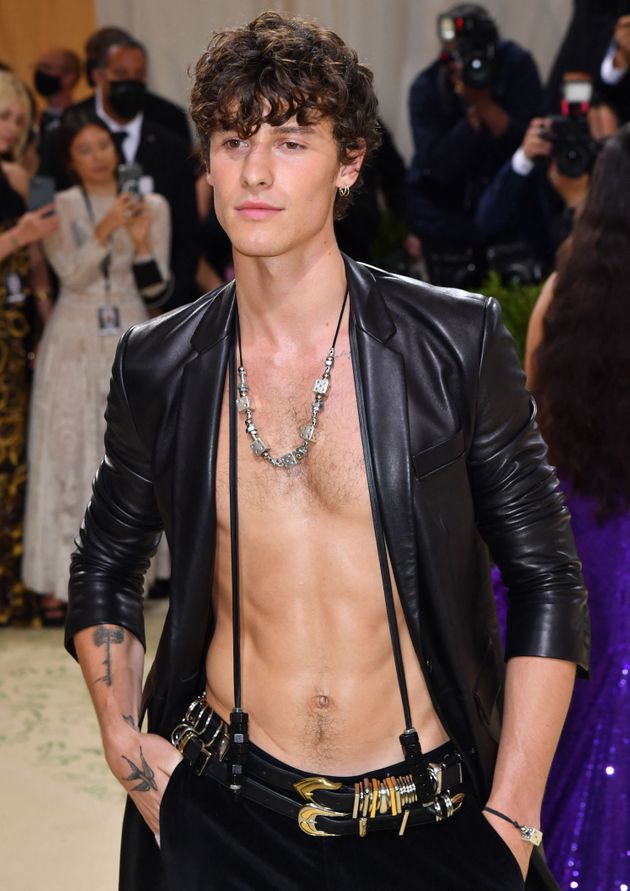
ANGELA WEISS via Getty Images
Serving: Got dressed in a hurry and forgot one key component… not that we’re complaining, obviously.

Dimitrios Kambouris via Getty Images
Serving: Yes! She literally is! Get it…? Serving? Tennis? Moving on…
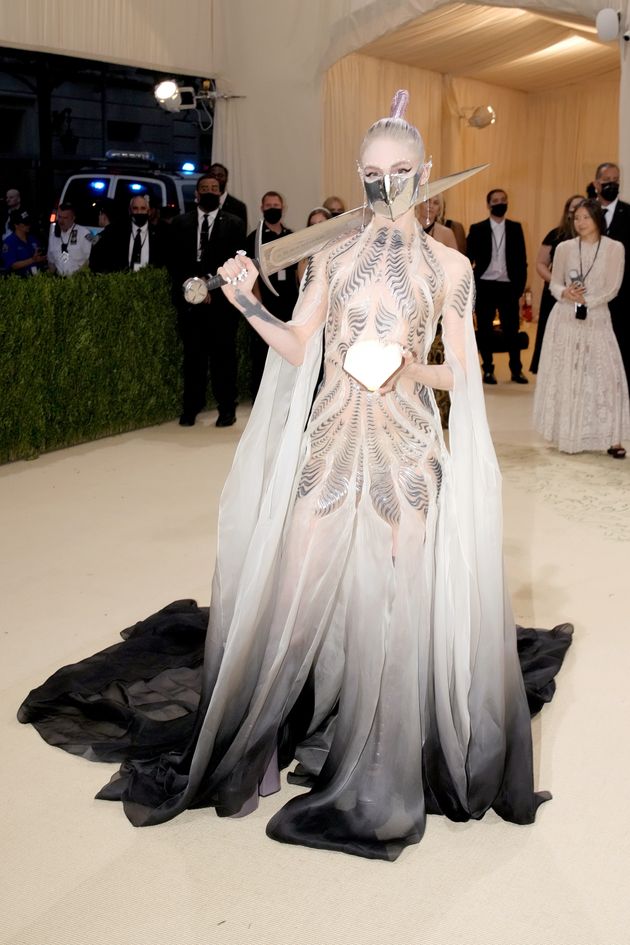
Jeff Kravitz via Getty Images
Serving: Good luck getting that through the metal detectors
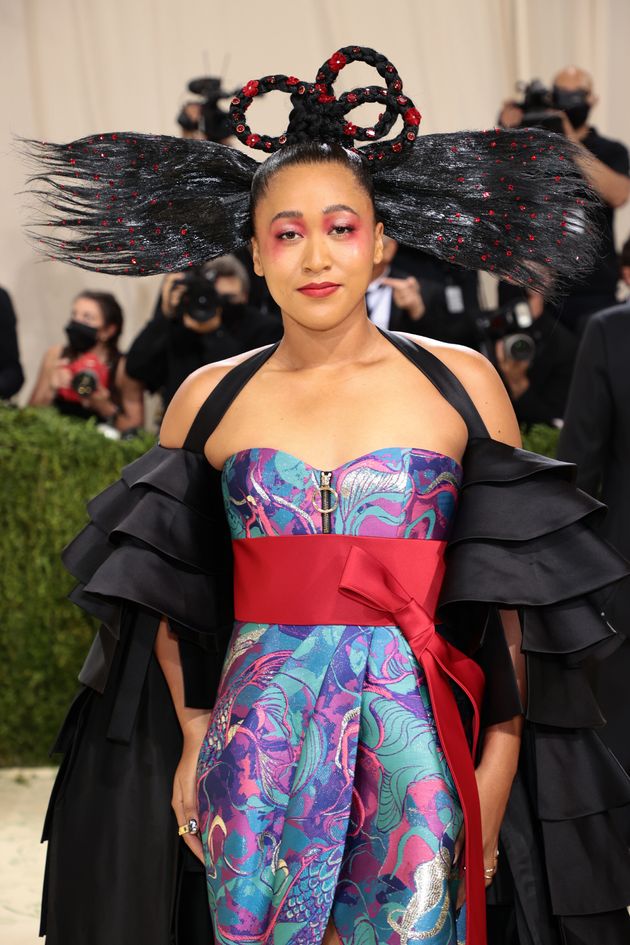
Dimitrios Kambouris via Getty Images
Serving: First time at the Met Gala and… she’s going all out.
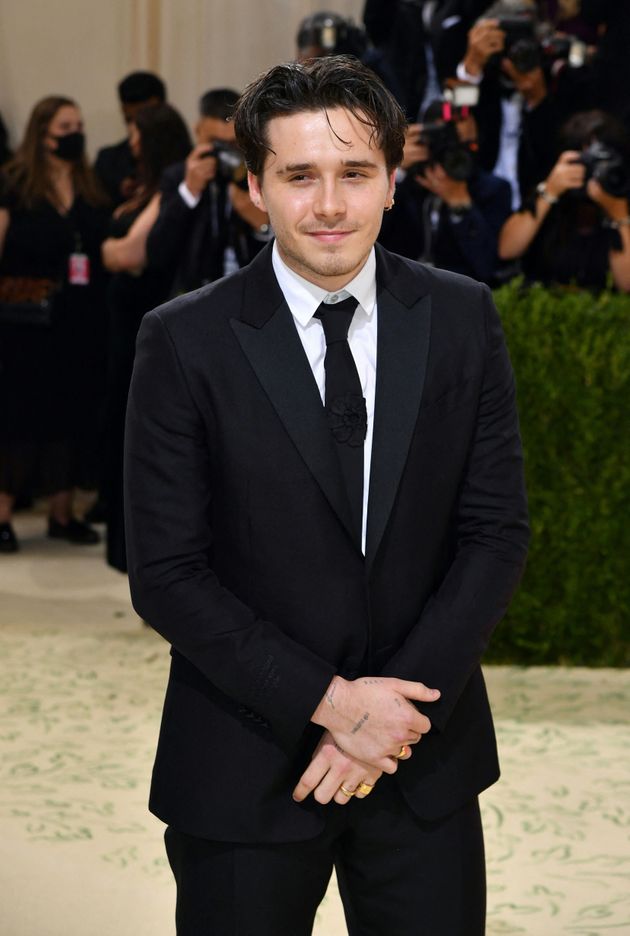
ANGELA WEISS via Getty Images
Serving: First time at the Met Gala and… he’s wearing a plain black suit. Your mum taught you better than this, Brooklyn.

John Shearer via Getty Images
Serving: “Dancing the Salsa it’s rapper Megan Thee Stallion and her partner Aljaž Škorjanec…”

Dimitrios Kambouris via Getty Images
Serving: “If you’ve got anything to say about a YouTuber being at the Met Gala, you can say it to my headpiece.”
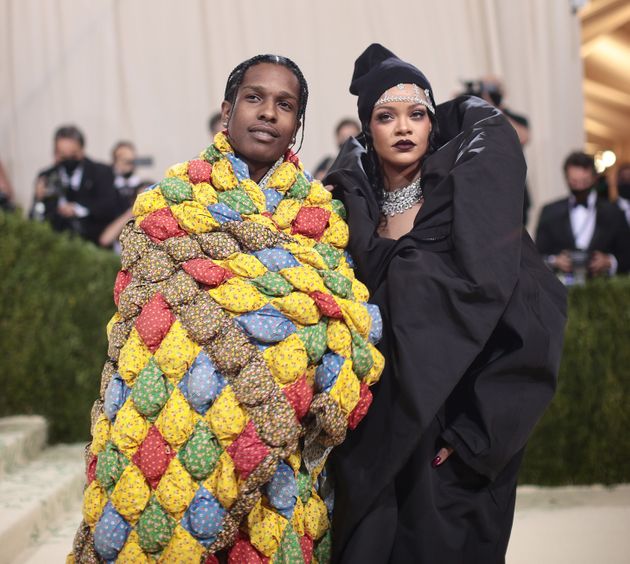
Dimitrios Kambouris via Getty Images
Serving: The King and Queen of the Met Gala have returned.

John Shearer via Getty Images
Serving: Well, her message is literally on her dress.



The family of British actor Tanya Fear have confirmed she has been found in Los Angeles, after she was reported missing last week.
A spokesperson for the Los Angeles Police Department told the BBC that the 31-year-old was safe. They would not provide further details.
A statement said Tanya’s family were “relieved and extremely grateful”.

Matt Winkelmeyer via Getty Images
A tweet from the FindTanyaFear Twitter account, which is run by her family, said: “It is with great pleasure and relief to report that Tanya has been found safe by police today.
“We understand she is not physically harmed but as a precaution, is being assessed at a local hospital.
“We wish to thank police, members of the public for their efforts in locating Tanya, as well as the outpouring of concern and support over the last several days.
“Tanya’s family are relieved and extremely grateful”.
A statement posted on the Twitter account earlier on Monday said she left without her mobile phone or purse and was reported missing by a friend.
Her mother, Yvonne Marimo, said at the time: “I am devastated about this situation, and I appeal to anyone with information to please come forward to bring our daughter back home safely”.
As well as appearing in Doctor Who as Dr Jade McIntyre alongside Jodie Whittaker in 2018, Tanya has also had roles in Endeavour, DCI Banks, Cleaning Up and Spotless.
She also appeared in the movie Kick-Ass 2 and had recently started doing stand-up comedy after arriving in Los Angeles two months ago.

Out of 51,000 Covid deaths in England between January and July, only 256 occurred after two doses.
Millions of children around the world are being offered a Covid vaccine.
Parental consent will be sought for the programme for children aged 12 to 15, the government says.

Statistics from the Centers for Disease Control and Prevention (CDC) show that obesity affects more than 40% of American adults, placing them at higher risk for heart disease, stroke, type 2 diabetes, and certain types of cancer. The USDA’s Dietary Guidelines for Americans 2020 — 2025 further tells us that losing weight “requires adults to reduce the number of calories they get from foods and beverages and increase the amount expended through physical activity.”
This approach to weight management is based on the century-old energy balance model which states that weight gain is caused by consuming more energy than we expend. In today’s world, surrounded by highly palatable, heavily marketed, cheap processed foods, it’s easy for people to eat more calories than they need, an imbalance that is further exacerbated by today’s sedentary lifestyles. By this thinking, overeating, coupled with insufficient physical activity, is driving the obesity epidemic. On the other hand, despite decades of public health messaging exhorting people to eat less and exercise more, rates of obesity and obesity-related diseases have steadily risen.
The authors of “The Carbohydrate-Insulin Model: A Physiological Perspective on the Obesity Pandemic,” a perspective published in The American Journal of Clinical Nutrition, point to fundamental flaws in the energy balance model, arguing that an alternate model, the carbohydrate-insulin model, better explains obesity and weight gain. Moreover, the carbohydrate-insulin model points the way to more effective, long-lasting weight management strategies.
According to lead author Dr. David Ludwig, Endocrinologist at Boston Children’s Hospital and Professor at Harvard Medical School, the energy balance model doesn’t help us understand the biological causes of weight gain: “During a growth spurt, for instance, adolescents may increase food intake by 1,000 calories a day. But does their overeating cause the growth spurt or does the growth spurt cause the adolescent to get hungry and overeat?”
In contrast to the energy balance model, the carbohydrate-insulin model makes a bold claim: overeating isn’t the main cause of obesity. Instead, the carbohydrate-insulin model lays much of the blame for the current obesity epidemic on modern dietary patterns characterized by excessive consumption of foods with a high glycemic load: in particular, processed, rapidly digestible carbohydrates. These foods cause hormonal responses that fundamentally change our metabolism, driving fat storage, weight gain, and obesity.
When we eat highly processed carbohydrates, the body increases insulin secretion and suppresses glucagon secretion. This, in turn, signals fat cells to store more calories, leaving fewer calories available to fuel muscles and other metabolically active tissues. The brain perceives that the body isn’t getting enough energy, which, in turn, leads to feelings of hunger. In addition, metabolism may slow down in the body’s attempt to conserve fuel. Thus, we tend to remain hungry, even as we continue to gain excess fat.
To understand the obesity epidemic, we need to consider not only how much we’re eating, but also how the foods we eat affect our hormones and metabolism. With its assertion that all calories are alike to the body, the energy balance model misses this critical piece of the puzzle.
While the carbohydrate-insulin model is not new — its origins date to the early 1900s — The American Journal of Clinical Nutrition perspective is the most comprehensive formulation of this model to date, authored by a team of 17 internationally recognized scientists, clinical researchers, and public health experts. Collectively, they have summarized the growing body of evidence in support of the carbohydrate-insulin model. Moreover, the authors have identified a series of testable hypotheses that distinguish the two models to guide future research.
Adoption of the carbohydrate-insulin model over the energy-balance model has radical implications for weight management and obesity treatment. Rather than urge people to eat less, a strategy which usually doesn’t work in the long run, the carbohydrate-insulin model suggests another path that focuses more on what we eat. According to Dr. Ludwig, “reducing consumption of the rapidly digestible carbohydrates that flooded the food supply during the low-fat diet era lessens the underlying drive to store body fat. As a result, people may lose weight with less hunger and struggle.”
The authors acknowledge that further research is needed to conclusively test both models and, perhaps, to generate new models that better fit the evidence. Toward this end, they call for constructive discourse and “collaborations among scientists with diverse viewpoints to test predictions in rigorous and unbiased research.”

Transporting a single brick to Mars can cost more than a million British pounds — making the future construction of a Martian colony seem prohibitively expensive. Scientists at The University of Manchester have now developed a way to potentially overcome this problem, by creating a concrete-like material made of extra-terrestrial dust along with the blood, sweat and tears of astronauts.
In their study, published today in Materials Today Bio, a protein from human blood, combined with a compound from urine, sweat or tears, could glue together simulated moon or Mars soil to produce a material stronger than ordinary concrete, perfectly suited for construction work in extra-terrestrial environments.
The cost of transporting a single brick to Mars has been estimated at about US$2 million, meaning future Martian colonists cannot bring their building materials with them, but will have to utilise resources they can obtain on-site for construction and shelter. This is known as in-situ resource utilisation (or ISRU) and typically focusses on the use of loose rock and Martian soil (known as regolith) and sparse water deposits. However, there is one overlooked resource that will, by definition, also be available on any crewed mission to the Red Planet: the crew themselves.
In an article published today in the journal Materials Today Bio, scientists demonstrated that a common protein from blood plasma — human serum albumin — could act as a binder for simulated moon or Mars dust to produce a concrete-like material. The resulting novel material, termed AstroCrete, had compressive strengths as high as 25 MPa (Megapascals), about the same as the 20-32 MPa seen in ordinary concrete.
However, the scientists found that incorporating urea — which is a biological waste product that the body produces and excretes through urine, sweat and tears — could further increase the compressive strength by over 300%, with the best performing material having a compressive strength of almost 40 MPa, substantially stronger than ordinary concrete.
Dr Aled Roberts, from The University of Manchester, who worked on the project, said that the new technique holds considerable advantages over many other proposed construction techniques on the moon and Mars.
“Scientists have been trying to develop viable technologies to produce concrete-like materials on the surface of Mars, but we never stopped to think that the answer might be inside us all along,” he said.
The scientists calculate that over 500 kg of high-strength AstroCrete could be produced over the course of a two-year mission on the surface of Mars by a crew of six astronauts. If used as a mortar for sandbags or heat-fused regolith bricks, each crew member could produce enough AstroCrete to expand the habitat to support an additional crew member, doubling the housing available with each successive mission.
Animal blood was historically used as a binder for mortar. “It is exciting that a major challenge of the space age may have found its solution based on inspirations from medieval technology,” said Dr Roberts.
The scientists investigated the underlying bonding mechanism and found that the blood proteins denature, or “curdle,” to form an extended structure with interactions known as “beta sheets” that tightly holds the material together.
“The concept is literally blood-curdling,” Dr Roberts explained.
Story Source:
Materials provided by University of Manchester. Note: Content may be edited for style and length.

Researchers at Umeå University, Sweden, now demonstrate a method by which specific cell types in human organs can be studied with micrometer precision. The method can be used to reveal previously unrecognised alterations in the pancreas, but it can also be used to study other human organs and diseases.
“This method may contribute to an advanced understanding of how cellular changes are related to different disease conditions,” says Ulf Ahlgren, Professor of molecular medicine at Umeå University.
What the researchers have done is to divide the organs by the use of a 3D-printed matrix, creating portions of tissue with the optimal size for optical imaging using 3D technology. These pieces can then be labelled to visualize essentially any cell type or protein of choice. Since each bit of tissue has known coordinates, the individual 3D images can be pieced together using a computer into a three-dimensional jigsaw puzzle to form an intact human organ.
This method makes it possible to create high-resolution 3D images of human organs in practically any size, with maintained micrometer precision — which is smaller than a dust particle. Previously, it has been possible to create high-resolution images of biological material with the use of technology such as optical projection tomography and light sheet fluorescence microscopy, which is something the researchers have used also in this study. Instead, the problem has been that previous methods have offered no usable way of labelling the various cell types or proteins you wish to study, for instance using fluorescent antibodies, when you are studying specimen on a larger scale, such as an entire organ. This is the problem that the new method has now solved.
The Umeå researchers have used the method to study the human pancreas. Inside the pancreas, you will find hundreds of thousands of insulin-producing cells called the Islets of Langerhans. These islets hold a key function in the production of insulin and are hence a key element in diabetes when the production is disturbed. Using this new method, the researchers are able to demonstrate previously unrecognised features of the human pancreatic anatomy and pathology, including areas with extremely high islet density. Their results may have implications for anything from preclinical to clinical areas, for instance to improve islet transplantation protocols for people with diabetes, or when developing non-invasive clinical imaging to study the pancreas in people with diabetes.
“Beside using the new method to study diabetes, it can also improve understanding of other pancreatic diseases, not least pancreatic cancers, and we have initiated collaborations with clinical researchers in Umeå to look into that. But the technology itself should be possible to use to study other organs and diseases in similar ways since it enables the study of where cellular changes take place in a full organ context, their amount and relationship to nearby tissues and cell types” says Ulf Ahlgren.
The published study was performed in collaboration with researchers at Uppsala University and was funded by the Swedish Research Council, the Swedish Childhood Diabetes Foundation, Diabetes Wellness Sverige, the NovoNordisk Foundation, the Kempe Foundations and Umeå University. The study was published in the journal Communications Biology.
Story Source:
Materials provided by Umea University. Original written by Ola Nilsson. Note: Content may be edited for style and length.
