TV Network Admits It Covered Olympic Opening Ceremony In ‘Inappropriate’ Way

South Korean TV network MBC’s coverage of the Tokyo Olympics opening ceremony on Friday went awry when it used what it has now admitted were “inappropriate” photos and captions to refer to countries competing in the games.

The broadcaster drew the most ire on Twitter after it showed a photograph of Chernobyl — the site of the 1986 nuclear power plant disaster ― as Ukraine’s athletes entered the National Stadium, reported Agence France-Presse.

MBC also used pictures of pizza when Italy’s representatives arrived, salmon for Norway, sushi for Japan, a scene of unrest for Haiti, and a depiction of the fictional Dracula for Romania, according to Reuters.

Critics called out the network for propagating national stereotypes with its choice of images.

The Chernobyl image prompted the most anger.

“In today’s Opening Ceremony broadcast, inappropriate photos were used when introducing countries like Ukraine and Haiti,” MBC said in a statement, per the New Zealand Herald. “Also, inappropriate photos and subtitles were used for other countries. We apologise to the viewers of Ukraine and other countries.”

Share Button

The Aerials, Slides And Wipeouts Of Skateboarding’s First Olympics

Skateboarders have their first-ever chance for an Olympic gold.

The men’s street competition began Saturday, giving audiences their first taste of the rebel “anti-sport” on the global athletics stage. Women’s street begins Sunday, and the park competition for women and men debuts August 3 and 4.

Two of the Olympic’s youngest stars will participate in park — Team GB’s 13-year-old Sky Brown and Kokona Hiraki of Japan, who is 12.

The street course was created to model real-world obstacles like stair cases and railings. The park course has the giant bowls and half-pipes seen in skateparks. Check out these incredible images of Olympic Street Skateboarding’s debut.

Ezra Shaw via Getty Images

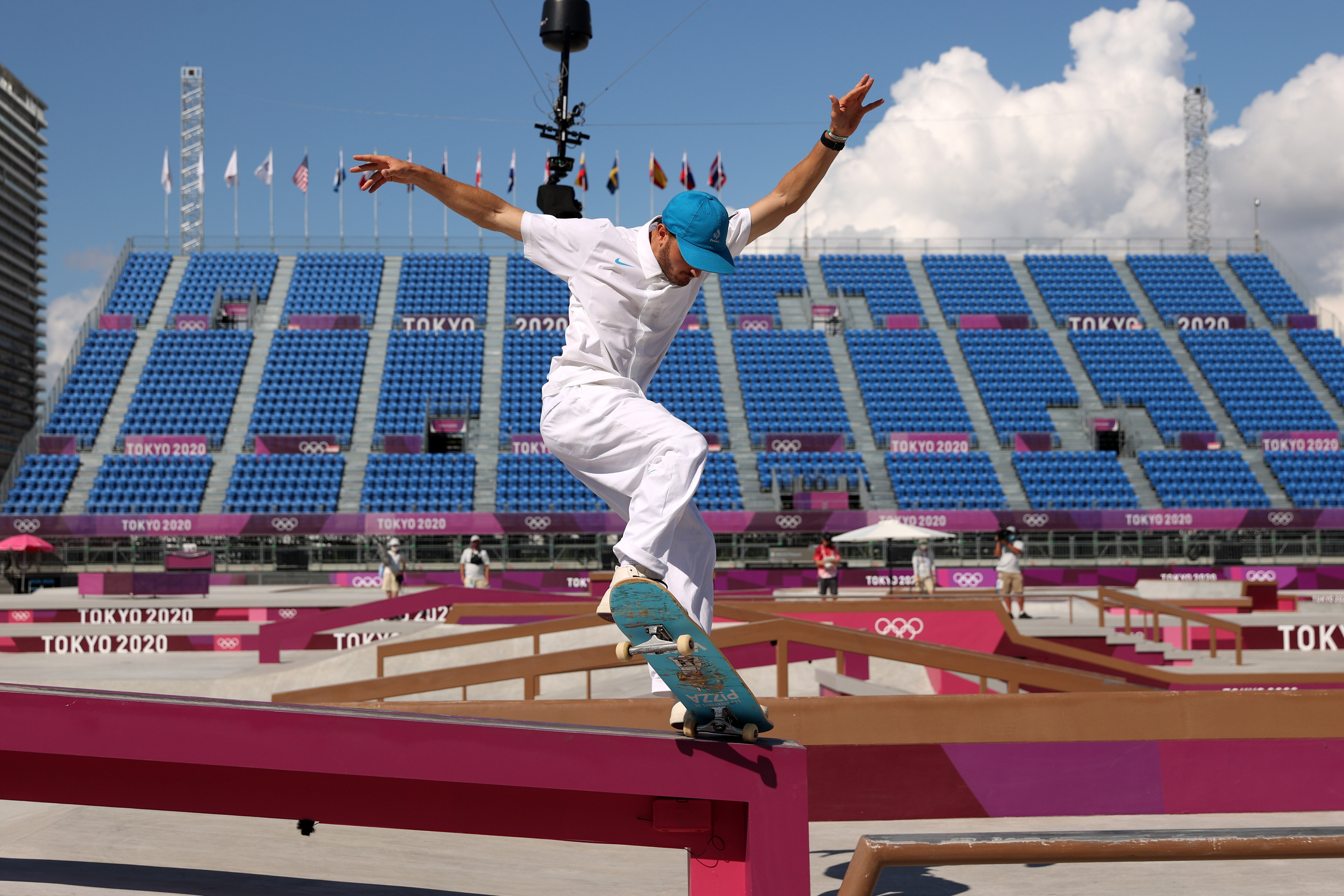
Vincent Milou of Team France competes at the Skateboarding Men’s Street Prelims on day two of the Tokyo 2020 Olympic Games at Ariake Urban Sports Park.

Ezra Shaw via Getty Images

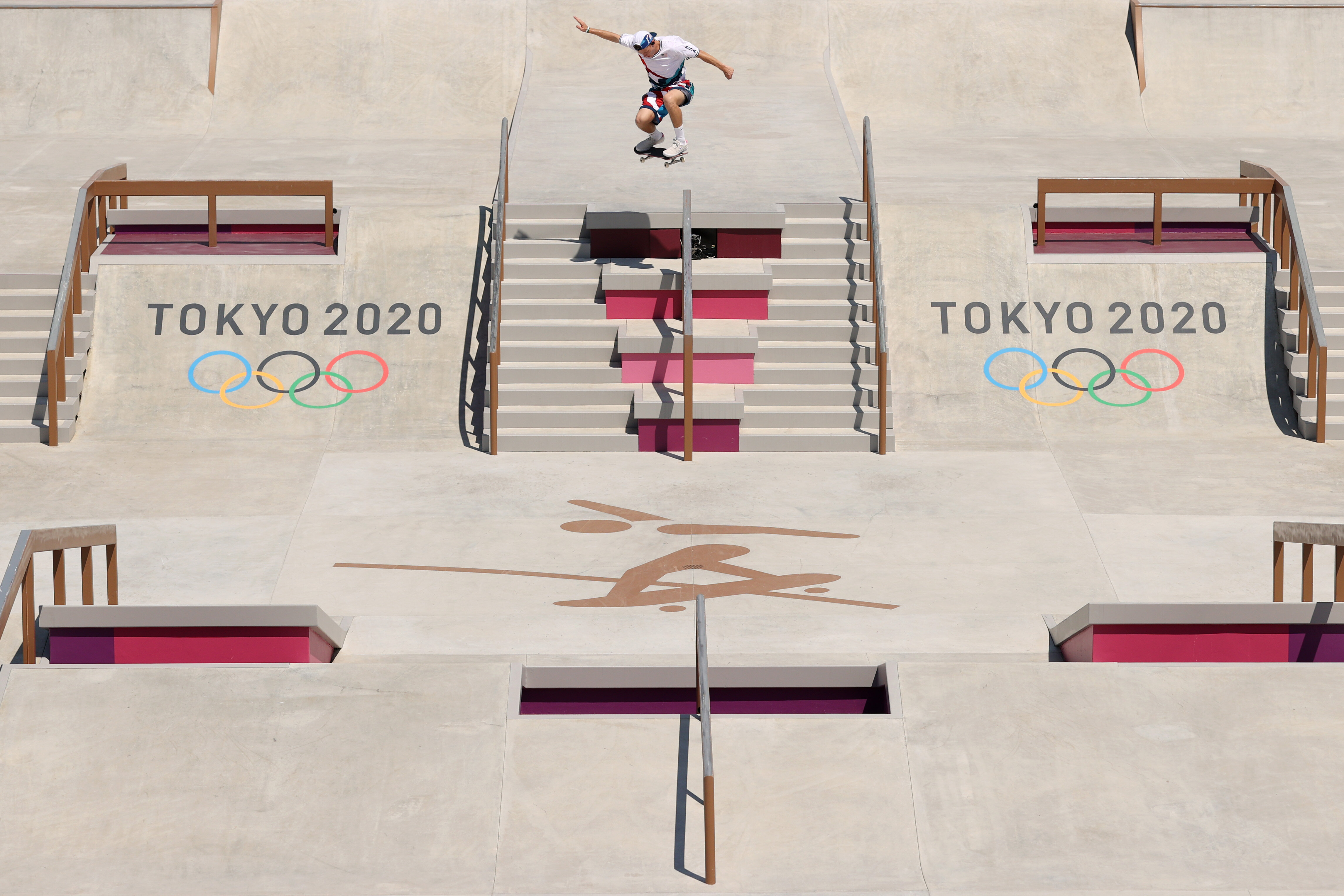
Nyjah Huston of Team USA practises prior the Skateboarding Men’s Street Prelims on day two of the Tokyo 2020 Olympic Games.

Ezra Shaw via Getty Images

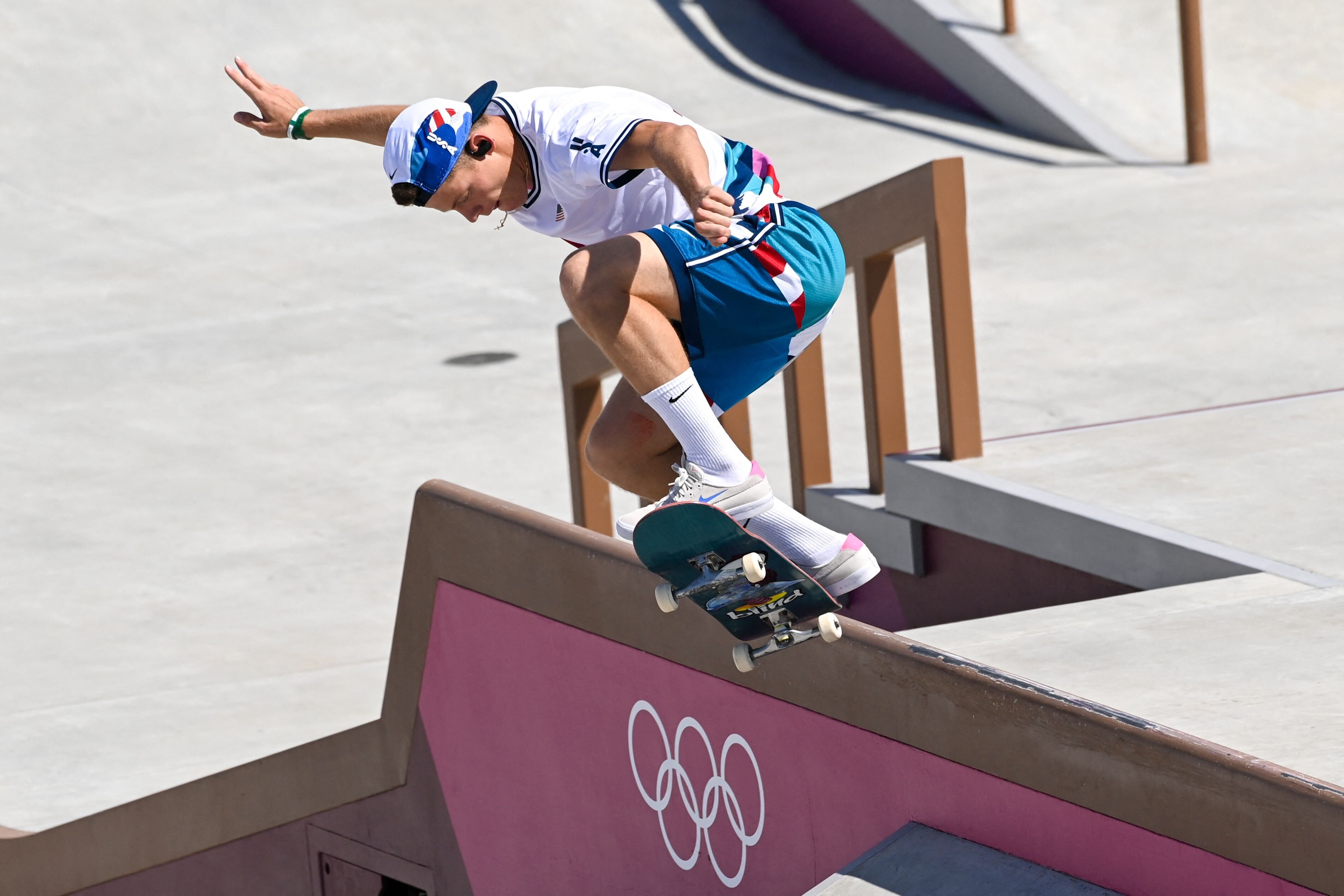
Jake Ilardi of Team USA competes at the Skateboarding Men’s Street Prelims.

Dan Mullan via Getty Images

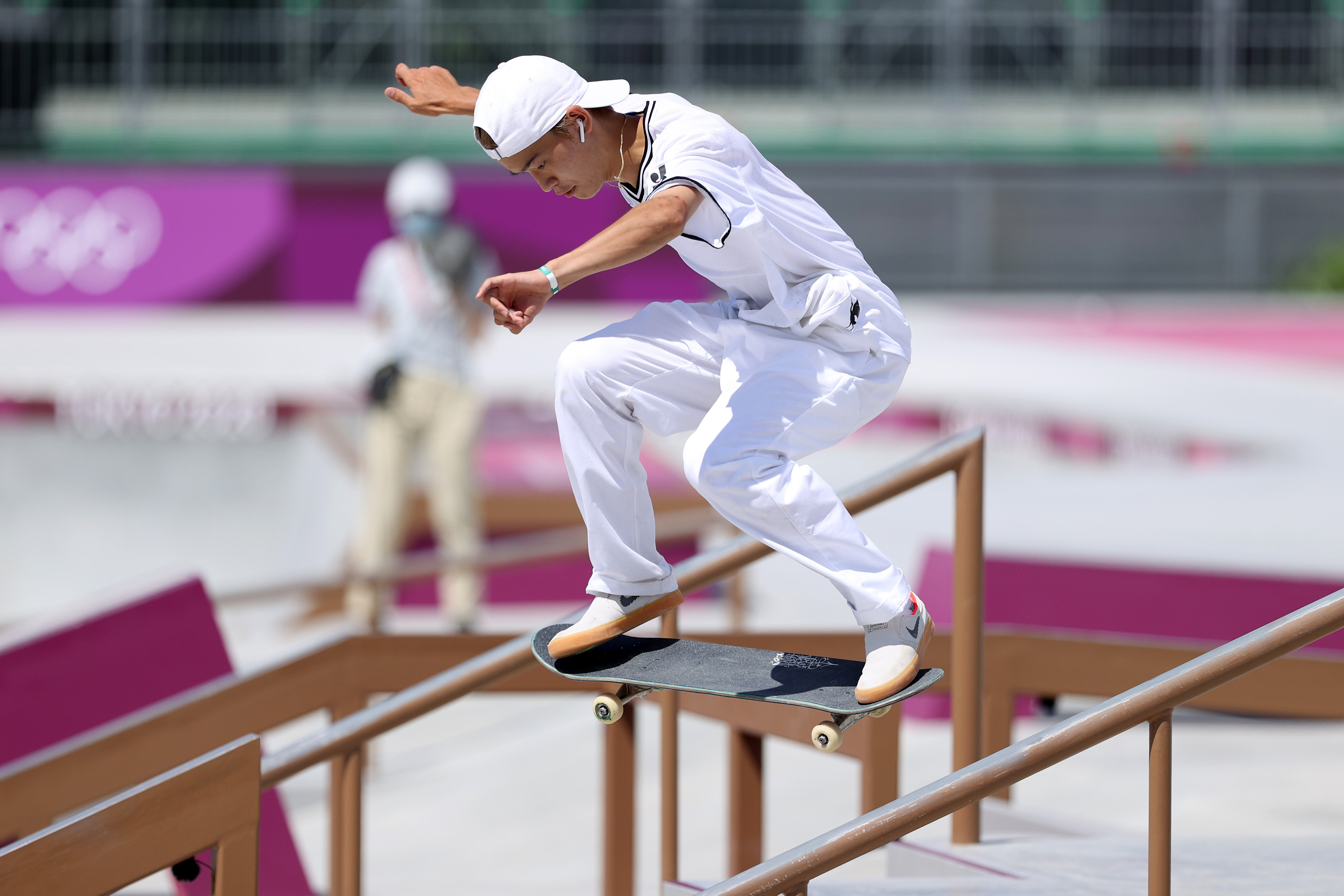
Sora Shirai of Team Japan competes at the Skateboarding Men’s Street Prelims.

Dan Mullan via Getty Images

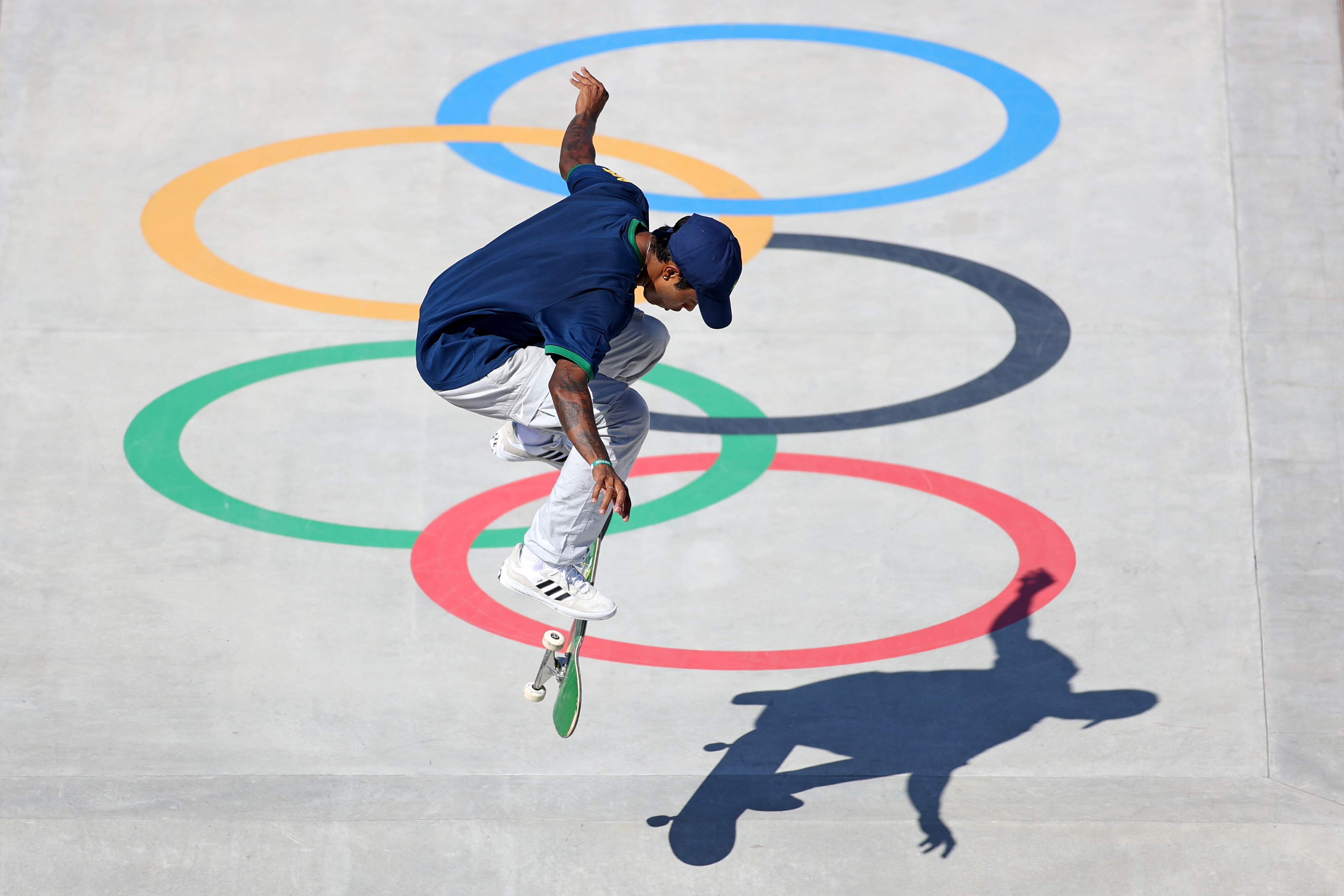
Gustavo Felipe of Team Brazil competes at the Skateboarding Men’s Street Prelims Heat 1.

MARTIN BERNETTI via Getty Images

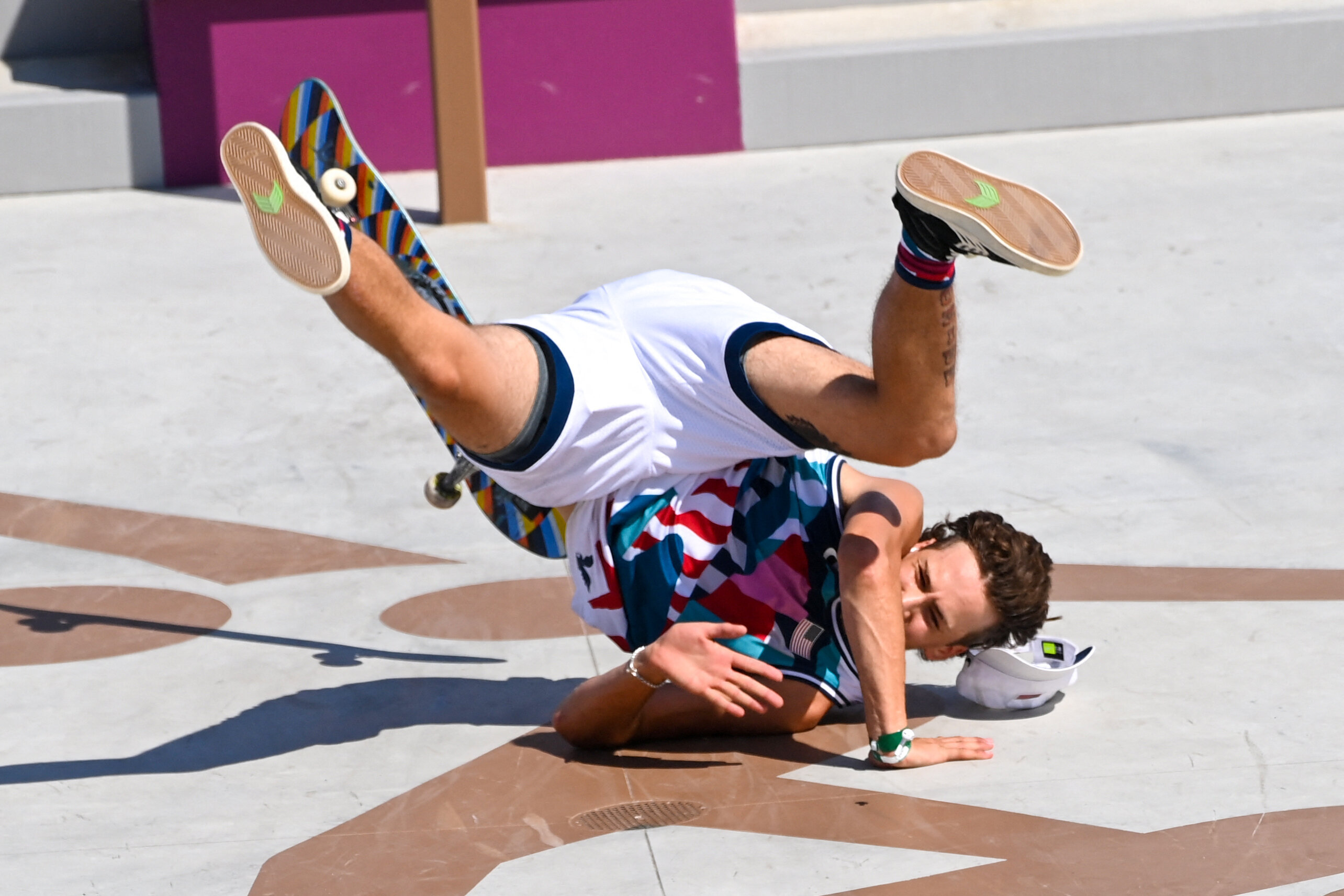
Jagger Eaton of the US takes a fall as he competes in the men’s street prelims heat 1.

Ezra Shaw via Getty Images

Yuto Horigome of Team Japan competes at the Skateboarding Men’s Street Prelims.

MARTIN BERNETTI via Getty Images

Jake Ilardi of the US competes in the men’s street prelims heat 2.

MARTIN BERNETTI via Getty Images

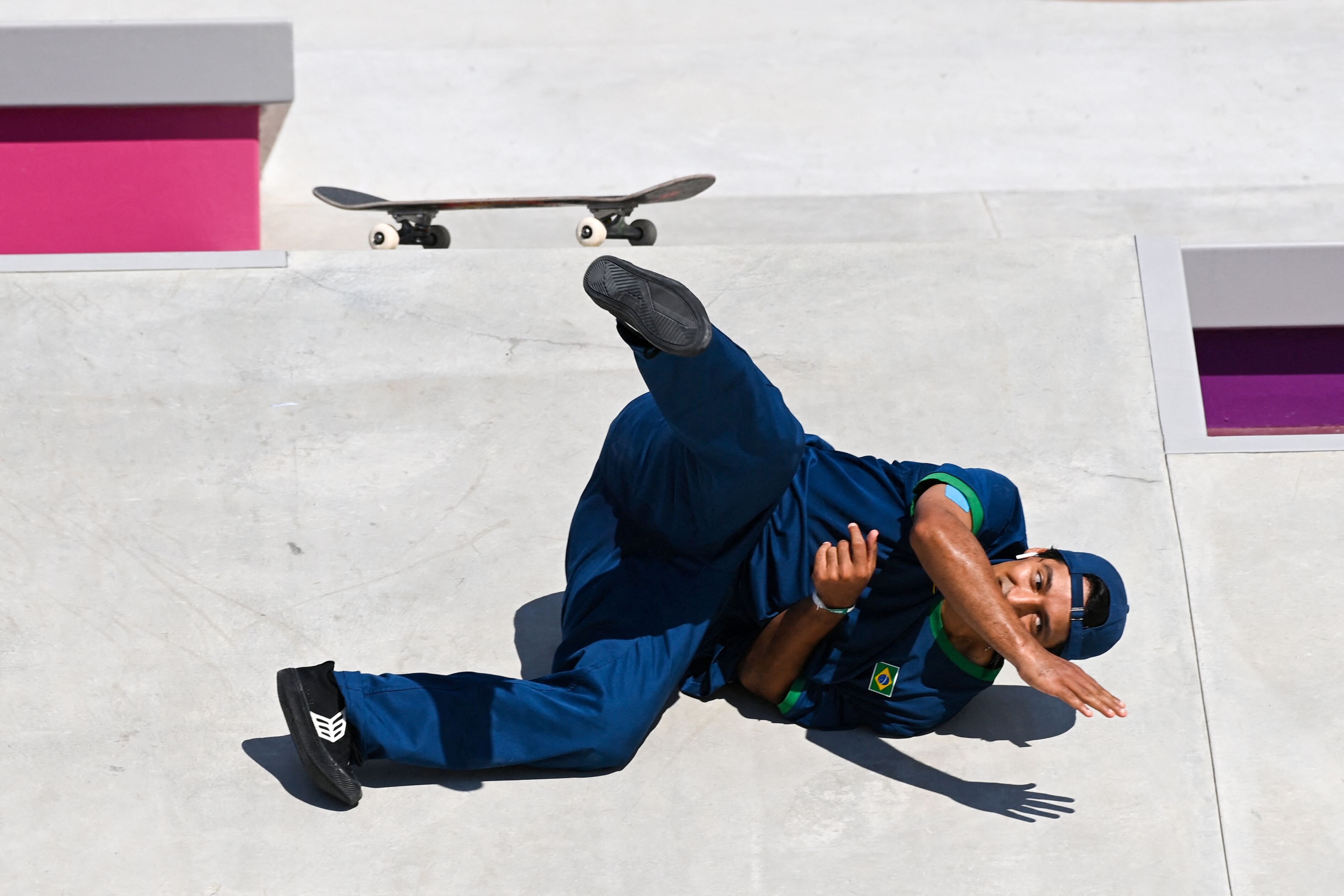
Brazil’s Kelvin Hoefler takes a fall as he competes in the men’s street prelims heat 2.

JEFF PACHOUD via Getty Images

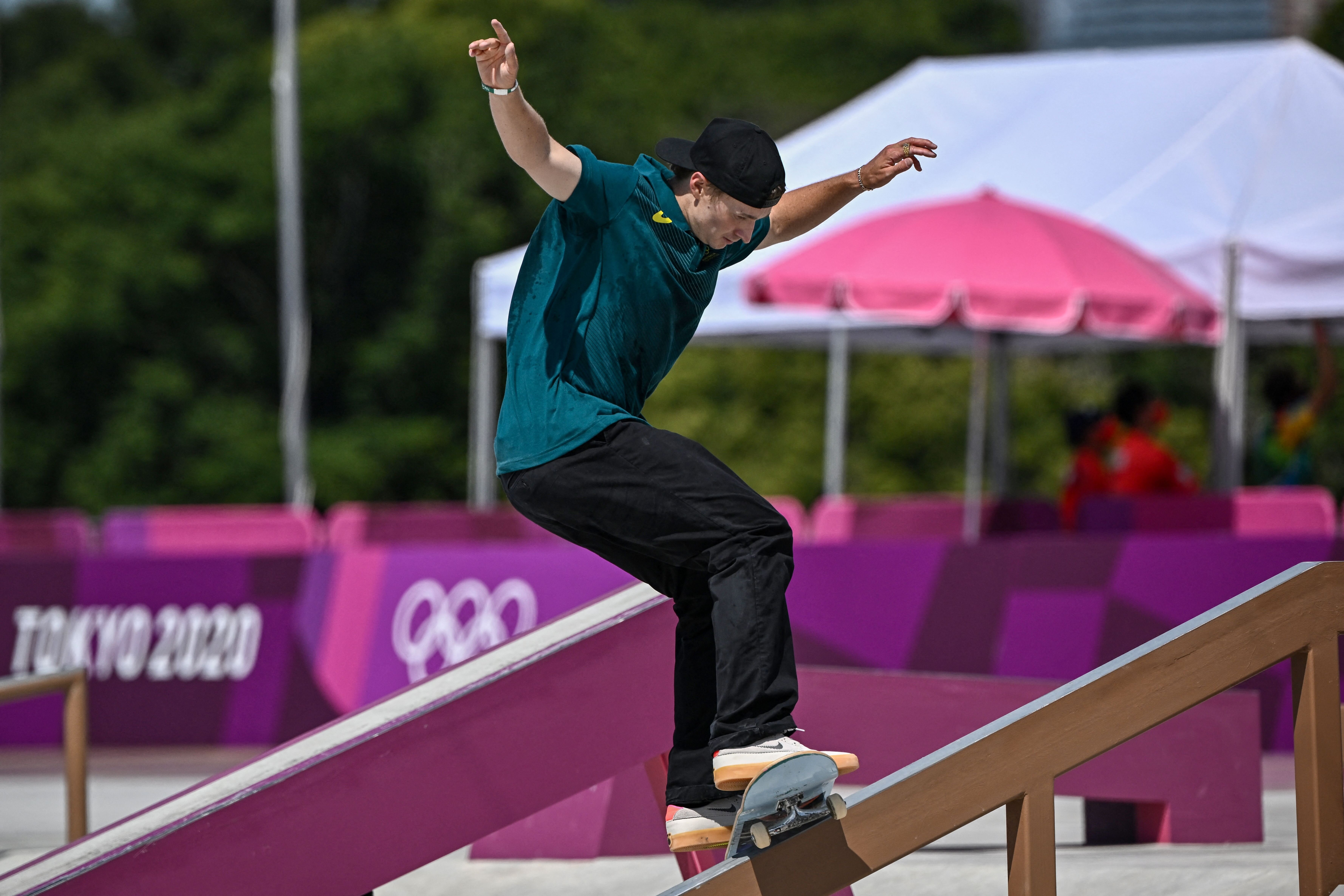
Australia’s Shane O’Neill competes in the men’s street prelims heat 2.

JEFF PACHOUD via Getty Images

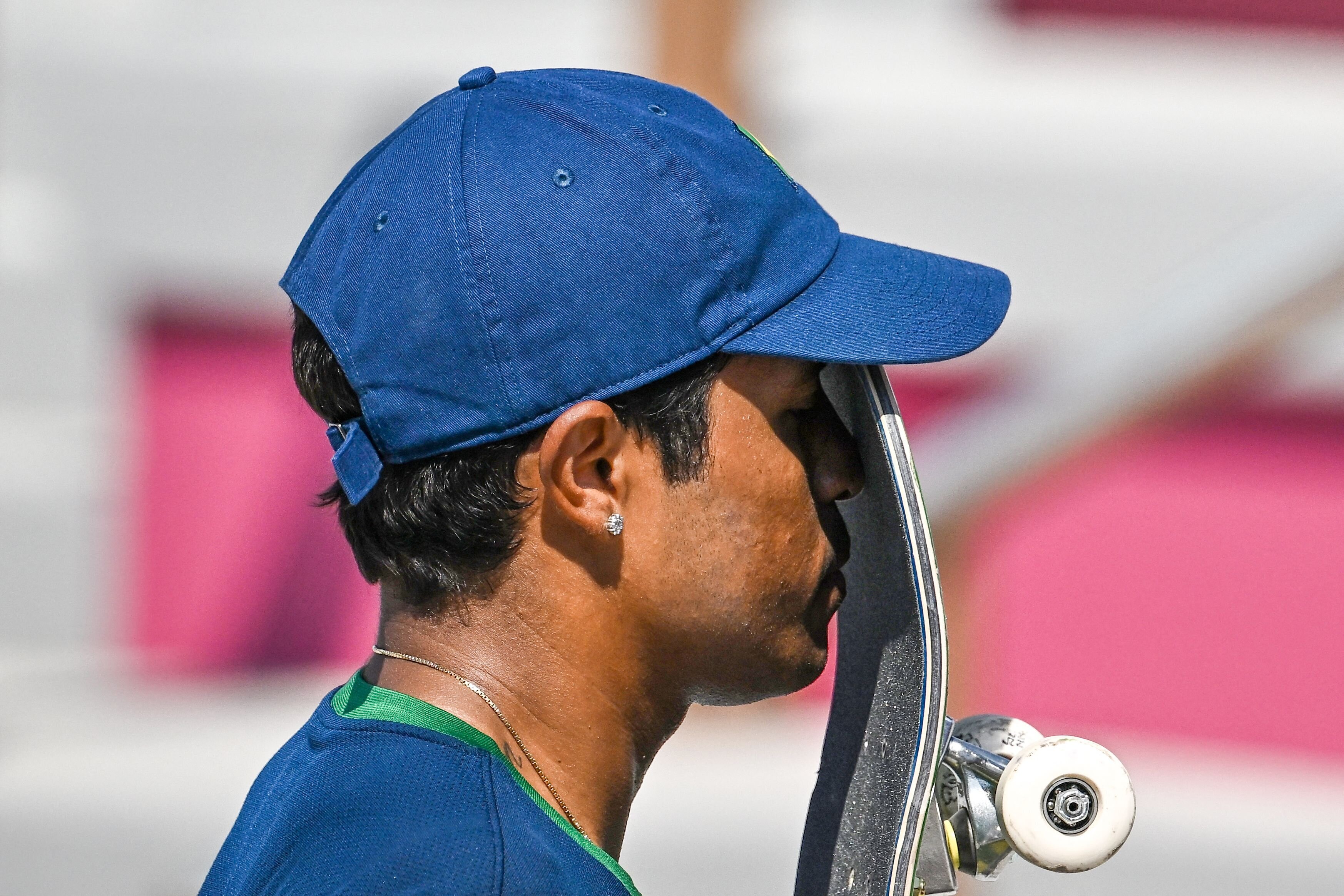
Brazil’s Gustavo Felipe reacts as he competes in the men’s street prelims heat 1 during the Tokyo 2020 Olympic Games.

Share Button

Piers Morgan Reveals He Caught Coronavirus Watching Euros Final At Wembley

Piers Morgan has revealed he thinks he caught coronavirus while watching England play in the Euro 2020 final at Wembley.

The journalist and television presenter told the Mail on Sunday he contracted Covid despite being double vaccinated.

In a post on Twitter, he said it has been “a long ten days”.

He added: “Yes, it’s certainly been one of the more interesting (and unnerving…) experiences of my life, but it gave my a new perspective on covid, vaccines & where we are.”

MWE via Getty Images

Piers Morgan

Writing in his column for the newspaper, Morgan said he thinks he caught the virus during England’s Euro 2020 final defeat to Italy.

“My confidence that the event would be ‘covid safe’ had disintegrated,” he said.

“It was turning into an unregulated free-for-all.”

According to the newspaper, he began to feel unwell two days after the match and subsequently tested positive for the virus.

“As I’m sure everyone who gets it feels, it’s a strange, disquieting moment to know I have this killer virus inside me,” he said.

The former Good Morning Britain presenter added that coronavirus is “definitely the roughest I’ve felt from any illness in my adult life”.

“I’m still here – unlike so many millions around the world who’ve lost their lives to Covid in this pandemic,” Morgan said.

“For that, I owe a heartfelt debt of thanks to the brilliant scientists up in Oxford who created the Astra-Zeneca vaccine with such astonishing speed.”

Share Button

British Olympic Pole Vaulter Harry Coppell’s Painful Accident Reveals Danger Even After Safe Landing

Good thing pole vaulters don’t need their teeth to compete, because Harry Coppell just smashed a few at the Tokyo Olympics.

The British athlete posted video on Instagram of the accident in which he lands safely in the practice attempt but cannot stop the bar from crashing onto his mouth.

“I hope @tokyo2020 has a good dentist around,” he wrote.

Harry, the 22nd ranked pole vaulter in the world, eventually did see a dentist.

The visit turned into an all-night ordeal and left him without a tooth and part of another one ― but with his sense of humour intact.

“I’m gonna tell people I was in a bar fight….” he wrote on his story with a photo of the results.

Share Button

Cardi B Hits Back At Accusations Of Queerbaiting: ‘I Don’t Like This New Word’

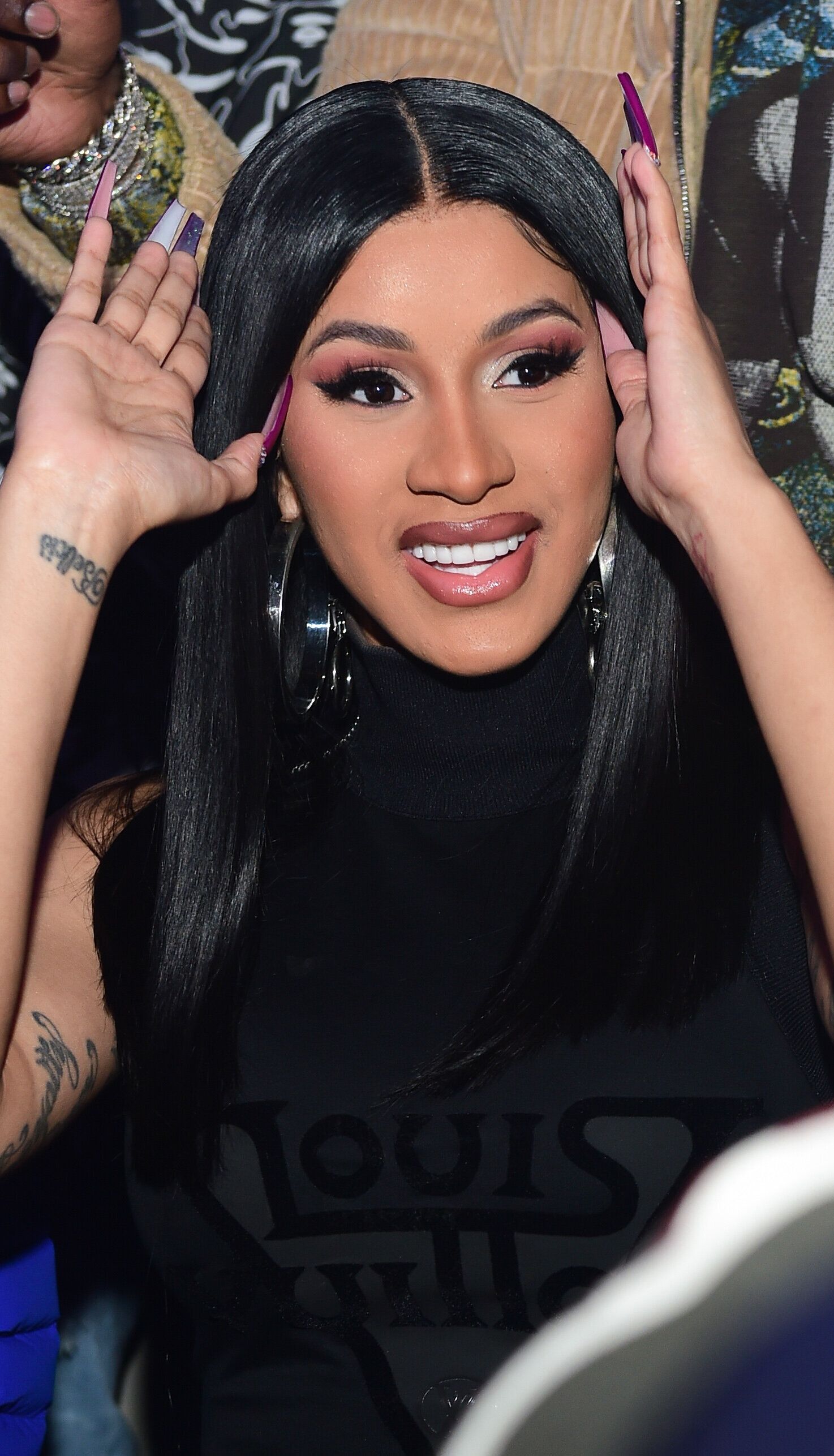
Cardi B has hit back at accusations of “queerbaiting” in her latest music video.

The term is often used to describe straight performers who hint at non-heterosexual encounters, without actually depicting them, to attract LGBT fans.

A Rolling Stone article on the subject included a reference to Cardi B’s Wild Side video with singer Normani, noting a social media user had accused them of queerbaiting.

The video features the pair naked and dancing together.

Prince Williams via Getty Images

Cardi B

The rapper, who is expecting her second child with husband Offset, said the term could pressure artists into divulging details about their private lives.

“I don’t like this new ‘queer baiting’ word,” she tweeted. “I feel like it pressure artist to talk about their sexuality or their experiences that they don’t feel comfortable speaking about.

“If a artist kiss a girl on a video does that means she gotta show videos & text wit wit other women?”

Addressing the Rolling Stone article, 28-year-old Cardi B said: “You do know we was trying to hide a whole baby bump right?”

She added: “Also I’m married to a man but I have express soo much about my bisexuality and my experiences wit girls. All of a sudden “queer baiting” is the new word & people use it to the ground!”

Queerbaiting is not a new subject in pop music.

Rita Ora was criticised in 2018 for her song Girls, which featured Cardi B, Charli XCX and Bebe Rexha.

Rita claims she intended the song to be a celebration of bisexuality but was accused of being exploitative.

She later released a statement apologising and said: “I would never intentionally cause harm to other LGBTQ+ people or anyone.”

Madonna was recently accused of queerbaiting over her famous kiss at the 2003 MTV Video Music Awards with Britney Spears and Christina Aguilera.

Share Button

New organ-on-a-chip finds crucial interaction between blood, ovarian cancer tumors

In the evolving field of cancer biology and treatment, innovations in organ-on-a-chip microdevices allow researchers to discover more about the disease outside the human body. These organs-on-chips serve as a model of the state an actual cancer patient is in, thus allowing an opportunity to finding the correct treatment before administering it to the patient. At Texas A&M University, researchers are pushing these devices to new levels that could change the way clinicians approach cancer treatment, particularly ovarian cancer.

The team has recently submitted a patent disclosure with the Texas A&M Engineering Experiment Station.

“We claim several novelties in technological design as well as biological capabilities that didn’t exist in prior organs-on-chips,” said Dr. Abhishek Jain, lead researcher and assistant professor in the Department of Biomedical Engineering.

Jain also has a joint appointment in the College of Medicine at Texas A&M.

Jain’s device — the ovarian tumor microenvironment-chip (OTME-Chip) — focuses on platelets, tiny blood cells that help the body form clots to stop bleeding. The microdevice, about the size of a USB, models the properties of a tumor in the lab. Researchers then can recreate events within platelets circulating in the blood as they approach the tumor and make it more potent and metastatic.

“We are creating a platform technology using the organ-on-a-chip approach where tumor biology can be advanced, and new drugs can be identified by recreating the platelet-tumor and platelet-tumor-drug interactions under the influence of flow, supporting blood vessels and the extracellular matrix,” Jain said.

Ovarian cancer is a particularly challenging one to monitor. Tumors generally form deep inside a patient’s tissue, and it can be difficult to obtain real-time information of the tumor’s properties and how it is interacting with blood cells. Also, ovarian tumors can quickly spread inside the body, making time another vital factor in mapping the disease’s progression.

The OTME-Chip builds on the current clinically observed understanding of how blood platelets move inside tumor tissue and what triggers them to spread outside the tumor. However, the actual mechanism behind this process remains mostly unknown, until now.

“For the first time, we identified a crucial interaction between platelets and the tumor via their surface proteins,” Jain said. “By applying high-resolution imaging, advanced cell and molecular readouts and RNA sequencing methods leveraging the OTME-Chip, we discovered the actual genetic signaling pathways behind the blood cell triggered metastasis of ovarian cancer and a new drug strategy to stop this process.”

Jain’s team in College Station for this research includes postdoctoral researcher Dr. Biswajit Saha and doctoral students Jim Tronolone and Tanmay Mathur. Their research involving the OTME-Chip was recently published in the journal Science Advances.

Jain said the OTME-Chip has several applications, both in observing how cancer cells interact differently with vascular and blood cells and testing novel ways to treat the disease that may complement chemotherapy and radiotherapy of tumors.

“This multimodal OTME-Chip is going to provide an ideal platform to the health care researchers to evaluate their anti-cancer, vascular and hematological drugs individually or in combination in an artificially created human-level tumor microenvironment,” Jain said.

Jain collaborates with Dr. Anil Sood, professor and vice chair for translational research in the Departments of Gynecologic Oncology and Cancer Biology at MD Anderson Cancer Center. The team also works with Dr. Gang Bao, a gene editing expert from Rice University.

“Sood is a leader in the ovarian cancer field,” Jain said. “He has been a fantastic collaborator and has provided us access to patient tissue and blood samples needed to validate the findings from our chip, which brings us very close to initiating new clinical trials.”

Story Source:

Materials provided by Texas A&M University. Original written by Jennifer Reiley. Note: Content may be edited for style and length.

Share Button

New understanding of cell stability with potential to improve immune cell therapies

Research in mice, published today in Science Immunology by researchers at the Babraham Institute, UK and VIB-KU Leuven, Belgium, provides two solutions with potential to overcome a key clinical limitation of immune cell therapies. Regulatory T cells have potential in treating autoimmunity and inflammatory diseases yet they can switch from a protective to damaging function. By identifying the unstable regulatory T cells, and understanding how they can be purged from a cell population, the authors highlight a path forward for regulatory T cell transfer therapy.

Cell therapy is based on purifying cells from a patient, growing them up in cell culture to improve their properties, and then reinfusing them into the patient. Professor Adrian Liston, Immunology group leader at the Babraham Institute, explained their therapeutic potential: “The leading use of cell therapy is to improve T cells so that they can attack and kill a patient’s cancer, however the incredible versatility of the immune system means that, in principle, we could treat almost any immune disorder with the right cell type. Regulatory T cells are particularly promising, with their ability to shut down autoimmune disease, inflammatory disease and transplantation rejection. A key limitation in their clinical use, however, comes from the instability of regulatory T cells — we just can’t use them in cell therapy until we make ensure that they stay protective.”

T cells come in a large variety of types, each with unique functions in our immune system. “While most T cells are inflammatory, ready to attack pathogens or infected cells, regulatory T cells are potent anti-inflammatory mediators,” Professor Susan Schlenner, University of Leuven, explains. “Unfortunately this cell type is not entirely stable, and sometimes regulatory T cells convert into inflammatory cells, called effector T cells. Crucially, the converted cells inherit both inflammatory behaviour and the ability to identify our own cells, and so pose a significant risk of damage to the system they are meant to protect.”

The first key finding of this research shows that once regulatory T cells switch to becoming inflammatory, they are resistant to returning to their useful former state. Therefore, scientists need to find a way to remove the risky cells from any therapeutic cell populations, leaving behind the stable regulatory T cells.

By comparing stable and unstable cells the researchers identified molecular markers that indicate which cells are at risk of switching from regulatory to inflammatory. These markers can be used to purify cell populations before they are used as a treatment.

In addition to this method of cell purification, the researchers found that exposing regulatory T cells to a destabilising environment purges the unstable cells from the mixture. Under these conditions, the unstable cells are triggered to convert into inflammatory cells, allowing the researchers to purify the stable cells that are left. “The work needs to be translated into human cell therapies, but it suggests that we might be best off treating the cells mean,” says Professor Adrian Liston. “Currently, cell culture conditions for cell therapy aim to keep all the cells in optimal conditions, which may actually be masking the unstable cells. By treating the cultures rougher, we may be able to identify and eliminate the unstable cells and create a safer mix of cells for therapeutic transfer.”

Dr Steffie Junius, lead author on the paper who undertook the research as a PhD student at the University of Leuven, commented: “The next stage in the research is to take the lessons learned in mice and translate them into optimal protocols for patients. I hope that our research contributes to the improved design and allows the development of effective regulatory T cell therapy.”

Establishing a thorough process to improve cell population stability in mice helps to lay the groundwork for improved immune cell therapies in humans, although the methods described in this work would require validation in humans before they were used in cell therapy trials. Dr Timothy Newton, CEO of Reflection Therapeutics, a Babraham Research Campus-based company designing cell therapies against neuro-inflammation, who was not involved in this study, commented on the translational potential of the study: “This research makes a significant impact on regulatory T cell therapeutic development by characterising unstable subsets of regulatory T cells that are likely to lose their desirable therapeutic qualities and become pro-inflammatory. The successful identification of these cells is of great importance when designing manufacturing strategies required to turn potential T cell therapeutics into practical treatments for patients of a wide range of inflammatory disorders.”

Story Source:

Materials provided by Babraham Institute. Note: Content may be edited for style and length.

Share Button

Unvaccinated Man Hospitalised With COVID-19 Still Refuses To Get The Vaccine

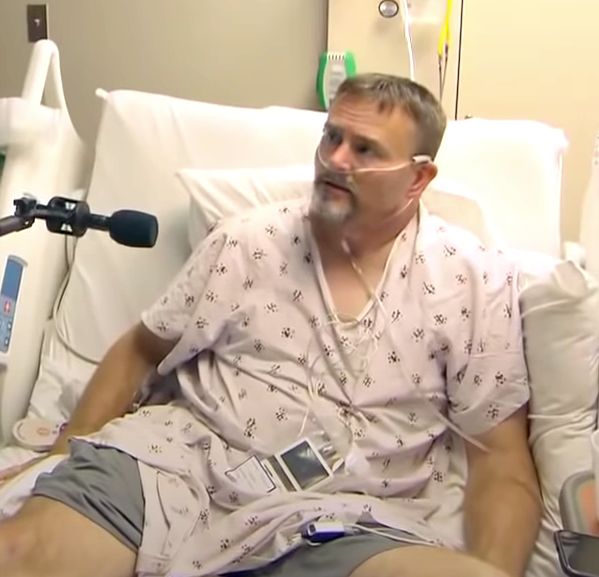
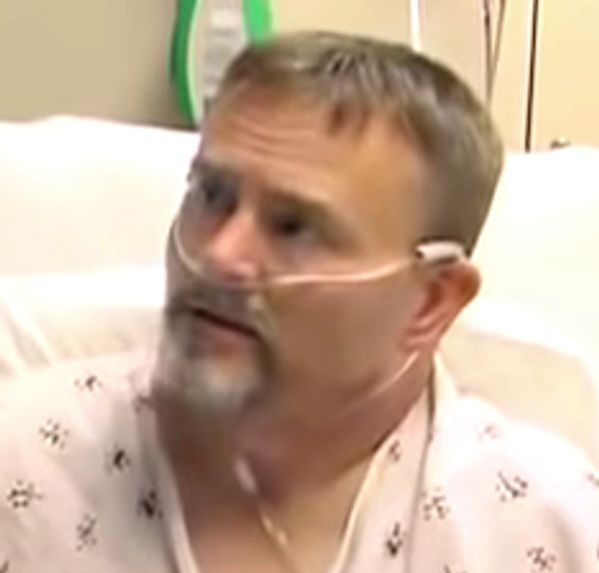
An unvaccinated man who was hospitalised in Baton Rouge, Louisiana, after he contracted Covid-19 and developed severe pneumonia said he still won’t get the vaccine.

“Before you got sick, if you would have had a chance to get the vaccine and prevent this, would you have taken the vaccine?” CBS News’ David Begnaud asked Scott Roe on his hospital bed at Our Lady of the Lake Medical Center in an interview this week.

“No,” Roe, a Republican, responded.

“So, you’d have gone through this?” asked Begnaud.

“I’d have gone through this. Yes, sir. Don’t shove it down my throat. That’s what local, state, federal administration is trying to do,” Roe replied.

“What are they shoving, the science?” asked Begnaud.

“No, they’re shoving the fact that it’s their agenda. Their agenda is to get you vaccinated,” Roe said, claiming there were “too many issues” with the shots. Millions of Americans have received the shots, which have proven remarkably effective at preventing infection and severe illness. 

Watch the interview here:

In the same segment, pharmaceutical researcher Paula Johnson expressed regret at putting off getting the vaccine.

She ended up in hospital.

“I honest to God thought I walked my last day on this earth. I could not breathe. I just, all of a sudden, my lungs just didn’t work,” Johnson told Begnaud.

“I have no comorbidities, nothing, never had a lung problem. Don’t smoke, nothing,” Johnson explained. “And it took my lungs and just … I don’t even know how to explain it. It’s like trying to breathe in and hitting a wall in like a second.”

Her warning came as the highly transmissible delta variant continues to spread across the country. It echoes those delivered this week by other unvaccinated people (who now make up 99.5% of American deaths from COVID-19) who were hospitalized with the disease and are now urging others to take the shot.

William Hughes, from Arkansas, told CNN’s Erin Burnett on Thursday that he wished he’d had the jab.

“I mean, the vaccine may not have kept me from getting COVID, but it may have decreased greatly the pain and suffering I had to go through to get to the point where I am now,” he said.

Watch the video here:

Donald McAvoy, an unvaccinated 33-year-old gym manager from Jacksonville, Florida, said he was initially “skeptical” about the shot.

“I was like, ‘Eh don’t get it, I don’t need it. I’m healthy. I’m young. I’m good. I’m OK,’” McAvoy told Action News Jax. “If there’s one thing I could say to the public and everyone out there is get vaccinated now.”

Share Button

Japanese Video Game Music Gets Big Moment At Olympic Opening Ceremony

Fans of Japanese video games couldn’t believe their ears as Olympic athletes paraded into Tokyo’s National Stadium during the opening ceremony for the 2020 Games on Friday: the orchestra was playing tunes from some of their favourite games.

In a celebration of Japanese popular culture that is appreciated worldwide, the entry parade was set to tunes from games developed by Sega, Capcom and Square Enix. 

It kicked off with “Overture: Roto’s Theme” from Dragon Quest. Next up was “Victory Fanfare” from Final Fantasy. The parade featured more tunes from Monster Hunter, Soulcaliber and Sonic the Hedgehog. (Check out the original list in Japanese from Nikkan Sports, or in English from Polygon.) 

According to Classic FM, the music from Kingdom Hearts was composed by Yoko Shimomura, who is responsible for the music for some of the biggest video games ever made. Fans were delighted to hear her work being incorporated into the ceremony.

While the list didn’t feature widely recognised tunes from cultural juggernauts like Mario Bros. or The Legend of Zelda, the music helped give a sense of atmosphere to the ceremony, which was held in almost an empty stadium due to coronavirus restrictions.

Olympians waved mostly for the cameras in the made-for-TV ceremony, which only had about 1,000 people in attendance at the 68,000-capacity stadium ― VIPs like Japanese Emperor Naruhito, first lady Jill Biden, members of the International Olympic Committee and journalists. 

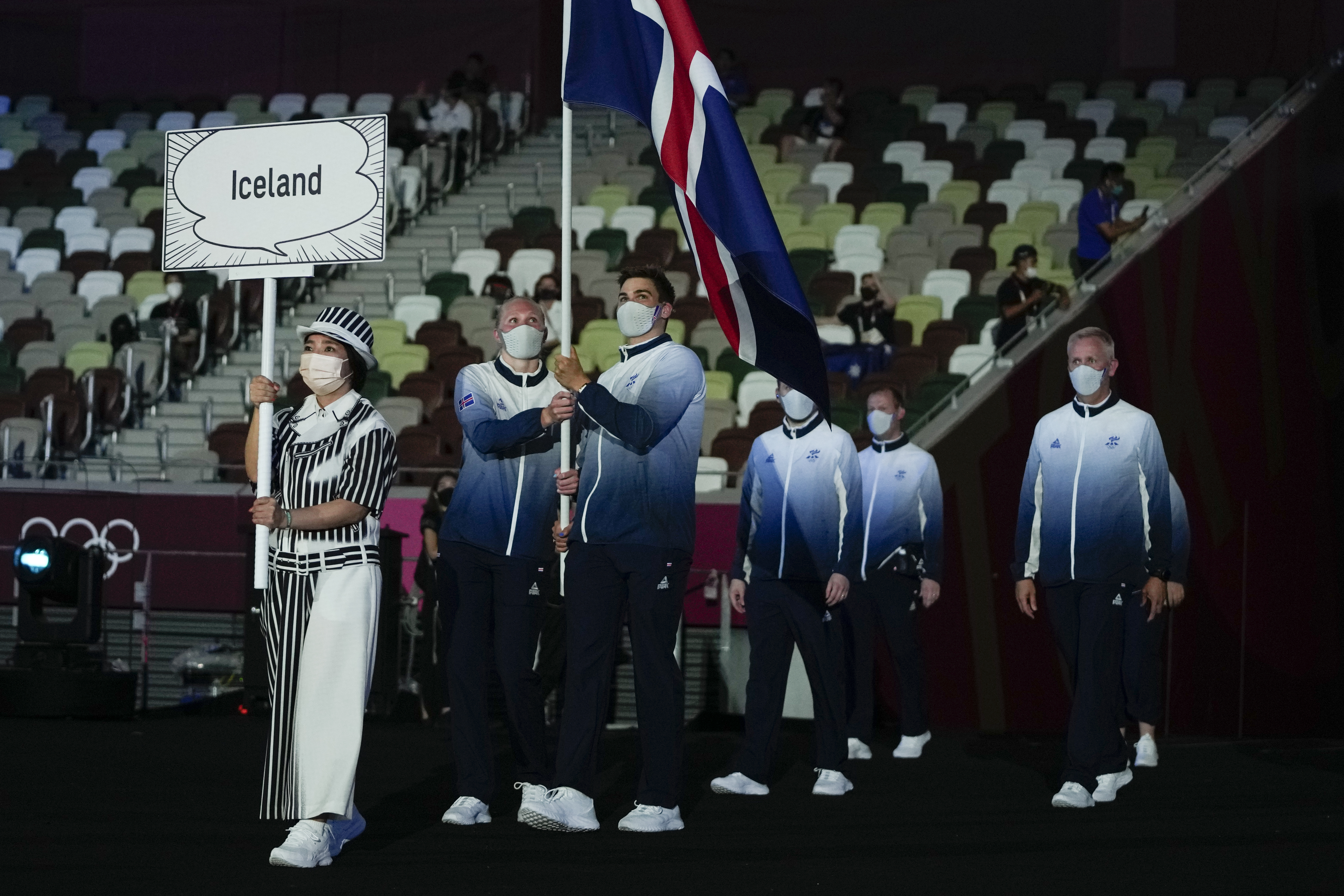
In another nod to Japanese pop culture, the placard for each country’s delegation was in the style of a speech bubble from manga, which is Japanese comics and graphic novels. The signs had the country’s name in English on one side and Japanese on another.

Natacha Pisarenko via AP

Snaefridur Sol Jorunnardottir and Anton Mckee, of Iceland, carry their country’s flag during the opening ceremony.

And in another tribute to Japanese pop culture, the Google Doodle, which is accessed by going to the google.com home page, also starts out with an anime-inspired theme, then moves to an incredibly elaborate ’80s-style arcade game.

The exposure to anime and manga from the Tokyo Games may serve to make the art forms even more popular worldwide, said Susan Napier, a professor of rhetoric and Japanese studies at Tufts University, according to The Washington Post.

Share Button

Confused, Contradictory, Chaotic: The ‘3 Cs’ Of Boris Johnson’s Covid Policy

It’s been a few weeks since Boris Johnson jibed Keir Starmer with his alliterative soundbite of choice: “we vaccinate, they vacillate!” And given the past week of wibbly-wobbly, hokey-cokey pronouncements from him and his government, it’s perhaps fitting that the PM has laid off that particular attack line. 

In a dizzying few days of dithering, Johnson exempted himself from isolation rules then isolated himself, his ministers contradicted him on the need to obey Covid ‘pings’ and key policy on critical workers changed by the hour. 

The National Insurance rise to pay for social care was on and then off. The NHS pay rise was off and then on. Compulsory Covid passports were revived from the dead, just weeks after being quietly euthanised by Michael Gove. 

At times, the PM looked like Gromit desperately trying to lay new track in front of his train of state as it sped towards the parliamentary recess. But although getting over the line of the summer break may stop backbenchers from gathering in grumbly groups in the Commons tea room, ministers know there are gruelling weeks ahead. 

At the heart of the problem lies a fundamental confusion in Johnson’s pandemic strategy. He (backed by Chris Whitty and Patrick Vallance, to be fair) has decided England will become the first country in the world to open up a country from lockdown precisely at the point when cases are soaring.

But instead of honestly admitting that his objective is a form of herd immunity  – ie “hybrid immunity” stemming from infections and vaccinations – the PM is telling the public to be cautious and “slowly” take full advantage of all the freedoms he has now granted.

There’s an easy answer to the “if not now, when?” question about full unlocking: mid-September, when all of the adult population has been offered a second jab. The PM counters that keeping restrictions in place until then would simply delay the covid wave, not suppress it. And a wave in summer is easier for the NHS to cope with than a wave in winter, he adds. 

Yet on that logic, being cautious and not “tearing the pants out of it” simply delays the wave too. Isolating after “ping” from the App delays the wave. Wearing masks delays the wave. Meeting outdoors delays the wave. But the PM says he doesn’t want to delay it. It’s hard to think of a more confused and chaotic public health policy, especially during a pandemic.

It would be more honest if Johnson admitted he wants the maximum number of infections this summer, just short of tipping the NHS into a serious crisis. And helpful if the department of health told us just what level of infections it thinks the NHS can cope with before lurching into that meltdown.

The other objective for opening up fully is to help ease the pain of businesses and all those who work in them. But if you’re then effectively telling the public not to use those businesses, because they should be “careful”, what is the point? That’s why, whenever Johnson was asked to define what tearing the pants out of it meant, he struggled with specifics.

It’s possible that the real, unstated reason for Freedom Day was not just “hybrid immunity”, but because ministers can see that young people simply aren’t going to be double jabbed in big numbers by mid-September anyway. Take-up rates are worryingly lower than older age groups, so if government waits for the magic 80% double-jabbed figure, it could be waiting indefinitely.

I suspect that’s what really lies behind Johnson’s drive for compulsory Covid passports. They will drive up jab rates, while giving attendees of nightclubs, football matches, music gigs (and cinema and theatre goers, and maybe indoor pub goers?) the security that they will be mixing with similarly protected people. Compulsion will also drive demand for booster jabs over the winter.

The big issue however over coming weeks will be just when restrictions are reintroduced. Johnson has already tried to soften up opinion this week by saying he merely “hoped” his roadmap would be “irreversible”. 

Would it make sense to have a roadmap back into lockdown, just as he had one out of lockdown? I used to think so, as it would allow individuals and businesses to plan their next steps.

But the problem may fundamentally be that the virus doesn’t respond to graduated steps. If you really want to flatten (not delay) a sombrero of cases, a hard and fast lockdown may be the only answer. Just reimposing masks and working from home may not cut it.

Yet given how confused and contradictory the current policy is, it wouldn’t be surprising if the policy that replaces it is similarly incoherent. Learning to “live with Covid” is obviously where we need to end up, but that requires maximum vaccinations for genuine herd immunity. It also requires more honesty from government about what its real strategy is.

The latest data on Friday suggests the third wave may, just, be peaking. But I’ve genuinely no idea if that’s what No.10 wants, or if it wants to ride the wave for a few more weeks.

Deputy chief medical officer Jonathan Van-Tam this week repeated his advice to avoid places with the ‘3 Cs’ overlapping: closed settings, with crowds and close contacts. Unfortunately, the real ‘3 Cs’ that have defined Johnson’s policy are chaos, confusion and contradiction.

Share Button