Paramedic Gary Watson was assaulted by a drunk patient and received serious injuries to his face.


Paramedic Gary Watson was assaulted by a drunk patient and received serious injuries to his face.
It’s unclear how the man caught the H10N3 strain but human transmission is thought to be unlikely.
izusek via Getty Images
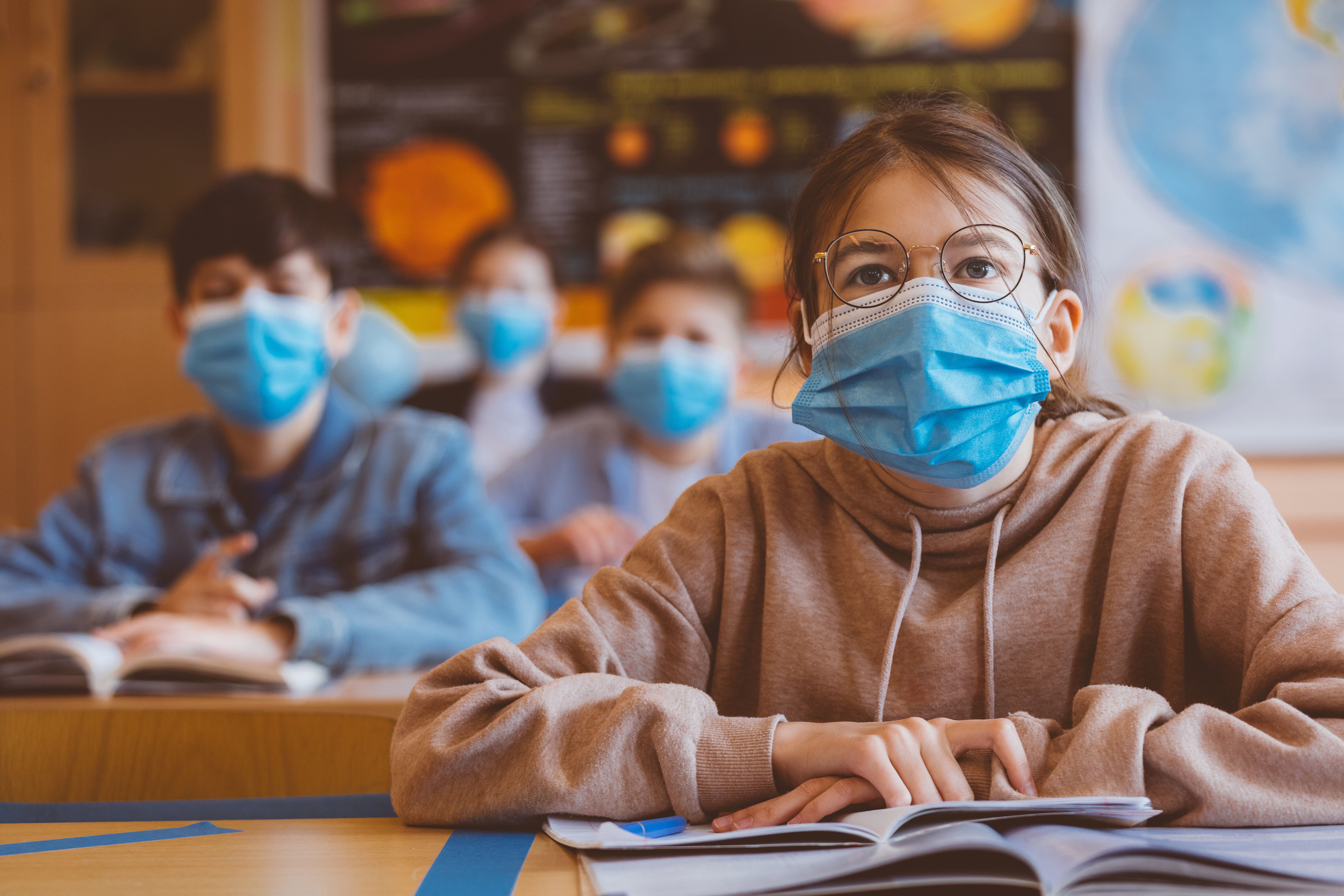
A £1.4bn catch-up tuition plan to help children recover lost learning after Covid has been branded “hugely disappointing”.
The Department for Education (DfE) announced the cash for schools and colleges in England and have underlined it comes on top of £1.7bn already pledged for lost education.
The cash will see pupils offered up to 100 million hours of extra teaching, with Year 13 students given the option to repeat their final year if particularly hard-hit by lockdown.
But unions have said package “lets down the nation’s children”, and falls short of the £15bn school leaders hoped for, with some accusing Rishi Sunak’s Treasury of blocking further spending.
The DfE scheme includes £1bn to support up to six million, 15-hour tutoring courses for disadvantaged pupils, as well as an expansion of the 16-19 tuition fund which will target subjects such as maths and English.
A further £400 million will go towards providing high-quality training to early years practitioners and school teachers boost progress.
But the announcement – made during the half-term – does not include plans to lengthen the school day, or shorten the summer break.
The government’s education recovery commissioner, Kevan Collins, is still considering long-term proposals to address the impact of Covid on children.
Geoff Barton, general secretary of the Association of School and College Leaders (ASCL), suggested that there had been a battle behind the scenes over funding for education recovery between the Treasury and the DfE as the “settlement is less than a tenth of the £15bn that was being mooted”.
He said: “This is a hugely disappointing announcement which lets down the nation’s children and schools at a time when the government needed to step up and demonstrate its commitment to education.
“The amount of money that the government plans to put into education recovery is insufficient and shows a failure to recognise the scale of learning loss experienced by many pupils during the pandemic – particularly those from disadvantaged backgrounds.”
Paul Whiteman, general secretary of school leaders’ union the NAHT, said: “It’s a damp squib – some focus in a couple of the right areas is simply not enough.
“The funding announced to back these plans is paltry compared to the amounts other countries have invested, or even compared to government spending on business recovery measures during the pandemic.
“Education recovery cannot be done on the cheap.”
WPA Pool via Getty Images
But Whiteman added that the union was relieved to see that extending the school day had been “shelved for now” as he warned the policy could reduce family time and leave less time for extracurricular activities.
Mary Bousted, joint general secretary of the National Education Union (NEU), said: “The government’s plans for education recovery for the nation’s pupils are inadequate and incomplete. Rarely has so much been promised and so little delivered.”
“The Treasury has shown, in this paltry offer, that it does not understand, nor does it appreciate, the essential foundation laid by education for the nation’s economic recovery.
“Its failure, on this scale, to fund what is needed for education recovery, is a scar which will take generations of children and young people to heal.”
Prime minister Boris Johnson has defended the fund, however, adding a review of longer school days would form part of the next stage of the review.
He said: “Young people have sacrificed so much over the last year and as we build back from the pandemic, we must make sure that no child is left behind.
“This next step in our long-term catch-up plan should give parents confidence that we will do everything we can to support children who have fallen behind and that every child will have the skills and knowledge they need to fulfil their potential.”
It was announced as Labour published its two-year £14.7 billion education recovery plan, which called for extracurricular activities to be expanded and mental health support in schools to be improved.



You’re reading The Waugh Zone, our daily politics briefing. Sign up now to get it by email in the evening.
Just six days ago, Matt Hancock’s name was mud, his reputation ground into the dirt by Dominic Cummings’ onslaught. Today, the health secretary returned to his bouncy ways as he seized on the news that the UK reported not a single death from Covid for the first time since last July. “The vaccines are clearly working,” he said.
Yet while it may look to some as if Hancock has gone from zero to hero in less than a week, he himself added a note of caution about “cases continuing to rise”. Although in Bolton there is early evidence of levelling off of cases of the ‘Indian’ variant, nearby Blackburn, Rossendale, Ribble Valley and Hyndburn are all seeing spikes.
Although case numbers are low overall, it’s no wonder many in government are concerned. Week on week, cases have gone up more than 31% and, crucially, hospitalisations by more than 23%. That’s two of the lights on the government’s dashboard flashing red, just as the zero deaths figure is flashing a healthy green (down 10% on the week). Given the lags we are all by now familiar with, those deaths may not stay zero in coming weeks.
Despite the concern, Boris Johnson is not worried enough to give anyone an update on whether his planned June 21 unlocking will go ahead as planned. In our Lobby briefing today, we learned he didn’t even brief his spokesman beforehand. All the spokesman would do was point us towards the PM’s cake-and-eat-it words on the pandemic last Thursday (the “current” data didn’t suggest any need for delay “but we may need to wait”).
The problem with relying on the PM’s words from five days ago is that, well, a week is a very long time in Covid politics. Johnson got married on Saturday and spent Sunday and Monday on a “mini-moon” – a phrase that sounds like a brief display of his buttocks, but is a very short honeymoon, apparently (though perhaps it means both). It all feels a bit like the early pandemic, when his marital concerns (a divorce then, a wedding now) mean Covid is on the backburner.
And in many ways, it feels as if the government machine is not very interested in saying much about Covid for the rest of this week. Grant Shapps has his travel update on Thursday but few expect much change. Michael Gove’s reviews of covid certification and social distancing look either dead on arrival or delayed to June 14. Jonathan Van-Tam said two weeks ago we would have a “ranging shot” of the transmissibility of the Indian variant by last week. It looks like that estimate may not materialise this week either.
With the Commons in recess, there seems to be a generalised holding pattern going on, in political and policy terms. The public seemed to have more of a sense of urgency about Covid than the PM this weekend, with thousands of young people queuing for their jab outside Twickenham stadium when they could have just packed the pubs.
But the virus doesn’t take a parliamentary recess or a bank holiday break. The rise in case numbers is concerning the most even-handed of scientists. The Bank of England hoped for a V-shaped economic recovery this year, but some current graph projections look worryingly V-shaped on Covid cases. Scotland and England are on the same trajectory, though Wales (which has 10% more people given first doses) is not.
The uncertainty is perhaps why Nicola Sturgeon essentially paused her own roadmap today. While the public have not been told any updates on the Indian/delta variant’s transmissibility, maybe Sturgeon has? I understand Keir Starmer is currently holding off calling for any delay to the June 21 unlocking date, until after he gets a private briefing from Sage.
Starmer’s main problem is that no matter what he says, or how correctly he calls it, the public may not be listening. “Keir’s first 16 months have been the politics of the pandemic, and his next eight months may be the politics of the pandemic. It’s very, very difficult,” one insider says. More than anything Labour says or does, Starmer’s team are acutely aware that the Batley and Spen by-election next month could reflect vaccine jab numbers, whether voters can order a drink at the bar and where they can go on holiday.
In the meantime, what Starmer can hope to do is show the public what kind of man he is, as well as what kind of politician. His latest Piers Morgan’s Life Stories interview on ITV tonight shows him choking back tears as he talks about his disabled mum, his strained relationship with his dad, and the death of his wife’s mother. The New Statesman had some fascinating polling last week that 37% of voters say they just don’t know enough about him to make a judgement yet. His team see that as a huge opportunity, not a weakness, and believe interviews like this could shift that dial.
Picking a popular ITV programme was a smart move for Starmer because he needs to reassure a key demographic that he’s a walking, talking human being. Moreover, Labour’s lingering problems with working class voters were highlighted not just in Hartlepool but in London on May 6. While Sadiq Khan made gains with some upper middle class voters, this fascinating breakdown by Lewis Baston points to swings towards the Tories in key council estate areas in deprived parts of the city.
Like many working class kids who went on to do things their parents never dreamed of, he’s clearly uncomfortable with any idea he would exploit his private life for public consumption. Yet in many ways, Starmer embodies the aspiration story (dad a factory worker, son highest prosecutor in the land) that Labour needs to reconnect with voters it has lost.
While the Covid narrative dominates all our lives, Starmer has to keep reminding us he’ll be ready for the moment the conversation moves on to something else. With politics more volatile than ever, it’s even possible he too could move from zero to hero if he can use this May’s election defeats to show a sense of urgency for change.



Observational studies have suggested that increased vitamin D levels may protect against COVID-19. However, these studies were inconclusive and possibly subject to confounding. A study published in PLOS Medicine by Guillaume Butler-Laporte and Tomoko Nakanishi at McGill University in Quebec, Canada, and colleagues suggests that genetic evidence does not support vitamin D as a protective measure against COVID-19.
The ability of vitamin D to protect against severe COVID-19 illness is of great interest to public health experts, but has limited supporting evidence. To assess the relationship between vitamin D levels and COVID-19 susceptibility and severity, researchers conducted a Mendelian randomization study using genetic variants strongly associated with increased vitamin D levels. The authors analyzed genetic variants of 4,134 individuals with COVID-19, and 1,284,876 without COVID-19, from 11 countries to determine whether genetic predisposition for higher vitamin D levels were associated with less-severe disease outcomes in people with COVID-19.
The results showed no evidence for an association between genetically predicted vitamin D levels and COVID-19 susceptibility, hospitalization, or severe disease, suggesting that raising circulating vitamin D levels through supplementation may not improve COVID-19 outcomes in the general population. However, the study had several important limitations, including that the research did not include individuals with vitamin D deficiency, and it remains possible that truly deficient patients may benefit from supplementation for COVID-19 related protection and outcomes. Additionally, the genetic variants were obtained only from individuals of European ancestry, so future studies will be needed to determine the relationship with COVID-19 outcomes in other populations.
According to the authors, “Vitamin D supplementation as a public health measure to improve outcomes is not supported by this study. Most importantly, our results suggest that investment in other therapeutic or preventative avenues should be prioritized for COVID-19 randomized clinical trials.”
Dr. Butler-Laporte notes, “Most vitamin D studies are very difficult to interpret since they cannot adjust for the known risk factors for severe Covid-19 (e.g. older age, institutionalization, having chronic diseases) which are also predictors of low vitamin D. Therefore, the best way to answer the question of the effect of vitamin D would be through randomized trials, but these are complex and resource intensive, and take a long time during a pandemic. Mendelian randomization can provide more clear insights into the role of risk factors like vitamin D because they can decrease potential bias from associated risk factors like institutionalization and chronic disease. In the past Mendelian randomization has consistently predicted results of large, expensive, and timely vitamin D trials. Here, this method does not show clear evidence that vitamin D supplementation would have a large effect on Covid-19 outcomes.”
Story Source:
Materials provided by PLOS. Note: Content may be edited for style and length.

A new study analyzing the association between an individual’s genetics (genotype) and their observable characteristics resulting from the interaction of genetics and the environment (phenotype), contributes new knowledge to the understanding of human complex traits and diseases.
The study titled, “An atlas of alternative polyadenylation quantitative trait loci (3′aQTLs) contributing to complex trait and disease heritability,” was recently published in Nature Genetics. Led by University of California, Irvine professor of bioinformatics Wei Li, PhD, the Grace B. Bell chair of the Department of Biological Chemistry at UCI’s School of Medicine, this new research unlocks how much differences in people’s genes account for differences in their traits and what can be attributed to the effects of the surrounding environment.
“Our research is of particularly importance as it offers interpretations that explain how natural variations can shape human phenotypic diversity and tissue-specific diseases,” said Li. “Our most exciting finding was that certain events in human genes can explain a substantial proportion of trait heritability.”
It was well known that 3′-UTR alternative polyadenylation (APA) occurs in approximately 70 percent of human genes and substantively impacts cellular processes such as proliferation, differentiation and tumorigenesis. But, until now, the association of APA events with disease risk and complex human traits was not well understood.
Genome-wide association studies have identified thousands of noncoding variants associated with human traits and diseases. However, the functional interpretation of these variants has proven to be a major challenge. In this study, researchers constructed a multi-tissue atlas of human 3′ UTR alternative polyadenylation (APA) quantitative trait loci (3′aQTLs), containing approximately 0.4 million common genetic variants associated with the APA of target genes, identified in 46 tissues isolated from 467 individuals (Genotype-Tissue Expression Project).
“From our findings we could show that specific molecular features associated with human phenotypic variations contribute substantially to the molecular mechanisms underlying human complex traits and diseases,” explained Li.
The research team is continuing to study these molecular mechanisms to test the novel 3′aQTLs genes for diabetes, prostate cancer, Alzheimer’s Disease and Amyotrophic lateral sclerosis (ALS).
The study was supported in part by the Cancer Prevention Research Institute of Texas and the National Institutes of Health.
Story Source:
Materials provided by University of California – Irvine. Note: Content may be edited for style and length.

Quantum computing and quantum sensing have the potential to be vastly more powerful than their classical counterparts. Not only could a fully realized quantum computer take just seconds to solve equations that would take a classical computer thousands of years, but it could have incalculable impacts on areas ranging from biomedical imaging to autonomous driving.
However, the technology isn’t quite there yet.
In fact, despite widespread theories about the far-reaching impact of quantum technologies, very few researchers have been able to demonstrate, using the technology available now, that quantum methods have an advantage over their classical counterparts.
In a paper published on June 1 in the journal Physical Review X, University of Arizona researchers experimentally show that quantum has an advantage over classical computing systems.
“Demonstrating a quantum advantage is a long-sought-after goal in the community, and very few experiments have been able to show it,” said paper co-author Zheshen Zhang, assistant professor of materials science and engineering, principal investigator of the UArizona Quantum Information and Materials Group and one of the paper’s authors. “We are seeking to demonstrate how we can leverage the quantum technology that already exists to benefit real-world applications.”
How (and When) Quantum Works
Quantum computing and other quantum processes rely on tiny, powerful units of information called qubits. The classical computers we use today work with units of information called bits, which exist as either 0s or 1s, but qubits are capable of existing in both states at the same time. This duality makes them both powerful and fragile. The delicate qubits are prone to collapse without warning, making a process called error correction — which addresses such problems as they happen — very important.
The quantum field is now in an era that John Preskill, a physicist from the California Institute of Technology, termed “noisy intermediate scale quantum,” or NISQ. In the NISQ era, quantum computers can perform tasks that only require about 50 to a few hundred qubits, though with a significant amount of noise, or interference. Any more than that and the noisiness overpowers the usefulness, causing everything to collapse. It is widely believed that 10,000 to several million qubits would be needed to carry out practically useful quantum applications.
Imagine inventing a system that guarantees every meal you cook will turn out perfectly, and then giving that system to a group of children who don’t have the right ingredients. It will be great in a few years, once the kids become adults and can buy what they need. But until then, the usefulness of the system is limited. Similarly, until researchers advance the field of error correction, which can reduce noise levels, quantum computations are limited to a small scale.
Entanglement Advantages
The experiment described in the paper used a mix of both classical and quantum techniques. Specifically, it used three sensors to classify the average amplitude and angle of radio frequency signals.
The sensors were equipped with another quantum resource called entanglement, which allows them to share information with one another and provides two major benefits: First, it improves the sensitivity of the sensors and reduces errors. Second, because they are entangled, the sensors evaluate global properties rather than gathering data about specific parts of a system. This is useful for applications that only need a binary answer; for example, in medical imaging, researchers don’t need to know about every single cell in a tissue sample that isn’t cancerous — just whether there’s one cell that is cancerous. The same concept applies to detecting hazardous chemicals in drinking water.
The experiment demonstrated that equipping the sensors with quantum entanglement gave them an advantage over classical sensors, reducing the likelihood of errors by a small but critical margin.
“This idea of using entanglement to improve sensors is not limited to a specific type of sensor, so it could be used for a range of different applications, as long as you have the equipment to entangle the sensors,” said study co-author Quntao Zhuang, assistant professor of electrical and computer engineering and principal investigator of the Quantum Information Theory Group. “In theory, you could consider applications like lidar (Light Detection and Ranging) for self-driving cars, for example.”
Zhuang and Zhang developed the theory behind the experiment and described it in a 2019 Physical Review X paper. They co-authored the new paper with lead author Yi Xia, a doctoral student in the James C. Wyant College of Optical Sciences, and Wei Li, a postdoctoral researcher in materials science and engineering.
Qubit Classifiers
There are existing applications that use a mix of quantum and classical processing in the NISQ era, but they rely on preexisting classical datasets that must be converted and classified in the quantum realm. Imagine taking a series of photos of cats and dogs, then uploading the photos into a system that uses quantum methods to label the photos as either “cat” or “dog.”
The team is tackling the labeling process from a different angle, by using quantum sensors to gather their own data in the first place. It’s more like using a specialized quantum camera that labels the photos as either “dog” or “cat” as the photos are taken.
“A lot of algorithms consider data stored on a computer disk, and then convert that into a quantum system, which takes time and effort,” Zhuang said. “Our system works on a different problem by evaluating physical processes that are happening in real time.”
The team is excited for future applications of their work at the intersection of quantum sensing and quantum computing. They even envision one day integrating their entire experimental setup onto a chip that could be dipped into a biomaterial or water sample to identify disease or harmful chemicals.
“We think it’s a new paradigm for both quantum computing, quantum machine learning and quantum sensors, because it really creates a bridge to interconnect all these different domains,” Zhang said.
Warning! This article contains Line Of Duty spoilers of the highest order.
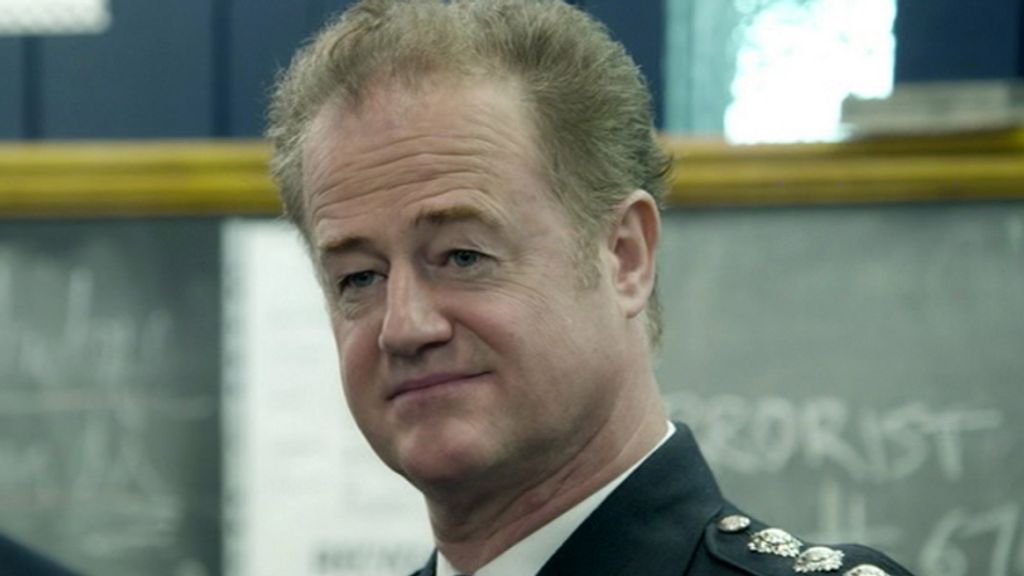
Line Of Duty star Owen Teale has called on creator Jed Mercurio to write more episodes so he can “sort out” his character Chief Constable Philip Osborne.
A number of questions still remain about the Central Police boss, despite him not being unmasked as the so-called “fourth man” in last month’s divisive series finale.
While DSU Ian Buckells was unveiled as the “bent copper” acting as the OCG’s fixer, Owen is also convinced there is more to be explored with Osborne.

BBC
Speaking to Wales Online, he said: “They say the whole story is finished, I’m not sure if it is you know.
“There’s a hell of a lot of people in shops and in the street [saying], ‘No no [Ian Buckells is] not H. There’s no way he had that power over AC-12 over six series, it’s because he’s the fall guy. Your character is number one!’”
He continued: “I agree with them and I want to know if Jed Mercurio is going to do something about it. Sort out Osbourne!”
Osborne was introduced back in series one, when he was the leader of the Counter Terrorism Unit that DI Steve Arnott was working on at the time, and instructed his officers to lie about what happened in the killing of Karim Ali.
In series six, it was also revealed that Osborne was previously on the same team as corrupt officers Ian Buckells and Marcus Thurwell on the Lawrence Christopher murder case, suggesting he was also involved in the obstruction into the investigation.
There are also questions as to whether he colluded in the murder of journalist Gail Vella, who had established police failings and OCG links to the Lawrence Christopher investigation prior to her death.
At the end of the series, fans learned that “close colleagues” of the Chief Constable had been appointed to senior positions in anti-corruption, following his cuts to the departments.

BBC
Jed Mercurio previously revealed there’s potential to explore Osborne, should Line Of Duty return for a seventh series.
Speaking to Den Of Geek, he said: ”[Osborne]’s someone who retains high office who is an outright liar and has been involved in corruption in the past in terms of the Karim Ali case and the Lawrence Christopher case.
“Clearly there would be potential there if we wanted to explore it, but it’s too early to say whether we ever would.”
The entire Line Of Duty boxset is available to stream on BBC iPlayer.


The latest figures come amid concern over a recent small rise in cases linked to the Indian variant.
Calls to delay ending Covid restrictions in England on 21 June have come amid warnings of a third wave.
