Less inflammation with a traditional Tanzanian diet than with a Western diet

Urban Tanzanians have a more activated immune system compared to their rural counterparts. The difference in diet appears to explain this difference: in the cities, people eat a more western style diet, while in rural areas a traditional diet is more common. A team of researchers from Radboud university medical center in the Netherlands, the LIMES Institute at the University of Bonn in Germany and the Kilimanjaro Clinic Research Center in Tanzania believe that this increased activity of the immune system contributes to the rapid increase in non-communicable diseases in urban areas in Africa.

The survey was conducted among more than 300 Tanzanians, some of whom live in the city of Moshi and some in the countryside. The team found that immune cells from participants from Moshi produced more inflammatory proteins. The people surveyed had no health problems and were not ill, but an activated immune system may increase the risk for lifestyle diseases, such as cardiovascular disease.

The researchers used new techniques to investigate the function of the immune system and the factors that influence its activity. Quirijn de Mast, internist-infectious diseases specialist at Radboud university medical center explains: “We looked at active RNA molecules in the blood — known as the transcriptome — and the composition of metabolic products in the blood.”

Major differences in diet

These analyses showed that metabolites derived from food had an effect on the immune system. Participants from rural areas had higher levels of flavonoids and other anti-inflammatory substances in their blood. The traditional rural Tanzanian diet, which is rich in whole grains, fibre, fruits and vegetables, contains high amounts of these substances. In people with an urban diet, which contains more saturated fats and processed foods, increased levels of metabolites that are involved in cholesterol metabolism were found. The team also found a seasonal change in the activity of the immune system. In the dry season, which is the time of harvest in the study area, the urban people had a less activated immune system.

Migration to the cities of Africa

It has been known for some time that a Western lifestyle and eating habits lead to chronic diseases. According to de Mast, two important findings have emerged from this study. “First of all, we showed that a traditional Tanzanian diet has a beneficial effect on inflammation and the functioning of the immune system. This is important because rapid urbanization is ongoing, not only in Tanzania, but also in other parts of Africa. The migration from the countryside to the city is leading to dietary changes and is accompanied by a rapid increase in the number of lifestyle diseases, which puts a heavy burden on the local healthcare systems. That is why prevention is essential, and diet can be very important for this.”

Western countries can learn from the results Second, these findings from Africa are also relevant for Western countries. Urbanization took place a long time ago in most western countries. By studying populations at different stages of urbanization, researchers therefore have unique opportunities to improve their understanding of how diet and lifestyle affect the human immune system.

Story Source:

Materials provided by Radboud University Medical Center. Note: Content may be edited for style and length.


Share Button

Prize-winning migraine experts hope for a cure

The neurological condition affects three times as many women as men because of its link to hormones.

Share Button

Covid-19: New vaccines for variants to be fast-tracked

Rapid approval without lengthy tests can happen if new vaccines are needed to fight variants, say regulators.

Share Button

Covid: React study finds virus decline slowing in England

Infections fell by two-thirds in lockdown but one in 200 people still have the virus, a study says.

Share Button

Belly fat resistant to every-other-day fasting

In a mouse study, Australian researchers have mapped out what happens behind the scenes in fat tissue during intermittent fasting, showing that it triggers a cascade of dramatic changes, depending on the type of fat deposits and where they are located around the body.

Using state-of-the-art instruments, University of Sydney researchers discovered that fat around the stomach, which can accumulate into a ‘protruding tummy’ in humans, was found to go into ‘preservation mode’, adapting over time and becoming more resistant to weight loss.

The findings are published today in Cell Reports.

A research team led by Dr Mark Larance examined fat tissue types from different locations to understand their role during every-other-day fasting, where no food was consumed on alternate days.

The fat types where changes were found included visceral “belly” fat, which is fat tissue surrounding our organs including the stomach, and subcutaneous fat, which lies just under the skin and is associated with better metabolic health.

“While most people would think that all fat tissue is the same, in fact, the location makes a big difference,” said senior author Dr Larance from the Charles Perkins Centre and School of Life and Environmental Sciences at the University of Sydney.

“Our data show both visceral and subcutaneous fat undergo dramatic changes during intermittent fasting,” said Dr Larance, who is also a Cancer Institute of NSW Future Research Fellow.

Why visceral fat can be resistant to weight loss

During fasting, fat tissue provides energy to the rest of the body by releasing fatty acid molecules.

However, the researchers found visceral fat became resistant to this release of fatty acids during fasting.

There were also signs that visceral and subcutaneous fat increased their ability to store energy as fat, likely to rapidly rebuild the fat store before the next fasting period.

Dr Larance said it was possible that a history of repeated fasting periods triggered a preservation signalling pathway in visceral fat.

“This suggests the visceral fat can adapt to repeated fasting bouts and protect its energy store,” he said.

“This type of adaptation may be the reason why visceral fat can be resistant to weight loss after long periods of dieting.”

Dr Larance said using a mouse model was a useful analogue ahead of studies in humans.

“Mouse physiology is similar to humans, but their metabolism is much faster, allowing us to observe changes more rapidly than in human trials, and examine tissues difficult to sample in humans,” he said.

Future research in mice and humans could uncover the mechanisms by which this resistance occurs and also which types of diet and other interventions may be best at tackling belly fat.

Mapping out the inner workings of fat deposits

The research team examined more than 8500 proteins located in fat deposits, creating a catalogue of changes that occurred during intermittent fasting, using a technique called proteomics.

Proteomics — the study of all proteins — a relatively new area of study that takes its name from genomics (the study of all genes), monitors how proteins react under certain conditions, which in this case is intermittent fasting.

The results provide a rich source of data that helps to paint a more complete picture of the inner workings of fat tissue.

It was via proteomics that the research team were alerted of major cellular changes caused by intermittent fasting and, after further analysis, highlighted the visceral fat’s preservation mechanism in action.

The study was conducted using the instruments of the Sydney Mass Spectrometry in the Charles Perkins Centre, part of the University of Sydney’s Core Research Facilities.

Dr Larance says it should be noted that findings from the intermittent study may not apply to different diet regimes such as the 5:2 diet (fasting 2 days out of 7) or calorie restriction, which is common in people wanting to lose weight.

The results lay the foundation for future studies, which will dissect the molecules responsible for why visceral fat is resistant to energy release during fasting, and help determine what diet plans would be most beneficial for metabolic health.

“This sort of research has been enabled by these new instruments that allow us to ‘look beyond the streetlight’ — it’s hypothesis generating; we knew we would find something but we didn’t know what,” Dr Larance explained.

“Now that we’ve shown ‘belly fat’ in mice is resistant to this diet, the big question will be to answer why, and how do we best tackle it?”

Share Button

Bahamas were settled earlier than believed

Humans were present in Florida by 14,000 years ago, and until recently, it was believed the Bahamas — located only a few miles away — were not colonized until about 1,000 years ago. But new findings from a team including a Texas A&M University at Galveston researcher prove that the area was colonized earlier, and the new settlers dramatically changed the landscape.

Peter van Hengstum, associate professor in the Department of Marine and Coastal Environment Science at Texas A&M-Galveston, and colleagues have had their findings published in PNAS (Proceedings of the National Academy of Sciences).

Researchers generated a new environmental record from the Blackwood Sinkhole, which is flooded with 120 feet of groundwater without dissolved oxygen. This is important because it has pristinely preserved organic material for the last 3,000 years. Using core samples and radiocarbon dating, the team examined charcoal deposits from human fires thousands of years ago, indicating that the first settlers arrived in the Bahamas sooner than previously thought.

“The Bahamas were the last place colonized by people in the Caribbean region, and previous physical evidence indicated that it may have taken hundreds of years for indigenous people of the Bahamas — called the Lucayans — to move through the Bahamian archipelago that spans about 500 miles,” van Hengstum said.

While people were present in Florida more than 14,000 years ago at the end of the last ice age, he said, these people never crossed the Florida Straits to nearby Bahamian islands, only 50 to 65 miles away. Meanwhile, the Caribbean islands were populated by people migrating from South American northward. Van Hengstum said the oldest archaeological sites in the southernmost Bahamian archipelago from the Turks and Caicos Islands indicate human arrival likely by 700 A.D.

“But in the northern Bahamian Great Abaco Island, the earliest physical evidence of human occupation are skeletons preserved in sinkholes and blueholes,” he said. “These two skeletons from Abaco date from 1200 to 1300 A.D. Our new record of landscape disturbance from people indicates that slash-and-burn agriculture likely began around 830 A.D., meaning the Lucayans rapidly migrated through the Bahamian archipelago in likely a century, or spanning just a few human generations.”

The team’s other findings show how the Lucayans changed the new land.

When the Lucayans arrived, Great Abaco Island was mostly covered with pine and palm forests, and had a unique reptile-dominated ecosystem of giant tortoises and crocodiles. Increased deforestation and burning allowed pine trees to colonize and out-compete native palms and hardwoods.

Large land reptiles began to disappear after 1000 A.D. A significant increase in intense regional hurricane activity around 1500 AD is thought to have caused considerable damage to the new pine tree forests, as indicated by a decrease in pine pollen in the sediment core.

“The pollen record indicates that the pre-contact forest was not significantly impacted earlier in the record during known times when intense hurricane strike events were more frequent,” van Hengstum said. “In our current world where the intensity of the largest hurricanes is expected to increase over the coming decades, the current pine trees in the northern Bahamas may not be as resilient to environmental impacts of these changes in hurricane activity.”

The study was funded by the National Science Foundation.

Story Source:

Materials provided by Texas A&M University. Original written by Keith Randall. Note: Content may be edited for style and length.

Share Button

Researchers discover that privacy-preserving tools leave private data anything but

Machine-learning (ML) systems are becoming pervasive not only in technologies affecting our day-to-day lives, but also in those observing them, including face expression recognition systems. Companies that make and use such widely deployed services rely on so-called privacy preservation tools that often use generative adversarial networks (GANs), typically produced by a third party to scrub images of individuals’ identity. But how good are they?

Researchers at the NYU Tandon School of Engineering, who explored the machine-learning frameworks behind these tools, found that the answer is “not very.” In the paper “Subverting Privacy-Preserving GANs: Hiding Secrets in Sanitized Images,” presented last month at the 35th AAAI Conference on Artificial Intelligence, a team led by Siddharth Garg, Institute Associate Professor of electrical and computer engineering at NYU Tandon, explored whether private data could still be recovered from images that had been “sanitized” by such deep-learning discriminators as privacy protecting GANs (PP-GANs) and that had even passed empirical tests. The team, including lead author Kang Liu, a Ph.D. candidate, and Benjamin Tan, research assistant professor of electrical and computer engineering, found that PP-GAN designs can, in fact, be subverted to pass privacy checks, while still allowing secret information to be extracted from sanitized images.

Machine-learning-based privacy tools have broad applicability, potentially in any privacy sensitive domain, including removing location-relevant information from vehicular camera data, obfuscating the identity of a person who produced a handwriting sample, or removing barcodes from images. The design and training of GAN-based tools are outsourced to vendors because of the complexity involved.

“Many third-party tools for protecting the privacy of people who may show up on a surveillance or data-gathering camera use these PP-GANs to manipulate images,” said Garg. “Versions of these systems are designed to sanitize images of faces and other sensitive data so that only application-critical information is retained. While our adversarial PP-GAN passed all existing privacy checks, we found that it actually hid secret data pertaining to the sensitive attributes, even allowing for reconstruction of the original private image.”

The study provides background on PP-GANs and associated empirical privacy checks, formulates an attack scenario to ask if empirical privacy checks can be subverted, and outlines an approach for circumventing empirical privacy checks.

The team provides the first comprehensive security analysis of privacy-preserving GANs and demonstrate that existing privacy checks are inadequate to detect leakage of sensitive information.

Using a novel steganographic approach, they adversarially modify a state-of-the-art PP-GAN to hide a secret (the user ID), from purportedly sanitized face images.

They show that their proposed adversarial PP-GAN can successfully hide sensitive attributes in “sanitized” output images that pass privacy checks, with 100% secret recovery rate.

Noting that empirical metrics are dependent on discriminators’ learning capacities and training budgets, Garg and his collaborators argue that such privacy checks lack the necessary rigor for guaranteeing privacy.

“From a practical standpoint, our results sound a note of caution against the use of data sanitization tools, and specifically PP-GANs, designed by third parties,” explained Garg. “Our experimental results highlighted the insufficiency of existing DL-based privacy checks and the potential risks of using untrusted third-party PP-GAN tools.”

Story Source:

Materials provided by NYU Tandon School of Engineering. Note: Content may be edited for style and length.

Share Button

Covid: Oxford vaccine does protect older people, Europe told

A single dose of the Pfizer or Oxford vaccine cuts hospital admissions of older people by about 80%.

Share Button

‘Grooming Is A Necessity, Not A Luxury’: How The Lockdown Pet Boom Changed Business For Good For London’s Leading Dog Grooming Specialist

The pandemic has kept us apart from loved ones and friends, heightening our need for social interaction and touch. Since dogs provide us with much of what humans crave, like companionship, friendship and snuggles on demand, it’s no wonder the pandemic has heralded in a boom of new dog owners.

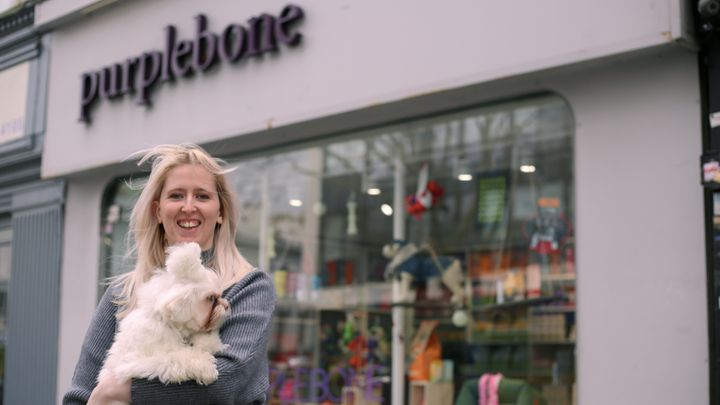
Olivia Irvine, customer care manager, Purplebone

Olivia Irvine, customer care manager, Purplebone

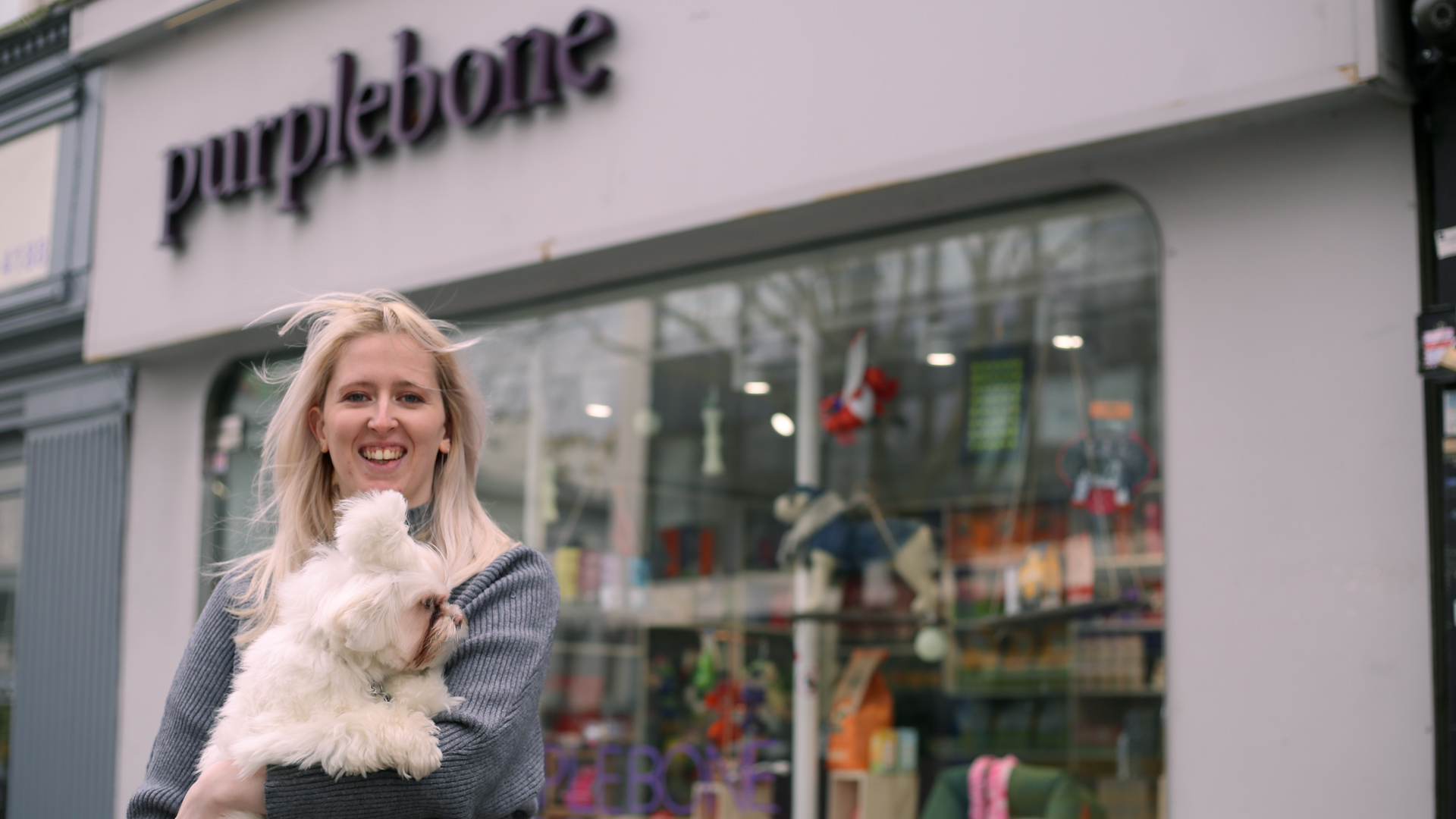
No one knows this quite so well as Olivia Irvine, customer care manager at London’s leading dog grooming specialist, Purplebone, where she’s been working for the past six years and now manages everything across two sites, one in Notting Hill and the other on Hillgate Street in Kensington. Purplebone was founded by couple Julian Victoria and Jacob van Nieuwkoop as a retail and grooming parlour 11 years ago, after they were disappointed with the existing grooming options available for their four dogs.

Watch to see Irvine and Purplebone’s groomers in action – as well as their adorable clientele

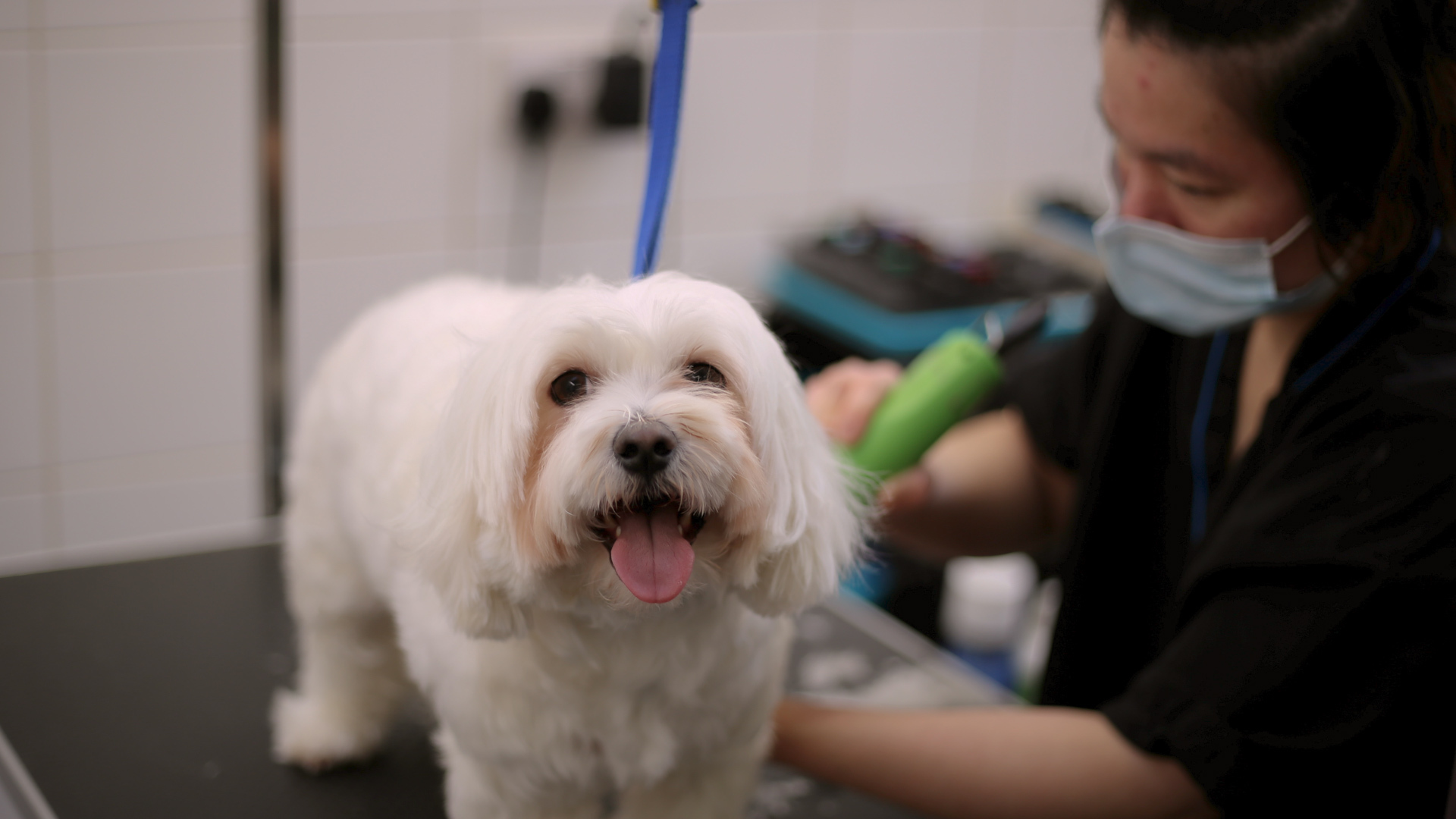
Life at Purplebone is as fun and full of excitement as you’d expect as bulldogs and bernedoodles (a popular Bernese mountain dog and poodle cross), cockapoos and cavapoos, lurchers and labs trot through the salon’s doors daily for a range of treatments, from a simple wash and tidy to an allover puppy groom to a blueberry facial – a favourite with bulldog clients.

It’s the go-to destination for the much-loved dogs belonging to a slew of celebs like the Beckhams, the Lampards, the Barlows, Alan Carr, Lily Allen, Middle Eastern royals, as well as the rest of us mere mortals. Irvine works alongside eight grooming staff – including two new hires since the pandemic started – to accommodate as many as 35 dogs a day across both locations.

If you think grooming is an indulgence for over-pampered pooches, think again: Purplebone helps to care for dogs’ health, with ultrasound teeth cleaning, nail grinding, and, most crucially, detangling knots and ridding skin of any debris that’s burrowed in, a common – and potentially problematic – issue known as matting.

“Matting is probably the most important aspect of dog grooming,” Irvine tells us. “Since lockdown, I’ve come to realise dog grooming is a necessity – it isn’t a luxury.”

Most owners don’t consider their dogs’ coats and hair type when purchasing pooches, but they should: breeds like cavapoos and cockapoos, susceptible to matting, can experience extreme discomfort as a result. When knotted hair gets too tightly wound, it can pull on the dog’s skin, leading to rashes, scratching of the area and debris getting pushed further into the skin and causing a whole host of other issues.

There’s no shortage of comedy stories when your clients are on four legs: some dogs come in for love, lavishing their masked groomers with kisses throughout their sessions. Others, especially larger breeds like Great Danes, come to party (“they start off timid but by the end they just want love and loads of cuddles. They go mad, they run around,” says Irvine), while some particularly gifted groomers are able to encourage their dogs to snooze right on the grooming table. Fun fact: groomers are talented dog whisperers, but not-so-skilled when it comes to handling doggie accessories.

“Groomers are absolutely terrible with putting on harnesses – they cannot figure it out for the life of them,” Irvine says.

Going cashless with Square Technology

Going cashless with Square Technology

When the pandemic forced Purplebone’s doors to close on March 19, 2020, in some ways, the business was ready for it: the grooming service had gone cashless using Square six months prior to the first lockdown. Clients save their card on file, it’s charged remotely and it minimises contact between clients and staff.

“Square had a huge influence on that: going cashless seemed unrealistic at the time but people are a lot more open to it now. It’s a lot easier,” explains Irvine.

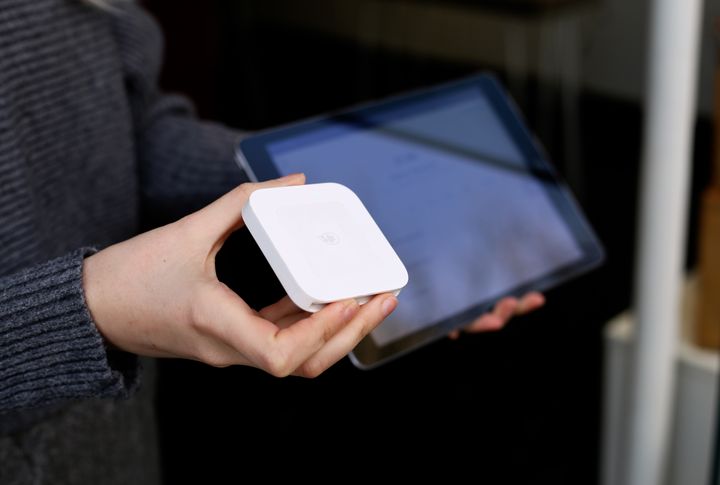
“When we came back, I realised how useful the contactless reader was. The fact that we could take everything out to them, and they could still pay – really big for us,” Irvine says. Square’s contactless reader allows her to multitask: one client can be collecting and making payments outside, while another is shopping for treats indoors.

The Square Register is another bonus: not only is it sleek and lovely to look at, but it’s user and client-friendly, too.

“The client can see everything that I’m doing, and that’s a huge benefit with Square,” explains Irvine.

In lockdown 1.0, Purplebone’s role turned educational: the team sent out helpful emails to clients to guide them through brushing and grooming at home, and made some informational online videos. Irvine spent her days answering phone calls and helping clients remotely.

“I care about these dogs. It’s really important that clients had the support from us to teach them from afar,” she says.

When the salons reopened in May, the strictest safety measures were in place: PPE, splitting staff out between both locations and carefully marking out all areas for social distancing.

Square's contactless reader

Square’s contactless reader

The biggest change, however, was for clients, who were no longer able to come into the salon to drop off their dogs, but had to wait outside, which required patience and trust on their part.

Purplebone’s role in the community also shifted: in the first lockdown, it wasn’t considered an “essential” business, for grooming or retail. Purplebone also sells a range of chewing treats, as well as three different shampoos and a conditioner, to both local and international customers.

From the second lockdown, Purplebone has been deemed “essential” – no surprise when the business had to launch a temporary service called the “Covid-19 groom,” to help dogs suffering from severe matting, who needed their hair completely shaved off for their own welfare.

The pandemic hasn’t just been responsible for a dog ownership boom. It’s changed how humans rely on pets: for many of us, our dogs have become our reason to get up each morning, or to leave the house for a walk every day. It’s not just dogs who are dependent on humans, anymore: we’re much more reliant on our pets for emotional support now.

“Personally, my role has changed,” explains Irvine. “I now find myself on the educational side, calming a lot of our clients. If the owner is nervous, the dog is nervous.” Irvine has also noticed a lot more separation anxiety in puppies who are used to being home with their owners 24/7, and who haven’t had a chance to experience much alone-time or socialisation with other dogs.

Purplebone has more new clients than ever before, and those clients return more frequently for treatments now that they realise what a difference it makes.

“A lot of our clients came back and said: ‘I didn’t realise how hard your job was’. People did think of us as a luxury, but now there’s a greater appreciation for our groomers,” Irvine notes.

Share Button

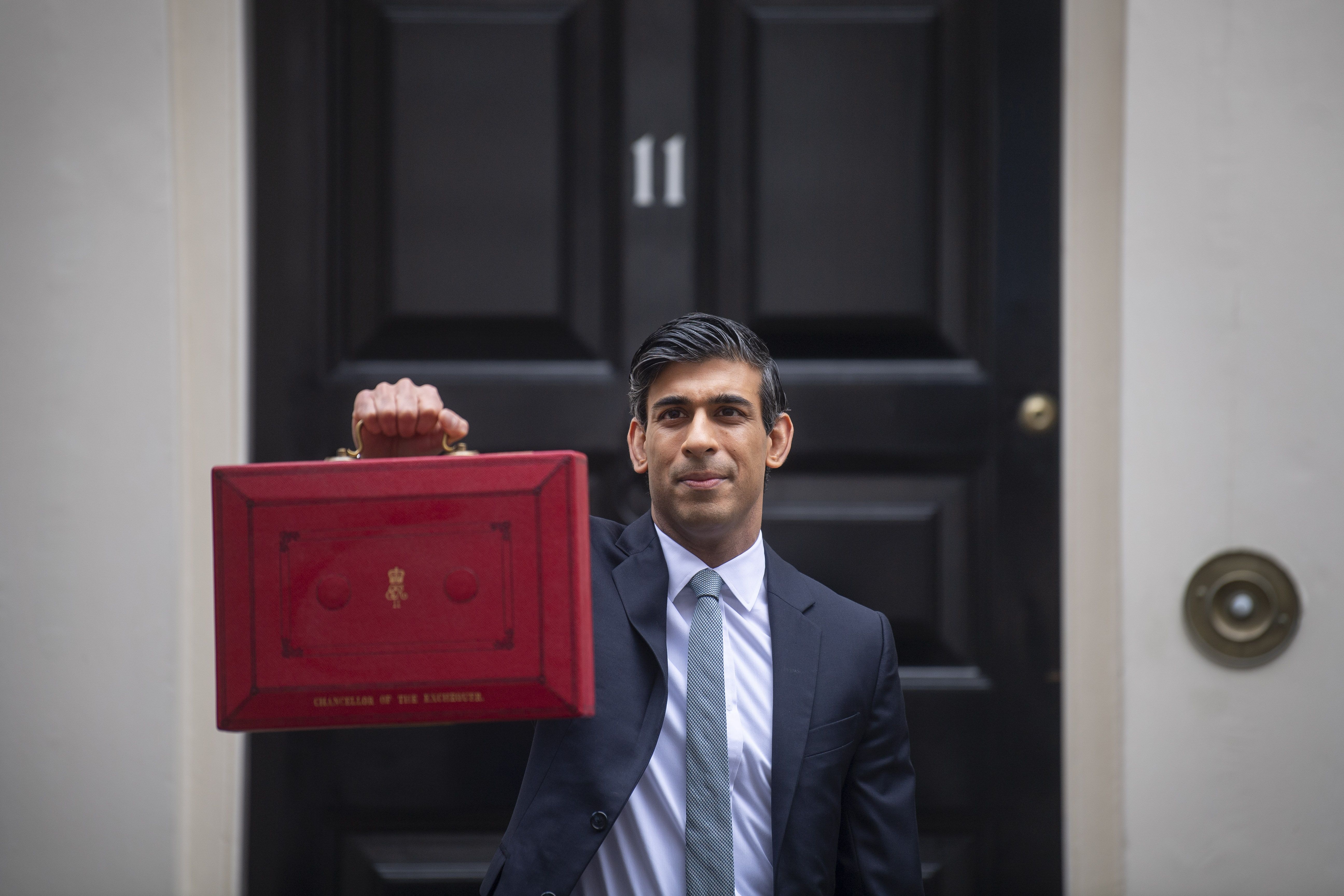
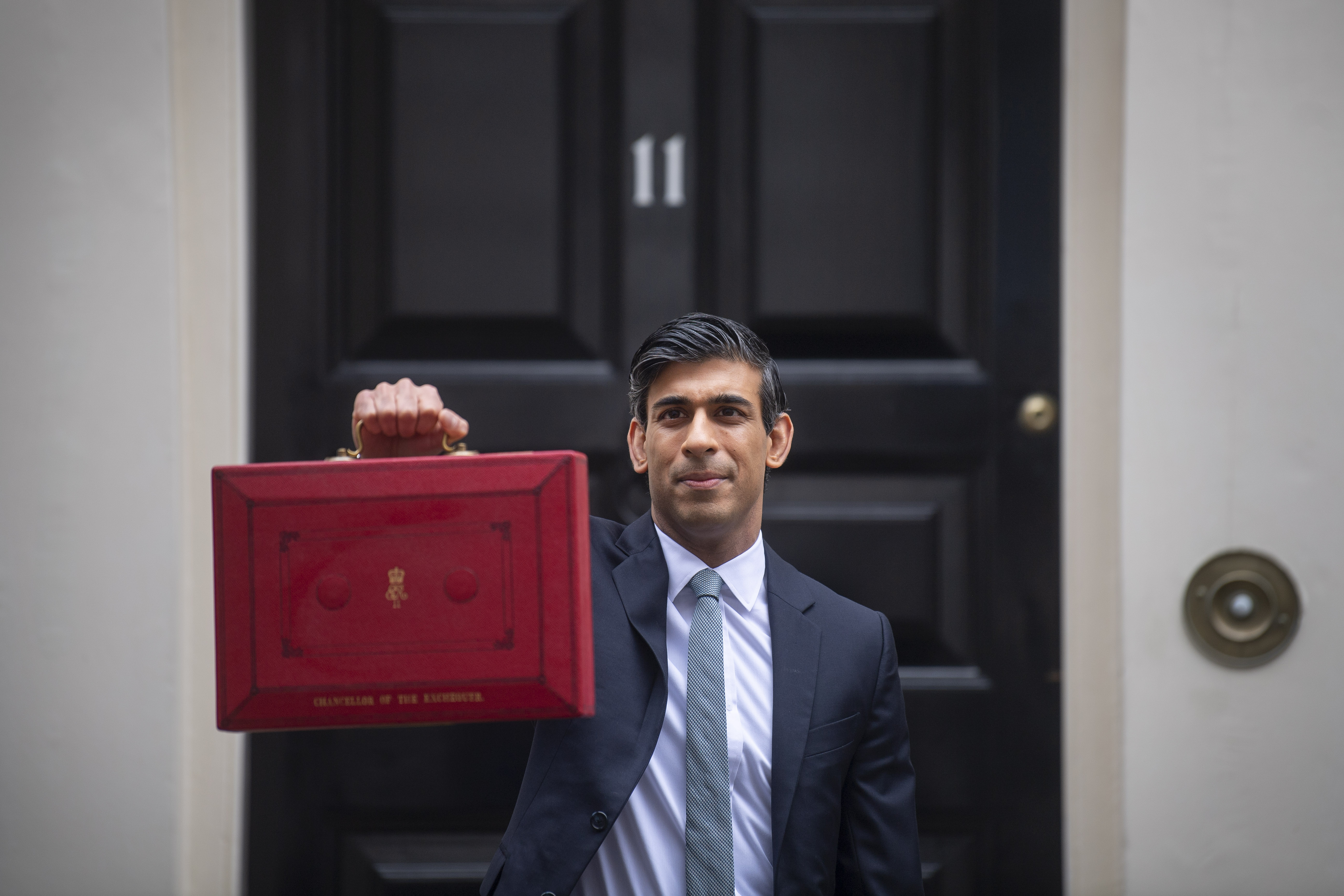
Rishi Sunak’s Budget Explained In Two Minutes

Chancellor Rishi Sunak has delivered his budget in the House of Commons as the UK plots a course out of the Covid crisis. 

Here are the key points. 

Furlough extended until September

The emergency wages scheme was due to close at the end of March, but Sunak has extended the UK-wide scheme until September. However, he will taper the Treasury’s 80% contribution from July. 

Universal Credit uplift to stay… for 6 months 

The £20-a-week uplift to Universal Credit will be extended for a further six months. But it is likely the government will continue to face pressure to make the uplift permanent.

Stealth income tax rise 

Sunak introduced a four-year freeze on income tax thresholds.

The move does not hike taxes as such, but will be viewed as a stealth tax in that it will drag employees into higher tax bands as their salaries rise. 

It has been suggested the freeze will bring an extra £6bn into the Treasury coffers. 

The pensions lifetime allowance, and the annual exempt amount in capital gains tax, will also be maintained at current levels until April 2026, he said. 

Hike in tax on big business

Sunak announced he will raise corporation tax, which is paid on company profits, from the current 19% to 25% in April 2023. 

Small businesses with profits of £50,000 or less will continue to be taxed at 19%.

The measure will be controversial among some low tax-backing Tory MPs. 

Sunak stressed the UK would till have lowest rate is the lowest in the G7, with France firms paying 33% and Germany’s 30%. 

Joe Biden’s new US administration is reportedly preparing to raise its corporation tax level from 21% to 28%. 

95% mortgages and stamp duty holiday 

Sunak said help for home-buyers is on its way with the return of 5% deposits. As part of a mortgage guarantee scheme on properties worth up to £600,000, the government will underwrite the remaining 95% of the loan.

He said it was a “policy that gives people who can’t afford a big deposit the chance to buy their own home”, adding: “As the prime minister has said, we want to turn generation rent into generation buy.”

In a separate move to bolster the property market, Sunak extended the stamp duty holiday on homes worth up to £500,000 until the end of June. 

Total cost of Covid hits £325bn

Sunak has pumped extra £1.65bn into the rollout of the Covid vaccination programme. 

He told MPs the total Covid-19 support package amounted to a staggering £352bn, or £407bn once other fiscal support is included.

He said: “Coronavirus has caused one of the largest, most comprehensive and sustained economic shocks this country has ever faced and, by any objective analysis, this government has delivered one of the largest, most comprehensive and sustained responses this country has ever seen.”

Covid-hit firms to share £5bn grant fund

Businesses hammered by Covid, such as shops, pubs, clubs, gyms and hair salons, can apply for grants of up to £18,000 as part of a £5bn scheme.

He added that the 5% reduced rate of VAT for the tourism and hospitality sector will be extended for six months to the end of September, with an interim rate of 12.5% for another six months after that.

Super deduction

The chancellor announced a new “super deduction” for companies investing after the Covid pandemic. He said the new measure for investing firms can see them reduce their tax bill by 130% of the cost.

Alcohol and fuel

All alcohol duties will be frozen for the second year in a row and the planned increase in fuel duty has also been cancelled, the chancellor said.

Contactless payment limit

The contactless payment limit is to more than double to £100 from £45. While legally in force from Wednesday, the increase will not happen immediately as firms will need to make systems changes.

Money for the Union

Sunak announced an increase in funding for the devolved administrations by £1.2bn for the Scottish government, amid growing demands for a second independence referendum.

He also announced £740m for the Welsh government and £410m for the Northern Ireland Executive.

Arts funding boost 

Sunak allocated £400m to help museums, galleries and especially theatres in England to reopen. 

This is in addition to the £1.57bn Culture Recovery Fund, established by Sunak and culture secretary Oliver Dowden. 

There will also be a £300m package for sports – much of it targeted at cricket.

Treasury jobs moved north 

Hundreds of jobs will be relocated from London to Darlington under the chancellor’s Treasury North project.

Sunak said that after “a lot of thought and energy”, the new economic campus would be in the north-east market town. 

Civic leaders across the north had made overtures in recent weeks for the Chancellor to send Treasury jobs their way.

A new £12bn UK infrastructure bank will be established in Leeds, with £10bn of government guarantees, Sunak added. 

Freeports announced

Sunak announced the establishment of a new set of freeports, something he claims was only possible post-Brexit. 

They are: East Midlands Airport, Felixstowe and Harwich, Humber, Liverpool City Region, Plymouth, Solent, Thames and Teesside.

The policy will give tax breaks, cheaper customs and make planning regulations simpler for firms. 

Domestic violence cash boost

Sunak announced an extra £18m for domestic violence programmes. 

It comes after the Covid lockdown saw a rise in attacks and domestic violence killings. 

Share Button