My Senior Dog Couldn’t Walk Anymore. Before She Died, She Led Me To My Husband.

“JUST BRING BACK MY MAYAAAAAAAA,” I sobbed into the phone to my then-boyfriend of two years, Tom.

He had just left our East London apartment for a two-hour journey to the specialty vet hospital, where our 13-year-old paralysed chiweenie waited to be picked up. Housebound with Covid, I waited impatiently for him to return with the love of my life.

Tom knew that Maya had always been my soulmate. She had been at my side since I was 19 and going to college in Greenwich Village. She gently snorted in my bag as I snuck past security into my film class, where a treat from my professor awaited her. Bouncy and bright, Maya romped through the city with me, often drawing adoration from passersby for her cuteness.

We were inseparable. I would wake to the surge of traffic or the rumble of street construction below, Maya nuzzled into my dark hair. Up we went to the coffee shop’s takeout window, where, surprise, surprise, more treats were ready for her taking. On the subway, to friends’ houses, on road trips across state lines, and on flights home to sunny, smoggy Los Angeles, Maya came along every step of the way.

During Hurricane Sandy, it was Maya and me against the world. No power, no running water. Maya and I traipsed along the Westside Highway at twilight, a Blessed Virgin Mary candle ablaze as a torch, walking past what felt like a post-apocalyptic downtown.

Maya even moved across the pond with me to London when I turned 30 – a reset after a five-year relationship abruptly ended.

She first moved in with my mum, who FaceTimed me at least four times a day while I spent the longest three months of my life waiting for her to arrive.

When she finally did, I felt whole, like I could exhale and lean into my new London chapter.

A few months later, Maya, almost 12, lost mobility in her back legs. I placed her in a leather duffel bag (unzipped, of course), threw in some blankets and rushed into the November night to the same specialty vet hospital, which would become our refuge for the next three years.

Still in my yoga pants and sweatshirt from that afternoon, the only thing I could think about was getting Maya better. I kept reassuring her, “It’s OK, it’s going to be OK,” even though I was ultimately reassuring myself. Stroking her soft face and trying to keep the tears back, I knew our lives would never be the same.

“Intervertebral disc disease,” the neurologist said. “She needs a spinal fusion immediately.” With only a 50% chance of regaining movement in her hind legs, I began to prepare for whatever came next.

Maya glowed in her new neon pink set of wheels. She zipped along the Hackney Canals with even more flair than before, drawing even more smiles in her new form than she had on four legs.

It was during this period that I met Tom. We both swiped right, and I planned for him to meet Maya on our third date. By then, I had accumulated a handful of dog sitters for her. While she could be home alone for up to four hours, for special nights out, I needed backup.

Maya was still figuring out her new self and was scooting all over the apartment in her white puffy diapers. As soon as I brought Tom up to meet her, Maya had an accident all over a floor pillow. Embarrassed, I began to apologise.

“It is not a bother,” he laughed as he picked her up. “Come on, you. Let’s get you cleaned up,” he cooed as he reached for the kitchen roll.

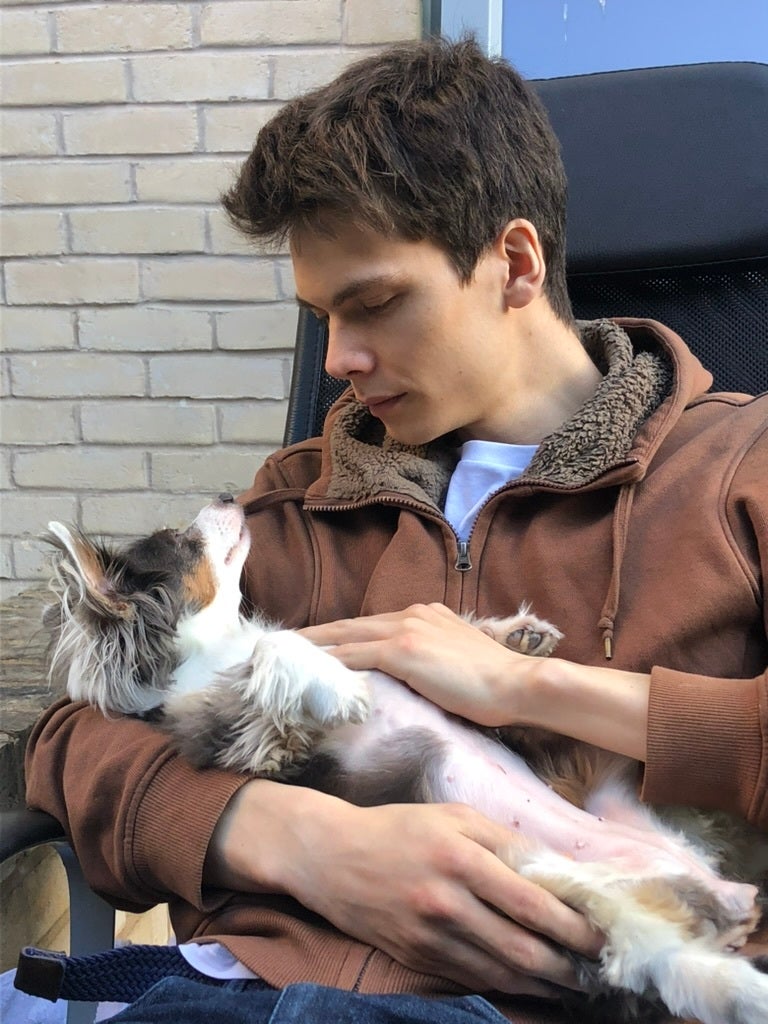
It was at that moment that I knew Tom was here to stay. During lockdown, he would drive from the other side of London and spend the entire weekend with us, giving Maya baths, making a duvet fort for her so we could watch The Twilight Zone, and going for long walks with Maya rolling beside us. He would even adorn her with origami crowns. My plus-one became a plus-two.

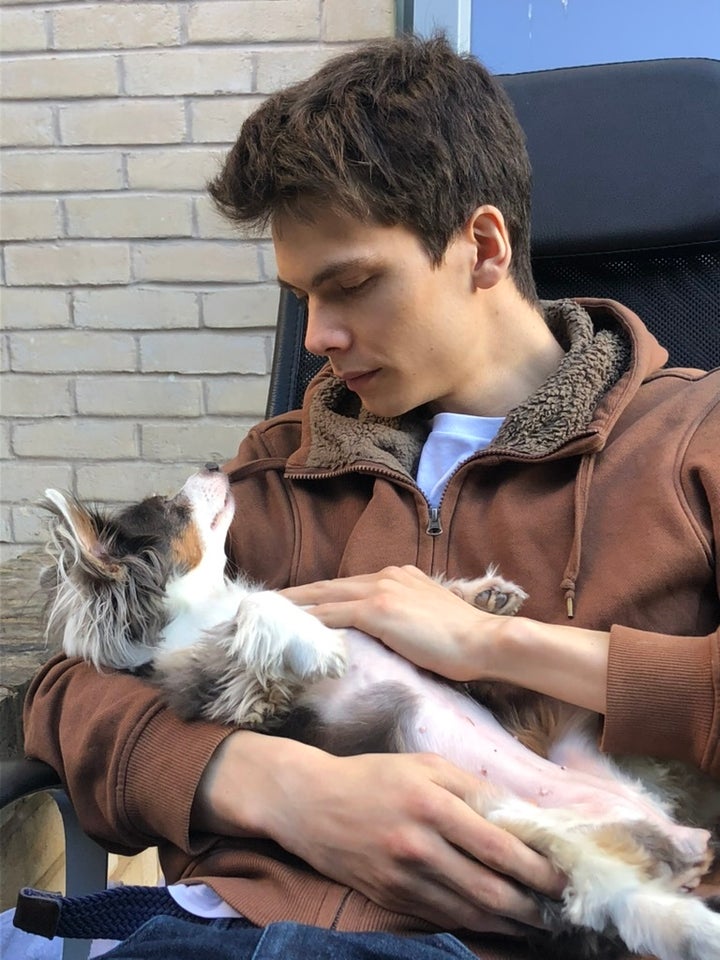
Tom and Maya in our yard in London, December 2020.

Photo Courtesy Of Jordan Ashley

Tom and Maya in our yard in London, December 2020.

On our first family holiday in summer 2020, we rented a cottage in the Cotswolds, where Maya rolled in green fields sprinkled with cows grazing. When she grew tired and needed a rest, Tom would scoop her up in his arms, like a bride being carried over the threshold, and blow on her face to cool her down.

When the three of us finally moved in together, our priority was securing a ground-floor apartment so Maya could come and go with ease. Our entire existence centered on Maya. It was never just Tom and me, but rather the three of us, moving as an imperfect unit into this new, cohesive life together.

As our love deepened, Maya’s age began to catch up with her. Despite being the ultimate roller girl, more health issues began to pile on: hyperparathyroidism, myoclonic seizures, pancreatitis and blindness. During this time, she would be up all night, distressed, howling and crying.

We took turns, surviving on three hours of sleep, our collective mental health wearing down, yet we persevered. On these late nights, I would turn on sound bath playlists, sing to her and do everything in my power to keep her settled on the futon we had set up in the living room. We would not give up on our Maya.

In January 2024, we celebrated her 16th birthday together. Our only measure of time was her comfort. As long as she was still eating, still bright-eyed and not in pain, we kept going. She had traded in her wheels for a stroller, and we pushed her everywhere, her head poking out to take in the breeze.

Maya was on a cocktail of medication, and our lives revolved around the rituals of caring for her – giving her syringes of medicine, hiding pills in peanut butter, cooking for her. She was a metronome, and our lives played to her rhythm.

Maya flew home with me that spring. By now, she could not be left alone, so it was easier to travel with her to ensure round-the-clock care. During this time, I felt Maya’s clock was running out.
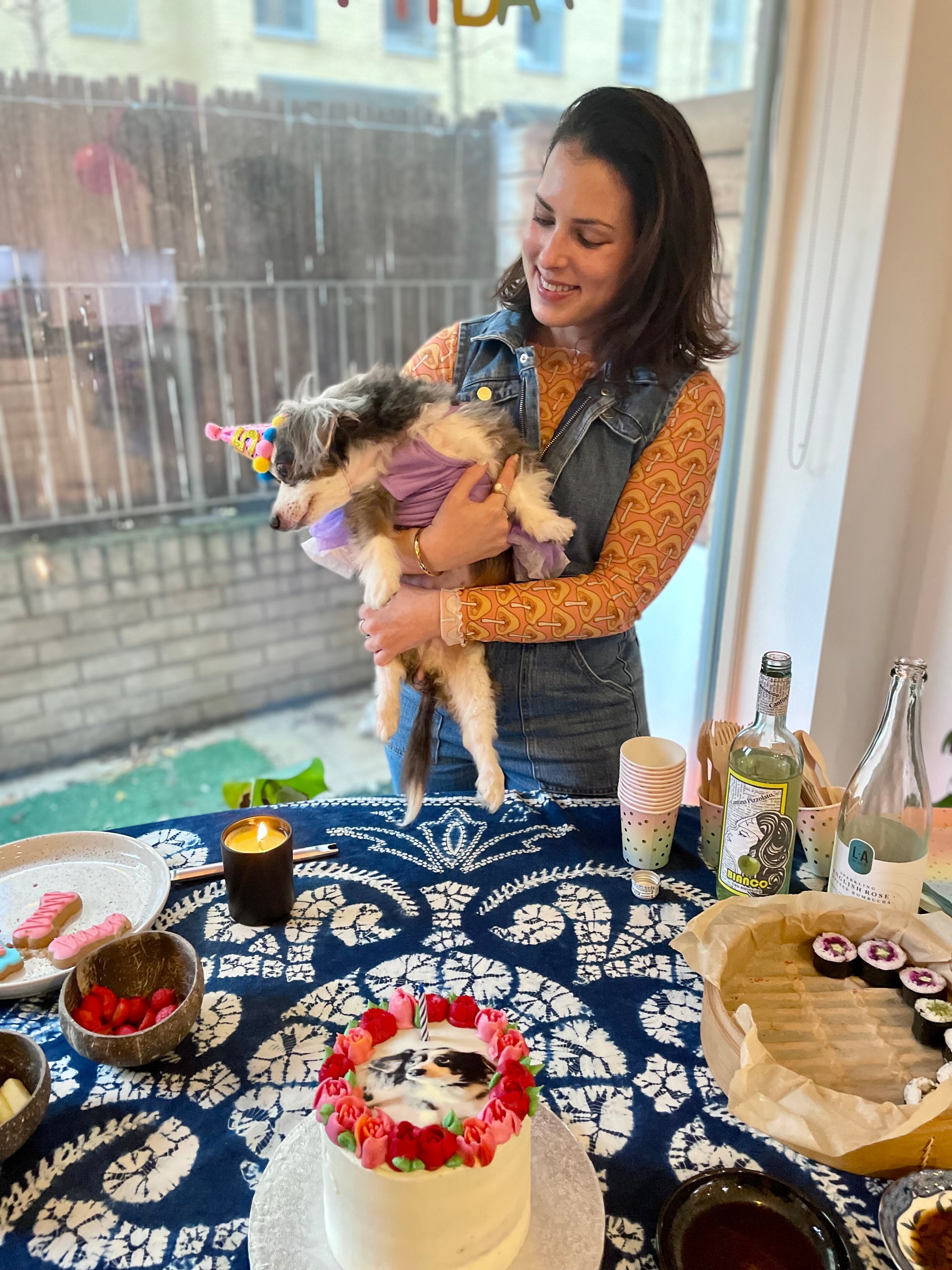
Maya's 15th birthday party in London, February 2024.

Photo Courtesy Of Jordan Ashley

Maya’s 15th birthday party in London, February 2024.

I knew an engagement was just around the corner. I had found the ring in his sock drawer, and I kept saying how important it was to me to have Maya at our wedding. She would be the bouquet, as I dreamed of carrying her down the aisle.

Tom would not be marrying just me; he would also be making a vow to her.

Within 48 hours of returning to the UK, Maya was rushed to the emergency vet because she could no longer breathe on her own. We began Googling videos on how to build an oxygen chamber at home from a plastic storage container. Tom found all the parts we would need and was ready to pick up the oxygen tank when the call came. It was time.

We sat with her on our laps for five hours, crying as we looked through all the photos of our many adventures over the years: Maya gliding in Williamsburg, a soggy Tom holding an even soggier Maya after a lake dip, Maya in her skulls and crossbones sweater, us singing happy birthday to her. And then my worst fear finally happened. Her spirit had grown too big for her now very tired body.

I was devastated. I don’t remember getting into the car or Tom driving us home. He held my hand and, through his own tears, led me into our now very empty apartment. Even though he was tucking me into bed and telling me to try to rest, I felt truly alone for the first time in 16-and-a-half years.

The engagement came six weeks later, while I was waiting for a taxi to Heathrow to fly back to New York. It would be the first time I would be in the city without her. Maya’s vet gave me an envelope of bluebells to plant in her honour. On that solo trip back to NYC, I walked down Sixth Avenue, turned left onto 13th Street, and stood in front of the apartment where Maya and I first became inseparable.
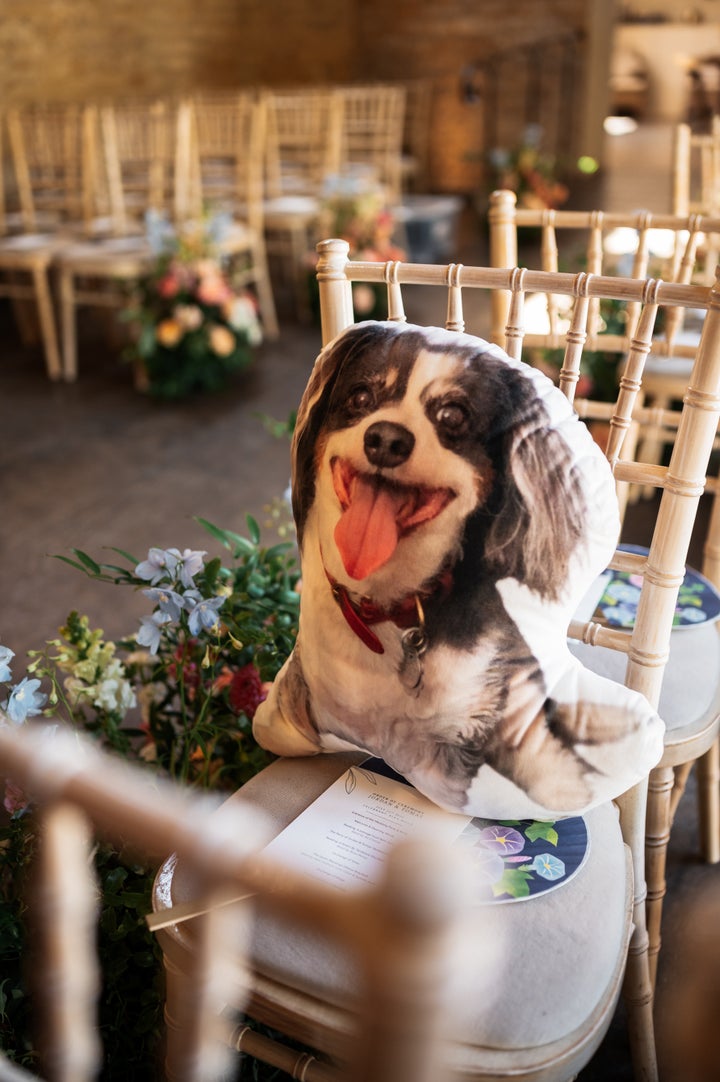
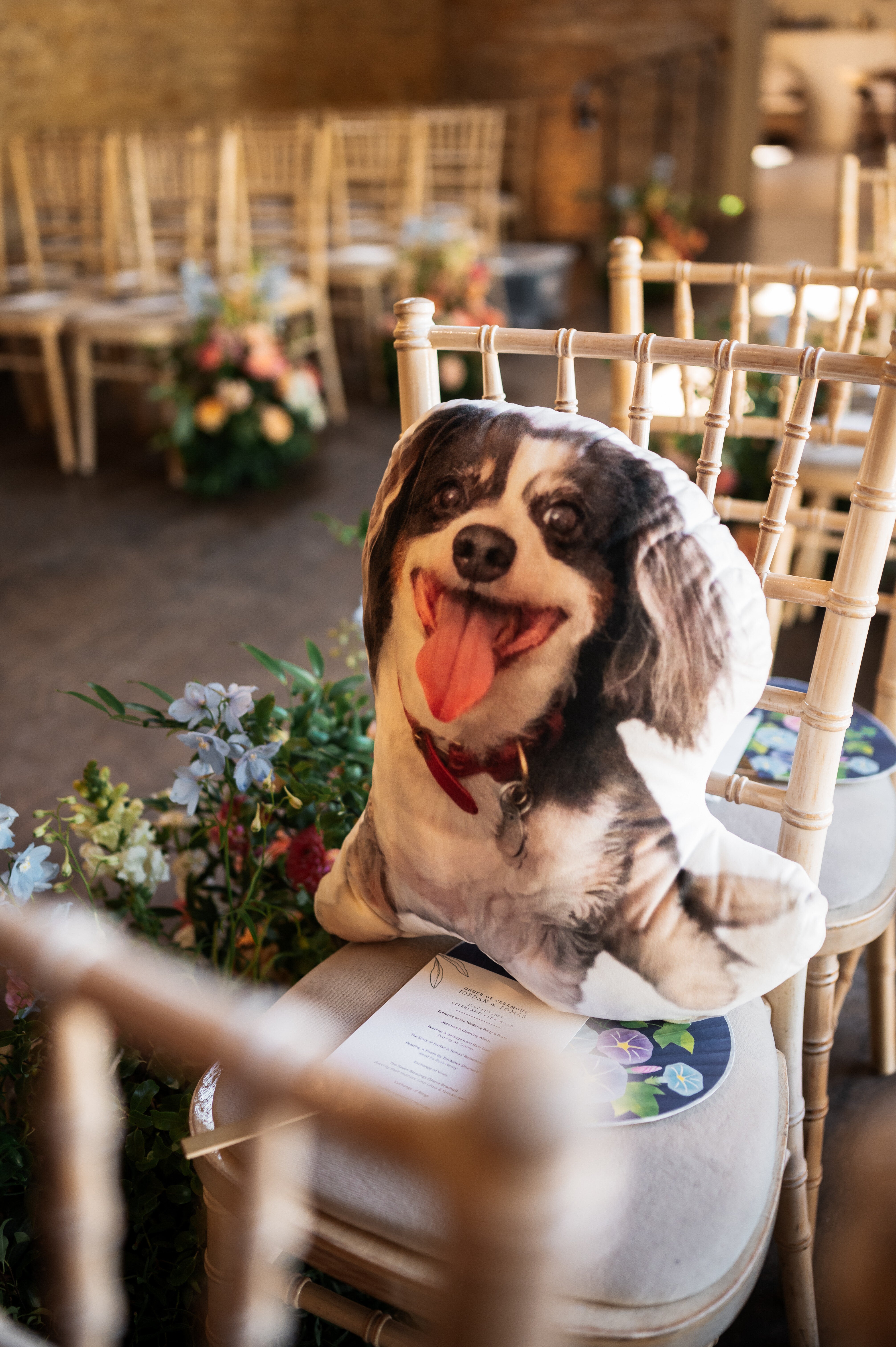
Maya's representation at the author's wedding in the Cotswolds, July 2025.

Photo Courtesy Of Jordan Ashley

Maya’s representation at the author’s wedding in the Cotswolds, July 2025.

Maya had always been my constant, my heartbeat outside my body. Losing her was like losing a piece of myself, the glue that held my world together. Kneeling, I spread some dirt beneath a tree and scattered the seeds.

Across the ocean, I knew my person was waiting for me. His love for Maya over those four years was one of the greatest acts of devotion I had ever witnessed. Our love for her and the shared grief of her absence would now be a journey Tom and I would navigate – together.

Jordan Ashley, Ph.D., is a writer and the founder and executive director of Souljourn Yoga Foundation, a nonprofit creating transformational yoga retreats that support girls’ education worldwide. Learn more at souljournyoga.com.

Do you have a compelling personal story you’d like to see published on HuffPost? Find out what we’re looking for here and send us a pitch at pitch@huffpost.com.

Share Button

Here’s What You Should Know Before Having Sex In Front Of Your Dog

Most dog owners would love to spend every minute of every day with their pups. Alas, life gets in the way of that for many of us, which means trying to maximise whatever time we have together.

But what about when we want to get frisky with another human? Should we let our four-legged friends stay in the room? Or is it better to separate ourselves from our dogs before we start stripping down?

That’s what we – Raj Punjabi and Noah Michelson, the co-hosts of HuffPost’s “Am I Doing It Wrong?” podcast – aimed to find out when we recently chatted with Dr Emily Levine, a board-certified veterinary behaviourist and the owner of Animal Behavior Clinic of New Jersey.

“When [my boyfriend] Benji and I have sex, we don’t let [our dog] Jumi on the bed, but he’s in the bedroom, and I feel a little bit weird about it,” Michelson admitted. “I feel like he doesn’t exactly know what we’re doing. What do you think about this from a behaviour standpoint?”

Levine said this is a common question she often gets from pet owners.

“For most dogs, it just doesn’t matter,” she said. “If they’re not bothered by it, it doesn’t matter at all. Dogs don’t have this hang-up like people do about things. They sort of live in the moment.”

However, there are some behaviours that signal a dog should not be present

“Where we shouldn’t have the dog in a room when people are having sex is when the dog tries to intervene,” Levine told us.

“There are lots of dogs who have a little bit of FOMO … like when people are like hugging, the dog wants to join in and so the dog is just like, in a happy way, ‘Hey! What’s going on here?’ and that just ruins the mood.”

Other pups might be uncomfortable for a more worrisome reason.

“There are also dogs who will get very distressed because of the sounds that are being made [during sex],” she said. “They may interpret some of those sounds as aggression [happening to] you, and then it’s not fair to the dog to have them in the room for that.”

Levine advised giving our furry friends a treat or a toy – either in the room or in another room – to keep them occupied until we’re done getting busy.

We also tackled a question from a listener about a similar – yet very different – scenario.

“We recently adopted a new dog and he loves to lick our older dog’s penis,” the listener said. “What’s going on there? And is there any downside to this or should I just let them go at it?”

“There are different reasons a dog may lick another dog’s penis,” Levine said. “It may be that there are just so many good odours in [that area] that they’re attracted to that.”

She also noted that they might be enjoying a taste that is present on or around the dog’s genitals.

“We want to make sure the dog doesn’t have like some sort of yeast infection or something in there that’s making it more attractive to the other dog,” she said.

What about the dog who is letting his friend lick him? “If he’s allowing this, he probably just thinks it feels good, or it does feel good,” she explained.

Levine told us she wouldn’t be worried about the behaviour if it’s happening “here and there”, but if it’s ongoing, it could cause problems.

“The concern about it going on for too long or too frequently is it’s possibly setting up for an infection in the penis that’s being licked.”

We also chatted with Levine about how to address unwanted barking, why some dogs get more aggressive as they get older, what to know before you let dogs and kids play together and much more.

Listen to the full episode above or wherever you get your podcasts.

Have a question or need some help with something you’ve been doing wrong? Email us at AmIDoingItWrong@HuffPost.com, and we might investigate the topic in an upcoming episode.

Share Button

Study Names Dogs With The Most (And Least) Wolf DNA

If I told you a recent study showed that a majority of modern dog species have wolf DNA, you’d probably mutter something along the lines of “shocker: fork found in kitchen”.

Except that the research, published in Proceedings of the National Academy of Sciences (PNAS), found that just two-thirds of modern dogs have detectable wolf DNA – and it is likely not an ancient remnant from their wilder ancestor, from which they separated tens of thousands of years ago.

Instead, it seems that the gene may have come from more recent interbreeding between dogs and wolves within the last few thousand years.

In fact, the study reads, “Ancient [dog] genomes from the Roman era… show no evidence of wolf ancestry… nor has wolf ancestry been detected in ancient dogs in the Arctic or the pre-colonial America”.

Still, study co-author Logan Kistler, a curator of archaeobotany and archaeogenomics at the National Museum of Natural History, told AFP this doesn’t mean “wolves are coming into your house and mixing it up with your pet dog”.

What are some “wolfish” dog traits?

In a statement, the study’s lead author, Audrey Lin, said: “Modern dogs, especially pet dogs, can seem so removed from wolves, which are often demonised.

“But there are some characteristics that may have come from wolves that we greatly value in dogs today and that we choose to keep in their lineage.”

Some characteristics often linked to high-wolf DNA breeds, the study reads, include:

  • Suspicious of strangers
  • Independant
  • Dignified
  • Alert
  • Loyal
  • Territorial,

While lower-wolf DNA breeds were more associated with being:

  • Easier to train
  • Eager to please
  • Courageous
  • Lively
  • Affectionate.

Traits like obedience, intelligence, being good with children, dedication, calmness, and cheerfulness seemed evenly distributed among both groups.

This study stressed, though, that these associations, which came from kennel clubs, could not definitely be linked to wolf genes themselves.

Which dog breeds are the most and least ‘wolfish’?

This research found that Czechoslovakian and Saarloos wolfdogs have the most detectable wolf DNA (up to 40%).

The great Anglo-French tricolour hound had an impressively high percentage for a “breed” dog – 4.7-5.7% – while Shiloh shepherds have 2.7%.

The Tamaskan, bred in the UK in the ’80s, has 3.7% wolf ancestry. Even chihuahuas have 0.2%, which, Lin joked, likely “makes sense” to their owners.

Surprisingly, bigger breeds like St Bernards have zero wolf DNA. The same goes for the Neapolitan mastiff and bullmastiff.

In general, detectable wolf ancestry is higher for bigger dogs and dogs bred for certain jobs, like Arctic sled dogs, “pariah” dogs, and hunting dogs.

But on average, terriers, gundogs, and scent hounds have lower wolf DNA.

As Kistler shared in a statement: “Dogs are our buddies, but apparently wolves have been a big part of shaping them into the companions we know and love today.”

Share Button

The Most Popular Dog Names Of 2025

Just like baby names, dog names ebb and flow in popularity each year depending on pop culture, traditions and more.

One year, you may run into dozens of dogs named Ollie at the dog park, just for lots of pups named Luna to appear a few years later.

This year, though, many dog owners stuck to certain trending names, according to a report from online pet supply retailer and pharmacy Chewy, which uses data from the profiles users make for their pets to determine pet name trends and name popularity throughout the country.

When signing up for an account, users input the name of their dog, their pet’s birthdate and the type of dog they have, Ciara Lavelle, pet expert at Chewy, told HuffPost via email.

“By looking at this aggregated information, we can see which dog names are trending and celebrate the most popular picks of the year,” Lavelle said.

According to this year’s data, the top 10 dog names for both male and female dogs are:

  1. Bella

  2. Luna

  3. Daisy

  4. Lucy

  5. Max

  6. Charlie

  7. Bailey

  8. Cooper

  9. Buddy

  10. Sadie

Charlie and Luna are among the most popular dog names of the year.

Getty Images

Charlie and Luna are among the most popular dog names of the year.

Beyond the top 10, names like Cheeto, Brisket and Elphaba are also becoming more popular.

Even if your pup’s name doesn’t fall within the top 10 most popular, there’s a chance their moniker is still part of a larger movement.

According to Lavelle there are some “really fun dog name trends” going on this year; for example, food-inspired names are growing in popularity. “Cheeto and Pickles both rose about 25% in popularity since 2024, and Brisket is up 68%,” Lavelle said.

The popularity of the film “Wicked,” the first part of which was released in November 2024, also inspired some pup names, she noted. The name Elphaba, which is the name of the Wicked Witch of the West (played by Cynthia Erivo), has grown in popularity by 200% since last year, along with its nickname Elphie. The name Glinda, which is the name of the Good Witch (played by Ariana Grande), has grown by 175% this year.

A few other pop-culture names were favored this year, too. “Plenty of pups were named in homage to Ozzy Osbourne, who passed away earlier this year. We’re seeing a 15% bump in dogs named Ozzy,” Lavelle said.

The popularity of this past season of “The White Lotus” also inspired 2025 dog names. “Remember the ‘Piper, no!’ meme from the last season of ‘The White Lotus’? We can’t prove there’s a connection, but Piper as a pet name is up 33% since last year,” added Lavelle.

What to keep in mind when naming your pet, according to an expert.

Naming your dog can feel like a tall task. Will it match their personality? Do they look like their name? Or does it sound too much like your nephew’s name?

“You can take inspiration from just about anything as you’re naming your dog — their color, their personality, or your favorite movies or musicians,” Lavelle said.

If you need some inspiration beyond the name’s Chewy has identified this year, American Kennel Club has a helpful list of ideas, including unique names, trending names and classic ones. (Storm, JoJo, Scout, Zeke, Kona and Jax are just several of the names on this list.)

It is important to remember that your dog’s name isn’t something that only your pup will hear. “You’re going to be yelling it at the dog park and responding to it at the vet’s office, so if you decide on something silly, be prepared to own it,” Lavelle said.

As long as you pick a respectful, not-offensive name, you really can’t go wrong.

“No matter what you choose, your dog will love it,” said Lavelle — “because it’s how they’ll be called by their favourite person.”

Share Button

Attention All Cat And Dog Owners – New Customers Get 20% Off This Vet-Approved Pet Food

We hope you love the products we recommend! All of them were independently selected by our editors. Just so you know, HuffPost UK may collect a share of sales or other compensation from the links on this page if you decide to shop from them. Oh, and FYI – prices are accurate and items in stock as of time of publication.

When it comes to the happiness of our pets, there’s not much we won’t do for them.

From rainy walks to (speaking from personal experience) letting them stomp their heavy paws all over you on the sofa in a bid to find the most perfectly comfortable cuddle spot, we do it all in a bid to give them the very best lives possible.

Their food is a big, if sometimes overlooked, part of making sure they stay happy and healthy. We are what we eat, after all, and cats and dogs are no different.

While you can’t really put a price on the value of their health, if you were to try, you’d probably want that price to fit within a certain budget while not compromising your beloved pet’s well-being.

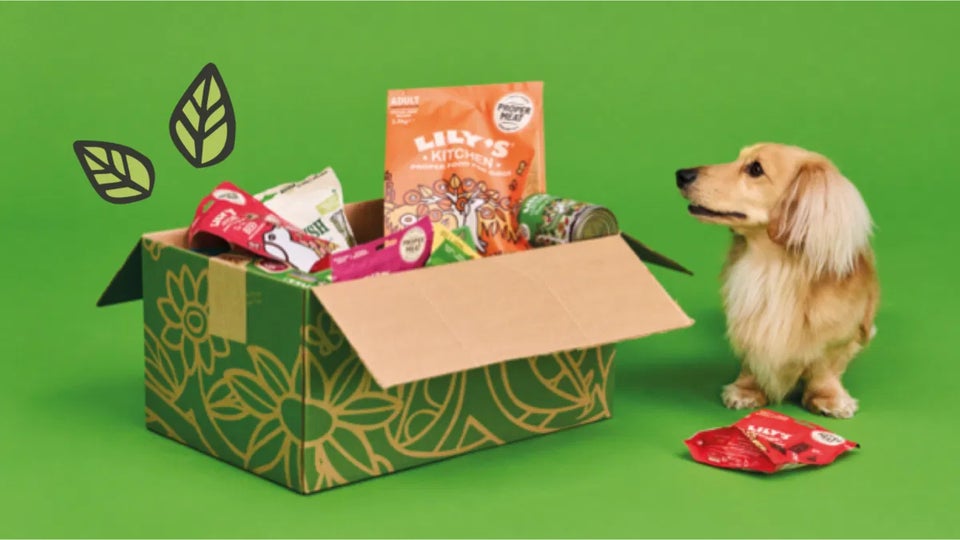
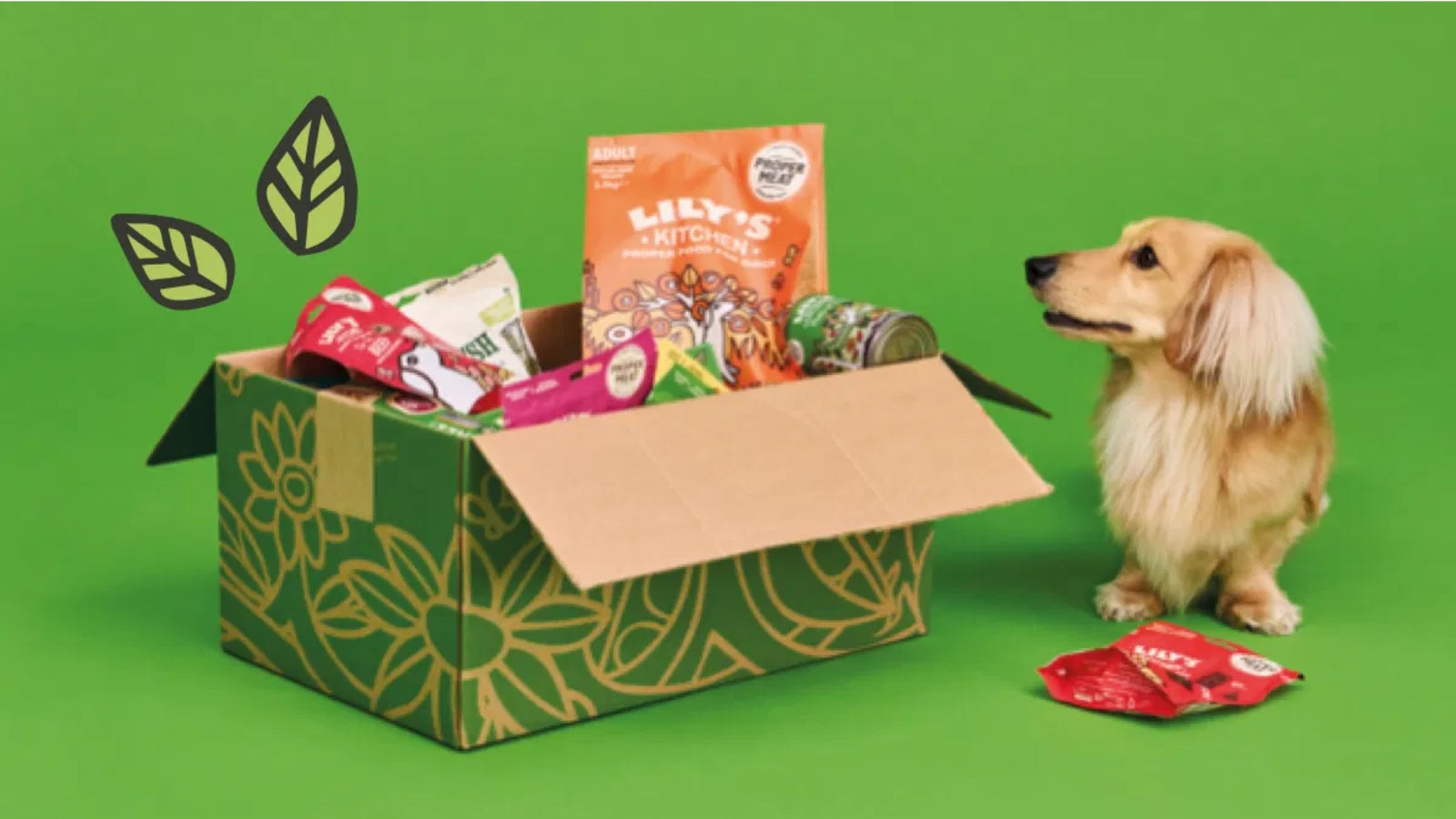
It’s a delicate tightrope to walk (we’re not exactly made of money), but a Lily’s Kitchen promo code (FIRSTLILY20, which gets you 20% off) might make it a little bit easier.

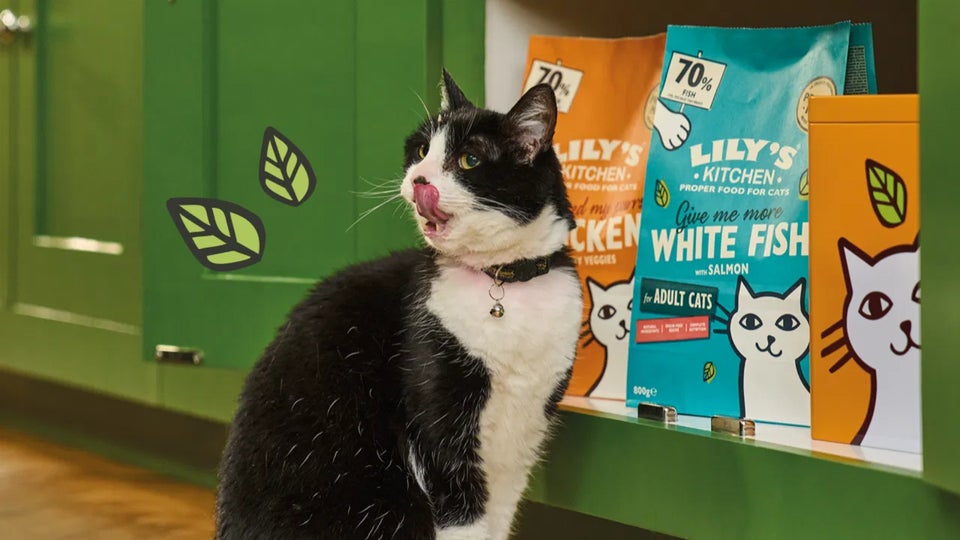
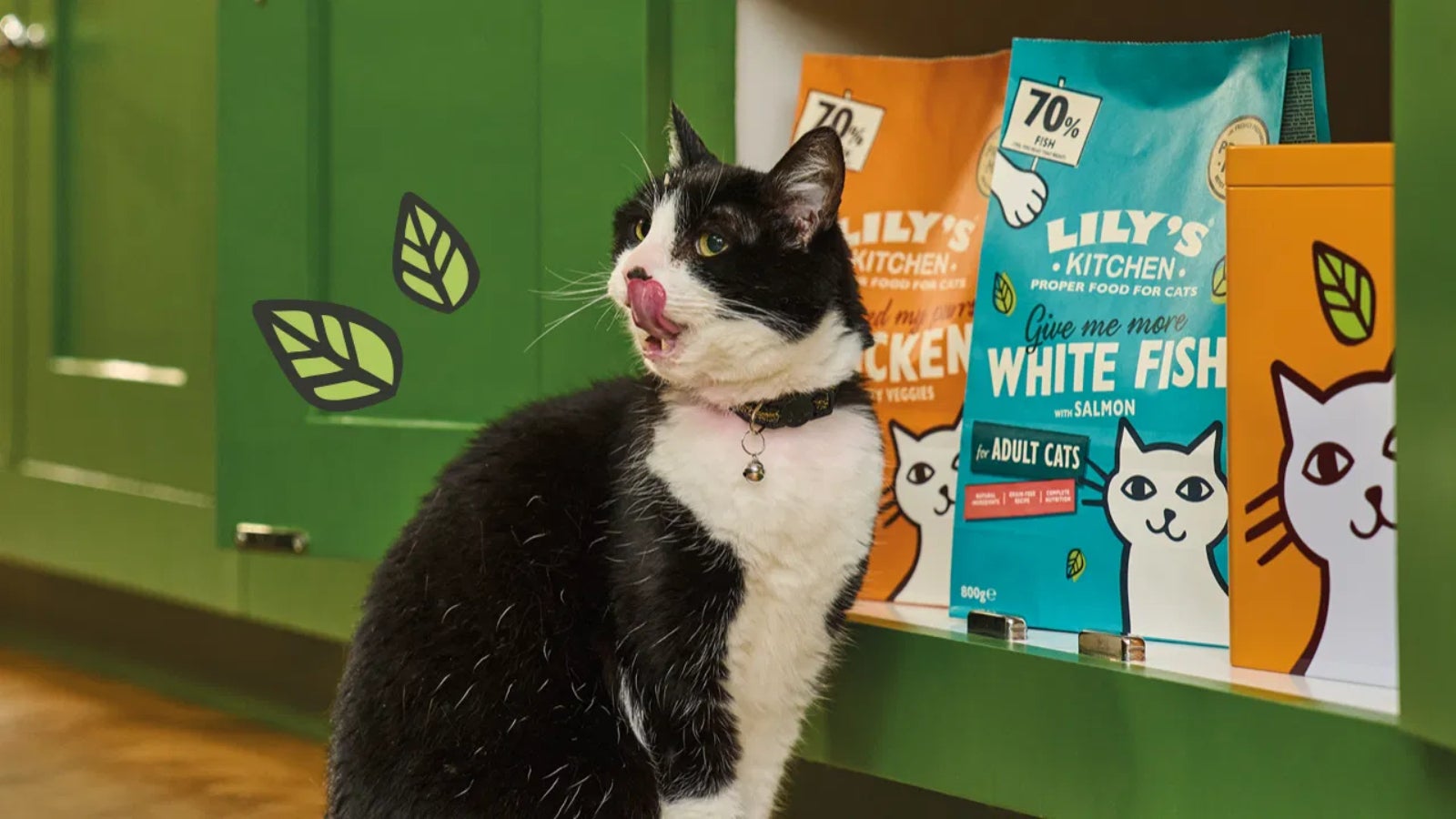
Lily’s Kitchen is a dog and cat food brand that’s made with natural ingredients like meat, fish, and offal, and formulated with vet-approved recipes.

Lily’s Kitchen has also just dropped a new-and-improved wet cat food range, which includes a new texture and different pack sizes.

The whole idea for the brand began more than 10 years ago when a border terrier called – wait for it – Lily started to suffer from sore skin.

Her owner, Henrietta, tried a host of different treatments, but nothing worked until she started cooking the pooch her own food from scratch.

Just two weeks later, little Lily was back to normal, and Henrietta was left wondering why it was so difficult to find pet food made with quality natural ingredients.

So she enlisted the help of vets and pet nutritionists to help give more dogs and cats food that isn’t just tasty, but healthy too. Why shouldn’t our pets be able to eat as well as us, after all?

If you’d like your pet to get in on this goodness, just use the code FIRSTLILY20 at checkout, and you’ll get 20% off.

Share Button

The Cute Reason Dogs Love Digging In The Bin (And How To Stop It)

There is nothing worse than coming home from a busy work day, putting down your bag, and walking into the kitchen to see the contents of the bin are quite simply… all over the place.

Then your pooch looks at you with those sweet eyes and their tail wagging and you just cannot stay mad at them, even if their favourite hobby is nothing short of disgusting.

Why do they do it, though? Especially if there isn’t actually any food in there? Is it for the love of the game?

Well, kind of.

Why dogs love to dig in the trash

“Never forget that dogs are descended from grey wolves,” said BBC Science Focus Magazine.

They may feel like our furry babies but in reality, these domesticated pups still have a little wildness in their bones.

The experts added: “Our pampered pets have inherited the wolves’ keen sense of smell and scavenging tendencies, making ‘playing’ with rubbish a favourite pastime for some.

“Wild wolves also roll in strong-smelling substances, such as faeces, to mask their scent when they’re hunting.”

This will also sound familiar for dog owners who find themselves regularly scrubbing fox poo off their dog’s paws (and coat). Lovely.

How to stop dogs from rummaging through bins

The pet experts over at Pets4Homes advise:

  • Keep your dog out of rooms containing bins unless supervised, using doors or baby gates as barriers.
  • Use bins with secure, childproof lids that cannot be easily knocked off by your dog.
  • Anchor outdoor wheelie bins to walls or fences and add catches to prevent your dog from tipping them over (remember to release catches on bin collection day to avoid issues).
  • If your dog tends to go after other people’s bins during walks, consider using a well-fitting muzzle and keep them on a lead when near bins.

Good luck!

Share Button

‘I Chose My Dog Over My Boyfriend And Never Looked Back’

When I met Zoe, an 85-pound, deaf American bulldog with different coloured eyes, I knew she was my companion. Seeing her pumpkin-shaped head in my rearview mirror as I drove with her away from the Los Angeles rescue gave me a sense of, “There you are!” as though I’d found someone I’d been searching for for years without realising it.

When my then boyfriend — let’s call him Jax — met Zoe, he had the opposite reaction. “We can’t keep her,” he said, backing away from us toward our living room wall.

Wait, what? His words didn’t compute. Where I saw my sweet, furry friend, Jax saw a monster.

Through difficult conversations, I learned that Jax’s time in a community gripped by generational violence and dog fights led him to associate certain breeds with trauma. It didn’t matter that Zoe stayed calm around him.

Jax said he would try to make it work with Zoe, but couldn’t seem to stay in the house for more than one night with her in it. Within a week, it was clear that Zoe would never be welcome.

Jax owned the home, and I’d only recently moved in, so all I felt I could do was make sure Zoe had a safe place where she was welcome. I sobbed, driving her back to the rescue, and hyperventilated after. “If she ends up with no place to go, call me,” I’d pleaded with the rescue manager. “I would come back for her. I’d figure it out.”

Maybe there was a loving home waiting for her around the corner, I told myself. That thought did little for my heartache, but it kept me from falling apart completely.

Jax and I attempted to carry on, but our experience with Zoe seemed to shed light on our differences that now felt like incompatibilities. He needed things to stay spotless and orderly. I needed my own space to be creative, without stressing over any mess I might make. He enjoyed discotheques and nightlife. I prefer sunrise hikes and turning in early. When he told me he wasn’t yet ready to share my attention, even with a dog, I appreciated his honesty. Meanwhile, I wasn’t willing to sacrifice my independence. Or, I realised, not care for a dog.

“I think we rushed into living together,” I told Jax, which started a heated argument. The conflict strengthened my qualms. So instead of slowing things down, we broke up.

After weeks of searching, I found a guest house in my price range that allowed dogs, then contacted the rescue and learned that Zoe was still available. The news gave me a full body exhale.

“She’s protective and doesn’t always like men,” Zoe’s adoption materials read. Works for me, I thought, signing the agreement.

When Zoe met Mike, my kind, funny and brilliant-without-being-intimidating neighbour, she rushed toward him. I panicked. How protective was she? Rather than attack, Zoe placed her front paws on Mike’s shoulders, like a canine hug.

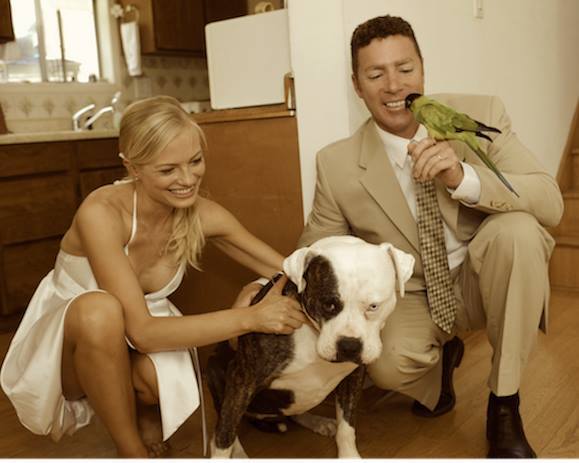
Within two years, Mike and I got married on the steps we met on. Our wedding party consisted of Zoe, Mike’s parrot Wombley, and our dear friends’ senior beagle Eunice Petunia. When Eunice rolled up in her pink stroller with our rings strapped to her back, I lost it.

The writer with her husband and Zoe on their wedding day.

Stefanie Keenan

The writer with her husband and Zoe on their wedding day.

I’m not alone in having chosen a pet over a partner. When I posted about my experience on social media, over 40 people responded with similar experiences.

Ashley, a school principal in Oklahoma, realized her two large, mixed-breed dogs may be a dealbreaker with her partner when an argument erupted over whether or not the dogs would be allowed on the bed once they all lived together.

“They were here before him,” she told me. “I wasn’t kicking them out of their bed!” Beyond that, he didn’t understand her responsibility to them. “He’d want me to impulsively take an overnight trip, without a sitter or boarding lined up, and get annoyed when I’d say I couldn’t,” she said.

She called it quits when her partner took a job in a rural town. “We would have lived over two hours away from our primary care veterinarian, and 1 1/2 hours away from any 24/7 veterinary emergency rooms,” Ashley said. “That was a hard no for me.”

Jeanne Cross, owner and licensed therapist at EMDR Center of Denver, has helped people navigate breakups related to disagreements about animals. “A pet can contribute to a breakup when disagreements arise about pet care, responsibilities or lifestyle compatibility,” she said. “One partner may want a pet-free home due to allergies or a demanding schedule, while the other insists on keeping the pet.” Conflicts can also arise when one person is “significantly more invested in the pet,” she added.

A pet may even give people the courage to leave a harmful relationship. T., an office employee in California who preferred to remain anonymous, was in a relationship that seemed healthy and happy at first. Over time, frequent arguments gave way to abuse by T.’s boyfriend.

On a smoldering, triple digit day, T. returned home to find a skinny, tick-covered dog that had recently had puppies, lying down under her boyfriend’s truck. He told her he’d known about the dog but ignored her, not even offering water.

“During my search for her owner and trying to get her to lead me to her puppies, my boyfriend said, ‘Just leave her alone,’” T said. “So eventually I had to call Animal Control to pick her up. When they were walking her to the truck, she turned around and looked at me, and my heart just broke.”

Besotted with the dog, T. decided to visit her at the shelter daily until she was spayed and available for adoption. Then, T. took her home. “I had never experienced so much happiness and joy,” she said of that day. “She very quickly became my heart-and-soul dog.”

T.’s boyfriend, who at one point threw garbage at the dog, soon became her ex. “I felt guilty and heartbroken for my dog being brought into that situation,” she reflected. “I hadn’t cared about my own well-being, but I cared about hers… She saved me from a horribly abusive relationship, and I will forever be grateful for her because of it. We saved each other.”

Relationship experts agree that choosing a pet over a partner can be the right decision. But there is a “wrong” motivation, according to Melissa Legere, a licensed marriage and family therapist and clinical director of California Behavioral Health: choosing the pet out of spite.

“If a couple breaks up and one of them insists on keeping the pet…just to hurt the other person, that’s not fair to anyone, especially the pet,” she said. “Doing this turns the pet into a pawn, which isn’t good because pets are supposed to be loved and looked after, not used as a way to get back at someone.”

Approached with genuine care, however, the decision has major benefits: “When you choose the pet, you put its well-being first and can make sure it’s in a stable, loving environment where its needs will come first,” said Legere. “Sometimes, this can be the most responsible and compassionate choice.”

Choosing a pet can also lead to strengthened self-compassion. Ashley, who parted with her ex two years ago, remains happily single. She’ll approach any new relationship differently. “One thing [choosing my dogs over a partner] taught me is that my ideal partner will value and prioritise the same things I do,” she said. “Someone that loves me shouldn’t be asking me to kick the canine loves of my life out of my bed after years of them sleeping with me, or to move somewhere that could leave them without [life-saving] veterinary care.”

The day of our wedding, Zoe started to limp. When a specialist revealed the cost of the surgery she needed, we looked at each other in agreement. Our honeymoon plans turned into a “Zoe-moon,” as we rehabilitated her in our living room for two months. All considering, I wouldn’t have had it any other way.

Share Button

Cat Trees Are Actually Really Important For Cats’ Well-Being, According To A Behaviourist

If you share a home with a cat, you’ve probably noticed: Cats tend to seek out heights. What cat owner among us hasn’t caught their pet leaping onto counters or soaring onto shelves so high up that we can’t reach them without a ladder or stepping stool?

This love of high spaces is part of cats’ natural instincts, according to Stephanie Merlin, a certified feline behaviorist and cat well-being educator who runs the popular Instagram account @thefulfilledfeline.

“Cats are both predator and prey, so having a high vantage point is a natural way to help them feel safe and secure,” Merlin wrote. “This isn’t just about fun and games; it’s deeply rooted in their biology.”

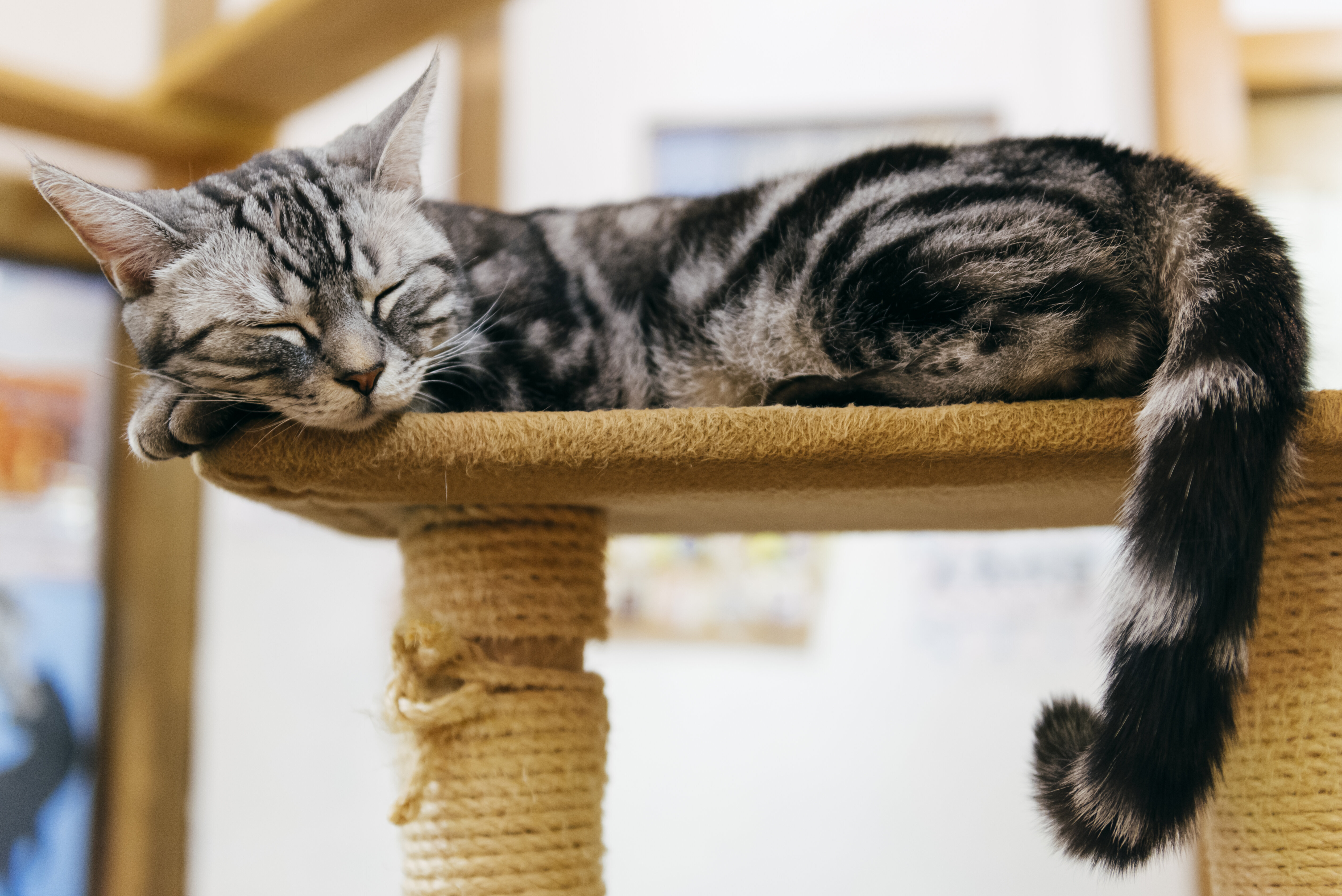
One way to support your cat’s evolutionary need for heights is through investing in a cat tree, a dedicated structure with multiple tiers for cats to climb and perch on. The benefits of cat trees “go way beyond offering vertical space,” Merlin explained. “Many include scratching surfaces, cozy beds, hidden nooks and plenty of spots to leap and explore.”

Cat trees crucially provide cats with space to express their natural instincts, Merlin noted, and failing to provide this space can have consequences for you and your pet. “Without these outlets, cats can become bored and frustrated, leading to stress and potentially destructive behaviors, such as scratching furniture,” she explained. Cats may even “hid[e] out of fear because they lack the security of a high vantage point.”

Especially if your household has two or more cats, a cat tree “can be a game-changer,” Merlin wrote.

This is because, in multi-cat homes, cats are essentially sharing their territory and, in their view, competing for limited resources. “Without enough space and separate ‘pathways’ where cats can avoid each other, conflicts are more likely,” as well as increased tension, Merlin explained. “Vertical space offers a fantastic way to expand a cat’s ‘real estate’ and avoid these conflicts.”

Share Button

21 Of The Funniest Tweets About Cats And Dogs This Week (July 27-Aug. 2)

Share Button

We’re Obsessed With This Strange Rule For Dog Names In France

If you’re a pet owner, you likely had a lot of fun (or frustration!) naming your pet. Do you go silly and call them something like pancake or do you go aggressively normal and name them something along the lines of Barry?

The choices are endless and while it obviously isn’t anything like naming a child, there is a certain weight to it as you are literally naming an animal that lives in your home.

It’s all very surreal if you think about it too much – which you shouldn’t.

Anyway, it turns out that in France, your choices are a little more limited as there are actually naming conventions around naming dogs over there. Sacre bleu!

The rules for naming dogs in France

In a recent video on her TikTok account, travel influencer Roya did a skit of two people discussing a dog and the year in which he was named. In the skit, the ‘French’ person assumed that her dog Peanut was born in 2019 because his name begins with the letter ‘P’.

It turns out that the dog was born in 2020 and, therefore, should have been named something beginning with the letter ‘R’.

Is this all making sense to you?

Yeah, same, I was a little lost. So I did some digging to find out what exactly was behind this convention.

According to Connexion France, this actually goes back to 1926. Since then, dog owners who hoped to register their pedigree dogs have had to name their dogs in accordance with the Société Centrale Canine in its Livre des Origines Français (LOF) which means naming them from the letter of the year they were born.

This is because the Société Centrale Canine has responsibility for keeping track of the genealogy of pedigree dogs and this rule was brought in to simplify the listings of these pups as sometimes owners would delay registering their dog at birth, making registers not-quite accurate, with older dogs appearing after younger dogs.

Since the introduction of this rule, the letters for each year have cycled through the alphabet with some exceptions. The letters K, Q, W, X and Y are left out due to the scarcity of names.

As for the French dog name letter for 2024? It’s V! As one commenter said on the original TikTok, “Can’t wait to name my dog Vulva this year ❤️”

Share Button