Research Just Confirmed Why Bluey Is A Great TV Show For Kids *And* Parents

I’m not sure who loves Bluey more: my kids or, well, me.

No, actually, I do. It’s me. I know the names of most of the characters; Sleepytime is flat-out my favourite episode (I cry every time I watch it); and when I heard there was a Bluey movie in production, I actually gasped.

The show is often praised for it’s progressive approach to parenting – and for being entertaining, even for adults.

And it turns out there’s yet another reason to tune in to the Australian children’s TV show…

While the parenting lessons are great (they’re often either highly amusing, or heart-wrenchingly relatable), so too are the lessons kids can take away from the show – in particular, the themes of resilience, according to a new study.

Why is resilience important?

Resilience is the ability to cope when something difficult or bad has happened – it’s important for kids to learn and build on throughout their lives.

With one in five young people (aged 8-25 years old) in England thought to have a mental health disorder, and a health service that’s struggling to cope with demand, a lot of talk in the UK has recently shifted to improving children’s resilience as a solution.

Experts believe that encouraging better resilience in children and young people would help equip those with low-level mental health problems with improved coping skills.

You can read more on building resilience in kids, here.

If you haven’t yet watched the cartoon series, it follows a blue dog called (yep, you guessed it) Bluey, her younger sister Bingo and their parents as they try to navigate life’s highs and lows.

Researchers had the enviable task of watching 150 episodes (all three seasons) and found almost half of the episodes (48.7%) featured resilience as either a primary or secondary theme.

Bluey, the main character, featured in 54.8% of resilience storylines. Parents were the main facilitators (64.4%), with Bluey’s mum Chilli being the most common (46.6%).

Researchers concluded that the popular TV show frequently portrays resilience-building behaviours, especially through family relationships and coping strategies.

“These findings highlight Bluey as a strong example of how children’s television can support emotional learning and model adaptive behaviours relevant to real-life challenges,” the researchers said.

In a linked piece for The Conversation, one of the study’s authors, Bradley Smith, senior lecturer in Psychology at CQUniversity Australia, pointed out that research shows “the earlier we support resilience-building, the better”. And that early interventions can help build healthy coping skills.

He added: “Storytelling in films, books and TV can show children how to navigate challenges – not through lectures, but by modelling behaviours like emotional regulation, problem-solving and empathy.”

While TV shows can’t replace parenting and real relationships, Smith encouraged parents to watch episodes with their kids and to use them as conversation starters to discuss themes of resilience.

For example, he suggested you could ask them: what do you think Bluey felt then? Or, what would you do in that situation? Or how would you feel if that happened to you?

“Talking about what kids see on screen can help them reflect, process, and build the skills they need to cope, adapt and grow,” he added.

Share Button

‘My Boys, 8 And 11, Still Bath Together – My Friends Think It’s Inappropriate’

A parent has asked if they should be enforcing separate bath times now their sons are eight and 11 years old – and it’s proven to be a divisive topic.

Writing on Mumsnet’s Am I Being Unreasonable forum, the parent said their sons “adore each other and are pretty much inseparable, which also includes bath time”.

“I have never had a problem with them bathing together as that’s what they choose to do, but some of my friends who have children of a similar age have started making comments that it isn’t appropriate,” they said.

In particular, the parent’s friends have taken issue with the eldest son sharing a bath because he is approaching the age of puberty (the average age for girls to start puberty is 11, while for boys it’s 12).

The parent pointed out that they’re not making their children share a bath – they simply like bathing together. “I give them [the] option to bathe alone if that’s what they’d prefer, but they don’t want to,” they added, before asking if they should be enforcing separate baths.

Some commenters were of the opinion that their comes a certain age – usually when kids start secondary school or hit puberty – where it might be wise to start implementing privacy around bathing.

“I think this is [a] time where as their parent you start encouraging them to bathe alone. I do think it’s too old now and your eldest needs to start having some privacy,” said one respondent.

Another said: “I’d be enforcing separate bath times. I’d do it in a gentle way rather than make them feel they were wrong for it but they do need to know that bathing together isn’t appropriate.”

But there were also many commenters who didn’t see any issue. “Personally I think as long as they are happy, it is fine,” said one respondent.

“In the UK we are quite conservative about nudity, which influences people’s views. It would seem odd if you prevented then having a bath together when they are used to it. I imagine your eldest will decide to stop soon enough without your interference.”

Another said: “I imagine your elder son will decide soon enough that he doesn’t want to share anymore. I think if the boys are both happy with it then it’s fine.”

Is there an age when siblings should stop bathing together?

First up, consider safety

There is no strict clinical or legal age when children should start bathing independently, Dr Patapia Tzotzoli, clinical psychologist and founder of My Triage Network, told HuffPost UK.

“Readiness depends more on maturity, motor skills, and safety awareness than age, and parents should adjust for each child’s needs,” she explained.

In the UK, safety guidance states children under the age of five must never be left alone in the bath. Yet “between about five and eight years, parents need to stay nearby for supervision”, warned Dr Tzotzoli.

You can be gradually handing over tasks, such as teaching them how to properly wash themselves and wash their hair, during this time.

“The goal is to build autonomy and competence over time. Parents can start by framing bath time as their private time, important for relaxation and self-care. They should talk about privacy and use correct anatomical terms when discussing private parts with their children,” said Dr Tzotzoli.

“By around 8-10 years, many children can manage the full routine independently with an adult nearby and periodically checking on them,” the psychologist said.

A survey found the average age that adults believed a child could bathe alone was 7.5 years old.

Former sex education teacher Kathleen Hema suggests parents can start offering separate baths once safety isn’t a concern. “This age can be different for each child and when parents feel there is no safety risk,” she explained.

See how your kids feel about it

Once they’ve reached an age where safety is less of an issue, it’s worth telling your children they can bathe separately if they want – perhaps to gauge how they would feel about it, and whether they would want to.

“There’s nothing inherently wrong with siblings bathing together. Nor is there anything wrong with siblings bathing separately,” Hema told HuffPost UK.

“If the kids aren’t respecting each other during bath time (not respecting boundaries), then there is a reason to end it. Or if one kid says they want to bathe separately, then there is a reason to end it.”

It’s important to set boundaries from a young age around not touching other people’s genitals – including siblings.

“Ensuring safety and comfort for all siblings is the parent’s job,” Hema continued. “Parents can check in with their kids by reminding them they can shower separately whenever they want.

“They can also discuss privacy and what that means to them and let their kids know that they can request privacy at any time.”

Erica Miller, clinical psychologist and director at Connected Minds NYC, previously told Scary Mommy in her experience, children “begin to express more of a desire for privacy around 10 years old”.

Although she noted “this may come earlier for girls than boys who often begin puberty earlier”.

Ultimately, the time when siblings might no longer want to have a bath together can depend on a range of things – a child’s comfort levels, maturation, desire for more privacy, or simply wanting more space (it can be a tight squeeze in the tub as kids get bigger!).

If a child decides they no longer want to bathe with siblings, the important thing for us to do as parents is respect that wish.

Share Button

Survival rates for most deadly cancers making little progress, experts warn

Half of people with cancer survive but lack of progress for some forms of disease is worrying experts.

Share Button

Driving theory test to include CPR first aid questions

Experts hope to boost cardiac arrest survival rates, with 2.4 million people sitting the test each year.

Share Button

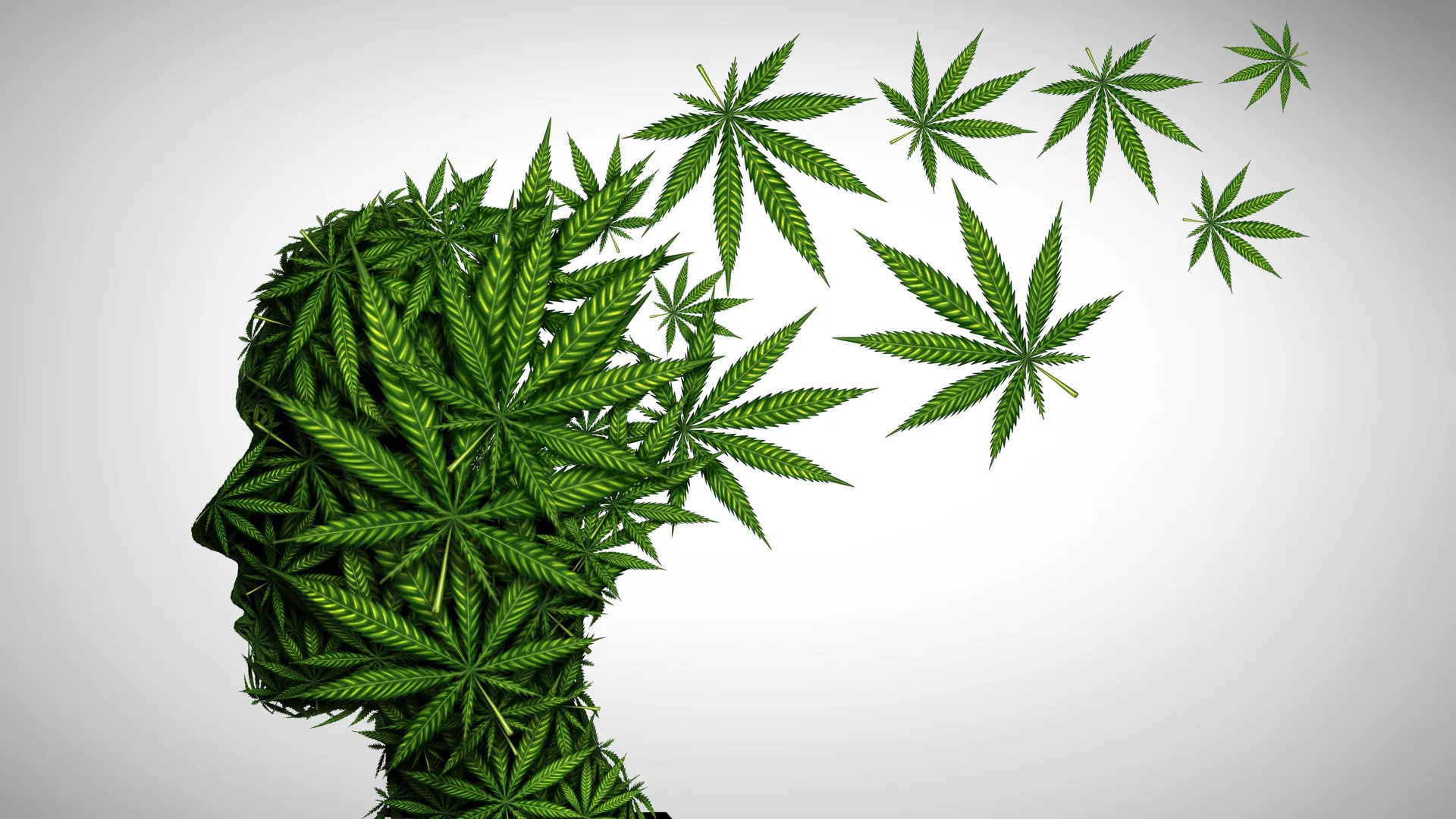
The hidden mental health danger in today’s high-THC cannabis

Science News

from research organizations


Date:
August 12, 2025
Source:
Canadian Medical Association Journal
Summary:
THC levels in cannabis have soared in recent years, raising the risk of psychosis—especially in young, frequent users. Studies reveal a strong connection between cannabis-induced psychosis and schizophrenia, making early cessation and treatment essential.
Share:

FULL STORY


“Cannabis from the 2000s is not the same as in 2025,” said coauthor Dr. Nicholas Fabiano, MD, resident and researcher with the Department of Psychiatry, University of Ottawa, Ottawa, Ontario. “THC content has increased by 5 times. This is likely a significant driver in the increasing link between cannabis use and schizophrenia.”

the last 20 years in Canada from about 4% to 20% in most legal dried cannabis.

  • High-potency and regular cannabis use is linked to increased risk of psychosis — The risk of psychosis is increased in people using high-potency THC (more than 10% THC), people using it frequently, and those who are younger and male. A history of mental disorders (depression, anxiety, etc.) also appears to increase the risk.
  • Cannabis-induced psychosis and cannabis use disorder increase the risk of schizophrenia — A recent study of 9.8 million people in Ontario found a 14.3-fold higher risk of developing a schizophrenia-spectrum disorder in people visiting the emergency department for cannabis use and a 241.6-fold higher risk from visits for cannabis-induced psychosis.
  • Treatment requires stopping cannabis and taking medication — Continued use of cannabis after a first episode of cannabis-induced psychosis is linked to greater risk of returning symptoms. Antipsychotic medication can help people with severe and prolonged symptoms.
  • Behavioral options may help with cannabis cessation — Motivational interviewing or cognitive behavioral therapy by a physician or psychologist can help build skills to resist cravings and follow treatment recommendations.
  • “Cannabis from the 2000s is not the same as in 2025,” said coauthor Dr. Nicholas Fabiano, MD, resident and researcher with the Department of Psychiatry, University of Ottawa, Ottawa, Ontario. “THC content has increased by 5 times. This is likely a significant driver in the increasing link between cannabis use and schizophrenia.”


    Story Source:

    Materials provided by Canadian Medical Association Journal. Note: Content may be edited for style and length.


    Journal Reference:

    1. Sophie Li, Marco Solmi, Daniel T. Myran and Nicholas Fabiano. Cannabis and psychosis. CMAJ, 11 August 2025 DOI: 10.1503/cmaj.250659

    Cite This Page:

    Canadian Medical Association Journal. “The hidden mental health danger in today’s high-THC cannabis.” ScienceDaily. ScienceDaily, 12 August 2025. <www.sciencedaily.com/releases/2025/08/250811104237.htm>.

    Canadian Medical Association Journal. (2025, August 12). The hidden mental health danger in today’s high-THC cannabis. ScienceDaily. Retrieved August 12, 2025 from www.sciencedaily.com/releases/2025/08/250811104237.htm

    Canadian Medical Association Journal. “The hidden mental health danger in today’s high-THC cannabis.” ScienceDaily. www.sciencedaily.com/releases/2025/08/250811104237.htm (accessed August 12, 2025).

    Explore More

    from ScienceDaily


    RELATED STORIES


    Share Button

    Scientists detect virus traces in blood that may unlock long COVID’s mystery

    Researchers from the Translational Genomics Research Institute (TGen), part of City of Hope, and the Lundquist Institute for Biomedical Innovation at Harbor-UCLA Medical Center have identified a potential biomarker for long COVID.

    If the findings of their study are confirmed by other research centers, the biomarker could be the first specific and quantifiable indicator for confirming long COVID. Currently, clinicians confer a diagnosis of long COVID based upon a collection of symptoms that patients develop after SARS-CoV-2 infection.

    “If a patient arrives in clinic and they relate the persistence of typical signs and symptoms of long COVID, 12 weeks or more after COVID -19 infection, I give them a presumptive diagnosis, but I don’t have any blood tests or biomarkers to confirm this diagnosis,” said William Stringer, M.D., a Lundquist Institute investigator and senior author on the study.

    The study results, reported in the journal Infection, detail the detection of SARS-CoV-2 protein fragments within extracellular vesicles (EVs) — tiny, naturally occurring packages that help cells share proteins, metabolites, and other materials. The researchers collected and analyzed blood samples from 14 patients over 12 weeks of aerobic exercise training (56 samples in all) in a clinical trial led by Stringer in long COVID.

    The researchers found 65 distinct protein fragments from SARS-CoV-2 inside the EVs. These fragments come from the virus’s Pp1ab protein, an RNA Replicase enzyme which is key to how the virus copies itself and makes other viral particles. This protein is found uniquely in SARS-CoV-2, and not in uninfected human cells, noted Asghar Abbasi, Ph.D., a Lundquist Institute investigator and first author of the study.

    Significantly, the researchers found that these viral peptides were demonstrated in each subject, but not each blood draw, in the EVs of Long COVID patients and were not detected in a separate control group of pre-pandemic EV samples.

    These findings add to growing evidence that suggests that SARS-CoV-2 may persist in certain body tissues long after the initial infection. Some groups hypothesize these lingering viral reservoirs could play a role in Long COVID. How the virus reaches tissues without its usual entry points — such as the brain — remains an open question, and may be related to EV particles.

    “We thought that maybe if the virus is circulating or moving in the body, we should try to see if EVs are carrying those viral fragments,” Abbasi explained.

    This idea became part of an ongoing clinical trial led by Drs. Abbasi and Stringer, which was already studying EVs to see if they are linked to changes in immune function related to exercise and post-exertional malaise, a common symptom in these patients.

    “While promising, the molecular signal of the viral peptides within the study samples was observed to be subtle and not consistently detected at every blood collection time point,” said Patrick Pirrotte, Ph.D., associate professor at TGen, director of the Integrated Mass Spectrometry Shared Resource at TGen and City of Hope, and co-senior author of the study. “There’s still a lot to unpack that we don’t know at this point.”

    For instance, he added, the researchers don’t know if the exercise itself drives the expression of viral programs intracellularly, and then those viral programs result in proteins that are going to be shed, or if there is a permanent reservoir in those cells, and it’s just a matter of detecting it at a certain time point. Although the identified peptides originated from one of the virus’ largest proteins, the researchers did not detect other comparably large proteins indicative of active viral replication. It’s possible that the peptides contained in the EVs are just molecular “trash” leftover after the formation of new viral proteins.

    “We haven’t run [our tests] on people without long COVID symptoms who are currently, or who were, infected with COVID,” said Stringer. “This raises the question: is this just continuing to take out the trash from the COVID infected cell or is this really ongoing replication someplace? I think that’s the mechanistic issue that needs to be resolved in future studies.”

    The Pulmonary Education and Research Foundation (PERF) and the UCLA David Geffen School of Medicine (DGSoM)-Ventura County Community Foundation (VCCF) funded this research.

    Share Button

    Cats develop dementia in a similar way to humans

    Scientists in Edinburgh believe the discovery could help their research into new treatments for Alzheimer’s.

    Share Button

    When is it too hot to walk your dog?

    How to make sure your pets are cool and comfortable during periods of hot weather.

    Share Button

    Scientists discover the pancake secret that makes vegan eggs irresistible

    As the demand for plant-based meat and dairy options grows, vegan burgers, nuggets, and beverages have been in the spotlight for sustainable protein alternatives. But unlike their meatless burger counterparts, plant-based eggs haven’t received the same attention from researchers — until now.

    Enter Da Eun Kim, a doctoral student at the University of Illinois Urbana-Champaign, and Brenna Ellison, a professor at Purdue University. Together, they set out to answer a deceptively simple question: What makes someone willing to purchase a vegan egg?

    Their new study is one of the first to examine this question. Using an experimental method known as a vignette design, researchers tested how factors such as price, product type, and setting influence people’s behavior.

    “We wanted to measure the consumer’s perception about plant-based eggs,” said Kim, who is a graduate student in the Department of Agricultural and Consumer Economics, part of the College of Agricultural, Consumer and Environmental Sciences at Illinois. “A vignette experiment allowed us to create hypothetical scenarios and isolate what consumers really think.”

    Instead of directly asking people if they would purchase a plant-based egg, the vignette method asked participants to imagine they were about to eat breakfast. This meal would take place either at home or in a restaurant, and consumers had a choice between scrambled eggs or pancakes made with plant-based eggs.

    The results were both surprising and informative.

    “We expected the setting to be more important, as we thought the novelty of the plant-based egg product would lead people to want to eat it in a restaurant where chefs know how to prepare the product in a way that tastes good,” Ellison said. “Surprisingly, the location of where you were eating, whether it be at a restaurant versus at home, didn’t have as much of an effect as we imagined.”

    Additionally, consumers were more likely to purchase plant-based eggs when they were mixed into something familiar, like pancakes, instead of served on their own.

    The team also asked participants to rate how plant-based eggs would compare to traditional ones. Unsurprisingly, expected taste and appearance still favor the classic egg. But the plant-based version came out on top for environmental impact and animal welfare. This reflects a broader trend in food science, where ethical motivations are beginning to influence consumer choices.

    Does this mean every consumer will want to purchase plant-based eggs? “Probably not,” Ellison said. “However, we did find that consumers who had previous experience trying plant-based eggs were more likely to purchase them compared to people without that experience. This suggests that consumers had a positive experience with the product previously.”

    While familiarity with plant-based eggs is helpful, familiarity with the end product, such as pancakes, may also be key. “Introducing them as an ingredient, especially in a product that consumers are comfortable with, is a way to get people over any ‘mental hurdles’ associated with trying plant-based eggs,” Ellison said.

    These results offer a clear message for the industry: give people an easy, tasty, and recognizable way to try something new.

    “There are still sensory barriers,” Kim said. “I’ve tried the liquid version that comes in a bottle, like egg whites. The taste was different, but I was surprised the texture was very similar to traditional eggs.”

    That firsthand experience echoes the study’s findings; while taste and texture still matter, many consumers just need a nudge to take the first bite. And the best way to do that may be through a subtle swap in a familiar dish.

    While plant-based eggs might not be ready to replace the classic scramble at every breakfast table, they are finding their niche. Science shows that people may not be ready to eat them plain — but mix them in, make it easy, and meet consumers where they are.

    Share Button

    Men being over-treated for prostate cancer, says charity

    More low-risk cancers could be monitored rather than treated, avoiding significant side effects, says a charity.

    Share Button