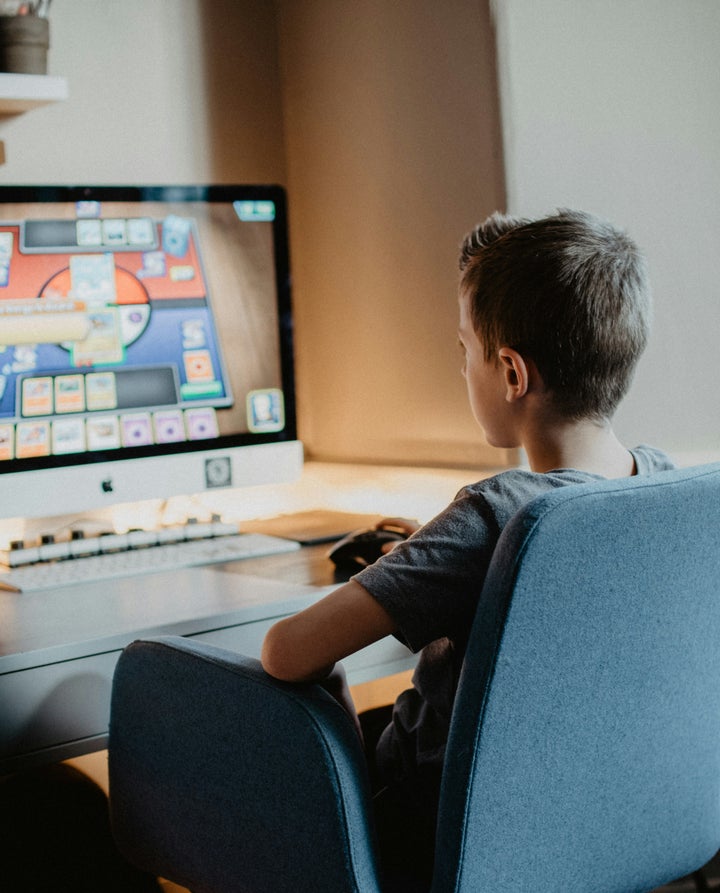
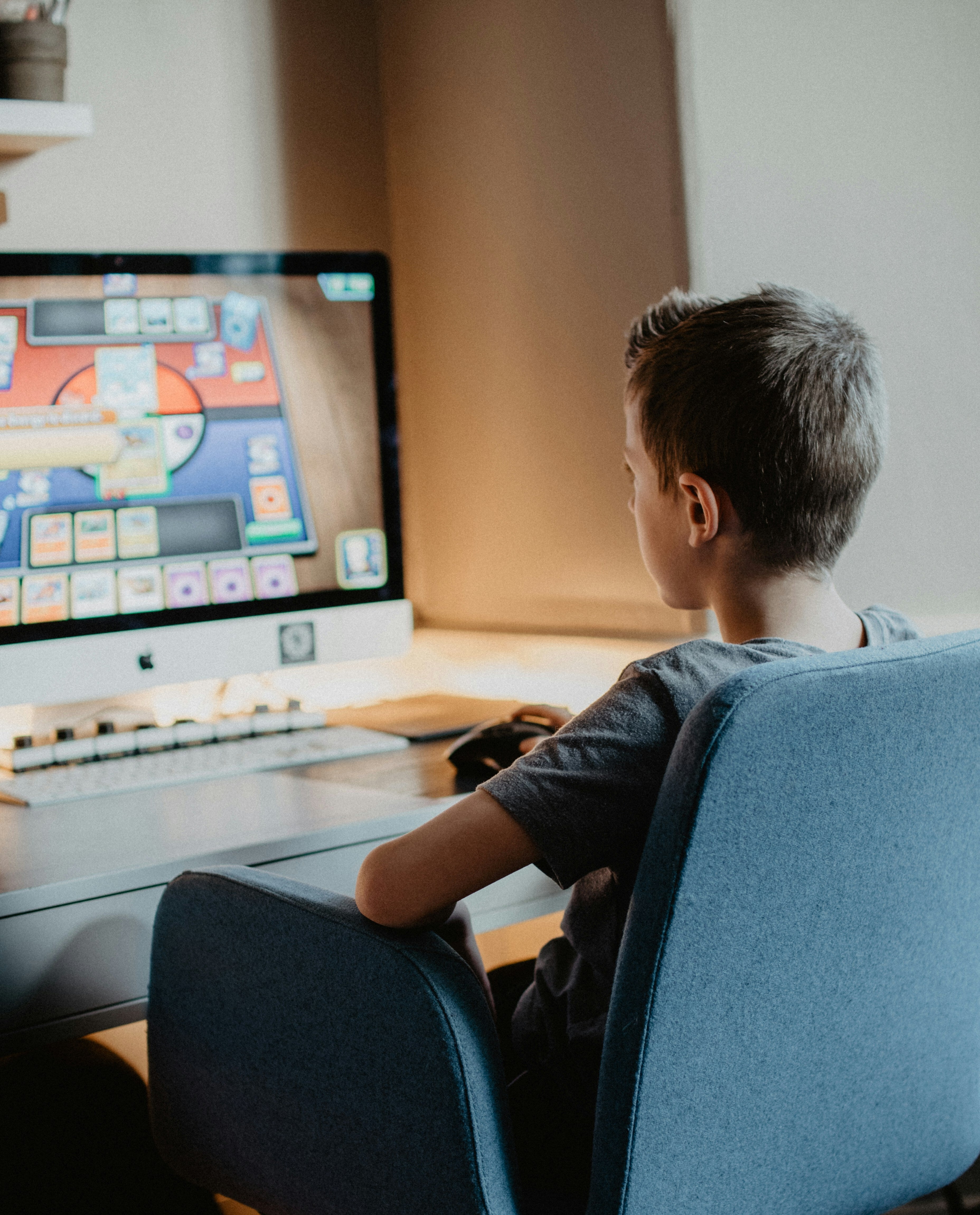
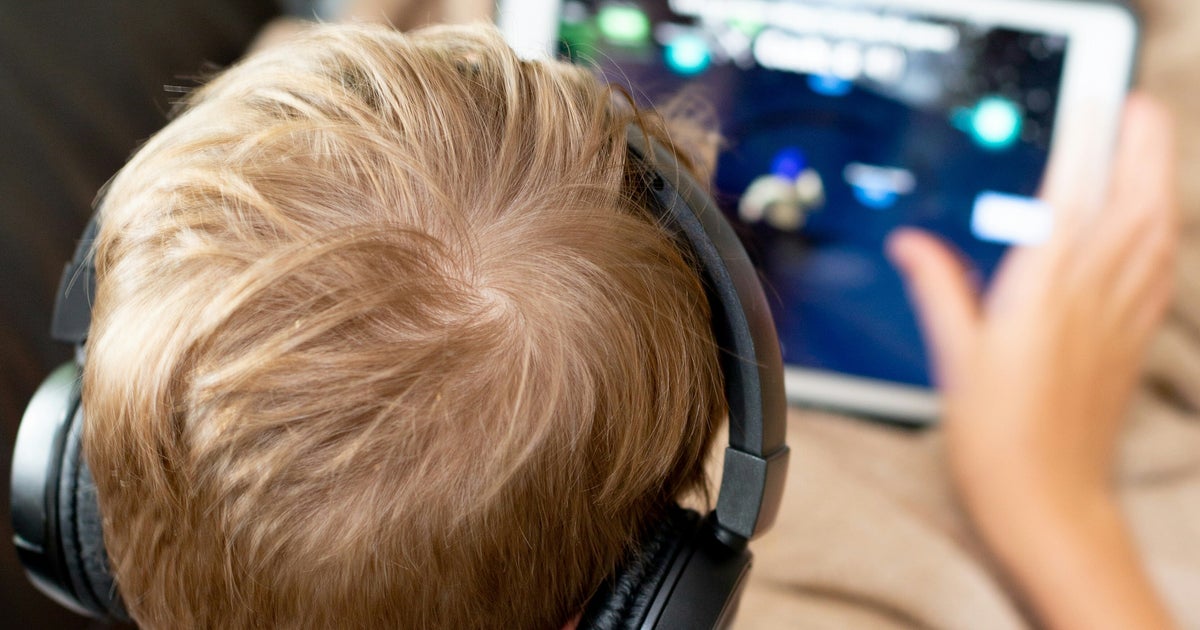
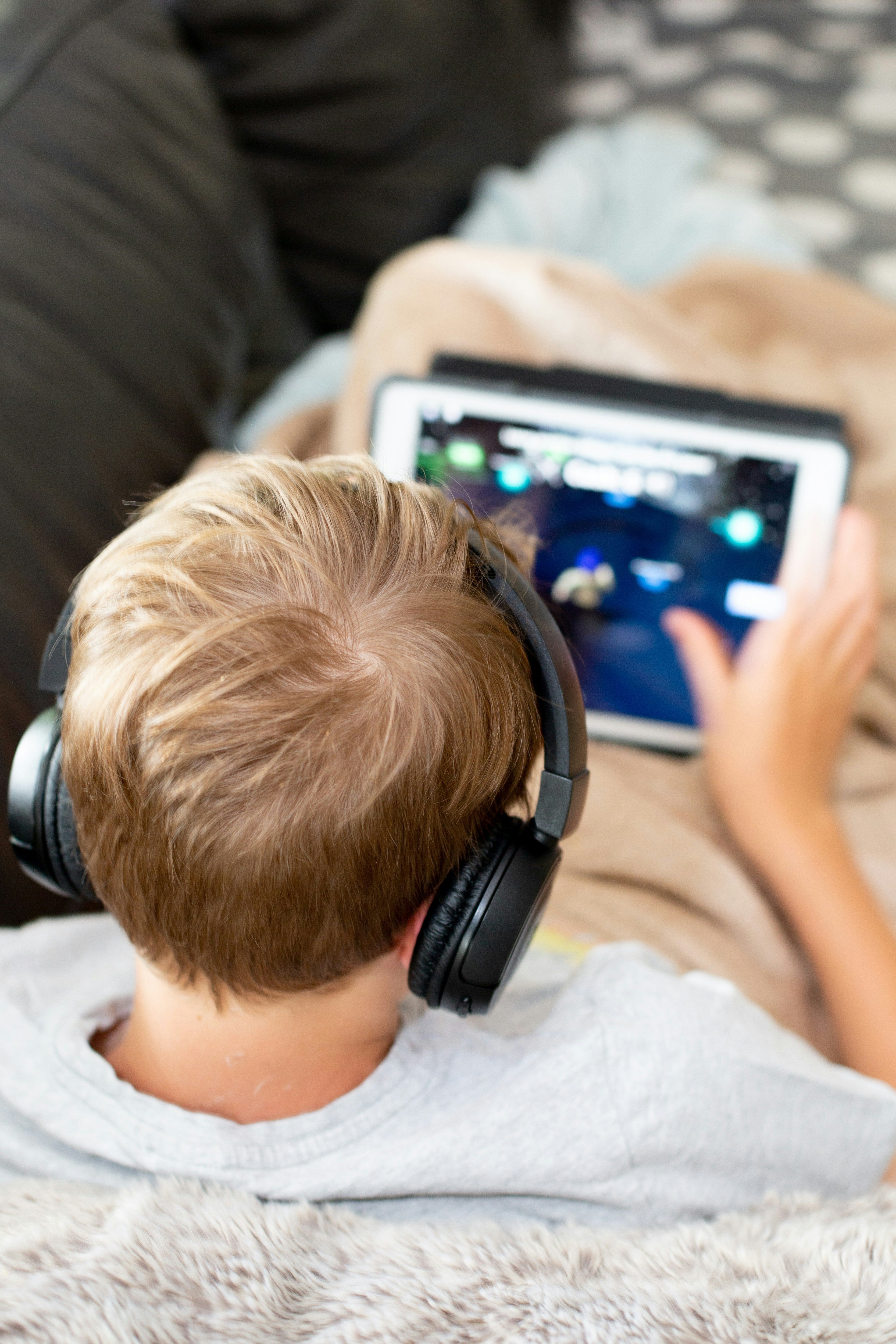
But what about the impact on brain function? Well, a new study from Finland found kids who had higher amounts of screen time during childhood ended up with better cognitive processing in their teen years.
Advertisement
Cognitive processing refers to the mental functions which are linked to thinking, learning, memory and executive function.
Researchers said the findings suggest screen time can support children’s and adolescents’ cognitive processing. But they stressed a key consideration here is what kind of things children do during their screen time.
The findings are based on an eight-year follow-up of the PANIC study on children’s physical activity and nutrition. The study involved 124 girls and 136 boys, whose average age was 15.
Advertisement
Physical activity and sedentary behaviour were measured by a device that combined heart rate and movement measurements and also by a survey questionnaire, while learning, attention and working memory were also assessed.
Not all screen time is equal.
Doctoral researcher Petri Jalanko, from the University of Jyväskylä, said children should be encouraged to use screens in ways that promote active thinking, problem-solving, creativity and learning.
Advertisement
Parents shouldn’t just see screen time as harmful, he added, but should seek balance between physical activity and screen time that promotes active thinking.
The research tracks with previous research on brain function and screen time. A 2023 study of nearly 12,000 children in the United States found no evidence that screen time impacted brain function or wellbeing.
A study in older adults, meanwhile, found active screen use was generally associated with better cognitive outcomes, particularly in memory, executive function, and attention.
Advertisement
Passive screen use, on the other hand, was linked to poorer outcomes, including verbal memory and global cognition declines.
The latest findings come after a survey found almost one-quarter (24%) of parents of three‑ to five‑year‑olds find it hard to control their child’s screen time, and 98% of two‑year‑olds watch screens every day.
In the UK, the government has issued guidance on screen time for under-fives, suggesting under twos should avoid screen time other than for shared activities that encourage bonding, interaction and conversation (ie. FaceTiming family).
Advertisement
Meanwhile two- to five-year-olds should stick to no more than one hour of screen time a day, and screen time should be avoided at mealtimes and in the hour before bed, so as not to disrupt sleep.
Watching screens with an engaged adult where parents talk and ask questions has been linked to better cognitive development than solo use.
Slow-paced content is also considered far better for development than fast-paced social media-style videos.
Advertisement
Paediatrician Dr Joel Warsh, aka Dr Gator on social media, previously shared in his newsletter that he tells parents to ask four questions when it comes to the impact of screen time on their kids.
These are:
Is my child sleeping well?
Are they able to focus without screens?
Do they play independently?
And how do they behave when the screen is taken away?
If their sleep, focus and ability to play independently is on track, and they don’t have meltdowns or angry outbursts when screens are taken away, this is a positive sign.
Advertisement
The paediatrician noted that “sometimes it’s not about the number of hours” but rather the effect of screen time on our kids that we should pay attention to.
A parenting coach has shared the two-word response parents can use if their kids are being disrespectful – and it’s surprisingly simple.
In a TikTok video, Mike Wallach, who runs Apparently Parenting, said: “Stop letting your kids walk all over you with this one trick.
Advertisement
“It’s super simple – and when done correctly, they rarely push back against it.”
What’s the trick?
The parenting coach and behaviour analyst said if a child is disrespectful or rude towards you, all you need to say in response is: “Try again.”
This can be used in a variety of scenarios, added the parenting coach, such as “when they slam the door, when they yell back ‘no’, when they’re playing too rough, [or] when they snatch a toy out of someone’s hand”.
“They immediately know what needs to be done to change their behaviour,” he explained.
Of course, some younger children might need a bit more direction than simply “try again”. If they say something rude to you, or shout at you, you could respond: “That’s not how we talk to each other. Can you try again?”
Advertisement
If they shout a demand at you, like “I want a snack!” you could respond: “Let’s try that again. How do we ask nicely?”
According to My Parenting Solutions, asking for a replay is “so simple and effective”. But if your child is having a tantrum, it’s probably best to wait until they’ve calmed down to encourage them to try again.
Advertisement
The method can work well, because you’re giving children the opportunity to practice acting respectfully.
Any more tips?
Yes! If your child is being angry or rude, or having constant tussles with siblings, ‘special time’ might just help.
Child psychologist Dr Becky Kennedy, founder of Good Inside, described it as the “best bang-for-your-buck” parenting strategy.
Advertisement
Put simply, ‘special time’ is a period of time you carve out in your day where you and your child have one-on-one time together.
“So often, our attention as parents is split between work, siblings, admin, getting everyone fed, and the endless mental to-do list and demands on our time and resources,” Anna Mathur, a psychotherapist and author of The Uncomfortable Truth, told HuffPost UK.
But special time “cuts through that noise”.
It could be five minutes, it could be 15 minutes – but the idea is you get rid of all distractions and just sit and spend time with your kid.
Advertisement
Mathur said it works because “even 10 minutes of dedicated one-on-one time is a statement that tells your child: you matter, you’re seen, I want to be with you” and helps kids “feel emotionally secure, which strengthens their nervous system and improves behaviour”.
We all know kids and teens are reading less – and an increasing number are enjoying it less, too.
The stats speak for themselves. When The National Literacy Trust polled almost 115,000 kids in early 2025, it found just one in three (32.7%) kids aged eight to 18 years old said they enjoyed reading in their free time.
This marked a 36% decrease in reading enjoyment levels since 2005.
It’s not just a UK issue, either. In a US-based survey of Gen Z students by Walton Family Foundation and Gallup, 35% admitted they disliked reading, with 43% saying they rarely or never did it for fun.
Discussing why older kids are reading less, she said there are “many reasons” like “increased pressure inside and outside of school, a desire to spend more time socialising, and, of course, the phones”.
Advertisement
But an even more “obvious” reason, she said, is that “adults have lowered the bar for how much you should read as a teenager” to the point where “the bar cannot be found”.
She explained: “There are many educators who have the mindset that you shouldn’t teach whole books because kids just won’t read them.”
“In the past I’ve taught at schools where teaching novels is actually discouraged,” she claimed.
I asked teachers and school librarians in the UK for their two cents on why kids are falling way out of love with reading by the time they reach their teens.
Advertisement
Sol Elliott, librarian at Overton Grange School, suggested more time spent online, especially on social media, plays a key part: “The technology that brings a lot of young people towards reading also keeps far more people away from it.
“The dopamine hit of social media use is hard to compete with, especially when we are working with people whose brains are developing quickly.”
Sarah Parsons, director of education at the Ted Wragg Multi Academy Trust, said: “Sadly, we see in our schools that teens find it hard to maintain the reading habits that they may have developed during primary school.
Advertisement
“Increasing demands on their time both within and beyond the classroom, combined with the growing influence of technology, have all contributed to a decline in regular reading among our teenagers.”
Research suggests there was a 52% increase in children’s screen time between 2020 and 2022. Kids aged eight to 14 years old who use the internet spend an average of 2 hours 59 minutes a day online across smartphones, tablets and computers, typically on YouTube, Snapchat, Google (search), Facebook and WhatsApp.
Nat Parnell, CEO of the Westcountry Schools Trust, also suggested social media plays a major role in teens reading less: “The risk is that the short bursts of gratification teenagers get from social media and texting are far more immediately satisfying than reading, which requires much greater effort before enjoyment is reached. It is not really a fair competition.”
Advertisement
The benefits of reading for pleasure
Besides being a nice way to switch off and unwind, there are several benefits to kids reading for pleasure. It helps introduce children to a range of experiences and viewpoints, which can help build empathy. It can also boost confidence and spark creativity.
Reading enjoyment has also been reported as more important for children’s educational success than their family’s socio-economic status, and it’s linked to higher scores in reading assessments.
Schools are trying to address the reading crisis – but it’s not easy. Parnell said their schools ensure all students have structured reading opportunities. “We also banned mobile phones in school some time ago,” she noted.
Advertisement
Parsons said their are a few strategies they’re deploying to try and boost reading: providing dedicated time each week for independent reading, for example, as well as exposing kids to texts that stimulate meaningful discussion and debate.
For Elliott, it’s been a case of tailoring the school library collection to the pupils’ tastes “in the hope that they will pick up a healthy reading habit as they grow up”.
“A lot of these choices are informed by internet trends and TikTok friendly genres (Fantasy, Romance, Manga etc.),” said the librarian.
Advertisement
“I genuinely fear for the health of our society if a meaningful cohort of young people are not reading regularly and interacting with serious literature,” Elliott added.
“I am optimistic, though, that when a school is sensitive to its young readers and pays attention to their interests that we can help them turn into regular readers.
“All reading is good reading, and I can only hope that stocking my library with magazines, comics and manga, will lead a good amount of them to a Zadie Smith novel, or a play by Arthur Miller.”
Advertisement
Ways to get kids reading at home
If you’re hoping to spark a love of reading in your teen, here’s what might help:
Gaining independence is a crucial part of growing up – but at what point are kids ready to go it alone and play outside without you watching their every move?
In contrast to those who won’t let their kids go anywhere alone, there are a number of parents who are taking a more laidback approach and parenting “like it’s the 90s”, giving their kids the freedom to play out unsupervised.
Advertisement
I can see the appeal. We lived in a quiet cul-de-sac growing up and I was allowed to play out with our neighbours’ kids – we knew we had to stay in the street, or in one another’s homes. As we got older, we were allowed to venture a bit further afield. It gave my parents a break, and it made me feel like I was capable and trusted.
Nowadays I live on a relatively quiet street on the outskirts of a major city. There’s not much traffic, we’re near a park, but I’m not sure at what point I’d feel comfortable letting my kids go it alone (admittedly they’re both way too young, but it’s something I’ll have to consider in the years to come!).
Gail Sayles, a Childline practitioner, suggests there isn’t really an age when kids are ready for that next level of independence. Instead, it depends on the child and the situation.
Advertisement
“What matters most is whether your child feels ready, and whether you feel confident letting them take that step. If either of you isn’t quite there yet, that’s a sign they may need a bit more time,” she tells HuffPost UK.
What are the signs they’re ready?
Obviously, babies, toddlers and very young children should never be left alone because they can’t keep themselves safe.
The law doesn’t specify an age when parents can leave a child on their own, but it’s an offence to leave a child alone if it places them at risk.
Advertisement
Sayles notes parents are in the “best position” to judge whether their child is ready to head outdoors on their own, “because you know how they usually behave when you’re not with them”.
It can help to ask yourself a few practical questions to help make this decision:
Can they remember important information like their name and address?
Do they stick to agreed timings?
Do they behave responsibly when you’re not with them?
Would they know what to do if plans changed unexpectedly?
The expert advises parents to talk through different scenarios with their child – for example, what they’d do if they hurt themselves or felt uncomfortable. “These conversations can be reassuring for both of you and help build confidence,” she says.
Advertisement
And if you’re unsure whether they’re ready for this next step, you can always start small. Let them play in a nearby area, go out for a short period of time, or spend time with certain friends you trust – this can be a good way to see how they manage, adds Sayles, while still keeping things safe.
What to tell your child before they venture out alone
If you’ve decided your child is ready to go it alone, there are a few important things to address first.
They should be able to share their full name and address and have access to phone numbers for at least two trusted adults.
Advertisement
They should also know what to do in an emergency, including where they could go for help – for example, a shop, library or approaching a police officer or shop staff.
It’s also crucial they feel confident crossing roads safely and know that they should never go anywhere with anyone, even someone they know, without checking with a parent or carer first.
My child’s not ready. What do I tell them?
If you don’t feel your child is ready to venture out alone, Action For Children suggests explaining which skills you’d want them to have first, and then making a plan together to help them learn those skills – that way, they won’t feel like you’re simply shutting them down.
As I write this I can feel another illness taking hold: the headache, the stuffy nose, the scratchy throat. It can only mean one thing: the kids are back at school!
While plenty of people will be relieved to get back to normality after two weeks of juggling work and childcare, a survey of 1,000 parents by Olbas found over half (55%) dread their kids going back to school due to the increased chance of getting ill.
Advertisement
There’s no getting around it, they will (probably) get sick in the coming fortnight.
Dr Roger Henderson, an NHS GP and spokesperson for Olbas, says: “When children return to school after Easter holidays or extended breaks, it’s normal to see a sudden rise in sniffles, coughs, and stomach upsets.
“This isn’t because schools are unhealthy places, but rather because children are suddenly exposed to lots of germs they haven’t encountered in a while – almost like a refresher course for their immune systems!”
“Parents should expect a wave of minor illnesses and be prepared with tissues, comfort foods, and perhaps a flexible routine to allow for extra rest,” says the doctor.
“The good news is that these minor illnesses help children build up stronger immune systems over time. While it can feel overwhelming at first, most of the common viral illnesses pass quickly, and children normally bounce back with their usual energy.”
Advertisement
Here, Dr Henderson shares some tips and tricks to overhaul your morning routine to at least give everyone a fighting chance amid the post-holiday bug surge.
1. Create a 10-15 minute buffer zone
The GP is a firm believer in creating a 10-15 minute ‘buffer zone’ on those mornings when the kids are waking up sniffly.
“Building in a ‘buffer zone’ of 10-15 extra minutes can ease stress and reduce the chance of forgotten items or unexpected delays affecting you.”
2. Start the day with a warm shower or saline spray
If your kids are particularly congested first thing, a warm shower or saline nasal spray can help clear clogged sinuses and “make them feel fresher” for the day ahead.
3. Keep breakfast simple
When kids are feeling below par, something simple and nourishing to set them up for the day can work wonders. Dr Henderson suggests porridge, scrambled eggs, or smoothies are “easy options that don’t require much fuss”.
Advertisement
4. Take a calmer approach to rushed mornings
Easier said than done when you’ve got to be at work for 9am, but if kids aren’t feeling great, they’re going to require a bit more patience in the mornings. The GP says a “calm reassuring tone sets the pace here”.
When to keep your child off school
While kids can go to school with coughs and colds, there are instances where you shouldn’t send your child to school. Here’s what NHS Choices advises:
If they have a fever, keep them off until the fever goes away.
If they have a high temperature, keep them off school until it goes away.
If they have diarrhoea or vomiting they should stay away from school until they have not been sick or had diarrhoea for at least 48 hours.
If they have chickenpox, keep them off school until all the spots have crusted over – usually about five days after the spots first appeared.
If they have symptoms of Covid-19 including a high temperature, and they don’t feel well enough to go to school or do normal activities, keep them off.
If your child has an ear infection and a high temperature or severe earache, keep them off school until they’re feeling better or the high temperature goes away.
If your child has impetigo, they’ll need treatment from a GP – usually antibiotics. Keep them off school until all the sores have crusted over and healed, or for 48 hours after they start antibiotic treatment.
If your child has scarlet fever, they’ll need treatment with antibiotics from a GP. Otherwise they’ll be infectious for two to three weeks. Children can go back to school 24 hours after starting antibiotics, providing they feel well enough.
If there’s one statement parents have probably heard a lot these past two weeks, it’s “I’m bored” – usually with the added request of “will you play with me?” tagged onto the end.
But often we’re working, or trying to catch up on an admin list that’s as long as our arm (and the rest), or doing chores, so it’s not always possible to down tools and get stuck in.
Advertisement
While turning the TV on or handing over an iPad can feel like a simple fix (hey, we’ve all been there), experts are increasingly nudging parents to try and reduce kids’ screen time where possible.
So, if your children say they’re bored, how’s best to respond?
Get them thinking about what they want to learn
Yes, there’s the age-old classic of: “Great, grab the vacuum!”
But children’s author Ty Allan Jackson suggests you could say something along the lines of: “Wow. That’s awesome. What a great opportunity for you to be creative.”
And then he suggests you ask them a simple question: “What is something you wish you knew how to do?”
Advertisement
In a reel on Instagram, the TedX Presenter said: “That question will get them thinking and give you directions on how to entertain them, or better yet, on how they can entertain themselves.”
Of course, there’s every possibility they’ll respond with a shrug or an “I don’t know.”
But some parents have found it successful. One user, known as @mom.outofoffice, said she tried the ‘Wow method’ with her daughter and, admittedly, the first time she asked the question her daughter “just stared” at her.
“But then she said she wanted to learn how to use the coffee machine. We tried it together, and soon she was making it by herself,” said the parent. “Before I knew it… she had turned our kitchen into a full-on coffee shop. And wow… it became one of her favourite ways to play.”
Advertisement
Boredom is good for kids (yes, really)
Neuroscientist Alicia Walf, a researcher in the Department of Cognitive Science at Rensselaer Polytechnic Institute, told Forbes boredom is critical for brain health, noting it can improve social connections and foster creativity, too.
According to psychiatrist and author Dr Carl Marci, letting your kids figure out how to keep boredom at bay could be far more beneficial than stepping in for them.
When his children tell him he’s bored, he’ll urge them to go and figure out how to deal with it – but without technology or something connected to the internet.
Advertisement
“They get mad at me,” Dr Marci previously told HuffPost UK, “but after a few minutes, they start to creatively solve their problems or distract themselves with social interaction or play.”
A child psychiatrist has opened up about a pattern she sees routinely where a neurodivergent child will struggle at school, and the adults around them mistake their symptoms for poor behaviour or a bad attitude.
Dr Anya Ciobanca, consultant child and adolescent psychiatrist at The ADHD Centre, says children who appear disengaged, inconsistent or emotionally volatile at school may be experiencing something far more complex than just a bad attitude.
Advertisement
“Behaviour is never the whole story,” she says. “When we approach a child with curiosity rather than judgement, everything changes.”
Conditions such as attention deficit hyperactivity disorder (ADHD) can go undiagnosed for years because there are often misunderstandings over symptoms. For example, people might think kids who have it are just hyperactive, but there are also more subtle signs that can show up, like day-dreaming or emotional dysregulation.
Experts previously told HuffPost UK this happens largely because there’s a gender divide in how ADHD symptoms are expressed (girls tend to demonstrate more inattentive symptoms), and social expectations on girls can lead to them keeping quiet, carrying on, and developing sophisticated masking strategies (sometimes at detriment to their mental health).
“There is a version of ADHD that looks, from the outside, like daydreaming or simply not caring,” says Dr Ciobanca. “But internally, that child may be working extraordinarily hard just to keep up. The effort of masking is immense, and it has a cost.”
In classrooms, children are often doing the best they can with a nervous system that’s working against them, but there are certain signs they might be fighting a hidden battle and need more support.
Advertisement
5 signs a child may be struggling with ADHD at school
Avoidance of school or specific lessons – this might look like persistent reluctance or distress around certain subjects or transitions.
Difficulty starting or completing work – this is often mistaken for laziness, says Dr Ciobanca, but rooted in overwhelm or difficulties with executive function.
Emotional outbursts or withdrawal – this can look like frustration, tears or shutting down, particularly after school (also known as after-school restraint collapse).
Chronic tiredness or physical complaints of headaches, which can be linked to anxiety or sensory overload.
Low self-esteem, negative self-talk, and appearing to cope at school (masking) while falling apart at home.
One child Dr Chiobanca worked with had been labelled by her school as inconsistent and difficult to motivate. But in reality, she was overwhelmed and had developed a profound sense of shame around her difficulties.
Girls with undiagnosed ADHD are “more likely to blame themselves, turning their anger and pain inward”, according to the Child Mind Institute, which noted they’re also more likely to experience depression, anxiety and eating disorders than those without ADHD.
Advertisement
“Once we understood the underlying picture – the interaction between her ADHD, her anxiety and her environment – we could make meaningful changes,” says the psychiatrist. “She no longer had to spend every day just fighting to survive it. That freed up an enormous amount of energy for actually learning.”
With one in 20 children thought to have ADHD, Dr Ciobanca wants to see earlier intervention, more flexible teaching, and emotional wellbeing placed at the centre of education rather than its margins.
“Too much support comes too late. We cannot expect children to learn well when they do not feel safe,” she adds.
Advertisement
Advice for parents
If you think your child might be neurodivergent (research suggests around 15-20% of people are), it’s worth exploring this subtly with your child. Dr Chiobanca advises parents to ask their children: “What’s the hardest part of your day?” as this can reveal more than questions about effort or behaviour.
It’s also worth speaking to your child’s school – specifically their class teacher or SENCO (a special educational needs coordinator) – if you notice a pattern of distress or avoidance. Months of avoidance or emotional dysregulation are a signal worth acting on, she notes.
The psychiatrist also urges parents to separate the behaviour from the child, as “struggling children often already feel like failures; they need to know you’re on their side”.
Advertisement
While NHS waiting times for diagnosis can stretch for months, it might also be worth considering a professional assessment. “ADHD and anxiety remain significantly underdiagnosed, particularly in girls,” says Dr Ciobanca.
Yet when children feel safe and understood, “they are far more able to learn and grow,” she adds. “That is the kind of education system worth working towards.”
Parents have opened up about the dangers of leaving kids to their own devices on their devices, after a viral post showed how easily a child was able to spend their parents’ money while using their iPad.
In January, parenting influencers Cole and Abbie shared their son had been on a secret shopping spree on their iPad, paying for a load of Apple services. “I didn’t think it was possible without my Face ID but here we are. Massive lesson learnt,” wrote the influencers at the time.
Advertisement
They weren’t the only ones to fall victim to it, either.
In response to Cole and Abbie’s misfortune, one commenter said: “It’s a parental right of passage to have your bank account cleared by a threenager. Mine did it on Amazon through the Alexa buying fart sounds.”
Another said: “My son wanted a rabbit so, while playing games on my phone, went on to Amazon and brought a hutch for £150, didn’t realised till it turned up at my door… and his answer was ‘can I have my rabbit now?’.”
“Been there done that!” added another parent, noting their child had purchased 100 fidget toys and 100 lip balms. Eek.
Advertisement
With kids still off school, experts from Protect Your Bubble are urging parents to check one particular setting on their devices to stop their bank accounts from accidentally being emptied.
James Brown, director at Protect Your Bubble, said: “It’s easy to assume that payments need passwords or additional approval; however, many devices and accounts allow instant spending once a card is saved to the account.”
Advertisement
He continued: “From a child’s perspective, it doesn’t feel like spending real money; however, for parents, it can mean hundreds, or even thousands, disappearing before they notice.”
How to stop kids from spending all your money online
First of all, turn off one-touch payments on devices and require approval for every purchase. “This single change can stop accidental spending instantly, and it takes less than two minutes to set up,” Brown said.
Households using Apple devices with Family Sharing set up should also turn on Ask to Buy, which blocks all purchases until they are approved.
Advertisement
Games consoles are also an easy way to wrack up debt. Brown noted they are “often overlooked, despite being one of the biggest risks”.
“Saved card details on PlayStation, Xbox, and Nintendo accounts can lead to purchases stacking up quickly,” he noted.
The expert recommends removing saved payment cards from accounts and setting monthly spending limits in console settings. You can also enable PINs or passwords for purchases.
Advertisement
“Consoles are where costs could spiral fastest,” he ended. “Prevention is far easier than trying to recover the money afterwards, and this is one of the most important tech checks parents can make this winter.”
There are so many things happening in children’s lives that are outside of parents’ control, so it’s understandable that parents can go a little bonkers over issues they can control, like food.
Some mums and dads worry so much about “proper” nutrition that they can suck the fun right out of one of life’s greatest pleasures – eating what we love.
Advertisement
Paediatric emergency room physician Dr. Dina Kulik said sugar, carbohydrates and processed foods, for example, trigger far more fear than they deserve. “In realistic amounts, and within an overall balanced diet, they’re not the villains they’re often made out to be,” she said. “The stress and restriction around these foods can be more harmful than the foods themselves.”
Many paediatricians are parents themselves, and they often have a more relaxed attitude about what their kids eat than you might expect. Here are some of the surprising things that show up at their dinner tables:
Fast food
“We stop for fast food occasionally,” said Dr. Debra Langlois, a paediatrician at the University of Michigan Health C.S. Mott Children’s Hospital. “I’m a working parent; so when I get out of work late, and my children have an activity I need to get them to, they still have to eat. It’s important for all of us parents to remember that we’re doing the best we can. We need to give ourselves some grace as we strive to give children a healthy lifestyle that includes nutrition and physical activity.”
Advertisement
Chicken tenders
In a busy household, “some nights everyone just needs something quick and easy,” said Dr. Alicia Tucker, attending paediatrician at Children’s National’s obesity program called Improving Diet, Energy and Activity for Life (IDEAL).
“For us, chicken tenders fit the bill because they’re affordable, cook quickly and will always be eaten. I aim to balance this with easy, healthy sides that add some fibre and other nutrients, like putting them on top of a salad or serving them with apple slices or corn.”
Smith Collection/Gado via Getty Images
“For us, chicken tenders fit the bill because they’re affordable, cook quickly and will always be eaten,” said Dr. Alicia Tucker.
Advertisement
French fries
“I do oven frying to use less oil, and I do use sweet potatoes sometimes,” said Dr. Tokunbo Akande, an integrative paediatrician. It’s a choice he feels just fine about: “A single food doesn’t determine a child’s health, so when the foundation is whole-food, plant-forward eating, occasional ‘fast foods’ don’t derail gut health, because the gut is more resilient.”
For Dr. Sara Hagan, a paediatrician at Oklahoma Children’s OU Health, frozen french fries are a welcome choice “on busy nights when we need something quick that our toddler will eat.” She went on to say that some parents worry unnecessarily about packaged foods and snacks. “While fresh foods are ideal, many packaged options contain added vitamins and nutrients that can support toddlers and picky eaters, and they can complement whole foods for a balanced diet.” Just remember that what your child eats isn’t a referendum on you, she said. “A child’s picky eating, preference for ‘treat’ foods or adventurous palate don’t reflect on a parent’s ability. The most important thing is raising a happy, healthy child.”
Crisps
“My kids get barbecue or vinegar-and-salt chips as an occasional snack,” said Dr. Anisha Abraham, chief of adolescent medicine at Children’s National Hospital.
Advertisement
“As a teen health specialist taking care of adolescents with eating disorders, I know that strictly controlling what kids eat may increase anxiety around eating, lead to sneaking food, or contribute to disordered eating patterns later in life. Kids benefit from structure, including regular meals and snacks, but they also need independence and trust so they can develop healthy patterns as they become young adults.”
The crunchy treat also gets a nod from Dr. Adolfo Flores, a paediatrician at Children’s Health Dallas. “I have a 19-month-old, and she’ll occasionally enjoy some potato chips,” he said. “Although the amount of sodium and carbohydrates may give pause, it’s important that my daughter understands that a healthy diet looks like a diverse selection of foods, and that includes things like chips on occasion.”
Dessert
Registered dietitian Katherine Sharyleads paediatric obesity prevention efforts at Children’s Healthcare of Atlanta. “I let my kids have dessert with dinner a couple times per week,” she said. “That includes ice cream, cake, brownies, cookies or popsicles.” She offered a smart approach to offering sweets. “If your child asks for brownies, you might say, ‘Sure, we can have brownies with dinner,’ and then serve one brownie to each person. If they ask for more, you can respond with: ‘That’s all the brownies we have for this meal, but if you’re still hungry, there’s plenty of other food on the table.’ This sets a clear boundary without shame or making dessert feel off-limits.”
Advertisement
Lindsay Upson via Getty Images
An easily portioned dessert, like a brownie square, makes it easier to set limits.
“Peanut butter chocolate ice cream is my son’s favourite sweet treat,” said Dr. Paulina Tran, a paediatrician and associate program director in the allergy and immunology department of paediatrics at Los Angeles Medical Center. “As an allergist, I’m very aware that peanut is a top allergen. We know from strong evidence that early and regular exposure to allergens like peanuts can help prevent food allergies in many children. Since I know my child can safely eat peanuts, I’m supportive of him enjoying chocolate peanut butter ice cream as part of maintaining that regular exposure.”
Soda
“I do allow my kids, who are school-aged, to drink soda when we’re on vacation or celebrating birthdays,” said Dr. Rebecca Carter, a paediatrician at the University of Maryland Golisano Children’s Hospital and an associate professor at the University of Maryland School of Medicine. “As parents, we feel that treating soda as a once-in-a-while treat is a fair compromise, so that foods don’t feel fully off-limits or forbidden.”
Advertisement
Remember your kids are watching what you do
Tucker noted, “Research consistently shows that parental modelling of healthy eating behaviours has a huge impact on a child’s developing relationship with food. When kids see their parents eating a variety of foods, they’re more likely to do so as well.”
She had some practical tips for being a good food role model: “Put cucumber sticks or other crunchy veggies on the table for a pre-dinner snack while you’re cooking, and over time your kids are likely to pick up on the habit, too. And if you’re craving a cookie after dinner, remember to avoid comments about weight or body image or only getting to eat it because you exercised. Just let everyone take a cookie together and enjoy the evening.”
The biggest takeaway from the paediatricians we spoke with is that you set the tone around food, and it should be one of pleasure, enjoyment and nourishment.
Advertisement
“Most parents restrict treats because they care deeply about their kids’ growth and development – and that comes from a loving place,” Shary said. “If you’ve been using dessert only as a reward or bribe, you haven’t failed – you were doing what you thought was best. You can always try something new, like offering a small dessert with a meal or snack without strings attached. When dessert is treated as simply another food, kids build a healthier, more positive relationship with eating that can benefit them for life.”
Finally, remember the vibe at the dinner table can be so much more important than what’s being served. “Creating a positive mealtime environment where kids feel safe, heard and included often matters just as much as what’s on their plate,” Abraham said.
“Gut health is as much emotional as it is nutritional,” Akande reminded parents. “When we remove shame and pressure from eating, we support the nervous system and kids digest better. The most ‘integrative’ thing we can offer is a relaxed, joyful relationship with food.
No parent wants to sit back and watch their child experience anxiety over any situation, whether it’s going to a new dance school, a football game, trying new food or meeting new kids at school.
And while most parents have the best intentions, many actually come to their child’s rescue during moments of distress – which can be hugely detrimental to their child now and as they grow up, therapists told HuffPost.
Advertisement
The best way to help your child grow through anxiety and learn to manage it isn’t exactly a natural instinct. Here’s what to know:
The number one way parents fuel anxiety, according to therapists
“I think, in particular with anxiety … the biggest mistake that we make as parents is that when we see anxiety in our kids, we jump straight into that ‘I want to protect this child from this experience.’ So, we go straight to protection mode,” said Cheryl Donaldson, a licensed marriage and family therapist.
Parents don’t want their kids to feel anxiety, of course, but swooping in to take them out of an anxious situation or fix it for them isn’t a way to empower kids, Donaldson noted. It’s actually doing the opposite.
Advertisement
Research suggests that accommodating anxiety makes it worse, said Hannah Scheuer, a licensed clinical social worker with Self Space in Washington state.
“I’m both a child and family therapist and a mom, and I’m just gonna say that watching our child struggle and suffer is one of the hardest things,” Scheuer said. “And if we accommodate and give in, we will make it worse. Accommodation is essentially allowing avoidance, and avoidance feels really, really good in the moment, even to adults.”
For instance, if your teenager is anxious about driving on the highway, avoiding it when teaching them to drive only makes the experience scarier and more stressful when they eventually have to do it.
Advertisement
“It just makes it worse and worse, it leads to long-term negative outcomes,” Scheuer said. “That accommodation, that saying, ‘Oh no, you don’t have to do this thing that you’re upset about or scared of,’ it does temporarily alleviate that child’s distress. Then, what it reinforces is this perception that the thing that they don’t want to do actually warrants their anxiety, and so that gives them more reason to feel the anxiety.”
“Anxiety is our body’s mechanism to tell us that we either need to act in some way … or, in the case of kids, anxiety is telling them, ‘This is a new skill I need. This is a new experience. I need more skills. I need to know how to manage this,’” Donaldson said.
It’s important to validate your child’s emotions while supporting them through anxiety
“We have to validate, we have to regulate and we have to mitigate,” she said.
Validation looks like normalising the anxiety and sharing that it’s something we all experience, Buscemi said. Regulation means helping your child learn to manage their anxiety through a variety of solutions, like breathing exercises and movement. Mitigation helps a child understand that temporary discomfort, such as facing the situation that makes them anxious, leads to long-term relief.
“Facing fears ultimately decreases them – and we prove to ourselves that things aren’t as scary as we’ve built up in our mind, or that maybe we’re just braver than it was scary,” Buscemi said.
“The research evidence does also show that what we need to do as parents is to provide support and confidence,” Scheuer noted. “What that looks like is supporting and validating the feelings while also showing confidence in their child’s ability to actually do the thing to cope with the anxiety.”
Advertisement
For example, if your child gets really anxious about going to football practice and has meltdowns in the car on the way to practice, a parent could say, “Wow, I hear you. I know you’re feeling really scared and upset right now, but I also know that you can do really hard things and you’re going to be OK,” Scheuer suggested.
“It’s that mix of validation of the feeling, without accommodating the anxiety and providing confidence that they can do it,” Scheuer explained. This one sentence isn’t going to erase your child’s anxiety and stop the meltdown, but as this encouragement comes up week after week, soccer will feel less and less hard for your child.
“And continuing to inspire that confidence … is going to really make a big impact, and that’s how we build resilient kids,” Scheuer said.
Advertisement
Justin Paget via Getty Images
Never making kids face the thing that makes them anxious will only impede their confidence.
Some kids (and parents) require professional support for anxiety management
Many parents will be able to manage their kids’ anxiety through different calming and exposure techniques, but some kids (and parents) may require additional support from a mental health professional – and that’s perfectly OK.
There are certain signs that a child’s anxiety requires support from a therapist or other professional.
Advertisement
“If the anxiety is getting in the way of them being able to be in a relationship with other kids, go to a friend’s house … being able to go to practices and do different things, you want to reach out for help,” Donaldson said.
If you notice your child frequently worrying or frequently in distress, those are also red flags.
“Also, with younger kids, they don’t really have the language to talk about anxiety, so sometimes we see it as like more physical symptoms,” Scheuer noted. This includes stomachaches, having trouble sleeping, and general restlessness.
“That is something that I would say, if that’s pretty common, maybe they need some extra support,” Scheuer said.
Advertisement
If therapy or counselling isn’t accessible, your child’s school should have a social worker or school counsellor who can provide support, Scheuer said. Talking to your paediatrician could also be a good idea.
Managing anxiety in kids often involves the parents, especially if the kids are younger.
“So, it’s not just saying, ‘Oh, fix the kid’s symptoms.’ It’s also … what strategies can we give to the parents to help really make sure that everybody has the tools to help this kid navigate these symptoms?” Scheuer said.
It’s also on the parents to consider how they react to anxious moments in their lives. Think about it: if mum or dad doesn’t know how to manage their own anxiety, they likely won’t be able to help their child, either.
Advertisement
Ask yourself what you feel when your child gets anxious. Does it make you anxious, too? If so, what do you do to calm down?
“Leading with your own leadership” is an important way to go about this, according to Donaldson. If you know deep breathing helps you feel less anxious, gently guide your child toward that. Or, if you know that getting out for a walk reduces your anxiety, gently encourage your child to try it.
“You want them to know that you’re partnering, that you have answers that are going to be really helpful for them,” Donaldson said.
Advertisement
If other techniques and interventions don’t work, “sometimes the kids need to go on medication,” Donaldson noted.
Watching your child experience anxiety isn’t a pleasant experience for anyone, but it helps build life skills and confidence that are tough to grow later in life. The ability to live with discomfort and manage anxiety is important throughout the lifespan, as someone takes a big test, gets their first job, experiences their first break-up, faces job rejection and more.
“I really like to emphasise with my clients that we’re trying to push through temporary discomfort to achieve long-term relief,” Buscemi said.
Advertisement
Help and support:
Mind, open Monday to Friday, 9am-6pm on 0300 123 3393.
Samaritans offers a listening service which is open 24 hours a day, on 116 123 (UK and ROI – this number is FREE to call and will not appear on your phone bill).
CALM (the Campaign Against Living Miserably) offer a helpline open 5pm-midnight, 365 days a year, on 0800 58 58 58, and a webchat service.
The Mix is a free support service for people under 25. Call 0808 808 4994 or email help@themix.org.uk
Rethink Mental Illness offers practical help through its advice line which can be reached on 0808 801 0525 (Monday to Friday 10am-4pm). More info can be found on rethink.org.