An international trial involving 1,000 volunteers will aim to detect biomarkers associated with the condition.


An international trial involving 1,000 volunteers will aim to detect biomarkers associated with the condition.
Whether dealing with coeliac disease, gluten intolerance or just tummy troubles, many Americans swear their digestive issues mysteriously ease up when they travel to Europe, the supposed land of consequence-free carbs.
While some of that likely comes down to portion size and wheat quality, another often-overlooked factor is how the pasta is cooked. You’d never catch an Italian cooking their pasta beyond al dente – and sometimes, it’s even a little firmer than that.
Advertisement
According to Marissa Karp, founder and lead registered dietitian at MPM Nutrition in New York, the longer pasta cooks, the more its starches soften and become available to our bodies when we eat it. But more isn’t always better.
How long pasta is cooked can affect how quickly it’s digested, how quickly it raises blood sugar and how you feel after the meal – from steady and satisfied to heavy and ready for a nap.
Ahead, registered dietitians break down the different levels of pasta doneness, what noodles look and feel like at each stage, and how each one affects digestion, energy and blood sugar.
Advertisement

Getty Images
Defined as two or three minutes less cook time than the package instructions, “firm” pasta sits at the very beginning of the doneness spectrum. Go ahead and ignore the box here – your spaghetti won’t be raw, but it will have more texture than most Americans are used to.
“Firm pasta has the most bite to it,” Karp said. “There’s clear resistance when you press it between your teeth.”
Advertisement
When pasta is cooked a little firmer, your body takes longer to digest it. That means a bowl of penne won’t spike your blood sugar as quickly, according to Kimberly Rose, registered dietitian and certified diabetes educator.
That slower blood sugar spike can make a noticeable difference in how you feel afterward. Instead of the classic post-pasta slump – heavy, sleepy and weirdly hungry again an hour later – you’re more likely to feel steady and satisfied. And taking that second helping is because the pasta is genuinely delicious, not because the first bowl barely made a dent in your hunger. “Firmer pasta tends to break down more slowly, which can help people feel satisfied for longer and support steadier blood sugar when eaten in appropriate portions,” said Amanda Frankeny, a registered dietitian nutritionist.
If you’re trying to keep your blood sugar steady or you’re tired of that familiar post-pasta slump, cooking pasta a bit firmer may be worth a try. Just know that if you have a more sensitive stomach, this texture isn’t always the most comfortable.
Advertisement
In the food world, al dente has become the default way to cook pasta, much like ordering a steak medium-rare or scrambling eggs until they’re just set, not dry.
To get there, you’ll usually want to ignore the package instructions again and pull your pasta from the water about one to two minutes earlier than the package states. (If you’ve been faithfully following the box this whole time, there’s a good chance you’ve been eating softer, mushier pasta than you realised.)
Al dente is the Goldilocks texture most of us are taught to aim for: not too firm, not too soft.
“Al dente tends to be the most comfortable because it digests at a steady pace and tends to offer balanced, sustained energy,” Karp said.
Advertisement
That aligns with research. A 2022 study found that when pasta is cooked for less time, your body breaks down less of its starch, leading to a slower, steadier rise in blood sugar.
While “chewing your food well” has become a diet-culture cliche, 2023 research suggests the real driver is food texture. Foods that require more chewing tend to trigger stronger satiety signals, simply because digestion starts earlier and happens more gradually.
Most of us likely cook pasta to this doneness not only because it has a pleasant mouthfeel but because it’s often easier on the body.
Advertisement
“Digestion begins in the mouth,” explains Rose, “and soft pasta is fastest to digest.” That’s because soft pasta requires minimal chewing. With almost no resistance for your teeth, it moves quickly from the plate to the stomach, where it’s broken down faster than firmer noodles.
That might sound counterintuitive, but research on food texture backs this up: foods that are soft and easy to chew don’t tend to keep us as full as foods that make us do a little more work. When you have to chew more, you also tend to eat more slowly, which gives your body (and gastrointestinal fluids) time to register that you’re eating.
Typically cooked to the package instructions or even a little longer, soft pasta has no bite left at the centre. This can also happen when pasta is cooked and then baked or reheated in dishes like casseroles or mac and cheese, where a second round of cooking pushes it past al dente.
Advertisement
That quicker breakdown is also why soft pasta is often blamed for the classic carb crash. According to Rose, “Soft pasta will raise your energy levels quickly because more starch is readily available; however, this type of energy is short-lived and may result in a drop in energy after consuming.”
When pasta is overcooked, a few things change the way your body handles it, according to a 2015 study. First, the starches become more broken down and easier to access, which means the carbs hit your system faster – giving you that quick burst of energy, followed by a drop. At the same time, the structure of both starch and protein in the pasta softens, which makes it harder for your body to digest and can lead to bloating or an upset stomach after eating.
Still, soft pasta absolutely has a place at the table. For people who have trouble chewing, sensitive digestion or who need quick, easily accessible energy, it can be a great option. According to Frankeny, “That’s not a bad thing at all. Depending on how active you are, how much you are eating and everything else is on the plate – like produce and protein – softer pasta can easily be a part of a well-rounded meal.”
Advertisement


Keir Starmer has backed down over plans to change the Hillsborough Law following a backlash by MPs and campaigners.
The government had been due to move an amendment to the legislation on Monday which critics said would have watered it down to protect members of the intelligence services.
Advertisement
The aim of the new law, which was promised in Labour’s 2024 election manifesto, is to end cover-ups by public bodies in the wake of major disasters such as the Hillsborough disaster and the Manchester Arena bombing.
Labour whips were bracing themselves for a major backbench rebellion if the vote had gone ahead.
But ministers announced on Sunday night that it was no longer moving the amendment and was seeking further talks with MPs and victims’s families.
A government spokesperson said: “This legislation will right the wrongs of the past, changing the balance of power to ensure the state can never hide from the people it should serve and putting a legal duty on officials to respond openly and honestly when things go wrong.
Advertisement
“The bill will make the police, intelligence agencies and the whole of government more scrutinised than they have ever been, but we can never compromise on national security.
“We will continue to work with all parties to make sure the Bill is the strongest it can possibly be, without compromising national security.”
Under the law, a “duty of candour” would be introduced making it illegal for those in positions of authority to withhold information from investigations.
Advertisement
The government amendment would have allowed the heads of the security services to decide whether or not to disclose information involving their operations.
Ministers insisted the change was necessary to protect national security.
But speaking on Sunday, Labour MP Ian Byrne – who was at Hillsborough on the day of the tragedy in 1989 – told the BBC he was prepared to vote against the government amendment.
Reacting to the government’s decision to pull its amendment, Byrne, the MP for Liverpool West Derby, told HuffPost UK: “I’m delighted to see this pause.
Advertisement
“Now I urge the government to either adopt my amendment or work with us to draft a new amendment which makes the legislation worthy of the name Hillsborough and a legacy to the 97 [Liverpool fans who died].”

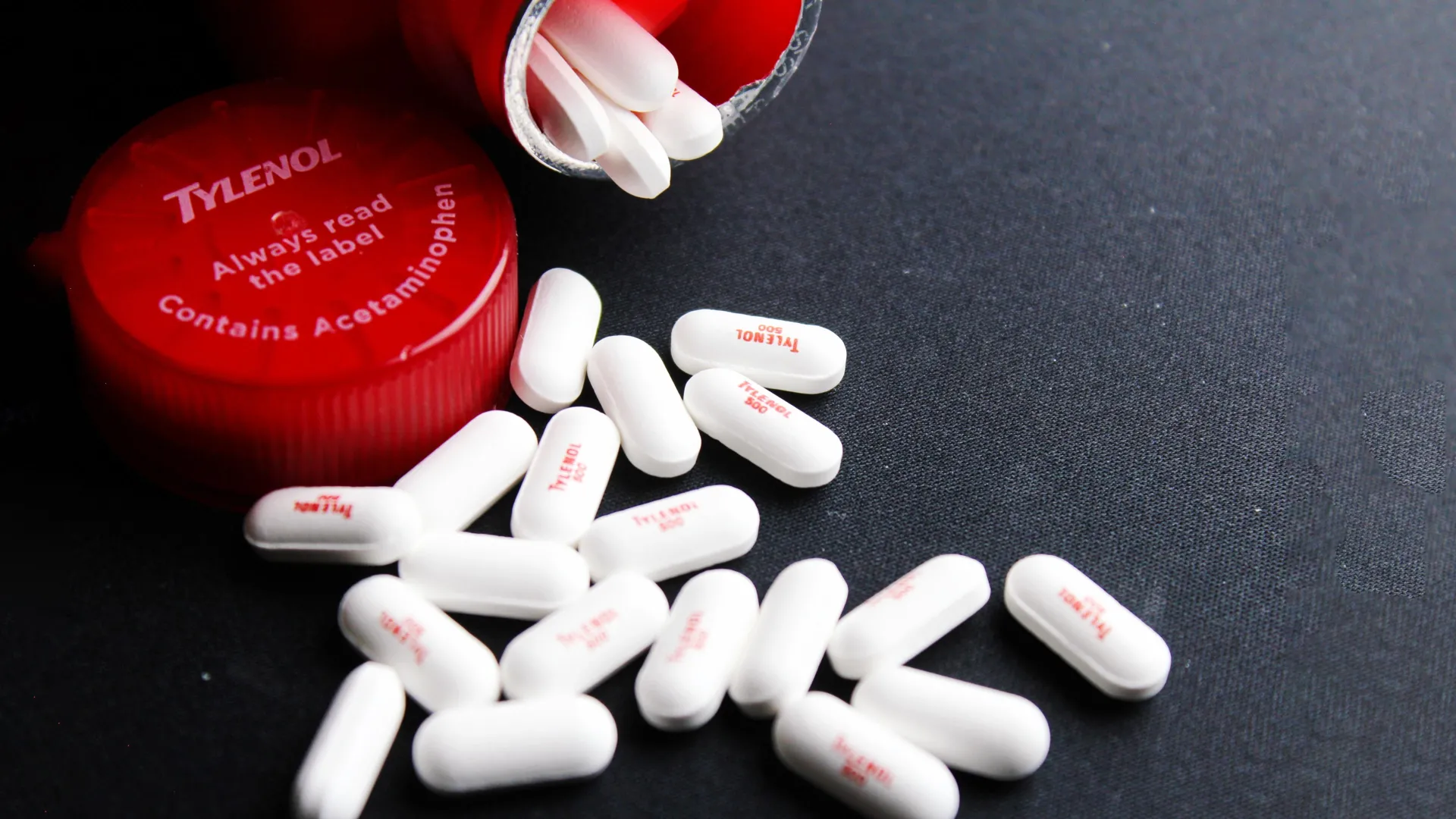
Social media and news feeds are filled with unverified claims about a possible connection between acetaminophen and autism in children. But medical experts say the far more serious and well-documented concern is something else entirely: overdose from the widely used pain and fever medication.
Acetaminophen poisoning is one of the leading causes of hospitalization and death related to non-prescription drugs in the United States, according to Kennon Heard, MD, PhD, a professor in the CU Anschutz Department of Emergency Medicine and the department’s section chief of medical toxicology.
Each year, an estimated 56,000 people visit emergency departments because of acetaminophen poisoning, and about 2,600 are hospitalized. The drug is responsible for nearly half of all acute liver failure cases in the U.S. and roughly 20% of liver transplants nationwide.
Heard has studied acetaminophen poisoning for more than 25 years. He is now helping to lead a long-term clinical trial that is testing a potential new way to reduce liver damage in severe overdose cases. The experimental approach uses a medication typically given to patients poisoned by antifreeze.
Heard says CU and Denver Health, which is home to the Rocky Mountain Poison & Drug Safety center, have played a central role in this research for decades. “have been the center of the acetaminophen research universe for the past 40 years. There’s been a long history of this type of work being done here, and it’s great to be a part of it.”
Why Acetaminophen Overdoses Happen
Acetaminophen is the main ingredient in Tylenol and many store-brand pain relievers used for mild to moderate pain and low-grade fever. It is also included in a wide range of over-the-counter products for colds, flu, sinus symptoms, and menstrual discomfort.
The medication has been used safely for decades when taken according to instructions. Problems arise when people exceed recommended doses, either by taking too much at once or by repeatedly taking more than advised over time.
“There are cases where people accidentally take too much acetaminophen,” Heard says. “Or maybe they have a really bad toothache, and they think if two is good, four is better, eight is even better, and so on. Or it’s someone who’s taking multiple repeated overdoses. Those are the people who get into trouble.”
Overdoses are also frequently linked to suicide and self-harm, Heard notes. “The No. 1 rule at the Poison Center is that if it’s available, people will take it, and a lot of people have Tylenol in their medicine chest.”
Limits of the Standard Antidote
For decades, doctors have relied on a drug called acetylcysteine as an effective antidote for acetaminophen overdose. When given early, it can prevent serious liver damage.
Its effectiveness drops sharply, however, if treatment begins more than eight hours after the overdose.
“The problem is that many patients don’t present with acetaminophen poisoning until after they have liver injury, at which point the acetylcysteine is less effective, and in some cases doesn’t really work at all,” Heard says.
Testing an Antifreeze Antidote
The current clinical trial led by Heard and his colleagues is focused on fomepizole, a drug approved to treat poisoning from ethylene glycol and methanol, substances commonly found in antifreeze. Exposure can occur accidentally, and in some cases people with alcohol use disorder have consumed antifreeze as a substitute for alcohol.
Fomepizole works by blocking enzymes known as alcohol dehydrogenase, stopping the body from converting ethylene glycol and methanol into toxic byproducts.
Heard says interest in using fomepizole for acetaminophen overdose dates back to the 1990s, when he was training in medical toxicology. Evidence came from individual patient case reports and animal studies, particularly in severe overdose cases.
More recently, research has shown that doctors are increasingly using fomepizole off-label to treat serious acetaminophen poisoning.
Richard Dart, MD, PhD, a professor of emergency medicine and Heard’s longtime mentor, ultimately suggested formally testing the drug in a clinical trial. Dart has served as director of Rocky Mountain Poison & Drug Safety since 1992.
A Proof of Concept Clinical Trial
The ongoing phase II trial is designed to determine whether adding fomepizole to standard acetylcysteine treatment can reduce liver damage in patients at high risk after acetaminophen overdose. It is considered a “proof of concept” study to see whether the combination shows enough promise to justify larger trials.
Participants are randomly assigned to receive either both medications or acetylcysteine alone. The study is double-blind, meaning neither the patients nor the researchers know which treatment each participant receives until the trial ends.
“We’ll compare the amount of liver damage, as measured by their liver enzymes, to see whether the fomepizole provides an added protective benefit beyond the standard treatment,” Heard says.
Patients are currently being enrolled at Denver Health, UCHealth University of Colorado Hospital, Children’s Hospital Colorado, and several additional sites. Enrollment has been slow due to the challenge of finding patients who meet the study criteria, but researchers hope to enroll about 40 participants within 12 to 18 months.
If the findings are positive, Heard expects the research to move into a larger trial that would examine longer-term outcomes, including survival and the need for liver transplants.
A Caution for Medicine Cabinets Everywhere
“The message that I would want to get out,” Heard says, is that people should carefully read medication labels, avoid exceeding recommended doses, and recognize that acetaminophen may be present in multiple products at home.
“We’ve started to recognize that the number of people who die from an accidental overdose is pretty close to the number of people who deliberately take an overdose,” he says.
Heard’s collaborators on the study include Dart and Andrew Monte, MD, PhD, also a professor of emergency medicine.

Donald Trump has been warned “Europe will not be blackmailed” after he announced plans to impose tariffs on the UK and seven other countries opposed to his plans to take over Greenland.
Danish prime minister Mette Frederiksen said her country “is receiving great support” from across the continent in the wake of the US president’s threats.
Advertisement
Meanwhile, the countries being targeted by Trump warned in a joint-statement that his “tariff threats undermine transatlantic relations and risk a dangerous downward spiral”.
Trump announced on Saturday that America will impose a 10% import tax imposed on Britain, Denmark, Norway, Sweden, France, Germany, the Netherlands and Finland from February 1.
That charge will rise to 25% on June 1 and remain in place until “until such time as a Deal is reached for the Complete and Total purchase of Greenland” by America.
Advertisement
Greenland has been a self-governing part of the kingdom of Denmark for more than 300 years.
But Trump has said that Russia and China will try to seize the Arctic island unless America takes it over.
Keir Starmer has said the US president’s threats are “completely wrong”, while culture secretary Lisa Nandy said the UK’s backing for Greenland and Denmark was “non-negotiable”.
In a statement on Sunday, Mette Frederiksen said: “I am pleased with the consistent messages from the rest of the continent: Europe will not be blackmailed.
Advertisement
“At the same time, it is now even clearer that this is an issue that reaches far beyond our own borders.”
She added: “We want to co-operate, and it is not we who are seeking conflict.”
A joint-statement by the UK, Denmark, Norway, Sweden, France, Germany, the Netherlands and Finland said they “are committed to strengthening Arctic security as a shared transatlantic interest”.
“We stand in full solidarity with the Kingdom of Denmark and the people of Greenland,” the statement said.
Advertisement
“Building on the process begun last week, we stand ready to engage in a dialogue based on the principles of sovereignty and territorial integrity that we stand firmly behind.
“Tariff threats undermine transatlantic relations and risk a dangerous downward spiral.
“We will continue to stand united and coordinated in our response.
“We are committed to upholding our sovereignty.”

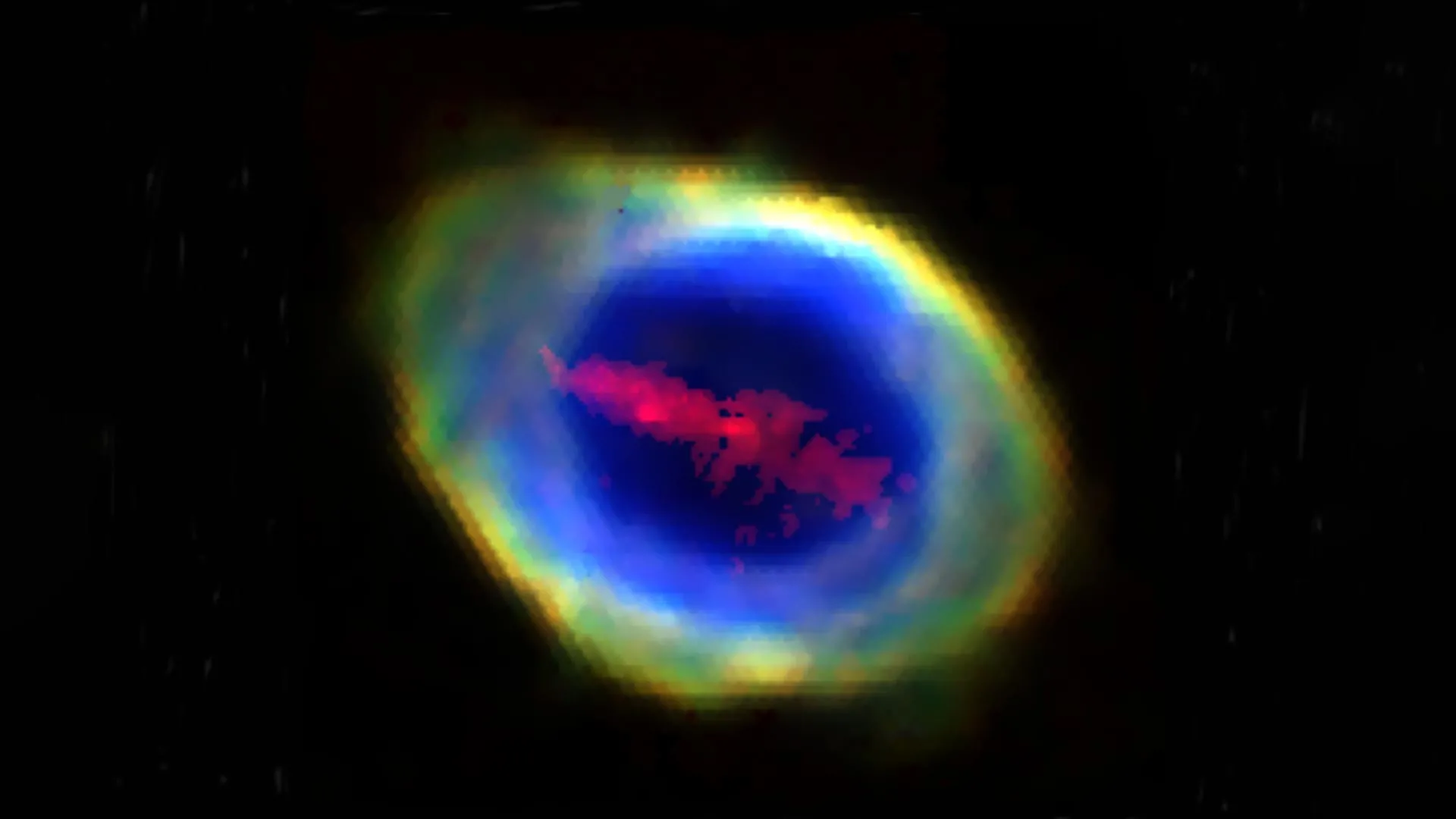
Astronomers in Europe have identified an unexpected feature hidden inside the famous Ring Nebula. The discovery was made by a team led by researchers at UCL (University College London) and Cardiff University, who found a narrow, bar shaped cloud made of iron deep within the nebula.
The iron cloud is being reported for the first time in Monthly Notices of the Royal Astronomical Society. It forms a long strip that fits neatly inside the nebula’s inner region, which has an elliptical shape seen in many well known images, including those captured by the James Webb Space Telescope at infrared wavelengths.1 The structure is immense. Its length is about 500 times greater than Pluto’s orbit around the Sun, and the total amount of iron it contains is roughly equal to the mass of Mars.
What Makes the Ring Nebula Special
The Ring Nebula was first observed in 1779 by French astronomer Charles Messier in the northern constellation Lyra.2 It is a glowing shell of gas produced when a star reaches the end of its nuclear fuel burning stage and ejects its outer layers into space. Astronomers expect the Sun to shed its outer material in a similar way several billion years from now.3
How the Iron Bar Was Found
The iron cloud was revealed through observations made with the Large Integral Field Unit (LIFU) mode of a new instrument known as the WHT Enhanced Area Velocity Explorer (WEAVE).4 WEAVE is mounted on the Isaac Newton Group’s 4.2-meter William Herschel Telescope.5
LIFU is made up of hundreds of optical fibers working together. This setup allowed the researchers to collect spectra (where light is separated into its constituent wavelengths) from every point across the face of the Ring Nebula, covering all optical wavelengths for the first time.
Seeing the Nebula in a New Way
Lead author Dr. Roger Wesson, who is based at both UCL’s Department of Physics & Astronomy and Cardiff University, described how the finding emerged. “Even though the Ring Nebula has been studied using many different telescopes and instruments, WEAVE has allowed us to observe it in a new way, providing so much more detail than before. By obtaining a spectrum continuously across the whole nebula, we can create images of the nebula at any wavelength and determine its chemical composition at any position.
“When we processed the data and scrolled through the images, one thing popped out as clear as anything — this previously unknown ‘bar’ of ionized iron atoms, in the middle of the familiar and iconic ring.”
Competing Ideas About Its Origin
The researchers say the origin of the iron bar is still unknown. More detailed observations will be needed to understand how it formed. One possibility is that the structure preserves new information about how the dying star expelled its material. Another, more speculative explanation suggests the iron could be part of a curved arc of plasma created when a rocky planet was vaporized during an earlier expansion of the star.
Co author Professor Janet Drew of UCL Physics & Astronomy stressed that key information is still missing. “We definitely need to know more — particularly whether any other chemical elements co-exist with the newly-detected iron, as this would probably tell us the right class of model to pursue. Right now, we are missing this important information.”
What Comes Next for the Research
The team is now preparing a follow up study and plans to gather new data using WEAVE’s LIFU at higher spectral resolution. These observations should help clarify how the iron bar formed and whether other elements are present alongside it.
WEAVE is scheduled to conduct eight major surveys over the next five years, studying objects that range from nearby white dwarfs to extremely distant galaxies. One part of the project, the Stellar, Circumstellar and Interstellar Physics survey led by Professor Drew, is already observing many additional ionised nebulae across the northern Milky Way.
Dr. Wesson noted that similar structures may turn out to be common. “It would be very surprising if the iron bar in the Ring is unique. So hopefully, as we observe and analyze more nebulae created in the same way, we will discover more examples of this phenomenon, which will help us to understand where the iron comes from.”
Professor Scott Trager, WEAVE Project Scientist at the University of Groningen, added: “The discovery of this fascinating, previously unknown structure in a night-sky jewel, beloved by sky watchers across the Northern Hemisphere, demonstrates the amazing capabilities of WEAVE. We look forward to many more discoveries from this new instrument.”
Notes
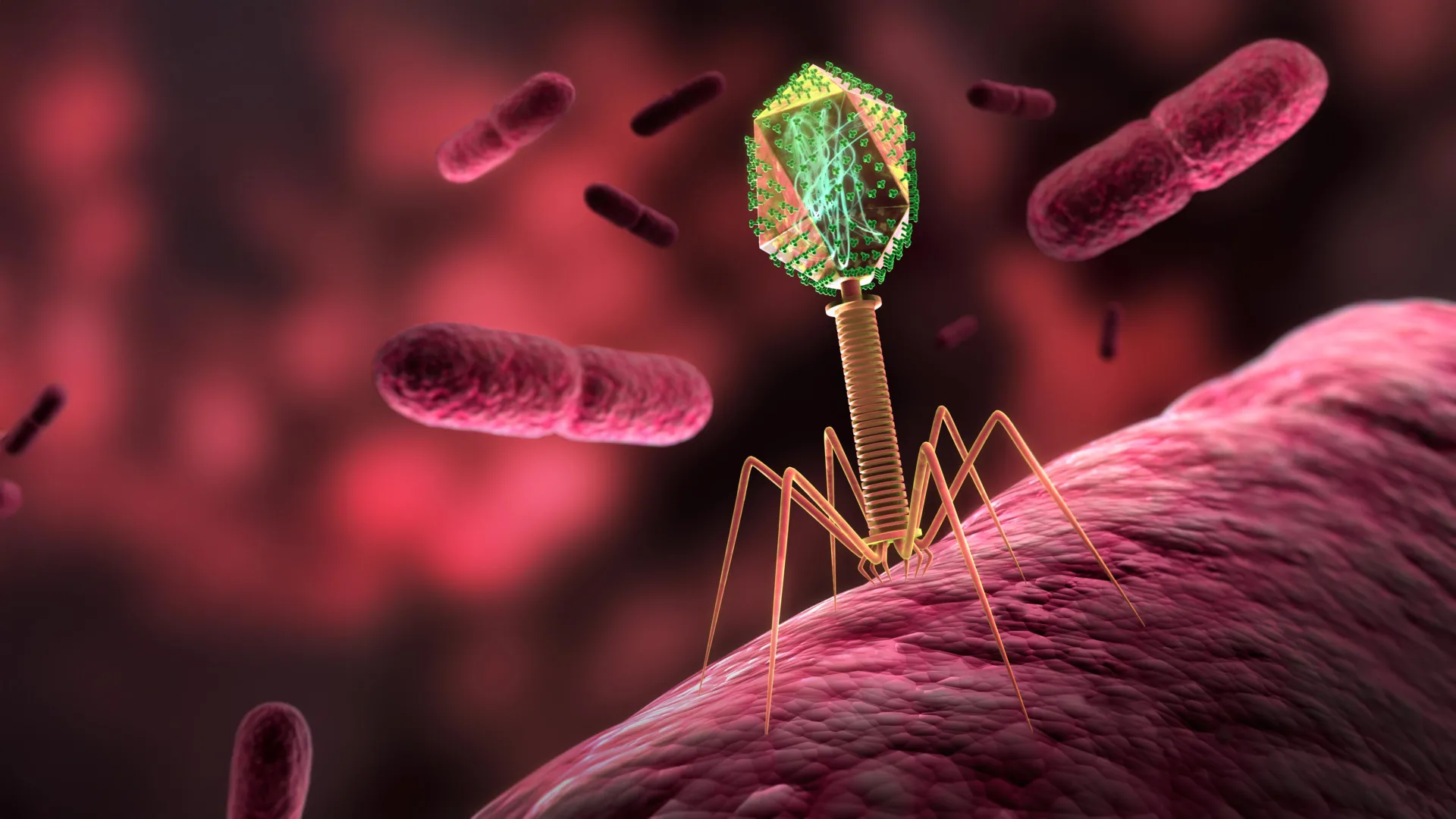
In a new study, terrestrial bacteria-infecting viruses were still able to infect their E. coli hosts in near-weightless “microgravity” conditions aboard the International Space Station, but the dynamics of virus-bacteria interactions differed from those observed on Earth. Phil Huss of the University of Wisconsin-Madison, U.S.A., and colleagues present these findings January 13thin the open-access journal PLOS Biology.
Interactions between phages — viruses that infect bacteria — and their hosts play an integral role in microbial ecosystems. Often described as being in an evolutionary “arms race,” bacteria can evolve defenses against phages, while phages develop new ways to thwart defenses. While virus-bacteria interactions have been studied extensively on Earth, microgravity conditions alter bacterial physiology and the physics of virus-bacteria collisions, disrupting typical interactions.
However, few studies have explored the specifics of how phage-bacteria dynamics differ in microgravity. To address that gap, Huss and colleagues compared two sets of bacterial E. coli samples infected with a phage known as T7 — one set incubated on Earth and the other aboard the International Space Station.
Analysis of the space-station samples showed that, after an initial delay, the T7 phage successfully infected the E. coli. However, whole-genome sequencing revealed marked differences in both bacterial and viral genetic mutations between the Earth samples versus the microgravity samples.
The space-station phages gradually accumulated specific mutations that could boost phage infectivity or their ability to bind receptors on bacterial cells. Meanwhile, the space-station E. coli accumulated mutations that could protect against phages and enhance survival success in near-weightless conditions.
The researchers then applied a high-throughput technique known as deep mutational scanning to more closely examine changes in the T7 receptor binding protein, which plays a key role in infection, revealing further significant differences between microgravity versus Earth conditions. Additional experiments on Earth linked these microgravity-associated changes in the receptor binding protein to increased activity against E. coli strains that cause urinary tract infections in humans and are normally resistant to T7.
Overall, this study highlights the potential for phage research aboard the ISS to reveal new insights into microbial adaption, with potential relevance to both space exploration and human health.
The authors add, “Space fundamentally changes how phages and bacteria interact: infection is slowed, and both organisms evolve along a different trajectory than they do on Earth. By studying those space-driven adaptations, we identified new biological insights that allowed us to engineer phages with far superior activity against drug-resistant pathogens back on Earth.”
In your coverage, please use this URL to provide access to the freely available paper in PLOS Biology: https://plos.io/4q4S9AO
Citation: Huss P, Chitboonthavisuk C, Meger A, Nishikawa K, Oates RP, Mills H, et al. (2026) Microgravity reshapes bacteriophage-host coevolution aboard the International Space Station. PLoS Biol 24(1): e3003568. https://doi.org/10.1371/journal.pbio.3003568
Author countries: United StatesFunding: This work was supported by the Defense Threat Reduction Agency (https://www.dtra.mil/) (Grant HDTRA1-16-1-0049) to S.R. C.C. was supported by a graduate training scholarship from the Anandamahidol Foundation (Thailand). The sponsors or funders did not play any role in the study design, data collection and analysis, decision to publish, or preparation of the manuscript.
Sex should be a fun and satisfying time – not something that puts you in the emergency room. And yet, it happens more often than you think.
Emergency rooms see it all – including what happens when sex goes sideways. From objects that disappear to injuries that require surgery, doctors say the biggest problem isn’t curiosity or experimentation. It’s waiting too long to get help because you feel ashamed.
“Most sex-related injuries are preventable, and none of them should be a source of shame,” Dr. Martina Ambardjieva, a urologist and ER physician, told HuffPost.
Advertisement
“What does cause problems is waiting too long to seek care because of embarrassment. If something feels wrong, pain, bleeding, swelling, or an object that refuses to come out, just come in. Trust me, we’ve seen it all.”

Milan Markovic via Getty Images
Two emergency physicians shared some of the most common – and most alarming – sex-related injuries they’ve treated, along with what people should know if something goes wrong.
Advertisement
Ambardjieva said the “classic penile fracture” is one of the most urgent sex-related emergencies she sees.
“It’s exactly as dramatic as it sounds – a loud ‘crack,’ immediate swelling, and a lot of panic,” she explains. It most often happens when the penis slips out during thrusting and forcefully hits a partner’s pelvis.
“A penile fracture occurs when the tunica albuginea, the tough fibrous sheath surrounding the erectile tissue, tears,” she explains. “When the penis is erect, that tissue becomes thin and stretched, making it vulnerable to sudden bending or impact – even though there’s no bone inside.”
Advertisement
If someone delays seeking care, the torn tissue can heal improperly. “That can lead to permanent curvature, painful erections, or long-term erectile dysfunction,” Ambardjieva said. “This is the one sexual injury where time really matters.”
Ambardjieva said foreign objects getting “lost” in the body are a routine part of ER and gynaecology work.
“I’ve removed all kinds of items that weren’t designed to go inside the body – cucumbers, carrots, sprays – and I’ve also seen objects in the male urethra, like a pencil,” she said. “People are usually terrified and embarrassed, but it’s more common than they think.”
Advertisement
The problem often comes down to using objects without a flared base, smooth shape, or any kind of safety stop. That’s why you might run into this phrase: “If it has no flare, it shouldn’t go up there.”
Where something is inserted also matters. The vaginal canal is a closed space, so objects can get stuck but won’t travel deeper into the body. “The rectum, however, has no anatomical stop and creates suction, meaning objects can be pulled further inside,” Ambardjieva explains. “The urethra is narrow and delicate, making insertions particularly dangerous.”
If you’re embarrassed to come into the hospital because you’ve inserted something that’s become stuck, Ambardjieva hopes you’ll reconsider and not let the stigma keep you from getting care.
Advertisement
“It’s important to normalise this. We remove lost objects every week in the emergency and urology practice,” Ambardjieva said. “It’s a common medical issue – not something to be ashamed of.”
Small vaginal tears are another frequent reason for ER visits, especially among postmenopausal women or anyone dealing with vaginal dryness.
“Even a small tear can bleed more than people expect, which really scares them,” Ambardjieva said.
Friction, insufficient lubrication, or a tense pelvic floor can all cause micro-tears. She notes that water-based lubricants can dry out quickly, increasing friction, while silicone-based lubes stay slippery longer and can reduce tearing.
Advertisement
Bleeding, Ambardjieva said, becomes more concerning if it doesn’t slow, comes with large clots, severe pain, lightheadedness or difficulty urinating. In other words, head to the emergency room as soon as possible.
While less common, Ambardjieva has seen testicular torsion triggered during intercourse. “It’s sudden, sharp testicular pain – and it’s an emergency until proven otherwise,” she said.
Torsion happens when the spermatic cord twists, cutting off blood flow. Without treatment within about four to six hours, the testicle can be permanently damaged or lost. Some men are more vulnerable because of anatomical variations that allow the testicle to rotate more freely inside the scrotum.
Advertisement
“Circulation is blocked due to the twisting of the spermatic cord,” Ambardjieva explains. “Without rapid treatment, usually within four to six hours, there is a real risk of permanently losing the testicle, because of lost lasting ischemia (insufficient blood flow).”
Broken condoms or condoms that get stuck inside are another source of anxious ER visits.
“These are usually very easy for us to remove safely,” Ambardjieva said, adding that problems tend to come from incorrect sizing, not enough lubrication, expired condoms, heat exposure, or using oil-based products that weaken latex.
Not all sex injuries come from penetration.
“I’ve seen bruising and swelling just from overly enthusiastic suction,” Ambardjieva said. “It’s usually harmless, but if the swelling is severe or the penis starts bending, get checked.”
Advertisement
Broken capillaries can leave marks that look alarming but usually fade within days. However, spreading bruising, significant pain, fever, difficulty urinating, or a bent penis should be checked out, which may indicate infection or deeper tissue injury.
Dr. Jared L. Ross, an assistant professor at the University of Missouri, has seen some extreme cases.
Several years ago in St. Louis, he said he treated a patient who inserted his pet gerbil into his rectum with lubrication: “He ended up in the ER with rectal bleeding. We were able to get the gerbil out, but unfortunately, the gerbil wasn’t so lucky; he had already suffocated.”
Advertisement
In December 2024, Ross said he treated two patients on the same Christmas shift whose wives were out of town.
“One had inserted a full-sized LED lightbulb into his rectum. It required anaesthesia and surgical removal,” he said. “Shortly after, another patient arrived with his wife’s vibrator lodged inside. Both myself and the other ER doc on shift tried again, but no luck, we had to call the surgeon back. I remember he remarked it was a pretty fancy one, rechargeable batteries. I can’t imagine how those conversations went when their wives got back in town.”
So it’s unsurprising that Ross encourages people to come to the ER if they run into an issue like this (or a less extreme one), but also to be more proactive about safety when it comes to the rear end. “If you’re into inserting things into your rectum, use devices designed for that so they don’t get lost,” he said.
Advertisement
Both doctors stress that shame is what causes the real harm, wacky hijinks aside.
“Sexual injuries and accidents are far more common than people realise,” Ambardjieva said. “Emergency clinicians truly aren’t judging. We’ve seen it all.”
Pain, bleeding, swelling, or an object that won’t come out are all signs to seek care – sooner rather than later.
“Bodies are vulnerable, sex is physical, and sometimes things go wrong,” she adds. “Getting help early is always the right, responsible thing to do.”
Advertisement


Donald Trump has slapped tariffs on the UK and seven other European countries until America controls Greenland.
In an extraordinary development, the US president said a 10% import tax will be imposed on Britain, Denmark, Norway, Sweden, France, Germany, the Netherlands and Finland from February 1.
Advertisement
Hitting back on Ssturday evening, Keir Starmer said Trump’s actions were “completely wrong”.
Announcing the move on Truth Social, Trump said the charge will then be increased to 25% on June 1 and remain in place “until such time as a Deal is reached for the Complete and Total purchase of Greenland” by America.
Greenland has been part of the kingdom of Denmark for more than 300 years.
But Trump said: “World Peace is at stake! China and Russia want Greenland, and there is not a thing that Denmark can do about it. They currently have two dogsleds as protection, one added recently.
“Only the United States of America, under PRESIDENT DONALD J. TRUMP, can play in this game, and very successfully, at that! Nobody will touch this sacred piece of Land, especially since the National Security of the United States, and the World at large, is at stake. On top of everything else, Denmark, Norway, Sweden, France, Germany, The United Kingdom, The Netherlands, and Finland have journeyed to Greenland, for purposes unknown.”
Advertisement
Earlier this week, the UK announced it had sent a military officer to Greenland as Denmark stepped up its military presence in the Arctic and High North.
Trump went on: “This is a very dangerous situation for the Safety, Security, and Survival of our Planet. These Countries, who are playing this very dangerous game, have put a level of risk in play that is not tenable or sustainable.
“Therefore, it is imperative that, in order to protect Global Peace and Security, strong measures be taken so that this potentially perilous situation end quickly, and without question.”
Advertisement
The president added: “The United States of America is immediately open to negotiation with Denmark and/or any of these Countries that have put so much at risk, despite all that we have done for them, including maximum protection, over so many decades.”
Keir Starmer said: “Our position on Greenland is very clear – it is part of the Kingdom of Denmark and its future is a matter for the Greenlanders and the Danes.
Advertisement
“We have also made clear that Arctic Security matters for the whole of NATO and allies should all do more together to address the threat from Russia across different parts of the Arctic.
“Applying tariffs on allies for pursuing the collective security of NATO allies is completely wrong. We will of course be pursuing this directly with the US administration.”
Tory leader Kemi Badenoch said it was “a terrible idea”.
She posted on X: “President Trump is completely wrong to announce tariffs on the UK over Greenland.
“People in both UK and US will face higher costs. These tariffs will be yet another burden for businesses across our country.
Advertisement
“The sovereignty of Greenland should only be decided by the people of Greenland. On this, I agree with Keir Starmer.”
Speaking on a visit to Westminster last week, Greenaldic Naaja Nathanielsen said the territory “felt betrayed” by Trump’s threats to take over the Arctic island.
Lib Dem leader Ed Davey branded Trump a “bully” and said the PM’s policy towards the US “lies n tatters”.
Advertisement
He wrote on X: “Starmer’s US policy lies in tatters. Trump is now punishing the UK and NATO allies just for doing the right thing.
“Time for the PM to stand firm against the bully in the White House, and work with European and Commonwealth allies to make him back down from this reckless plan.”
Advertisement


Thyme extract is often described as a powerful natural remedy because of its wide range of health effects. This reputation comes from several biologically active compounds — thymol, carvacrol, rosmarinic acid, and caffeic acid — that are known to support immune function while also offering anti-inflammatory, antimicrobial, and antioxidant benefits.
Despite its potential, thyme extract has practical drawbacks that limit how it can be used. It evaporates quickly (a waste of thyme!), which makes storage and precise delivery difficult. In larger amounts, it can also irritate the body, sometimes leading to skin rashes or digestive discomfort.
A New Way to Preserve and Control Thyme Extract
Scientists have identified a way to solve both of these problems by sealing extremely small droplets of thyme extract inside another liquid. This approach allows the extract to be delivered in very small doses while preventing evaporation. Researchers from Tomsk Polytechnic University and Surgut State University in Russia developed this method for creating encapsulated nanodoses of thyme. Their findings were published in Physics of Fluids, by AIP Publishing.
How the Encapsulation Process Works
The process relies on carefully controlled streams of thyme extract, gelatin, sodium alginate — a commonly used thickening agent in the food industry — and oil. First, the researchers combined thyme extract with gelatin and pushed this mixture through a tiny chip at the same time as a stream of sodium alginate. Inside the chip, the two liquids flowed together while remaining clearly separated. A stream of oil introduced from a perpendicular direction then broke the combined flow into extremely small droplets, each one fully encapsulated.
Why Precision Nanodosing Matters
The most important outcome of this research is not the specific amount of thyme extract used, but the proof that precise and consistent nanodosing is achievable. Before this approach can be applied in medicine, additional work will be needed to package these nanodoses into oral capsules suitable for pharmaceutical use.
“The system tends to be self-regulating in order to deliver a relatively consistent dose, which is valuable for drug delivery,” said author Maxim Piskunov. “At the same time, changing and adjusting the diameter of the microdroplets containing a biologically active substance nanodose is only possible by varying the oil phase flow rate.”
Applications Beyond Medicine
The researchers emphasize that the technique is not limited to thyme extract alone. It could also be used for other substances and has potential applications outside pharmaceuticals, including the food industry. Piskunov added that combining this method with machine vision and artificial intelligence could allow real-time monitoring and control of nanodosing.
“We believe that this method can be used to encapsulate various aqueous extracts,” said Piskunov. “From our study, no significant limitations have been identified. Moreover, we are currently working on encapsulating a water-alcohol extract with a much higher concentration of biologically active substances.”
