Judges will consider a legal challenge which could affect how women and trans people are treated.


Judges will consider a legal challenge which could affect how women and trans people are treated.
Jane Rubens’ family say they faced accepting her return to the UK or having her insurance cancelled.

Regenerative medicine holds the extraordinary promise that future patients in need of new cells, tissues or organs will no longer have to rely on donors. Organ shortages and cell type mismatches will become past problems, replaced by safe, on-demand options for anyone who needs a transplant.
This revolutionary field still faces many challenges, including the nontrivial task of convincing stem cells to differentiate into desired cell types for treatment. And even if the correct cells or tissues are created and can function successfully in the body, immune rejection presents a formidable barrier to their use. To overcome this obstacle, regenerative medicine treatments in use today require systemic immunosuppression, leaving patients vulnerable to environmental hazards like viruses, bacteria and cancer cells.
In a novel approach to tackle these obstacles, researchers at the Medical University of South Carolina and the University of Florida recently collaborated on a novel, highly specific strategy to treat type 1 diabetes (T1D) using a tagged beta cell transplant in tandem with localized immune protection provided by specialized immune cells also tagged with a complementary but inert targeting molecule.
According to Leonardo Ferreira, Ph.D., a researcher at MUSC Hollings Cancer Center and one of the principal investigators on the study, marrying stem cell engineering and regulatory T cell (Treg) engineering allowed the first step toward a readily available, off-the-shelf solution to treating T1D.
In their recent study published in the journal Cell Reports, the researchers described a unique collaboration that leveraged the beta cell engineering expertise of the lab of Holger Russ, an associate professor of pharmacology and therapeutics at the University of Florida, combined with the delicate surgical expertise and chimeric antigen receptor (CAR) T cell expertise available at Hollings.
For T1D patients, the trouble begins with an immune system self-attack on pancreatic beta cells, the cells that produce the hormone insulin to regulate blood sugar levels. Without a reliable way to self-regulate blood glucose levels, patients are forced to live with a high-maintenance regimen of glucose monitoring and insulin management to maintain health and avoid dangerous complications like neuropathy, amputation and blindness.
For now, some patients with poorly controlled T1D may consider islet cell transplantation using beta cells from a donor. Beta cells are isolated from a donor pancreas, purified and delivered to the patient’s liver, where they can take up residence and begin secreting insulin. However, this option requires patients to undergo immunosuppression for the rest of their lives to keep the body from rejecting the foreign beta cells. It also requires the availability of donor cells, which might require long waits or may not happen at all.
To focus on an alternative solution, the researchers used an engineering strategy with tagged beta cells generated from stem cells. And to induce localized immune protection, the researchers chose to use Tregs, a type of immune cell that monitors and controls the immune response.
“Most of the cells of the immune system are focused on killing invasive elements,” Ferreira said. “But Tregs are the generals of the immune system. They make sure that nothing goes overboard, and they train the immune system on how to respond in the future.”
The researchers used a mouse model to test their strategy. By transplanting beta cells that were engineered from stem cells and included a nonreactive tag — an inactivated version of epidermal growth factor receptor — into the kidney capsules of immunodeficient mice, they showed that the cells were incorporated and began to manufacture functional insulin. In the next phase of testing, the mice were exposed to an aggressive type of immune cell to check on the viability of the transplanted beta cells in the face of a simulated immune response. As expected, all of the beta cells were killed by the immune response, the same thing that happens in people with T1D.
To avoid the killing response in the next phase, the researchers added specialized Tregs along with the immune challenge. These cells were tagged with CAR technology using a receptor that specifically recognized the inert EGFR tag present on the transplanted beta cells. With this added step, the researchers observed the immune protection they hoped for, as they observed the transplanted beta cells remaining safe, sound and functional in their new home.
Ferreira was delighted with the results and energized to take the next steps. “With this approach,” he said, “we made both the lock and the key for creating immune tolerance.”
Now that Ferreira and colleagues have shown the feasibility of their approach to T1D treatment, they plan to continue their research efforts, including building a whole library of locks and keys — differentiated stem cells and tagged protective Tregs — for multiple purposes, such as targeting certain cancers, lupus and other autoimmune diseases.
A few questions remain, such as the specific ligand that should be used for human transplantation and the longevity of Treg-mediated immune protection. The ligand or tag must be inert and have no negative impact on the function of the cells or create any reaction that could cause side effects. And it is still unknown if one Treg treatment will be effective or might need to be repeated at intervals that have yet to be established. Because Tregs can educate immune cells to maintain immune tolerance, it is possible that one treatment will be adequate, but further research is needed to understand the long-term effects.
Answering these questions and confirming the validity of the approach in humans may soon transform T1D from a chronic, high-maintenance disease with many complications to one that can be managed much more easily.

The current standard of care for psychosis is a diagnostic interview, but what if it could be diagnosed before the first symptom emerged? Researchers at the Del Monte Institute for Neuroscience at the University of Rochester are pointing toward a potential biomarker in the brain that could lead to more timely interventions and personalized care.
“Establishing such biomarkers could provide a key step in changing how we care for, treat, and offer interventions to people with psychosis,” said Brian Keane, PhD, assistant professor of Psychiatry, Center for Visual Science, and Neuroscience at the University of Rochester Medical Center. Keane recently co-authored an article in Molecular Psychiatry that identifies how MRI scans could reveal brain differences in people with psychosis. “Aside from potentially predicting future psychosis onset, biomarkers could also help stratify patients into clinically meaningful subgroups and suggest new options for treatment or intervention.”
Using data collected by the Human Connectome Early Psychosis Project, researchers looked at MRI scans from 159 participants. These included 105 who developed a psychotic disorder up to five years prior to testing. In the brains of participants with psychosis, researchers found that sensory regions in the cortex were more weakly connected to each other and more strongly connected to the thalamus, the brain’s information relay station. These differences were confined to the somatomotor network, which processes bodily movement and sensations, and a visual network, which generates representations of objects, faces, and complex features. Combining the dysconnectivity patterns across these two networks allowed the researchers to create a “somato-visual” biomarker.
Previous research has suggested that abnormal brain connectivity exists prominently in the sensory networks of people with schizophrenia, but it remained unclear which networks were most responsible or whether dysconnectivity could be explained by other illness factors, such as antipsychotic use, anxiety, or stress.
“What makes this biomarker unique is its large effect size, its robustness to over a dozen common confounds, and its high reliability across multiple scans. A single five-minute scan could potentially improve our ability to predict which at-risk individuals will transition to a psychotic disorder, which in turn could allow for more timely treatments or interventions,” Keane said. “It also gives us a place to keep looking. An important next step will be to determine if the somato-visual biomarker emerges before or as psychosis begins.”
Additional authors include Yonatan Abrham, Boyang Hu, and Brent Johnson of the University of Rochester, Carrisa Cocuzza of Yale University, and Michael Cole of Rutgers University. This work was supported by a K01 grant and a Psychiatry Department pilot grant at the University of Rochester.

The secret to cellular youth may depend on keeping the nucleolus — a condensed structure inside the nucleus of a cell — small, according to Weill Cornell Medicine investigators. The findings were elucidated in yeast, a model organism famous for making bread and beer and yet surprisingly similar to humans on the cellular level.
The study, published Nov. 25 in Nature Aging, may lead to new longevity treatments that could extend human lifespan. It also establishes a mortality timer that reveals how long a cell has left before it dies.
As people get older, they are more likely to develop health conditions, such as cancer, cardiovascular disease and neurodegenerative diseases.
“Aging is the highest risk factor for these diseases,” said Dr. Jessica Tyler, professor of pathology and laboratory medicine at Weill Cornell Medicine. “Rather than treating each disease separately, a better approach would be to develop a therapeutic or supplement that will delay the onset of diseases by preventing the underlying molecular defects that cause them.” The nucleolus may hold the key.
Small Packages
The nucleus holds the cell’s chromosomes and the nucleolus where the ribosomal DNA (rDNA) is housed. The nucleolus isolates the rDNA which encodes the RNA portions of the ribosomes, the protein-building machinery. The rDNA is one of the most fragile parts of the genome, due to its repetitive nature making it more difficult to maintain and fix if damaged. If damage in the rDNA is not accurately repaired, it can lead to chromosomal rearrangements and cell death.
In organisms from yeast to worms to humans, nucleoli expand during aging. On the flip side, anti-aging strategies like calorie restriction, or eating less, result in smaller nucleoli. “Calorie restriction does so many different things, and no one knows the precise way that it is extending lifespan,” Dr. Tyler said.
Dr. Tyler and postdoctoral fellow Dr. J. Ignacio Gutierrez, the first author of the paper, suspected that keeping nucleoli small could delay aging. To test this idea, they engineered an artificial way to secure rDNA to the membrane surrounding the nucleus of yeast cells so they could control when it was anchored and when it was not. “The advantage of our system is that we could isolate the nucleolus size from all of the other effects of anti-aging strategies,” Dr. Gutierrez said.
The researchers discovered that tethering the nucleolus was enough to keep it compact, and small nucleoli delayed aging to about the same extent as calorie restriction.
Final Moments
Interestingly, nucleoli did not expand at the same rate during the entire lifespan as cells aged. They remained small for most of the yeast’s life, but at a nucleolar size threshold, the nucleoli suddenly began to grow quickly and expand to a much larger size. Cells only survived for an average of about five more cell divisions after hitting this threshold.
“When we saw it wasn’t a linear size increase, we knew something really important was happening,” said Dr. Gutierrez. Passing the threshold appears to serve as a mortality timer, ticking down the final moments of a cell’s life.
During aging, DNA accumulates damage, some of which can be devastating to the cell. In tests, the team found that large nucleoli had less stable rDNA than smaller ones. Also, when the structure is large, proteins and other factors that are usually excluded from the nucleolus are no longer kept out. It’s as if the nucleolus becomes leaky, letting in molecules that can wreak havoc on the fragile rDNA.
“The whole point of condensates is to separate biological reactions to help them work efficiently, but now when you have other proteins coming into the nucleolus, it leads to genome instability, which triggers the end of the lifespan,” Dr. Tyler said. These proteins can cause catastrophic problems, such as chromosomal rearrangements, to build up.
Next, the researchers plan to study nucleolar effects on aging in human stem cells. Stem cells are special because they have the potential to replace other cell types as they die. But eventually, the stem cells stop dividing, so the researchers hope to use the knowledge gained from this project to make them last longer.
“I was excited that we could connect the structure of the nucleolus with the repair process in a way that could be conserved from yeast to humans,” said Dr. Gutierrez.

As anybody who has ever moved in with a close friend will tell you, you never really know somebody until you live with them.
This is doubly-true for partners. Suddenly, there is nowhere to hide. You can’t hold in farts for the rest of your life, your guilty pleasure awful food combos are now out in the open and your strange behaviours? Well, there’s only so much you can hide them really.
Advertisement
As most of us know, these things ultimately endear us more to our partners. Yes, they’re weirdos but they’re our weirdos.
With this in mind, Reddit users got together to admit their own domestic chaos in answer to the question: “What was your ‘wtf are you doing?!’ moment after moving in with a partner?”
DavdavUltra commented with an absolute corker, saying: “In my parents house we always used to change the duvet sheets by one person getting inside of the new sheet inside out and the other person passes the two corners of the duvet to you and then you turn it right way round over the duvet. Yaknow to make sure it is in all the corners.”
Advertisement
… No, I don’t know.
They continued: “So while my partner was doing the pillows I put the fresh duvet cover on top of me and shouted ‘Im ready’. She turned around and said what the fuck are you doing?”
Truly losing my mind at the thought of this duvet ghost declaring “I’m ready!” to their unsuspecting partner.
DundeeDude delivered a short horror story saying: “They made a cup of tea… oddly: Milk-> teabag-> water-> sugar.”
Milk. Then. Teabag.
TryNo8062 gave a weird but wholesome response, saying: “Saw him fold his dirty shirt before putting it in the laundry basket.”
I don’t know, I think this is sweet. Green flag, in my opinion.
Another sweet answer came from scarygirth (OK) who said: “She still sleeps cuddled up with one of her dad’s old tshirts like she would as a kid. It’s bloody adorable.”
Advertisement
Welsh_dresser said: “When he couldn’t fit any more rubbish in the kitchen bin, so threw it on the floor next to the bin.”
I wouldn’t even accept that from a toddler, TBH. Yuck.
Finally, and most upsettingly, BungedItIn revealed: “When she moved in I found a butter knife in the downstairs and upstairs toilet….. for her very strong poos when she’s on protein time.”
I didn’t need my appetite anyway, it’s fine.

People love the new Wicked movie (which has had the biggest opening weekend of any Broadway adaptation) for multiple reasons.
Some are holding space for the lyrics of Defying Gravity. Some love the film’s beautiful costumes.
But fans of the Broadway show and its 1939 Wizard of Oz origins have also been enjoying the movie’s Taylor Swift-level Easter eggs and references.
The movie’s director Jon M Chu told Radio Times: “We have a lot, a lot of breadcrumbs in the tradition of Wicked the show.”
Advertisement
“Of course, Wizard of Oz has such a place in our hearts of how we see story, how we see the world,” he added.
You’ll also (obviously) see lots of parallels to the Wicked musical, which was itself inspired by a book that drew on The Wizard Of Oz.
So, we thought we’d find as many Easter eggs and references as we could (oh, and obviously, huge spoiler alert for the movie).
Advertisement
“Before [L Frank Baum] wrote Wizard of Oz, he bred show chickens, these sort of fancy chickens. So we used fancy chickens playing the piano, this kind of weird Ozian piano in the Ozdesk Ballroom,” Chu said.
“So we wanted to reference as much as that, and even the [WW] Denslow drawings in the original book. We wanted to use animals from those books, and the design sort of look from those drawings. And so we infuse some of that throughout.”

Universal Pictures
The movie’s Universal logo has been replaced by an older version in the film. This echoes what The Wizard Of Oz’s Universal credits would have looked like.
A scene showing Munchkinland from above reveals multicoloured tulips planted in a rainbow pattern; a reference to The Wizard Of Oz’s Somewhere Over The Rainbow.
Advertisement
The author of the The Wizard Of Oz book is called L. Frank Baum, or L. F. Baum, which sounds like “Elphaba” when said out loud.
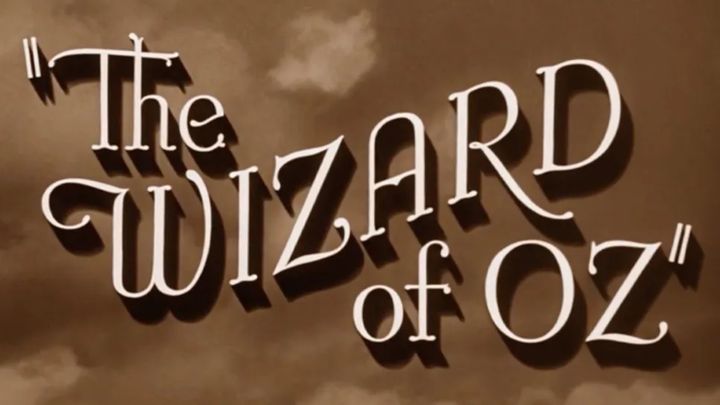
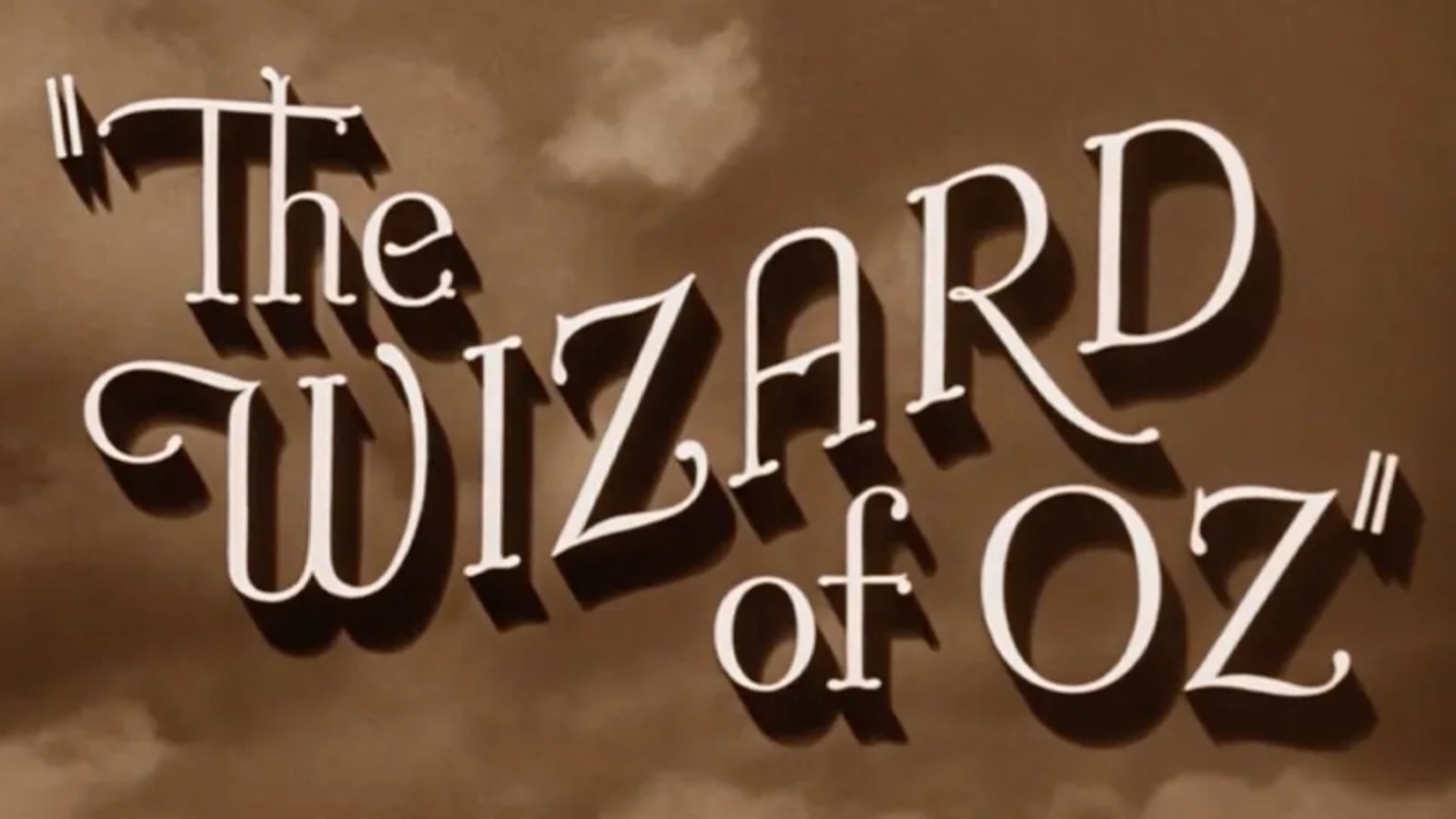
At the end of the film, a title card appeared which uses the same curly font as The Wizard Of Oz’s original movie.
The iconic Wizard Of Oz tune reappears in this adaptation when children run through Munchkinland ringing bells and clanging pans over the Wicked Witch’s death.
The Wizard escaped from a hot air balloon in The Wicked musical, and Dorothy tried to use one to get home in the 1939 film too. Apt, then, that Glinda and Elphaba try to escape using one.
Advertisement
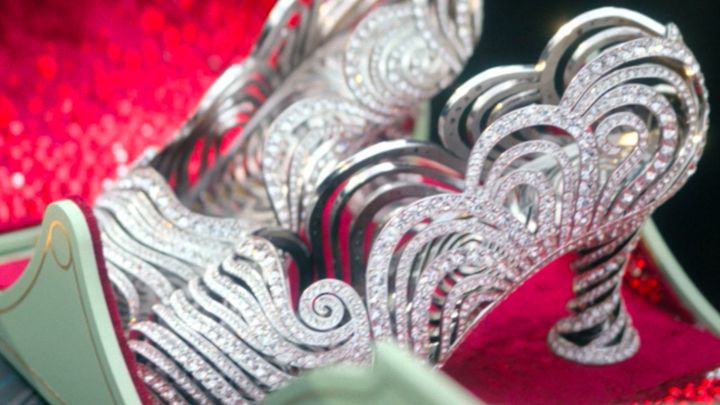
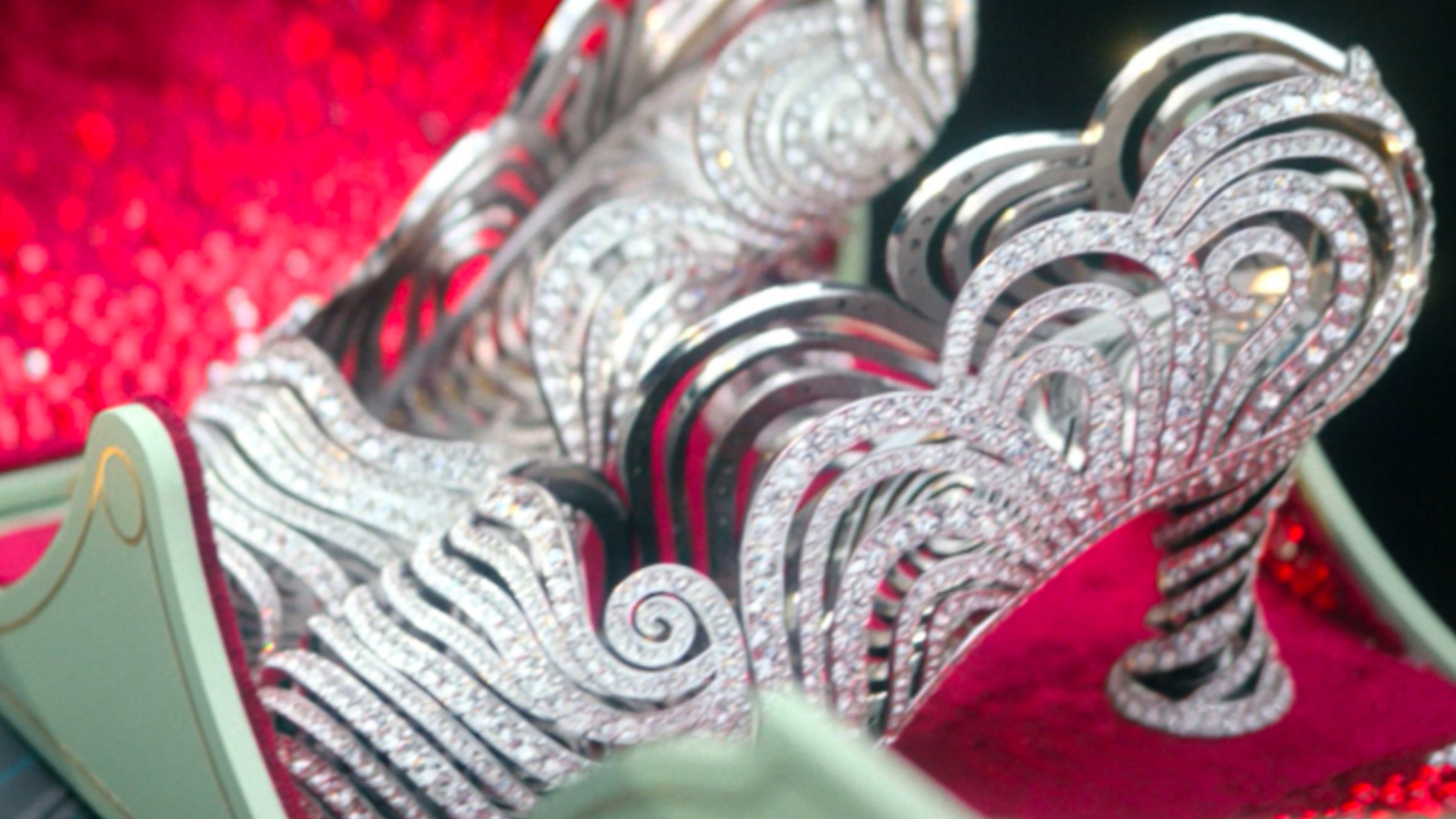
“I love the sort of red slippers that [Glinda] clicks three times in Popular. I love the crystal slippers that we have in the movie. The design of it is like a tornado, as, if you know the story, that comes into play later,” director Chu says. It refers to the tornado that The Wizard Of Oz begins with.
During The Wizard And I, both rainbows and bluebirds appear, referencing the iconic Somewhere Over The Rainbow (again).
Both Elphaba and Glinda spar with sticks in the movie, a possible reference to The Wizard Of Oz’s broom and wand battle.
Michael Rose, who played Fiyero in the Broadway show, is the lead male vocals on One Short Day.
Idina Menzel, who starred in the original Broadway version of the Wicked musical, makes an appearance.
Advertisement
So does Kristen Chenoweth, also from the original Broadway version of Wicked.

Before No One Mourns the Wicked, the audience sees the Tin Man, the Cowardly Lion, Dorothy, the Scarecrow, and Toto on The Yellow Brick Road.
Elphaba’s sister wears striped socks, reminiscent of the well-known Wizard of Oz still showing The Wicked Witch Of The East’s stripy sock-wearing legs peeking out from under the house that crushed her.
Her hair is shaped like storm cloud, a reference to her ability to control the weather.
The show includes a lion cub trembling in a cage ― reminiscent of the Cowardly Lion.
Miss Cottle calls out “Not to worry, just a slight gulch” in the movie. The Wizard Of Oz’s original Wicked Witch was played by Almira Gulch.
Universal / Everett Collection
Advertisement
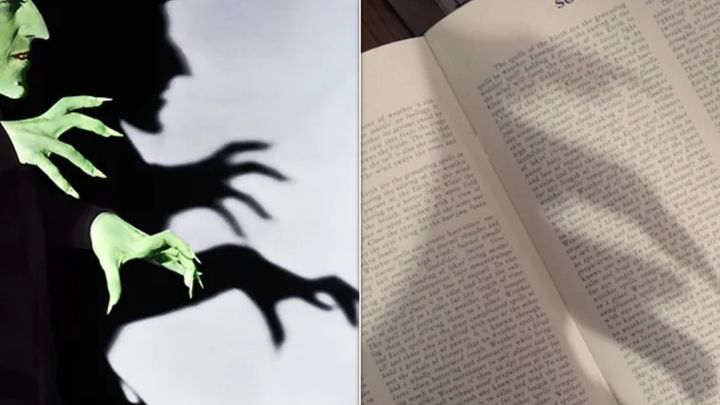
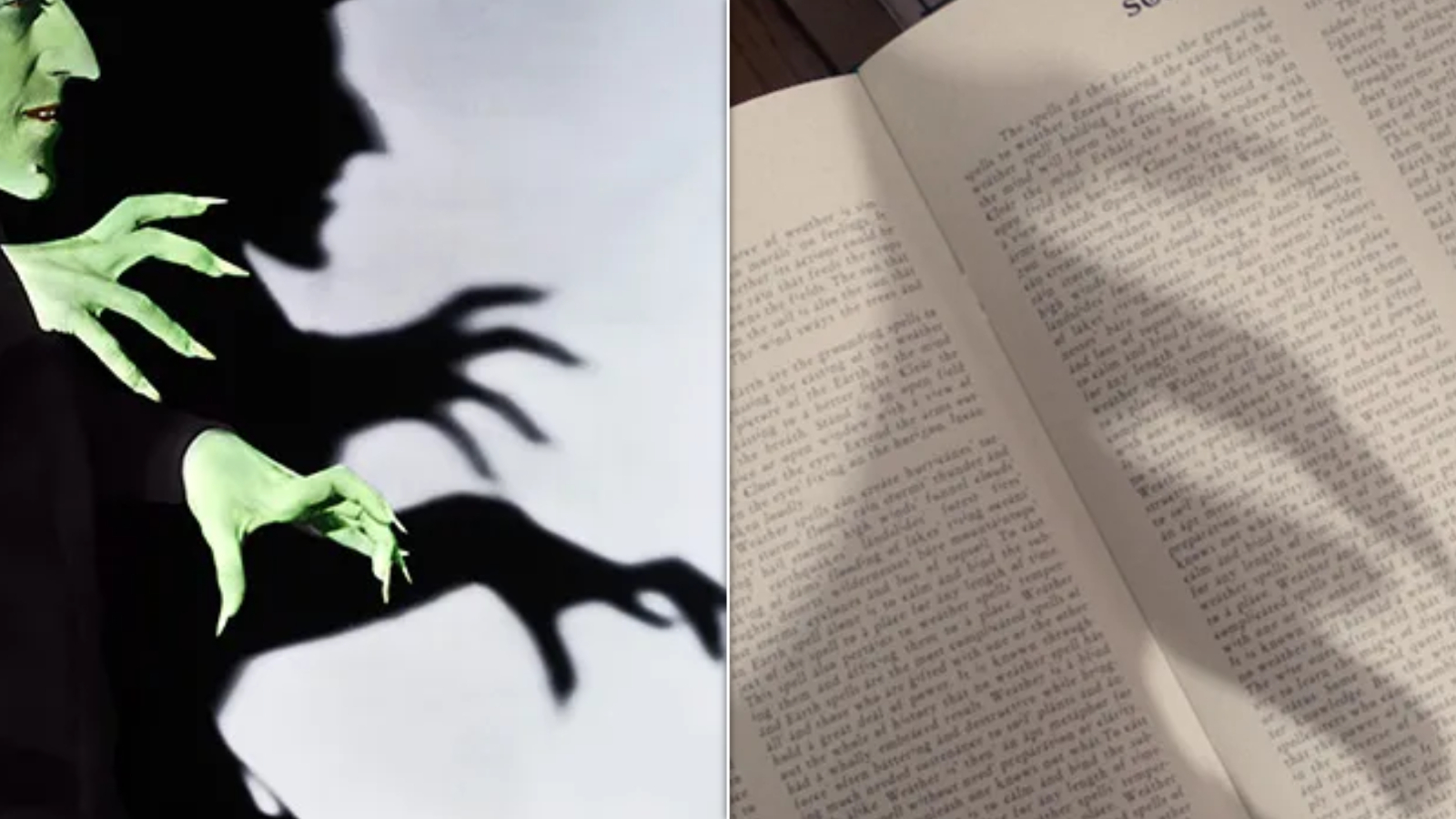
Fans of The Wizard Of Oz will likely have noticed how the shadow of Elphaba’s hand mirrors that of The Wicked Witch Of The West’s in The Wizard Of Oz.
Stephen Schwartz, the person who wrote the lyrics to the Wicked musical, is briefly visible as a guard through a peephole.
Jonathan Bailey, who plays Fiyero in the film, rides on a horse that’s the same as the one he used in Bridgerton.
The library’s spinning circular shelves and ladders both spell out the letters “O” and “Z” (OZ) at different points in the movie.
Advertisement
The Wizard picks up a wooden house and throws it in the air in the movie, reminiscent of Dorothy’s home’s flight in the 1939 film.

If you wanted a clear-cut reference to The Wizard Of Oz, these Dorothy-worthy shoes should do it. And if they didn’t, maybe the fact that they’re clicked three times will satisfy you.
There’s a cycling scene in Wicked with the lion cub in tow. It’s hard not to think of the moment in The Wizard Of Oz, where we see Toto in Dorothy’s bike’s basket.
Madam Morrible advises Elphaba “we musn’t let you get wet.” This is how The Wicked Witch Of The West dies in the 1939 film.
Advertisement
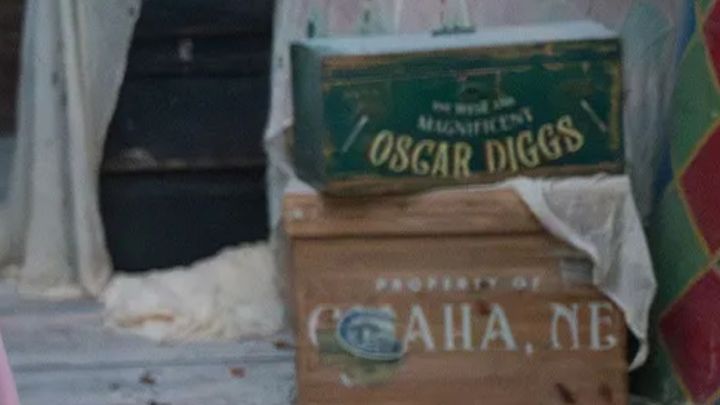
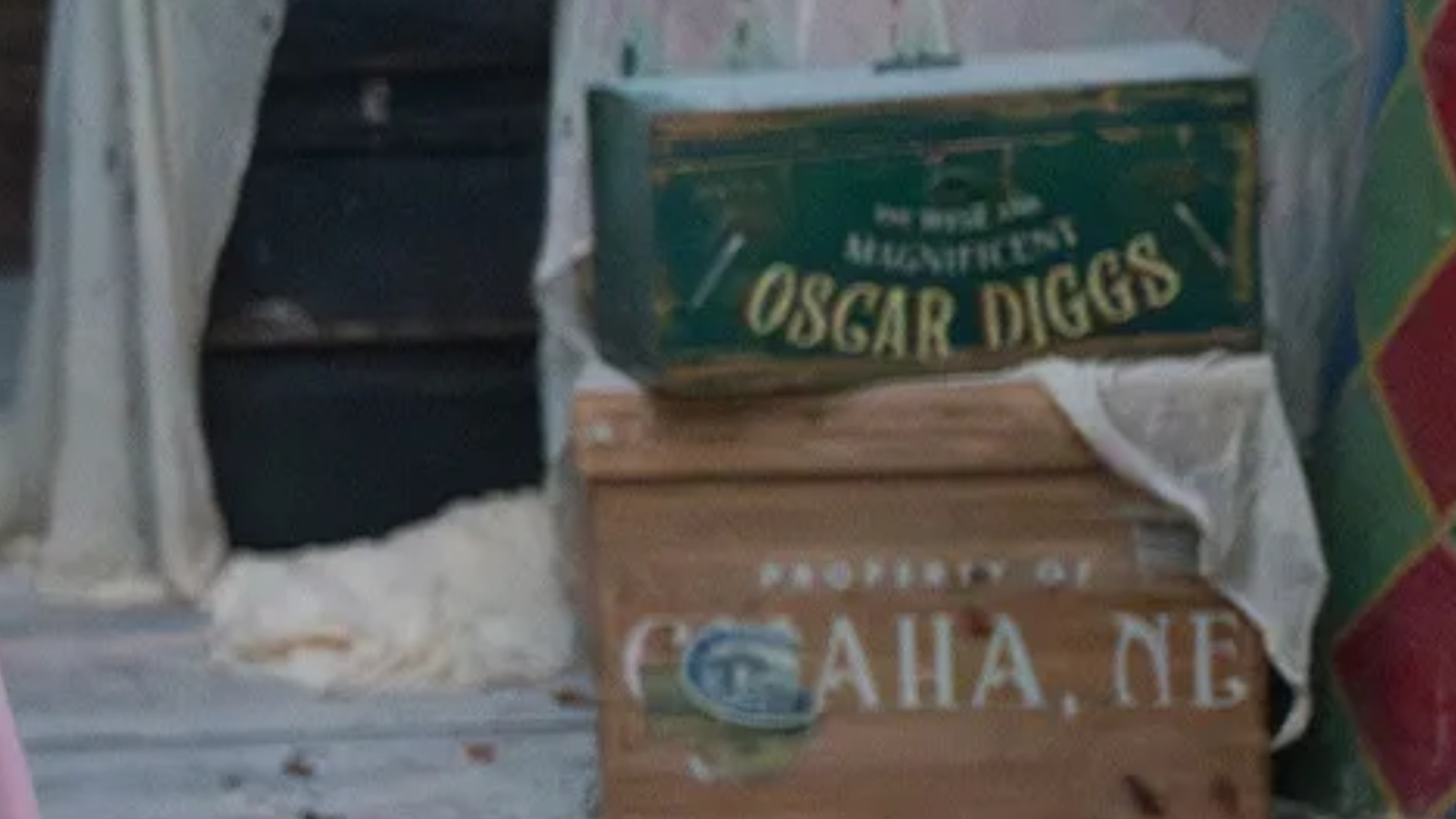
The Wizard in The Wizard Of Oz’s real name is Oscar Diggs. We see this name plastered on surfaces throughout the film.
Oscar Diggs is from Omaha originally, which is referenced multiple times in the film. The wizard’s invite is from Omaha: an “O-ma-ha” chant rises in the movie.
Well, there is. Winnie Holzman, who wrote the book of the Wicked musical, also appears in the film.

This mimics an iconic moment in Wicked’s musical.
The tune is
Follow The Yellow Brick Road.
The actor, who played The Wizard in the film, shared on
that he’d wanted to sneak a piece of string that he uses for magic tricks. It mostly got cut out, but he claims Elphaba holds it at some point in the movie.

The line “don’t pay attention to the man behind the curtain,” from the 1939 movie, is cleverly referenced when the Wizard hides behind a hanging sheet.
Advertisement
The Wizard has to pick what colour to make his new brick road in the film, and well… there was no real option aside from yellow.
The 1939 Wizard Of Oz bursts into Technicolour in the second act, a huge technological feat the time.
The musical also breaks after Defying Gravity, which is when the 2024 movie ends.
At that point, a “to be continued…” title comes up in the same font as the 1939 movie and in bright colours.
Actor Alice Fearn, who played Elphaba in the Broadway Wicked musical throughout the 2010s, plays Glinda’s mother.
The flowers which featured heavily in the 1939 Wizard Of Oz film also appear in the Wicked movie.

Advertisement
Did you spot any more references and Easter eggs? Let us know!







So it seems that the keen-eyed viewers have picked up on more than just the gossip on this series of this year’s I’m A Celebrity… Get Me Out Of Here.
Upon closer inspection, the two seemed to have the faces of their watches covered with plasters and black tape, and people were rushing to get to the bottom of why this was.
That was until I’m A Celebrity producers confirmed that the contestants have ‘no idea what time it is’, and these are measures the production takes to keep it that way.
This is a question that was asked way back in 2017 and then hosts of I’m a Celebrity: Extra Camp hosts Joel Dommett and Scarlett Moffatt gave exactly the same reason, and told us why.
“It’s so the campmates don’t know the time, so all the watches are covered for the people that see the campmates all the time, like Ant, Dec and Medic Bob.
“I think it’s just so you’re really disorientated, like we had no concept of time,” Moffat said.
In a statement to another fan, the Twitter/X programme’s official account stated: “Ant & Dec’s watches are covered to stop the celebs finding out what time it is – they have no idea, as no clocks in camp.”

Humberside Police has received 411 reports of assaults and abuse towards GP staff over five years.
BBC journalist Hazel Martin was told she had liver fibrosis and must go teetotal or she could die.
