5 Things HIV Doctors Want Everyone To Be Doing

Of the estimated 1.2 million people with HIV in the United States, 13% are unaware they have it. This is despite ongoing scientific advancements enabling people with HIV to live long, healthy lives, and a vast increase in frank and candid conversations from people in the public eye, like Billy Porter and Jonathan Van Ness, to dispel the stigma surrounding the virus.

What gives?

“I still think there is a lot of stigma surrounding HIV and prevention, and I also think there’s still a distrust from certain communities of the medical establishment, lack of education and comfort with providers,” said Dr. Antonio E. Urbina, medical director at the Mount Sinai Institute for Advanced Medicine and a professor of medicine at the Icahn School of Medicine at Mount Sinai in New York City.

“We have made strides in terms of decreasing the number of new infections, but we still need to demystify the tools we have to prevent it by universally adopting a more sex-positive attitude,” Urbina told HuffPost

Feeling comfortable with and empowered by your medical provider to speak openly about your status, ask questions and seek treatment are crucial tools in the fight to eradicate HIV and treat those living with it. But there are plenty of other things infectious disease doctors recommend that people do in order to keep themselves safe.

Know your status.

The most obvious-sounding one is also one of the most important. It’s not only for the benefit of your sexual partners and for the betterment of your health but also to ensure you’re getting the correct and most effective treatment possible.

“When a person is aware of their status, they can engage in informed conversations with health care providers to explore personalized prevention strategies,” Dr. Taimur Khan, associate medical research director of the Fenway Institute in Boston, told HuffPost.

“Regular testing facilitates early detection, which can lead to early treatment, reducing the risk of HIV transmission and contributing to better health outcomes. It also opens the door to other preventive measures, like PrEP, which can be tailored to individual needs and circumstances.”

Inquire about new treatment options.

PrEP, or pre-exposure prophylaxis, is already a widely known method of protection and prevention. When taken in pill form as prescribed, PrEP reduces the risk of getting HIV from sex by 99%.

It also helps to maintain the U=U, or undetectable equals untransmittable, status. When your viral load is undetectable, it’s also untransmittable. When someone has HIV and is taking antiretroviral therapy (ART) to maintain their undetectable status, they cannot spread the virus. Since PrEP assists in preventing someone from contracting HIV even if they are exposed to it, it also helps to protect the wider community.

But not everyone feels like taking a pill every day. For those people, it might be worth inquiring about other options.

“We already have approved a long-acting bimonthly injectable called Apretude,” Khan said. “That might be able to option the window for capturing the most vulnerable populations or most impacted. It’s widely available and FDA-approved, most insurances will cover it. It just hasn’t really scaled up significantly because it’s still new, and I also think it takes a bit of infrastructure at a site or clinic to have a flow and process for getting it approved and actually doing the injections.”

Practice safe sex and injection.

Every doctor we spoke to stressed the effectiveness of consistently wearing condoms when engaging in anal, vaginal or oral sex, and for those who inject drugs, participating in needle exchanges or ensuring clean needles are used. For more information about syringe services programs, click here.

Prioritise being in a safe space.

It’s just as important to feel empowered to discuss your sexual health with a partner as it is with your health care provider.

“There should be no shame or judgment surrounding sex. This is one of the reasons transmission continues to occur,” said Robin Hardwicke, a professor of obstetrics and gynaecology at UTHealth Houston who specialises in infectious diseases. “Sex is a natural part of human life; an expectation. Be free to have sex, but be responsible enough to protect yourself and your partner.”

“Find a provider or clinic where you feel comfortable talking about these issues,” Urbina added. “If you start to talk about this and you get shut down or they’re not responsive to your needs, you should go somewhere else until you really feel comfortable. If you feel you have to hide or not disclose something so important, it’s not a fit.”

Treat HIV as part of your overall health.

Finally, it’s important for both medical professionals and their patients to remember that they would be better served looking at HIV through the lens of overall health and not just sexual health, Khan told HuffPost.

“The stigma that has long been associated with HIV is being challenged by emphasising a shift from discussing ‘risky’ behaviour to promoting sexual practices that are safe, consensual and enjoyable,” he said. “By addressing HIV as one aspect of a broader sexual health conversation that includes other [sexually transmitted infections], vaccinations, mental health and substance use, the focus is placed on comprehensive care and well-being. This inclusive approach helps to dismantle the blame and shame often associated with HIV and repositions it as a manageable health condition.”

Share Button

PrEP Can Prevent HIV Infections, But Most Women Don’t Know They Can Take It

When it comes to lowering your risk of getting infected with HIV, there is one immensely valuable yet grossly underused medication that doctors recommend.

The drug is known as PrEP, or pre-exposure prophylaxis, and is a medication that reduces the risk of someone getting HIV, said Dr. Shivanjali Shankaran, an infectious disease physician who specializes in HIV at RUSH University Medical Group in Chicago.

PrEP is an important HIV infection prevention tool that many folks either don’t know about or don’t think they’re eligible for. It’s estimated that only “about 30% of the people who should be on PrEP are on PrEP and of them in the U.S., only 7% of PrEP users are women,” Shankaran said.

There’s a dangerous myth that women can’t take PrEP, which is probably why use among this demographic is so low. But with 18% of new HIV diagnoses in the U.S. happening in women, prevention is necessary.

We spoke with experts about PrEP and why it’s valuable for everyone — including women. Here’s what they said:

PrEP is a medication that HIV-negative people can use to stay HIV-negative.

PrEP reduces the risk of becoming infected with HIV both via sexual activity and via injection drug use, Shankaran said.

The Centers for Disease Control states that PrEP lowers your risk of contracting HIV sexually by 99% and 74% when it comes to HIV contraction via injection drug use.

“The different studies had varying levels of protection, but most of those were related to how well someone adhered to taking the pills,” Shankaran explained. “So if you took the pills most of the time, if not all of the time, it’s very, very effective — obviously, if you don’t take it, it’s not going to be effective.”

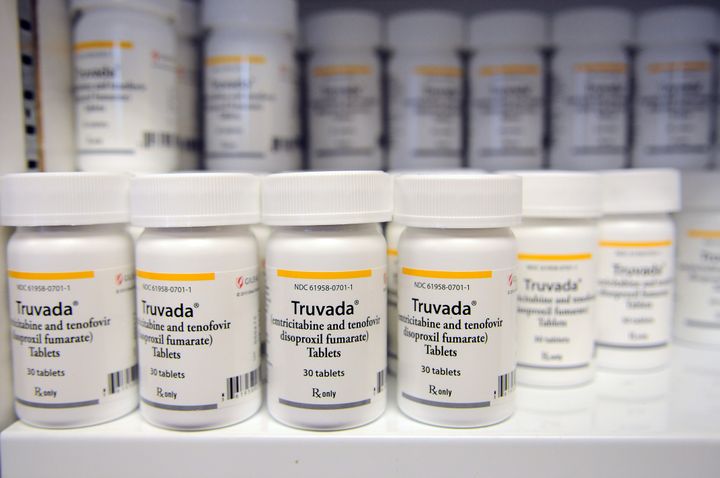
There are currently three options for PrEP in the U.S.; two of the treatments are pills and one is an injectable. Cisgender women are eligible for two of the three treatments, according to Shankaran: Truvada, a pill treatment, and Apretude, which is the injectable medication.

Truvada is one PrEP medication that women can take. (Astrid Riecken/Tribune News Service via Getty Images)

MCT via Getty Images

Truvada is one PrEP medication that women can take. (Astrid Riecken/Tribune News Service via Getty Images)

“The CDC currently recommends that if you’re a cis woman, you take the medication, the Truvada, for example, if it is a pill, you take it every day, and about after about 21 days or so you’re fully protected,” Shankaran said.

For Apretude, the injectable medication, the time it takes for someone to be fully protected is unknown, according to the CDC. This is because the medication has been available for a shorter time, Shankaran said.

“The duration is shorter for men, also [men] can do sort of on-demand PrEP, where you take it if you’re going to have sex,” Shankaran explained. However, taking the medication “on demand” is not currently recommended for cis women.

Additionally, cisgender women cannot take Descovy, the third PrEP medication, which is also administered in pill form. “Because, unfortunately, studies were not done in cis women, and so there was not enough data in the use of Descovy … which is why it’s not approved for that use,” Shankaran said.

PrEP is just one part of a full strategy for people to stay HIV-free.

“The reason I say it’s a strategy because I think the medication, whether it be a pill, or injectable, is sort of just part of it — so, it’s either a pill a day that people can take, or an injectable medication every two months,” said Dr. Oni Blackstock, the founder and executive director of Health Justice, an organisation that works with health care groups to reduce health inequities and centre anti-racism.

But, beyond the pill or injectable, there are additional levels of care someone receives when they start PrEP.

“They’re going to be seeing a provider every few months, they’re going to be tested for sexually transmitted infections that can co-occur with HIV, they’ll be checked for how they’re tolerating the medication, they’ll be counselled on any sort of sexual or drug use behaviours that may be associated with HIV,” Blackstock said.

“So, I just think of it as sort of a bundle of care to help people who are HIV-negative stay HIV-negative,” she added.

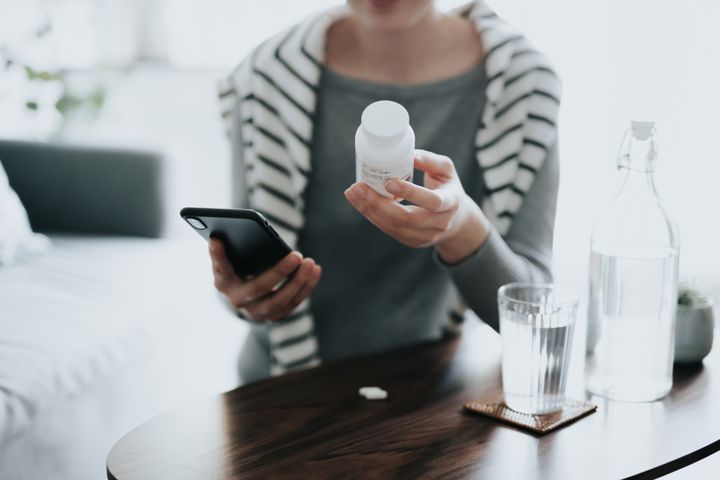
A daily pill treatment can reduce your risk of becoming infected with HIV.

d3sign via Getty Images

A daily pill treatment can reduce your risk of becoming infected with HIV.

The marketing of PrEP, along with misinformation, has created the inaccurate idea that cisgender women can’t take the medication.

Through no fault of their own, many cisgender women do not know that PrEP is a medication they can use to reduce their risk of contracting HIV.

“Because PrEP has been historically heavily marketed to men who have sex with men … it really gave the impression that PrEP was not something that … cisgender women could take, and unfortunately, this is sort of reinforced by many health care providers.” Blackstock said, “I’ve heard stories of women saying, ‘Well, my doctor said this is something only gay men take or that I can’t take it if I’m pregnant or if I’m breastfeeding or if I’m trying to get pregnant.’”

(For the record, oral PrEP is safe for use in people who are pregnant, breastfeeding and trying to get pregnant.)

“So, there’s a lot of misinformation also from health care providers as well,” Blackstock noted.

The misinformation combined with the lack of marketing toward cisgender women has led to a low uptake of PrEP among this group, Blackstock said. Black women, who account for half of new HIV infections in women, are on PrEP even less.

When asked why this is the case, Blackstock said “it’s multifactorial.”

“Some of that has to do with women, particularly Black women thinking that they may not be at risk, so sort of low perceived risk of HIV, but it’s also because a lot of women may not be aware of PrEP because it’s something that health care providers aren’t talking to them about or offering.”

Additionally, it may have to do with health insurance coverage. “We know that the South is the epicentre of the HIV epidemic [and] there are many states in the South that haven’t expanded Medicaid, so for various reasons, Black women may not have access to PrEP,” Blackstock added.

Shankaran noted that for uninsured or underinsured people, there are still options.

“You can get access to medications, either via the CDC, they have something called a Ready Set PrEP program, as well as the manufacturer, they have programs where they can help you get medications, even if you are uninsured,” Shankaran said. (Keep in mind that everyone won’t qualify for these programs.)

PrEP is a powerful tool that puts women in control of their health.

You can take PrEP for as long as you are at risk of contracting HIV, Shankaran said, and you can stop taking it when you are no longer at risk. You can also pick it up again if necessary.

Additionally, you don’t have to go to an HIV doctor of infectious disease doctor for the medication. “Your primary care physician can prescribe it, some places family medicine [can prescribe], adolescent clinics [and] some places GYN clinics will prescribe it,” Shankaran said.

What’s more, you’re given peace of mind when you properly take PrEP.

“The really wonderful thing about PrEP is that it’s user-controlled, a woman can take it with or without her partner’s awareness and knowledge — some women may be in a situation where it may not be safe to share with their partner that they’re taking PrEP, but it allows a woman to protect herself,” Blackstock noted.

And just to underscore this point: PrEP is for people of all gender identities and sexual orientations and is an immensely valuable way to stay HIV-free.

Share Button

Boris Johnson to apologise to Covid inquiry but say he got big calls right

But the former PM will argue robustly his government got many big pandemic calls right, sources say.

Share Button

Swine flu: What’s next after first confirmed case in UK?

What you need to know about the first confirmed case of a new type of flu, found in North Yorkshire.

Share Button

Can preeclampsia be prevented?

Preeclampsia is a mysterious condition that occurs in about one of 10 pregnancies without any early warning signs. After 20 weeks or more of normal blood pressure during the pregnancy, patients with preeclampsia will begin to experience elevated blood pressure and may also have increased levels of protein in their urine due to hypertension reducing the filtering power of the kidneys. Prolonged hypertension due to preeclampsia can lead to organ damage and life-threatening complications for mothers and fetuses.

There is no cure for the underlying causes of preeclampsia, so physicians focus on managing and monitoring patients’ blood pressure to allow for as close to a full-term gestation as possible. With severe disease, pre-term deliveries are necessary.

“For some patients who can make it to full term, a preeclampsia diagnosis is scary at first but ultimately a bump in the road,” says Jennifer McIntosh, DO, MS, associate professor of obstetrics and gynecology at the Medical College of Wisconsin (MCW). “For those who get it earlier on, it can be terrifying and life-changing, potentially including a long hospital stay before delivery and significant supportive care for the infant in the NICU afterwards.”

More research is needed into what causes preeclampsia to guide the development of potential new ways to diagnose, treat and prevent this common yet cryptic condition.

“The worldwide incidence of preeclampsia is rising, so research grows more important by the day,” Dr. McIntosh says. “Preeclampsia has existed for as long as women have been giving birth, and yet the only cure for it is delivering the baby. I believe we can be innovative and do better for our patients.”

MCW scientists published results on a study of one of the emerging theories for what causes preeclampsia in Science Advances in December 2023. The experiments focus on a particular layer of cells of the placenta called the syncytiotrophoblast (STB), which is a key part of the barrier between the mother and developing fetus. This blockade helps keep a mother’s fully formed immune system from reacting to the fetus and potentially responding as if the fetus was a foreign threat such as a viral or bacterial invader. The barrier also works in reverse to keep the fetus’s growing immune system from reacting to its mother’s cells and tissues. The study’s authors investigated the hypothesis that an abnormal amount of cellular and molecular stresses to the STB can damage the placenta and lead to preeclampsia.

“There is considerable evidence that these stresses accumulate, however, how and why it happens continues to be an open question,” says Justin Grobe, PhD, MCW professor of physiology and biomedical engineering and the co-corresponding author on the Science Advances manuscript with Dr. McIntosh. “We felt it was important to continue to validate the STB stress findings before advancing work on our hypothesis that elevated hormones of pregnancy contribute to the accumulation of stress by overstimulating the STB.”

The research team began by studying placentas donated for research purposes through the MCW Maternal Research Placenta & Cord Blood Bank. By comparing “normal” placentas with placentas from pregnancies where patients suffered from preeclampsia, investigators demonstrated that preeclampsia was associated with higher levels of cellular stresses in the STB layer on the placenta. Additionally, the researchers found a hyperactive level of activity of the G?q protein known to play a role in transmitting signals related to the levels of several hormones present in excessive amounts during preeclampsia.

“The donated human placenta samples were critical to identifying potential mechanisms of STB stress,” says Megan Opichka, PhD ’23, research and development scientist at BioSpyder Technologies and first author on the publication. “Because these samples are collected upon delivery, we then needed to develop an animal model to determine if these sources of stress may actually be causative.”

Based on the findings of hyperactive signaling through G-protein-coupled receptors (GPCRs) in samples from patients with preeclampsia, the scientists developed a new mouse model genetically engineered to enable the precise manipulation of GPCR signals within specific cell types. This allowed the researchers to activate the signaling pathways associated with preeclampsia within the STB layer of the mouse’s placenta. The team demonstrated that even a very brief activation of the identified signaling cascades during the early or middle portions of gestation led to significant consequences during the mouse pregnancy. These mice developed all the signature signs of preeclampsia, including high blood pressure, kidney damage and other anatomical and cellular changes. In some mice exposed to the preeclampsia inducing signals, the scientists tested the effects of a medicine that reduces stress on the mitochondria that generate energy within each cell. The drug provided substantial protection against developing the signs and symptoms of preeclampsia.

“With our unique model, we can study the effects of contributing factors to preeclampsia throughout pregnancy,” Dr. Grobe says. “We can test specific signaling cascades in specific cells and tissues at specific times to observe their effects. We have only scratched the surface on what we can learn.”

“This will absolutely be a springboard for future research,” Dr. McIntosh adds. “Because the drug we tested, MitoQ, is generally known to be safe, we’re working on plans for a clinical pilot study to test appropriate dosage and efficacy in advance of pursuing larger clinical studies of preeclampsia in the future.”

So, can preeclampsia be prevented? While today the answer is no, MCW scientists now are one step closer with these experimental results. And they are continuing to work as a team to achieve this goal through additional studies.

“What drives my research is my frustration about the lack of understanding of what causes preeclampsia,” says Dr. McIntosh. “We need to continue linking the bench and the bedside together so that we can understand the causes and use them to bring a cure to the bedside.”

Share Button

Pathogens use force to breach immune defenses, study finds

Similar to a burglar breaking a window to get into a house, Indiana University researchers have discovered a previously unknown process by which pathogens enter a cell with physical force, breaching the body’s immune defenses that prevent infection.

The work, published in the journal Proceedings of the National Academy of Sciences, introduces a potential game-changer in the fight against intracellular pathogens responsible for causing devastating infectious diseases, such as tuberculosis, malaria and chlamydia. These diseases are notoriously difficult to treat because the pathogens are protected inside host cells.

“Using the parasite Toxoplasma as our representative pathogen, our work shows that some intracellular pathogens can apply physical forces during their entry into host cells, which then allow the pathogens to evade degradation and to survive intracellularly,” said study lead author Yan Yu, professor in the College of Arts and Sciences’ Department of Chemistry at IU Bloomington. “This work suggests that targeting the motility of pathogens may be a new way to combat infection inside cells.”

Normally, when an invading pathogen encounters a phagocyte — a type of white blood cell responsible for destroying bacteria, viruses and other types of foreign particles — it is caught and ingested by the phagocyte. For pathogens that escape this process, it is commonly thought that those pathogens must release a “secret arsenal” to “paralyze” the degradative machineries in the cell.

However, Yu’s study shows that this common belief is not true. She and collaborators have found that pathogens can avoid being ingested within the immune cell by exerting a “propulsive force.” With this forceful entry, the pathogens are diverted into vacuoles that lack the ability to break down these infiltrators. A vacuole is a structure reserved for storage and digestion within a cell.

To conduct the research, Yu and colleagues introduced the disease-causing parasite Toxoplasma into mouse-derived cells, observing their behaviors through a fluorescence microscope. These live parasites forcefully entered and thrived within immune cells.

The biggest challenge then was to determine whether the live parasite escapes the immune defense with unknown chemical substances, or simply through force. To tackle this question, Yu and her team took an inventive approach: They created inactivated parasites that cannot exert force or create chemical substances. Unlike live parasites, these “zombie” parasites were swiftly degraded in the cell.

The researchers then employed magnetic tweezers to push the inactivated parasite into the immune cell to mimic the forceful entry observed in live Toxoplasma. The inactivated parasite, now subjected to simulated forceful entry, evaded degradation, akin to its live counterpart. This suggests that the force of entry, not chemicals, explains the pathogen’s survival, Yu said.

To manipulate the movement of the parasite in the second experiment, the researchers had to develop the “tweezer system” with magnetic nanoparticles. They also collaborated with a team at the University of Tennessee to develop computational models to simulate the behavior.

In addition, the researchers conducted the same experiments using yeast to confirm that the mechanism observed could also be found in other infectious agents, not just Toxoplasma.

“This study elucidates the contribution of physical forces in immune evasion and underscores the importance of targeting pathogen movement to combat intracellular infections,” Yu said. “We’re hopeful this work may ultimately contribute to new efforts to fight a variety of infections that are harmful to human health.”

Other IU researchers on the study were first author Zihan Zhang, as well as Jin Ou, Yanqi Yu and Qiong Zhou. Additional co-authors are Thomas K. Gaetjens and Steven M. Abel at the University of Tennessee. This work was supported by the National Institutes of Health and the National Science Foundation.

Share Button

Human behavior guided by fast changes in dopamine levels

What happens in the human brain when we learn from positive and negative experiences? To help answer that question and better understand decision-making and human behavior, scientists are studying dopamine.

Dopamine is a neurotransmitter produced in the brain that serves as a chemical messenger, facilitating communication between nerve cells in the brain and the body. It is involved in functions such as movement, cognition and learning. While dopamine is most known for its association with positive emotions, scientists are also exploring its role in negative experiences.

Now, a new study from researchers at Wake Forest University School of Medicine shows that dopamine release in the human brain plays a crucial role in encoding both reward and punishment prediction errors. This means that dopamine is involved in the process of learning from both positive and negative experiences, allowing the brain to adjust and adapt its behavior based on the outcomes of these experiences.

The study was published today in Science Advances.

“Previously, research has shown that dopamine plays an important role in how animals learn from ‘rewarding’ (and possibly ‘punishing’) experiences. But, little work has been done to directly assess what dopamine does on fast timescales in the human brain,” said Kenneth T. Kishida, Ph.D., associate professor of physiology and pharmacology and neurosurgery at Wake Forest University School of Medicine. “This is the first study in humans to examine how dopamine encodes rewards and punishments and whether dopamine reflects an ‘optimal’ teaching signal that is used in today’s most advanced artificial intelligence research.”

For the study, researchers on Kishida’s team utilized fast-scan cyclic voltammetry, an electrochemical technique, paired with machine learning, to detect and measure dopamine levels in real-time (i.e., 10 measurements per second). However, this method is challenging and can only be performed during invasive procedures such as deep-brain stimulation (DBS) brain surgery. DBS is commonly employed to treat conditions such as Parkinson’s disease, essential tremor, obsessive-compulsive disorder and epilepsy.

Kishida’s team collaborated with Atrium Health Wake Forest Baptist neurosurgeons Stephen B. Tatter, M.D., and Adrian W. Laxton, M.D., who are also both faculty members in the Department of Neurosurgery at Wake Forest University School of Medicine, to insert a carbon fiber microelectrode deep into the brain of three participants at Atrium Health Wake Forest Baptist Medical Center who were scheduled to receive DBS to treat essential tremor.

While the participants were awake in the operating room, they played a simple computer game. As they played the game, dopamine measurements were taken in the striatum, a part of the brain that is important for cognition, decision-making, and coordinated movements.

During the game, participants’ choices were either rewarded or punished with real monetary gains or losses. The game was divided into three stages in which participants learned from positive or negative feedback to make choices that maximized rewards and minimized penalties. Dopamine levels were measured continuously, once every 100 milliseconds, throughout each of the three stages of the game.

“We found that dopamine not only plays a role in signaling both positive and negative experiences in the brain, but it seems to do so in a way that is optimal when trying to learn from those outcomes. What was also interesting, is that it seems like there may be independent pathways in the brain that separately engage the dopamine system for rewarding versus punishing experiences. Our results reveal a surprising result that these two pathways may encode rewarding and punishing experiences on slightly shifted timescales separated by only 200 to 400 milliseconds in time,” Kishida said.

Kishida believes that this level of understanding may lead to a better understanding of how the dopamine system is affected in humans with psychiatric and neurological disorders. Kishida said additional research is needed to understand how dopamine signaling is altered in psychiatric and neurological disorders.

“Traditionally, dopamine is often referred to as ‘the pleasure neurotransmitter,”‘ Kishida said. “However, our work provides evidence that this is not the way to think about dopamine. Instead, dopamine is a crucial part of a sophisticated system that teaches our brain and guides our behavior. That dopamine is also involved in teaching our brain about punishing experiences is an important discovery and may provide new directions in research to help us better understand the mechanisms underlying depression, addiction, and related psychiatric and neurological disorders.”

This study was supported by grants from the National Institutes of Health: R01MH121099, R01DA048096, R01MH124115, P50DA006634, 5KL2TR001420, F31DA053174, T32DA041349 and F30DA053176.

Share Button

A color-based sensor to emulate skin’s sensitivity

Robotics researchers have already made great strides in developing sensors that can perceive changes in position, pressure, and temperature — all of which are important for technologies like wearable devices and human-robot interfaces. But a hallmark of human perception is the ability to sense multiple stimuli at once, and this is something that robotics has struggled to achieve.

Now, Jamie Paik and colleagues in the Reconfigurable Robotics Lab (RRL) in EPFL’s School of Engineering have developed a sensor that can perceive combinations of bending, stretching, compression, and temperature changes, all using a robust system that boils down to a simple concept: color.

Dubbed ChromoSense, the RRL’s technology relies on a translucent rubber cylinder containing three sections dyed red, green, and blue. An LED at the top of the device sends light through its core, and changes in the light’s path through the colors as the device is bent or stretched are picked up by a miniaturized spectral meter at the bottom.

“Imagine you are drinking three different flavors of slushie through three different straws at once: the proportion of each flavor you get changes if you bend or twist the straws. This is the same principle that ChromoSense uses: it perceives changes in light traveling through the colored sections as the geometry of those sections deforms,” says Paik.

A thermosensitive section of the device also allows it to detect temperature changes, using a special dye — similar to that in color-changing t-shirts or mood rings — that desaturates in color when it is heated. The research has been published in Nature Communications and selected for the Editor’s Highlights page.

A more streamlined approach to wearables

Paik explains that while robotic technologies that rely on cameras or multiple sensing elements are effective, they can make wearable devices heavier and more cumbersome, in addition to requiring more data processing.

“For soft robots to serve us better in our daily lives, they need to be able to sense what we are doing,” she says. “Traditionally, the fastest and most inexpensive way to do this has been through vision-based systems, which capture all of our activities and then extract the necessary data. ChromoSense allows for more targeted, information-dense readings, and the sensor can be easily embedded into different materials for different tasks.”

Thanks to its simple mechanical structure and use of color over cameras, ChromoSense could potentially lend itself to inexpensive mass production. In addition to assistive technologies, such as mobility-aiding exosuits, Paik sees everyday applications for ChromoSense in athletic gear or clothing, which could be used to give users feedback about their form and movements.

A strength of ChromoSense — its ability to sense multiple stimuli at once — can also be a weakness, as decoupling simultaneously applied stimuli is still a challenge the researchers are working on. At the moment, Paik says they are focusing on improving the technology to sense locally applied forces, or the exact boundaries of a material when it changes shape.

“If ChromoSense gains popularity and many people want to use it as a general-purpose robotic sensing solution, then I think further increasing the information density of the sensor could become a really interesting challenge,” she says.

Looking ahead, Paik also plans to experiment with different formats for ChromoSense, which has been prototyped as a cylindrical shape and as part of a wearable soft exosuit, but could also be imagined in a flat form more suitable for the RRL’s signature origami robots.

“With our technology, anything can become a sensor as long as light can pass through it,” she summarizes.

Share Button

Public gardens contribute to invasives problem

Botanist Denis Conover does not have to go far to study the growing problem of invasive plants.

During an autumn stroll outside his office at the University of Cincinnati, the biology professor pointed out numerous examples of nonnative, invasive species in campus landscaping.

“This is winged euonymus, otherwise known as burning bush. And here is Chinese silver grass. It’s a popular ornamental, but the seeds are dispersed by the wind,” he said.

And there were many others: English ivy, wintercreeper, Callery pear.

For his latest study published in the journal Ecological Restoration, he and his students examined the impact that nonnative, invasive plants are having on forests. He found that plants at arboretums and public gardens inadvertently can seed wild areas with nonnative plants.

“The nonnative, invasive species are very detrimental to native ecosystems,” Conover said “Once they get going in the natural areas, they can take over and exclude the native plants and the animals that depend on them.”

The example he used was the arboretum at Cincinnati’s Spring Grove Cemetery, which has recorded more than 1,200 species of trees, shrubs, vines and other plants over its 178-year history. The arboretum is home to 26 noteworthy, mature trees known as “champions” for being the largest or best representation of their species, including a national champion September elm tree and an Ohio champion American yellowwood.

Conover said the arboretum is home to many beautiful native plants, including an enormous white oak that was a sapling when the Mayflower dropped anchor in Plymouth Colony. But Conover said some exotic plants at the arboretum are bearing fruit and seeds that are being carried by birds or the wind to neighboring woods.

Some exotic plants introduced to people’s yards and gardens will never pose a problem. But others can become invasive.

“You don’t know. It may take decades before they show any signs of being invasive, like the Callery pear tree,” Conover said.

UC has documented thousands of native and nonnative plant specimens at Spring Grove in surveys by people such as Kate Nordyke, the cemetery’s former herbarium specialist. Conover now serves in that role as a volunteer, documenting plants to create a record that future scientists can use to study changes in the region’s biodiversity over time.

“Despite its proximity to the city center, there is a substantial amount of intact greenspace at Spring Grove and the surrounding community,” Nordyke said. “This, in turn, supports a surprising diversity of plants and animals.”

Nordyke said she was alarmed by how easily some cultivated plants have spread to natural areas.

“Seeing this brought to light even more the importance of making informed choices about what we plant in our own yards and gardens,” she said.

Conservation technician Drew Goebel at Cincinnati City Parks said one example is the cemetery’s beautiful Amur cork tree, a state-record tree. Its seeds are sprouting in a park adjacent to the cemetery, Parker Woods Nature Preserve.

“There we found a population of 25 mature Amur cork trees. We took core samples and found that the oldest of them was 60 years old. The oldest six trees are male but then a female tree sprouted there and they began to take off,” Goebel said.

And nine years ago, volunteers cleared acres of nonnative, invasive Amur honeysuckle from Cincinnati park’s Buttercup Valley Nature Preserve, creating fertile ground for another invasive species, Higan cherry, to take hold, he said.

“We found a big stand of them — 50 or 60 that we pulled out all at once,” he said.

“The reason we don’t have more of these other invasives showing up is because another dominant invasive, Amur honeysuckle, was introduced in greater numbers and has already taken over that niche,” Goebel said.

Conover said Spring Grove has several large Higan cherry trees native to Asia.

“The trees have attractive flowers in the spring, but the fruits are eaten by birds that disperse the seeds into the natural areas,” he said.

David Gressley, director of horticulture at Spring Grove, said the cemetery is taking important steps to address the spread of invasive species. The cemetery stopped planting English ivy and wintercreeper, two common invasive species, and began replacing it with native ground covers.

“This is the first full season where I had a crew dedicated to invasive plant control,” Gressley said.

They were able to remove English ivy that covered most of a champion bald cypress tree. And they began removing porcelain berry, a vine from Asia known for its pretty blue and purple berries.

“We definitely put a dent in it,” he said. “It’s a continuous battle.”

Why does it matter?

“People who are trying to protect natural areas and preserve native plants and animals are spending huge amounts of time and money to eradicate nonnative, invasive plants,” Conover said. “The overuse of herbicides and mechanical equipment results in collateral damage to native plants and animals and to people.”

Meanwhile, Conover said, people continue to buy and plant invasive trees, shrubs and flowers for their yards instead of native alternatives, which benefit insects, birds and other wildlife.

Goebel said forests dominated by invasive species become degraded over time in more ways than one. Amur honeysuckle shades out and kills native ground-hugging plants and vines, he said. These forests don’t retain as much water or soil and provide far less wildlife habitat than native forests with their large variety of species.

“It’s not providing the same benefits to us, either, that a native forest would,” Goebel said. “It’s not going to sequester the same amount of carbon. It’s not going to mitigate stormwater runoff like it normally would. It weakens the whole system when it’s reduced to just a few species.”

But Goebel said there’s still time to do something about it.

“The good news is we’re at the beginning of the problem. If we can convince people to act when the problem is small, that’s the best time to intervene,” he said. “When it gets to the stage where it’s out of control like honeysuckle, you get to a breaking point where it’s just infeasible to deal with it.”

Study coauthor and UC graduate Olivia Canterbury said she thinks more should be done to educate people about invasive species, particularly emerging ones that could present a problem. Her father, ornithologist Ronald Canterbury, teaches in UC’s biology department.

“I was taken aback by the number of nonnative species I saw in Cincinnati’s wooded areas,” she said. “I think our best solution is to keep bringing awareness to the issue and encouraging planting native species.”

Co-author Samantha Al-Bayer, a UC graduate, is now working in Guam, an island that has a long history of dealing with invasive species such as brown tree snakes that wiped out native birds.

“Invasive species hit a lot harder and faster on islands,” Al-Bayer said. “This is due to the island’s isolation and the lack of natural predators to control foreign species.”

When the birds disappeared, many of the plants lost their best or only ways of dispersing seeds. On the island of Guam, officials are vigilant to prevent brown tree snakes from reaching other nearby islands stowed away on airplanes or boats, she said.

“This is especially important for cargo being shipped to any of the other Marianas islands since those islands are still free of brown tree snakes and still have beautiful endemic birds,” Al-Bayer said.

Conover said homeowners can do something about invasive species, first by removing any on their properties. And they can choose to replace them with native trees, shrubs and flowers, he said.

“A ginkgo tree supports virtually none of our native insects or birds,” he said. “But if you plant a white oak, there will be several hundred species of insects eating its leaves and providing food for birds along with its acorns.

“So plant an oak,” he said.

Share Button

Aging societies more vulnerable to collapse

Societies and political structures, like the humans they serve, appear to become more fragile as they age, according to an analysis of hundreds of pre-modern societies. A new study, which holds implications for the modern world, provides the first quantitative support for the theory that the resilience of political states decreases over time.

Triggers of societal collapse have been well studied and vary from conquest and coups to earthquakes and droughts. This new study shows that pre-modern states faced a steeply increasing risk of collapse within the first two centuries after they formed. The research identifies several mechanisms that could drive these aging effects. Some of the mechanisms, like environmental degradation and growing economic inequality, are still at work today.

The findings, published in the Proceedings of the National Academy of Sciences, highlight the need to understand internal processes that may contribute to the demise of states, says SFI External Professor Tim Kohler (Washington State University).

“We tend to concentrate on external drivers such as drought or catastrophes. Yes, these have a role, but often they are just triggers that are effective, or not, depending on the internal dynamics of particular societies,” says Kohler.

How states and great powers rise and fall has been an enigma that has puzzled historians for years. In this study, the researchers looked at this question from a new angle, by analyzing longevity in 324 pre-modern states spanning five millennia.

“This approach is commonly used to study the risk of death in aging humans, but nobody had the idea to look at societies this way,” says SFI External Professor Marten Scheffer (Wageningen University), lead author of the study.

In humans, the risk of dying doubles approximately every 6-7 years after infancy. As that exponential process compounds with great age, few people survive more than 100 years. The authors show that it works differently for states. Their risk of termination rises steeply over the first two centuries but then levels off, allowing a few to persist much longer than usual.

They found a similar pattern all over the world from European pre-modern societies to early civilizations in the Americas to Chinese dynasties.

“Ancient Chinese states or dynasties had an upper limit of longevity around 300 years across the past two millennia. This middle-school textbook knowledge in China has a myriad of explanations, but no consensus has been reached,” says co-author Chi Xu of Nanjing University in China. “Perhaps the answer is underneath the global pattern of human civilizations — what happened in ancient China is a perfect reflection that all societies will age and become vulnerable.”

Societies today differ in many ways from the pre-modern states studied by the authors. Nonetheless, according to Scheffer, humans should not expect modern societies to be immune to the mechanisms that drove the waxing and waning of states for thousands of years.

“Mechanisms that destabilized past societies remain relevant today,” Sheffer says. “Indeed, perceived unfairness and scarcity exacerbated by climatic extremes may still drive discontent and violence.”

Current threats to global society make these findings particularly applicable, adds co-author Tim Lenton from the University of Exeter.

“As our society enters a climate and ecological crisis of our own making the evidence that it is getting less resilient just increases the systemic and existential risks we are facing,” he says. “A glimmer of hope is that some past societies pulled through crises and lived much longer — but they had to reinvent themselves in the process.”

Share Button