Perfecting the performance of nerve implants

Researchers are extending their understanding of the effectiveness of electrical fields that are increasingly being used in implants to stimulate and repair damaged nerves. Effective nerve stimulation is the key to helping alleviate debilitating conditions such as sciatica.

“From the soldier on the battlefield to people involved in car crashes the long-term effects of nerve injuries can severely affect sufferers,” said the University of Adelaide’s Professor Giuseppe Tettamanzi, Senior Lecturer, School of Chemical Engineering.

“Transcutaneous Electric Nerve Stimulation (TENS) is a commonly used electrical stimulation method in implants. Many of the current implants are quite invasive so it’s important to understand how to maximise their effectiveness.

“Simple electrical circuitry in an implant can be applied to damaged nerves to help repair and reconstruct them.”

This technology was invented by Professor Antonio Lauto from UWS, Sydney. The implants are surgically placed under the skin around the damaged nerve with power in early versions provided externally. Innovative graft-antenna implants that are powered wirelessly, are increasingly being used. They are minimally invasive devices that function both as a wireless stimulator and a structure around which nerves can rebuild. The implants use a gold band which produces an electrical field around it.

The team has used several sophisticated Computational Electromagnetic techniques incorporated in a mouse model to hypothetically examine the effect of the circuitry implanted via patches inserted near affected nerves. They published their work in the journal Bioelectromagnetics.

Luke Smith, who is leading author in this research, undertook an honours project in his final year of his bachelor’s degree project at the University of Adelaide under the supervision of Professor Tettamanzi and Professor Christophe Fumeaux, to explain the microscopic nature of the effect of electrical stimulation. He is currently undertaking a PhD at the University’s Australian Institute for Machine Learning.

“Our work shows that when the simple metallic circuitry in the patch inserted near the neuronal materials, is irradiated with the commonly used Transcranial Magnetic Stimulation (TMS), it acts as a focaliser for the electromagnetic signal that ultimately activates neurons in the neural material,” he said.

“This ultimately speeds up tremendously the process of repairing damaged neuronal material.

“Electrical stimulation of nerves is due primarily to the electric fields created at the edge of the ring which sets up high-intensity field gradients in a small region around it.

“Our computational model demonstrates that direct contact between the ring and nerve ensures neural activation.”

Nerve damage usually takes longer than three months to repair and sufferers are at increased risk of depression because of the debilitating effects of conditions like sciatica.

People suffering from pain due to nerve damage may need to resort to opioids for pain relief with all the associated risks of addiction and extra burden on health systems.

“This work, which is currently evolving, could benefit people with injuries and with neurodegenerative diseases. The knowledge that we have generated may help in future research,” said Professor Tettamanzi.

Share Button

Can writing a diary protect your mental health?

Sir Patrick Vallance’s “brain dumps” morphed into damning public critiques – but are diaries therapeutic?

Share Button

Covid inquiry: First lockdown imposed a bit too late – Whitty

But England’s chief medical officer tells Covid inquiry government had no good options at the time.

Share Button

The 1 Sign You Should Check Your Home For Mould Immediately

According to housing charity Shelter, over a quarter of renters experience dampness and mould in their homes.

While these can be unsightly, difficult problems to address in the home, they can be incredibly damaging to your health, particularly over an extended period of time.

And according to Healthline, one of the signs of mould in the home that could sneak up on you is a consistently runny nose and congestion as well as irritated eyes.

If you find over time that these symptoms aren’t clearing up and worsen over time, it’s time to fully inspect your home for mould and dampness.

Signs of mould in the home

If you have been worried about the potential of mould in the home, now is the perfect time to address it as according to the BBC, it’s more likely to occur during colder months.

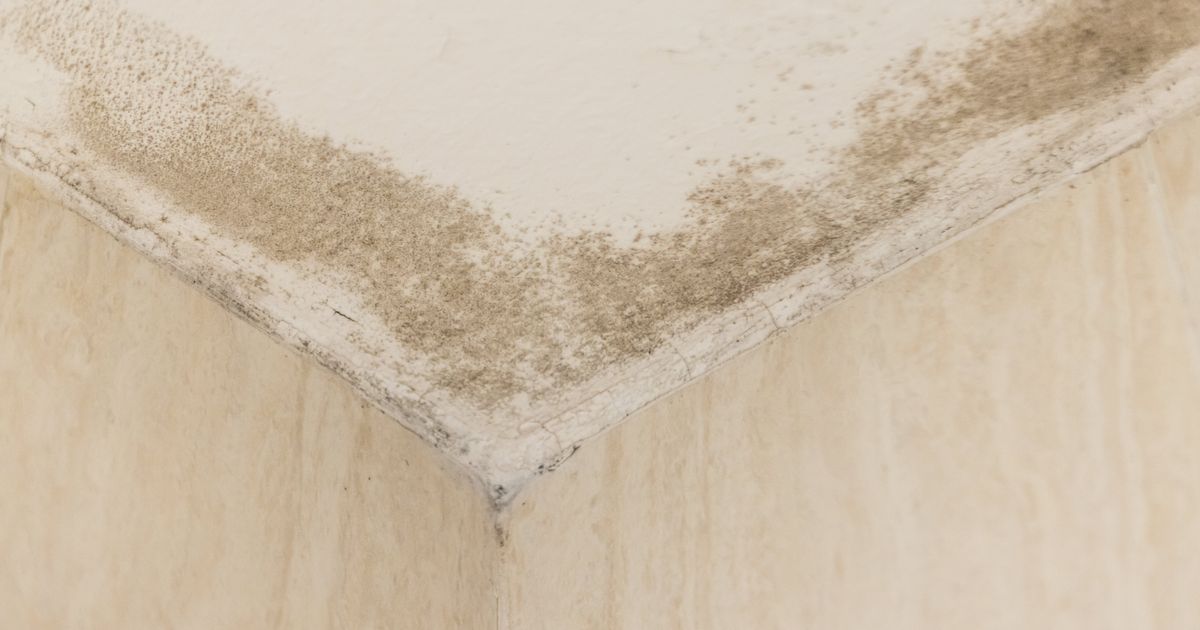
The signs of mould in the home include fuzzy black, white or green patches on the walls, and a damp and musty smell.

According to the UK Government, “Damp and mould primarily affect the airways and lungs, but they can also affect the eyes and skin. The respiratory effects of damp and mould can cause serious illness and, in the most severe cases, death.”

How to clear mould in the home

If you rent your home, your landlord has a legal duty to address damp and mould issues and to check six weeks after action that the problems have stayed away. However, according to Ronseal, there are some things you can do to address the issues:

  • Fill a bucket with water and a mild detergent like washing up liquid. Or use a dedicated mould remover to make quick work of it
  • Dip a cloth in water and wipe the mould off the wall. Don’t brush it as this can release mould spores
  • Once you’ve removed the mould, use a dry rag to remove the rest of the moisture
  • Throw away the cloth and vacuum the room to make sure you’ve removed all of the spores

The sealant experts add, “If you have mould on soft furnishings like clothing or soft toys, they should be shampooed or professionally dry cleaned.”

Shelter has a wealth of advice and resources for renters facing damp and mould problems on their website.

Share Button

Is It Safe To Eat Berries If Some Are Mouldy?

Raspberries would be the perfect food if they didn’t go off more or less as soon as you bring them home. Most fresh berries are the same way; the average shelf life of a fresh punnet is three to five days.

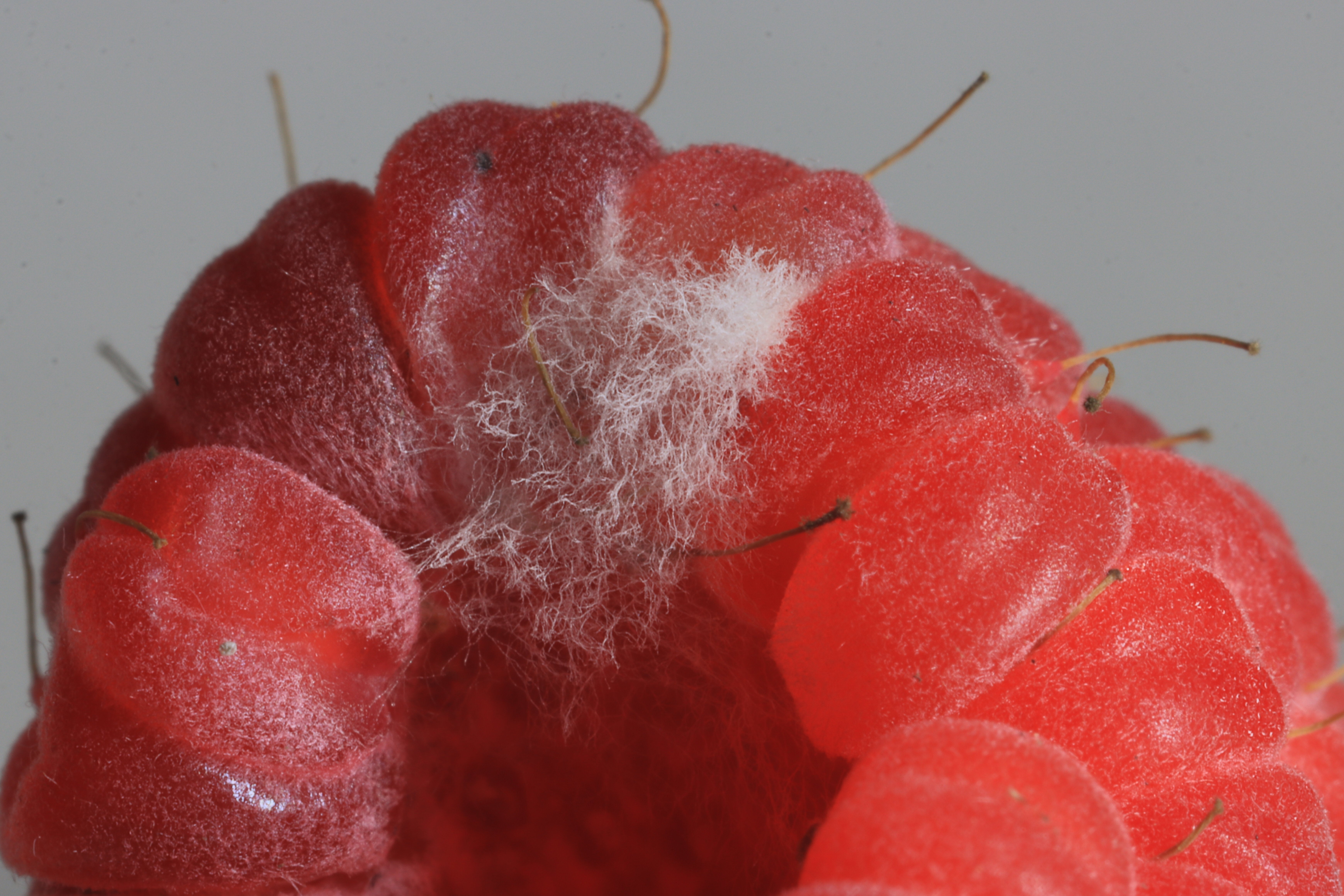
So, if you (like me) are buying for one, that causes furry problems. White specks and blue fur overtake your plastic punnet; sometimes, one berry will weaken and rot, ruining the other berries in a matter of hours.

Of course, in an ideal scenario, we’d all have access to a bounty of fresh berries close by. But say for instance you’d just checked your fridge only to realise that half of your raspberries are already gone over to the spore overlords, and can’t be bothered to make it to the shop (asking for a friend, of course). What then?

None other than the Mayo Clinic have weighed in on the topic. Dr. Nipunie Rajapakse, a paediatric infectious diseases expert, said that the safe point is around a quarter of the soft fruit population: “If more than about a quarter of the berries are mouldy, you’re probably best off getting rid of all of those berries,” she says.

“But, if the rest are looking healthy, they’re not bruised, they’re not soft and there’s no visible mould on them, they’re probably OK to eat after you’ve washed them well,” the doctor adds.

The U.S. Department of Agriculture is a little more cautious, advising that the high water content of the berries means spores can spread more easily between the fruits without being noticed.

But even they say that after you’ve thrown the offending food out, checkered the rest for mushiness and other signs of rot, and washed the remains, you should be good to go, they say.

You’ll likely be fine ― as Elizabeth Mitcham, a professor and director of the Postharvest Technology Center at the University of California, Davis told The New York Times, berry moulds “are actually not known to produce toxins, like some fungi do, and so there’s less risk.”

Plus, she adds, the taste will likely warn you of the presence of foul spores quickly enough to help you spit the berry out in time.

Well, that’s good news for my lunch…

Share Button

Concern over delay to abortion clinic buffer zones

Campaigners accuse ministers of kicking plans to prevent protests outside clinics into the long grass.

Share Button

Earn Money On Social Media? The HMRC Has Some Important News For You

The role of a full-time content creator is becoming increasingly popular with 19% of 18-26 year olds saying they hope to make a living from creating for social media apps instead of going into medicine or becoming teachers, according to research from Just Entrepreneurs.

However, perhaps due to the casual nature of social media, research from Quirky Digital has found that almost a quarter of those earning money from social media haven’t been declaring their earnings to HM Revenue & Customs (HMRC).

Which earnings need to be declared to HMRC?

The HMRC states that if you have earned any money that you need to pay tax on and haven’t yet declared it, getting in touch with them sooner rather than later means your case will be reviewed more favourably.

If you have already paid tax on earnings, through wages, for example, you don’t need to take further action. However, if you own a rental property, have capital gains or earn money from working for yourself be it creating monetised social media content or even car boot sales, you need to register as self-employed and declare that income.

Not declaring income is considered tax evasion and is punishable by heavy crimes or even imprisonment so if you have earned some extra pennies and haven’t yet told HMRC, there’s no time like the present!

Which taxes do content creators need to pay?

According to the money experts at Blackbullion, if your gross income is more than £1000, you must register with HMRC and complete a self-assessment tax return or, put simply, if you earn more than £83 a month outside of your full-time job you need to complete a tax return.

Blackbullion adds that if you generate a profit of over £6,000 selling second-hand items, you may also owe capital gains tax.

The next self-assessment deadline is January 31st, 2024.

Share Button

Watch for measles, UK doctors told, as vaccine rate dips

Vaccination is at a 10-year low, leaving some children unprotected and risking outbreaks, experts say.

Share Button

Scientists not consulted on Eat Out to Help Out – Sir Patrick Vallance

Sir Patrick Vallance tells of threats to him and his family, as he criticises a “lack of leadership”.

Share Button

Concern after unqualified medics given senior Birmingham hospital roles

Physician associates have been used in responsible positions at Birmingham Children’s Hospital.

Share Button