Ketamine effective for treatment-resistant depression, study suggests

A low-cost version of ketamine to treat severe depression has performed strongly in a double-blind trial that compared it with placebo.

In research published today in the British Journal of Psychiatry, researchers led by UNSW Sydney and the affiliated Black Dog Institute found that more than one in five participants achieved total remission from their symptoms after a month of bi-weekly injections, while a third had their symptoms improve by at least 50 per cent. The study was a collaboration between six academic clinical mood disorder units in Australia and one in New Zealand and was funded by the Australian National Health and Medical Research Council (NHMRC).

“For people with treatment-resistant depression — so those who have not benefitted from different modes of talk-therapy, commonly prescribed antidepressants, or electroconvulsive therapy — 20 per cent remission is actually quite good,” lead researcher Professor Colleen Loo says.

“We found that in this trial, ketamine was clearly better than the placebo — with 20 per cent reporting they no longer had clinical depression compared with only 2 per cent in the placebo group. This is a huge and very obvious difference and brings definitive evidence to the field which only had past smaller trials that compared ketamine with placebo.”

How the trial worked

The researchers recruited 179 people with treatment-resistant depression. All were given an injection of either a generic form of ketamine that is already widely available in Australia as a drug for anaesthesia and sedation — or placebo. Participants received two injections a week in a clinic where they were monitored for around two hours while acute dissociative and sedative effects wore off — usually within the first hour. The treatment ran for a month and participants were asked to assess their mood at the end of the trial and one month later.

As a double-blind trial, neither participants nor researchers administering the drug were aware which patients received generic ketamine or placebo, to ensure psychological biases were minimised. Importantly, a placebo was chosen that also causes sedation, to improve treatment masking. Midazolam is a sedative normally administered before a general anaesthetic, while in many previous studies the placebo was saline.

advertisement


“Because there are no subjective effects from the saline, in previous studies it became obvious which people were receiving the ketamine and which people received placebo,” Prof. Loo says.

“In using midazolam — which is not a treatment for depression, but does make you feel a bit woozy and out of it — you have much less chance of knowing whether you have received ketamine, which has similar acute effects.”

Other features of the recent trial that set it apart from past studies included accepting people into the trial who had previously received electroconvulsive therapy (ECT).

“People are recommended ECT treatment for their depression when all other treatments have been ineffective,” Prof. Loo says.

“Most studies exclude people who have had ECT because it is very hard for a new treatment to work where ECT has not.”

Another difference about this trial was that the drug was delivered subcutaneously (injected into the skin) rather than by drip, thus greatly reducing time and medical complexity. The study is also the largest in the world to date that compares generic ketamine with placebo in treating severe depression.

advertisement


Much more affordable

Apart from the positive results, one of the standout benefits of using generic ketamine for treatment-resistant depression is that it is much cheaper than the patented S-ketamine nasal spray currently in use in Australia. Where S-ketamine costs about $800 per dose, the generic ketamine is a mere fraction of that, costing as little as $5, depending on the supplier and whether the hospital buys it wholesale. On top of the cost for the drug, patients need to pay for the medical care they receive to ensure their experience is safe — which at Black Dog Institute clinics, comes to $350 per session.

“With the S-ketamine nasal spray, you are out of pocket by about $1200 for every treatment by the time you pay for the drug and the procedure, whereas for generic ketamine, you’re paying around $300-350 for the treatment including the drug cost,” Prof. Loo says.

She adds that for both S-ketamine and generic ketamine treatments, the positive effects often wear off after a few days to weeks, so ongoing treatment may be required, depending on someone’s clinical situation. But the prohibitive costs of the drug and procedure make this an unsustainable proposition for most Australians.

“This is why we’re applying for a Medicare item number to fund this treatment now, because it’s such a powerful treatment.

“And if you consider that many of these people might spend many months in hospital, or be unable to work and are often quite suicidal, it’s quite cost effective when you see how incredibly quickly and powerfully it works. We’ve seen people go back to work, or study, or leave hospital because of this treatment in a matter of weeks.”

The researchers will next be looking at larger trials of generic ketamine over longer periods, and refining the safety monitoring of treatment.

Participating trial sites

  • UNSW / Black Dog Institute
  • Royal Prince Alfred Hospital / University of Sydney
  • NeuroCentrix Research Institute
  • Royal Adelaide Hospital / University of Adelaide
  • Monash Alfred Psychiatry Research Centre / Monash University
  • University of Otago
  • Gold Coast University Hospital

Institutions of non-site collaborators

  • Deakin University
  • University of Newcastle
  • The George Institute for Global Health
  • University of Western Australia
Share Button

NHS: Woman’s dentist appointment means 200-mile round trip

Patients cannot get on waiting lists, despite having broken teeth.

Share Button

London measles warning: Outbreak could hit tens of thousands

The rest of the UK is considered to be at low risk of the virus taking off.

Share Button

NHS dentists: People having to drive hundreds of miles ‘unacceptable’

A damning report, by the Health and Social Care Committee, says more needs to be done, and quickly.

Share Button

Ferrari and cash seized in illegal Botox raids

About £30,000 of cash is seized and three people held in the raids across parts of Greater Manchester.

Share Button

Europe heatwave: Hot weather sweeps across southern Europe

The heatwave could potentially lead to record-breaking temperatures, forecasters say.

Share Button

Hunter Biden’s Lawyer Sends Cease-And-Desist Letter To Trump Legal Team

A lawyer for Hunter Biden sent a cease-and-desist letter to Donald Trump’s legal team on Thursday, warning the former president to stop spreading dangerous rhetoric online, ABC News first reported.

In the letter, attorney Abbe Lowell argued that Trump’s posts and language “could lead to [Hunter Biden’s] or his family’s injury”, citing several examples from recent months.

Trump has frequently targeted Hunter Biden — in fact, Lowell claimed in the letter that his name has appeared more than 20 times in Trump’s posts in July alone.

This week, Trump dragged in Hunter Biden’s name amid an investigation of a small baggie of cocaine found this month near a visitor entrance at the White House, suggesting the cocaine might have belonged to Hunter Biden, who is a recovering addict.

“You know, if Mr Trump does not, that Mr. Biden has neither committed nor been accused of the charges that your client is claiming … and that the Biden family was not at the White House (let alone in the vestibule) in the period when the cocaine was found,” Lowell wrote. The Secret Service concluded the cocaine investigation on Thursday with no suspect found.

A day later, Trump put up a post attacking David Weiss, the federal prosecutor who oversaw Hunter Biden’s tax investigation, according to the letter. Biden reached an agreement in June and will plead guilty to some federal charges. Trump called Weiss a “coward” and asserted that he “gave out a traffic ticket instead of a death sentence”.

“You may respond that this was a mere figure of speech. However, we have seen that what might pass as such a phrase when uttered by [rational] people is heard by too many in this country as some terrible injustice for which they must take physical and violent action,” Lowell wrote in the letter, referring to Trump’s alleged incitement of the attack on the US Capitol on January 6, 2021.

Throughout the letter, Lowell continued to cite notable examples of Trump using dangerous rhetoric and language to incite violence. Last month, Trump also posted on his social media site the alleged address of former President Barack Obama’s Washington, DC, residence, NBC News reported. The post was reshared by Capitol riot defendant Taylor Taranto, who was arrested June 29 after approaching Obama’s house while his van was parked nearby with weapons inside.

“This is not a false alarm,” Lowell wrote in the letter. “We are just one such social media message away from another incident, and you should make clear to Mr Trump ― if you have not done so already ― that Mr Trump’s words have caused harm in the past and threaten to do so again if he does not stop.”

Trump has faced legal repercussions for rhetoric he has spread both online and offline, which, as Lowell cautioned in the letter, has the potential to escalate if he doesn’t dial back on it. The attorney encouraged the former president’s legal team to explain to him “how his incitement can further hurt people and cause himself even more legal trouble”.

HuffPost reached out to Trump’s lawyer Joe Tacopina, who declined to comment.

Share Button

Aspartame advice unchanged despite cancer question

The sweetener is found in a variety of foods, from diet drinks to chewing gum and some yoghurts.

Share Button

What We Know About The Cerberus Heatwave Sweeping Southern Europe

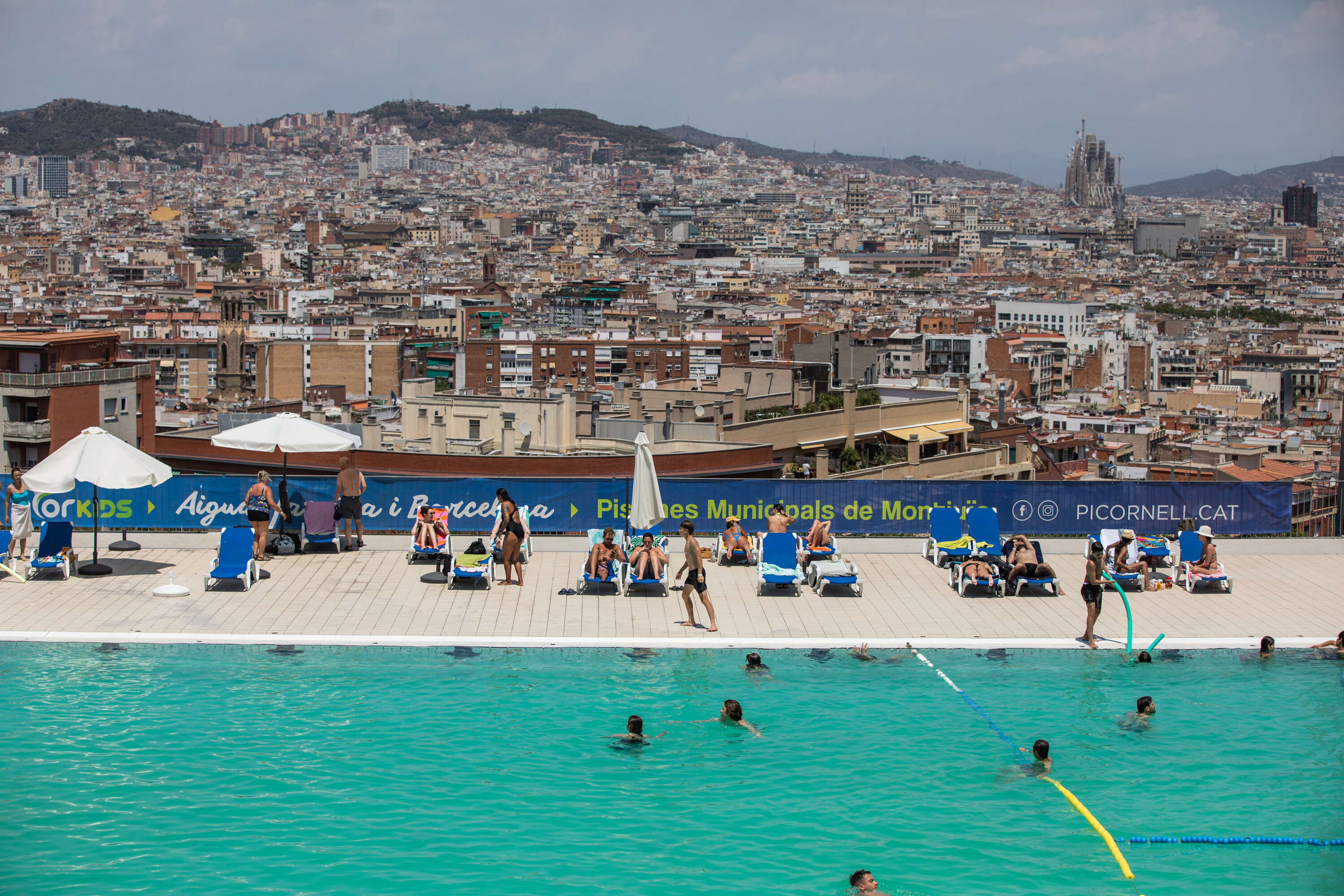
A deadly heatwave is sweeping southern Europe, with a warning of higher temperatures to come and fears of wildfires and threats to agriculture.

What’s happening and where?

The high-pressure system, which crossed the Mediterranean from north Africa, has been named by Italy’s Meteorological Society as Cerberus – the three-headed dog in ancient Greek mythology who guarded the gates to the underworld.

Emergency measures were put in place in several countries as temperatures in parts of Mediterranean Europe were set to reach 45C on Friday and into the weekend.

Weather alerts were in place across Spain’s Canary Islands, Italy, Cyprus and Greece, with the Greek authorities expecting temperatures to reach as high as 43C on Friday or Saturday.

Health authorities issued a top, red alert warning for 10 Italian cities for the next two days, including Rome, Florence, Bologna and Perugia.

Meanwhile, in the Arctic, a record high temperature of 28.8C was measured at Slettness Fyr on the northern tip of the Norway, Norwegian meteorologists said on Thursday. This tops a previous record from July 1964 when the thermometer reached 27.6C.

Cerberus is being tracked by the European Space Agency, which warned that the heatwave will also be felt in parts of northern Europe.

It said: “Italy, Spain, France, Germany and Poland are all facing a major heatwave with temperatures expected to climb to 48 Celsius on the islands of Sicily and Sardinia – potentially the hottest temperatures ever recorded in Europe.”

What about the UK?

The Met Office has said there is no sign of Cerberus arriving in the UK, with temperatures expected to be close to average or slightly below for July.

As a result of the high pressure being pushed across Europe, low pressure systems have been directed towards the UK. As the UK gets prolonged showers, the weather bureau predicts unsettled conditions to continue for the next few days.

What’s the impact in Europe been?

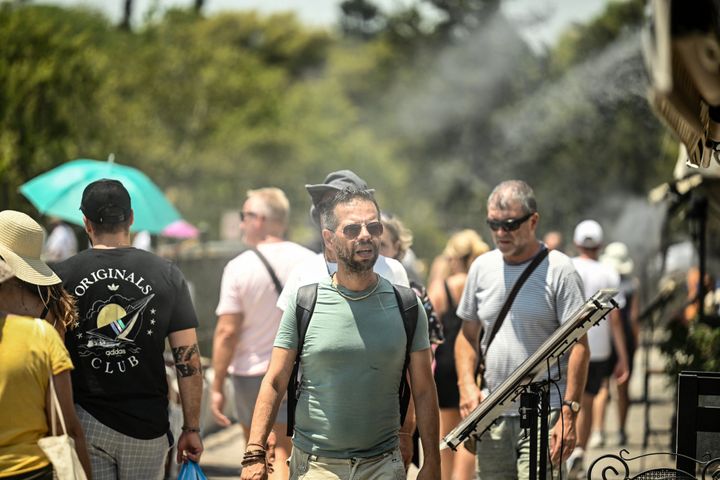
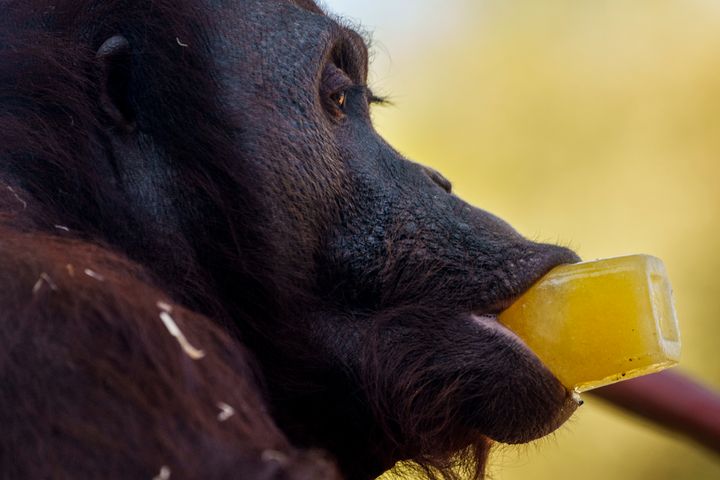
Tourists in central Athens huddled under mist machines, and zoo animals in Madrid were fed fruit popsicles and chunks of frozen food as measures including staffing changes, cellphone alerts and intensified forest fire patrols were put in place.

In Athens and other Greek cities, working hours were changed for the public sector and many businesses to avoid the midday heat, while air-conditioned areas were opened to the public.

Authorities put an ambulance on standby near the archaeological site of the Acropolis in Athens, ready to provide first aid to tourists wilting in the heatwave.

A man walks past misting fans of a shop in Athens, on July 13, 2023. Greece's national weather service EMY on July 10, 2023, said a six-day heatwave would grip Greece starting July 12. (Photo by SPYROS BAKALIS / AFP) (Photo by SPYROS BAKALIS/AFP via Getty Images)
A man walks past misting fans of a shop in Athens, on July 13, 2023. Greece’s national weather service EMY on July 10, 2023, said a six-day heatwave would grip Greece starting July 12. (Photo by SPYROS BAKALIS / AFP) (Photo by SPYROS BAKALIS/AFP via Getty Images)

SPYROS BAKALIS via Getty Images

In the Balkans, beachgoers in the Croatian town of Nin smeared themselves in its medicinal local mud to protect themselves from the sun while 56 firefighters with 20 vehicles and three aircraft struggled to contain a brush fire near the Adriatic town of Sibenik.

There are concerns about the impact on those working outdoors in Italy after a 44-year-old man who was painting road markings in the northern town of Lodi collapsed and died this week.

As Spain’s politicians fret about how the high temperatures might affect turnout in a general election this month, animals in Madrid’s Zoo were this week being treated to frozen food to cool off amid the sweltering.

Italian farmers’ lobby group Coldiretti said milk production was down by around 10% because cows eat less in the heat, drink huge quantities of water and make less milk.

An orangutan licks a treat on a hot and sunny day at the Madrid Zoo, Spain, Thursday, July 13, 2023. (AP Photo/Manu Fernandez)

via Associated Press

What’s causing it? Is climate change a factor?

Professor Hannah Cloke, a climate scientist at Reading University, said that the current heatwave was caused by hot air coming up from the Sahara, with the air mass then becoming lodged across parts of Europe.

She said: “Heat is a silent killer. So this is the main concern that people’s lives are at risk.”

“Certainly, we should immediately stop pumping greenhouse gases into the atmosphere,” Cloke added, warning that some changes to the climate were already locked in.

The impact of extreme summer heat has been brought into focus by research this week that said as many as 61,000 people may have died in Europe’s sweltering heatwaves last summer.

Is there more to come?

The record European temperature of 48.8C was registered in Sicily in August 2021 and that figure could be exceeded.

Luca Lombroso, meteorologist from the AMPRO group in Italy, said: “Next week there will be an even stronger heatwave than this one, some values in the central south will be really freaky.”

“Between Tuesday and Wednesday in Rome and Florence we will probably exceed 40C, which will also be approached in the north,” he added.

With reporting from the AP and Reuters newswires.

Share Button

Oppenheimer Stars Leave London Premiere As Part Of Strike By Hollywood Performers

Oppenheimer director Christopher Nolan told the audience at the film’s London premiere Thursday night that stars of the film had left the premiere to “write their picket signs” as part of their involvement with the Screen Actors Guild strike.

In a video shared by Deadline, Nolan made the comments shortly before the strike was officially announced.

The BBC confirmed that actors Emily Blunt and Cillian Murphy were among those who walked out.

Earlier, Blunt told Deadline at the premiere’s red carpet that they were prepared to walk off.

“I think right now we are just sort of … I hope everyone makes a fair deal, and we are here to celebrate this movie. And if they call it, we’ll be leaving together as a cast in unity with everyone … We are gonna have to. We are gonna have to. We will see what happens. Right now, it’s the joy to be together,” she said.

They are among some 160,000 performers joining the picket line after negotiations with the Alliance of Motion Picture and Television Producers fell apart Thursday. SAG members have been seeking new terms on minimum pay, residuals for shows on streaming services, pensions and the use of artificial intelligence, among several other issues.

“The companies have refused to meaningfully engage on some topics and on others completely stonewalled us,” Fran Drescher, SAG-AFTRA president and iconic star of the ’90s sitcom The Nanny, said in a statement. “Until they do negotiate in good faith, we cannot begin to reach a deal.”

This is the first SAG strike since 2000 and the first time in about 60 years that both the actors’ union and the Writers Guild of America members have been on strike at the same time. The latter has been picketing for more than two months.

Share Button