Follow the pollen. Records from past plant life tell the real story of global temperatures, according to research from a climate scientist at Washington University in St. Louis.
Warmer temperatures brought plants — and then came even warmer temperatures, according to new model simulations published April 15 in Science Advances.
Alexander Thompson, a postdoctoral research associate in earth and planetary sciences in Arts & Sciences, updated simulations from an important climate model to reflect the role of changing vegetation as a key driver of global temperatures over the last 10,000 years.
Thompson had long been troubled by a problem with models of Earth’s atmospheric temperatures since the last ice age. Too many of these simulations showed temperatures warming consistently over time.
But climate proxy records tell a different story. Many of those sources indicate a marked peak in global temperatures that occurred between 6,000 and 9,000 years ago.
Thompson had a hunch that the models could be overlooking the role of changes in vegetation in favor of impacts from atmospheric carbon dioxide concentrations or ice cover.
advertisement
“Pollen records suggest a large expansion of vegetation during that time,” Thompson said.
“But previous models only show a limited amount of vegetation growth,” he said. “So, even though some of these other simulations have included dynamic vegetation, it wasn’t nearly enough of a vegetation shift to account for what the pollen records suggest.”
In reality, the changes to vegetative cover were significant.
Early in the Holocene, the current geological epoch, the Sahara Desert in Africa grew greener than today — it was more of a grassland. Other Northern Hemisphere vegetation including the coniferous and deciduous forests in the mid-latitudes and the Arctic also thrived.
Thompson took evidence from pollen records and designed a set of experiments with a climate model known as the Community Earth System Model (CESM), one of the best-regarded models in a wide-ranging class of such models. He ran simulations to account for a range of changes in vegetation that had not been previously considered.
“Expanded vegetation during the Holocene warmed the globe by as much as 1.5 degrees Fahrenheit,” Thompson said. “Our new simulations align closely with paleoclimate proxies. So this is exciting that we can point to Northern Hemisphere vegetation as one potential factor that allows us to resolve the controversial Holocene temperature conundrum.”
Understanding the scale and timing of temperature change throughout the Holocene is important because it is a period of recent history, geologically speaking. The rise of human agriculture and civilization occurred during this time, so many scientists and historians from different disciplines are interested in understanding how early and mid-Holocene climate differed from the present day.
Thompson conducted this research work as a graduate student at the University of Michigan. He is continuing his research in the laboratory of climate scientist Bronwen Konecky at Washington University.
“Overall, our study emphasizes that accounting for vegetation change is critical,” Thompson said. “Projections for future climate change are more likely to produce more trustworthy predictions if they include changes in vegetation.”
A research group at Karolinska Institutet in Sweden has analysed how certain immune cells known as innate lymphoid cells (ILCs) develop into mature cells that play a part in inflammatory bowel disease (IBD). The findings could pave the way for more effective treatments against IBD, a disease that causes considerable suffering and that is linked to an increased risk of colorectal cancer. The results are published today in the journal Science Immunology.
Inflammatory bowel disease (IBD) is characterised by a chronic inflammation of the gut mucosa that is thought to increase the risk of colon cancer. The disease often debuts before middle age with symptoms such as abdominal pain and weight loss. The cause is unknown but genetical, environmental and immunological factors are all believed to play a role. As a large group of IBD patients do not respond to available treatments, there is a great need for new knowledge about the mechanisms driving the disease.
ILCs are lymphocytes, a family of immune cells, found in the mucosa where they form part of the immune system and maintain tissue function, such as the production of mucous. Previous research has shown that ILCs change function during inflammation, making them a promising target for IBD treatment.
In the present study, the researchers isolated ILCs from the tonsils and gut tissue of patients who had undergone resection surgery or endoscopic examination. A total of 48 patients were involved in the study, 31 of whom had IBD. The ILCs were then examined in detail, both immediately after isolation and after cell culture.
The results show that a subgroup of ILCs constitute a pre-stage of mature ILCs and accumulate in the intestinal mucosa of patients with IBD. Factors in the gut environment can then influence the metabolism of the immature ILCs, stimulate increased cell division and production of cytokines, including IL-22, which helps to protect the intestinal tissue.
“The function of ILCs changes during inflammation and therefore ILCs represent a promising therapeutic target for conditions like inflammatory bowel disease,” says the study’s first author Efthymia Kokkinou, doctoral student at the Department of Medicine, Huddinge at Karolinska Institutet. “Insight into how these cells develop from immature cells into mature cells in tissue helps us understand how they influence tissue function or inflammation in mucosa and how they can be manipulated for therapeutic purposes.
The research group now hopes to study if the presence and properties of immature intestinal ILCs can predict responses to medical drugs, particularly those containing the active substances ustekinumab, infliximab and tofacitinib, which are currently used to treat Crohn’s disease and ulcerative colitis, two of the most common IBDs.
“These studies are important since the right choice of effective treatment can reduce both personal suffering and societal costs,” says Jenny Mjösberg, associate professor at the same department at Karolinska Institutet and the study’s senior author.
The study was mainly financed through an ERC starting grant and by the Erling-Persson Foundation, the Swedish Research Council, the Swedish Cancer Society, the Swedish Foundation for Strategic Research, the Knut and Alice Wallenberg Foundation and Karolinska Institutet.
In a work of systematic biology that advances the field, University of Alabama at Birmingham researchers have identified 16 distinct cell populations in a complex area of the midbrain called the ventral tegmental area, or VTA.
The VTA is important for its role in the dopamine neurotransmission involved in reward-directed behavior. Substance use disorders involve dysregulation of these reward circuits, leading to repeated drug-seeking despite adverse consequences. These include more than 100,000 drug overdose deaths in the United States in the most recent year. The VTA also has a role in several other neuropsychiatric disorders.
Thus, expanding knowledge of its function is a start to explaining the mechanisms for substance use disorders involving drugs like cocaine, alcohol, opioids and nicotine, or psychiatric disorders like schizophrenia and attention deficit hyperactivity, or ADHD.
Dopamine is one of the neurotransmitters used by the brain as chemical messengers to send signals between nerve cells. While decades of research have focused on dopaminergic neurotransmission in the VTA, there is also substantial evidence for the importance of two other neurotransmitters acting in the VTA in reward-related behaviors — GABA and glutamate. There is also evidence for “combinatorial” neurons that can potentially synthesize and release multiple neurotransmitters. These suggest an additional layer of complexity in VTA cellular and synaptic function.
Systematic biology is the science of classification, and it usually refers to the classification of organisms with regard to their natural relationships. The UAB VTA study classifies cell populations to extend and deepen previous work on the different cell types in the VTA, to provide a starting point for deciphering the relationships among these cells and their broad connections to other areas of the brain. The research, published in Cell Reports, was led by co-first authors Robert A. Phillips III and Jennifer J. Tuscher, Ph.D., and corresponding author Jeremy J. Day, Ph.D.
The 16 distinct cell populations were identified by differences in gene expression after single-nucleus RNA sequencing of 21,600 cells from the rat VTA, creating a searchable online atlas of the VTA. The rat is the prime model for reward and substance use studies. This unbiased approach — in contrast to previous studies that selected some subsets of cells for RNA sequencing — was used to create the largest and most comprehensive single-cell transcriptomic analysis focused exclusively on the composition and molecular architecture of the VTA.
advertisement
Though it was well known that the VTA is composed of heterogeneous cell types, the UAB atlas expands those studies in several key ways.
“For example, previous single-cell sequencing studies were conducted exclusively in the mouse brain and have relied primarily on sequencing a subset of fluorescence-activated cell sorting-isolated midbrain dopaminergic populations, rather than sampling all VTA cell types,” Day said. “Notably, our sequencing dataset focuses exclusively on VTA sub-regions, unlike other studies that have focused on pooled cells from the mouse substantia nigra and VTA or a subset of fluorescently tagged cells from general midbrain regions.”
The 16 distinct cell populations include classic dopaminergic neurons, three subsets of glutamatergic neurons and three subsets of GABAergic neurons, as well as nine other cell types, including astrocytes and glial cells.
After sub-clustering neuronal cells, the UAB researchers also identified four sub-clusters that may represent neurons capable of combinatorial neurotransmitter release. They also identified selective gene markers for classically defined dopamine neurons and for the combinatorial neurons. A selective marker allows viral targeting of distinct VTA subclasses for functional studies.
The researchers also examined sub-clusters for opioid neuropeptides and their receptors, and identified pan-neuronal increased expression for risk genes associated with schizophrenia and “smoking initiation,” as well as enrichment of ADHD risk genes in two glutamatergic neuronal populations.
Co-authors besides Day, Phillips and Tuscher for the study, “An atlas of transcriptionally defined cell populations in the rat ventral tegmental area,” are Samantha L. Black, Emma Andraka and N. Dalton Fitzgerald, UAB Department of Neurobiology and Evelyn F. McKnight Brain Institute; and Lara Ianov, Civitan International Research Center at UAB. Day, Phillips and Tuscher are, respectively, associate professor, graduate student and postdoctoral fellow in the UAB Department of Neurobiology.
Support came from National Institutes of Health grants MH114990, DA039650 and DA048348; UAB’s Pittman Scholars Program, AMC21 Scholars Program and Civitan International Research Center; and a Brain and Behavior Research Foundation Young Investigator grant.
Perovskites are a family of materials that are currently the leading contender to potentially replace today’s silicon-based solar photovoltaics. They hold the promise of panels that are far thinner and lighter, that could be made with ultra-high throughput at room temperature instead of at hundreds of degrees, and that are cheaper and easier to transport and install. But bringing these materials from controlled laboratory experiments into a product that can be manufactured competitively has been a long struggle.
Manufacturing perovskite-based solar cells involves optimizing at least a dozen or so variables at once, even within one particular manufacturing approach among many possibilities. But a new system based on a novel approach to machine learning could speed up the development of optimized production methods and help make the next generation of solar power a reality.
The system, developed by researchers at MIT and Stanford University over the last few years, makes it possible to integrate data from prior experiments, and information based on personal observations by experienced workers, into the machine learning process. This makes the outcomes more accurate and has already led to the manufacturing of perovskite cells with an energy conversion efficiency of 18.5 percent, a competitive level for today’s market.
The research is reported in the journal Joule, in a paper by MIT professor of mechanical engineering Tonio Buonassisi, Stanford professor of materials science and engineering Reinhold Dauskardt, recent MIT research assistant Zhe Liu, Stanford doctoral graduate Nicholas Rolston, and three others.
Perovskites are a group of layered crystalline compounds defined by the configuration of the atoms in their crystal lattice. There are thousands of such possible compounds and many different ways of making them. While most lab-scale development of perovskite materials uses a spin-coating technique, that’s not practical for larger-scale manufacturing, so companies and labs around the world have been searching for ways of translating these lab materials into a practical, manufacturable product.
“There’s always a big challenge when you’re trying to take a lab-scale process and then transfer it to something like a startup or a manufacturing line,” says Rolston, who is now an assistant professor at Arizona State University. The team looked at a process that they felt had the greatest potential, a method called rapid spray plasma processing, or RSPP.
advertisement
The manufacturing process would involve a moving roll-to-roll surface, or series of sheets, on which the precursor solutions for the perovskite compound would be sprayed or ink-jetted as the sheet rolled by. The material would then move on to a curing stage, providing a rapid and continuous output “with throughputs that are higher than for any other photovoltaic technology,” Rolston says.
“The real breakthrough with this platform is that it would allow us to scale in a way that no other material has allowed us to do,” he adds. “Even materials like silicon require a much longer timeframe because of the processing that’s done. Whereas you can think of [this approach as more] like spray painting.”
Within that process, at least a dozen variables may affect the outcome, some of them more controllable than others. These include the composition of the starting materials, the temperature, the humidity, the speed of the processing path, the distance of the nozzle used to spray the material onto a substrate, and the methods of curing the material. Many of these factors can interact with each other, and if the process is in open air, then humidity, for example, may be uncontrolled. Evaluating all possible combinations of these variables through experimentation is impossible, so machine learning was needed to help guide the experimental process.
But while most machine-learning systems use raw data such as measurements of the electrical and other properties of test samples, they don’t typically incorporate human experience such as qualitative observations made by the experimenters of the visual and other properties of the test samples, or information from other experiments reported by other researchers. So, the team found a way to incorporate such outside information into the machine learning model, using a probability factor based on a mathematical technique called Bayesian Optimization.
Using the system, he says, “having a model that comes from experimental data, we can find out trends that we weren’t able to see before.” For example, they initially had trouble adjusting for uncontrolled variations in humidity in their ambient setting. But the model showed them “that we could overcome our humidity challenges by changing the temperature, for instance, and by changing some of the other knobs.”
The system now allows experimenters to much more rapidly guide their process in order to optimize it for a given set of conditions or required outcomes. In their experiments, the team focused on optimizing the power output, but the system could also be used to simultaneously incorporate other criteria, such as cost and durability — something members of the team are continuing to work on, Buonassisi says.
advertisement
The researchers were encouraged by the Department of Energy, which sponsored the work, to commercialize the technology, and they’re currently focusing on tech transfer to existing perovskite manufacturers. “We are reaching out to companies now,” Buonassisi says, and the code they developed has been made freely available through an open-source server. “It’s now on GitHub, anyone can download it, anyone can run it,” he says. “We’re happy to help companies get started in using our code.”
Already, several companies are gearing up to produce perovskite-based solar panels, even though they are still working out the details of how to produce them, says Liu, who is now at the Northwestern Polytechnical University in Xi’an, China. He says companies there are not yet doing large-scale manufacturing, but instead starting with smaller, high-value applications such as building-integrated solar tiles where appearance is important. Three of these companies “are on track or are being pushed by investors to manufacture 1 meter by 2-meter rectangular modules [comparable to today’s most common solar panels], within two years,” he says.
‘The problem is, they don’t have a consensus on what manufacturing technology to use,” Liu says. The RSPP method, developed at Stanford, “still has a good chance” to be competitive, he says. And the machine learning system the team developed could prove to be important in guiding the optimization of whatever process ends up being used.
“The primary goal was to accelerate the process, so it required less time, less experiments, and less human hours to develop something that is usable right away, for free, for industry,” he says.
The team also included Austin Flick and Thomas Colburn at Stanford and Zekun Ren at the Singapore-MIT Alliance for Science and Technology (SMART). In addition to the Department of Energy, the work was supported by a fellowship from the MIT Energy Initiative, the Graduate Research Fellowship Program from the National Science Foundation, and the SMART program.
As cities grow, the area of impervious surfaces they cover grows. In cities across the US, roads, rooftops, parking lots, sidewalks and driveways increased by an average of 326,000 hectares per year between 2012 and 2017.
When it rains, stormwater gathers on these surfaces or flows into gutters, storm drains and sewer systems. However, extreme precipitation events can overwhelm a city’s capacity to transport stormwater, resulting in urban floods. The introduction of green infrastructures (GI), such as bioswales with permeable surfaces, has provided municipalities with a new tool to manage flood risk associated with rainfall. Cities including Portland, Phoenix and Atlanta have developed plans and invested in implementing GI to mitigate the risk of floods.
New research from Portland State University combines demographic data with the distribution of GI and geographic areas prone to rainwater flooding in Portland, Phoenix and Atlanta and asks whether these cities are equitably building GI to mitigate flood risks.
The paper, “Urban flood risk and green infrastructure: Who is exposed to risk and who benefits from investment? A case study of three US cities,” appears in Landscape and Urban Planning.
According to the paper’s lead author, Arun Pallathadka, a Ph.D. student in the Earth, Environment and Society program at Portland State, the research team found that the placement of GI in each of the cities inconsistently overlapped with areas prone to rainwater flooding, and non-white and low-income populations were more vulnerable to flood risk. Portland and Phoenix have increased investments in GI in neighborhoods with higher populations of non-white and low-income residents, marking a transition to more equitable flood risk management. In Atlanta, the risk of rainwater flooding was relatively low for non-white and low-income residents, though there was a substantial disparity in GI coverage.
“Flooding is the costliest natural hazard,” Pallathadka said. “But when we talk about flooding, the focus is often on the floodplain, on rivers. But with climate change, we’re expecting an increase in flooding associated with rainfall events. We wanted to know where the hotspots in cities are associated with a risk of flooding from rain, who are the people living in those communities, and where are cities placing infrastructure to help reduce the hazards.”
In addition to the spatial, temporal and demographic analysis, the research team, which includes Heejun Chang, a professor of geography at Portland State and Jason Sauer and Nancy Grimm of Arizona State University, developed that can be used by researchers, city planners and policymakers to categorize neighborhood risk levels. Cities can use the tool to help guide investments in GI to neighborhoods most at risk of flooding from rainfall events. A conceptual framework for understanding the distribution and implications of urban pluvial flood risk and green infrastructure (GI) in urban communities.
The methods deployed by the team provide cities with a novel approach to assessing the need for GI in neighborhoods prone to flooding associated with rainwater while also planning for the equitable distribution of those resources as they move ahead under the threat of increasing extreme precipitation events associated with a warming planet.
Researchers at the University of Wisconsin-Madison developed the maps at a fine-enough resolution to help conservation managers focus their efforts where they are most likely to help birds — in individual counties or forests, rather than across whole states or regions.
The maps span the contiguous U.S. and predict the diversity of birds that live in a given area, related by traits such as nesting on the ground or being endangered. Those predictions are based on both detailed observations of birds and environmental factors that affect bird ranges, such as the degree of forest cover or temperature in an area.
“With these maps, managers have a tool they didn’t have before that allows them to get both a broad perspective as well as information at the level of detail that’s necessary for their action plans,” says Anna Pidgeon, a professor of forest and wildlife ecology at UW-Madison who helped lead the development of the maps.
Pidgeon worked with UW-Madison professor Volker Radeloff, postdoctoral researcher and lead author Kathleen Carroll and others to publish the research and the final maps April 11 in the journal Ecological Applications. The maps are available for public download from the open-access website Dryad.
The research was designed to address two outstanding problems in conservation.
“Across the world we’re seeing huge species losses. In North America, 3 billion birds have been lost since 1970. This is across virtually all habitat types,” says Carroll. “And we’re seeing a disconnect between what scientists produce for conservation and how that translates to boots-on-the-ground management.”
Many resources previously available to conservation managers, such as species range maps, are both at too broad of a scale to be useful and not rigorously tested for accuracy.
advertisement
To overcome those challenges, Carroll and her team wanted to develop data-driven maps of existing bird biodiversity. They produced the maps by extrapolating observations of birds from scientific surveys to mile-by-mile predictions of where different species really live. Those predictions were based on factors including rainfall, the degree of forest cover and the extent of human influence on the environment, such as the presence of cities or farms.
To improve the predictive power of their maps, the scientists clustered individual species by behavior, habitat, diet, or conservation status — such as fruit eaters or forest dwellers. These groups are called guilds. Many conservation decisions happen at the guild level, rather than at the level of species. Guilds can also make up for limited information on the most endangered species.
The final maps cover 19 different guilds at resolutions of 0.5, 2.5 and 5 kilometers. While the finest-grained maps were not as accurate, the 2.5-kilometer-resolution maps provided a good balance of accuracy and usefulness for realistic conservation needs, say the scientists. At the 5-kilometer resolution, the maps provide the greatest accuracy and are useful to conservationists operating across large areas.
“We see this being really applicable for things like forest management action plans for the U.S. Forest Service,” says Carroll. “They can pull up these maps for a group of interest, and they can get a very clear indication of what areas where they might want to limit human use.”
The maps may also help private land conservancies decide where to prioritize limited resources to maximize biodiversity protections.
Carroll is now working to extend the analysis down to individual species, rather than guilds made up of multiple species. The increased level of detail could help specialist conservation managers improve their work, especially those aiming to protect a single species.
This work was supported in part by the U.S. Geological Survey Landsat Science Team (grants G17PS00256) and the NASA Biodiversity and Ecological Forecasting Program (grant 20-BIODIV20-00460.
Therapies based on engineered immune cells have recently emerged as a promising approach in the treatment of cancer. Compared to traditional drugs, engineered immune cells are more precise and sophisticated in their ability to detect and eliminate cancer cells.
But despite their promise, cell-based therapies still face important limitations, including toxicity and the possibility that they could attack healthy cells. In addition, scientists don’t have a good handle on how to modify existing therapeutic cells to expand their applications or better control their activity.
To overcome these limitations, researchers at Gladstone Institutes and UC San Francisco (UCSF) undertook a systematic analysis of the molecular building blocks used to engineer therapeutic cells. Their work, reported in the journal Cell, resulted in a comprehensive rule book for the design of therapeutic cells with improved specificity and safety, and for the eventual customization of cell-based therapies.
“We have identified principles that should greatly facilitate the engineering of therapeutic cells with greater sensitivity, accuracy, and safety than was possible before,” says Kole Roybal, PhD, an associate professor in the Department of Microbiology and Immunology at UCSF, an affiliate investigator at Gladstone Institutes and core member of the Gladstone-UCSF Institute of Genomic Immunology, a Parker Institute for Cancer Immunotherapy investigator, and the study’s senior author. “Our work will provide biomedical researchers with a toolkit for directing a range of cell-based therapies to their intended targets and for programming their therapeutic activities.”
Building a Better Receptor
At the core of most therapeutic cells is a molecule called a receptor. Receptors are large proteins that straddle the cell’s outer membrane. Their outer portion recognizes a specific target (for instance a protein on the surface of a cancer cell) and their inner portion tells the cell what to do upon recognizing this target. One way to engineer a therapeutic cell is to insert in a cell — often an immune cell called a T cell — a synthetic receptor made by piecing together fragments of known receptors.
advertisement
This approach was used to create CAR-T cells, which have proven very effective at eliminating some types of blood cancers. CAR-T cells harbor a “chimeric antigen receptor” (CAR) that is based on a receptor normally found in T cells.
Starting with a different backbone, Roybal previously developed a receptor called synNotch that can direct T cells to better recognize and kill solid tumors. Since this early stage research, Roybal’s lab has shown how synNotch can be used in combination with CARs to develop next-generation cell therapies for ovarian cancer and mesothelioma. The synNotch receptor allows scientists to precisely control when and where the therapeutic T cell is active.
“These smart cell therapies can unleash potent therapeutic activity precisely at the site of disease, improving the efficacy of the therapy and reducing the chance of life-threatening toxicities seen in patients,” says Roybal.
However, the original synNotch receptor is difficult to deploy for cell-based therapy in humans. For one thing it is bulky, which makes it difficult to insert into human cells. For another, some of its parts come from mouse, yeast, and viruses instead of human receptors, which could lead to immune rejection of the engineered cells once introduced in a patient.
To understand what they could keep and remove from the synNotch receptor without losing its desirable features, the Roybal team systematically swapped out various portions of the receptor. After inserting the modified receptors in human T cells, the scientists tested their ability to recognize their intended targets and activate the expected response.
advertisement
“A challenging but fun feat was figuring out how different parts of known receptors function, so that we could take those pieces apart and put them back together in novel ways to meet our design specifications,” says Raymond Liu, PhD, a first author of the study and postdoctoral fellow in Roybal’s lab.
In the end, the team produced a catalog of receptors they dubbed SNIPRs, which are small enough for cost-effective engineering into human cells. They are also made exclusively from human receptor fragments and can detect and respond to even small amounts of their targets. In addition, the activity of SNIPRs can be adapted so that cells that harbor them don’t just kill target cells, but can also deliver specific molecules to precise disease locations.
“Understanding the rules of receptor design allowed us to build receptors that are more effective and also better suited for clinical translation,” says Iowis Zhu, a graduate student in the Roybal Lab and the other first author of the new study.
A Platform for Next-Generation Cell Therapy
The researchers next assessed the ability of these optimized receptors to clear tumors in mouse models of leukemia, mesothelioma, and ovarian cancer.
To reduce the chances of killing non-target cells, they combined a SNIPR designed to recognize one molecule on the tumor with a CAR receptor tuned to another tumor molecule. Moreover, they made the production of the CAR receptor dependent on the activation of the SNIPR receptor. This way, only cells carrying the targets of both the synNotch and the CAR receptors would be killed, while cells carrying only one target would not.
In each of the three cancer types they tested, this two-step targeting strategy led to more selective elimination of cancer cells than could be achieved with either receptor alone, highlighting the promise of this approach to reduce off-target toxicity of cell therapies.
Cell therapies based on SNIPRs are now being optimized for the treatment of ovarian cancer, renal cancer, prostate cancer, and glioblastoma in both the academic setting and a company called Arsenal Bio, co-founded by Roybal.
And cancer may not be the only condition that could be treated with SNIPR-based cell therapy.
This receptor system is also amenable to enhancing the anti-inflammatory activity of immune cells for the treatment of autoimmunity. In addition, SNIPRs could be used to target stem cells or other cell types to detect tissue damage and induce tissue repair or the reversal of fibrosis.
“Engineered cells have the potential to operate as much smarter therapeutics than traditional small molecules and biologics,” says Roybal. “We’re hoping our new receptor system will serve as a technology platform enabling scientists and clinicians to design safer, targeted, and more effective cell-based therapies against cancer and many other diseases.”
Come on, hands up – who’s ready to put their feet up and enjoy laying low over Easter? The four-day bank holiday weekend is finally upon us, and we can’t be the only ones who feel like it can’t have come soon enough.
If you’re among those planning to use their time to rest up at home, you’re in luck, because there’s a string of films both old and new for pretty much everyone to enjoy.
Advertisement
To save your channel-hopping, here’s our guide to 22 films being shown on telly over Easter, and when to watch them…
Hop
Advertisement
Universal/Kobal/Shutterstock
When’s it on? Good Friday at 10.15am on ITV2
Tell me more: A young rabbit named E.B. announces he doesn’t want to follow in his predecessors’ footsteps by becoming the Easter Bunny, and instead wants to pursue his dream of becoming a drummer.
Advertisement
Even more random than that plot is the fact the animated bunny is voiced by Russell Brand, with live-action appearances from James Marsden and Chelsea Handler – not to mention some extremely cute chicks.
Recommended for: At this time of year? Everyone! Come on, who doesn’t want to kick off Easter weekend with this sweet story?
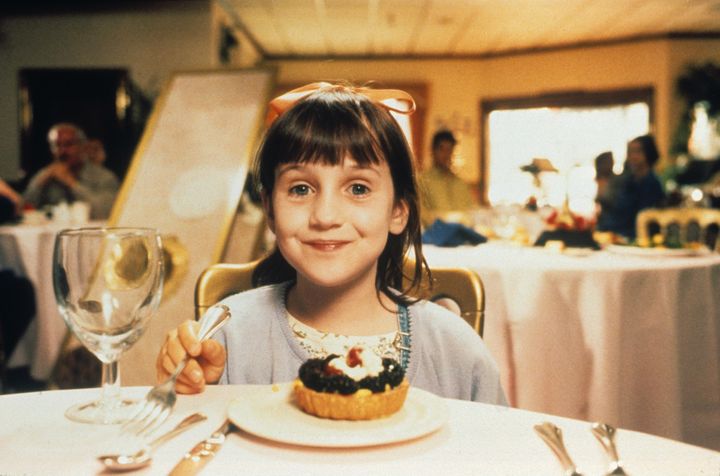
Matilda
Tri Star/Kobal/Shutterstock
When’s it on? Good Friday at 2pm on ITV
Advertisement
Tell me more: Six-year-old Matilda is unappreciated by her neglectful parents and mistreated by the tyrannical Miss Trunchbull, finding solace in books. She has some fun of her own and schemes to get her own back when she discovers that, in addition to her superior intellect, she also possesses telekinetic powers.
Recommended for: To be honest, we’re struggling to think of a time we wouldn’t recommend the cosy and pure magic of Matilda.
Space Jam
Kobal/Shutterstock
When’s it on? Good Friday at 2.15pm on ITV2
Tell me more: Get ready for a serious dose of nostalgia. Perhaps the most 90s film to ever exist, Space Jam mixes space travel, basketball and Looney Tunes, with some impressive A-list cameos including Bill Murray and, of course, sports icon Michael Jordan.
Recommended for: Anyone who was disappointed by the 2021 Space Jam sequel and needs to remind themselves of what it was they loved so much about the original film.
King Of Kings
Moviestore/Shutterstock
When’s it on? Good Friday at 2.30pm on BBC Two
Tell me more: It wouldn’t be Good Friday without some class of biblical epic airing on the BBC in the middle of the afternoon, would it?. This year they’re showing King Of Kings, with Jeffrey Hunter and Rip Torn in the lead roles of Jesus and Judas.
Clocking in at just under three hours, it’s a bit of a bum-number, but it pales in comparison to The Greatest Story Ever Told, which goes for four hours and 20 minutes in total.
Advertisement
Recommended for: If you’re already on a bit of a chocolate-induced sugar high and you need some help settling down for the afternoon.
Ice Age
20th Century Fox/Kobal/Shutterstock
When’s it on? Good Friday at 4pm on ITV2
Tell me more: A snow-covered family favourite that started a whole animated franchise, Ice Age introduces us to a sloth, saber-tooth tiger and wooly mammoth who team up to help return a lost human baby to his tribe.
Unlike a lot of animated films, the voice cast were encouraged to improvise during the recording process, which helped provide some of the humour that helped make Ice Age a favourite for all generations when it debuted 20 (!!) years ago.
Recommended for: If the bank holiday weather doesn’t quite work out in your favour and you decide to just lean into the cold.
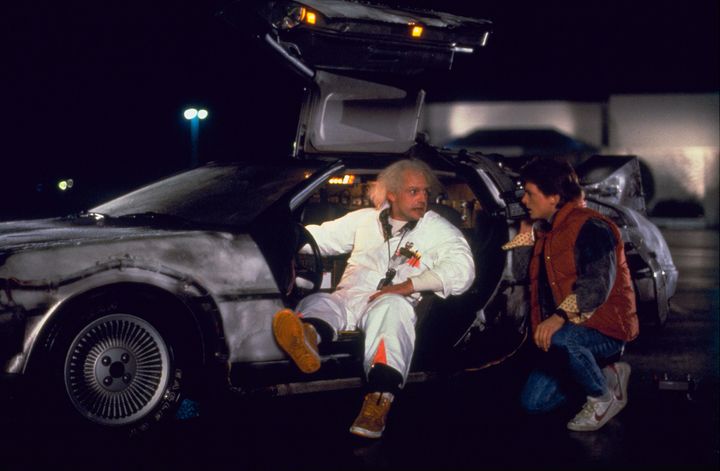
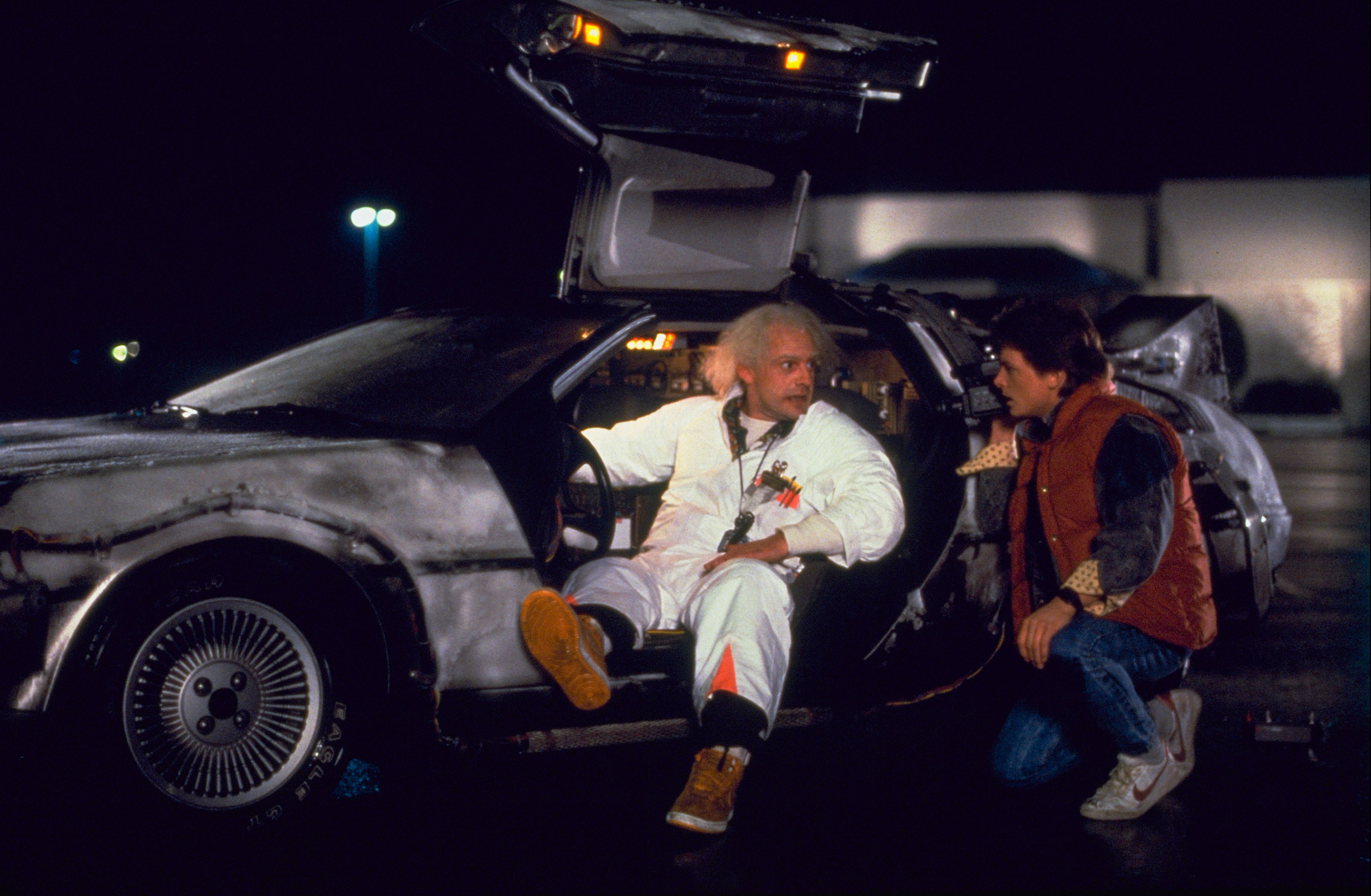
Tell me more: Often held up as one of the best films of all time, Back To The Future introduces us to high school student Marty McFly, who winds up being catapulted back in time to the 50s thanks to mad scientist Doc Brown and his souped-up DeLorean.
Recommended for: Anyone who has somehow made it this long without watching Back To The Future.
Tell me more: Written by Downton Abbey creator Julian Fellowes, this historical drama centres around Queen Victoria in the early years of her reign, shining a light on her turbulent relationship and her romance with the eventual Prince Albert.
Alongside Emily Blunt in the lead role, the cast also boasts appearances from Jim Broadbent, Miranda Richardson and Paul Bettany.
Recommended for: Those who can’t quite hang on for season five of The Crown for a taste of royal drama and scandal.
Tell me more: Speed was a breakthrough moment for Sandra Bullock when it was released in the 90s. She and Keanu Reeves play passengers who find themselves on board a bus that has been rigged by terrorists to explode if it goes beneath 50mph in this fast-paced action thriller.
Recommended for: If you’ve been watching animated family favourites all day, and need something a bit more high-stakes.
Advertisement
Skyfall
Danjaq/Eon Productions/Kobal/Shutterstock
When’s it on? Good Friday at 8pm on ITV2
Tell me more: Skyfall is the third of Daniel Craig’s five outings as James Bond, and is often considered by fans of the 007 franchise to be the best of the bunch. This instalment sees Bond squaring off against former MI6 agent turned cyberterrorist Raoul Silva, while Naomie Harris and Ben Whishaw also make their debut appearances in the franchise in the film.
Recommended for: Anyone whose idea of a good Friday night includes big explosions, chase scenes, shock twists and generally being shaken (but not stirred).
Whiplash
Moviestore/Shutterstock
When’s it on? Good Friday at 9pm on BBC Three
Tell me more: This seriously intense Oscar-winning film centres around an ambitious jazz drummer who is pushed to the extreme by his ruthless (and, at times, abusive) teacher, played by JK Simmons.
Recommended for: Anyone who wasn’t put through the trauma of school band rehearsals and wants a taste of what it was like.
The Best Exotic Marigold Hotel
Blueprint/20th Century Fox/Kobal/Shutterstock
When’s it on? Good Friday at 10.40pm on BBC One
Advertisement
Tell me more: In The Best Exotic Marigold Hotel, a group of British pensioners decide to ditch the humdrum of retirement in Blighty and embrace the new by moving to a new residence in India, with romance and drama ensuing.
If that doesn’t convince you, the cast includes Dame Judi Dench, Dev Patel, Dame Maggie Smith, Bill Nighy and Celia Imrie.
Recommended for: If you want something gentle to wind down to after a hectic Good Friday.
Joker
Warner Bros/Moviestore/Shutterstock
When’s it on? From Good Friday onwards on Netflix
Tell me more: Joaquin Phoenix won an Oscar for his portrayal of the titular supervillain in this complete rewrite of the Joker’s backstory.
Joker draws heavily on the work of Martin Scorsese, which means there’s considerably more graphic violence and unsettling action than you might expect from a DC Comics adaptation, but despite polarising reviews at the time, the film was hugely successful upon its release in 2019.
Recommended for: If you want the complete opposite of something gentle to wind down to after a hectic Good Friday.
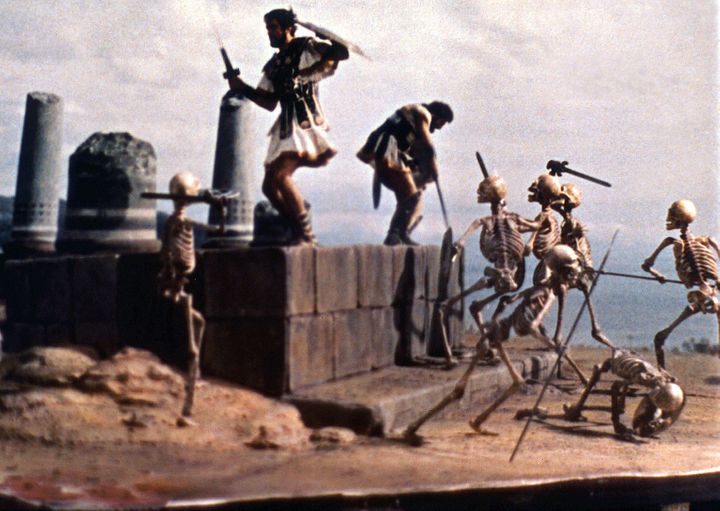
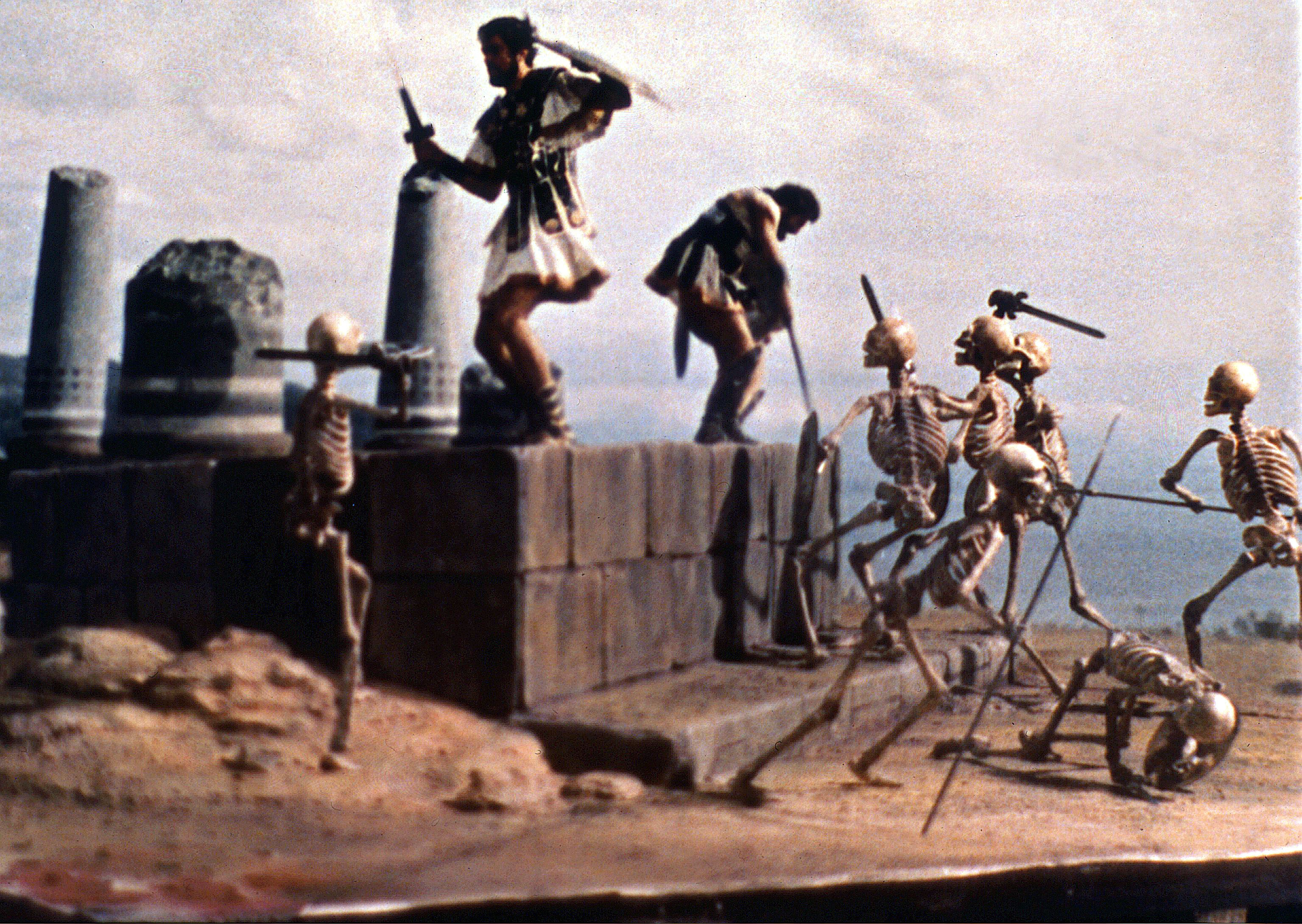
Jason And The Argonauts
Columbia/Kobal/Shutterstock
When’s it on? Saturday at 9.50am on Channel 4
Advertisement
Tell me more: A true cult classic from the 60s (Mr Hollywood himself Tom Hanks once named it his favourite film ever), fantasy adventure Jason And The Argonauts reimagines stories from Greek mythology with a mix of live-action and stop-motion animation.
Recommended for: Those who want to kickstart their Saturday morning with some old-school adventure.
Shrek 2
Dreamworks/Kobal/Shutterstock
When’s it on? Saturday at 4.10pm on ITV2
Tell me more: Probably the best offering from the surprisingly-elaborate Shrek universe, this film picks up where the first film left off with Shrek and newly-permanent ogre Fiona adjusting to married life.
We could go on and on about the plot, but realistically you’ve already seen this film 100 times and know full well it’s all about the Fairy Godmother’s musical number.
Recommended for: Literally everyone. Enjoy!
Captain Marvel
C Zlotnick/Disney/Marvel/Kobal/Shutterstock
When’s it on? Saturday at 9.25pm on Channel 4
Tell me more: Captain Marvel is the first female-led film in the MCU, and what a best foot forward it was. Oscar winner Brie Larson takes the lead in this action adventure, which also boasts appearances from Samuel L Jackson, Lashana Lynch and Jude Law.
Advertisement
Recommended for: Marvel fans who still have a few films to check off their ever-growing MCU list.
Hot Fuzz
Focus/Kobal/Shutterstock
When’s it on? Saturday at 10.40pm on ITV
Tell me more: The second (and biggest) film in Simon Pegg and Edgar Wright’s “Cornetto trilogy” the police comedy sees Simon and regular co-star Nick Frost teaming up to play a pair of coppers investigating grisly murders in a West Country village. We promise it’s funnier than it sounds.
Recommended for: Anyone who just needs a good chuckle.
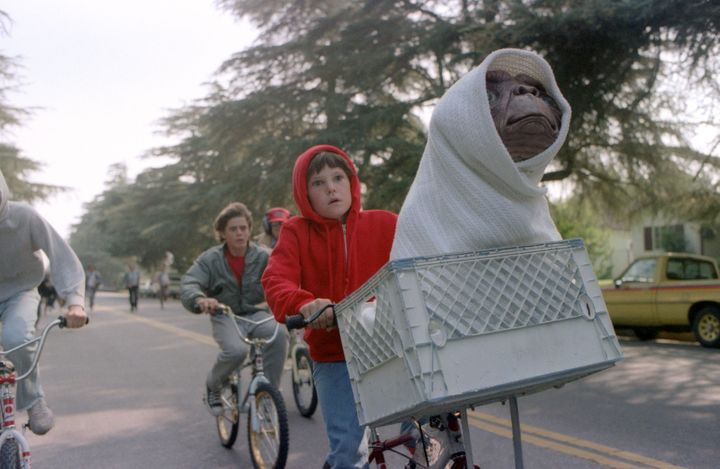
E.T. The Extra-Terrestrial
Bruce Mc Broom/Universal/Kobal/Shutterstock
When’s it on? Easter Sunday at 3.25pm on ITV2
Tell me more: One of the most beautiful stories of unlikely friendship ever shown on screen, E.T. became the biggest box office smash of all time when it debuted in the 1980s.
The film introduces us to Elliott, a young boy whose life is turned upside down when he befriends a lost alien who has crash-landed on earth.
Recommended for: Anyone, as long as you’re prepared to cry your eyes out in those final moments.
Advertisement
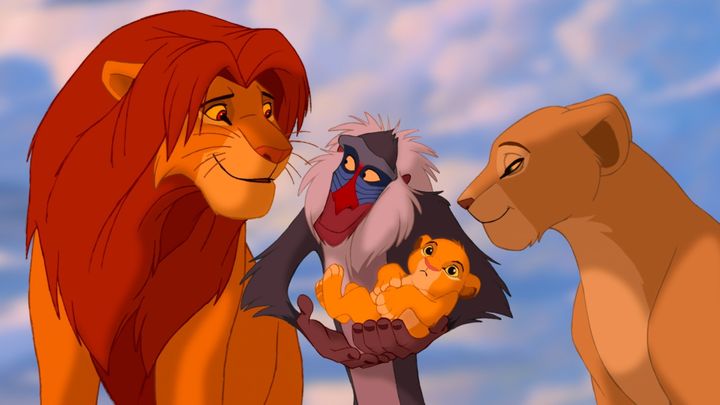
The Lion King
When’s it on? Easter Sunday at 5.45pm on BBC One
Tell me more: Undoubtedly one of the most shining jewels in the Disney renaissance crown, this animated classic is a rough retelling of Shakespeare’s Hamlet as told through animals in the Pride Lands of Africa.
With stunning animation, unforgettable music (by Sir Elton John, no less!) and some of the most iconic characters in Disney history, it’s a film everyone should watch at least once.
Recommended for: The term “fun for all the family” gets thrown around a lot, but The Lion King truly is.
Spectre
Jonathan Olley/Columbia/Eon/Danjaq/Mgm/Kobal/Shutterstock
When’s it on? Easter Sunday at 8pm on ITV2
Tell me more: What, did you think the long weekend was only going to have one James Bond film on TV? Don’t be silly.
Skyfall follow-up Spectre introduces Andrew Scott (otherwise known as Fleabag’s Hot Priest) as 007’s new adversary Max Denbigh, with Sam Mendes returning as director.
Recommended for: If Skyfall piqued your interest on Good Friday.
Advertisement
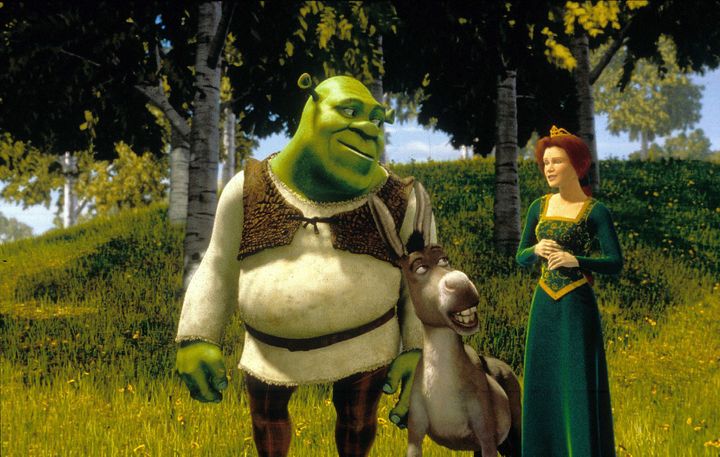
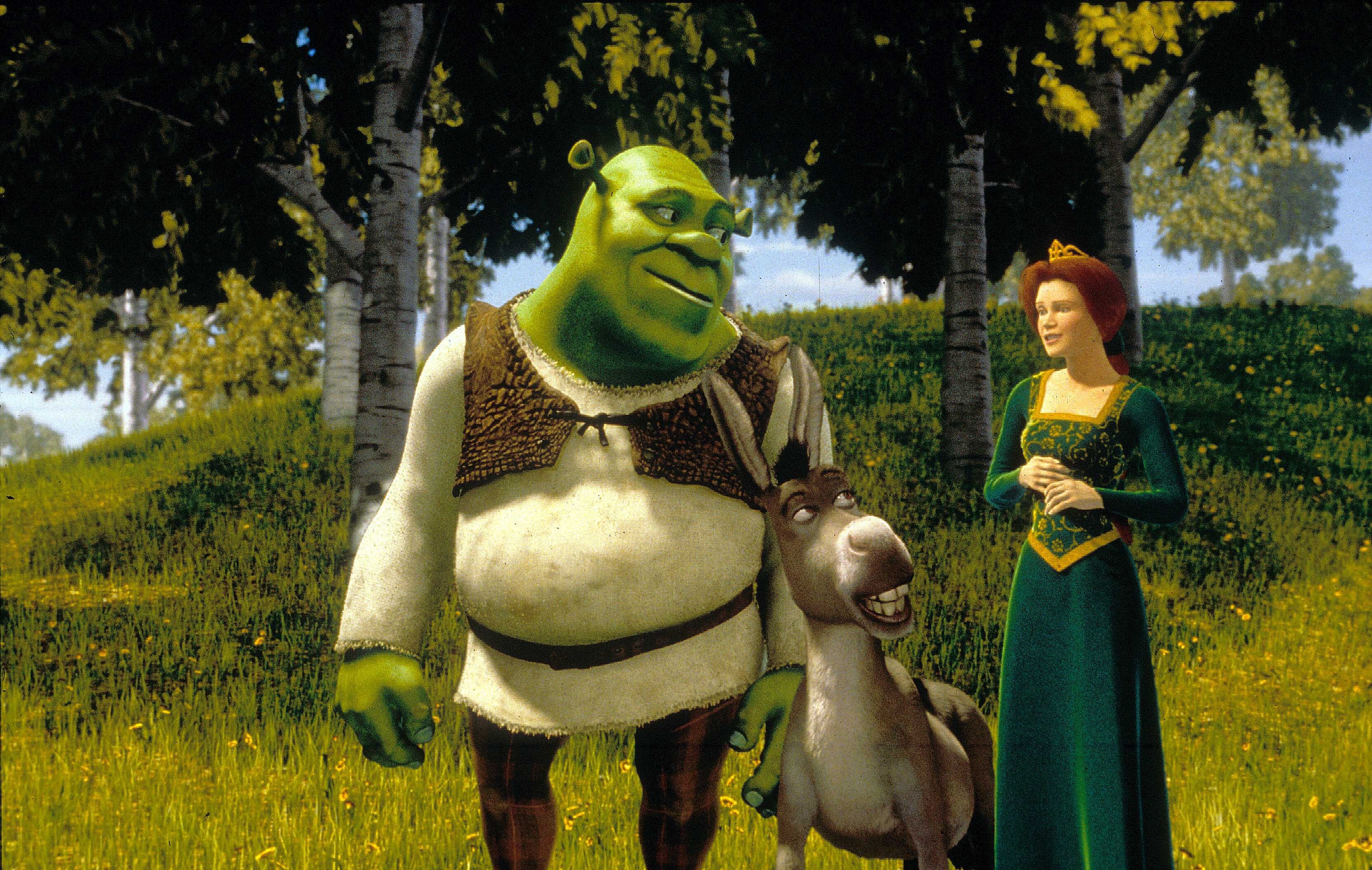
Shrek
Moviestore/Shutterstock
When’s it on? Easter Monday at 2.05pm on ITV
Tell me more: Pretty much throwing out the fairytale rulebook, Shrek helped put Dreamworks on the map, and made sure they were the go-to for family comedy over Disney in the 2000s.
In the first film of the series, we meet grumpy ogre Shrek, who is furious to find his isolated swamp has been overrun by fairytale creatures, after they’re all banished by Lord Farquaad.
Recommended for: When you enjoyed Shrek 2 so much two days earlier, you want to go back and watch the first film. No, we’ve got no idea why ITV is showing them in this order, either, but let’s not question it.
Beauty And The Beast
Disney/Kobal/Shutterstock
When’s it on? Easter Monday at 2.30pm on BBC One
Tell me more: Remember how many times you watched Disney’s animated Beauty And The Beast when you were growing up? Well, this is the slightly-less-good live-action version, with Emma Watson as Belle. If ever there was proof of the power of great animation, it’s comparing this film’s photo-real Mrs Potts with the version we all knew and loved from the 90s.
Recommended for: Disney devotees, for sure. But if you’ve never seen the original, we’d probably start there.
Spider-Man
Advertisement
Moviestore/Shutterstock
When’s it on? Easter Monday at 6.35pm on ITV2
Tell me more: Long before Tom Holland and even Andrew Garfield, Tobey Maguire swung into action (literally) as Spidey. This was the film that started it all, introducing us to Peter Parker as he’s bitten by a radioactive spider and slowly discovers his unusual abilities.
Recommended for: Any Marvel fans who want some nostalgia from those pre-MCU days.
HuffPost may receive a share from purchases made via links on this page. Prices and availability subject to change.