Why Does Elon Musk Want To Buy Twitter?

Elon Musk, the richest person in the world, has offered to buy Twitter for more than 40 billion dollars (£30.5 billion) in a move that prompted the same question across the world: why?

The billionaire Tesla and SpaceX boss has proposed buying “100% of Twitter for $54.20 per share in cash”, valuing the company at $41.39 billion.

The 50-year-old, whose bid comes soon after he bought a 9% stake in Twitter and said he would join the board, believes changes are needed in order to help the site thrive and better support free speech.

In just ten days, Musk has gone from popular Twitter contributor to the company’s largest individual shareholder to a would-be owner of the social platform — a whirlwind of activity that could change the service dramatically given Musk’s self-identification as a “free speech absolutist”.

Who is Elon Musk?

Musk, 50, has an estimated $273.6 billion (£209.21 billion) fortune that makes him the wealthiest person in the world, worth $92.3 billion (£70.58 billion) more than runner-up Jeff Bezos. Musk was born in Pretoria, South Africa, to a Canadian mother and South African father and later attended the University of Pennsylvania, where he graduated in 1997.

With a stable of businesses ranging from electric cars to private rocket ships, Musk did not found Tesla, which he has led from 2008. But his insight that the firm’s electric cars should be high-performance machines with sophisticated, smartphone-style software revolutionised the global auto business, prompting established companies to try to catch up while spurring new, all-electric competitors. Wall Street values Tesla at more than $1 trillion – more than all three Detroit car makers, plus Toyota Motor Corp, combined.

At the same time, his company SpaceX, has upended the space launch industry by developing rockets capable of putting satellites into space and returning to Earth for re-use.

Perhaps more than any other person, Musk has helped bring bitcoin and other cryptocurrencies into the mainstream, with Tesla holding about $2 billion in bitcoin on its balance sheet and the company among the few to accept dogecoin as payment.

Musk and Twitter

Twitter helped Musk become a household name. He has 81 million followers and built a pop culture following large enough to help him earn a spot hosting the venerable US comedy TV show Saturday Night Live in 2021.

Musk has used Twitter to go after investors, and he posts on everything from Dad jokes to polls on what he should do with his gains from Tesla’s surging stock price.

<img class="img-sized__img landscape" loading="lazy" alt="Elon Musk speaks at the Tesla Giga Texas manufacturing "Cyber Rodeo" grand opening party in Austin, Texas.” width=”720″ height=”480″ src=”https://www.wellnessmaster.com/wp-content/uploads/2022/04/why-does-elon-musk-want-to-buy-twitter-3.jpg”>
Elon Musk speaks at the Tesla Giga Texas manufacturing “Cyber Rodeo” grand opening party in Austin, Texas.

SUZANNE CORDEIRO via Getty Images

While Twitter’s user base remains much smaller than those of rivals such as Facebook and TikTok, the service is popular with celebrities, world leaders, journalists and intellectuals. Musk’s followers rival pop stars such as Ariana Grande and Lady Gaga.

What’s been going on?

Musk began buying Twitter stock in earnest only a few months ago.

Earlier this month, it was announced he had bought a 9% stake and would join the board, only for Twitter chief executive Parag Agrawal to confirm that Musk had changed his mind just days later.

Now the billionaire entrepreneur has offered to buy the company outright.

In his offer letter to Bret Taylor, chairman of the Twitter board, Musk said he had invested in the social media platform “as I believe in its potential to be the platform for free speech around the globe, and I believe free speech is a societal imperative for a functioning democracy”, but added “since making my investment I now realize the company will neither thrive nor serve this societal imperative in its current form”.

He said the move was his “best and final offer” and if not accepted the billionaire “would need to reconsider my position as a shareholder”.

Twitter has confirmed it has received the offer and said it will now consider it.

How could Twitter look?

Much of Musk’s vocal criticism of Twitter over recent weeks has centred around his belief that it falls short on free speech principles. The social media platform has angered followers of Donald Trump and other far-right political figures who’ve had their accounts suspended for violating its content standards on violence, hate or harmful misinformation.

Musk also has a history of his own tweets causing legal problems. He has previously run into problems with US regulators at the Securities and Exchange Commission (SEC) over his own tweets, having been accused of breaching trading rules when tweeting about his business interests.

<img class="img-sized__img landscape" loading="lazy" alt="Elon Musk, second from left, on Saturday Night Live.” width=”720″ height=”480″ src=”https://www.wellnessmaster.com/wp-content/uploads/2022/04/why-does-elon-musk-want-to-buy-twitter-4.jpg”>
Elon Musk, second from left, on Saturday Night Live.

NBC via Getty Images

Musk has also been accused of tweeting misinformation about Covid-19 after posting in March 2020 that children were “essentially immune” to the disease.

The entrepreneur outlined some specific potential changes on Thursday — like favouring temporary rather than permanent bans — but has mostly described his aim in broad and abstract terms.

“I believe free speech is a societal imperative for a functioning democracy,” Musk said in the filing. “I now realise the company will neither thrive nor serve this societal imperative in its current form. Twitter needs to be transformed as a private company.”

Some believe a Musk takeover could mean a return to the platform for Trump and others, but reinstating those users would be a highly controversial move and could bring further scrutiny to the company and its approach to moderation, just as major new regulation for the sector is on the horizon.


Share Button

Drug reduced frequency of breathing pauses in sleep apnea

A new University of Gothenburg study has paved the way for the first drug treatment for sleep apnea. Compared to before receiving the treatment, breathing pauses decreased with on average more than 20 per hour for patients given the drug.

The treatment that has been tested is carbonic anhydrase (CA) inhibition, CA being an enzyme that serves to maintain a balance between carbonic acid and carbon dioxide in the body. Several drugs with CA inhibitory properties are already available on the market, and used for treatment of glaucoma, epilepsy and other disorders.

Previous research has not systematically tested whether CA inhibitors also might be used to treat obstructive sleep apnea. The current study was a randomized double-blind clinical trial, and 59 patients with moderate or severe sleep apnea completed it. Patients were randomly assigned to two groups receiving either 400 or 200 mg of the CA inhibitor, and a third group (the control group) that received placebo. The study lasted for four weeks.

Fewer breathing pauses

The results show that, overall, the treatment reduced the number of breathing pauses and promoted oxygenation during the night. A few patients experienced side effects, such as headache and breathlessness, which were more common in those receiving the highest dose.

The study results together with established safety data of the drug sulthiame provide support for continued research on CA inhibition as a new potential treatment for obstructive sleep apnea.

“Among the patients who received the higher dosage of the drug, the number of breathing pauses decreased by approximately 20 per hour. For just over a third of patients in the study, only half of their breathing pauses were left, and in one in five the number fell by at least 60 percent,” says Jan Hedner, Professor of Pulmonary Medicine.

The fact that several approved drugs in the CA inhibitor category are available on the market makes fast-tracking development of an approved drug for sleep apnea practicable. The drug used in this clinical trial was sulthiame, which is sometimes used to treat epilepsy in children.

Treatment options needed

Today, treatment for a patient with sleep apnea is either an oral appliance therapy or a CPAP (Continuous Positive Airway Pressure) mask. Both help to maintain airway patency during sleep.

“These therapy options take time to get used to and, since they frequently are perceived as intrusive or bulky. Insufficient user time is therefore common. If we develop an effective drug, it will therefore make life easier for many patients and, in the long run, potentially also save more lives,” says Ludger Grote, Senior Lecturer at Sahlgrenska Academy, University of Gothenburg.

The German pharmaceutical company Desitin Arzneimittel GmbH funded the trial, and the results are published in the American Journal of Respiratory and Critical Care Medicine.

Story Source:

Materials provided by University of Gothenburg. Note: Content may be edited for style and length.

Share Button

Light amplification accelerates chemical reactions in aerosols

Aerosols in the atmosphere react to incident sunlight. This light is amplified in the interior of the aerosol droplets and particles, accelerating reactions. ETH researchers have now been able to demonstrate and quantify this effect and recommend factoring it into future climate models.

Liquid droplets and very fine particles can trap light — similar to how light can be caught between two mirrors. As a result, the intensity of the light inside them is amplified. This also happens in very fine water droplets and solid particles in our atmosphere, i.e. aerosols. Using modern X-ray microscopy, chemists at ETH Zurich and the Paul Scherrer Institute (PSI) have now investigated how light amplification affects photochemical processes that take place in the aerosols. They were able to demonstrate that light amplification causes these chemical processes to be two to three times faster on average than they would be without this effect.

Using the Swiss Light Source at the PSI, the researchers studied aerosols consisting of tiny particles of iron(III) citrate. Exposure to light reduces this compound to iron(II) citrate. X-ray microscopy makes it possible to distinguish areas within the aerosol particles composed of iron(III) citrate from those made up of iron(II) citrate down to a precision of 25 nanometres. In this way, the scientists were able to observe and map in high resolution the temporal sequence of this photochemical reaction in individual aerosol particles.

Decay upon exposure to light

“For us, iron(III) citrate was a representative compound that was easy to study with our method,” says Pablo Corral Arroyo, a postdoc in the group headed by ETH Professor Ruth Signorell and a lead author of the study. Iron(III) citrate stands in for a whole range of other chemical compounds that can occur in the aerosols of the atmosphere. Many organic and inorganic compounds are light-sensitive, and when exposed to light, they can break down into smaller molecules, which can be gaseous and therefore escape. “The aerosol particles lose mass in this way, changing their properties,” Signorell explains. Among other things, they scatter sunlight differently, which affects weather and climate phenomena. In addition, their characteristics as condensation nuclei in cloud formation change.

As such, the results also have an effect on climate research. “Current computer models of global atmospheric chemistry don’t yet take this light amplification effect into account,” ETH Professor Signorell says. The researchers suggest incorporating the effect into these models in future.

Non-uniform reaction times in the particles

Now precisely mapped and quantified, the light amplification in the particles comes about through resonance effects. The light intensity is greatest on the side of the particle opposite the one the light is shining on. “In this hotspot, photochemical reactions are up to ten times faster than they would be without the resonance effect,” says Corral Arroyo. Averaged over the entire particle, this gives an acceleration by the above-mentioned factor of two to three. Photochemical reactions in the atmosphere usually last several hours or even days.

Using the data from their experiment, the researchers were able to create a computer model to estimate the effect on a range of other photochemical reactions of typical aerosols in the atmosphere. It turned out that the effect does not pertain just to iron(III) citrate particles, but all aerosols — particles or droplets — made of compounds that can react with light. And these reactions are also two to three times faster on average.

Story Source:

Materials provided by ETH Zurich. Original written by Fabio Bergamin. Note: Content may be edited for style and length.

Share Button

New research sheds fresh light on the ‘presenteeism’

Employees who are unwell only engage in presenteeism when they have not met their daily work goals, according to new research from Trinity College Dublin.

The study, published in the Journal of Occupational Health Psychology recently, also found that working on a day when you feel ill drains mental energy which cannot be recovered the next day.

The study seeks to shed further light on the phenomenon of ‘presenteeism’ — defined by the researchers as continuing to work when experiencing ill-health. The practice has been labelled an ‘800-pound gorilla’ by researchers in occupational health psychology because of the tremendous costs it inflicts on employees and organisations alike. These costs include burnout, impaired workability, and productivity loss.

This study led by Dr Wladislaw Rivkin, Associate Professor in Organisational Behaviour, Trinity, deepens our understanding of the harmful impact of presenteeism on employee effectiveness by demonstrating that depletion of mental resources is a key mechanism responsible for these harmful effects.

The research involved 126 employees logging their daily productivity across 12 workdays, resulting in 995 daily work observations. It was conducted during the COVID-19 lockdown in 2020 when all participants were working from home.

Dr Rivkin commented:

“It is crucial to tackle daily presenteeism, especially for remote workers. Managers should openly discourage presenteeism by reassuring team members that if they feel unwell it is acceptable to reduce their daily work goals and instead tend to their health. In light of the energy-depleting nature of presenteeism if employees engage in presenteeism they should work on tasks that are inherently pleasant rather than tedious tasks that further drain their energy.

“So, while it may seem a good idea to work despite ill health to deliver on work goals our research shows that this has a knock-on effect for remote workers’ performance on the next day as presenteeism drains employees’ psychological energy, which cannot be fully recovered after work.”

The full paper was entitled “Should I stay or should I go? The role of daily presenteeism as an adaptive response to perform at work despite somatic complaints for employee effectiveness.”

Wlad Rivkin is an Associate Professor in Organisational Behaviour and Work Psychology whose research focuses on burnout, stress and other demands that people experience at work as well as what organisations can do to protect employee wellbeing and maintain their effectiveness. Other recent research projects include studies on the impact of commuting on employee wellbeing, the role of willpower in overcoming the negative effects of a bad night’s sleep and how smartphone use during non-work time impacts on sleep quality.

Story Source:

Materials provided by Trinity College Dublin. Note: Content may be edited for style and length.

Share Button

GP sexually abused 48 patients over 35 years

Krishna Singh was found guilty of 54 charges of kissing, groping and giving inappropriate examinations to women.

Share Button

Covid levels starting to fall in UK, says ONS

About one in 15 people would test positive for coronavirus, as levels start to fall.

Share Button

Lifting of Scottish face mask laws confirmed

The legal requirement to wear face coverings in many indoor settings will end next Monday.

Share Button

Valneva Covid vaccine approved for use in UK

The Valneva jab is manufactured using technology similar to how flu shots are made.

Share Button

Genetic testing: Babies with rare illnesses given hope

“Eureka moment” sees baby Thea diagnosed with rare genetic condition and given a new chance at life.

Share Button

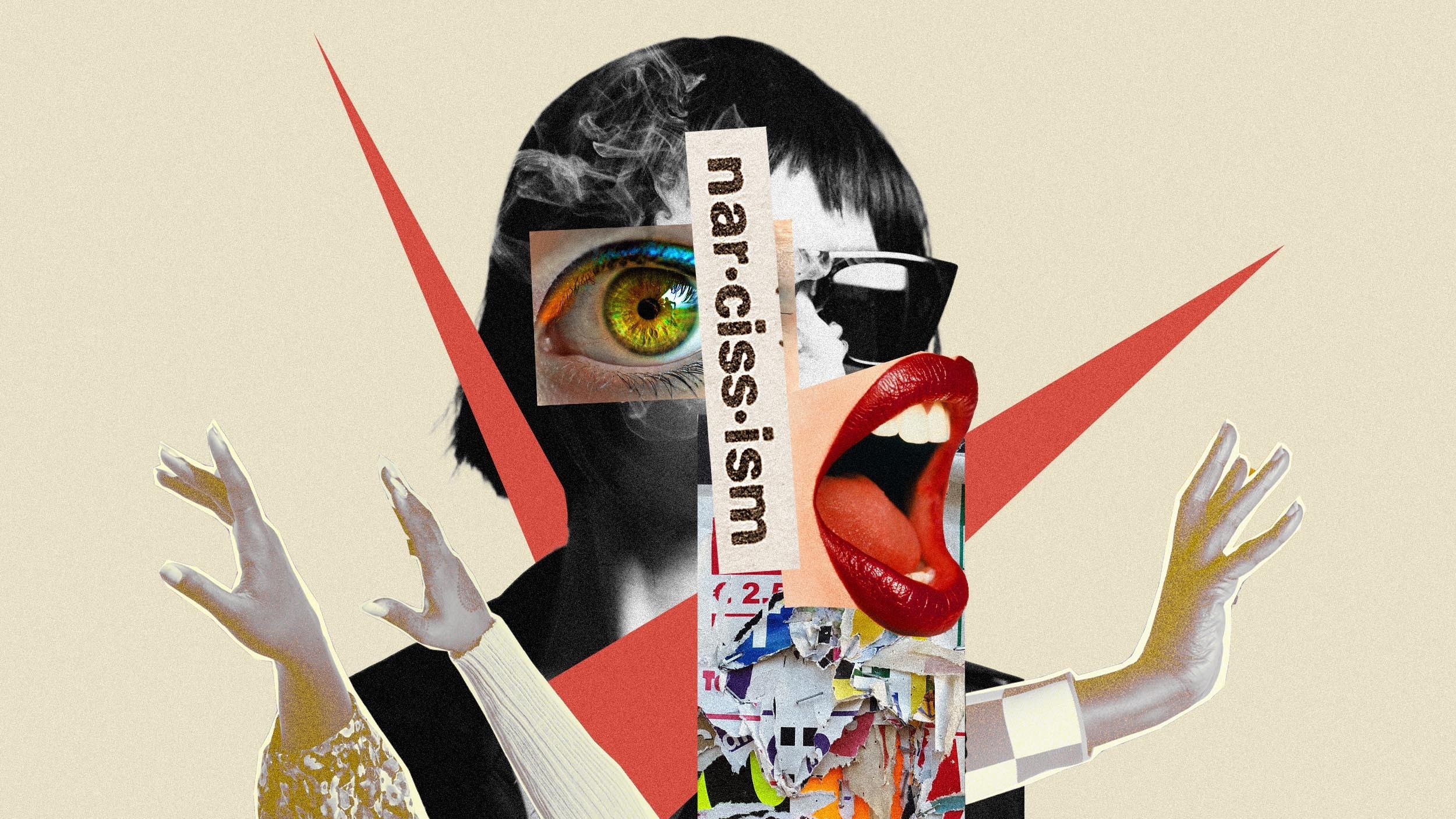
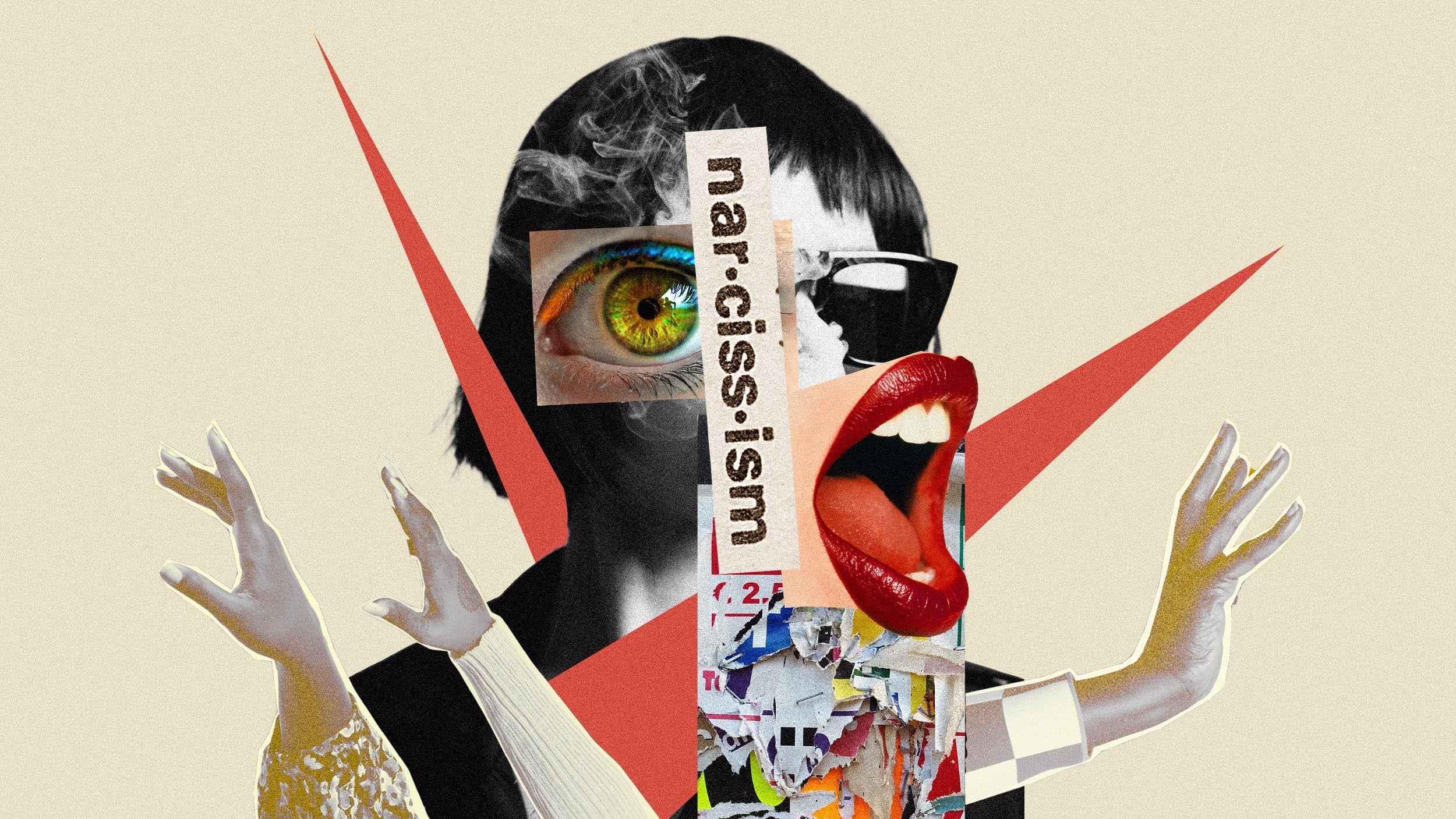
5 Signs Your Co-Worker Might Be A Narcissist (And How To Deal)

Throughout your career, you will encounter difficult co-workers who drain you, bore you and annoy you. But a narcissistic co-worker is one of the worst types to deal with.

They are insecure and cannot handle criticism. They can make their failures seem like they’re your responsibility, hurting your self-esteem to boost their own. And according to Marie-Line Germain, a professor of human resources and leadership at Western Carolina University and author of “Narcissism at Work: Personality Disorders of Corporate Leaders,” narcissists often find “safe havens” in the workplace.

“They very often end up in very top positions in organizations because they are smart, they are able to manipulate others,” Germain said. “The workplace is perfect for that. If they do well, they will be recognized. They will get a promotion. They will be looked at as prestigious. That’s not necessarily something they can get from their personal relationships.”

According to the American Psychiatric Association, the symptoms of narcissistic personality disorder can include an inflated sense of self-importance, fantasies of perfection and superiority, a sense of being special and unique, a need for praise and attention, a strong sense of entitlement and a tendency to exploit others.

It’s important to note that it’s up to trained professionals to make an official diagnosis, but knowing how a narcissist operates can help you learn to set hard boundaries when you’re forced to team up for a project with someone who seems to fit the profile.

Here are the big differences between a co-worker with a need for admiration and high confidence in their abilities and a co-worker who’s exhibiting narcissistic traits:

1. Confident colleagues are OK with others being the center of attention. Narcissists always have to have the last word.

Perpetua Neo, a psychologist and executive coach who works with people who have dealt with narcissistic abuse, said that a need to steal your thunder is a hallmark trait of narcissism in self-aggrandizing co-workers. They may talk over you or interrupt you frequently, she said.

Confident colleagues can celebrate your success and want to see their co-workers shine, while a narcissistic colleague will insert themselves into “any topic, even if it is completely irrelevant, and they will hijack and make it about them,” Neo said.

2. Narcissists are charismatic charmers — until your relationship no longer serves them.

At the beginning of a work relationship, narcissists are good at impressing and manipulating their targets to feel like the center of attention, Germain said. But when you stop helping them feel superior and important, don’t be surprised if you see a sudden change in their attitude toward you, even if it’s months or years later.

“You may feed their needs, so there is no need for them to display any of those negative signs,” Germain said. “It’s when trouble brews for them that they start showing all of the negative behaviors.”

3. They believe the ends justify the means, and display a consistent lack of empathy to colleagues.

Germain finds the lack of empathy to be a cornerstone of narcissism, one that distinguishes narcissistic co-workers from merely confident ones. They do not care if their success comes at your expense, and they may steal your ideas.

“They will do anything for that prestige, that power,” Germain said. “It doesn’t matter if they have to steal your ideas to appear as brilliant.”

“NPD individuals have a difficult time understanding the feelings of other people, if they even care to understand them,” she said, because “they are on a relentless hunt to guarantee their own narcissistic supply of attention, of approval, prestige, admiration, understanding, encouragement, power, perfection, money, sometimes even beauty.”

This lack of empathy can also manifest as selfishness, disregard and a lack of compassion for other people. Narcissistic types can use their power to belittle and harass you.

They may display disregard, in particular, when your repeated attempts to set “hell no” boundaries are not honored, Neo said.

“They will take every chance to erode upon your boundaries,” she said. “Trample upon [your boundaries] so that they can lower the bar at every successive attempt and train you to put you in your place, so that you… play the role that you are smaller and a lot more deferential to them.”

4. They can’t handle criticism.

Narcissistic colleagues don’t reflect on or own up to mistakes. They lash out when they hear negative feedback, because the way they perceive it, “you are not just criticizing their work, you are criticizing their self-worth,” Germain said.

They make you feel small to make themselves feel big. If a person loses control and gets angry at you for offering some constructive criticism, that’s a red flag for narcissism, she said.

5. Narcissistic co-workers believe you’re either with them or against them.

There is no neutral ground with narcissistic colleagues.

“They have a very dichotomous approach to life. It’s all or nothing. It’s either good or bad. You’re either a winner or loser,” Germain said. “They don’t do well with defeat.”

If you support a narcissistic co-worker, you are on their good side. “But the day you criticize them, the day you no longer support them… then you will cross over to the enemy side,” Germain said.

To deal with a narcissistic co-worker, do your best to limit your interactions.

Luckily, unlike with narcissistic bosses, narcissistic co-workers have less direct control over your career. But they can still mount smear campaigns and wreck your work experience if they see you as an enemy. Here are some tips on how to deal:

Withdraw. You have every right to set boundaries, even if a narcissist tells you otherwise, Neo said. Germain recommended limiting the attention and praise you give a narcissist.

Narcissists want you to engage with them and lose your temper. Sometimes, the best option for how to deal with one is to limit your interactions as much as possible.

“They love to see people lose their cool. Part of it is a power play. Part of it is a bit of sadism. They want to make you look like a loose cannon, so they can tell you in the future that you are being sensitive and difficult,” Neo said. “Don’t try to hold them accountable all the time. Accountability is what gets you suckered in.“

Document your own contributions. Narcissists are likely to throw you under the bus, so it’s important to keep track of your accomplishments on projects. “You may have to justify your own contributions. It’s sad, but it’s true,” Germain said. She recommended looping people in on certain emails and communications to increase the visibility of your contributions if you’re forced to work with a narcissist on a project.

Go to HR with the narcissistic abuse, and consider an exit strategy if necessary. If the narcissist is berating and belittling you, and you are losing sleep over it, you should take it to human resources, Germain said.

Unfortunately, narcissists tend to be high performers who are often valued by their organization. If a move to a different team is not possible, or if you feel like your complaints are not being heard, Germain recommends job-hunting elsewhere.

“It’s really hard to imagine that you as the victim need to leave, but that’s a self-protective tactic,” she said. “You need to remain proactive by not only recognizing the damaging facets of the NPD person on your work, but also on your well-being. Well-being must remain your focus.“

Lean on your support system outside of work. Germain said narcissistic co-workers are good at gaslighting you into feeling like you are the problem, so it’s important to find a sounding board with a loved one or a therapist who can help you see that “there is nothing wrong with you,” she said.

Share Button