Labour also promised before the election not to increase taxes for “working people”, particularly when it comes to VAT, income tax and National Insurance contributions.
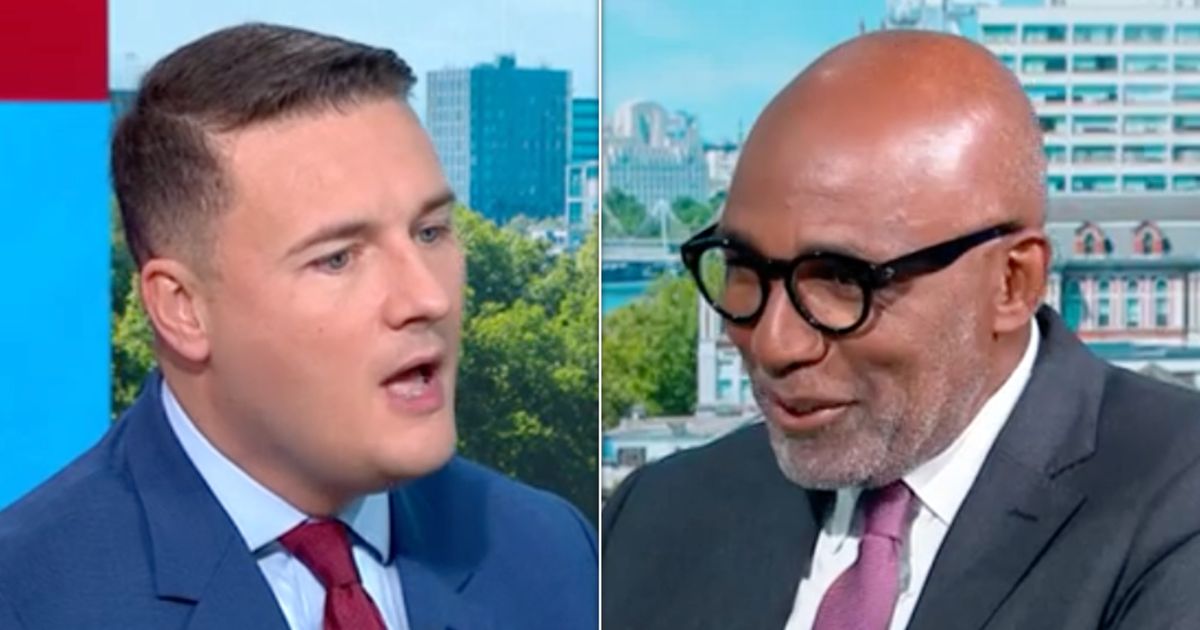
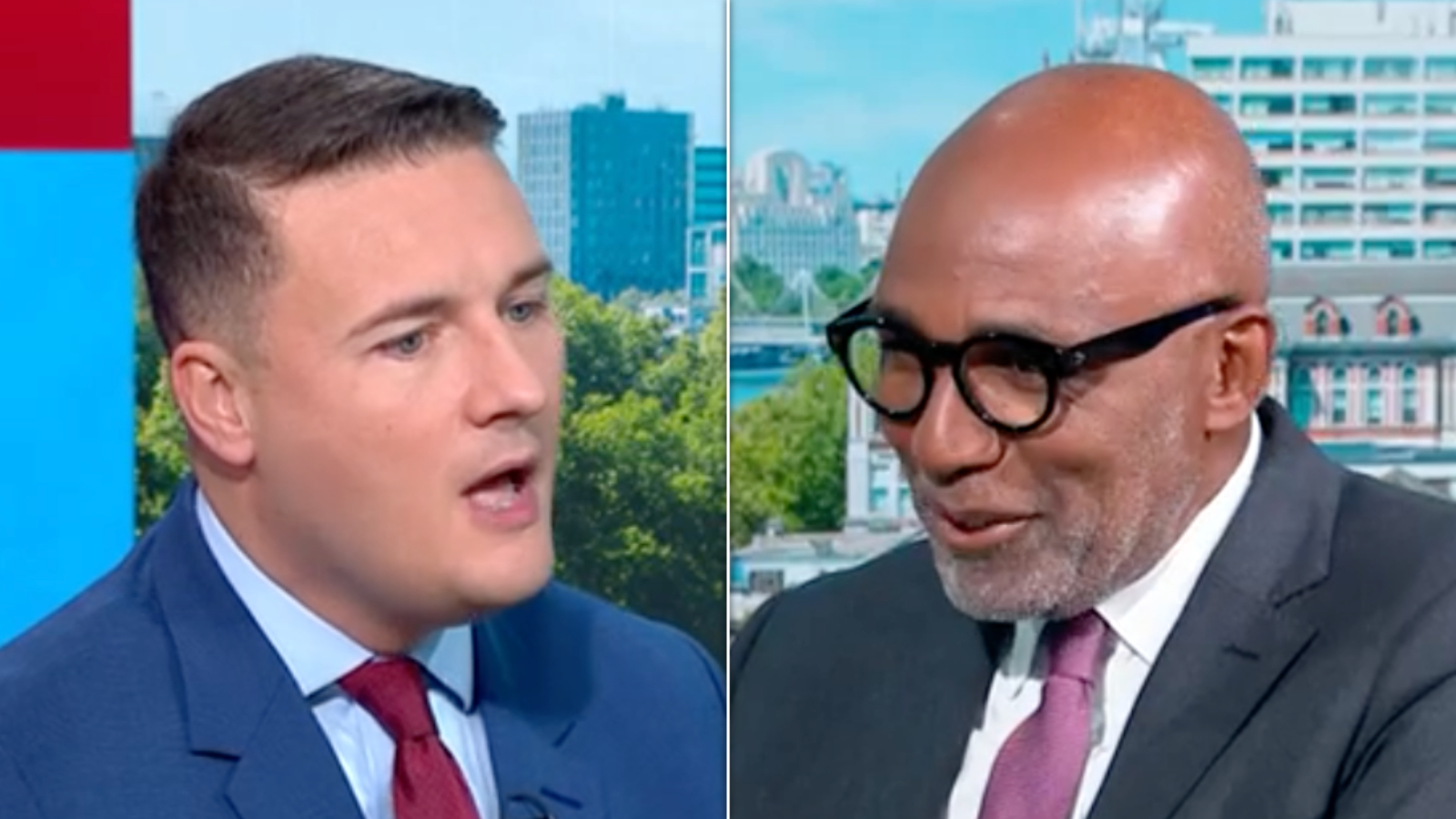
In a clash with health secretary Wes Streeting, presenter Phillips asked how the “working people” label applies to the self-employed.
“Of course self-employed people are working people,” the cabinet minister replied, adding that when he thinks about the term, he means those who are on “low to middle incomes”.
Streeting said that they have a “different working arrangement”.
The presenter asked: “So just in the same way you told us there would be no rise in National Insurance, but suddenly there’s rises in National Insurance for employers, it’s just possible there might be rises in taxes for the self-employed, because they’re not workers?”
The minister replied: “We will keep our manifesto promises, despite the pressures, we will not increase income tax, National Insurance or VAT on working people – that was the commitment we made before the general election.”
Phillips cut in: “Every expert says you’re breaking the pledge.”
The health secretary claimed Labour had been criticised for not being radical enough in their manifesto in the run up to the general election, and that’s because they knew it had to be feasible to deliver on it.
As they spoke over each other, the presenter hit out: “You know what I want to do now? I want to say, I take that answer but terms and conditions apply.”
Advertisement
“What do you mean? Absolutely not,” Streeting said, saying Labour are going to deliver on every pledge they made in their manifesto.
It was, according to one Labour MP, a “barnstormer” of a speech.
Pat McFadden, the Chancellor of the Duchy of Lancaster and the most powerful man in the country you’ve probably never heard of, was addressing the Parliamentary Labour Party in Committee Room 14 last Monday.
Not noted for his rousing oratory, the slightly-built, taciturn Glaswegian had decided that it was necessary to reassure those colleagues beginning to worry that being in government is not all that it was cracked up to be.
Advertisement
“Stability is underpriced in politics,” McFadden told them. “Having a stable government with a big majority has sent a powerful signal around the world.
“Don’t believe for a moment any notion of equivalence between recent headlines and the billions lost in Covid fraud, VIP lanes, lockdown parties in No.10 and the degradation of standards under the Tories.”
He then went on to list the things the Labour government has done in its first three months in office, before telling them that the upcoming Budget will have investment at its heart.
“That’s how we modernise the country, make people better off and generate wealth for public services,” McFadden said.
Advertisement
“Compare that to the Tory leadership election, where they are doubling down on arguments that had seen them lose, preaching to the choir not the public, with nothing to say about the economy, living standards, public services or the future.”
One newly-elected MP in attendance told HuffPost UK that McFadden had clearly wanted to “put some steel in our spines”.
However, he said there was no disguising the hidden message in the Cabinet Office minister’s address to his troops.
“He was telling us that things are going to get worse before they get better,” the MP said. “It felt a bit like we were being pushed off the top of a ski slope, which is fine until you take off and realise there’s nothing between you and the ground.”
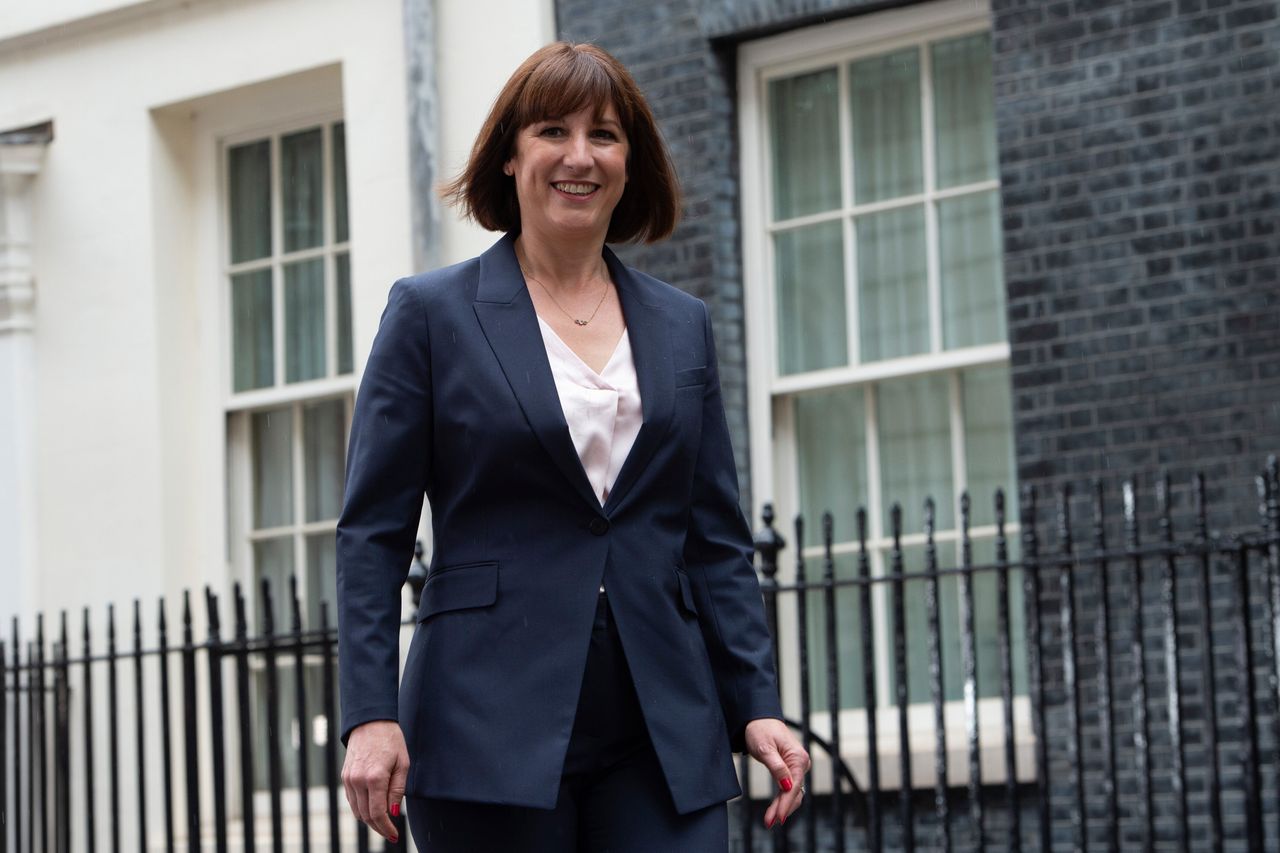
Rachel Reeves will stand up at the Despatch Box on October 30 and explain how she plans to raise £40 billion by putting up taxes and slashing the welfare bill.
Advertisement
That would be a tough enough sell at the best of times, but polling by Savanta, seen by HuffPost UK, shows that the popularity of Keir Starmer and his top team is now in “freefall”.
The prime minister himself has seen his personal approval ratings plummet from plus 10 immediately after Labour’s landslide election victory to minus 17 today.
Reeves, meanwhile, is now the most unpopular member of the cabinet, with an approval rating of minus 19 (compared to plus 4 on July 5).
The poll also makes grim reading for deputy PM Angela Rayner (approval rating minus 15), David Lammy (minus 13), Yvette Cooper (minus 11) and Wes Streeting (minus 10).
Advertisement
Chris Hopkins, Savanta’s political research director, said: “The prime minister and his senior cabinet minister’s favourability ratings are in freefall, according to our research.
“Starmer’s popularity among the public hasn’t been this low in a Savanta poll since May 2021 – the nadir of his leadership, which he has since shared that he considered resigning at the time.
“This should be particularly concerning to Starmer and his colleagues, ahead of what already feels like a premiership-defining Budget from Rachel Reeves.
“She will do so with the lowest favourability ratings since Savanta began tracking this with the public. This is a real drop for the chancellor, who used to be one of the most popular members of the cabinet.”
All eyes will be on Rachel Reeves on October 30.
via Associated Press
Advertisement
The findings will do little to improve the mood among an already-fractious cabinet.
Rayner, transport secretary Louise Haigh and justice secretary Shabana Mahmood have all written to the PM complaining about the huge cuts to their departmental budgets being sought by the chancellor.
It showed that around one-third of voters are not opposed to Reeves’ apparent plan to increase the employers’ rate of National Insurance.
Tory claims that this would break a Labour manifesto commitment also appear to have fallen on deaf ears, with only 34% of the public agreeing.
Luke Tryl, More in Common’s UK director, told HuffPost UK: “With only a third of voters saying they’d oppose a rise in employers’ National Insurance, for now at least it seems like raising the tax would be some low-hanging fruit for Labour as they seek to put together a Budget that balances the books without a return to austerity.”
But unless Reeves produces the mother of all rabbits out of her hat, there is unlikely to be much for the public to cheer on October 30.
The decision to remove the winter fuel allowance from millions of pensioners, taken shortly after the election, remains a running sore among voters.
Advertisement
One MP said: “It’s not costing us support, but it is costing us the loyalty of voters, and that’s even more dangerous.”
Pat McFadden may have to produce a few more barnstormers in the coming years to soothe Labour’s increasingly worried MPs.
Rachel Reeves in 2021 – rises to employers’ national insurance will “make each new recruit more expensive and increase the costs to business”.
“The decision to saddle employers and workers with the jobs tax takes money out of people’s pockets when our economic recovery is not… pic.twitter.com/Zdt2QapL9J
But speaking in the Commons in 2021, Reeves, who was then shadow chancellor, said: “It is so worrying that at this crucial time, the prime minister and chancellor concocted a new jobs tax to arrive in the spring.
“Despite all of their election promises to cut National Insurance contributions, they’re actually raising them against the strong advice of business and trades unions.
“The Conservative government’s actions will make each new recruit more expensive and increase the costs to business.
“The decision to saddle employers and workers with a job tax takes money out of people’s pockets when our economic recovery is not yet established or secure, and only adds to the pressure on businesses after a testing year and a half.”
Advertisement
Labour’s election manifesto said: ”[We] will not increase taxes on working people, which is why we will not increase National Insurance, the basic, higher, or additional rates of income tax, or VAT.”
However, speaking on Monday, Reeves insisted that putting up the employers’ rate of NI would not break that pledge.
She said: “We are going to need to sort of close that gap between what government is spending and bringing in through tax receipts. But we are going to be a government that sticks to our manifesto commitments, including that one.”
Asked directly on Monday whether it would break the manifesto promise, the prime minister told the BBC: “It was very clear from the manifesto that what we were saying was we’re not going to raise tax for working people. And it wasn’t just the manifesto, we said it repeatedly in the campaign, and we intend to keep the promises that we made in our manifesto.”
Meanwhile, the chancellor today dropped another huge hint that taxes will rise in the Budget on October 30.
Advertisement
She told a cabinet meeting that “there would have to be difficult decisions on spending, welfare, and tax”.
A Labour spokesperson said: “The chancellor told cabinet the Budget would focus on putting the public finances on a strong footing and being honest with the British people about the scale of the challenge.”
No one ever said that being in government was easy. But few expected it to be quite as hard as Labour have made it look since the general election.
Keir Starmer today marks 100 days in power, a milestone moment that Liz Truss would have given her eye teeth to achieve.
Advertisement
In keeping with his ‘no drama Starmer’ image, he will spend it in 10 Downing Street rather than his grace-and-favour pile at Chequers. The problem for the prime minister is that his first three months in charge have seen rather more drama than he or his supporters would like.
Any honeymoon the new PM may have expected to enjoy on the back of his landslide election victory on July 4 is now well and truly over.
A succession of mis-steps, scandals and controversies have dogged his administration, effectively drowning out the work being done to implement Labour’s manifesto and deliver the “change” the party repeatedly promised the country during the election campaign.
Advertisement
“The first 100 days have been a shambles, to be frank,” one senior party figure told HuffPost UK.
“Keir’s come in on a platform of change and as far as the public is concerned they’ve been as bad as the Tories.”
To try to finally get on top of the controversy, the PM announced earlier this month that he would be voluntarily paying back £6,000 for gifts – including tickets to see Taylor Swift at Wembley – received since the election.
But that seemed to fly in the face of Starmer’s earlier insistence he has done nothing wrong, while also inviting the media to ask other ministers if they would be following suit.
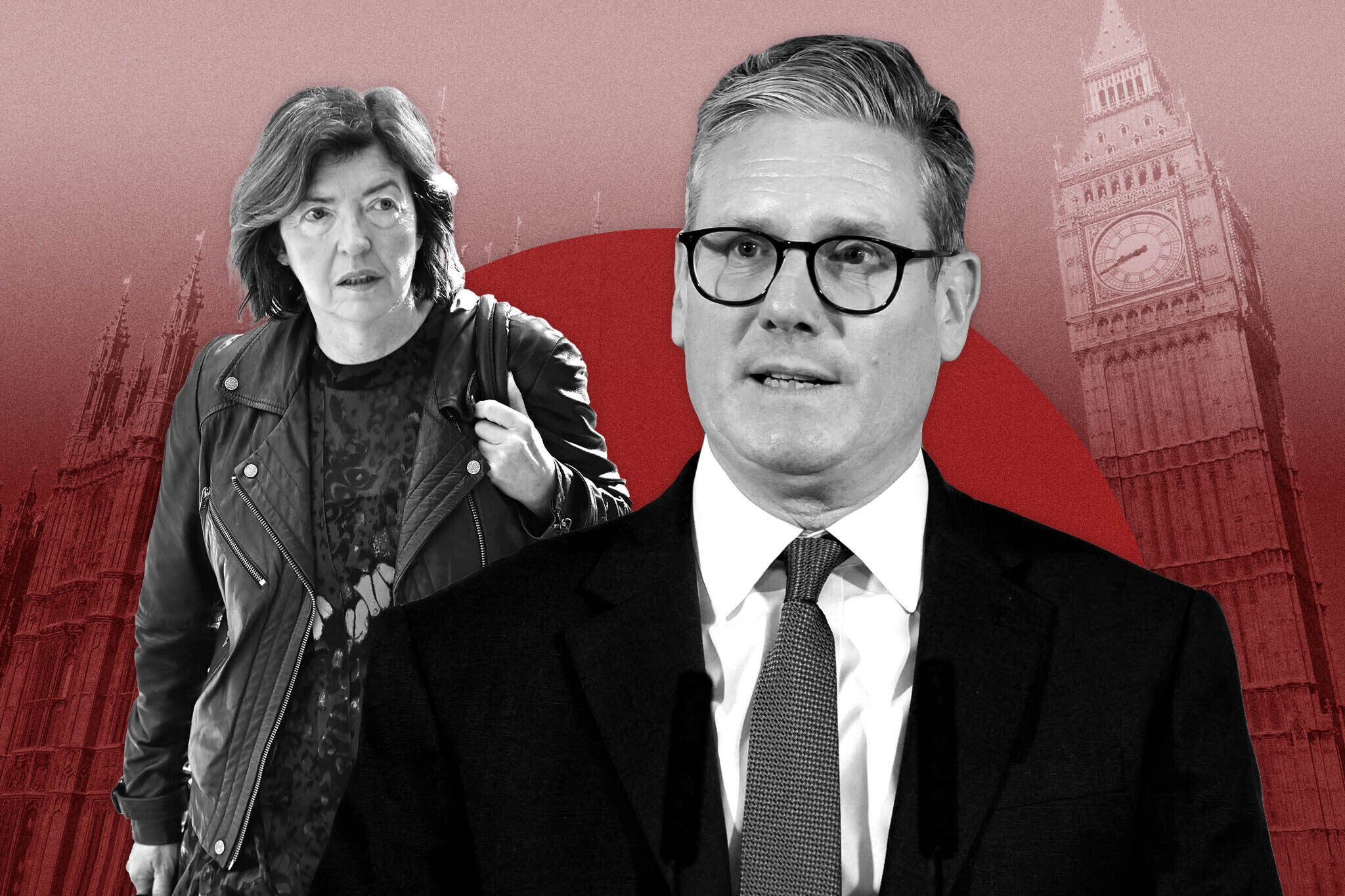
The blame for the payback gambit was laid at the door of Sue Gray, the PM’s chief of staff.
According to one insider, that was “the final nail in the coffin” for the former top civil servant, who was unceremoniously sacked as part of a wider shake-up which saw Morgan McSweeney, Gray’s arch-rival inside No.10, given her old job.
Advertisement
“Sue had to go because it just wasn’t working,” said one Labour source. “Hopefully with Morgan now calling the shots things will calm down and the government can actually get on with doing what it was they were elected to deliver.”
The Irishman, who co-ordinated Labour’s successful election campaign, has wasted little time in letting it be known that there will be plenty of changes to the way things are done in Downing Street from now on.
At the most recent political Cabinet meeting, McSweeney set out to Starmer’s top team what Labour has already done – including setting up GB Energy and kick-starting the re-nationalisation of the railways – to emphasise that it’s not all doom and gloom inside No.10.
“We’ll see more drive from the centre,” one of his allies told HuffPost UK. “We’ll be able to get across the PM’s aims and objectives in a way we haven’t so far.
“Morgan is just a much more political operator and he’ll be able to get the stuff Keir wants to do into the bloodstream of Westminster and the government as a whole.
Advertisement
“He also has a much stronger relationship with special advisers because he led the election campaign and people know what he wants to do. It will be quite a big change.”
Starmer himself is known to be deeply frustrated at the stuttering start his administration has made – another fault which has been laid at the door of Sue Gray, who was given the task of preparing Labour for government.
“I don’t think the plan for government was good,” one No.10 adviser said. “If it even exists, I’ve never even seen it. That made it all harder than it needed to be. That first 100 day grid of announcements just never really existed.
“Despite that there is good legislative stuff being done that will build up into the change that people will actually feel. As we get into the next 100 days and the next 1,000 days that will be the focus on the stuff we want to do.”
As well as the row over freebies, the decision to axe winter fuel payments for 10 million pensioners has also presented Labour’s opponents with an open goal.
Advertisement
Despite the government’s protestations that they inherited a £22 billion black hole in the public finances from the Conservatives, the majority of voters believe that was the wrong choice at the wrong time.
The Budget on October 30 – which Starmer has already warned will be “painful” for the country – is now even more important than it already was.
One the one hand, it presents Labour with a golden opportunity to reclaim the political narrative and get back on the front foot.
However, anything which resembles George Osborne’s “omnishambles” Budget of 2012 will simply re-affirm the belief among many voters that this is a government that is out of its depth.
One Starmer aide insisted the prime minister is managing to remain calm despite the storms buffeting his government.
Advertisement
“He knows that politics goes in ups and downs,” he said. “We had the same thing in opposition, but he’s never been someone who takes the highs or the lows too dramatically. He won’t be too worried about individual polls.”
A cabinet minister said that whatever the challenges of government, they were nothing compared to the frustration of opposition.
He also insisted that with the Conservatives about to lurch to the right under either Robert Jenrick or Kemi Badenoch, there was still plenty for Labour to be positive about.
“It’s great to be back in power,” he said. “Yes, we’ve had a few rocky headlines, but there have also been announcements on things like foreign investment, renters’ reform and how we’ll make work pay.
“The Tory leadership race also shows that they have learnt nothing from the beating they took on July 4.”
Advertisement
But as Keir Starmer chalks up his first century of days in No.10, he knows the pressure is now on to turn the warm words of the election campaign into concrete achievements.
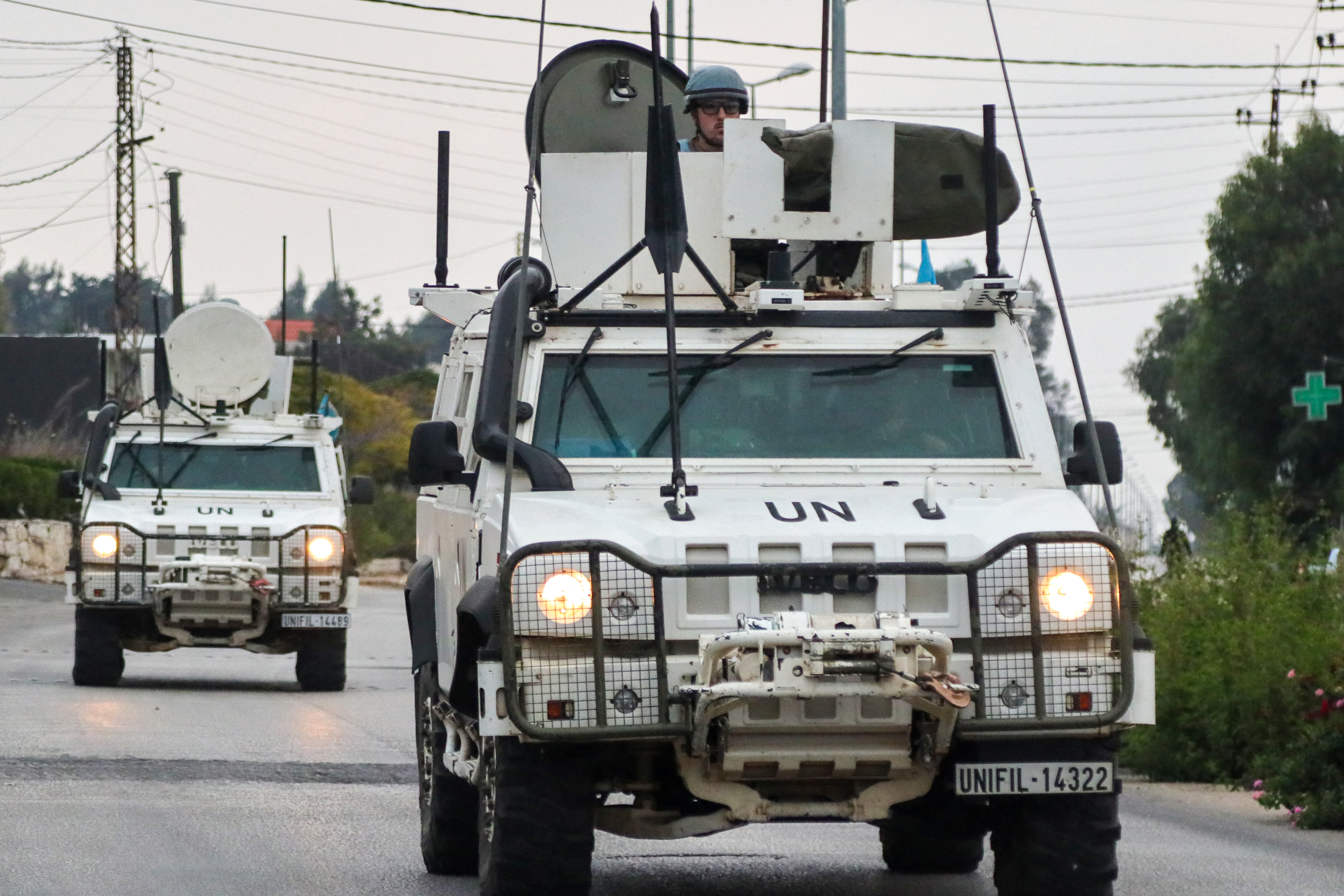
The government is “appalled” by reportsIsrael deliberately hit a United Nations observation post in Lebanon, a No.10 spokesperson has said.
The United Nations interim Force in Lebanon (Unifil) has claimed that Israel struck its facilities twice across 48 hours, as the conflict between the militant group of Hezbollah and Israel continues.
Advertisement
The peacekeeping force say fire from an Israeli tank wounded two peacekeepers and an observation tower on Thursday, while a similar attack happened on Friday.
“We were appalled to hear those reports and it is vital that peacekeepers and civilians are protected,” a Downing Street spokesperson said on the daily press briefing today.
“As you know we continue to call for an immediate ceasefire and an end to suffering and bloodshed. It is a reminder of the importance of us all renewing our diplomatic efforts to resolve this.”
A journalist then asked if prime minister Keir Starmer would support the comments from Ireland’s Taoiseach Simon Harris that Israel has broken international law.
Advertisement
The EU’s top diplomat Josep Borrell has also said there was “no justification” for the Israeli strikes, and called them an “inadmissible act”, while Italy’s defence ministry summoned Israel’s ambassador in protest.
The No.10 spokesperson replied: “All parties must always do everything possible to protect civilians and comply with international law. But we continue to reiterate that and call for an immediate ceasefire.”
On Friday afternoon, Starmer told broadcasters: “I’m very concerned about the situation in Lebanon, in Gaza and the escalation more generally in relation to the conflict.
“So de-escalation, we have to find a political and diplomatic route forward here, and that’s why I’m working with allies and colleagues across the globe to ensure we get de-escalation of the situation.”
He said: “We’re working with our colleagues to de-escalate, that’s the immediate priority.”
Two other peacekeepers were also hit in a separate explosion on Friday, according to the UN. One was taken to hospital.
Unifil also said several of its blast walls in its Lebanon base fell when the Israel Defence Forces (IDF) bulldozer hit the perimeter and tanks moved towards the UN.
The peacekeepers said this was a “serious development” and “any deliberate attack on peacekeepers is a grave violation of international humanitarian law’.
Israel and the UN have locked horns repeatedly over the war in Gaza, as the organisation’s secretary-general Antonio Guterres has repeatedly condemned Israel’s actions.
Isreal banned him from the country last week, and described him as an “undesirable”.
Guterres also warned on Tuesday that Israeli attacks on Lebanon were destabilising the Middle East.
He said: “Attacks, including on civilians, are threatening the entire region.
“Large-scale Israeli strikes deep into Lebanon, including Beirut, have killed more than 2,000 people over the last year, with 1,500 of those deaths occurring in just the past two weeks.”
Advertisement

Rescue workers search for victims at the site of Thursday’s Israeli airstrike in Beirut, Lebanon, Friday, Oct. 11, 2024.
Keir Starmer will chalk up 100 days as prime minister next Saturday.
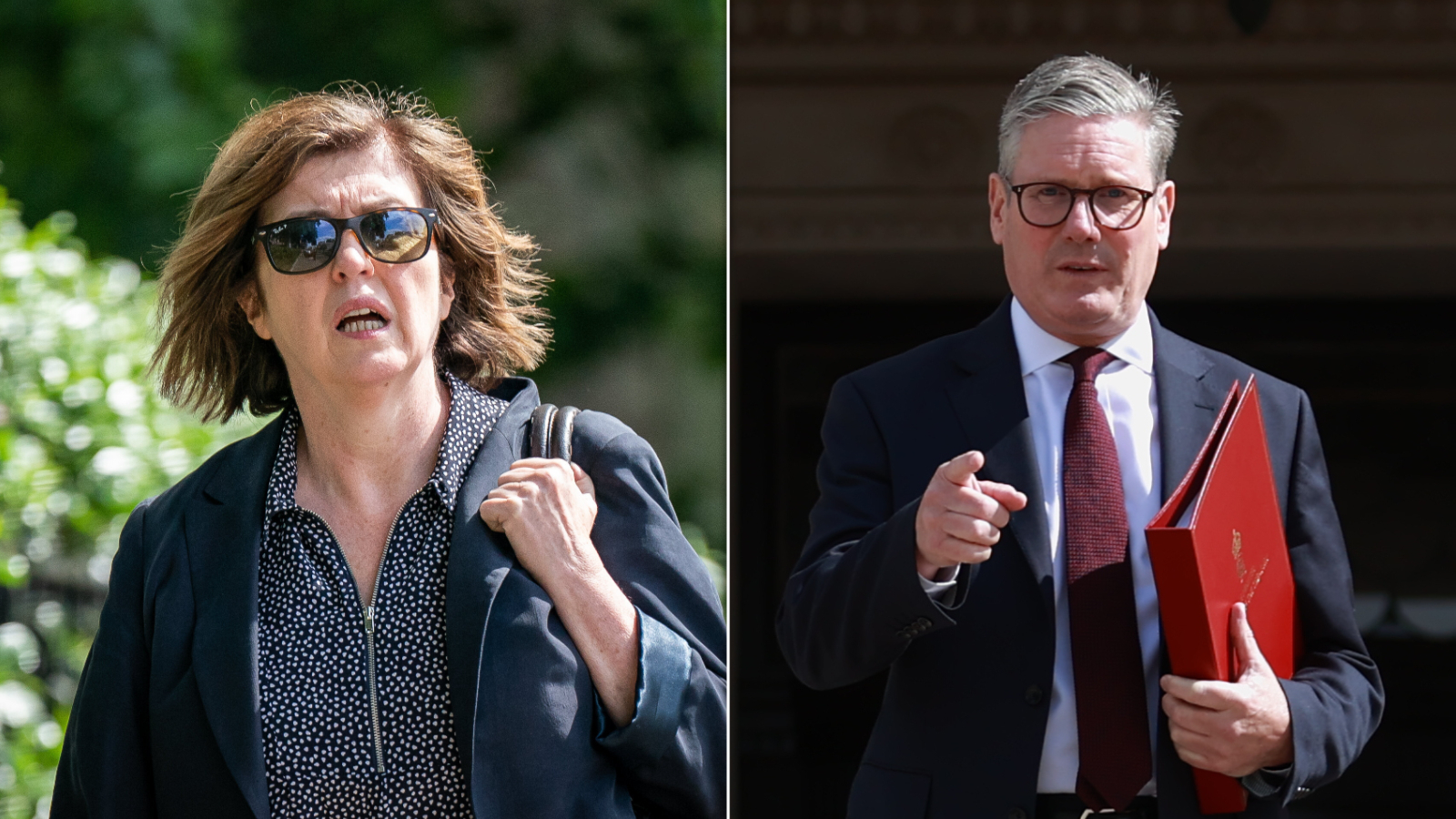
He will do so without his now-former chief of staff Sue Gray, who today carried the can for the chaos which has engulfed the government since Labour’s landslide election victory just three months ago.
Although the official line from No.10 was that Gray resigned, HuffPost UK has learned that the PM ultimately decided that she had to go.
Advertisement
A senior Labour source said: “Change was needed. Things weren’t working properly. Better to do it now than let it drag on.”
It is understood that the final straw was the decision, blamed on Gray, that Starmer should pay back around £6,000 for hospitality and gifts he has received from Labour supporters since becoming prime minister.
The move appeared to be an admission of guilt by the PM, and inevitably led to other ministers being asked whether they would be following suit. So far, none have done so.
“That was the nail in the coffin,” said one senior Labour figure.
Another insider added: “This is Keir’s usual pattern – something drifts on for a while and then he acts hard and ruthelessly.”
Advertisement
Gray has also been blamed for the new government’s complete failure to set the political weather since July 4.
As Starmer’s chief of staff in opposition, it was thought that she would use her vast experience from her time in the civil service to meticulously draw up and then implement Labour’s plan for government.
“People are annoyed about the lack of preparation,” said one Downing Street source. “It’s actually unforgivable.”
Last month’s Labour conference – which Gray did not attend – was supposed to be a reset moment.
But the row over freebies for senior Labour figures has refused to go away, completely overshadowing the government’s attempts to get back on the front foot.
Meanwhile, rumours about the bad blood among Starmer’s officials – in particular the long-running feud between Gray and the PM’s chief adviser, Morgan McSweeney – continued.
Advertisement
She acknowledged the damage that was doing in her resignation statement, in which she admitted that the speculation about her own position had become “a distraction to the government’s vital work”.
To add insult to injury for Gray, McSweeney has replaced her as chief of staff as part of a major shake-up inside No.10.
One government aide said: “Morgan’s the political equivalent of Yoda. He will be outstanding.
“He ran one of the most disciplined, strategic and successful election campaigns in history. People said we could never win the party back from the hard left – Morgan did it.”
Gray has not disappeared completely, and her new role as Starmer’s envoy for the nations and regions will be an important one, albeit far less influential than her previous job.
The Tories – many of whom have never forgiven Gray for her partygate report which ultimately led to Boris Johnson’s removal from office – can hardly believe their luck.
Advertisement
“Sue Gray was brought in to deliver a programme for government and all we’ve seen in that time is a government of self-service,” said a Conservative spokesperson. “The only question that remains is who will run the country now?”
With a parliament-defining Budget barely three weeks away, Starmer needs to quickly show that he is the one calling the shots. His decision to oust Sue Gray is his first step towards doing just that.
The Canterbury MP announced her shock decision in an interview with the Sunday Times.
Duffield, a former Labour whip who was first elected as an MP in 2017, identified the decision to axe winter fuel payments for millions of pensioners, as well as keeping the two-child benefit cap, as the main reasons for her move.
Advertisement
In her resignation letter to the PM, she said: “Although many ‘last straws’ have led to my decision, my reason for leaving now is the programme of policies you seem determined to stick to, however unpopular they are with the electorate and your own MPs.
“You repeat often that you will make the ‘tough decisions’ and that the country is ‘all in this together’. But those decisions do not directly affect any one of us in parliament.
“They are cruel and unnecessary, and affects hundreds of thousands of our poorest, most vulnerable constituents. This is not what I was elected to do. It is not even wise politics, and it certainly is not ‘the politics of service’.”
Duffield also condemned the “sleaze, nepotism and apparent avarice” which has seen the PM, his wife and other senior Labour figures accept clothes, concert tickets and other hospitality from supporters.
Advertisement
“The sleaze, nepotism and apparent avarice are off the scale, she said.
“I am so ashamed of what you and your inner circle have done to tarnish and humiliate our once proud party.”
Duffield, who has clashed with Starmer in the past over the issue of trans rights, has grown increasingly critical of the prime minister in recent weeks.
In a direct attack on the PM, she wrote: “As prime minister, your managerial style and technocratic approach, and lack of basic politics and political instincts, have come crashing down on us as a party after we worked so hard, promised so much, and waited a long 14 years to be mandated by the British public to return to power.
“Since the change of government in July, the revelations of hypocrisy have been staggering and increasingly outrageous. I cannot put into words how angry I and my colleagues are at your total lack of understanding about how you have made us all appear.
“How dare you take our longed-for victory, the electorate’s sacred and precious trust, and throw it back in their individual faces and the faces of dedicated and hardworking Labour MPs?”
Advertisement
Duffield added: “The Labour Party was formed to speak for those of us without a voice, and I stood for election partly because I saw decisions about the lives of those like me being made in Westminster by only the most privileged few.
“Right now, I cannot look my constituents in the eye and tell them that anything has changed. I hope to be able to return to the party in the future, when it again resembles the party I love, putting the needs of the many before the greed of the few.”
Keir Starmer will today warn voters that there is more pain to come – but pledge that it will be worth it to “build a new Britain”.
The prime minister will deliver the tough message in his keynote speech to the Labour conference in Liverpool.
Advertisement
Starmer is under huge pressure from his MPs to deliver a more upbeat message after a difficult first two-and-a-half months in power.
The conference has also been largely overshadowed by the ongoing row over the freebies accepted by the Labour leader and other senior party figures.
Chancellor Rachel Reeves’ decision to axe winter fuel payments for millions of pensioners has also led to intense criticism of the government, not least from Labour’s trade union backers.
Attempting to turn the page on those controversies, the PM will call on the people of Britain to work with him to turn around the country’s fortunes.
Advertisement
He will say: “The politics of national renewal are collective. They involve a shared struggle.
“A project that says, to everyone, this will be tough in the short-term, but in the long-term – it’s the right thing to do for our country. And we all benefit from that.”
Starmer – who has previously warned that “things will get worse before we get better” and that next month’s Budget will be “painful” – will add: “The truth is that if we take tough long-term decisions now … then that light at the end of this tunnel, that Britain that belongs to you, we get there much more quickly.”
The prime minister will say that he does not want to give the country “false hope” about what lies ahead, and once again lay the blame for the country’s problems on the legacy left by the Tories.
He will said: “It will be hard. That’s not rhetoric, it’s reality. It’s not just that financial black hole, the £22 billion of unfunded spending commitments, concealed from our country by the Tories, it’s not just the societal black hole – our decimated public services leaving communities held together by little more than good will – it’s also the political black hole.
“Just because we all want low taxes and good public services does not mean that the iron law of properly funding policies can be ignored.
Advertisement
“We have the seen the damage that does, and I will not let that happen again. I will not let Tory economic recklessness hold back the working people of this country.”
Setting out his long-term vision for the UK, Starmer will say: “Through the power unleashed by renewal, we can build a country that gives equal voice to every person.
“A country that won’t expect you to change who you are, just to get on. A country that doesn’t just work for you and your family, but one that recognises you, sees you, and respects you as part of our story. A Britain that belongs to you.”
A leading trade union boss has accused Keir Starmer of leading the UK towards “austerity mark 2” as she launched a bitter attack on the prime minister.
Sharon Graham, general secretary of Unite – which has donated more than £500,000 to Labour MPs this year – urged the prime minister to ditch the “cruel” policy of scrapping winter fuel payments for 10 million pensioners.
Advertisement
She made her comments on Sunday Morning with Trevor Phillips on Sky News as Labour’s annual conference kicks off in Liverpool.
Asked what she wanted to hear in Starmer’s keynote speech on Tuesday, Graham said: “I think the priority that I’d like to hear from him is that he’s going to reverse the decision on the winter fuel allowance. It’s a cruel policy. He needs to reverse it. And I’d like him to say that he’s made a misstep and to reverse that policy.
“I’d also like him to say that we’re not going to take this country down austerity mark 2. People voted for change. They need to see change. And he needs to reverse the winter fuel allowance [decision] and let people have that £300 they can put their heating on this winter.”
Advertisement
She later added: “I’ve got a million workers in my union and pensioners.
“But the reality is the mood music here is that they are taking away from the poorest in our society now. And actually the conversation they’re having is walking us into austerity mark 2.
“Nobody wants to see that. Workers don’t want to see it, communities don’t want to see it. And I can tell you, the pensioners don’t want to see it either.”
Graham said the government should introduce a 1% wealth tax on the richest people in the country, which she claimed would raise £25 billion.
“That would take away the so-called black hole, job done, and we’d have £3 billion left over.”
Angela Rayner has been confronted with the extent of voters’ anger as the row over senior Labour figures accepting freebies including clothes, accommodation, and football and concert tickets continues.
The Sunday Times has also reported this morning that Rayner may have breached parliamentary rules over holiday accommodation in New York provided by millionaire Labour peer Lord Alli.
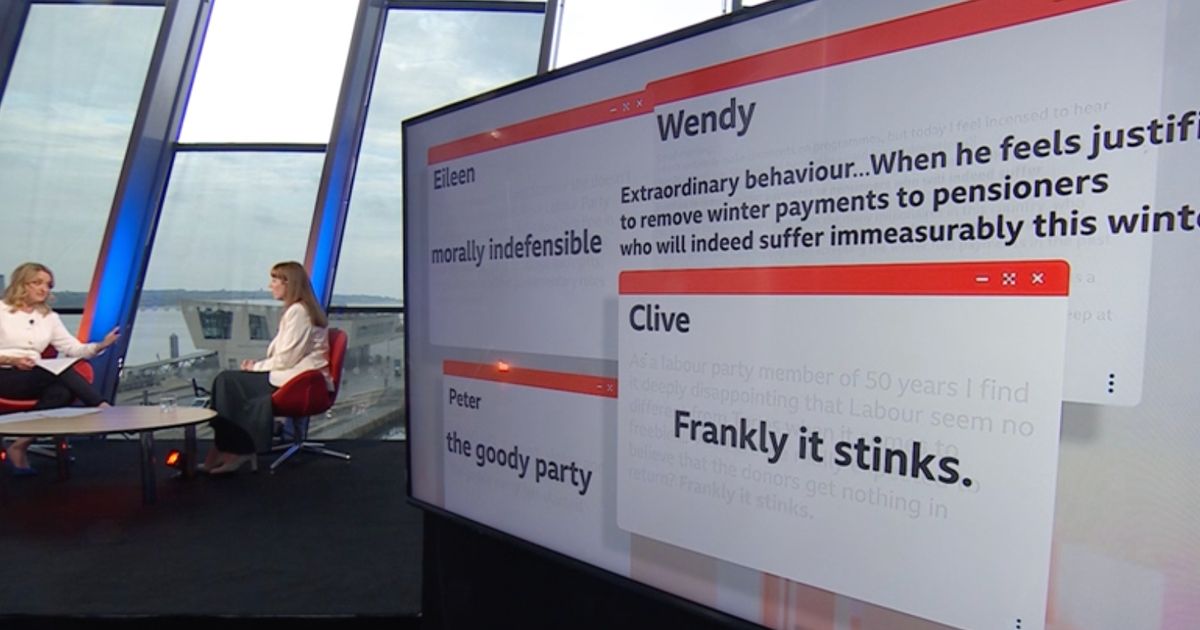
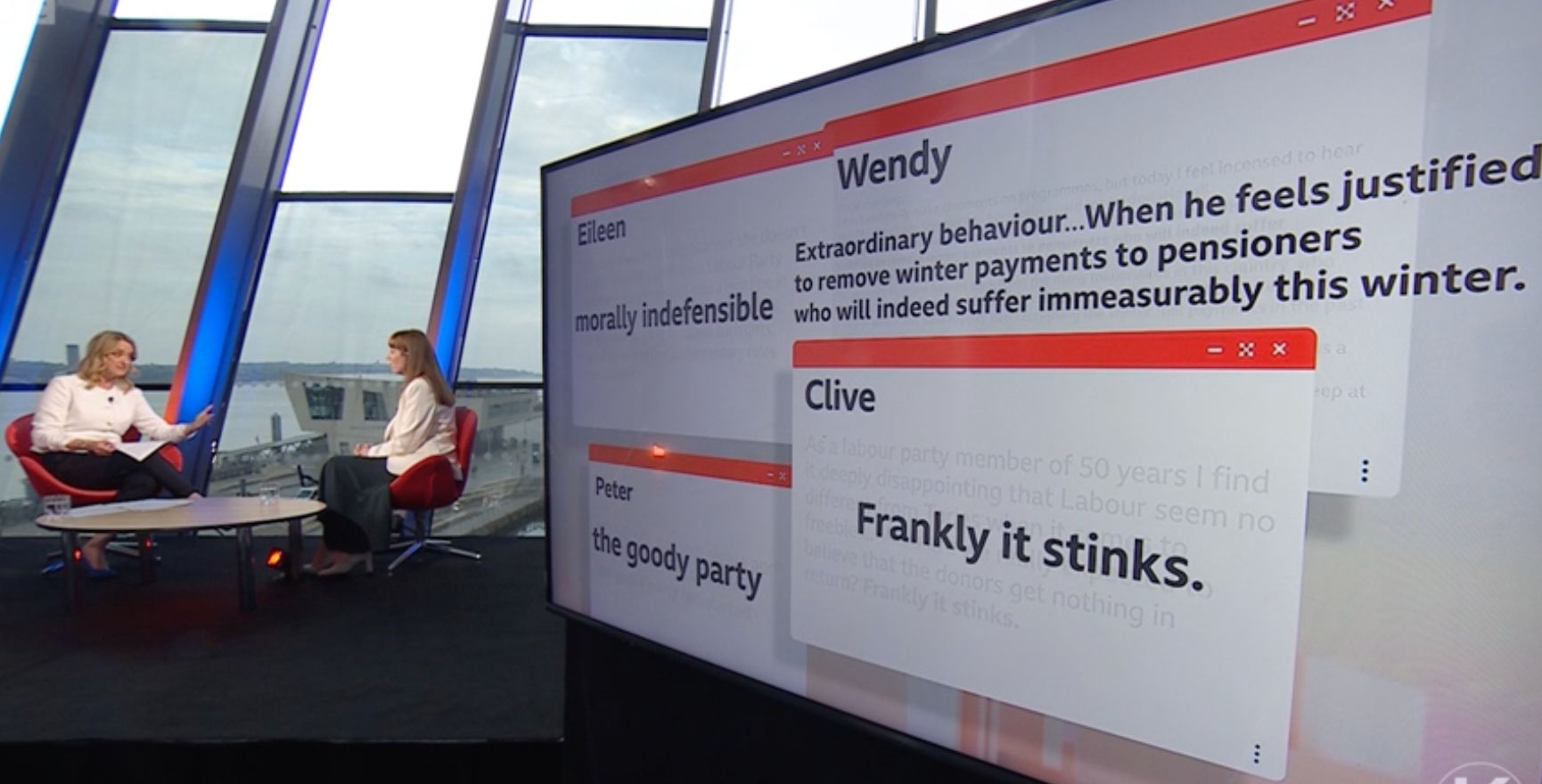
On Sunday with Laura Kuenssberg on BBC1, Labour’s deputy leader was shown comments by viewers left furious by the ongoing controversy.
Kuenssberg said: “I want to let you know how angry some of our viewers have been over this last week.
“Wendy emailed to say ‘it’s been extraordinary behaviour to accept clothing donations when the government feels justified to remove winter fuel payments to pensioners’.
Advertisement
“Eilles said it’s ‘morally indefensible’ for politicians to be doing this. Peter called you ‘the goody party’ and Clive, who was a Labour Party member, said ‘I find it deeply disappointing that Labour seems no different from the Tories when it comes to freebies’.
“Are we expected to believe that the donors get nothing in return? Lord Alli gave you individually more than £20,000. What did you promise or give him in return?”
Rayner replied: “I promised nothing and gave him nothing in return. What the donors that have helped me in the past have done is seen someone who has come from a very working class background, and I say it how it is. I always try to fight for people.
“Since having the honour and privilege of being the deputy prime minister and the secretary of state for housing, I’ve got a significant number of bills in the King’s Speech because I want to improve people’s housing. I want to get on with the job of supporting people.
“However, a feature of our politics at the moment is for me to stand as the deputy leader … that’s why transparency is extremely important.”
Advertisement
Earlier this morning, education secretary Bridget Phillipson was forced to defend Lord Alli paying for her 40th birthday party last year, which was attended by journalists, trade unionists and education experts.
The prime minister has also been criticised for accepting more than £100,000 in hospitality over the last five years – far more than any other MP.