Thousands of NHS workers were pursued by debt collectors after salary overpayments, the BBC finds.


Thousands of NHS workers were pursued by debt collectors after salary overpayments, the BBC finds.

The Green Party candidate for the Gorton and Denton by-election has rejected her Reform rival’s invitation for a head-to-head debate.
While both parties have described the crunch contest to win another seat in parliament as a case of “Green vs Reform”, Hannah Spencer hit back at Matt Goodwin by pointing out they had already debated in two public forums.
Advertisement
Meanwhile, Labour insisted the Reform move demonstrated they were picking up more support in the traditionally red seat that expected.
It comes as the contest in the Greater Manchester, expected to be a three-horse race between the Greens, Labour and Reform, heats up.
In a post on X, Goodwin wrote: “I am hereby challenging the Green Party candidate Hannah Spencer to a one-on-one debate about the future of Gorton & Denton.”
Advertisement
In his attached letter to Spencer, the GB News preseneter said previous platforms had only offered one-minute answers to multiple candidates, meaning there was “limited room for a serious discussion”.
“As you have said yourself, this by-election is now a two-horse race between Reform and the Green Party,” he said, claiming there had been plenty of “misinformation” about the run-up to polling day.
He offered for it to be hosted by a Green-friendly platform with a moderator of their choosing, with his “only condition” being that it is recorded and published in full afterwards.
Advertisement
But, in a message to HuffPost UK, Spencer hit back: “Hi Matt, we literally just debated in the BBC studio and last week at the Manchester Evening News hustings.
“It’s not a game of the best of three. It sounds like you’re concerned you didn’t come across very well and want another go.
Advertisement
“I’m not sure anyone wants any more of your hot air and I’m focusing my time now on knocking on doors to talk about what really matters to the people of Gorton and Denton.”
Labour told HuffPost UK this race was “Labour versus Reform” last week.
Following on from Goodwin’s offer, a Labour spokesperson said: “This is a cynical move from a campaign that knows its struggling, and that the Labour vote is holding.
“While Matthew and Hannah play student politics, Labour’s Angeliki Stogia is busy, out on the doors, listening to what matters to the people of Gorton and Denton.”
Advertisement
Labour’s deputy leader Lucy Powell also responded to Goodwin’s letter, saying: “Funny. Matt knows what we know – he’s not doing as well as he’d hoped so is trying to big up the Greens (again) as his only route to victory is to split and suppress the Labour vote (which he knows is holding).
“That, or he’s frit after Angeliki slayed him at the hustings.”
An almighty row broke out at the Manchester Evening News’ debate last week when Stogia told Goodwin that “women are scared to leave the house” due to the rise in far-right rhetoric.
He replied: “I’m not going to be lectured to by a Labour politician from a party that consistently failed to investigate the mass rape and sexual abuse of working-class kids in this country for 30 years.
Advertisement
“And the reason I have security is because I have very real threats to my life in an area where people assure me everything is fine, and clearly in some parts of this country integration is not working as it should be.”
These spats come after Labour have mocked the Greens for misspelling “Gorton” on some campaign posters, while Rayner previously joked Reform could not find the constituency “on a map”.
There are 11 candidates standing in the by-election in total, including Charlotte Anne Cadden for the Conservatives and Jackie Pearcey for the Liberal Democrats.
Advertisement


The government is facing fresh backlash after U-turning on their plans to postpone elections for 30 local authorities.
Labour originally offered 63 councils the chance to delay their May local elections amid wider plans to re-organise local governments.
Advertisement
Ministers said 30 agreed to delay, pointing to the cost of holding elections during the council rejig.
But critics claimed the government’s move was motivated by a fear of losing those local elections, which Labour denied.
However, local government secretary Steve Reed has now decided to “withdraw his decision” to postpone the elections “in the light of legal advice”.
Advertisement
The reverse-ferret came as Reform UK prepared to take the government to court, so Nigel Farage is heralding it as a victory.
The government is now looking to “agree an order” with Reform to end the case and has promised to “pay the claimant’s costs of these proceedings’.
A total of 136 local authority areas across England will now hold elections in the spring – along with elections to the Welsh Senedd and the Scottish Parliament.
Advertisement
The government will be offering £63 million in new funding to help with the reorganising.
A spokesperson for the Ministry of Housing, Communities and Local Government, said: “Following legal advice, the government has withdrawn its original decision to postpone 30 local elections in May.
“Providing certainty to councils about their local elections is now the most crucial thing and all local elections will now go ahead in May 2026.”
Farage told Sky News that the U-turn was “extraordinary”, claiming: “We were due [in court] this Thursday. They’ve caved, they’ve collapsed. It’s a victory for Reform.
Advertisement
“But more importantly, it’s a victory for democracy in this country.”
The MP for Clacton then called Reed’s future in the government into question.
He said: “What I do think now is the minister, Steve Reed, has clearly acted illegally. And given that the government has now given in, knew they’d lose to us in court, I think Steve Reed’s question as a minister should now be debated.”
Meanwhile, Tory leader Kemi Badenoch said: “This is a zombie government. U-turn, after U-turn, after U-turn.
“No plan or programme to deliver anything. Even the simple stuff that should be business as usual gets messed up.
Advertisement
“And we’ve got three more years of this, because Labour MPs don’t want an early election – they know they will lose their seats.”
She also claimed Reed has “very serious questions to answer on whether political considerations were behind his decision”.
“He must come clean or we will use every means at our disposal to get to the truth,” she said.
Lib Dem leader Ed Davey said: “The Liberal Democrats have fought tooth and nail to stop this stitch-up and the government has been forced into a humiliating U-turn.
Advertisement
“Labour are terrified of Reform and we are the only party willing to stand up to Farage and beat him, as we do week after week in council by-elections.”
He also called on Starmer to support his party’s plans to stop governments from being allowed to “cancel elections on a whim ever again”.
Labour MP Florence Eshalomi – Chair of the Housing, Communities and Local Government (HCLG) Committee – said: “I welcome this development.
Advertisement
“As I argued previously, democracy is not an inefficiency that should be cut out during local government reorganisation process.”
She added: “Councils should not have been put in the position of choosing between frontline services or elections.
“I welcome the indication that the government will provide additional resources to ensure that local council elections can take place and look forward to seeing more detail on this.”
Advertisement
Councilor Richard Wright, Chair of the District Councils’ Network, said: “Council officers, councillors and local electorates will be bewildered by the unrelenting changes to the electoral timetable.
“Councils were assured by the government that elections could be legally cancelled but now it seems ministers have come to the opposite conclusion.
“It’s the government, not councils that have acted in good faith, which should bear responsibility for this mess which impacts on people’s faith in our cherished local democracy.”
Advertisement
He added: “We need to have faith in the government’s decision-making as we work on the biggest shake-up of councils in 50 years – but the government is doing little assure us that it has a strong grasp of the huge legal complexity involved.”

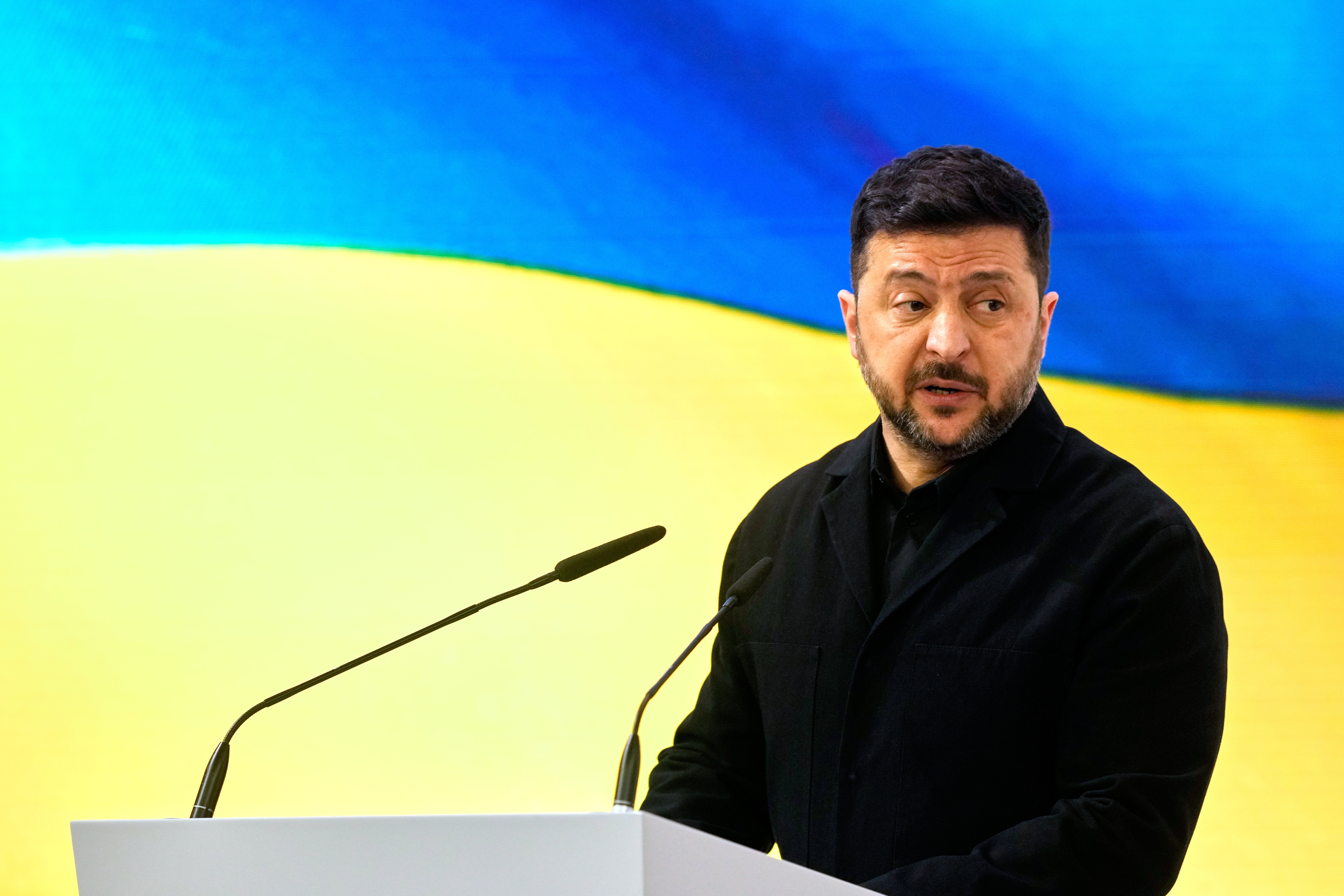
Volodymyr Zelenskyy has fumed at the idea of handing more territory to Russia in an angry social media post and called for the west to expel all Russians.
More peace negotiations are set to take place in Geneva this week but Moscow continues to drag its feet and stick to its maximalist demands.
Advertisement
Kremlin spokesperson Dmitry Peskov said the “main issue” to be discussed between diplomats from Ukraine, Russia and the US will be the matter of territory.
Despite already holding a fifth of Ukraine’s sovereign land, Russia wants Ukraine to give up the entirety of its Donbas region in the east as part of a peace deal.
Kyiv has repeatedly rejected this call and refuses to withdraw its troops, even though the US is pushing for a peace deal sooner rather than later.
Advertisement
In a series of posts on X, the Ukrainian president Zelenskyy said it was a “big mistake” to ever reward the aggressor.
Pointing to Russia’s illegal annexation of Crimea in 2014, and Vladimir Putin’s occupation of parts of Georgia and Chechnya, Zelenskyy said: “Many mistakes were made.
“That’s why now I don’t want to be the President who will repeat the mistakes made by my predecessors or other people.”
Advertisement
The president said: “I’m not just talking about Ukraine. I’m speaking about the leaders of different countries that allowed an aggressive country like Russia to come onto their territory.
“Because you can’t stop Putin with your kisses or flowers.
“I never did it and that’s why I don’t feel that it’s the right way.”
Zelenskyy said that even giving into that demand from Putin would enable him to rebuild his military at a time when he “is losing 30–35 thousand people per month now”.
Instead, he called for stricter sanctions on Russia and the expulsion of Russians from the US and Europe.
Advertisement
Zelenskyy said: “Total sanctions means total. President Trump took strong steps sanctioning Lukoil and Rosneft. We are thankful to him. He can sanction all of their energy, in particular nuclear energy. And it will be a powerful message to the Europeans.
“Europeans have done a lot. But they haven’t yet sanctioned Russian nuclear energy, Rosatom, the persons and their relatives, their children, who live off their money in Europe, in the United States, who pay with these profits for their education at European universities, who own real estate in the United States. A lot of real estate. They financially support children and relatives everywhere.”
Advertisement
Speaking directly to the Russians who still live in the US and Europe, he said: “Fuck away to Russia. Go home. You don’t respect anybody in the United States. You don’t respect the rules. You don’t respect democracy. You don’t respect Ukraine or Europe. Go home.”
Meanwhile, US president Donald Trump insists that both Ukraine and Russia “want to make a deal” – though he continues to baselessly accuse Kyiv of holding up the talks.

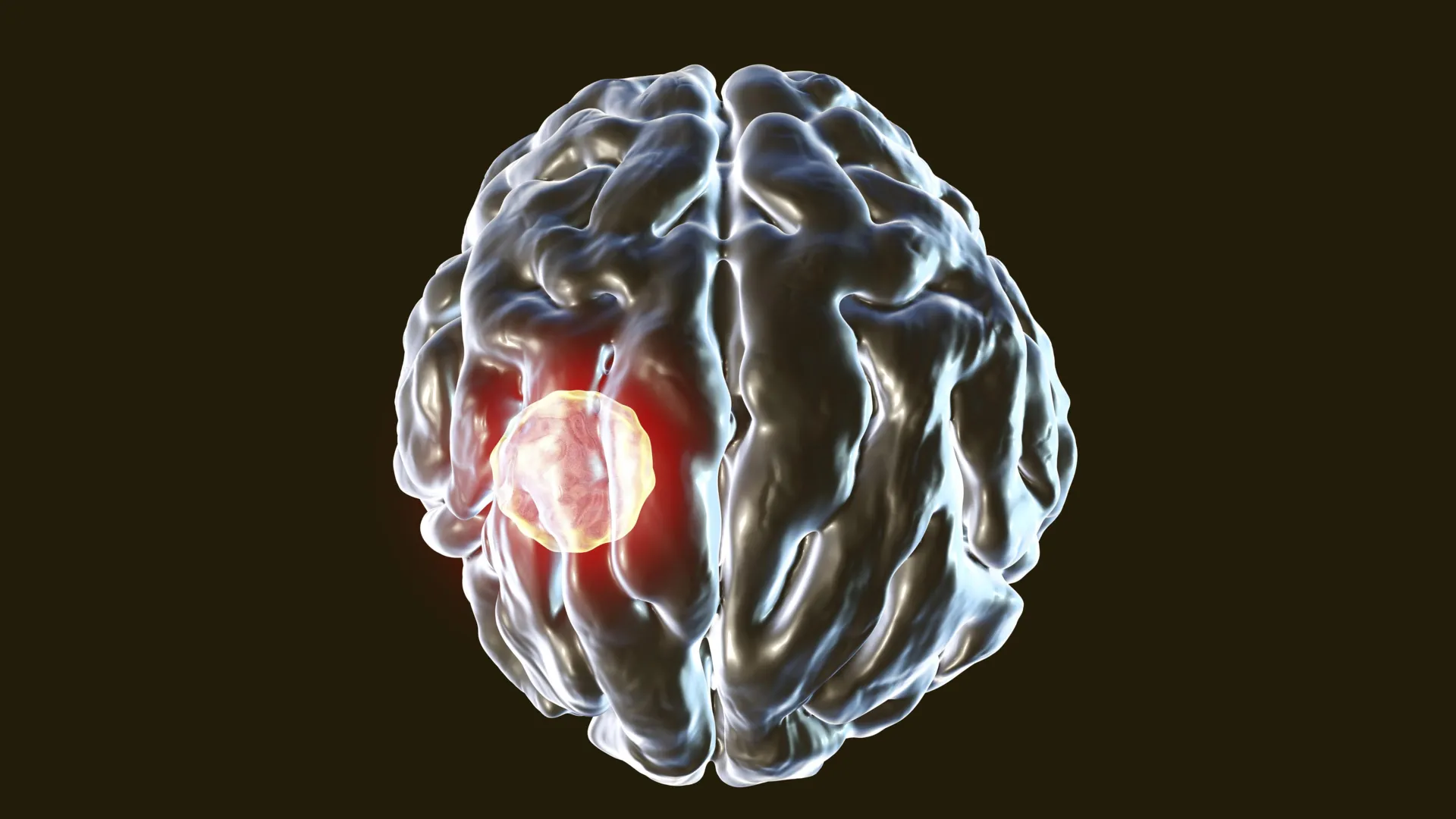
A parasite that may already be living in your brain has the ability to infect the very immune cells designed to eliminate it. New research from UVA Health explains how the body still manages to keep this infection under control.
Toxoplasma gondii is a potentially dangerous parasite that infects warm blooded animals. People are most often exposed through contact with cats, contaminated fruits or vegetables, or undercooked meat. After entering the body, the parasite can spread to multiple organs and eventually settle in the brain, where it can remain for life. Roughly one third of the global population is believed to carry Toxoplasma, yet most people never develop symptoms. When illness does occur, known as toxoplasmosis, it is most serious in individuals with weakened immune systems.
Researchers led by Tajie Harris, PhD, set out to understand how the immune system responds when Toxoplasma invades CD8+ T cells, which are specialized immune cells responsible for killing infected cells.
“We know that T cells are really important for combatting Toxoplasma gondii, and we thought we knew all the reasons why. T cells can destroy infected cells or cue other cells to destroy the parasite. We found that these very T cells can get infected, and, if they do, they can opt to die. Toxoplasma parasites need to live inside cells, so the host cell dying is game over for the parasite,” said Harris, the director of the Center for Brain Immunology and Glia (BIG Center) at the University of Virginia School of Medicine. “Understanding how the immune system fights Toxoplasma is important for several reasons. People with compromised immune systems are vulnerable to this infection, and now we have a better understanding of why and how we can help patients fight this infection.”
Caspase-8 and the Self-Destruct Defense
Harris and her team discovered that CD8+ T cells rely on a powerful enzyme called caspase-8 to control T. gondii. Caspase-8 plays a central role in regulating immune responses and can trigger a process that causes a cell to self-destruct.
In laboratory experiments, mice that lacked caspase-8 in their T cells developed far higher levels of T. gondii in their brains compared to mice whose T cells produced the enzyme. This happened even though both groups mounted strong immune responses against the infection.
The difference in outcomes was striking. Mice with caspase-8 remained healthy, while those without it became severely ill and died. Examination of their brain tissue showed that their CD8+ T cells were much more likely to be infected by the parasite.
These findings indicate that caspase-8 plays a crucial role in limiting T. gondii inside T cells. The results also add to growing evidence that this enzyme is broadly important in helping the body control infectious threats.
“We scoured the scientific literature to find examples of pathogens infecting T cells. We found very few examples,” said Harris, part of UVA’s Department of Neuroscience. “Now, we think we know why. Caspase-8 leads to T cell death. The only pathogens that can live in CD8+ T cells have developed ways to mess with Caspase-8 function. Prior to our study, we had no idea that Caspase-8 was so important for protecting the brain from Toxoplasma.”
Study Details and Funding
The findings were published in the journal Science Advances. The research team included Lydia A. Sibley, Maureen N. Cowan, Abigail G. Kelly, NaaDedee A. Amadi, Isaac W. Babcock, Sydney A. Labuzan, Michael A. Kovacs, Samantha J. Batista, John R. Lukens and Harris. The scientists reported no financial conflicts of interest.
Funding for the research came from the National Institutes of Health, grants R01NS112516, R01NS134747, R21NS12855, T32GM008715, T32AI007496, T32AI007046, T32NS115657, F30AI154740, T32AI007496 and T32GM007267; a University of Virginia Pinn Scholars Award; a UVA Shannon Fellowship; and UVA’s Strategic Investment Fund.
Scientists at Northwestern University have created the most sophisticated lab grown model yet for studying human spinal cord injury.
In the new research, the team worked with human spinal cord organoids — miniature organs derived from stem cells — to recreate different forms of spinal cord trauma and evaluate a promising regenerative treatment.
For the first time, researchers showed that these human spinal cord organoids can faithfully reproduce the major biological consequences of spinal cord injury. The model displayed cell death, inflammation, and glial scarring, which is a thick buildup of scar tissue that forms a physical and chemical barrier preventing nerve repair.
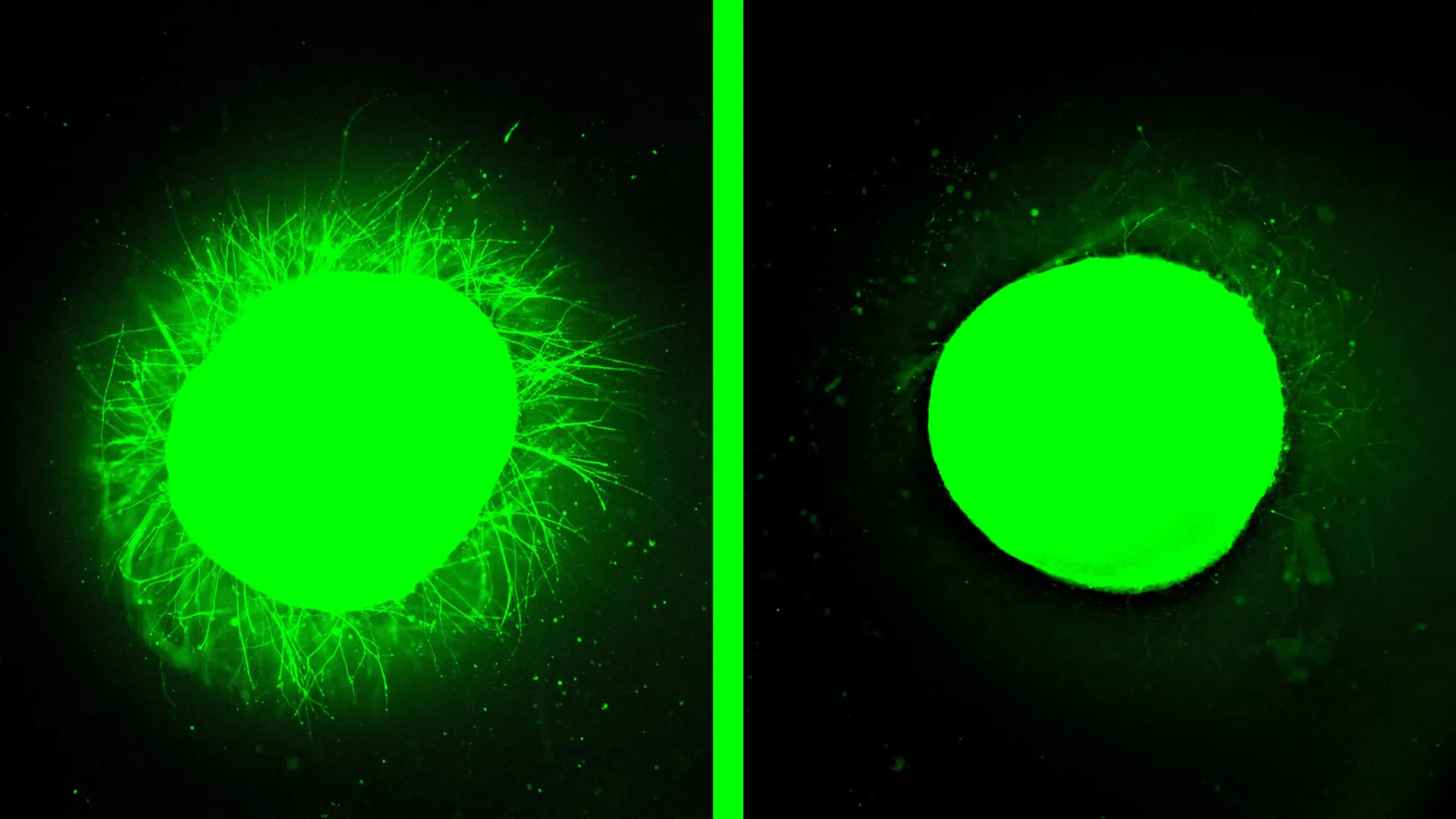
When the damaged organoids were treated with “dancing molecules” — a therapy that restored movement and repaired tissue in a previous animal study — the results were dramatic. The injured tissue produced substantial neurite outgrowth, meaning the long extensions that allow neurons to communicate began growing again. Scar like tissue was greatly reduced. The findings add support to the idea that this therapy, which recently received Orphan Drug Designation from the U.S. Food and Drug Administration (FDA), could improve recovery for people with spinal cord injuries.
The study was published on Feb. 11 in Nature Biomedical Engineering.
“One of the most exciting aspects of organoids is that we can use them to test new therapies in human tissue,” said Northwestern’s Samuel I. Stupp, the study’s senior author and inventor of dancing molecules. “Short of a clinical trial, it’s the only way you can achieve this objective. We decided to develop two different injury models in a human spinal cord organoid and test our therapy to see if the results resembled what we previously saw in the animal model. After applying our therapy, the glial scar faded significantly to become barely detectable, and we saw neurites growing, resembling the axon regeneration we saw in animals. This is validation that our therapy has a good chance of working in humans.”
Stupp is a leader in regenerative materials science and holds the title of Board of Trustees Professor of Materials Science and Engineering, Chemistry, Medicine and Biomedical Engineering at Northwestern. He has appointments in the McCormick School of Engineering, Weinberg College of Arts and Sciences and Feinberg School of Medicine, and directs the Center for Regenerative Nanomedicine (CRN). The paper’s first author is Nozomu Takata, a research assistant professor of medicine at Feinberg and member of CRN.
Why Human Organoids Matter
Organoids are grown from induced pluripotent stem cells in the laboratory. Although they are simplified versions of full organs, they closely resemble real tissue in structure, cellular diversity, and function. Because of this, organoids are powerful tools for studying disease, testing treatments, and exploring how organs develop. They also allow researchers to move faster and at lower cost compared to animal experiments or human clinical trials.
While other groups have produced spinal cord organoids to study basic biology, this model represents a major advance for injury research. The organoids measured several millimeters across and were mature enough to sustain and model traumatic damage.
Over several months, the team guided stem cells to form complex spinal cord tissue containing neurons and astrocytes. They also became the first to incorporate microglia — immune cells found in the central nervous system — to better replicate the inflammatory response that follows spinal cord injury.
“It’s kind of a pseudo-organ,” Stupp said. “We were the first to introduce microglia into a human spinal cord organoid, so that was a huge accomplishment. It means that our organoid has all the chemicals that the resident immune system produces in response to an injury. That makes it a more realistic, accurate model of spinal cord injury.”
What Are Dancing Molecules
Once the spinal cord organoids were fully developed, the researchers turned their attention to testing injury and treatment. First introduced in 2021, the dancing molecules therapy uses controlled molecular motion to repair tissue and potentially reverse paralysis after traumatic spinal cord injury. It belongs to a broader class of supramolecular therapeutic peptides (STPs), which rely on large assemblies of 100,000 or more molecules to activate cell receptors and stimulate the body’s natural repair signals. (The concept of supramolecular therapies also is used in current GLP-1 drugs for weight loss and diabetes, an area that Stupp’s lab investigated nearly 15 years ago.)
The therapy is delivered as a liquid injection that quickly forms a web of nanofibers resembling the spinal cord’s extracellular matrix. By adjusting how dynamically the molecules move within this structure, researchers improved how effectively they interact with constantly shifting cell receptors.
“Given that cells themselves and their receptors are in constant motion, you can imagine that molecules moving more rapidly would encounter these receptors more often,” Stupp said in 2021. “If the molecules are sluggish and not as ‘social,’ they may never come into contact with the cells.”
In previous animal experiments, a single injection given 24 hours after a severe injury enabled mice to walk again within four weeks. Formulations with faster molecular motion performed better than slower versions, suggesting that increased movement enhances bioactivity and cellular signaling.
Simulating Spinal Cord Trauma
To test the therapy, the researchers created two common types of spinal cord injury in the organoids. Some were cut with a scalpel to mimic a laceration similar to a surgical wound. Others were subjected to a compressive contusion injury, comparable to trauma from a serious car crash or fall.
Both types of injury led to cell death and the formation of glial scars — just as occurs in real spinal cord injury.
“We could distinguish between the astrocytes that are a part of normal tissue and the astrocytes in the glial scar, which are large and very densely packed,” Stupp said. “We also detected the production of chondroitin sulfate proteoglycans, which are molecules in the nervous system that respond to injury and disease.”
After treatment with dancing molecules, the gelled nanofiber scaffold reduced inflammation, shrank glial scarring, stimulated neurite extension, and encouraged neurons to grow in organized patterns.
Neurites include axons, which are often severed in spinal cord injuries. When axons are cut, communication between neurons is disrupted, leading to paralysis and loss of sensation below the injury site. Promoting neurite regrowth could reconnect these pathways and help restore function.
The Role of Molecular Motion
Stupp credits the therapy’s effectiveness to supramolecular motion, meaning the ability of the molecules to move rapidly and even briefly detach from the nanofiber network. Experiments on healthy organoids reinforced this idea.
“Before we even developed the injury model, we tested the therapy on a healthy organoid,” he said. “The dancing molecules spun out all these long neurites on the surface of the organoid but, when we used molecules that had less or no motion, we saw nothing. This difference was very vivid.”
Looking ahead, the team plans to engineer even more advanced organoids to refine their models. They also intend to develop versions that replicate chronic, long standing injuries, which typically involve thicker and more persistent scar tissue. With further development, Stupp said these miniature spinal cords could contribute to personalized medicine by generating implantable tissue from a patient’s own stem cells, reducing the risk of immune rejection.
The study, “Injury and therapy in a human spinal cord organoid,” was supported by the Center for Regenerative Nanomedicine at Northwestern University and a gift from the John Potocsnak Family for spinal cord injury research.
For years, scientists have believed that compulsive behaviors happen when people become trapped in a “habit loop” that overrides self-control. But new research in rats from the University of Technology Sydney (UTS) suggests the story may be more complicated.
Compulsive behaviors appear in a range of mental health conditions, including obsessive-compulsive disorder, substance use disorders, and gambling disorder. In these conditions, people continue repeating certain actions even when they lead to harmful consequences. Millions of people worldwide are affected.
How Habits and Self-Control Normally Work
Senior author Dr. Laura Bradfield, a behavioral neuroscientist, explained that habits serve an important purpose. They allow us to run on autopilot during routine tasks like brushing our teeth or driving along a familiar road, freeing up mental energy for other thoughts.
“However, if we are driving and a child steps onto the road, then we suddenly become aware of our surroundings and focus on what we are doing. This involves taking back conscious control, thinking about possible outcomes and adjusting our behavior,” said Dr. Bradfield.
In compulsive behaviors such as repeated handwashing or playing poker machines, the prevailing theory has been that these actions become deeply ingrained habits. According to this view, the behavior runs automatically, making it hard for people to regain cognitive control.
“Brain imaging studies show it’s common for people with compulsive disorders to have inflammation in the striatum, a brain region involved in choosing actions, so we decided to test whether inducing inflammation in this region in rats would increase habitual behavior.”
Brain Inflammation and Decision-Making
The study was led by Dr. Arvie Abiero during his PhD research at UTS and was recently published in Neuropsychopharmacology. The researchers examined how rats learn behaviors and how they regulate their actions. When inflammation was triggered in the striatum, the results were unexpected. Instead of becoming more automatic or habit-driven, the rats showed more deliberate and effortful decision-making.
“Surprisingly, the animals became more goal-directed and continued to adjust their behavior based on outcomes, even in situations where habits would normally take over,” said Dr. Bradfield.
The Role of Astrocytes in Compulsive Behavior
The team traced these changes to astrocytes, star-shaped cells in the brain that support neurons. When inflammation occurred, astrocytes multiplied and disrupted nearby neural circuits that control movement and decision-making.
These findings could have important implications for psychologists, psychiatrists, patients, and caregivers who work with compulsive disorders. Rather than reflecting a loss of control due to runaway habits, some compulsive behaviors may result from excessive, though misdirected, deliberate control.
The researchers suggest that medications aimed at astrocytes or treatments that reduce neuroinflammation may provide new therapeutic options. Broader anti-inflammatory strategies, such as regular exercise or improved sleep, could also play a role.
“There’s a lot of compulsive behavior that doesn’t fit neatly into the habit hypothesis. If someone is continually washing their hands because they are worried about germs, they are not doing this without thinking, they are consciously choosing to make that effort,” said Dr. Bradfield.
“Our findings offer a new explanation for these behaviors, which goes against the accepted view. Based on this, it’s possible that new treatments and interventions can be developed that more effectively treat these diseases and disorders,” she said.
Children identified as close contacts of people with the disease could be excluded for three weeks
Women who experienced challenges during the menopause set up businesses to help others.

The government is set to announce new plans to crack down on online platforms in a bid to keep children safe.
Shortly after Labour successfully pushed X to limit AI bot Grok’s powers to post non-consensual, intimate images of people, prime minister Keir Starmer on Monday will unveil his strategy to help younger generations navigate the internet.
Advertisement
The government plans to shut a legal loophole and force all AI chatbot providers to abide by illegal content duties in the Online Safety Act, or risk breaking the law, with an amendment to the Crime and Policing Bill.
Ministers will also be able to implement changes to legislation on social media quickly with new powers in the Children’s Wellbeing and Schools Bill, if supported by MPs.
That could include setting a minimum age limit for social media and restricting features like infinite scrolling.
Advertisement
Any such changes to the law will be based on the outcomes in the government’s digital wellbeing consultation, which will launch in March, with parents, young people and civil society groups.
Ministers will consult on how best to ensure tech companies can safeguard children from sending or receiving nude images, and confront the full range of risks they might face online.
The government will also look at how to preserve vital data online if linked to a child’s death.
Starmer pledged: “Technology is moving really fast, and the law has got to keep up. With my government, Britain will be a leader not a follower when it comes to online safety.
Advertisement
“The action we took on Grok sent a clear message that no platform gets a free pass.
“Today we are closing loopholes that put children at risk, and laying the groundwork for further action.
“We are acting to protect children’s wellbeing and help parents to navigate the minefield of social media.”
Technology secretary Liz Kendall said: “We will not wait to take the action families need, so we will tighten the rules on AI chatbots and we are laying the ground so we can act at pace on the results of the consultation on young people and social media.
Advertisement
“We are determined to give children the childhood they deserve and to prepare them for the future at time of rapid technological change.”
The Department for Science, Innovation and Technology has launched the “You Won’t Know Until You Ask” campaign, too.
This will offer practical guidance on safety settings and conversation prompts to use with children to discuss the subject matter.
Advertisement
Tory shadow education secretary Laura Trott described the announcement as “more smoke and mirrors from a government that has chosen inaction when it comes to stopping under-16s accessing social media”.
“Claiming they are taking ‘immediate action’ is simply not credible when their so-called urgent consultation does not even exist,” Trott said.
“Labour have repeatedly said they do not have a view on whether under-16s should be prevented from accessing social media. That is not good enough. I am clear that we should stop under-16s accessing these platforms.
Advertisement
“The evidence of harm is clear and parents, teachers and children themselves have made their voices heard. Britain is lagging behind while other countries have recognised the risks and begun to act.”
She added: “Dressing this up as progress while refusing to grasp the central issue risks becoming a Trojan horse for further delay.”
The Lib Dems’ spokesperson for education Munira Wilson said this was proof the government was still “kicking the can down the road”.
Advertisement
She said: “There is no time to waste, but the government continues to kick the can down the road. We need a much clearer, firm timeline for when they will take action.
“Parliament deserves a real say and the chance to properly scrutinise the Government’s plans. Instead, the prime minister is desperate to buy himself time with his MPs with an approach that will limit oversight now and in the future.
“Time for a concrete plan by working with us on future-proof protections.”

