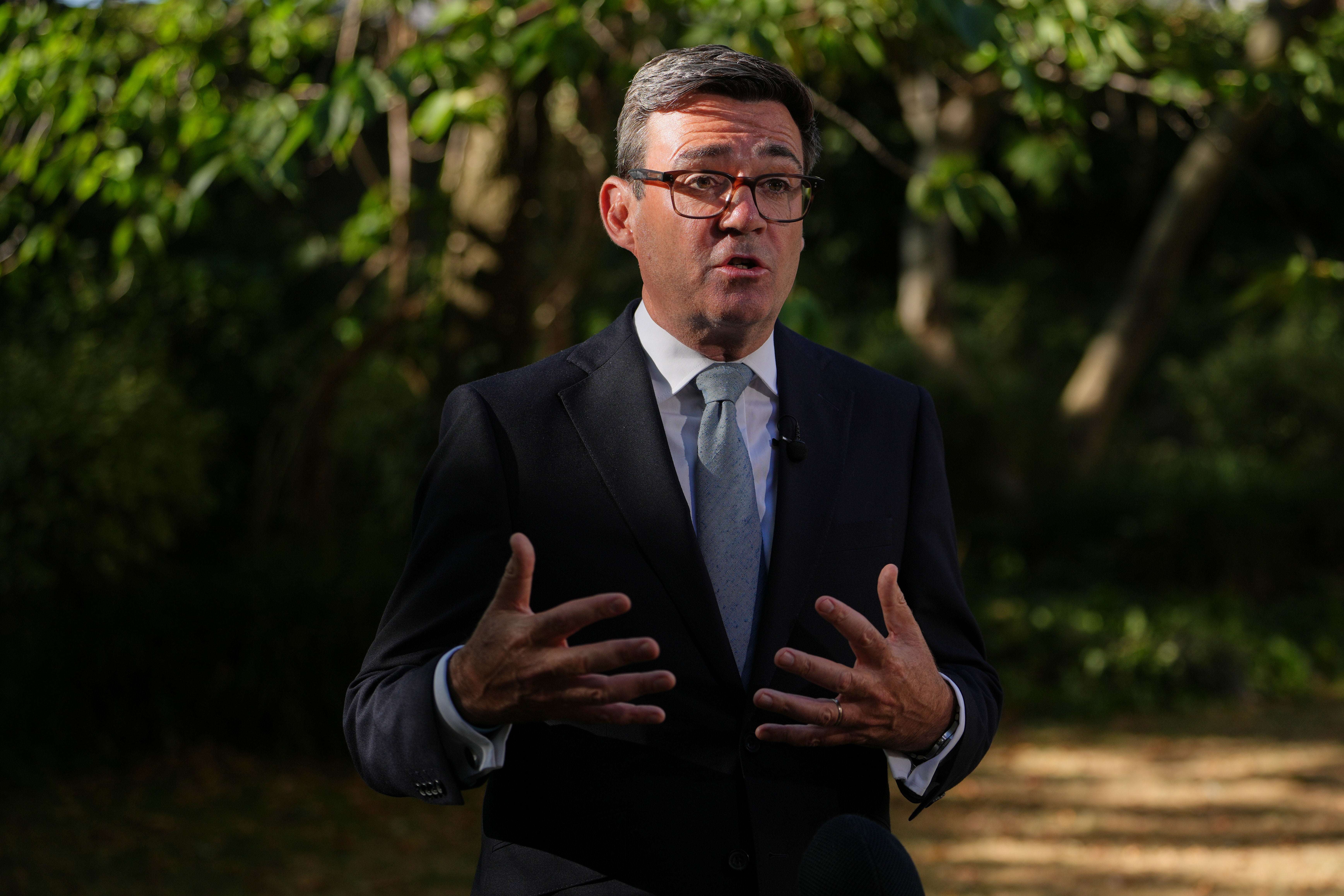
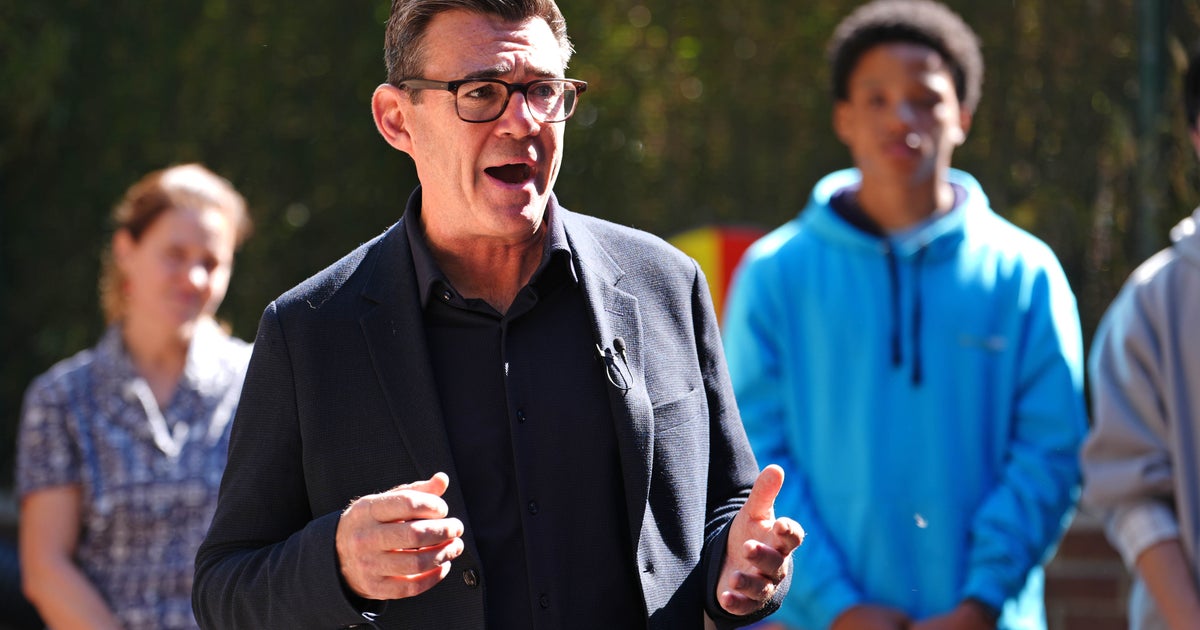
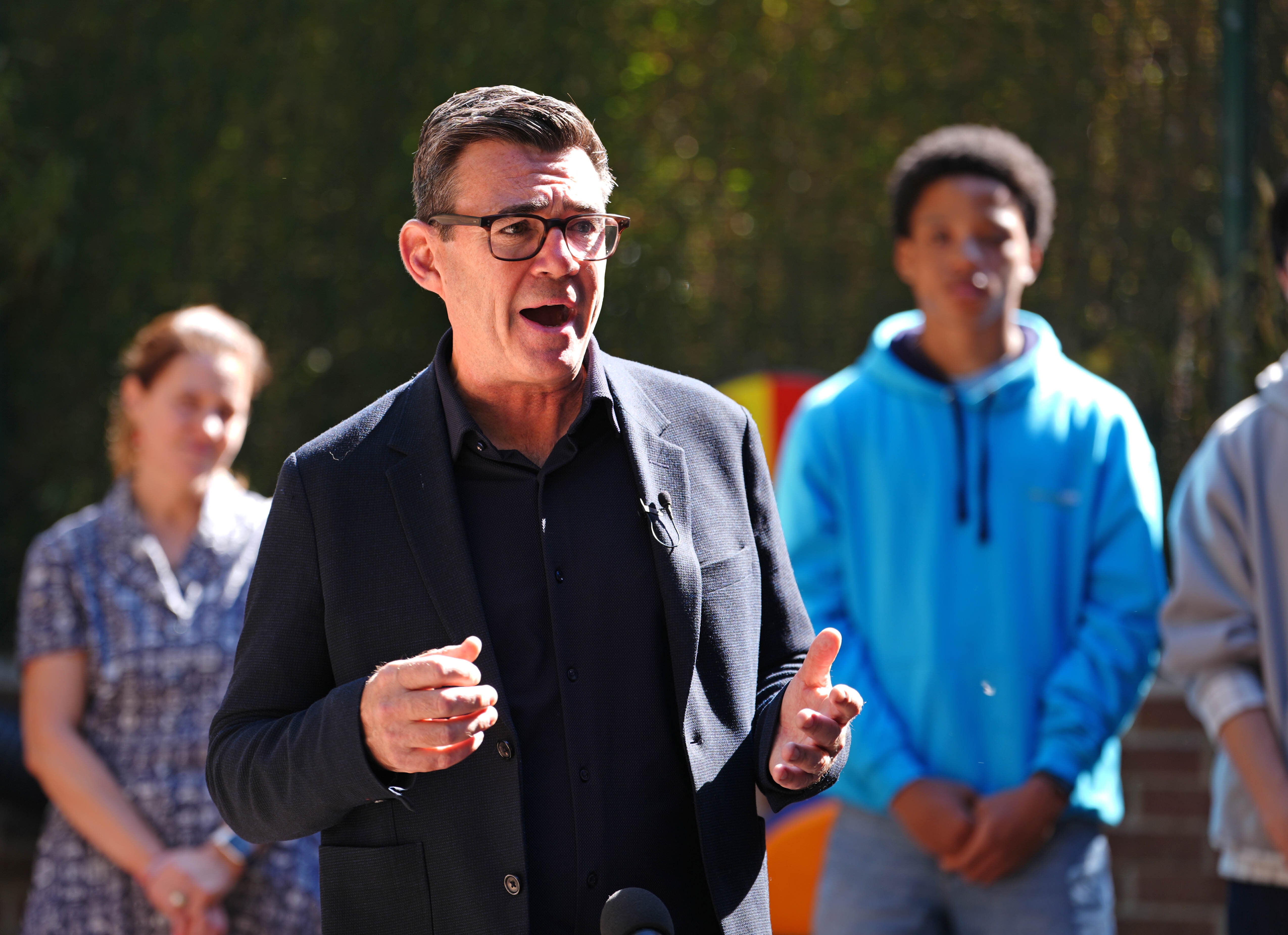
The prime minister succeeded Keir Starmer on July 20, just days after Westminster’s scheduled summer recess began.
Advertisement
He therefore did not have to answer any direct questions from his opponents in the House of Commons for the first six weeks for his premiership.
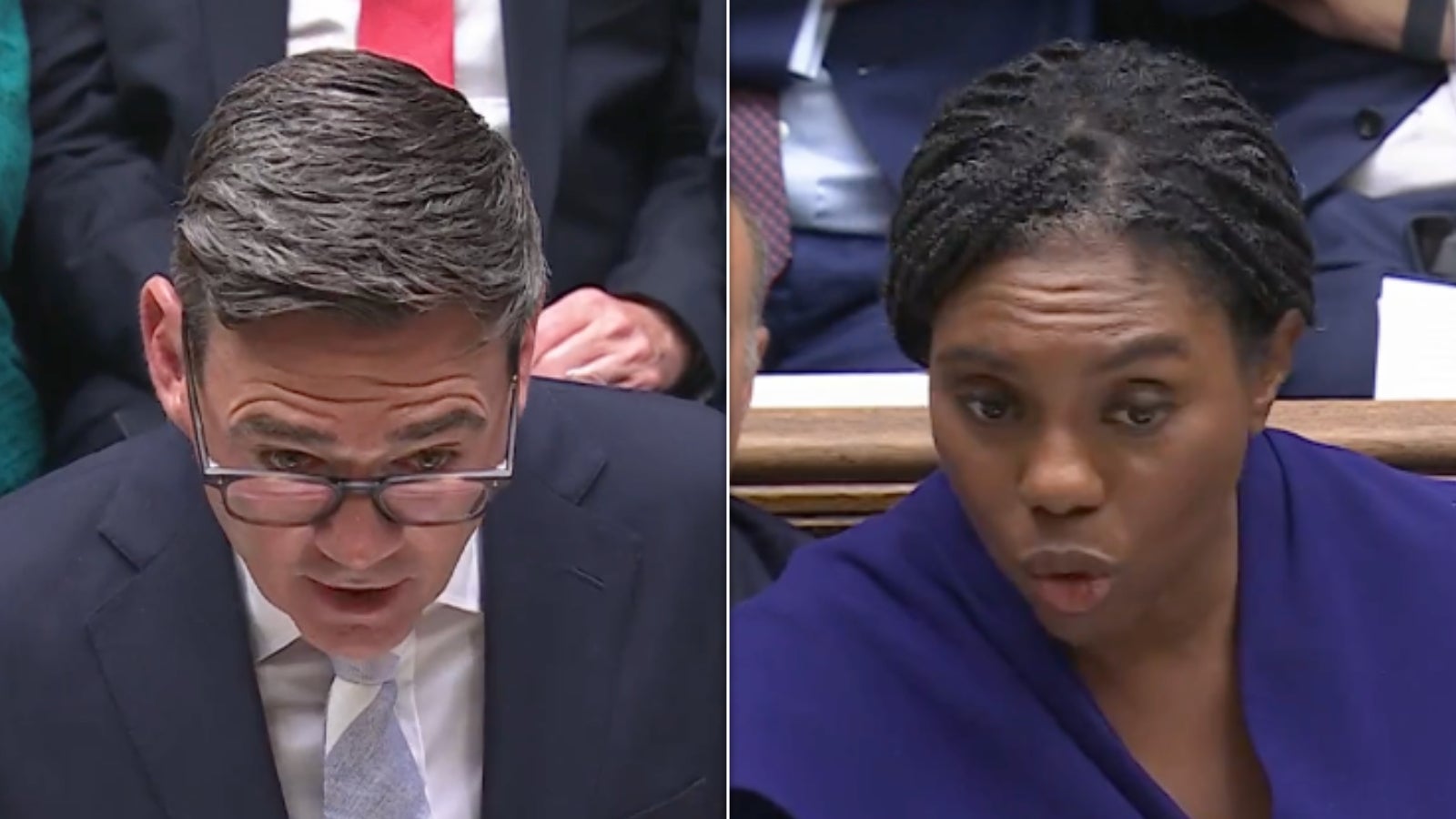
So the Conservatives’ leader Badenoch used her first opportunity on Tuesday to remind MPs how Burnham enjoyed the summer without much scrutiny.
Burnham replied: “The Honorable Lady said the fact that I had been in my position for 43 days.
“Can I turn that round and say that means in six days, this government will have outlived the Truss government? And will be here for a lot, lot longer.”
Advertisement
Truss was forced out of office in October 2022, after just 49 days in Downing Street.
Her own MPs kicked her out following the economic turmoil caused by her disastrous mini-Budget, which contained £45 billion of unfunded tax cuts, sending interest rates and inflation up while the value of the pound went into decline.
Truss’s name is now regularly used as a stick to beat the Conservatives by its opponents.
Burnham also used his time at the despatch box to remind the Leader of the Opposition just how many of her own front bench had been tightly tied to the Truss government.
“I noticed yesterday she appointed a new shadow cabinet,” the prime minister said. “The new shadow chancellor, I welcome him to his position too – I believe the author of the mini-Budget?”
Advertisement
This jibe sparked uproar from across the House, as Burnham added: “I think at least half of the shadow cabinet supported the Liz Truss government.”
Badenoch removed Mel Stride and promoted Andrew Griffith to the top job over the bank holiday.
Griffith robustly defended the mini-Budget during the dying days of Truss’s premiership when he was financial secretary to the Treasury.
He said: “We think they’re the right plans because those plans make our economy competitive.
“What we politicians are responsible for is making the economic decisions that will drive continued growth.”
Advertisement
Truss also welcomed news of Griffith’s promotion on Monday, writing on X: “Congratulations to Andrew Griffith on becoming Shadow Chancellor.
“The economic establishment of the last three decades has failed Britain. They must be taken on.”
Listen to Commons People, the podcast that makes politics easy. Every week, Kevin Schofield and Kate Nicholson unpack the week’s biggest stories to keep you informed. Join us for straightforward analysis of what’s going on at Westminster.
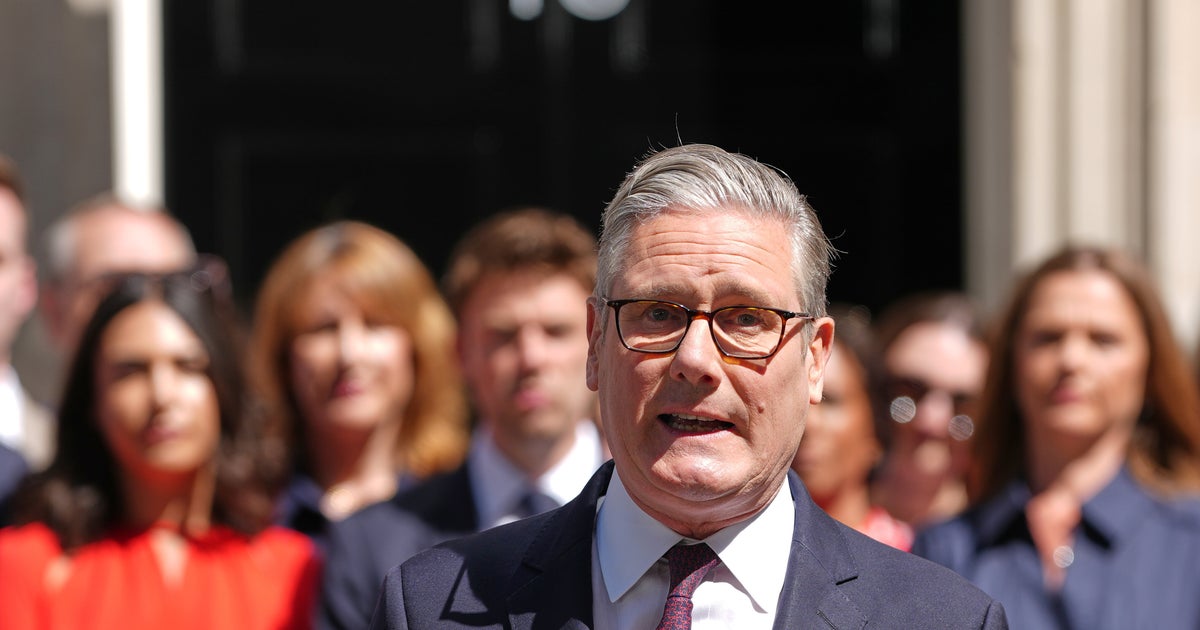
Keir Starmer is having to find a new house because of a firebomb attack on the one he lived in before becoming prime minister, it has emerged.
The former PM’s biographer, Tom Baldwin, said he had been advised not to return to the property “for security reasons”.
Advertisement
Two men were jailed in June following a trial at the Old Bailey over arson attacks on property connected to Starmer.
The jury heard Roman Lavrynovych and Stanislav Carpiuc had been recruited by an anonymous Russian-speaking figure called “El Money” on the messaging service Telegram.
In the early hours of May 12, 2025, a fire broke out at Starmer’s former home in Kentish Town, north London, where his sister-in-law and her family were then living.
Advertisement
Lavrynovych and Carpiuc were also convicted of setting fire to a car once owned by Starmer, and the front door of a property in north London that Starmer had previously managed, earlier the same month.
Speaking in the House of Commons at the time, the then PM said it was “an attack on all of us, on democracy and the values that we stand for”.
Starmer and his family divided their time between Downing Street and the country grace-and-favour residence Chequers when he was prime minister.
Advertisement
But he left No.10 last month after being replaced as PM by Andy Burnham.
On Sky News on Sunday, Baldwin was asked how Starmer is coping with life out of power.
He said: “He’s had a holiday, which is something he didn’t get in his first summer. He is looking for a place to live, because he can’t go back to his old house for security reasons.”
HuffPost UK has contacted Starmer’s representatives for comment.
Listen to Commons People, the podcast that makes politics easy. Every week, Kevin Schofield and Kate Nicholson unpack the week’s biggest stories to keep you informed. Join us for straightforward analysis of what’s going on at Westminster.
For Andy Burnham, it has been the summer of his dreams.
He has finally been able to enjoy the fulfilment of his life’s work, having become Labour leader at the third time of asking – and prime minister – on July 20.
Without the inconvenience of having to answer to parliament, which went into recess the week before, Burnham has largely spent his time making a string of announcements and seemingly endless TikTok videos with well known content creators.
Burnham has also been travelling the length and breadth of the country, meeting voters and hammering home the message, if indeed there was any doubt, that his government will do things differently than Keir Starmer’s.
Advertisement
He even managed to squeeze in a visit to the Hill Dickinson Stadium to watch his beloved Everton record a rare Premier League victory.
If you throw in his comprehensive triumph in the Makerfield by-election on June 18, it is little wonder that Burnham has rarely been seen without a smile on his face over the past three months.
He will be well aware, however, that as sure as summer will shortly make way for autumn, his political honeymoon is also coming to an end.
Advertisement
Alex Newton, deputy director of the More in Common think-tank, said Burnham still faces a huge challenge in winning back the voters Labour have lost since the 2024 general election, especially those who have switched to Reform.
Brits are also evenly split on whether the prime minister attempts so far to tackle the cost of living are simply a publicity stunt or a genuine effort to help them, he said.
“Some 54% weren’t confident he will address the cost of living,” Newton told HuffPost UK. “That kind of pessimism means that if he doesn’t deliver on this, it will hit Labour and his approval ratings.”
Advertisement
The prime minister is faced with a lengthy list of other issues, each with the potential to throw his new government off track.
Here, HuffPost UK looks at the various challenges facing the PM as MPs return to Westminster on Tuesday.
Early Release Row
On day one, justice secretary Alex Norris will set out how he plans to exempt two of the killers of PC Andrew Harper from the government’s highly controversial early release scheme.
Advertisement
Norris was given that particular hospital pass by Burnham following a huge public backlash to the prospect of Jessie Cole and Albert Blowers walking free after just six years behind bars.
But even if, as expected, Norris does manage to tweak the policy to keep the two men in prison, the sight of other dangerous criminals getting out early will undoubtedly damage the PM’s standing with the public.
Stopping The Boats
The sight of 230 migrants crossing the English Channel on a single boat became one of the defining images of the summer.
Advertisement
Although Home Office statistics showed that the overall number of asylum seekers arriving in the UK is down by 23% compared to a year ago, a YouGov poll showed the public believes the total has actually gone up.
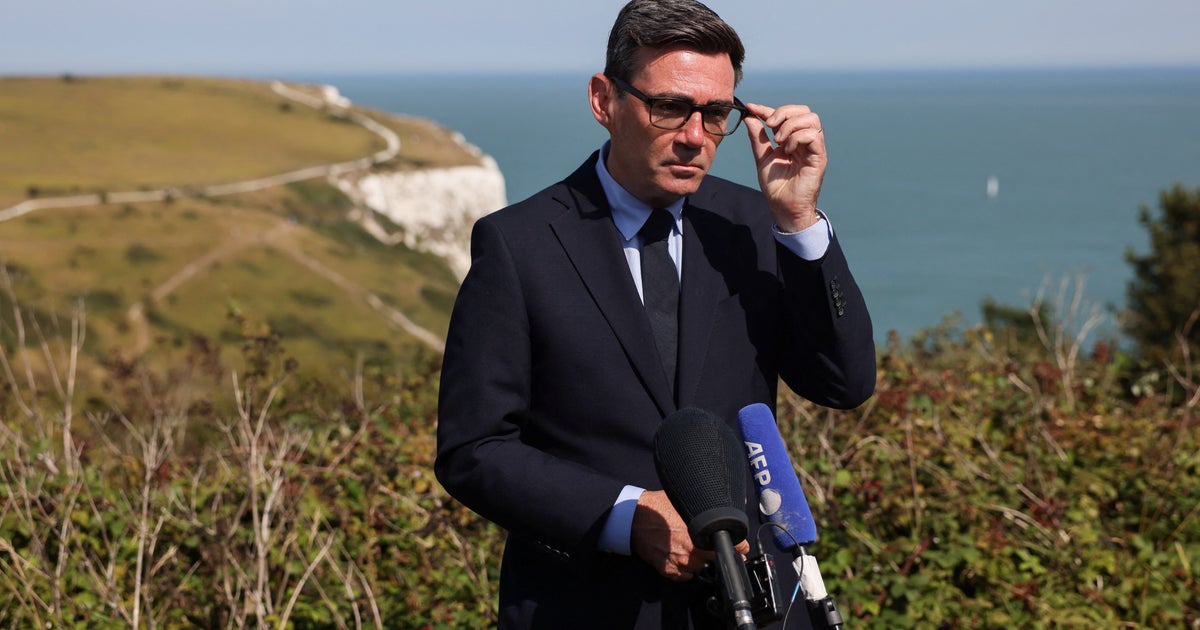
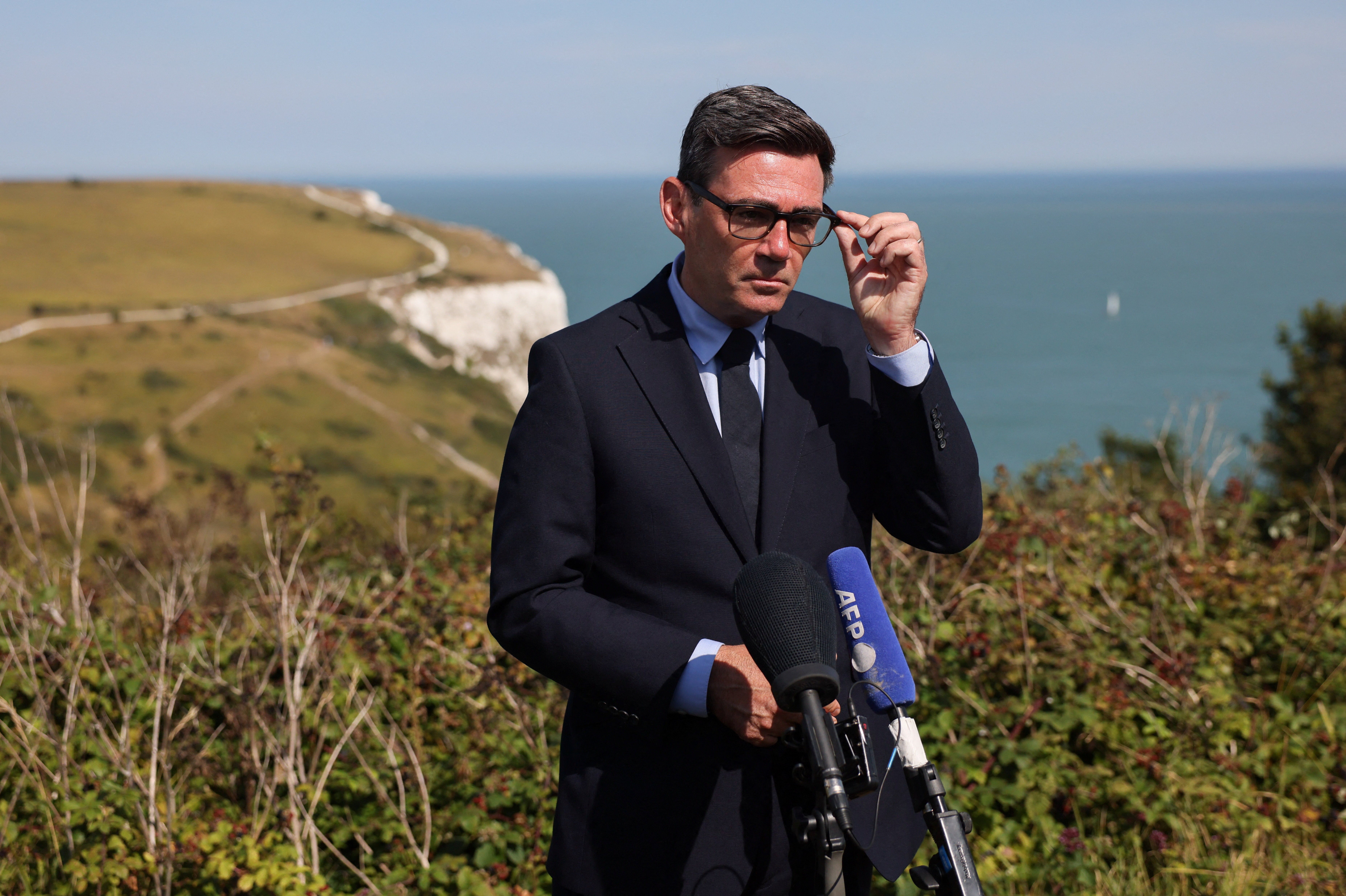
Burnham’s acknowledged the importance of solving the problem by visiting Dover at the start of August, when he vowed to be “relentless” in his attempts to stop the boats.
But it is a problem which has confounded several prime ministers. If Burnham fails as well, Nigel Farage is waiting in the wings to replace him in No.10.
Advertisement
Defending The Realm
If the first priority of government is to keep its citizens safe, then providing the necessary funds for the military should be its number one priority.
Keir Starmer left behind a £5 billion black hole in the government’s Defence Investment Plan (DIP), which John Healey needs to fill when he delivers his first Budget as chancellor in October.
That is the same John Healey who resigned as Starmer’s defence secretary over the then PM’s failure to commit to spending 3% of gross domestic product (GDP) on the military by 2030.
Advertisement
Despite that, Healey has so far refused to commit to coming up with the cash himself, despite now being in charge of the nation’s purse strings, an apparent U-turn dismissed as “unforgivable” by the Tories.
With the geopolitical situation now more uncertain than at any time since the end of the Cold War, Burnham and Healey simply have no other option than to find the money needed to defend the realm.
Foreign Affairs
The fact that Burnham became Labour leader and PM unchallenged, he remains untested in a number of areas – none more so than on foreign affairs.
Advertisement
Although he has said he wants to be more domestically-focused than his predecessor, he can hardly ignore the ongoing conflicts in Ukraine, Iran and Gaza, this is a situation which can best be described as sub-optimal.
The PM even gave the Ukrainians a British blueprint for developing their own long-range missiles – a move which enraged the Kremlin.
Advertisement
On Gaza, Burnham has criticised Starmer for his response to Israel’s bombing campaign in the wake of the Hamas terror attacks on October 7, 2023.
The PM’s future approach to that conflict will be another defining issue of his premiership, with the potential to blow apart the tentative left-of-centre coalition he has been building.
Dealing With The Donald
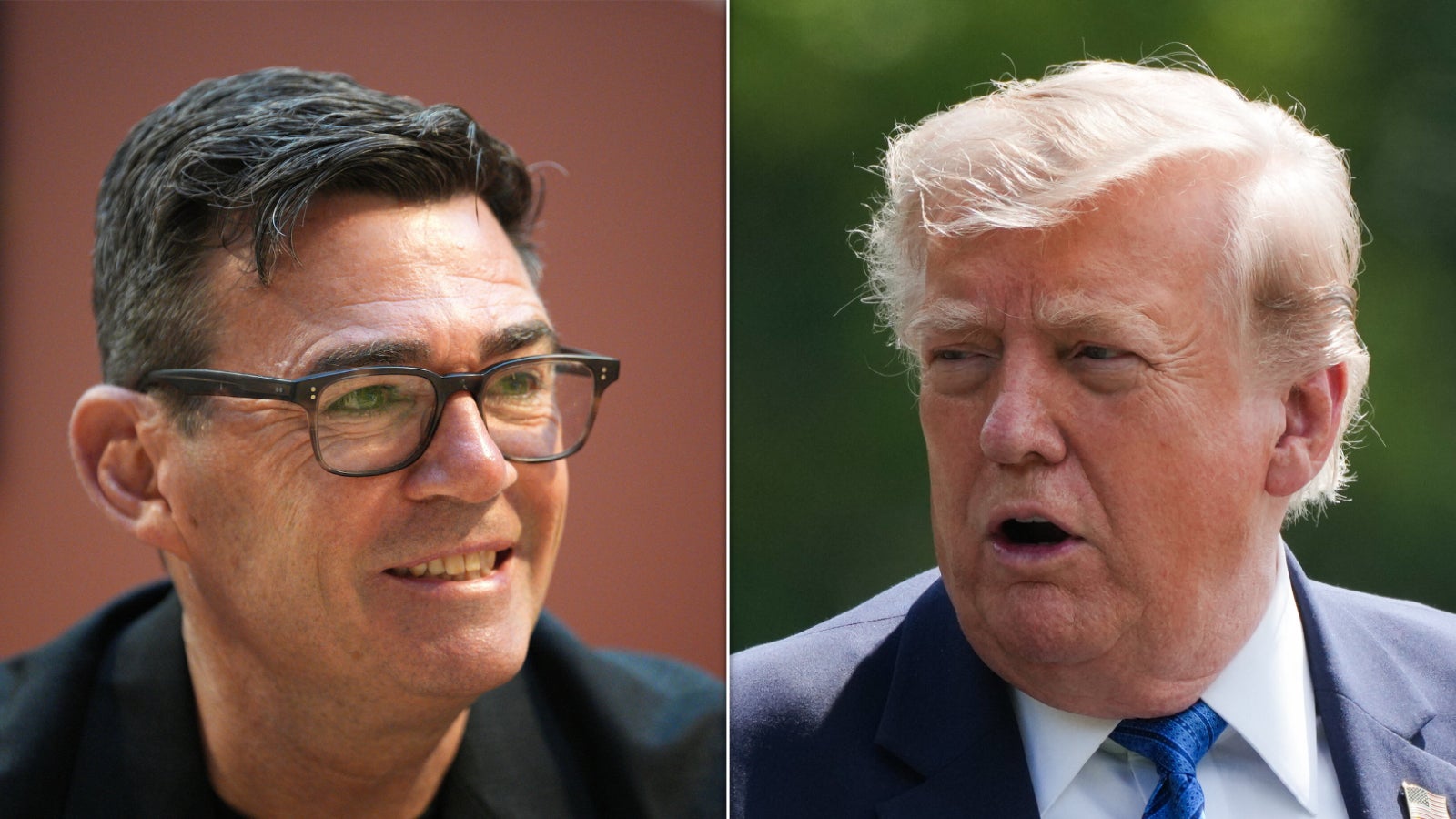
As if wars around the world were not enough to contend with, Burnham must also try to maintain a positive relationship with Donald Trump, something Starmer ultimately failed to do.
Advertisement
The early signs have been positive, with the US president describing the prime minister as “terrific” on the basis of one telephone call on Burnham’s first day in the job.
However, this view seems to be based on the assumption that Burnham will satisfy Trump’s desire to see the North Sea opened up to more drilling for oil and gas.
Although he has vowed to be more “pragmatic” on the issue than Starmer, the PM has also insisted he will stand by Labour’s manifesto commitment not to award new drilling licences.
Advertisement
The pair are due to meet at the UN General Assembly in New York next month.
As unpalatable as it may be for a man who once said Trump was not welcome in Manchester, making nice with the president would give Burnham one less headache to contend with.
Labour Pains
September will also see Burnham’s first Labour Party conference as leader, an event which promises to be far more upbeat than a year ago, when it was already apparent that Starmer was not up to the job.
With Labour now topping the polls and imbued with a renewed sense of optimism, the prime minister can expect a hero’s welcome.
Advertisement
It will not all be sweetness and light, however, with left-wing campaign groups determined to pile pressure on Burnham to declare Israel’s actions in Gaza a genocide, and to impose a complete arms embargo on the country.
Doing so would provoke an angry backlash from groups such as Labour Friends of Israel, however, and trigger the kind of party split which the PM is determined to avoid.
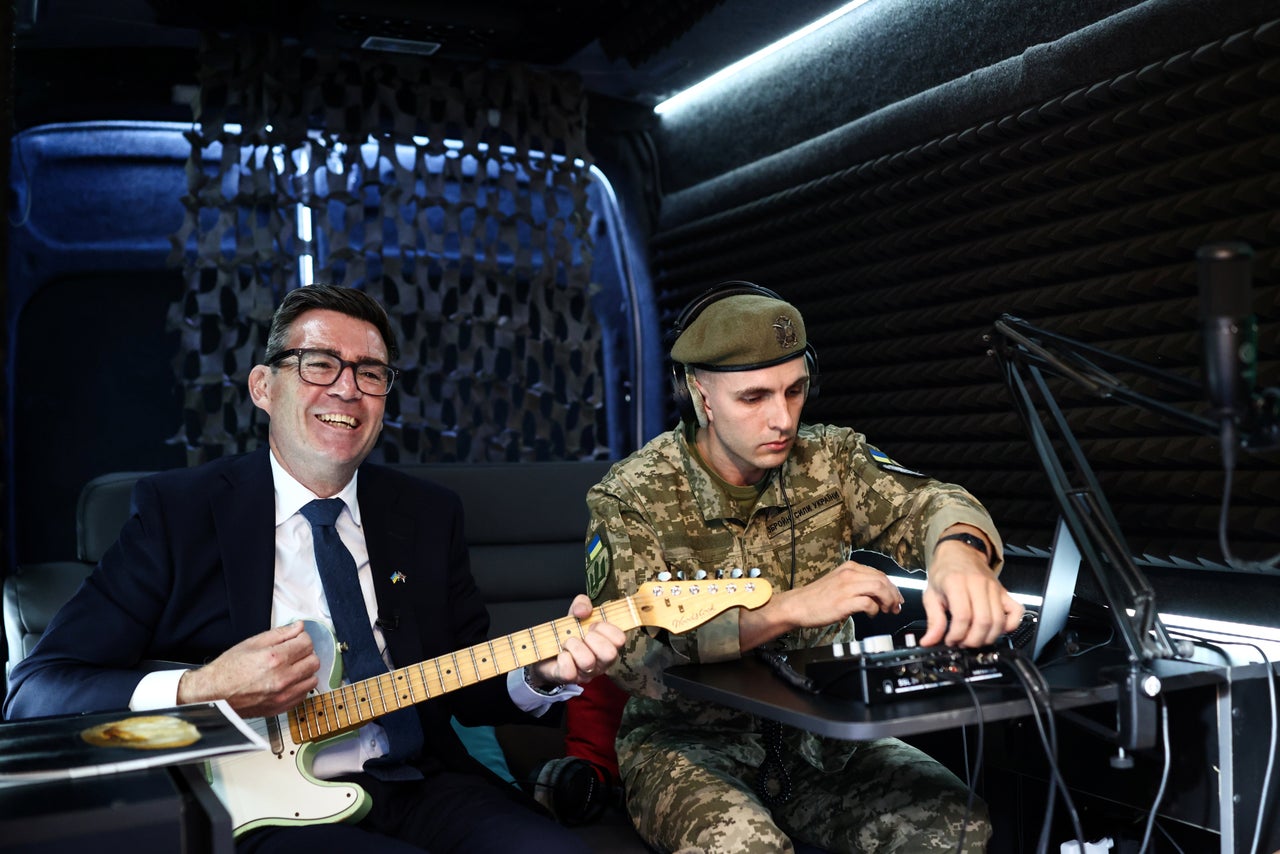
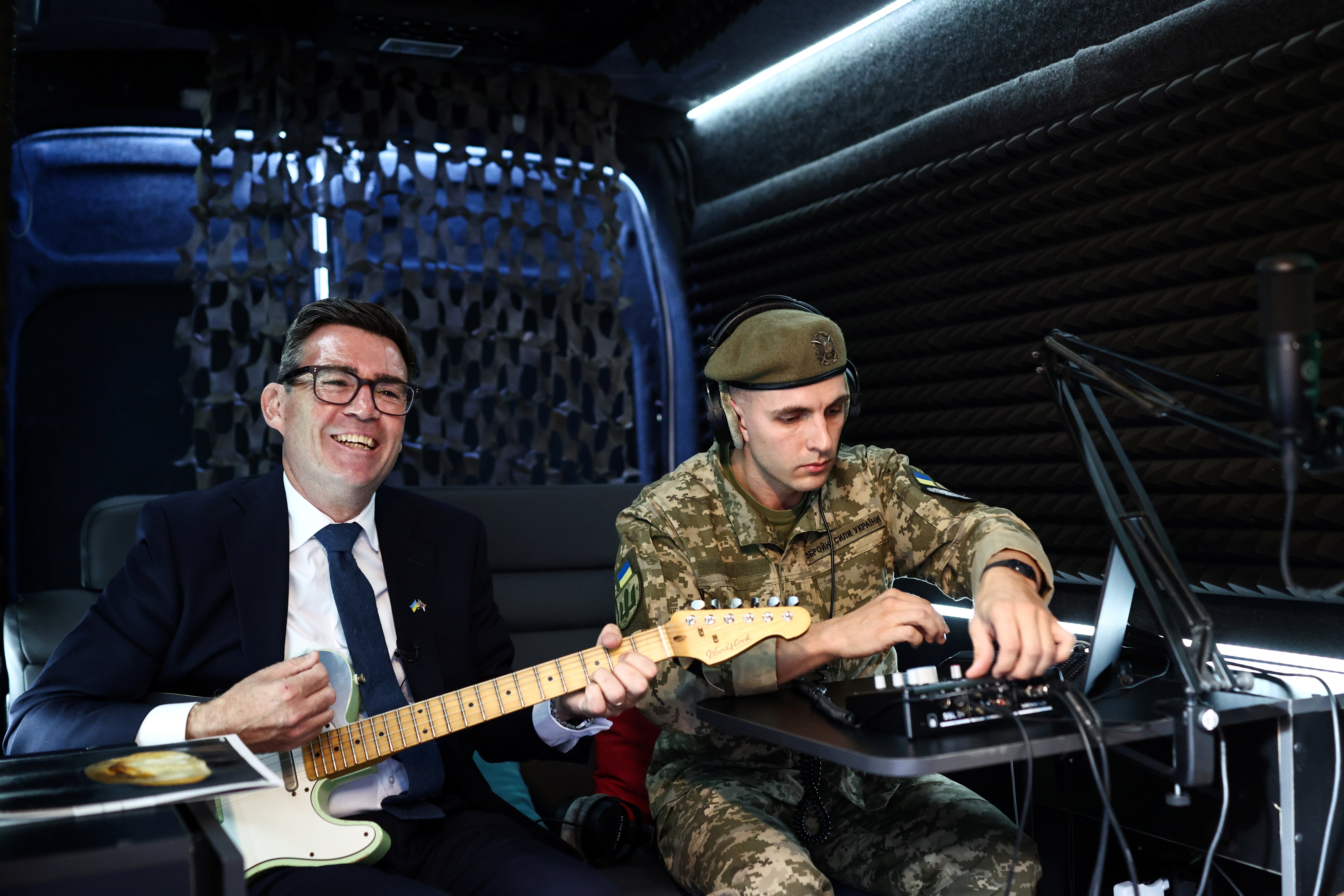
Burnham plays the guitar in the mobile recording studio of the military and artistic unit in Kyiv.
via Associated Press
Advertisement
Political consultant Laura Emily Dunn told HuffPost UK: “The return to parliament will be a test of the PM and the government’s prioritisation – which of the hot topic issues will they want to deal with first? Early prisoner release? The The economy? Small boats? The devil will be in the detail.”
Senior Labour figures said Burnham should enjoy the Bank Holiday weekend, as it will only get more difficult from now on.
One told HuffPost UK: “Andy came to office making a lot of big promises, and his summer has gone well.
Advertisement
“But that means the party’s expectations are sky high. How will he manage that through Labour conference, the Budget, a spending review process and weekly PMQs sessions?
“Andy promised all sorts and now they are hinting the Budget will be steady. Basically – the runway on promising all things to all men is getting shorter and shorter.”
The source added: “Apart from ‘vibes’, what’s the difference with what Starmer was doing? That’s not to dismiss vibes – they really matter – but politics always comes back to policy in the end.”
Advertisement
A Labour MP added: “I think his main challenge is all the promises Andy made as mayor of Manchester to the membership will need to be kept.
“Any hint he’s reneging on them will pour rocket fuel on the Greens when they’re on the ropes. He’s also got to navigate a restive Parliamentary Labour Party, with some pissed off Starmer loyalists, and he’s got to start delivering for an impatient electorate.
“Basically, Andy’s September 2026 biggest problem is Andy Burnham from March 2026.”
Listen to Commons People, the podcast that makes politics easy. Every week, Kevin Schofield and Kate Nicholson unpack the week’s biggest stories to keep you informed. Join us for straightforward analysis of what’s going on at Westminster.
Andy Burnhamvowed to give Brits “some breathing space” when it comes to the cost of living during his first speech as prime minister.
That was only a month ago – and he has already unveiled a series of policies aimed at making everyday life a little easier for the general public.
Advertisement
But just last week, Burnham also admitted that the changes he made might not be enough.
He told the BBC: “We will do everything that is possible for us to do. But I think everyone knows I am in position with limited room for manoeuvre.”
It was a noteworthy admission considering he has made the cost of living the central mission for his government.
Burnham has implemented a £2 cap on single bus rides, scrapped VAT on household electricity bills and announced a ban on “subscription traps”.
Advertisement
He unveiled a 20% cut to business rates for pubs, social clubs and live music venues from April onwards.
His government have also promised to help the number of unemployed young people as the number of 16 to 24-year-olds not in work surpassed a million this year for the first time in more than a decade.
The incremental changes he has unveiled appear to have had some cut-through, his net favourability rating of +13 is the highest for any prime minster since Boris Johnson at the start of the Covid pandemic, according to YouGov.
But, as Burnham alluded to when speaking to the BBC, there are plenty of obstacles which stop him from being able to make significant changes to the cost of living.
Though this is out of the government’s control, there’s a risk voters will still end up blaming the government – as they did when the Russian invasion of Ukraine caused a spike in energy prices in 2022.
Energy regulator Ofgem is expecting the price cap for household energy bills in Britain to rise by 4% in October.
There is a growing body of support for expanding drilling in the North Sea for oil and gas to boost the economy and reduce Britain’s dependence on international energy imports.
The summer heatwaves and the subsequent droughts have rocked the agricultural sector too.
Farmers fear for their yields will be hugely impacted in the months to come – meaning groceries are likely to go up in price.
Advertisement
Dr Liliana Danila, chief economist at the Food & Drink Federation (FDF) said: “Supply chain disruption isn’t going away.
“Alongside geopolitical volatility, extreme weather will continue to put pressure on the price of key ingredients. This makes it increasingly difficult for food manufacturers to shield consumers from price rises and protect their our resilience.”
The Bank of England will decide whether to raise interest rates next month, which could add another layer of pressure to Burnham.
Advertisement
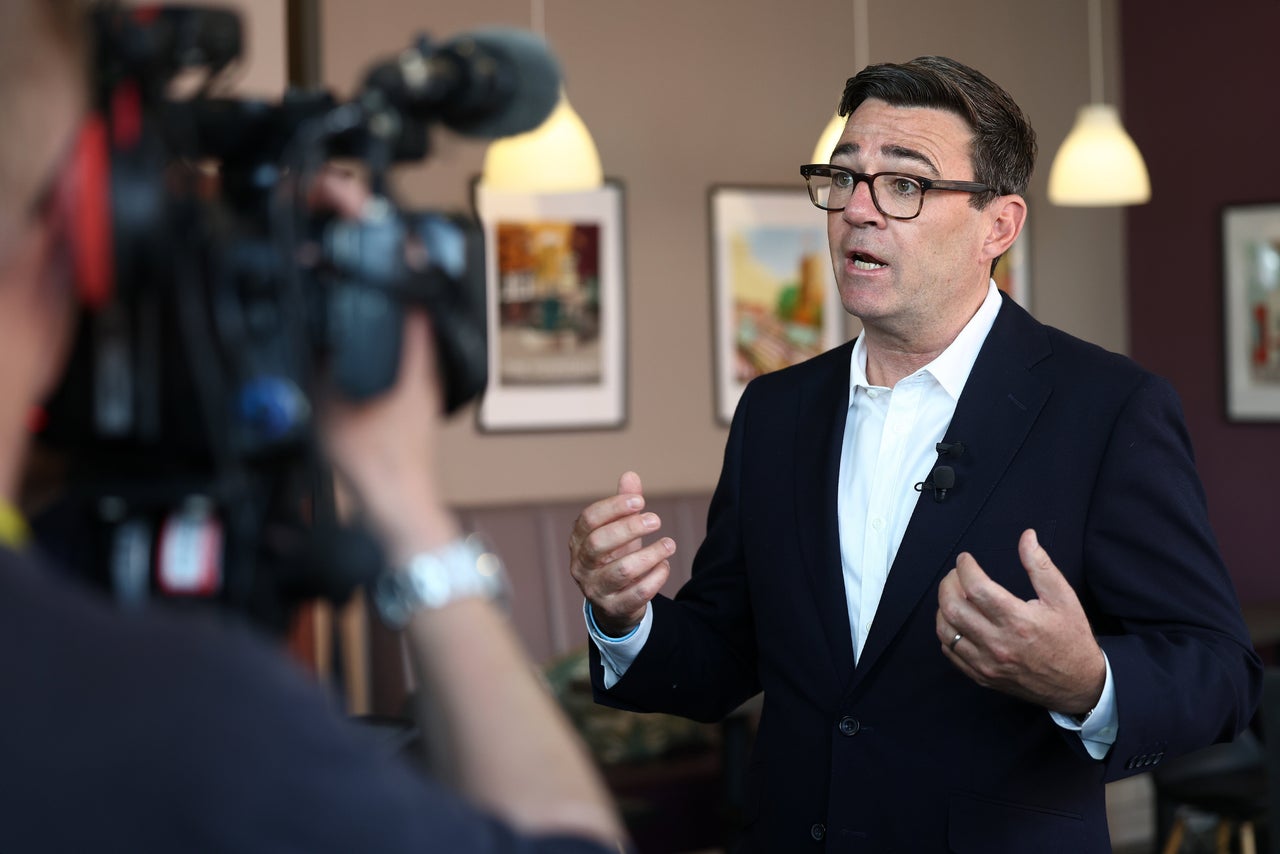
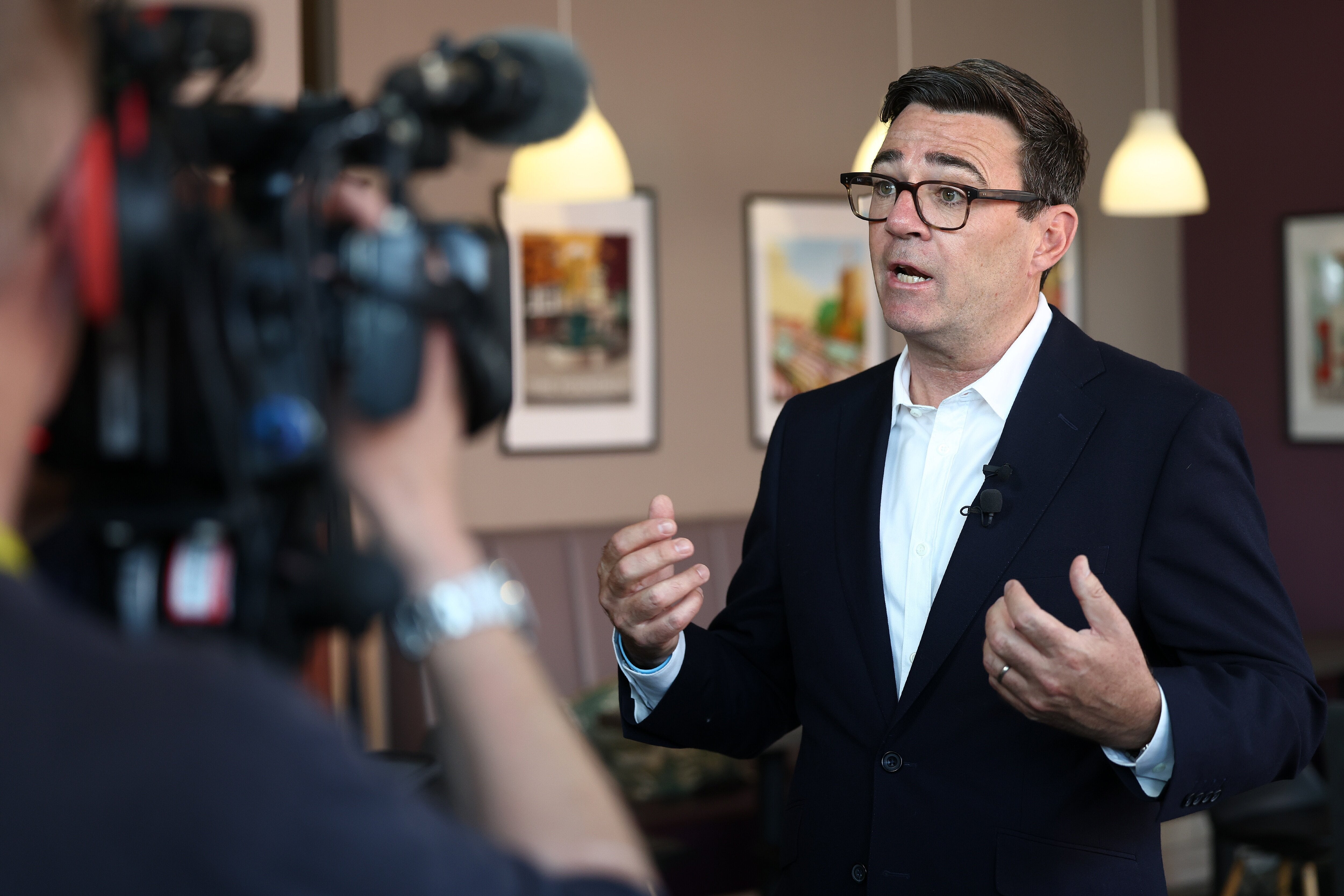
Britain’s Prime Minister Andy Burnham speaks during a TV interview at The Hub Cafe following a visit to Ilkeston, Derbyshire, England, Tuesday, Aug. 11, 2026.
via Associated Press
The TUC general secretary, Paul Nowak, said: “With inflation ticking up because of rising energy bills – and no end in sight to Trump’s illegal war in Iran – we are going to have to see more government action to support households in the coming months.”
But where will this money come from? UK debt is nearing £3 trillion, which represents 94.1% of gross domestic product (GDP).
Advertisement
It comes after official figures showed an unexpected hike in government borrowing to £1.8 billion.
Speculation that the government will therefore raise taxes to meet its spending commitments is therefore rising.
All eyes will be on chancellor John Healey when he unveils his Budget on Wednesday, October 28.
The prime minister has tried not to raise the public’s expectations too high when it comes to what he can do to help the cost of living – he wrote on social media this week: “We won’t fix everything overnight.
“But wherever my government can make life a little easier, fairer or more affordable, we will. “
His last two predecessors, Keir Starmer and Rishi Sunak, tried to adopt a similar message – and neither won any plaudits from the public for doing so.
Advertisement
The question is whether Brits will even feel the changes Burnham intends to make.
“What Burnham has is an opportunity to say to the public that we can’t do everything immediately.
“And I think they understand that international affairs are a big driver of this, but it’s sort of saying, we’ve looked at areas where we can make a difference and we’re doing that.
“It may be that he cannot meet public expectations on this and it goes the other way of other previous prime ministers.
Advertisement
“But I don’t think there’s an option of not being seen to do this.”
Burnham is, of course, still enjoying the honeymoon period. But will he able to live up to his own expectations?
Listen to Commons People, the podcast that makes politics easy. Every week, Kevin Schofield and Kate Nicholson unpack the week’s biggest stories to keep you informed. Join us for straightforward analysis of what’s going on at Westminster.
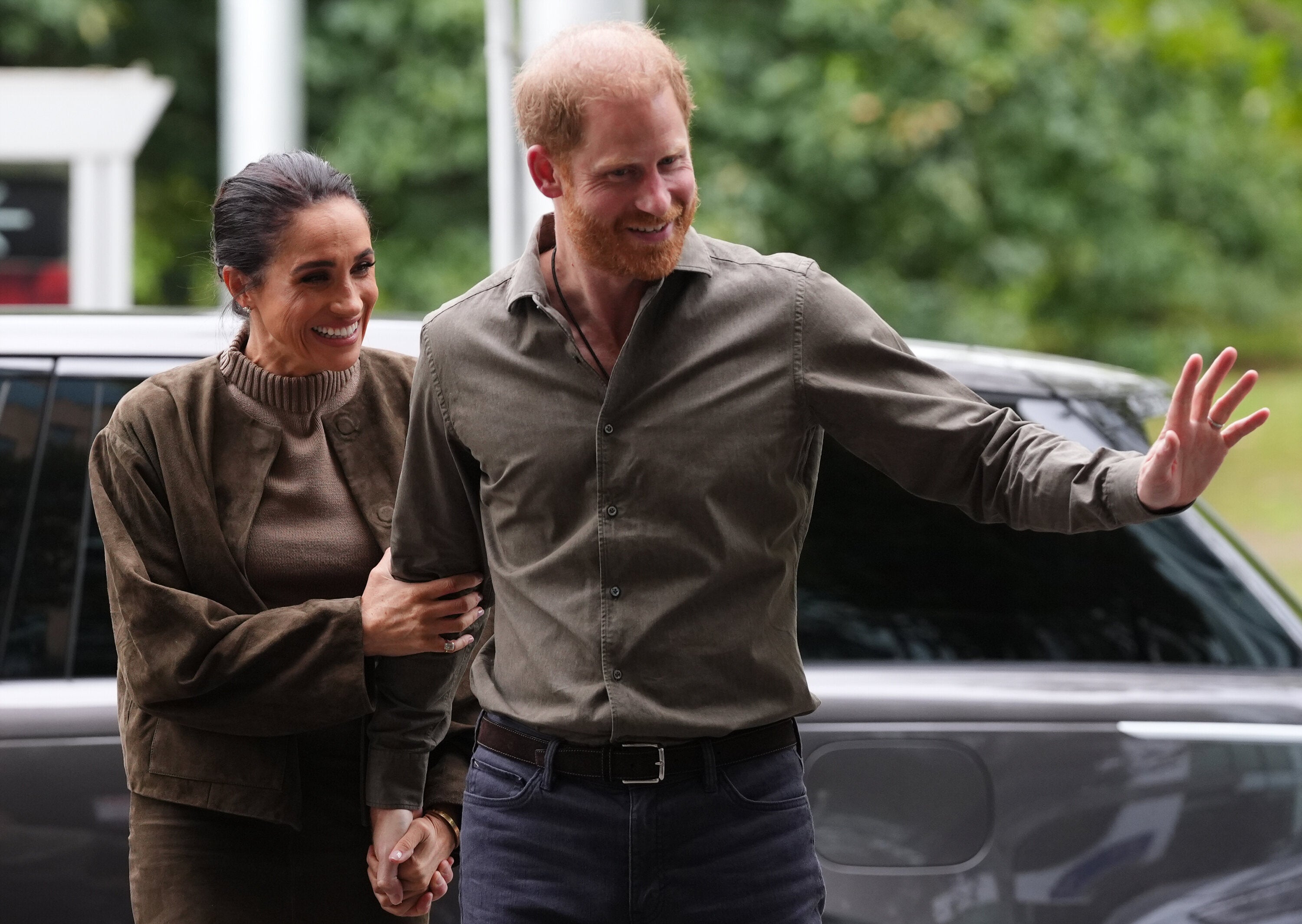
Harry and Meghan moved to the US in 2020 after choosing to step down from their royal duties but will be relocating to a non-royal residence outside of London later this month.
Advertisement
The Duke of Sussex, who is fifth in line to the British throne, lost a legal challenge over how much state-funded security he and his family are entitled to while in Britain last year.
The revelation that he is now bringing his wife and two children back to the UK has therefore come as a shock.
Advertisement
When asked how the non-working royals will be protected while in Britain, the prime minister said their security a “private matter”.
“Well, this is a private matter,” he told reporters while on a visit to West Yorkshire. “It’s a matter for for Harry and for Megan, and we wish them well in the moves that they’re making.”
Education secretary Lucy Powell also told LBC: “I think that the vast majority of your listeners will welcome that news and – they obviously are not working royals anymore – and want to come back to this country.
Advertisement
“I assume because we do have great schools, great education, that’s why many people do return to this country and choose this country to bring up their children in.
“And I hope that this is all part of a bigger reconciliation for the family because you know the royal family is very important to this country and to our reputation around the world, and you know I for one think it’s great to have Harry and Meghan and their family back here.”
Harry and Meghan’s children, seven-year-old Prince Archie and five-year-old Princess Lilibet, are in the line of succession behind their father.
Advertisement
They have been enrolled in a British school from September onwards, suggesting the Sussexes intend to be back in the UK for the long-haul.
Harry and his family went to visit his father King Charles in July in Highgrove, though it’s thought their move back to Britain was not discussed.
The monarch was reportedly only told about their decision to relocate on Sunday, though he is said to welcome the idea of seeing his family more in a personal capacity.
Advertisement
Harry and Meghan are expected to continue living as private individuals.
Their return to the UK comes six years after the Sussexes dramatically fell out with the Royal Family and moved across the Atlantic amid heightened press scrutiny.
While the couple’s relationship with Charles and his wife Queen Camilla appears to be on the mend after their July visit, it’s unclear if they have built bridges with the Prince and Princess of Wales.
The King had not see his grandchildren for more than four years prior to the Sussexes’ trip earlier this summer, and the Duke of Sussex previously said security fears had stopped him bringing his family to the UK.
Advertisement
Harry and Meghan have not been seen publicly in the UK since they attended the 2022 funeral of Queen Elizabeth II.
A Home Office spokesperson said decision on the security of royals were taken by the Executive Committee for the Protection of Royalty and Public Figures.
They said: “The UK government’s protective security system is rigorous and proportionate.
“It is our long-standing policy not to provide detailed information on those arrangements, as doing so could compromise their integrity and affect individuals’ security.”
Advertisement
The Home Office, the Metropolitan Police and the royal household all sit on that executive committee.
They work together to advise the independent chair in making decisions, based on expert risk assessments and in line with government policy.
Listen to Commons People, the podcast that makes politics easy. Every week, Kevin Schofield and Kate Nicholson unpack the week’s biggest stories to keep you informed. Join us for straightforward analysis of what’s going on at Westminster.
A top aide to Vladimir Putin has bizarrely declared he “feels sorry” for the UK after Britain was threatened by the Russian Embassy in London over its support for Ukraine.
Moscow’s representatives in the UK warned of the “consequences” following confirmation that British-made drones had been used in recent Ukrainian attacks in Russia.
Advertisement
The embassy claimed Britain was “deliberately opting for an escalation of the Ukraine crisis,” and said the “deeper its involvement in the conflict… the higher the price it will pay”.
UK prime minister Andy Burnham remained unperturbed by the threats on Tuesday, telling reporters that the UK was “providing support so that Ukraine can defend itself and that’s been the British position all the way through this conflict, by previous prime ministers – it remains the case with me”.
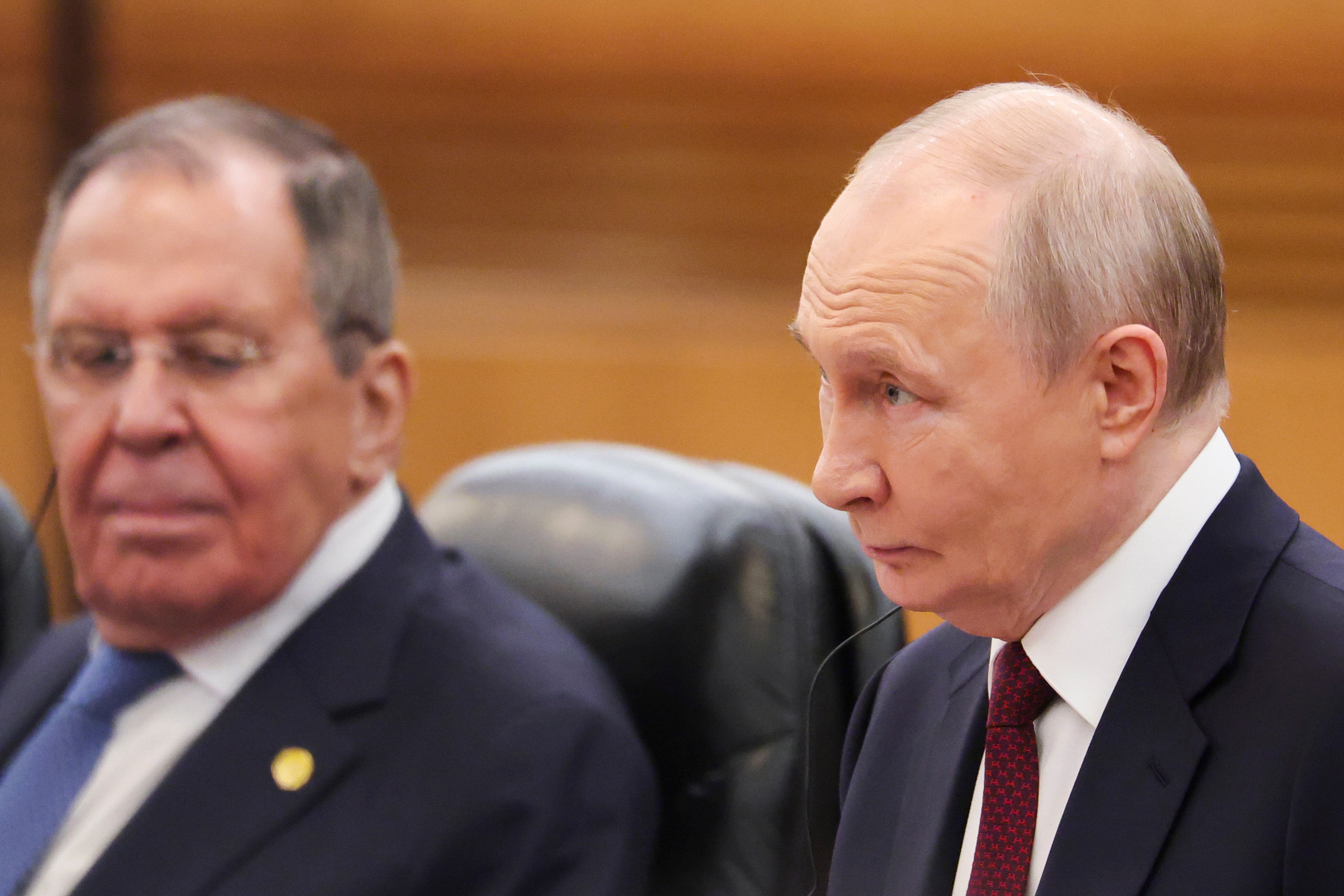
Asked about the spat with the UK on Wednesday, Russia’s foreign minister Sergei Lavrov tried to deliver yet another threat as he again suggested Britain is directly involved in the war.
Advertisement
He told the media: “I feel sorry for the United Kingdom, if it is going to stand with Ukraine until the very end.
“As for the substance of our Embassy’s comment, it means only one thing: President Vladimir Putin has warned of our right to act in any area of the world’s oceans, should anyone encroach on our interests or our property.
“We have exactly the same right to regard the proudly announced direct involvement of British missile forces in strikes against the Russian Federation as participation in the war. With all the consequences that entails.”
Advertisement
His remarks come after a former deputy foreign minister of Russia told BBC Radio 4’s Today programme that many in Moscow interpret the recent strikes from Ukraine as proof the UK is “part of the war”.
“The situation now is very dangerous, because the tension of conflict in Ukraine really is increasing,” Andrei Federov added. “The coming couple of months will face this tension, this escalation which can bring us to totally different situation unlike ever before.”
Listen to Commons People, the podcast that makes politics easy. Every week, Kevin Schofield and Kate Nicholson unpack the week’s biggest stories to keep you informed. Join us for straightforward analysis of what’s going on at Westminster.
Andy Burnham should call an early general election before his popularity inevitably begins to decline, according to a former Labour adviser.
Liz Bates, who served in Keir Starmer’s government, said the prime minister should go to the polls because “it’s probably not going to get better than this” for him.
Advertisement
Labour has enjoyed a bounce in the polls since Burnham replaced Starmer in No.10 last month, leading to speculation that the new PM may be tempted to call an election to secure his own five-year mandate.
Nevertheless, Bates – who was a special adviser to former housing secretary Steve Reed before he was sacked by Burnham – insisted he should keep the option on the table.
Speaking to HuffPost UK’s Commons People podcast, she said: “Whilst he is popular, and people like him and he’s brand new, and we have the Burnham bounce and he’s shiny and different, everything seems ok.
Advertisement
“When the pressure starts to come on, and you have to make difficult decisions and you go through tough periods – and there will be tough periods, there always is in British politics – then these questions of mandate really start to fester.
“The pressure to have an election starts to come on and it gets pretty intense.”
Bates added: “I would be tempted, if I was him, to go for it because you get the new manager bounce, Farage is looking bonkers to be honest … the Greens seem to be in a bit of a tricky spot as well.
“It’s probably not going to get better than this [for Burnham]. They will think it’s going to get better than this because it feels like ‘we’re great, we’re better than Keir, look at us’.
Advertisement
“When things get tough and the pressure comes on to have a general election, if you’re down in the polls at that point, all your options narrow. I would do it when things feel sunny and positive.”
Her comments echo those of former Theresa May pollster James Johnson, who this week said an election by next spring is Burnham’s best chance of securing his own Commons majority, defeating Reform and all-but destroying the Tories.
Elsewhere in the podcast, Bates – who is also a former Channel 4 and Sky News journalist – fights back tears as she recalls the day she and other government advisers were told in No.10 that Starmer was resigning.
Advertisement
She also reveals that supporters of the former PM were told to wear sunglasses and stand at the back of the crowd if they thought they would cry when he gave his farewell speech in Downing Street.
You can listen to the full interview below, or just download it from wherever you get your podcasts.
Listen to Commons People, the podcast that makes politics easy. Every week, Kevin Schofield and Kate Nicholson unpack the week’s biggest stories to keep you informed. Join us for straightforward analysis of what’s going on at Westminster.
Andy Burnham has vowed to “eradicate” small boats crossings in the English Channel – but refused to say it when it will be done.
The prime minister said the government “will keep going at this issue” until it is solved.
However, he stopped short of saying it will have stopped by the next election, which may not take place until 2029.
Advertisement
Burnham was speaking the day after a boat carrying 230 asylum seekers – the most ever on a single vessel – crossed the Channel from France.
He said the government would “change our tactics” to deal with the fact that more migrants could start arriving on larger boats.
“I know people will have been worried to see that image yesterday,” the PM told GB News.
“It shows that the gangs are changing their tactics but so will we – we will now change our tactics and we will be relentless in chasing them down.”
Advertisement
Burnham said the deal Keir Starmer struck with France when he was PM meant there was “more law enforcement on the other side of the Channel” this summer, which has led to a reduction in the number of boats making the journey.
“But that’s not good enough,” he said. “People will say to me, ‘we don’t want any crossings’. I understand that concern.
“There are further things that we are doing and we will keep going at this issue until we deliver that eradication that people are looking for.”
Advertisement
Asked whether he could promise “no more small boats crossings by the election”, Burnham replied: “It would be wrong, I think, for me to make a prediction now based on a timeline.”
The PM added: “I’d rather promise to people what I know I can do and what I know I can deliver, and that is a relentless focus on this issue to deal with the public concern.
“I heard it on doorstep, on doorstep after doorstep in Makerfield, and I said to the people there, and I say it to the country, ‘I hear what you say, I will be completely focused on the issue’.
Advertisement
“There are more measures that we’re bringing through but crossings are down, immigration is down – there is real progress to report.”
Listen to Commons People, the podcast that makes politics easy. Every week, Kevin Schofield and Kate Nicholson unpack the week’s biggest stories to keep you informed. Join us for straightforward analysis of what’s going on at Westminster.
The president also loves a winner, and Burnham is still popular within Labour and the wider country right now – while Starmer became the most unpopular PM on record.
Advertisement
However, like Starmer, Burnham is bound by Labour’s 2024 manifesto not to issue any more oil and gas exploration licences.
That means any expansion of the North Sea will likely fall short of Trump’s hopes of “opening up” the whole area.
The PM has avoided talking about the president at length so far, but claimed he won’t be afraid to call him out when he feels it is necessary.
Advertisement
He also refused to say he trusts the president during a BBC interview, though he did invite him to Manchester.
Burnham is perhaps wise to be cautious.
He would not be the first UK prime minister to eventually incur Trump’s wrath over domestic policies – even if they started out on the right foot.
Trump fell out with Theresa May over her “foolish” approach to Brexit, calling her EU deal a “disaster” – despite initial warmth between them.
Advertisement
Boris Johnson was described as “Britain Trump” by the president himself, but they faced some frictions over Chinese company Huawei’s involvement in Britain’s 5G network.
Starmer, initially described as the “Trump whisperer”, bent over backwards to appeal to the president, even inviting him for a historic second state visit to the UK.
But they came to blows over the former PM’s refusal to get involved in the Iran war.
They also clashed over immigration, Nato, Greenland, tariffs, wind turbines and North Sea drilling, meaning they were barely on speaking terms when he left office.
Advertisement
And Burnham – at least, for now – is further to the left than any of those three predecessors, meaning the Republican president is even more likely to disagree with him.
The prime minister’s decision to appoint Ed Miliband as foreign secretary might also be a major obstacle in their relationship.
The Trump administration has reportedly nicknamed him “Miliwatt” already in an apparent dig to his enthusiasm for net zero.
The UK-US relationship may also be put to the test when, as is expected, Trump’s domestic power diminishes when his American supporters turn on him during the US midterms.
That could mean Burnham – if he is still propped up in the UK polls – might be more outspoken if he believes the president looks weaker.
Advertisement
Alternatively, Trump could turn on the prime minister as soon as his honeymoon period is over.
In this week’s Commons People, we look at whether this really could be a strong alliance – and unpick all the potential pitfalls which could undo their relationship altogether.
Listen to Commons People, the podcast that makes politics easy. Every week, Kevin Schofield and Kate Nicholson unpack the week’s biggest stories to keep you informed. Join us for straightforward analysis of what’s going on at Westminster.
The prime minister said the UK’s “antiquated” political system needs reform if equal opportunities are to be effectively shared out across the country.
Advertisement
Britain is one of the only major democracies without a codified arrangement which lays out how the country should be governed.
The UK’s constitution is currently established through history by common law, statutes and conventions.
He has also set up No.10 North, an alternative to 10 Downing Street in the north of England, to symbolise his commitment to moving power out of Westminster.
He said his devolution plans “increase the case for a constitution because Britain is changing through this, England is certainly changing through this.”
He claimed the country needs to set up a codified model of devolution which works for Wales, Scotland, Northern Ireland and England.
Advertisement
“In the end, I think it does start to point towards a new constitutional settlement… with that commitment to equivalent living standards,” he said.
He added that his promise to implement “good growth in every postcode” was “more than just a sound bite”.
The prime minister did not outline any time frame for implementing such a historic change.
Countries usually adopt a written constitution following major events like revolution or war, when governments need to signal a departure from previous regimes.
Advertisement
The prime minister first floated the idea in his 2024 book Head North, co-written with Liverpool city region mayor Steve Rotherham.
He said deep inequality had become part of Britain because it had not moved on from the “feudal state” which held power in Westminster.
“Our failure fully to set out the rules for how the country should be run is one of the principal reasons why Britain is one of the most unequal major countries in the world,” he wrote.
Advertisement
“Our unwritten and murky constitutional arrangements have had the effect of hoarding power in a small number of hands – in Whitehall and Westminster and, by extension, in the powerful networks of institutions and vested interests that surround them.”.
Listen to Commons People, the podcast that makes politics easy. Every week, Kevin Schofield and Kate Nicholson unpack the week’s biggest stories to keep you informed. Join us for straightforward analysis of what’s going on at Westminster.