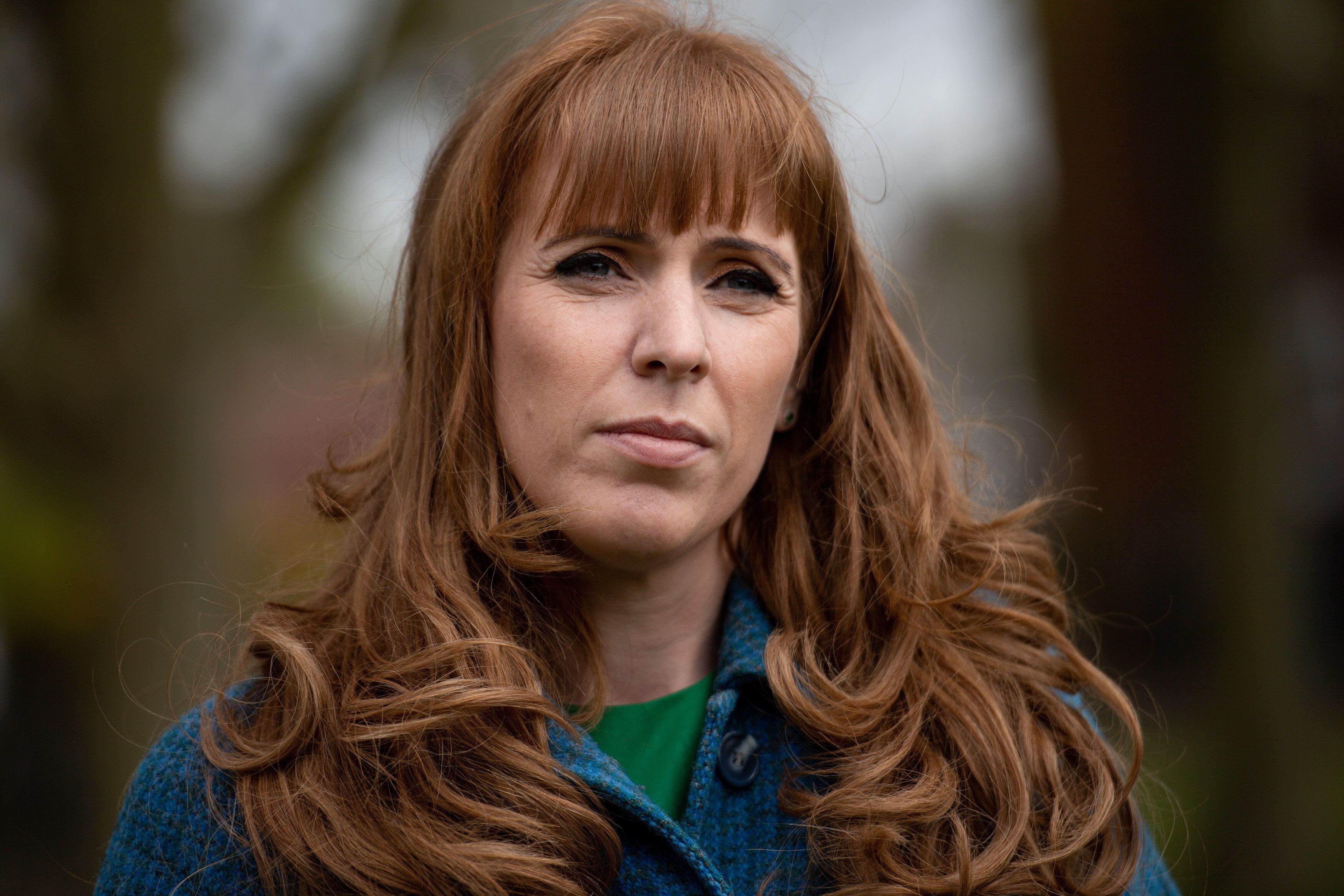
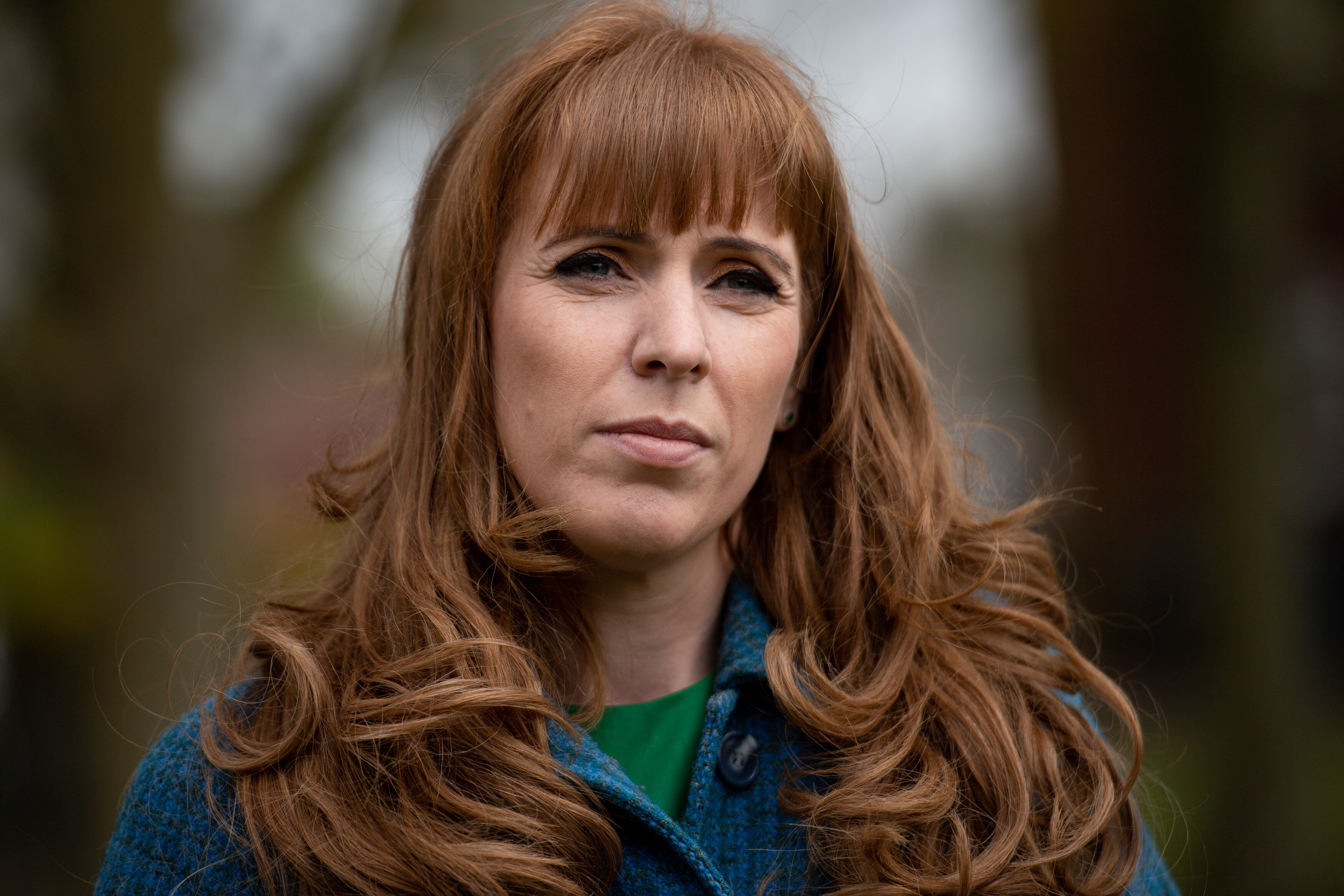
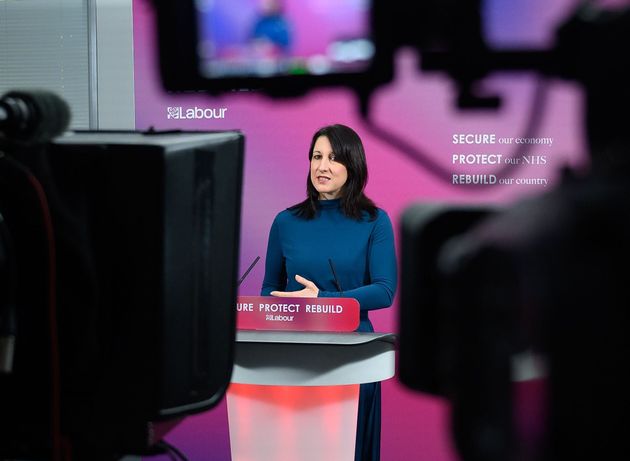
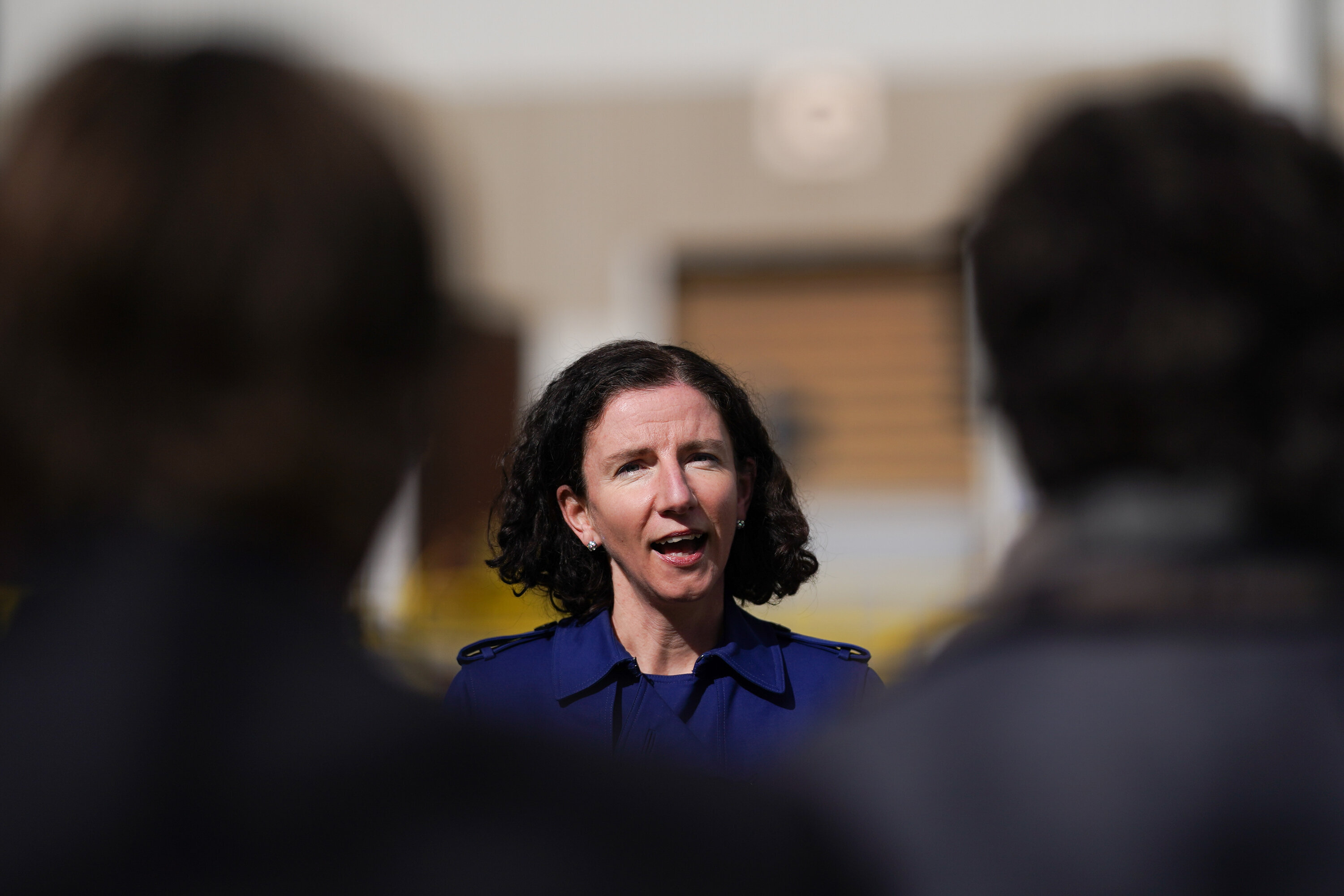
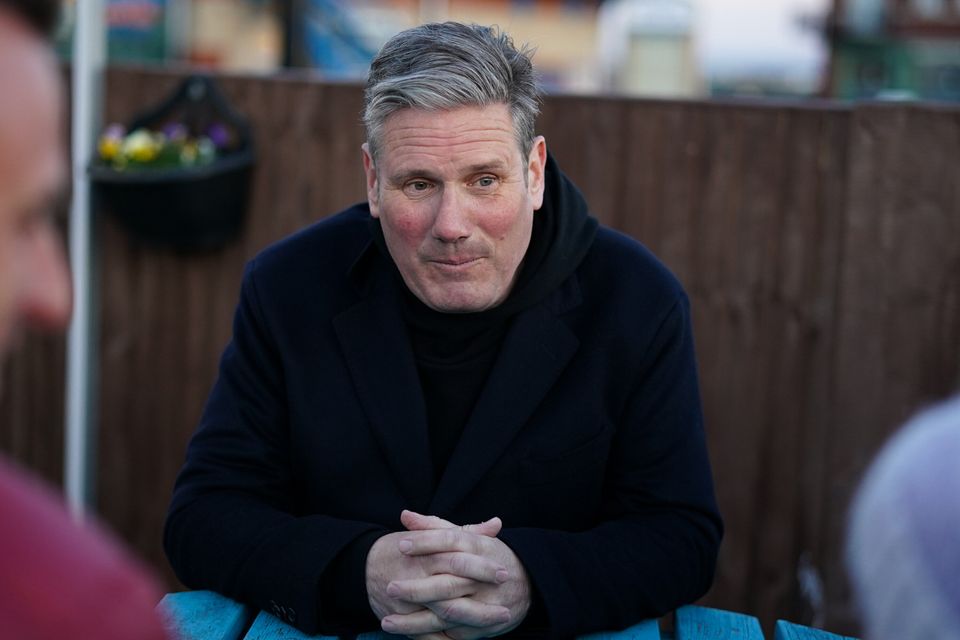
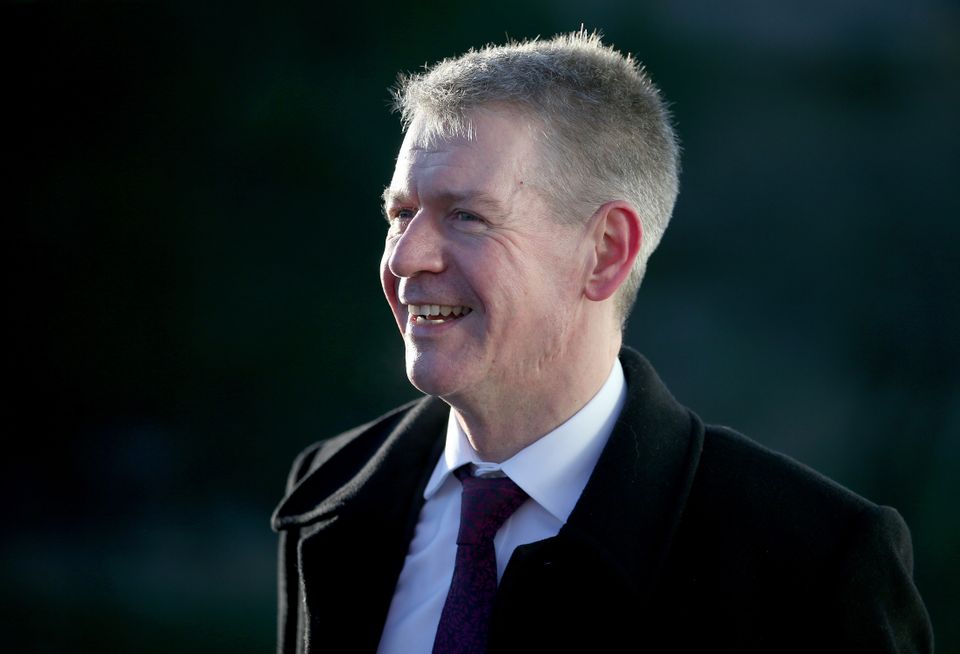
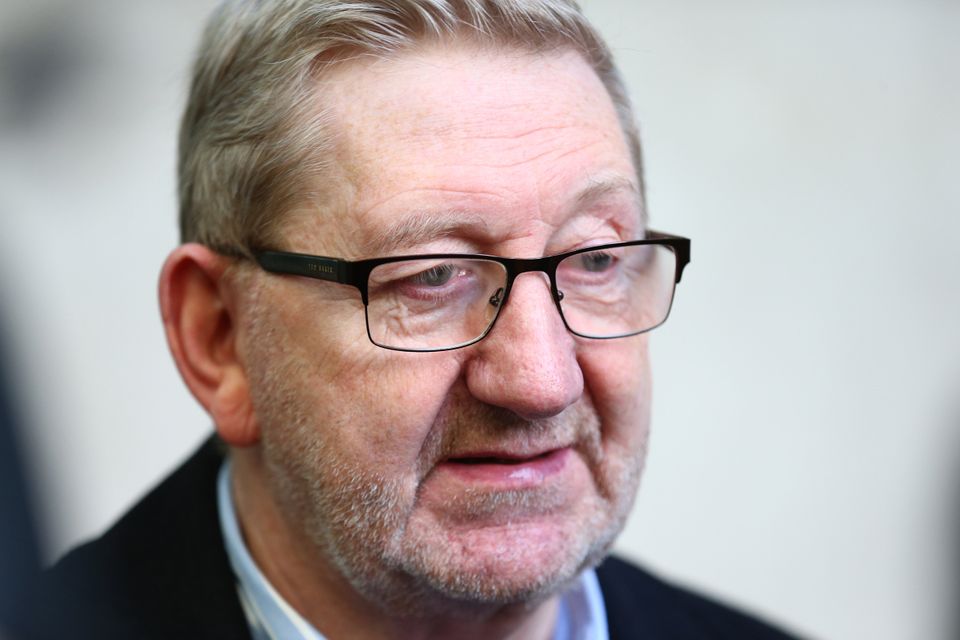
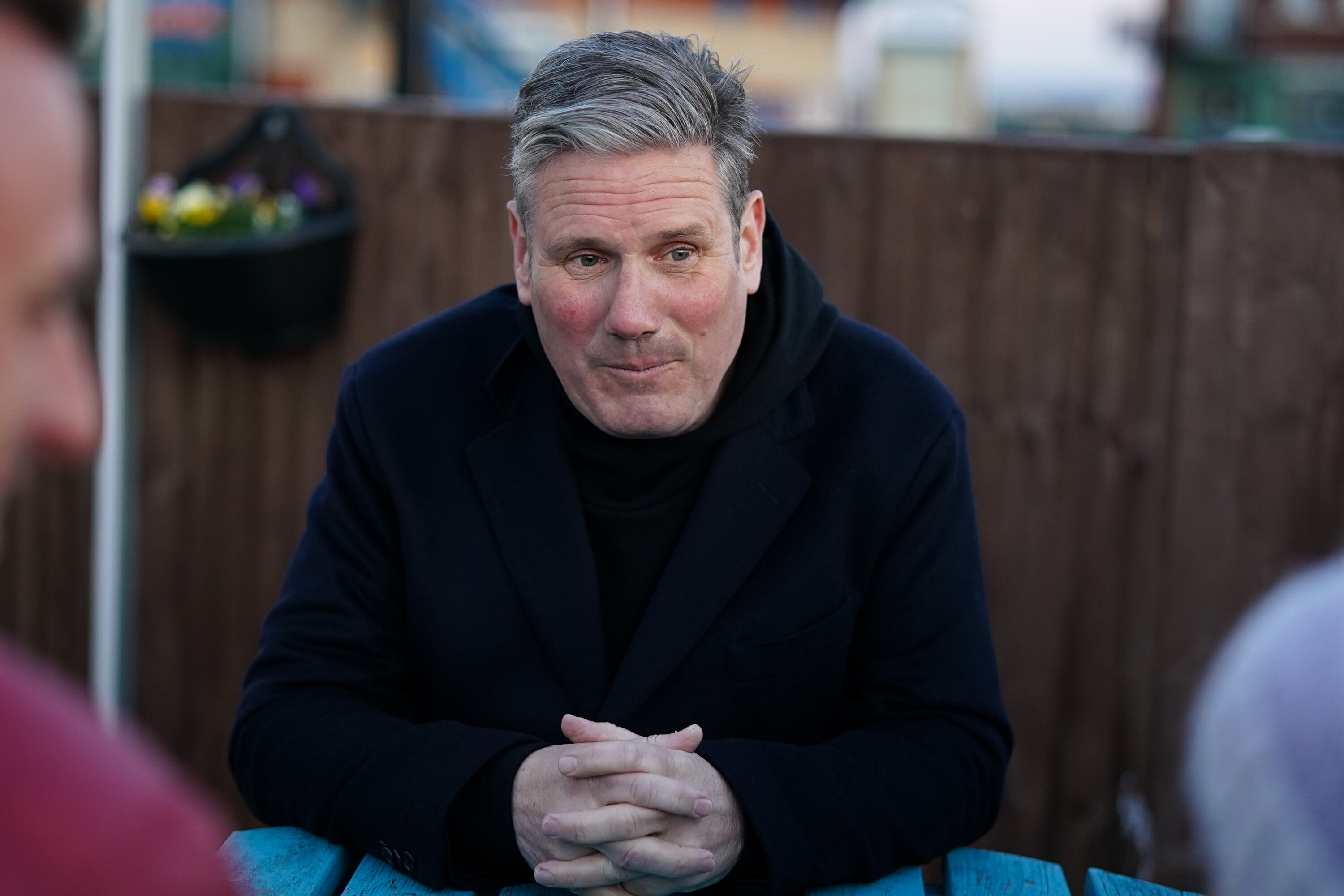
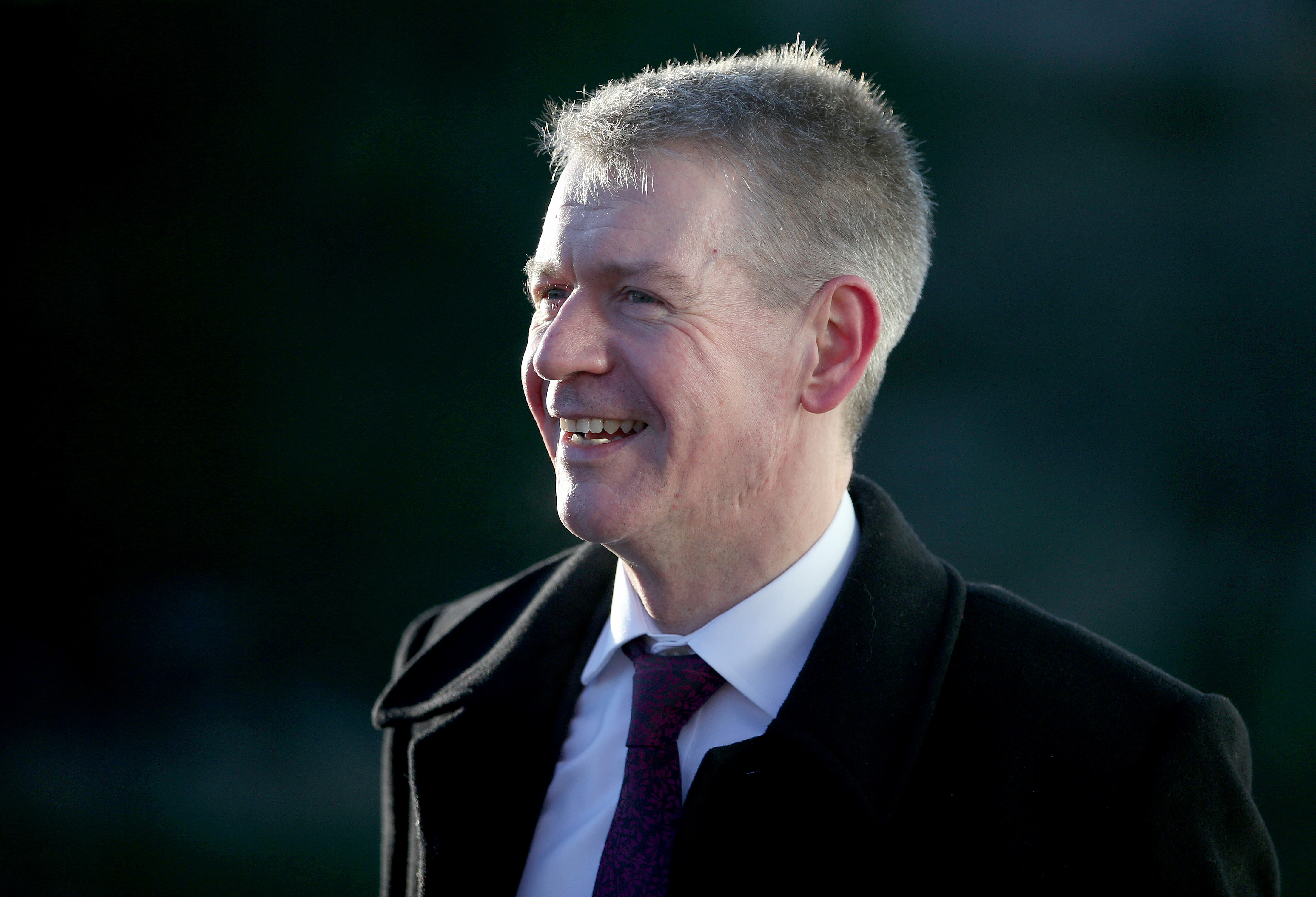
Jacob King – PA Images via Getty ImagesDeputy Leader of the Labour Party Angela Rayner
Angela Rayner has been sacked by Keir Starmer as the Labour Party’s chair and campaigns co-ordinator, Labour sources have confirmed.
Starmer’s shock decision to strip his deputy leader of both strategic roles came after Labour lost a slew of council seats and the key ‘red wall’ seat of Hartlepool.
It is understood Rayner will be offered a different job. The demotion does not affect Rayner’s role as deputy leader, which is elected.
A Labour source said: “Keir said he was taking full responsibility for the result of the elections – and he said we need to change.
“That means change how we run our campaigns in the future. Angela will continue to play a senior role in Keir’s team.”
Reports suggest shadow communities secretary Steve Reed could be in line to replace Rayner.
Ian Murray, the shadow secretary for Scotland, and MP Chris Bryant have also been tipped for promotion.
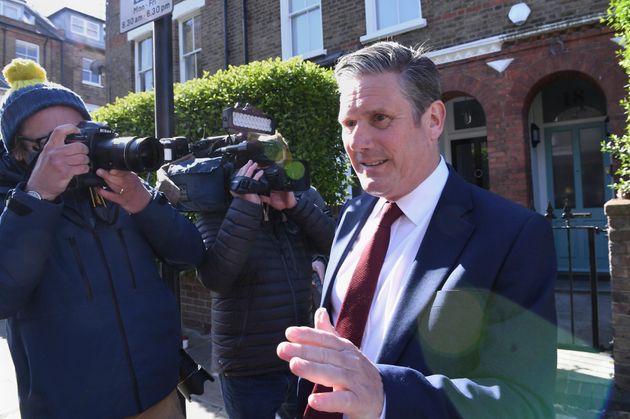
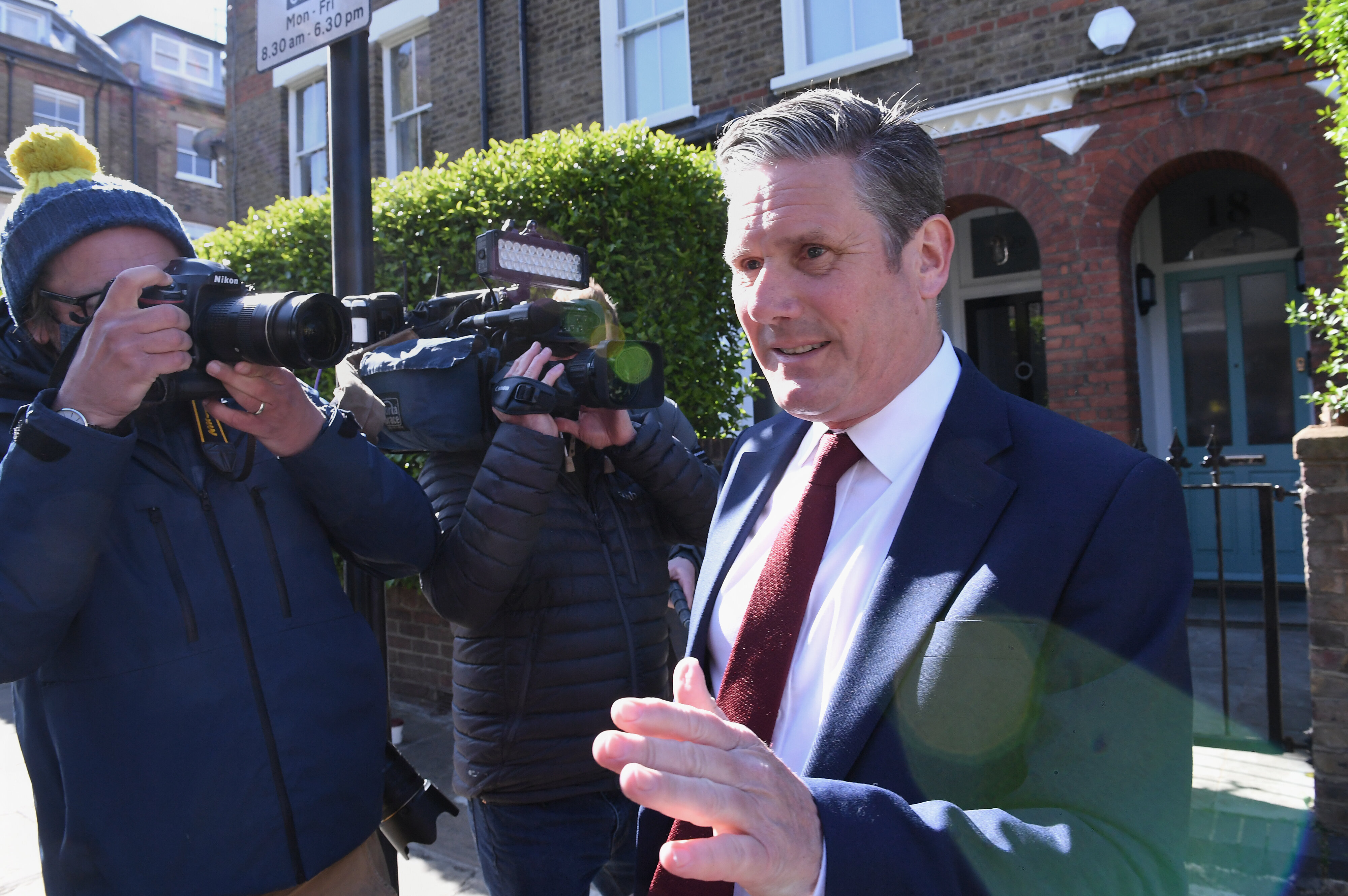
Stefan Rousseau – PA Images via Getty ImagesLabour leader Sir Keir Starmer leaving his north London home following the result in the Hartlepool parliamentary by-election. Picture date: Friday May 7, 2021. (Photo by Stefan Rousseau/PA Images via Getty Images)
Removing Rayner from her campaign roles has divided opinion among activists and MPs.
One former Labour staffer: “This Angela decision is probably one of the stupidest political decisions a leaders office has made in a very long time.”
Others said Starmer was avoiding blame for defeat, with former shadow chancellor John McDonnell calling the move “a cowardly avoidance of responsibility”.
Keir Starmer said yesterday that he took full responsibility for the election result in Hartlepool & other losses. Instead today he’s scapegoating everyone apart from himself. This isn’t leadership it’s a cowardly avoidance of responsibility. https://t.co/HysX0DQn8D
— John McDonnell MP (@johnmcdonnellMP) May 8, 2021
Another Labour source took aim at Jenny Chapman, Starmer’s political director.
“It’s absolutely crazy,” they said. “This sacking isn’t about Angela. It’s all about Jenny.”
But one Labour MP told HuffPost UK they backed the decision
They said: “I’m delighted Keir’s done this. She needs to take her share of the blame for the campaign she was in charge of. What was the slogan of our campaign? There wasn’t one.
“Her presentations to the Parliamentary Labour Party on the campaign updates were streams of consciousness. She’s also been making life difficult for David Evans [party general secretary]. It had to stop.”
This is a breaking news story and will be updated. Follow HuffPost UK on Twitter here, and on Facebook here.
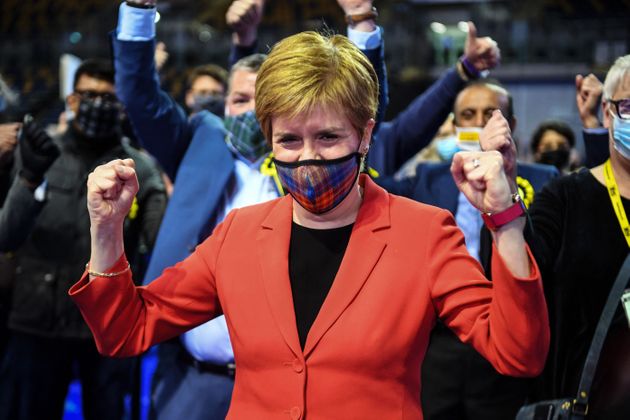
ANDY BUCHANAN via Getty ImagesScotland’s First Minister and leader of the Scottish National Party (SNP), Nicola Sturgeon reacts after being declared the winner of the Glasgow Southside seat
Nicola Sturgeon hailed the SNP’s “record-breaking” victory in the Holyrood elections as she warned Boris Johnson not to block a second independence referendum.
The first minister said her party had secured an “emphatic” win and Johnson’s continued resistance to a second vote would be “picking a fight with the democratic wishes of the Scottish people”.
It came as the SNP was on course to win a fourth consecutive term in control of the Scottish Parliament. Though an overall majority looked unlikely for Sturgeon, she was set to continue governing with the support of the pro-independence Scottish Greens.
She said: “It looks as though it is beyond any doubt that there will be a pro-independence majority in the Scottish Parliament and by any normal standard of democracy that majority should have the commitments it made to the people of Scotland honoured.
“So to any Westminster politician that tries to stand in the way of that, I say two things: firstly, you are not picking a fight with the SNP you are picking a fight with the democratic wishes of the Scottish people.
“And secondly, you will not succeed. The only people who can decide the future of Scotland are the Scottish people and no Westminster politician can or should stand in the way of that.”
The SNP failed to capture Aberdeenshire West from the Tories and the key target seat of Dunbarton, after Scottish Labour deputy leader Jackie Bailie hung on.
But the party also made key gains, such as Edinburgh Central, which was captured by former Westminster leader Angus Robertson.
The SNP leader said: “We have won more constituency seats than we did in the last election, we have won a higher share of the vote in the constituency ballot than in 2016, and actually we have won more votes and a higher share of the vote than any party in the history of devolution.
“By any standard this is a historic achievement, a quite extraordinary achievement for the SNP – our vote share is up, the vote share of the other main parties is down.
“So the SNP has won this election emphatically, the message we took to the people has been endorsed, and I now intend to get back to work to deliver on all of what we put to the Scottish people.”
The SNP has pledged to hold a second independence referendum, with Sturgeon having already said she wants this vote to be held before the end of 2023.
The prime minister has however insisted it would be “irresponsible and reckless” to have such a ballot as Britain emerges from the coronavirus crisis.

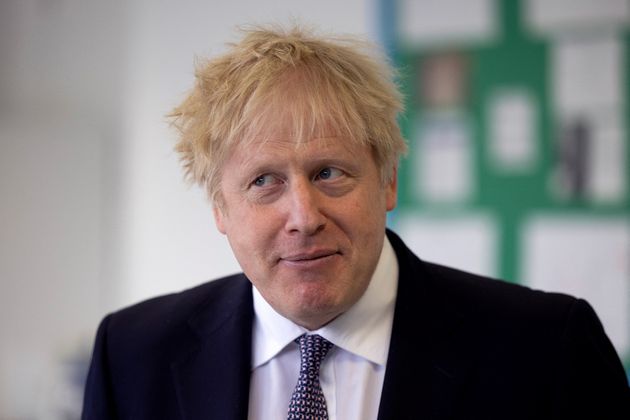
Dan KitwoodPAPrime Minister Boris Johnson
He told the the Daily Telegraph his impression was that Scottish voters had “moved away from the idea of a referendum”.
And when asked what he would do if Sturgeon attempted to hold one without a Section 30 order from Westminster granting permission, Johnson insisted there was “no case now for such a thing”.
Meanwhile Lorna Slater, the Scottish Greens co-leader, told BBC Scotland: “Certainly we can see that with the Scottish Greens we clearly have a pro-independence majority in the Scottish Parliament, and that is something we are very excited about.
“We think it is a clear mandate to at least go back to the Scottish people and ask the question, to have an actual conversation about what kind of country we want to be.”
Her comments came as the regional list seats started to be declared, with the Scottish Greens picking up a seat in Central Scotland for the first time ever.
Earlier on in the day, the Tories had held the key seats of both Aberdeenshire West and Galloway and West Dumfries.
And while Sturgeon’s party made other gains in the constituency votes at Holyrood on Friday, their success in gaining Ayr and East Lothian, from the Tories and Labour respectively, will see them lose MSPs from the South of Scotland regional list.
The coronavirus pandemic meant traditional overnight counts were abandoned after Thursday’s Scottish Parliament election, with counting instead taking place on Friday and Saturday.
Sturgeon, who comfortably defeated Scottish Labour leader Anas Sarwar to claim Glasgow Southside, said afterwards her initial focus would be “to get back to work to steer the country through the crisis and into recovery”.
She added: “That remains the case. But once the crisis is over, and if there is a majority in the parliament for an independence referendum, people should have the right to choose our future. Scotland’s future should always be in Scotland’s hands.”
Meanwhile, former first minister Alex Salmond conceded it is unlikely his new Alba Party will take seats in this election.
On Friday, the government released its eagerly-anticipated list of destinations people in England can visit from May 17 without self-isolating on their return.
The announcement was met with disappointment from the travel industry and sun worshippers, with Portugal, Gibraltar and Israel the only popular summer short-haul destinations on the “green list” for travel. Some of the destinations named – notably Australia, New Zealand and Singapore – aren’t letting tourists in.
But for those who are desperate to get away to South Georgia and the South Sandwich Islands, Saint Helena, Ascension Island or Tristan da Cunha – “I’m sure the Falklands is lovely,” transport secretary Grant Shapps said – a form of Covid-free certification is likely to be needed.
Vaccine passports?
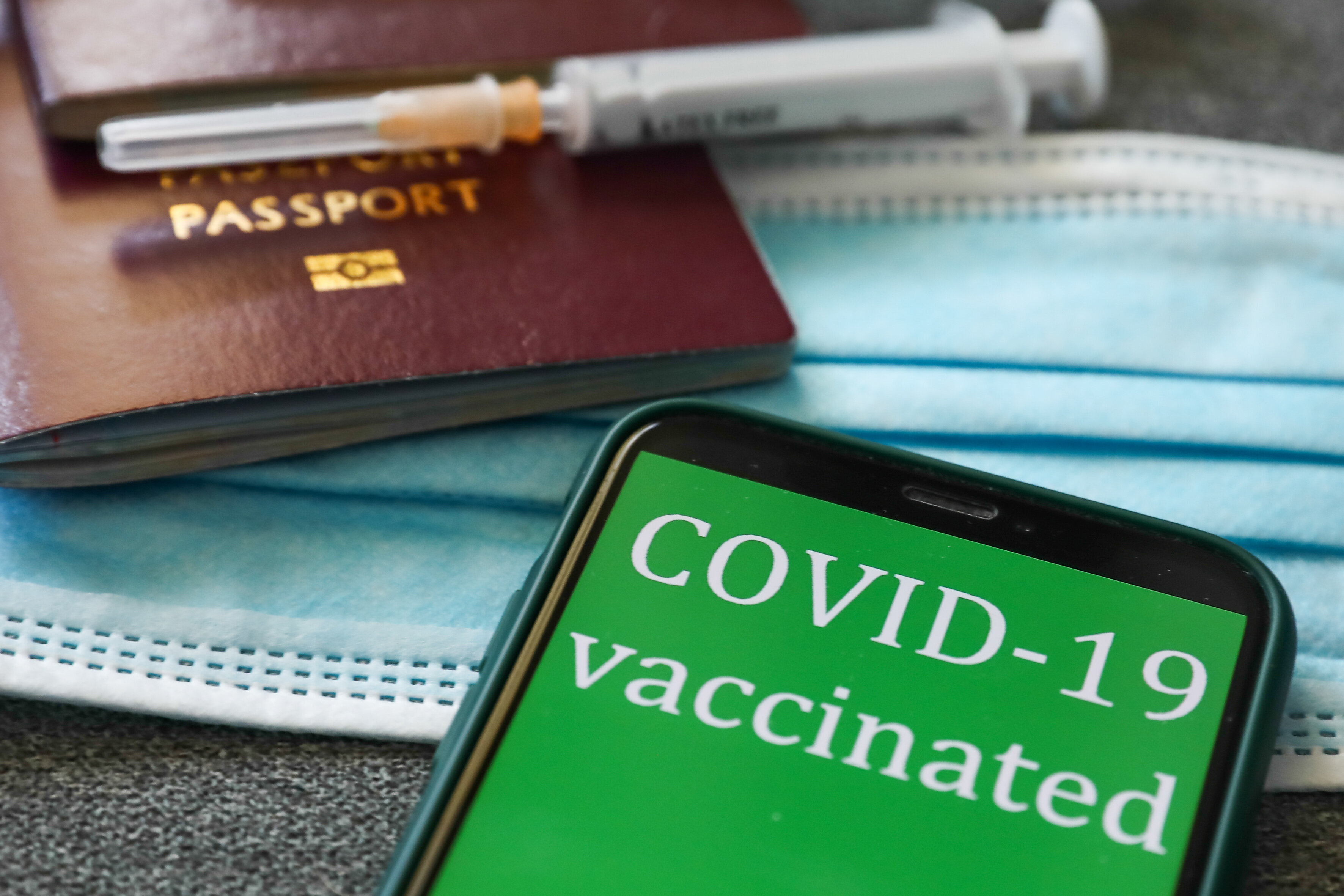
On Friday, the Department for Transport also announced that from May 17, people who have had both doses of a coronavirus vaccine will be able to demonstrate their status on the NHS app.
The app is connected to GP services and linked to personal health data. It can be used for repeat prescriptions, to message doctors and book appointments. It is separate from the NHS Covid-19 app, which is used for contact-tracing.
Those without access to the app can, from May 17, request a letter from the NHS that proves their vaccination status by calling 119.
The government says it is working with the devolved administrations to ensure this facility is available to everyone across the UK.
Will other countries accept it?
Countries around the world are looking at a host of options that will serve as proof of Covid-19 vaccinations to allow travel, though airports, border agencies and airlines are worried there will be no clear global standard that will be accepted at all borders.
Vaccine passports could range from a digital certificate with a scannable QR code in the European Union to a humble piece of paper in some other countries.
Besides concerns over issuance, forgery and the repeated failure of government-backed technology projects, it is still unclear how such documents would be received by notoriously zealous border guards across the world.
What does the UK government say?
The DfTs’s announcement makes clear certification will be useful to enter some countries on the “green list”.
For example, foreign nationals are not be permitted to enter Israel – but it has announced that borders will re-open from May 23 to tourists with vaccine certificates.
Will the NHS app be ready?
Earlier this week, Downing Street confirmed the app may not be ready for when curbs on international travel are lifted.
Number 10 said government was working on the tech – which can prove whether someone has “vaccine passport” status – “at pace”, but admitted it may not be ready in time for May 17.
What are other countries doing?
Airlines and airports have said any vaccine passport will need to be digital, to avoid delays during customs clearance or the boarding of flights caused by checks of paperwork.
The global airline industry body IATA is launching a digital travel pass for Covid-19 test results and vaccine certificates, while the European Union is launching a bloc-wide system.
As the results came in, the pattern was clear and, for Labour activists, painfully familiar.
Keir Starmer, the man elected to stop the bleed in the party’s so-called red wall, was instead presiding over yet more red ruin.
Boris Johnson’s Conservatives had not only captured the totemic Westminster seat of Hartlepool – a Labour constituency since its inception – but a slew of English council seats from County Durham to Dudley were turning from red to blue.
Despite a scramble to manage expectations by Labour HQ, there could be no glossing over the fact these were terrible results, with Starmer rejected by much of its previous working-class base.
Starmer did not quell speculation he will embark on a reshuffle in response to the drubbing, telling reporters on Friday his party has “lost the trust of working people” and he will do “whatever it takes” to restore it.
So, who might he look to in order to shake things up? Here are some of the options.
On The Way Up
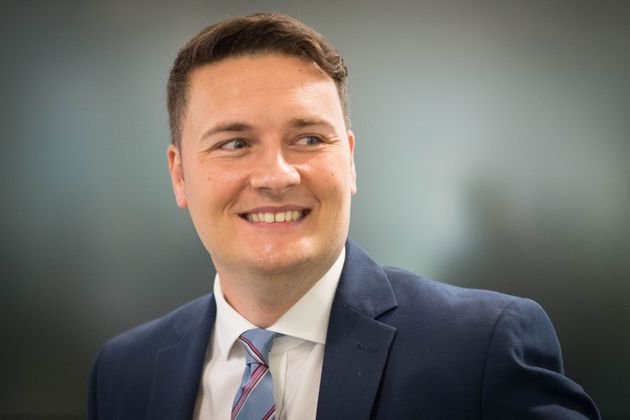
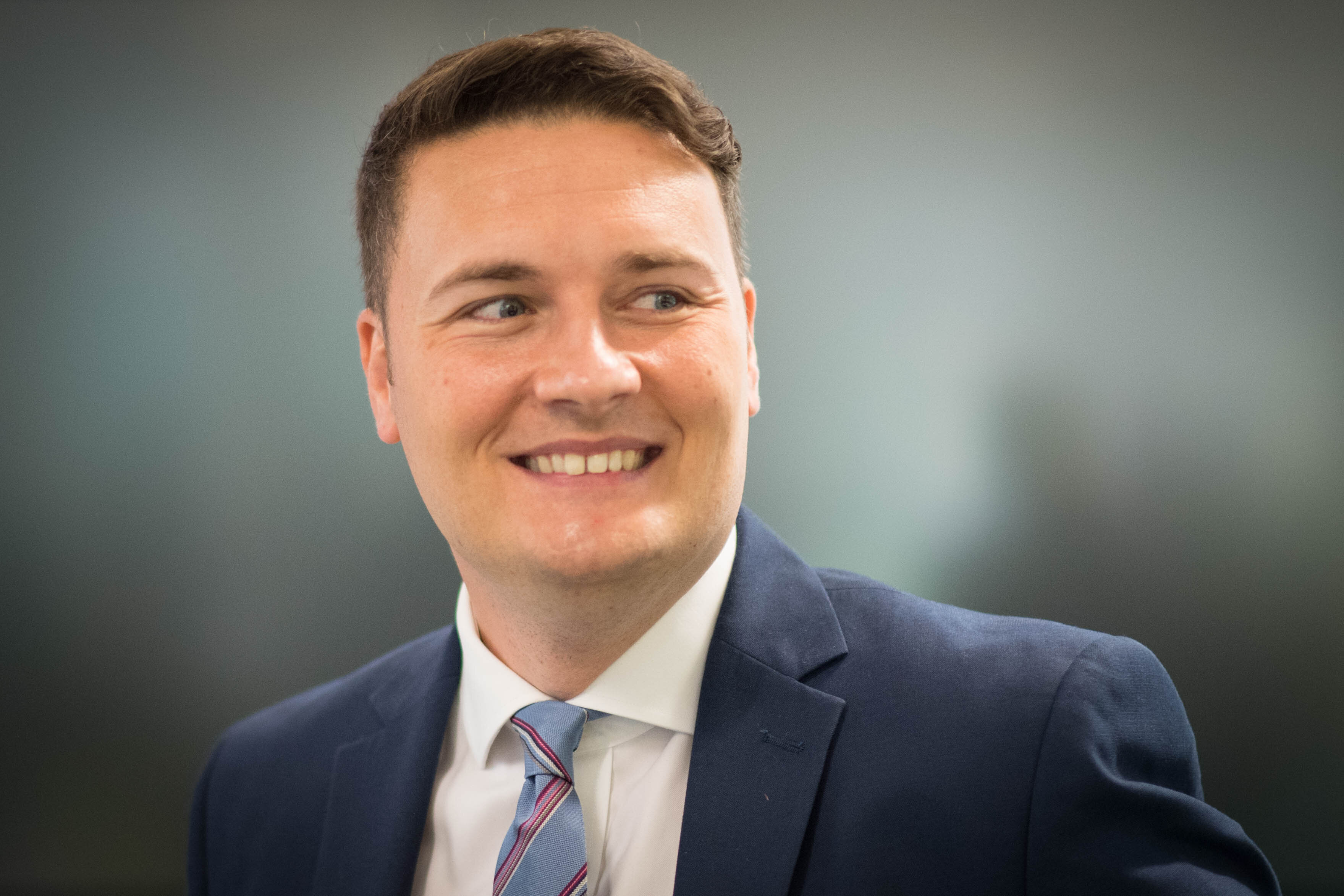
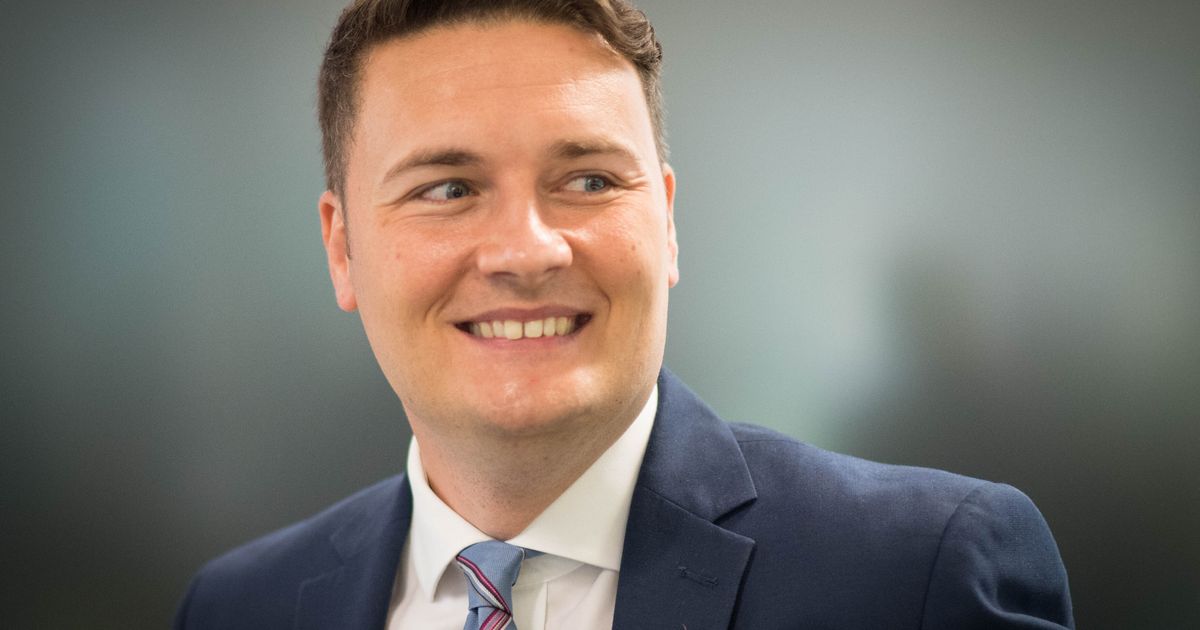
Stefan Rousseau – PA Images via Getty ImagesLabour’s shadow schools minister Wes Streeting could be in line for a promotion
Wes Streeting
Viewed as a rising star hungry to do battle with the Tory benches, the shadow schools minister grew up in a council flat in Stepney and went on to study at Cambridge.
A moderate and vocal critic of Jeremy Corbyn’s leadership, Streeting has become a close ally of Starmer’s in recent months, repeatedly taking to the airwaves to defend the party’s new direction.
As the country recovers from coronavirus, Labour may see the Tories as vulnerable on social mobility and the widening opportunity gap between rich and poor.
It is for this reason, many tip Streeting to take the education brief from Kate Green, who some feel has failed to land blows on Gavin Williamson despite the A-Levels fiasco and a series of cuts.
“Wes would be Gavin Williamson’s worst nightmare,” said one Labour source.
It is also possible, however, that Streeting’s confident media performances could be placed in a more strategic role, such as shadowing Michael Gove’s Cabinet Office role.
His previous support for the People’s Vote campaign could hamper his chances, however, with Starmer keen to draw a line under Brexit.
LEON NEAL via Getty ImagesRachel Reeves, Shadow Chancellor of the Duchy of Lancaster, who spearheaded the Tory sleaze drive is tipped for a big job
Rachel Reeves
Widely tipped to replace Anneliese Dodds as shadow chancellor, Leeds West MP Reeves is one of the few shadow ministers with previous frontbench experience.
Seen as on the right of the party, Reeves served in Ed Miliband’s shadow cabinet and is seen as having won trust and respect among those the left by leading the campaign against “Tory sleaze”.
A former economist for the Bank of England and British Embassy in Washington, Reeves is not thought to have any competition if Starmer is searching for a new face to take on Rishi Sunak at the despatch box.
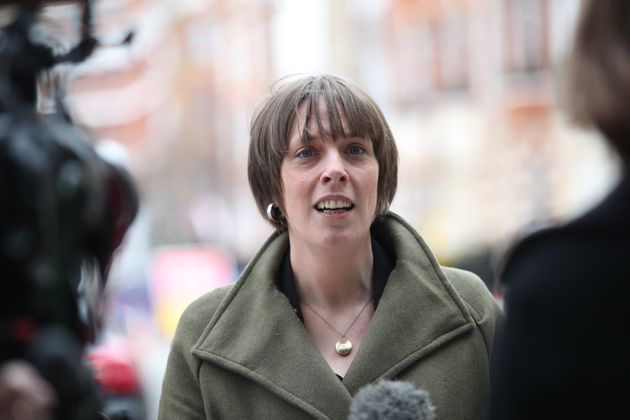
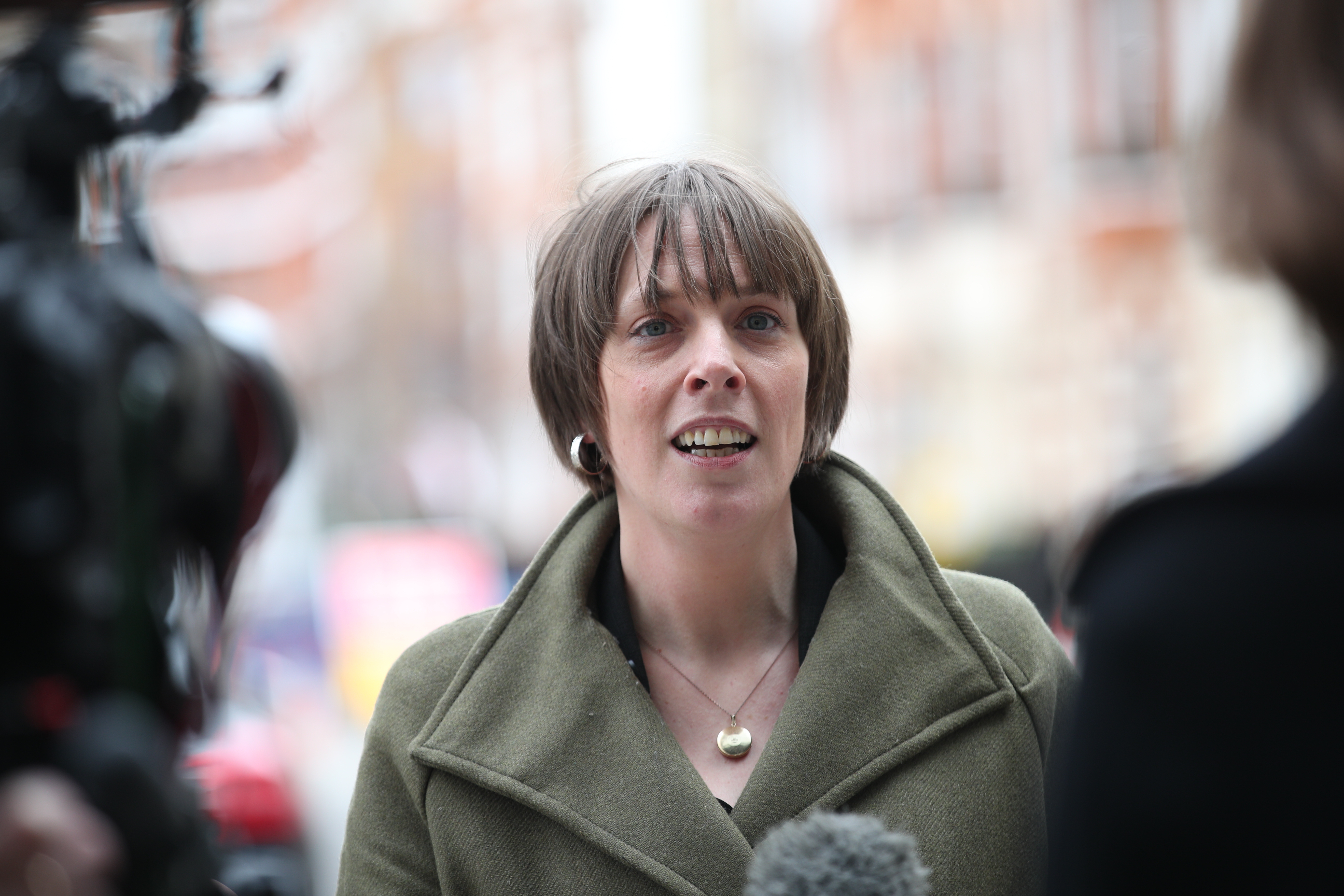
Yui MokPAJess Phillips could be in line for a promotion
Jess Phillips
One of Starmer’s most high-profile frontbenchers, the shadow domestic violence minister led party calls for action after Sarah Everard’s murder.
The Birmingham Yardley MP has a forthright style and, though Starmer may view her as something of a loose cannon, he is said to highly prize her work campaigning on homelessness, domestic killings and violence against women.
Phillips, who was the moderates’ candidate for leadership when Corbyn stepped down, is also a strong communicator, both online and on broadcast, and comfortable with the “red wall” voters Starmer fears the party has lost touch with.
The 39-year-old has previously voiced an ambition to be home secretary, which is a brief Starmer may consider for her, but possible alternatives may be shadow equalities secretary.
She may also be considered for the role of shadow employment rights secretary should Starmer wish to move Corbyn ally Andy McDonald.
On the way out?
Ian Forsyth via Getty ImagesAnneliese Dodds, shadow chancellor of the exchequer, is thought not to have landed any blows on Rishi Sunak
Anneliese Dodds
Starmer’s choice for shadow chancellor, the most important appointment for any leader, has attracted regular criticism.
Her allies point out her difficult task in facing Rishi Sunak while the occupant of Number 11 has handed out huge sums of cash via the furlough scheme and other Covid support.
But many feel Dodds has failed to nail her opponent when he was weak on free school meals cuts, the Eat Out To Help Out debacle and the Greensill Capital scandal.
Prevaricating over whether Labour would back a wealth tax and hiring a former advisor of John McDonnell’s also fanned concerns about whether she was suitable.
Demoting his own pick for such a crucial job would inevitably invite criticism of Starmer’s judgement, however, and Dodds is well-liked and viewed as knowledgeable among MPs.
But, equally, if Starmer refused to consider a move, he may face the charge of tinkering around the edges.
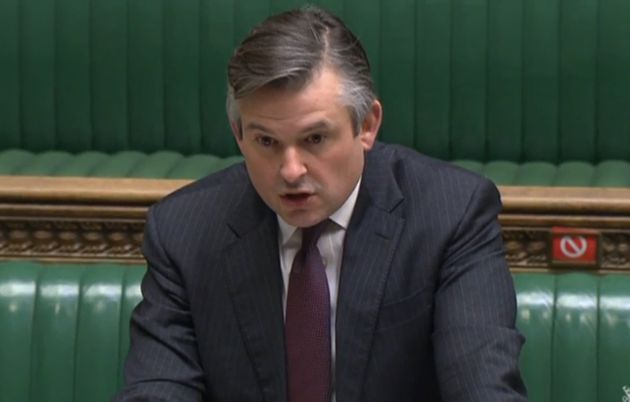
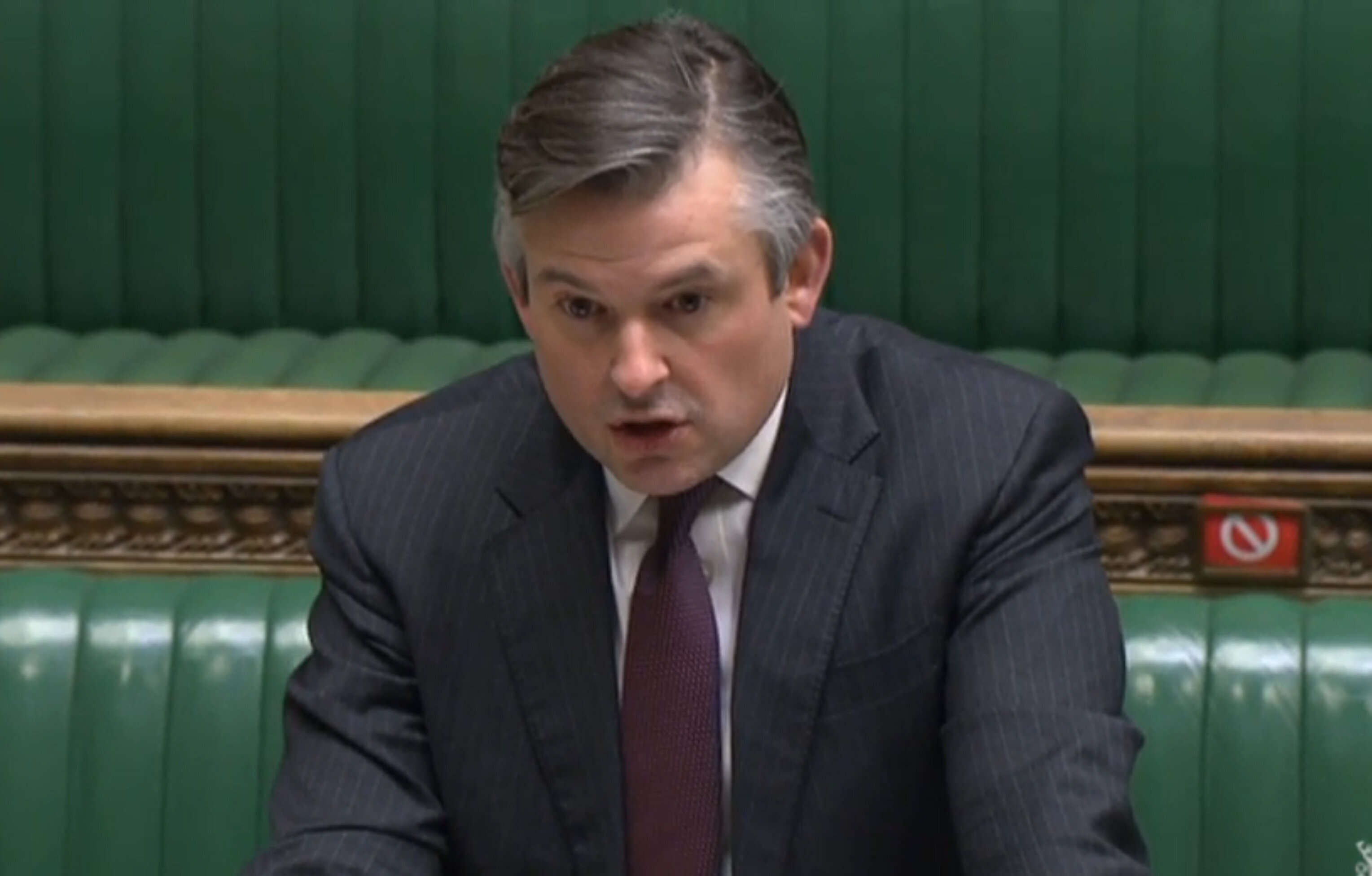
House of Commons – PA Images via Getty ImagesShadow health secretary Jonathan Ashworth is a solid media performer but is connected to Jeremy Corbyn’s era in power
Jonathan Ashworth
The shadow health secretary has been in post since 2016 and was appointed by Corbyn, despite not sharing the former leader’s left-wing outlook.
Sources have suggested Starmer is keen for a reset on health policy, especially as the NHS is traditionally Labour’s strongest campaign issue and Johnson’s approach to social care may soon be a key dividing line.
Others have underlined that sacking Ashworth, whose current knowledge of the brief is likely to be unrivalled, during the pandemic would be a misstep.
Questions over whether Ashworth has briefed against Starmer and his staff to journalists have been swirling, however.
“He is acting like he has already lost his job,” said one source.
Liz Kendall, Justin Madders, Rosena Allin-Khan and Lucy Powell are among the names touted as his replacement.
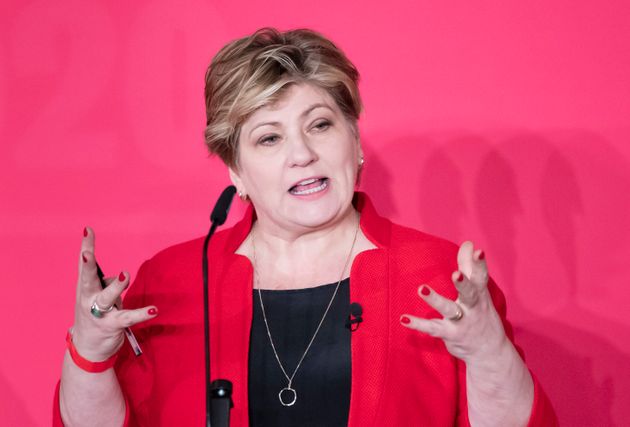
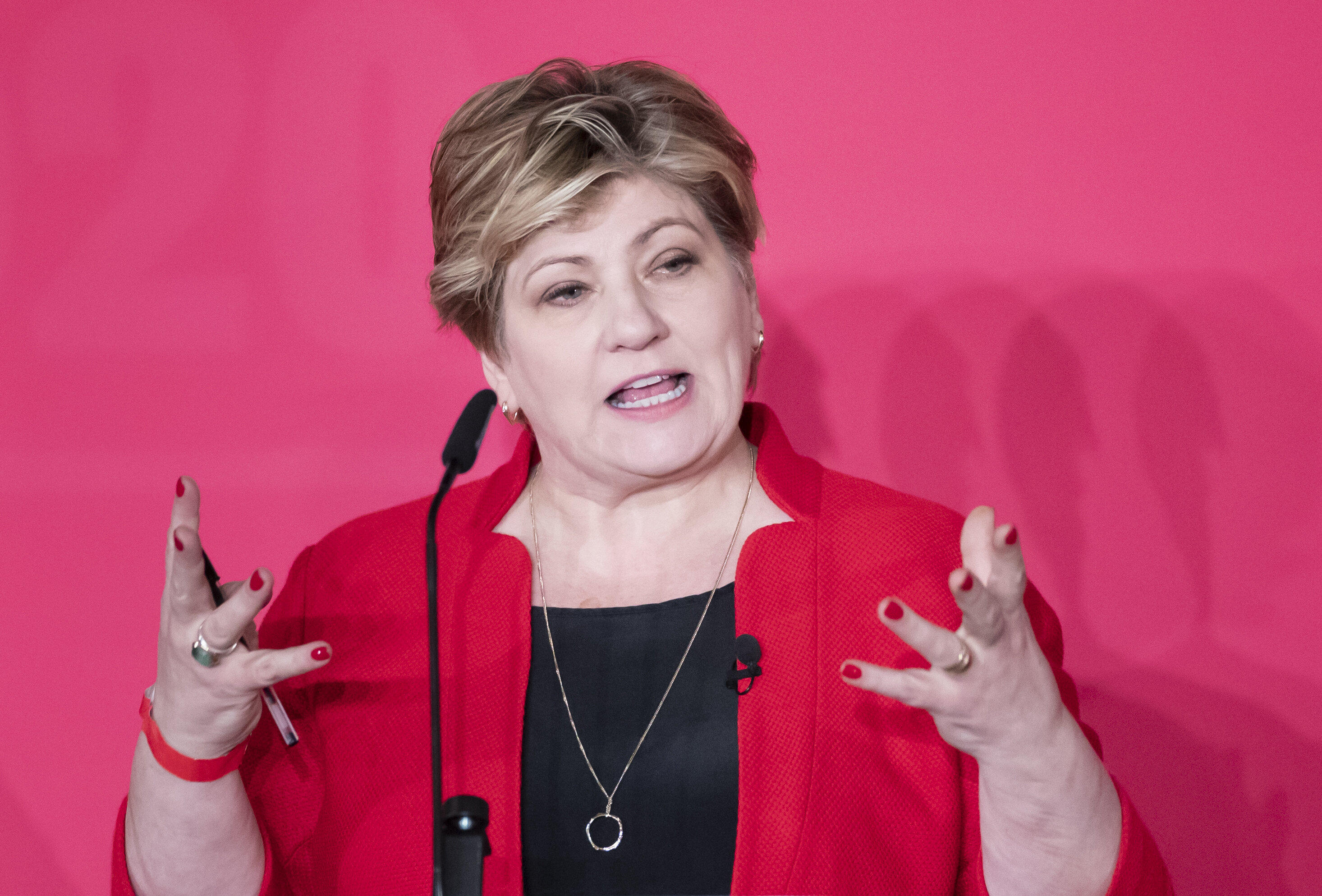
Danny Lawson – PA Images via Getty ImagesEmily Thornberry during the Labour leadership hustings
Emily Thornberry
Relations between the shadow trade secretary and Starmer are thought to have been rocky in recent months.
Starmer demoted his leadership rival from her role as shadow foreign secretary last year and there are suggestions he could go further.
Despite her combative scrutiny of Liz Truss, Thornberry has been increasingly sidelined in recent months, rarely, if ever, appearing on the media.
Her previous comments about the St George’s flag are also seen by Starmer’s allies as undermining the party’s attempts to appear more patriotic.
It is possible she is offered an alternative role as shadow leader of the Commons, should long-serving Valerie Vaz wish to move on, but it’s not clear Thornberry would accept.
Starmer might consider bringing in a well-known “big beast” as her replacement, such as former shadow foreign secretary Hilary Benn.
What else could Starmer do?
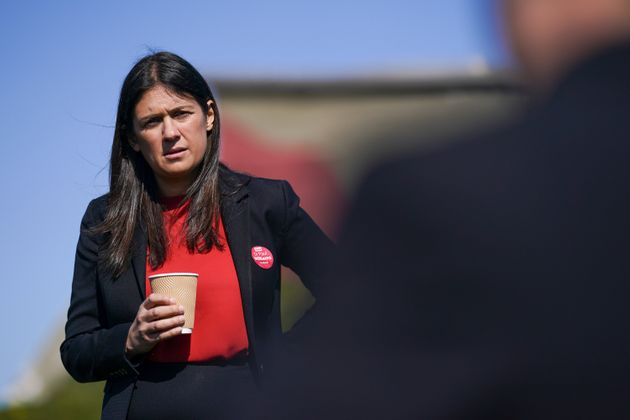
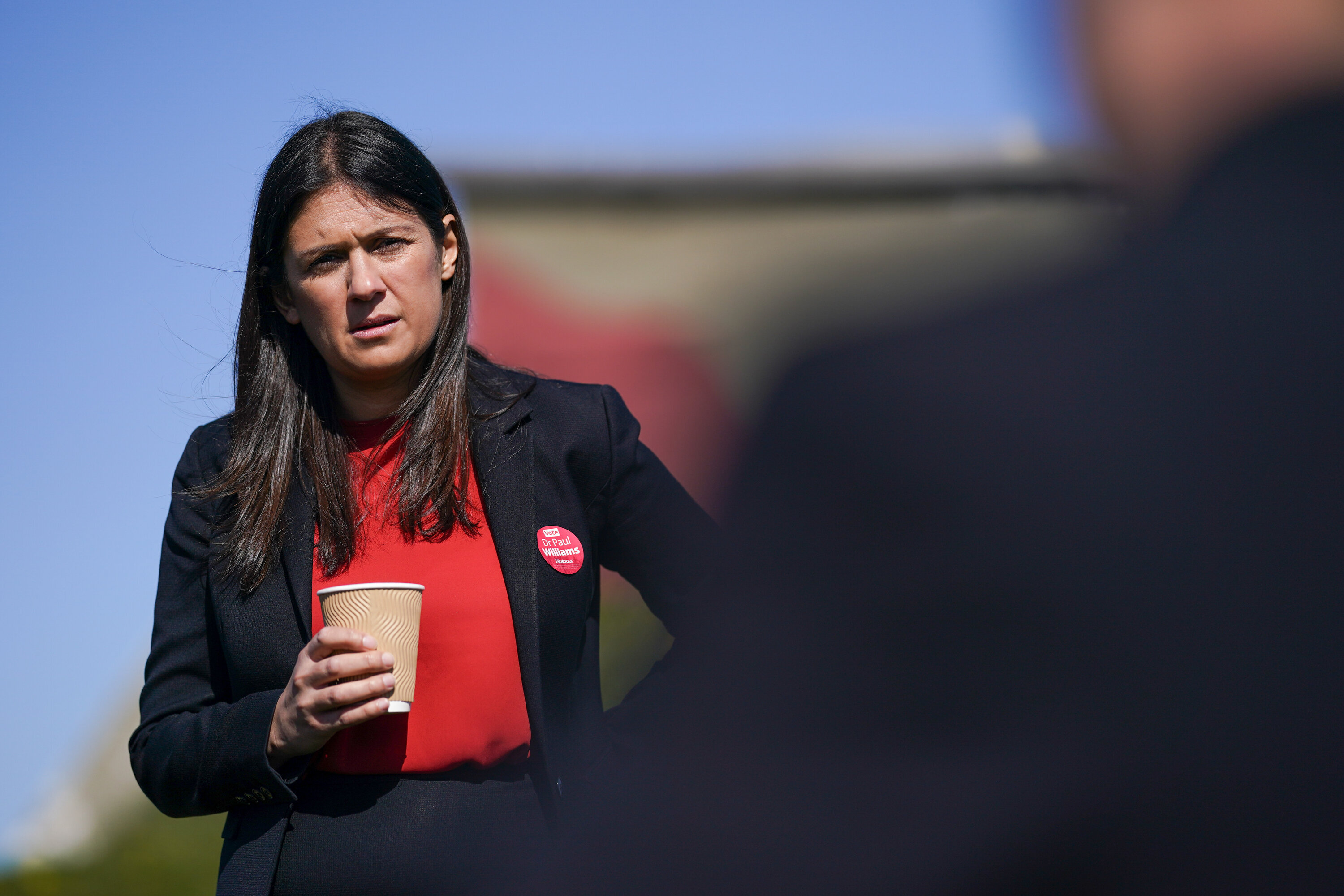
Ian Forsyth via Getty ImagesLisa Nandy
Starmer will be desperate to show working class voters he is listening and may look to boost the role of Wigan MP and shadow foreign secretary Lisa Nandy.
Her policy work on reviving the party’s offer to towns is highly rated and sources say he is keen for her to be seen on broadcast media more often.
A sideways move to the Home Office role, replacing Nick Thomas-Symonds, to shadow Priti Patel may be on the cards.
It would see Nandy front and centre of efforts to make the party credible on issues like crime and immigration, something vital to securing support in the red wall.
Deputy leader Angela Rayner’s role as elections chief has also been questioned, with some saying she lacks experience of marginal battles.
Others lay the blame for defeats at the door of former Darlington MP Jenny Chapman, Starmer’s campaign chief, though the leader is said to remain loyal to her.
Ian Murray, who is helping Anas Sarwar to lead a resurgence in Scotland, and Chris Bryant, whose local party has ousted Plaid Cymru’s former leader Leanne Wood in the Rhondda in the Welsh assembly elections, are said to have strong cases for expanded attacking roles.
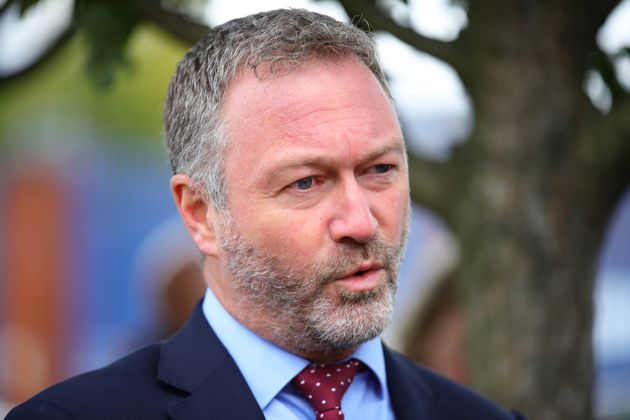
Aaron Chown – PA Images via Getty ImagesSteve Reed, shadow communities secretary
Should Rachel Reeves’ potential elevation to shadow chancellor create a vacancy as shadow minister for the Cabinet Office, Starmer will need a strategic brain.
He may choose one of his key allies, such as Steve Reed or Bridget Phillipson, to battle Michael Gove. Rayner may also be approached.
It is a high-profile spot that entails building on the success Reeves has had scrutinising Johnson’s rule-breaking in the wake of the cash for curtains scandal and questions over PPE contracts.
It is not clear whether Marsha de Cordova’s position as shadow equalities minister is safe, despite fears about the optics of removing a black, disabled woman from his top team. Flo Eshalomi and Taiwo Owatemi could be options that allow Starmer to demonstrate a clear break with the Corbyn era.
Starmer may also choose to stamp his authority on the Parliamentary Labour Party by removing long-serving chief whip Nick Brown, potentially to make way for Alan Campbell.
Others in line for promotion include Sarah Jones, who is currently shadow policing minister, and Chi Onwurah, who has long been tipped for shadow business secretary. It is unlikely, however, that Ed Miliband will relinquish his climate change responsibilities ahead of the COP 26 conference.
Alison McGovern, shadow sports minister and Wirral MP, and Alex Norris may be asked to step up if Starmer’s reshuffle is wide-ranging.
The man appointed by Boris Johnson to probe David Cameron’s lobbying has cleared the government of “favouritism” in the award of £17bn in Covid contracts.
City lawyer Nigel Boardman admitted that some government practices, such as a fast-track “VIP” priority system for firms known to MPs and ministers, gave rise to the “suspicion” of bias.
But he found no evidence of favouritism in the award of the contracts.
The review covered five key areas of the government’s response to the Covid crisis, taking in spending on PPE (personal protective equipment), ventilators, vaccines, test and trace and food parcels for the clinically vulnerable.
Most of the contracts were awarded without usual competitive tenders, a process that ministers defended on grounds of the urgent need to get new equipment.
Boardman, who is overseeing a separate review the Greensill Capital lobbying affair, has already been accused by Labour of being “a close friend of the Conservative government”.
In his latest report, Boardman concluded there was no evidence of favouritism but there were big holes in processes that increased risk.
“I have not seen evidence that any contract within the scope of the review was awarded on grounds of favouritism. In my view there are, however, factors which may have encouraged such a suspicion,” he said.
These “factors” included the so-called “VIP lane” for PPE, a fast track email address system available to MPs and others, as well as “certain counterparties being associated with the governing party”.
Other factors included delays in publishing contracts, the time taken to publish contracts awarded during the crisis and high prices paid.
Boardman made 28 separate recommendations for change.
“Given the amounts of money spent on these programmes, and the importance of the programmes to the national recovery, it is imperative that there is proper scrutiny of the procurement actions taken by the Government,” he said.
Shadow minister Rachel Reeves, who has already predicted that Boardman’s lobbying probe will end in a “whitewash”, was scathing about the new review.
She told HuffPost UK: “This barely scratches the surface of the conflicts of interest in government procurement, and the deep and troubling pattern of taxpayers’ money being sunk into crony contracts.
“We need a complete overhaul to tackle cronyism, and an urgent end to emergency procurement measures.”
Boris Johnson and health secretary Matt Hancock have come under intense pressure over the award of billions of pounds of public money, not least over the government’s “VIP lane” for PPE.
A court case brought by the campaign group the Good Law Project heard last month that civil servants were “drowning” in bids that lacked credibility. The group has also exposed a lack of transparency in the registering of many contracts.
In a previous review of the award of communications contracts by the Cabinet office, he called for better “management of actual or perceived conflicts of interest in a procurement context”.
The NAO watchdog issued a withering report last year, concluding that a lack adequate documentation “means we cannot give assurance that government has adequately mitigated the increased risks” from its emergency procurement.
The Commons Public Account Committee was even more scathing about Test and Trace, saying its “unimaginable” £25bn cost had failed to deliver its central promise of averting another lockdown.
In response to the Boardman report, the Cabinet Office said it was accepting all 28 recommendations in full and its permanent secretary would write to the PAC setting out how he would implement them.
Former US president Donald Trump’s most recent attempt to get a platform has been thwarted.
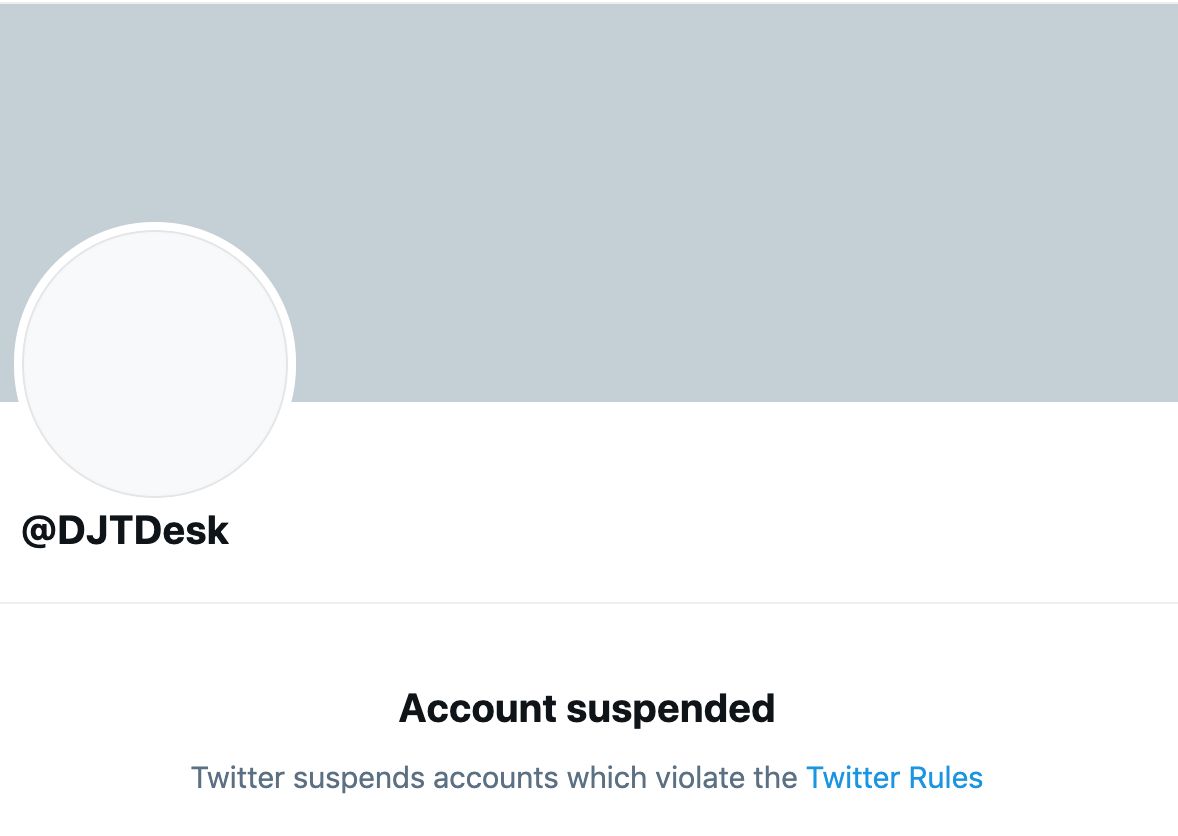
On the heels of the launch of his new webpage, “From the Desk of Donald J Trump”, on Wednesday, his team created the handle @DJTDesk on Twitter.
By Wednesday night, the account had been suspended.
“As stated in our ban evasion policy, we’ll take enforcement action on accounts whose apparent intent is to replace or promote content affiliated with a suspended account,” a spokesperson for Twitter said in a statement.
Trump’s “From the Desk” page is essentially a blog with a timeline format that resembles both Twitter and Facebook’s platforms. In the site’s brief life thus far, Trump has made a series of scattered, combative posts attacking Republicans including Liz Cheney and Mitch McConnell. He also lambasted Twitter, Facebook and Google by name.
“What Facebook, Twitter, and Google have done is a total disgrace and an embarrassment to our Country,” Trump wrote in a post on Wednesday. “Free Speech has been taken away from the President of the United States because the Radical Left Lunatics are afraid of the truth, but the truth will come out anyway, bigger and stronger than ever before. The People of our Country will not stand for it! These corrupt social media companies must pay a political price, and must never again be allowed to destroy and decimate our Electoral Process.”
Both Facebook and Twitter banned Trump from their platforms in the wake of the January 6 insurrection at the US Capitol, which left several people dead.
“In the context of horrific events this week, we made it clear on Wednesday that additional violations of the Twitter Rules would potentially result in this very course of action,” the company wrote. “Our public interest framework exists to enable the public to hear from elected officials and world leaders directly. It is built on a principle that the people have a right to hold power to account in the open.”
Facebook CEO Mark Zuckerbergslammed the insurrection as a demonstration by Trump to “use his remaining time in office to undermine the peaceful and lawful transition of power to his elected successor, Joe Biden”.
“We believe the risks of allowing the President to continue to use our service during this period are simply too great,” Zuckerberg wrote in a Facebook post at the time. “Therefore, we are extending the block we have placed on his Facebook and Instagram accounts indefinitely and for at least the next two weeks until the peaceful transition of power is complete.”
As Facebook’s ban was “indefinite” and not permanent, Facebook’s quasi-independent advisory board said this week that it would be giving the company a six-month window to further review Trump’s suspension, and to “determine and justify a proportionate response that is consistent with the rules that are applied to other users of its platform”.
HuffPost has reached out to Twitter for further comment.
They racked up more than $140,000 in charges in the first month following new president Joe Biden’s inauguration on January 20, according to watchdog group Citizens for Responsibility and Ethics in Washington, which analysed Secret Service spending records obtained under the Freedom of Information Act.
Agents protecting Trump’s progeny spent $52,296.75 on travel and $88,678.39 on hotel costs during the 30-day period, including on trips to Salt Lake City, Miami and New York, the group said Wednesday.
It works out to around $4,699 per day.
And the total costs to taxpayers could be even higher, because the Secret Service “did not provide records of spending at Trump businesses, which is the most controversial aspect of the extended protection”, CREW added.
Remember how we were investigating how much Trump’s children’s extended Secret Service protection would cost taxpayers? We got an answer: over $140K in just 30 days after Trump left office, and there’s likely more we don’t know about. https://t.co/WFKuVg16kw
Only the ex-president, former first lady Melania Trump and their son Barron, 15, are entitled to automatic protection.
Trump, however, extended the perk to his aforementioned kids (plus youngest daughter Tiffany Trump) and their partners in the final days of his administration.
“While it may be tempting to put the story of the Trump family’s profiteering in the past, we cannot until they have actually stopped directing taxpayer money into their own bank accounts,” said the group, which has long exposed instances of taxpayer money being funneled to Trump properties. “Thanks to Trump’s unusual extension of their protection, they’ve got a few more months to continue the grift.”
PA/YouTube/GettyLondon mayoral election candidates (clockwise from top left) Count Binface, Laurence Fox, Brian Rose and Niko Omilana.
Britain has a rich recent history of eccentric candidates running for office despite having little chance of success, and every chance of losing their deposit.
The English musician Screaming Lord Sutch achieved fame in the 1980s after founding the Official Monster Raving Loony party. In total, he stood for parliament 39 times and was trounced 39 times. But no television coverage of election night was complete without at least one lingering shot of Sutch in his trademark top hat and leopardskin jacket.
Sutch was perhaps a forerunner of what now seems a staple of UK elections, and the ballot for Thursday’s London mayoral election is chock-full of candidates you might charitable describe as outside bets.
Some 20 people are standing and the final Savanta ComRes poll on Wednesday shows that Labour incumbent Sadiq Khan has a commanding 41% of first preference votes, holding a double-digit lead over Conservative challenger, Shaun Bailey.
Final London Mayoral Poll
Sadiq Khan 41% (-) Shaun Bailey 29 (+1) Luisa Porritt 8 (-) Sian Berry 5 (-1) Others 17 (-)
After transfers: Sadiq Khan 60 (-1) Shaun Bailey 40 (+1)
So with the contest looking like a two-horse race – or one horse, if we’re completely honest – many political watchers have turned their eye to the battle lower down the ticket. So who are they, what are they offering, and who will get the wooden spoon?
Niko Omilana
Niko Omilana is the break-out election star that most professional politicos have never heard of – but millions of people have. The YouTuber is among several candidates who are running independently, and is set to be the most successful.
The Savanta ComRes poll has the 23-year-old is arguably punching above his weight on 6% of first preferences, which is up one point on the last survey. To put that in context, he’s just two percentage points behind the Liberal Democrat candidate and one ahead of the Green party’s nomination.
And yes. We have @NikoOmilana on 6% (+1). Not included in the above tweet because he deserves one all of his own…
Omilana has around 3.5 million subscribers on YouTube alone, and more social media followers than all the other candidates combined. The content on his channel is typically pranks, challenges, and elaborate stunts.
In a video clip uploaded to Twitter announcing his campaign, he introduced himself as the “founding father and supreme leader of the Niko Defence League”, known more commonly as NDL. The “NDL” was a knowing parody of the far-right English Defence League, and Omilana even trolled its figurehead Tommy Robinson by getting him to endorse his group.
If he manages to stay above 5% on election day, he keeps the £10,000 deposit required to stand.
What he would do if he won seems to be less of the point of the campaign than it being another opportunity to create “content”. The first policy listed in his manifesto is: “Boris Johnson will be forced to shush.”
Count Binface
Count Binface is the “interplanetary space warrior” who first came to prominence after standing against Boris Johnson in the 2019 general election.
In his manifesto, the count, played by comedian Jon Harvey, 41, plans to rename London Bridge as Phoebe Waller Bridge and have London join the EU.
Another pledge is to ensure that no croissant is sold for more than £1 and that a hand dryer at an Uxbridge pub will be moved “to a more sensible position”.
“These are just obvious policies and it mystifies me that it takes a space warrior to point them out,” he reflects.
The count said he would like to be endorsed for mayor by some illustrious names: “Top of my list at the moment are probably Ian McShane, Barack Obama, Emily Maitlis and Chris Rea.”
He is one of nine candidates polling at 1% in London.
Brian Rose
On the surface, Brian Rose is a fairly routine candidate – a businessman who wears expensive suits claiming that politics can be transformed by applying the principles of business and old-fashioned common sense.
But the American, who has lived in London for the past 21 years, raised eyebrows when two clips emerged of the 49-year-old drinking his own urine (one was posted on his Instagram in 2018).
“The whole team here thinks I’m crazy and thinks it’s kind of gross,” Rose said, before adding that he was drinking his urine because “it’s medicinal”.
The poll suggests 1% of Londoners like what they hear.
Laurence Fox
There has been blanket coverage of the one-time Lewis actor turned anti-lockdown, anti-woke publicity hound, who is standing under the Reclaim Party banner and its ‘Free London’ pledges.
The mainstream media’s fascination – long interviews have run in The Telegraph, New Statesman, and Evening Standard in the last week – and a campaign said to have £5 million in the coffershas put him on 2% of the vote, edging ahead of Binface in the fierce battle everyone is talking about.
Other notables
Another YouTuber – Max Fosh, who has 419,000 subscribers – is running simply to “get more votes” than Fox (they both went to Harrow school) and admits he would be a terrible mayor. He trails Fox on 1%.
Former weather forecaster Piers Corbyn, the former Labour leader’s older brother, is a notorious anti-vaxxer, anti-lockdown protester and climate change sceptic. Also tied on 1%.
UKIP’s candidate, meanwhile, is called Peter Gammons. Another on the 1% berth.
Unite the union should stop acting like Keir Starmer’s “backseat driver” and give him time to do his job, a lead contender in the race to replace Len McCluskey has declared.
Gerard Coyne, who was narrowly defeated by McCluskey in 2017, said Unite had been “more focused in messing around in Westminster politics” than delivering for its 1.2 million members in recent years.
In an interview with HuffPost UK, Coyne also said the union should “throw open the shutters” on how it spent members’ money, not least on running up legal bills to fight “political cases” and on a controversial £98m hotel complex it has built in Birmingham.
Starmer is under increasing pressure ahead of the May 6 elections, with the possible loss of the Hartlepool by-election according to some opinion polls.
Earlier this year, McCluskey warned the Labour leader he risked being “dumped in the dustbin of history” if he continued to attack the Left of the party and failed to readmit Jeremy Corbyn as an MP.
But Coyne, the union’s former West Midlands regional secretary, said that he wanted to move Unite away from its general secretary’s practice of regularly commenting on the Labour leadership.
“Keir is the leader of the Labour Party and deserves the time with which to set out his positions. I would prefer to see a Labour government, so I’m supporting what the leader of the Labour Party is doing,” he said.
“But my focus is on what’s happening in Unite the union and focusing on our members. We’ve spent way too much time giving our opinions, our thoughts on the direction of Labour, being a backseat driver for the Labour Party.
“It needs to get on with its day job and we need to get on with our day job. Theirs is to go and win elections, and ours is to represent working people and improve their pay and conditions, and make sure that they’re supported when they need it.
“I’ve been a committed member of the Labour Party all my life, but it’s not what I’m here to do, I’m here to fight an election for the general secretary.”
The UK’s second biggest union is Labour’s biggest financial backer and has played a key role in Labour leadership elections, helping Ed Miliband narrowly beat his brother David in 2010 and defending Corbyn through his tenure. It also has key seats on the party’s ruling National Executive Committee (NEC).
The race to succeed McCluskey started last month and the new general secretary will be in place by September. As well as Coyne, other candidates include senior union officials Steve Turner, Howard Beckett and Sharon Graham.
Jane Barlow – PAUnite leadership candidate Gerard Coyne
Coyne said that he was confident of getting the 174 branch nominations required to get on the ballot paper, but pointed out that the hurdle was much higher than Unison’s 25 and the GMB’s 50.
“That gives an indication about how determined they were to try and get me off the ballot paper, but I don’t think that’s going to work somehow,” he said.
Although the Covid pandemic makes it difficult to physically meet the union’s members, Coyne said that Zoom call technology had made it easier to get in touch with hundreds of Unite reps, many miles apart.
“I think that the union has to operate in a hybrid version of engagement with our workplace reps that uses modern technology like this. It’s created a more direct form of democracy. If and when I’m elected that is how I will carry on as general secretary because it’s meant that I’ve been able to touch the pulse of the union.”
He called on the union to embrace the technology and hold a national online hustings for the general secretary election. Although some Unite workplaces such as Rolls Royce are holding remote hustings, the format does not allow for debate or interaction between candidates.
With turnouts in union elections as low as 10%, Coyne wants Unite to do much more to promote the general secretary race and if elected has pledged to create an internal “democracy commission” to regularly engage members.
”It’s fundamental really in terms of the long term future of the union, because if we are going to be a democratic organisation, we’ve got to start increasing the participation of our members. After all, we are a £175 million annual turnover organisation, it’s something that they have a direct interest in because they are paying the wages.”
The spending of members’ money is an issue which Coyne has made a centrepiece of his campaign, with a call for an independent review of the £98m spent on the Unite hotel and conference centre complex in Birmingham.
“When you hear the estimated spend was £7m, then £35m, then £55m and finally £98m, we absolutely have to have a root and branch review to learn the lessons,” he said.
“Did you know there’s a proposal for a ‘Birmingham 2’? In principle, the [union] executive have given the go ahead for a mutli-storey car park and another hotel. My view is we are not a property developer, we’re a trade union and that’s what we should stick to.”
Hollie Adams – PA Images via Getty ImagesLen McCluskey, general secretary of Unite the union
Coyne’s plan for greater financial transparency includes a register of interests and benefits for all union staff. “I just think we’ve got to throw open the shutters and let the daylight in.”
Another area he believes money has been wasted is on legal fees for court cases, including some against the Labour party, that have little direct impact on union members.
Unite is due in court again next week as it faces demands to settle damages and lawyers’ costs to former MP Anna Turley, who won a libel action against it and Skwawkbox blogger Stephen Walker.
Coyne contrasts Unite’s record with that of unions like the GMB, which won rights for Uber drivers and Asda workers, and Unison, which challenged employment tribunal fees.
“That’s the bedrock of what trade unionism should be focusing on, on its legal activities driven from the bottom up, and not choosing to spend money on very high profile political cases. We should be actually focusing on the ones that benefit our members. Legal services should be driven by industrial need.”
He also thinks that under McCluskey the union has lost touch with its mainstream membership, not least on some issues that arose in the pandemic.
“I’ve heard from lorry drivers who are bitterly complaining that there is no toilet provision for them when they drop off their cargo. Members want the union to be campaigning on the practical things like that that help them, real nuts and bolts issues.”
Although his three rivals are undeniably more to the left of him, Coyne is also frustrated at being portrayed as a “right winger” in the general secretary race.
“I don’t recognise that parody of me being the right-wing candidate. I’ve been in the union as an employee for 28 years, I’ve been a member for 35.
“In terms of the classic ‘do you oppose strike action?’, of course I’m not opposed to our members taking an industrial dispute. Have I ever signed a sweetheart deal? No, never have. Have I ever signed a no strike deal? No. I just fight for members’ interests. Am I afraid of anybody? No, I think I’ve proved that.”
Coyne wasn’t afraid of his first boss when he was a 16-year-old with a part-time supermarket shelf stacking job at Sainsbury’s. “We had a store manager, who basically instituted a policy of when you were working on the tills you couldn’t talk to the people next to you,” he explained.
“This was before barcode scanning, you had to type it in and it was the most mind-numbing work. Not being able to talk to the person next to you made every shift drag and there was a sense of annoyance amongst a lot of my colleagues.
“So I went down to the local office of the Transport and General [union, a forerunner of Unite], grabbed a handful of forms. I started first by recruiting my mates and we recruited most of the store into the union. We raised it with the management and fairly quickly after that, that manager was moved on.”
Coyne’s activism stemmed from his deep family roots in trade unionism. His staunch socialist father was the local Fire Brigades Union brigade secretary. His maternal grandfather came out of the First World War to found his local Labour party in Birmingham. All five of his brothers have been involved in the labour movement.
Like his nearest rival in the general secretary race, his trade unionism is also informed by his love of football. Whereas Steve Turner supports Millwall, Coyne is a lifelong fan of West Bromwich Albion, another team that has for years battled against the odds and is facing relegation from the top flight.
“The truth is that I’ve always supported an underdog team,” he said, with a smile. “We’re certainly doing better than Millwall, whether we manage to stay in the Premier League or not.”
Hopes have been raised that the UK could move a step closer to pre-pandemic normality if the one-metre plus rule for social distancing is relaxed next month.
The government has been targeting June 21 as the earliest date on which the vast majority of coronavirus restrictions can be lifted as part of its four-step “roadmap” out of lockdown.
With around 50 million doses of a vaccine in people’s arms, the UK’s successful inoculation programme appears to be influencing the government’s thinking on how far it can go with re-opening.
While post-weekend reporting of Covid cases tends to be lower than the average, official figures on Monday showed the UK has recorded just one death in the latest 24-hour period.
What could happen?
The Times reported social distancing rules will be lifted to allow pubs, restaurants and theatres to open to full capacity for the first time in more than a year.
One-way systems, screens and mask-wearing while moving around might remain for hospitality venues but customer numbers will no longer be limited, the newspaper said.
Audiences in theatres and cinemas will have to wear face coverings during performances, while there will be strict guidance on ventilation and staggered entry, The Times reported.
A government insider told The Times: “The evidence we’ve got so far from the pilots is very positive and the general background on data is hugely encouraging in terms of numbers, falling deaths and hospitalisations.
“The pilots have shown us that mitigations have worked sufficiently to allow us to remove social distancing at least in the settings that we really need to in order to get them in a viable position again.
“The kind of thing we’re looking at is keeping in place mask wearing, extra ventilation, staggered entry — all of that has been shown to have worked so far.”
What has the government said?
Responding to the report, Boris Johnson said there was a “good chance” the one-metre plus rule for social distancing can be ditched next month.
The final decision on whether the change can be brought in from June 21 will depend on the data, the prime minister added.
Johnson said he feels like the next stage of reopening on May 17 – which covers indoor hospitality, entertainment and possibly foreign travel – “is going to be good”.
Speaking during a campaign visit to Hartlepool, Johnson told reporters: “As things stand, and the way things are going, with the vaccine rollout going the way that it is – we have done 50 million jabs as I speak to you today, quarter of the adult population, one in four have had two jabs.
“You are seeing the results of that really starting to show up in the epidemiology.
“I think that we will be able to go ahead, feels like May 17 is going to be good.
“But it also looks to me as though June 21 we’ll be able to say social distancing as we currently have to do it, the one-metre plus, I think we have got a good chance of being able to dispense with the one-metre plus from June 21.
“That is still dependent on the data, we can’t say it categorically yet, we have got to look at the epidemiology as we progress, we have got to look at where we get to with the disease. But that’s what it feels like to me right now.”
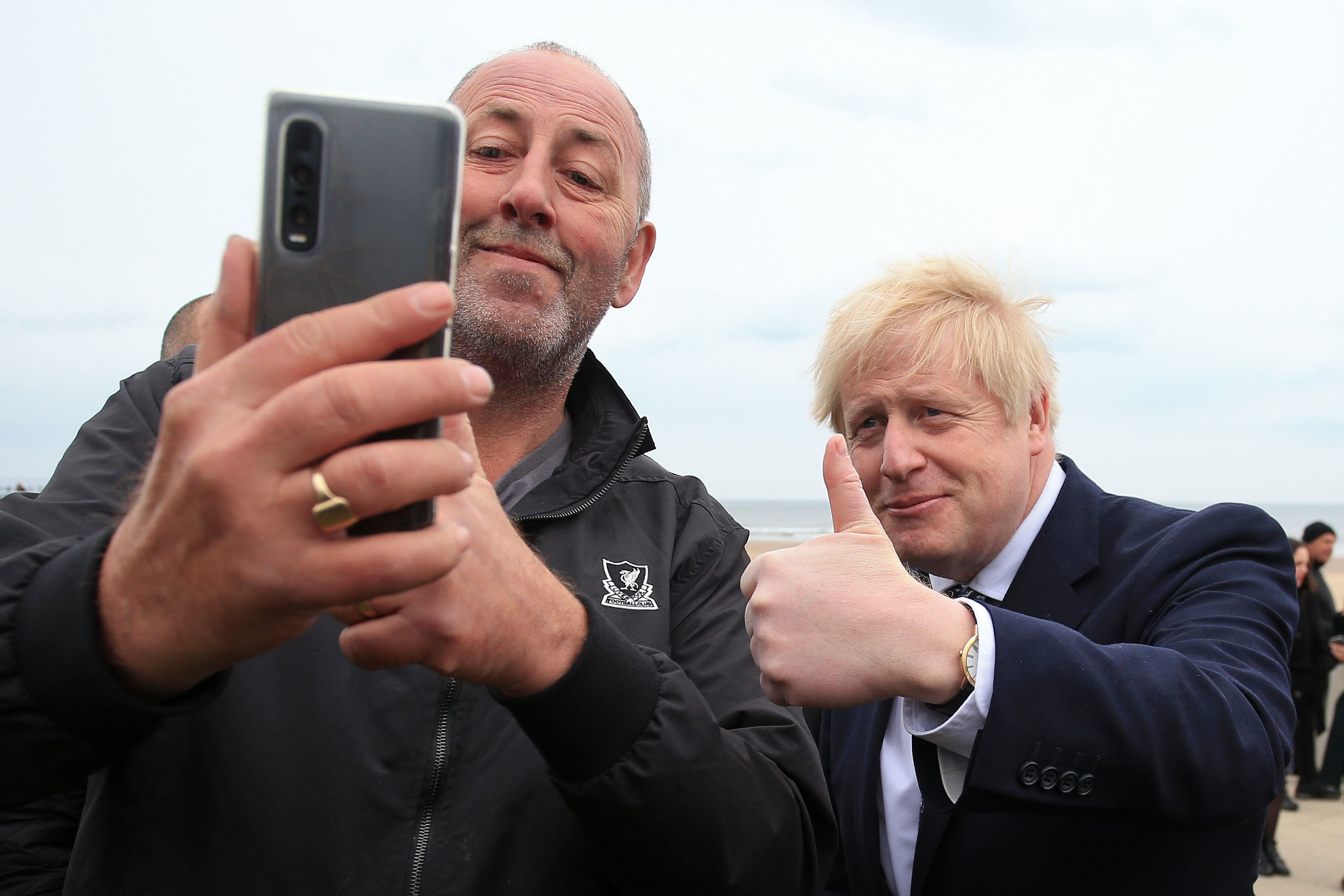
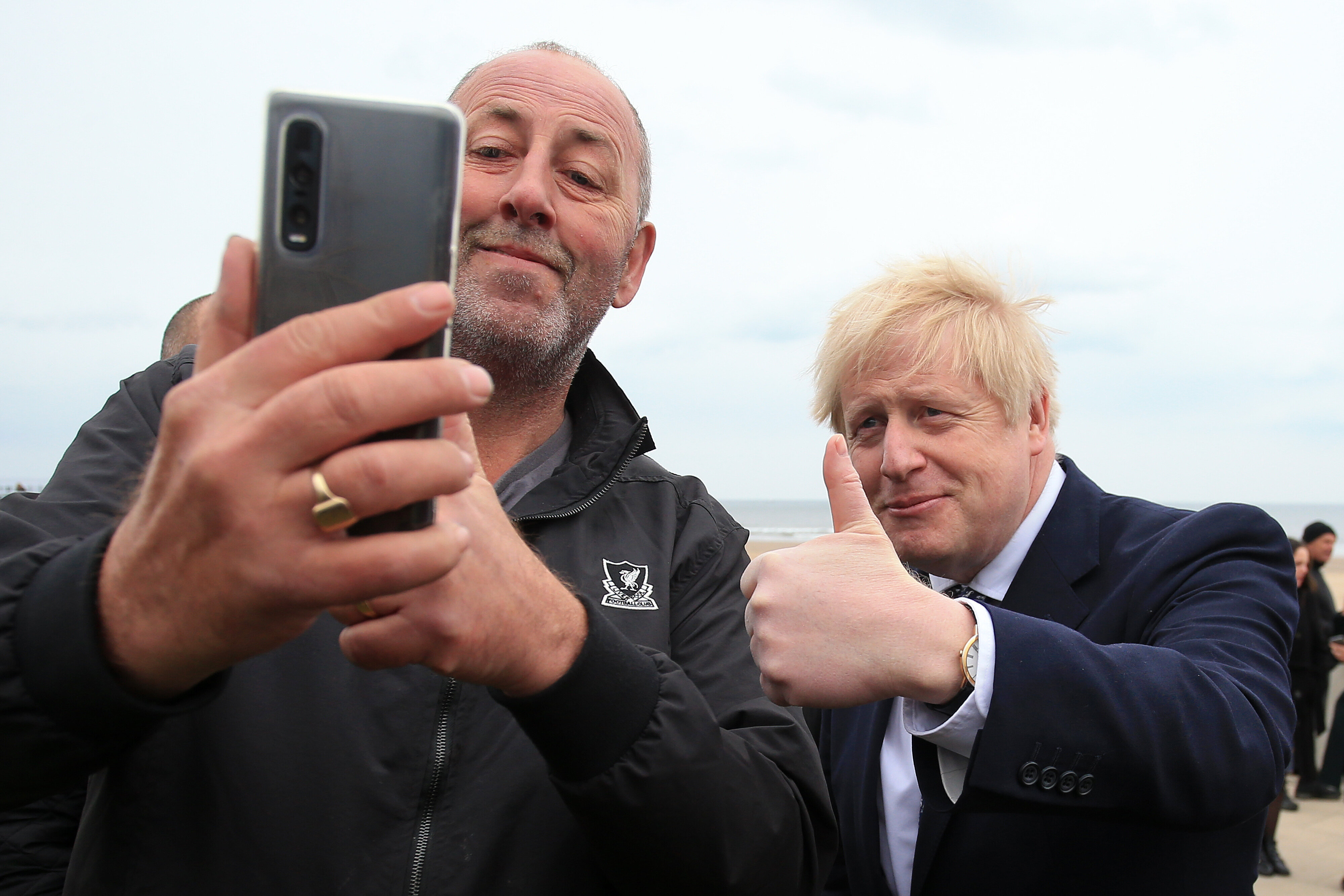
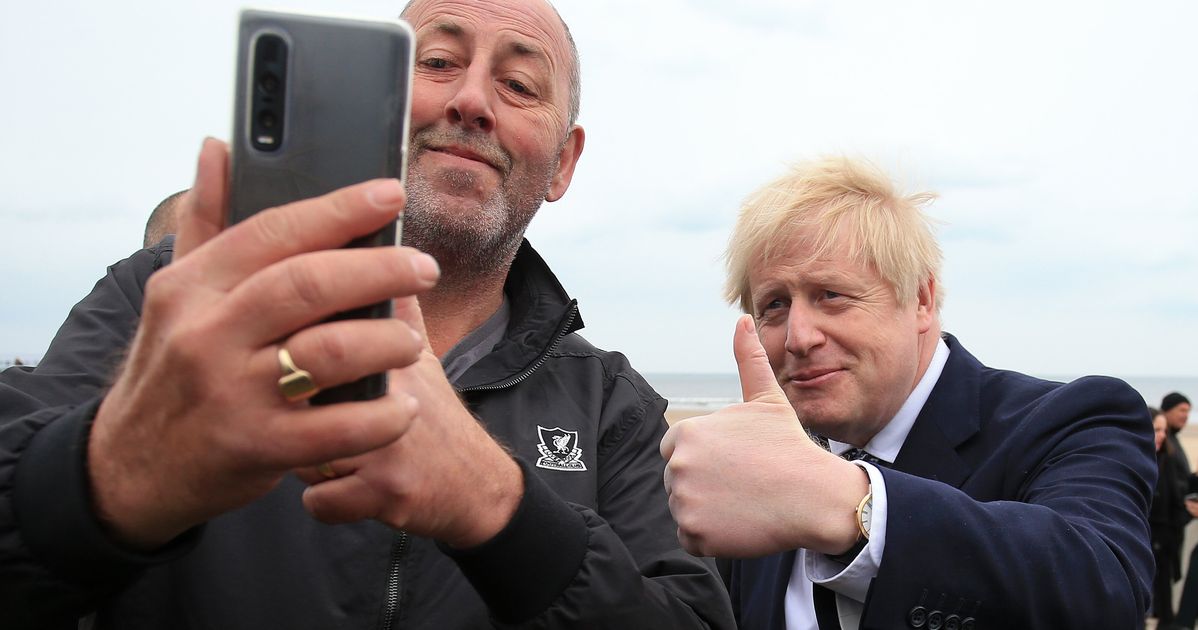
WPA Pool via Getty ImagesBoris Johnson poses for a ‘selfie’ photograph as he meets members of the public while campaigning in Hartlepool.
A Cabinet Office spokesman pointed back to the wording of the road map out of lockdown, which states that the government “will complete a review of social distancing measures and other long-term measures that have been put in place to limit transmission”.
The review’s findings “will help inform decisions on the timing and circumstances under which rules on one-metre-plus, face masks and other measures may be lifted”.
What does the hospitality industry say?
One industry chief has said a return to unrestricted trading for hospitality from June 21 is “critical” and will mean firms can “come off life support”.
Kate Nicholls, chief executive of trade body UKHospitality, said: “These reports are very welcome if true.
“However, we must wait to see the full detail of plans as any restrictions in venues will continue to impact revenue and business viability.
“A return to unrestricted trading on June 21 is critical and will mean hospitality businesses (can) come off life support and be viable for the first time in almost 16 months.
“We urge the government to confirm reopening dates and these plans at the earliest opportunity, which will boost confidence and allow companies to step up planning and bring staff back.”
A spokesman for the UK Cinema Association indicated that the organisation hopes face coverings will not be a continued requirement.
He said: “We strongly believe that our exemplary record on safety – with not a single case of Covid traced back to a UK venue – and our ability to manage the movement of cinema-goers in modern, highly ventilated indoor environments offer ample evidence that any relaxation from June 21 can be undertaken safely without the need for further ongoing restrictions, including any requirement for face coverings.”
Do scientists agree?
Last month, government scientific advisers said the public should be able to remove face masks over the summer as vaccines do the heavy lifting in controlling Covid-19 – but they cautioned that masks and possibly other measures may be needed next autumn and winter if cases surge.
But there is a fierce debate within the scientific community.
In an open letter, one group of scientists said last month “a good society cannot be created by obsessive focus on a single cause of ill-health” and that Covid-19 “no longer requires exceptional measures of control in everyday life”.
The 22 signatories – who include Professor Carl Heneghan, director of the Centre for Evidence Based Medicine at University of Oxford and Professor Karol Sikora from the medicine school at the University of Buckingham – say mandatory face coverings, physical distancing and mass community testing should end no later than June 21.
The letter states: “It is more than time for citizens to take back control of their own lives.”
But others were less optimistic.
Professor Stephen Reicher, from the University of St Andrews and a member of the Scientific Pandemic Insights Group on Behaviours, which advises ministers, said calls from scientists and academics to end coronavirus restrictions are “wrong” and “remarkably insular”.
He said: “We have heard from these people before, arguing that Covid isn’t a risk and that restrictions should be lifted.
“They were wrong then and they are wrong now.”
Prof Reicher said the irony of saying “it’s all over” makes such measures less likely, makes increased infections more likely and therefore makes lockdown restrictions “a real possibility”.
What other measures have been relaxed?
And the last sign of progress being made, the government announced the limit on the number of mourners who can attend funerals is to be lifted in England.
The Ministry of Housing, Communities and Local Government said the legal restriction of a maximum of 30 mourners will be removed as part of the next stage of lockdown easing, expected on May 17.
The capacity will be determined by how many people venues, such as places of worship or funeral homes, can safely accommodate while maintaining social distancing, the department added.
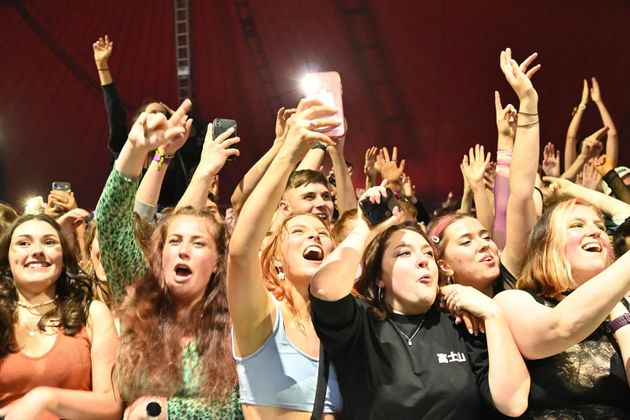
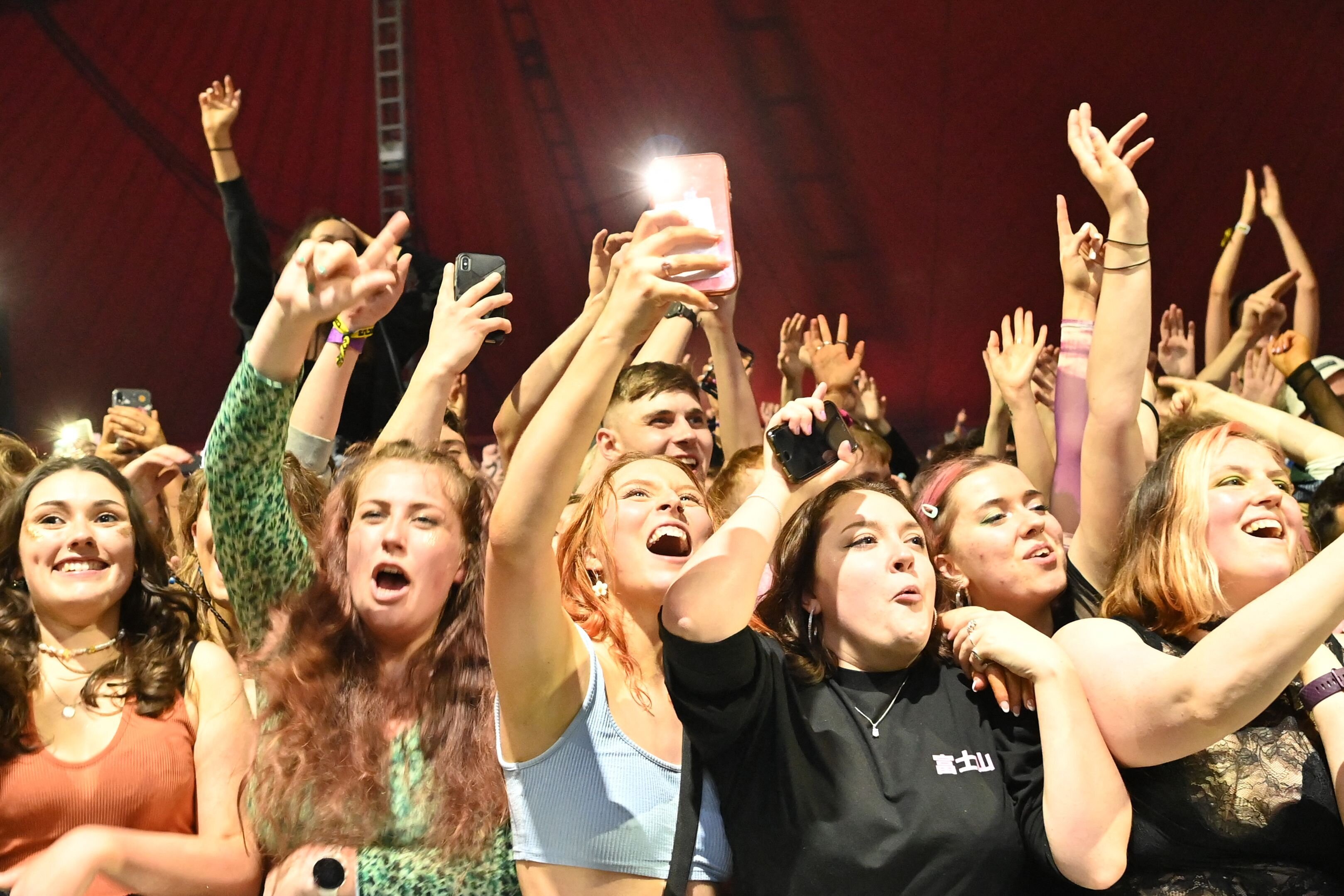
PAUL ELLIS via Getty ImagesFans watch Blossoms perform at a live music concert hosted by Festival Republic in Sefton Park in Liverpool.
Meanwhile, thousands of revellers without face coverings danced shoulder to shoulder to live music for the first time in more than a year at a pilot music festival.
Around 5,000 people packed into Sefton Park in Liverpool on Sunday for the outdoor gig which included performances from Blossoms, The Lathums and Liverpool singer-songwriter Zuzu.
Pictures and videos showed people packed together, arms in the air, dancing to the music at the event which has been hailed as a milestone towards getting live events running again.
Everyone had to produce negative coronavirus tests to enter the event but did not have to wear face coverings or follow social distancing rules.
It is hoped that test events like this will pave the way for festivals and venues across the country to reopen for mass gatherings again.
What about foreign holidays?
The ban on foreign holidays is expected to be lifted for people in England from May 17 as part of the next easing of coronavirus restrictions.
But Johnson cautioned that while there will be “some openings up” from that date, the approach must be “sensible” to avoid an “influx of disease” when international travel resumes.
Johnson’s cautious tone came as some MPs called for restrictions on foreign holidays to be maintained to protect the country from Covid-19 variants, and Labour leader Keir Starmer urged a “careful” approach.
Johnson told reporters during a campaign visit to Hartlepool: “We do want to do some opening up on May 17 but I don’t think that the people of this country want to see an influx of disease from anywhere else.
“I certainly don’t and we have got to be very, very tough, and we have got to be as cautious as we can, whilst we continue to open up.”
Asked if people should be planning foreign holidays, he told reporters: “We will be saying more as soon as we can.
“I think that there will be some openings up on the 17th, but we have got to be cautious and we have got to be sensible and we have got to make sure that we don’t see the virus coming back in.”
Starmer criticised the “chopping and changing” of the travel corridors list introduced last year and said such a situation should be avoided this holiday season.