The delayed discharge challenge throws up deeper questions about the care system, co-ordination – and whether some patients are over-treated


The delayed discharge challenge throws up deeper questions about the care system, co-ordination – and whether some patients are over-treated
Nicki’s eye had collapsed in on itself, but a new gel injection method has saved her vision.
Most of us know about the “fight or flight” response, the body’s built-in survival instinct. But that framework leaves out two other common ways the nervous system reacts to stress.
Indeed, psychologists say there are four instinctive reactions that help us understand how people cope with feeling unsafe, overwhelmed or emotionally flooded.
Advertisement
“The ‘four F’s’ – fight, flight, freeze and fawn – refer to automatic nervous system responses to a perceived threat,” Caitlyn Oscarson, a licensed marriage and family therapist, told HuffPost. “These are ingrained responses that can show up in traumatic situations, as well as everyday stress and overwhelm.”
The four stress responses occur when our bodies are in survival mode, so we aren’t using the reasoning centre of our brains. Thus, we may act in ways that don’t seem logical or reflective of our typical values.
“They’re not personality traits, and they’re not conscious choices,” said board-certified psychiatrist and Practical Optimism author Dr. Sue Varma. “They’re automatic survival strategies wired into the brain and body. When someone feels unsafe, overwhelmed or emotionally flooded, the nervous system steps in and tries to protect them the best way it knows how.”
Advertisement
In this sense, your stress response can offer insight into your past experiences and what your nervous system learned over time to keep you emotionally or even physically safe. Most people don’t have just one response, and their automatic reaction might vary based on context. You might fawn at work but freeze at home, for instance.
“All four responses are adaptive,” Varma said. “They develop for a reason, often early in life, and they’re attempts at self-preservation, not signs of weakness. It is interesting, however, to note if a person has a particular go-to response, that is very telling.”
Although you might have one or two default stress responses in different situations, you ultimately want to work on flexibility to gain access to all four because each can serve a purpose at various times. No one stress response is inherently better or worse. The goal is to help your nervous system understand it has options.
Advertisement
“An individual’s stress response is not their personality but rather their nervous system’s autobiography, and like with any life narrative, it can be changed to have more options to address stressful situations,” said Lora Dudley, a licensed clinical social worker with Thriveworks.
Fight, flight, freeze and fawn are not character flaws, and with mindfulness and therapy, you can learn to choose and be more flexible with your responses. Ultimately, awareness is the first step.
“Once you understand your patterns and how they are tied to your nervous system response, it becomes easier to slow down, be compassionate toward yourself and act with intention rather than reflexively,” Oscarson said.
Advertisement
With that in mind, HuffPost asked the experts to break down each of the four stress responses, how they manifest and what someone’s defaults might say about them.
“In my patients, the fight response often shows up as anger, irritability, defensiveness or a strong need to control a situation,” Varma said. “Someone might argue more, push back quickly or feel constantly on edge when they’re under stress.”
There can be physical aggression and tension but also yelling and argumentativeness in moments of disagreement or stress.
Advertisement
“This is the ‘come at me’ response,” said Erin Pash, a licensed marriage and family therapist and founder of Pash Co., a company focused on social health.
“You might notice yourself getting argumentative, defensive or aggressive. Your jaw clenches, your voice gets louder, you feel heat in your chest. In everyday life, this might look like snapping at your partner over something minor, getting road rage or having a disproportionate reaction to feedback at work.”

Igor Suka via Getty Images
Advertisement
So what might it say about you if you lean toward confrontation and feel the urge to argue and defend yourself when you feel misunderstood?
“For fight responses, it doesn’t necessarily mean that a person is aggressive or violent,” Oscarson said. “It means that their nervous system activates under threat, and they have learned that taking action is necessary for self-protection. Pushing back, arguing and taking control are ways of creating order in chaos and stress.”
She added that fight-inclined individuals might have a strong sense of justice and fairness and even leadership skills. Past experiences may have taught them that the way to feel safe is to stay alert, push back and stand your ground.
Advertisement
“Maybe you grew up in an environment where you had to defend yourself or your boundaries aggressively, or where conflict was how things got resolved,” Pash said. “The challenge is when this response fires in situations that don’t actually require battle mode.”
“Flight is characterised by attempts to escape from a threatening situation,” Oscarson said. “It may show up as passiveness, distractedness or avoidance.”
She gave the example of putting off or deflecting emotional conversations.
“You might cancel plans, ghost people, stay ‘too busy’ to deal with difficult conversations or develop sudden urgent tasks when conflict arises,” Pash said. “Physically, you might feel restless, unable to sit still or like you need to run.”
Advertisement
Therapist Natalie Moore compared the way this response manifests in modern human civilisation to how it plays out in the animal world.
“In the wild this looks like actual running, whereas in modern times this manifests as emotional running away – such as ghosting a friend who hurt your feelings, turning away from intimacy in a relationship or running away from your problems through avoidance behaviours like addiction or emotional numbing,” she said.
Those who lean into flight mode might also need constant distractions like screens or video games.
“With a flight response, an individual will try to escape the situation both internally and externally,” said psychologist Doreen Dodgen-Magee. “They may appear to deny what is happening, avoid conflict and the direct expression or working through of big feelings and may be anxious and fearful.”
Advertisement
They might also become hyperproductive.
“I see this in people who stay busy, overwork, overplan or distract themselves constantly,” Varma said. “Sometimes it’s literal leaving, and sometimes it’s mental checking out.”
Social isolation and withdrawing from everyday life can also be signs of a flight response.
“People who tend toward flight have learned that anticipating and avoiding conflict is the best way to stay safe,” Oscarson noted. “They may use productivity and business to keep others at a distance. They appear hardworking and responsible, which is often admired and praised. They also tend to be independent and self-sufficient.”
If this is your instinct, it might be because your nervous system learned that escape or avoidance was an effective survival strategy.
Advertisement
“This can develop when leaving or avoiding actually did make you safer, or when engagement led to worse outcomes,” Pash said. “It’s often paired with anxiety and hyper-vigilance – always scanning for exits and threats.”
“To freeze would be to shut down such as by going numb, dissociating or being indecisive,” said Hallie Kritsas, a licensed mental health counsellor with Thriveworks.
Essentially, your nervous system hits pause or shuts down in stressful or trauma-fuelling moments.
“You can’t think clearly, can’t speak up, feel paralysed in decision-making,” Pash said. “People often describe feeling like a deer in headlights – their mind goes blank, they dissociate or they become physically immobile. This might manifest as procrastination, shutting down during arguments or going numb when overwhelmed.”
Advertisement
They might feel low motivation or a sense of being “stuck,” which makes it hard to start a task. It might even seem like they don’t care what’s happening.
″‘Freeze’ can be presented in feeling stuck, numb, inability to act or speak with the purpose being to pause or be unnoticed when there is not a manner to escape the threat,” Dudley said.
The freeze response is very common and often misunderstood, Varma noted, adding that it tends to be a sign of nervous system overload.
Advertisement
“I often see people who experienced overwhelm without enough support,” she explained. “Shutting down became the body’s way of coping when there were no good options available. These individuals are often deeply sensitive and strongly affected by their environments.”
When fighting back or escaping a stressful situation isn’t safe or possible, people often freeze as a way to conserve energy in their state of powerlessness and overwhelm.
“Freeze often develops when we faced threats we couldn’t fight or flee from – particularly in childhood when we were smaller and dependent on adults who were also the source of threat,” Pash said. “It’s also common in people who were punished for showing emotion or who learned that their reactions ‘made things worse.’”
Advertisement
“Fawn is the one many people don’t recognise in themselves right away,” Varma said. “It shows up as people-pleasing, over-accommodating, minimising your own needs or trying to keep the peace at all costs. I see this a lot in people who are highly empathetic and tuned in to others’ emotions.”
With fawning, people tend to over-apologise, agree on things they don’t actually agree with and abandon their boundaries. There’s a sense of passiveness as they prioritise others’ needs and emotions and sacrifice their own.
“An example of fawning is feeling responsible for managing other people’s emotions,” Oscarson said.
Those who fawn may have learned that safety depends on keeping others happy or calm.
“Maybe you grew up walking on eggshells around someone’s mood, or you learned that your needs didn’t matter as much as maintaining peace,” Pash said. “Fawning is incredibly common in people who experienced childhood emotional neglect or had caregivers with big emotions they had to manage.”
Advertisement
With fawners, being “low maintenance” or minimising yourself feels like the way to keep the peace, which is the key to emotional and/or physical safety.
“Many of these patients learned early on that maintaining harmony or avoiding conflict protected them from rejection or emotional fallout,” Varma said.
The idea is to be helpful, agreeable or “easy” to others.
“If one fawns, they have learned that safety comes from seeking approval,” Kritsas echoed.
Consequently, they might have learned to be highly intuitive and sensitive to social cues.
As Oscarson put it, “they probably have a hard time when someone is upset with them or disagrees with them, as they view any misalignment as threatening to the relationship and therefore their safety”.
Advertisement


A Labour MP has told Keir Starmer to scrap his planned jury reforms – or he will trigger a by-election.
The government intends to limit jury trials in England and Wales, abolishing them altogether for non-serious offences – those with a likely prison sentences of three years of less – in a bid to clear the court backlog.
Advertisement
But Karl Turner, the former shadow solicitor general, has told The Sunday Times he is “ashamed” of the prime minister and justice secretary David Lammy for going ahead with the plans.
The MP for Kingston upon Hull East urged the government to “stop these ludicrous proposals and get on with the hard job of sorting out the criminal justice system”.
He voted for a Tory motion to force a vote among MPs on the government’s justice reforms this week, breaking the party whip as he did so.
Advertisement
That marked the first time Turner had voted against his own party since securing a seat in 2010.
While around 40 Labour MPs previously warned the prime minister they are not prepared to support the plans, Turner was the only one to oppose the government and back a Tory motion.
But he told The Sunday Times he is “not fearful of having the whip removed” as a result, and would even consider standing down as an MP.
He currently holds his seat with a majority of 3,920 – Reform came in second place.
Despite the threat, Turner said he does not believe he will end up triggering a by-election, noting Labour MPs are “seething” over the reforms.
Advertisement
He suggested the backbenchers will be able to defeat the government’s motion if it “daft enough” to bring it forward.
Turner also revealed that the justice reforms “really matter” to him because he was wrongly accused of a crime “many years ago” – leading him to pursue his own career in law before becoming an MP.
The Ministry of Justice told the newspaper: “Victims are facing an unacceptably long wait for justice after years of delays in our courts. This government is determined to change that.
Advertisement
“That is why we are combining bold reforms, record levels of investment and action to tackle inefficiencies across the system — so victims and survivors see their cases heard sooner and get the justice they deserve.
“Taken together, these measures will ensure the most serious cases are prioritised and continue to be heard by a jury, while reducing unnecessary delays that leave victims waiting for far too long.”

Ever choose to skip the dishes one night because you were too stressed after an event-filled work day? Have you ever put off that grocery run you promised you’d get done because you couldn’t bring yourself to get dressed and out the door?
These are universal situations that every person is familiar with. However, for people with attention-deficit/hyperactivity disorder or ADHD, the seemingly relatable situation of putting off a task can trigger an emotionally distressing cycle that can cause one’s mind and body to shut down.
Advertisement
Though not a clinical term, this experience has been coined “task paralysis”.
Task paralysis is believed to be related to sensory overload, and generally looks like “over-analysing, the inability to get started on a project, trouble making decisions and feeling unable to sort out details,” according to Dr Cynthia Seng, a psychiatrist at Cleveland Clinic’s Center for Adult Behavioral Health.
As the name implies, task paralysis can cause a neurodivergent person to feel emotional overwhelm that stops them in their tracks. Lila Low-Beinart, a licensed professional counsellor and founder of Divergent Paths Counseling, described this “freeze” mode as a “deer in the headlights” feeling, followed by a “submit” mode that’s like when a “hedgehog curls in a ball.”
Additionally, Marcy Caldwell, owner and director of The Center for ADHD, told HuffPost that task paralysis is a “gap between action and intention.” She typically observes it manifesting in three major ways: procrastination, perfectionism or a combination of both.
Advertisement
ADHDers who lean toward procrastination may mentally check out with activities like doomscrolling. Additionally, experts agree that some people with ADHD engage in “procrastivity,” a term used to describe a specific form of procrastination that arises when someone works on productive tasks to avoid the one that should be prioritised.
For ADHDers who turn towards perfectionism as a form of task paralysis, Caldwell noted that they may adopt an “all or nothing” mindset.
“It can come on as a way of understanding task paralysis. Someone might say, ‘I’m feeling stuck, so I really shouldn’t be doing this because it has to be perfect anyways,’” she said, adding that this may look like endlessly researching a topic or watching YouTube tutorials to find the “right” way of accomplishing a task.
Advertisement

SBenitez via Getty Images
Whether task paralysis manifests as procrastination or perfectionism, it can begin to quickly snowball and transform into what feels like an avalanche. When someone avoids their to-do list, it grows even more daunting.
“Over time, task paralysis can interfere with work performance, academic success, and relationships, even when someone is capable and motivated. Repeated struggles can lead to chronic stress, burnout, anxiety, and lowered self-esteem, especially in environments that misunderstand ADHD,” said Stephanie Olano, owner and CEO of TODOS Therapy. “Many people internalise these challenges as personal failure rather than a support issue.”
Advertisement
Alexa K., a 31-year-old from Colorado with ADHD, told HuffPost that when she has “tedious or unpleasant” tasks to complete – like signing up for benefits or making appointments – she is physically unable to do them.
“It has impacted my life because there are things that are important that I end up missing out on, or I procrastinate and miss a deadline,” Alexa said. “I feel like there are so many missed opportunities.”
Gaining a deeper awareness of how ADHD-related task paralysis affects your life can support you in developing skills that work for you.
Advertisement
Caldwell explained that often her first “go-to” method is brain dumping, which encourages a person to get all their tasks and thoughts on paper so those tasks feel less overwhelming.
From there, Caldwell said that it’s crucial to “break down [tasks] into micro actions” that feel manageable and achievable. For example, instead of thinking about tackling all your household chores at once, set aside 10 minutes to do laundry and walk away once finished.
“Sometimes it helps if I designate a time block to a specific task and I don’t allow myself to do anything else or have any other distractions,” Alexa said.
Advertisement
Seng added that after completing a task or time block, some people may find “scheduling a ‘reward’ like a beverage or a text to a friend” is a successful tactic.
Further, taking ADHD medication, speaking to a neurodiversity-affirming therapist, or trying an evidence-based method such as body doubling can offer additional support. Body doubling is a technique in which someone with ADHD formally or informally works alongside someone else to increase motivation and foster a sense of accountability.
Factors such as working a full-time job or being a caretaker may make it more difficult to implement these skills. In this case, utilising resources like accommodations under the Americans with Disabilities Act can be indispensable.
Advertisement
“Accommodations are not ‘special treatment,’” Olano explained. “They are tools that allow people to access their abilities on a more level playing field.”
If you have someone in your life with ADHD, it’s significant to understand that task paralysis is real and can be debilitating. It’s not an “excuse” for missing a deadline or a manipulative tactic to skirt doing the laundry.
“As a neurodivergent clinician who experiences task paralysis myself, I wish the neurotypical people around me understood that task paralysis is not something I can ‘push through,’” Low-Beinart said. “When neurotypical people judge or shame us, that only increases the stress and thus the cycle of task paralysis.”
Advertisement
Rather than trying to fix or find a solution to someone’s task paralysis, instead offer support, validation and respect as they navigate this experience. Developing skills to cope with task paralysis can be an ever-evolving process, and being met with patience, and being patient with yourself if you’re the one experiencing task paralysis, is crucial.
As Olano concluded, “When we replace shame with support and focus on changing systems rather than blaming individuals, people are far more likely to succeed.”


Three newly identified compounds were found to strongly inhibit α-glucosidase, an enzyme that plays a central role in breaking down carbohydrates during digestion. Because this enzyme directly affects how quickly sugars enter the bloodstream, the discovery points to possible new functional food ingredients aimed at managing type 2 diabetes.
Functional foods offer more than basic nutrition. Many contain naturally occurring molecules that may support health, including compounds with antioxidant, neuroprotective, or glucose-lowering effects. Finding these helpful substances is difficult because foods are chemically complex. Older discovery methods can be slow and inefficient, which has pushed researchers to adopt more advanced tools such as nuclear magnetic resonance (NMR) and liquid chromatography-mass spectrometry (LC-MS/MS). These techniques are especially valuable for studying roasted coffee, which contains a wide range of overlapping chemical components.
Study Reveals Anti Diabetic Potential in Coffee
Researchers led by Minghua Qiu at the Kunming Institute of Botany, Chinese Academy of Sciences, reported their findings in Beverage Plant Research. Their work highlights previously unknown anti-diabetic activity in coffee and adds new insight into its role as a functional food.
The team designed a three-step, activity-focused process to uncover bioactive diterpene esters in roasted Coffea arabica beans. Their approach aimed to detect both common and extremely low-level compounds that could inhibit α-glucosidase, while also reducing solvent use and speeding up analysis.
First, the crude diterpene extract was separated into 19 fractions using silica gel chromatography. Each fraction was then analyzed with ^1H NMR and tested for α-glucosidase inhibition. By applying cluster heatmap analysis to the ^1H NMR data, the researchers identified Fr.9-Fr.13 as the most biologically active fractions based on distinctive proton signal patterns.
Further analysis of a representative sample, Fr.9, using ^13C-DEPT NMR revealed the presence of an aldehyde group, confirming earlier findings. After purification with semi-preparative HPLC, the scientists isolated three previously unknown diterpene esters, named caffaldehydes A, B, and C. Their chemical structures were verified through 1D and 2D NMR along with high-resolution mass spectrometry (HRESIMS).
Stronger Effects Than a Common Diabetes Drug
Although the three caffaldehydes differed in their fatty acid components (palmitic, stearic, and arachidic acids), all showed notable α-glucosidase inhibition. Their IC₅₀ values were 45.07, 24.40, and 17.50 μM respectively, indicating stronger activity than the comparison drug acarbose.
To uncover additional trace compounds that were difficult to detect using NMR or HPLC alone, the team applied LC-MS/MS to combined fraction groups. They then built a molecular network using GNPS and Cytoscape. This analysis revealed three more previously unknown diterpene esters (compounds 4-6) that were closely related to caffaldehydes A-C. While they shared similar fragment patterns, these molecules contained different fatty acids (magaric, octadecenoic, and nonadecanoic acids). Searches of existing compound databases confirmed that these substances had not been reported before.
Together, the results show that this integrated dereplication strategy is highly effective for identifying structurally diverse and biologically meaningful compounds in complex foods such as roasted coffee.
What This Means for Functional Foods and Future Research
The findings suggest new opportunities to develop coffee-based functional foods or nutraceuticals that support glucose control and may help manage diabetes. Beyond coffee, the same low-solvent, high-precision screening approach could be applied to other complex food sources to rapidly uncover health-related compounds. Future studies will focus on testing the biological effects of the newly discovered trace diterpenes and evaluating their safety and effectiveness in vivo.
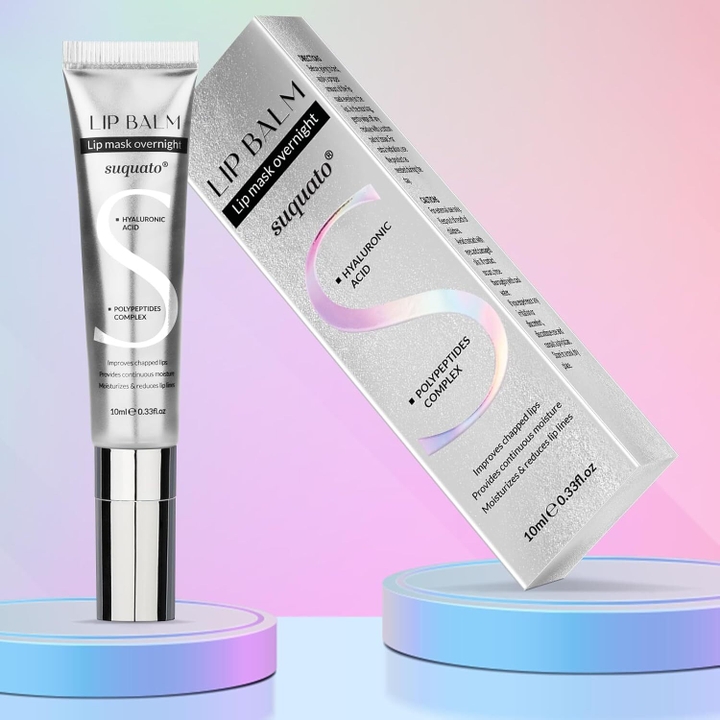
Believe it or not (you probably do), a good lip treatment is a crucial part of a skin care routine, especially as you age. Lips are often one of the first things people notice about you and when they feel uncomfortable, you notice them even more, too. This is especially so if you deal with dry, cracked lips or have noticed that yours are a little more textured than you’re used to due to natural aging. If you’ve been searching for a good lip product or are simply today-years old finding out you should be more thoughtful about your pick, then big news: We just spotted a unicorn of a hyaluronic acid plumping gloss that reviewers swear addresses signs of aging lips and delivers “spa-like” results with a drugstore price.
Even better? Amazon’s labeled this with a 5% discount, but according to our price trackers, it usually goes for $15 and is currently only $9.95 if you clip the on-page coupon for the extra discount — totally a 33% markdown! That’s a steal of a price to pay for a product that reviewers dub “a spa treatment for my lips” and even a Botox replacer.
Advertisement
Advertisement
It boasts a 3-in-1 formula that can be used as an overnight mask, a single-layer plumping gloss or a lip gloss topper for lipstick — and per the reviews, this baby is highly effective.
“This stuff took 10 years off my lips in one night,” another reviewer raved.
“[I] put it on one night and in the morning I was shocked to see my lips were actually plump and juicy!”
“After one night my wrinkles were noticeably diminished,” reviewer L Quinn gushed about the plumping gloss.
Advertisement
“After a few nights, my upper lip was smooth. No more Botox needed in my lips!!”
Talk about product efficacy?!

Made with hyaluronic acid and a strong peptide complex, the versatile lip treatment hydrates and boosts collagen to lock in moisture and reduce fine lines. The added shea butter and vitamin E keep your mouth nourished and protect it from the elements.
Advertisement
“The texture is extremely smooth and velvety, feels so luxurious to apply and wear,” one review shared. “It creates a mild, pleasant kind of tingling sensation, which is nice for a little mental confirmation that it’s working but without being overbearing or uncomfortable at all.”
Some say it’s scentless, while others compliment the subtle smell, yet everyone seems to agree the formula is long-lasting and feels great. ” It’s sort of sticky without actually being sticky and it stays on for a long time instead of disappearing after 20 minutes like regular lip balm often does,” one wrote.
“Sticky enough that it lasts but not sticky enough to get my hair caught in it,” another said.
Last but not least, the other ingenious part about this lip plumping treatment is the design of the applicator tip.
Advertisement
Considering the 4.5-star rated Suquato peptide lip treatment but need to know a little more? Check more reviews below from people loving the formula.
“This balm leaves my lips really well-hydrated. They were very dry before, and they’re improved so much.” — Alina Riano Cruz
“This product has been such a game changer for my lips! I apply every night before bed and on really dry days I apply occasionally during the day. My lips are plump and soft and I’ve noticed visibly less wrinkles in my lips.Best part is the plumping effect without the burning sensation the lip plumper a usually have!! One of the best lip products I’ve used!” — StexRN18
“I put this lip treatment on every night. It glides on smoothly and stays on for a long time. My lips are incredibly soft and are not chapped any more when I wake up. I do recommend this product for those who have dry and chapped lips. You will see the difference after a few tries.” — Dancer
“I have chronically dry lips. Always have.. doesn’t matter how much water I drink.. I’m an avid chapstick user.. it will help temporarily but not long. I’ve tried SO MANY products for dry lips and this is the first product that I’ve ever been blow away by! I used a little during day and noticed a few hours later that my lips were incredibly soft.. used the thick layer overnight.. ITS INCREDIBLE!!!” — Jen Elizabeth
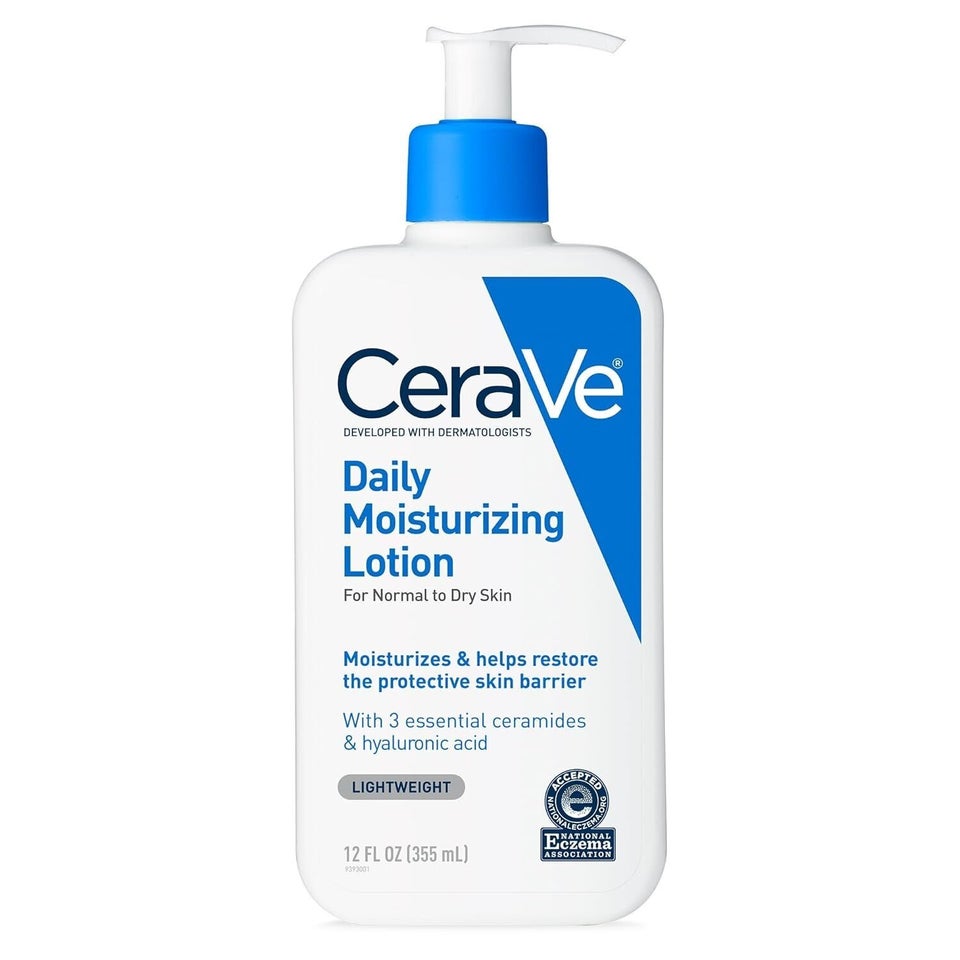
CeraVe
Dermatologist Dr. Geeta Yadav said that although the Cerave Daily Moisturizing Lotion is lightweight, it’s nourishing thanks to a blend of ceramides and hyaluronic acid, which help add hydration into the skin and reinforce the skin barrier, preventing irritation and transepidermal water loss (TEWL). “Though it’s best for those with normal to dry skin, those with oily skin can use it when their skin gets drier (in winter, for example),” she said. Not to mention, it can be used on both the face and body, making it great for those who value a low-maintenance skin care routine with minimal products.
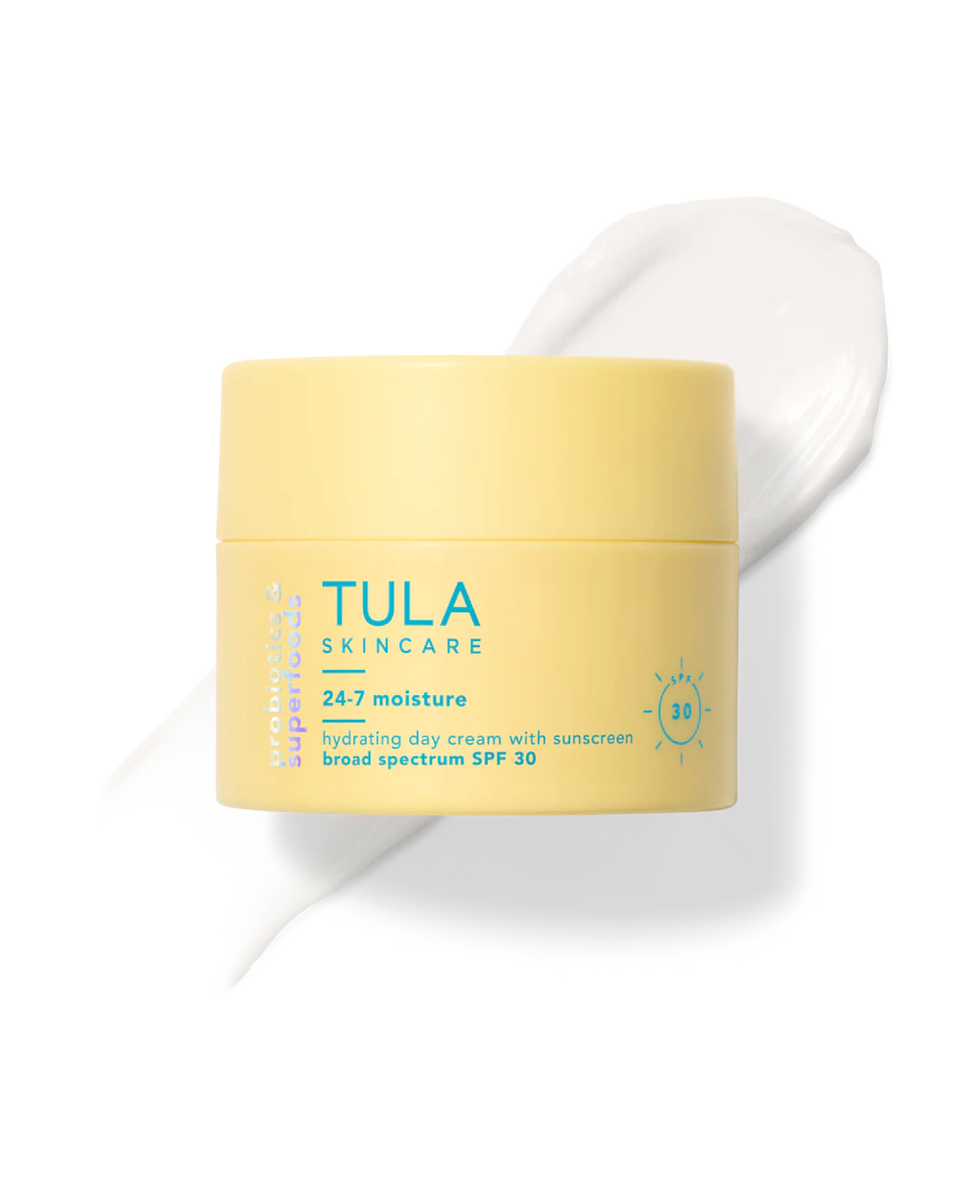
Tula
The Tula 24-7 Moisture Hydrating Day Cream is a multi-tasking powerhouse. Not only does it act as a moisturizer and sunscreen with its SPF 30, but board-certified dermatologist Dr. Alexis Stephens also said it has a silky texture that absorbs quickly, making it ideal for use under makeup as a primer. Plus, it contains “probiotics and ceramides to support the skin barrier without clogging pores,” she said.
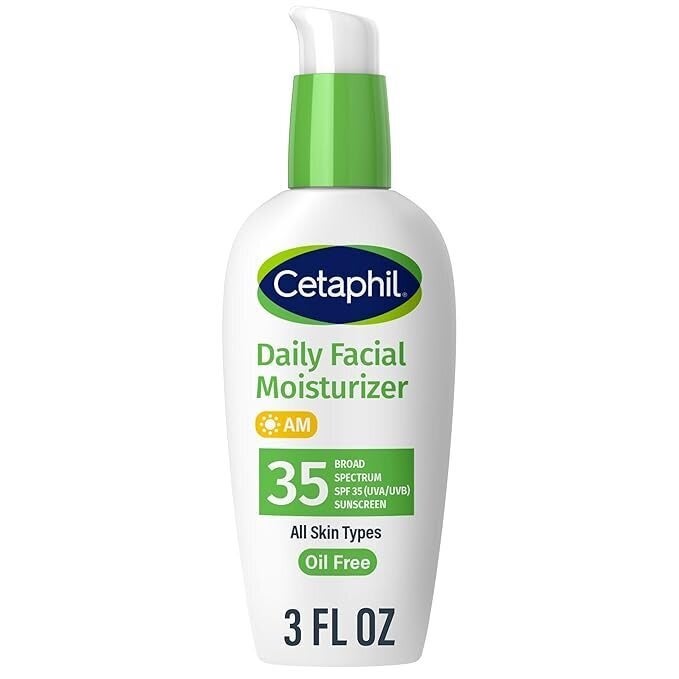
Cetaphil
Yadav is a fan of the Cetaphil Face Moisturizer because it’s made with SPF 35 as well as “hydrating glycerin, conditioning panthenol and antioxidants like vitamin E and niacinamide, which also helps calm the skin,” she said. Oily skin types will appreciate its matte finish. Because it provides long-lasting hydration for up to 24 hours, it’s also suitable for those with dry or combination skin types.
Advertisement
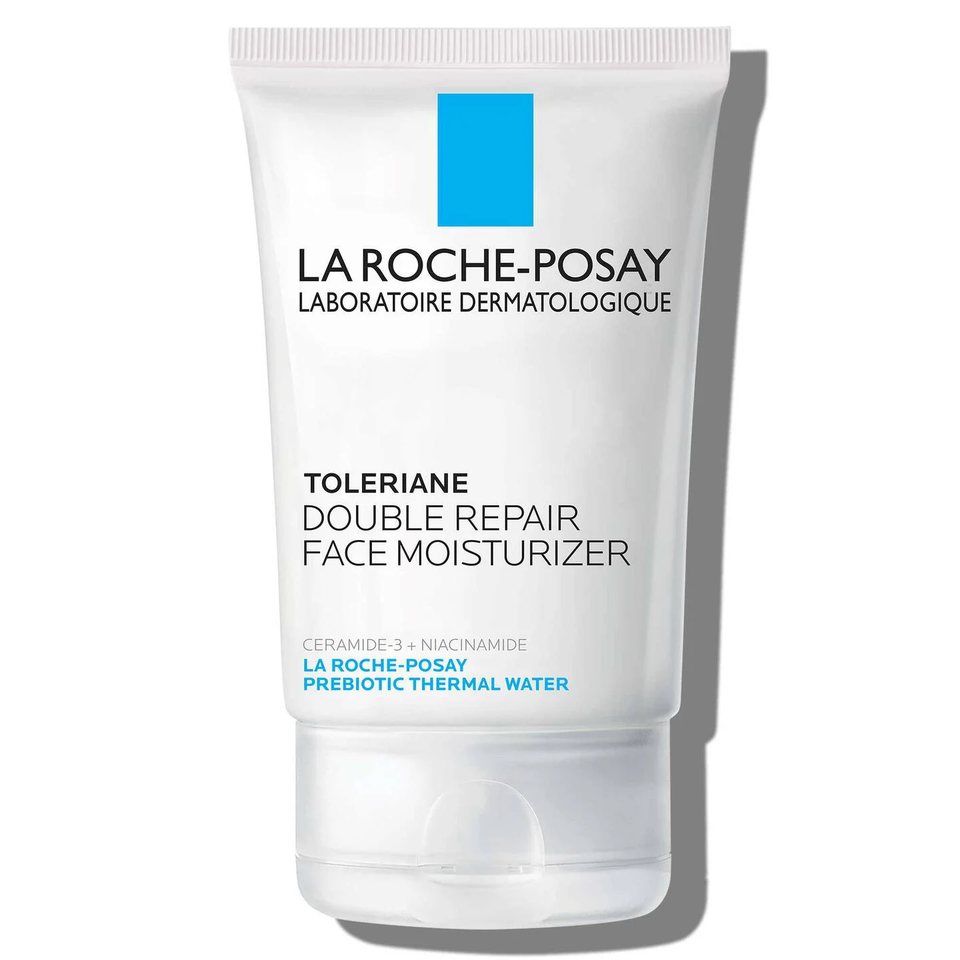
La Roche-Posay
Looking for long-lasting moisture? You’ve found it in La Roche-Posay Toleriane Double Repair Face Moisturizer, which comes recommended by Stephens. “This is a go-to for sensitive or acne-prone skin because i’s oil-free and contains ceramide-3, niacinamide and prebiotic thermal water to calm and hydrate the skin without triggering breakouts,” she said. “It also helps restore the skin’s moisture barrier, which is often compromised in acne-prone individuals.”
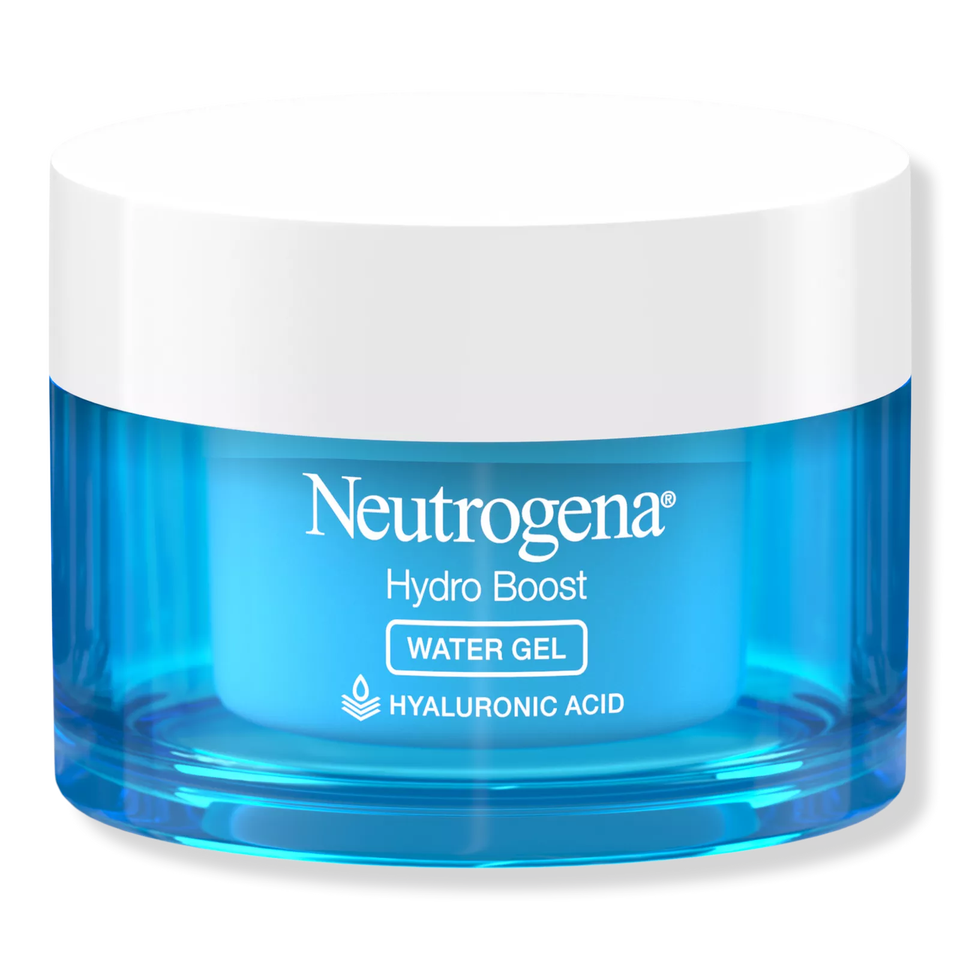
Neutrogena
Neutrogena’s Hydro Boost Hyaluronic Acid Water Gel Moisturizer is a gel-based moisturizer that “works beautifully for oily and acne-prone skin types,” said Stephens. “It’s non-comedogenic and features hyaluronic acid to deeply hydrate without feeling greasy or heavy on the skin.” Plus, it layers well under sunscreen and makeup.
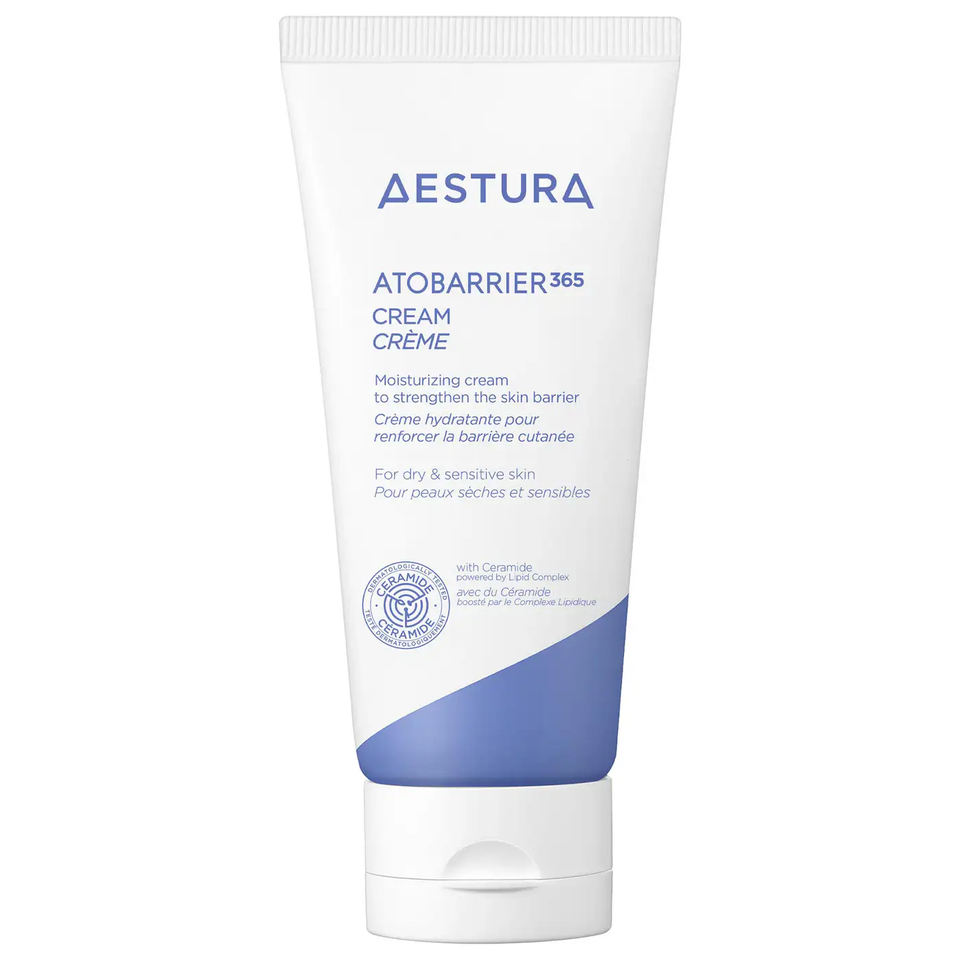
Aestura
For a rich yet non-greasy moisturizer, the Aestura Atobarrier365 Cream Moisturizer is the best of both worlds. Dr. Y. Claire Chang, a board-certified cosmetic dermatologist, said it’s ideal for those with sensitive skin thanks to a patented blend of barrier-boosting ceramide capsules that allow the ingredient to stay within the skin barrier longer. “This leaves my skin looking glowy for hours — when applied, it feels luxuriously smooth and absorbs quickly into the skin, leaving the skin hydrated and protected without any heavy residue,” she said.
Advertisement
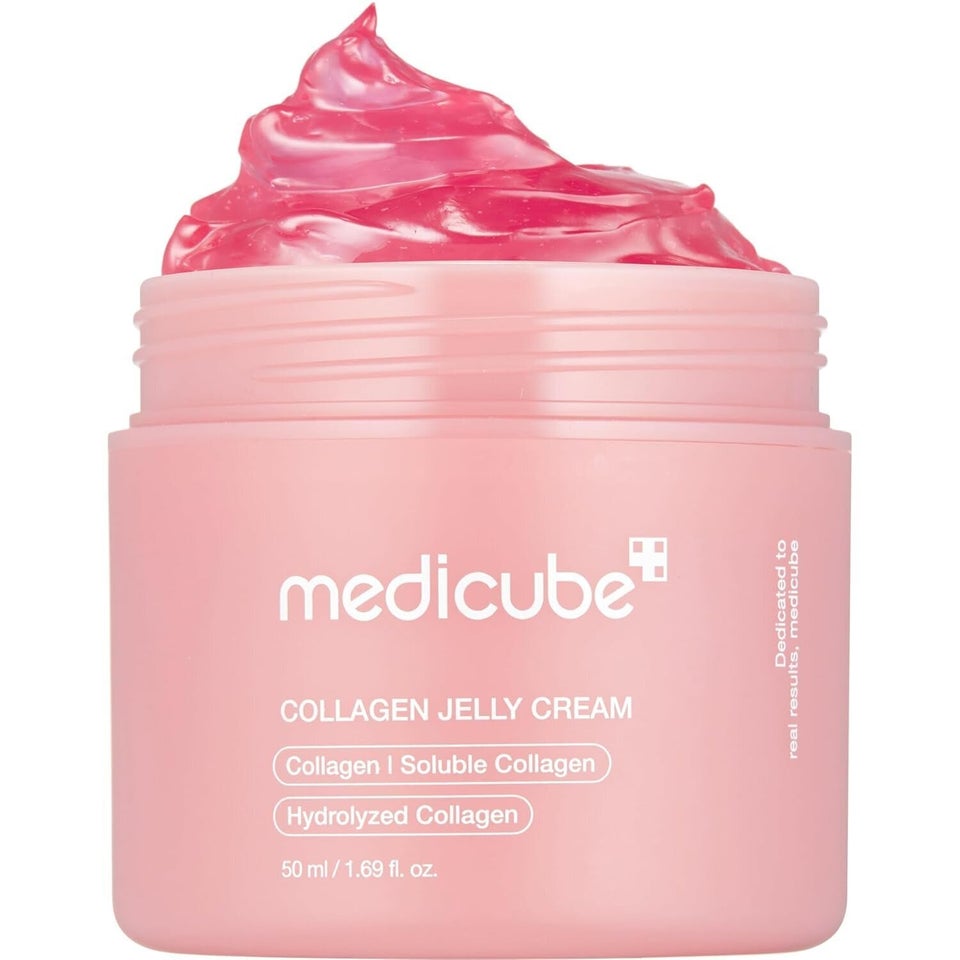
Medicube
If glass skin is the goal, this editors’ pick is the road to getting there. From the K-beauty brand that you’ve undoubtedly seen on your For You Page more than a handful of times comes the Medicube Collagen Jelly Cream, a bouncy gel moisturizer that targets uneven skin tone as it hydrates. Instead of thick, pore-clogging oils, it uses hydrolyzed collagen and niacinamide to work its magic.
Promising review: “I was skeptical at 1st but one single I fell in love. A very little goes along way. You can use in a thin layer under makeup or thick for a overnight mask. I like to keep it refrigerated for that extra chill and it feel amazing. It hasn’t broken me out and just left me with beautiful glowing hydrating skin. For reference I am 40 with textured acne prone skin. I will definitely recommend and repurchase! Beautiful product.” — JustAmble

Environ
Reszko said that the Environ Focus Care Moisture+ Super Moisturiser is perfect for normal to dry skin types that are also sensitive as it’s a super hydrating formula that’s made without pore-clogging oils. Instead, it’s formulated with ingredients like vitamin C and antioxidants to boost skin radiance and improve skin barrier function. Reszko said to use it twice a day — morning and evening — after washing your face.
Facile
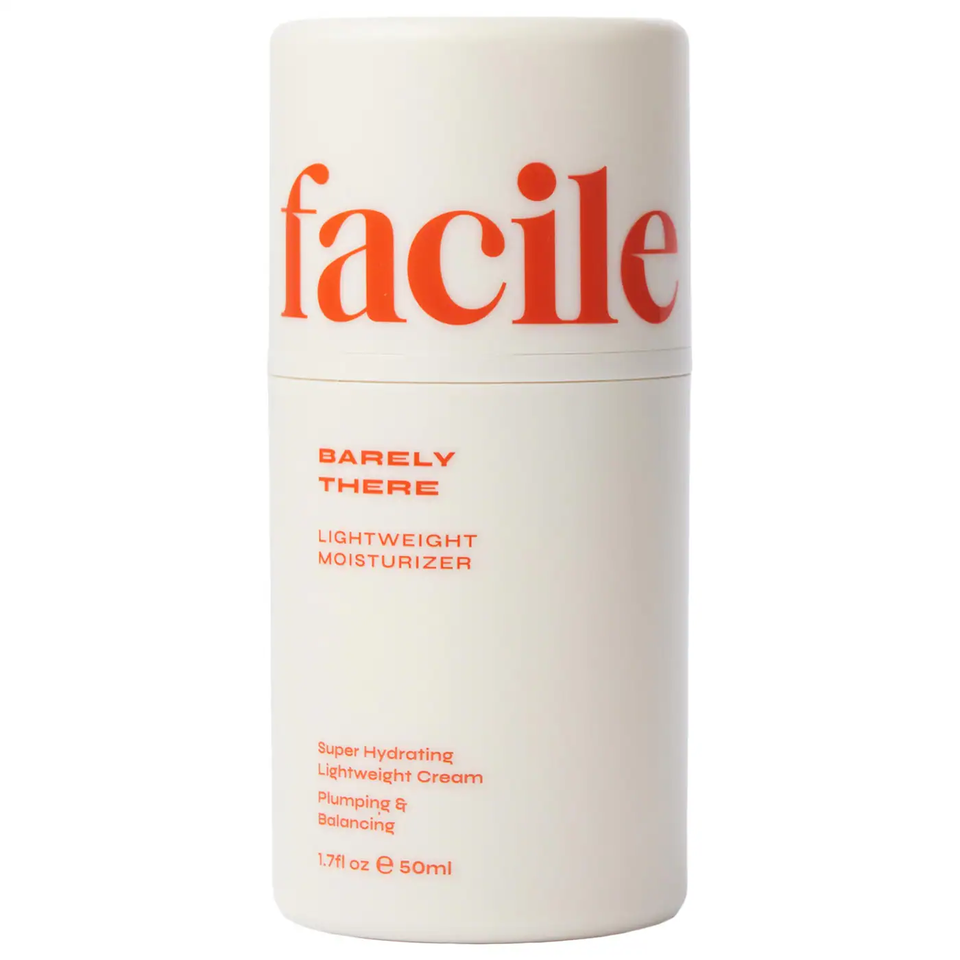
The only thing better than a feather-light moisturizer is one that plumps the skin at the same time. Cue the Facile Barely There Hyaluronic Acid Lightweight Moisturizer, one of our editors’ picks which was formulated by a dermatologist and uses skin-boosting panthenol and squalane to leave skin looking and feeling baby-soft.
Promising review: “I love Facile’s moisturizer! I’ve been using Facile for over a year and love the lightweight feel of this and it’s perfect for day and night. My go to!” — stephnina
Advertisement

BeautyStat
Hailing from cosmetic chemist Ron Robinson comes the BeautyStat Cosmetics Probiotic 24HR Moisture Boost Cream Moisturizer. Another editors’ pick, the gel-cream texture of this moisturizer instantly absorbs into the skin without feeling greasy (oily skin, rejoice), plus it’s formulated with hyaluronic acid and a proprietary moisture complex to keep the skin barrier happy (and the pores clear).
The Real Deal: We use deal trackers and commerce experience to sift through “fake” hike-and-drop deals and other deceptive sales tactics. Products will usually be rated at least 4 stars with a minimum 15% discount. (And when there’s an exception, we’ll tell you why.)
Annette Bevan and friends set up the Maa Maas club for mums who want to play rugby.

For roughly 10,000 years, farming communities have improved their crops by saving seeds from plants with the best flavor, size, and toughness. This slow and careful process shaped nearly every fruit and vegetable found in grocery stores today. Most modern crops are the result of centuries or even millennia of selective breeding.
Researchers at Cold Spring Harbor Laboratory (CSHL) believe they have discovered a much quicker way to guide crop development. Using the gene-editing tool CRISPR, plant biologists focused on goldenberry, a small fruit related to tomatoes. Their approach could make the plant easier to grow and manage, opening the door to large-scale farming in the U.S. and around the world. The same strategy could also speed the development of crops that can better withstand disease, pests, and drought.
“By using CRISPR, you open up paths to new and more resilient food options,” said Blaine Fitzgerald, the greenhouse technician in CSHL’s Zachary Lippman lab. “In an era of climate change and increasing population size, bringing innovation to agricultural production is going to be a huge path forward.”
Why Goldenberries Are Hard to Farm
The Lippman lab focuses on plants in the nightshade family, which includes staple crops like tomatoes, eggplants, and potatoes, along with lesser-known species such as goldenberries. Goldenberries are mostly grown in South America and are becoming more popular because of their nutrition and their balance of sweet and tart flavors. Some shoppers may already recognize them from supermarket shelves.
Despite their appeal, goldenberries remain difficult to cultivate on a large scale. Farmers still rely on plants that are “not really domesticated,” said Miguel Santo Domingo Martinez, a postdoctoral researcher in the Lippman lab who led the study.
“These massive, sprawling plants in an agricultural setting are cumbersome for harvest,” Fitzgerald explained.
Shrinking the Plant Without Losing the Flavor
Earlier work from the Lippman lab used CRISPR to modify tomatoes and another tomato relative called groundcherry, producing plants that were smaller and easier to grow in urban environments. Using that experience, the team edited similar genes in goldenberries. The modified plants were about 35% shorter, which made them easier to maintain and allowed farmers to plant them more densely.
The researchers then focused on taste. To identify the best fruit, they sampled goldenberries directly from the field. Fitzgerald described the process as eating “hundreds of them, walking a field, and trying fruit off every plant in the row.”
New Varieties and What Comes Next
After several generations of breeding, the team developed two promising goldenberry lines that combined compact growth with strong flavor. Although the fruits were slightly smaller, the researchers see room for improvement using the same gene-editing tools.
“We can try to target fruit size or disease resistance,” Santo Domingo said. “We can use these modern tools to domesticate undomesticated crops.”
The next step is regulatory approval, which would allow growers to access seeds and begin producing the newly developed goldenberry varieties on a wider scale.

Scientists studying the Great Salt Lake have identified at least one species of nematode that is completely new to science, with evidence suggesting there may be a second. Researchers from the University of Utah recently published a paper describing the tiny roundworm and formally naming it in a way that honors the Indigenous people whose ancestral lands include the lake.
The species has been named Diplolaimelloides woaabi and appears to live only in the Great Salt Lake. That makes it endemic to the lake and potentially an important, though still poorly understood, part of its ecosystem. To choose the name, the research team, led by University of Utah biology professor Michael Werner, worked with the Northwestern Band of the Shoshone Nation. Tribal elders suggested Wo’aabi, an Indigenous word meaning “worm.”
Why Nematodes Matter
Nematodes are among the most widespread animals on Earth. They are found in nearly every environment imaginable, including polar ice, deep-sea hydrothermal vents and ordinary backyard soil. Most are smaller than a millimeter, which is why they often go unnoticed.
Despite their size, nematodes are extraordinarily abundant. Scientists have identified more than 250,000 species so far, making them the most numerous animal phylum in both land and water ecosystems. Roughly 80% of animal life in terrestrial soils and about 90% of animals living on the ocean floor are nematodes.
The First Discovery in the Lake
Until recently, no nematodes had been definitively documented in the Great Salt Lake. That changed in 2022, when field expeditions led by Julie Jung uncovered nematodes living in the lake’s microbialites. These are hardened, mound-like structures formed by microbial communities on the lakebed.
Jung, who was a postdoctoral researcher in Werner’s lab at the time, collected samples while traveling across the lake by kayak and bicycle. The team reported that initial discovery in a scientific paper published last year.
“We thought that this was probably a new species of nematode from the beginning, but it took three years of additional work to taxonomically confirm that suspicion,” said Jung, now an assistant professor at Weber State University.
Only the Third Animal Known to Survive There
With this finding, nematodes became just the third group of animals known to live in the Great Salt Lake’s extremely salty water. The other two are brine shrimp and brine flies, which are crucial food sources for millions of migratory birds that stop at the lake each year.
Further research suggests the story may not be finished. Genetic evidence indicates there could be a second, previously unknown nematode species among the samples collected. Thomas Murray, an undergraduate researcher and second author on the paper, has been helping sample different regions of the lake to investigate this possibility.
“It’s hard to tell distinguishing characteristics, but genetically we can see that there are at least two populations out there,” Werner said.
How Did the Worms Get There?
The discovery raises two major questions for scientists. First, how did these worms arrive in the Great Salt Lake? Second, what role do they play in the lake’s ecosystem?
From early on, the team suspected the nematodes belonged to the family Monhysteridae. This is an ancient group of nematodes known for surviving in extreme conditions, including very salty environments. Genetic and physical analyses confirmed that the species belongs to the genus Diplolaimelloides, a group typically found in coastal marine and brackish waters.
That makes the Great Salt Lake discovery especially puzzling. Only one other member of this genus is known to live outside coastal regions, and that species is found in eastern Mongolia. The Great Salt Lake, by contrast, sits about 4,200 feet above sea level and is roughly 800 miles from the nearest ocean.
“That begs some more interesting, intriguing questions that you wouldn’t have even known to think of until we figured out the alpha taxonomy,” Werner said. “There are two hypotheses, two models that are both kind of crazy for different reasons.”
Ancient Seas or Traveling Birds
One explanation comes from coauthor Byron Adams, a nematologist and biology professor at Brigham Young University. He suggests the worms may have been living in the region for millions of years. During the Cretaceous Period, much of what is now Utah was located along the shoreline of a vast inland sea that split North America in two.
“So we were on the beach here. This area was part of that seaway, and streams and rivers that drained into that beach would be great habitat for these kinds of organisms,” Adams said. “With the Colorado Plateau lifting up, you formed a great basin, and these animals were trapped here. That’s something that we have to test out and do more science on, but that’s my go-to. The null hypothesis is that they’re here because they’ve always kind of been here.”
Werner pointed out a major challenge to that idea. Northern Utah has not always been salty. Between 20,000 and 30,000 years ago, the region was covered by Lake Bonneville, a massive freshwater lake.
“If the nematode has been endemic since 100 million years ago, it has survived through these dramatic shifts in salinity at least once, probably a few times,” he said.
The alternative explanation, which Werner admits is even “crazier,” is that the worms were transported by migratory birds. In this scenario, nematodes could have clung to feathers after birds visited saline lakes in South America and were then carried thousands of miles north.
“So who knows. Maybe the birds are transporting small invertebrates, including nematodes, across huge distances,” Werner said. “Kind of hard to believe, but it seems like it has to be one of those two.”
A Potential Early Warning for Lake Health
Back in the lab, researchers noticed another unexpected pattern. Female nematodes were far more common than males in samples collected directly from the lake.
“That’s another confusing part of the story for us. When we sample out there on the lake and bring them back in the lab, we get less than 1% males. But when we have cultured them in the lab, the males make up about 50% of the sex ratio,” Werner said. “We’re super happy to be able to culture them in the lab, but there’s something about it that’s clearly different than the lake environment.”
The worms live within algal mats that coat the lake’s microbialites, feeding on bacteria that thrive there. Researchers found that the nematodes are concentrated in just the top few centimeters of these mats and are absent below that layer.
While scientists are still determining their exact position in the food web, nematodes are known to be ecologically important in many environments. Their presence in the Great Salt Lake suggests they likely play a meaningful role there as well.
Nematodes are also widely used as bioindicators. Changes in their populations, diversity or distribution can signal shifts in water quality, salinity or sediment chemistry. With the Great Salt Lake under increasing pressure from human activity, this newly identified species could become a valuable tool for monitoring environmental change.
“When you only have a handful of species that can persist in environments like that, and they’re really sensitive to change, those serve as really good sentinel taxa,” Adams said. “They tell you how healthy is your ecosystem.”
Because Diplolaimelloides woaabi appears to live exclusively on microbialites, it may have unique relationships with microbes or unusual survival strategies that scientists have yet to uncover. Since microbialites play a central role in producing energy and supporting life in the lake, any interactions involving these nematodes could have effects that spread throughout the ecosystem.
Study Details and Funding
The research appears in the November 2025 issue of the Journal of Nematology under the title, “Diplolaimelloides woaabi sp. n. (Nematoda: Monhysteridae): A Novel Species of Free-Living Nematode from the Great Salt Lake, Utah.”
The study’s authors include Solinus Farrer, Abigail Borgmeier and Byron J. Adams of Brigham Young University; Jon Wang and Morgan Marcus of the University of Utah; Gustavo Fonseca of the Federal University of São Paulo; and Thomas Powers of the University of Nebraska. Funding was provided by the National Institutes of Health, the Society of Systematic Biologists, the National Science Foundation and the Conselho Nacional de Desenvolvimento Científico e Tecnológico.
