This Frustratingly Common Issue Could Be A Sign Of ADHD

Ever choose to skip the dishes one night because you were too stressed after an event-filled work day? Have you ever put off that grocery run you promised you’d get done because you couldn’t bring yourself to get dressed and out the door?

These are universal situations that every person is familiar with. However, for people with attention-deficit/hyperactivity disorder or ADHD, the seemingly relatable situation of putting off a task can trigger an emotionally distressing cycle that can cause one’s mind and body to shut down.

Though not a clinical term, this experience has been coined “task paralysis”.

What task paralysis looks like for people with ADHD

Task paralysis is believed to be related to sensory overload, and generally looks like “over-analysing, the inability to get started on a project, trouble making decisions and feeling unable to sort out details,” according to Dr Cynthia Seng, a psychiatrist at Cleveland Clinic’s Center for Adult Behavioral Health.

As the name implies, task paralysis can cause a neurodivergent person to feel emotional overwhelm that stops them in their tracks. Lila Low-Beinart, a licensed professional counsellor and founder of Divergent Paths Counseling, described this “freeze” mode as a “deer in the headlights” feeling, followed by a “submit” mode that’s like when a “hedgehog curls in a ball.”

Additionally, Marcy Caldwell, owner and director of The Center for ADHD, told HuffPost that task paralysis is a “gap between action and intention.” She typically observes it manifesting in three major ways: procrastination, perfectionism or a combination of both.

ADHDers who lean toward procrastination may mentally check out with activities like doomscrolling. Additionally, experts agree that some people with ADHD engage in “procrastivity,” a term used to describe a specific form of procrastination that arises when someone works on productive tasks to avoid the one that should be prioritised.

For ADHDers who turn towards perfectionism as a form of task paralysis, Caldwell noted that they may adopt an “all or nothing” mindset.

“It can come on as a way of understanding task paralysis. Someone might say, ‘I’m feeling stuck, so I really shouldn’t be doing this because it has to be perfect anyways,’” she said, adding that this may look like endlessly researching a topic or watching YouTube tutorials to find the “right” way of accomplishing a task.

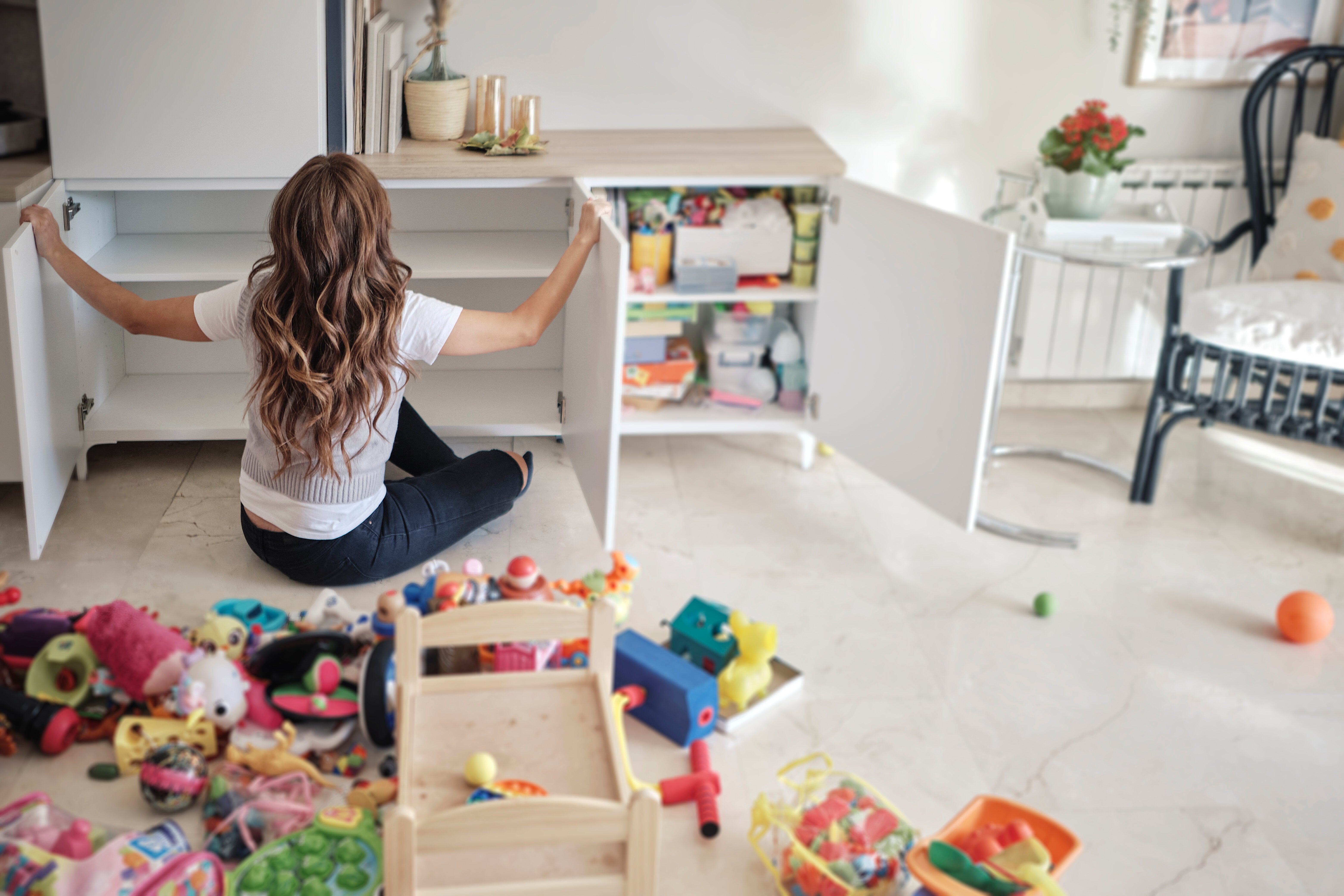
Task paralysis can look like “over-analyzing, the inability to get started on a project, trouble making decisions and feeling unable to sort out details,” according to psychiatrist Dr. Cynthia Seng.

SBenitez via Getty Images

Task paralysis can look like “over-analyzing, the inability to get started on a project, trouble making decisions and feeling unable to sort out details,” according to psychiatrist Dr. Cynthia Seng.

How task paralysis can impact someone with ADHD

Whether task paralysis manifests as procrastination or perfectionism, it can begin to quickly snowball and transform into what feels like an avalanche. When someone avoids their to-do list, it grows even more daunting.

“Over time, task paralysis can interfere with work performance, academic success, and relationships, even when someone is capable and motivated. Repeated struggles can lead to chronic stress, burnout, anxiety, and lowered self-esteem, especially in environments that misunderstand ADHD,” said Stephanie Olano, owner and CEO of TODOS Therapy. “Many people internalise these challenges as personal failure rather than a support issue.”

Alexa K., a 31-year-old from Colorado with ADHD, told HuffPost that when she has “tedious or unpleasant” tasks to complete – like signing up for benefits or making appointments – she is physically unable to do them.

“It has impacted my life because there are things that are important that I end up missing out on, or I procrastinate and miss a deadline,” Alexa said. “I feel like there are so many missed opportunities.”

Working through task paralysis

Gaining a deeper awareness of how ADHD-related task paralysis affects your life can support you in developing skills that work for you.

Caldwell explained that often her first “go-to” method is brain dumping, which encourages a person to get all their tasks and thoughts on paper so those tasks feel less overwhelming.

From there, Caldwell said that it’s crucial to “break down [tasks] into micro actions” that feel manageable and achievable. For example, instead of thinking about tackling all your household chores at once, set aside 10 minutes to do laundry and walk away once finished.

“Sometimes it helps if I designate a time block to a specific task and I don’t allow myself to do anything else or have any other distractions,” Alexa said.

Seng added that after completing a task or time block, some people may find “scheduling a ‘reward’ like a beverage or a text to a friend” is a successful tactic.

Further, taking ADHD medication, speaking to a neurodiversity-affirming therapist, or trying an evidence-based method such as body doubling can offer additional support. Body doubling is a technique in which someone with ADHD formally or informally works alongside someone else to increase motivation and foster a sense of accountability.

Factors such as working a full-time job or being a caretaker may make it more difficult to implement these skills. In this case, utilising resources like accommodations under the Americans with Disabilities Act can be indispensable.

Accommodations are not ‘special treatment,’” Olano explained. “They are tools that allow people to access their abilities on a more level playing field.”

Ending the cycle of shame surrounding task paralysis

If you have someone in your life with ADHD, it’s significant to understand that task paralysis is real and can be debilitating. It’s not an “excuse” for missing a deadline or a manipulative tactic to skirt doing the laundry.

“As a neurodivergent clinician who experiences task paralysis myself, I wish the neurotypical people around me understood that task paralysis is not something I can ‘push through,’” Low-Beinart said. “When neurotypical people judge or shame us, that only increases the stress and thus the cycle of task paralysis.”

Rather than trying to fix or find a solution to someone’s task paralysis, instead offer support, validation and respect as they navigate this experience. Developing skills to cope with task paralysis can be an ever-evolving process, and being met with patience, and being patient with yourself if you’re the one experiencing task paralysis, is crucial.

As Olano concluded, “When we replace shame with support and focus on changing systems rather than blaming individuals, people are far more likely to succeed.”

Share Button

Wes Streeting Is Wrong. ADHD Is Not Overdiagnosed, I Should Know.

Yesterday (Dec 4), Health Secretary Wes Streeting announced that he would be launching an independent review into rising demand for mental health, ADHD, and autism services in England.

On the surface, this might seem like a good thing – mental health and neurodivergence healthcare is stretched thin in the UK, people are crying out for help, so what we need to do is find a way to improve those services so that people can get the support they need, right?

Unfortunately, no.

In fact, the headline aim of this review is to see whether there is evidence of over-diagnosis, with the BBC reporting that the government “believes there are people being referred onto waiting lists who do not need treatment.”

Streeting himself said these conditions were being over-diagnosed earlier this year, though he has since claimed in a piece for The Guardian that those remarks were “divisive” and had “failed to capture the complexity of this problem”.

He wrote: “The truth is there has been a massive growth in mental health and behavioural issues and there isn’t a consensus within the mental health clinical community on what is driving it. We must look at this through a strictly clinical lens to get an evidence-based understanding… That’s the only way we can ensure everyone gets timely access to accurate diagnosis and effective support.”

But, despite Streeting’s attempts to roll back his earlier comments about over-diagnosis, an emphasis on questioning what is “driving” an increase in mental health and neurodivergent diagnoses rather than how to support that increase is both erroneous and borderline offensive.

There is already widespread and growing stigma about conditions like ADHD, with regular discourse online and among politicians about whether those diagnosed are “truly” struggling, and language about finding “evidence” for what is behind this surge in demand only adds to that rhetoric.

I was diagnosed with ADHD nearly two years ago, after waiting 1.5 years for a diagnosis. To many, that might not sound like too long – in some places, there can be up to a 10-year wait for diagnosis – but I was battling with my symptoms long before I was first referred to a Right to Choose provider for assessment. I spent years struggling with basic household tasks, relationships, and school and work, finding myself unable to focus for long periods, and berating myself for not being “normal” like everyone else around me.

This was particularly bad during university when I had a lack of structure and was forced to discipline myself – something that people with ADHD notoriously find difficult – leading to me being diagnosed with severe anxiety and depression. It turns out that the deterioration in my mental health was a result of not knowing about my ADHD and therefore not dealing with it in the right way.

I also battled with internalised stigma about having ADHD, overrun by narratives that people are lying about having the condition, conning themselves into believing they have ADHD, or that it’s not so serious that it even requires diagnosis and intervention.

Many people with ADHD grapple with similar difficulties, meaning they are reluctant to seek a diagnosis or are not believed when they do. Receiving a formal diagnosis was important to me both to feel validated in how I approached work, relationships, and life itself in the past as well as to ensure that I was legally entitled to receive specialist support for the condition. Without a diagnosis, that can be much harder.

At one previous job, for example, I was unable to obtain reasonable adjustments – and received zero empathy from my line manager – until I received a formal diagnosis, meaning I was protected under the 2010 Equality Act.

The current system we operate under does leave many people being “written off”, like Streeting said, but not in the way he might think. It is not due to over-diagnosis but rather chronic underfunding and complex healthcare systems that are not fit-for-purpose, that leaves people in the dust.

Streeting’s review is also looking to “raise the healthiest generation, increase healthy life expectancy, and reduce suicide”, but further stigmatisation of these conditions is in direct conflict with that goal.

People with ADHD are in fact more at risk of suicide and have a lower life expectancy than those who are neurotypical, with 1 in 4 women, and 1 in 10 men, with ADHD will at some time try to take their own lives, while people with ADHD are likely to die between seven and nine years younger than their peers. This is why it is so important for people to be able to access mental health and neurodivergent diagnoses and support.

For Streeting to suggest that the rise in demand requires any intervention apart from additional funding as well as empathy for those struggling, is ridiculous.

I am not the only one who thinks so. Henry Shelford, CEO of campaigning organisation ADHD UK, told HuffPost UK: “ADHD is not overdiagnosed. A recent Lancet study published research that analysed 9 million GP records and showed just 0.32% of patients have a diagnosis of ADHD. That’s nudging just 10% of the 3-4% of the population who have ADHD.

“We’re underdiagnosed, not overdiagnosed. In addition, a BBC study showed the average wait for an ADHD diagnosis in England is 8 years. The idea that you can achieve overdiagnosis with an average wait of nearly a decade is just preposterous.”

If Streeting wants fewer people to be struggling with ADHD, autism, and associated mental health conditions, then the answer is to invest in those services and support the people who need it rather than blaming them for getting diagnosed in the first place. Focusing on “overdiagnosis”, and refusing to acknowledge just how broken our system is, will push more and more people to breaking point – and the whole country will be worse-for-wear as a result.

Share Button

Meltdowns In Kids With AuDHD Are Never A ‘Choice’ – Trying This With Your Child Might Help

Every parent knows how difficult it can be when their child is struggling to regulate themselves.

But for parents of children with AuDHD – those who are both autistic and have ADHD (attention deficit hyperactivity disorder) – it can be especially tough to navigate emotional outbursts that seem to come out of nowhere.

In my experience, understanding the difference between a meltdown and a tantrum is crucial in knowing how to respond – and how to help.

What’s the difference?

A tantrum is a way of expressing frustration or attempting to get something. It is typically goal-oriented and usually the child has some control over it – for example, if they get what they want, they are usually able to calm down.

A meltdown is not a choice. It’s a neurological response to overwhelm – whether that’s too much sensory input, emotional stress, or cognitive demand.

Meltdowns are associated with the range of intense emotional regulation challenges that can accompany AuDHD. Importantly, meltdowns stem from a loss of control, not a desire to gain it.

An emotional safety plan can help

An emotional safety plan is a proactive, collaborative tool that helps children identify their emotions, recognise their triggers, and explore personalised strategies for managing distress.

It can be as simple as a colourful chart or journal page created together with your child, divided into spaces to note what each emotional state looks and feels like, what might have caused it, and what helped in those moments.

Involving your child in building their plan is key: it not only gives them a sense of ownership, but also helps them reflect on their own needs, feel heard, and develop vital self-awareness skills over time.

This can provide children with the tools to “name it to tame it”, putting words to feelings, to help reduce distress. This can be empowering, in addition to providing a sense of validation and control.

Key emotional states you can map together

Here are some common emotional states your child may experience, and ways you can support them through each one:

Hyper-arousal (meltdowns)

A meltdown is an intense, involuntary reaction to being overwhelmed, often as a result of stress and exhaustion. It may present physically, such as kicking or self-harming; verbally, such as screaming or shouting; and/or emotionally, such as through crying.

Meltdowns are highly individual and situational, with many potential causes, such as sensory overload, changes in routine, loud environments, and an inability to communicate effectively.

Co-regulation is a highly effective strategy to manage a child’s meltdown – stay calm and regulate yourself, while validating their experiences.

Reducing demands and sensory input, such as turning off lights or providing noise-cancelling headphones, can also be very helpful.

Establishing a safe physical space and toolkit for when a meltdown occurs, tailored to an individual’s needs, can provide an important foundation of safety.

Identifying potential triggers can flag opportunities to plan effectively, such as by using visual aids to plan transitions or changes.

Dysregulation (overwhelm)

Dysregulation is linked with overwhelm, such as from sensory input, emotional demands, or social expectations. Masking (suppressing natural responses to ‘fit in’) takes a toll on the nervous system, often resulting in emotional outbursts when this becomes unsustainable.

For example, a common scenario is when an AuDHD child arrives home from school and ‘releases’ overwhelm in a ‘safe’ environment, having masked all day. This can be referred to as the ‘shaken Coke bottle’ effect, where dysregulation builds up pressure internally, until this becomes external.

Overwhelm could appear as ‘naughty’ or ‘rude’ behaviour, which may be more accurately described as decompressing and adjusting.

Identifying these experiences with your child can help signpost potential strategies for support. For example, providing predictable decompression time before any conversations or demands after arriving home from school, or predictable rituals, can provide space for healthy decompression.

‘Normal’/balanced

Many AuDHD children grow up feeling like they need to adapt to what others expect – smiling when distressed, hiding self-soothing activities, or mimicking social behaviours, for example. This can make it difficult for them to understand what they actually need, or what it feels like to be authentically themselves.

Helping them to identify their own version of ‘normal’ (by identifying situations where they feel safe to unmask) and their sensory preferences can empower them to know their own baseline. This enables them to better recognise dysregulation, including when and how to seek support.

Reframing masking in this way can help AuDHD children (and adults) understand the difference between harmful suppression and strategic adaptation in masking, moving towards conscious choices, as opposed to involuntary reactions.

Dysregulation (numbness)

Not all dysregulation looks explosive – sometimes, it can manifest as becoming numb, distant, or zoned out, failing to follow instructions. This stress response may be a form of dissociation, where the brain temporarily disconnects to protect itself from overwhelm or perceived danger.

Such behaviours may be misunderstood as ‘rudeness’, ‘laziness’ or ‘not paying attention’, when the individual is in fact likely freezing up mentally and physically.

Triggers could include high pressure environments (such as classrooms), feeling criticised or misunderstood, or sensory overload, which builds up slowly.

Helping children to identify that these experiences aren’t ‘normal’ – or their fault – can be empowering. This can not only enable children to identify early warning signals, but also helpful activities to move through such states.

For example, creating mindfulness routines, such as counting breaths or colours, can help to centre their focus, in addition to identifying tools such as fidget toys to offer grounding through sensory input.

As a parent, providing non-intrusive presence, or grounding activities such as a firm hug (if your child is comfortable with this) can be highly effective. Ultimately, compassion can help them move into a state of safety.

Hypo-arousal (or shutdown)

Hypo-arousal is an intense state of nervous system under-action, often referred to as a shutdown. This is an internalised response, where the body and brain effectively go into ‘power-saving mode’ to survive overwhelm, effectively switching off.

Although highly individual, signs of shutdown can include selective mutism, where they become unable to speak. Children might become non-responsive, and extremely fatigued, withdrawing from interaction or situations and becoming detached from their surroundings.

Triggers for this involuntary response could include being told off, a lack of sleep, or an inability to communicate their needs. Certain sensory stimuli – such as smells, lights, noises, textures or movements – could also result in a shutdown.

In all situations, it’s crucial to prioritise the safety and wellbeing of the child, such as gently guiding them to a less stimulating, safe environment, and respecting their personal space. Avoiding pressure, such as to talk or communicate, is important, and pre-identifying alternative communication methods such as hand signals can be highly effective.

Practicing grounding and self-soothing techniques in a safe environment, such as deep breathing, or identifying calming activities such as colouring or journaling, can also help to form the basis of an emotional safety plan.

These plans can help empower children

Every child’s experience will be very different, but they likely already have a lifetime of experiences to draw upon and identify their own unique triggers and strategies that have helped them.

Having a step-by-step list of things to do in situations that trigger emotional dysregulation can be a highly empowering touchpoint, especially within states of overwhelm.

Just like you wouldn’t be able to stop crying just because someone told you to, neither can children – especially when they’re AuDHD. However, these plans can bridge the gap, providing a window into their invisible experiences, enhancing awareness and empathy.

Ultimately, kindness and understanding are key to supporting AuDHD children. Avoiding judgement, demonstrating reassurance and providing well-informed, tailored support is key to creating environments where AuDHD children can thrive – not just survive.

The experiences I’ve mentioned above are not ‘bad’ – they are simply part of a normal reaction to a world that isn’t designed for their unique neurological makeup, but all AuDHD children deserve to feel happy, safe, and empowered as they are.

Leanne Maskell is the founder and director of ADHD coaching company ADHD Works, and the author of AuDHD: Blooming Differently – a new book offering practical help and advice for AuDHD individuals and those who support them.


Share Button

5 Signs Your People-Pleasing Is Actually A ‘Survival Mode’

Chances are you either know, or are, a “people pleaser” ― someone who feels the urge to please others, sometimes at your own expense.

It can make you reluctant to say “no” to others, anxious about speaking up for your own needs, and suspicious that the people in your life are always taking advantage of your “helpful” nature.

But speaking to HuffPost UK, Dr. Bijal Chheda, consultant psychologist and the founder of neurodiverse-inclusive mental health clinic Nos Curare, sometimes the instinct can be a form of “fawn mode.”

What is “fawn mode”?

“While many people are familiar with the classic stress responses ‘fight, flight, or freeze,’ there’s a fourth overlooked reaction called ‘fawn mode,’” Dr Chheda told us.

“Fawn mode is a psychological response to threat where, essentially, people-pleasing is turned up to become a survival strategy.”

But instead of causing you to flee from or confront a perceived threat, “fawn mode” means you become hyper-attuned to the needs and expectations of those around you.

It can happen to people who were bullied or exposed to an emotionally unsafe environment in childhood, the expert said, but it can also start in adulthood following toxic work, romantic, familial, or platonic relationships.

“Because they fully believe that their safety or acceptance depends on keeping others happy, people in fawn mode feel the need to work extra hard in the moment to maintain peace,” the psychologist shared.

For those on the autism spectrum, fawning behaviours “may overlap with masking or the act of camouflaging one’s real traits as a way to blend in with social expectations.

“They do this consciously in order to minimise rejection or avoid criticism, often resulting in burnout.”

Those with ADHD may face similar pressures, she continued.

What are the signs I’m in “fawn mode”?

Per Dr Chheda, you may be in fawn mode if:

1) Saying no feels impossible, even when you’re overwhelmed.

You might find it hard to set boundaries, even ones that are sorely needed, the psychologist said.

“Even when your own energy or time has been depleted, you tend to prioritise others’ needs to avoid conflict or confrontation.”

2) You are constantly anxious about upsetting others.

“This heightened anxiety makes every interaction feel like a test where one wrong move could lead to disapproval or instant abandonment,” Dr Chheda told us.

This can make clear, honest communication “exhausting.”

3) Apologising has become a reflex or automatic response.

Find yourself saying “sorry” out or habit, even if you’ve done nothing wrong?

“In these instances, apologising has become a default response used to smooth over situations or deflect potential criticism,” explained the psychologist.

“Over time, this habit can blur the lines of personal responsibility.”

4) Your sense of self-worth depends on being needed.

Some people in “fawn mode” tie their self-worth to how useful they feel they are to other people.

“In turn, this dynamic makes it hard to recognise your own personal needs or prioritise self-care without feelings of guilt,” Dr Chheda stated.

5) You feel responsible for how other people feel.

You might be hyper-vigilant about other people’s emotions and moods.

“This constant monitoring can leave you emotionally exhausted. In focusing so much on others, it becomes easy to lose sight of your own feelings or identity,” the pro told us.

What should I do if I think I’m in “fawn mode”?

You don’t have to turn a lifetime of habits around in a day, Dr Chheda revealed.

“Self-awareness is the first step to breaking free from fawn mode. Take time to reflect on when these behaviours began and how they have been reinforced throughout your life,” she advised.

“Once you have done this, you can start setting micro-boundaries. Begin with small steps like saying no to low-stakes requests or pausing before agreeing to things.”

The process of untying your worth from the needs of others can be lonig and tricky, the psychologist ended, but is ultimately worth it.

Share Button

RSD May Be ‘Common’ With ADHD – Here Are Its Symptoms

Rejection-sensitive dysphoria, or RSD, is not an officially recognised diagnosis, the Cleveland Clinic says. But it is sometimes used in connection with formal diagnoses, like ADHD.

“This condition is linked to ADHD and experts suspect it happens due to differences in brain structure,” the Cleveland Clinic adds.

ADHD resource ADDITUDE calls RSD a “common ADHD trait”, though experts are in disagreement about whether it’s a trait or side effect. Nonetheless, a 2024 paper suggested a strong relationship between the two.

So, what exactly is RSD?

RSD is an extreme sensitivity to feelings of rejection. The term’s last word, “dysphoria”, comes from an Ancient Greek word meaning “uncomfortable” or “hard to bear”.

Cleveland Clinic says: “While rejection is something people usually don’t like, the negative feelings that come with RSD are stronger and can be harder to manage or both.

“People with RSD are also more likely to interpret vague interactions as rejection and may find it difficult to control their reactions.”

For those with RSD, something which might be a throwaway comment for one person can come across as a hostile, hurtful insult.

It may be linked to issues with emotional regulation, which neurodivergent people and those with personality disorders might struggle with more.

What are the signs of RSD?

People-pleasing, overreacting to perceived rejection, and struggling to interpret vague or neutral interactions as anything other than bad are common signs, the Cleveland Clinic says.

Feeling easily embarrassed or self-conscious, having low self-esteem, avoiding projects or tasks that include a risk of failure, and being preoccupied with perfection can also be symptoms.

It may be passed down genetically.

NHS Devon Partnership Trust writes that while “people with ADHD might identify with the definition of RSD… it won’t be given as a diagnosis in the UK”.

But while you are unlikely to receive a formal RSD diagnosis, you should speak to a doctor if you’re experiencing persistent difficulties with: attention, mood, focus, sensory processing, social interactions, or learning that disrupt your day-to-day life.

According to private medical centre, the Dr Jenni Clinic, talking therapies and emotional regulation techniques might help manage RSD. Some ADHD medications can also support emotional regulation, “reducing the intensity of RSD symptoms”.

Share Button

Is This ADHD Symptom Messing With Your Sex Life?

Attention-deficit/hyperactivity disorder impacts many different aspects of life, from laundry habits to behavior at work. Another area where ADHD can pose major challenges is sexual intimacy, thanks to a condition known as rejection sensitive dysphoria, or RSD.

So what exactly is RSD, and how does it harm your sex life? Below, experts break down the concept, how it manifests and what you can do if the experience sounds familiar.

What is rejection sensitive dysphoria?

“Rejection sensitive dysphoria, or RSD, means having an intense negative emotional reaction ― often emotional pain ― to real or perceived instances of rejection, dislike or critical statements by others,” Dr. Lidia Zylowska, an associate professor at the University of Minnesota School of Medicine and author of The Mindfulness Prescription for Adult ADHD, told HuffPost.

“It often means being vigilant and sensitive to others’ negative reactions, trying to pre-empt them, and having difficulty shaking off the intense negative feeling triggered by feeling rejected or disliked in some way.”

RSD is not a formal designation in the DSM-5, which is the official handbook for mental health diagnoses, but the term has been popularised by psychiatrist Dr. William Dodson. As Dodson writes, this kind of extreme emotional sensitivity and pain can be triggered by someone’s perception of criticism or rejection ― or “by a sense of falling short ― failing to meet their own high standards or others’ expectations.”

RSD is particularly common in people with ADHD, as they tend to struggle with emotional regulation due to imbalanced dopamine levels and brain activity.

“One significant reason for its prevalence in ADHD is that the very nature of ADHD symptoms can lead to more frequent experiences of perceived or actual criticism and rejection,” said clinical psychologist Cristina Louk. “Impulsivity, difficulty with social cues, struggles with organization, and challenges in completing tasks can inadvertently lead to misunderstandings, critiques, or situations where individuals with ADHD feel they have fallen short.”

“Sexual intimacy demands profound vulnerability, which directly clashes with the intense fear of rejection and criticism that defines RSD.”

– Cristina Louk, clinical psychologist

Many neurodivergent individuals also have a long history of being bullied. All of these lived experiences can make the brain hypervigilant to any hint of dissatisfaction. For someone with RSD, even a seemingly neutral or minor interaction can trigger a disproportionate emotional response.

“Events such as a someone being reminded to close a window, or that they forgot to put a dish in the dishwasher, or a boss requesting some edits to a report can trigger extreme emotional reactions, rage or sadness,” said J. Russell Ramsay, a psychologist who co-founded and formerly co-directed the University of Pennsylvania’s adult ADHD treatment and research program.

These feelings are swift and overwhelming, regardless of whether there’s anything negative happening in one’s present reality. A manager could be requesting a meeting to discuss positive feedback and new opportunities, but someone with RSD might immediately assume they’re being fired and start to spiral.

“Similarly, a fleeting memory of a childhood event, like being bullied or excluded, can trigger the same intense emotional pain as if it were happening in the present moment,” Louk said.

People often compare the sensation to a physical wound, like a punch to the gut, ache in the chest or crushing sensation, she added. These episodes of emotional distress can last for a few hours or even a few days ― thus affecting someone’s ability to function in daily life.

“To cope, individuals with RSD may withdraw from social situations entirely to protect themselves from potential hurt, further exacerbating feelings of isolation and low self-worth,” Louk said.

They may also take excessive steps to avoid any perceived negative reactions from others.

“People might become people-pleasers, being overly deferential to avoid negative feedback,” Ramsay noted. “They might avoid situations that they view as ‘risky’ or overcompensate by being very perfectionistic, trying to do everything right to avoid criticisms. Reactions and impulsive over-reactions can lead to arguments in relationships, including in the workplace.”

How can RSD impact your sex life?

“Rejection sensitive dysphoria can significantly complicate a person’s sex life, transforming what should be an arena of connection and pleasure into one fraught with anxiety and potential pain,” Louk said. “At its core, sexual intimacy demands profound vulnerability, which directly clashes with the intense fear of rejection and criticism that defines RSD. This often leads individuals to emotionally withdraw, making it difficult to fully open up and express authentic desires or needs, ultimately creating a chasm in emotional and physical closeness.”

Another challenge is the tendency to misinterpret neutral responses as personal slights: “A partner’s momentary distraction or fatigue might be perceived as disinterest or disapproval,” Louk said, “triggering disproportionate emotional reactions like anger, sadness, or immediate defensiveness, which can quickly escalate minor issues into significant conflicts.”

She noted that this hypervigilance can lead to a self-perpetuating cycle of dissatisfaction, with performance anxiety and physical difficulties with arousal and orgasm. Individuals with RSD might actively avoid initiating sexual encounters or even general physical affection to prevent any sense of failure or rejection.

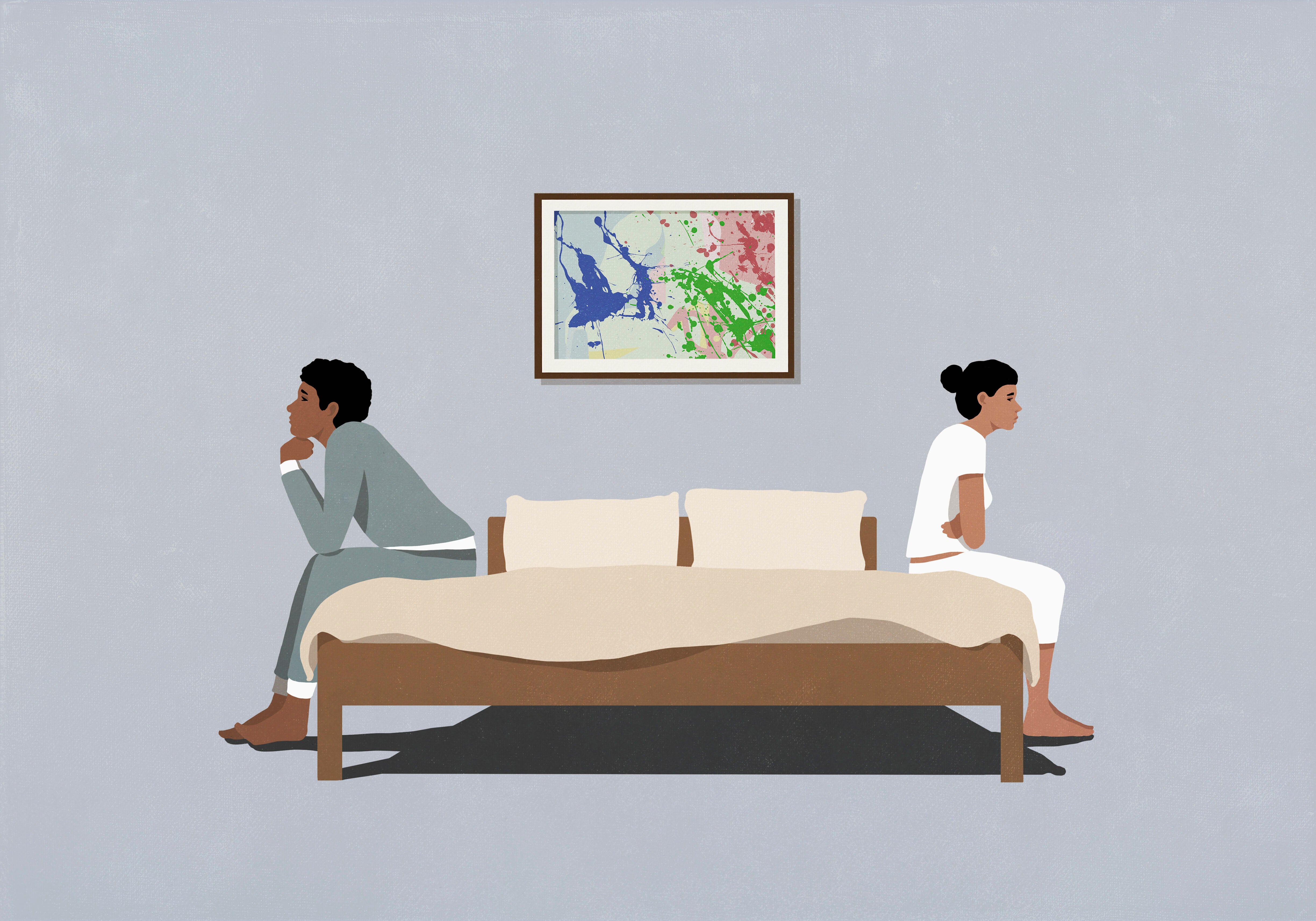
RSD can create challenges in your sex life, but there are ways to overcome these issues.

Xuanyu Han via Getty Images

RSD can create challenges in your sex life, but there are ways to overcome these issues.

“For someone with RSD, a partner simply saying that they’re tired, or not in the mood may trigger a spiral of anxiety, fear, and shame,” said therapist Rachael Bloom. “Fear of rejection may also cause someone to prioritise their partner’s needs over their own, as they want to make sure to get it ‘right.’ It might also make someone less likely to openly share sexual preferences or desires. This lack of openness can significantly impact someone’s sexual satisfaction.”

Individuals with RSD might even sabotage their relationships to avoid potentially feeling hurt and rejected in the future. Psychotherapist and ADHD coach Terry Matlen noted that adults with ADHD often feel lingering self-doubt and insecurities from childhood and question whether their partner is even attracted to them.

“They may be overly sensitive about their looks, perhaps perceived imperfections, weight, ability to sexually express themselves, for example,” she said. “One can also shut down sexually and not enjoy the full experience as a way to avoid being rejected or criticised.”

How can you keep RSD from hindering intimacy?

There are things you can do ― both with a partner and on your own ― to keep rejection sensitive dysphoria from derailing your sex life.

“Educating yourselves together about RSD fosters deeper empathy and understanding, and preemptive communication about potential triggers ― perhaps establishing a ‘safe word’ for needed breaks ― can prevent escalation,” Louk said.

She also recommended reinforcing the strength of your relationship by focusing on non-sexual intimacy with shared activities and emotional connection. The positive effects can carry over into your sex life as well.

“Recognise that your automatic assumptions about how someone else sees you can be mistaken,” Ramsay advised. “Look at all the positive aspects of a relationship, including the physical relationship.”

Making an effort to understand your sensitivities and reactions can help you anticipate and prepare for them.

“The key to managing RSD is to regulate the emotions involved ― shame, guilt, fear,” said Billy Roberts, a therapist at Focused Mind ADHD Counseling. “One way to regulate emotions within a relationship is by being open about RSD. Identify when you’re experiencing RSD, and check the facts with your partner. For example, ‘I’m feeling worried that you’re mad at me. Is that true?’ You might also share that it would help if they delivered their response in a supportive manner.”

Roberts emphasised that vulnerability and honest communication foster security, which builds a better sex life.

“It is helpful to recognise what happens in the moment a feeling of rejection comes up ― how does the body reacts or tenses, what feelings or thoughts bubble up,” Zylowska said. In these moments, she recommended you try to practice calming yourself with deep breathing and self-compassion.

“Instead of thinking ‘I am not liked,’ give the benefit of the doubt ― ‘what if I am liked?’” she said. “It can be helpful to ask yourself if there is too much personalising of a partner’s behaviour ― ‘maybe their lower libido is not about me but something going on with them.’”

Try to practice being brave and honest about your preferences, even in small ways, as you have sex or talk about intimacy with your partner.

“Tell your partner of your emotional sensitivities and what words and behaviours are most troublesome,” Matlen said. “Educate your partner on RSD and how it’s related to your ADHD and that it’s not about them. And it’s important to be kind to yourself, to know that it’s part of how your ADHD brain works, and that you aren’t broken, weird, or psychologically weak.”

If you’re having issues, consider seeking professional help through individual and/or couples therapy. Don’t be discouraged if you need time to figure out the right multifaceted approach for you.

“In my practice, I treat RSD using a combination of cognitive behavior therapy, acceptance and commitment therapy and somatic therapies,” Bloom said. “People with ADHD absolutely deserve to have satisfying and authentic sex lives, and developing an awareness around certain fears and how they are impacting behavior is so important.”

Share Button

These 6 Signs Of ‘Laziness’ May Prove You Actually Just Need Support

Author and psychologist Devon Price doesn’t just think “lazy” is a harsh term – in an interview with NPR, he said he doesn’t think the attribute really even exists.

Instead, the expert suggests, the word is bandied about to shame people into prioritising productivity over health.

Speaking to HuffPost UK, consultant psychologist and founder of London mental health clinic Nos Curare, Dr Bijal Chheda, said that so-called “laziness” really can be a sign of mental health issues and neurodivergence.

She shared seven behaviours some may label “lazy” that might indicate you actually need more support:

1) Struggling to get out of bed

“For many people living with mood disorders, such as depression or bipolar disorder, just getting out of bed in the morning can feel impossible,” Dr Chheda said.

“This is especially the case after high-energy periods where intense emotional highs are followed by a sudden crash that reflects physically.”

During very high-activity spells, people with bipolar can push themselves far beyond their limits, the psychologist told us.

“In these cases, exhaustion is so overwhelming it can feel physically paralysing, making even simple tasks feel impossible.”

2) Skipping basic self-care steps

Missing showers, not brushing your teeth, and wearing the same clothes for days can leave some people feeling “lazy.”

But, Dr Chheda told us, “Neglecting personal hygiene or even basic self-maintenance tasks, such as eating regularly, can actually stem from feelings of numbness or hopelessness, symptoms often linked to major depressive disorder (MDD).”

During these times, the brain shifts into survival mode, leaving your previous routine in the dust.

“It’s not a lack of responsibility, but a sign that the mind is prioritising basic emotional survival over everyday functioning,” she shared.

3) Withdrawing from social occasions

Cancelling plans, though impolite, can be a sign of overwhelm, says Dr Chheda.

“To many neurodivergent individuals, especially on the autism spectrum, this can be a protective response to overstimulation,” she wrote.

“This type of sensory overload is typically triggered by loud environments or unpredictable social dynamics, causing them to retreat from group settings for indefinite periods at a time. In these instances, even brief conversations or small talk can be extremely mentally taxing.”

4) Procrastinating

Sometimes, the psychologist explained, there’s a science behind why you keep putting that one task off.

“Due to low dopamine levels (the hormone associated with motivation and reward), for example, individuals with Attention-Deficit Hyperactivity Disorder (ADHD) often have difficulty with task initiation,” she told us.

“Combined with time blindness (the inability to keep track of time) it makes it harder to gauge how long certain tasks will take.”

5) Decision fatigue

If the thought of choosing dinner one more time is enough to make you nope out of the meal altogether, Dr Chheda says that may be a red flag.

“If someone’s default answers are ‘I don’t care’ or ‘you choose,’ they might not be indecisive or indifferent. In fact, they might just be mentally exhausted,” she advised.

People living with generalised anxiety disorder or high-functioning depression may be especially more likely to show the sign, the expert continued.

“While often appearing composed on the outside, their minds work in overdrive, internalising their issues. As such, the burden of making daily decisions while battling intrusive thoughts wears down the brain, making even the simplest choices feel debilitating.”

6) Not following through on your goals

Not doing what you said you would can make you feel guilty, but sometimes it’s down to your dopamine, Dr Chheda said.

“These patterns are… classic symptoms of emotional dysregulation caused by low dopamine levels, common in individuals who suffer from bipolar disorder and ADHD. This is why these two conditions are often misdiagnosed as one another.”

Some with the condition can have weeks or months of intense, overactive motivation, followed by long, uninterrupted lulls.

“The turbulence makes it difficult to maintain momentum, forcing them to leave goals unfinished, even ones they were once excited about,” the psychologist ended.

Noticing one, more, or all of these signs does not definitely mean you are neurodivergent or have a mental health issue.

But if your day-to-day life is affected by your mood, stress, or exhaustion, speak to a professional about how to address it.

Help and support:

  • Mind, open Monday to Friday, 9am-6pm on 0300 123 3393.
  • Samaritans offers a listening service which is open 24 hours a day, on 116 123 (UK and ROI – this number is FREE to call and will not appear on your phone bill).
  • CALM (the Campaign Against Living Miserably) offer a helpline open 5pm-midnight, 365 days a year, on 0800 58 58 58, and a webchat service.
  • The Mix is a free support service for people under 25. Call 0808 808 4994 or email help@themix.org.uk
  • Rethink Mental Illness offers practical help through its advice line which can be reached on 0808 801 0525 (Monday to Friday 10am-4pm). More info can be found on rethink.org.
Share Button

‘I Was 34 When I Got My ADHD Diagnosis – It Changed My Life Forever’

Though some worry that the significant rise in adult ADHD diagnoses over the past two decades may be unwarranted, the facts are plain: ADHD UK says roughly two million cases are still undiagnosed in the UK.

ADHD research from the UK Longitudinal Household Study found 12 times as many people were in the ‘undiagnosed distress’ category as those considered ‘overdiagnosed’ in 2024, too.

Experts think that ADHD may be more frequently diagnosed among adults nowadays because of increased awareness and decreased stigmatisation.

For Alex Partridge, founder of LADbible and UniLad, host of ADHD Chatter podcast and author of Now It All Makes Sense: How An ADHD Diagnosis Brought Clarity To My Life, a later diagnosis was transformative.

He spoke to HuffPost UK about how the experience went for him.

“The stereotype of ADHD is physical hyperactivity, but I struggled to see that in myself”

The founder and author shares that he didn’t recognise himself among stereotypical descriptions of ADHD, because he was “quiet and shy.”

“Instead, my hyperactivity was very much internalised and concentrated in my head,” he says.

So, while he exhibited signs a psychiatrist later told him were “clear as hell” (like abandoning projects, overspending, and struggling to maintain friendships and relationships), Partridge didn’t get diagnosed until 34.

The news, which came “after a lifetime spent feeling out of place without knowing why,” changed his life forever, he adds.

“My initial diagnosis came with a significant amount of grief, confusion, and questions,” he comments (he sought help from an expert after a coworker made a passing remark about how ADHD-like his behaviour seemed).

“What would my life have been like if I’d had this understanding earlier? Who am I, really? What’s me and what’s masking? It’s a fascinating, but difficult, journey of self-discovery that I’m still on today.”

But this “grief” comes with “enormous gratitude,” Partridge comments.

“I’m grateful for finally finding out I’m not broken and that I don’t need to be fixed. Everything in my past makes sense. My life makes sense. I was always enough.”

“You’re not too old”

Partridge says there are lots of reasons to put off or avoid seeking an ADHD diagnosis as an adult besides feeling “too old” for it.

Maybe you “can’t face the idea of being on a waiting list for potentially years, or believe that, as you’ve coped perfectly well up until this point, you don’t necessarily need an ‘official’ ADHD diagnosis.”

He says this “is a completely valid way of thinking – however you opt to engage with potential neurodivergence is entirely up to you, and whatever you choose is OK.

“All I can say is that, for myself, if I had been born with the understanding of ADHD I have now, my life would have been very different. So much pain would have been avoided.”

The author added he wishes he could go back in time and hug his younger self “and tell him, you’re not broken. You don’t need to be fixed. Your brain works a little bit differently.

“And with the right tools, you can mitigate the challenges of ADHD, lean into
your unique strengths, and ultimately achieve amazing things.”

Share Button

There Are 8 Key Autism Terms – It’s Time You Learned Them

Recent studies reveal that about 700,000 people in the UK are autistic, which works out as around one in every 100 people in the population. Research also indicates that the numbers could be twice as high, as there are so many people still undiagnosed.

With this in mind, Dr Selina Warlow, a clinical psychologist and owner of The Nook Neurodevelopmental Clinic, has shared a glossary of terms that give insights into some of the traits of autism, providing support when it comes to recognising symptoms.

She says: “Conversation around neurodiversity is becoming normalised, and that’s so positive to see.

“But the figures show a need for more awareness to help people identify whether they [are autistic], so they can start their assessment journey. Receiving a diagnosis can open access to expert resources that support autistic people to thrive in society.”

From masking to autistic burnout – a psychologist explains 8 traits of autism

Stimming (Self-Stimulatory Behaviour)

Stimming is a term that refers to repetitive movements or sounds often associated with autism to manage sensory overload. This includes rocking, tapping, hand-flapping and spinning”, explains Dr Warlow.

While these aren’t exclusive to autistic people, autistic people are more likely to use them as tools of self-regulation.

Masking is behaviour autistic people may use to hide their true characteristics to match those of neurotypical individuals”, says Dr Warlow.

“This could involve copying facial expressions, planning conversations in advance, or holding in ‘stimming’, for example swapping hand clapping, with playing with a pen.”

Autistic burnout

“Autistic burnout – being extremely tired both mentally and physically – can be associated with the act of ‘masking’ (concealing autistic behaviours) for a long period of time, or sensory or social overload.”

Dr Warlow shares that some of theymptoms of autistic burnout include withdrawal from social life, reduced performance, and increased sensitivity to certain stimuli.

Literal thinking

For some autistic people, language is always very literal, which can result in confusion with figures of speech, irony or indirect requests.

“For instance”, Dr Warlow adds, “being told to ‘pull your socks up’ might be understood literally, not as a motivational phrase, so using exact words may be more helpful during conversations.”

Assessment

Prior to diagnosis, a person showing signs of being autistic may choose to be assessed. This process can either happen through the NHS by visiting your GP or you can seek a private assessment.

Dr Warlow says that a diagnosis can be both “an emotional, but also empowering time”, while you learn about autism and adjust your lives to cater for its strengths and needs.

Hyperfocus

Hyperfocus is where an autistic person is able to focus intensely on an activity, and can become absorbed in it to the point of forgetting about the time. This is useful in work or hobbies but can result in neglect of other aspects of life such as food or rest.

Dr Warlow advises: “If it is possible to identify hyperfocus patterns, alarms can be used to help keep tasks moving.”

Special interests

Autistic people can have a particular interest which they find fascinating and dedicate lots of time to learning about. Special interests usually begin presenting in childhood but can also form as an adult. Special interests could include anything from dinosaurs or superheroes to hobbies like gardening.

Dr Warlow adds: “Chris Packham is an example of a person with autism who turned his childhood special interest in animals into a successful career, becoming one of the UK’s best-loved natural world TV presenters.”

Dr Warlow reveals that the term AuDHD – a combination of Autism Spectrum Disorder (ASD) and Attention Deficit Hyperactivity Disorder (ADHD) – is gaining traction in the neurodiverse community, with over 12,000 monthly Google searches, 375,000 posts on TikTok and 172,000 hashtags on Instagram.

“Many autistic people also have ADHD, which can bring certain benefits and difficulties at the same time. While autism is characterised by a desire for sameness and a focus on details, ADHD is defined by impulsivity and difficulty focusing.”

If you think you may be autistic, speak to your GP for a referral.

Share Button

Is Self-Diagnosing ADHD From TikTok So Bad? I Asked A Psychotherapist

A recent headline about ADHD (attention deficit hyperactivity disorder), which more and more UK adults have received treatment for over the past couple of years, said the condition is being “wildly overdiagnosed”.

The article’s author adds the condition “has become a scam” because so many people say they have it.

Some worry that apps like TikTok are giving people misinformation that leads them to inaccurately “self-diagnose” the condition, too.

But, perhaps down in part to long and highly variable NHS ADHD assessment wait times, ADHD UK says roughly two million cases are still undiagnosed in the UK.

So, we spoke to psychotherapist and founder of Philadelphia Talk Therapy Matt Sosnowsky about what he thinks about the increase in diagnoses, including self-diagnosis, from social media videos.

Sosnowsky doesn’t think regular people are mental health experts, but that’s not always the point

Sosnowsky says that he works with people of all ages, and says “very few clients” have a professional-level understanding of mental health diagnoses.

But they are, he told us, “the authority on how they feel and what they’re experiencing – which is critical.”

“Perhaps surprisingly, I’m not against folks using media and social media to get a sense of what might be troubling them,” the therapist added.

After all, he points out, “Mental illness remains disproportionately unrecognised and underdiagnosed” (2024 research from the UK Longitudinal Household Study found 12 times as many people in the ‘undiagnosed distress’ category than those considered ‘overdiagnosed’).

“Further, many mental health issues are quite subtle,” Sosnowsky adds.

“Pure ‘O’ OCD, for example, involves constant mental checking – a version of OCD different from what we see in movies, and not dissimilar to regular old rumination. Yet, I’ve had clients suffer from this for decades with absolutely no idea that they had a very treatable diagnosis.

“If seeing your own struggles mirrored back to you in a TikTok video prompts one [person] to seek help, that’s a win to me.”

That’s not to say actual diagnoses should be left to non-professionals, though

“Of course, the devil is in the details and moderation is key,” Sosnowsky said.

He doesn’t, for instance, think identifying with a social media clip amounts to a formal diagnosis or anything like it.

“If you suspect you have a diagnosis, that’s your cue to get it checked out with a professional,” he told HuffPost UK.

“In the interim, avoid jumping to conclusions or catastrophising as neither is likely to give you good data or the help you need.”

That’s not to say you should ignore any signs of ADHD you think are worth exploring completely, he writes.

“Instead, consider doing some light-touch research from responsible sources to educate yourself.

“Not only will this empower you, but it will improve your ability to convey concrete symptoms to your future therapist or psychiatrist.”

Help and support:

  • Mind, open Monday to Friday, 9am-6pm on 0300 123 3393.
  • Samaritans offers a listening service which is open 24 hours a day, on 116 123 (UK and ROI – this number is FREE to call and will not appear on your phone bill).
  • CALM (the Campaign Against Living Miserably) offer a helpline open 5pm-midnight, 365 days a year, on 0800 58 58 58, and a webchat service.
  • The Mix is a free support service for people under 25. Call 0808 808 4994 or email help@themix.org.uk
  • Rethink Mental Illness offers practical help through its advice line which can be reached on 0808 801 0525 (Monday to Friday 10am-4pm). More info can be found on rethink.org.
Share Button