140,000-year-old skeleton shows earliest interbreeding between humans and Neanderthals

Research team: “This discovery reveals the world’s earliest known human fossil showing morphological traits of both of these human groups, which until recently were considered two separate human species. The current study shows that the five-year-old child’s skeleton is the result of continuous genetic infiltration from the local — and older — Neanderthal population into the Homo sapiens population.”

An international study led by researchers from Tel Aviv University and the French National Centre for Scientific Research provides the first scientific evidence that Neanderthals and Homo sapiens had biological and social relations, and even interbred for the first time, in the Land of Israel. The research team found a combination of Neanderthal and Homo sapiens traits in the skeleton of a five-year-old child discovered about 90 years ago in the Skhul Cave on Mount Carmel. The fossil, estimated to be about 140,000 years old, is the earliest human fossil in the world to display morphological features of both of these human groups, which until recently were considered two separate species. The study was led by Prof. Israel Hershkovitz of the Gray Faculty of Medical and Health Sciences at Tel Aviv University and Anne Dambricourt-Malassé of the French National Centre for Scientific Research. The findings of this historic discovery were published in the journal l’Anthropologie.

“Genetic studies over the past decade have shown that these two groups exchanged genes,” explains Prof. Hershkovitz. “Even today, 40,000 years after the last Neanderthals disappeared, part of our genome — 2 to 6 percent — is of Neanderthal origin. But these gene exchanges took place much later, between 60,000 to 40,000 years ago. Here, we are dealing with a human fossil that is 140,000 years old. In our study, we show that the child’s skull, which in its overall shape resembles that of Homo sapiens — especially in the curvature of the skull vault — has an intracranial blood supply system, a lower jaw, and an inner ear structure typical of Neanderthals.”

For years, Neanderthals were thought to be a group that evolved in Europe, migrating to the Land of Israel only about 70,000 years ago, following the advance of European glaciers. In a groundbreaking 2021 study published in the prestigious journal Science, Prof. Hershkovitz and his colleagues showed that early Neanderthals lived in the Land of Israel as early as 400,000 years ago. This human type, which Prof. Hershkovitz called “Nesher Ramla Homo” (after the archaeological site near the Nesher Ramla factory where it was found), encountered Homo sapiens groups that began leaving Africa about 200,000 years ago — and, according to the current study’s findings, interbred with them. The child from the Skhul Cave is the earliest fossil evidence in the world of the social and biological ties forged between these two populations over thousands of years. The local Neanderthals eventually disappeared when they were absorbed into the Homo sapiens population, much like the later European Neanderthals.

The researchers reached these conclusions after conducting a series of advanced tests on the fossil. First, they scanned the skull and jaw using micro-CT technology at the Shmunis Family Anthropology Institute at Tel Aviv University, creating an accurate three-dimensional model from the scans. This enabled them to perform a complex morphological analysis of the anatomical structures (including non-visible structures such as the inner ear) and compare them to various hominid populations. To study the structure of the blood vessels surrounding the brain, they also created an accurate 3D reconstruction of the inside of the skull.

“The fossil we studied is the earliest known physical evidence of mating between Neanderthals and Homo sapiens,” says Prof. Hershkovitz. “In 1998, a skeleton of a child was discovered in Portugal that showed traits of both of these human groups. But that skeleton, nicknamed the ‘Lapedo Valley Child,’ dates back to 28,000 years ago — more than 100,000 years after the Skhul child. Traditionally, anthropologists have attributed the fossils discovered in the Skhul Cave, along with fossils from the Qafzeh Cave near Nazareth, to an early group of Homo sapiens. The current study reveals that at least some of the fossils from the Skhul Cave are the result of continuous genetic infiltration from the local — and older — Neanderthal population into the Homo sapiens population.”
Share Button

What Happens When You ‘Convince’ Your Partner To Have Kids? 4 People Share Their Stories

We all know – or know of – a couple who broke up because only one of them wanted children, even if that couple is just Sofía Vergara and Joe Manganiello.

Whether or not to become parents is one of the most important issues for couples to align on – and when they disagree, it can understandably be their undoing.

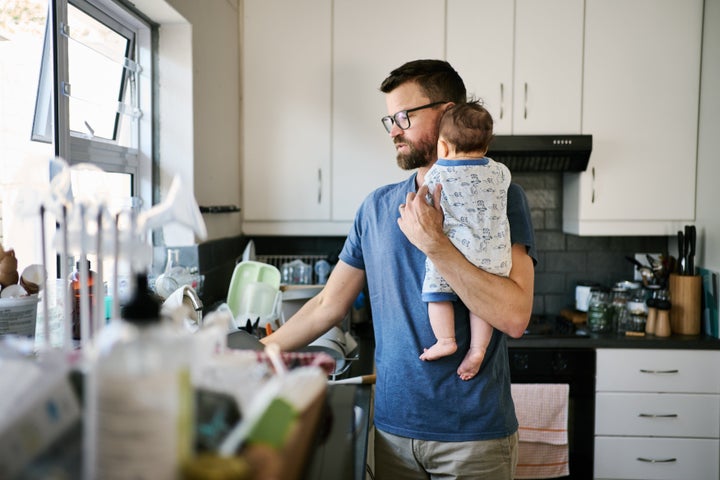
But life is never that straightforward, and in some cases, one person in the couple can sometimes change their mind about having kids. The other may even make the case to try and “convince” them to reconsider. This sometimes works out for them and sometimes doesn’t, but it’s certainly a fine line to tread.

“Deciding to have children isn’t something anyone should be pushed into,” Teresha Young, an international wellness and relationship coach told HuffPost.

“If a couple talks things through openly and honestly, and a partner decides of their own accord that they now want children, it can be a natural, healthy and positive shift. This often comes from finding common ground as a team, sharing hopes, and imagining a future together.”

We’re using the term “convincing” with a large helping of salt here, because this isn’t about coercion or putting pressure on a partner who simply does not want children. It’s much more nuanced than that.

“If anyone is being emotionally manipulated, guilt-tripped or blackmailed into parenthood, that’s a recipe for disaster,” Young said.

“No one should be forced into making such a significant life decision. That kind of pressure can breed resentment, bitterness, emotional disconnection and withdrawal. It might not surface straight away, but over time it can chip away at the relationship.”

In an ideal world, dating experts would typically advise that people start talking about whether or not they want kids in the long term in the first few dates.

“The conversations should begin with discussing your positive childhood memories, what you loved about how you were raised, and then transition into what you may do differently with your kids,” Spicy Mari, a relationship expert featured on Netflix’s Sneaky Links and founder of The Spicy Life, told HuffPost.

These conversations, Mari said, should take place whether you’re in your 20s or your 40s, especially if you know that you feel strongly one way or the other.

“If anyone is being emotionally manipulated, guilt-tripped or blackmailed into parenthood, that’s a recipe for disaster.”

– Teresha Young, international wellness and relationship coach

Still, people often find themselves in a long-term relationship where they don’t align with their partner on the kids question, whether they didn’t discuss it until they were already invested or one person changed their mind along the way. In this case, Young said to start with curiosity about your partner’s position.

“This is not about proving who is ‘right,’” the expert said. “It’s about listening with empathy, respecting each other’s perspectives, and exploring whether there’s room for alignment without pressure or guilt.”

If these conversations don’t yield any movement on either side, the couple will have to consider whether or not to continue the relationship given this information.

For obvious reasons, this isn’t a decision to take lightly. “Every child deserves to grow up in an environment that feels physically, emotionally and psychologically safe,” said Young. “For that to happen, both people need to genuinely want to become parents. If there’s hesitation or a lack of shared desire, there’s a risk of creating a situation where a child may not have the best chance to thrive.”

HuffPost spoke to people who say they felt they were “convinced” by their partner to have children, whether or not their relationship worked out in the end. Here’s what they told us.

1. The conference bargain

“My husband and I have been together for the past 10 years. On our second date, he said he was looking for something serious and wanted to know if I was looking for the same. I was too busy in my life to invest myself emotionally in a relationship without direction so I gave us a chance.

When I was younger I did not know I wanted children. It wasn’t until the opportunity to have children presented itself that I knew having children would be a natural next step for me. My husband did not have a strong opinion about having children or not having children. He has two children from a previous marriage, so he did not have a sense of urgency.

[He] changed his mind about having a child with me when I was accepted to speak at the International Peace Research Association’s conference in Sierra Leone. He was concerned I would not be safe [as an Iranian American psychologist] traveling to Sierra Leone and tried to convince me not to go. I didn’t see a point in putting my safety first unless I had a child, so my husband agreed to have a child with me.

For this reason, I upheld my end of the bargain by cancelling my speaking engagement at the conference in Sierra Leone. [Today], our 8-year old is funny, dynamic and cute. Parenting is a challenge, yet it is a false dichotomy to think that just because something is not easy that it is not worthwhile.”

— Dr. Azadeh Weber

2. Slow build

“My wife didn’t want kids at first […] because she grew up watching family members who lost their independence after becoming parents. She loved her work, and the idea of trading that in for diapers and sleepless nights didn’t seem like a path she wanted to take. But I really wanted kids. I didn’t pressure her, though.

I started with small conversations, usually while we were doing something relaxed like walking or cooking. I’d say things like, ‘If we had a daughter, I think you’d be the one teaching her how to travel light and figure out any airport like a pro,’ or, ‘I think you’d be the kind of mum who keeps her style and independence, even with a kid on her hip.’

I brought it into our day-to-day in a way that wasn’t heavy. I made changes to show her it didn’t have to look like what she feared. We blocked out full weekends just for ourselves, travelled often, and split all chores. I told her I’d take night shifts if we ever had a baby and that I’d make sure her work still came first when she needed it to. We even talked through how child care would work, who could help us, and what we’d keep doing as individuals and as a couple.

None of it happened in one moment. It was a slow build, always honest. Now we have two kids, and she’s still doing the work she loves, still travelling, still herself. I didn’t convince her with words. I helped her picture a life where having children added to what she already valued, not replaced it.”

— James Myers

Communication is key to making sure that you and your partner are on the same page about what parenthood (or staying child-free) means to you.

AJ_Watt via Getty Images

Communication is key to making sure that you and your partner are on the same page about what parenthood (or staying child-free) means to you.

3. Technical glitch

“We started dating in September 2020. We were together for a year before he allowed me to meet his daughter. (I always knew I wanted children.) I was one of three and from a very big family. I had also lost a child during a brutal miscarriage in my previous relationship. That kind of made it worse for me, I felt that the only way I could get over that was to have a child that survived. I was painfully aware that time was ticking by when we met so I told him during our first phone call that having children was a ‘dealbreaker’.

He didn’t explicitly tell me no. I think that he tried to on our first date, but I maybe didn’t want to hear it. He didn’t want another child as he had raised his daughter on his own from [when she was] five months old. He didn’t want to have to go through all that again when he was just ‘getting his life back’. I didn’t want any stepchildren as that had been my previous situation, and I found it challenging. We blame the app that we met on because we both thought that we had put in our preferences for children.

José discussed it with a friend – his words were, ‘I don’t want another child, but I want her, so that is the price’. We didn’t explicitly have the conversation either that I didn’t want a stepchild, but I knew that his daughter came with him as a package. I think having our own child has brought the four of us together as a family. His daughter now has a baby brother, and he brings so much joy and light into our lives that we all bond over our love for him. It has been the best thing I’ve ever done. And my partner says, ‘I didn’t want this, but now I couldn’t be without him.’

— Sophie Wilson

4. Baby bucket list

“In the beginning of our marriage, my husband worked at an adolescent psychiatric centre. He saw things there that were really hard on him. When I started bringing up that we should start trying, he would get silent and push the subject away. Then one day, he broke the news to me that he didn’t want kids anymore. I felt trapped, as I had always wanted to be a mum, and now I’m married to a guy who is taking that dream away from me.

The next day, I called my husband’s mum and shared with her what he had told me. My in-laws waited a few days and called my husband when they knew I wouldn’t be around. I’m so thankful for that phone call as I know my father-in-law told my husband, ‘You are going to lose her if you don’t give her children. It is your husband responsibility to do so.’

A few weeks later […] I sat down with my husband and explained to him that while I love him so much, I cannot be with someone that I resent for the rest of my life. That was the turning point for us. He finally opened up about the things that he saw at the psychiatric centre and how it scared him to have kids. He told me, ‘I will give you kids, but I just need some more time to get over what I saw.’

Time – OK, I can work with that! We had time. We were only 26 at this point! We worked on a ‘Baby Bucket List’ of things that we wanted to accomplish before we started trying to have kids. The last thing we had on our Baby Bucket List was to go skydiving together. In the plane 10,000 feet up, I looked at him and said, ‘This is the last thing.’

Two months later, we went out for a Christmas Eve dinner, just the two of us. It was there that he looked at me and said, ‘I’m ready. Thank you for waiting.’

We now have two kids, a boy who is 12 and a girl who is 10, and it is wild to me that the scared 20-something guy is the same guy who is helping me raise our kids. Our kids are so lucky to have him as a dad, and I am so blessed to have him as a husband.”

— Natasha Colkmire

Share Button

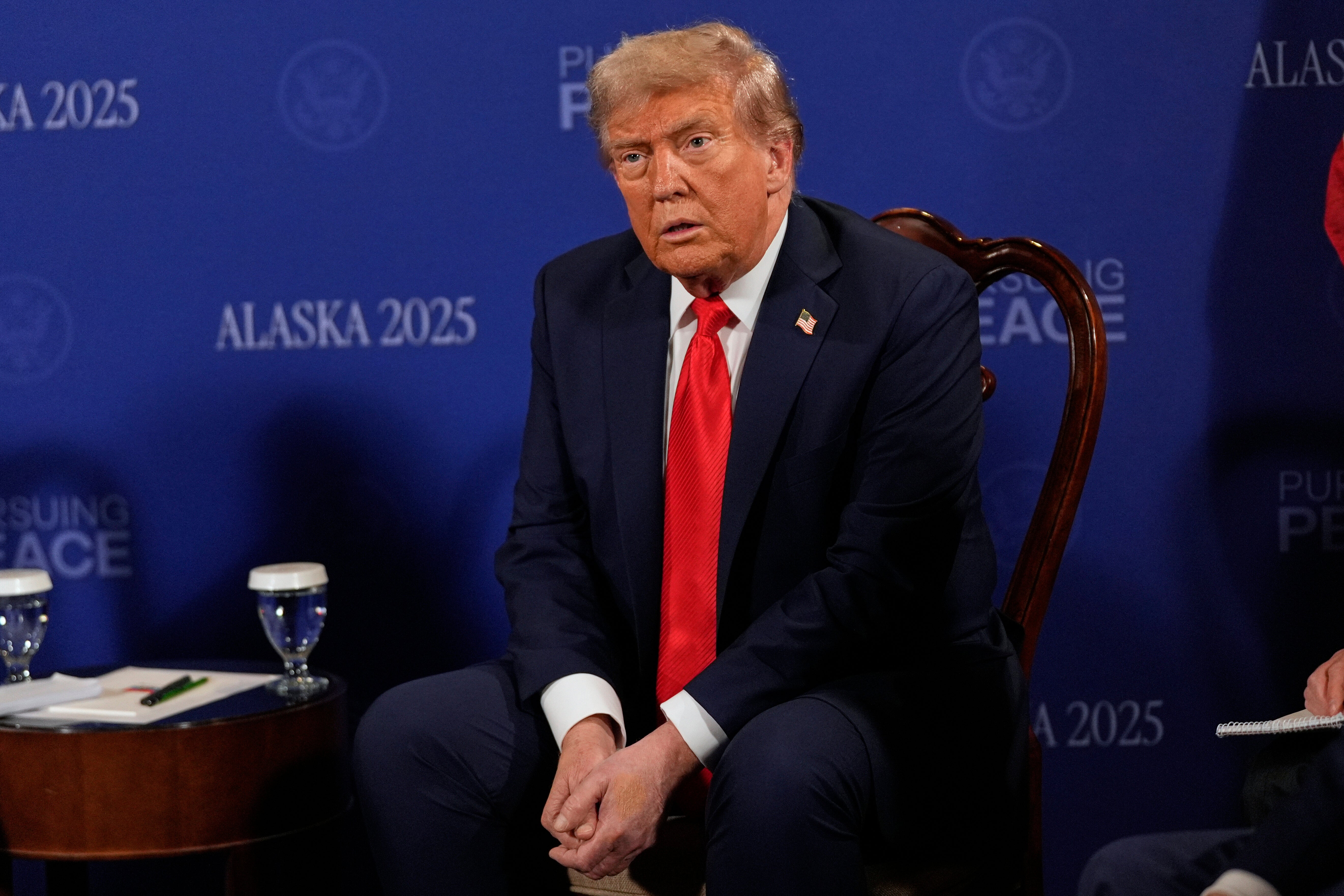
Trump Makes Awkward U-Turn After Failed Ceasefire Talks With Zelenskyy And Putin

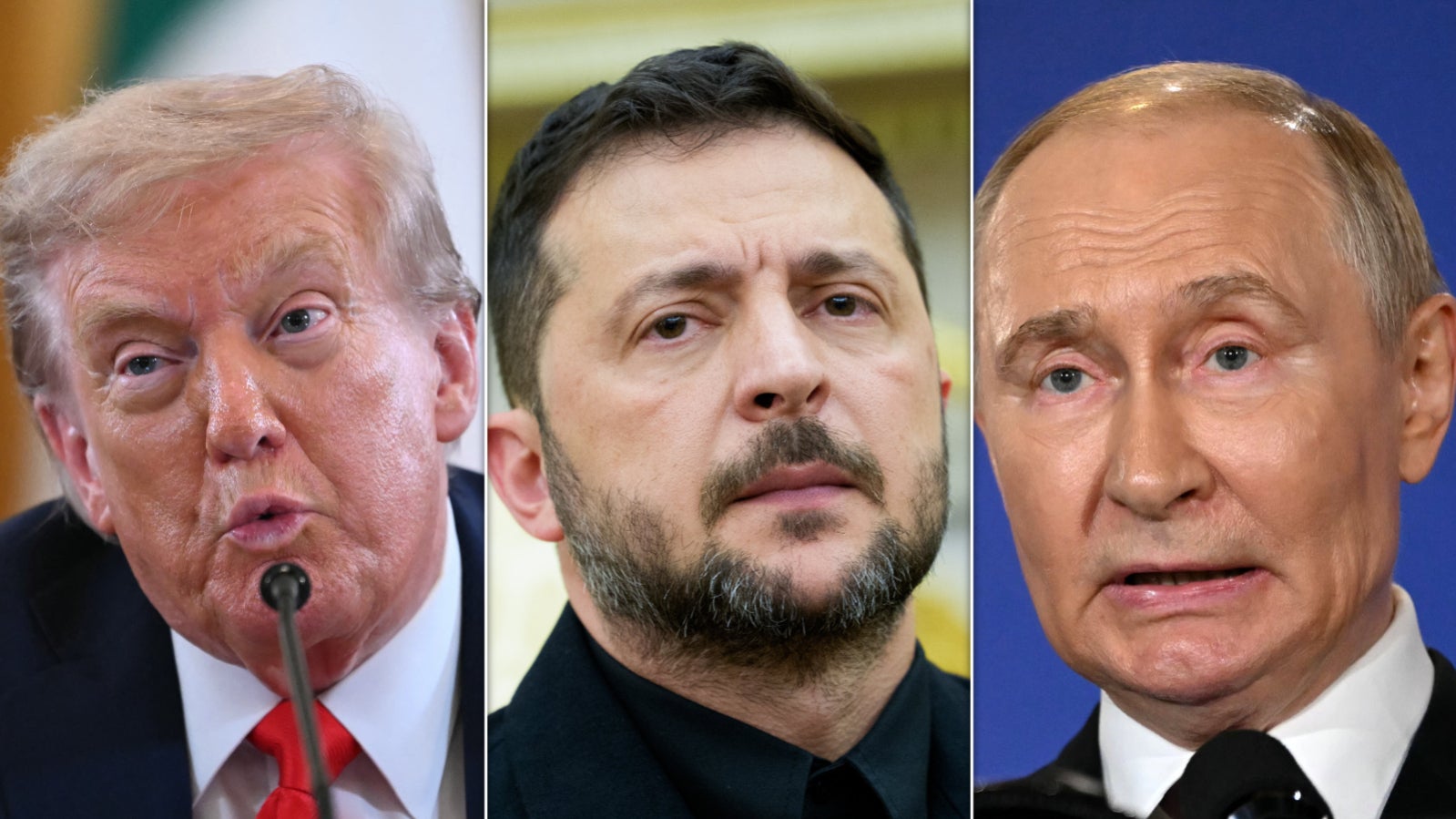
After his highly criticised Alaska summit with Russian President Vladimir Putin ended without reaching a ceasefire agreement in the war in Ukraine, President Donald Trump now says he thinks it would be “better” if Putin and Ukrainian President Volodymyr Zelenskyy met without him.

Speaking on Wednesday on “The Mark Levin Show,” Trump made the statement despite claiming to conservative podcaster Mark Levin that he had “very successful” exchanges with both leaders.

“I had a very successful meeting with President Putin. I had a very successful meeting with President Zelenskyy. And now I thought it would be better if they met without me, just to see. I want to see what goes on. You know, they had a hard relationship, very bad, very bad relationship,” Trump said.

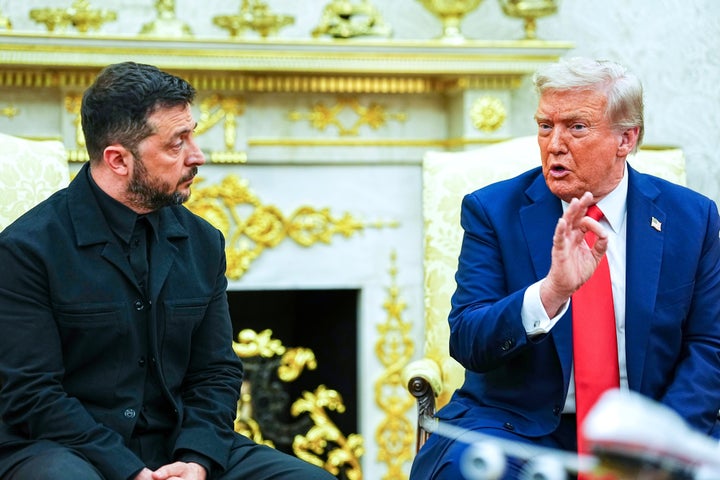
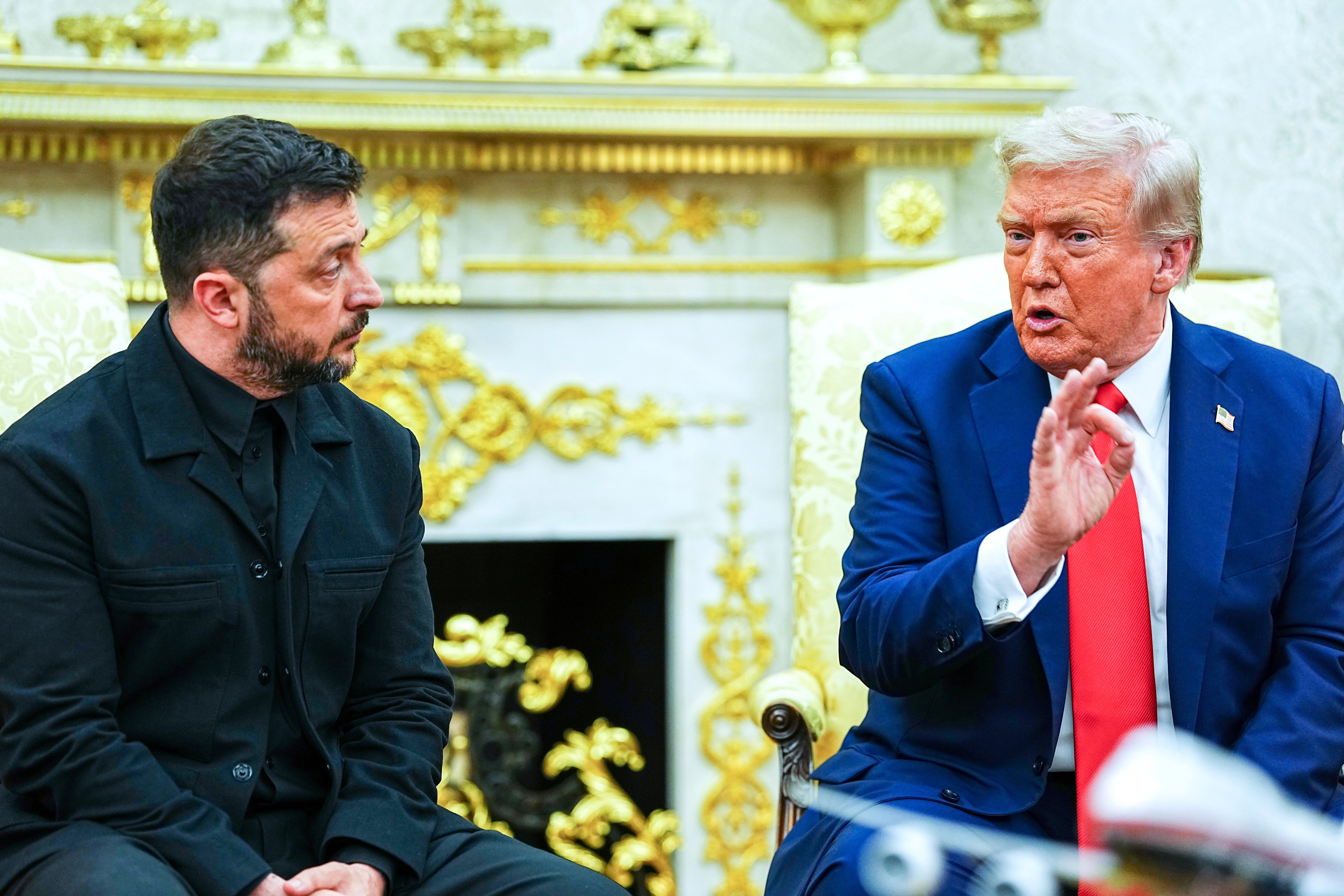
Ukrainian President Volodymyr Zelenskyy (left) and U.S. President Donald Trump during a meeting in the Oval Office of the White House on Monday.

Bloomberg via Getty Images

He continued, “And now we’ll see how they do and, if necessary, and it probably would be, but if necessary, I’ll go and I’ll probably be able to get it close.”

Trump went on to say that “they’re in the process of setting it up and we’re gonna see what happens,” adding, “But you gotta stop the killing, Mark, it’s too much killing.”

The president then said, “Nobody from America is being killed” in the war.

“United States soldiers aren’t involved,” he told Levin. “We have no boots on the ground, but when you lose 6,000, 5,000, 7,000 young people, and then you also lose some people from the towns and cities as missiles get lobbed into them, can you imagine living like that?”

Trump, who had a follow-up meeting with Zelenskyy and top European leaders in the Oval Office on Monday after Friday’s summit with Putin, made the comments after he announced plans to coordinate a summit between Putin and Zelenskyy in a bid to end the more-than-three-year war in Ukraine.

In a Truth Social post on Monday, Trump said he would also plan a trilateral meeting, in which he would take part, as a follow-up to a potential Putin and Zelenskyy meeting.

“At the conclusion of the meetings, I called President Putin, and began the arrangements for a meeting, at a location to be determined, between President Putin and President Zelenskyy,” Trump wrote. “After that meeting takes place, we will have a Trilat, which would be the two Presidents, plus myself.”

Listen to Trump’s appearance on “The Mark Levin Show” on YouTube.

Share Button

Rock Star Calls Trump ‘A Danger’ To ‘The Entire World’ In Fiery Instagram Post

Rock star Jack White continued his social media campaign against President Donald Trump on Wednesday with a fiery Instagram post.

The White Stripes guitarist made a post featuring various photos and videos of sketchy things Trump has done while president, including selling Bibles and gold shoes. It also included a scorched-earth critique of Trump as a leader.

“I was raised to believe that we defeated fascism in World War II and that we would never allow it again in the world,” White began the post, while admitting that he doesn’t always state his political opinions publicly or “know all of the facts.”

However, he said when it comes to “this man and this administration I’m not going to be like one of the silent minority of 1930′s Germany.”

White then declared Trump to be “a danger to not just America but the entire world and that’s not an exaggeration.”

White also pointed out that Trump is “dismantling democracy and endangering the planet on a daily basis, and we. all. know. it,” before ending the post with this quote from President Theodore Roosevelt:

“To announce that there must be no criticism of the President, or that we are to stand by the President, right or wrong, is not only unpatriotic and servile, but is morally treasonable to the American public.”

You can see the post as it appeared on social media below:

White’s latest post came a few hours after White House Communications Director Steven Cheung lashed out at the musician for a previous Instagram post where he criticised the president for turning the White House into “a vulgar, gold leafed and gaudy, professional wrestler’s dressing room.”

Cheung was so angered about White’s post that he referred to the 12-time Grammy winner and soon-to-be member of the Rock And Roll Hall Of Fame as “a washed-up, has-been loser posting drivel on social media because he clearly has ample time on his hands due to his stalled career.”

White didn’t refer to Cheung in the post, but considering how testily the White House aide reacted to a basic style critique, it’s likely he will be even more miffed to see the post’s accusation that Trump is “dismantling democracy and endangering the planet on a daily basis.”

Share Button

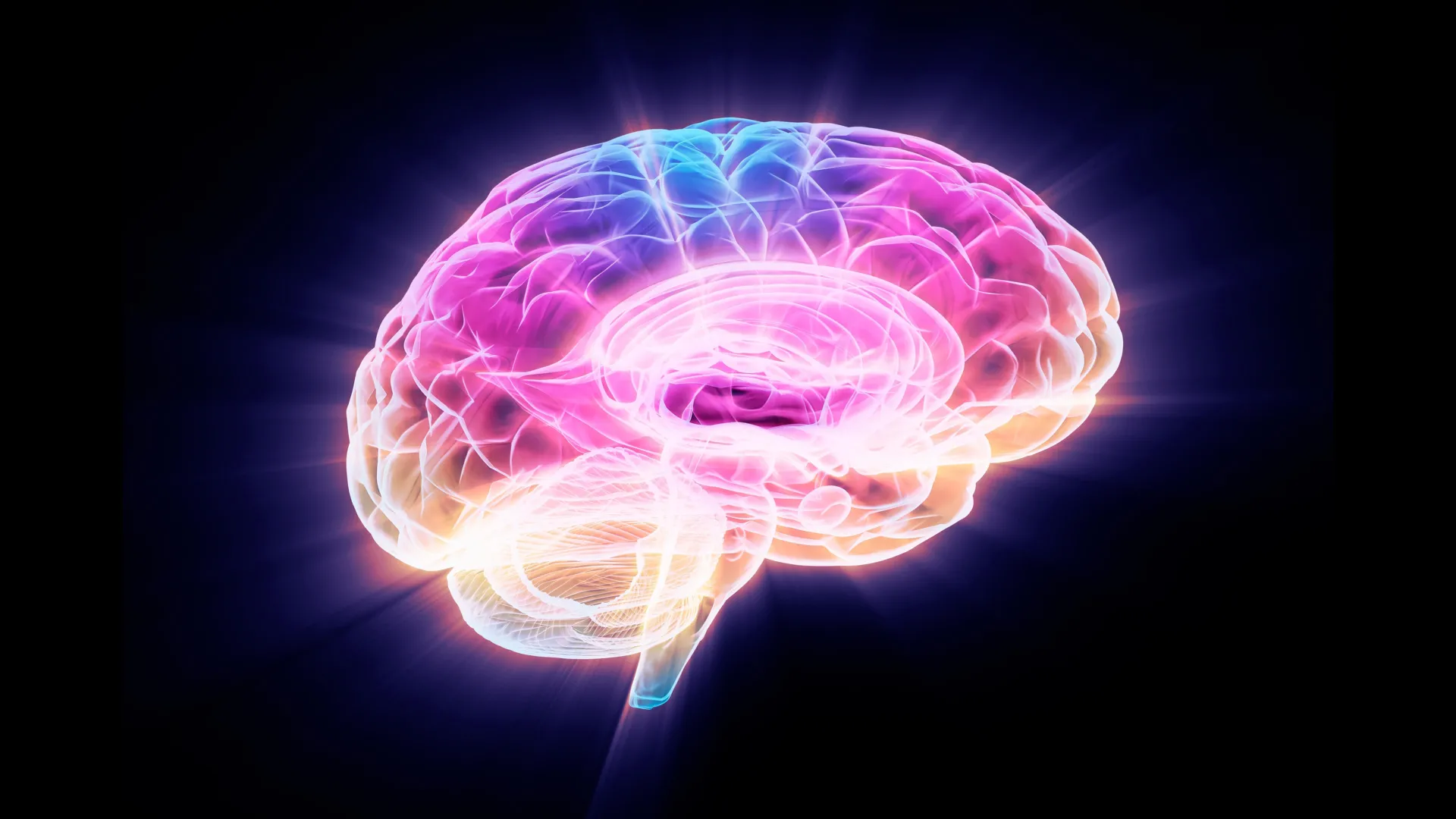
Scientists just found a protein that reverses brain aging

Aging is particularly harsh on the hippocampus — the brain region responsible for learning and memory.

Now, researchers at UC San Francisco have identified a protein that’s at the center of this decline.

They looked at how the genes and proteins in the hippocampus changed over time in mice and found just one that differed between old and young animals. It’s called FTL1.

Old mice had more FTL1, as well as fewer connections between brain cells in the hippocampus and diminished cognitive abilities.

When the researchers artificially increased FTL1 levels in young mice, their brains and behavior began to resemble that of old mice.

In experiments in petri dishes, nerve cells engineered to make lots of FTL1 grew simple, one-armed neurites — rather than the branching neurites that normal cells create.

But once the scientists reduced the amount of FTL1 in the hippocampus of the old mice, they regained their youth. They had more connections between nerve cells, and the mice did better on memory tests.

“It is truly a reversal of impairments,” said Saul Villeda, PhD, associate director of the UCSF Bakar Aging Research Institute and senior author of the paper, which appears in Nature Aging on Aug. 19. “It’s much more than merely delaying or preventing symptoms.”

In old mice, FTL1 also slowed down metabolism in the cells of the hippocampus. But treating the cells with a compound that stimulates metabolism prevented these effects.

Villeda is optimistic the work could lead to therapies that block the effects of FTL1 in the brain.

“We’re seeing more opportunities to alleviate the worst consequences of old age,” he said. “It’s a hopeful time to be working on the biology of aging.”

Authors: Other UCSF authors are Laura Remesal, PhD, Juliana Sucharov-Costa, Karishma J.B. Pratt, PhD, Gregor Bieri, PhD, Amber Philp, PhD, Mason Phan, Turan Aghayev, MD, PhD, Charles W. White III, PhD, Elizabeth G. Wheatley, PhD, Brandon R. Desousa, Isha H. Jian, Jason C. Maynard, PhD, and Alma L. Burlingame, PhD. For all authors see the paper.

Funding: This work was funded in part by the Simons Foundation, Bakar Family Foundation, National Science Foundation, Hillblom Foundation, Bakar Aging Research Institute, Marc and Lynne Benioff, and the National Institutes of Health (AG081038, AG067740, AG062357, P30 DK063720). For all funding see the paper.

Share Button

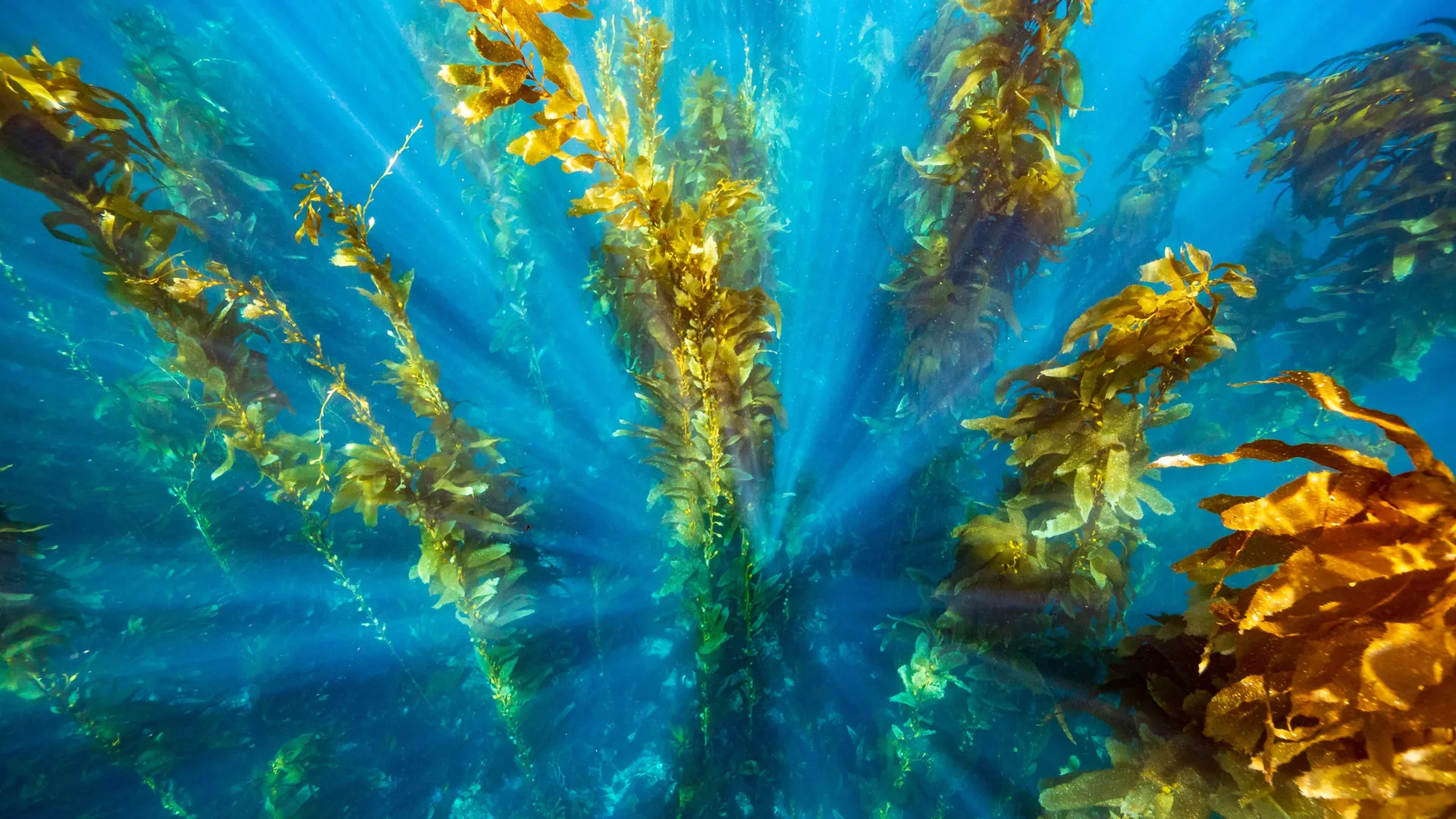
Protected seas help kelp forests bounce back from heatwaves

New research finds that Marine Protected Areas can boost the recovery of globally important kelp forests following marine heatwaves. The findings are published in the British Ecological Society’s Journal of Applied Ecology.

Using four decades of satellite images, University of California, Los Angeles (UCLA) researchers have looked at impacts Marine Protected Areas (MPAs) are having on kelp forests along the coast of California.

They found that although the overall effect of MPAs on kelp forest cover was modest, the benefits became clear in the aftermath of marine heatwaves in 2014-2016, when kelp forests within MPAs were able recover more quickly, particularly in southern California.

“We found that kelp forests inside MPAs showed better recovery after a major climate disturbance compared to similar unprotected areas.” Explained Emelly Ortiz-Villa, lead author of the study and a PhD researcher at UCLA Department of Geography.

“Places where fishing is restricted and important predators like lobsters and sheephead are protected saw stronger kelp regrowth. This suggests that MPAs can support ecosystem resilience to climate events like marine heatwaves.”

Professor Rick Stafford, Chair of the British Ecological Society Policy Committee, who was not involved in the study said: “It’s great to see these results and they clearly show that local action to protect biodiversity and ecosystem function can help prevent changes caused by global pressures such as climate change.

“However, it also demonstrates the need for effective MPAs. In this study, all the MPAs examined regulated fishing activity, and this is not the case for many sites which are designated as MPAs worldwide – including many in the UK.”

Kelp forests: a globally important and threatened ecosystem

Kelp forests our found around coastlines all over the world, particularly in cool, temperate waters such as the pacific coast of North America, The UK, South Africa, and Australia.

These complex ecosystems are havens for marine wildlife, including commercially important fish, and are one of the most productive habitats on Earth. They’re also efficient in capturing carbon and protect coastlines by buffering against wave energy.

However, kelp forests across the west coast of North America have declined in recent years due to pressures such as marine heatwaves, made more frequent and intense with climate change, and predation from increasing numbers of sea urchins, which have benefitted from population collapses of sea stars, which predate them.

Kyle Cavanaugh, a senior author of the study and professor in the UCLA Department of Geography and Institute of the Environment and Sustainability said: “Kelp forests are facing many threats, including ocean warming, overgrazing, and pollution. These forests can be remarkably resilient to individual stressors, but multi-stressor situations can overwhelm their capacity to recover. By mitigating certain stressors, MPAs can help enhance the resilience of kelp.”

Marine protected areas as a conservation tool

MPAs are designated areas of the ocean where human activity is limited to support ecosystems and the species living there. However, protections vary widely and while some areas are no-take zones, others have few restrictions or lack comprehensive management and enforcement. Many even allow destructive practices like bottom trawling.

Effective MPAs form a key part of the Kunming-Montreal Global Biodiversity Framework, agreed at COP15 in 2022, which commits nations to protecting at least 30% of oceans and land by 2030.

“Our findings can inform decisions about where to establish new MPAs or implement other spatial protection measures.” said Kyle Cavanaugh. “MPAs will be most effective when located in areas that are inherently more resilient to ocean warming, such as regions with localized upwelling or kelp populations with higher thermal tolerance.”

Emelly Villa added: “Our findings suggest that kelp forests could be a useful indicator for tracking the ecological health and climate resilience of protected areas and should be included in long-term monitoring strategies.”

Measuring the impact of marine protected areas

To understand the effects MPAs were having on kelp, the researchers used of satellite data from 1984-2022 to compare kelp forests inside and outside of 54 MPAs along the California coast.

By matching each MPA with a reference site with similar environmental conditions, they were able to test whether MPAs helped kelp forests resist loss or recover from extreme marine heatwaves which took place in the North pacific between 2014 and 2016.

The researchers warn that while their findings show that MPAs can help kelp recovery after marine heatwaves, the effect was highly variable depending on location.

“On average, kelp within MPAs showed greater recovery than in the reference sites. However, not all MPAs outperformed their corresponding reference sites, suggesting that additional factors are also play a role in determining resilience.” said Kyle Cavanaugh.

The researchers say that future work could look to identify these factors to better understand where and when MPAs are most effective at enhancing kelp resilience.

Share Button

Why listening may be the most powerful medicine

When you visit a doctor, you expect them to listen. But in today’s fast-paced health care system, real listening — the kind that makes you feel seen, heard and understood — can be the first thing to go.

A new article, co-authored by Dr. Leonard Berry of Texas A&M University’s Mays Business School, argues that listening isn’t just a nice gesture, it’s a powerful tool that can improve your care and even help heal the health care system itself.

Berry and colleagues at the Institute for Healthcare Improvement in Boston and Henry Ford Health Detroit published their findings in Mayo Clinic Proceedings.

The Case Of The Norwegian Nurse

The team identified what it calls “values-driven listening.” It’s about more than asking questions, it’s about asking the right questions, being present and showing genuine curiosity and compassion.

“Listening is the gateway to healing,” Berry said. “It’s how we connect, understand and ultimately serve better.”

One story in the article shows just how transformative listening can be. A nurse in a Norwegian nursing home asked a patient, “What would make a good day for you?”

The patient responded: “I want to wear my blue shirt.”

“Why the blue one?” the nurse asked.

“That was my wife’s favorite shirt,” the patient said. “She died two years ago today, and I want to honor her.”

The patient shared memories of his wife with the nurse, and afterward, he asked for a wheelchair so that he could tell other patients about her; it was the first time he’d ever asked to interact with other people at the facility.

“That’s not a medical breakthrough,” Berry said, “it’s a human one.”

Six Listening Strategies

The authors outline six types of listening that contribute to better care:

Listening That Is Proximate Being physically present matters. Your provider can learn far more from a quiet moment in the exam room than from a rushed message or chart note. When they’re close, focused and curious, you’re more likely to open up, and that kind of trust is essential for making decisions together about your care. Be sure your provider spends this focused time with you.

Listening That Is Curious Your provider’s curiosity can be just as important as their expertise. When they ask open-ended questions and pay attention to your words, body language and emotions, it creates space for honest conversation. That’s often when key details emerge informing the plan of care. “What are your concerns about the plan of care we’ve discussed?” creates a path for open dialogue in a way that “Do you have any questions?” does not.

Listening That Earns And Enables Trust Trust starts when you feel safe to speak candidly, and that happens when your provider listens without judgment, gives you their full attention and treats your input as essential. At Henry Ford Health, some doctors are using AI-powered tools to handle notetaking during appointments, so they can focus entirely on the conversation.

Listening Aided By Design The design of a clinic or hospital can affect how well you’re heard. Small, crowded spaces make private conversations harder, but simple changes — like your provider sitting down during a visit — can make you feel more cared for and listened to. Some health systems, like Southcentral Foundation in Alaska, have created “talking rooms” that feel less clinical and more personal, showing that listening isn’t just a skill, it’s something built into the space itself.

Listening That Empowers Listening should lead to action, and that includes listening to the people who care for you. When frontline staff are asked what’s wasting time or making care harder, they often have smart, simple fixes. At Hawaii Pacific Health, a program called “Getting Rid of Stupid Stuff” led to hundreds of suggestions, including one that saved nurses 1,700 hours a month by removing a pointless documentation rule. When staff are empowered to speak up, care becomes more efficient, less frustrating and better for everyone.

Listening That Fosters Resilience Caring for others is demanding, and when health care workers are supported, they’re better able to support you. Simple acts like sharing meals and stories with colleagues can help reduce burnout and build emotional strength in those who are caring for you. Some hospitals schedule time for these peer connections, creating space for reflection and support. Ask your provider how their health care system supports its workers.

Listening Is Kindness

Berry and his co-authors write that deep listening benefits all parties: clinician-to patient; clinician-to-clinician; leader-to-clinical and non-clinical staff. It’s a cultural shift that starts with values. “Do you care enough to listen?” they ask.

For patients, this means you should feel empowered to speak up and expect to be heard.

“Your experiences, concerns and insights are not just helpful, they’re essential,” Berry said. “And when your care team listens with empathy and curiosity, it leads to better decisions, stronger relationships and more personalized care.

“Kindness is not a luxury in health care, it’s a necessity. And true listening is one of its most powerful expressions.”

Share Button

Hospital pays out after bacteria-linked deaths

Nine families receive compensation after the outbreak linked to a Cambridge-based hospital.

Share Button

Gym with wellbeing focus welcomes lottery boost

The Soma Space offers combined strength training and psychotherapy, and prospective clients can be referred.

Share Button

Short-sighted NI kids treated differently to the rest of the UK

Optometry NI chair says rules stopping children from paying for special short-sightedness treatment using NHS vouchers should change.

Share Button