The phrase originates from a viral video of American rapper Saucy Santana who was eating a fish dish, and recalled “I used to go fishing when I was a little girl, you gotta be real quiet on the creek.”
The phrase went viral and within weeks had inspired a song by the rapper, spawning a wave of reaction videos online.
Some people can be seen bouncing up and down covering their mouths with their hands (which Saucy does in his videos), others make a ‘shh’ sound while putting their index finger to their lips.
What does it mean?
Teacher and content creator Mr Philip Lindsay said even though school is out for summer, he’s getting direct messages about ‘quiet on the creek’ being a new trending meme – and he suggested it might even make its way into classrooms in the next school term.
Advertisement
“One of the ways it is being used is people are just saying it to say it,” admitted the teacher. “Like a typical meme, people aren’t really using it to mean much of anything. It’s just catchy, it’s trending, and so they just say it.”
You might remember this is how the viral phrase ‘six-seven’ took off last year.
","type":"video","meta":{"author":"Saucy Santana","author_url":"https://www.youtube.com/channel/UC3KsJZpjtpPAoEVc5_-pHmg","cache_age":86400,"description":"The official audio for Saucy Santana’s \"Quiet on the Creek.\"","options":{"_cc_load_policy":{"label":"Closed captions","value":false},"_end":{"label":"End on","placeholder":"ex.: 11, 1m10s","value":""},"_start":{"label":"Start from","placeholder":"ex.: 11, 1m10s","value":""}},"provider_name":"YouTube","thumbnail_height":720,"thumbnail_url":"https://i.ytimg.com/vi/r0w5GCfFsTU/maxresdefault.jpg","thumbnail_width":1280,"title":"Saucy Santana – Quiet on the Creek [Official Audio]","type":"video","url":"https://www.youtube.com/watch?v=r0w5GCfFsTU","version":"1.0"},"flags":[],"enhancements":{},"fullBleed":false,"options":{"theme":"life","device":"desktop","editionInfo":{"id":"uk","name":"U.K.","link":"https://www.huffingtonpost.co.uk","locale":"en_GB"},"originalEdition":"uk","isMapi":false,"isAmp":false,"isMobile":false,"isAdsFree":false,"isVideoEntry":false,"isEntry":true,"isMt":false,"entryId":"6a67255be4b047853043ec0f","entryPermalink":"https://www.huffingtonpost.co.uk/entry/quiet-on-the-creek-meaning_uk_6a67255be4b047853043ec0f","entryTagsList":"tiktok,things-kids-say,gen-z,gen-alpha","sectionSlug":"parents","deptSlug":null,"sectionRedirectUrl":null,"subcategories":"","isWide":false,"isShopping":false,"headerOverride":null,"noVideoAds":false,"disableFloat":false,"isNative":false,"commercialVideo":{"provider":"custom","site_and_category":"uk.parents","package":null},"isHighline":false,"vidibleConfigValues":{"cid":"60afc140cf94592c45d7390c","disabledWithMapiEntries":false,"overrides":{"all":"60b8e525cdd90620331baaf4"},"whitelisted":["56c5f12ee4b03a39c93c9439","56c6056ee4b01f2b7e1b5f35","59bfee7f9e451049f87f550b","5acccbaac269d609ef44c529","570278d2e4b070ff77b98217","57027b4be4b070ff77b98d5c","56fe95c4e4b0041c4242016b","570279cfe4b06d08e3629954","5ba9e8821c2e65639162ccf1","5bcd9904821576674bc55ced","5d076ca127f25f504327c72e","5b35266b158f855373e28256","5ebac2e8abddfb04f877dff2","60b8e525cdd90620331baaf4","60b64354b171b7444beaff4d","60d0d8e09340d7032ad0fb1a","60d0d90f9340d7032ad0fbeb","60d0d9949340d7032ad0fed3","60d0d9f99340d7032ad10113","60d0daa69340d7032ad104cf","60d0de02b627221e9d819408"],"playlists":{"default":"57bc306888d2ff1a7f6b5579","news":"56c6dbcee4b04edee8beb49c","politics":"56c6dbcee4b04edee8beb49c","entertainment":"56c6e7f2e4b0983aa64c60fc","tech":"56c6f70ae4b043c5bdcaebf9","parents":"56cc65c2e4b0239099455b42","lifestyle":"56cc66a9e4b01f81ef94e98c"},"playerUpdates":{"56c6056ee4b01f2b7e1b5f35":"60b8e525cdd90620331baaf4","56c5f12ee4b03a39c93c9439":"60d0d8e09340d7032ad0fb1a","59bfee7f9e451049f87f550b":"60d0d90f9340d7032ad0fbeb","5acccbaac269d609ef44c529":"60d0d9949340d7032ad0fed3","5bcd9904821576674bc55ced":"60d0d9f99340d7032ad10113","5d076ca127f25f504327c72e":"60d0daa69340d7032ad104cf","5ebac2e8abddfb04f877dff2":"60d0de02b627221e9d819408"}},"connatixConfigValues":{"defaultPlayer":"16b0ecc6-802c-4120-845f-e90629812c4d","clickToPlayPlayer":"823ac03a-0f7e-4bcb-8521-a5b091ae948d","videoPagePlayer":"05041ada-93f7-4e86-9208-e03a5b19311b","defaultPlaylist":"2e062669-71b4-41df-b17a-df6b1616bc8f"},"topConnatixThumnbailSrc":"https://img.connatix.com/fd250ac0-a0d9-4e9a-b84b-0841316b9705/1_th.jpg?crop=629:354,smart&width=629&height=354&format=jpeg&quality=60&fit=crop","customAmpComponents":[],"ampAssetsUrl":"https://amp.assets.huffpost.com","videoTraits":null,"positionInUnitCounts":{"buzz_head":{"count":0},"buzz_body":{"count":0},"buzz_bottom":{"count":0}},"positionInSubUnitCounts":{"article_body":{"count":6},"blog_summary":{"count":0},"before_you_go_content":{"count":0}},"connatixCountsHelper":{"count":1},"buzzfeedTracking":{"context_page_id":"6a67255be4b047853043ec0f","context_page_type":"buzz","destination":"huffpost","mode":"desktop","page_edition":"en-uk"},"tags":[{"name":"TikTok","slug":"tiktok","links":{"relativeLink":"news/tiktok","permalink":"https://www.huffingtonpost.co.uk/news/tiktok","mobileWebLink":"https://www.huffingtonpost.co.uk/news/tiktok"},"url":"https://www.huffingtonpost.co.uk/news/tiktok/"},{"name":"things kids say","slug":"things-kids-say","links":{"relativeLink":"news/things-kids-say","permalink":"https://www.huffingtonpost.co.uk/news/things-kids-say","mobileWebLink":"https://www.huffingtonpost.co.uk/news/things-kids-say"},"url":"https://www.huffingtonpost.co.uk/news/things-kids-say/"},{"name":"gen z","slug":"gen-z","links":{"relativeLink":"news/gen-z","permalink":"https://www.huffingtonpost.co.uk/news/gen-z","mobileWebLink":"https://www.huffingtonpost.co.uk/news/gen-z"},"url":"https://www.huffingtonpost.co.uk/news/gen-z/"},{"name":"gen alpha","slug":"gen-alpha","links":{"relativeLink":"news/gen-alpha","permalink":"https://www.huffingtonpost.co.uk/news/gen-alpha","mobileWebLink":"https://www.huffingtonpost.co.uk/news/gen-alpha"},"url":"https://www.huffingtonpost.co.uk/news/gen-alpha/"}],"isLiveblogLive":null,"isLiveblog":false,"isLiveblogSlidePage":false,"signInUrl":"https://login.huffpost.com/login?dest=https%3A%2F%2Fwww.huffpost.com%2Fentry%2Fquiet-on-the-creek-meaning_uk_6a67255be4b047853043ec0f%3Fhp_auth_done%3D1","cetUnit":"buzz_body","enableIncontentPlayer":false,"bodyAds":["
Mr Lindsay added: “There is another way that people are using it and it’s pretty logical. The original poster said you’ve got to be quiet on the creek, so that you don’t scare the fish away. So, some people are using the phrase … to insinuate ‘hey, keep it down, keep it on the down-low, keep it low-key, keep it secret’.”
Advertisement
Santana’s lyrics might have had something to do with this evolution in meaning. One line reads: “Know he got a main, you the side, he gotta sneak. But you can’t get shit ’cause you ain’t quiet on the creek.”
Some have gleaned from the lyrics that the phrase might actually hold a deeper meaning about “DL men” (according to Grindr, these are “gay and bisexual men who live their lives pretending to be straight”) – a theory Santana has addressed himself on social media.
Madeline Enos, spokesperson for language learning app Preply, suggested the phrase means to ‘be quiet’ or ‘keep it to yourself’ as it “directly draws from the idea that if somebody is too loud while fishing, they’ll scare the fish away”.
Advertisement
She added that as the meaning has evolved, people have “come to interpret the phrase as meaning to keep their plans, achievements, or relationships private, rather than public”.
Unsweetened sparkling water may be a better option for teeth than sugar-sweetened soda, according to preliminary research comparing how several popular drinks affect acidity in the mouth.
Tooth enamel can begin to dissolve when the mouth’s pH falls below about 5.5. The new findings suggest that sparkling water can temporarily lower oral pH, but the effect appears to be less pronounced than the drop caused by soda.
“Many people are switching from soda to sparkling water, and our findings suggest that unsweetened sparkling water may be a lower-risk alternative to soda, when consumed in moderation and alongside good oral hygiene practices,” said Wajiha Zulfiqar, a graduate student in Nutrition Science at Purdue University.
Zulfiqar presented the results at NUTRITION 2026, the flagship annual meeting of the American Society for Nutrition, held July 25-28 in National Harbor, Maryland, just outside Washington, D.C.
Comparing Sparkling Water and Soda
Previous research has shown that sugar-sweetened soda can promote dental erosion by pushing mouth pH below 5.5. Far less is known about how unsweetened sparkling water influences acidity inside the mouth.
To investigate, researchers tested sugar-sweetened soda, regular sparkling water, calcium-fortified sparkling water, and plain water in 20 adults. Every participant drank each beverage, allowing the team to reduce the influence of natural differences between individuals.
The researchers measured salivary pH rather than relying only on the acidity of the beverages themselves. This allowed them to observe how the mouth responded immediately after each drink was consumed.
“Directly comparing different beverages using the same experimental framework allowed us to evaluate the effects of sparkling water relative to both soda — a higher-risk beverage — and plain water as a neutral reference,” said Zulfiqar. “Additionally, by measuring how the mouth responded in real time, rather than only testing beverage acidity alone as other studies have done, our study provides a more realistic understanding of how these drinks may impact oral health.”
Soda Caused the Largest Drop in pH
Among the beverages tested, soda produced the greatest increase in mouth acidity. Salivary pH was significantly lower after soda than after water at both 2 minutes and 20 minutes following consumption.
Regular unsweetened sparkling water caused a temporary decline in salivary pH after 2 minutes. Calcium-fortified sparkling water produced a decrease after 5 minutes. With both types of sparkling water, pH had returned to nearly its starting level within 20 minutes.
Saliva also helped restore normal acidity after participants drank soda or sparkling water. In the short term, pH remained above the threshold associated with enamel damage.
The researchers emphasized that the experiment measured only brief changes in salivary pH. The likelihood of dental erosion in everyday life can also be affected by how often someone drinks a beverage, how long the teeth are exposed to it, and whether the drink contains sugar.
A Potentially Safer Soda Alternative
“Our results suggest that replacing sugar-sweetened sodas with unsweetened sparkling water may help lower the risk of enamel erosion,” said Zulfiqar. “The results also highlight an opportunity for the beverage industry to explore reformulation strategies that could potentially reduce the erosive potential of acidic beverages.”
The team next plans to examine the long-term effects of sparkling water on oral health. Future studies could determine whether it alters other features of the mouth that contribute to healthy teeth and gums.
Zulfiqar presented the research on Sunday, July 26, during the Clinical Nutrition II Poster Session in the Gaylord National Resort & Convention Center (abstract).
Abstracts presented at NUTRITION 2026 were reviewed and selected by a committee of experts. However, they generally have not completed the peer review process required for publication in a scientific journal. The findings should therefore be regarded as preliminary until they appear in a peer-reviewed publication.
Jupiter and Saturn are the two largest planets in the Solar System, and both are surrounded by enormous families of moons. Jupiter currently has more than 100 reported moons, while Saturn, which is also encircled by an extensive ring system, has more than 280.
The makeup of those moon systems is very different. Jupiter has four especially large moons, including Ganymede, the biggest moon in the Solar System. Saturn, by comparison, is dominated by Titan, the Solar System’s second largest moon.
A Longstanding Moon Formation Mystery
Because Jupiter and Saturn are both gas giants, astronomers have struggled to explain why their major moons developed so differently. Existing theories of satellite formation offer several possible answers, but recent research into stellar magnetic fields suggests that some of those ideas may need to be reconsidered.
One unresolved question involves magnetic accretion and the formation of satellites. Researchers have debated whether Jupiter’s circumplanetary disk could have developed an empty inner region. A circumplanetary disk is the rotating collection of material around a young planet from which moons can form.
A single physically consistent theory capable of explaining both Jupiter’s and Saturn’s moon systems could also help scientists understand planets and moons outside the Solar System. That possibility led researchers from institutions in Japan and China, including Kyoto University, to create a new model.
“Testing planet formation theory is somewhat difficult because we have only our Solar System for reference, but there are multiple satellite systems close to us whose detailed characteristics we can observe,” says first author Yuri I. Fujii.
Simulating Young Jupiter and Saturn
The researchers used numerical simulations to examine the internal structures and thermal evolution of Jupiter and Saturn when the planets were young. This allowed them to estimate how the planets’ magnetic fields may have changed over time.
They also modeled the circumplanetary disks surrounding both worlds. In addition, the team ran N-body simulations to track the formation of moons and the gradual movement of their orbits. The calculations were carried out using the PC cluster at the Center for Computational Astrophysics, National Astronomical Observatory of Japan.
Jupiter’s Magnetic Field Created a Safe Zone
The simulations indicate that the contrasting moon systems of Jupiter and Saturn may have emerged from differences in the structures of their circumplanetary disks. Those differences, in turn, appear to have been controlled by the strength of each planet’s magnetic field.
Young Jupiter had a powerful magnetic field that created a magnetospheric cavity inside its circumplanetary disk. This inner gap likely helped capture and preserve Io, Europa, and Ganymede as they moved through the disk.
Young Saturn’s magnetic field was not strong enough to create a similar cavity. Without that protected region, migrating moons could not survive inside Saturn’s disk.
Predicting Moon Systems Beyond the Solar System
The findings may help guide future observations of exomoons and the disks surrounding young gas giants. According to the model, planets as large as Jupiter or larger should tend to develop compact systems containing several moons.
Gas planets closer to Saturn’s size, however, may typically end up with only one or two moons.
The researchers now plan to apply their theory to additional moons and to possible exomoon systems around distant planets.
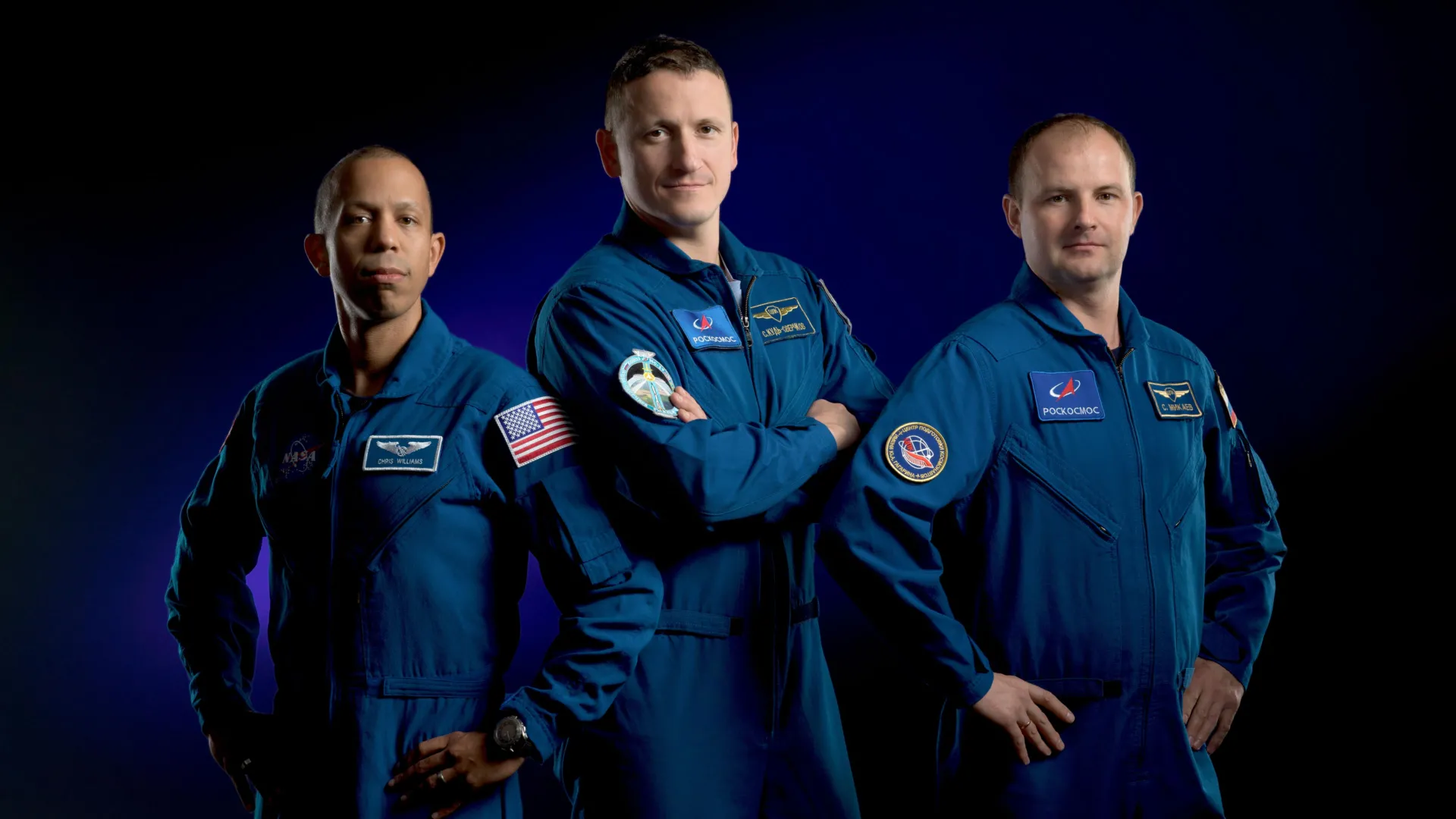
NASA astronaut Chris Williams returned to Earth on Sunday after completing an eight month science mission aboard the International Space Station. He traveled home with Roscosmos cosmonauts Sergey Kud-Sverchkov and Sergei Mikaev.
The Soyuz MS-28 spacecraft touched down safely by parachute on July 26 at 5:27 a.m. CDT (3:27 p.m., Kazakhstan time) southeast of Dzhezkazgan. The crew had departed the space station at 2:03 a.m.
Williams and his crewmates spent 241 days in space after launching to the International Space Station on Nov. 27, 2025. During the mission, they completed 3,856 orbits of Earth and traveled more than 102 million miles.
The flight marked the first space mission for Williams and Mikaev. It was Kud-Sverchkov’s second journey into space.
Cancer Research and Advanced Manufacturing
While living aboard the orbiting laboratory, Williams contributed to numerous scientific studies and technology demonstrations. His work included research that could support the development of new cancer treatments.
He also helped investigate ways to improve the production of materials in space for use in high performance computers and electronics.
Williams conducted two spacewalks during the mission. One prepared the station for upgrades to its electrical power system, while the other involved replacing a faulty joint on the Canadarm2 robotic arm.
The crew’s research and maintenance work may benefit people on Earth while also helping NASA prepare for future human exploration of the Moon and Mars.
Recovery and Return to Houston
After completing medical evaluations at the landing site, the crew members will travel by helicopter to Karaganda, Kazakhstan, where recovery teams are stationed.
Williams will then fly aboard a NASA aircraft to the agency’s Johnson Space Center in Houston.
More Than 25 Years of Continuous Human Presence
Astronauts and cosmonauts have continuously lived and worked aboard the International Space Station for more than 25 years. The laboratory allows researchers to conduct experiments and achieve scientific breakthroughs that would not be possible under conditions on Earth.
Research aboard the station helps NASA better understand the demands of human spaceflight, develop solutions for extended missions, and create new commercial opportunities in low Earth orbit.
The station also provides an important foundation for future journeys to the Moon through the Artemis program and, eventually, human missions to Mars.
You might have heard of the “loneliness epidemic”, which the World Health Organisation has dubbed a “global public health concern”.
Over nine million people in the UK say they feel lonely all or most of the time, the Red Cross reports.
Advertisement
But stigma around loneliness, and in turn lonely people, remains.
Speaking to HuffPost UK, psychologist and CEO of Male Allies UK, Lee Chambers, said: “Loneliness isn’t always understood well. People tend to fall into lazy stereotypes based on what we expect a lonely person to be”.
Here, he shared what we get wrong about lonely people:
There’s no one “type” of person that becomes lonely
“The biggest misconception when it comes to loneliness is that it happens to a certain type of person,” Chambers told us.
“Loneliness doesn’t have a type, and it can affect anyone. You can feel lonely even when you are surrounded by people.”
Advertisement
Sometimes, he added, life transitions like divorce, parenthood, retirement, or changing jobs can bring it about. It can reach all demographics and personality types.
“Like with many associated challenges, men are less likely to speak about it or seek help and support. And research shows that both younger and older adults report the highest levels of loneliness, but there are differences in why they feel it,” Chambers explained.
“The societal expectation that personality traits dictate loneliness are a distraction, it’s about meaningful connection, not whether your extroverted or introverted. And we need to be mindful of those care for others and those who lead, as they are often seen as the supporter rather than needing support.”
Advertisement
Additionally, he continued, loneliness is not always the same as being alone.
“The quality of your relationships matter a lot more than the quantity, and in the modern world we live in, social contact is becoming less, spaces to build relationship depth are more scarce and many people are searching for meaningful connection and somewhere to belong.
“Loneliness is much more to do with peoples life circumstances and the social structures around them, and much less to do with individual personalities.”
Advertisement
What can we do to tackle loneliness?
Chambers said that he thinks tackling the issue will prove “tough”, adding that he thinks we need more physical spaces to connect in person.
This, he thinks, may make our interactions with one another feel less transactional.
The psychologist, who runs a gender bias consultancy, added: “82% of the boys we surveyed said there were not enough spaces for them to play and connect in. We need these spaces in communities and in workplaces, and space at work to build deeper relationships…
“Normalising conversations around the topic also makes it easier for people to share what they are feeling. Something I’m passionate about is small moments of connection, rather than just waiting for big occasions, and moving from [focusing on the] number of friends to meaningful friendships.
Advertisement
“And finally, a powerful antidote to loneliness is belonging, and we can all be a part of inviting people in, and creating spaces where people feel welcome.”
Fat tissue is often viewed as something the body would be better off without. Scientists now know, however, that adipose tissue is an active and essential organ that supports many important processes, including energy storage, hormone production, and metabolic regulation.
Too much fat can increase the risk of diabetes, heart disease, and other health problems. Yet the opposite can also be dangerous. In rare genetic and autoimmune conditions such as familial partial lipodystrophy type 2 (FPLD2), abnormal fat loss and uneven fat distribution can also lead to diabetes and other metabolic diseases.
A Longstanding Fat Loss Mystery
Elif Oral, M.D., a clinician and Professor in the Division of Metabolism, Endocrinology and Diabetes, has spent much of her career trying to understand this apparent contradiction. Her goal has been to uncover why pathological fat loss damages metabolism and to improve treatment options for people with lipodystrophy syndromes.
Working with patients who have FPLD2, Oral joined Ormond MacDougald, Ph.D., Professor of Molecular & Integrative Physiology, graduate student researcher Jessica Maung, Ph.D., and a broader collaborative team to investigate what happens inside diseased fat tissue.
“A simple explanation is that all of the fat cells (adipocytes) have really catastrophic things happening in them,” said Maung.
To study the process, the researchers developed a mouse model in which they could switch off the lamin A/C gene specifically in adipocytes. This is the same gene that is mutated in people with FPLD2.
Fat Cells Lose Their Normal Functions
The researchers examined both the animal models and tissue donated by patients. They found major changes in gene activity that prevented fat cells from properly processing and storing lipids.
At the same time, the adipocytes and the immune cells within the fat tissue shifted into a pro-inflammatory state. The mitochondria inside the fat cells also stopped functioning normally. Mitochondria help generate energy for cells, so their failure can have widespread effects on cell health.
Said Maung, “All of these effects come together to create this perfect environment for the tissue to be really unhealthy and eventually disappear.”
Why Healthy Fat Protects Metabolism
When healthy adipose tissue is lost, the body can no longer manage lipids or release metabolic hormones in the usual way. This breakdown can contribute to serious conditions, including diabetes and fatty liver disease.
“This is really underscoring the importance of healthy fats in keeping metabolism intact and functional,” said Oral. “People think of Type 2 diabetes as a disease of beta cells, but it’s actually a disease of fat cells, too.”
Beta cells are the insulin-producing cells in the pancreas. Although they play a central role in diabetes, the new findings show that fat cells are also deeply involved in maintaining normal blood sugar control and metabolic health.
New Targets for Future Treatments
The researchers hope their findings will point to new therapeutic targets. One possibility is to protect adipose tissue before it deteriorates, preventing fat cells from disappearing and reducing the metabolic damage caused by the disease.
The work also highlights the importance of close collaboration between laboratory scientists, clinicians, and patients.
“I think this work is an outstanding example of a collaboration between a translational clinical researcher and a basic science physiologist,” said MacDougald. “We also can’t overstate the importance of the patient population and their involvement in developing therapies and their dedication to understanding their disease.”
Additional authors include Rebecca L. Schill, Akira Nishii, Maria Foss de Freitas, Bonje N. Obua, Marcus Nygård, Maria D. Mendez-Casillas, Isabel D.K. Hermsmeyer, Donatella Gilio, Ozge Besci, Yang Chen, Brian Desrosiers, Rose E. Adler, Anabela D. Gomes, Merve Celik Guler, Hiroyuki Mori, Romina M. Uranga, Ziru Li, Hadla Hariri, Liping Zhang, Anderson de Paula Souza, Keegan S. Hoose, Kenneth T. Lewis, Taryn A. Hetrick, Paul Cederna, Carey N. Lumeng, Susanne Mandrup.
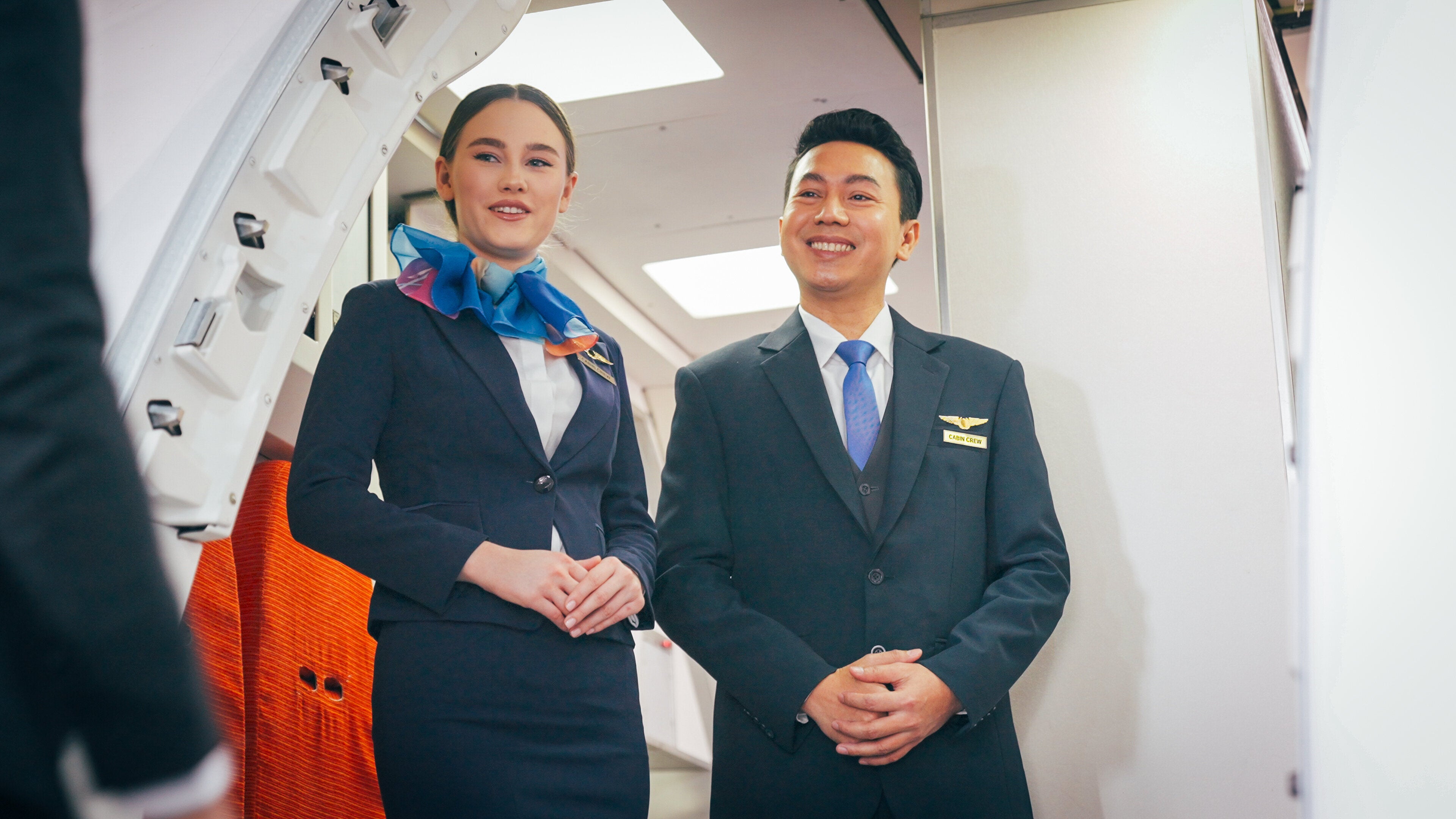
You’ve probably never thought too hard about it. As you board a plane, a flight attendant stands at the aircraft door, smiles, says “welcome,” maybe glances at your boarding pass. It feels like basic hospitality, like the aviation equivalent of a host greeting you at a restaurant.
But that brief interaction is doing a lot more than it seems.
“The smile and greeting you get at an airplane door is probably one of the most judgmental welcomes you’ll ever receive,” Jay Robert, a senior flight attendant and the founder of A Fly Guy Travels, told HuffPost. “We’re judging a lot in those few seconds, and believe it or not, that judgment is part of our job.”
Advertisement
It’s not for the sake of judgment, however. The purpose is actually safety.
“Greeting passengers at the door is our first line of defense in identifying threats that could be brought onto the aircraft,” Robert explained. “Whether it’s illness, intoxication or someone carrying prohibited dangerous goods, we’re constantly scanning for anything that could disrupt the flight or pose a safety risk.”
Of course, there is a customer service and hospitality element to the greeting as well.
“It’s the first opportunity to welcome passengers onboard and set a positive tone for the flight,” said Yuvraj Datta, the chief supply and revenue officer at the travel tech company Fareportal. “It’s also an important observational moment for the cabin crew. Flight attendants are making initial safety and operational assessments that can help identify potential issues before departure.”
He added that flight attendants begin assessing the cabin environment the moment they get on board.
“The greeting is actually a behavioural assessment,” said AirAdvisor founder and CEO Anton Radchenko. “The social framing is deliberate – passengers engage more naturally when they believe they’re being welcomed. Crew are trained to read each individual during that interaction – orientation, steadiness and anything that could become a liability in an enclosed environment at altitude with no exit available.”
Advertisement
In an era of increasing reports of unruly passenger behaviour and even abuse of flight attendants, airline crews are more vigilant than ever. And many of those incidents involve alcohol.
“Generally, flight attendants assess passengers during boarding for sobriety,” said Henry Harteveldt, president and airline industry analyst at Atmosphere Research Group. “If they notice a passenger who appears to be overtly drunk or high, they may ask to see their boarding pass, under the premise of directing them to their seat, but also to alert the crew who may be working where that passenger is sitting to monitor her or his alcohol intake on board.”
Robert echoed that intoxication is one of the biggest things flight attendants are checking for during that greeting process.
Advertisement
“It’s much easier to stop someone at the aircraft door than it is to remove them once they’re seated and settled in,” he said. “During boarding, we constantly communicate with each other. I’ll often call the crew at the back and ask them to keep an eye on a passenger I’ve noticed or get a second opinion before we decide whether someone is fit to fly.”
Flying with an intoxicated passenger can be a serious matter. Dan Bubb – a former airline pilot and professor in residence in the honors college at the University of Nevada, Las Vegas – explained why catching these situations early matters so much.
“You don’t want to be at altitude and have somebody who’s drunk and belligerent, and now you’ve got a problem,” he said. “You have to divert the plane. That’s going to cost money and time. So it’s better to try to catch those possible problems at the door before it closes.”
Advertisement
Mongkol Chuewong via Getty Images
There are legal implications to getting it wrong as well.
“Boarding an impaired passenger creates significant legal and operational exposure,” Radchenko said. “By the time a passenger reaches the cabin door, gate agents have already conducted an initial screen. If you’re flagged at the door, you’ve already passed one assessment, which means the carrier has two separate documented grounds to work with if a denial gets challenged.”
For passengers, the legal calculus runs in the other direction.
“If you’re denied boarding after that interaction, aviation law starts from the assumption that the crew was right,” Radchenko said. “The discretionary authority aircrews hold on safety grounds is wide by design. To challenge it, a passenger has to demonstrate the decision was arbitrary, not just uncomfortable or inconvenient.”
Advertisement
He advised anyone who believes they are unjustly denied boarding to ask for a written reason before leaving the gate. “That document is the starting point for any claim worth filing,” he said.
Flight attendants are also trained to pick up on physical cues that passengers might be trying to hide.
“I’m looking for signs of illness, such as clammy or pale skin, excessive sweating or even visible contagious skin conditions that may require us to offload a passenger before the aircraft door closes,” Robert said.
Advertisement
“Passengers often try to hide the fact they’re unwell, so we have to use all the clues the body gives us to quickly determine whether someone is fit to make the journey by air.”
He’s also paying attention to the way passengers respond to his greetings.
“Slurred speech, confusion, difficulty maintaining balance or the smell of alcohol can all indicate intoxication or impairment,” Robert said. “Once passengers move into the cabin, the other flight attendants continue the assessment, watching for the same signs and making their own observations.”
Scent is part of these assessments for multiple reasons.
“We’re checking for the smell of alcohol but also for offensive body odour,” Robert said. “Both can result in you being denied boarding, as BO is a no-go. Many people don’t realise that excessive body odour can significantly affect the comfort and wellbeing of everyone else on the flight, and airlines have the right to refuse carriage if it becomes an issue.”
Flight attendants also keep an eye on people’s luggage to ensure carry-ons meet the airline’s size and quantity requirements and to identify bags that need to be gate-checked. Robert added that they look out for anything that could be considered a dangerous item as well.
“In recent years, we’ve also added another important responsibility during boarding – looking for potential signs of human trafficking,” he said. “Cabin crew around the world now receive training to recognise indicators that someone may be a victim and know how to discreetly report their concerns.”
These assessments can be wide-ranging, but the practice becomes second-nature over time. And it’s a subtle but important function.
“Airlines often position their most experienced cabin crew at the aircraft door because we’ve developed the ability to rapidly identify potential issues,” Robert said. “As a purser, or cabin manager, while I’m making a good first impression and welcoming guests onboard, I’m also continuously assessing whether each passenger is fit to travel.”
Beyond looking for potential issues, flight attendants are also quietly scanning for potential assets.
“We’re also identifying passengers who may be able to assist in an emergency if they’re seated in an exit row,” said Paula S. Adams, a former crew member for Etihad Airways who now works as a private flight attendant and aviation and business trainer.
Advertisement
Indeed, the boarding process is when crew members identify what they call able-bodied passengers or ABPs.
“These are the passengers we’re most likely to ask for assistance if we ever have an emergency,” Robert said. “I naturally take note of people who appear physically capable, law enforcement officers, military personnel, firefighters, medical professionals or simply someone who looks strong and confident enough to help if a passenger becomes disruptive or assistance is needed during an evacuation.”
Harteveldt noted that another pre-flight step contributes to this process.
“The FAA requires flight attendants to give a verbal briefing to passengers sitting in exit rows and by exit doors about the requirements to operate the doors in an emergency, if so directed by cabin crew, and to receive a verbal confirmation from each passenger sitting in those seats that they understand and agree to the safety-related requirements they are expected to fulfill,” he said. “The flight attendants also use this briefing to determine that the passengers meet the safety requirements and, again, are not impaired by alcohol or other substances before take-off.”
Advertisement
The boarding process is also a time when flight attendants identify travelers who might need additional assistance during the flight due to disability, for example.
“It helps crew members build situational awareness about who is on the aircraft. In an emergency, knowing which passengers may need extra help, or which travelers appear particularly capable of assisting others, can be valuable,” Datta said, adding, ”The few seconds spent greeting each passenger can help crew members identify potential issues before the aircraft ever leaves the gate.”
For all the safety assessment happening at that door, flight attendants also genuinely enjoy greeting travellers.
Advertisement
“While we’re scanning the cabin, we’re also looking for passengers we genuinely want to connect with,” Robert said. “Contrary to popular belief, many flight attendants actually like people. We enjoy chatting with our guests, hearing their stories and helping make their flight memorable.”
“That brief greeting is often our first opportunity to build rapport with passengers,” Adams said. “A friendly interaction at the door helps set a positive tone for the entire flight while allowing us to quietly assess the cabin before departure.”
Robert noted that he’s usually spotted his “in-flight friends” during boarding.
“And if you want a little galley gossip, flight attendants also tend to spot the ‘BOB’ during boarding,” Robert added. “That’s the ‘Best On Board,’ otherwise known as the passenger who catches our eye. It’s usually harmless fun, and you’ll often hear a little discussion in the galley about who we think is the most attractive passenger in our section.”
Advertisement
Now and then, these kinds of connections turn into something more as well.
“I know several cabin crew who met their husbands or wives because of a spark that started during boarding,” Robert said. “So you never know. That warm smile and eye contact at the aircraft door could one day lead to you enjoying one of the best perks of dating a flight attendant. As we often joke in the industry, ‘Marry me and fly for free.’”
Marriage prospects aside, there’s something to be said for simply being kind to the crew.
“If you can just greet the flight attendant, say hi or ask how their day is going, believe it or not, those little comments go a long way with flight crews because they have very long days,” Bubb said. “Before I go on a trip, I even buy a small stack of $5 Starbucks gift cards, and I give them out to the flight crew. It really brightens people’s days. One time I did that, the captain actually came back, shook my hand and gave me a handwritten note. It’s all about little things.”
Researchers from VIB, KU Leuven, the UK-DRI and Muna Therapeutics, with funding that included support from ERC, have identified a major biological shift that may help determine whether Alzheimer’s disease changes in the brain eventually lead to dementia.
Using donated brain tissue from older adults with and without cognitive decline, along with samples from cognitively healthy centenarians, the team uncovered distinct cellular programs and immune cell states linked to both disease progression and resistance. The findings, published in Nature Medicine, point to changes in microglia, the brain’s resident immune cells, as a potentially important focus for future Alzheimer’s treatments.
“This has been an exciting journey with many partners. The study, entirely based on human donor material, provides insight into one type of resilience mechanism in the progression of AD to dementia,” says Prof. Bart De Strooper (VIB-KU Leuven Center for Neuroscience, KU Leuven), ERC grantee and one of the co-senior authors of the study.
Why Alzheimer’s Pathology Does Not Always Cause Dementia
Alzheimer’s disease affects more than 55 million people worldwide. It is commonly associated with the buildup of amyloid-β plaques and tau tangles in the brain. However, these biological signs do not always match a person’s mental condition.
Some people accumulate substantial amounts of plaques and tangles yet remain cognitively healthy. This has led scientists to focus more closely on how brain cells react to these abnormal proteins, rather than simply measuring how much pathology is present.
Microglia appear to be especially important. These immune cells help monitor and protect the brain, but their behavior can change dramatically as Alzheimer’s advances. By understanding those changes, researchers may be able to explain why some people remain resilient and identify new ways to prevent cognitive decline.
The new findings suggest that people can resist Alzheimer’s related damage through more than one biological pathway. By comparing brain tissue from people with dementia, people without dementia, and cognitively healthy centenarians (people over the age of 100 years), the researchers identified different microglial responses associated with protection from the disease’s effects.
“Understanding better how the brain resists the disease will provide new avenues towards therapies to prevent neurodegeneration and dementia,” adds Prof. Mark Fiers (VIB-KU Leuven), co-senior author of the study.
Mapping a Critical Alzheimer’s Transition
To investigate how resilience develops, the team combined two advanced methods that examine tissue at the level of individual cells (spatial transcriptomics and single-cell sequencing).
These technologies allowed the researchers to identify six distinct tissue domains that appeared to represent different stages of Alzheimer’s progression. One especially important transition separated regions dominated by amyloid-β plaques from those associated with tau pathology and neurodegeneration.
That shift was accompanied by a major change in the behavior of microglia.
During the earlier stages of the disease process, microglia entered an inflammatory state linked to amyloid plaques. At a later stage, they moved into a different antigen-presenting state that appeared at the same time as tau pathology.
Antigen presentation is a process in which immune cells display molecular material to help coordinate an immune response. In this case, the change may mark a biological turning point that helps determine whether Alzheimer’s pathology continues toward brain cell damage and dementia.
Two Biological Paths to Alzheimer’s Resilience
The researchers also found that resilience did not look the same in every person.
Octogenarians who had developed amyloid plaques but remained free of dementia showed the early microglial response. However, their microglia did not move into the later immune state associated with disease progression.
Centenarians followed a different route. Their brains activated the later microglial program, but this response occurred largely without being tied to tau accumulation.
In other words, a cellular state that was associated with neurodegeneration in some people appeared to be separated from damaging effects in others. This suggests that resilience is not simply a matter of avoiding Alzheimer’s pathology. It may also depend on how the brain controls, redirects, or adapts its response to that pathology.
A New Direction for Alzheimer’s Treatment
The results could support the development of more precise Alzheimer’s therapies.
Instead of focusing only on removing amyloid plaques, future treatments might aim to preserve beneficial early microglial activity or influence the transition between different microglial states. Molecules involved in these shifts could become valuable therapeutic targets.
Timing may also be critical. Treatments could be most effective before the brain reaches the point where inflammatory activity becomes connected to tau pathology, neurodegeneration, and cognitive decline.
“These findings open new opportunities to target microglial states — especially pathways such as TREM2 — and extend resilience rather than simply focusing on plaque removal. We are excited to continue this journey and understand the causal role of microglial transitions leading to the identification of novel therapeutic approaches to delay or prevent disease progression,” concludes Niels Plath, CSO of Muna Therapeutics.
Youngest children are often thought of as the lucky ones – the babies of the family who skated through childhood with fewer rules, more freedom and all the attention.
But therapists who work with youngest siblings hear a very different story.
“The youngest child sits in a fascinating and often painful paradox,” Erin Pash, a licensed marriage and family therapist and founder of Pash Co., told HuffPost. “They grew up surrounded by people who loved them and people who consistently underestimated them.”
Advertisement
Although the youngest sibling may face different challenges compared to the forgotten middle child or the “parentified” eldest, their psychological wounds are no less valid. It’s also important to acknowledge the wide range of experiences that youngest siblings can have.
“The research on birth order and its impact on personality and mental health is pretty limited and quite mixed,” said Caitlyn Oscarson, a licensed marriage and family therapist.
“Birth order is only one piece of someone’s story. The family dynamics, relationships and life experiences, along with genetic dispositions, are likely much more important than simply being the youngest.”
Advertisement
Things like culture, parenting style and sibling age gaps can play an important role as well.
“I encourage people to use birth order as a starting point for curiosity rather than a diagnosis,” said Priya Tahim, a licensed professional counsellor and the founder of Kaur Counseling.
“The question isn’t, ’What does it mean to be the youngest?” but rather, “How did being the youngest shape the beliefs I developed about myself, my relationships, and my place in the world?” When we explore those questions in therapy, we often uncover patterns that no longer serve us and that’s where meaningful growth begins.”
There are some general themes that tend to emerge on that journey as well. Below, therapists share the most common issues youngest children bring up in therapy.
Advertisement
Not being taken seriously
“One of the most common themes I see is the struggle to be taken seriously,” said Altheresa Clark, a licensed clinical social worker and founder of Inspire4Purpose. “Many youngest siblings describe growing up being viewed as ‘the baby’ of the family, even well into adulthood. As a result, they often feel their opinions are dismissed or that they have to work harder to prove they are capable, responsible and independent.”
She added that many youngest children feel underestimated, as though their family can only view them through the lens of who they were as a child.
“If your older siblings changed your diapers and wiped away your spit up, it may be hard for them to truly picture you now as a full-fledged adult,” said Natalie Moore, a licensed marriage and family therapist. “Even if you’re competent in professional and personal areas of your life, your older siblings or parents may still treat you as though you’re ‘still figuring it out’ or that you need extra help – even if you don’t.”
Advertisement
Family patterns and roles are well-established by the time the youngest child arrives.
“Youngest children are often the last to be consulted, the last to be believed and the last to have their emotional experiences validated,” Pash said. “That early experience of not mattering as much becomes a deeply internalised belief that follows them into adulthood, their relationships and their workplaces.”
Chronic comparison to older siblings
“Growing up in the shadow of older siblings creates a relentless internal measuring stick,” Pash said. “Youngest children often spend enormous psychological energy either trying to differentiate themselves from their siblings or quietly wondering if they’ll ever measure up. Both directions are exhausting. Therapy often uncovers how much of their identity was built in reaction to who came before them, rather than from the inside out.”
From academic and career success to relationships and life milestones, older siblings can set a standard of measurement that makes it difficult to chart your own path.
Advertisement
“Many youngest siblings describe feeling pressure to live up to their older siblings’ accomplishments or, conversely, feeling responsible for ‘doing better’ after an older sibling’s disappointments,” Tahim said. “While these comparisons are often unconscious and rarely come from a place of harm, they can still have a lasting emotional impact. Over time, this can contribute to perfectionism, people-pleasing, self-doubt or a persistent feeling that they have something to prove.”
Furthermore, this dynamic of comparison can minimise the satisfaction and joy of personal achievement.
“There will always be someone who got there first – whether it’s a milestone, a graduation or just age itself,” said Chloë Bean, a licensed marriage and family therapist. “When every milestone has already been reached by someone else, youngest children can struggle to feel a sense of ownership over their own accomplishments.”
Advertisement
The myth of the carefree ‘fun one’
“The myth that youngest children are carefree is perhaps the cruelest one because it’s so cheerfully delivered,” Pash said.
“People say it like it’s a gift. What they don’t see is that ‘carefree’ is often the mask that gets assigned when no one is paying close enough attention to the care that’s actually needed. The youngest child learned early that the family’s emotional bandwidth was already stretched, so they adapted. They became easy. They became fun. They made people laugh.”
Underneath that mask, however, there might be a child managing big feelings alone because asking for help felt like too much of an imposition. In this sense, being fun or easygoing is more of a survival strategy than a personality trait.
Advertisement
“Behind the ‘fun one’ label, there can be anxiety, people-pleasing, perfectionism or a fear that if they stop keeping the peace, they’ll disappoint those around them,” Tahim said.
Thus, many youngest siblings opt to “go with the flow” and give off an appearance of “floating through life,” despite the emotional weight they actually carry but don’t necessarily have the skills to identify and communicate.
SDI Productions via Getty Images
A common theme among youngest siblings is wanting to be taken seriously as an adult.
Advertisement
The ‘spoiled’ and ‘favourite’ labels
“The ‘favourite’ label carries its own particular sting,” Pash said. “Many youngest children tell me they felt simultaneously favoured and overlooked, given treats and flexibility while being denied depth and seriousness. Being the favourite doesn’t mean being the most important. It often just means being the most manageable.”
The youngest sibling might experience less strict versions of their parents and have fewer responsibilities, but that comes at a cost.
“The idea that the youngest sibling is always spoiled or the favourite is often much more complicated than people realise,” Clark said. “Many of my clients describe feeling overlooked rather than overindulged. Others explain that while they may have had certain freedoms growing up, those freedoms also came with assumptions that they didn’t need as much guidance or emotional support because their parents were more experienced by that point.”
Advertisement
And don’t forget the burden of an older sibling’s jealousy or resentment – which can create additional pressure to prove your worth and chip away at self-confidence.
“Maybe the older sibling envied the youngest’s freedom, slack and less rules,” Bean said. “The younger sibling grew up resented simply for existing and splitting the parents’ attention. This is common because the youngest sibling had no say in the family structure they were born into, but they absorb the blame for it. Children internalise that kind of resentment as ‘something is wrong with me’ way before they understand where it actually comes from.”
Difficulty setting boundaries
“Because older siblings or parents may have been accustomed to looking after them, youngest siblings sometimes struggle to separate their own identity from family expectations,” Clark said. “This can show up in people-pleasing, avoiding conflict or feeling guilty when making decisions that differ from what their family wants.”
As they get older, youngest children may struggle with taking up space, expressing needs and setting (and enforcing) boundaries.
“Learning that their needs are legitimate – not an inconvenience – is frequently the central work,” Pash said. “The family peacekeeper often becomes an adult who struggles to say no.”
They might feel particularly deferential to older siblings who took on a caretaking role in their childhood.
“You may find that when discussing personal stressors or decisions, that they jump in with advice or opinions even if you didn’t ask for them,” Moore said. “This can cause friction between siblings, where it’s more appropriate to have a peer-to-peer relationship, versus one with a parental-style hierarchy.”
Mabel Yiu, a licensed marriage and family therapist and founder of the Women’s Therapy Institute, pointed to another dynamic that can stem from difficulty setting boundaries and asserting needs.
“Some youngest often feel they don’t have the power to say no or the safety to express anger as a kid, so they develop conflict-avoidant behaviours such as passive aggression as adult,” she explained. “Some behaviours include saying yes but not doing the thing, backhanded comments or sarcasm. In those situations, the work is around building tolerance for discomfort, expressing ‘no’ or anger in a meaningful way and discerning the humor and anger in sarcasm.”
Learned helplessness
“When older siblings, parents and even extended family consistently swoop in to solve your problems, tie your shoes and finish your sentences, you don’t develop the same tolerance for discomfort and struggle that builds confidence,” Pash said.
“Many youngest children arrive in adulthood with a quiet but persistent belief that they can’t fully trust themselves because they were rarely given the chance to find out.”
It’s a kind of learned helplessness that leads to adults who second-guess themselves, defer to others, struggle with confidence in their own judgment and feel extreme anxiety around being wrong.
Advertisement
“When you’re the youngest sibling, your older siblings are likely to be more developmentally advanced in almost every area,” Moore said. “As an adult, this seems obvious – of course an 8-year-old is better at jump rope than a 5-year-old. But young children don’t necessarily understand that it’s not that their older sibling is ‘better’ at everything than them inherently, it’s just that they’ve had more time to develop their skills and talents.”
As a result, they may feel chronically behind and incapable.
“Because early childhood experiences shape our adult lives to a great degree, a youngest sibling could maintain this ‘trying to catch up’ internal blueprint long after it’s no longer relevant,” Moore added.
Feeling overlooked and unseen
While youngest children are often assumed to be the centre of attention, many carry a quieter wound – a feeling of having been overlooked in ways that are hard to articulate.
Advertisement
“By the time they were born, their parents had already raised the older kids, so the youngest one tends to receive less attention, fewer photos, fewer ‘first-times’ that anyone made a fuss over,” Bean said.
“Youngest siblings can also feel left behind, like the caboose of the whole train. The rest of the family shares memories the youngest was never part of, and that shared history is something they can never catch up to. If the household was chaotic as they were growing up, or if the parents were spread thin, the youngest one learned to regulate by staying small, agreeable and low-maintenance.”
Bonfanti Diego via Getty Images
Youngest siblings can struggle to establish a strong sense of self.
Advertisement
Yiu explained that youngest children may feel less important or like they were given the most tired and least structured version of their parents.
“Novelty fades with each child, which shows up as less documentation, not less love,” she noted. “Reframing this as a lack of novelty rather than a lack of importance tends to take the sting out of it. Knowing this intellectually doesn’t always undo the feeling, and part of the work is sitting with the fact that something can be true and still hurt.”
Pash described a related paradox of “invisibility within visibility.”
“The youngest child often walks into therapy half-convinced they don’t have a real reason to be there,” she said. “They weren’t abused, they weren’t neglected in the obvious ways, and someone always thought they were delightful. But delight is not the same as being known. Warmth is not the same as being witnessed and genuinely understood.”
Advertisement
A need for a stronger sense of self
“At the core, most youngest children are working toward the same thing – being taken seriously by others, and eventually by themselves,” Pash said. “More specifically, this often looks like developing a self that belongs to them. So much of the youngest child’s identity was shaped by reaction – to older siblings, to parents’ exhaustion and distraction, to family narratives already in motion before they could speak.”
This leaves the youngest siblings wondering who they really are when they aren’t performing the role they were born into.
“They might want to develop a stronger sense of identity, be taken more seriously and taking themselves more seriously, maybe limiting unsolicited advice from other family members and changing the baby role dynamic with their parents and siblings,” said licensed clinical marriage and family therapist Robin Hamilton.
Advertisement
Learning self-reliance and understanding their own personal values are key goals as well.
“Some younger siblings may struggle with trusting their intuition because they grew up hearing, ‘You don’t really understand’ or ‘You’re too young to know what’s going on,’” Oscarson said.
With time and effort, however, youngest children can cultivate that stronger sense of self and instinct.
“They can work on increasing confidence in their own decisions, communicating boundaries more effectively, trusting their voice and recognising that they do not need external validation to prove their competence,” Clark said. “Many are learning to embrace adulthood without feeling like they have to continually convince others that they are capable.”