Inside the Backrooms: The internet’s creepiest place is becoming a tourist attraction

What if you could visit a place that does not exist on any map? A place whispered about online as though it sits just beyond the edges of our known world. A place known quite simply as, the Backrooms.

The Backrooms are an internet-created fictional setting imagined as an infinite network of empty, fluorescent-lit rooms. The concept centers on the idea of accidentally slipping out of normal reality and becoming trapped in this monotonous, labyrinthine environment with no clear exit.

Since first emerging online in 2019 on the online bulletin board 4chan, the Backrooms phenomenon has expanded across Reddit, TikTok, YouTube and gaming platforms, where users collectively map, narrate and extend its mythology. Common to much of the user-generated content are eerie images and haunting stories of mysterious, yellow wallpapered corridors and empty office-like spaces that exist outside of, or beyond, reality itself.

Much of the interest on the internet circulates around filmmaker Kane Parsons’ viral “found footage” videos on YouTube. Parsons took the phenomenon from low resolution static images into immersive cinematic exploration, helping to establish Backrooms as one of social media’s most recognizable horror environments. With Parsons now adapting the Backrooms for a feature-length horror thriller, the strange fictive world is rapidly entering mainstream discourse.

At first glance, the Backrooms may resemble just another accelerated urban legend (also known as “creepypasta”) such as Slenderman or The Russian Sleep Experiment. But our research suggests something more significant is occurring in terms of changing consumer interest in spaces related to horror or trauma, their mediation, and new ways of experiencing them.

Behind the yellow wallpaper

The Backrooms began with a single unsettling image posted anonymously online: a claustrophobic warren of tawdrily yellow, windowless rooms with aged carpets and harsh overhead fluorescent lights.

Intrigued by the vague mixture of menace and nostalgia that the image evoked, internet users began sharing stories and speculating that the Backrooms is a hidden dimension into which people might accidentally find themselves.

With commercial tourism, social media and vlogging much of today’s world feels overexposed and overexplained, with seemingly every destination photographed, every experience reviewed and all hidden gems channeled into content. The mystery of the Backrooms felt different.

Today, the r/backrooms subreddit contains hundreds of thousands of members, while Backrooms content across TikTok and Instagram continues to attract enormous engagement. Content tagged #backrooms on TikTok exceeds half a million posts, while Instagram fan pages such as @xbackroom, which have hundreds of thousands of followers, further extend the mythology through images, edits and speculative storytelling. Users create maps, fictional diary entries, survival guides, found-footage videos and first-person explorations that collectively expand the world.

This is one reason the Backrooms feel different from traditional horror films or ghost stories. Rather than passively consuming a finished narrative, audiences actively participate in constructing and navigating the environment itself.

Folklore scholar Michael Kinsella has described this kind of online activity as a form of “online legend-tripping” where audiences become contributors, collaborators and world-builders rather than simply spectators.

The horror of familiar places

Dark tourism research reveals that people are drawn to places associated with death, disaster, tragedy and the uncanny, whether former prisons, abandoned sites, or locations connected to unsettling historical events. These locations often involve an encounter with atmospheres that feel emotionally, symbolically or existentially charged.

The Backrooms extend this logic into new and participatory territory. Unlike virtual dark tourism that allows for “armchair travel” to real-world dark heritage sites, there is no physical location anchoring the Backrooms nor any historical tragedy to commemorate. Instead, the Backrooms provide a collectively imagined and online environment of unease, abandonment and liminality.

Interest in the Backrooms persists precisely because they lack a fixed mythology, geographical reality, or narrative history, allowing users to construct meaning around places that, nonetheless, feel uncannily familiar. With their dated decor, hotel-like hallways, overhead ceiling tiles and abandoned office spaces, the Backrooms resemble the overlooked non-places of modern life – spaces many people recognize but rarely notice.

In this sense, the Backrooms reveal how digital culture is beginning to reshape experiences traditionally associated with tourism, allowing for the mundane to become menacing.

The Backrooms operate less like a story people receive and more like a world they enter. Across YouTube videos, video games, VR experiences and TikTok edits, audiences are located inside the environment itself blurring the boundaries between storytelling, role-playing, tourism and online participation.

This boundary-crossing may help explain why the phenomenon resonates so strongly at this cultural moment. The internet is no longer just a network of information or communication platforms; it is gradually evolving into a landscape people emotionally navigate and fully inhabit.

The Backrooms points toward a future where collectively imagined digital worlds function as meaningful cultural environments in their own right: places people travel to, explore, emotionally invest in and repeatedly return to, despite never physically existing at all.The Conversation

Share Button

Burnham to address social care, youth unemployment and devolution

A No 10 source says it is an attempt by the prime minister to show he is “hitting the ground running”.

Share Button

The Universe can outrun light without breaking Einstein’s rules

An expanding universe makes measuring distance more complicated because space does not remain fixed while light travels through it. Galaxies continue to emit light, but that light may spend billions of years crossing the cosmos before reaching us. During that journey, the universe keeps expanding, increasing the average separation between galaxies (yes, I know that sometimes galaxies can collide, but we’re talking on average, at big scales here).

This means that when a telescope captures the light from a distant galaxy, the image does not reveal where that galaxy is today. It shows the galaxy as it appeared when the light began its journey. To estimate its present distance, astronomers must use a cosmological model that accounts for how the universe has expanded over time.

The leading model used today is called LCDM. It includes dark matter (different episode) and dark energy (different episode). The strengths and limitations of LCDM are worth discussing separately (different episode), but alternative models do not significantly change the overall picture described here.

The Edge of the Observable Universe

The universe is about 13.77 billion years old, but the most distant regions we can observe are now roughly 45 billion light-years away. Space expanded during the entire time that their light was traveling toward us.

This boundary is known as the particle horizon, the cosmological horizon, or the comoving horizon, depending on how stylish you feel in the moment. It defines the outer edge of our observable bubble and marks the greatest distance we can see today.

At first, the numbers seem contradictory. How can the observable universe extend 45 billion light years when the universe is only 13.77 billion years old? The answer is that the universe can expand faster than light.

Why Faster Than Light Expansion Is Allowed

This does not violate the laws of physics. The speed of light limits how quickly objects can move through space in a local region. An observer will never see a nearby rocket ship pass by faster than light.

Cosmic expansion is different. Faraway galaxies are not necessarily speeding through space in the usual sense. Instead, the space between us and those galaxies is growing. Special relativity does not place the same restriction on how quickly large distances can increase across the universe.

Astronomers can estimate how quickly a galaxy is receding by measuring its redshift. As a galaxy moves away, its light is stretched toward redder wavelengths in the electromagnetic spectrum. Edwin Hubble used this effect to uncover evidence that the universe is expanding.

In an expanding universe, more distant galaxies generally recede more quickly because a greater amount of space lies between them and us. More space means more distance that can expand.

The point at which galaxies begin receding faster than light is called the Hubble distance. It lies about 13.77 billion light-years away.

Why We Can Still See Faster Moving Galaxies

We can observe galaxies beyond the Hubble distance because the light reaching us today was emitted long ago, when those galaxies were much closer. We may also eventually receive light from some galaxies located even farther away, provided that the light began traveling toward us when the galaxies were nearer.

However, there is an ultimate limit called the cosmological event horizon (which is ever so slightly different from the black hole event horizon). It is currently about 17 billion light years away.

Any light emitted RIGHT NOW from beyond that boundary will NEVER reach us, ever, no matter how long we wait. The expansion of space will prevent it from crossing the growing distance.

Dark Energy and the Vanishing Universe

The accelerating expansion driven by dark energy makes this separation even more extreme. The cosmological event horizon will continue to expand in the future, but it will eventually approach a maximum distance of about 60 billion light years.

Even then, observers will not be able to see everything within that distance. Light from the most remote galaxies will become stretched to such enormous wavelengths that it will effectively disappear from view.

In about 100 billion years, every galaxy beyond the Local Group of galaxies will fade from sight, forever. Future observers will live in a universe that appears far smaller and emptier than the one we can see today.

Share Button

Oral GLP-1 drugs may quiet the brain’s food craving circuit

Popular weight-loss and diabetes medications such as semaglutide and Ozempic belong to a broader group known as GLP-1 drugs. A study funded by the National Institutes of Health (NIH) has now identified a previously unrecognized way that some newer oral drugs in this class may affect the brain.

In mice, the medications reduced hedonic feeding, which means eating for enjoyment rather than because the body needs energy. The drugs appeared to do this by changing activity in a reward circuit located deep inside the brain.

This newly mapped pathway is separate from the appetite-control systems previously linked to drugs such as semaglutide. Researchers say it may also offer clues about whether GLP-1 medications could eventually be used to address other problems involving reward and craving, including substance use disorder.

Oral Alternatives to Injectable GLP-1 Drugs

The University of Virginia team studied small-molecule GLP-1 receptor agonists. These compounds differ from larger peptide medications such as semaglutide, which is used in well-known drugs including Ozempic, Wegovy, and Rybelsus.

The researchers focused on orforglipron, a Food and Drug Administration (FDA)-approved oral medication, as well as the experimental small-molecule drug danuglipron. Oral compounds of this kind can be taken as pills and may cost less to manufacture than injectable GLP-1 drugs.

“As the accessibility of these medications continues to rise and patient uptake increases, it’s crucial that we understand the neural mechanisms underlying the effects we’re seeing,” said Lorenzo Leggio, M.D., Ph.D., Clinical Director of NIH’s National Institute on Drug Abuse (NIDA).

How Semaglutide and Other GLP-1 Drugs Affect Hunger

Scientists have already studied the effects of larger peptide GLP-1 drugs, such as semaglutide, extensively. Research has shown that these medications reduce hunger-driven eating by acting on networks in the hypothalamus and hindbrain.

Much less was known about what small-molecule oral GLP-1 drugs do after they enter the brain.

To investigate, the researchers used gene-editing techniques to modify GLP-1 receptors in mice, making the receptors more similar to those found in humans.

A Surprising Signal Deep in the Brain

The team gave the mice either orforglipron or danuglipron and then examined which parts of the brain became active.

As expected, the drugs affected regions already associated with appetite regulation. However, they also activated the central amygdala, an area involved in desire and reward.

This region lies deeper in the brain than scientists had previously thought GLP-1 drugs could reach directly.

Additional experiments showed that activation of the central amygdala reduced dopamine release in important parts of the brain’s reward system while the mice were eating for pleasure.

Turning Down the Reward of Food

“We’ve known that GLP-1 drugs suppress feeding behavior driven by energy demand. Now it seems oral small-molecule GLP-1s also dial back eating for pleasure by engaging a brain reward circuit,” said co-corresponding author Ali Guler, Ph.D, a professor of biology at the University of Virginia.

The findings suggest that oral GLP-1 drugs may influence more than physical hunger. They may also weaken the pleasurable reward signals that make certain foods especially tempting.

Researchers now want to determine whether these next-generation medications can reduce cravings for substances other than food. Follow-up studies will specifically examine their possible effects on substance use disorder.

Funding and Regulatory Details

NIH supported this research through the National Institute of Neurological Disorders and Stroke (NINDS) grants R01NS111220, R01NS122834, and R01NS120702, the National Institute of General Medical Sciences (NIGMS) grant R35GM140854, the National Heart, Blood, and Lung Institute (NHLBI) grant R01HL153916, and the National Cancer Institute (NCI) grant P30CA044579.

This study was not completed as a clinical trial associated with an application and has not been assessed by FDA for product approval for stated indications.

Share Button

The Knee Pain A Surgeon Says Over-40s Should Never Ignore

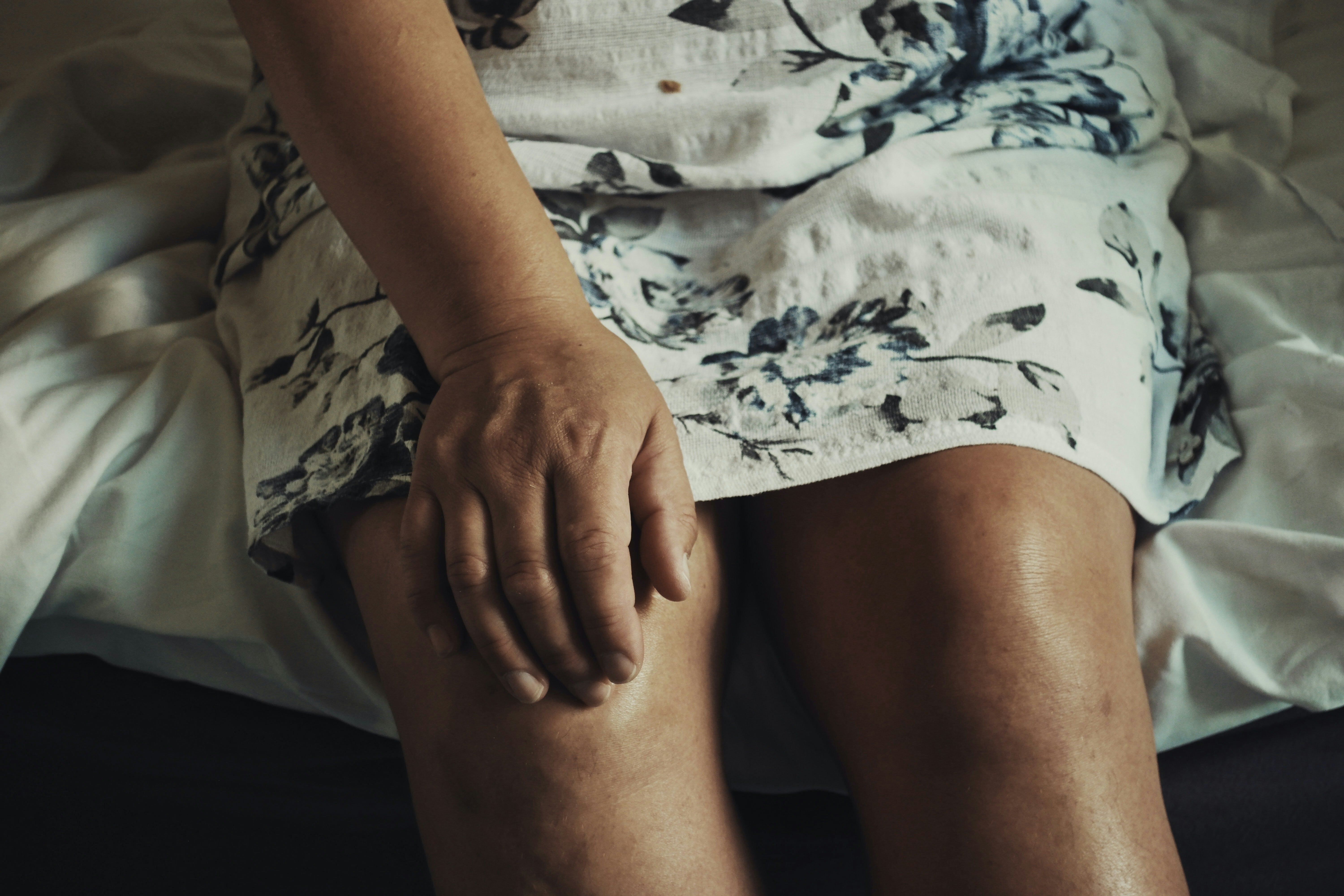
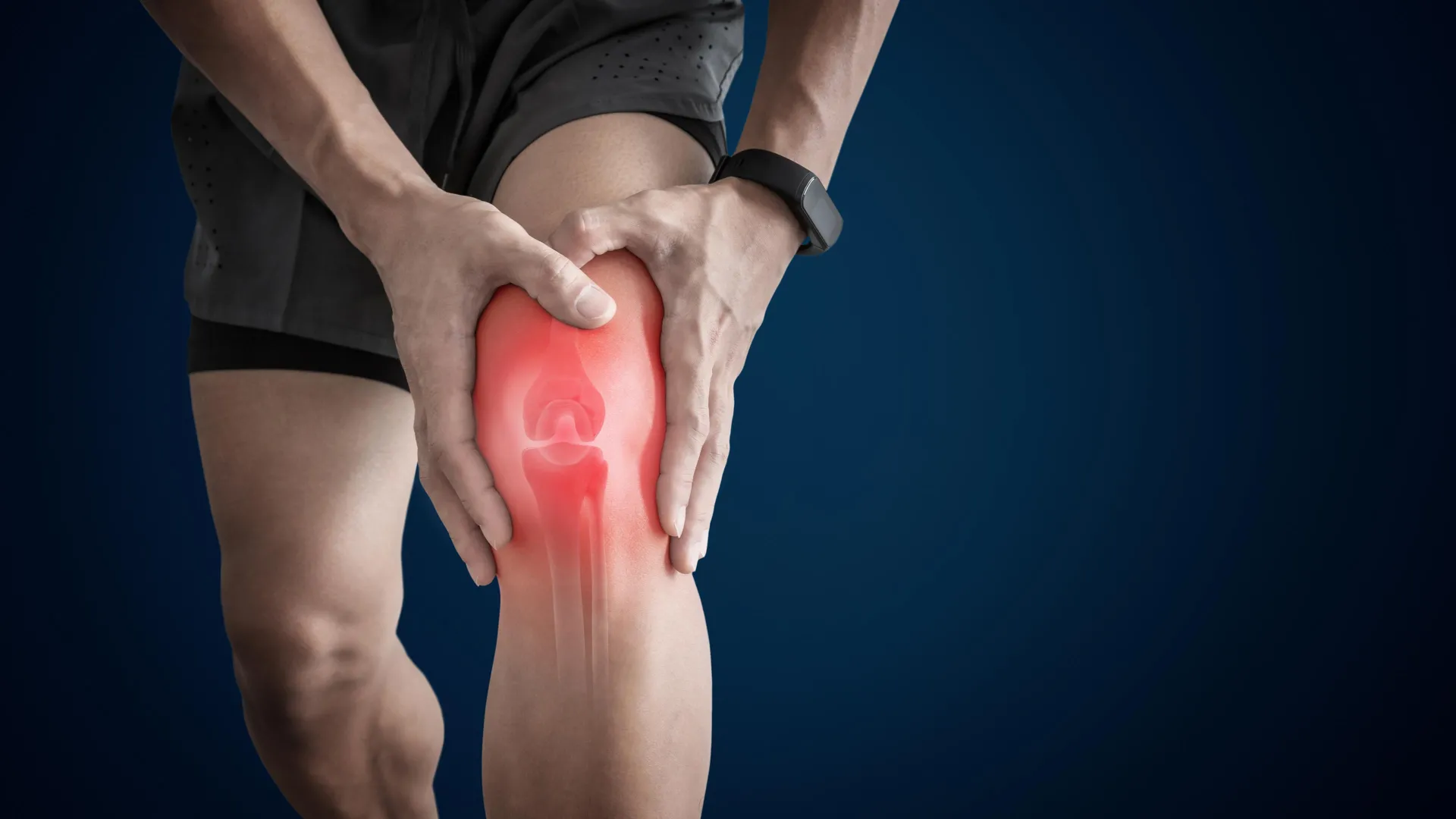
Knee pain affects about a fifth of over-16s, and is more common the older we get.

Per the NHS, it can be caused by everything from strains and twists during exercise to conditions like osteoarthritis (knee osteoarthritis seems to be the most common form of the disease).

According to Dr Syed Nadeem Abbas, a surgeon and regenerative medicine expert from the Knee Pain Clinic, “most knee pain [among over-40s] comes down to wear and tear, and that’s still the most likely explanation.”

However, he says one type of knee pain should always be investigated.

Speak to your doctor about night knee pain

“What tends to get missed is pain that doesn’t follow the usual rules, pain that’s worse at rest than at activity, or wakes someone up at night rather than settling,” the expert said.

“That’s the pattern I’d always want checked properly rather than put down to getting older, because catching anything unusual early makes a real difference to the outcome.”

Knee pain caused by osteoarthritis or overuse tends to ease off at rest, he added.

But issues that get worse at night might very rarely be caused by a bone tumour, he added – indeed the NHS said a possible symptom of bone cancer is if “pain or tenderness in a bone, particularly if it’s worse at night”.

Chondrosarcoma, the most common type of primary bone cancer, is known to affect adults over 40, the surgeon added.

Of course, these symptoms aren’t limited to your knee: common sites include the pelvis (hip), rib cage, arms, shoulder blades, and other parts of your leg.

Why else might I have knee pain at night?

It’s important to remember that primary bone cancer is very uncommon – about 550 people in the UK face it yearly.

Other conditions which can cause nighttime knee pain include:

  • Rheumatoid arthritis,
  • Gout,
  • Tendonitis,
  • Prepatellar bursitis,
  • Osgood-Schlatter disease,
  • Injury, per The Cleveland Clinic.

Dr Abbas added that even vitamin D deficiency might cause unexpected knee pain.

But as orthopaedic surgeon Dr Kim Stearns also told the clinic, “People with healthy knees usually don’t get pain at night. There’s typically a reason, and it can be caused by several conditions.”

Speak to your GP if you have concerns.

Share Button

A daily fiber supplement reduced knee arthritis pain and improved strength

A daily prebiotic fiber supplement may help reduce pain and improve physical function in people with knee osteoarthritis (OA), according to a new clinical trial. Participants who took the supplement also showed stronger grip and reduced sensitivity to pain, while the group had far fewer dropouts than those assigned to a digital physiotherapy program.

Researchers at the University of Nottingham led the INSPIRE clinical trial, which tested inulin, a natural dietary fiber found in chicory root, Jerusalem artichokes, and other vegetables. Taking inulin each day significantly reduced pain among participants with OA.

Published in the journal Nutrients, the findings indicate that supporting gut health could provide a new way to manage a widespread and disabling condition that commonly affects older adults.

A Simpler Approach to Knee Osteoarthritis

Hundreds of millions of people worldwide live with knee OA, which is a major cause of chronic pain and disability, especially later in life. Treatment often involves pain medication, which can produce side effects, or exercise programs that some patients find difficult to continue over time.

“This study raises the exciting possibility that a simple dietary change — adding a fiber supplement to your breakfast or yogurt — could meaningfully reduce pain and improve physical function,” said Dr. Afroditi Kouraki, lead author of the study from the School of Medicine at the University of Nottingham.

How Prebiotic Fiber May Influence Pain

The gut microbiome consists of trillions of bacteria that live in the digestive system and affect many aspects of health, including the way the body experiences pain. Inulin is a prebiotic, which means it provides nourishment for beneficial gut bacteria.

When these bacteria consume inulin, they produce short-chain fatty acids (SCFAs). One of the most important is butyrate, a compound that can affect inflammation and the biological pathways involved in pain throughout the body.

Participants who received inulin had higher levels of both butyrate and glucagon-like peptide-1 (GLP-1) — a gut hormone associated with pain regulation and muscle health. Increased GLP-1 levels were also linked to better grip strength, suggesting a possible connection between gut health and muscle function that researchers believe deserves further study.

Inulin and Physiotherapy Reduced Pain

The six-week randomized controlled trial included 117 adults with knee OA. Participants were divided into four groups that received inulin alone, digital physiotherapy-supported exercise (PSE) alone, both treatments together, or a placebo.

Inulin and physiotherapy each reduced knee pain independently. However, only the inulin group experienced improved grip strength and lower pain sensitivity. These measurements can reflect how the nervous system detects and processes painful signals.

The inulin group also had a much lower dropout rate. Only 3.6% of participants taking the supplement left the study, compared with 21% of those in the physiotherapy group. The difference suggests that adding a supplement to a daily routine may be easier for many patients to maintain than following an exercise program.

Dr. Kouraki said: “Our findings suggest that targeting gut health with a prebiotic supplement is a safe, well-tolerated, and effective way to reduce pain in people with knee osteoarthritis. The very low dropout rate compared to the exercise group is also encouraging from a public health perspective — people were able to fit this supplement easily into their daily lives.”

A Possible Gut-Muscle-Pain Connection

Senior author Professor Ana Valdes from the School of Medicine added: “The link we observed between GLP-1 and grip strength is particularly intriguing and points to a broader gut-muscle-pain axis that warrants further investigation. This could have implications not just for osteoarthritis, but for understanding how gut health influences ageing and physical resilience more broadly.”

Professor Lucy Donaldson, Director of Research at Arthritis UK said: “The pain of arthritis can severely impact quality of life. Our recent lived experience survey showed that six in ten people are living in pain most or all of the time due to their arthritis.

“Researchers are starting to explore the role of the gut microbiome in our experience of pain. This exciting preliminary research highlights how diet and physiotherapy can act in different ways to have benefits for people with arthritis. We know a variety and balance of healthy foods, including fiber, and regular physical activity matter, and we’re glad to be supporting research that explores how they work to help people with arthritis.”

Share Button

A Doctor Saw Something Unusual On A Very Intimate Body Part. She Didn’t Know She Was Saving My Life

The appointment with my primary care physician (PCP) was for a routine physical. I expected a clean bill of health. After all, I’d had no issues and was having the physical as part of my New Year’s checklist, along with getting my car’s oil changed and switching out my furnace filter.

I told my doctor I was between gynaecologists because my former OB-GYN hadn’t been able to answer basic questions about the postmenopausal symptoms I’d been having. I asked for a referral, but given it would take four months or longer to see a new OB-GYN, my PCP suggested she could perform a pelvic exam, along with a pap smear and cervical swab, just to get me up-to-date on all routine tests.

As she completed the exam, she asked if I was aware of a large freckle on my labia just outside my vagina. Not being a contortionist, I wasn’t aware of this strangely shaped grey spot that my doctor photographed in order to show me.

It looked like so many other age spots on my arms and legs that have popped up over the years as a result of days in the 1970s sun, before any of us used sunscreen. Still, my doctor suggested I see my dermatologist soon.

At the dermatologist’s office, she also showed little concern, thinking the spot was of no consequence, but should be examined nonetheless.

“I’m 99% sure it’s nothing,” were her exact words as she performed a biopsy of the freckle, slicing it from my skin and placing it in a vial for testing. Taking her cue, I’d nearly forgotten about the whole thing when I received a call on Tuesday morning a week later. Having lived through my late husband’s cancer experience, I knew that no doctor makes an “all clear” phone call at 8am.

I realised, instead, she was going to tell me bad news. And she did.

The cells placed in the vial were melanoma, specifically, a labial or vulvar melanoma. Though I was familiar enough with melanoma to know that, as a pale redhead with previous sun exposure, I should be checked for them annually, I had no idea one could occur literally where “the sun don’t shine”.

My dermatologist explained that the freckle was in situ, meaning in the very beginning stage of becoming cancerous and only involved the top layer of skin. I would need surgery to remove it – something she wasn’t equipped to do.

The next two days were spent ascertaining the seriousness of my diagnosis and finding a surgeon willing to undertake this procedure, which would involve not only removal of the freckle, but also getting clear margins around it.

In the case of a melanoma like this, the surgeon would seek one-centimeter margins, removing a fairly large portion of tissue in the shape of a football from a tight space with many nerve endings and highly sensitive skin. Because of the unusual location and delicacy of the surgery, I spent hours navigating the local healthcare system, as I attempted to find a surgeon who would accept the task.

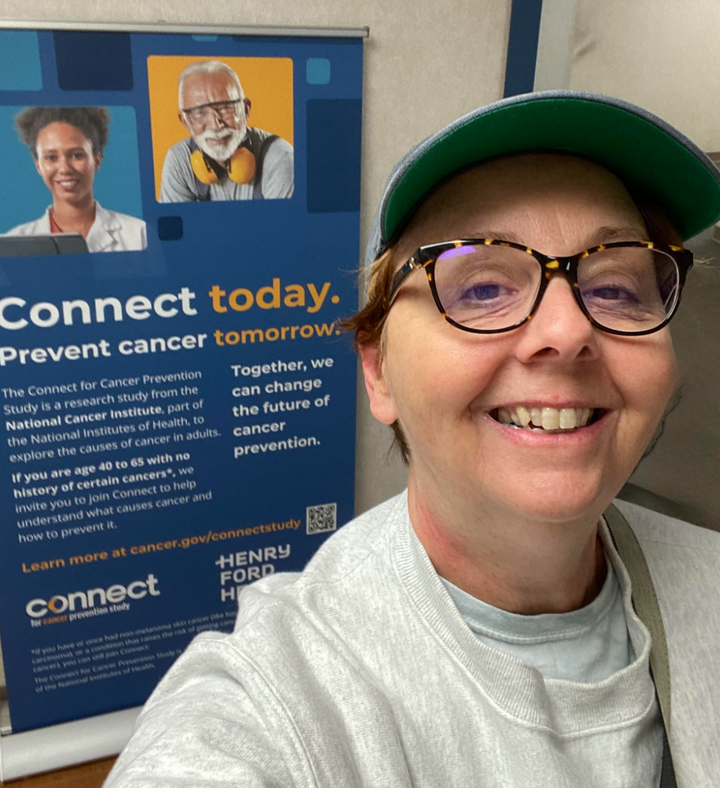
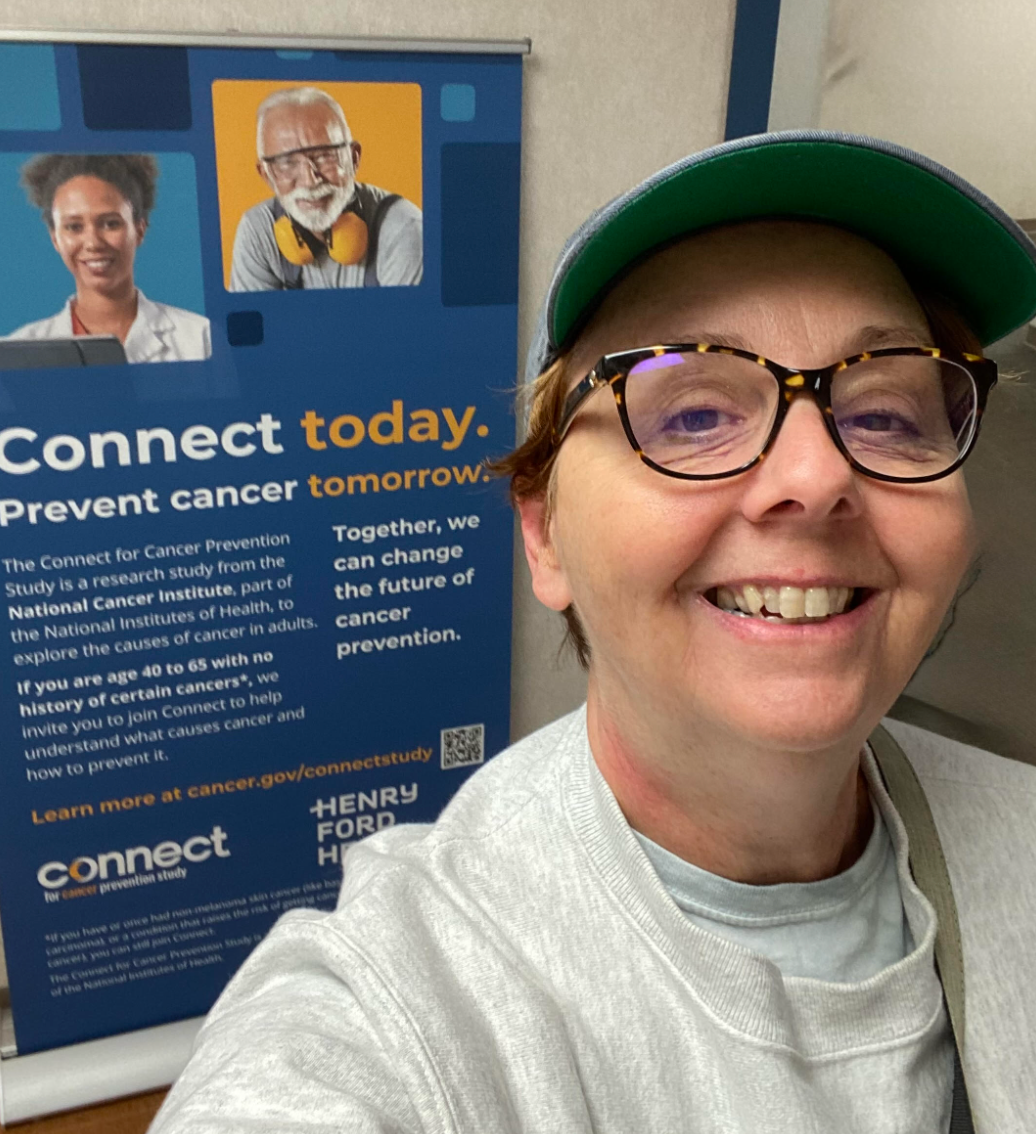
"I participate in a long-term cancer screening program," the author writes.

Courtesy of Lori Tucker-Sullivan

“I participate in a long-term cancer screening program,” the author writes.

My dermatologist referred me to gynaecology. In that department, especially without having an established relationship with a doctor, there was no one who would take my case. From there, I was sent to gynaecological oncology within the cancer centre. Several calls there also resulted in no doctors willing to move forward. While I wanted only for this cancerous lesion to be removed from my body, I was instead tossed from department to department as staff tried to determine who was best prepared to perform this unusual procedure.

Finally, I was referred to a melanoma surgeon within the skin cancer department. A nurse phoned on day three and said the surgeon was well-practiced in these types of melanomas and would take my case. She could squeeze me in to meet with her a week later, and scheduled surgery for the week after that. I phoned my children and we made plans for my daughter to travel from Chicago to be with me for my appointment. We had a plan, and I felt better, but I didn’t realise how large a bullet I had just dodged.

Throughout my late husband’s three-year experience with head and neck squamous cell carcinoma, we tried to stay away from online searches and rabbit holes. His cancer was understood primarily to affect heavy smokers and drinkers, though he was neither. It was through our own and his doctor’s research that we learned his cancer was caused by the human papilloma virus or HPV. Having that knowledge provided his care team with a more specific approach, one that, though too late to save him, has allowed for better treatment protocols today than existed in 2009.

However, researching a cancer diagnosis can also lead to anxiety rather than calm or focus. Remembering this, I refrained from any internet searches until I met with my new cancer surgeon, a young woman whose matter-of-fact demeanour quickly calmed me. Once in her office, I peppered her with the questions I’d been too afraid to type into a search engine: How did this happen, why had I never heard of melanomas in this location, and, most importantly, what was the long-term prognosis? Her answers were surprising.

Because of their location, labial melanomas are rarely caught at an early stage as mine was. Usually, according to my surgeon, they are not caught until they begin to cause discomfort, bleed or become a large mass. By that time, the melanoma has grown deep into the skin and excision, and removal is more difficult. And because of their location close to many lymph nodes, they can spread aggressively. I looked across the room at my daughter, who had lost her father to cancer when she was just 13, and noticed we had the same shocked look on our faces as we understood the situation: had my diagnosis come later, my outcome could have been completely different.

Nearly 40% of vulvar melanoma patients present with regional or metastatic disease (Stage III or Stage IV) compared to only 13.6% of cutaneous melanoma (those on more common areas like arms, legs, back, etc), which means vulvar melanoma is more likely to have spread via the lymph system by the time the patient presents to the doctor. A patient at Stage III has a five-year survival rate of about 48%. At Stage IV, that drops to a 25% rate of survival. Though vulvar or labial melanomas are rare, they most often occur in older women. And while I was beating myself up for my preteen suntanning, there is no definite connection between vulvar melanomas and sun exposure.

Though melanoma is the sixth most common cancer in women, only 0.2% of 100,000 women per year will be diagnosed with a labial melanoma, which primarily affects white, postmenopausal women in their 60s. The rarity of the diagnosis also means there’s little study of these cancers, though there also appears to be no connection between them and HPV or other STDs. As stated in a study by the National Institutes of Health (NIH), these melanomas are often asymptomatic and presentation is delayed by that and a lack of easy self-examination.

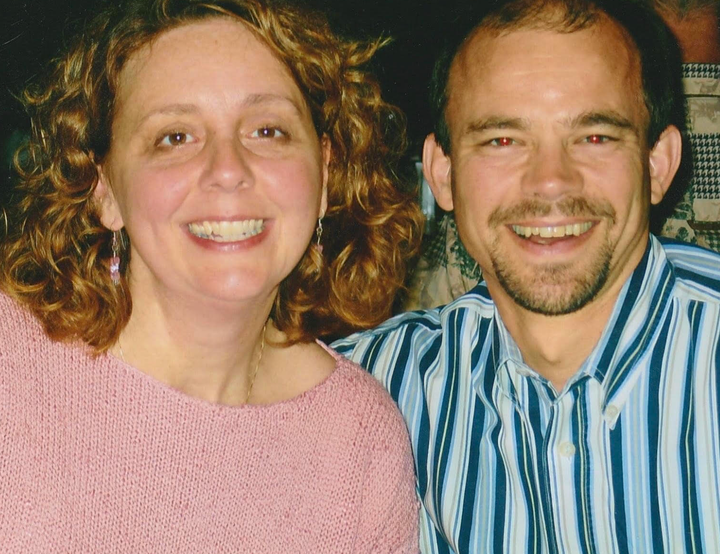
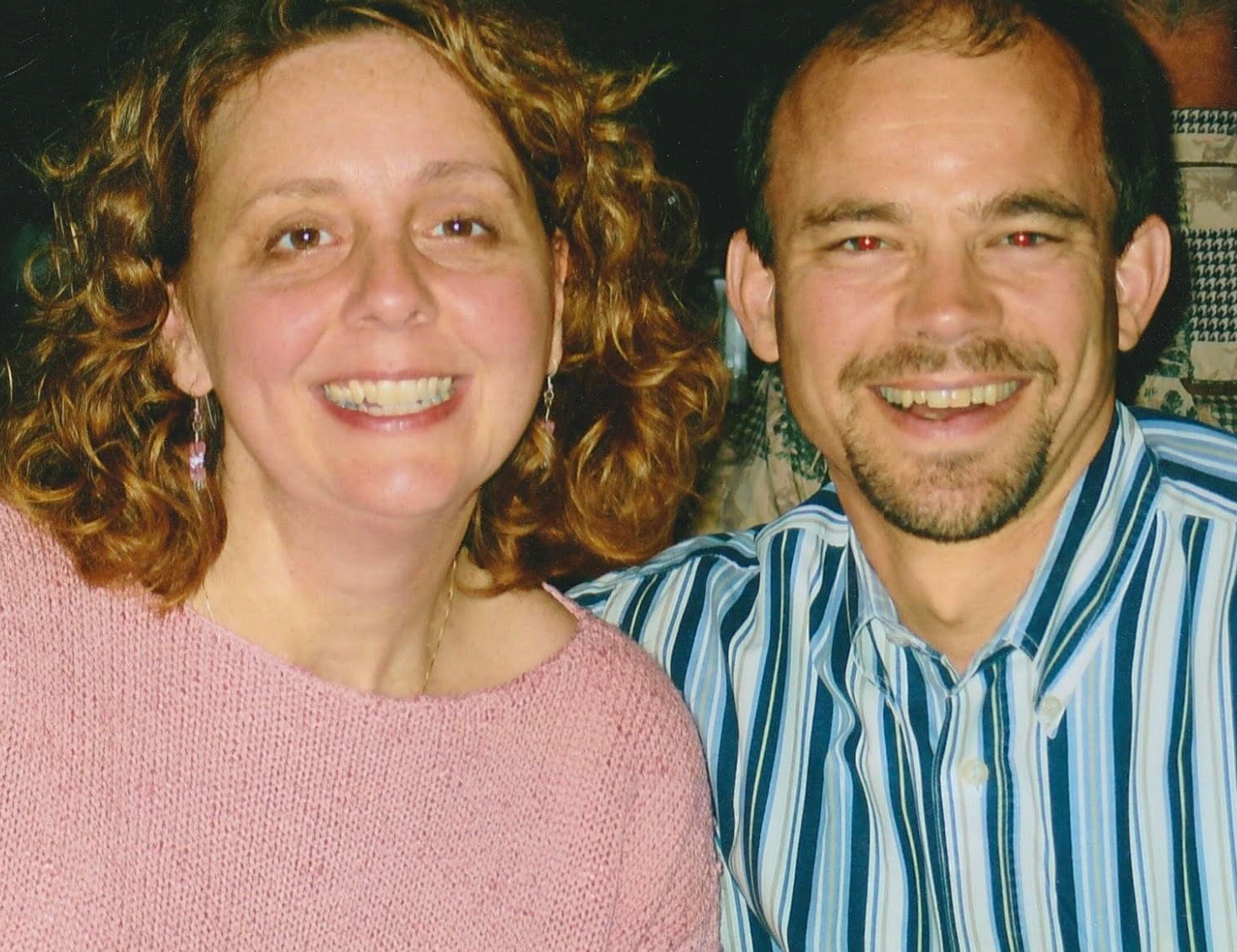
The author with her late husband Kevin, prior to his cancer diagnosis.

Courtesy of Lori Tucker-Sullivan

The author with her late husband Kevin, prior to his cancer diagnosis.

Surgery took over an hour while I was under anaesthesia, and recovery took a few weeks, during which it was important to restrict movement and keep the wound very clean. Pain meds kept the discomfort at bay but didn’t address the lingering worries. In addition to my physical care, I also met with my therapist to continue processing how close I came to a much more serious situation and how I might turn my gratitude into advocating for prevention in others.

Because the freckle on my labia was caught when it was, I was told I have a less than 3% chance of recurrence and no further treatment. My surgeon will check me every six months, and my new dermatologist, who specialises in vulvar cancer, will see me every three months for two years. Provided nothing new is discovered, I’ll return to annual check-ups. But my prognosis is this good only because it was detected so early.

When I returned for a follow-up appointment with my primary care doc, she reminded me that many postmenopausal women skip regular pelvic exams, or are confused about how often they are needed. Instead, they should speak with their doctors about the frequency, which is based on their personal health history, and whether they currently have symptoms.

Just as most dentists now check for oral cancer, doctors other than oncologists can help examine for vulvar cancer. A simple request to a gynaecologist to check the skin for unusual spots during your regular pelvic exam, or a request to the dermatologist to include the vulva during your annual skin checks, are easy ways to possibly detect cancer at an earlier stage.

At my primary care doctor’s office, we hugged, tearing up as the two of us realised what her attention and urging had prevented. Bringing my awareness to a seemingly innocuous spot in an unusual place prevented me from having a terrible and possibly fatal diagnosis. For that I am forever thankful.

Lori Tucker-Sullivan is a writer and educator in Detroit. Her work has appeared in The New York Times, Washington Post, Salon, and others. Her book, “I Can’t Remember if I Cried: Rock Widows on Life, Love and Legacy,” was released in 2024 and profiles widows of her favorite musicians and what they taught her about grief. She is currently at work on a memoir of her marriage bookended by home renovation and her late husband’s cancer diagnosis.

Do you have a compelling personal story you’d like to see published on HuffPost? Find out what we’re looking for here and send us a pitch at pitch@huffpost.com.

Share Button

People Reveal The Grossest Things Customers Do At Coffee Shops

I work from cafes most days. My regular place is good, but sometimes on my travels, I see things that make me question my caffeine addiction.

More than once, I’ve watched someone finish a glass of water and put their empty cup back in with the clean ones. So, now when I pick up a glass and it’s damp, I can’t tell if it’s wet from use or wet because it’s been washed, and I go without. It’s one of many unhygienic behaviours that seem rife in coffee shops.

You may want to think twice before pouring from that shared milk carafe into your coffee.

Daniel Day via Getty Images

You may want to think twice before pouring from that shared milk carafe into your coffee.

Matt Woodburn-Simmons worked as a barista for years and now runs the Home Coffee Expert website. His first rule is: do not touch the milk.

In the hotter months, especially, people drink straight from the communal carafe, he said. “Full lips wrapped around it and chugging the milk while waiting for their coffee. I imagine people would rather their milk was not French kissed by a stranger before use.”

The honey is nearly as bad. Woodburn-Simmons watched people squeeze it onto a finger and lick it or wipe the drip from the nozzle and lick that, too. “Hundreds of fingers a day going onto the end of the honey nozzle is a superspreader event waiting to happen,” he said.

Shanina Knighton, an infection preventionist and nursing professor at Case Western Reserve University, can explain why the milk is so bad.

“Milk is about the friendliest thing you can hand a bacterium,” she said. “It is full of protein and sugar, it sits warm or lukewarm in the line, and it leaves a thin film on everything it touches. That film is where the trouble starts.

“Once a little milk dries onto a spout, a gasket or the inside of a dispensing tube, it gives bacteria a place to settle, and what grows there is a biofilm, a sticky layer of microbes that anchors to the surface and laughs off a quick rinse.”

I would never touch the milk, ever.

Topping up a half-empty jug only makes it worse. “When someone adds new milk on top of the old without emptying and washing the container first,” Knighton said, “whatever was living in that residue gets a fresh meal and a running start.”

Woodburn-Simmons saw that happen often. “Milk jugs with a crust around the spout,” he said, refilled multiple times and never cleaned. “I would never touch the milk, ever.”

Lids are also a concern. Elliot Sterling once watched a man find the communal milk almost empty, shake it vigorously over his cup, and then place his whole hand flat on the lid stack and drag it smoothly down the entire row. “Three people used those lids after him,” Sterling said, “and I used them as well before I realised what was happening.” He takes his from the middle of the stack now.

“People separate a stack by pawing through several lids before they commit to one,” Knighton said, “and the part they are handling is the same part that ends up against someone’s mouth. Most of what we touch in a day never reaches our lips, so it forgives a lot. A lid rim does not.”

“Lids themselves were never cleaned, just left on the assumption they were fine,” Woodburn-Simmons said. When the morning rush hit, the wipe-downs lapsed too. “Wiping down the area became an only-when-absolutely-necessary job,” he said, which on a bad morning meant “three to four hours.” He still remembers the puddles of spilled milky coffee left to spoil and people setting their lids down in them.

The horror stories continue. At a Toronto coffee shop, Philip Stoelman saw a customer lick the communal stir spoon and drop it straight back in the jar. “That person didn’t even think twice,” he said. Stoelman has carried his own stir stick ever since. JoAnne Loftus switched to a water bottle after watching someone in an Austin cafe rinse a used mug in the self-serve water-glass bin and refill it. “They didn’t even use the sink,” she said.

At a Toronto coffee shop, Philip Stoelman saw a customer lick the communal stir spoon and drop it straight back in the jar.

Tatiana Terekhina via Getty Images

At a Toronto coffee shop, Philip Stoelman saw a customer lick the communal stir spoon and drop it straight back in the jar.

Knighton has her own story. She once ordered an iced latte and watched the worker handle a credit card, then reach in and “grab the tip of my straw with their bare hand.” She asked for a fresh one. The worker held up the box kept under the counter. “Every straw in it had a visible coating of dirt,” she said. “They were clear straws, so there was no missing it.”

Woodburn-Simmons has a longer list. Customers clipped their nails while they waited, “nail clippings going everywhere.” Parents handed sugar packets to children who sucked on them and put them back – “kids being germ factories.” One person even fished an unused sugar packet out of the bin and put it back.

By now you might want to swear off self-serve stations entirely, but you don’t have to. “Bacteria live on practically everything we touch,” Knighton said, “so the real question is never whether something is there, but whether enough of the wrong kind is there to matter.”

Dr. Shilpi Agarwal, a board-certified family physician, has two rules at the station. The first is about the lid. “Customers often put their lid face down on the counter,” she said, after a mouth or dirty hands have already been on it. “Place down a napkin, then place your lid on there rather than resting it on the bare counter.”

The second rule skips the station altogether. “Ask for a top-off of warm milk,” she said, so the barista handles the dairy, and you never touch the jug. “Only touch what you need.”

Knighton’s test for a bad station needs no equipment. “Learn to read a station by its moisture rather than its shine,” she said. “Standing liquid, crusted residue, overflowing trays and a sticky dispensing area tell you far more about how a place is run than a spotless countertop ever will.”

I’m still a coffee addict, though after speaking to Woodburn-Simmons, I’m beginning to consider quitting. “The general public are way more disgusting than you think they should be,” he told me.

Share Button

This $12 Cooling Gel ‘Tops Most Prescription Products’ For Aches And Muscle Pain

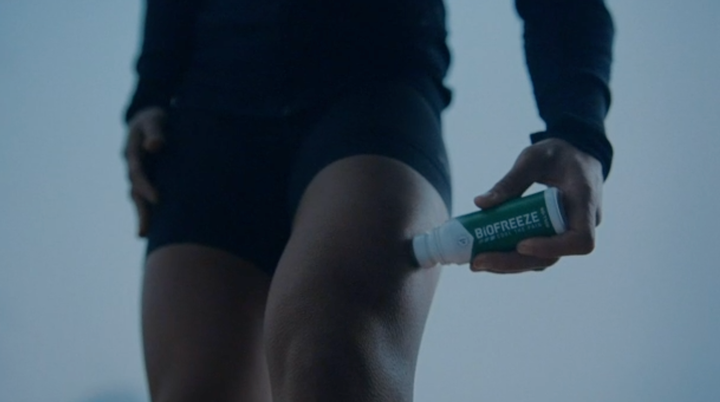
Forgive the pun — but body aches are a pain. Whether you’re dealing with chronic discomfort or just like to be prepared, reviewers swear by this roll-on cooling gel by Biofreeze for “fast and effective” pain relief, wherever they are. Reviewers call the packaging “like deodorant for back pain,” allowing easy, direct application without getting product all over your hands. Yet, users really love the formula, calling it the best over-the-counter product you can get that “tops most prescription products for aches and muscle pains.” Right now, you can snag a bottle on a rare deal for 25% off, but act fast — it’s a lightning sale that will be over soon.

In previous reporting, physical therapists told HuffPost that topical creams like Biofreeze offer “immediate relief to sore areas” — allowing for more movement with less pain.

This fast-acting cream is made with 5% menthol, for instant cooling, as well as soothing aloe leaf extract, arnica, green tea leaf and lemon balm. The brand says the potent formula is designed to “block” pain signals in your body, giving you an instant boost of citrusy-cooling.

Reviewers say the gel has “a pleasant minty smell that diminishes quickly,” especially because you don’t need to use your hands to apply it.

Per the brand, the gel can be used on nearly all external needs from back aches to arthritis, bruises, sprains and pains on your shoulders, knees, wrists and more.

“When I feel a bit of a muscle tightness, headache or neck pain I roll this on the neck and within 20 minutes, I have totally forgotten about the pain and can move freely without pain again,” shopper Oregon Gma. “This relief lasts almost all day and I roll it on again and am good for the night.”

As experts previously told HuffPost, these types of topical creams can also be great during physical therapy or working out as they “allow patients to perform exercises with reduced discomfort and increased effectiveness.”

“A few years ago I was in a bad car accident and tore my patellar tendon and broke my scapula-this takes the ‘edge’ off so that I can get going again with my workouts and with home improvement projects,” Zoe P. wrote .”Thank you so much for offering the Professional Biofreeze online!!”

Reviewers love this cooling cream for swiftly easing aches and pains. Read more 5-star reviews and grab some for yourself on sale.

“The best you can buy otc product & tops most prescription products for aches and muscle pains Used many will come back to this every time. Would recommend to anyone!” — Moes’Placeholder

“Worked Wonders For Me. I have had surgeons tell me that I am not a candidate for neck surgery as of yet but they agree that there is substantial damage. I have been through a year of physical therapy without relief of neck pain. I have a pain doctor that gives me nerve blockers every 3 months. A friend told me about this product and after 2 months of research and procrastination, I finally purchased a bottle. I wish I would have done that 2 years ago. When I feel a bit of a muscle tightness, headache or neck pain I roll this on the neck and within 20 minutes I have totally forgotten about the pain and can move freely without pain again. This relief lasts almost all day and I roll it on again and am good for the night.” — Oregon Gma

“If you never tried Biofreeze, I’m not really sure what to tell you. Especially on a roller. If you have back pain, you roll this on like deodorant and it immediately works. There’s no waiting. It doesn’t last as long as icy hot but it feels a lot better. It goes on a lot easier and it doesn’t leave any grease in your hands, it’s like deodorant for back pain. It really is a remarkable product and I actually saw a chiropractor recently who offered me a bottle and that’s when I knew for sure that I got the right stuff. I strongly recommend it” — Supreme Parties

I just fractured my pelvis and the bio freeze is what sold me on Amazon home delivery. I had purchased other home items but the bio freeze saved my life because I was stuck in a wheel chair for 8 weeks. Bio freeze saved my life.” — Cynthia Baker

Looking for other reviewer-loved products for pain relief? Check out this list from a previous HuffPost Shopping story.

Amazon

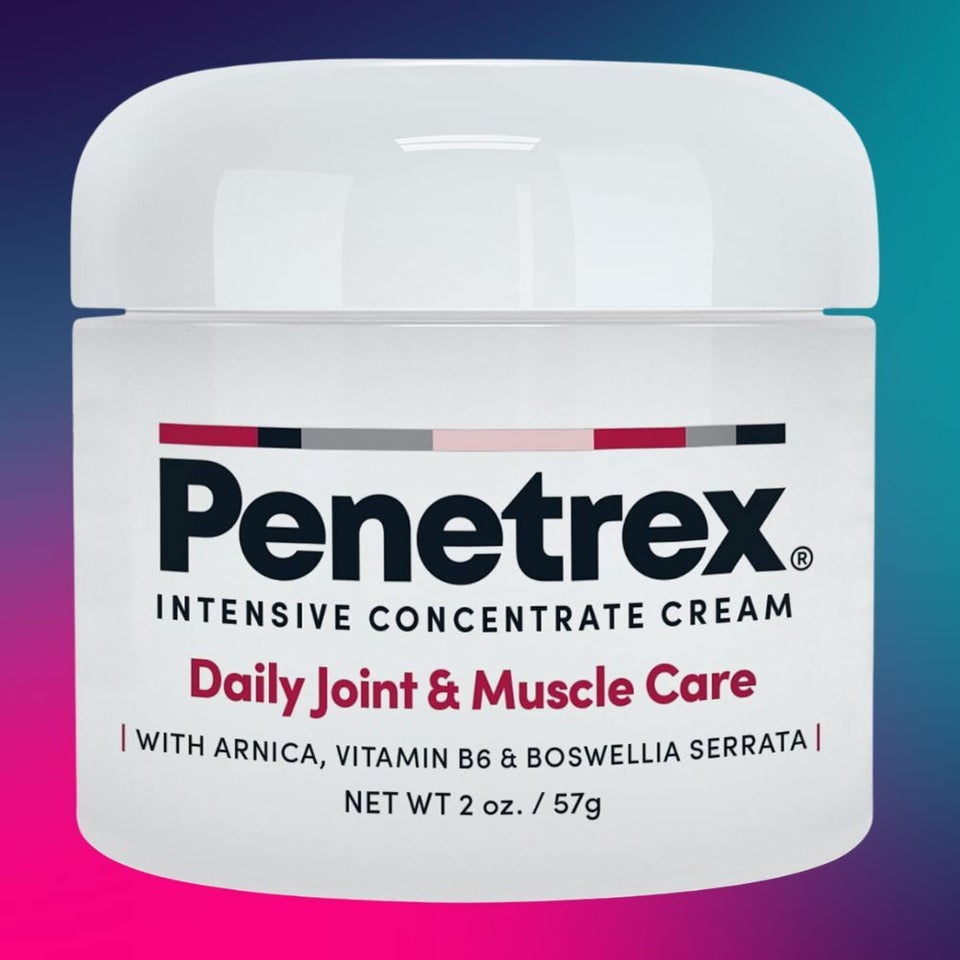
A penetrative concentrate cream

The Penetrex recovery cream is possibly one of the most impressively reviewed pain-relief topicals on Amazon that features a concentrated blend of natural ingredients. It’s a non-greasy and sensitive skin-friendly formula containing arnica and vitamin B6 to soothe sore and achy muscles without the burning or freezing sensation of other numbing creams.

Promising review: “Penetrex works for me. I have tried many different pain relieving creams and really believed a topical cream could not eliminate pain. Some products have a lot of Menthol that distracts from the pain for a while. I broke my wrist in 2015 and have 10 metal pins in my wrist. My hand, as well as my wrist, are frequently painful. I think some arthritis is developing. I am so thankful to have found Penetrex. When my hand or wrist starts hurting, I rub in a small amount of Penetrex and the pain goes away. I have not timed how long it takes. I just know if I want the pain to stop, I use Penetrex and not long after, I realize the pain is gone. I keep a jar at home and at work. I will not be without it, so I hope the company stays around for a very long time. Penetrex is not sticky or greasy, it rubs in completely like a hand cream or lotion. It has a mild fragrance, not a strong odor like some sports creams. I was introduced to electrode therapy and ultrasound during my physical therapy sessions for my wrist. I purchased both for home use. Penetrex works better than either of those therapies. I recommend you try it. It may not work the same for everyone and every type of pain, but it is worth a try.” — Rita Berry

Amazon

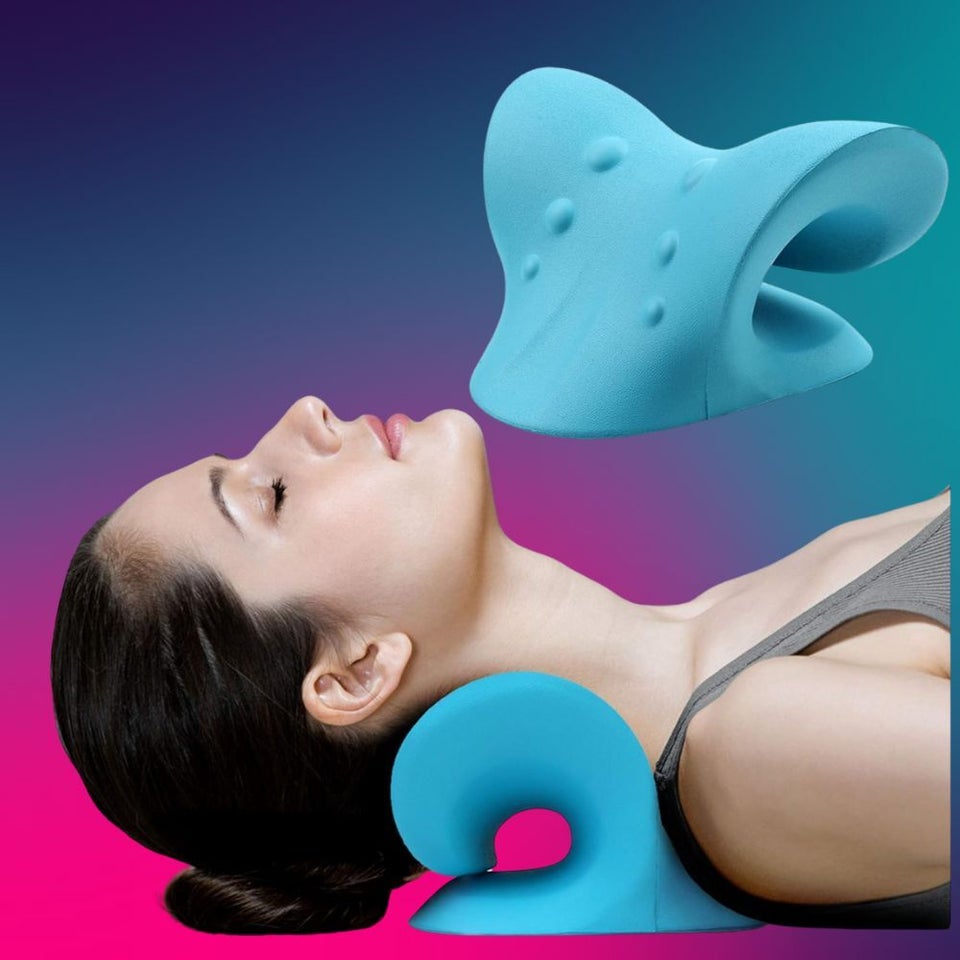
A cervical traction pillow for the neck and shoulders

According to one reviewer, this odd-shaped pillow made their shoulder pain “disappear completely” using a stretching technique called cervical traction, which involves gently creating space between the bones of the neck. The pillow is made from a dense foam and strategically follows the natural curvature of the spine to ease pain in as little as 10 minutes a day.

Promising review: “So here’s a backstory, I have a pinched nerve and I am an artist who uses their hands A LOT. It causes me a lot of pain in my right hand, which causes my arm to go numb at night and aches all through the night. It stems from my shoulder and for the last several days I’ve been in a ton of pain, unable to sleep. I bought this on a whim with the hope for some relief in my neck and shoulder. As soon as it arrived I opened it and used it for less than a minute. That 45 seconds I was on it made my shoulder pain disappear completely. I was shocked.. but so happy to finally have this relief. Let me be clear, my back and shoulder is messed up from several things.. and it hurt because of the tension I’ve kept when I used this product. But it was the kind of pain you would get from a deep tissue massage or something like that. I’ve continued use through the day, using around 1-2 minutes total. No pain, no aches, my neck feels less tense and my shoulder pain is completely gone. I will continue using it daily! Highly recommended” — Z

Amazon

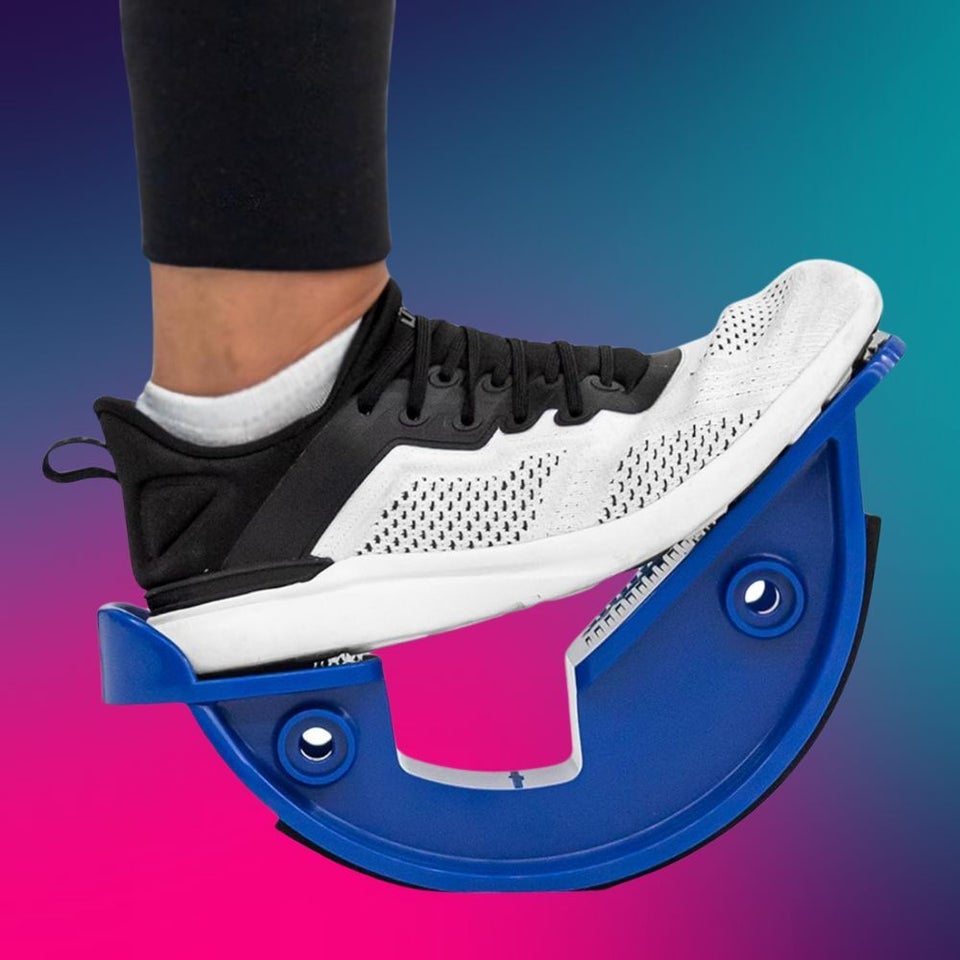
A podiatrist-approved foot stretcher for plantar fasciitis

Podiatrist Louis J. DeCaro previously told HuffPost that when it comes to managing plantar fasciitis pain, “the best a [person] can really do is stretch the posterior column which runs from the hamstring down to the calf, to the Achilles and through the bottom of the foot to connect to the plantar fascia.”

DeCaro teaches his patients heel inversion stretches, which he said should be done “prior to all activities that involve running or long walks and should be done with the foot as neutral as possible.”

Although you don’t need a device for the heel inversion or posterior column stretches that DeCaro refers to, many Amazon reviewers claim that this rocking foot stretcher has made “a world of difference” in treating their plantar fasciitis pain. The rocker design holds the foot in the optimal position for an accurate and efficient stretch and has slip-resistant pads to keep the stretcher in place while in use.

Promising review: “I recently developed plantar fasciitis and it was causing me all kinds of pain in my knee, heel and ankle. Using this device before and after my runs made a world of difference. [The] pain is subsiding and I’m able to continue training. Such a great device for a hard-to-stretch area – highly recommend.” — Bels

The Real Deal: We use deal trackers and commerce experience to sift through “fake” hike-and-drop deals and other deceptive sales tactics. Products will usually be rated at least 4 stars with a minimum 15% discount. (And when there’s an exception, we’ll tell you why.)

Share Button

Nordstrom’s Big Beauty Sale Is Here — And These Luxury Products Are Majorly Discounted

It’s time to seize the moment! Nordstrom’s Anniversary Sale is officially here, and the beauty deals are sweet enough to make any shopper blush☺️. While the retailer is known for its premium beauty offerings, this event is the perfect opportunity to stock up on favorites without taking a major hit to your wallet. From gift sets featuring beloved anti-aging night creams to hairsprays that add volume to fine, thinning hair, there’s no shortage of worthwhile finds. Whether you’re treating yourself or snagging something for someone else, now’s the time to snag these beauty must-haves before the sale comes to an end.

The Real Deal: We use deal trackers and commerce experience to sift through “fake” hike-and-drop deals and other deceptive sales tactics. Products will usually be rated at least 4 stars with a minimum 15% discount. (And when there’s an exception, we’ll tell you why.)

Share Button