In today’s interconnected world, infectious diseases pose an escalating threat, as demonstrated by the coronavirus pandemic and outbreaks of H1N1, SARS, Ebola, Zika, and H5N1 (bird flu) viruses — all of which have had significant global health and economic impacts.
But more common viral diseases also contribute to global health challenges and economic costs. For example, seasonal influenza epidemics occur annually, causing a substantial global disease burden and economic losses exceeding $11.2 billion each year in the United States alone. Meanwhile, herpes simplex virus-1 (HSV-1), spread primarily through oral contact, infects over two-thirds of the global population and is the leading cause of infectious blindness in Western countries.
Low vaccination rates for influenza viruses and the lack of an HSV vaccine underscore the need for a new approach — one that targets reducing viral loads at the sites where transmission occurs. And for viruses like these, which are transmitted more efficiently through the mouth than the nose, this means focusing on the oral cavity.
Now, in a study published in Molecular Therapy, researchers at the School of Dental Medicine at the University of Pennsylvania and collaborators in Finland, have done just that.
Building on their previous work — now in clinical trial — showing that a similar approach was able to reduce SARS-CoV-2 in COVID-19 patient saliva or swab samples by more than 95%, Henry Daniell, W.D. Miller Professor in Penn’s School of Dental Medicine, and collaborators tested the ability of a chewing gum made from lablab beans, Lablab purpureus — that naturally contain an antiviral trap protein (FRIL) — to neutralize two herpes simplex viruses (HSV-1 and HSV-2) and two influenza A strains (H1N1 and H3N2). The chewing gum formulation allowed for effective and consistent release of FRIL at sites of viral infection.
They demonstrated that 40 milligrams of a two-gram bean gum tablet was adequate to reduce viral loads by more than 95%, a reduction similar to what they saw in their SARS-CoV-2 study.
Importantly, the researchers prepared the gum as a clinical-grade drug product to comply with the FDA specifications for drug products and found the gum to be safe. Daniell notes, “These observations augur well for evaluating bean gum in human clinical studies to minimize virus infection/transmission.”
Daniell and his colleagues are now looking to use lablab bean powder to tackle bird flu, which is currently having a significant impact in North America. In the previous three months, 54 million birds have been affected by H5N1, and several human infections have been reported in the U.S. and Canada.
Previously, bean powder was shown by others to effectively neutralize H5N1 and H7N9 — two strains of influenza A known to cause bird flu in humans as well as in birds. Daniell and colleagues are currently looking to test its use in bird feed to help control bird flu in birds.
“Controlling transmission of viruses continues to be major global challenge. A broad spectrum antiviral protein (FRIL) present in a natural food product (bean powder) to neutralize not only human flu viruses but also avian (bird) flu is a timely innovation to prevent their infection and transmission,” says Daniell.
Henry Daniell is the W.D. Miller Professor in the Department of Basic & Translational Sciences at the School of Dental Medicine at the University of Pennsylvania.
Other authors include Gary H. Cohen, Yuwei Guo, Uddhab Karki, Rachel J. Kulchar, Rahul Singh, and Geetanjali Wakade of Penn Dental Medicine, Hamid Khazaei of the Natural Resources Institute Finland (Luke) and the University of Finland and Juha-Matti Pihlava of the University of Finland.
Research performed in the Daniell lab is supported by NIH grant R01 HL 107904.
From toddlers in daycare to seedlings in forests, young organisms tend to get sick more easily than adults — a phenomenon that has long puzzled parents and scientists alike.
University of Maryland biologists offer new insights into this mysteriously universal pattern in a study published in the journal Proceedings of the National Academy of Sciences on April 4, 2025. The new study on baby plants shows that fighting disease at a young age often comes at a steep cost to growth and future evolutionary fitness — or their ability to reproduce.
“It’s a mystery why young organisms don’t evolve stronger disease resistance because getting sick early in life can be deadly,” said study co-author Emily Bruns, an assistant professor of biology at UMD. “Our findings suggest that a hidden trade-off is involved, stopping them from being able to completely fight off a disease.
The researchers studied a wild plant called Silene latifolia (commonly known as white campion) and its relationship with a fungal disease called anther-smut that infects it. This disease doesn’t kill the plants but prevents them from producing pollen, making them unable to reproduce — much like a “plant STD,” as Bruns describes it.
By testing 45 different genetic variations of the Silene plant under controlled settings, the team discovered that plants with stronger disease resistance as seedlings produced significantly fewer flowers and seeds over their lifetime when grown in a disease-free field. Meanwhile, plants with stronger resistance as adults showed no such penalty.
“We found that young plants paid a higher ‘cost’ for fighting the disease compared with adult plants,” Bruns said. “Trying to fight off the fungus was more difficult and resource-consuming for these baby plants. They only have so much energy to spend. If baby plants spend it on disease defense, they can’t put it toward future growth.”
Using their findings, the researchers created a mathematical model showing that these costs of fighting off pathogens are high enough to prevent the evolution of stronger disease resistance in younger plants. Without these costs, plant families with stronger juvenile resistance would theoretically be able to eliminate the disease entirely. But because developing resistance is so impactful for young plants, they remain vulnerable to infection.
“Some young plants ‘pay the cost’ and survive into adulthood, but they make fewer flowers, meaning they’re less able to reproduce,” Bruns explained. “But most remain susceptible as babies, allowing the disease a toehold.”
The team was surprised that these costs didn’t show up right away. Plants that invested in disease resistance as seedlings looked fine at first but produced dramatically fewer flowers in their second year when reproduction would normally peak.
Interestingly, the researchers also found that male plants suffered much higher costs for disease resistance than female plants. Bruns noted that this may be because male plants produce many more flowers than females to spread their pollen as widely as possible — making the cost of diverting resources to disease resistance especially steep for males.
Bruns believes that the team’s findings have implications beyond wild plants. Because juvenile susceptibility drives disease epidemics across many species, understanding the evolutionary mechanisms behind this pattern could inform disease management strategies in agriculture, conservation and public health.
Next, Bruns and the team hope to investigate whether disease resistance costs can be reduced by introducing pathogens to plants slightly later in life when plants establish their first true leaves and no longer rely on stored energy. They also plan to explore whether adult plants with higher disease resistance might protect nearby seedlings by reducing the overall presence of disease presence in a specific area.
“Nature is full of infectious diseases,” Bruns said. “Understanding the different checks and balances between hosts and pathogens helps us understand how evolution has shaped these relationships over millions of years.”
A new study from the University of Maine’s Aquaculture Research Institute (ARI) and Darling Marine Center is helping to refine best practices for growing Atlantic sea scallops (Placopecten magellanicus), a species of increasing interest to Maine’s aquaculture sector.
Published in the academic journal Aquaculture, the research compares two scallop farming methods, ear-hanging and lantern net culture, over a complete grow-out cycle to determine which approach yields the best results for commercial growers. The study, led by UMaine postdoctoral researcher Christopher Noren, provides new insights into how each method influences scallop size and adductor muscle weight, a key factor in market value.
Evaluating Two Common Farming Methods
Maine’s scallop aquaculture industry is still in its early stages, and growers are looking for efficient ways to scale up production. Suspended culture is the most common approach, with farmers typically using multi-tiered lantern nets to grow scallops to a harvestable size. However, this method requires frequent maintenance to manage biofouling — an unwanted accumulation of microorganisms, plants and animals — and to optimize growth conditions.
Ear-hanging, a technique adapted from Japanese scallop farming, offers a potential alternative. This method involves drilling a small hole in the scallop’s shell and suspending it on a line, allowing for better water flow and potentially reducing maintenance needs.
To evaluate the effectiveness of each method, researchers partnered with two commercial scallop farms in Maine’s Penobscot Bay and Frenchman Bay. Over four years, they measured scallop growth and the weight of their adductor muscles, the primary product from scallops that are sold in U.S. seafood markets.
Findings to inform Maine’s aquaculture industry
The study found that scallops grown with ear-hanging culture had slightly larger shell heights, about 1-4% greater than those in lantern nets. More significantly, ear-hanging scallops had up to 12% more adductor muscle weight, which is the primary product sold in U.S. seafood markets and commands a higher price per pound when larger. This suggests a potential advantage for growers aiming to maximize profitability within that market.
“We wanted to provide growers with data they could actually use on the water,” said Christopher Noren, doctoral researcher at UMaine and lead author of the study. “By comparing these two methods across a full grow-out cycle, we were able to identify where the biological advantages lie and how they might translate to better yields and more efficient operations.”
The results also highlight the role of temperature in scallop growth. Ear-hanging scallops grew more quickly in optimal conditions, which are between 50 and 59 degrees Farhenheit, but were more affected by colder winter temperatures than those in lantern nets.
“These findings give scallop farmers a clearer picture of how different methods impact growth and harvest timing. Understanding the trade-offs between techniques will help inform decisions about production strategies.” says co-author Damian Brady, a professor of oceanography at UMaine.
Supporting a sustainable, domestic seafood supply
The U.S. imports the majority of its seafood, including scallops, from foreign markets. As interest in domestic scallop aquaculture grows, studies like this can help Maine farmers refine their operations and improve profitability.
“This research gives us real-world numbers to work with,” said Andrew Peters, owner of Vertical Bay LLC and co-author on the study. “Understanding how small changes in gear choice impact growth and market value helps us make smarter decisions as we scale up scallop farming in Maine.”
By identifying methods that balance growth efficiency with labor demands, UMaine researchers are contributing to the development of a sustainable scallop aquaculture industry in the Gulf of Maine.
A chemical reaction that’s vital to a range of commercial and industrial goods may soon be initiated more effectively and less expensively thanks to a collaboration that included Oregon State University College of Engineering researchers.
The study, published in Nature, involves hydrogenation — adding the diatomic hydrogen molecule, H2, to other compounds.
“Hydrogenation is a critical and diverse reaction used to create food products, fuels, commodity chemicals and pharmaceuticals,” said Zhenxing Feng, associate professor of chemical engineering. “However, for the reaction to be economically viable, a catalyst such as palladium or platinum is invariably required to increase its reaction rate and thus lower cost.”
Feng, OSU doctoral students Alvin Chang and Mason Lyons and researchers at four institutions in China took a deep dive into single-atom catalysts; a catalyst is anything that speeds the rate of a chemical reaction without being consumed by the reaction, and a single-atom catalyst is one in which the metal catalytic sites exist as isolated single atoms on a supporting substrate.
“SACs are a rising star among hydrogenation catalysts and demonstrate excellent catalytic activities compared to nanoparticle catalysts,” Feng said. “Interactions between the metal catalyst and support material lead to unique synergies that improve catalytic activity and stability, but the reason for this enhanced performance had not been understood.”
In a project led by collaborators at the Chinese Academy of Sciences and the University of Science and Technology of China, researchers created and characterized 34 palladium SACs on 14 semiconductor supports.
Advanced X-ray, infrared and electrochemical characterization techniques showed the SACs’ effectiveness depended on how well a substrate could accept electrons, a connection that was consistent and predictable.
“The catalytic abilities of palladium SACs have a universal linear relationship with the molecular orbital position of their supporting substrates,” Feng said. “This opens a new avenue for the screening of metal-support pairs for high activity and stability. We also found that this molecular orbital position can be tuned by reducing support particle size, leading to SACs with record high activities and excellent stabilities.”
For this study, researchers looked at the semihydrogenation of acetylene in excess ethylene, a common industrial process. In hydrogenation, hydrogen molecules are added to unsaturated bonds in organic compounds, converting them to saturated compounds. For example, hydrogenation is used to convert vegetable oils, which are unsaturated fats, into margarine and shortening.
Hydrogenation is also important for the refining of petroleum products, including converting alkenes like ethylene into alkanes to make cleaner-burning fuels such as propane and butane.
The OSU China Experience Fund and the National Natural Science Foundation of China Center for Single-Atom Catalysis were among the funders of this project, which also featured researchers from the National University of Defense Technology and Suzhou Laboratory.
Rivers, streams, lakes, and reservoirs aren’t just scenic parts of our landscape — they’re also vital engines for life on Earth. These inland waters ‘breathe’ oxygen, just like we do. But a new study led by Utrecht University researchers shows that we’ve been suffocating them during the last century, an era also known as the Anthropocene. The research, published today in Science Advances, reveals that the way oxygen is produced and used in inland waters has dramatically changed since 1900. The culprit? Human activities.
Oxygen, the most critical resource for life on Earth, plays an important role in other nutrient cycles such as carbon and nitrogen. Oxygen depletion in water, called hypoxia, is causing problems. They are piling up in various coastal and freshwater systems. The result? Dying fish, disrupted food webs, poor water quality and more which is already affecting freshwater ecosystems across the globe. This study shows it’s not just a local problem — it’s a planetary one.
Behind oxygen depletion: accelerated oxygen cycle
A group of researchers, led by Utrecht Earth scientists Junjie Wang and Jack Middelburg, have developed for the first time a global model that describes the entire oxygen cycle of inland waters around the world. ‘With this model, we offer the most complete possible understanding of this cycle on a large scale, so that one can see oxygen related problems coming, get to know the causes, and hopefully intervene in time,’ Jack Middelburg explains.
Inland waters have become much busier places when it comes to oxygen. The team found that the global “oxygen turnover” — that is how much oxygen is produced and consumed — has increased. But here’s the twist: these waters are consuming more oxygen than they produce, making them a growing sink of atmospheric oxygen.
Cause
‘More farming, more wastewater, more dams, and a warmer climate — they all change how our freshwater ecosystems function,’ says Junjie Wang. With more nutrients flowing into rivers, lakes and reservoirs, algae grow faster, but when they die and decompose, they use up huge amounts of oxygen. ‘We found that the main causes lay in these direct human activities. First, it turns out that nutrient input through, for example, over-fertilization, is a major driver of this acceleration. Secondly, the longer travel time of freshwater to the sea through the construction of dams and reservoirs has proven to be just as important’, says Jack Middelburg.
At the same time, indirect human impacts like rising temperatures make oxygen less soluble in water, transport slower vertically across the water column, and speed up processes that burn through it even faster. ‘Until now, the consensus in the scientific literature has always been that the rise in temperature is primarily causing this acceleration. But our model shows that warming only contributes about 10-20% to this phenomenon,’ Junjie Wang says.
The Anthropocene fingerprint
This study showed that the modern oxygen cycle in inland waters looks nothing as it did in the early 1900s. ‘Even though these waters cover just a tiny fraction of Earth’s surface, they now remove nearly 1 billion tonnes of oxygen from the atmosphere each year — overall half of what the entire ocean emits back,’ says Middelburg. ‘We can’t ignore inland waters in global climate and oxygen budgets anymore,’ Junjie Wang adds. ‘They’re changing faster than we thought, and they’re crucial pieces of the Earth system puzzle.’
Two plant-based diets were associated with similar survival benefits and low environmental impact, according to research presented today at ESC Preventive Cardiology 2025, a scientific congress of the European Society of Cardiology (ESC).
Diet contributes significantly to cardiovascular disease mortality, with estimates indicating that across the European region, one in every five premature deaths could be prevented by an optimised diet.
“In 2019, the Planetary Health Diet (PHD) was developed to optimise global dietary quality while keeping the environmental impacts of food production within sustainable planetary boundaries,” said study author Dr. Mercedes Sotos Prieto of the Autonomous University of Madrid, Spain. “However, there was a lack of evidence on how the PHD compares with the Mediterranean Diet, a plant-based diet with established health and environmental benefits, that is well rooted in Mediterranean countries. We evaluated the effects of both diets on all-cause mortality and environmental impact in a large representative Spanish population.”
The PHD involves energy intake of around 2,500 kcal/day and focuses primarily on high consumption of fruits and vegetables, whole grains, legumes, nuts and unsaturated oils; moderate intake of dairy, starchy vegetables, poultry and fish; and low consumption of saturated fats, red meat and added sugars.
The Mediterranean Diet is characterised by a pattern rich in fruits and vegetables (seasonal), legumes, whole grains and nuts, with olive oil as the main dietary fat, greater consumption of white or lean meats than of red or processed meats, and with moderate consumption of dairy products, fish and eggs.
In the analysis, data on food intake were collected from 11,488 participants in the Study on Nutrition and Cardiovascular Risk in Spain (ENRICA), a prospective cohort study of individuals recruited between June 2008 and October 2010. The PHD Index (0-140 points) was calculated for each participant based on their consumption of 15 food groups: whole grains, starchy vegetables, vegetables, whole fruits, dairy foods, red/processed meat, chicken and other poultry, eggs, fish/shellfish, nuts, non-soy legumes, soybean/soy foods, added saturated and trans-fat, added unsaturated oils, and added sugar and fruit juice. Adherence to the Mediterranean Diet was assessed using the 14-item MEDAS score (0-14 points), which is based on components such as using olive oil for cooking and dressings, eating white meat and seafood over red meat, the consumption of fruits, vegetables, legumes and nuts, and low intake of high-fat dairy products, commercial baked goods and sugar-sweetened/carbonated beverages. The environmental impact of each diet was assessed using the SHARP-Indicators Database (SHARP-ID), which includes data on greenhouse gas emissions and land use. Mortality data were obtained from the National Death Index of Spain. Analyses were performed across tertiles of adherence to the diets, with adjustment for confounders.
Study participants had a mean age of 47.5 years (range, 18-96 years) and around a half (52.5%) were women. A total of 1,157 all-cause deaths occurred during a mean follow-up of 14.4 years.
Higher adherence to the PHD and Mediterranean Diet was similarly associated with lower all-cause mortality. Participants in the top third for adherence to the PHD had a 22% lower chance of dying than those in the lowest third (adjusted hazard ratio [HR] 0.78; 95% confidence interval [CI] 0.66-0.91). For the Mediterranean Diet, participants in the top third for adherence had a 21% lower chance of dying than those in the lowest third (adjusted HR 0.79; 95% CI 0.68-0.93). Adherence to some components of the PHD (fruits, dairy and unsaturated oils) and the Mediterranean Diet (nuts, low consumption of soda and pastries) was independently associated with lower mortality.
In terms of environmental impact, both diets had similarly low footprints. For the PHD, the average level of greenhouse gas emissions was 4.15 kg of CO2 per day and average level of land use was 5.54 m2 per daily food intake. The average level of greenhouse gas emissions for the Mediterranean Diet including dairy was 4.36 kg of CO2 per day and the average level of land use was 5.43 m2 per daily food intake. Dairy and meat products were the largest footprint contributors.
Dr. Sotos Prieto concluded: “Higher adherence to both diets was similarly associated with lower all-cause mortality and with comparable low environmental impact, highlighting the substantial health and planetary advantages of adopting one of these plant-based diets.”
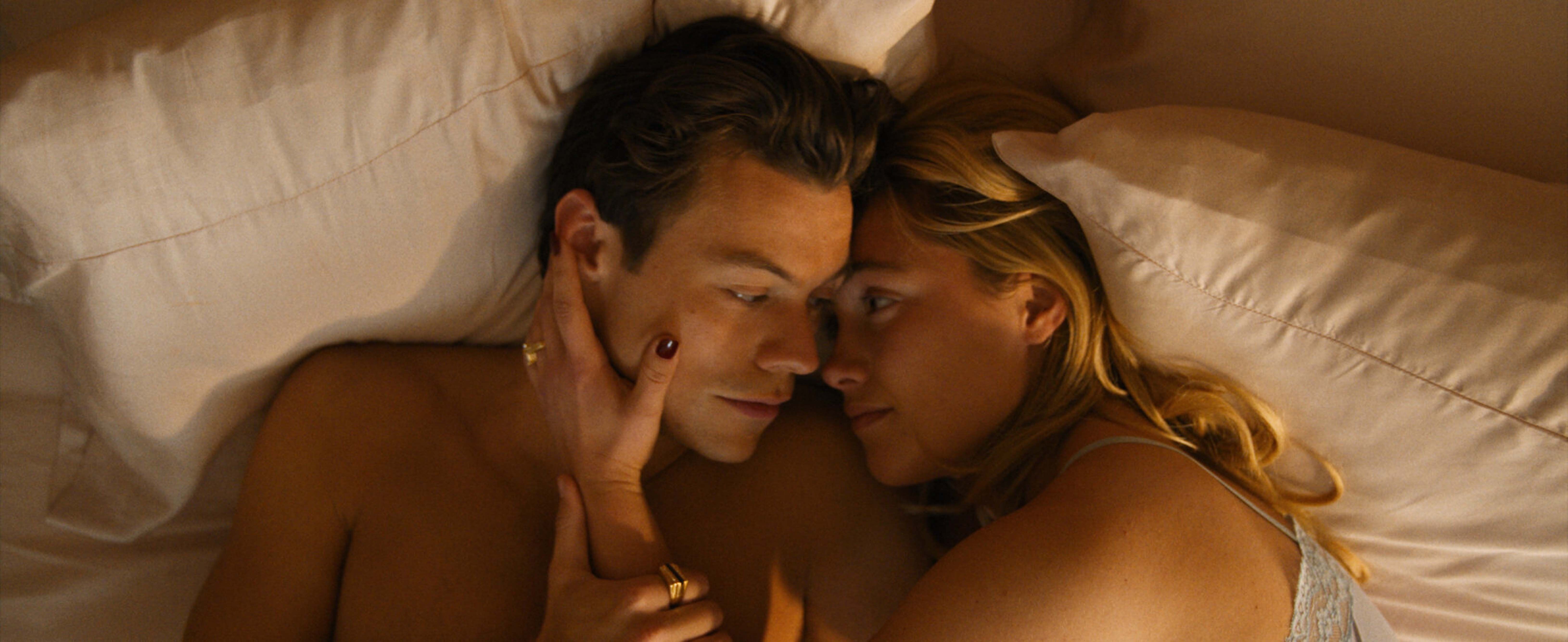
Nestled among new originals like the romantic comedy The Life List and the true crime documentary Con Mum on Netflix’s list of most-watched movies right now is a rather unexpected film.
After debuting on the platform on Wednesday, the 2023 psychological thriller Don’t Worry Darling is currently its third most-watched movie, at the time of writing.
Advertisement
Given the film features leading performances from Oscar nominee Florence Pugh and global superstar Harry Styles, it’s perhaps not a massive surprise that people might be curious to check out Don’t Worry Darling for themselves.
Before being cast in Don’t Worry Darling, Harry had only one major film credit to his name, after landing a supporting role in Christopher Nolan’s war epic Dunkirk, so intrigue was understandably high about whether the chart-topper’s musical success and on-stage charisma would transfer to the big screen.
Advertisement
Unfortunately for him, though, the general consensus was that it did not.
Don’t Worry Darling didn’t exactly get the best reviews of Harry Styles’ career
Warner Bros/Moviestore/Shutterstock
Don’t Worry Darling holds an unenviable 38% critical score on Rotten Tomatoes, with many reviews singling out the As It Was singer’s acting as one of the film’s biggest flaws (although it’s worth pointing out that it has a much healthier Rotten Tomatoes audience score of 74%, not to mention a satisfyingly precise score of 3.0 stars on Letterboxd).
If you’ll excuse the minor spoiler, what’s interesting is that Don’t Worry Darling winds up touching on the radicalisation of men online and the rise of incel culture, and its arrival on Netflix comes at a time when these themes are being widely discussed thanks to one of the platform’s original offerings, the four-part drama Adolescence.
As a piece of political theatre, it took some beating.
Sitting down in the Oval Office for his first face-to-face meeting with Donald Trump since his re-election, Keir Starmer reached into the inside pocket of his suit and produced an envelope.
The prime minister could barely contain his excitement as he told the president: “It is my pleasure to bring from His Majesty the King a letter – he sends his best wishes and his regards, of course – but he also asked me to bear this letter and bring it to you.”
Advertisement
In it, King Charles invited Trump to come to the UK for a second state visit, an unprecedented honour for a sitting president.
“The answer is yes,” Trump told the PM. “I look forward to being there and honouring the King.”
But if Starmer hoped that appealing to Trump’s love of the Royal Family would spare the UK when it came to his “reciprocal” tariffs, he was very much mistaken.
And while that was less than the levy imposed on many other nations, and the EU, it still has the potential to cause huge damage to the UK economy and send unemployment soaring.
HuffPost UK can reveal that Trump’s actions – which have also sent markets around the world into freefall and increased the chances of a global recession – have breathed new life into the campaign to block his state visit.
Thousands of voters have so far backed a campaign set up by the Stop Trump Coalition in the wake of the tariff announcement, filling in an online form to lobby their local MP.
Advertisement
“Donald Trump has started a global trade war,” say the group. “This threatens to cause a new worldwide recession. It can’t be allowed to succeed.
“The Starmer strategy of trying to be Trump’s friend isn’t working. It is only holding the government back from responding to Trump’s tariffs, or criticising the other outrageous actions he takes daily.
“It is time to cancel the visit and stand up for ourselves.”
While Trump’s invitation was officially a decision for the King alone, everyone knows that No.10 was the driving force behind it.
This has allowed Downing Street to insist that it is ultimately a decision for Buckingham Palace when – or if – the visit does end up going ahead.
A poll by Ipsos taken before Trump’s tariff announcement showed that the British public are evenly split on whether we should be rolling out the red carpet for him once again. Some 46% were in favour, with 44% against.
Advertisement
Keiran Pedley, director of UK politics for the company, said Starmer now “faces a delicate balancing act”.
“The US president is unpopular in Britain and the public were already split down the middle on whether the visit should go ahead last month.,” he told HuffPost UK.
“It is hard to see how his announcements on tariffs would have made the visit more popular. However, there are political and diplomatic realities to contend with, and Starmer will be keen to get the balance right.”
Trump unveiled the tariffs he was slapping on countries around the world at a White House press conference.
via Associated Press
The PM does have plenty of political cover at Westminster, however, with even parties which are instinctively hostile to Trump refusing to join the growing clamour for the state visit to be cancelled.
Calum Miller, the Lib Dems’ foreign affairs spokesperson, said: “Trump has turned his nose up at the special relationship between the UK and the US by slapping the same tariffs on Britain as he has on Iran.
“His appalling treatment of President Zelenskyy still looms large in many of our minds, so I understand how great the temptation is to cancel his state visit.
“But we have to remember that Trump thinks of himself as a ‘deals’ man. The one thing he thinks he understands is a negotiation – and the state visit is our ace in the hole when it comes to dealing with the president.
“The government should keep all options open and be tough in talks ahead of any visit to try to end this trade war before it starts.”
Carla Denyer, co-leader of the Greens, said the visit should not have been offered in the first place, but stopped short of saying it should not happen.
“I can’t imagine many Brits will be thrilled to see Starmer rolling out the red carpet for a man that has proposed the ethnic cleansing of Gaza, blamed Zelenskyy for the war in Ukraine, and is now wreaking havoc on the global economy with his tariffs,” she said.
Trump with Queen Elizabeth II laugh during a Buckingham Palace banquet at his last state visit to the UK in 2019.
via Associated Press
Advertisement
It may well be that the solution for the PM will be found in a classically British political fudge.
Would it really be all that surprising if no suitable date could be found in the King’s packed diary to squeeze in the visit before Trump leaves office in 2029?
That would spare the monarch – who is thought to be no great fan of the president either – some embarrassment while also avoiding a political firestorm for Starmer.
The most likely outcome, however, is that it will go ahead, although probably not until nearer the end of Trump’s four-year term.
Advertisement
Starmer will hope that an economic deal is done with the US by then, sparing the UK the worst of Trump’s tariffs, while also drawing some of the sting from the state visit controversy.
Whatever happens, his eagerness to be the King’s messenger boy will be added to the growing list of political mis-steps he has made since enter No.10 last July.
“I can’t stop thinking about him,” my client said. “I even daydream about our wedding.”
She stared at me intently from across the coffee table where our two cups of peppermint tea sat untouched. When I didn’t respond, she lowered her voice and said, “I just feel like we’re meant to be together.”
I’d been counselling this client long enough to know the “him” to whom she was referring was not her husband of 15 years. Instead, it was the much younger man she’d met two months prior at a yoga retreat.
Advertisement
“OK,” I said, reaching for my mug. “Let’s try to figure out why this person has such a hold on you.”
My client could have easily spent another hourlong session obsessing over “hot yoga guy” — which she’d done many times before — but I wasn’t going to let her. My job as a therapist was to help bring deeper awareness to her emotional experience and to identify what was simmering just beneath the surface, driving compulsive thoughts and behaviours. In this case — limerence.
Almost everyone, at some point, has experienced a romantic crush. However, unlike a typical crush, limerence is defined by obsessive ruminations, deep infatuation and a strong desire for emotional reciprocation — an unfulfilled longing for a person.
According to Dorothy Tennov, American psychologist and author of “Love and Limerence: The Experience of Being in Love,” limerence “may feel like a very intense form of being in love that may also feel irrational and involuntary.”
Advertisement
Tennov identified the most crucial feature of limerence as “its intrusiveness, its invasion of consciousness against our will.”
Limerence differs from the liminal dating phenomenon known as “situationships,”or “we’re dating but we’re also not quite dating.” While both feed off uncertainty, when someone is experiencing limerence, they often prefer the idea of their limerent object (LO) over being with that person in real life. In fact, they might actually feel something akin to disgust when in the physical presence of their LO. I understand this feeling all too well — my own limerent object held my heart and mind hostage for years.
Levi and I met on the first day of my sophomore year of high school in the mid-’90s. I was wearing baggy denim overalls and combat boots, and my blond hair was long and parted down the middle. I’d just gotten my braces off and my teeth were the straightest they’d ever be. Our relationship unfolded to the soundtrack of Baz Luhrmann’s “Romeo + Juliet” and “August and Everything After” by The Counting Crows. There were knowing looks and homemade mixtapes — filled with Dire Straits, Jewel and Better Than Ezra — passed discreetly in the hallway between classes. We were running through the wet grass, desperately wanting, but never quite having. We never actually dated.
Advertisement
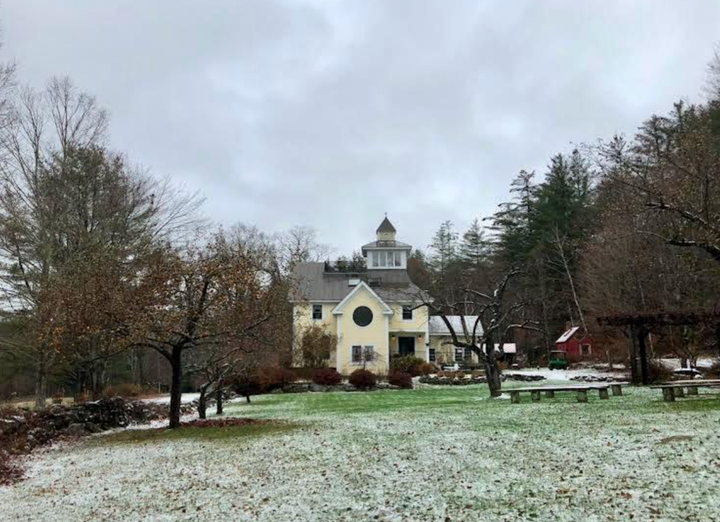
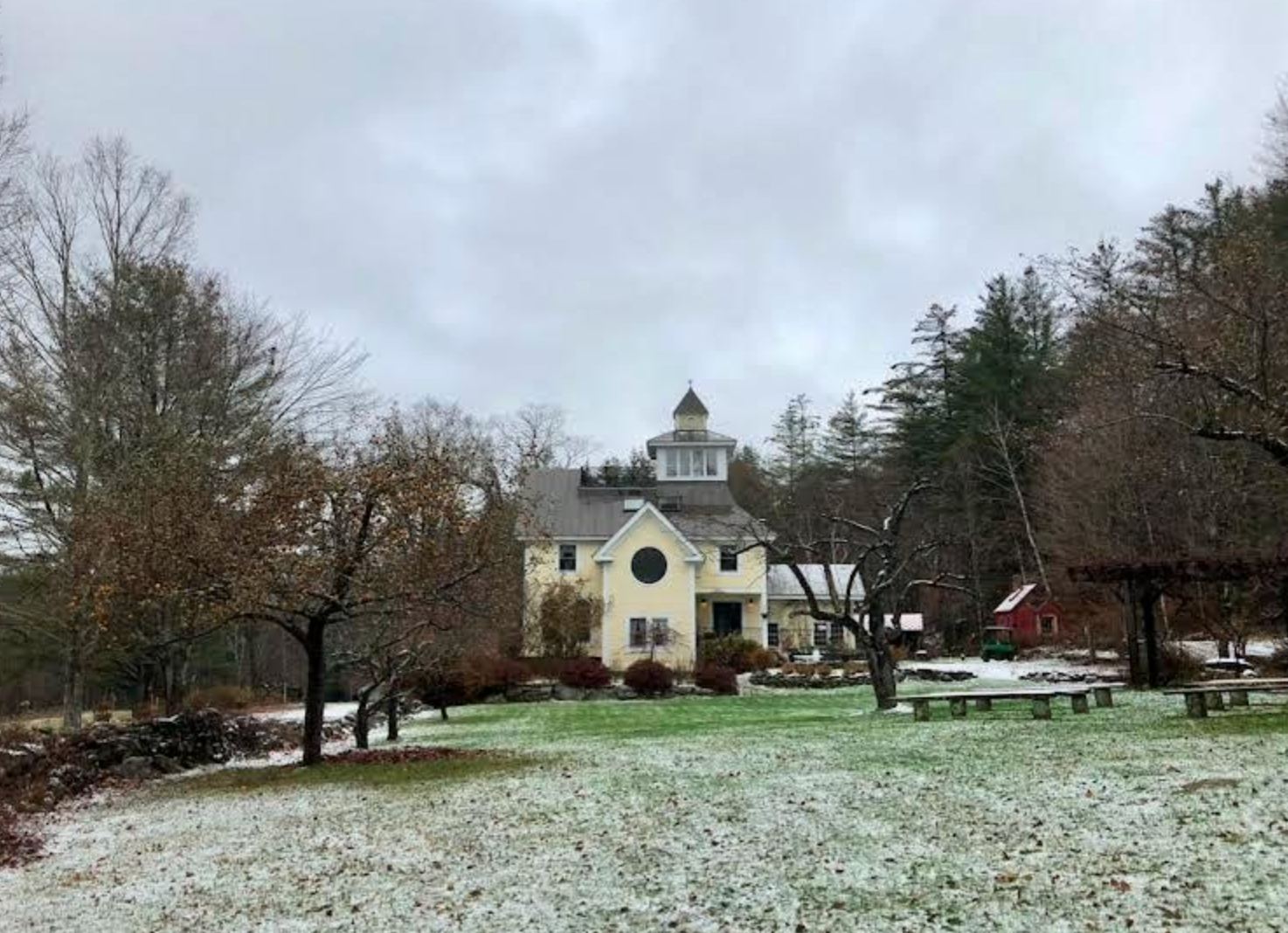
Earlier that summer, my family — minus my father — had moved to Woodstock, Vermont, from Boston. My parents were unhappily married, but instead of divorcing, they decided to lead two separate lives. My mother, a retired school administrator and former nun, moved to rural Vermont, and my dad stayed behind to work at his law firm.
Levi wanted to be my boyfriend. He was unwavering and absolute with his feelings as only a love-struck teenager could be. In response, I held him at arm’s length while dating other people. But late at night, I’d let him sneak into my bedroom on the top floor of my family’s rambling farmhouse and we’d lie tangled up together underneath the shiny soccer medals and enormous round window that hung above my bed. By homeroom the next morning, it was like it never happened.
Courtesy of Anna Sullivan
The author’s family home in Woodstock, Vermont.
Advertisement
Nobody needed to tip-toe around my house. After the move, my mother’s drinking escalated to the point where she often passed out in her bedroom before dinner. My father visited us once or twice a month. He spent the weekend arguing with Mom and left without saying goodbye. On Monday morning, I’d wake to find him gone and a pile of cash on the kitchen counter. By the time I left for college, my sister and I were basically parenting ourselves.
After college I moved to Manhattan. I casually dated — and even had a few serious relationships — but I’d be lying if I said I didn’t think about Levi. I thought about him a lot. Out of nowhere, his image would pop up, haunting my consciousness like a ghost. Memories of us lying in my twin-size bed, bathed in moonlight, played on a loop with Jewel crooning in the background, “dreams last for so long / even after you’re gone.” Eventually, I began to question whether I still had feelings for this person. Was he the one who got away?
The strange thing was every time Levi and I happened to be in the same city at the same time, I avoided seeing him. Something prevented me from exploring an actual relationship with him in real time. A therapist reasoned it was hard for me to let go of his memory because we never had closure, but her take always felt slightly off. My feelings for Levi felt primal — instinctual. Bone deep. Something I couldn’t shake.
Advertisement
In my late 20s — practically estranged from my father by this point — Levi reached out to me. It was a basic missive, but still, reading his name in my inbox sent an electric current up my spine. I felt like I’d been plugged into a wall. I replied and said I was good, even though I wasn’t. I’d just ended a long relationship that I thought was going to end in marriage. I was fleeing to New Mexico to pursue a graduate degree in counselling. My life was poorly packed in 20 boxes, stacked haphazardly in my parents’ garage. “How are you?” I redirected.
Levi invited me to coffee. I lost five pounds before we met at a familiar spot in our hometown the following week. I arrived wheeling a suitcase because I was hopping a flight to Santa Fe later that afternoon. He looked a lot different in person than he did in my imagination — older, his hair thinning.
Seeing him was like a controlled science experiment. He mostly talked about himself, and I felt relieved when it was time to go. Later that afternoon, as I boarded my flight, he emailed me: “If you’re still in town let’s meet for a drink….” His invite gave me goosebumps. I never responded.
Advertisement
Eventually, I finished graduate school and began my career as a counsellor. I met my husband, Alex, in Santa Fe, and we later got married and had two children. The years passed and we built a beautiful life together, though it hasn’t always been easy. Our older son was born with many challenging issues. Shortly after his first birthday, I lost my mother to fast-moving bone cancer. Less than two years later, I was diagnosed with breast cancer and underwent a unilateral mastectomy and adjuvant hormone treatments that pushed me into premature menopause.
Through it all, Alex stuck by me. He held my hand at my oncology appointments. He did the lion’s share of parenting our two toddlers while I recovered from surgery. He rocked me back to sleep when I woke in the night riddled with anxiety about mortality and motherhood, and he made me laugh when all I wanted to do was cry. Sometimes, I look back on those first years of married life and wonder how we ever made it through. But somehow, we did — together.
And yet, every now and then, I thought about Levi. He’d enter my consciousness without warning like a spectral whack-a-mole or a goblin. And then, just as quickly, his image would disappear, leaving me feeling guilty and ashamed. Even though I didn’t feel physically attracted to this person, the thoughts felt like a betrayal to my husband, who I loved. My sweet husband, who nursed me back to health after cancer and snaked the shower drain whenever my hair clogged it. How could I still be thinking of some random person from my past? I was starting to think I needed a seance for my psyche. Instead, I decided to utilise my professional training as a therapist to identify — once and for all — the origin of these adolescent ruminations.
Advertisement
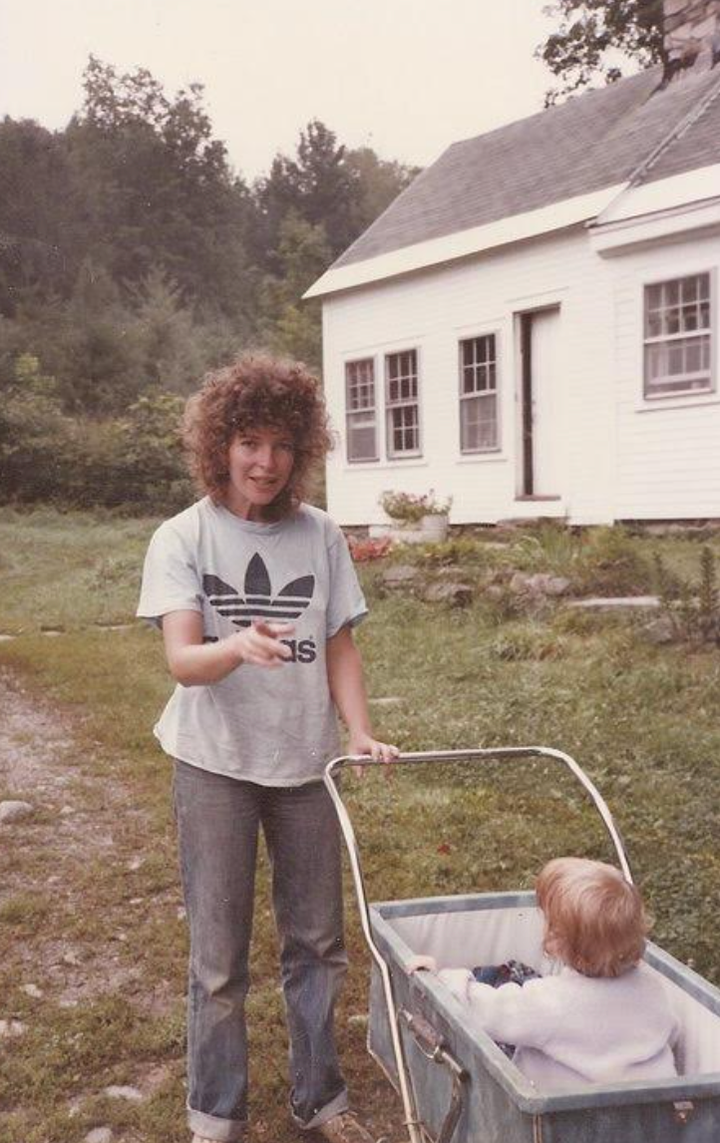
Courtesy of Anna Sullivan
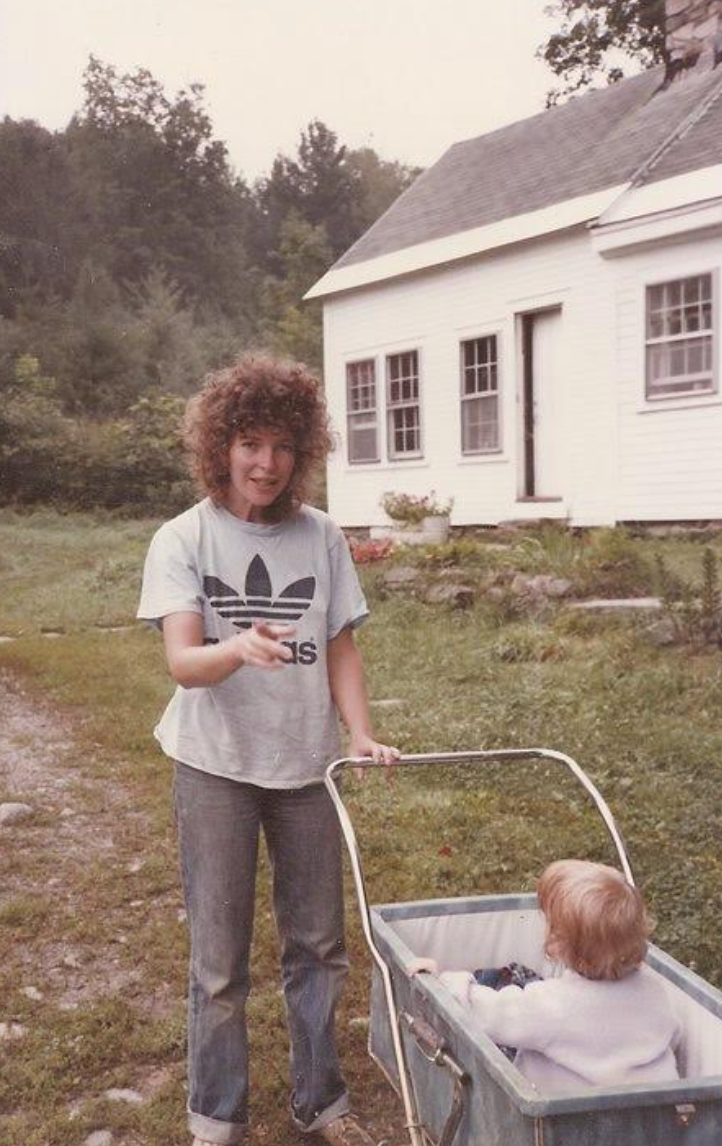
Anna with her mother (1982).
I first learned about attachment theory in graduate school. The theory, originated by British psychiatrist John Bowlby in the 1960s, posits that attachment is formed during the first few years of life and determined by the quality of relationships between children and their primary caregivers. It offers a psychological framework for understanding how early relationships with caregivers impact interpersonal relationships, behaviours and emotional regulation throughout life.
Psychologist Mary Ainsworth later expanded on Bowlby’s work by conducting the “Strange Situation” experiment where babies were left alone for a period of time before being reunited with their mothers. Based on her observations, Ainsworth concluded that there were different types of attachment, including secure, ambivalent-insecure and avoidant-insecure. Later, a fourth type of attachment was added, disorganised attachment, based on research performed by Mary Main and Judith Solomon, two psychologists from the University of California, Berkeley.
Advertisement
During my practicum, I took a quick online assessment and wasn’t at all surprised to learn that I have anxious/insecure attachment — the unfortunate combo of disorganised and fearful-avoidant. Learning about my attachment style was a critical first step toward gaining a deeper understanding of how I operate in relationships. For instance, it made me recognise my tendency to disconnect during difficult emotional experiences. My college boyfriend referred to this behaviour as “going into Anna land,” which looked like avoiding emotionally charged conversations, daydreaming and pulling away.
Over the years, the more I learned about attachment theory, the more I wondered if my anxious attachment and age-old coping mechanisms had something to do with Levi? They both seemed to share deeply entrenched and unconscious patterns of behaviour, and there seemed to be an obvious commonality between the two — fantasy.
When I was young, I adopted various mental and emotional coping mechanisms to help me feel safe. I carried these limerent strategies — detachment, avoidance and fantasy — into adolescence. Back then, I needed to escape the reality of my childhood home — my sad, lonely mother and my emotionally unavailable father. My limerent object became the lightning rod for all my emotions, both good and bad. My relationship with Levi helped to ease my insecurities and fear of abandonment, but limerence becomes pathological when a person prioritises the fantasy version of someone over the real, live version of them — especially because those two versions don’t often add up.
Advertisement
It took me a long time to distill the idea of my LO from the reality of my experience. Love demands a willingness to meet the other person in the moment, and the truth is, some nights I’d hide from Levi — in a closet or my sister’s room — as he wandered around my dark, empty house looking for me.
Coming to terms with how — and why — I created these maladaptive coping strategies was a pivotal turning point in my emotional development. As a child, I longed to grow up with answers and a sense of certainty — to be taught to believe in things like God and the Red Sox. During adolescence, my limerent object became my mental, emotional and spiritual bypass to get me through. As an adult, I was still using archaic coping mechanisms as a means to self-regulate. I knew that if I wanted to be fully autonomous and present in my life, I needed to let them go.
These days, as a mother and wife, I understand that love is an action, not just a feeling. I am responsible for creating my own happily-ever-after. While it’s impossible to have all the answers, I try to be honest with myself and others about the things I don’t understand. I believe that showing up and being present with the people I love, even when it’s difficult, is the best thing I can do — like when my son has a sensory meltdown and I sit with him until he stops screaming, or when my husband and I have a disagreement, I stay in the room and work it out.
Advertisement
Equally difficult, I allow — often force — myself to witness moments of beauty — like how my younger son still loves to climb into my bed each morning and press himself into the folds of my body. I know these moments are fleeting.
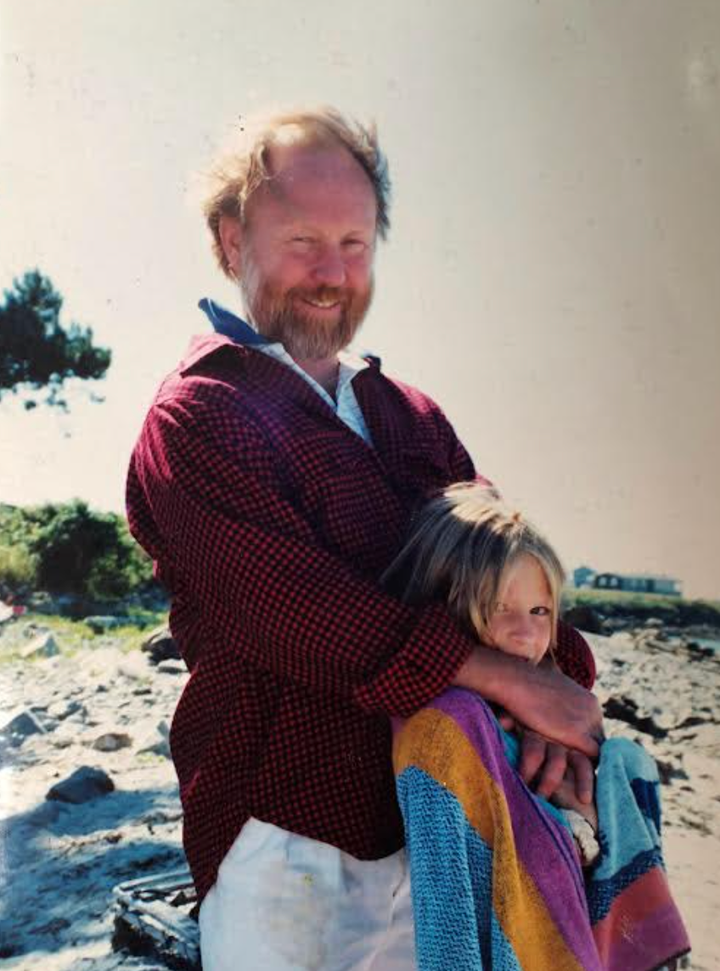
Courtesy of Anna Sullivan
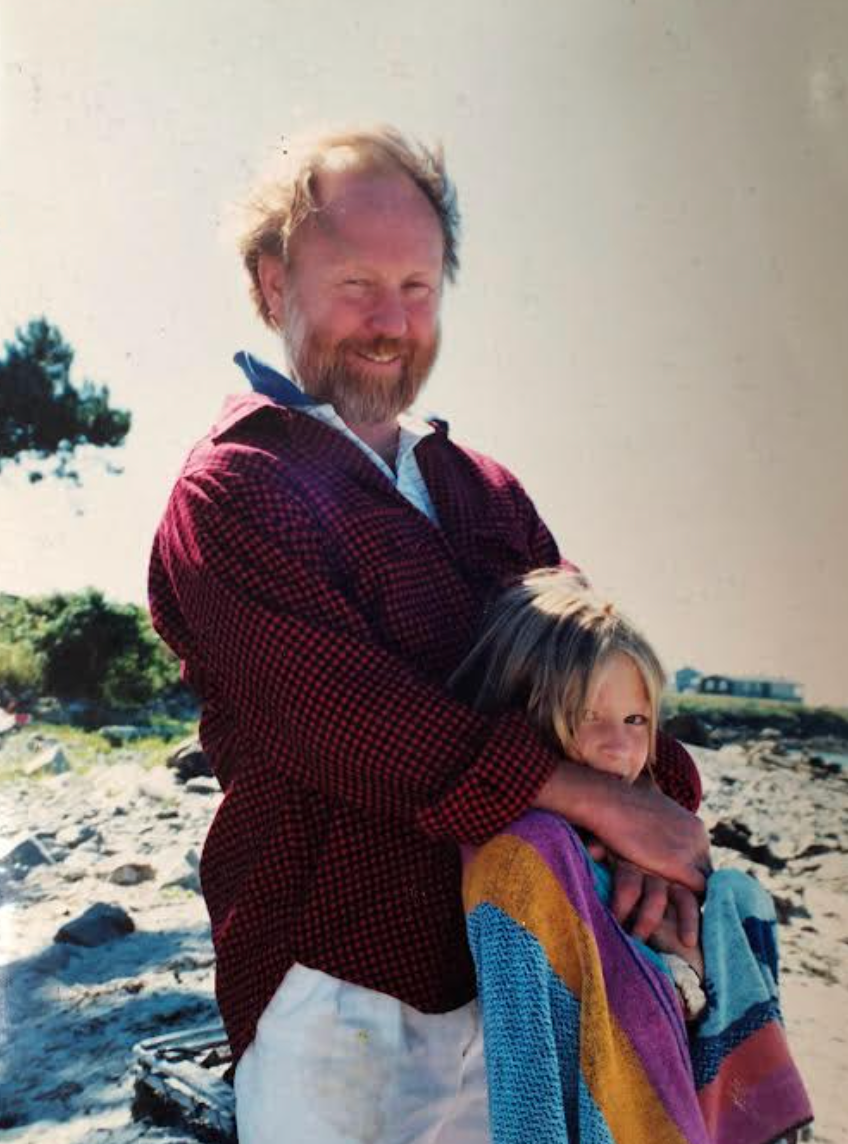
Anna with her father (1988).
Limerence is not love. It’s born from an unmet psychological need, and I believe that it can only be extinguished through the act of self-compassion. This involves the ongoing practice of forgiving myself for the mistakes I made when I was young, and forgiving my parents for their limitations, too. The truth is, my parents often failed me, but that doesn’t mean that they were failures. I know they loved me and did the best they could.
Advertisement
Over time, I’ve gotten better at sitting with uncomfortable feelings like grief, shame, anxiety and sadness. Therapy has helped a lot. And Al-Anon, which taught me how to practice discernment, or “the wisdom to know the difference.” At the end of the day, I know that I’ve developed the skills and self-assurance to move through life’s challenges without needing to check out. I’m working to rebuild my self-esteem from within instead of seeking validation from others, and I’m much more aware when I turn to fantasy as a means of self-regulation (like binging a show on Netflix). Most importantly, I’ve come to accept that my deepest longings belong to me — these primeval yearnings cannot be filled by another person.
Occasionally, I still think of my limerent object. Levi will appear in my dreams or pop into my head at random times during the day, and he’s always a much younger version of himself. However, the memories now feel less charged, and slightly melancholic. I understand the longing for a person who was always there and never there. Like a ghost, he’ll forever roam the halls of my childhood home — lit up with moonlight — searching for someone to hold in the night.
Note: Some names and identifying details have been changed to protect the privacy of individuals mentioned in this essay.
Advertisement
Anna Sullivan is a mental health therapist, author and co-host of “Healing + Dealing.” She has written for The New York Times, Vogue, Cosmopolitan, HuffPost, Today, Newsweek, Salon and more. She is currently writing a book, “Truth Or Consequences,” about going through early induced menopause due to cancer treatment. Find more from her at annasullivan.net.