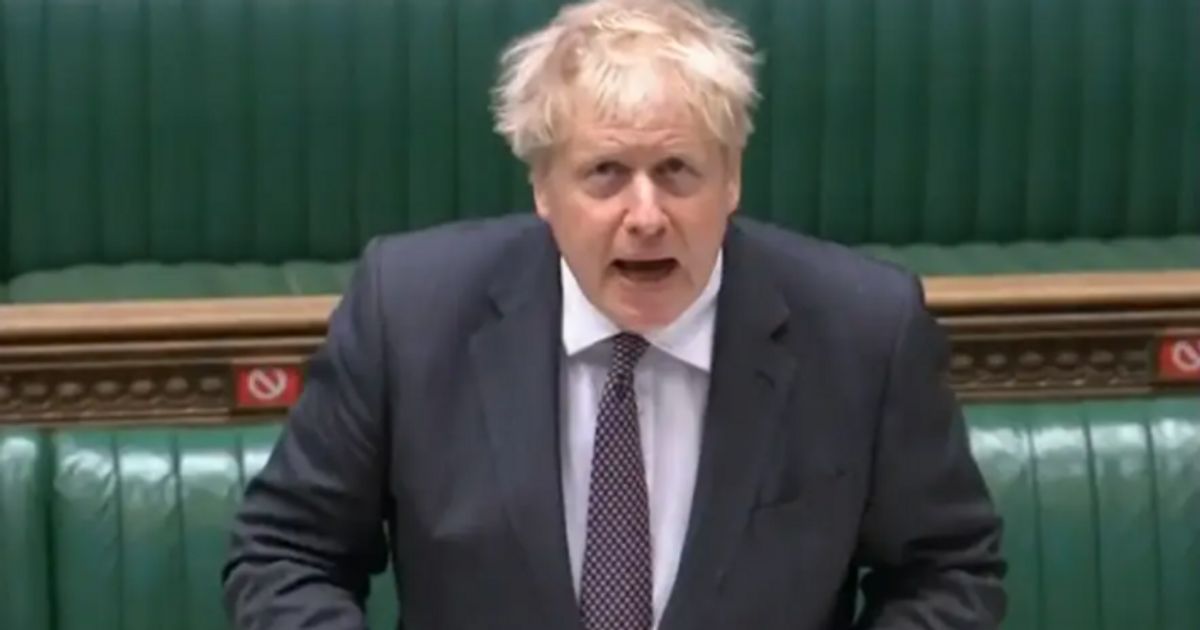
Can Boris Johnson Survive His Own Chaos?

Anadolu Agency via Getty Images

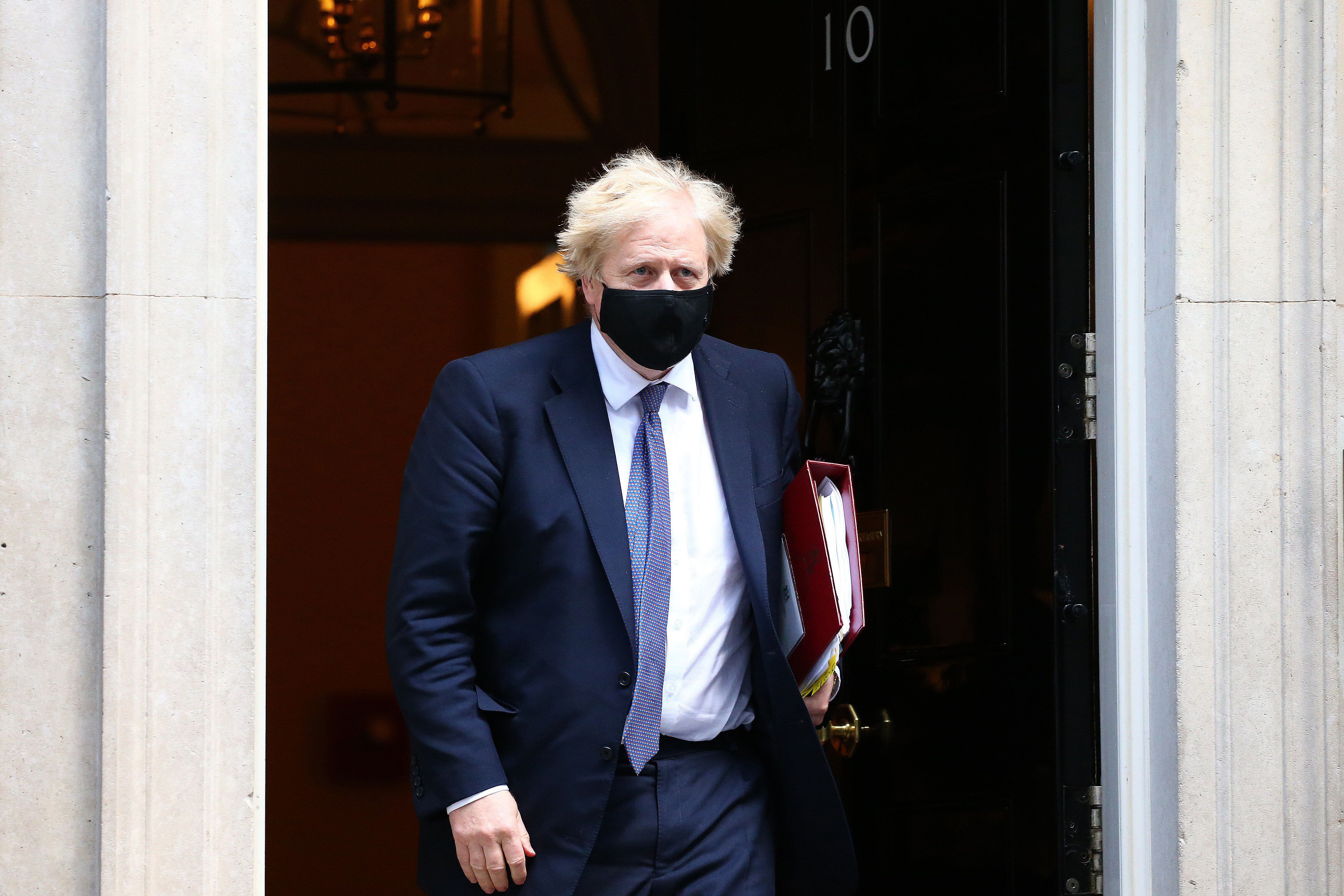
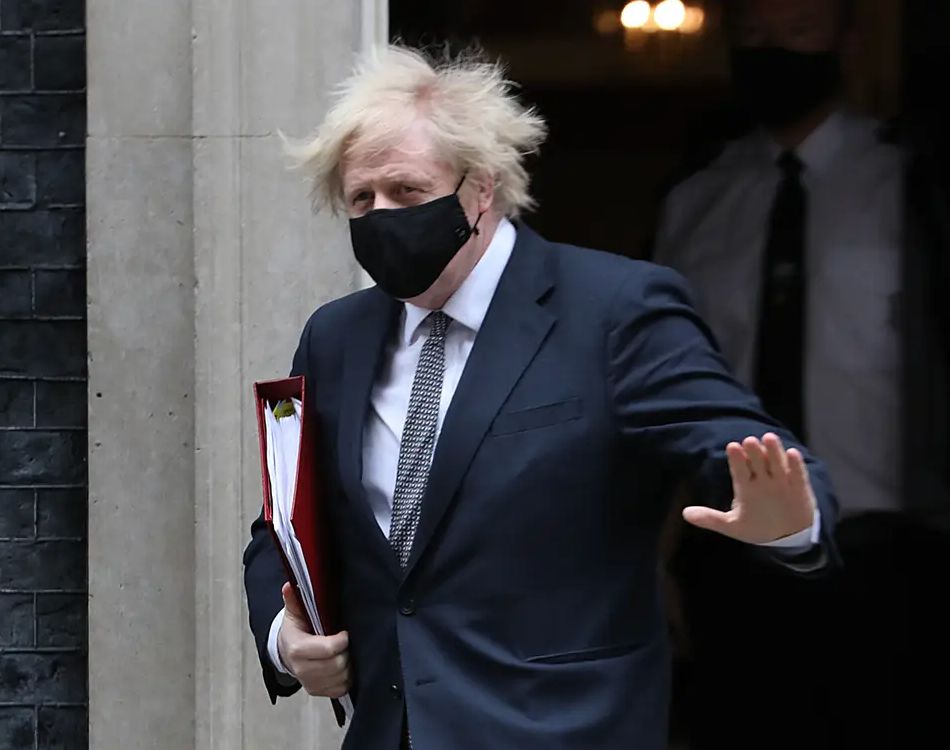
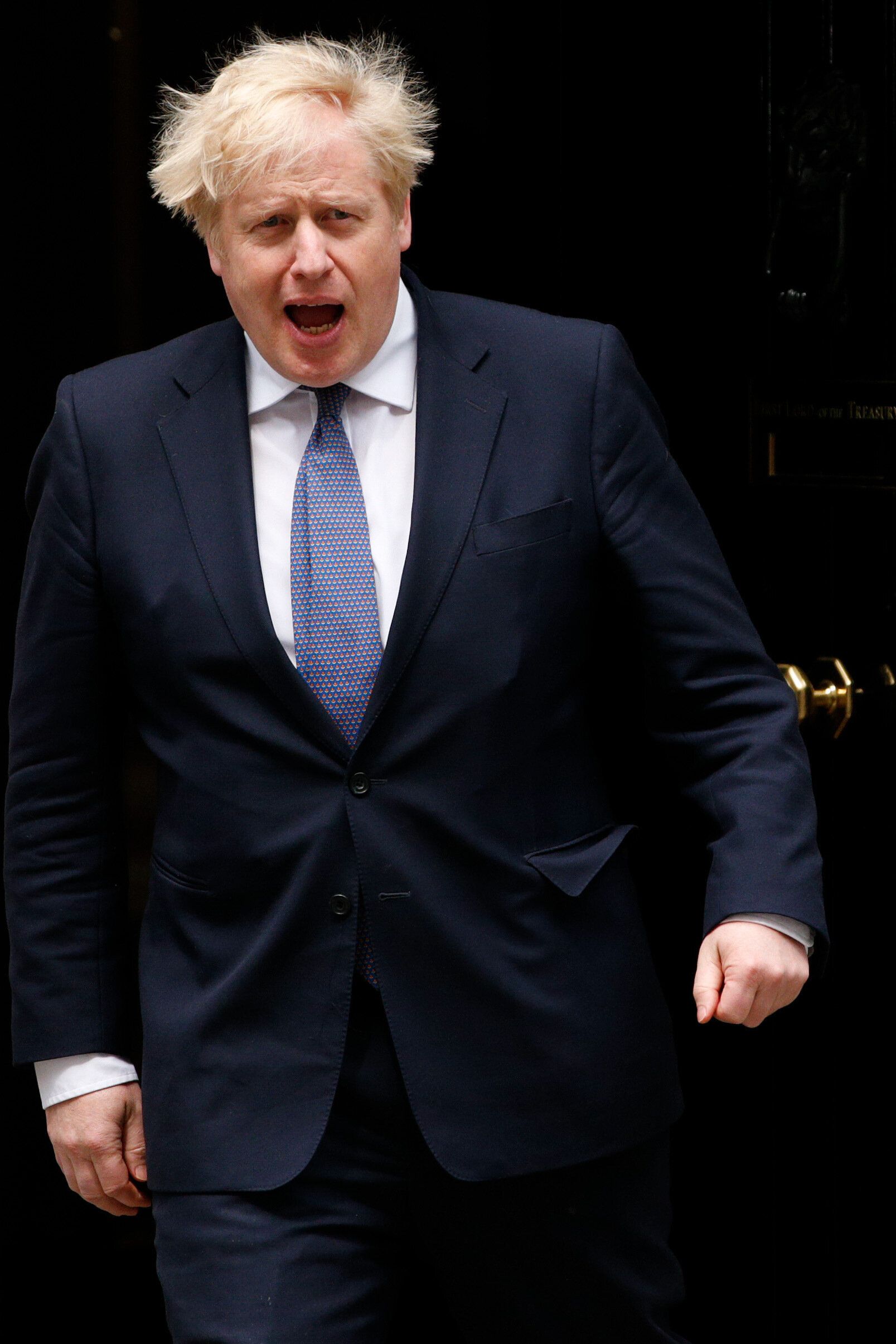
Prime Minister Boris Johnson leaves 10 Downing Street 

You’re reading The Waugh Zone, our daily politics briefing. 

Debate rages over Dominic Cummings’ bombshell evidence to MPs and whether he, a man once at the very heart of power, is a trustworthy source on what went on in Downing Street. 

But when the former Vote Leave chief described his erstwhile boss Boris Johnson as “just like a shopping trolley smashing from one side of the aisle to the other”, it certainly had a ring of truth. 

And perhaps never more than today, as it was confirmed what has long been alleged: that the Conservative Party and Tory donors did indeed initially fund an expensive revamp of the prime minister’s Downing Street flat

A report by the government’s new ethics adviser, Christopher Geidt, said Johnson acted “unwisely” by embarking on the refurb without “rigorous regard for how this would be funded”. 

Johnson was not aware Tory donor David Brownlow and his party had settled the bill – said to be £200,000 – and the work began in April, when the PM was hospitalised with coronavirus. 

The PM has since made a declaration of interests and settled the bill. As such, Geidt ruled that Johnson did not breach the ministerial code. 

“Chaos isn’t that bad – it means people have to look to me to see who is in charge,” Cummings claimed was Johnson’s mantra. 

Separately, Geidt found health secretary Matt Hancock guilty in “technical terms” of a “minor breach” of the code, in that he failed to declare he had retained shares in his sister’s firm Topwood Limited when it won an NHS contract.

Which, on a week filled with revelations about the government’s handling of Covid, rather begs the question: when, if ever, will chaos become a destructive force for Johnson’s administration? 

Keir Starmer vowed Labour would be a “constructive opposition” under his leadership. 

His cautious approach has not been rewarded by voters, however, with a recent YouGov poll putting the Conservatives nearly 20 points ahead of Labour. 

Despite Cummings’ many grenades this week, which included him confirming under oath he heard Johnson say that he’d rather see “bodies pile high” than order a third lockdown – something the PM denied in parliament – Labour has not called for anyone to resign. 

This has frustrated some on the left in the party, including MPs in the Socialist Campaign Group who could not hold back and defied Starmer with a statement of their own calling for ministers’ resignations. 

Those close to Starmer believe he looks across the despatch box at a PM complacent about the constant mayhem and how damaging it could be to his authority over time. 

But, however much Labour may wish to portray Johnson as a clown, it would be foolish of them to believe the PM is blind to threats. 

Despite the successful vaccine rollout, another ‘red wall’ victory in Hartlepool and him weathering all criticism of the government’s handling of Covid, Johnson has taken steps to maintain his position. 

As HuffPost UK reported last week, lockdown-sceptic Graham Brady could face a challenge as chair of the powerful 1922 committee of backbench Tory MPs.

The man vying to replace him, Robert Goodwill, is a noted ally of Johnson’s and believes the group should be less critical – something which would come in handy if the roadmap out of lockdown slips because of the India variant. 

And when it comes to Geidt’s role as adviser on ministerial standards, he has no power to launch investigations of his own and, Downing Street confirmed last month, the prime minister remains the “ultimate arbiter” of the ministerial code.

Meaning that, when put under pressure over his or his ministers’ conduct, Johnson reserves the right to mark his own homework. 

Perhaps the only unknown factor after this extraordinary week is what level of chaos Cummings has unleashed.  

Share Button

Boris Johnson Forced To Ditch Travel Advice For Covid Hotspots

Hollie Adams via Getty Images

Prime Minister Boris Johnson departs 10 Downing Street

Boris Johnson has been forced into a climbdown over travel restrictions for England’s Covid hotspots after councils revolted over the move. 

On Monday evening it emerged the government had quietly updated advice for eight places hit by the India variant, telling people they should not travel in or out of the area or meet others indoors.  

Local authority leaders in Burnley, Bedford, Blackburn, Darwen, Bolton, Kirklees, Leicester, Hounslow and North Tyneside said ministers failed to notify them of the move, taken last week, and began rejecting local lockdowns “by stealth”. 

Confusion then reigned when a statement by local public health teams said town halls were assured no travel restrictions were in place, but Downing Street insisted the advice applied. 

Now, the Department of Health and Social Care has said guidance will be updated to make clear no new restrictions are in place and that people are advised to “minimise travel”. 

The prime minister was accused of presiding over an “utter shambles” by Labour, with local leaders such as Greater Manchester mayor Andy Burnham criticising the PM. 

Following outcry,  a government spokesperson said: “We will be updating the guidance for areas where the new Covid-19 variant is spreading to make it clearer we are not imposing local restrictions.

Barrington Coombs – PA Images via Getty Images

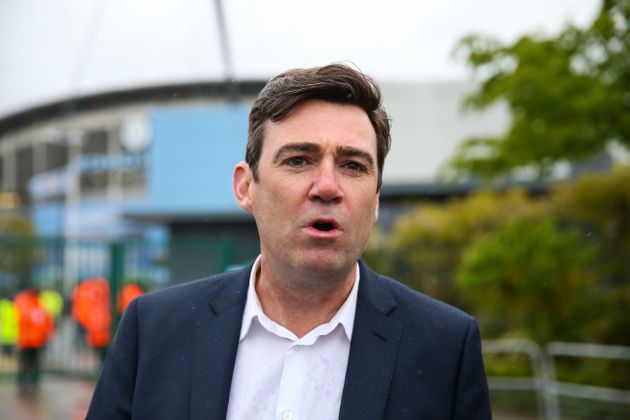
Mayor of Greater Manchester Andy Burnham 

“Instead, we are providing advice on the additional precautions people can take to protect themselves and others in those areas where the new variant is prevalent.

“This includes, wherever possible, trying to meet outdoors rather than indoors, keeping two metres apart from anyone you don’t live with and minimising travel in and out the area.

“These are not new regulations but they are some of the ways everyone can help bring the variant under control in their local area.”

North Tyneside’s Labour mayor Norma Redfearn was among those angry at the government. 

She said: “After a day of confusion the government have clarified there are no restrictions on travel in or out of North Tyneside.”

She added: “We have seen throughout the pandemic that clear communications are vital and this confusion has caused stress and anxiety for many people in North Tyneside and the region.

“There was no consultation on this advice, which was wrong.” 

A joint statement issued by directors of public health in Burnley, Bedford, Blackburn with Darwen, Bolton, Kirklees, Leicester, Hounslow and North Tyneside said: “Following the national coverage of recently revised guidance we have met with national officials and confirmed there are no restrictions on travel in or out of each of our areas: There are no local lockdowns.

“In areas where the new Covid variant is spreading we are all working together to boost testing and vaccination and to support self-isolation.

“There are sensible public health precautions people can take as individuals
in line with the sorts of advice we have all been following throughout the
pandemic.

“We will keep sharing that and working with national officials to make sure
people understand what they need to think about as they go about their daily
lives.”

Share Button

Chances Of Covid Restrictions Ending In England On June 21 ‘Looking Good’

The possibility of all coronavirus restrictions being lifted next month is “looking good”, the chief executive of the UK Health Security Agency has said.

Under the Government’s road map, the final stage of the unlocking is due to take place on June 21 at the earliest.

However, Jenny Harries urged the public to be cautious to avoid another lockdown, warning that the new Indian variant has become the “dominant strain” in some parts of the country.

She told BBC One’s The Andrew Marr Show: “It’s looking good if people are continuing to observe all of the safety signals, so we should not stop doing what we’re doing, particularly in areas where we have that variant of concern, the B1617.2, in the north-west and around London.

“It’s really important that people continue to do hands, face, space and work from home, have their jabs and go for tests as well.

“The cases of the B1617.2 variant are rising, they have risen very steeply and much of the media have reported a 160% rise in cases over the week period but they seem to be slightly levelling at the moment.

“It’s still very early days.”

Harries added: “We all need to be very cautious and I think we all don’t want to go back to the sort of lockdowns that we’ve had, it doesn’t matter whether you’re on Sage or out in the public, none of us want to return to that sort of restriction.”

From June 21 at the earliest, nightclubs are due to reopen and restrictions on large events such as festivals are to be lifted, as are restrictions on the number of people at weddings.

Harries warned that caution should be taken as the new Indian strain is creating a “mixed picture” across the UK.

She added: “If you look at areas such as Bolton and Bedford, for example, in the north-west particularly, it’s starting to become the dominant strain and has taken over from the Kent variant, which has been our predominant one over the winter months.

“But that’s not the case right across the country, actually if you’re in the south-west that’s still not the case.”

The words of caution were echoed by Home Secretary Priti Patel, who said there would not be a “green light all the way” to unlocking restrictions.

Patel said: “We all have to be conscientious. All of us that are out and about now, we are distancing, wearing masks, following all the rules.

“That is part of our normal life now and that will continue, and that, of course, will help us to that unlocking on June 21.”

Professor Adam Finn, from the Joint Committee on Vaccination and Immunisation, told BBC Breakfast: “I think there are uncertainties around the situation at the moment. I think, in a way, there’s been uncertainties all the way along.

“It’s always been a sort of provisional timetable and it has to be, or may have to be, adjusted according to events as they occur.

“When we get to June, whatever happens on that date, this global pandemic will not be over. It will still be going on.

“There’ll still be cases going on in this country, through Europe and around the world, so life is not suddenly going to go back to normal in June, because life won’t be really normal until this is brought under control.

“Life’s going towards normal but it’s not normal yet.”

Share Button

Twitter Is Obsessed With Prince William’s Vaccination Gun Show

It looks like Prince William’s Covid-19 vaccine came with some mighty big guns.

The Duke of Cambridge got his shot from NHS staff at the Science Museum in London on Tuesday, and he and wife Kate Middleton have since posted a photo of the vaccination on their various social media accounts.

But while the photo was meant to promote the value of getting the Covid-19 shot, many people were focused on “guns” – specifically the one located where the duke’s right arm is supposed to be.

The pic got people pumped (in a manner of speaking).

One woman was so impressed by William’s muscles that she made a humble request to his father, Prince Charles: “He needs another jab in the other arm.”

Share Button

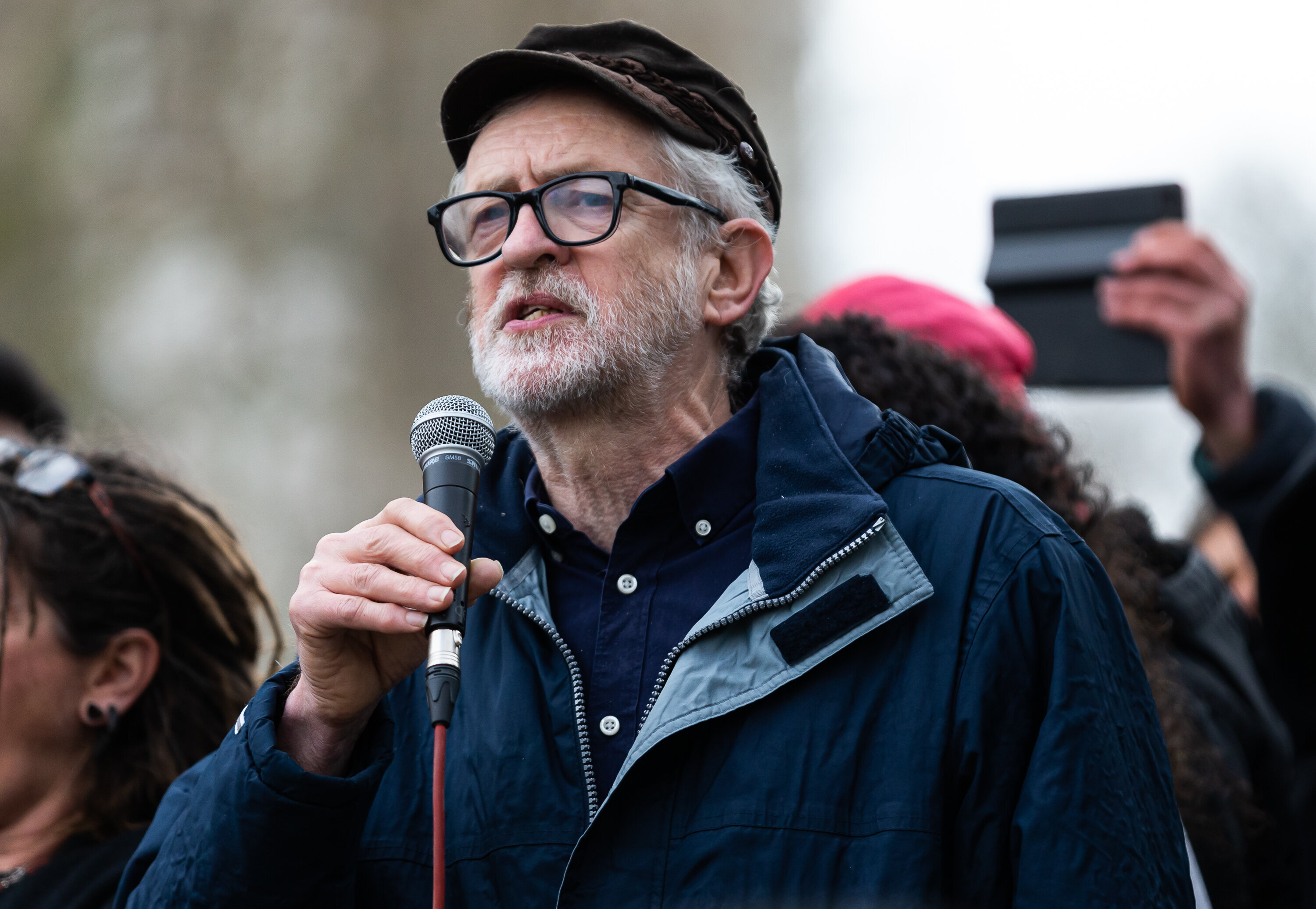
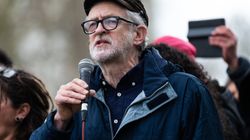
Jeremy Corbyn ‘Should Be Honest’ About Covid Jab, Starmer Aide Says

Jeremy Corbyn should be “honest” about whether he has had his coronavirus vaccination or not, an aide to Keir Starmer has said.

Sharon Hodgson told HuffPost UK’s Commons People podcast the ex-Labour leader should not have any privacy concerns around telling people he has had the jab.

Corbyn is 71 years old, so has been eligible for a vaccine since January.

But his office has failed to respond to requests from HuffPost UK asking if he had had the vaccine, although his parliamentary office told the Guido Fawkes website this week that Corbyn “doesn’t normally comment on personal health matters”.

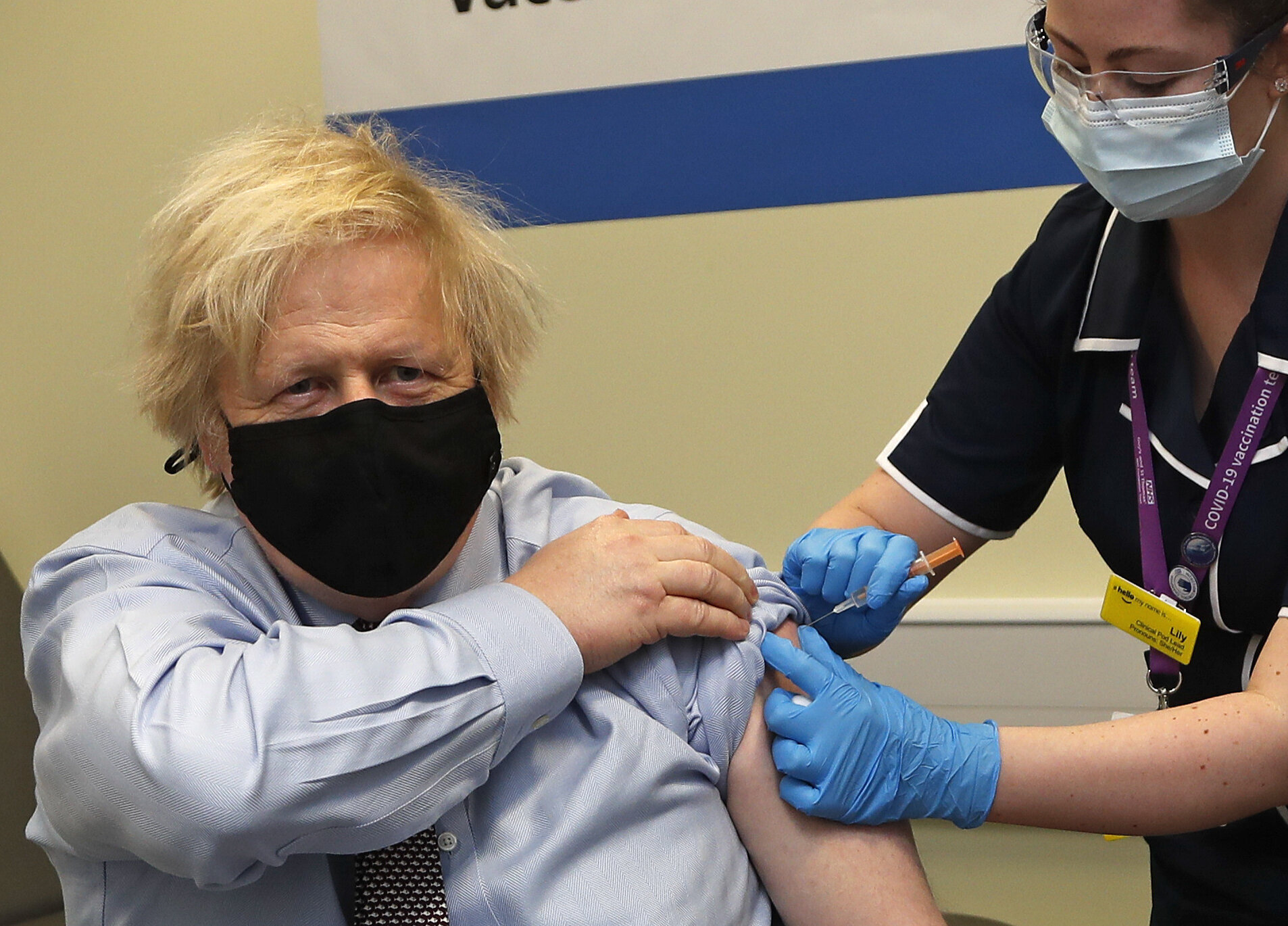
Boris Johnson in March invited photographers to London’s St Thomas’ hospital when he received his first dose of the Oxford/AstraZeneca vaccine.

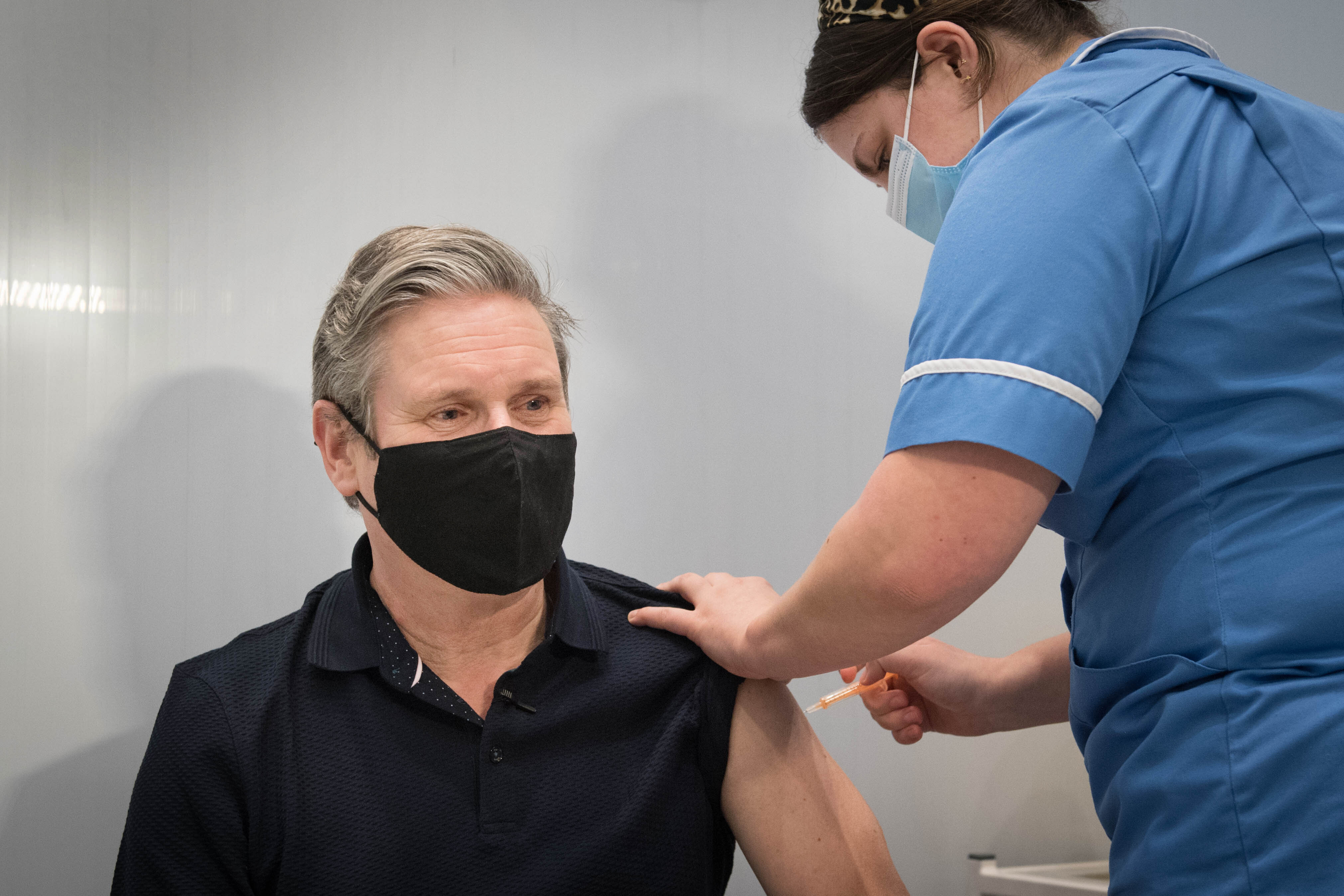
Starmer was also photographed getting the jab at the Francis Crick Institute in his Holborn and St Pancras constituency in March.

Both used the opportunities to encourage others to get vaccinated.

WPA Pool via Getty Images

Boris Johnson receives the first dose of the AstraZeneca vaccine administered by nurse and clinical pod lead, Lily Harrington at St.Thomas’ Hospital on March 19

Stefan Rousseau – PA Images via Getty Images

Keir Starmer receives his first dose of the AstraZeneca coronavirus vaccine from midwife, Emily Malden at the Francis Crick Institute in his Holborn and St Pancras seat, in March

Hodgson, a Labour MP who is Starmer’s new parliamentary private secretary, said Corbyn should follow other MPs in being open about whether he has had the jab as she was asked whether it could help boost take-up.

She told Commons People: “It’s not a privacy thing.

“I can’t imagine why anybody would want to say that’s a private matter between me and my jab.

“It’s not, it’s either you’ve had the jab or you haven’t.

“So yeah, if you’ve had the jab you should say and if he hasn’t then he needs to sort of be honest I suppose about that.”

It comes after Downing Street urged people who are refusing to get vaccinated to “think of others” and get the jab to help protect over-50s and vulnerable patients with immunity problems, amid localised spikes in the India Covid variant.

The prime minister has warned that the variant could delay England’s final exit from lockdown restrictions on June 21, prompting criticism from Tory MPs like Conor Burns, who said that it would not be right to keep the country in partial lockdown simply because vaccine hesitant people were refusing the jab.

Share Button

People 35 And Over To Be Offered Covid Jab, Matt Hancock Says

Ian Forsyth via Getty Images

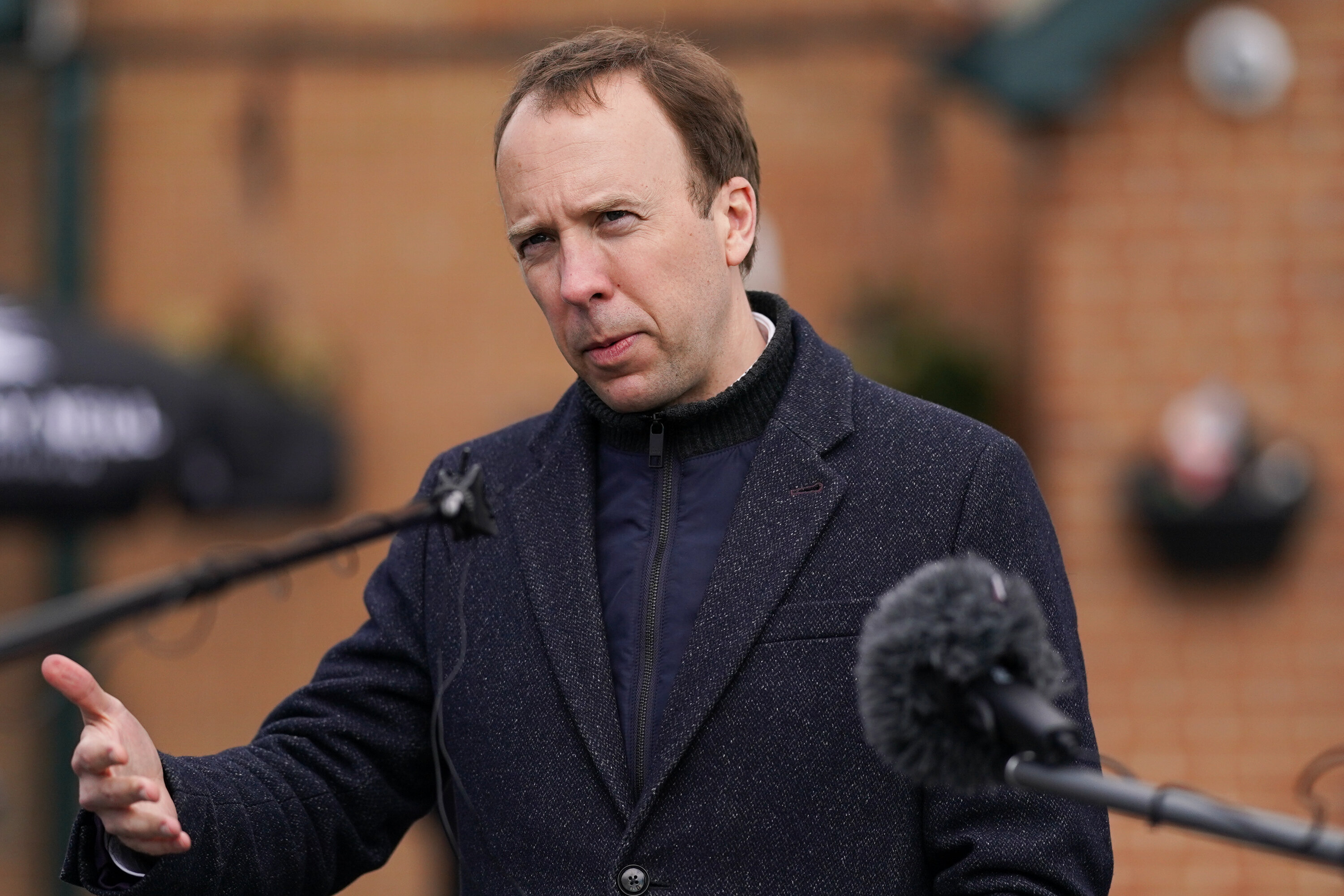
Matt Hancock MP, secretary of state for health

People aged 35 and over will be invited for a Covid jab this week, Matt Hancock has said. 

Speaking on Sunday, the health secretary also said new evidence had shown a “high degree of confidence” jabs work against the more transmissible Indian variant, which has said was now “relatively widespread, but in small numbers”. 

He also said it was “appropriate” to push on with the major easing of lockdown in England on Monday, despite warnings from scientists and medics.

Warning the India variant could “spread like wildfire among the unvaccinated groups”, he ruled out making jabs mandatory, adding it could disrupt a successful vaccines programme that had been “positive” and “cheerful”: “We don’t think that is the right approach.”

Hancock was also forced to defend the government against criticism it acted too late in imposing heightened border restrictions for travel from India.

He told the BBC’s Andrew Marr Show: “Throughout the pandemic I’ve had these ‘Captain Hindsight’ questions, and what I am telling you is how we took decisions at the time based on the evidence we had at the time.”

Hancock said there are now more than 1,300 cases of the variant in total and it was becoming taking hold in areas including Bolton and Blackburn in the North West.

He adde it was “quite likely” the Indian variant of Covid-19 to become the dominant variant in the UK.

“I think it’s quite likely this will become the dominant variant. We don’t know exactly how much more transmissible it is but I think it is likely it will become the dominant variant here,” he said. 

“What that reinforces is the importance of people coming forward for testing and being careful because this isn’t over yet.” 

“But the good news is because we have increasing confidence that the vaccine works against the variant, the strategy is on track – it’s just the virus has just gained a bit of pace and we’ve therefore all got to be that bit much more careful and cautious.”

He was unable to rule out regional lockdowns and said the government would use surge vaccinations to tackle a localised rise in cases. 

Hancock said five people who have had a single jab have been hospitalised with the Indian variant in Bolton, and one who had received both.

He told Marr: “We think that there are five people who have ended up in hospital having had one jab.”

Asked about people who have received two jabs, he said: “We think there’s one person, but that person was frail.

“A small number have had one jab and then there’s one case where they’ve had two jabs and they’ve ended up in hospital and they were frail.”

Asked if anyone had died with the Indian variant after receiving two jabs,  Hancock said: “Not that we’re aware of.”

Offering good news to plans to ease restrictions without unleashing a fresh wave of infections and deaths, Hancock said there is “new very early data” from Oxford University giving confidence that existing vaccines work against the variant.

“That means that we can stay on course with our strategy of using the vaccine to deal with the pandemic and opening up carefully and cautiously but we do need to be really very vigilant to the spread of the disease,” he told Sky’s Sophy Ridge On Sunday.

“We have a high degree of confidence that the vaccine will overcome.”

Hancock said the government will decide on June 14 whether all legal restrictions can be ended in the final step of the road map out of lockdown on June 21.

He did not rule out the possibility that Monday’s easing may have to be reversed if the variant pushed up case numbers, but said the hope is the “cautious and irreversible approach” can continue.

Share Button

How To Get A ‘Vaccine Passport’ For International Travel

On Friday, the government released its eagerly-anticipated list of destinations people in England can visit from May 17 without self-isolating on their return.

The announcement was met with disappointment from the travel industry and sun worshippers, with Portugal, Gibraltar and Israel the only popular summer short-haul destinations on the “green list” for travel. Some of the destinations named – notably Australia, New Zealand and Singapore – aren’t letting tourists in.

But for those who are desperate to get away to South Georgia and the South Sandwich Islands, Saint Helena, Ascension Island or Tristan da Cunha – “I’m sure the Falklands is lovely,” transport secretary Grant Shapps said – a form of Covid-free certification is likely to be needed.

Vaccine passports?

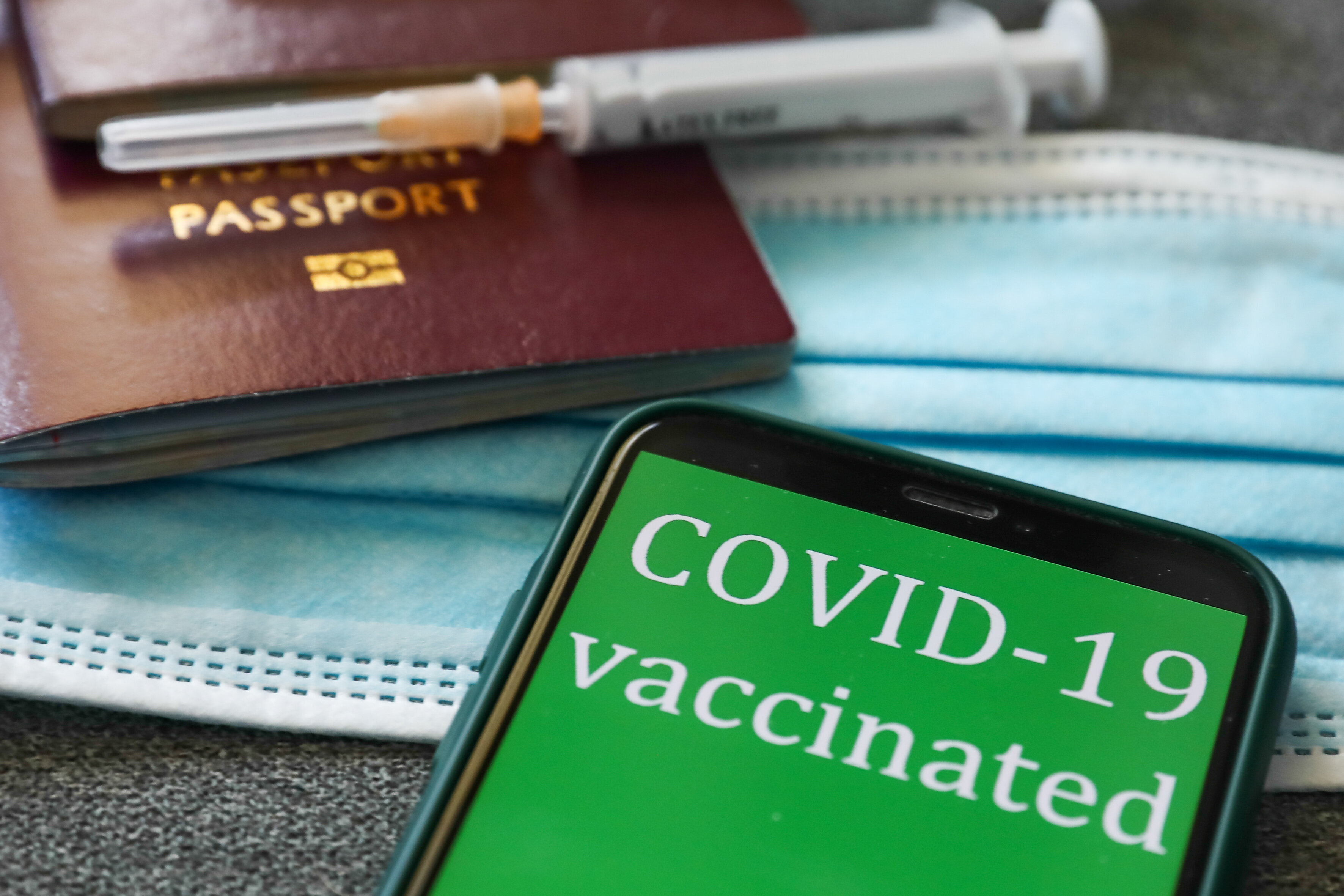
On Friday, the Department for Transport also announced that from May 17, people who have had both doses of a coronavirus vaccine will be able to demonstrate their status on the NHS app.

The app is connected to GP services and linked to personal health data. It can be used for repeat prescriptions, to message doctors and book appointments. It is separate from the NHS Covid-19 app, which is used for contact-tracing.

Those without access to the app can, from May 17, request a letter from the NHS that proves their vaccination status by calling 119.

The government says it is working with the devolved administrations to ensure this facility is available to everyone across the UK.

Will other countries accept it?

Countries around the world are looking at a host of options that will serve as proof of Covid-19 vaccinations to allow travel, though airports, border agencies and airlines are worried there will be no clear global standard that will be accepted at all borders.

Vaccine passports could range from a digital certificate with a scannable QR code in the European Union to a humble piece of paper in some other countries.

Besides concerns over issuance, forgery and the repeated failure of government-backed technology projects, it is still unclear how such documents would be received by notoriously zealous border guards across the world.

What does the UK government say?

The DfTs’s announcement makes clear certification will be useful to enter some countries on the “green list”.

For example, foreign nationals are not be permitted to enter Israel – but it has announced that borders will re-open from May 23 to tourists with vaccine certificates.

Will the NHS app be ready?

Earlier this week, Downing Street confirmed the app may not be ready for when curbs on international travel are lifted.

Number 10 said government was working on the tech – which can prove whether someone has “vaccine passport” status – “at pace”, but admitted it may not be ready in time for May 17.

What are other countries doing?

Airlines and airports have said any vaccine passport will need to be digital, to avoid delays during customs clearance or the boarding of flights caused by checks of paperwork.

The global airline industry body IATA is launching a digital travel pass for Covid-19 test results and vaccine certificates, while the European Union is launching a bloc-wide system.

Share Button

No.10 Launches Leak Inquiry Into Boris Johnson’s Texts With James Dyson

Downing Street has announced an internal inquiry into the leak of private text messages between Boris Johnson and billionaire James Dyson over the tax status of his employees.

The prime minister promised the businessman he would “fix” the issue after personal lobbying from Dyson via texts.

Dyson was seeking assurances before he agreed to build ventilators at the height of the coronavirus crisis. In the end, Dyson never supplied any ventilators to the NHS.

Labour has demanded an urgent investigation be conducted by parliament’s liaison committee, which is made of up senior MPs.

Speaking during PMQs on Wednesday, Labour leader Keir Starmer suggested it was “one rule for those that have got the prime minister’s phone number, another for everybody else”.

The text messages were obtained by the BBC. Asked if there would be a leak inquiry, the prime minister’s spokesperson said on Thursday: “I can confirm that, yes, we have instructed the Cabinet Office to look into this.”

Downing Street also said it will publish correspondence between Johnson and Dyson “shortly”.

“The prime minister said in the House he’s happy to share all the details with the House, as he shared them with his officials,” the spokesperson said.

“That’s what we’re working on, we’re pulling together that information.”

No.10 also did not deny reports, including in The Times, that cabinet secretary Simon Case advised Johnson to change his phone number because of concerns over the ease with which lobbyists and others from the business world were able to contact him.

The spokesperson said: “We don’t get into details of the advice provided between a cabinet secretary and a prime minister ,and so I’m not going to do that in this instance.”

Share Button

Boris Johnson Announces Plan To Find Covid-19 Tablets You Can Take At Home

Boris Johnson has announced a new taskforce designed to identify tablets people can take at home to help them recover from Covid-19.

The prime minister said on Tuesday it would be modelled on the “success of our vaccination programme”.

Johnson said medicines could be available as early as the autumn, designed to stop the infection spreading and speed up recovery time.

“Our new antivirals taskforce will seek to develop innovative treatments you can take at home to stop Covid-19 in its tracks,” he said.

“These could provide another vital defence against any future increase in infections and save more lives.”

Antiviral drugs are a type of medication used specifically for treating viral infections, and act by killing or preventing the growth of viruses.

The Department for Health and Social Care (DHSC) said the taskforce’s aim was to have at least two effective treatments this year, a tablet or a capsule, which people can take following a positive test or exposure to someone with the virus.

Matt Hancock, the health secretary, said medicines were a “vital weapon” in combating the disease.

“The UK is leading the world in finding and rolling out effective treatments for Covid-19, having identified dexamethasone, which has saved over a million lives worldwide, and tocilizumab,” he said.

“I am committed to boosting the UK’s position as a life science superpower and this new taskforce will help us beat Covid-19 and build back better.”

Patrick Vallance, the government’s chief scientific adviser, said tablets would be a “key tool”.

“They could help protect those not protected by or ineligible for vaccines. They could also be another layer of defence in the face of new variants of concern,” he said.

“The taskforce will help ensure the most promising antivirals are available for deployment as quickly as possible.”

A chair of the new taskforce has yet to be identified, but a recruitment process will start shortly, DHSC said.

Share Button

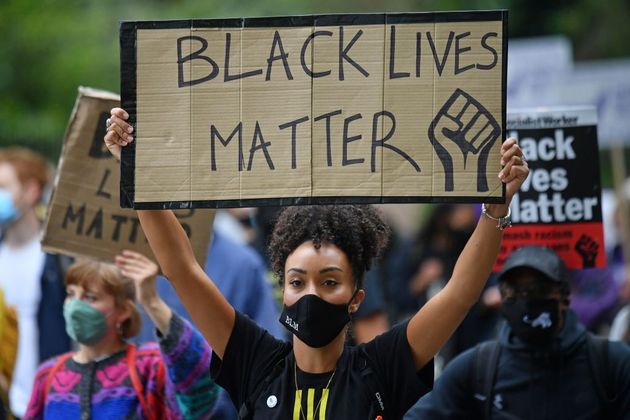
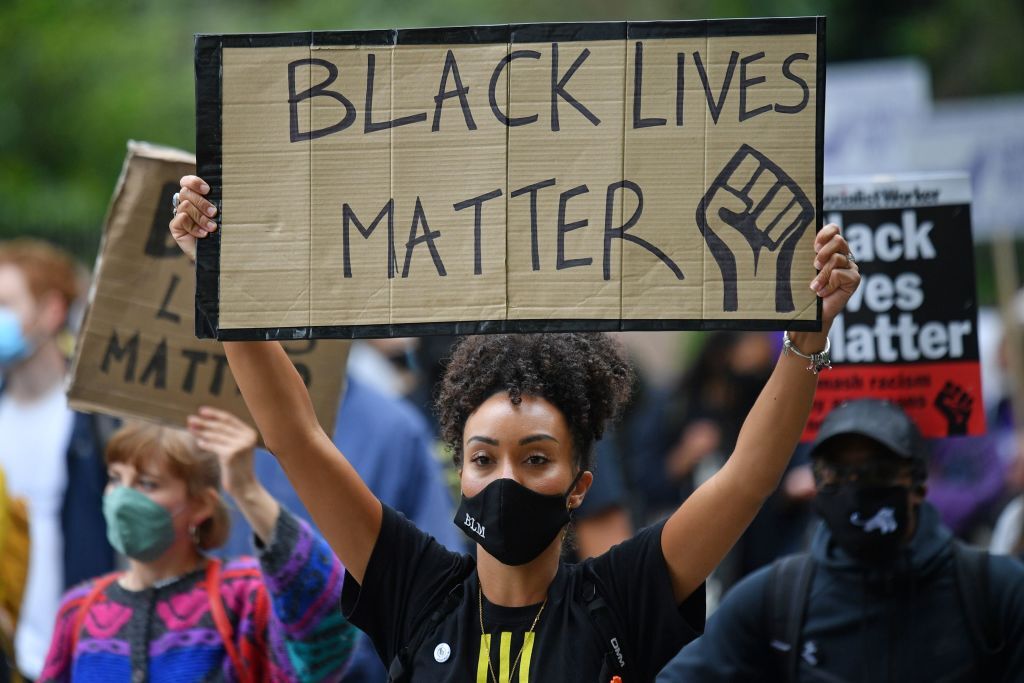
Black Lives Matter May Have Reduced Spread Of Covid, Says Sage

JUSTIN TALLIS via AFP via Getty Images

The Black Lives Matter (BLM) movement may have helped reduce the spread of Covid, scientists advising the government have said.

Experts on the ethnicity subgroup of the Scientific Advisory Group for Emergencies (SAGE) said the anti-racist movement “fostered greater empowerment within the Black African and Black Caribbean community and enabled these groups to express their frustrations of many years”.

“This new empowerment may have created a sense of optimism and facilitated open dialogue which increased knowledge and contributed to greater use of cultural, religious and collaborative approaches to reducing risk and transmission of Covid-19 in Black communities in the UK,” the scientists said.

“Strategies include sharing videos of elders having the vaccine and hosting a Covid-19 vaccine event to address misinformation stemming from historic issues of unethical scientific research and religious beliefs.”

Ethnic minorities have been disproportionately impacted by Covid, suffering higher death rates than the white population. 

In the paper prepared on March 26 and made public on Friday, the scientists warned Bangladeshi and Pakistani groups “have not reported similar feelings of empowerment”.

“Establishing and/or rebuilding trust may take longer, particularly for Bangladeshi and Pakistani groups in the absence of a national movement such as BLM,” it states.

The experts also said the failures in public health messaging during the first wave of Covid due to “inaccessible language, modes of delivery and mistrust towards formal organisations” meant Bangladeshi and Pakistani groups “feel more wary or sceptical” of current government communication.

The BLM movement, which began in the US in 2013, had a global resurgence in 2020 following the killing George Floyd in Minneapolis.

Senior UK government ministers have criticised the BLM movement in the UK, including foreign secretary Dominic Raab who revealed he incorrectly thought the gesture of taking a knee was inspired by Game of Thrones.

Share Button