Gary Lineker Revealed As The BBC’s Only On-Air Talent To Earn More Than £1m

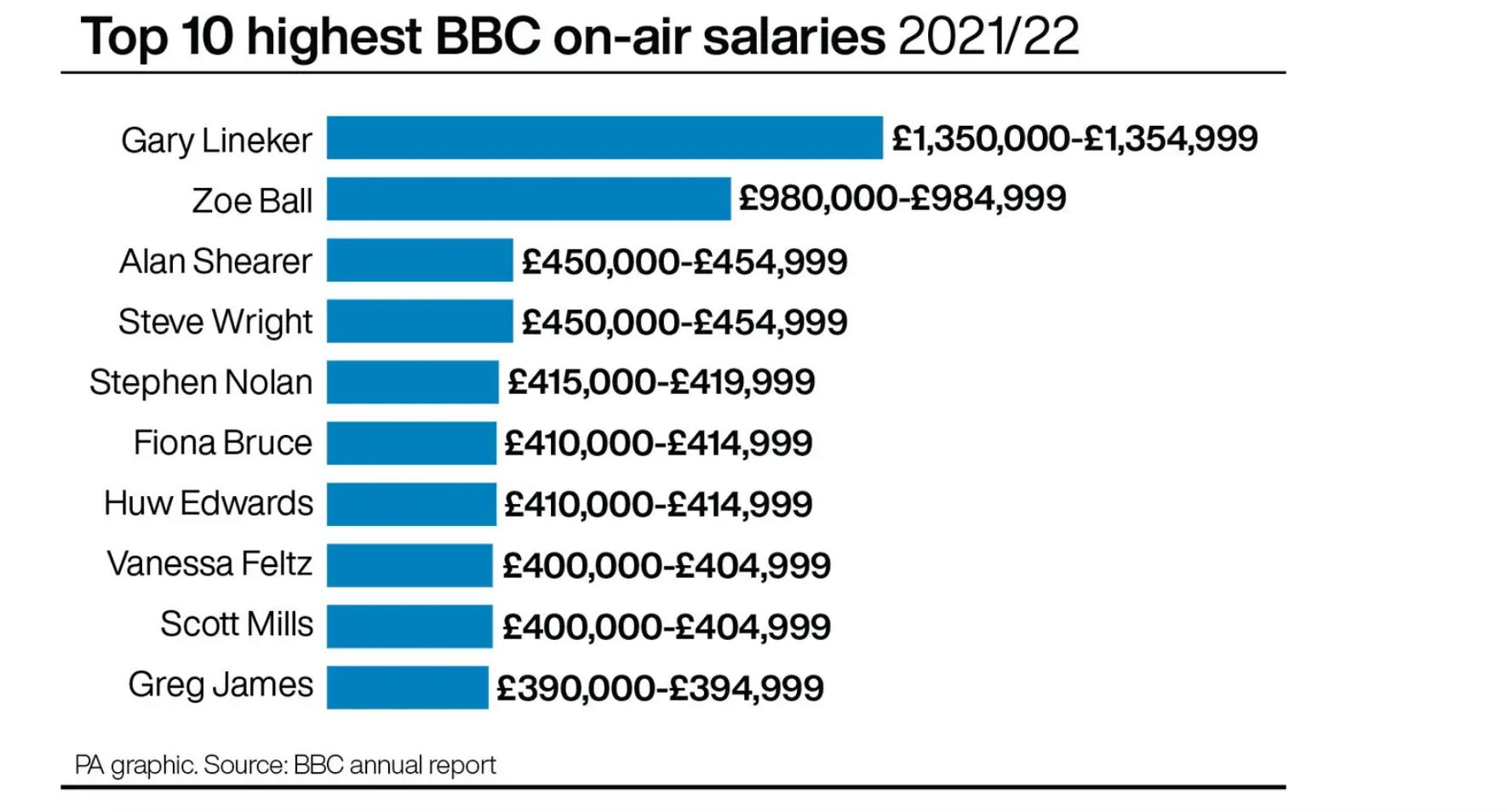
Gary Lineker is the BBC’s top earning on-air talent for the fifth consecutive year, new figures show.

It’s also been revealed he’s now the only name to earn over £1 million annually.

The 61-year-old pundit and former footballer was paid between £1,350,000 and £1,354,999 in 2021/2022 for work including Match Of The Day and Sports Personality Of The Year – a reduction of £10,000 on the previous year.

Gary first topped the list for 2017/18 with a pay bracket of £1,750,000 to £1,759,999, and in 2020 it was announced he had taken a voluntary pay cut.

Zoe Ball remains the broadcaster’s second highest paid talent, with a salary of £980,000 to £984,999, but figures show her salary falling for a second consecutive year after she also agreed to a pay cut.

Her salary has now slipped to below £1 million and reflects approximately 210 editions of The Zoe Ball Breakfast Show on Radio 2.

Meanwhile, Alan Shearer has seen a year-on-year increase of £60,000, bringing his salary to £450,000-£454,999, which puts him joint third with Steve Wright, whose salary this year reflects a £15,000 decrease.

The former footballer’s increase was the result of him doing more work for the BBC during what was a major event year, the corporation said.

A list of the 10 highest-paid on-air BBC stars

PA Graphics

The BBC’s annual report for 2021/22, which also marks its centenary, shows four out of the top 10 best paid names have seen their salaries fall.

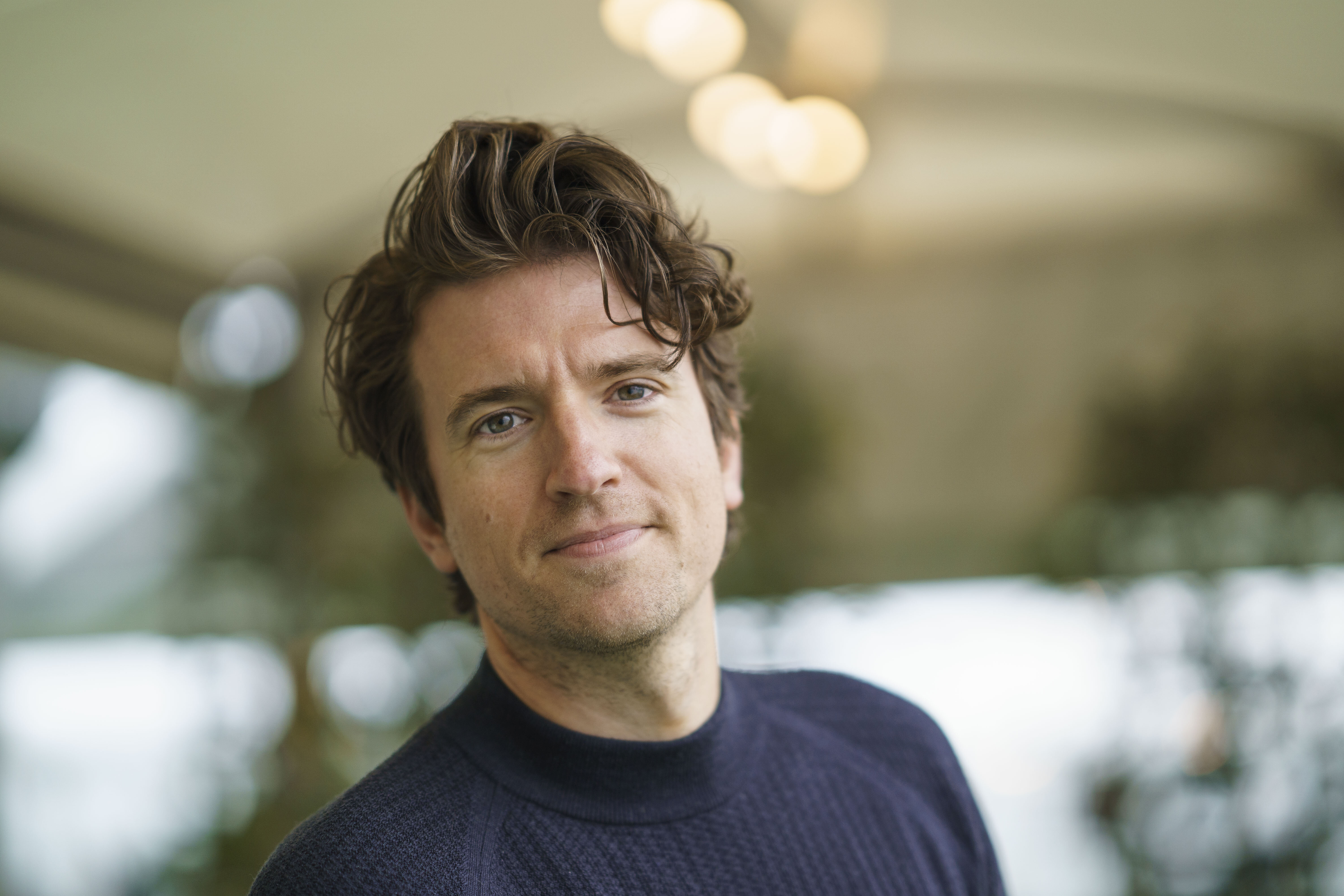
The only new addition to the top 10 is Greg James, whose salary has increased by £80,000.

The 36-year-old earns between £390,000 and £394,999 for work including the Radio 1 Breakfast Show, Rewinder on Radio 4, Radio 1’s Big Weekend and Out Out! Live, with Sports Personality Of The Year also listed.

Greg James
Greg James

David Levenson via Getty Images

This year’s top 10 features fewer women than last year, dropping from four to three.

Lauren Laverne does not feature in this year’s top 10, with figures showing her salary has fallen by £15,000 to the bracket of £380,000-£384,999.

There is no year-on-year net change in the overall earnings of the top 10, with the amount saved through the four salary reductions equally matching the increases of the other six.

Other notable increases on the overall list of top earning on-air talent, as shown in the annual report, include Naga Munchetty with a £110,000 increase to £365,000 – £369,999 and Amol Rajan with an increase of £85,000 to £325,000 – £329,999.

Victoria Derbyshire, meanwhile, has seen a £70,000 increase to £240,000 – £244,999.

Graham Norton is also absent from the list after departing Radio 2 in December 2020 to start a show at Virgin Radio.

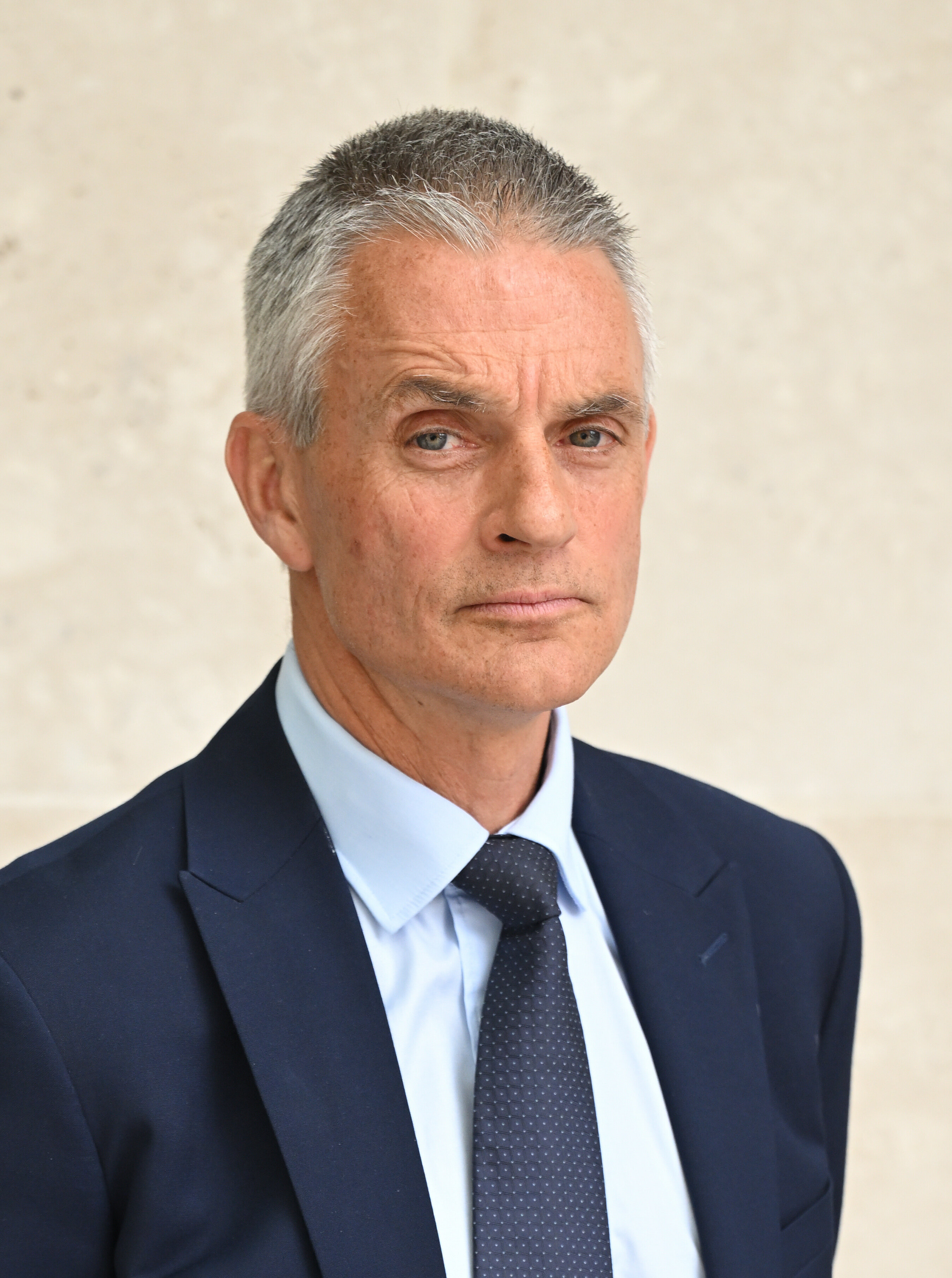
Speaking at a press conference, BBC director-general Tim Davie said: “Critically, if you look at the overall spend for our top talent I think we are showing incredible restraint in a market that is being driven by extreme hyper-inflation and competition.

“If you look at the value we get. And I know this is a source of a lot of understandable attention, actually if you step back the actual amount paid for that group of talent, which only represents a tiny fraction of the 200,000-odd people who come on our airwaves every year, the return we get in terms of audience value is very strong.

“And actually our research (shows) people want to see the best people presenting and delivering for the BBC.”

Tim Davie
Tim Davie

Karwai Tang via Getty Images

The BBC has seen a number of high-profile on-air departures over the last year, with Emily Maitlis, Jon Sopel, Andrew Marr and Dan Walker all leaving for rival broadcasters.

The salary list comes after Culture Secretary Nadine Dorries announced earlier this year that the BBC’s licence fee will be frozen under inflation for the next two years.

Mr Davie said he was “of course” concerned about retaining top talent in the face of inflation and a frozen licence fee.

He said: “I think we are in a competitive market and I think the BBC has always been to a degree in this position. But it is more intense as we see well-funded global players enter the market.

“Certainly in news and audio we are seeing a globalised market so you are going to get more demand for talent.

“I would say that overall I would (say) look at the data. Actually, if you looked at our presenting talent, I was looking at our so-called – not the most attractive term – but attrition rate, and it is about 3%.

“So there are obviously headlines around individuals and some regretted losses but actually our number in terms of the people being retained in the BBC is high.”

Mr Davie said there there was “no shortage of demand” for top positions at the broadcaster and added: “I think that is good because we are the best booking in town in my mind.”

He also stressed the importance of bringing “new talent” through the BBC and said the would always mean a “degree of change”.

Share Button

‘Cultural Vandalism’: Government Condemned As Channel 4 To Be Privatised

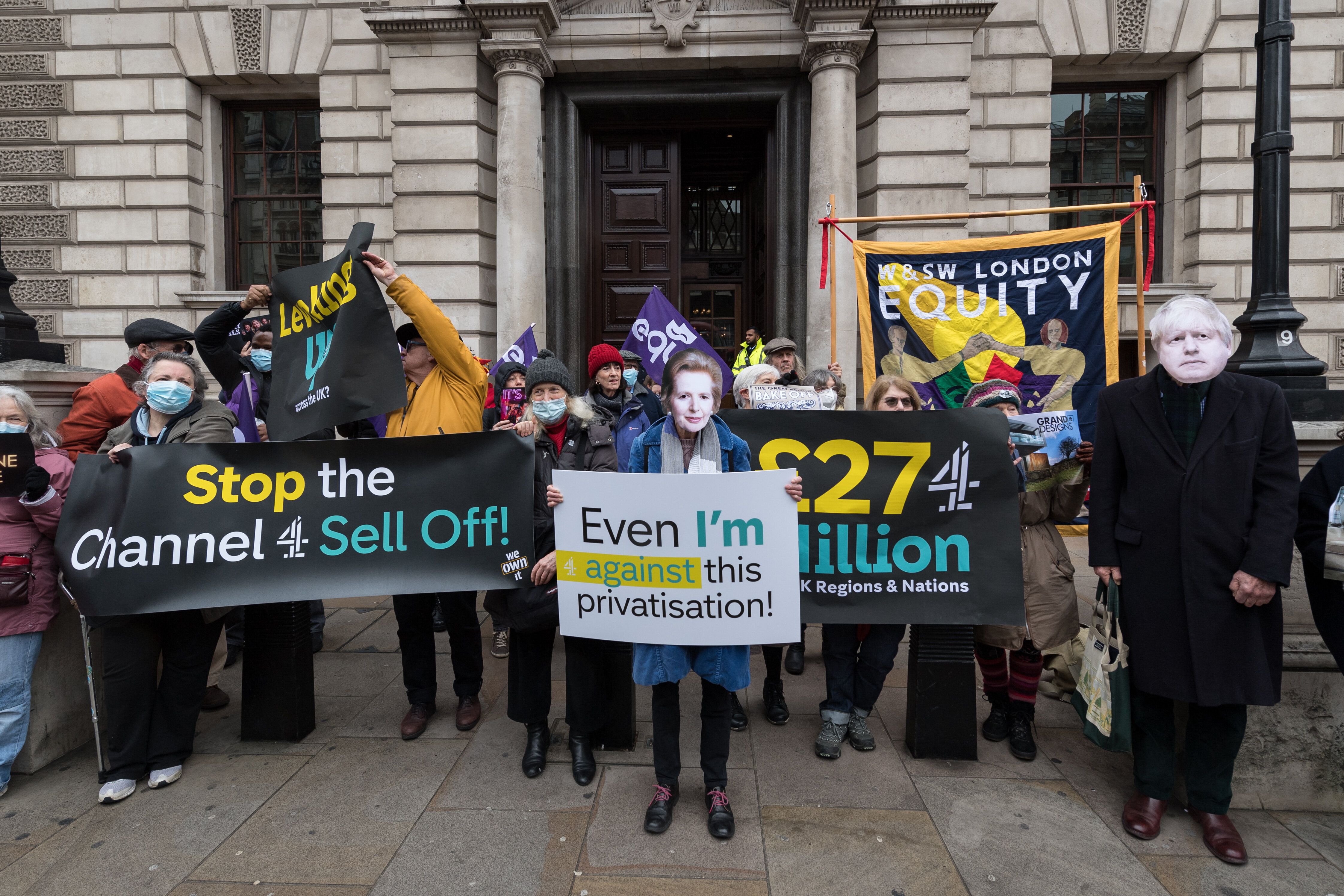
The government’s decision to press ahead with plans to privatise Channel 4 has been condemned as “very unconservative” by a senior Tory MP.

The channel was launched in 1982 as a publicly-owned, commercially-funded public service broadcaster with a remit to deliver content to under-served audiences.

It does not receive public funding but is ultimately owned by the government, with all money going back into the broadcaster, which commissions all of its programmes from independent producers.

On Monday, a statement by the Department for Digital, Culture, Media & Sport said the sell-off would allow the channel to “thrive in the face of a rapidly-changing media landscape” while a government source said the move would “remove Channel 4’s straitjacket”.

A spokesperson for Channel 4 said it was “disappointed” with the decision, but would “continue to engage” with ministers on the process to “ensure that Channel 4 continues to play its unique part in Britain’s creative ecology and national life”.

The move represents Boris Johnson’s government’s latest broadcasting shake-up after signalling it wants to find a new funding model for the BBC after the licence fee funding deal expires in 2027. Ministers have previously indicated Channel 4 could be sold off by the end of the current parliament in 2024.

The announcement faced an immediate backlash, with Labour calling it a “shameful decision” and even Conservative MPs joining the criticism.

Damian Green, Tory MP and a former Cabinet minister, said: “The sale of Channel 4 is politicians and civil servants thinking they know more about how to run a business than the people who run it. Very unconservative. Mrs Thatcher, who created it, never made that mistake.”

Conservative MP Sir Peter Bottomley said he opposes the privatisation as he feels it is “bad for the diversity of television, bad for viewers and bad for independent producers”.

Labour’s shadow culture secretary Lucy Powell described the move as “cultural vandalism”.

She said: “Selling off Channel 4, which doesn’t cost the tax-payer a penny anyway, to what is likely to be a foreign company, is cultural vandalism. It will cost jobs and opportunities in the North and Yorkshire, and hit the wider British creative economy.

“This shows that the Conservatives have run out of ideas and run out of road. Of all the issues the public wants action on, the governance of Channel 4 isn’t one.”

No price tag has been set by the government yet, but reports suggest the channel could be sold for as much as £1 billion in a process that could take several months, with the proposals needing to pass through both the House of Commons and Lords.

The government has been consulting on plans to privatise the broadcaster following concerns for its survival in the streaming era.

Culture secretary Nadine Dorries said in a tweet that she wanted the broadcaster to remain a “cherished place in British life”, but felt that government ownership was “holding Channel 4 back from competing against streaming giants like Netflix and Amazon”.

She added: “I will seek to reinvest the proceeds of the sale into levelling up the creative sector, putting money into independent production and creative skills in priority parts of the country – delivering a creative dividend for all.”

Channel 4 chief executive Alex Mahon has previously questioned the “logic” behind such a move and whether privatising the broadcaster would help with efforts to “level up” outside of London.

In an internal email to staff on Monday, Mahon said her priority was to “look after all of you and the wonderful Channel 4 spirit” following the announcement.

A spokesperson for Channel 4 said: “With over 60,000 submissions to the government’s public consultation, it is disappointing that today’s announcement has been made without formally recognising the significant public interest concerns which have been raised.

“Channel 4 has engaged in good faith with the government throughout the consultation process, demonstrating how it can continue to commission much-loved programmes from the independent sector across the UK that represent and celebrate every aspect of British life as well as increase its contribution to society, while maintaining ownership by the public.

“Recently, Channel 4 presented DCMS (the Department for Digital, Culture, Media & Sport) a real alternative to privatisation that would safeguard its future financial stability, allowing it to do significantly more for the British public, the creative industries and the economy, particularly outside London.

“This is particularly important given that the organisation is only two years into a significant commitment to drive up its impact in the UK’s nations and regions.”

The statement continued: “Channel 4 remains legally committed to its unique public service remit. The focus for the organisation will be on how we can ensure we deliver the remit to both our viewers and the British creative economy across the whole of the UK.

“The proposal to privatise Channel 4 will require a lengthy legislative process and political debate. We will of course continue to engage with DCMS, government and parliament, and do everything we can to ensure that Channel 4 continues to play its unique part in Britain’s creative ecology and national life.”

Share Button

George Alagiah Says Cancer Will ‘Probably Get Me In The End’ As He Opens Up About Living With Disease

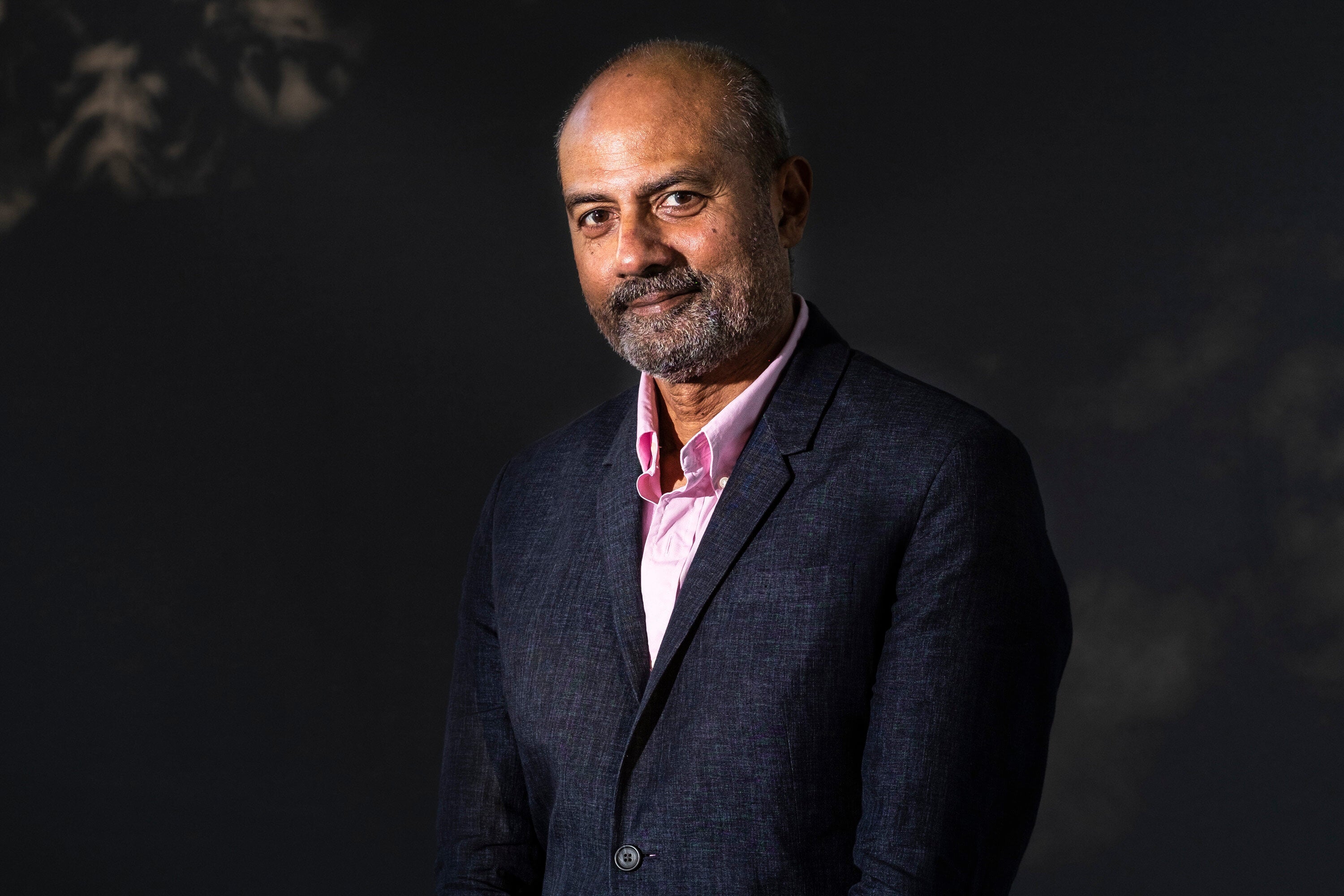
BBC newsreader George Alagiah has said he believes his cancer will probably “get him in the end” as he discussed living with the disease in a new interview.

The 66-year-old broadcaster was first diagnosed with the illness in 2014 and again in 2017.

Appearing on Craig Oliver’s Desperately Seeking Wisdom podcast, George admitted he does not think he is “going to be able to get rid of this thing”, but spoke of finding contentment with his diagnosis.

“I’ve got the cancer still. It’s growing very slowly,” he said. “My doctor’s very good at every now and again hitting me with a big red bus full of drugs, because the whole point about cancer is it bloody finds a way through and it gets you in the end.

“Probably … it will get me in the end. I’m hoping it’s a long time from now, but I’m very lucky.”

George said he wishes he “never ever had cancer”, but explained it has changed the way he looks at life.

“I’m not 100 per cent sure that I’d give the last seven years back because I have learnt stuff about myself and think about life differently. I’ve become wiser and life’s richer,” he said, noting how he also now has an even better relationship with his wife Fran following his diagnosis.

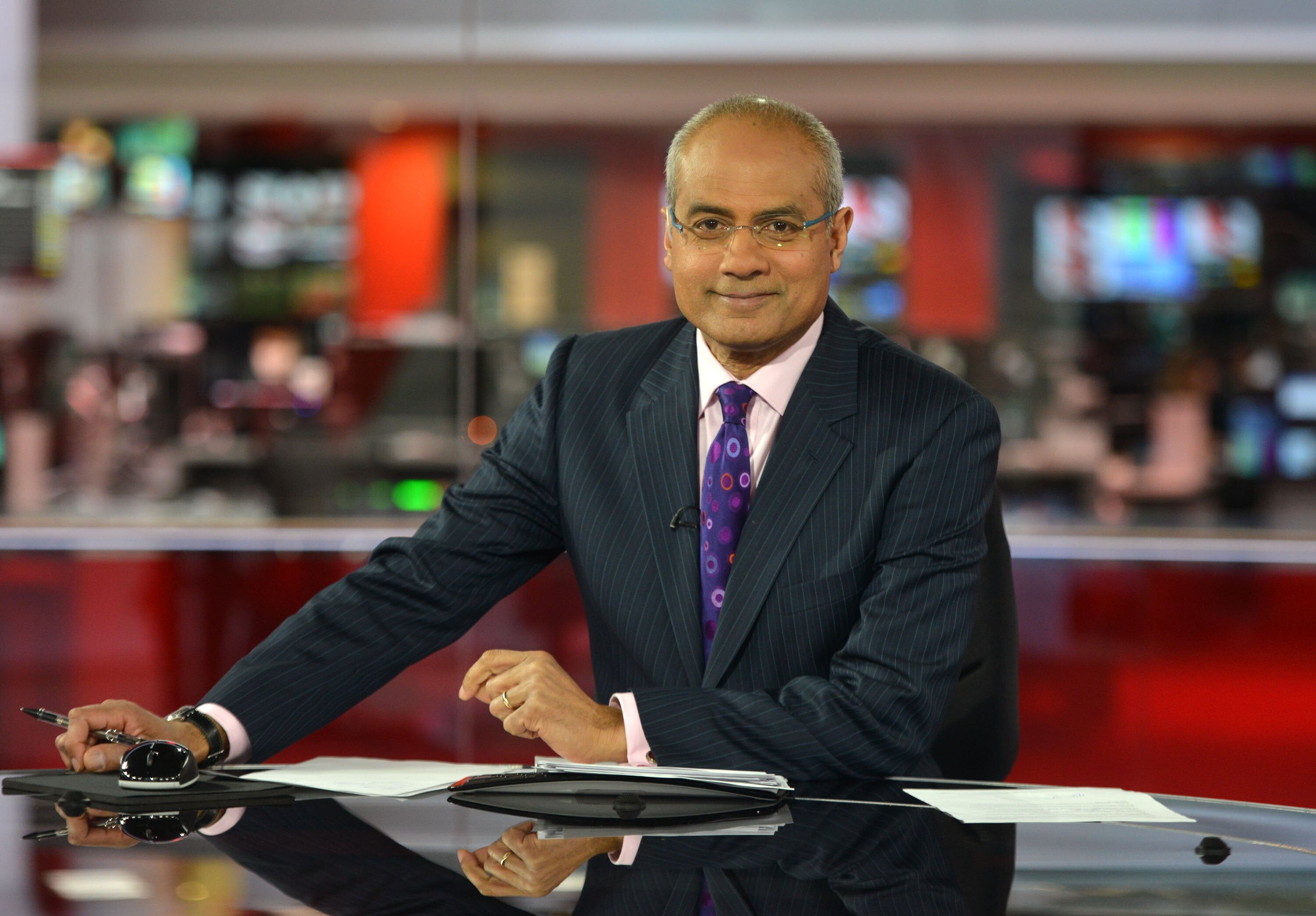
George is one of the BBC's most loved newsreaders
George is one of the BBC’s most loved newsreaders

Jeff Overs/BBC via PA Media

George underwent 17 rounds of chemotherapy to treat his advanced bowel cancer in 2014.

He returned to presenting duties in 2015 after making progress against the disease, and said he was a “richer person” for it.

His cancer returned in December 2017, and the presenter underwent further treatment before once again returning to work.

Last October, he announced a break from his role on BBC News as he dealt with “a further spread” of the disease.

Explaining his contentment at how things are, George continued: “I had to work at it… I had to do the pros and cons. And I’m content that if it all had to stop now, that actually it’s been a good run. So I’ve got to contentment. Acceptance. I’m not gonna give up. I’m not giving up.

“I think I always knew that there was a kind of impermanence. You can’t be a foreign correspondent and do the things I’ve done, seen the things I’ve seen, and not know about the impermanence of life, and too often lives are curtailed. Rather than worrying about when it’s gonna end, I can see it for the gift it is.

“I feel that gift keenly, every morning. You know what I do, Craig? I have a few mantras, and one of them every night I say to myself, ‘Georgie boy, are you gonna be here tomorrow morning?’ For hundreds or thousands of days in the last seven years, the answer has been, ‘Yes. Yeah, George, you are gonna be here in the morning’. I think, ‘Fuck me, what a gift’.”

Desperately Seeking Wisdom with Craig Oliver is available on all major podcast providers.

Share Button

Nish Kumar Speaks Out Over The BBC’s Decision To Axe The Mash Report

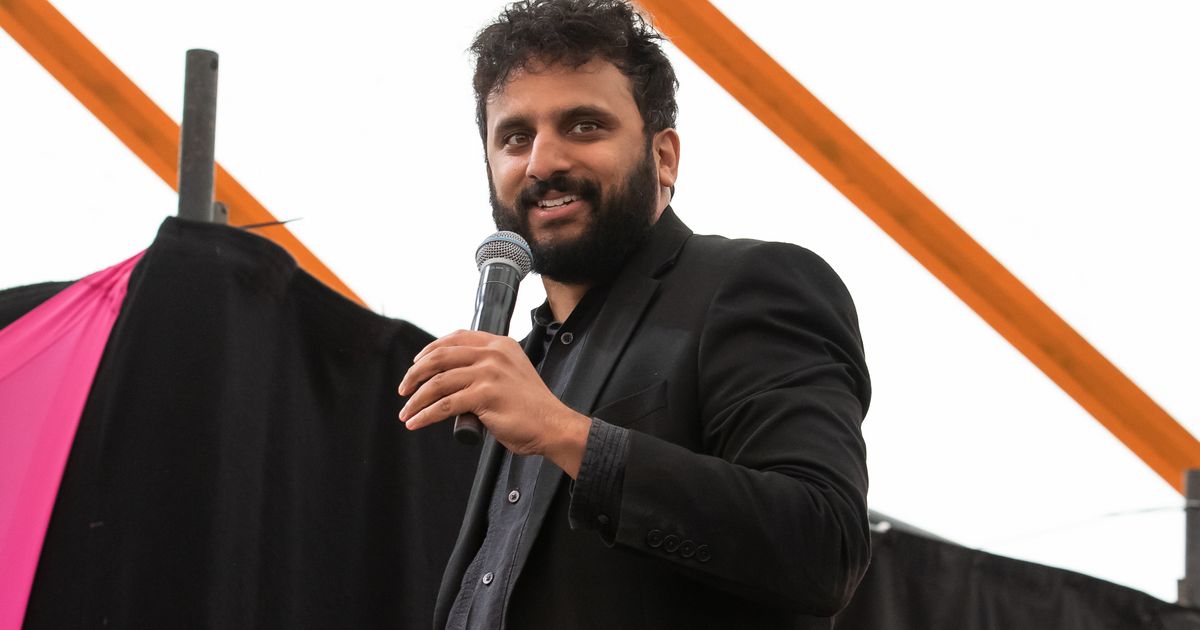
Nish Kumar has shared his thoughts on the BBC’s decision to axe the satirical comedy series The Mash Report.

In March, it was confirmed that The Mash Report – hosted by Nish and featuring comedians like Rachel Parris and Ellie Taylor – would not be returning, with a BBC spokesperson stating that the decision had been made “in order to make room for new comedy shows”.

They explained: “We are very proud of The Mash Report but in order to make room for new comedy shows we sometimes have to make difficult decisions and it won’t be returning.

“We would like to thank all those involved in four brilliant series and hope to work with Nish Kumar, Rachel Parris and the team in the future.”

BBC

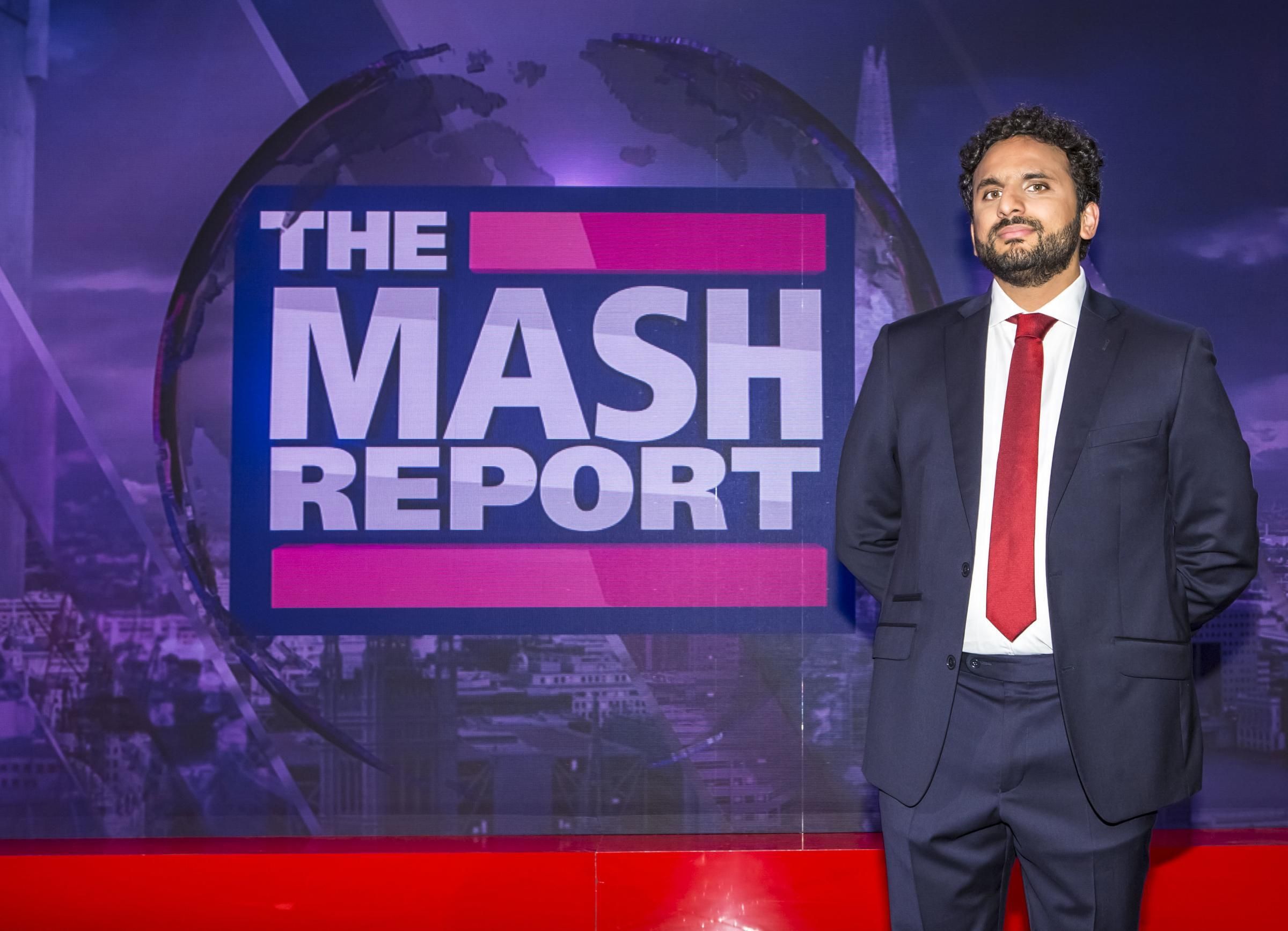
Nish Kumar hosted all four series of The Mash Report between 2017 and 2020

At the time, several news outlets pointed out that the news came after reports in The Telegraph claiming the BBC’s newly-appointed director general Tim Davie was “planning to tackle perceived left-wing bias in the corporation’s comedy shows”.

Davie later branded these claims “nonsense”, with Nish sharing his thoughts in a new interview with the Observer.

Nish recalled that he found out about The Mash Report’s cancellation in an email from the controller of the BBC Two, telling him: “We don’t have the money, so we’re gonna move on.”

The comedian told the Observer he took the decision in his stride, and when the subsequent reports emerged in the press about the reasons for The Mash Report’s cancellation, he received another email from the BBC urging him to “ignore the article, it’s all nonsense”.

However, Nish has revealed he “pushed for a public clarification” from the BBC, saying: “There’s an important principle at stake. The story suggests a person’s political leanings can have a bearing on what they get to do on television, which is unacceptable.”

Carla Speight via Getty Images

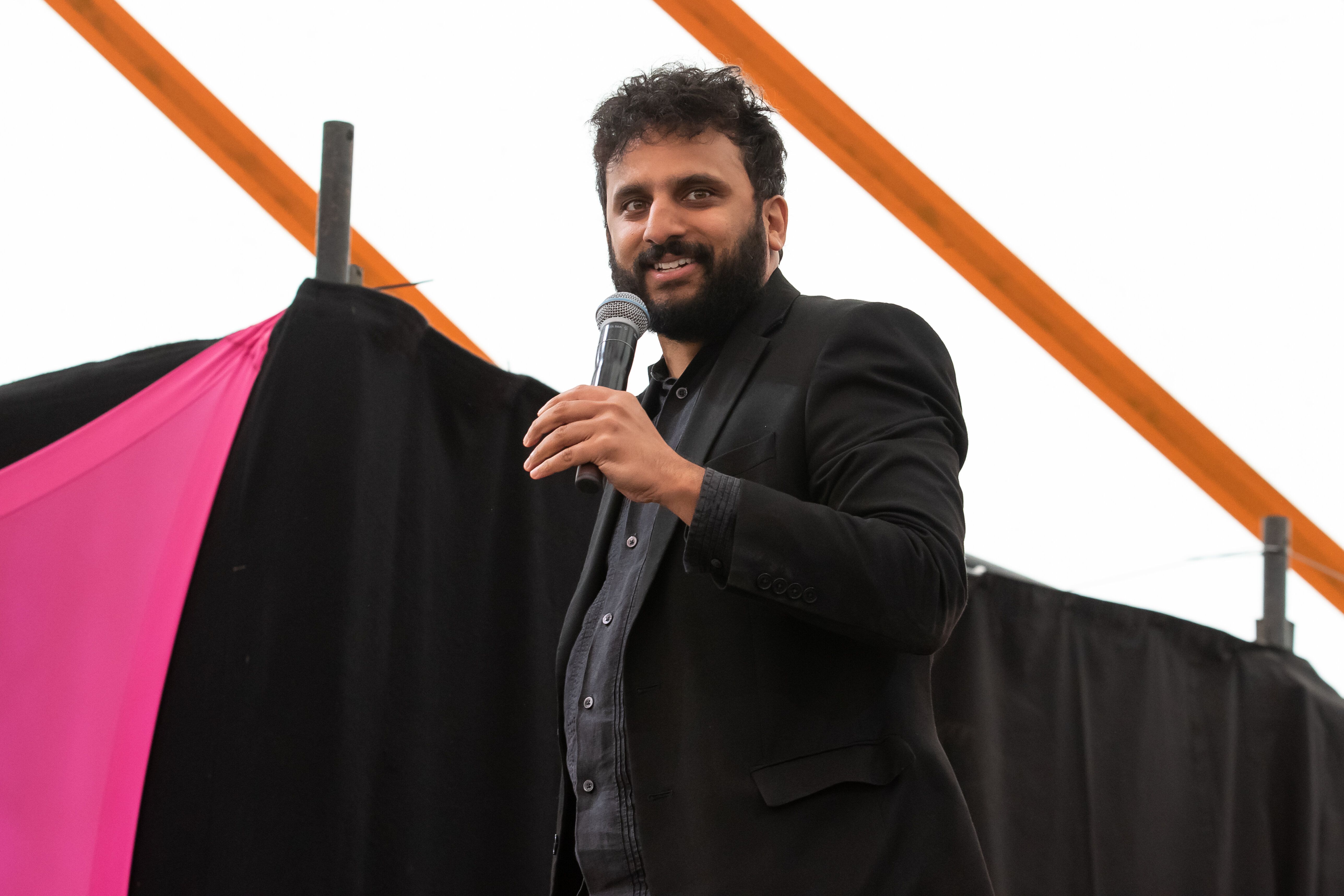
Nish Kumar performing at Latitude Festival in 2019

He added that while he doesn’t believe Tim Davie was responsible for The Mash Report not coming back: “The concern for me is that it’s a useful myth for Tim Davie to have out there, because it placates the British right. It gives the sharks a bit of blood.

“And when do sharks ever stop at a bit of blood? When do sharks ever say, ‘Thank you for the bit of blood. That was the perfect amount. Like tapas’?”

He added: “If the BBC does not say something publicly to make it clear they were not reacting to the political content of the show, it will set a bad precedent. It may well stop people pitching new programme ideas. It is not about any reassurance they may have privately given me since.”

A BBC spokesperson had no additional comment besides the original statement when contacted by HuffPost UK.

The Observer also reported that production company Zeppotron is in talks with several broadcasters about potentially reviving The Mash Report on a commercial station.

Although viewing figures for The Mash Report were usually around the one million mark, it did garner a loyal following during its four years on TV.

It was also responsible for a number of viral clips, most notably a scene featuring Rachel Parris, which was titled How Not To Sexually Harass Someone.

Share Button

BBC Issues Response After Coverage Of Prince Philip’s Death Sparks Record Number Of Complaints

The BBC has issued a response after receiving a record number of complaints about its coverage of Prince Philip’s death.

Last week, both BBC One and BBC Two cleared their schedules in the wake of the Duke Of Edinburgh’s death to devote the airtime to reports about the news, and reflections on his life.

Since then, it was reported that more than 100,000 people had complained to the corporation’s Executive Complaints Unit (ECU) – a record for complaints in British television history.

The BBC has now confirmed this to be the case, stating on Thursday the overall number of complaints stood at 109,741.

Max Mumby/Indigo via Getty Images

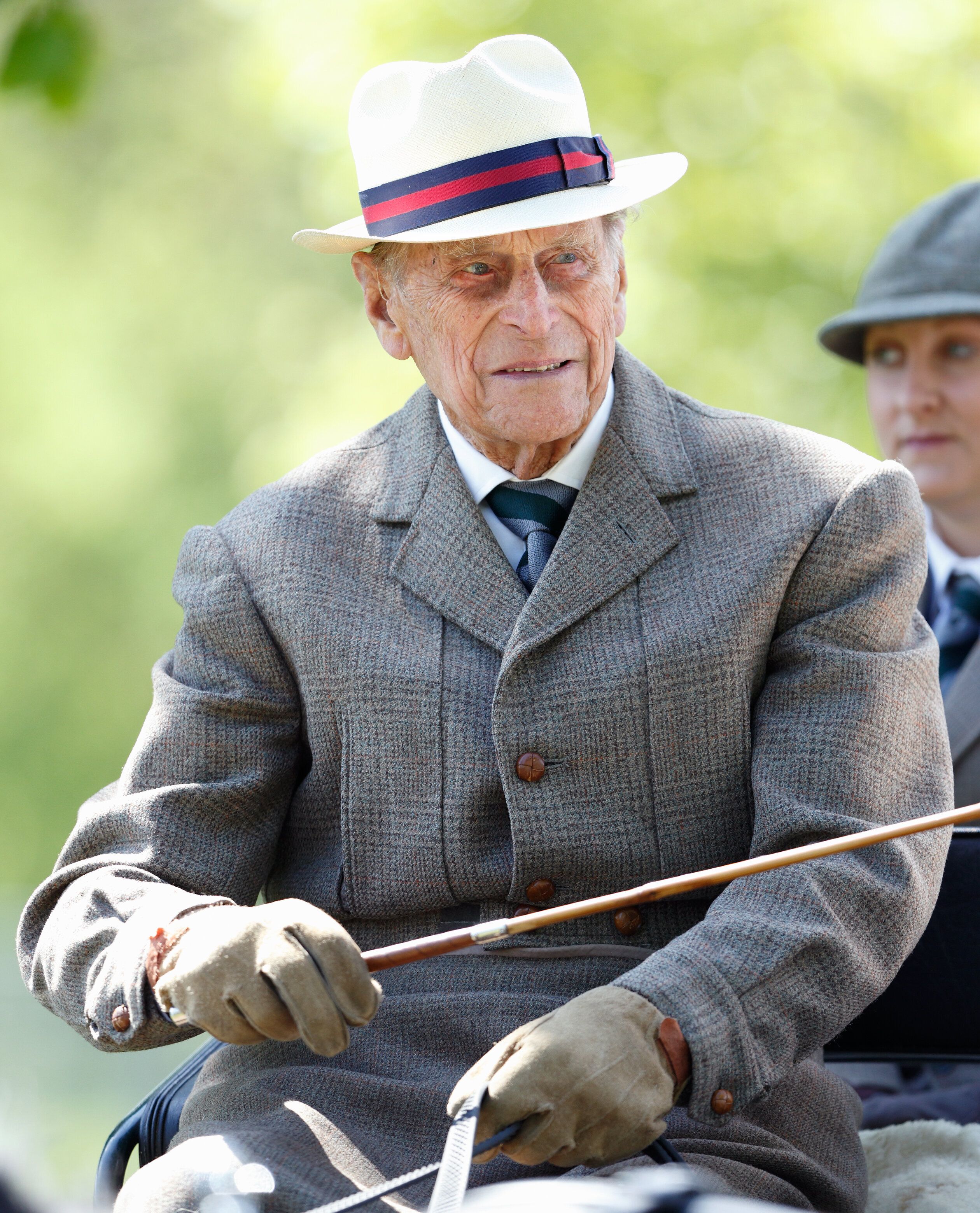
Prince Philip photographed in 2016

Responding to these complaints, a spokesperson said: “The passing of HRH The Prince Philip, Duke of Edinburgh was a significant event which generated a lot of interest both nationally and internationally.

“We acknowledge some viewers were unhappy with the level of coverage given and impact this had on the billed TV and radio schedules.

“We do not make such changes without careful consideration and the decisions made reflect the role the BBC plays as the national broadcaster during moments of national significance.

“We are grateful for all feedback and we always listen to the response from our audiences.”

It has now been confirmed that the BBC plans to devote around six hours of coverage to the Duke of Edinburgh’s funeral this weekend, with broadcaster Huw Edwards leading most of it.

Mark Cuthbert via Getty Images

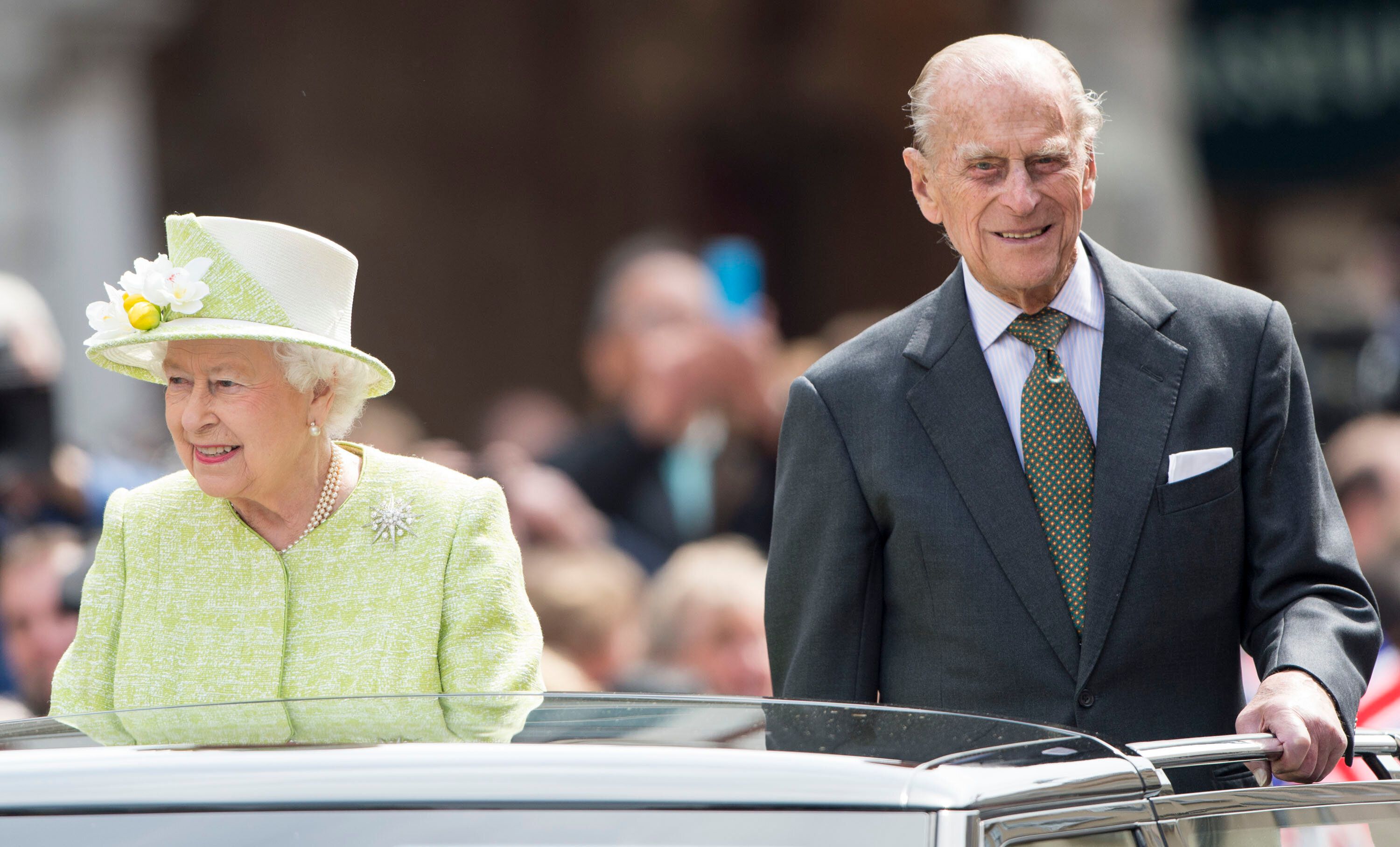
Prince Philip pictured with Queen Elizabeth II during her 90th birthday celebrations

The number of complaints about the coverage of Prince Philip’s death beats the previous high of 63,000 sparked by the BBC’s screening of Jerry Springer: The Musical in 2005.

Three years later, Russell Brand and Jonathan Ross’ prank call to actor Andrew Sachs on the former’s Radio 2 show, drew 42,000 complaints.

Share Button

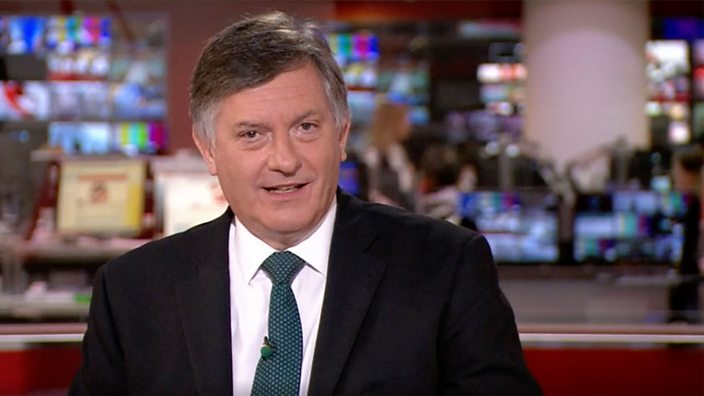
Simon McCoy Lands GB News Role After Leaving BBC

Simon McCoy has been revealed as the newest addition to GB News, following his departure from the BBC.

On Thursday morning, it was announced that Simon was celebrating his final day at BBC News after almost 18 years with the broadcaster.

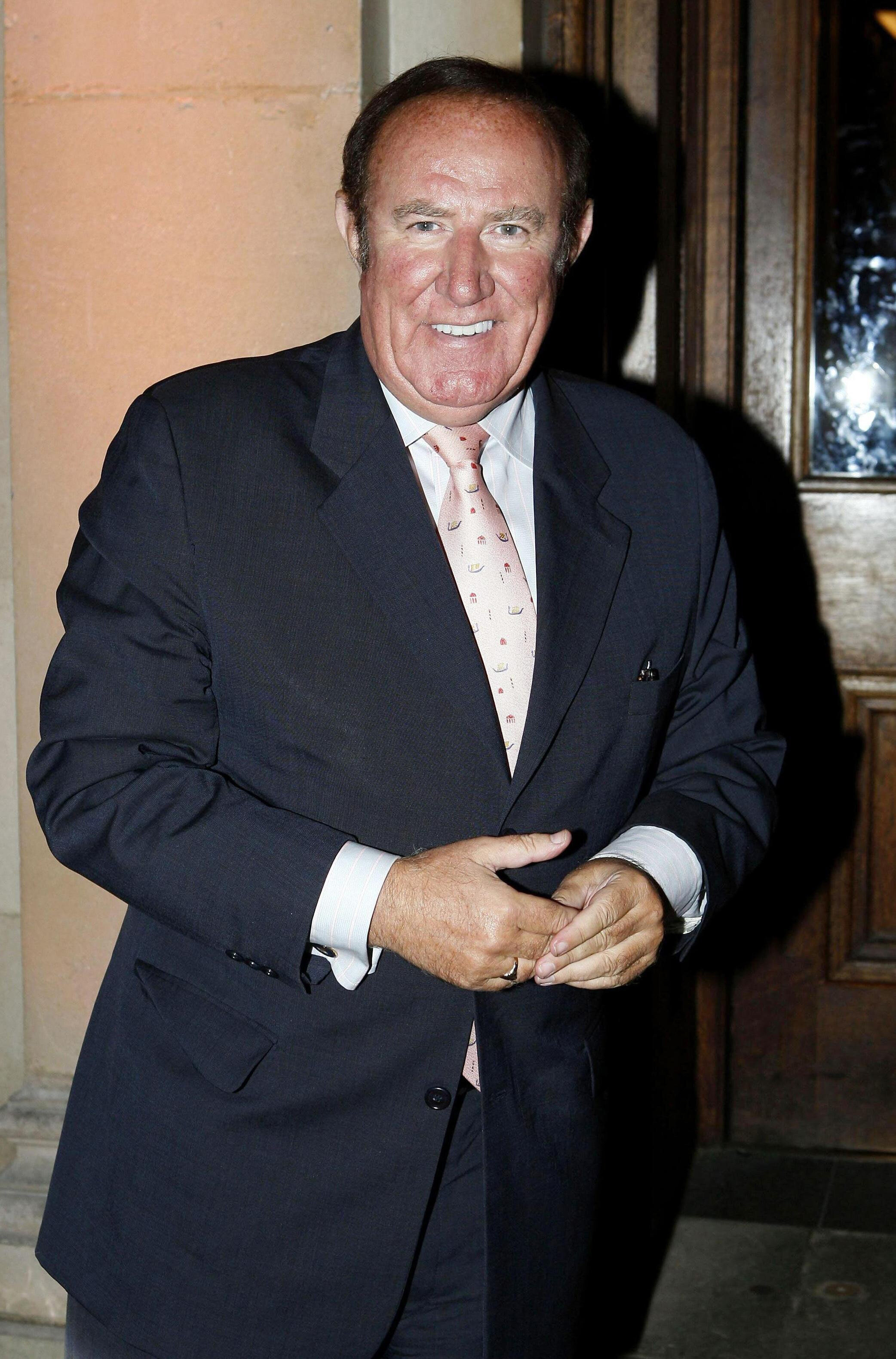
Following the news of his departure, GB News chair Andrew Neil – another former BBC journalist, who stepped down from the corporation last year – revealed that Simon would be joining him at GB News later in the year.

Responding to the news of Simon’s BBC exit, Andrew tweeted: “Oh yes. @BBCSimonMcCoy is joining @GBNEWS… another great hire!!”

A GB News press release revealed that Simon will be hosting an afternoon show on the station.

The forthcoming station’s director of news and programmes John McAndrew said: “Simon’s journalistic integrity, warmth and personality is a perfect for what we’re doing at GB News.

“He’s a brilliant journalist with an exceptional ability to relate to people in an upbeat way so we’re keen to get him our from behind a desk and talking to people from all parts of the United Kingdom.”

BBC

Simon McCoy

HuffPost UK has contacted Simon McCoy’s agent for additional comment.

GB News is a new 24-hour news channel which is launching later this year, which bosses have said is aimed at the “vast number of British people who feel underserved and unheard by their media”.

As Andrew Neil wrote recently in the Sunday Express: “I believe the direction of news debate in Britain is increasingly woke and out of touch with the majority of its people. I believe our national conversation has become too metropolitan, too southern and too middle-class.

“Some journalists and commentators seem too confident that their liberal-left assumptions must surely be shared by every sensible person in the land. But many of those same sensible people are fed up. They feel left out and unheard.

“There’s a restlessness, a sense that they’re being talked down to; that much of the media no longer reflects their values or shares their concerns. GB News is aimed squarely at those people.”

Matt Crossick – PA Images via Getty Images

Andrew Neil pictured in 2008

Other recruits so far include The Sun’s executive editor Dan Wootton, journalist and political commentator Inaya Folarin Iman, former Brexit Party member Alexandra Phillips and former Apprentice contestant Michelle Dewberry. 

It’s also been heavily rumoured that Piers Morgan will be joining the station, following his much-publicised exit from Good Morning Britain earlier this month.

Andrew Neil recently said he’d be “delighted” to set up a meeting with Piers, stating: “[He] would be a huge asset to GB News and we’ll definitely look at that… we haven’t started any negotiations yet but we would certainly be delighted to talk to him if he’s up for it.”

GB News is expected to launch later this year.

Share Button

BBC Three To Return To TV Screens After String Of Recent Hit Shows

BBC Three is to return to TV screens after a five-year absence, it has been announced.

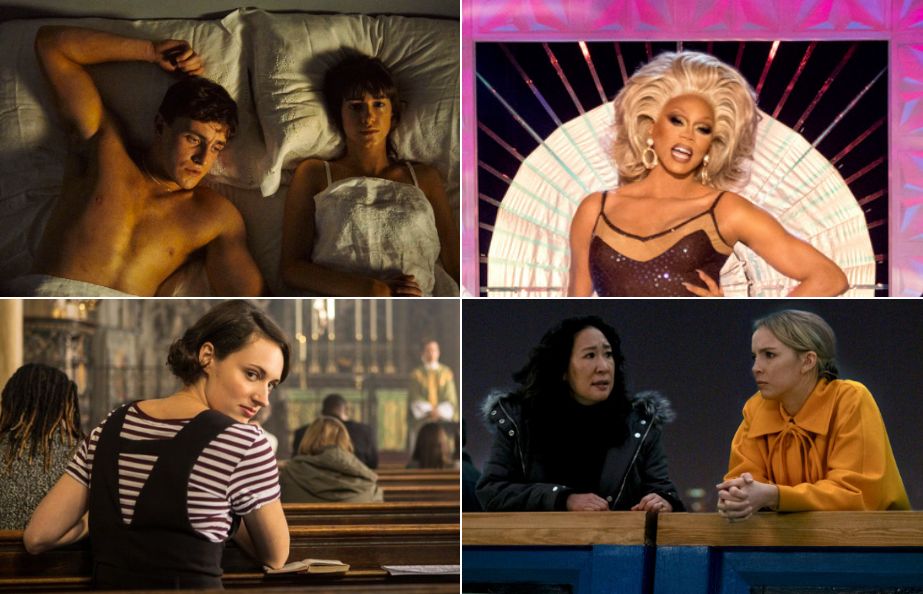
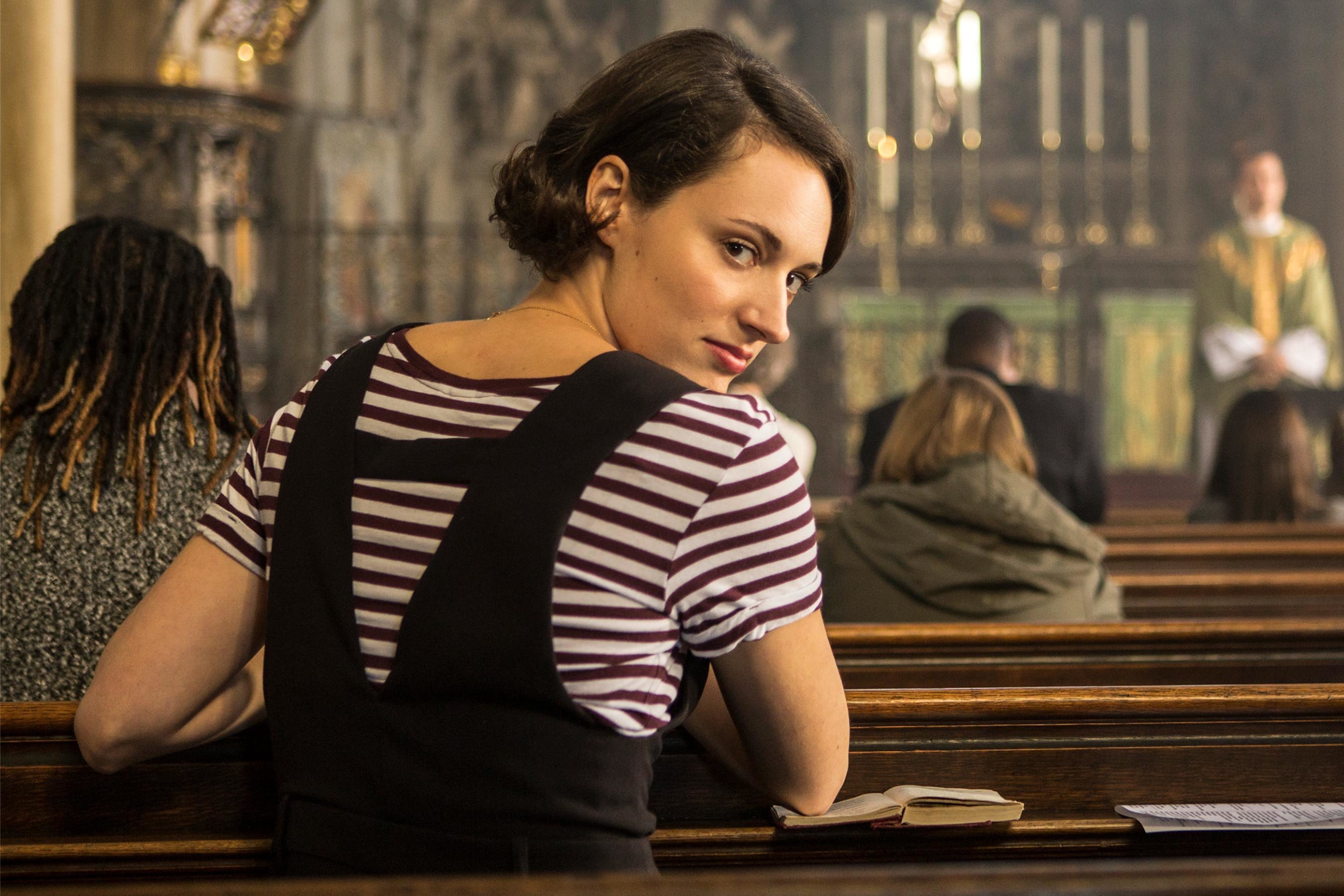
Following the success of original shows like Fleabag, Killing Eve, Normal People and RuPaul’s Drag Race UK, the corporation has laid out plans for BBC Three to begin airing on regular television once again, having been online-only since February 2016.

“BBC Three is a BBC success story, backing creativity, new talent and brave ideas has resulted in hit after hit, from Fleabag and Man Like Mobeen, RuPaul’s Drag Race UK and Jesy Nelson’s Odd One Out, to Normal People and This Country,” said Charlotte Moore, the BBC’s chief content officer.

“The BBC needs to back success and make sure its programmes reach as many young people as possible wherever they live in the UK. So regardless of the debates about the past, we want to give BBC Three its own broadcast channel again.”

BBC

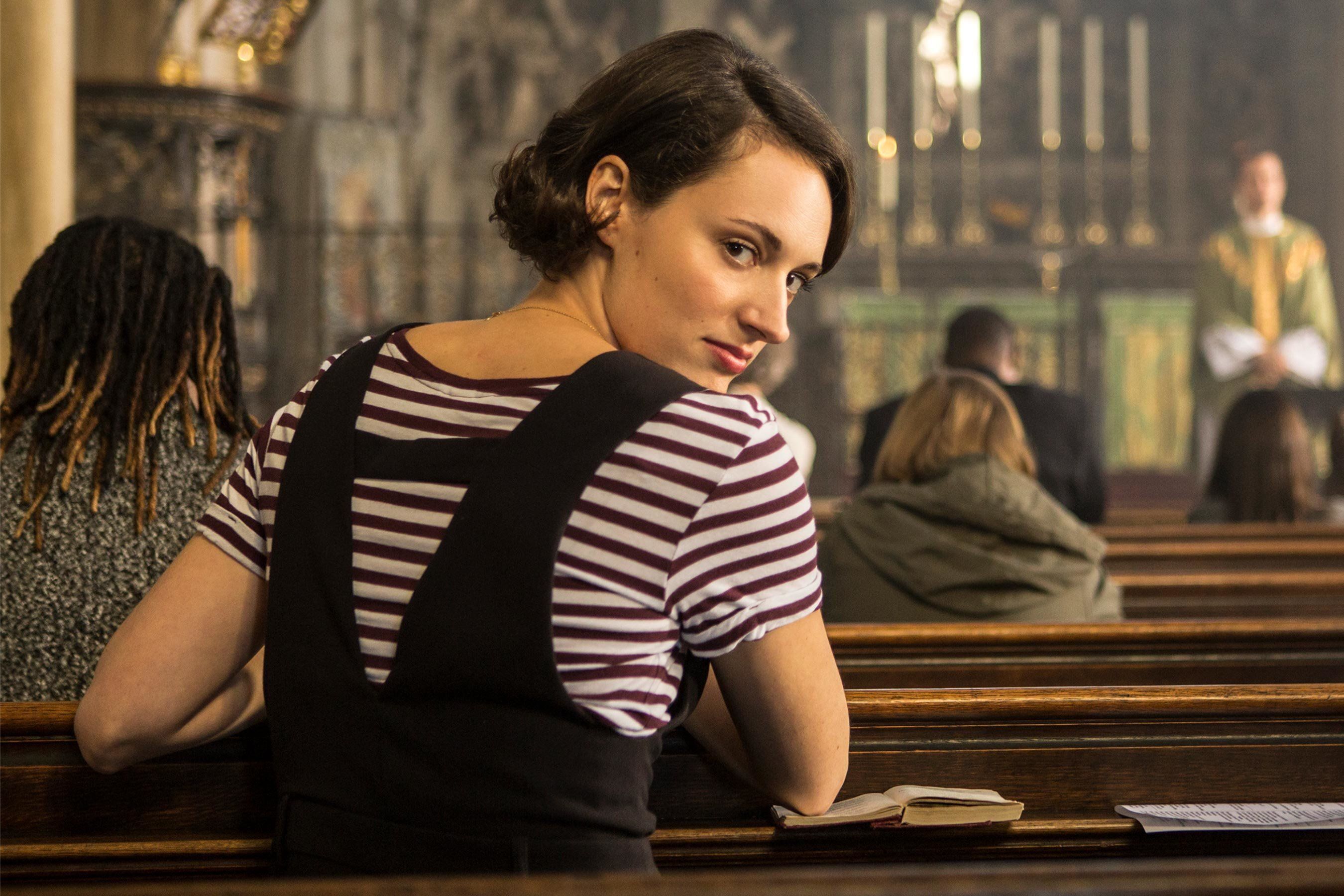
Phoebe Waller-Bridge in Fleabag

Moore added: “It has exciting, groundbreaking content that deserves the widest possible audience and using iPlayer alongside a broadcast channel will deliver the most value.”

It’s been proposed that BBC Three will return to screens in January 2022, with the move being described as “part of our drive to deliver more value to audiences”.

However, the BBC has said the channel will not be airing 24-hours, and will instead broadcast between the hours of 7pm and 4am.

The corporation’s children’s channels CBeebies and CBBC also have limited schedules, with the former airing between 6am and 7pm, and the latter broadcasting between 7am and 9pm.

BBC/World of Wonder/Ray Burmiston

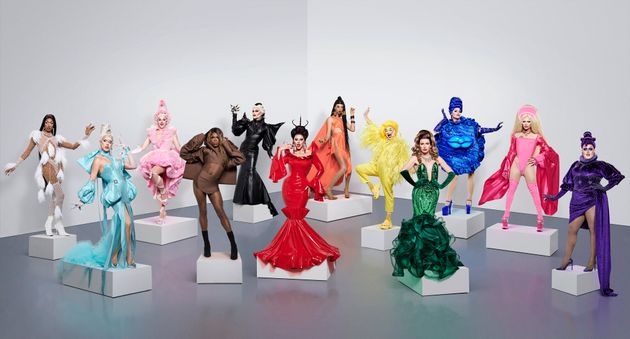
The cast of Drag Race UK series two

A BBC press release stated: “The returning BBC Three will deliver greater public value by further increasing the diversity and creativity of our output and build on the strengths of BBC Three’s online performance. That’s why we will aim for at least two-thirds of the expanded BBC Three’s programme spend to be outside of London and across the UK.

“BBC Three has a strong heritage in breaking and supporting new British talent and this will create a bigger platform to launch and celebrate them.

“It will provide us with a new shop window to reach a younger audience currently underserved by the BBC, bringing them the best BBC young programming and talent across all genres.”

Past successes for BBC Three have included comedies like Gavin & Stacey, The Mighty Boosh and Little Britain.

Share Button

BBC Faces Backlash After Oscar Pistorius Trailer Fails To Name Reeva Steenkamp

HuffPost is part of Verizon Media. We and our partners will store and/or access information on your device through the use of cookies and similar technologies, to display personalised ads and content, for ad and content measurement, audience insights and product development.

Your personal data that may be used

  • Information about your device and internet connection, including your IP address
  • Browsing and search activity while using Verizon Media websites and apps
  • Precise location

Find out more about how we use your information in our Privacy Policy and Cookie Policy.

To enable Verizon Media and our partners to process your personal data select ‘I agree‘, or select ‘Manage settings‘ for more information and to manage your choices. You can change your choices at any time by visiting Your Privacy Controls.

Share Button

BBC Apologises Over Use Of The N-Word In News Report

HuffPost is part of Verizon Media. Click ‘I agree‘ to allow Verizon Media and our partners to use cookies and similar technologies to access your device and use your data (including location) to understand your interests, and provide and measure personalised ads. We will also provide you with personalised ads on partner products. Learn more about how we use your data in our Privacy Centre. Once you confirm your privacy choices here, you can make changes at any time by visiting your Privacy dashboard.

Click ‘Learn more‘ to learn and customise how Verizon Media and our partners collect and use data.

Share Button

Radio 1Xtra Presenter Sideman Quits Over BBC’s Use Of N-Word

HuffPost is part of Verizon Media. Click ‘I agree‘ to allow Verizon Media and our partners to use cookies and similar technologies to access your device and use your data (including location) to understand your interests, and provide and measure personalised ads. We will also provide you with personalised ads on partner products. Learn more about how we use your data in our Privacy Centre. Once you confirm your privacy choices here, you can make changes at any time by visiting your Privacy dashboard.

Click ‘Learn more‘ to learn and customise how Verizon Media and our partners collect and use data.

Share Button