Dua Lipa’s ‘Sanitised’ Documentary On Camden’s Music Scene Hasn’t Quite Hit The Right Note

In her new Disney+ documentary, Camden, Dua Lipa pays tribute to the London district that she describes as the “beating heart of music”.

The chart-topping singer served as executive producer of the four-part docuseries, which dives into the history of a world-famous music scene, looking at how it shaped the life and careers of countless iconic musicians.

Directed by Asif Kapadia (Amy), the series features archival footage and celebrity interviewees like Coldplay’s Chris Martin, The Libertines and Yungblud,

The musicians “relive their Camden experiences; from their very first gigs to sell-out concerts, the highs and lows of nights out and a youth spent discovering music,” according to a description.

But despite the big names attached to it, the series hasn’t gone down too well with critics, after many criticised its historical blindspots and “style over substance” approach.

Here’s what the reviews are saying so far…

“Less informative than a five-minute Google… Strap in for three hours of annoyingly vague celeb analyses of the London musical hotspot’s cultural significance – featuring no punks and almost no history. It’s downright cringeworthy.”

“Lipa, one of the series’ executive producers, spent several years living here as a child and recorded her first YouTube songs in a Camden flat aged 15, but – such is the major pop star mindset – she seems far more concerned with lauding the biggest names that lived and played here than getting under the gritty fingernails of the place.”

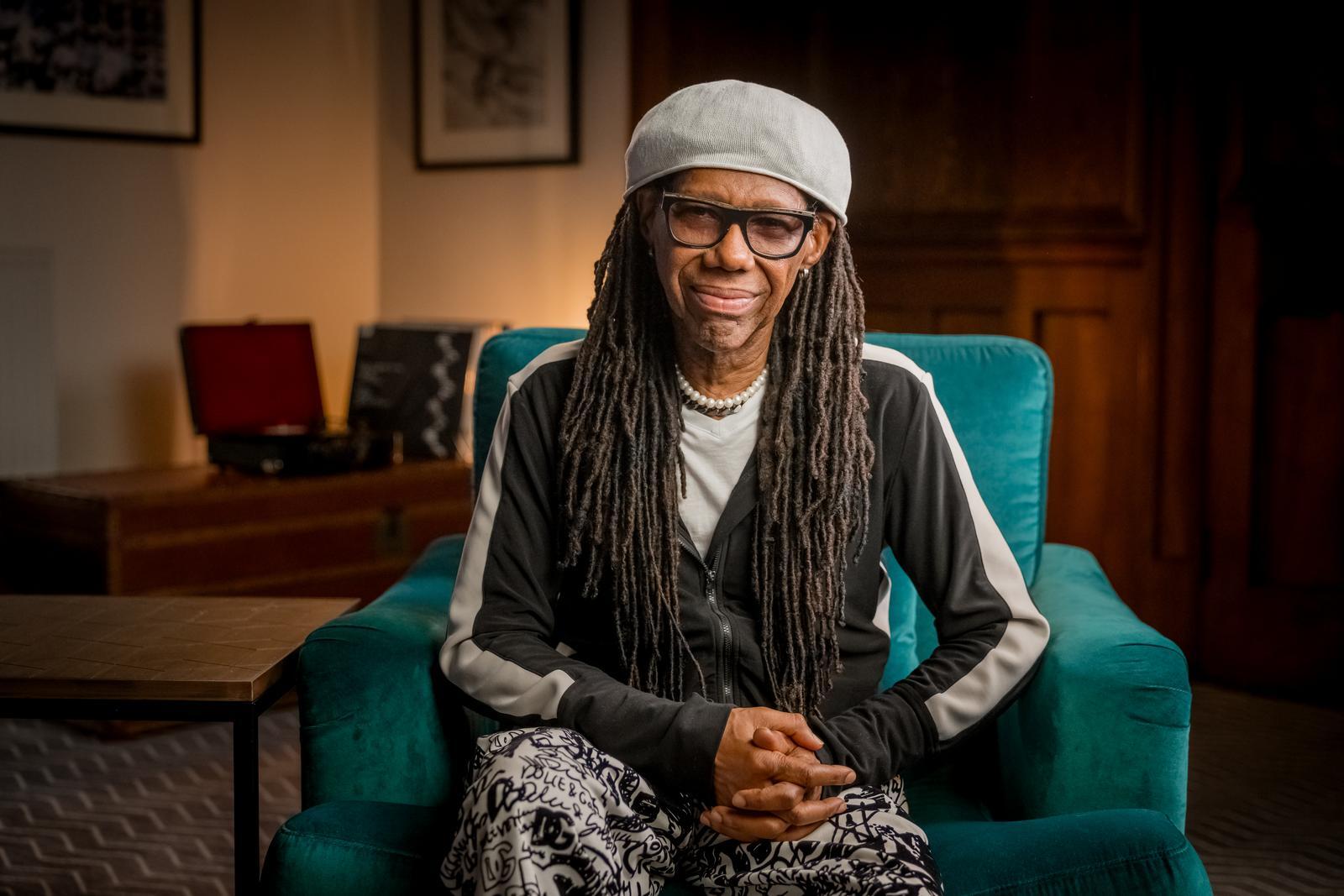
Nile Rodgers was among the contributors to Disney+'s Camden
Nile Rodgers was among the contributors to Disney+’s Camden

Ben Blackall

“Disney+’s documentary is smug and sanitised… A documentary about one of London’s most raucous musical boroughs should be more frank and unvarnished than this Dua Lipa-produced docuseries.”

“Dua Lipa’s documentary is a love letter to endangered independent venues…Trying to condense the history of the postcode into four (roughly) hour-long episodes means that Camden is entertaining, but occasionally scattershot and lacking focus.”

“The series has a tendency to veer into a hagiography of Camden and misses out on hitting truly classic documentary territory. That said, it is a very entertaining ride through the living memory of the area.”

Coldplay frontman Chris Martin was also interviewed for the documentary

“You can’t help but want to hit the town after hearing the loud music and seeing all these celebrities gleefully talk about their crazy nights and all the callbacks to their time at The Jazz Café… It did at times feel like the episodes went on a bit too long, but never to the point that it overstayed its welcome.”

“Don’t get us wrong; we’re fans of [Dua Lipa’s], and we do get that she’s an executive producer of the show. But she’s 28 years old, and her career didn’t really start until around 2010. As much as she knows about the history of the venues and the acts that played there, her personal interaction with the music scene there likely only reaches back to her early 2000s childhood, if we’re being generous. There is more than 20 years of history that came before that, and she has no personal perspective on it.

Camden is available to watch on Disney+ now.

Share Button

NHS computer issues linked to patient harm

IT failures have been linked to the deaths of three patients and more than 100 cases of serious harm.

Share Button

Widespread NHS computer issues linked to patient harm

IT failures have been linked to the deaths of three patients and more than 100 cases of serious harm.

Share Button

Junior doctors call five-day pre-election strike

Ministers accuse doctors’ union of “cynical” tactics with walkout due to start on 27 June in England.

Share Button

Grow the skin you’re in: In vivo generation of chimeric skin grafts

Skin grafting is an essential procedure used to treat severe skin wounds. In the case of extensive wounds, however, it can be challenging to harvest enough donor skin, and generating artificial skin substitutes that include hair follicles and sweat glands and can engraft on deep wounds has not been successful. Now, researchers from Japan report a new way to “grow your own” donor skin that could help improve the success of skin graft generation.

In a study published last month in Nature Communications, researchers from Tokyo Medical and Dental University (TMDU) have revealed that growing donor skin in another species yields surprisingly robust and functional skin grafts.

The gold standard for treating burn wounds is autologous skin grafting, a process in which sheets of skin containing both the epidermis (the outer layer) and the dermis (the deeper layer) are transferred from other parts of the patient’s body to cover the wounded area. However, for large wounds it can be difficult to harvest enough skin from the limited donor sites. Split-thickness grafts that contain mostly epidermis with only some of dermis can be used to cover larger areas, but they do not include features like hair and sweat glands, and are more prone to shrinkage and scarring.

“As alternatives to autologous skin grafts, artificial skin substitutes including cultured epidermis and reconstituted skins have been developed,” says the lead author of the study Dr. Hisato Nagano. “These options are inferior, though, as cultured epidermis can only be used for shallow wounds, and the engraftment rate of reconstituted skins is low.”

To provide proof-of-concept for a new way to produce autologous skin grafts, the researchers generated skin grafts by introducing a mutation into mouse fetuses that made them unable to grow mature epidermis. These fetuses were then injected with mouse stem cells and allowed to develop normally until birth, when their skin growth was analyzed.

“The results were very surprising,” explains Dr. Naoaki Mizuno, the corresponding author. “Not only were the chimeric mice born covered with large patches of skin derived from the injected cells, but these patches also survived up to 3 months when grafted onto mature mice, and even grew fur.”

Intriguingly, injecting the same mutated mouse embryos with human skin cells yielded similar results: as the mice developed in utero, they grew sheets of human skin that mimicked the structure and organization of mature epidermis.

“Our findings suggest that semi-autologous skin grafts containing hair follicles and other skin appendages can be generated in vivo and engrafted successfully,” says Dr. Hiromitsu Nakauchi, senior author.

Given that mouse embryos can only grow small amounts of skin, the next step would be to scale up the process to larger animals with a longer gestation period to generate large human skin grafts. This approach, which involves generating only skin tissue, could help avoid ethical concerns about using human-animal chimeras to produce organs for medical use.

Share Button

Editing without ‘cutting’: Molecular mechanisms of new gene-editing tool revealed

Joint research led by Yutaro Shuto, Ryoya Nakagawa, and Osamu Nureki of the University of Tokyo determined the spatial structure of various processes of a novel gene-editing tool called “prime editor.” Functional analysis based on these structures also revealed how a “prime editor” could achieve reverse transcription, synthesizing DNA from RNA, without “cutting” both strands of the double helix. Clarifying these molecular mechanisms contributes greatly to designing gene-editing tools accurate enough for gene therapy treatments. The findings were published in the journal Nature.

The 2020 Nobel Prize in Chemistry was awarded to Jennifer Doudna and Emmanuelle Charpentier for developing a groundbreaking yet simple way to edit DNA, the “blueprint” of living organisms. While their discovery opened new avenues for research, the accuracy of the method and safety concerns about “cutting” both strands of DNA limited its use for gene therapy treatments. As such, research has been underway to develop tools that do not have these drawbacks.

The prime editing system is one such tool, a molecule complex consisting of two components. One component is the prime editor, which combines a SpCas9 protein, used in the first CRISPR-Cas gene editing technology, and a reverse transcriptase, an enzyme that transcribes RNA into DNA. The second component is the prime editing guide RNA (pegRNA), a modified guide RNA that identifies the target sequence within the DNA and encodes the desired edit. In this complex, the prime editor works like a “word processor,” accurately replacing genomic information. The tool has already been successfully implemented in living cells of organisms such as plants, zebrafish, and mice. However, precisely how this molecule complex executes each step of the editing process has not been clear, mostly due to a lack of information on its spatial structure.

“We became curious about how the unnatural combination of proteins Cas9 and reverse transcriptase work together,” says Shuto, the first author of the paper.

The research team used cryogenic electron microscopy, an imaging technique that makes observations possible at a near-atomic scale. The method required samples to be in glassy ice to protect them from the potential damage by the electron beams, posing some additional challenges.

“We found the prime editor complex to be unstable under experimental conditions,” explains Shuto. “So, it was very challenging to optimize the conditions for the complex to stay stable. For a long time, we could only determine the structure of Cas9.”

Finally overcoming the challenges, the researchers succeeded in determining the three-dimensional structure of the prime editor complex in multiple states during reverse transcription on the target DNA. The structures revealed that the reverse transcriptase bound to the RNA-DNA complex that formed along the “part” of the Cas9 protein associated with DNA cleavage, the splitting of a single strand of the double helix. While performing the reverse transcription, the reverse transcriptase maintained its position relative to the Cas9 protein. The structural and biochemical analyses also indicated that the reverse transcriptase could lead to additional, undesired insertions.

These findings have opened new avenues for both basic and applied research. So, Shuto lays out the next steps.

“Our structure determination strategy in this study can also be applied to prime editors composed of a different Cas9 protein and reverse transcriptase. We want to utilize the newly obtained structural information to lead to the development of improved prime editors.”

Share Button

Menstrual periods are arriving earlier for younger generations, especially among racial minority and lower-income individuals

The average age at menarche — the first menstrual period — has been decreasing among younger generations in the U.S., especially those belonging to racial minorities and lower socioeconomic statuses, according to a new study led by researchers at Harvard T.H. Chan School of Public Health. It also found that the average time it takes for the menstrual cycle to become regular is increasing.

The study will be published on May 29 in JAMA Network Open. It is the latest publication from the Apple Women’s Health Study, a longitudinal study of menstrual cycles, gynecological conditions, and overall women’s health conducted by Harvard Chan School, the National Institute of Environmental Health Sciences, and Apple.

“Our findings can lead to a better understanding of menstrual health across the lifespan and how our lived environment impacts this critical vital sign,” said co-principal investigator Shruthi Mahalingaiah, assistant professor of environmental, reproductive, and women’s health at Harvard Chan School.

While previous studies have shown trends towards earlier menarche over the past five decades, data has been limited on how these trends present within different racial groups and socioeconomic statuses. Additionally, few studies have had sufficient data to identify any trends regarding time to menstrual cycle regularity.

The researchers used the Apple Women’s Health Study’s large, diverse dataset to fill this research gap. Participants who enrolled in the study between November 2018 and March 2023 — 71,341 in total — self-reported the age at which they first began menstruating and their race and socioeconomic status. The researchers divided the participants into five age brackets: born between 1950-1969, 1970-1979, 1980-1989, 1990-1999, and 2000-2005. Ages of menarche were defined as early (younger than 11 years old), very early (younger than 9), and late (ages 16 and above). A subset of participants (61,932) self-reported the time it took for their menstrual cycle to become regular and were divided into five categories: up to two years, between three and four years, longer than five years, hasn’t become regular, or became regular with use of hormones. Another subset (9,865) provided their body mass index (BMI) at their age of menarche.

The study found that as birth year increased (meaning younger participants), average age at menarche decreased and time from menarche to menstrual cycle regularity increased. Among participants born from 1950-1969, the average age at menarche was 12.5 years, and the rates of early and very early menarche were 8.6% and 0.6%, respectively. Among participants born from 2000-2005, the average age of menarche was 11.9 years, and the rates of early and very early menarche were 15.5% and 1.4%, respectively. Across the two groups, the percentage of participants who reached menstrual cycle regularity within two years of menarche decreased from 76% to 56%. The researchers observed that these trends were present among all sociodemographic groups but were most pronounced among the participants who identified as Black, Hispanic, Asian, or mixed race, and who rated themselves as belonging to a low socioeconomic status.

The findings showed that BMI at age of menarche could explain part of the trend toward periods starting earlier — in other words, that childhood obesity, a risk factor for early puberty and a growing epidemic in the U.S., could be a contributing factor to earlier menarche. Other possible factors that might explain the trend include dietary patterns, psychological stress and adverse childhood experiences, and environmental factors such as endocrine-disrupting chemicals and air pollution.

“Continuing to investigate early menarche and its drivers is critical,” said corresponding author Zifan Wang, postdoctoral research fellow in Harvard Chan School’s Department of Environmental Health. “Early menarche is associated with higher risk of adverse health outcomes, such as cardiovascular disease and cancer. To address these health concerns — which our findings suggest may begin to impact more people, with disproportionate impact on already disadvantaged populations — we need much more investment in menstrual health research.”

The authors noted some limitations to the study, including that it relies heavily on retrospective self-reporting.

Other Harvard Chan School authors included Gowtham Asokan, Jukka-Pekka Onnela, Michelle Williams, Russ Hauser, and Brent Coull.

The study was made possible by funding from Apple, Inc. and the National Institutes of Health (grant Z01ES103333).

Share Button

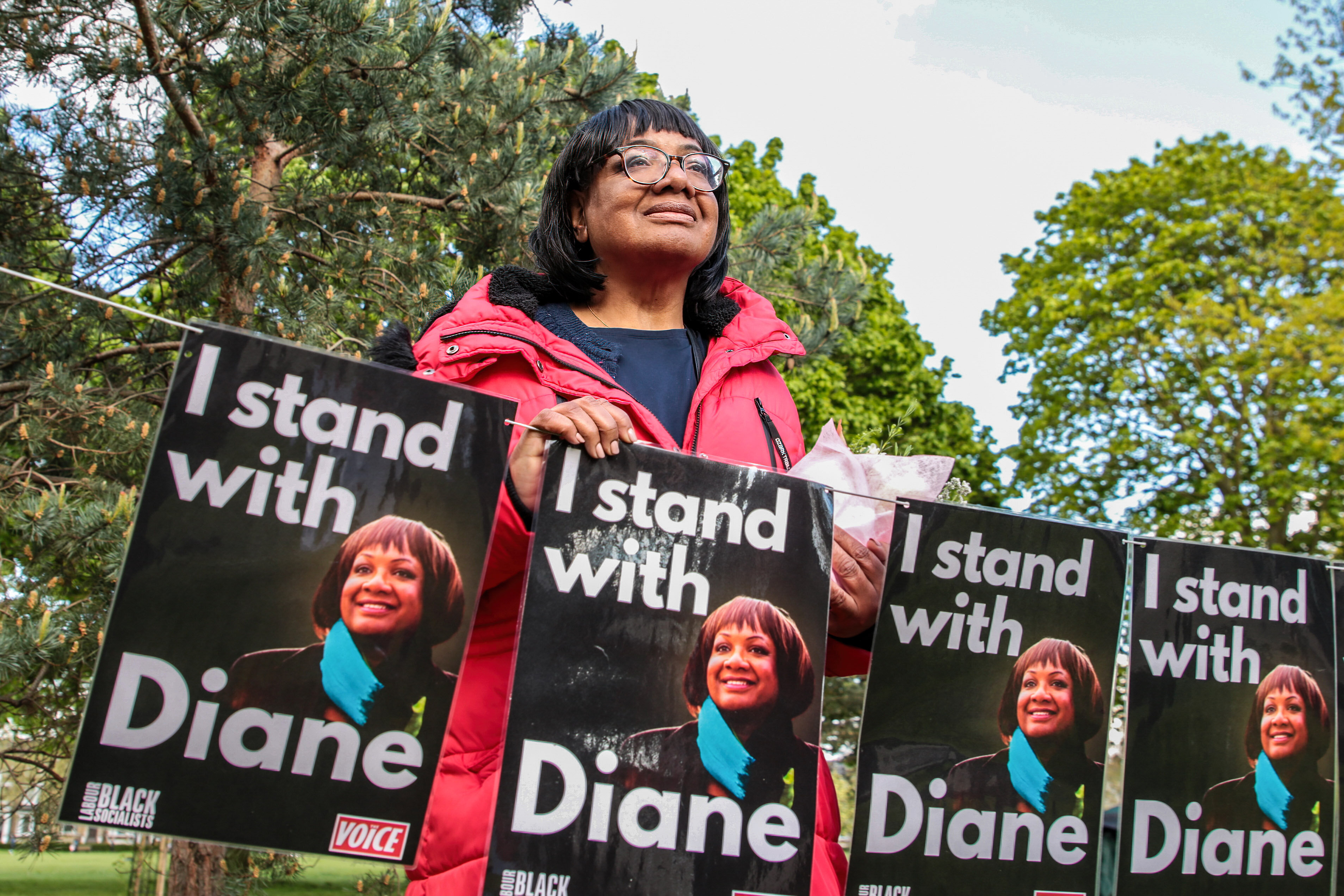
Diane Abbott Has Not Been Banned From Standing For Labour, Says Keir Starmer

Keir Starmer has said it is “not true” that Diane Abbott has been banned from standing as a Labour candidate at the general election.

The veteran MP for Hackney North and Stoke Newington has been given the Labour whip back after a lengthy suspension.

But it has been reported she will not be allowed to stand for re-election as a Labour candidate in the seat she has represented since 1987.

Abbott said she was “dismayed” at the suggestion she would be blocked.

But speaking to reporters on Wednesday, Starmer said this was not accurate.

“No decision has been taken to bar Diane Abbott,” he said.

“The process that we were going through ended with the restoration of the whip the other day, so she’s a member of the Parliamentary Labour Party, and no decision has been taken barring her.”

Asked if repots that she had been banned, the Labour leader said: “No, that’s not true”

Abbott had the Labour whip suspended in April 2023 after she said Jewish, Irish and Traveller people were not subject to racism “all their lives”.

The former shadow home secretary, a close ally of Jeremy Corbyn, apologised and withdrew the comments quickly.

BBC Newsnight revealed on Tuesday that Labour finished its investigation into her conduct five months ago, but publicly claimed that the disciplinary process was still ongoing.

Labour’s National Executive Committee wrote to Abbott in December issuing her with a “formal warning” for “engaging in conduct that was “prejudicial and grossly detrimental” to the party.

At the committee’s request, Abbott then completed an “online e-learning module” in February.

Starmer is under pressure to explain what he has said about the investigation. Last week he said Abbott was still “going through” and independent disciplinary process despite it having already concluded.

Abbott was the first black woman to be elected to parliament when she won her seat, which she currently holds with a majority of more than 33,000.

Share Button

Pro-Palestine Protest With Up To 10,000 People Stood Near Downing Street Last Night

Up to 10,000 people took part in a pro-Palestine protest near Downing Street on Tuesday evening amid escalating violence in Gaza.

Demonstrators are calling for government action as the Israel–Hamas war continues to cause devastation in the Palestinian territory.

Israeli tanks moved into the city of Rafah this week, days after bombarding people staying in tents near the city and worsening the ongoing humanitarian crisis.

More than half of Gaza’s entire population had been sheltering in Rafah because Israel previously designated it a safe zone amid its eight-month offensive in the territory.

These events have caused outrage around the world.

Police estimate between 8,000 and 10,000 people attended the Westminster protest, organised by a coalition of groups including the Palestinian Solidarity Campaign.

The protesters want the government to stop supporting Israel and started a chant calling out Rishi Sunak and Keir Starmer for not taking a firmer stance against the UK ally.

Jeremy Corbyn, former Labour leader who now stands as an independent MP, also made a speech at the protest.

He said anyone who wants to hold public office should be asked: “Are you going to be a voice to end the arms trade with Israel?

“Are you going to be a voice to stop the bombardment of Gaza?

“So that this massive movement that has come together, all over the country and all over Europe, all over the world in support of the Palestinian people, makes that difference, and makes that difference to be a voice for a different world – a world of peace.”

The protest began at 6pm and police called for it to end at 8pm using the Public Order Act.

But around 500 others remained and continued to protest after that time.

In a statement, the Metropolitan Police said: “Officers engaged extensively before making a number of arrests for failing to comply with conditions.

“As they moved in, some in the crowd resisted physically, requiring officers to use force to extract those who had been arrested.”

A breakaway demonstration soon formed outside Westminster Tube station.

Officers had to enter the crowd before 10pm to arrest those suspected of leading the separate protest.

By 2am, all the protesters had left and the street had been reopened, according to police.

Three officers were injured when dealing with the breakaway march and 40 people were arrested overall for a range of offences such as breaking the Public Order Act, assaulting emergency workers and obstructing a highway.

Pro-Palestine protests have been taking place around the world ever since the war began in October.

The renewed intensity of the attacks of Rafah has sparked a new wave of demonstrations, with protesters in Paris and Italy’s Turin marching until late into the evening.

Student encampments across the US and the UK have made headlines, too, as people call for their universities to cut all Israeli ties.

Meanwhile, the phrase “all eyes on Rafah” continues to spread across social media.

Share Button

This Is The Reality Of Trying To Get Pregnant In Your 30s and 40s

When it comes to the right age for getting pregnant, there seem to be a lot of myths surrounding older pregnancies.

Although in the last few years it has been normalised to have a child at a relatively older age (according to society), there is still a lot of misinformation circulating around these pregnancies.

Getting pregnant in your late 30s and early-to-mid 40s is becoming more and more common, as high profile women like Meghan Markle, Ashley Olsen and Mindy Kaling have also shown.

In fact, according to the Office of National Statistics most recent data from 2020, the average age of a first time mother is 29 and the average age of a mother (not just first time mother) was 31 in 2021.

This is in contrast to 1970 when the average age to become a first time mother in England and Wales was 23.

But what are the realities behind some of the myths associated with being a relatively older pregnant person?

Dr. Amit Shah, leading gynaecologist and co-founder of Fertility Plus spoke to HuffPost UK to set the record straight.

“Pregnancy at an older age, typically defined as 35 years and older, is often surrounded by myths and misconceptions.

“As a gynaecologist, it’s important to address these myths with accurate information to provide reassurance and proper guidance to older expectant mothers.”

Myth 1: Older women can’t get pregnant without medical intervention

Dr Shah says that while fertility does decline with age, many women in their late 30s and early 40s can and do conceive without IVF.

The chances of conception each cycle decrease from about 20-25% per month in women under 30 to about 5% per month by age 40.

However, advancements in reproductive technology have also increased the options available for older women wishing to conceive.

Myth 2: Pregnancy is extremely difficult and complicated for older women

While older age can be associated with certain increased risks, many women over 35 have healthy pregnancies and deliveries, comments Dr Shah.

“Proper prenatal care and monitoring can help manage potential complications. Older women are also more likely to be vigilant about their health and prenatal care, which can contribute to better outcomes.”

Myth 3: Older women have a higher risk of miscarriage

The risk of miscarriage does increase with age. For women under 30, the miscarriage rate is around 10-15%, while for women over 40, it rises to about 34-50%.

Dr Shah says this increased risk is primarily due to a higher likelihood of chromosomal abnormalities in the eggs as women age. Regular prenatal screenings and genetic counselling can help manage and mitigate some of these risks.

Myth 4: Vaginal delivery is unlikely for older women

Dr Shah explains that many older women can and do have successful vaginal deliveries. However, there is a slightly higher chance of requiring a cesarean section due to factors such as decreased uterine flexibility, a higher incidence of conditions like placenta previa, and concerns about foetal distress.

“That said, each pregnancy is unique, and delivery plans should be individualised based on the health of the mother and baby.”

Myth 5: Older mothers are more likely to have babies with genetic disorders

The risk of chromosomal abnormalities, such as Down Syndrome, does increase with maternal age. For example, the risk of having a baby with Down Syndrome is about 1 in 1,200 at age 25, increasing to about 1 in 100 at age 40.

Dr Shah says prenatal screening and diagnostic tests like NIPT (Non-Invasive Prenatal Testing), amniocentesis and chorionic villus sampling (CVS) can provide valuable information about the baby’s health.

Myth 6: Older women will experience more health problems during pregnancy

While older age is associated with a higher incidence of conditions like gestational diabetes, hypertension and preeclampsia, these conditions are manageable with proper medical care.

Preconception counselling and a healthy lifestyle can also play a significant role in mitigating these risks. Regular monitoring and timely intervention can help ensure a healthy pregnancy and delivery, says Dr Shah.

Myth 7: Older pregnant women should avoid exercise

Exercise is beneficial for most pregnant women, including those over 35. Regular, moderate exercise can improve cardiovascular health, reduce the risk of gestational diabetes, improve mood and aid in maintaining a healthy weight.

However, it’s important for each woman to consult with her healthcare provider to tailor an exercise plan appropriate for her specific health needs, recommends Dr Shah.

Myth 8: Older women will have more complications during delivery

While there is a slightly increased risk of complications during delivery, including longer labour and higher rates of interventions like forceps or vacuum delivery, many older women have smooth deliveries, says Dr Shah.

Close monitoring during labour and delivery helps to manage any potential issues effectively.

He concludes: “All in all, pregnancy in older women comes with certain increased risks, but many of these can be effectively managed with proper prenatal care and medical supervision.

“It’s important for older expectant mothers to have open, honest conversations with their healthcare providers to address any concerns and receive personalised care tailored to their individual health needs.

“With advancements in medical technology and a proactive approach to health, older women can and do have successful, healthy pregnancies and deliveries.”

Help and support:

  • Sands works to support anyone affected by the death of a baby.
  • Tommy’s fund research into miscarriage, stillbirth and premature birth, and provide pregnancy health information to parents.
  • Saying Goodbye offers support for anyone who has suffered the loss of a baby during pregnancy, at birth or in infancy.
Share Button