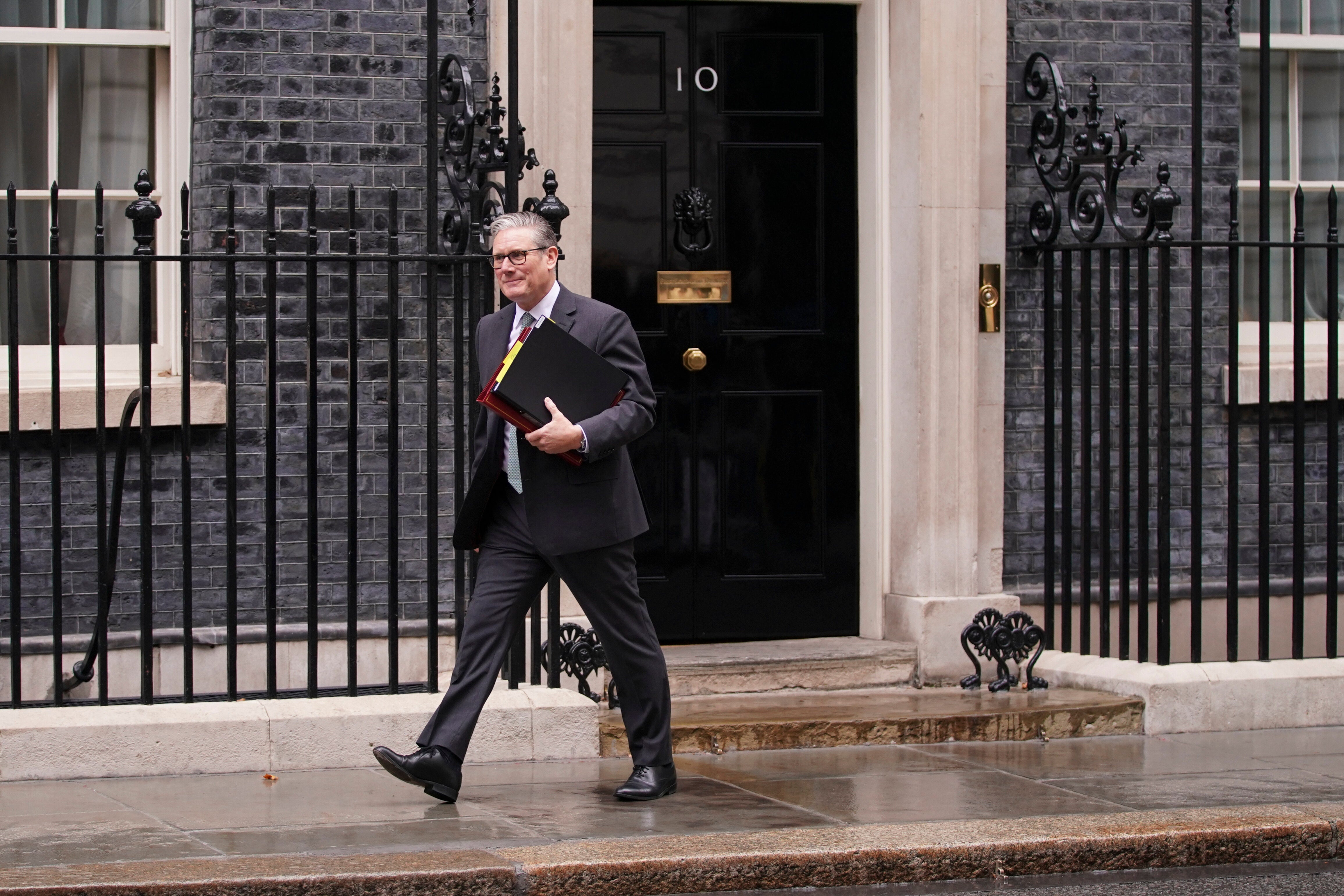
Why Rachel Reeves Faces Dark Clouds Despite Her Multi-Billion Pound Spending Spree

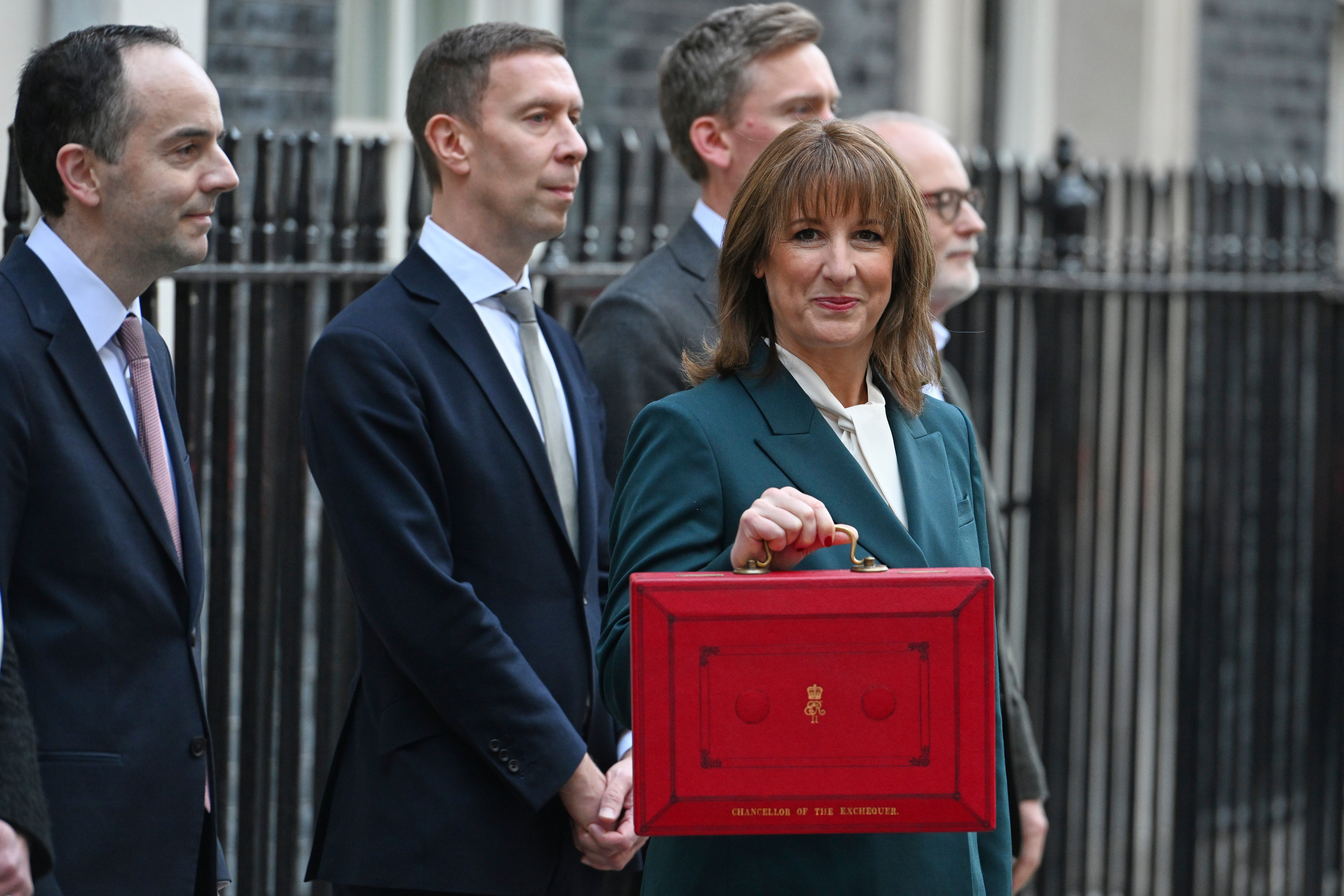
Labour MPs saw a different side to Rachel Reeves on Wednesday evening.

Fresh from delivering her spending review, the chancellor faced a meeting of the Parliamentary Labour Party, telling them to go out and “sell” what she had just announced to voters.

“People are only going to know the good news that we set out today if we campaign on it, if we deliver the leaflets, if we speak to people on the doorstep, if we write those pieces for our local papers, that is how people are going to know that it is Labour making these differences,” Reeves told them.

So far, so unsurprising. But those present detected a marked change of tone from the chancellor, who has often appeared to have the weight of the world on her shoulders over the past 11 months.

“She joked, she laughed and she looked well,” said the MP. “She was like a woman released.”

When the winter fuel debacle was raised, Reeves acknowledged that mistakes had been made since Labour won the election.

“That shows she gets it,” one backbench MP told HuffPost UK. “She knows where she is in the popularity stakes and there’s no way you don’t feel that personally. She’s not Cruella de Vil. But this felt like a reset moment for her.”

Among the jokes, however, there was a nod to the often-fractious negotiations with her Cabinet colleagues as their departmental budgets were set.

The last hold-out was home secretary Yvette Cooper, whose refusal to accept the real-terms cuts she was facing eventually led to Reeves taking the highly unusual step of imposing a settlement on her.

At the PLP meeting, Reeves admitted to being “peed off” with police chiefs complaining about a lack of cash after receiving a 2.3% increase in their budget.

“I don’t think they would have said that without Yvette giving them the nod,” one MP said.

For the moment, however, Labour MPs from across the party’s various factions seem pretty pleased with what Reeves announced.

Chris Curtis, co-chair of the Labour Growth Group, said: “We were pushing for greater investment in affordable housing, infrastructure, and research and development and we’ve seen major commitments on all three.

“These are the foundations of sustainable economic growth, and with them we can start to deliver what the British people rightly expect: rising wages, economic security, and properly funded public services.”

Jo White, the MP for Bassetlaw and chair of the Labour Red Wall Group, said the spending review – which included billions for better transport links in the north and Midlands – had been “the starting gun” on the next election.

“We welcome that the government is listening to the Red Wall,” she said.

Reeves might find her spending spree is a tougher sell across the country, however.

A focus group carried out in Coventry after the spending review by the More in Common think-tank offered further proof of the widespread disillusionment there is in the country with politicians.

All of those taking part had voted Labour last year, but been unimpressed so far by the party’s time in office.

“Growing up when you voted for Labour, you knew what you were voting for,” said Deena. “I think at the moment, they’ve just gone back to blaming things on the Tories and not giving stuff they promised.”

On what Reeves had announced, therapy assistant Caroline said: “She just says what she thinks we want to hear. And we do want to hear it. But will we see it? I definitely won’t hold my breath.”

Ed Hodgson, More in Common’s associate director of polling and analysis, said: “Behind all the numbers from the spending review, it’s clear from the voters we spoke to in Coventry that they’re running out of patience and want to see real improvements in their day-to-day lives.

“That’s going to be the real test of whether the chancellor’s financial calculations, and her belief in UK growth giving her future headroom, can actually pay off politically.”

“She knows where she is in the popularity stakes and there’s no way you don’t feel that personally. She’s not Cruella de Vil”

The ink on Reeves’ spending review speech had barely dried before the Office for National Statistics announced on Thursday morning that the UK’s gross domestic product (GDP) shrunk by 0.3% in April.

For a government’s whose number one mission is supposedly growing the economy, this was sub-optimal.

A senior No.10 aide was sanguine telling HuffPost UK that they had been braced for bad news.

“You can overdo the month-to-month stuff,” he said. “The month before growth was up 0.7%.

“But we’ve never shied away from the fact that there’s a lot to do on GDP and we always knew that April was going to be tricky.”

Critics have dubbed Reeves the “Klarna chancellor”, insisting that the billions of pounds of spending she announced on Wednesday will have to be paid for later, most likely by hiking taxes in the Budget.

Reeves, who put up taxes by £40 billion in what was meant to be a once-in-a-parliament move last autumn, has refused to rule out coming back for more this autumn, while also insisting that the spending review was “fully funded”.

“We didn’t put up taxes in the autumn for no reason, we had to do it, and the choices we had was either to put up VAT on everyone or ask businesses to pay a bit more,” said one senior government figure.

“We don’t relish tax rises, but we need to put the public finances first.”

But one Labour insider accused the chancellor of “boxing herself in” by sticking to her fiscal rules, which forbid any borrowing to pay for day-to-day government spending.

“It’s their starting position on everything,” the source said. “You can argue that’s the best possible starting point, but equally you can say at some point, shouldn’t your starting point be how do we win that election or deliver the plan for change?”

With all the talk of more tax rises, one seasoned observer suggested that Reeves may in fact have something much more radical in mind.

“The big unknown, and which will only begin to take shape in 2027, is will this hairshirt being worn now give Rachel a war chest that will allow her to do a big tax cut before the next election?” they said.

“Mind you the recent track record or pre-election tax cuts is not great, given Jeremy Hunt did three of them and the Tories still got hammered.”

If Labour are to avoid the same fate in 2029, Reeves needs to hope that the spending spree she announced on Wednesday delivers tangible improvements to the lives of ordinary voters – and soon.

Share Button

Nigel Farage Dubbed A ‘Part-Time Leader’ After Missing EU Debate To Go On Holiday

Nigel Farage has been dubbed a “part-time leader” after he missed a crunch Commons debate because he is on holiday.

The Reform UK leader confirmed he was taking his “first overseas break for three years” while Keir Starmer faced questions on the deal he has struck with the EU.

The leading Brexiteer has been notable by his absence since the PM finalised the agreement with Brussels bosses at a summit on Monday.

And the mystery deepened when he failed to turn up to quiz the PM in parliament today.

In a statement issued afterwards, Farage said: “There seems to be great consternation in the press that they have not seen me for 48 hours. Well, they will have to wait some time.

“After months of touring the UK in the run up to our hugely successful local election campaign I will resume travelling the country next week as Reform moves to the next stage.

“Meanwhile I am having my first overseas break for three years, the jungle excepted. Well I say break.. plenty of articles and fundraising calls!”

Ironically, parliament is in recess next week, meaning Farage would have been free to go on holiday then without missing any Commons debates.

A Conservative Party spokesman said: “The part-time leader of Reform UK is sunning himself in Europe while parliament is sitting. He clearly doesn’t have the stamina to stand up to Starmer.

“Only the Conservatives are providing proper opposition to this disastrous Labour government.”

A Labour spokesperson said: “Nigel Farage clearly cares so passionately about this issue he’s decided he can’t get up from his sunbed to represent his constituents or his party.

“He’s not a leader – he’s an opportunist who just talks Britain down whenever it suits him.”

Share Button

Elton John Brands Labour Ministers ‘Absolute Losers’ Over AI Copyright Row

Elton John on the BBC this morning.

Sir Elton John has branded Labour ministers “absolute losers” amid the row over artificial intelligence (AI) laws.

The world-famous pop star said science secretary Peter Kyle was “a bit of a moron” for considering allowing tech companies to use artists’ work to create content without paying for it.

The row centres around the government’s Data (Use and Access) Bill, which is currently going through parliament.

Ministers last week rejected proposals from the House of Lords to force AI companies to disclose what material they were using to develop their programmes.

Speaking to the BBC’s Laura Kuenssberg, Sir Elton said the government’s current plans would allow AI firms to “commit theft, thievery on the highest scale”.

“Some people aren’t like me, they don’t earn as much as I do,” he said.

“When they’re creative, and it comes from the human soul and not from a machine – because a machine is not capable of writing anything with any soul in it – if you’re going to get rid of that and you’re going to rob young people of their legacy and their income, it’s a criminal offence, I think.

“I think the government are just being absolute losers. I’m very angry about it, as you can tell.”

Sir Elton said Keir Starmer needed to “wise up” about the threat to the creative industries and that Kyle – who has been accused of being too close to tech giants – was “a bit of a moron”.

Responding to Sir Elton’s comments, Cabinet Office minister Nick Thomas-Symonds said: “The government is trying to find a way forward that is dealing with the concerns that are being raised quite passionately by the cultural sector, but also making sure that we maintain that world-leading position in AI.

“Pursuing those two objectives is the balance we need to strike.”

The minister also said he “profoundly disagreed” with Elton John’s claim that Peter Kyle is “a moron”.

A government spokesperson said: “We want our creative industries and AI companies to flourish, which is why we’re consulting on a package of measures that we hope will work for both sectors.

“We’re clear that changes will be considered unless we are completely satisfied they work for creators.”

Share Button

Starmer Faces A Case Of The Monday Blues As EU Deal And Labour Rebellion Loom

Bob Geldof sang about not liking Mondays more than 40 years ago. Come Tuesday morning, there is a decent chance that Keir Starmer will know how he felt.

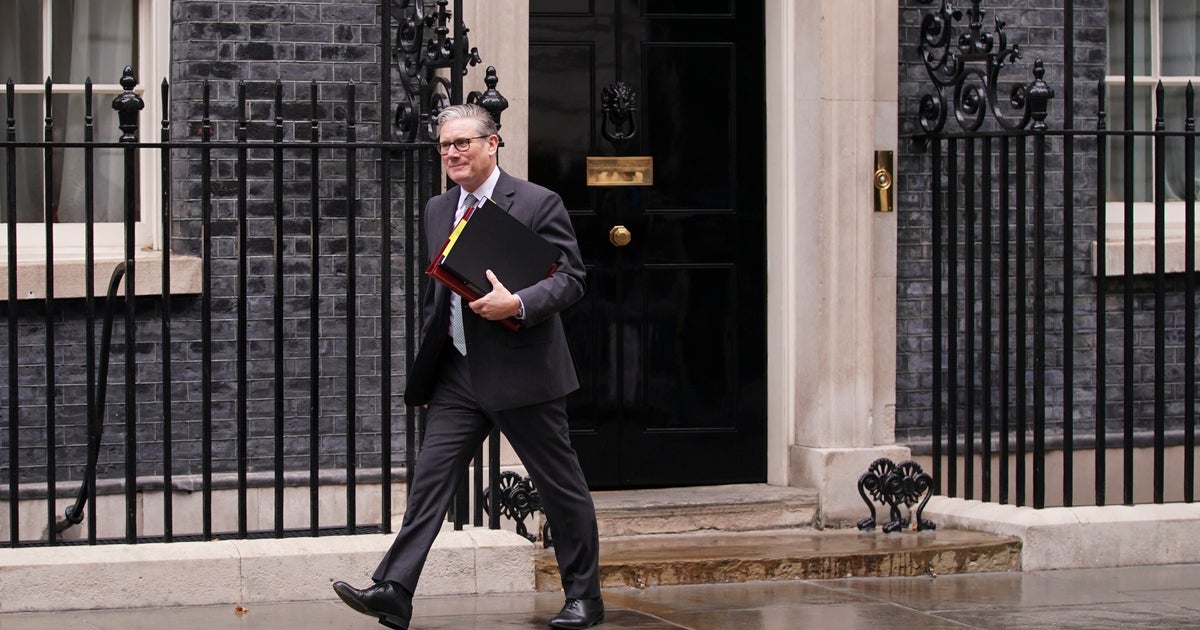
The prime minister faces a date with destiny on two fronts at the beginning of next week.

First up on his agenda is a UK-EU summit in London where, he hopes, the details of his “reset” with Brussels will be unveiled.

Later in the day, Starmer will run the gauntlet when he faces a Parliamentary Labour Party (PLP) that is growing more fractious by the week.

Government sources say negotiations on the EU deal will go to the wire and that, inevitably, “nothing is agreed until everything is agreed”, but there is little doubt that a deal of some kind will emerge.

It will include an agreement on the movement of agri-foods between the UK and the bloc, a key demand of British businesses left frustrated by the trade barriers which have resulted from Brexit.

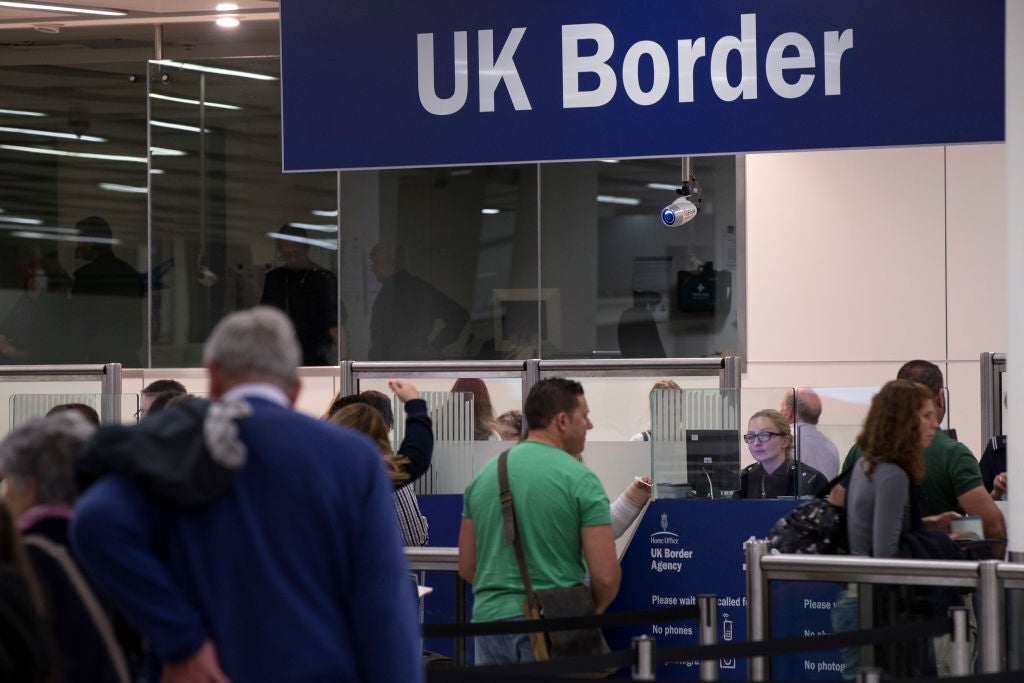
A youth mobility scheme making it much easier for 18 to 30-year-olds to travel between the UK and the EU will also form part of the deal, although Downing Street is keen to emphasise that this does not mean a return to freedom of movement.

Those entering this country will be able to stay for a limited time only, while the Home Office is pushing for a cap on numbers as they try to bring down immigration.

“We already have similar youth mobility agreements with the likes of India, Uruguay and Australia, and any scheme will be smart and controlled,” one senior government figure pointed out.

An agreement on closer security and defence co-operation between London and Brussels will also be struck, with the UK giving the French greater access to British fishing waters in return.

Starmer is ready for hardened Brexiteers to cry betrayal, while those on the other side of the debate will accuse him of not going far enough by ruling out a return to the EU customs union and single market.

But he believes that the vast majority of voters will welcome his attempts to improve relations with the UK’s closest trading partner.

One insider told HuffPost UK: “The Tories took us out of the EU without a plan for growth or on things like asylum.

“The British public know that the current deal isn’t working, which is why we are negotiating a better one.”

The agreement on agri-foods – Sanitary and Phytosanitary (SPS) products in the EU jargon – will “remove barriers to trade to stop all those lorries getting backed up at Dover while also making food will be cheaper in the shops”, No.10 says.

“We know that the opposition will say it’s a Brexit betrayal, but that’s a silly argument because that’s saying we don’t want any deal with the EU,” a government source said.

“That means they’re happy for all that red tape to continue and for British businesses to be hamstrung. The Tories have already criticised the India and US trade deals, so who do they expect British businesses to go and trade with?.

“We’re in a strong place to show the country that we’re delivering for workers.”

New polling by Ipsos shows that the British public are increasingly of the view that the UK needs closer ties with Europe, even if it comes at the expense of our relationship with America. Just over half (51%) are of that opinion, up from 42% in March.

Naomi Smith, chief executive of the pro-EU campaign group Best for Britain, said: “Removing trade barriers with the EU will deliver significant economic growth in every region of our country – more than any other policy idea in the government’s arsenal – and Starmer must urgently secure a common sense deal with Europe to make this happen.”

Happily for the PM, the vast majority of Labour MPs appear to be backing his EU strategy.

Bolton West MP Phil Brickell told HuffPost UK: “This isn’t about going over old Brexit battles, but ensuring we can address the issues that matter so much to my constituents – tackling cross-border crime, building a stronger defence industry, preventing irregular migration and supporting British firms wanting to do business in Europe. All of these matter at a time of increasing global insecurity.”

Starmer would be advised to focus on his EU deal when he addresses the PLP in Committee Room 14 at 6pm on Monday.

In the wake of Labour’s local elections disaster, and the by-election defeat in Runcorn and Helsby, it isn’t difficult to find an MP with an axe to grind.

The most common complaint is about the decision to means test the winter fuel payments, at a stroke removing it from 10 million pensioners.

In Hamilton, Lanarkshire, where Labour is battling to beat Reform UK to second place behind the SNP in a Holyrood by-election, voters are registering their disapproval of that policy before slamming the door on anyone who comes calling wearing a red rosette.

“Winter fuel has the potential to do as much damage to us as increasing tuition fees did to the Lib Dems,” said one Labour MP.

“The people in No.10 need to take off their lanyards and get out and meet some voters.”

HuffPost UK understands that Rachel Reeves is now convinced of the need to at least water down the policy so that more pensioners qualify for the payment, making a U-turn far more likely.

A third place finish for Labour in Hamilton would certainly register in Downing Street. The local MP is Imogen Walker, the wife of Starmer’s chief of staff, Morgan McSweeney.

One Conservative MP who has been canvassing in the constituency even suggested that the prime minister is as unpopular north of the border as Margaret Thatcher. In Scottish political terms, there is no harsher criticism.

Meanwhile, more than 100 Labour MPs have signed a letter to the government chief whip warning that they cannot, without some concessions from Downing Street, vote for planned cuts to disability benefits.

Starmer’s speech last Monday’s speech unveiling the government’s plans to slash immigration – which drew comparisons with Enoch Powell – has also enraged many of his backbenchers.

While the PM’s own position is not currently up for debate, he quickly needs his EU deal, alongside those with India and the US, to translate into an increase in support among the country at large.

A YouGov poll showed that his favourability rating is now the lowest its ever been, with even Labour voters turning against him in alarming numbers.

With the next election potentially still four years away, and with politics in a seemingly permanent state of flux, Starmer has plenty of time to turn things around.

On Monday night, he will be left in no doubt that he needs to up his game, and soon.

Share Button

Angela Rayner: Our Workers’ Rights Package Will Tackle Insecurity And Change Britain

I know only too well how a lack of security can affect your mental wellbeing.

I’ve been there as a working mum, making my own way in life. I was often unsure if I could make ends meet from one week to the next, simply because my income wasn’t guaranteed.

Tackling this insecurity in the world of work is at the heart of what I’m fighting for as deputy prime minister. My determination comes from personal experience and it drives me on every single day.

It’s why our Plan for Change is focused on delivering genuine security and common sense reforms for millions of hardworking people.

Having decent pay, a stable home and a strong sense of community are essential for our wellbeing and sense of purpose, but far too often they aren’t there when we need them.

Mental Health Awareness Week (May 12 – May 18) is a powerful reminder of this. This year’s theme of ‘Community’ says it all: it’s about our need for stability, and a sense of belonging in a supportive home and working environment.

“Insecurity blights lives, and we’re putting all this right”

And that means certainty about the roof over your head at night, the job you set off to in the morning, the money in your pocket at the end of the week, and your rights, should you fall ill.

As our analysis of the government’s pro-growth, pro-worker, and pro-business Employment Rights Bill shows, supporting employee wellbeing makes for a happier, healthier and more productive workforce – potentially giving the economy a multi-billion pound shot in the arm each year.

Already, our swift action to boost the National Living Wage and National Minimum Wage is paying off. And with our bill making its way through parliament, we are making life fairer for millions of workers.

Because we know it’s unfair for people to have no choice but to work without guaranteed hours or income.

It’s unfair for them to be threatened with unfair dismissal even if they’ve done nothing wrong.

And for them to be sacked unless they agree to accept lower pay or worse terms and conditions.

As for having to wait three days without sick pay when you are ill – no one should have to endure the added stress of financial hardship while they are unwell.

This insecurity blights lives, and we’re putting all this right.

Together, we’re building a fairer, more secure future for everyone.

Our reforms protect you from being sacked without good reason.

Workers on unstable pay will have the right to a contract with guaranteed hours, bringing the security they deserve.

The rise in the living wage will boost incomes for the lower paid, because we believe that a hard day’s work merits fair pay.

And every worker will get Statutory Sick Pay for the first time – and from day one of illness.

“We are delivering on what our country needs to see and feel real change”

Overall, we are opening more doors to employment by making work more flexible and family-friendly, giving employers access to a wider pool of talent across the country.

At the same time, we are taking urgent action to build the affordable homes our country needs, so people have the vital security of a roof over their heads.

We’re reforming the planning system to speed up the construction of 1.5 million homes – including more social housing – and we’re ending section 21 no fault evictions to give renters more stability and security.

These changes, together with the significant new powers we’re giving local leaders, will mean communities can take back control of their futures and help build stronger, more resilient neighbourhoods. Local people will be able to invest in what matters most to them, from buses to homes.

Work is underway on our £1.5 billion Plan for Neighbourhoods, aimed at regenerating and restoring pride in 75 left-behind areas across the UK. Soon, we’ll be announcing new neighbourhood boards and chairs, bringing together residents and businesses to spend their £20 million of funding.

We know that building stronger, more connected communities is vital for people’s wellbeing – a key concern in this Mental Health Awareness Week. Being part of a supportive neighbourhood helps us feel safe and less alone; and it’s important for me that our Plan for Neighbourhoods isn’t just about physical regeneration but making the social connections that underpin a healthier, more resilient society.

So we are making work pay, ending insecurity, and we are delivering on what our country needs to see and feel real change – because we’re a government that works for working people.

Angela Rayner is the deputy prime minister, the secretary of state for Housing, Communities and Local Government and MP for Ashton-under-Lyne..

Share Button

Here’s Why Lucy Powell’s Comments On Grooming Gangs Really Matter

Timing, as in good comedy, is vital in politics.

That’s why Lucy Powell’s comments on Friday night about the child grooming gangs scandal really matter.

The House of Commons leader lost her composure during an appearance on Radio Four’s political debate programme Any Questions.

It came after Reform UK campaigner Tim Montgomerie mentioned a Channel 4 documentary on the abduction and rape of vulnerable young girls by groups of men of mainly British-Pakistani backgrounds.

Powell interrupted to say: “Oh we want to blow that little trumpet now, do we? Let’s get that dog whistle out shall we, yeah?”

It didn’t take long for her comments to provoke a backlash on social media, with Reform and the Tories both piling in as well.

A spokesman for Nigel Farage’s party said: “Lucy Powell’s abhorrent comments truly demonstrate how out of touch the Labour Party is.”

Of course, Powell’s remarks – for which she later issued an apology of sorts – would have ignited a fierce political row regardless of when she said them.

Labour has been heavily criticised for rejecting calls for a national inquiry into the scandal, preferring instead to promote investigations at a local authority level.

But it was the fact that her outburst came just hours after Reform UK – which has campaigned heavily on the issue – had won the local elections in England that made them so politically toxic for Labour.

As well as taking hundreds of council seats off the Tories, the right-wing party also showed that they can pull off stunning victories in traditional Labour areas like Durham and Doncaster.

With Reform also breathing down Labour’s neck in many of the areas where the grooming scandal took place, Powell’s words could almost have been deliberately chosen to cause maximum reputational damage to her party.

No wonder one senior figure in No.10 called them “appalling”.

According to The Sunday Times, education secretary Bridget Phillipson will be sacked at the next cabinet reshuffle, with Lisa Nandy also facing the axe along with her Department for Digital, Culture, Media and Sport.

Senior Labour figures are now openly speculating that Powell’s neck is also on the chopping block.

“She shouldn’t be allowed on broadcast,” one told HuffPost UK, while another said: “What a car crash.”

For now at least, Downing Street appears to be backing Powell to ride out the storm.

Health secretary Wes Streeting offered up a stout defence of her on the broadcast round this morning, saying: “We all make mistakes. I’ve made mistakes in the past, I’m sure I’ll make mistakes in the future.

“The important thing is when we make mistakes, we own it, we apologise. That’s exactly what Lucy has done.”

But it would not be a surprise if, come the reshuffle, Powell finds herself on the backbenches.

Share Button

How Keir Starmer Will Take A Leaf Out Of Margaret Thatcher’s Book After Labour Local Election Losses

Margaret Thatcher had a phrase she often repeated when challenged on her strident adherence to her unapologetically right-wing economic principles.

“There is no alternative,” the former Conservative prime minister would say to those who pointed out the social unrest and industrial devastation her policies were causing.

The initials of those four words led to Thatcher being given the nickname “Tina” by friend and foe alike.

She was rewarded with three election victories before finally being dumped when her MPs finally tired of her intransigence.

While he would not welcome the comparison, there is undoubtedly something Thatcheresque about Keir Starmer and his supporters’ response to Labour’s performance at the local elections.

“I’ve seen it suggested that we just scrap the fiscal rules so we can borrow and spend more – that’s just a recipe for higher interest rates,” said one of the PM’s allies.

“There’s no easy solution, it’s just hard work.”

Although Labour did manage to cling on to the mayoralties in North Tyneside, Doncaster and the West of England, the overall picture for Labour was one of bitter disappointment.

Nowhere typified this more than Runcorn and Helsby, where Labour saw their 14,700 majority wiped out by Reform UK’s Sarah Pochin, albeit by just six votes.

Meanwhile, Labour lost more than 100 councillors – most of them to Reform UK – confounding polling experts who had forecast they would make modest gains.

Nevertheless, the mood in 10 Downing Street is that the party must stick to the path it is currently on, regardless of the incoming fire.

“Because trust is so thin in politics we are taking all the downside because there is no upside to point to yet.””

– Labour source

One senior party source told HuffPost UK: “If we’d got six more votes in Runcorn, on top of the three mayoral wins, I’d be feeling quite positive overall.

“We’re a year into a long-term project, we’ve had to do lots of tough stuff and people are giving us a chance to get it done. But those six votes in Runcorn make a big difference to the mood.”

Another insider said: “We get it, we understand it, we’ve got to deliver real, tangible change. For example, we are doing stuff to clean up rivers but we’ve had to put up water bills to do it. Because trust is so thin in politics we are taking all the downside because there is no upside to point to yet.”

One cabinet minister pointed out that turning the country round takes time: “You can’t do it in an afternoon.”

But it was not hard to find Labour critics of the party hierarchy, however.

Ros Jones had only been re-installed as mayor of Doncaster for a few minutes before she was telling the BBC precisely why Reform UK had come within 700 votes of removing her from office.

“I think national government needs to look and see what people are saying,” she said.

“I wrote [to Starmer] as soon as [scrapping] the winter fuel allowance was mooted and I said it was wrong.

“The results tonight demonstrate that they need to be listening to the man, woman and businesses on the street and actually deliver for the people, with the people.”

The decision to increase National Insurance payments for employers, as well as slash disability benefits, were two more policies which had cost Labour votes, Jones said.

A former MP said the winter fuel allowance decision is coming up on doorsteps “time and time again”.

He said: “I think they’ve got to do something to show voters that we get it and we’re listening. Overturning the winter fuel policy would make a huge difference to how the government is perceived in the country.”

Those on the left of the party also accused the PM of pandering to Reform and demanded an urgent change of direction.

“This really highlights how fragile Labour’s electoral coalition is”

– Chris Hopkins, political research director at Savanta

Neal Lawson, director of the campaign group Compass, said: “Labour are squandering their general election victory – people in Runcorn voted for change and instead Labour are giving them more of the same. It’s paving the way for Reform.

“Labour need to understand that if people want Reform’s policies then they will vote for Reform – and if they can close the gap this much in 11 months, imagine what it might be in five years.

“What should terrify Labour strategists in Runcorn is that the Green vote went up – even though Green voters knew this might let Reform in. Labour is simply not progressive enough to win even tactical support.”

Simon Fletcher, who was campaigns and elections adviser to Starmer during his first year as opposition leader, told Byline Times: “Now we can see with the real clarity of votes at the ballot box what the consequences are of a Labour government that responds to the economy’s deep-seated problems with yet more cuts to pensioners’ winter fuel payments and attacks on disabled people.”

Chris Hopkins, political research director at Savanta, said Labour’s strategy is understandable, but still represents a huge gamble.

“Labour have a really difficult job knowing what to do about Reform,” he said. “They could adopt a more populist right-leaning strategy, but they risk alienating core voters to the Lib Dems and Greens. This really highlights how fragile Labour’s electoral coalition is.

“It’s interesting that Starmer’s decision is to double down on the existing strategy; that probably makes sense as evidence of not panicking, and overly pivoting to worry about Reform, but it’s still a risk as reform are such an unknown quantity.”

Labour figures are consoling themselves with the fact that, if anything, Kemi Badenoch had an even worse night than Starmer.

The Tories lost more than 500 councillors and a swathe of councils as they were caught in a Reform UK and Lib Dem pincer movement.

A Labour source said: “Reform have done well but the Tory vote has totally collapsed.

“The usual way back into government is to acknowledge what you got wrong, change and then put that change to the country. And if that failed, you at least had a base you could rely on. I think the Tories are beyond that.

“Without a serious course correction they could actually fall to pieces. 150 years of the most successful party in the western world and they are on the verge of disappearing.”

A government minister said: “The big fight at the general election will be between Labour and whatever happens on the right. Are we seeing the demise of the Tories or will they fight back?”

One former Conservative cabinet minister said that after just six months as party leader, Badenoch is already on borrowed time.

“She’s got a year to turn it around,” he said. “The one thing saving her right now is that there’s nobody else who could do it.”

Share Button

Why Local Election Night Could Be Even Worse For Labour Than The Tories

On the face of it, the forecast did not appear to be too bad for Labour.

Lord Hayward, the Tory peer and polling expert, said his party are on course to lose 500 seats in next Thursday’s local elections.

Labour, meanwhile, could end up with roughly the same number of councillors they have now, and could even pick up a few extra.

But the headline figures do not even come close to telling the full story, and hide a worrying trend that is causing headaches in 10 Downing Street.

For a start, the Conservatives are defending around 900 council seats compared to Labour’s 250.

In the normal run of things, a bad night for the Conservatives – which May 1 will undoubtedly be – should mean a good one for Labour, with the party picking up a hefty chunk of Tory seats.

The main beneficiaries of the Tory collapse this time, however, are set to be Reform UK, who could see their number of councillors soar by around 450.

Ominously for the prime minister, many of those will be in the Midlands and the North, part of the fabled “Red Wall” of seats which were Labour for decades before switching to Boris Johnson’s Tories in 2019.

Although they reverted to Labour last July, party strategists know they are vulnerable to Reform next time around – and the local elections look set to confirm that.

What’s more, Labour could also see their 15,000 majority evaporate in the Runcorn and Helsby by-election taking place on the same day, with Reform poised to claim the seat.

But it is not just Reform who are taking support from Labour.

Polling shows that a significant chunk of those who voted for Starmer last July, and are unhappy with the government, are looking to the Lib Dems and Greens rather than throw their lot in with Nigel Farage’s right-wing party.

Lord Hayward told HuffPost UK: “Labour initially thought that their biggest threat came from Reform, and so took their eye off the ball when it comes to the Lib Dems and the Greens. They’ve finally woken up to it and are seriously concerned.

“Next Thursday could be a terrible night for Labour. They are going to get hit very hard by Reform, and are also going to do badly against the Lib Dems and Greens in Oxford and Cambridge, and possibly in the West of England mayoralty as well.”

Labour insiders describe the mayoral election for the Cambridgeshire and Peterborough Combined Authority as “on a knife-edge” and are hoping it will provide a shaft of light on an otherwise gloomy night.

However, No.10 sources say former Tory minister Andrea Jenkyns, now in Reform, will “win easily” to become the mayor of Greater Lincolnshire.

Polling by YouGov suggests Reform are the favourites to win the mayoralty in Hull and East Yorkshire, and also confirmed Hayward’s belief that the Greens will prevail in the West of England.

One Labour source said: “Next Thursday’s going to be tough. We’ve done a lot of difficult things since last July, and it’s not unusual for a new government to get hammered in their first council elections.

“We’ll take a battering but so will the Tories.”

Policies like slashing aid spending and scrapping winter fuel payments for 10 million pensioners are the main reason why many left-of-centre voters will switch to the Lib Dems and Greens.

But the Labour source said: “We don’t take our voters for granted, but we have also introduced a radical workers’ rights package and increased the minimum wage. Those are serious progressive policies which are moving the country forward.”

Keiran Pedley, director of UK politics at Ipsos, said it was not unusual for governing parties to be “attacked from left and right”.

“At last year’s general election, the Conservatives lost support to Reform UK over immigration and to Labour and Liberal Democrats over the cost of living, public services and other issues,” he pointed out. “Now in government themselves, Labour face a similar challenge.”

He said Ipsos’ data shows that around one-fifth of those who voted Labour last year now have an unfavourable view towards the party – meaning their support is now up for grabs.

“This group places immigration as the third most important issue, behind health and the cost of living, with at least some of them likely vulnerable to Reform UK,” he said.

However, Pedley also revealed that around one-third of 2024 Labour voters are now favourable towards the Lib Dems and Greens.

He said: “This suggests that if Labour do not deliver on core issues that matter to their voting coalition – as well as addressing public concern over immigration – they could be vulnerable on both their left flank and the right come the next general election, and the elections on May 1 will be a signpost to this.”

Green co-leader Carla Denyer said the government’s apparent desire to win back voters from Reform UK has presented a massive opportunity for her party.

It’s really clear that voters want to see positive change in this country – and they’re not getting it from Labour,” she told HuffPost UK.

“On the contrary, we’ve seen a litany of failures and bad choices, whether it’s cutting benefits for disabled people or giving the go-ahead to climate-wrecking airport expansion.

“There are plenty of voters out there who feel that Labour has abandoned them in their attempts to chase Reform voters – and who can see that unlike the Labour party, the Greens are actually offering a genuine alternative to the last decade and a half of austerity and decline.”

The Lib Dem are also licking their lips at the prospect of taking votes off both the Tories and Labour next Thursday.

Party insiders agree with Lord Hayward’s analysis that the Tories could lose control of all 15 councils they currently run and which are up for election.

Lib Dem leader Ed Davey’s vocal criticism of Donald Trump, as well as his campaign for people to buy British produce to counteract US tariffs, appears to be going down well with those unhappy with Starmer’s more cautious approach.

“Disappointment with Labour is growing on the doorsteps,” said one senior party source.

Downing Street’s response to next Thursday’s results will be to keep calm and carry on, with preparations already well underway for what will be announced at Labour’s annual conference in the autumn.

However, experienced party insiders can see more storm clouds gathering on the horizon.

“This time next year it will be very difficult indeed for Labour in the Scottish Parliament and Welsh Assembly elections,” said one. “That is when we could see people lose their minds.”

Another source said the PM had no option but to focus on keeping the promises he made to the country before the election.

“The government has just got to get on and deliver – the stakes are really that high.”

Share Button

Shock Poll Shows Reform UK On Course To Win Next General Election

Reform UK are on course to win the next general election, according to a shock mega-poll.

Nigel Farage’s party would emerge with the most MPs in what would be a major political earthquake.

The More in Common think-tank asked more than 16,000 people who they would vote for if the election – expected in 2029 – was taking place tomorrow.

It showed that Reform, Labour and the Conservatives all have around 24% support among the electorate.

Using the so-called “MRP” method to give a seat-by-sea breakdown of that result, it showed Reform would have 180 MPs, a staggering 175 more than they got elected last July.

Labour would lose 246 seats leave them on just 165, the same number as the Tories.

Keir Starmer’s party would suffer “historic losses” in traditional heartlands in Wales, Greater Manchester and Yorkshire, with 10 cabinet ministers losing their seats.

Among the big names who are at risk are deputy prime minister Angela Rayner, health secretary Wes Streeting, chancellor of the Duchy of Lancaster Pat McFadden and home secretary Yvette Cooper.

The Lib Dems would lose five seats to leave them on 67, while the SNP would once again re-emerge as the biggest party in Scotland, surging by 26 to leave them with 35 MPs.

A total of 10 independent MPs would be elected, according to the poll, with Plaid Cymru up one on five seats, with the Greens unchanged on four.

The result throws up the possibility of Farage becoming prime minister at the head of Reform-Tory coalition.

However, Labour could also try to piece together a rainbow coalition with the Lib Dems, SNP and Greens.

Luke Tryl, More in Common’s UK director, said: “We are a long way from a General Election and trying to predict the result is a fool’s errand, but what we can say for certain is that as of today British politics has fragmented to an unprecedented level. The coalition for change that elected Keir Starmer’s government has splintered right and left.

“Nigel Farage’s Reform UK emerges as the biggest winners of this parliament so far, with our model suggesting that they could well become the largest party in parliament, something almost unthinkable a year ago.

“Though the party remains a long way from being able to secure a majority, it is clear Reform’s momentum is real and the question is whether their new level of support represents the start of a path to government or a ceiling that Farage’s polarising brand finds hard to overcome.”

Tryl said Labour “find themselves on the wrong side of a disillusioned electorate frustrated at the slow pace of change and some of the government’s early missteps”.

He added: “The Conservatives meanwhile may breathe a sigh of relief they haven’t been entirely wiped out, but despite Labour’s unpopularity their seat total would only return to 1997 levels and they would suffer further losses to Reform UK, while winning back few of their Liberal Democrat losses in the home counties.

“But the truth is the nature of a splintered electorate more than anything means elections for the next few years will be highly unpredictable with candidates winning on small shares of the vote and knife-edge results.

“The test for all three main parties will be which one can prove to the electorate that they can really deliver the change the public so desperately wants to see.”

Share Button

Can Nigel Farage Break Down Labour’s Re-Built Red Wall – Or Will Voters ‘Smell His Bull****’?

Nigel Farage can hardly be accused of not making his intentions clear.

Reform are parking their tanks on the lawns of the Red Wall,” he told activists and candidates at a working men’s club in County Durham last week.

“Today is the first day I’ve said that, but I absolutely mean it – we’re here, and we’re here to stay.”

With local elections – and the crunch Runcorn by-election – looming on May 1, Farage is turning on the charm as he tries to woo traditional Labour voters to the Reform cause.

Somewhat bizarrely for a man who has made no secret in the past of his admiration for Margaret Thatcher, Farage is now talking about “reindustrialising” the UK, demanding the nationalisation of British Steel and even cosying up to the trade unions.

It is all part of a strategy of winning over those Labour voters in the North and the Midlands who backed Brexit in 2016, supported Boris Johnson’s Tories in 2019 and then, disillusioned, returned to the Labour fold last year.

Millions of votes and dozens of Red Wall seats are up for grabs at the next general election as Farage sets his sights on 10 Downing Street.

Former Labour MP Jonathan Ashworth, now chief executive of the Labour Together think-tank, believes Farage is on a hiding to nothing, however.

He told HuffPost UK: “Northerners aren’t daft and will smell Farage’s bullshit from a mile away.

“Farage has spent his whole political career backing Thatcherite economics which devastated industrial communities. He opposes workers’ rights and decent pay rises. It’s clear as day the NHS will never be safe in Reform hands.

“All Reform offers the so-called Red Wall is a route to helping the Tories back into power, leaving working people paying the price.”

A No.10 source, meanwhile, said: “While Nigel Farage was in CountyDurham pretending to care about the working class, [business secretary] Johnny Reynolds was literally at Immingham Port watching the raw materials being unloaded to keep British Steel going.

“And when the PM visited Scunthorpe he got a standing ovation from the workforce, so this idea that we can’t win there now is nonsense.”

Nigel Farage shows a mug that was presented to him before signing a book of condolence for Margaret Thatcher after her death on 2013.

PAUL ELLIS via AFP via Getty Images

Exclusive analysis for HuffPost UK by pollsters Ipsos shows there is potential for Reform to make real inroads into Labour’s heartlands.

In former manufacturing and mining areas in the north of England and south Wales, there is a strong feeling among voters that they have been left behind by successive Tory and Labour governments.

Jobs, policing, public transport and affordable housing are all areas of concern for these voters, while only 24% think public services will improve in the next two to three years.

Gideon Skinner, the firm’s senior director of UK politics, said there is “fertile ground of public discontent for Reform UK to take advantage of, both nationally and in their target areas”.

“In particular, people are attracted to Reform because they see it as a party that will deliver change, and keep their promises,” he said. “They have a leader in Farage who is seen as strong with a lot of personality, who understands the problems facing Britain – especially on getting immigration under control – and who represents traditional British values.”

So far, Labour’s strategy for dealing with the Reform threat has been to highlight Farage’s past comments about moving the NHS to a French-style insurance model and to accuse the party of being “Putin’s poodles”.

Farage’s well-known support for Donald Trump is also seen as another weak spot, something he has appeared to acknowledge by criticising the US president in recent weeks.

Skinner added: “Reform UK still have work to do to correct some of the more negative views about them, which makes these local elections an important test for them.

“Nationally, while they lead on immigration and are neck-and-neck on crime, they trail Labour on other key issues like the NHS, the economy, housing, transport, and education.

“People are worried that a Nigel Farage-led government would be divisive, too close to Donald Trump, and that Reform doesn’t have enough talent to build a competent administration. And overall Keir Starmer still leads Nigel Farage in the public’s mind as best prime minister.”

One Labour Party veteran said: “While our attacks on Farage about the NHS are not the silver bullet, they are cutting through and damaging Reform. It is definitely better than calling them far right and putting our heads in the sand.

“There isn’t much point going after Farage in the way there wasn’t with Boris; he needs to blow himself up, and he will. The Reform attack needs to be nuanced and should develop into a wider critique of their bonkers economic policies, or lack of them to be more precise.”

Keir Starmer received a hero's welcome when he visited Scunthorpe after the government stepped in to save British Steel.
Keir Starmer received a hero’s welcome when he visited Scunthorpe after the government stepped in to save British Steel.

via Associated Press

The local elections on May 1 will tell us more about which of Reform’s main rivals has more to worry about at the moment.

The Tories are defending more than 900 seats and, by Kemi Badenoch’s own admission, are heading for a bad night. Around 600 fewer Labour seats are up for grabs, meaning they won’t sustain as much damage.

Whatever happens, it seems certain that Reform are on course for major gains – as a Survation poll for The Sun appeared to confirm last week.

But an ally of Keir Starmer told HuffPost UK that the political landscape will look very different come the next general election.

“The Tories and Reform are either going to have to kill the other or merge before the next election,” he said. “If Reform kill the Tories, then the choice is whether you want Keir or Farage to be prime minister.

“We win in that scenario because millions of people who cannot stand the thought of Farage in No.10 will vote Labour to stop it happening.

“But if the Tories kill Reform then that is potentially a problem for us because they are more likely to unite that centre-right and right-wing vote.

“Basically, the people who voted Reform last year are never going to vote Labour. We need to attract those who didn’t vote Reform but could drift off to them next time.”

The defining battle of the next four years in British politics could well be whether or not Labour succeeds in preventing Nigel Farage from painting the Red Wall turquoise.

Share Button