Young people are being urged to have their measles, mumps and rubella vaccine following a rise in measles cases.


Young people are being urged to have their measles, mumps and rubella vaccine following a rise in measles cases.

A cabinet minister has been condemned after he said people need to “move on” from a race row engulfing the Tory Party’s biggest donor.
Frank Hester, who gave the Conservatives £10 million last year, reportedly said Diane Abbott made him “want to hate all black women” and that she “should be shot”.
But work and pensions secretary Mel Stride said that while the remarks were “inappropriate”, it was not “a gender-based or a race-based comment”.wes
He added: “He has apologised and I think we need to move on from that.”
Shadow health secretary Wes Streeting said Stride’s response showed the Tory Party was “rotten to its core and unfit for office”.
Former Tory adviser Sam Freedman said: “This line is so appalling that it can only be in use because Hester is demanding that they stick to his line.
“Mel Stride is not a stupid person. There is no way he thinks this is a good or reasonable line.”
Asked if the Tories should hand back the money Hester gave them, he said: “We can’t cancel anybody from participation in public life, or indeed donating to parties because they said something intemperate and wrong in their past.
“It’s not my decision, but I do welcome those who support the Conservative Party to ensure that we have Rishi Sunak – our first Hindu prime minister.”

Allegations of poor practice at major UK provider Health Assured have been made to BBC File on 4.

A new study of how high school students respond to a program designed to increase the frequency and quality of conversations about race in school finds that the anti-racist intervention did not cause stress or feelings of alienation among study participants. The finding rebuts concerns that anti-racist programs are harmful to children and teens.
The study could serve as a blueprint for assessing anti-racist interventions.
“Young people are aware of racial injustice and related social issues, and schools are interested in helping students understand racial justice and develop the tools they need to discuss these issues in a meaningful way,” says Kelly Lynn Mulvey, co-author of a paper on the work and an associate professor of psychology at North Carolina State University.
“There are multiple programs that aim to help schools accomplish these goals,” Mulvey says. “In this study, we wanted to determine how effective one such program was. Did it help students understand racial justice issues? Did it make them more comfortable talking about these issues? Were there any unintended effects on the students?”
For the study, researchers from NC State, Duke University and Dickinson College worked in partnership with a public high school to assess the impact of a classroom intervention aimed at helping students understand and discuss issues related to racism. The intervention was conducted for 45 minutes once a week for 10 weeks. Specifically, the researchers did an assessment of 227 students before the intervention and three months after the intervention, aimed at capturing how engaged students were, how students related with staff, the extent to which students felt that they belonged in the school community, student stress, and the extent to which students perceived social inequality.
In addition, 67 of the study participants also completed daily surveys for three weeks during the intervention. These surveys were designed to capture daily fluctuations in each student’s stress levels and feelings of belonging.
“One of the key findings was that 60% of study participants reported being highly engaged with the intervention, and another 20% were passively/somewhat engaged,” says Jackie Cerda-Smith, first author of the paper and a Ph.D. student at NC State.
“Students in our study were actively interested in learning about and discussing issues related to racism,” says Mulvey. “And the highly engaged group demonstrated significant growth in their awareness of social inequality after the intervention.
“We also found that there was no increase in stress — or decrease in feelings of belonging — on days when students were involved in the anti-racism intervention,” Mulvey says. “That was true for all 67 participants who did daily surveys, regardless of how engaged they were in the intervention.”
“A lot of the opposition to addressing racism in schools hinges on the idea that anti-racist programming is somehow harmful or stressful for students,” says Cerda-Smith. “Our study finds that, at least with this program in this school, students are actually benefiting from these programs. What’s more, there is no evidence that the intervention is stressful or has an adverse impact on students’ feelings of belonging in their school community.
“Based on what we learned here, and on our interactions with the educators at this school, this study also underscores the value of partnerships between educators and the research community,” Cerda-Smith says. “We were able to capture real-world data on how students are responding to anti-racist interventions, which expands our understanding of this subject and gives teachers insights into their students. Hopefully, this will encourage more researchers and educators to pursue partnerships like this one.
“This study was particularly valuable for teachers at our partner school, because it took place during the pandemic when classes were being conducted online,” Cerda-Smith says. “Normal social cues that would help teachers determine how students were responding weren’t available, but our assessment gave them insights into students’ experiences with the intervention.”
“Another exciting component of this study was that we were able to capture student experiences in a variety of ways,” says Mulvey. “Many studies rely solely on pre-intervention and post-intervention testing to see what has changed. By having a subset of study participants provide data on a daily basis, we were able to better understand the effects of the intervention in real time. Further, we were able to capture student engagement with the intervention and see how that engagement related to outcomes. Previous work on this subject didn’t capture the role that engagement plays.
“This approach could serve as a model for future work aimed at broadening our understanding of anti-racist interventions, or other interventions in schools — such as interventions that focus on mental health or academic skills,” says Mulvey.
The paper, “A Novel Approach for Evaluating a Schoolwide Antiracist Curriculum Intervention,” is published open access in the journal AERA Open. The paper was co-authored by Paula Yust, an assistant professor of psychology at Dickinson College; Molly Weeks, director of research in Duke University’s Office of Undergraduate Education; and Steven Asher, a professor of psychology and neuroscience at Duke University.
The research was supported by a grant from the American Educational Research Association.

In a new study published in Proceedings of the National Academy of Sciences (PNAS), researchers from the University of Minnesota Medical School investigated brain development to understand how different areas of the brain become specialized in handling information such as vision, sound, touch and planning.
The study found that different areas of the brain start with a similar organization rather than already being specialized in early development. This suggests that the brain might use a single shared blueprint to guide early development.
“Throughout life, the brain continually builds on the foundations set earlier in development. This strong similarity in early development across very different areas of the brain suggests that neurodevelopmental disorders — such as autism or schizophrenia, which affect many different parts of the nervous system — may act similarly across these different brain areas,” said Gordon Smith, Ph.D., assistant professor at the U of M Medical School and principal investigator on the study. Dr. Smith is also a member of the Medical Discovery Team on Optical Imaging and Brain Science.
In collaboration with the Frankfurt Institute of Advanced Studies, the research team used advanced optical imaging techniques to measure spontaneous activity in diverse brain areas. They found that even in different parts of the brain — such as those responsible for hearing, seeing and feeling touch — as well as in areas linked to thinking in both the front and back part of the brain, the activity in networks of brain cells showed a very similar organization during early development. Researchers discovered that nerve cells in these areas work together in small, synchronized groups. These groups are part of bigger networks that cover millimeters in each part of the brain.
“This type of organization has long been a hallmark of visual brain areas, but finding it in other regions — especially in non-sensory regions like the prefrontal cortex — was a surprise,” said Dr. Smith.
Ongoing research will examine other brain regions at different stages of development to determine how the common blueprint identified in this study changes over time.
Funding for this study was provided by the National Institutes of Health’s National Eye Institute [R01EY030893-01], Whitehall Foundation, National Science Foundation and Germany’s Federal Ministry of Education and Research.

With the help of 16 grants from the National Science Foundation, researchers have painstakingly taken computed topography (CT) scans of more than 13,000 individual specimens to create 3D images of more than half of all the world’s animal groups, including mammals, fishes, amphibians and reptiles.
The research team, made of members from The University of Texas at Arlington and 25 other institutions, are now a quarter of the way through inputting nearly 30,000 media files to the open-source repository MorphoSource. This will allow researchers and scholars to share findings and improve access to material critical for scientific discovery.
“Thanks to this exciting openVertebrate project, also called oVert, anyone — scientists, researchers, students, teachers, artists — can now look online to research the anatomy of just about any animal imaginable without leaving home,” said Gregory Pandelis, collections manager of UT Arlington’s Amphibian and Reptile Diversity Research Center. “This will help reduce wear and tear on many rare specimens while increasing access to them at the same time.”
A summary of the project has just been published in the peer-reviewed journal BioScience reviewing the specimens that have been scanned to date and offering a glimpse of how the data might be used in the future.
For example, one research team has used the data to conclude that Spinosaurus, a massive dinosaur that was larger than Tyrannosaurus rex and thought to be aquatic, would have actually been a poor swimmer, and thus likely stayed on land. Another study revealed that frogs have evolved to gain and lose the ability to grow teeth more than any other animal.
The value of oVert extends beyond scientific inquiry. Artists are using the 3D models to create realistic animal replicas. Photographs of oVert specimens have been displayed as part of museum exhibits. In addition, specimens have been incorporated into virtual reality headsets that allow users to interact with the animals.
Educators also are able to use oVert models in their classrooms. From the outset of the project, the research team placed a strong emphasis on K-12 outreach, organizing workshops where teachers could learn how to use the data in their classrooms.
“As a kid who loved all things science- and nature-related and had a particular interest in skeletal anatomy, I would go through great pains to collect, preserve and study skulls and other specimens for my childhood natural history collection, the start of my scientific inspiration,” Pandelis said. “Realizing that you could study these things digitally with just a few clicks on a computer was eye-opening for me, and it opened up the path to my current research using CT scans of snake specimens to study their skull evolution. Now, this wealth of data has been opened and made publicly accessible to anyone who has a professional, recreational or educational interest in anatomy and morphology. Natural history specimens have never been so accessible and impactful.”
In the next phase of the research project, the team will be creating sophisticated tools to analyze the data collected. Since researchers have never had digital access to so many 3D natural history specimens before, it will take further developments in machine learning and supercomputing to use them to their full potential.
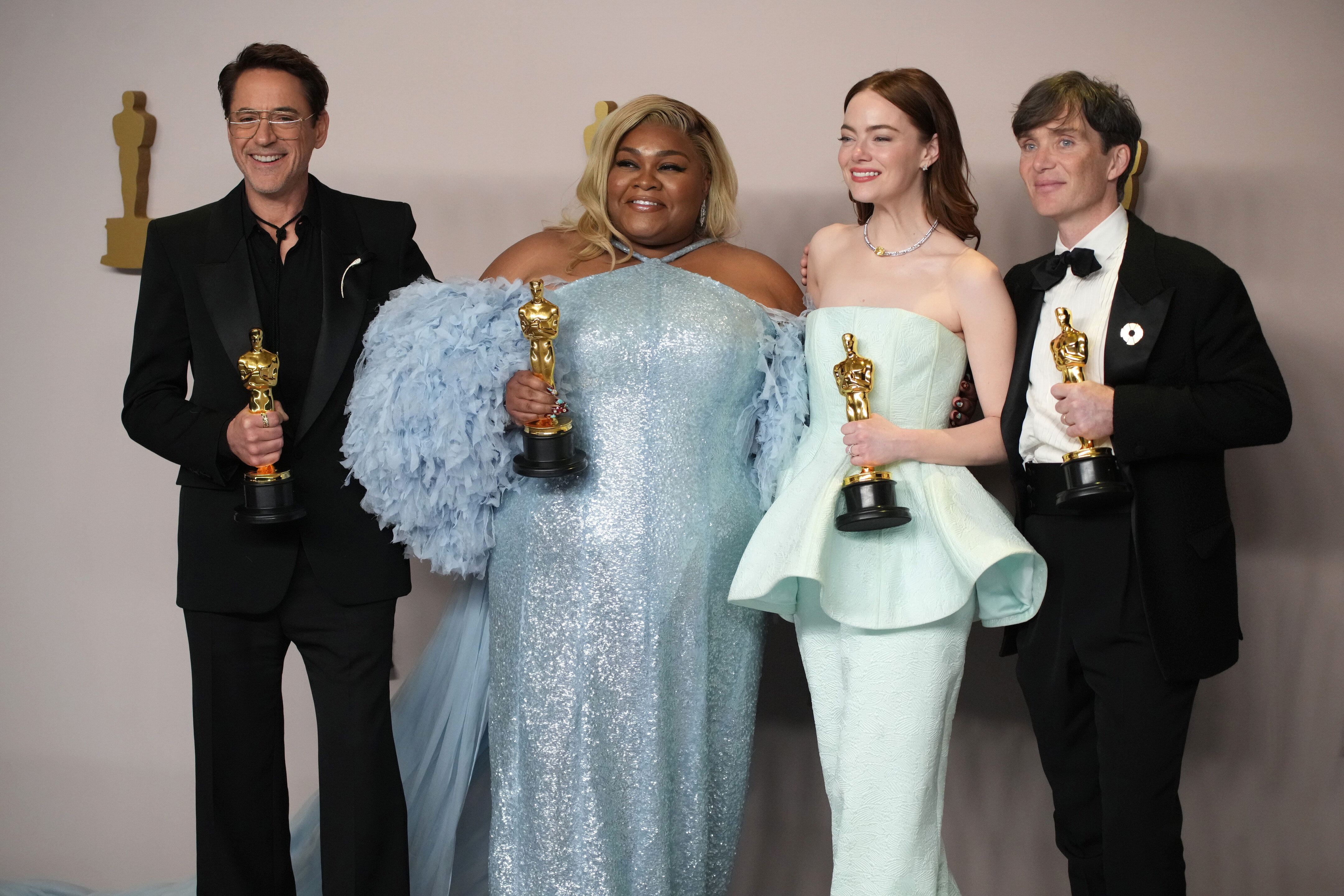
Of course, winning an Oscar is priceless. But buying one? Well, depending on who you are, that might be much cheaper than you think.
The first Oscar to be sold was hawked by Harold Russell in 1992 for a cool $55k.
And that’s a steal in comparison to other sales ― Steven Spielberg purchased Bette Davis’s 1938 Best Actress Oscar for $578,000, for instance, and in 2014, Joseph Wright’s 1943 Best Colour Art Direction Oscar for My Gal Sal sold for $79,200.
Not a bad profit considering the statue only costs $400 to make, right?
Anyone who wins an Oscar has to sign an agreement that includes a 1951 no-resale rule introduced by the Academy of Motion Picture Arts and Sciences.
In 2015, a court ruling changed a rule that meant anyone selling an Oscars statue should offer it to the Academy for $10 first, and lowered it to one measly dollar.
“Award winners shall not sell or otherwise dispose of the Oscar statuette, nor permit it to be sold or disposed of by operation of law, without first offering to sell it to the Academy for the sum of $1.00,” says the Academy’s site.
“This provision shall apply also to the heirs and assigns of Academy Award winners who may acquire a statuette by gift or bequest.“
The Academy has successfully sued people who have tried to sell their Oscar without first giving them their $1 shot ― including the owner and auction house behind the Joseph Wright sale we mentioned before.
In that case, the statue was returned to the Academy.
So, technically an Oscar is only worth a single US dollar (blood, sweat, and tears nonrefundable).

The review focuses on devices frequently used in the NHS, like pulse oximeters and skin cancer apps.

Lee Anderson used to believe that MPs who defect to other parties should face being kicked out of parliament, it has emerged.
The former Tory deputy chairman announced this morning that he was switching to Reform UK.
Asked whether he would now call a by-election in his Ashfield seat, both Anderson and Reform UK leader Richard Tice said there was no need because the general election will take place soon.
Advertisement
But in 2020, Anderson backed a private members’ bill calling for MPs who change parties to face a recall petition so their constituents could decide whether they should be forced to trigger a by-election.
The Recall of MPs (Change of Party Affiliation) Bill was debated by the Commons on September 2 that year.
Its proposer, Anthony Mangnall, said changing parties “is clearly a breach of the spirit of the contract between ourselves and our constituents”.
He added: “Parties are often more visible than the candidate, from their leaders to their cabinets and their manifestos. They act as a magnet to either attract or repel voters to or from to their cause.
Advertisement
“So when a candidate who has campaigned using those logos, promoting that manifesto and supporting that leader switches sides, they are doing so against everything they told the thousands of voters they connected with during the election. This is not promoting democracy; it is degrading it.”
Anderson was one of 55 MPs who voted for the bill, which has not made it to the statute book.
But despite his previous stance, Anderson – who lost the Tory whip last month over comments he made about Sadiq Khan – today said he was switching sides because “I want my country back”.
He has already been removed from all Tory MP WhatsApp groups, and faced criticism from some of his former colleagues in the party.
However, Conservative backbencher Mark Pritchard told Sky News that “the door will always be left open” for Anderson is he wants to return.
He said: “Lee will always be welcome in the Conservative Party if he decides to come back.”


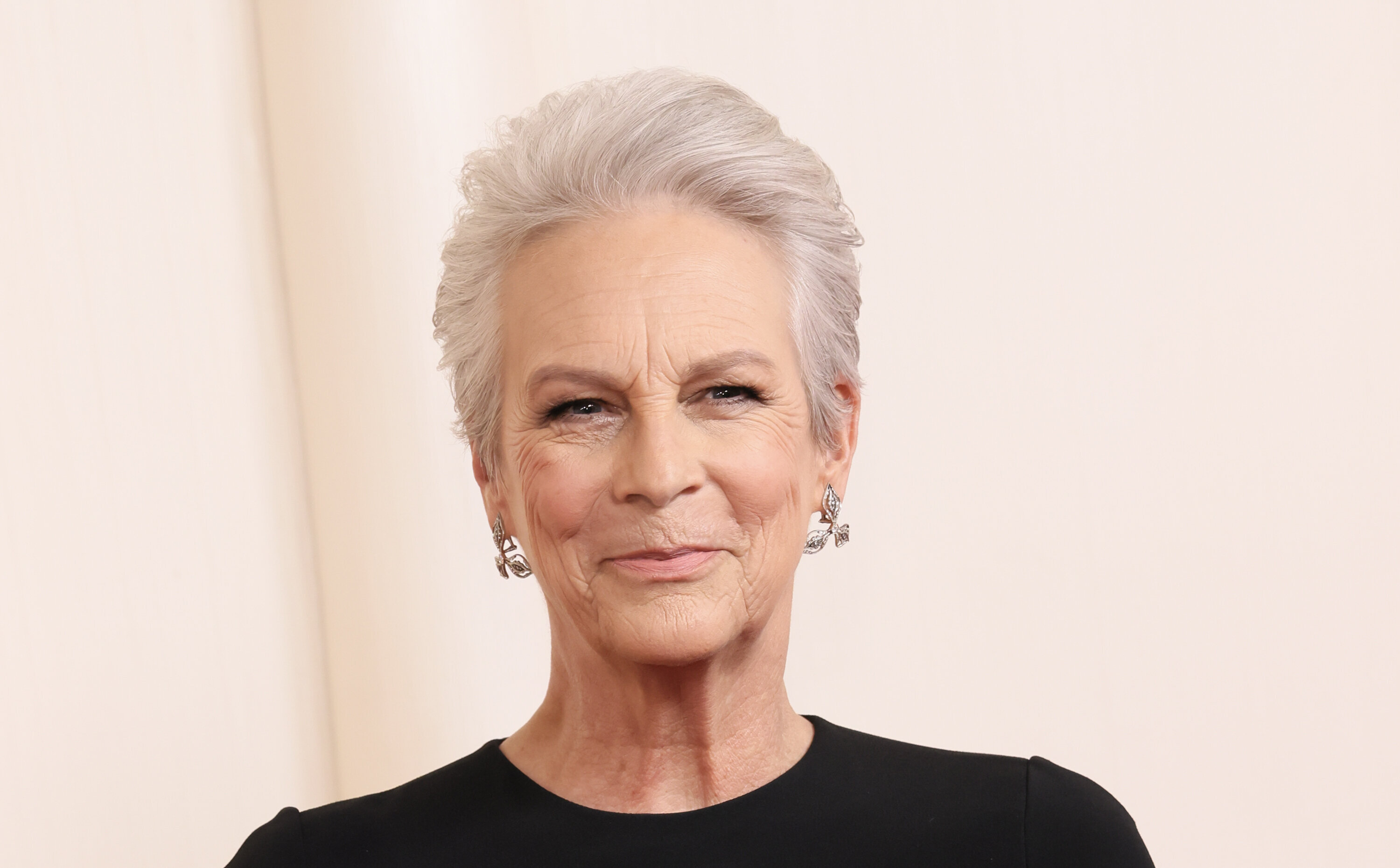
Jamie Lee Curtis, who won Best Supporting Actress last year for her role in Everything Everywhere All at Once, attended last night’s Oscars awards in a glam black gown.
The actor was there to co-present the Best Supporting Actress award (which went to Da’vine Joy Randolph for The Holdovers this year).
However, she left early ― which is relatable in and of itself, but which becomes way more “she’s just like me”-level real when you realise why.
Basically, she was hungry.
The actor posted on Instagram after the event to say that she’d dropped out as soon as she’d finished presenting to grab an In’N’out burger, sharing a snap of the tempting melee of fries and buns.
“FLY IN [check emoji] GET FLUFFED AND FOLDED [check emoji] PRESENT AT OSCARS [check emoji] GO TO @inandout_burger [check emoji] FLY AWAY,” the post read.
Predictably, commenters were full of praise