Valentine’s Day More Expensive Thanks To Tory ‘Cost Of Loving Crisis’, Says Labour

Rishi Sunak’s “cost of loving crisis” has made it more expensive to be romantic on Valentine’s Day, Labour has warned.

Flowers, wine, chocolate, ice cream, meals out and hotel stays have all soared in price since 2018.

Labour said official figures revealed people are paying “l’amour for less”, with the average cost of several classic gifts and treats having increased by 30%.

Shadow Treasury minister James Murray said: “Whether it’s flowers or chocolates, a meal out or a night in, even Valentine’s Day is being hit by the Tories’ failure on the economy.

“It’s no wonder people have fallen out of love with the Conservatives.”

Office for National Statistics (ONS) figures showed cut flowers and chocolate are 14% more expensive.

The price of a bottle of wine is now 38% higher – now costing £22.

And the cost of a main course in a restaurant has increased by 36%, with a pudding now 30% more expensive.

But staying at home still costs more, with chilled pot deserts increasing in price by a 41% and ice cream up by 15%.

A hotel stay is now more than £110 on average – 45% more expensive than in 2018.

The figures also revealed a trip to the theatre has increased in price by 42% and popcorn at the cinema is 24% more expensive than in 2018 at nearly £6.

Share Button

Blake Lively Expertly Responds To Ryan Reynolds’ Super Bowl Trolling

Blake Lively knows exactly how to handle husband Ryan Reynolds’ trolling attempts.

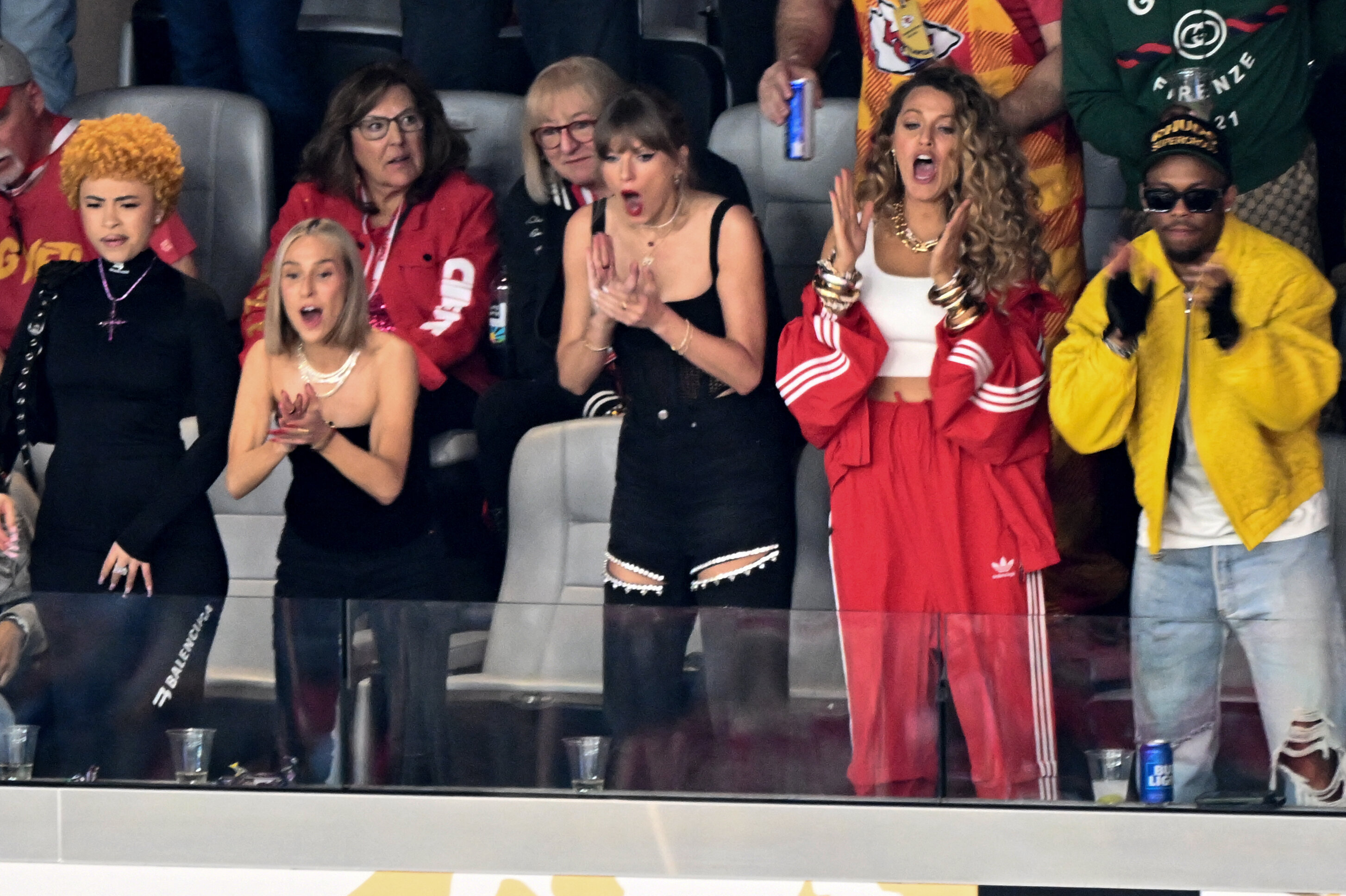
Reynolds expertly called out Lively, who attended the Super Bowl with Taylor Swift on Sunday, during the big game.

“Has everyone seen the #Deadpool trailer?” he wrote on Instagram on Sunday, as the trailer for his new film, Deadpool 3, dropped during the game.

“Also, has anyone seen my wife?” Reynolds quipped, referencing his wife’s high-profile attendance at the game alongside Swift.

Of course, Lively had the perfect retort ready for her husband of over 10 years.

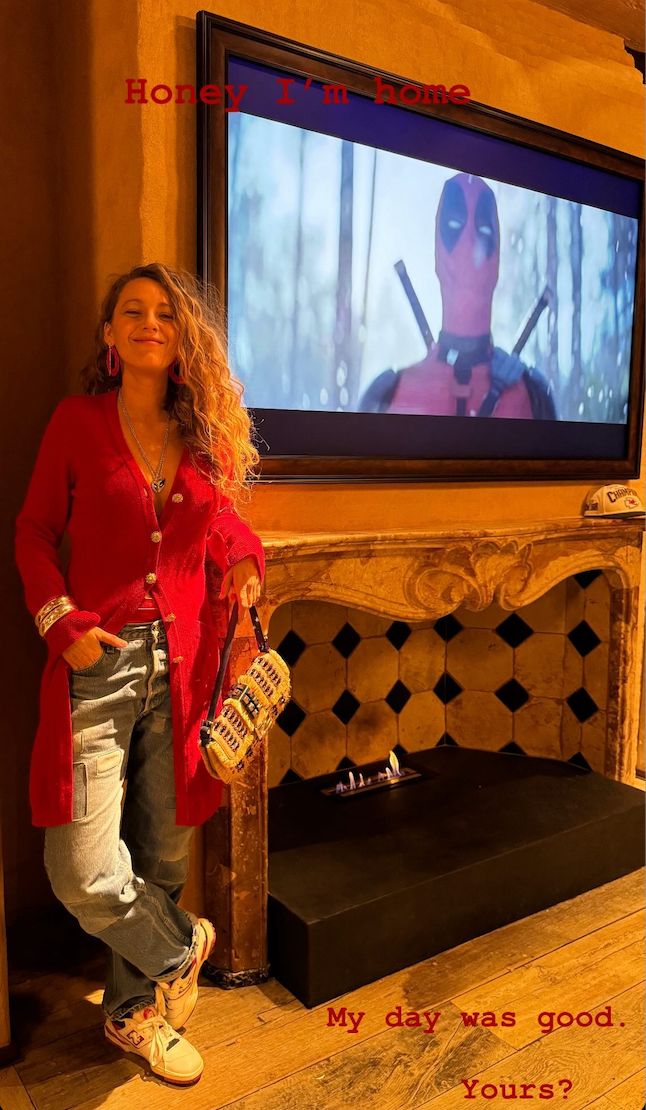
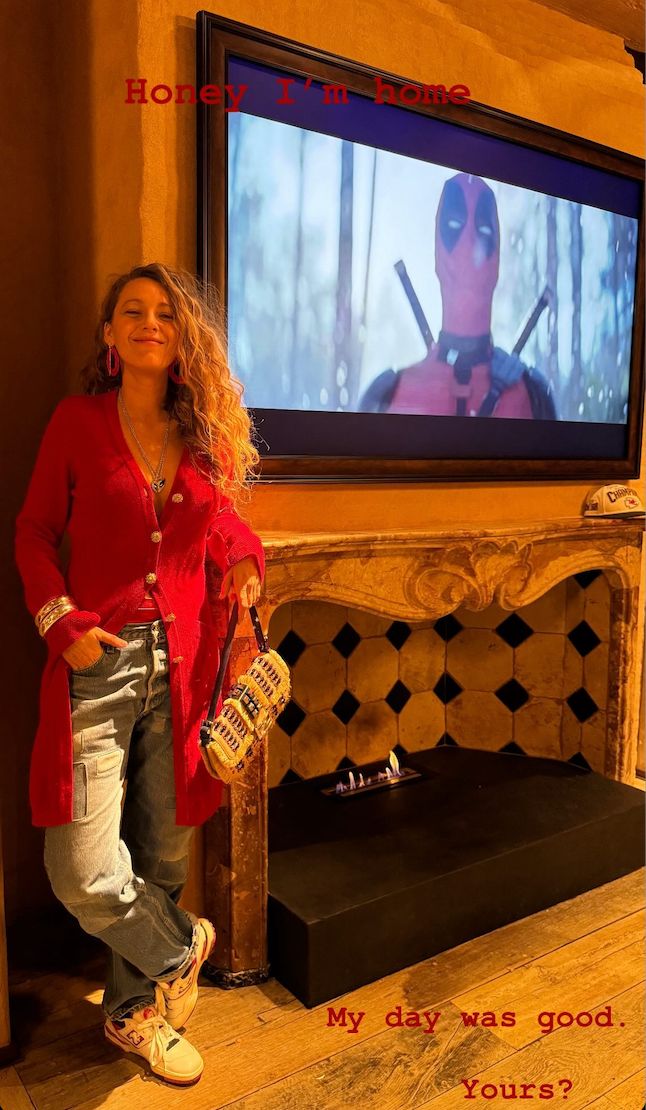
“Honey, I’m home,” the Gossip Girl actor posted to her Instagram story after watching the Super Bowl and celebrating at the after-party in Las Vegas.

“My day was good. Yours?” she added, posing in front of the exact same spot Reynolds did, with Deadpool on in the background.

Blake Lively/Instagram

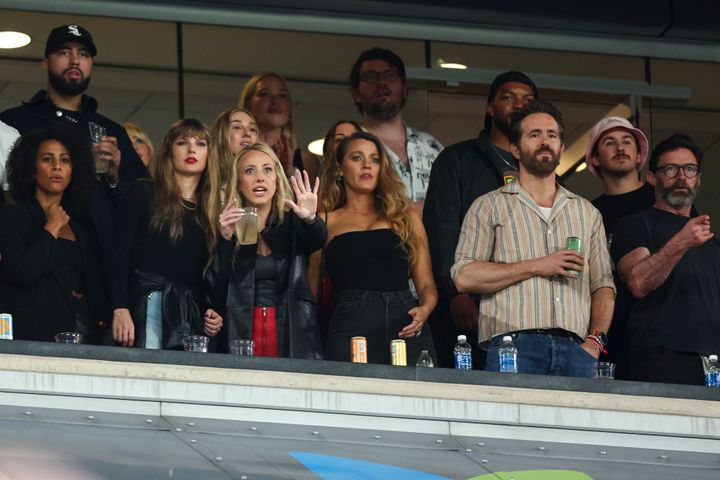
Earlier this year, both Lively and Reynolds attended a Kansas City Chiefs game with Swift to help cheer on her beau, Travis Kelce.

The Spirited actor later told “Extra” that he had “a lot of fun” at the game ― and seemingly referenced the effect Swift’s relationship with Kelce had on the NFL.

“The NFL right now is reaching a kind of fever pitch, you know, that’s usually only reserved for the Super Bowl,” Reynolds said back in October. “But, you know, here we are at the fourth or fifth game of the year and it’s already happening.”

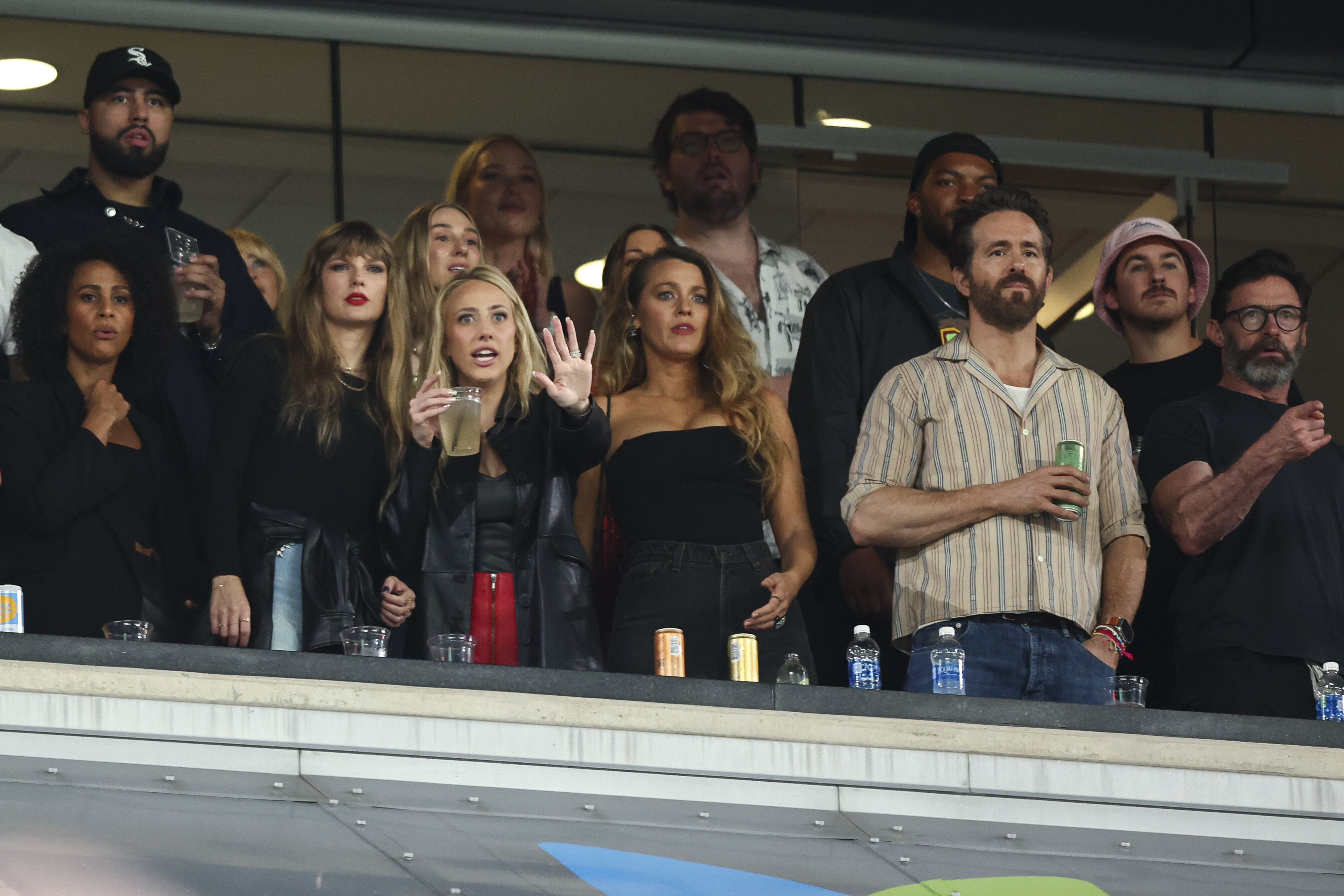
Taylor Swift, Brittany Mahomes, Blake Lively, Ryan Reynolds, and Hugh Jackman watch from the stands during an NFL football game between the New York Jets and the Kansas City Chiefs on Oct. 1, 2023, in East Rutherford, New Jersey.

Kevin Sabitus via Getty Images

Swift’s appearance at the Super Bowl marked the 13th time the singer has attended one of Kelce’s games. Given that 13 is her lucky number, some Swifties thought the significant milestone would bring good luck to the Chiefs.

Whatever was in the air obviously worked, as the Chiefs beat the San Francisco 49ers in overtime.

Share Button

New study reveals dynamic impact of nicotine on brain regions responsible for reward and aversion

A new study led by researchers at the Marshall University Joan C. Edwards School of Medicine sheds light on the intricate interplay of brain regions involved in nicotine’s effects on the human brain.

The research, published in eNeuro, an open-access, peer-reviewed scientific journal published by the Society for Neuroscience, explores how nicotine influences key areas associated with reward and aversion, showcasing a nuanced relationship that varies based on dosage, sex and distinct brain regions. The medial habenula (MHb), a region known for regulating nicotine aversion, takes center stage in the study. Researchers discovered that MHb activity experiences fluctuations, either heightened or diminished, depending on factors such as the amount of nicotine consumed, dosage variations (with or without menthol), and the sex of the subject. Intriguingly, this modulation was not mirrored in reward centers like the ventral tegmental area, challenging previous assumptions about nicotine’s impact.

“This study demonstrates that the activity of crucial brain regions associated with nicotine dependence is altered in different ways based on nicotine dosage and sex,” said lead researcher Nathan Olszewski, a biomedical research doctoral student at Marshall University in the laboratory of Brandon J. Henderson, Ph.D. “Nicotine usage affects individuals uniquely, making it advisable for users to exercise caution.”

The study employed a vapor-inhalation model of nicotine self-administration in mice, utilizing nose poking to earn nicotine vapor deliveries. Employing patch-clamp electrophysiology, researchers elucidated changes in neuronal excitability in the medial habenula and ventral tegmental area based on nicotine dosage and sex. Fast-scan cyclic voltammetry was also used to assess changes in dopamine release dynamics in the nucleus accumbens.

“In our field, attention has predominantly focused on specific regions like the ventral tegmental area,” said Henderson, an associate professor of biomedical sciences at Marshall University. “This study underscores the necessity of exploring other brain areas controlling the negative aspects of nicotine exposure.”

The researchers aim to expand their investigation to other brain regions, particularly focusing on the interplay between the MHb and the interpeduncular nucleus (IPN). This circuit, known as the aversive pathway of nicotine usage, plays a crucial role in limiting nicotine intake and withdrawal symptoms. Future research will utilize electrophysiology, confocal microscopy and RNA-fluorescent in situ hybridization (FISH) to understand how nicotine alters the activity and expression of nicotinic acetylcholine receptors in this aversive circuit.

In addition to Olszewski and Henderson, Samuel Tetteh-Quarshie, another Ph.D. student in the Henderson laboratory, is a co-author on the study. This study was supported with grant funding (#DA050717 to Henderson) from the National Institute on Drug Abuse (NIDA).

Share Button

Desert ants: The magnetic field calibrates the navigation system

They are only a few centimeters tall and their brains have a comparatively simple structure with less than one million neurons. Nevertheless, desert ants of the Cataglyphis genus possess abilities that distinguish them from many other creatures: The animals are able to orient themselves to the Earth’s magnetic field.

Visible Changes in the Nervous System

A research team from Julius-Maximilians-Universität Würzburg (JMU) discovered this a few years ago. However, it was previously unknown where in the ants’ brains the magnetic information is processed. This has now changed: In a new study published in the journal PNAS — Proceedings of the National Academy of Sciences, the team shows that information about the Earth’s magnetic field is primarily processed in the ants’ internal compass, the so-called central complex, and in the mushroom bodies, the animals’ learning and memory centers.

Professor Wolfgang Rössler, holder of the Chair of Behavioral Physiology and Sociobiology at the University of Würzburg, Dr. Pauline Fleischmann, former scientist at the Chair of Behavioral Physiology and Sociobiology and now a member of the Neurosensorics/ Animal Navigation working group at the University of Oldenburg, and Dr. Robin Grob, who has since moved from Rössler’s chair to the Norwegian University of Science and Technology in Trondheim, were responsible for this study.

First Exploratory Walks for Calibration

“Before an ant leaves its underground nest for the first time and goes in search of food, it has to calibrate its navigation system,” says Pauline Fleischmann, explaining the background to the work. During so-called learning walks, the animals then explore the immediate surroundings around the nest entrance and repeatedly pirouette around their own body axis with short stops in between. During these pauses, they always look exactly back in the direction of the nest entrance, even though they cannot see it — a tiny hole in the ground.

Thanks to their field studies in southern Greece, where Cataglyphis ants are native, Fleischmann and her colleagues were able to prove that desert ants orient themselves to the Earth’s magnetic field during the learning walk phase. Pauline Fleischmann and Robin Grob were once again on site in Greece. This time, however, they not only investigated the ants’ orientation behavior while the magnetic field was being manipulated, but also looked for changes in the nervous system of Cataglyphis as an expression of the newly acquired experience.

A Faulty Magnetic Field Disrupts the Learning Process

The zoologists concentrated on young workers that had not yet undertaken any learning walks. The animals were only allowed to set off as part of the precisely planned experiments — sometimes under natural conditions, sometimes in a permanently manipulated magnetic field that, for example, displayed chaotic directions or did not allow horizontal orientation. With this faulty directional information, it was not suitable as a reliable reference system for the ants’ behavior to look back to the nest entrance during the learning walks.

The result: “Our neuroanatomical brain analyses show that ants exposed to an altered magnetic field have a smaller volume and fewer synaptic complexes in an area of the brain responsible for the integration of visual information and learning, the so-called mushroom body,” explain Fleischmann and Grob. In the central complex, the region of the ant’s brain in which spatial orientation is anchored, the same findings were observed under certain conditions.

The Number of Synaptic Connections Increases

Desert ants that were allowed to make their first excursions under natural conditions were clearly different. Their sensory experiences, a combination of information about the magnetic field, the position of the sun and the visual environment, triggered a learning process that was accompanied by structural changes in the neurons and an increase in synaptic connections in the aforementioned brain regions.

According to the scientists, this leads to the conclusion that magnetic information not only serves as a compass for navigation, but also as a global reference system that is crucial for the formation of spatial memory.

In Search of the Sensory Organ

The results of their experiments prove “that ants need a functioning magnetic compass during their learning walks in order to calibrate their visual compass and at the same time store images of the nest environment in their long-term memory,” as Pauline Fleischmann and Robin Grob say. At the same time, their research extends far beyond the field of compass calibration in ants. Wolfgang Rössler emphasizes that “the results provide valuable information on how multisensory stimuli can influence neuronal plasticity of brain circuits for navigation in a critical phase of brain maturation.”

In a next step, the team now wants to investigate in which sensory organ the desert ant receives the magnetic information and via which sensory pathways it is transmitted and processed. This has not yet been achieved with any animal species that orients itself to the Earth’s magnetic field. Due to their manageable and relatively small nervous system, insects, to which Cataglyphis belongs, offer a unique opportunity to investigate the neuronal basis of magnetic orientation at all levels.

Share Button

Anabolic steroid use can increase heart disease risk, study finds

People using anabolic steroids could be increasing their underlying risk of a heart condition called atrial fibrillation, a new study has found.

The new research published in the Journal of Physiology conducted by an interdisciplinary consortium of clinicians and researchers led by University of Birmingham and collaborators in Germany.

The team found that male sex hormones, such as testosterone, also called androgenic anabolic steroids (AAS), which are misused for muscle building particularly among in young men can increase the risk of atrial fibrillation in individuals genetically predisposed to heart diseases.

Dr Laura Sommerfeld, Postdoctoral Researcher at the UKE Hamburg, who completed her PhD at the Institute of Cardiovascular Sciences at the University of Birmingham focusing on this work is lead author of the study.

Dr Sommerfeld said: “Our study can significantly contribute to understanding the impact on the heart health of young men who misuse anabolic steroids to increase muscle mass. Recent reports have shown that young men in particular are being targeted on social media such as TikTok being sold testosterone products, but we have shown how the misuse of steroids carries a specific risk that many people will not be aware of.”

Professor Larissa Fabritz, Chair of Inherited Cardiac Conditions at UKE Hamburg and Honorary Chair in the Institute of Cardiovascular Sciences at the University of Birmingham added:

“Heart muscle diseases like ARVC affect young, athletic individuals and can lead to life-threatening heart rhythm disturbances. Atrial fibrillation is a common condition in the general population. Elevated testosterone levels can result in an earlier onset of these diseases.”

The scientists examined potential effects on a condition called arrhythmogenic right ventricular cardiomyopathy (ARVC), which is genetically determined and primarily attributed to disruptions in the formation of cell connections critical for heart muscle stability.

The scientists initially confirmed, based on clinical patient data from UHB and elsewhere, that ARVC occurs more frequently and severely in men than in women. In laboratory experiments, they discovered that six weeks of AAS intake, combined with impaired cell connections, could lead to reduced sodium channel function in heart tissue and a slowing of signal conduction within the atria.

Dr Andrew Holmes, co-author and Assistant Professor in the Institute of Clinical Sciences at the University of Birmingham said:

“This work implies that young male individuals with key inherited genetic changes have a greater risk of developing electrical problems in the heart in response to anabolic steroid abuse.”

Share Button

Pesticide maker used ‘weak’ data on Parkinson’s

A UK pesticide producer did not look at key health records in its Parkinson’s study, legal papers show.

Share Button

Trump Takes His Claim Of ‘Total Immunity’ From Prosecution To Supreme Court

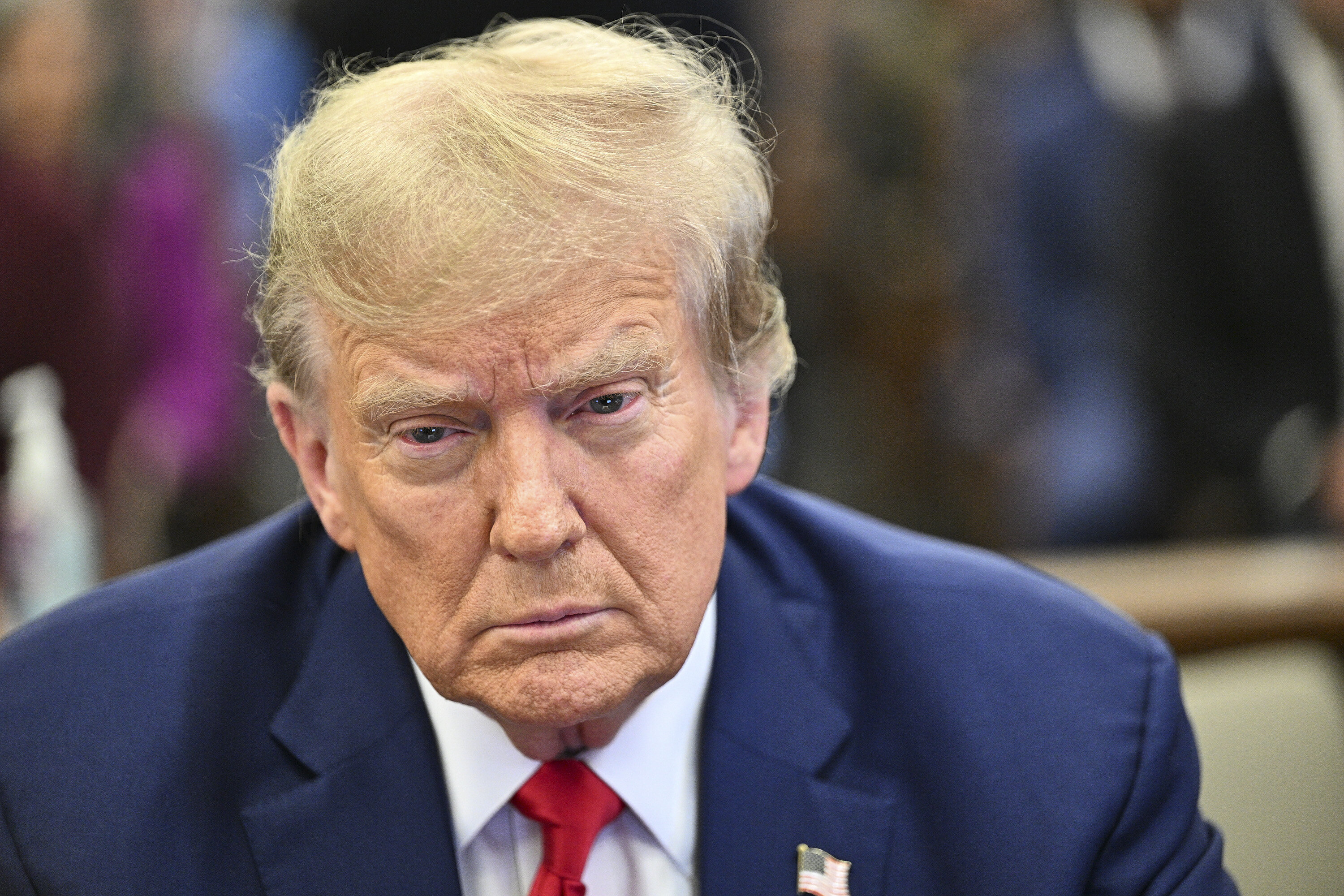
WASHINGTON ― Donald Trump has taken his claim of “total immunity” from criminal prosecution for his coup attempt to the US Supreme Court, thereby keeping his case from moving toward trial until the high court issues a ruling.

The Court of Appeals for the District of Columbia Circuit on February 6 unanimously upheld the trial court’s decision that Trump was not immune from prosecution for his actions leading up to and on the January 6, 2021, assault of the Capitol he incited to block the transfer of presidential power after he lost the 2020 election. Appellate judges told the former president he had until February 12 to file a request for a stay with the Supreme Court, which would further freeze his case until justices make a decision to take it on or not.

Trump argued to both US District Judge Tanya Chutkan and a three-judge panel of the appellate court that any and all of the actions a president takes in office are immune from prosecution and that the only way a former president can be prosecuted is if they were first impeached in the House and convicted in the Senate.

Both Chutkan and the appellate judges disagreed.

“Former President Trump’s claimed immunity would have us extend the framework for presidential civil immunity to criminal cases and decide for the first time that a former president is categorically immune from federal criminal prosecution for any act conceivably within the outer perimeter of his executive responsibility,” the appeals judges wrote.

Trump has indicated he would also ask the Supreme Court to review the substance of the appellate court ruling. If a majority of the justices agreed to overturn the appeals court, it would likely end the felony, four-count election subversion case against him.

Trump has previously said he hopes the Supreme Court’s conservative majority, particularly the three justices he appointed, will rule in his favor in his criminal cases.

In December, the Supreme Court declined to review the immunity question at the request of special counsel Jack Smith, who had asked justices to step in and decide the matter immediately.

Chutkan had slated Trump’s trial on charges of conspiracy and obstruction of an official proceeding to start in early March, but earlier this month said the case could not move forward until Trump’s appeal was settled.

Trump, though, will continue to face three other criminal prosecutions. A separate Georgia state indictment charges him with trying to overturn the election in that state. A second federal indictment is based on his refusal to turn over secret documents he took with him to his South Florida country club after leaving the White House, while a New York state indictment accuses him of falsifying business records to hide a $130,000 hush money payment to a porn actor just ahead of the 2016 election.

Despite the 91 felony charges across the four indictments, Trump is the all-but-certain Republican presidential nominee for the November election.

Share Button

Tory Peer Says Government Behaving Like ‘Despots’ Over Rwanda Bill

A Tory peer has accused the government of acting like “despots” over its Rwanda deportation policy.

As the controversial Safety of Rwanda Bill makes its way through parliament, both Tory and Labour members of the House of Lords lined up to warn of its dangers on Monday night.

Conservative grandee Lord Tugendhat, whose nephew is security minister Tom Tugendhat, took exception to attempts to overturn a Supreme Court ruling blocking the government from deporting asylum seekers to the east African country.

The peer claimed the bill could have an impact on the UK’s perception as a “marvellous place to do business because of our great respect for the rule of law”.

“I have been a member of parliament for a very long time on and off, and I have been a member of the Conservative party for some 66 years when I counted it up, and I do have to say that I find it quite extraordinary that the party of Margaret Thatcher should be introducing a bill of this kind,” Lord Tugendhat said.

He added: “What we are being asked to do really represents the sort of behaviour that the world associates with despots and autocracies, not with an established democracy, not with the mother of parliaments. It is a bill we should not even be asked to confront, let alone pass.”

The legislation is designed to overcome legal challenges to past attempts to send people to the east African country

It is central to the prime minister’s hopes of convincing voters he can “stop the boats” crossing the English channel.

The government hopes once the bill passes flights will be able to take off by the spring.

Share Button

Labour Withdraws Support For Rochdale By-Election Candidate After Anti-Israel Comments


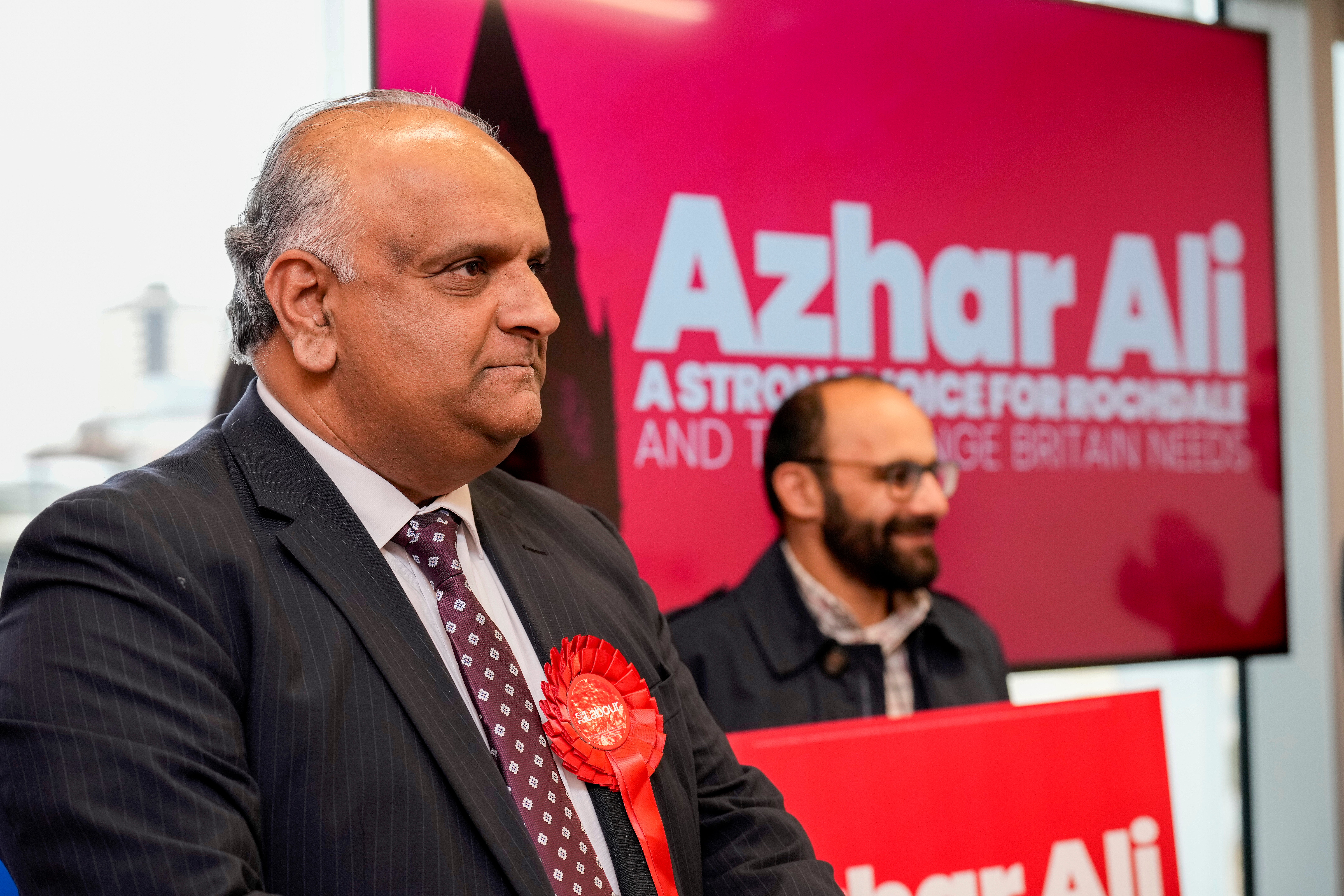
The Labour Party has withdrawn its support for Rochdale by-election candidate Azhar Ali after a backlash over his remarks about Israel, a party spokesperson has said.

It comes after The Mail on Sunday reported the councillor allegedly said Israel deliberately allowed 1,400 people to be killed on its own soil on October 7.

Ali reportedly said Israel did so in order to give the “green light” to invade the Palestinian territory of Gaza, when at a meeting of the Lancashire Labour Party.

The party stood by Ali after he apologised for his “inexcusable comments”. But on Monday night the position changed “following new information about further comments made by Azhar Ali coming to light today”.

It is too late for Labour to remove Ali as their candidate and replace him with someone else as the deadline passed on February 2.

The move is likely to mean Ali will remain the Labour candidate on the ballot paper but the party will not campaign at all.

If elected, he could be forced to sit in parliament as an independent MP.

The disarray opens up the prospect of a win for former Labour MP George Galloway, who is standing as the Workers party candidate and campaigning against Labour’s stance on Gaza.

A Labour Party spokesperson said: “Following new information about further comments made by Azhar Ali coming to light today, the Labour party has withdrawn its support for Azhar Ali as our candidate in the Rochdale by-election.

“Keir Starmer has changed Labour so that it is unrecognisible from the party of 2019.

“We understand that these are highly unusual circumstances but it is vital that any candidate put forward by Labour fully represents its aims and values.

“Given that nominations have now closed Azhar Ali cannot be replaced as the candidate.”

The by-election follows the death last month of sitting MP Tony Lloyd. Voters go to the polls at the end of the month.

Ali, who is also a Lancashire County Councillor, has apologised to the Jewish community and retracted his remarks, which he described as “deeply offensive, ignorant and false”.

Also running in Rochdale are former Labour MP Simon Danczuk, now the Reform Party candidate.

About 20% of the electorate and 30% of the population of the town are Asian, with polls nationally suggesting Labour’s vote could be hit by Asian people unhappy with the party over Palestine and its perceived support for Israel.

Share Button

NHS ‘not ready’ for new Alzheimer’s drugs

A leading charity says the NHS is unprepared for the rollout of innovative new drugs.

Share Button