How did Danish weight-loss treatment Wegovy become a global sales sensation?


How did Danish weight-loss treatment Wegovy become a global sales sensation?
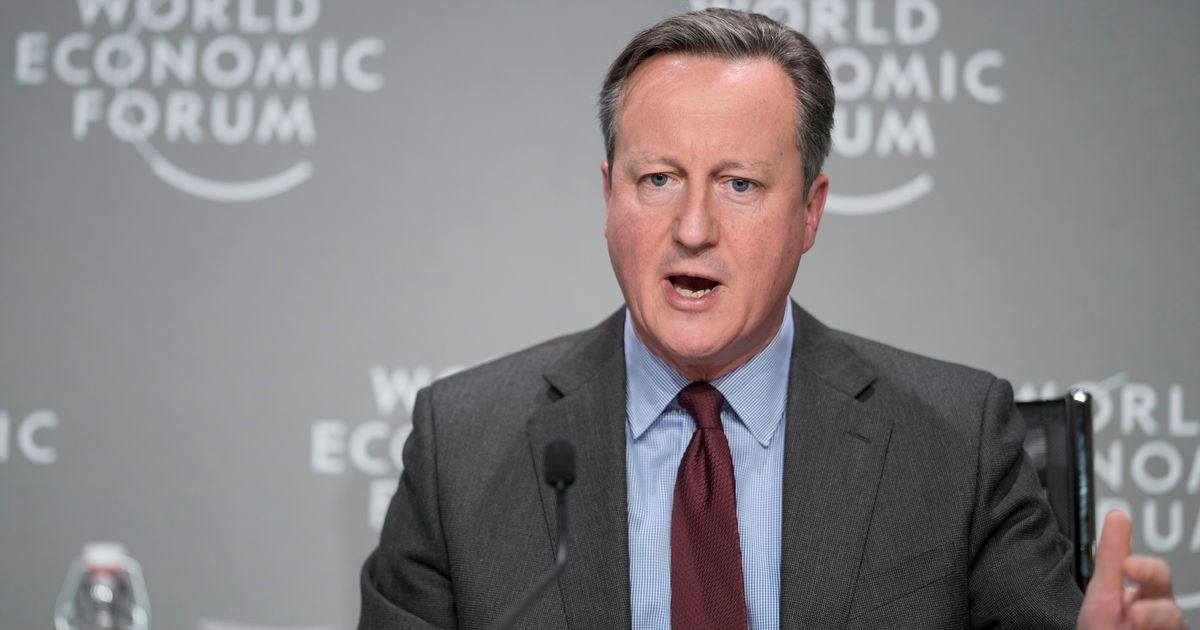
Foreign secretary Lord David Cameron has expressed concern over the next phase of the Israeli military operation in Gaza, as troops may move to the southern part of the Palestinian territory.
Israeli soldiers are expected to advance into the southern city of Rafah, which borders Egypt.
One of the last remaining areas in Gaza not yet infiltrated by Israeli troops in the four months since the war began, approximately half of Gaza’s 2.3 million population is thought to be sheltering in Rafah.
Advertisement
In a post on X (formerly Twitter) on Saturday evening, Cameron wrote: “Deeply concerned about the prospect of a military offensive in Rafah – over half of Gaza’s population are sheltering in the area.
“The priority must be an immediate pause in the fighting to get aid in and hostages out, then progress towards a sustainable, permanent ceasefire.”
Earlier this month, Cameron also said the UK could recognise a Palestinian state while Israeli negotiations with Palestinian leaders are ongoing.
Israeli PM Benjamin Netanyahu rejected Hamas’ proposals for a ceasefire last week, and said in a recent interview that “victory is within reach”.
Advertisement
He added: “Those who say that under no circumstances should we enter Rafah are basically saying, ‘Lose the war. Keep Hamas there.’”
Israel claims Rafah is the last remaining stronghold for the Palestinian militants Hamas.
Netanyahu has called for the evacuation of people in Rafah but it is not clear where any civilians could move to, as Israeli evacuation orders cover two-thirds of Gaza.
There are fears about the general conditions in Gaza are growing, too.
The UN secretary-general Antonio Guterres called for a humanitarian ceasefire before a “gigantic tragedy” develops in Rafah last week.
Joe Biden, president of Israel’s greatest ally the US, also released his strongest rebuke of the country yet on Thursday, saying the country’s recent actions were “over the top”.
Israel declared war on Hamas after the group killed an estimated 1,200 people on Israeli soil on October 7.
Advertisement
Israel’s subsequent siege and ground invasion of Gaza has killed more than 28,000 people, according to the local Hamas-run health ministry.
On Friday, Labour’s shadow foreign secretary David Lammy expressed his own concerns about the next stage of the war.
He wrote on X: “1.4 million displaced Palestinians are in Rafah, with nowhere to go. It’s the gateway for aid to Gaza.
“An Israeli offensive there would be catastrophic. Far too many civilians have already been killed or wounded.
Advertisement
“The fighting must stop now. We need a sustainable ceasefire.”

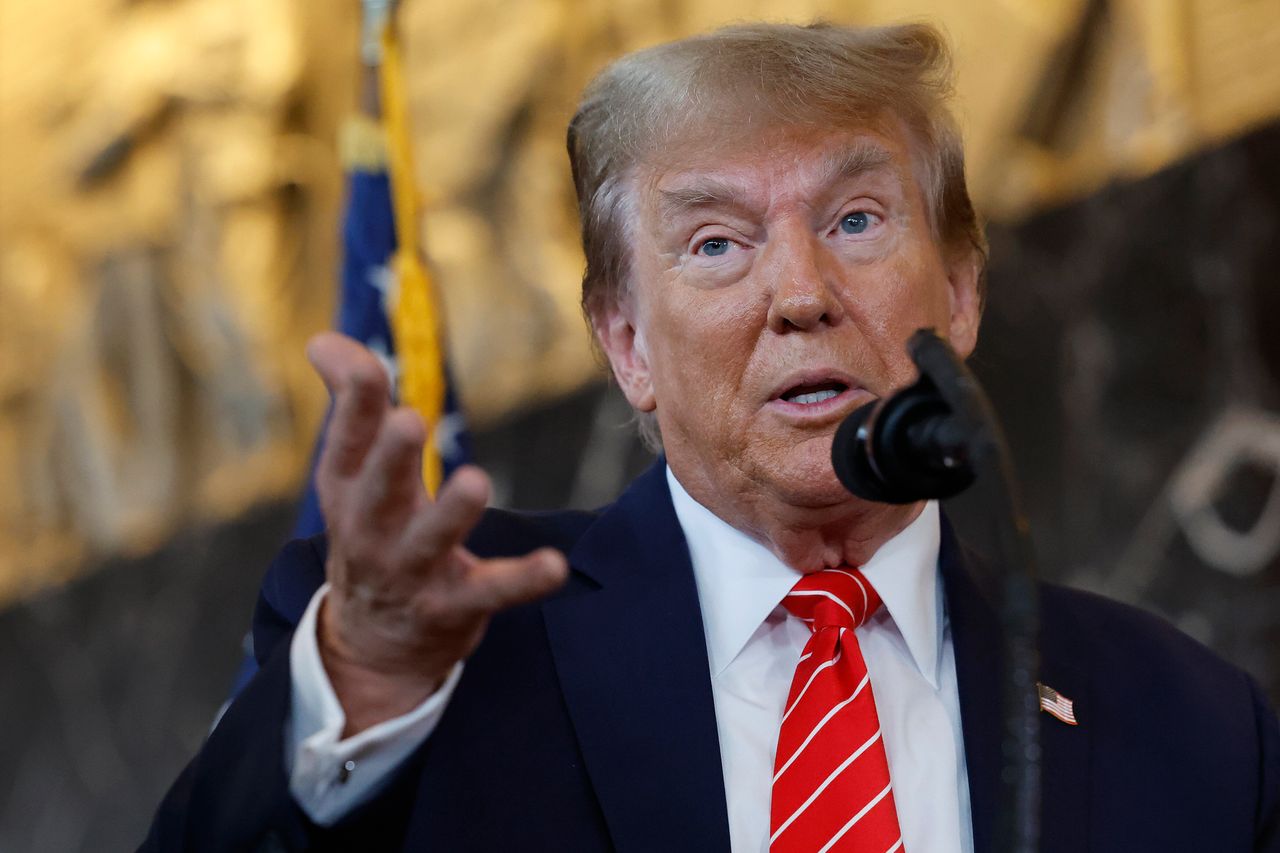
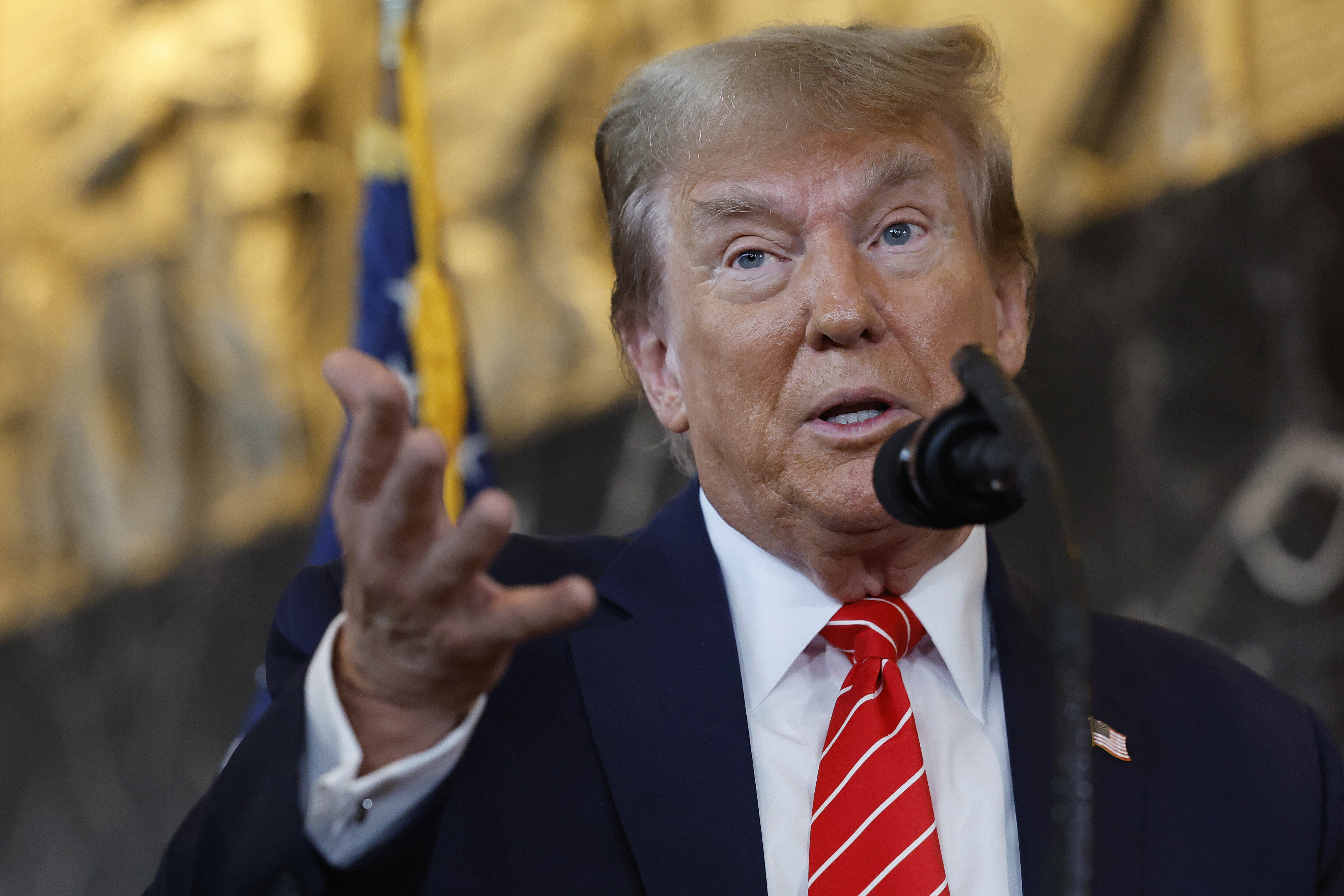
It’s looking increasingly likely that Donald Trump will be battling incumbent Joe Biden at the next US presidential election – but what could a second Trump administration mean for the UK?
The controversial figure, who is still facing 91 criminal charges, now only has one rival left in the race to become the Republican candidate.
Advertisement
And, after he won the New Hampshire primary over South Carolina Governor Nikki Haley, most pundits are expecting another Trump v Biden race.
While ex-PM Boris Johnson said “a Trump presidency could be just what the world needs” in his Daily Mail column, that’s not a belief many share.
MI6 and the Foreign Office are even working together on a dossier about how he would impact the UK’s national security and international diplomacy, according to the i newspaper.
In fact, Canada’s prime minister Justin Trudeau is already preparing for the “unpredictability” of another Trump White House.
Advertisement
He told his cabinet that they need to make sure they can work together, even though Trump’s last presidency was “difficult” for US-Canadian relations.
Meanwhile, the UK and the US have long boasted of their “special” relationship – so what would it mean if Trump returned to office?
When asked by HuffPost UK about the most immediate change a second Trump term could bring for the UK, Chatham House’s director of the UK in the World programme, Olivia O’Sullivan said one “obvious concern” is Ukraine.
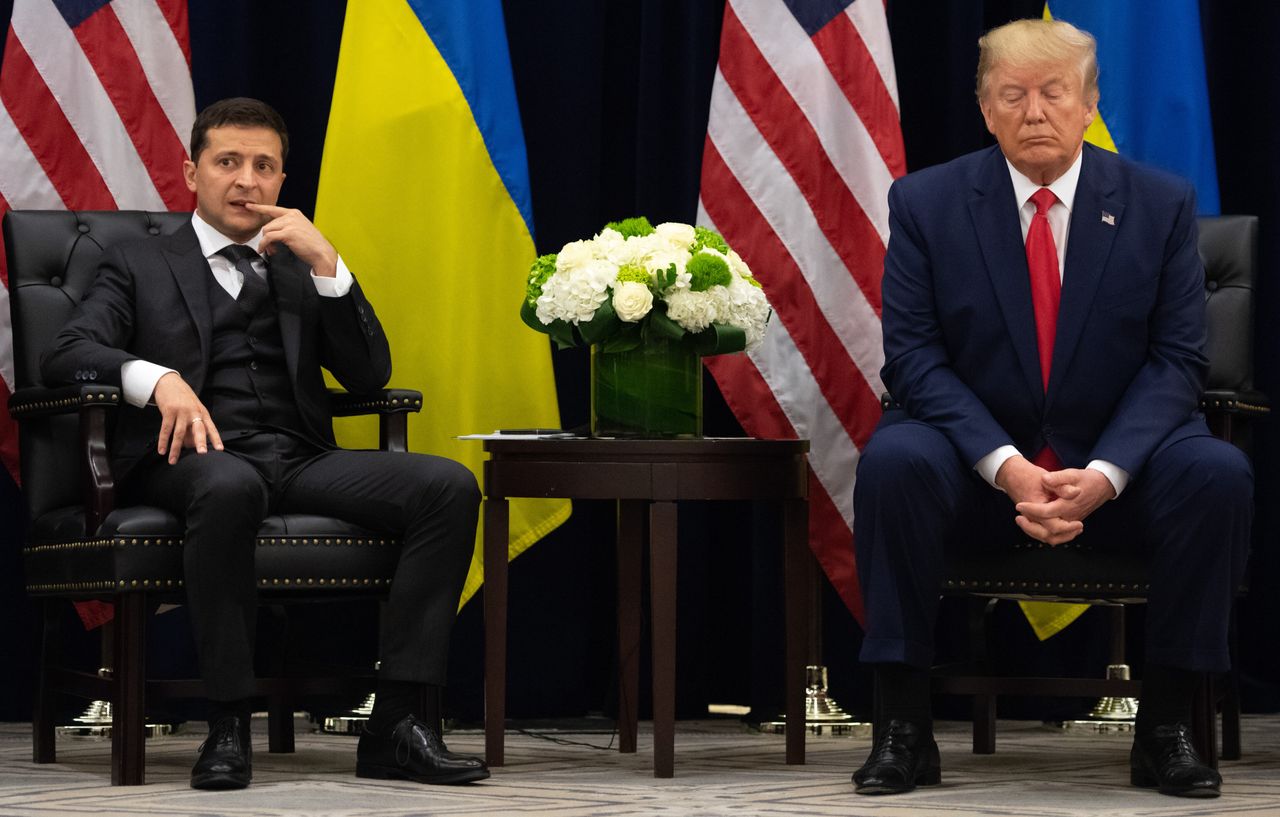
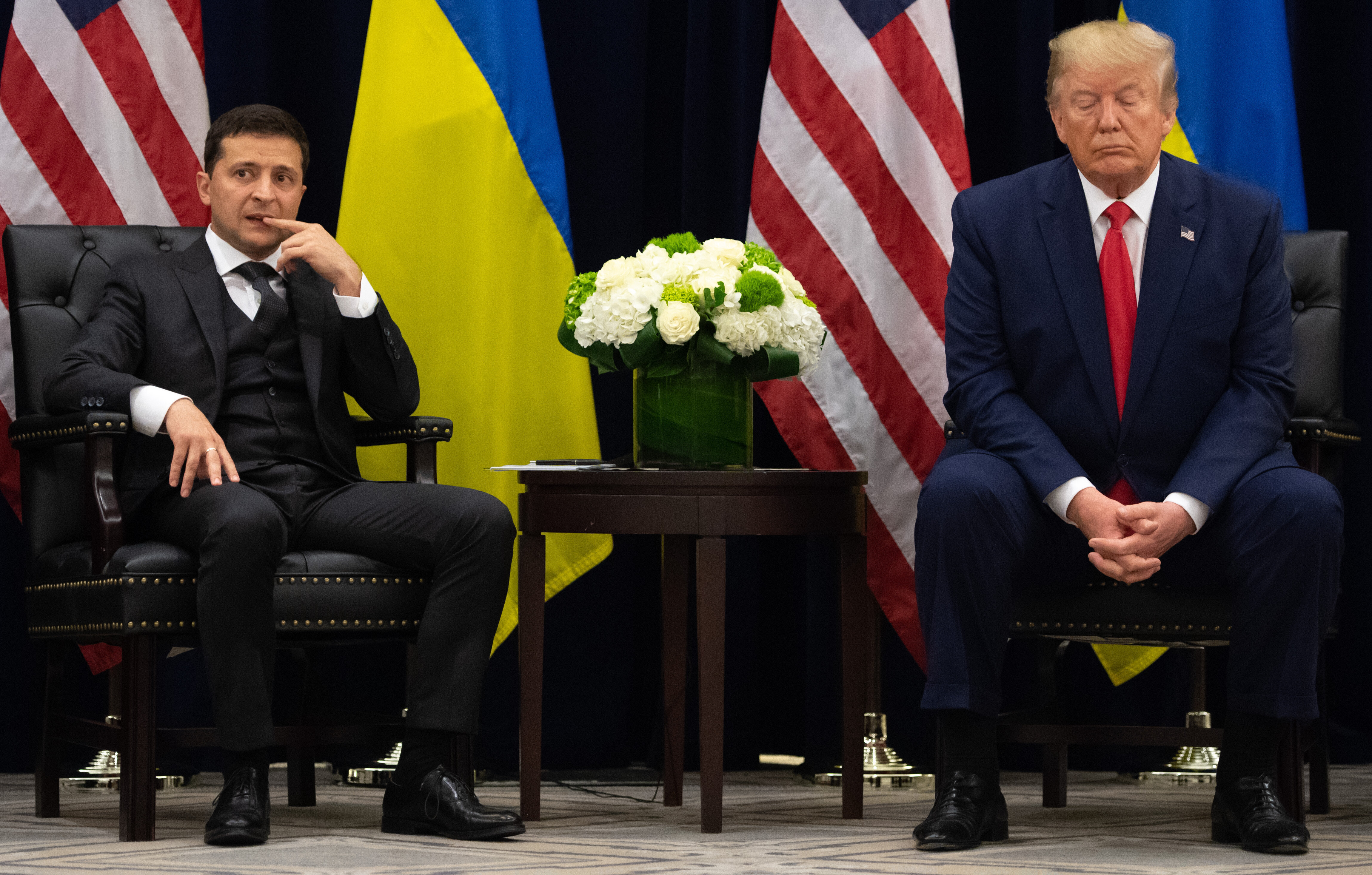
One of Trump’s impeachment trials centred around Ukraine, amid allegations he tried to coerce Kyiv into interfering in US politics ahead of the 2020 election.
The ex-president has also publicly sided with Putin on more than one occasion, calling him “smart” and a “genius”, despite the Russian president’s ongoing anti-West stance.
Advertisement
In May last year, Trump said, if he was US president, he would settle the Ukraine war within 24 hours. He boasted he would do this by cutting off all US assistance to Ukraine, and forcing the country to make a deal with Russia.
This comment drew praise from Russian president Vladimir Putin, but sparked concerns within Ukraine that Trump planned on ceding Ukrainian land to Russia – something Moscow has been pushing for.
Even if Trump just withdrew the US funding for Ukraine’s defensive efforts, it be a major blow to the beleaguered country, as the US is its largest donor.
But, this would not necessarily mean the UK and other Western countries would stop supporting Ukraine.
In fact, O’Sullivan said it could present an opportunity to “galvanise” Europe in its support for Ukraine.
Advertisement
That could be key as compassion fatigue is starting to hit the West, as the war is about to start its third year.
SAUL LOEB via Getty Images
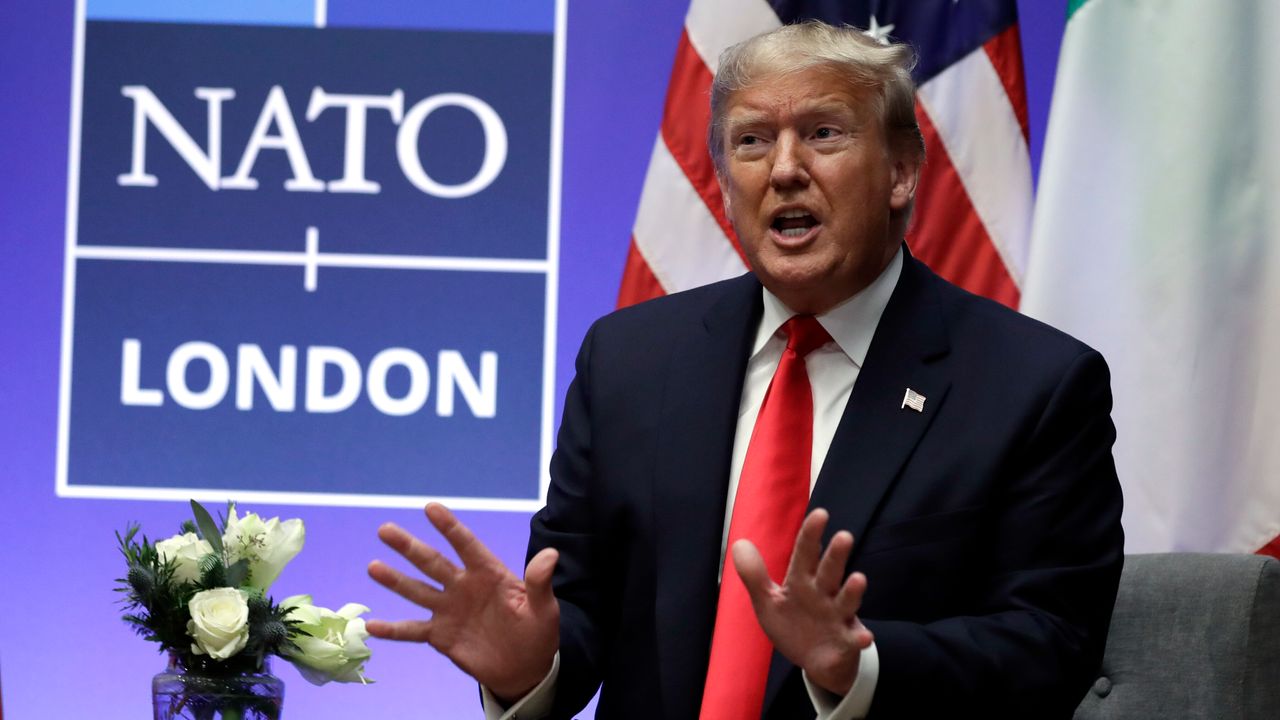
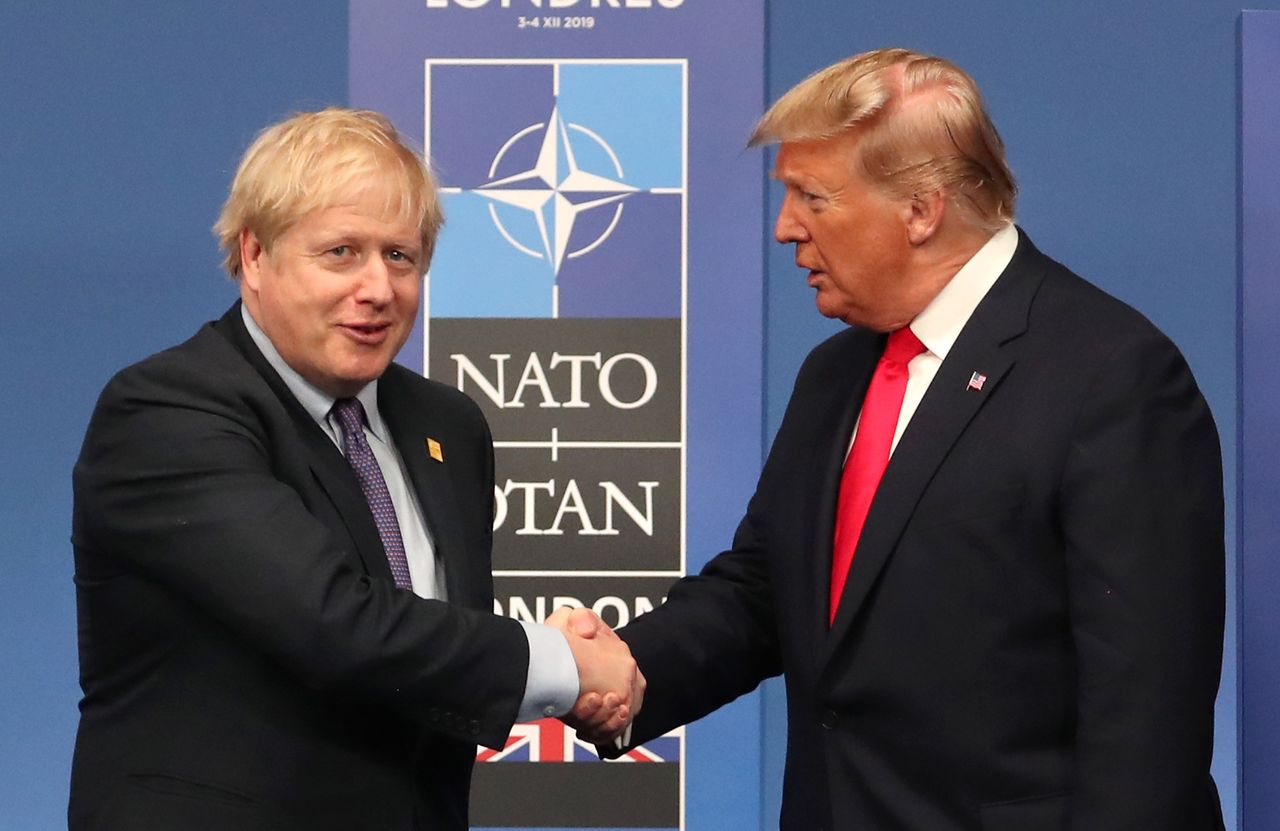
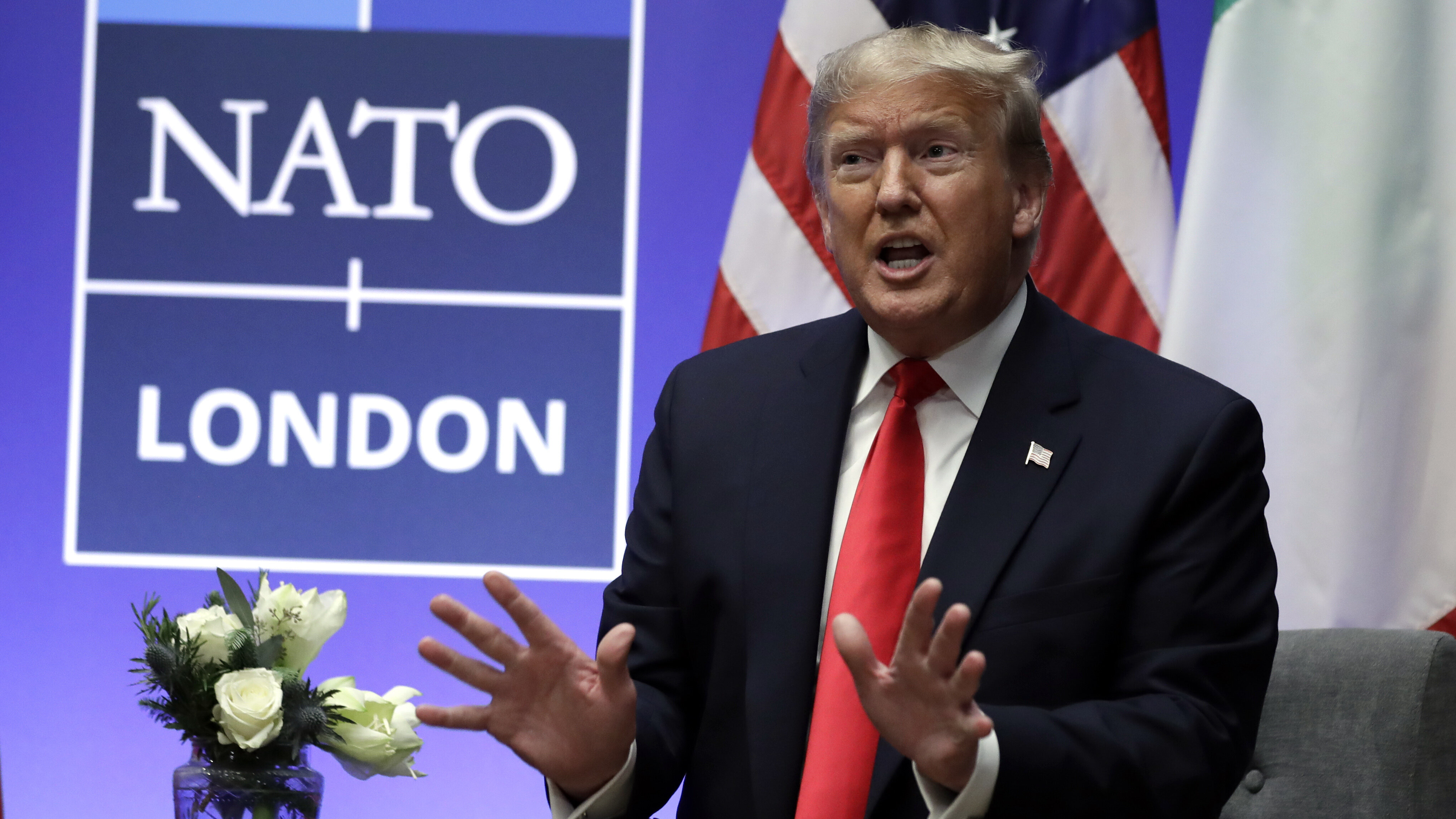
The Russia–Ukraine war is also tied up with Moscow’s fears of Nato (the North Atlantic Treaty Organisation) and its expansion eastwards.
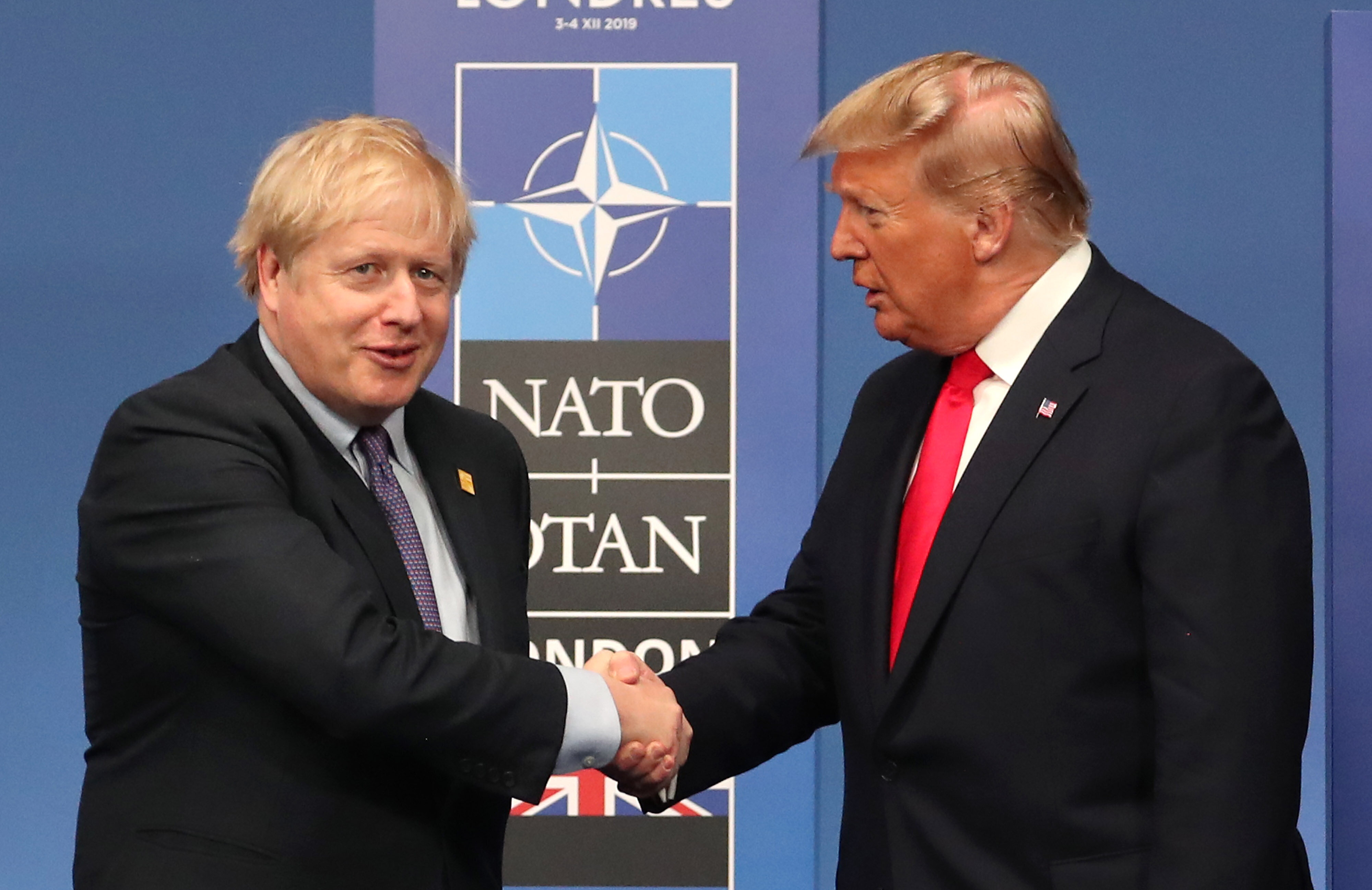
According to Politico, Trump allegedly told the EU in 2020: “By the way, Nato is dead, and we will leave, we will quit Nato.”
Even if Trump did not follow up on this promise, but did get into office, his dislike of the military alliance would most likely damage the trust each member has on each other, former US ambassador to Nato, Ivo Daalder, wrote in Politico.
Advertisement
Nato’s Article 5 binds all of its members together. It stipulates that an attack on one member state is an attack on the whole alliance – but would a Trump administration jump in to help if ordered to by Nato?
Only recently, Trump drew criticism from European officials after he said he “would encourage” Russia “to do whatever the hell they want” to any “delinquent” country which does not “pay” towards the alliance.
However, if the US did decide to pull out of the alliance, it would not necessarily mean it collapsed – but it would be weakened and less of an effective deterrent to geopolitical threats around the world.
But this would not just impact Nato members like the UK.
According to The Atlantic, all of the US’s security allies would question whether they could continue to count on automatic US support – and the US’s position on the world stage would falter.
via Associated Press
Advertisement
While the UK and the US governments have been relatively aligned over how to respond to their Middle East crisis so far, Trump’s stance on the Israel-Hamas war has been pretty unclear.
Right now, under Joe Biden, the US is Israel’s largest ally and the US president has avoided directly calling for a ceasefire in Gaza.
However, he recently told protesters he had “quietly working with the Israeli government to get them to reduce and get out of Gaza”.
Trump has not publicly encouraging Israel to limit civilian casualties (currently exceeding 27,000 in Gaza, according to Hamas-run local authorities).
Instead, he told Univision in November: “So you have a war that’s going on, and you’re probably going to have to let this play out. You’re going to have to let it play out because a lot of people are dying.”
Advertisement
He said Israel had to “do a better job of public relations, frankly, because the other side is beating them at the public relations front”.
The former president has also said his administration would “revoke the student visas of radical anti-American and antisemitic foreigners”, thought to be a jab at the pro-Palestinian protests which have swept across the US.
It’s worth remembering that Trump did formally recognise Jerusalem as the capital of Israel in 2017 too, and moved the US embassy there, even though the US – and most other countries – have refused to ever formally recognise it as the capital since Israel was founded in 1948.
The move was criticised for potentially increasing violence in the region, because the city is so contested between Palestinians and Israelis.
Trump has a history of hostility towards Iran, too – and the Palestinian militants Hamas is backed by the Iranian state.
Advertisement
O’Sullivan said: “He has well-documented antagonism towards Iran. It’s possible that he could inflame some of the worsening tensions around Israel and Iran’s proxies.”
However, she added: “I’d say the bigger thing is just that he’s unpredictable. So for the UK, that just makes it very difficult to know what to expect.”
Chancellor Jeremy Hunt warned Trump at the World Economic Forum in Davos that a return to US protectionism would be a “profound mistake”.
His remarks came after Trump hinted last year he would consider a 10% blanket trade tariffs – meaning all imports are charged the same amount regardless of how far they’ve travelled.
Advertisement
Hunt said “huge flourishing of global trade” has helped to tackle world poverty.
But, Trump has pushed for trade wars in the past, even claiming “trade wars are good and easy to win”.
Trump also said in February that he would introduce more China tariffs if he was re-elected – and they could be in excess of 60%.
Trump initiated a trade war with China during his previous term in office by imposing significant tariffs on Chinese goods – and Beijing retaliated.
The former president also used the economy as reasons to pull out of the pivotal Paris Climate Agreement in 2020. He claimed there was an unfair burden made on US workers, businesses and taxpayers by US pledges under the agreement.
That meant private sector companies faced less pressure to adapt eco-friendly policies, and the carbon price for other countries went up while the US’s went down.
Advertisement
Chip Somodevilla via Getty Images
The News Agents’ co-host Jon Sopel recently compared the expected fight between Biden and Trump to “two old men fighting over a zimmer frame”.
“The only difference is this zimmer frame has a red button on it which could cause nuclear Armageddon. Should we be scared? Yeah, we should be scared that this is who could be leading the free world as we know it,” Sopel said.
But, Trump has actually expressed clear fears about the possibility of nuclear war.
He said in April last year that the world’s “biggest problem” is “nuclear warming”.
“All it takes is one madman…and it’s only a matter of seconds,” he said.
Yet, he withdrew from the Iran nuclear agreement, formally known as the Joint Comprehensive Plan of Action, in 2018.
The deal was meant to restrict Iran’s nuclear facilities but Trump claimed it did not curtail Iran’s missile programme and regional influence.
Advertisement
This sparked a serious response in Europe, with Germany, France and the UK saying they had “regret and concern” about the decision – and they said they were willing to continue with the deal.
It’s likely that – for the first time since 1992 – the UK and the US will hold general elections in the same year. Sunak has hinted that he will call it in the second half of 2024.
While a date has not been confirmed, according to The Sun, Sunak is thinking of calling the general election in October rather than November to avoid any global “upheaval” triggered by a potential Trump victory in the US.
Tory sources told the newspaper Sunak will aim to call the election weeks before the US’s scheduled election on November 5.
Advertisement
But, despite this reported caution from the Conservatives, Labour are still expected to clinch a major victory as they are leading in the polls.
Starmer hasn’t been in government before – which means a government without much experience would quickly have to adapt to Trump.
O’Sullivan suggested that, on the whole, the UK-US relationship will probably remain stable even if the former US president is re-elected.
She noted that there is a strong history of the UK and US sharing intelligence, as seen through Nato, the Five Eyes Alliance, and the recent military operations in the Red Sea.
“Many of those links did endure in the first Trump term, and they will likely endure in a second term,” she said.
Advertisement
“Any UK leader has to work out a way to navigate some kind of productive relationship with a US leader,” she said – even if faced with “a very unpredictable counterpart”.
WPA Pool via Getty Images

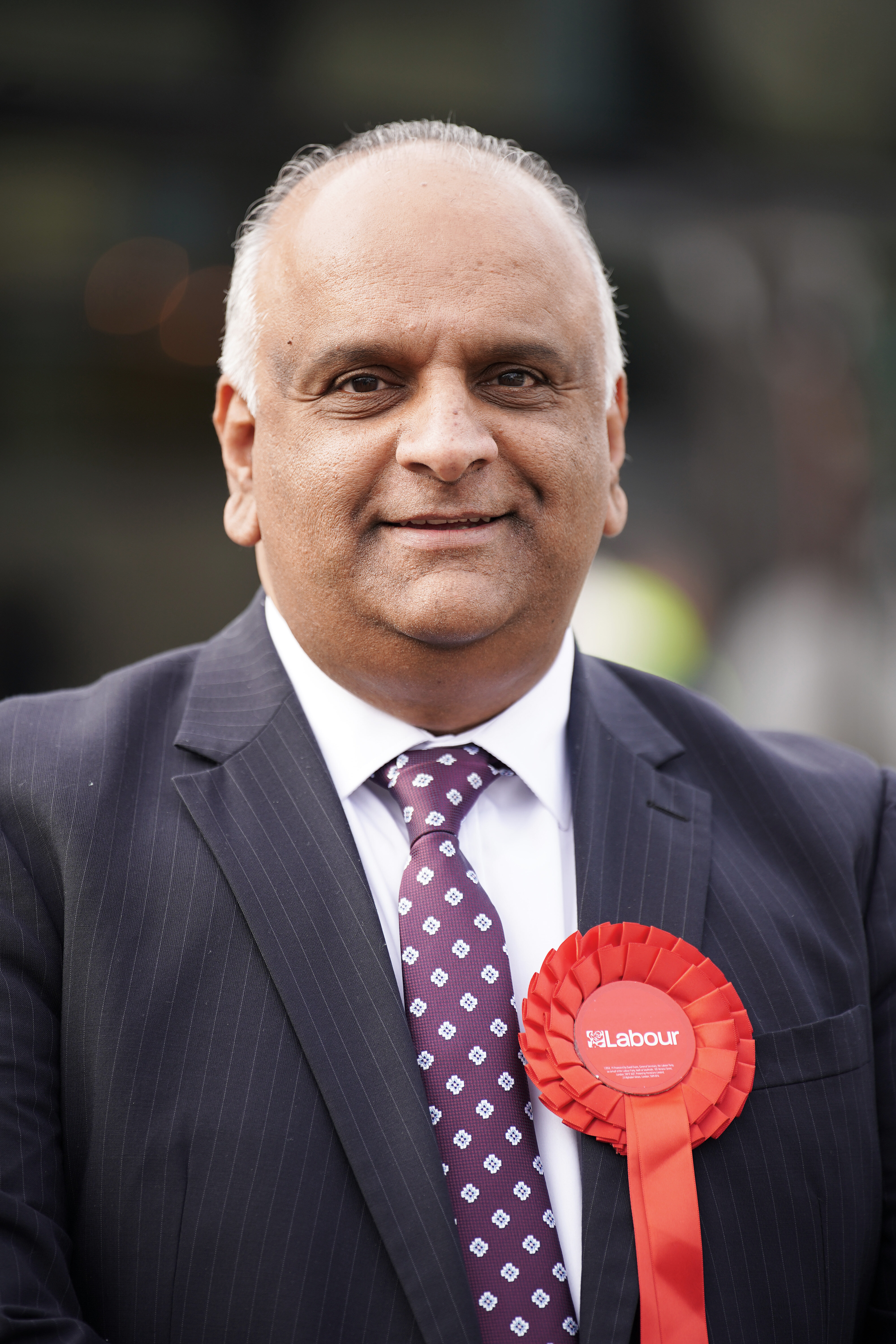
Pat McFadden has confirmed a Labour councillor will still be running as the party’s candidate in the upcoming Rochdale by-election, after apologising for “completely wrong” remarks about Israel.
The shadow chancellor of the Duchy of Lancaster appeared on Sky’s Sunday Morning with Trevor Phillips and discussed The Mail on Sunday’s story about Azhar Ali.
Advertisement
According to recordings obtained by the newspaper, the councillor allegedly said Israel deliberately allowed 1,400 people to be killed on its own soil on October 7.
Ali reportedly said Israel did so in order to give the “green light” to invade the Palestinian territory of Gaza, when at a meeting of the Lancashire Labour Party.
When pressed about the incident, McFadden told Phillips: “His comments were completely wrong, he should never have said something like that, it is of course, completely wrong to say that.”
He added: “He’s issued a complete apology and retraction and I hope he learns a good lesson from it, he should never have said something like that.”
Advertisement
Ali issued a statement to The Mail on Sunday, saying: “I apologise unreservedly to the Jewish community for my comments which were deeply offensive, ignorant, and false.”
He called for the Hamas hostages to be released, recognised rising anti-Semitism in the UK and across the world, and promised to apologise to Jewish leaders “for my inexcusable comments”.
Phillips said: ’An apology is not the same thing as a denial. It seems everyone is agreeing he said it, presumably he thought it.
“Is Labour happy with a candidate who thinks that?”
“No, that’s why he has issued a complete retraction and apology,” McFadden said, “It’s right that he has completely apologised now.”
Asked if he would still be the Labour candidate, McFadden said: “In the upcoming by-election? Yes he will.”
Advertisement
Ali will be defending a Labour seat which has a majority of more than 9,000 after the death of former MP Tony Lloyd.
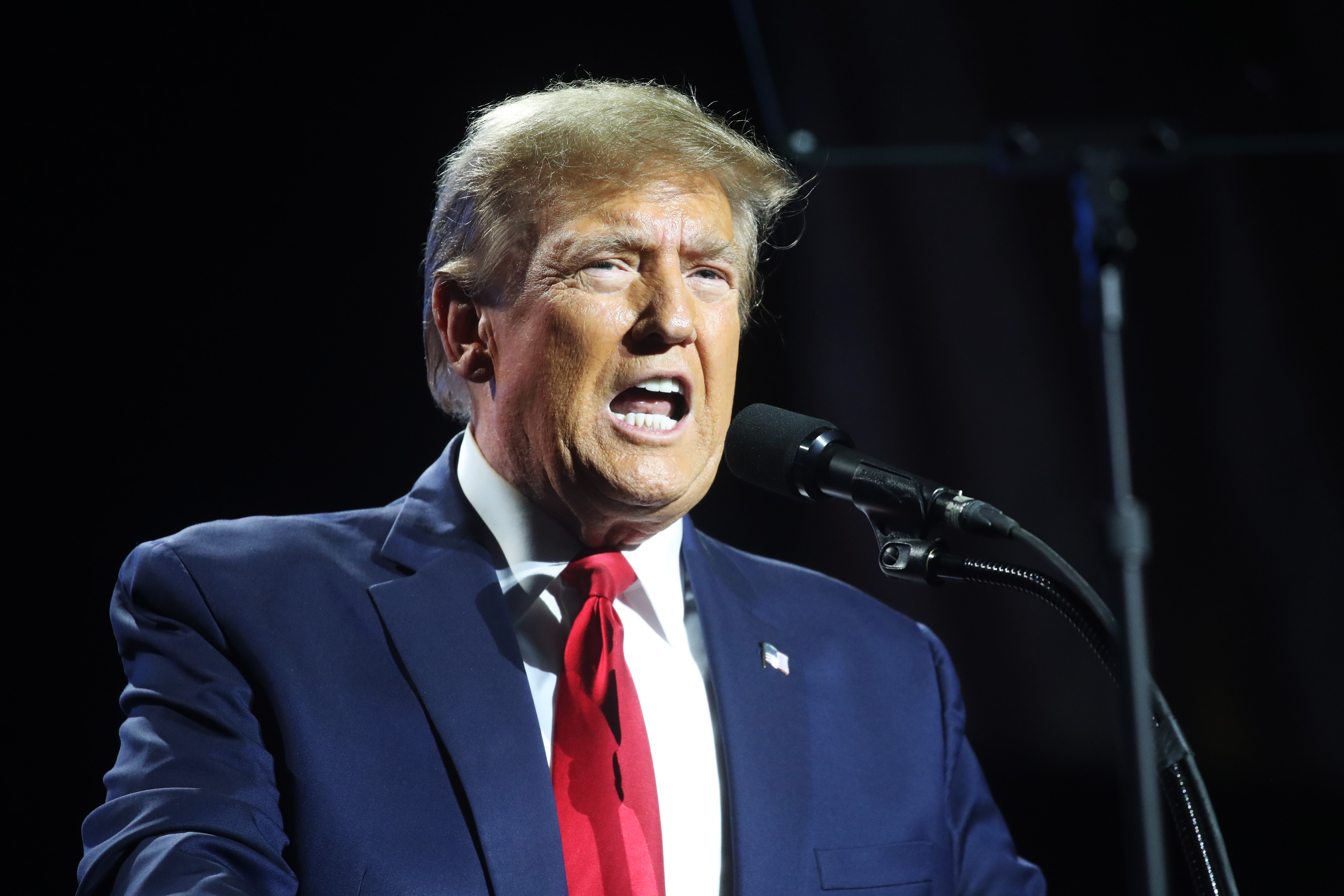
Donald Trump warned National Rifle Association members Friday that Democrats would change the name of Pennsylvania if they win in November.
The former president, during an hour-plus-long speech in Harrisburg, reflected on his election win in the state back in 2016 before declaring that his campaign has to be victorious this year.
Advertisement
“Or we’re not gonna have Pennsylvania, they’ll change the name, they’re gonna change the name of Pennsylvania,” Trump said.
Trump went on to note efforts to reexamine naming things after historical figures, claiming that George Washington’s name has been stripped from high schools.
“That’s one even I thought was safe. Abraham Lincoln and George Washington, their names are now in danger,” he said.
It’s unclear what Trump was referring to but his Pennsylvania claim comes roughly one month after Fox News reported on the National Park Service’s proposal to remove a statue of William Penn, who the state is named after, from a park in Philadelphia.
Advertisement
The statue, local news site Billy Penn noted, is a small version of one atop City Hall that is arguably “the highest profile statue” in Philadelphia that “limited the height of development throughout the city.”
NPS later reversed the decision following criticism including from Pennsylvania state Representative Bryan Cutler, who claimed that President Joe Biden and his administration were trying to “cancel” Penn.
Pennsylvania Goveernor Josh Shapiro wrote that he had been in contact with the administration “to correct this decision” over the statue.
“I’m pleased Welcome Park will remain the rightful home of this William Penn statue — right here in the Commonwealth of Pennsylvania Penn founded,” he wrote on X.
Advertisement
Critics mocked the former president over the Pennsylvania name claim including conservative attorney and Trump critic George Conway, who jokingly wrote that the remarks were “perfectly normal.”
Advertisement
Advertisement

Amid all of the conversation about Netflix’s new retelling of One Day, many of us might well be reminiscing about the 2011 film adaptation of the much-loved book.
While this new TV series has received mostly glowing reviews, the 2011 movie was a little more on the divisive side, thanks in no small part to Anne Hathaway’s attempts to speak in a Leeds accent.
Advertisement
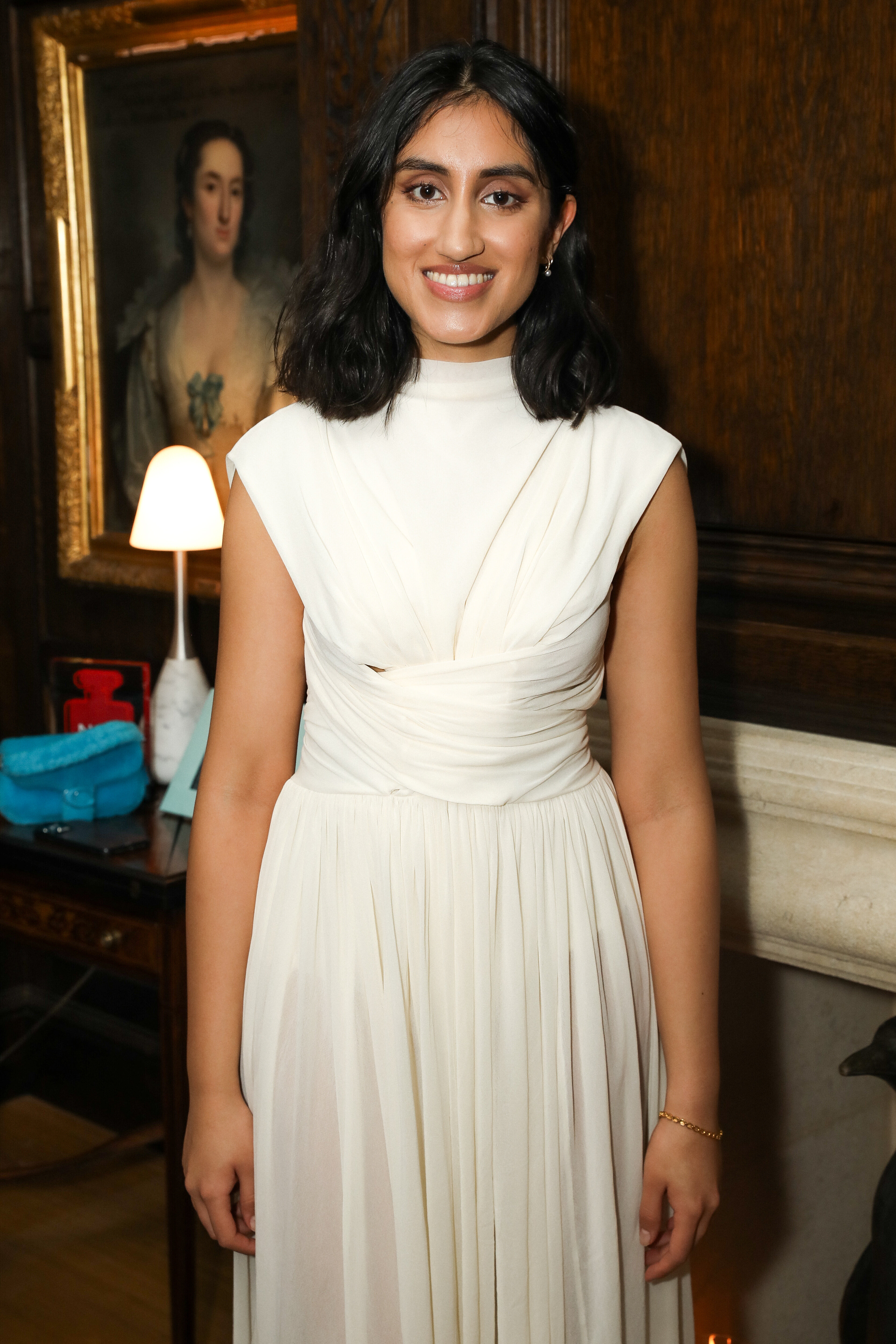
And if you’re wondering – yes that meant that Ambika Mod, who plays Emma in this new version of the story, was “absolutely” feeling the pressure when she was getting ready for the role.

Moviestore/Shutterstock
Speaking to HuffPost UK ahead of the show’s launch, Ambika admitted she’d previously “never” managed to perfect the Northern accent required for the character.
“If you see my audition tapes, I can’t do the Yorkshire accent,” she revealed. “I couldn’t do it.”
For those who’ve already seen One Day, you’ll know that Ambika did make it in the end, which she credits to the “amazing” dialect coach Natalie Grady.
Advertisement
“We were militant – we met, like, three times a week, hour-and-a-half sessions, we went through every single sound,” she revealed.
“I learned a really, really strong, authentic Leeds accent, and then we pared it down and found an accent that felt really truthful to Emma and where she was in episode one, and then we tapered it from then on.
“But yeah, it took a village, for sure. I definitely didn’t just do it on my own. But I’m very glad that people think it’s OK.”
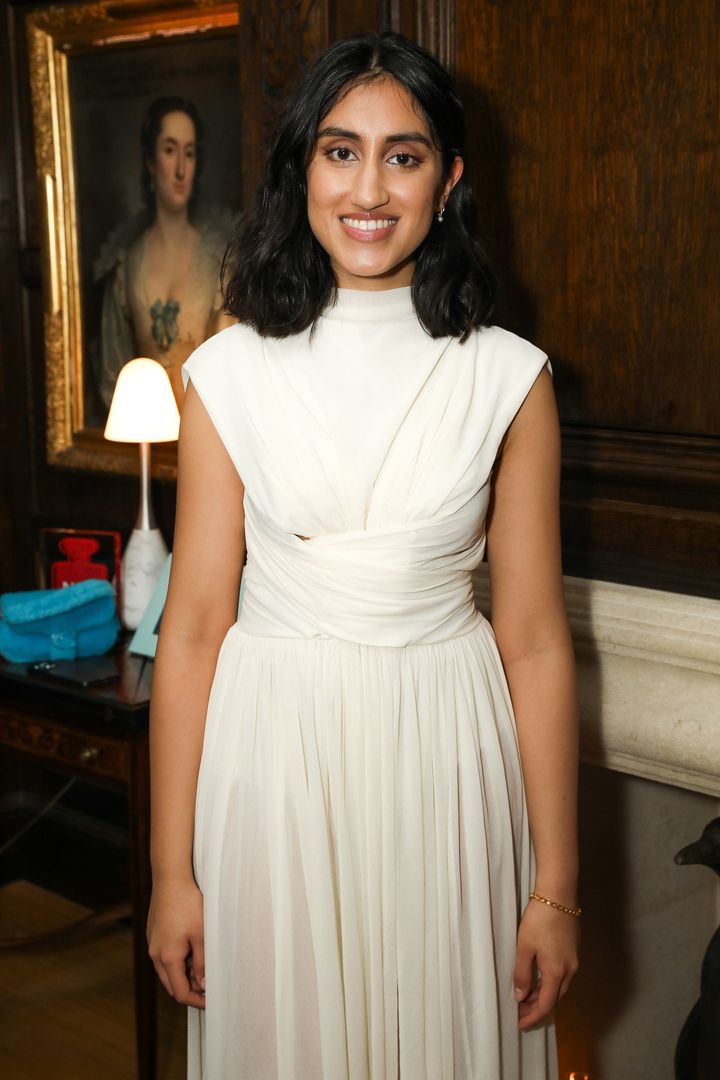
Dave Benett via Getty Images
Ambika also said that once she was cast as Emma, she made the decision not to revisit the film version of One Day, out of concern “it would throw me”.
Advertisement
“Me neither,” her co-star Leo Woodall agreed. “I watched it before the first audition, because I hadn’t read the book. But that was it.”
Before One Day began streaming, Ambika was best known for her performance in the BBC medical comedy-drama This Is Going To Hurt, as well as roles in I Hate Suzie and Trying.
Leo also had a key role in the most recent series of The White Lotus, earning himself and his co-stars a Screen Actors Guild Award for Best Performance By An Ensemble In A TV Drama.
One Day is now streaming on Netflix.



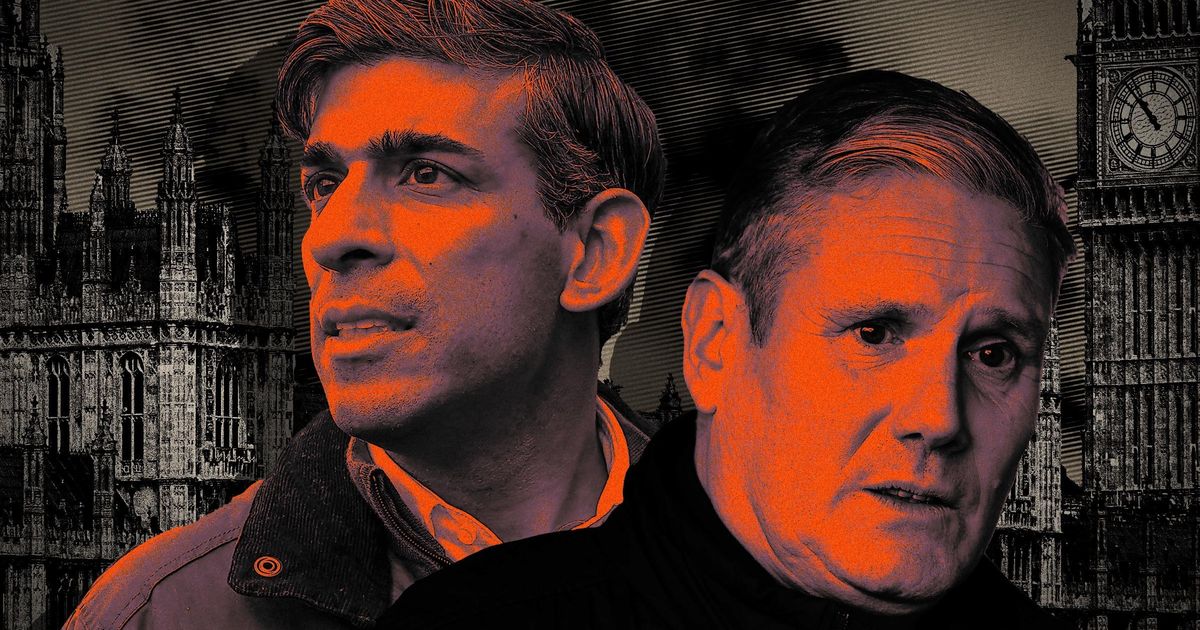
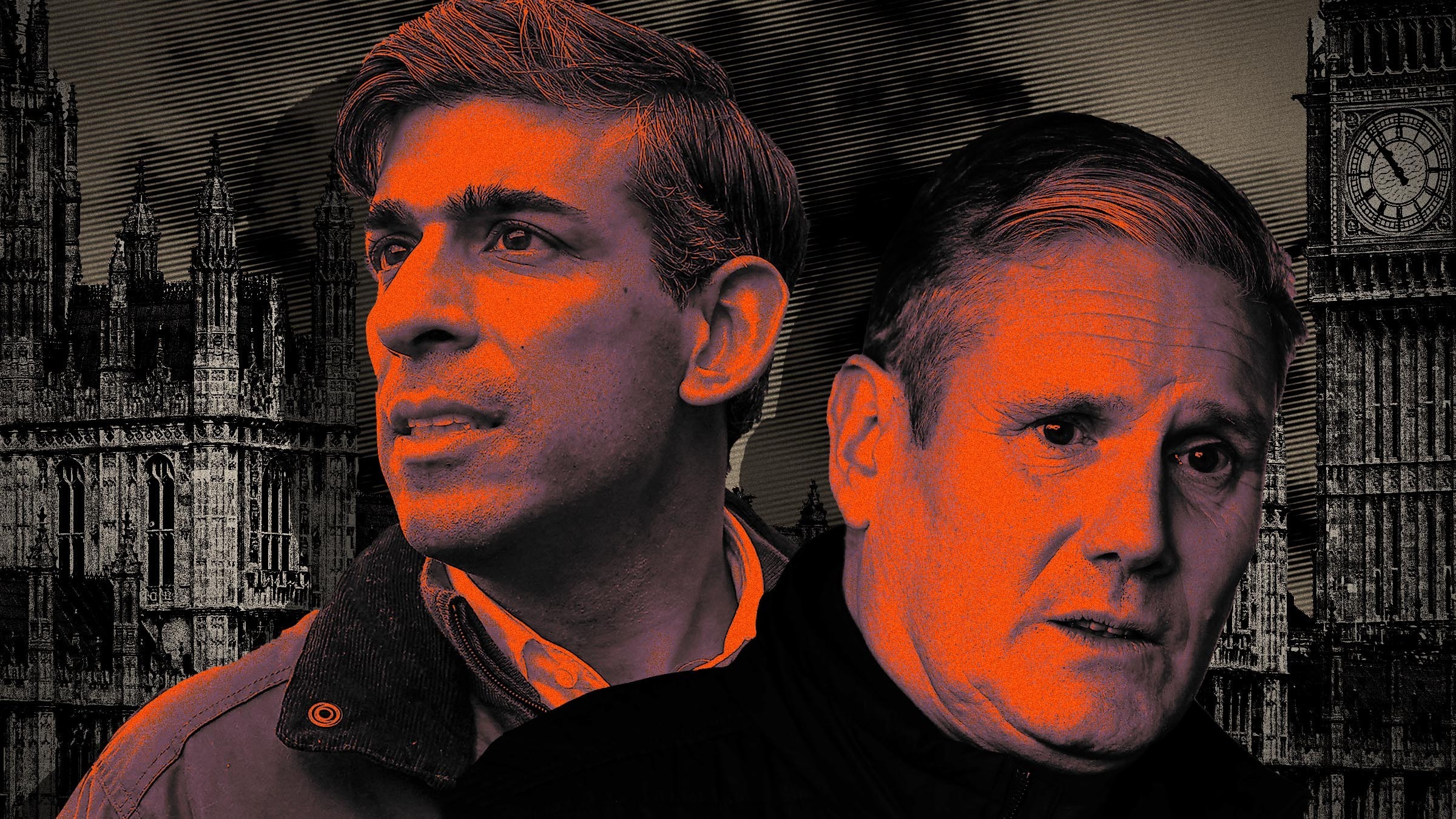
Rishi Sunak has apparently decided that the general election will be in October, rather than November.
If so, it will surely be the first recorded example of a man breaking into a jog on his way to the gallows.
Advertisement
After another tumultuous week in Westminster, the fundamentals remain the same – Keir Starmer is heading for Downing Street.
The Labour leader has endured an uncomfortable few days, culminating in yet another U-turn, this time on the party’s previously-flagship policy of spending £28 billion a year on green energy projects.
And yet, all the available evidence suggests that the British public are determined to boot the Tories out and install Starmer as the next prime minister.
Two more polls published yesterday confirmed Labour remains at least 20 points ahead of the Conservatives, while numerous have emphasised voters’ desire for a change of government.
Advertisement
This is thanks in no small part to Sunak’s own troubles, which were once again on full display over the past week.
From cackhandedly agreeing to a £1,000 bet on Rwanda flights with Piers Morgan to making a joke about trans people in the presence of Brianna Ghey’s mother, the PM has merely confirmed what many in his party have already concluded – the guy is a loser.
“It’s like he’s a reverse King Midas – everything he touches turns to shit,” said one colleague.
Another Tory aide told HuffPost UK: “It’s just the dying days now.”
Keiran Pedley of pollsters Ipsos UK said the Tories are “running out of time” to turn things around.
“There’s clearly been no sign of a shift in the polls since the New Year, which the Conservatives would have hoped for,” he said.
“Around 7 in 10 voters tell us it’s time for a change at the next election. What they’ve got to do is change people’s minds about it being time for a change, which is not an easy thing to do.”
Pedley added: “The Conservatives will hope that next month’s Budget will be a setpiece moment that can turn things around, but they’ve also got by-elections and the local elections coming up which could make the situation even worse.”
Advertisement
If Labour really is heading inexorably towards victory in the general election, the party’s agonies over dumping the £28 billion green pledge have been instructive on how it might act when it’s in power.
Starmer and shadow chancellor Rachel Reeves put on a united front in parliament on Thursday afternoon as they briefed political journalists on what was, by any measure, a particularly embarrassing and messy climbdown.
It has been obvious for weeks that the policy was heading for the knackers’ yard, and yet Labour’s top two seemed to be at odds over it. While Reeves would not even repeat the figure, Starmer was still mentioning it on Tuesday.
The Labour leader attempted to laugh off any suggestions that the pair were split, insisting Reeves’ only quibble with him was that he talked about football too much.
But his notorious thin skin was in evidence when he was asked by HuffPost UK if the Tories were right to call him “Mr Flip-Flop”.
Advertisement
He said: “This is ridiculous. I came into this place pretty late in life. In the real world, where I worked until I got here, everybody I worked with adjusted their positions when the circumstances changed and that was thought to be plain common sense. In fact, it would be pretty daft if you didn’t.
“This is the only place I’ve ever known where not adjusting your position to circumstances is supposed to be a great virtue. I don’t work in that way.”
One usually-loyal MP observed: “What does he mean by ‘in the real world’? He has no respect for politics or politicians.”
The behind-the-scenes wrangling over the green policy appears to be a symptom of a power struggle involving Morgan McSweeney, Labour’s national campaign director, and Sue Gray, Starmer’s chief of staff.
Matthew Doyle, Labour’s amiable director of communications, has even been caught in the crossfire, with some blaming him for the U-turn.
Advertisement
One frontbencher described it as the “a big boy did it and ran away” school of political accountability.
“There’s some crazy briefing and counter-briefing going around,” said a senior insider. “They’re at war and they’re not even in government yet.
“Keir and Rachel and their people being at odds, and all the sub-plots and dramas, is a massive moment.
“Once you do it the first time, it’s easier to do it again and again. It will have consequences in government.”
At the end of a difficult week, Starmer can console himself with the fact that it appears nothing can be done to knock his journey to No.10 off course.
Advertisement
But he’ll also know that things will only get harder for him once he gets there.

A new Northwestern Medicine study has found the immune system in the blood of Alzheimer’s patients is epigenetically altered. That means the patients’ behavior or environment has caused changes that affect the way their genes work.
Many of these altered immune genes are the same ones that increase an individual’s risk for Alzheimer’s. Northwestern scientists theorize the cause could be a previous viral infection, environmental pollutants or other lifestyle factors and behaviors.
“It is possible that these findings implicate the peripheral immune response in Alzheimer’s disease risk,” said lead investigator David Gate, assistant professor of neurology at Northwestern University Feinberg School of Medicine. “We haven’t yet untangled whether these changes are reflective of brain pathology or whether they precipitate the disease.”
The study was published Feb. 9 in Neuron.
Previous research showed that many of the mutated genes putting a person at higher risk for Alzheimer’s are in the immune system. But scientists primarily studied the central immune system in the brain because Alzheimer’s is a brain disease. They have largely ignored the immune system in the blood, also known as the peripheral immune system.
Gate decided to study the blood. He and colleagues discovered every immune cell type in Alzheimer’s patients has epigenetic changes, indicated by open chromatin. Chromatin is the packaging of the DNA within cells. When chromatin is open — or exposed — the cells’ genome is vulnerable to alterations.
Then, Gate examined which genes are more open in these immune cells. He discovered that a receptor — CXCR3 — on the T cells was more exposed. Gate believes CXCR3 functions like an antenna on T cells that allows the cells to enter the brain. T cells do not normally enter the brain because they can cause inflammation.
“The brain is emitting a signal that it is damaged, and the T cells are homing to that signal by their antenna, CXCR3,” Gate said.
“T cells can be very toxic in the brain, but we also don’t know if these cells might be attempting to repair the damage in the brain,” Gate said.
Gate also discovered epigenetic changes in inflammatory proteins in white blood cells called monocytes.
“Altogether, these findings indicate that immune function in Alzheimer’s patients is significantly altered,” Gate said. “It could be that environmental factors, like pollutants, or infections that a person has in their lifetime cause these epigenetic changes.”
The findings revealed several genes that may be therapeutic targets for manipulating the peripheral immune system. Next steps in the research are preclinical studies using in vitro culture systems and animal models to test these targets.
Other Northwestern authors include Abhirami Ramakrishnan, Natalie Piehl, Brooke Simonton, Milan Parikh, Ziyang Zhang, Victoria Teregulova and Lynn van Olst.
The title of the article is “Epigenetic dysregulation in Alzheimer’s disease peripheral immunity.”
The research is supported by National Institute of Neurological Disorders and Stroke grant NS112458 and National Institute on Aging grant AG078713, both of the National Institutes of Health, Bright Focus Foundation, Alzheimer’s Association and Cure Alzheimer’s Fund.

Snail shells are often colourful and strikingly patterned. This is due to pigments that are produced in special cells of the snail and stored in the shell in varying concentrations. Fossil shells, on the other hand, are usually pale and inconspicuous because the pigments are very sensitive and have already decomposed. Residues of ancient colour patterns are therefore very rare. This makes this new discovery by researchers from the University of Göttingen and the Natural History Museum Vienna (NHMW) all the more astonishing: they found pigments in twelve-million-year-old fossilised snail shells. These are the world’s first pigments from the chemical group of polyenes that have been preserved almost unchanged and found in fossils. The study was published in the journal Palaeontology.
Palaeontologists from the NHMW found snail shells of the superfamily Cerithioidea in Burgenland, Austria. The snails lived there twelve million years ago on the shores of a tropical sea. Professor Mathias Harzhauser at NHMW, who was involved in the discovery, explains: “It was unclear whether the patterns of reddish colour were from the original shell or were formed by later processes in the sediment.” Researchers at Göttingen University’s Geoscience Center solved the mystery. They analysed the pigments using Raman spectroscopy. This involves irradiating samples with laser light. The scattered light reflected from the sample can be used to clearly identify chemical compounds. They detected pigments in the fossilised shells that belong to the polyene group of chemicals. These are organic compounds that include the well-known “carotenoids,” which are responsible for producing the vibrant red, orange and yellow colours seen in birds’ feathers, carrots and egg yolks, for instance.
Dr Klaus Wolkenstein, who led the study and has been researching the chemistry of fossil pigments at Göttingen University for many years, explains: “Normally, after such a long period of time, the best we can hope for is that there are traces of degradation products of these chemicals. If degraded, however, these compounds would be devoid of colour. So, it was really surprising to discover these pigments, preserved almost intact, in fossils that are twelve million years old.”

Semiconductors are ubiquitous in modern technology, working to either enable or prevent the flow of electricity. In order to understand the potential of two-dimensional semiconductors for future computer and photovoltaic technologies, researchers from the Universities of Göttingen, Marburg and Cambridge investigated the bond that builds between the electrons and holes contained in these materials. By using a special method to break up the bond between electrons and holes, they were able to gain a microscopic insight into charge transfer processes across a semiconductor interface. The results were published in Science Advances.
When light shines on a semiconductor, its energy is absorbed. As a result, negatively charged electrons and positively charged holes combine in the semiconductor to form pairs, known as excitons. In the most modern two-dimensional semiconductors, these excitons have an extraordinarily high binding energy. In their study, the researchers set themselves the challenge of investigating the hole of the exciton. As physicist and first author Jan Philipp Bange from the University of Göttingen explains: “In our laboratory, we use photoemission spectroscopy to investigate how the absorption of light in quantum materials leads to charge transfer processes. So far, we have concentrated on the electrons that are part of the electron-hole pair, which we can measure using an electron analyser. Up to now, we didn’t have any way to directly access the holes themselves. So, we were interested in the question of how we could characterise not just the electron of the exciton but also its hole.”
To answer this question, the researchers, led by Dr Marcel Reutzel and Professor Stefan Mathias at Göttingen University’s Faculty of Physics, used a special microscope for photoelectrons in combination with a high-intensity laser. In the process, the breaking up of an exciton leads to a loss of energy in the electron measured in the experiment. Reutzel explains: “This energy loss is characteristic for different excitons, depending on the environment in which the electron and the hole interact with each other.” In the current study, the researchers used a structure consisting of two different atomically thin semiconductors to show that the hole of the exciton transfers from one semiconductor layer to the other, similar to a solar cell. Professor Ermin Malic’s team at the University of Marburg was able to explain this charge transfer process with a model to describe what happens at a microscopic level.
Mathias summarises: “In the future, we want to use the spectroscopic signature of the interaction between electrons and holes to study novel phases in quantum materials at ultrashort time and length scales. Such studies can be the basis for the development of new technologies and we hope to contribute to this in the future.”
This research benefited from the German Research Foundation (DFG) funding for the Collaborative Research Centres “Atomic scale control of energy conversion” and “Mathematics of Experiment” in Göttingen and “Structure and Dynamics of Internal Interfaces” in Marburg.
