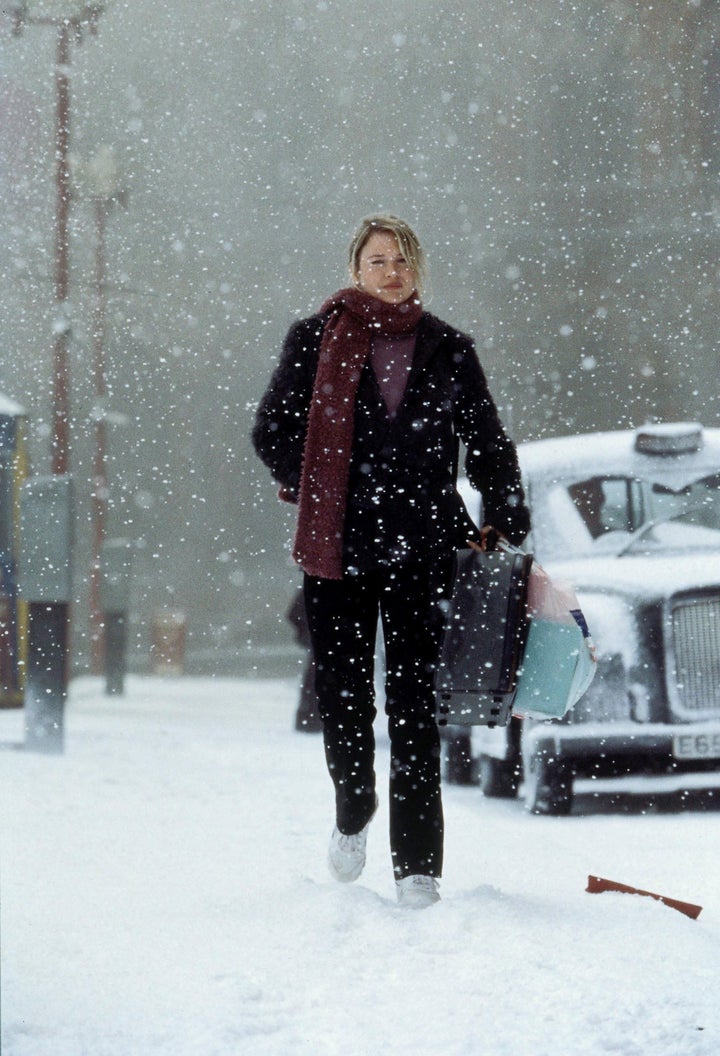
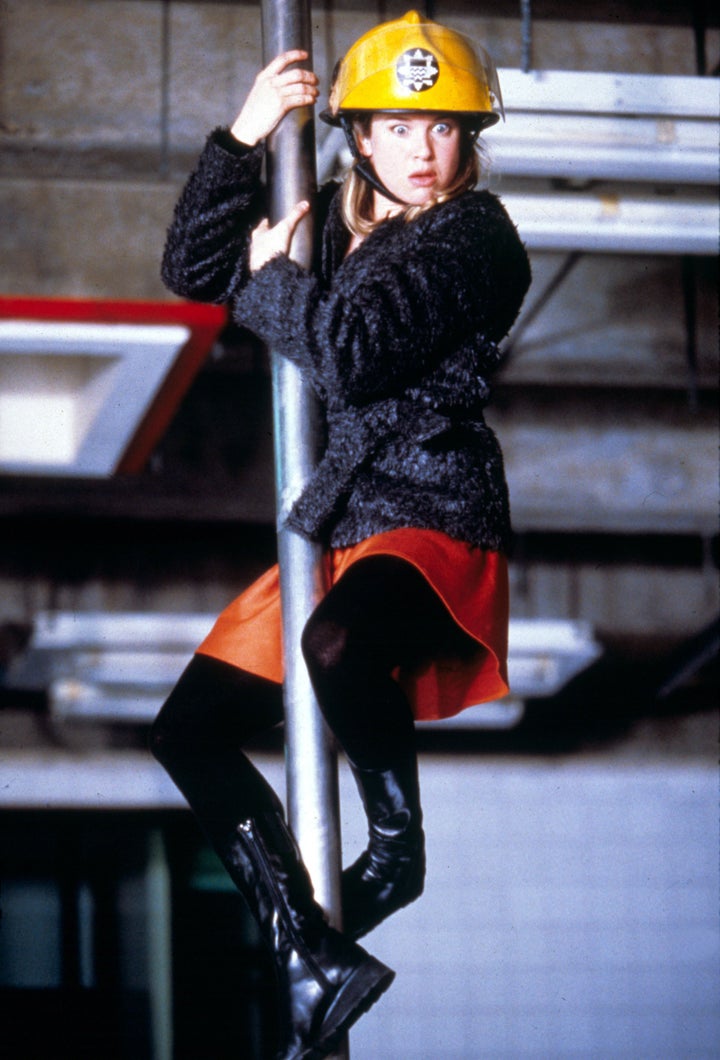
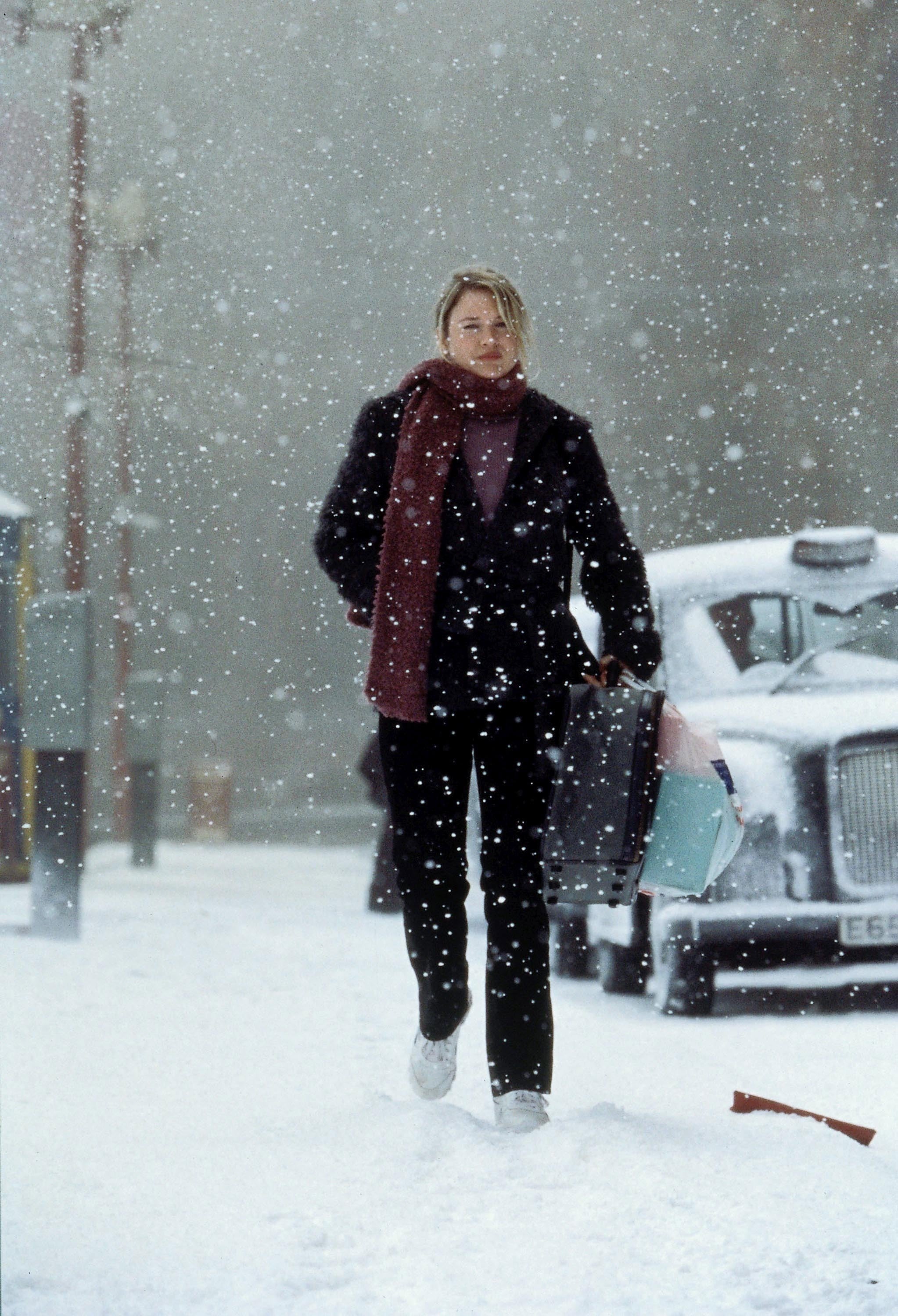
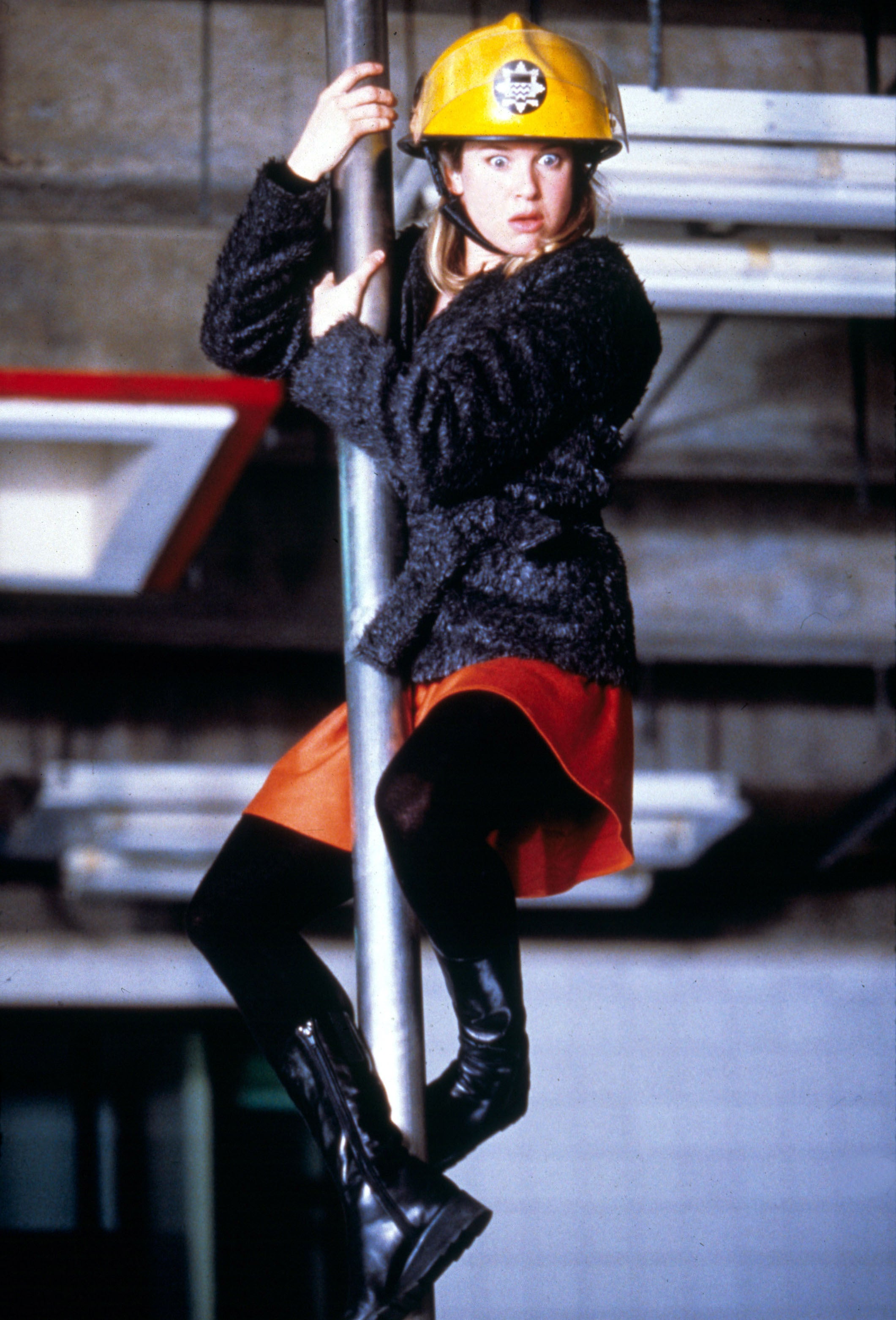
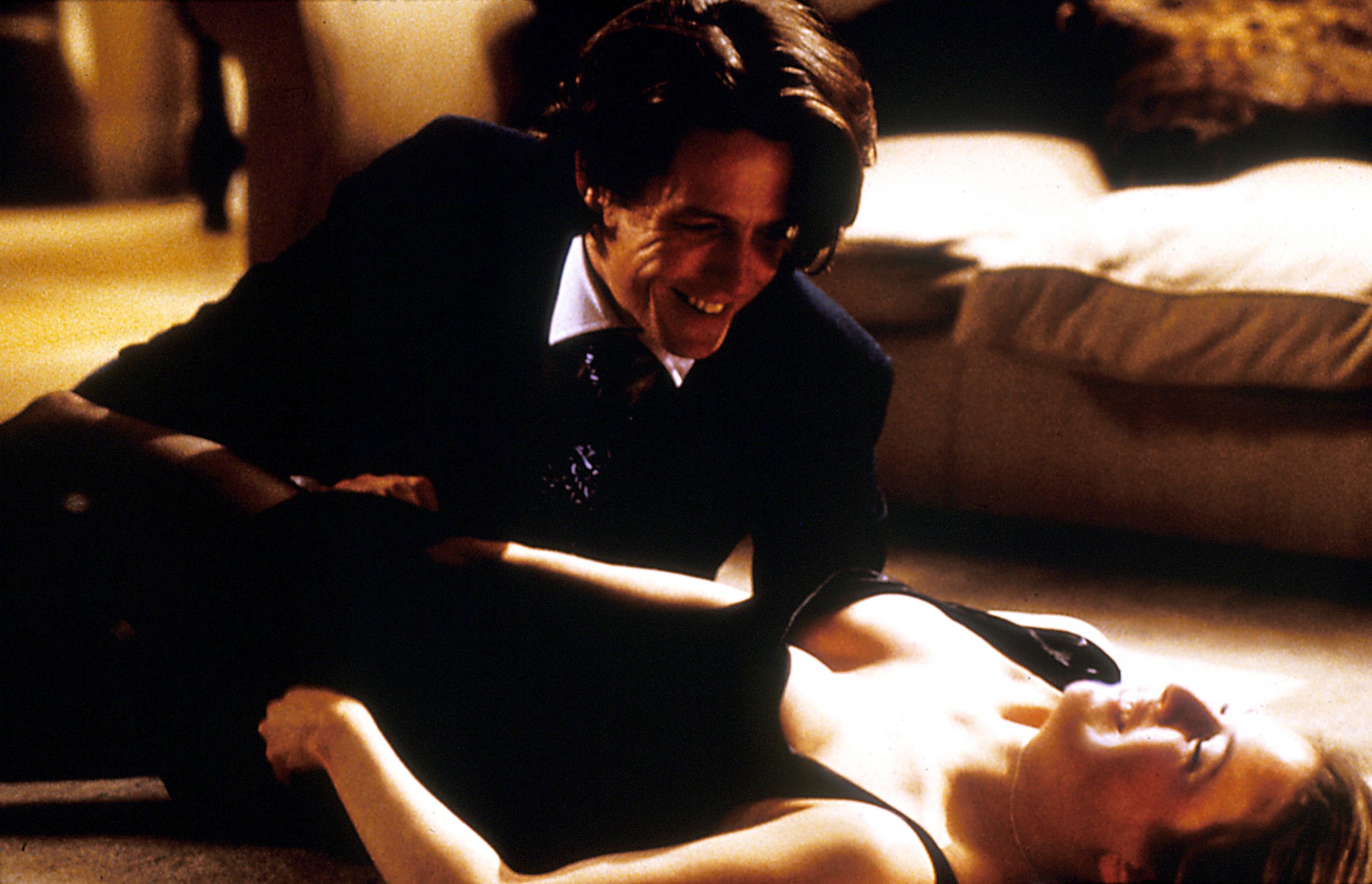
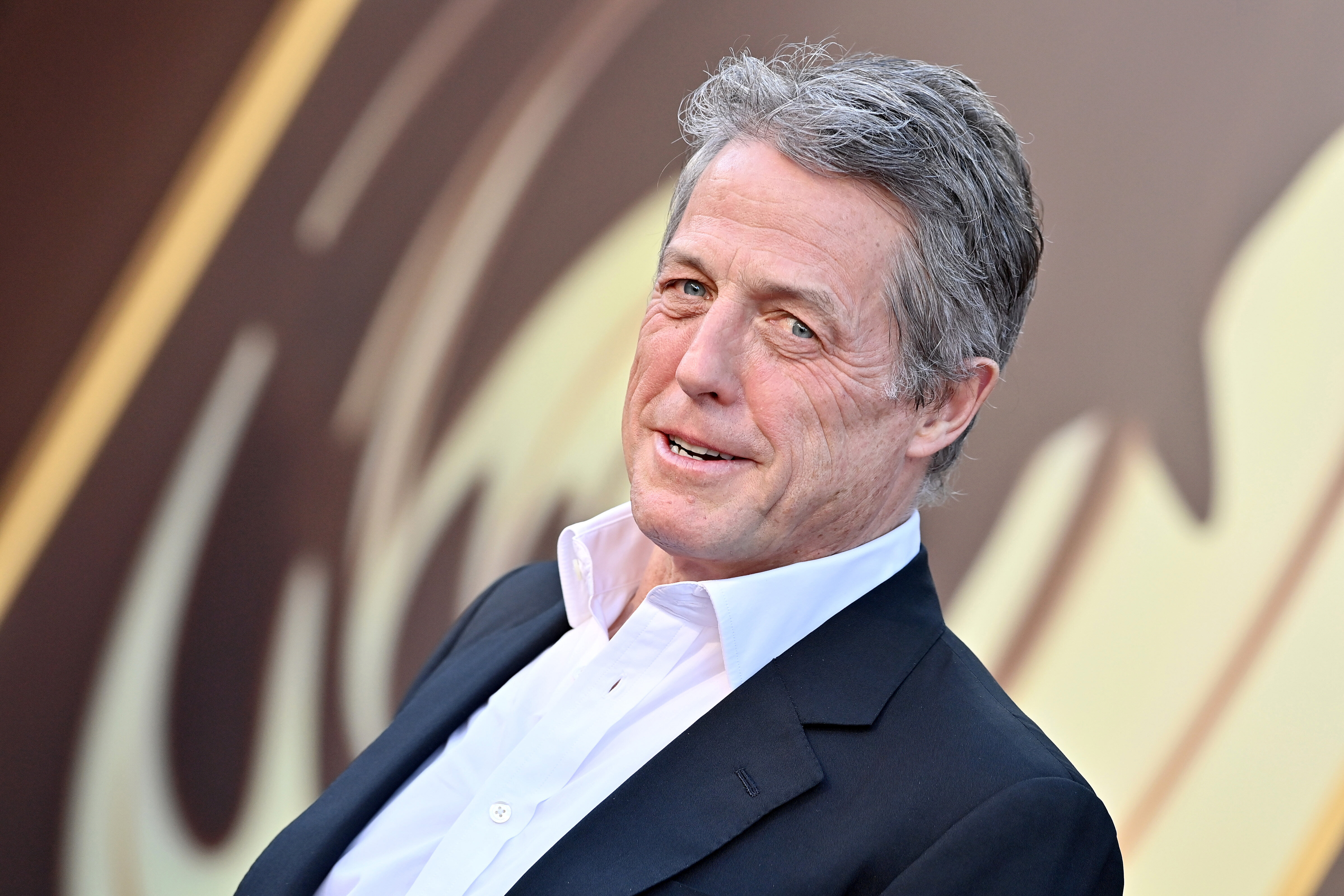
It’s time to dust off your biggest and comfiest pants, cook up some blue soup and warm up your pipes for a Céline Dion sing-a-long because a very special anniversary is just around the corner.
This month marks 25 years since Bridget Jones made her big screen debut, diary in hand, introducing the world to one of 21st century British cinema’s most iconic and beloved characters.
Advertisement
Bridget Jones’s Diary has gone on to become one of the most enduring and game-changing romantic comedies of its time, going on to gross hundreds of millions of dollars at the box office, spawn three sequels and even earn its leading lady Renée Zellweger her first Oscar nominations (she’s since gone on to win two, as it goes).
A quarter-century later, you might think you know Bridget inside and out (and love her “just as she is”), but we bet there’s still plenty about the enduring movie classic that you still don’t know.
To commemorate its 25th anniversary, here are 25 behind-the-scenes facts you probably never knew about how Bridget Jones’s Diary was made…
Advertisement
Alright, we’re starting with a pretty obvious one here, but for those who didn’t know, both the original novel Bridget Jones’s Diary and the movie were inspired by Jane Austen’s Pride And Prejudice
Bridget Jones creator Helen Fielding said back in 2001: “Jane Austen’s plots are very good and have been market researched over a number of centuries so I decided simply to steal one of them.”
“I thought she wouldn’t mind,” Helen quipped. “And anyway, she’s dead.”
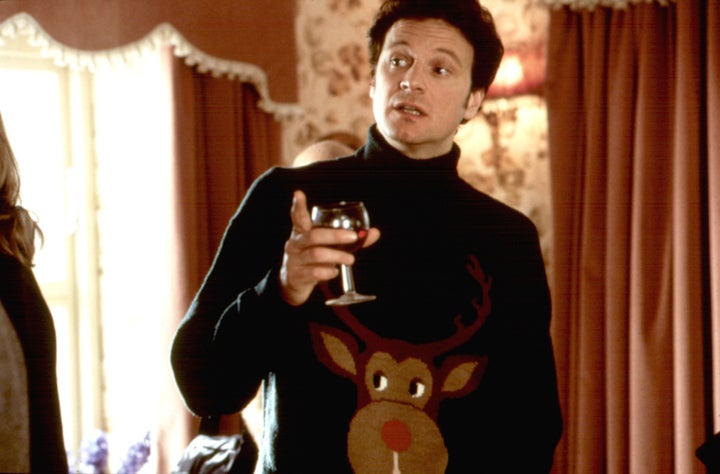
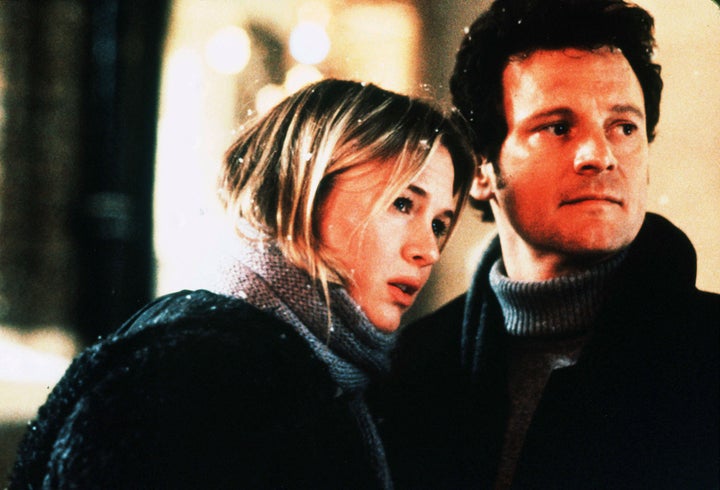
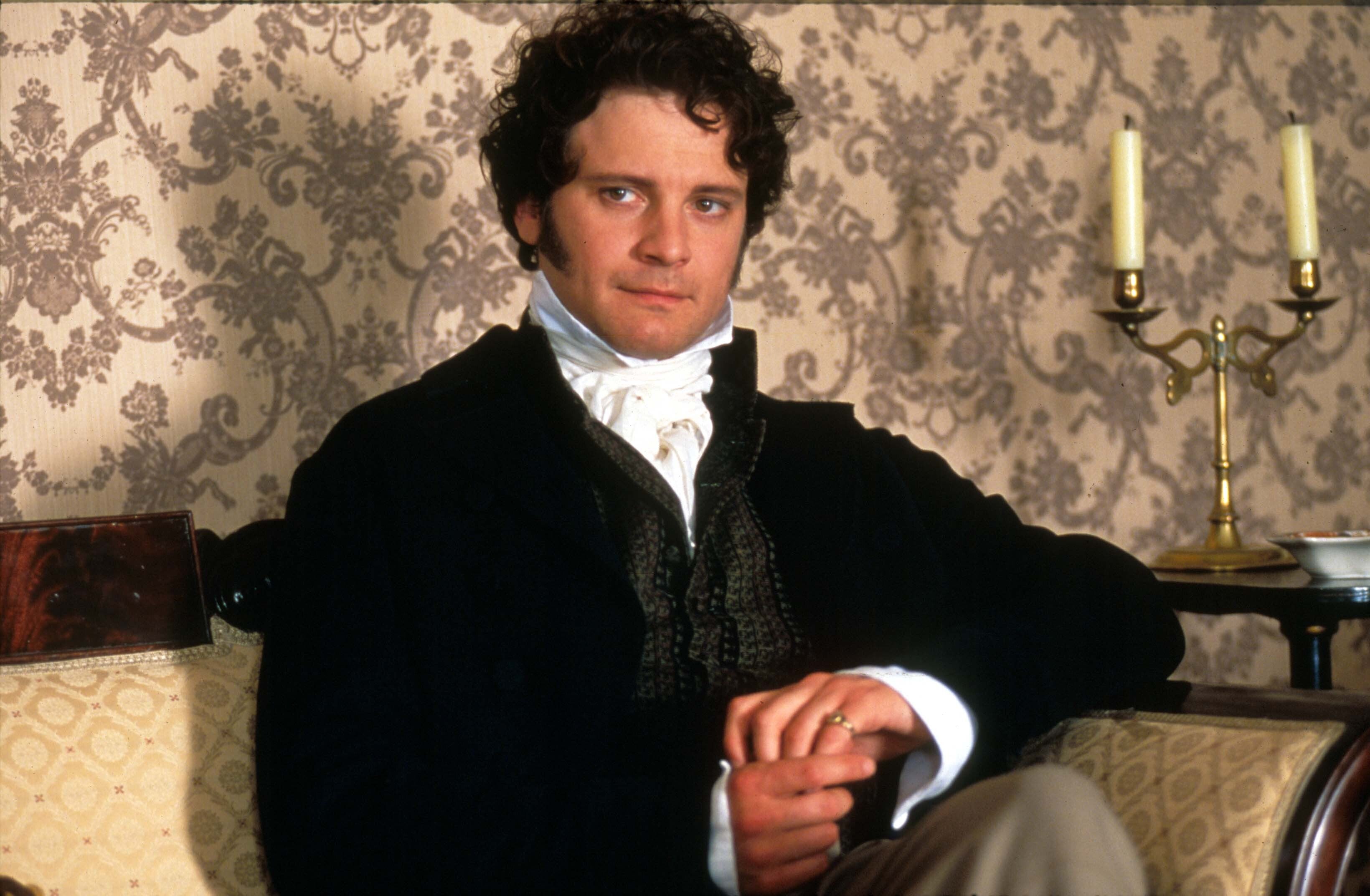
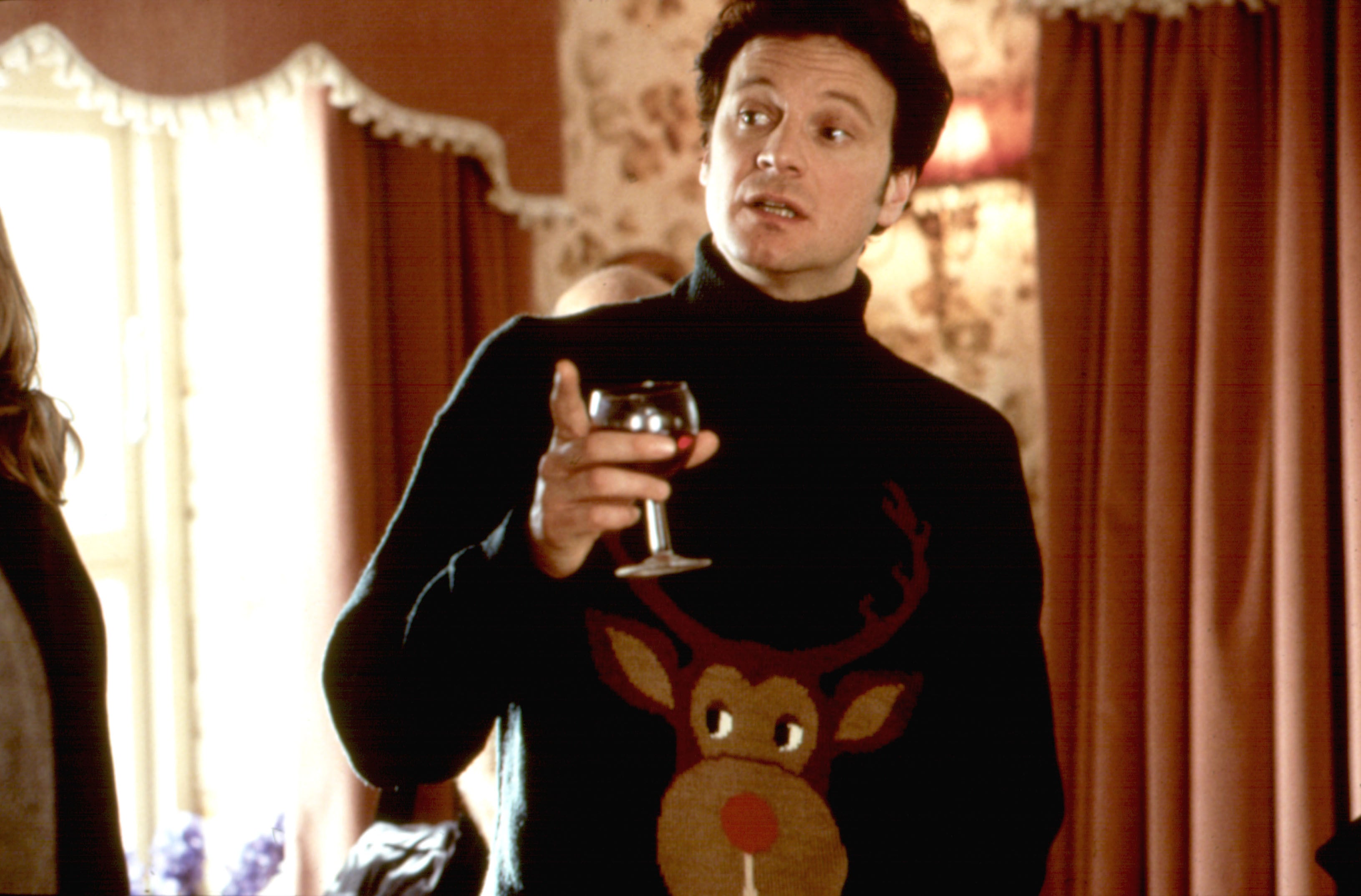
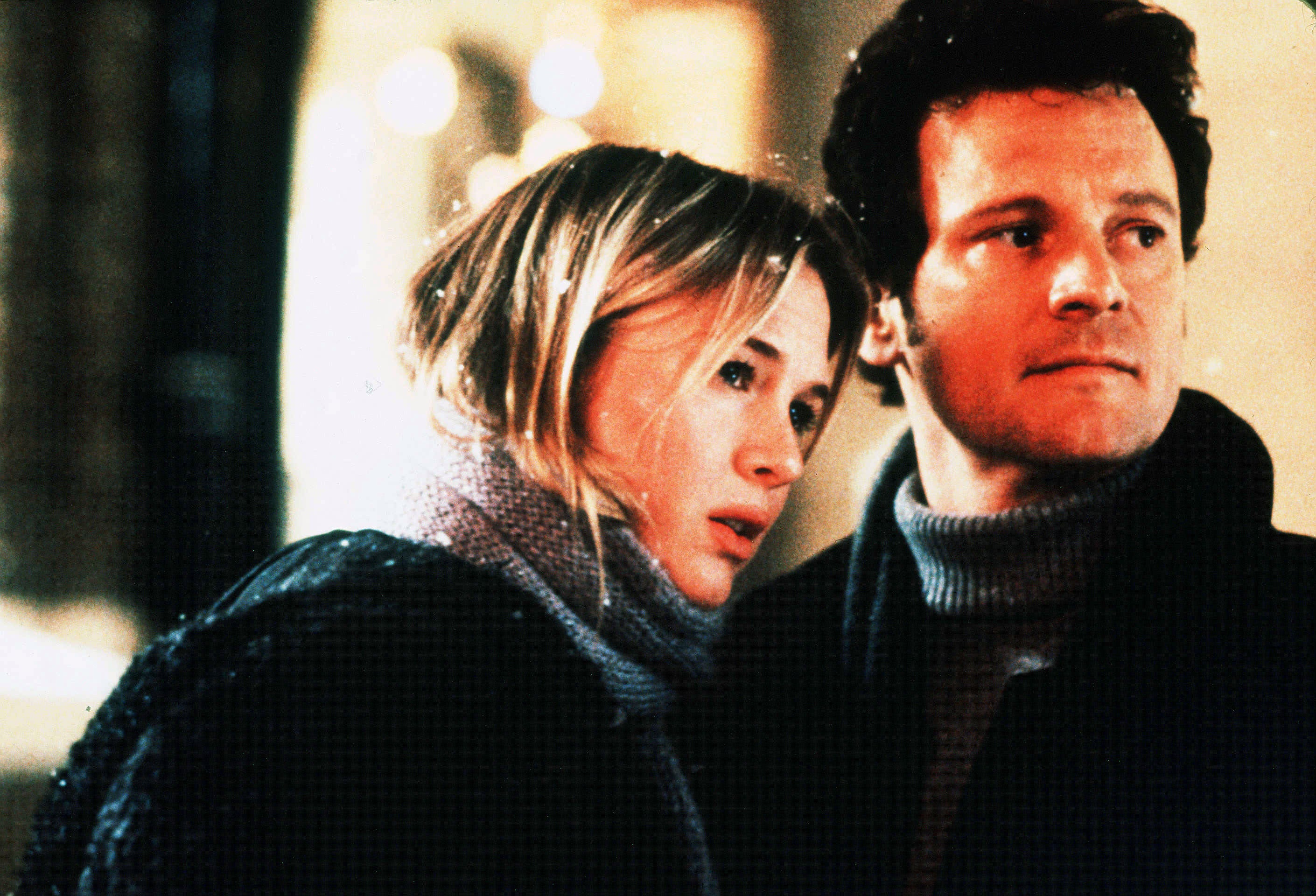
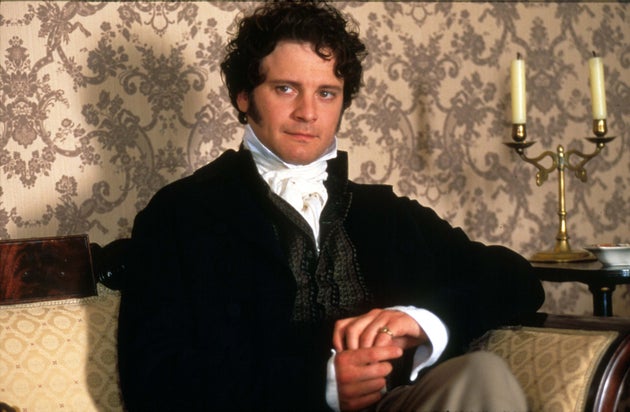
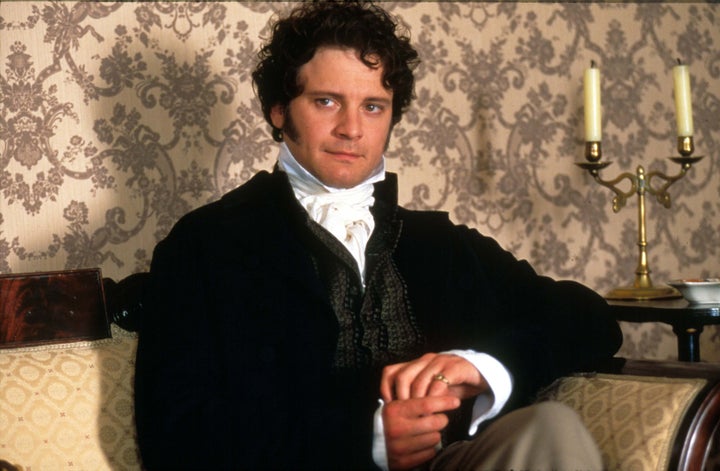
Because of the book’s ties to Pride And Prejudice, the Bridget Jones team were always adamant that Mark Darcy should be played by Colin Firth, who previously appeared in the BBC’s much-loved adaptation of the Jane Austen book
“Colin always had to be Mark Darcy,” producer Eric Fellner put it around the film’s release. “As the story unfolds, and the audience comes to understand Mark Darcy, he transforms from a seemingly snobby and cold intellectual into a thoughtful and sensitive man.”
Moviestore/Shutterstock
There is another Pride & Prejudice reference hidden in Bridget Jones’s Diary that we’re only clocking now 25 years later
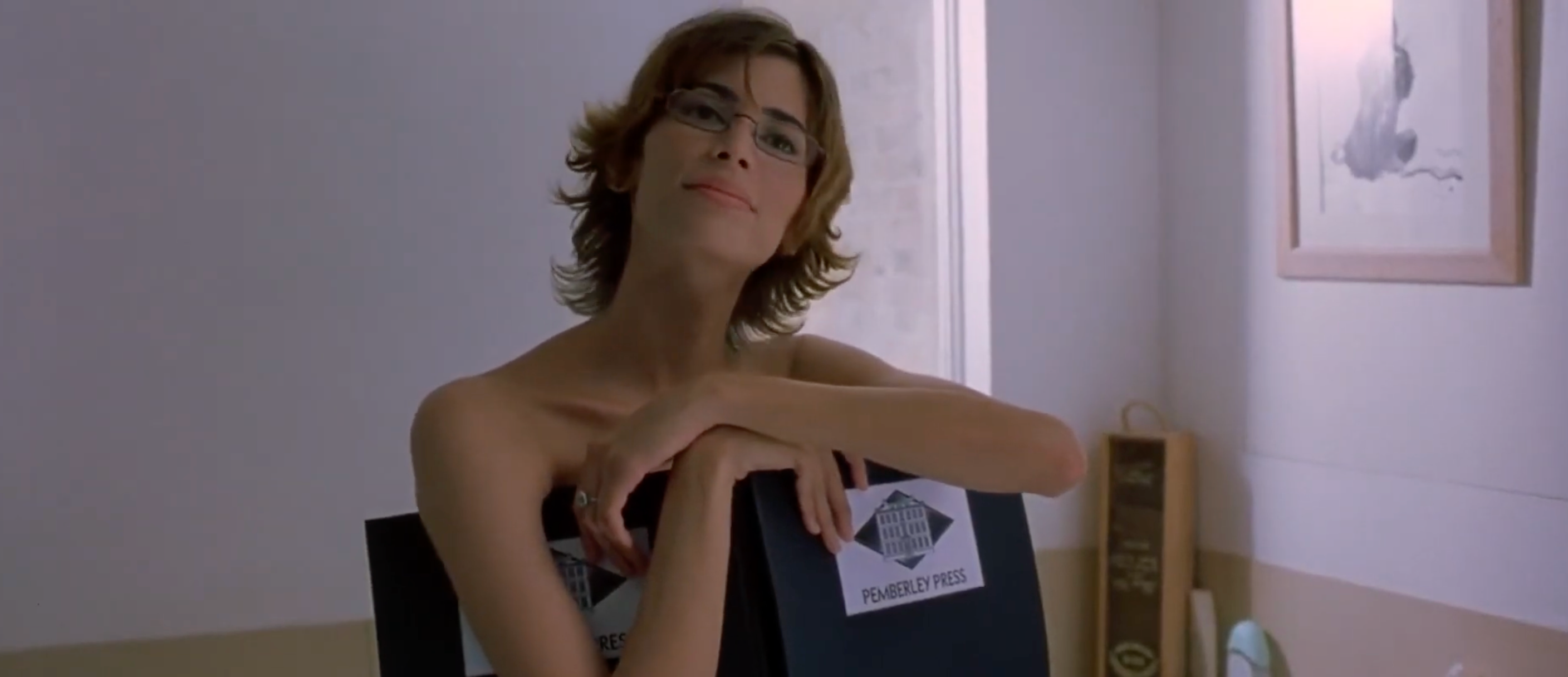
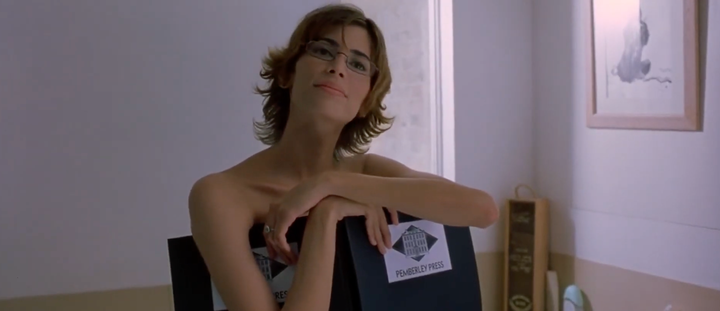
The publishing house where Bridget Jones works is called Pemberley Press, a subtle nod to Mr Darcy’s estate in the Austen classic.
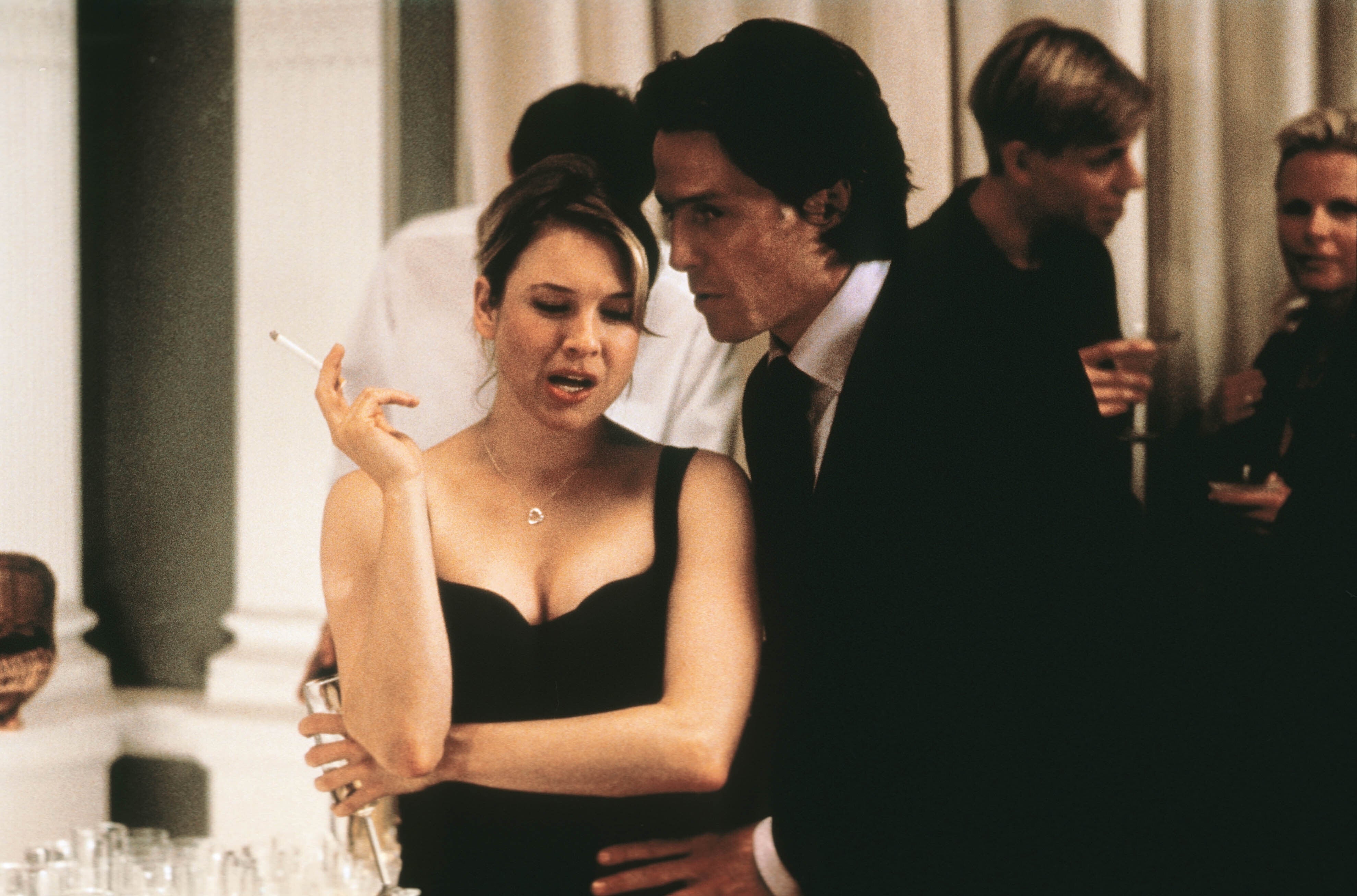
When Bridget walks in on the woman that Daniel Cleaver has been cheating on her with, she’s covering herself with a Pemberley Press portfolio, sporting an image of a stately home not unlike Darcy’s.
Working Title
Advertisement
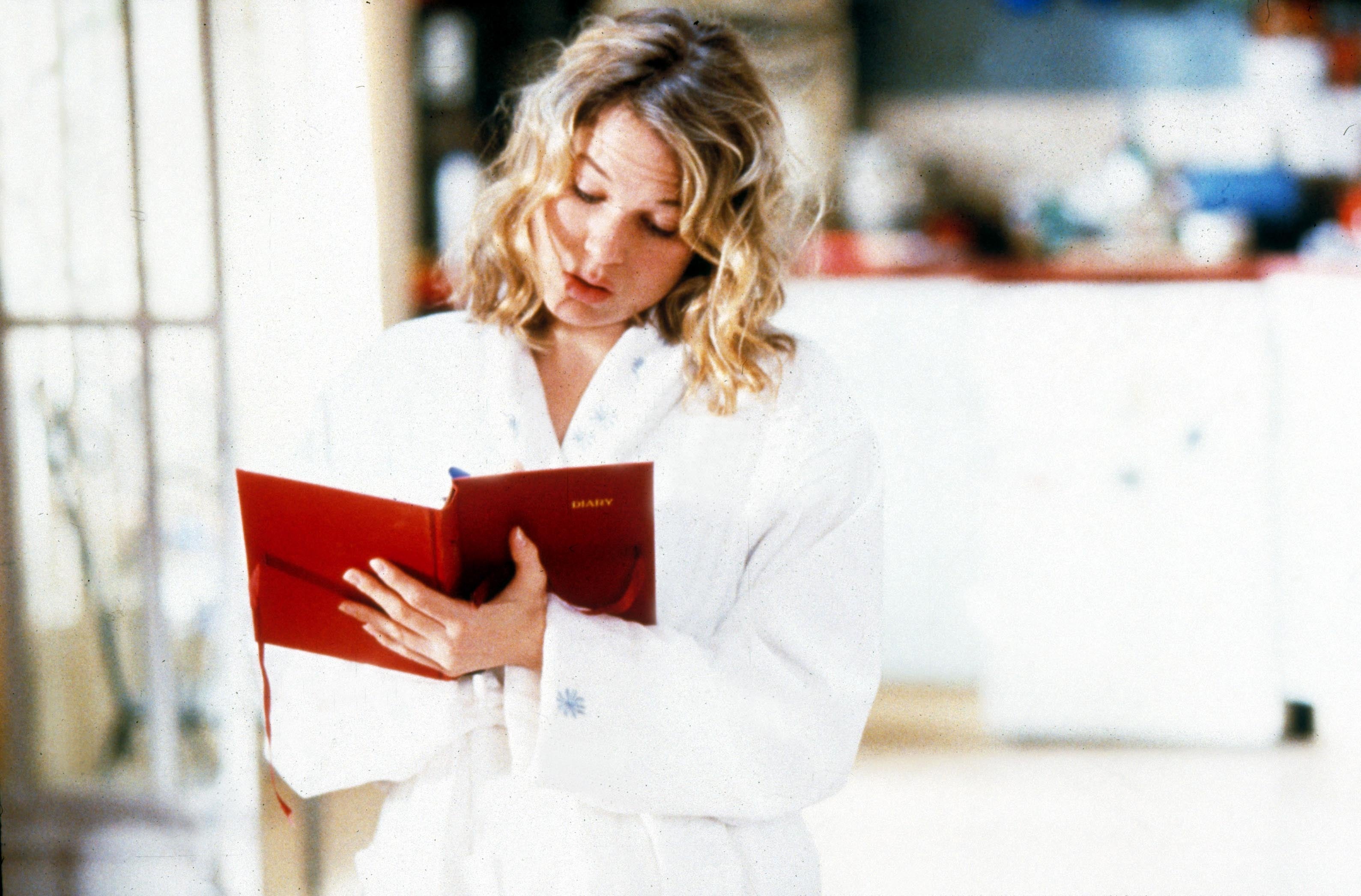
When it came to casting the role of Bridget Jones, Renée Zellweger wasn’t actually the first choice
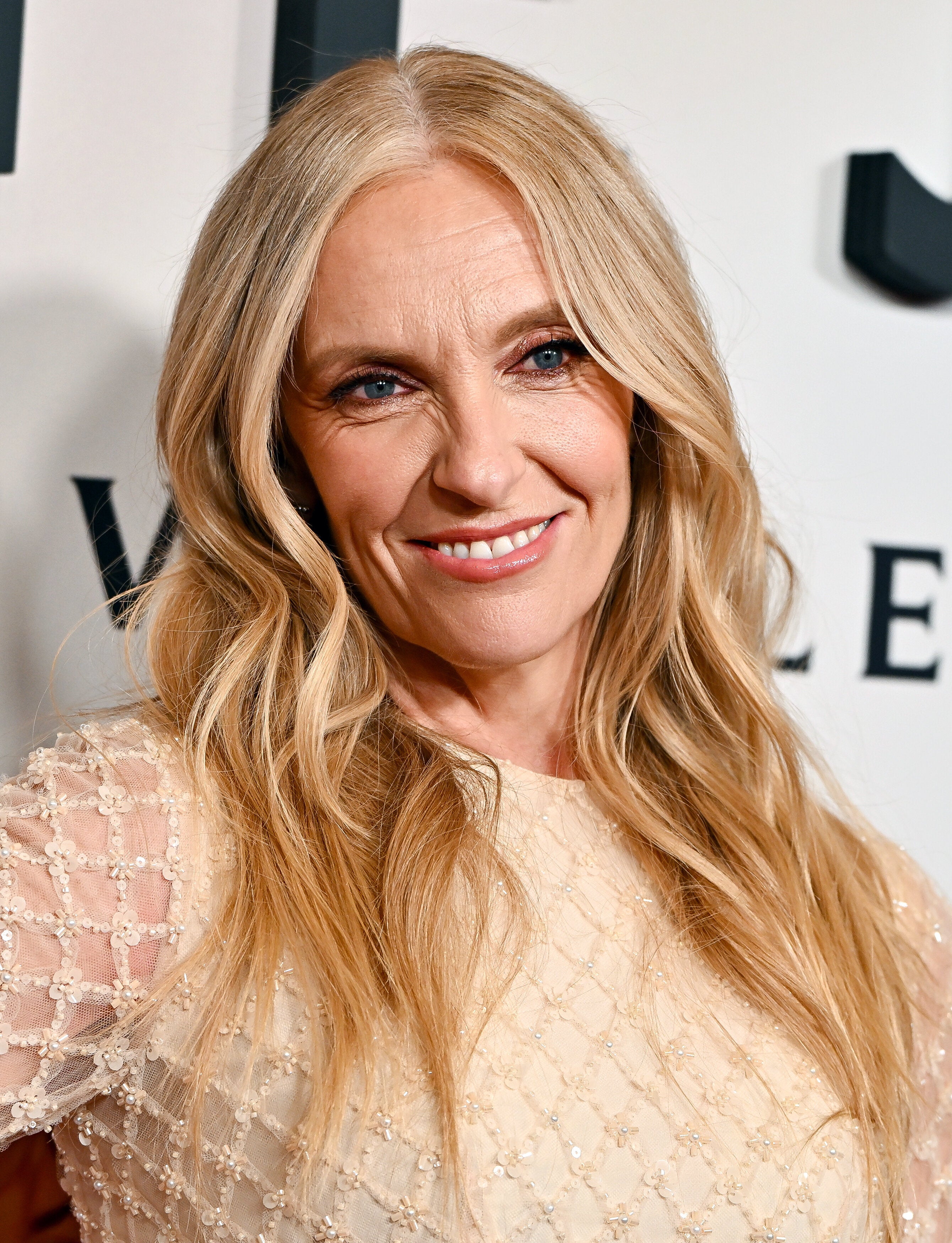
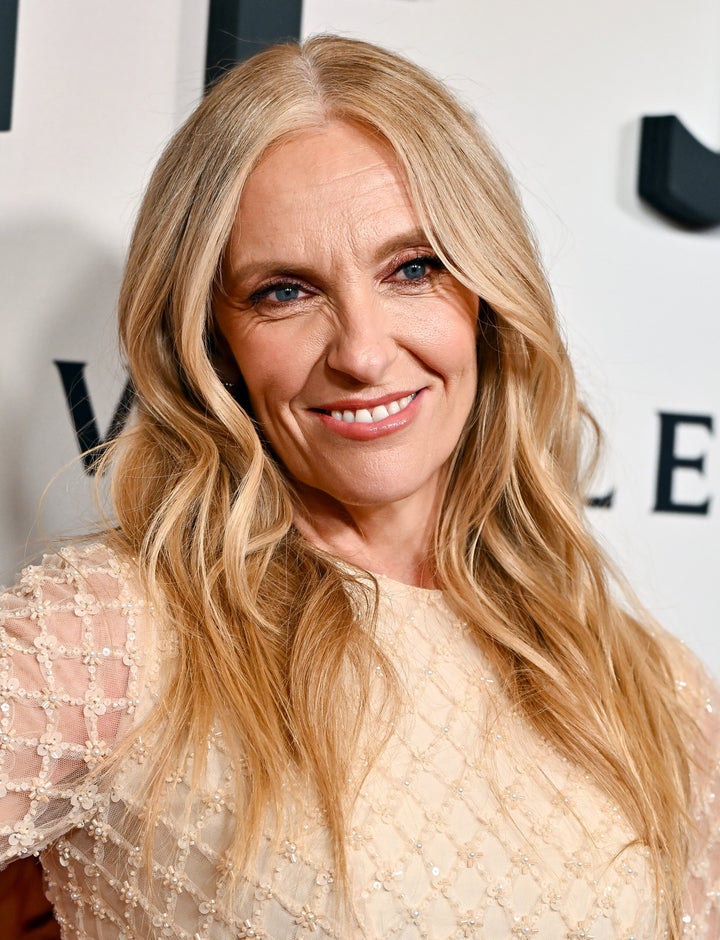
In fact, the role first went to Toni Collette, who turned it down because she was appearing in a Broadway play at the time filming was due to get underway.
She told Watch What Happens Live in 2023: “I have no regrets – life happens as it’s meant to.”
The casting process apparently took around two years before producers found their Bridget in Renée Zellweger.
Advertisement
Of course, the decision to cast an American actor as such an iconic Londoner wasn’t exactly met with unanimous praise, but Renée pulled it out of the bag and won over her detractors in the end.
via Associated Press
To help perfect her British twang to play Bridget Jones, Renée Zellweger worked with the famous dialect coach Barbara Berkery
Right before Renée worked with Barbar Berkery, the dialect coach had helped Gwyneth Paltrow on her way to winning an Oscar for Shakespeare In Love.
Before that, she’d also coached Gwynnie while she was playing a Londoner in the 90s classic Sliding Doors.
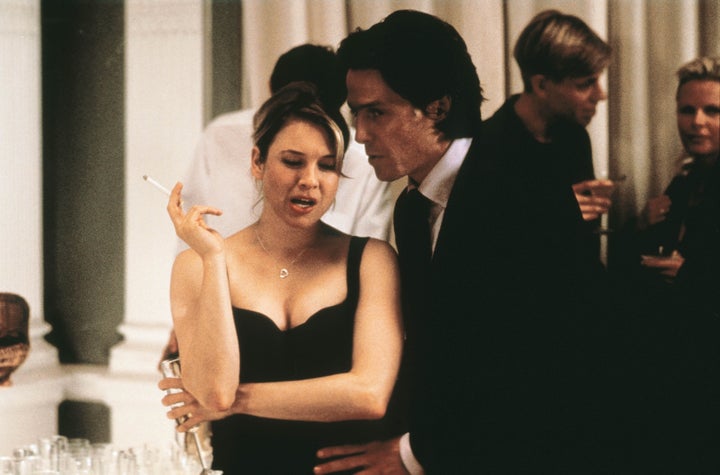
It’s fair to say that Hugh Grant wasn’t initially convinced by Renée Zellweger’s Bridget Jones accent…
“She came in, doing quite a good British accent, but it was Princess Margaret,” Hugh recalled in the 2020 documentary Becoming Bridget Jones. “That was a little startling.”
After the suggestion that she “loosen it up a bit”, Hugh claimed that Renée’s next attempt was more “Princess Margaret having a stroke – but a week later, it was bang on”.
Alex Bailey/Miramax/Universal/Kobal/Shutterstock
Advertisement
To help retain her accent, Renée Zellweger continued speaking in Bridget Jones’ voice even between takes
Sally Phillips once told Lorraine: “I’d made quite good friends with her during the filming [but] I realised towards the end, when she suddenly lost a stone in the last week, and started talking in a Texan accent at the wrap party, I’d made friends with Bridget, not Renée.”
It’s well-documented that Renée Zellweger intentionally gained weight to help her play Bridget Jones, which she did by increasing her food intake and not exercising
For the second Bridget Jones film, Renée opted for prosthetics rather than gaining the weight back, and by the third and fourth films, it was decided that the actor and her on-screen counterpart should be the same size.
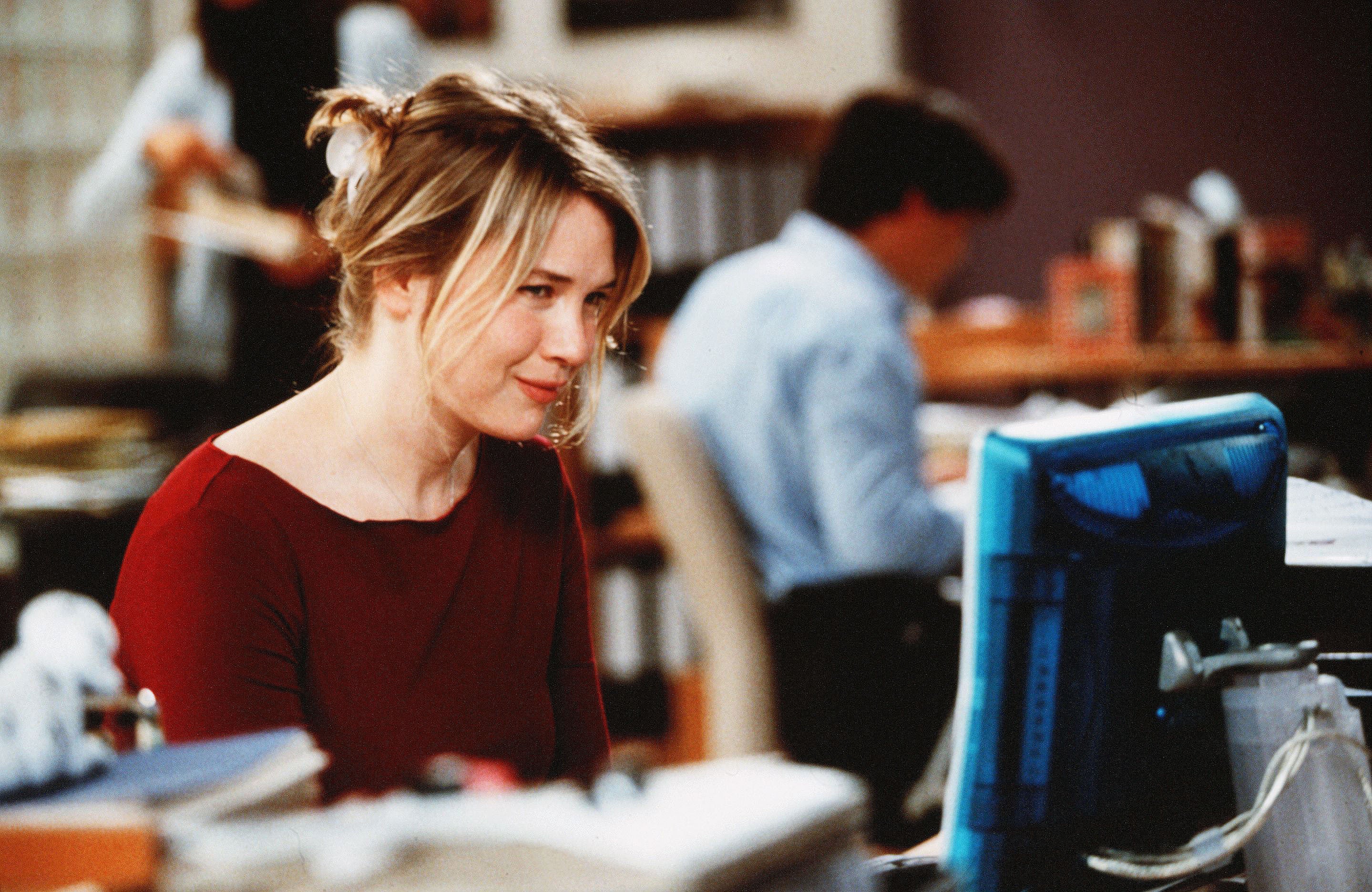
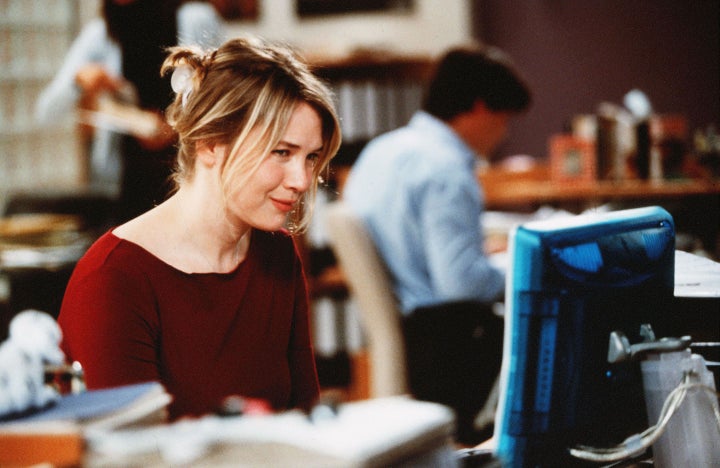
As well as her accent and weight gain, Renée Zellweger also got into the Bridget Jones mindset by working a brief internship at a publishing house
Paul Chedlow/Miramax/Universal/Kobal/Shutterstock
Advertisement
“A young work experience woman came into the office and introduced herself as Bridget and we were all a bit bemused by the fact that Bridget seemed to have really nice clothes (not smart, just a lot better than our outfits) and a transatlantic accent,” Mary Mount – who was working as an editorial assistant at Picador at the time – recalled last year. “I thought she looked vaguely familiar but in that way that you can’t really place.”
One of the future Oscar winner’s tasks was cutting out any press clippings about Picardo at the time.
Unfortunately, the big story surrounding Picador at the time was the fact that a Bridget Jones movie was in the works, meaning “her job was literally to cut out nasty articles about herself”.
Advertisement
“She kept her cool,” said Camilla Elworthy, who oversaw Renée during her work experience. “But [she] did scribble ‘rubbish’ in the margins of one piece.”
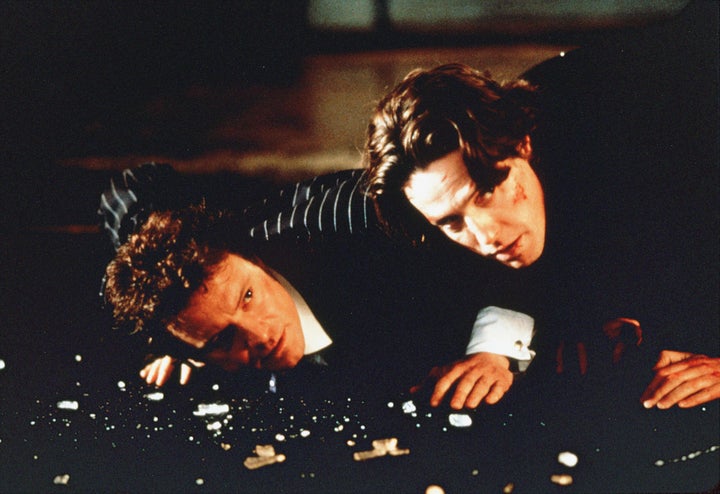
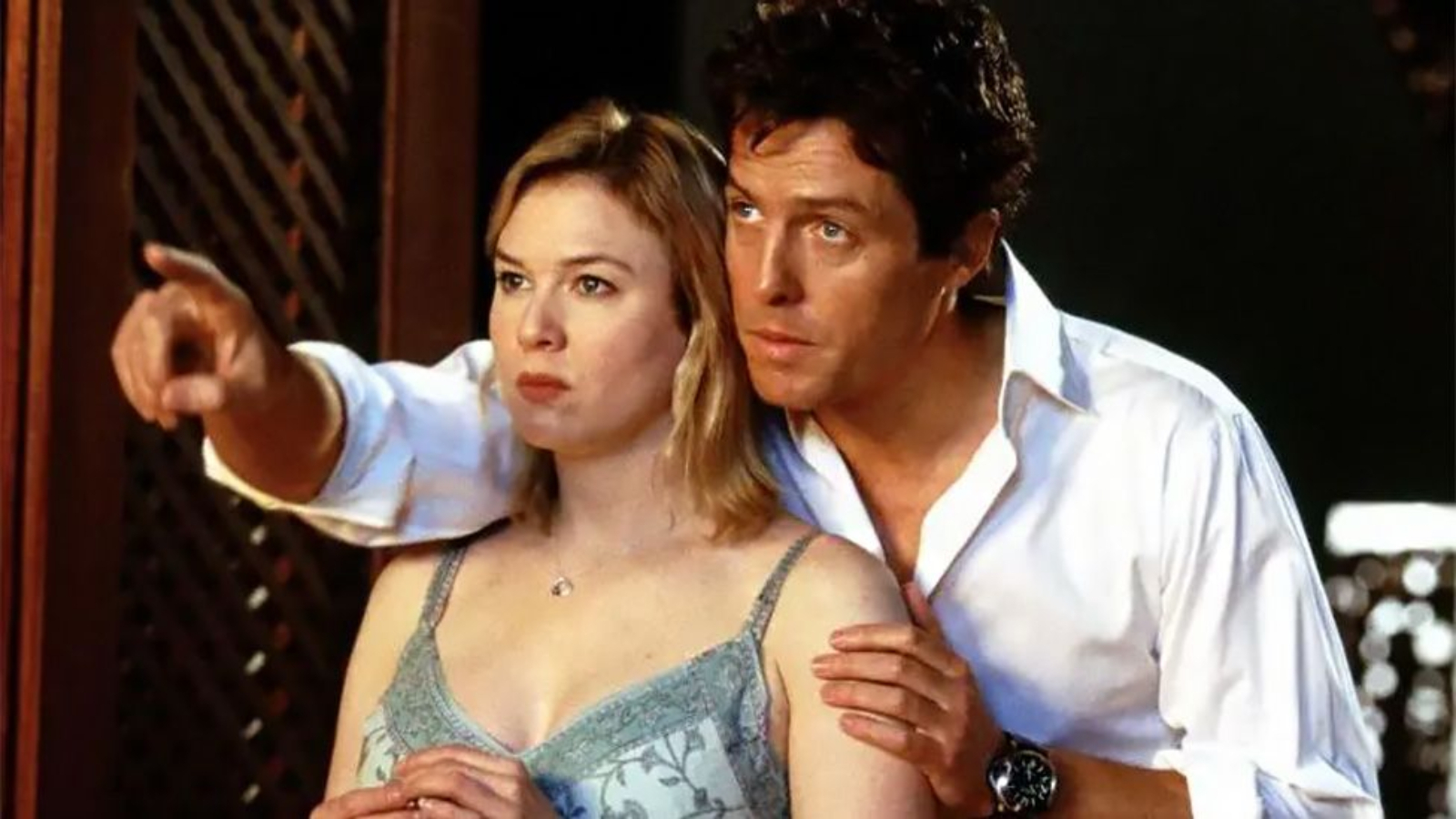
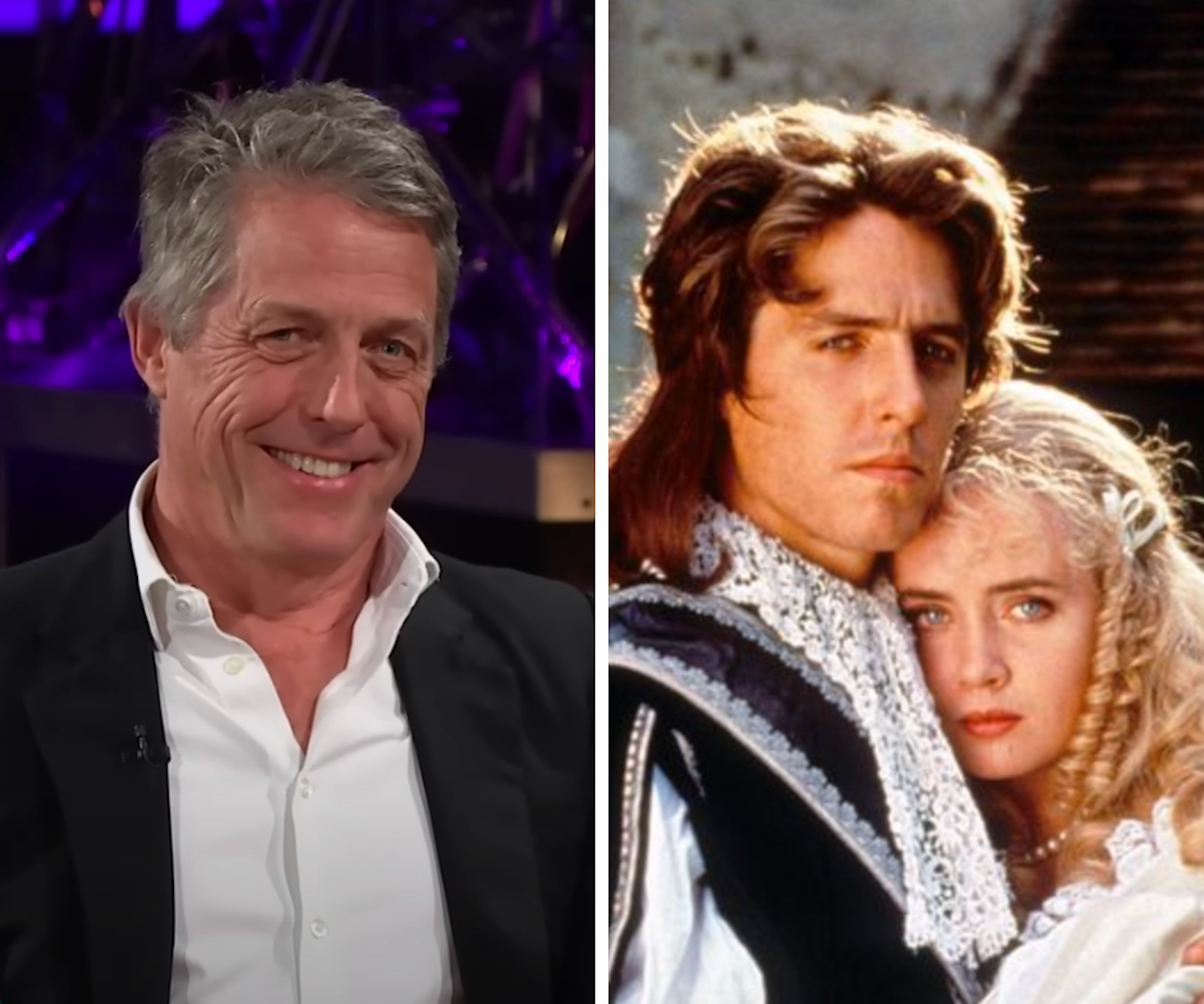
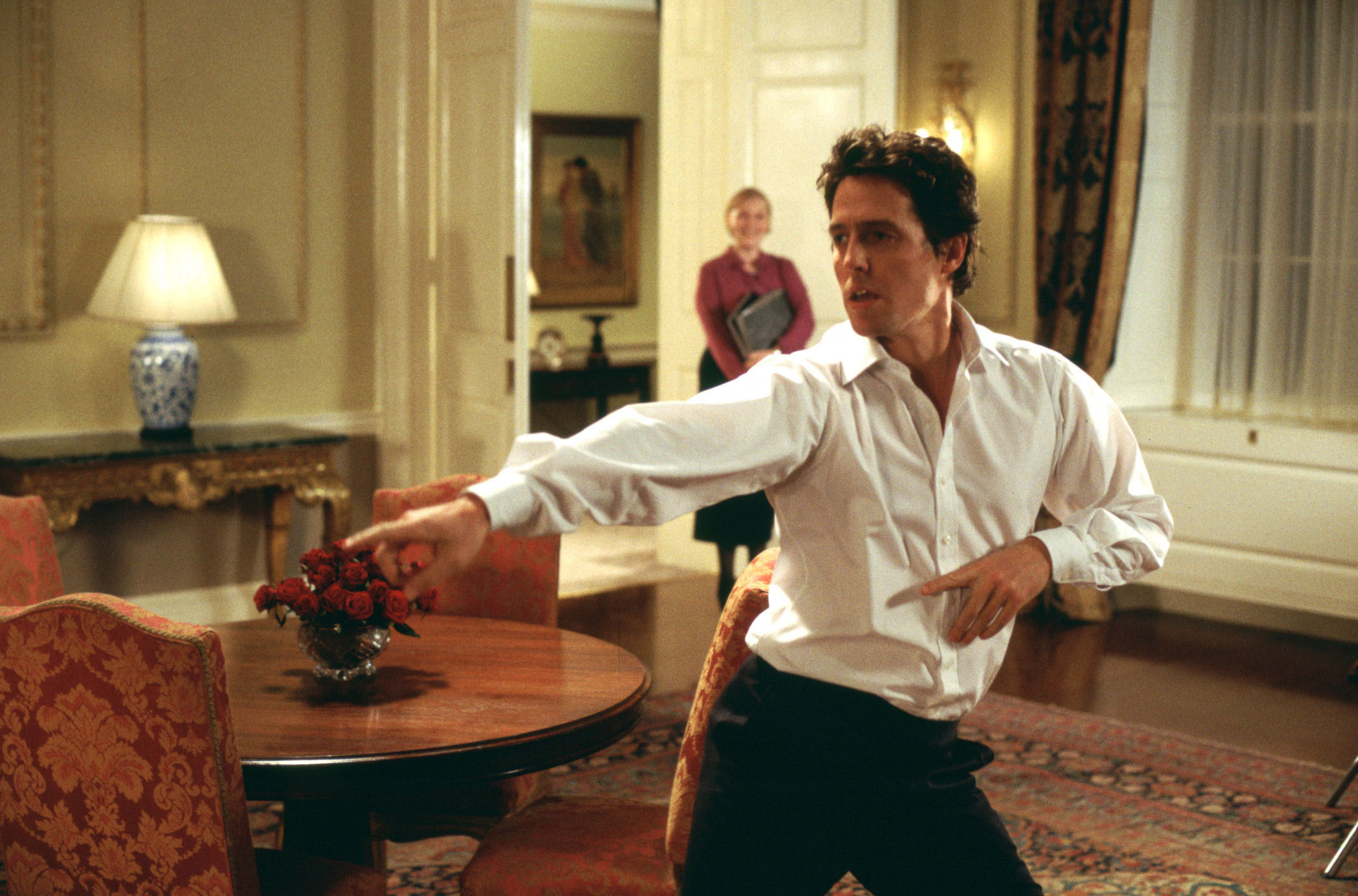
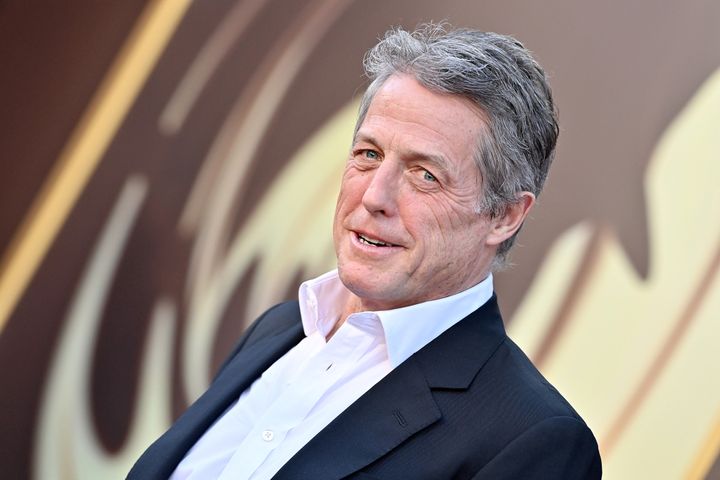
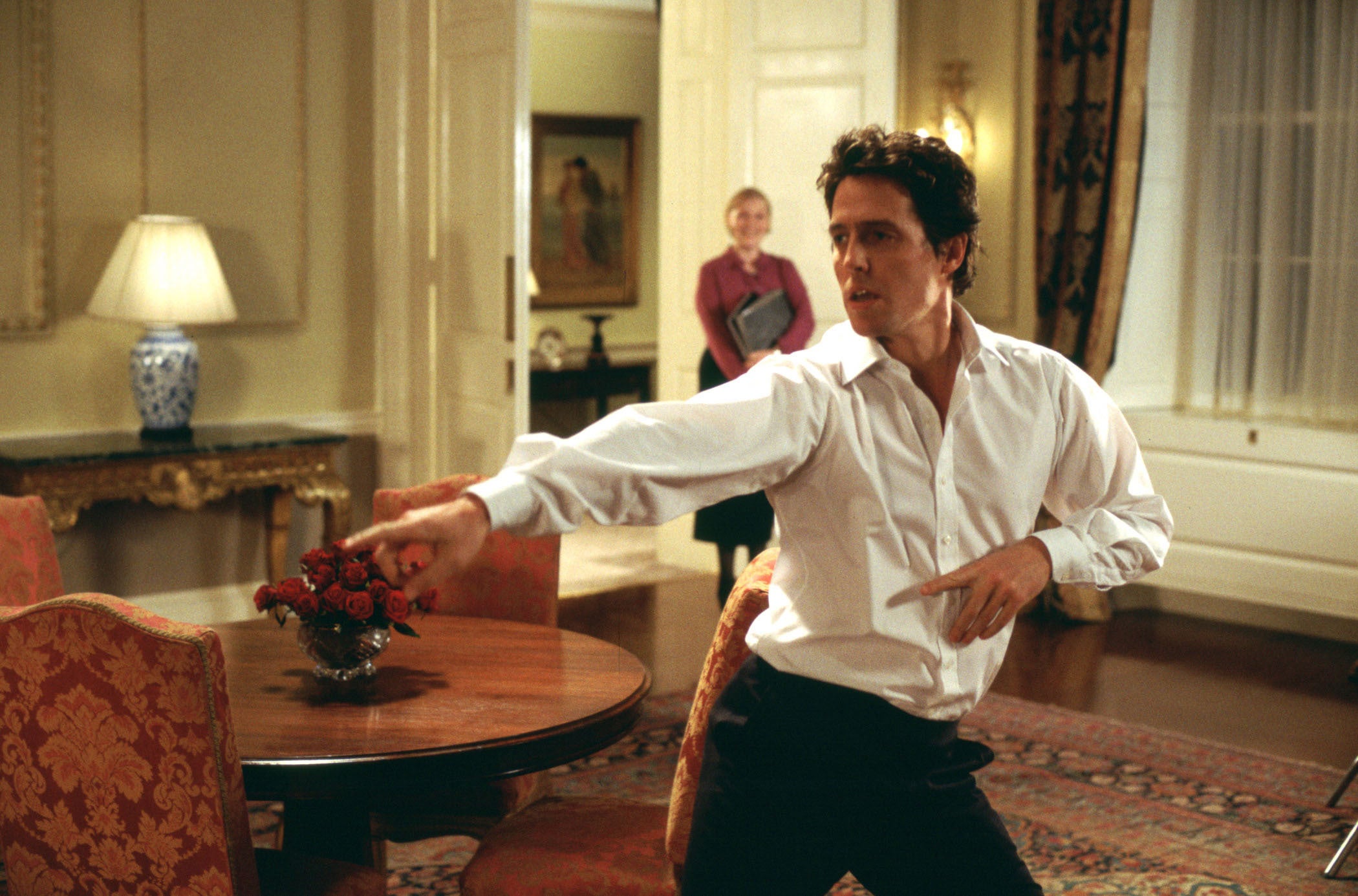
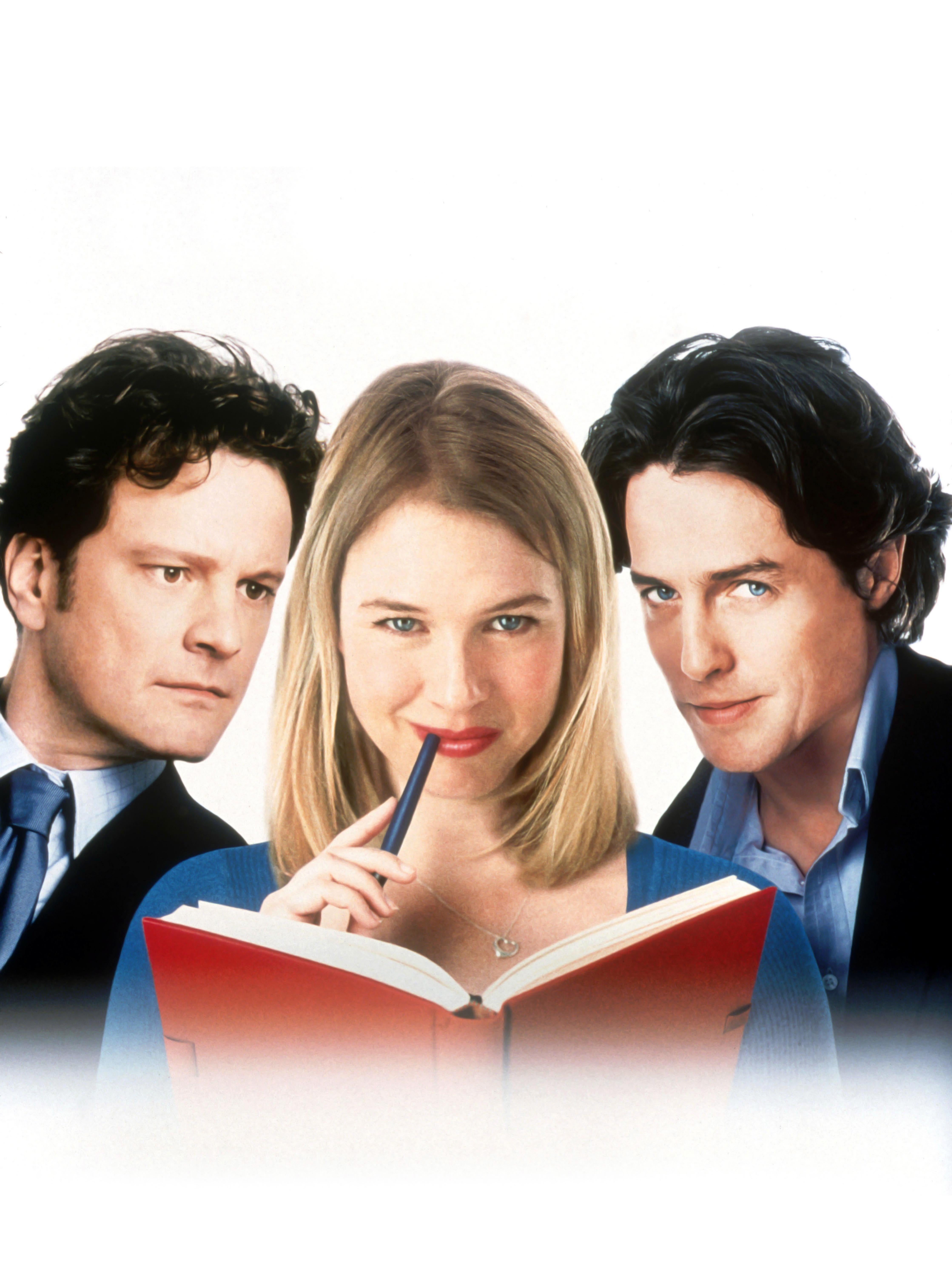
As for the rest of the Bridget Jones’s Diary cast, Hugh Grant actually turned down the part of Daniel Cleaver on several occasions
Miramax/Universal/Kobal/Shutterstock
Advertisement
“The only reason for that was because I didn’t feel they had the script quite right for a long time,” he admitted in the lead-up to its release. “And I kept saying, it’s not working. Just get Richard Curtis to come in and help rewrite it.”
Hugh had already worked with Richard Curtis on Four Weddings And A Funeral and Notting Hill, with the two later reuniting on Love Actually and the second Bridget Jones movie.
“As soon as Richard came on board, I signed on the dotted line,” the Bafta winner added. “So, that’s all it was.”
Advertisement
Bridget Jones’s Diary was filmmaker Sharon Maguire’s feature-length directing debut, although she did already have a connection to the source material
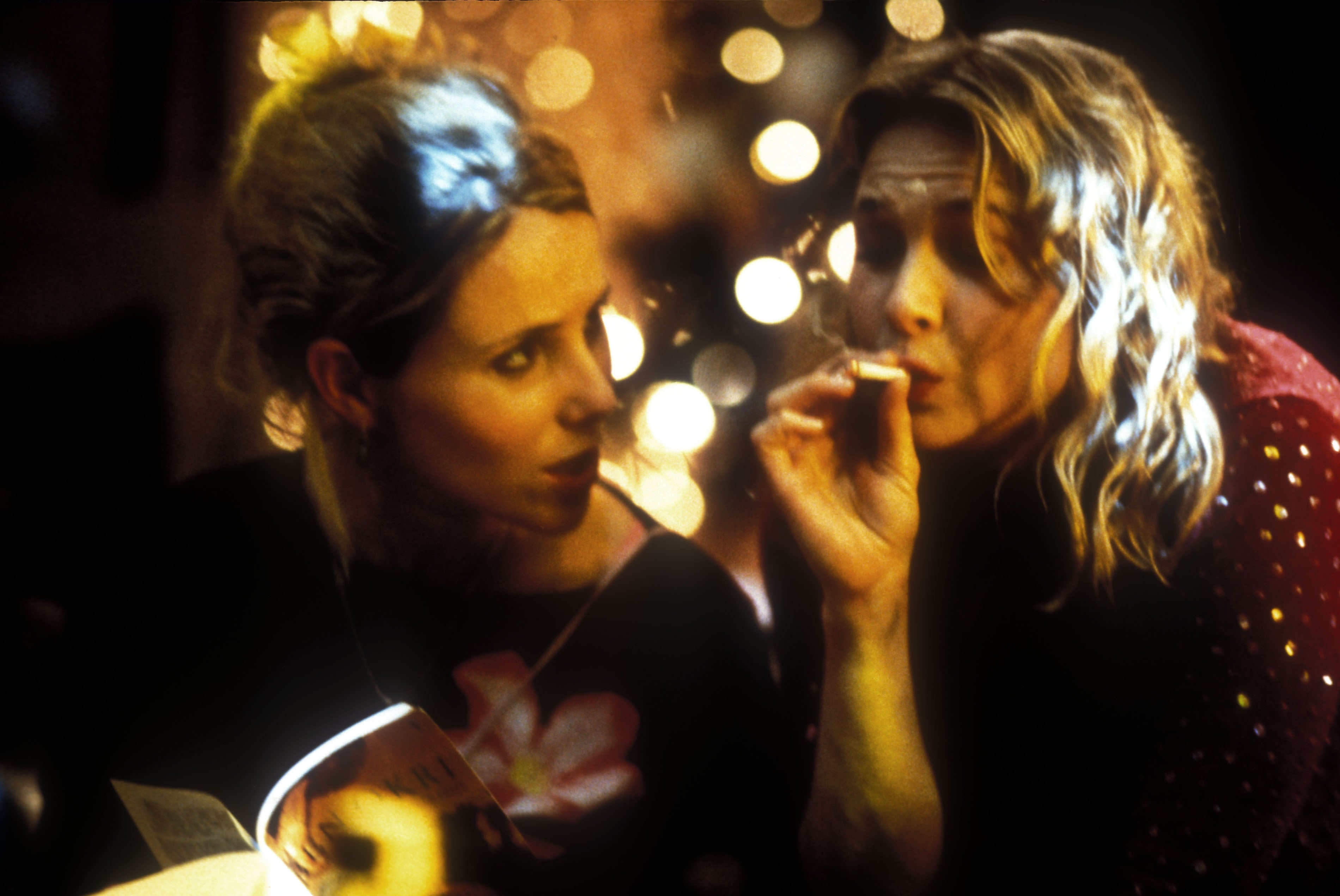
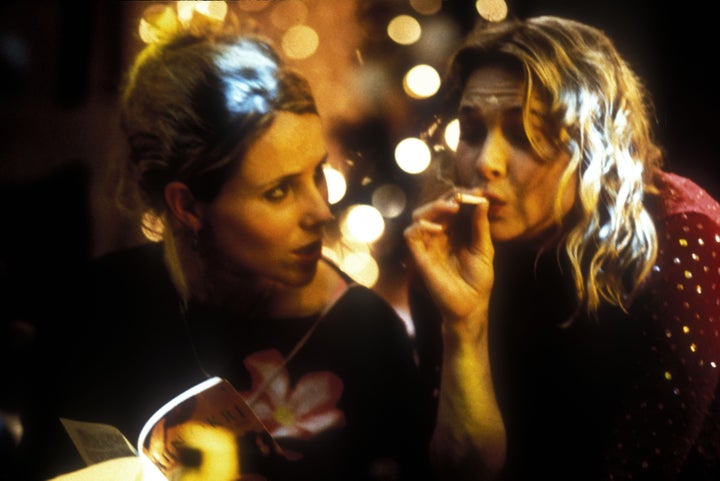
Sharon was close friends with Helen Fielding, and was heavily rumoured to be have been the inspiration for “Shazzer”, the character played on screen by Sally Phillips.
“I’m delighted to be in the book, especially as Shazzer is so much wittier than me,” Sharon once told The Telegraph. “The only thing is that you go to parties and you worry that people will expect you to be funnier than you really are.”
Advertisement
“Helen was just writing about our lives – hilariously,” she later told the LA Times in 2016, adding: “Thirtysomethings had come out of long relationships in their 20s and realised they hadn’t ended up married or with children. We were in our 30s, behaving like we were 17-year-olds and having a great time but still floundering around asking questions about relationships, careers, biological clocks.”
Miramax/Universal/Kobal/Shutterstock
Salman Rushdie’s Bridget Jones’s Diary cameo came about he, too, was a friend of Helen Fielding
“For me, it was very simple,” he told Texas Monthly in 2001. “Helen Fielding, the author of the book, is an old pal of mine, and she asked if I’d come along and make a fool of myself, and I said, ‘Why not?’.”
Advertisement
As for sharing the screen with the movie’s leading lady, the author added: “Renée was wonderful, I thought, and at the premiere we had a little joke. I told her that my performance is what held the film together – and she agreed. She thought it was a pivotal role.”