Everything You Need To Know About This Month’s New Bin Collection Changes

As a part of their “Simpler Recycling” initiative, the government is going to change the rules around how bins are collected across England this month.

It will mean councils will have to offer collections for the same four kinds of waste.

Here’s when it comes into place, what it means, why it’s happening, and what you need to do next:

When do the bin changes come into place?

For households, the changes begin on 31 March, 2026.

For workplace recycling, they have been in place at businesses with 10 or more employees since 31 March, 2025.

If you need more information on changes that might affect your local area, check your council’s website or contact them directly.

Where do the bin changes apply?

They will apply in England.

What do the new “Simpler Recycling” rules mean?

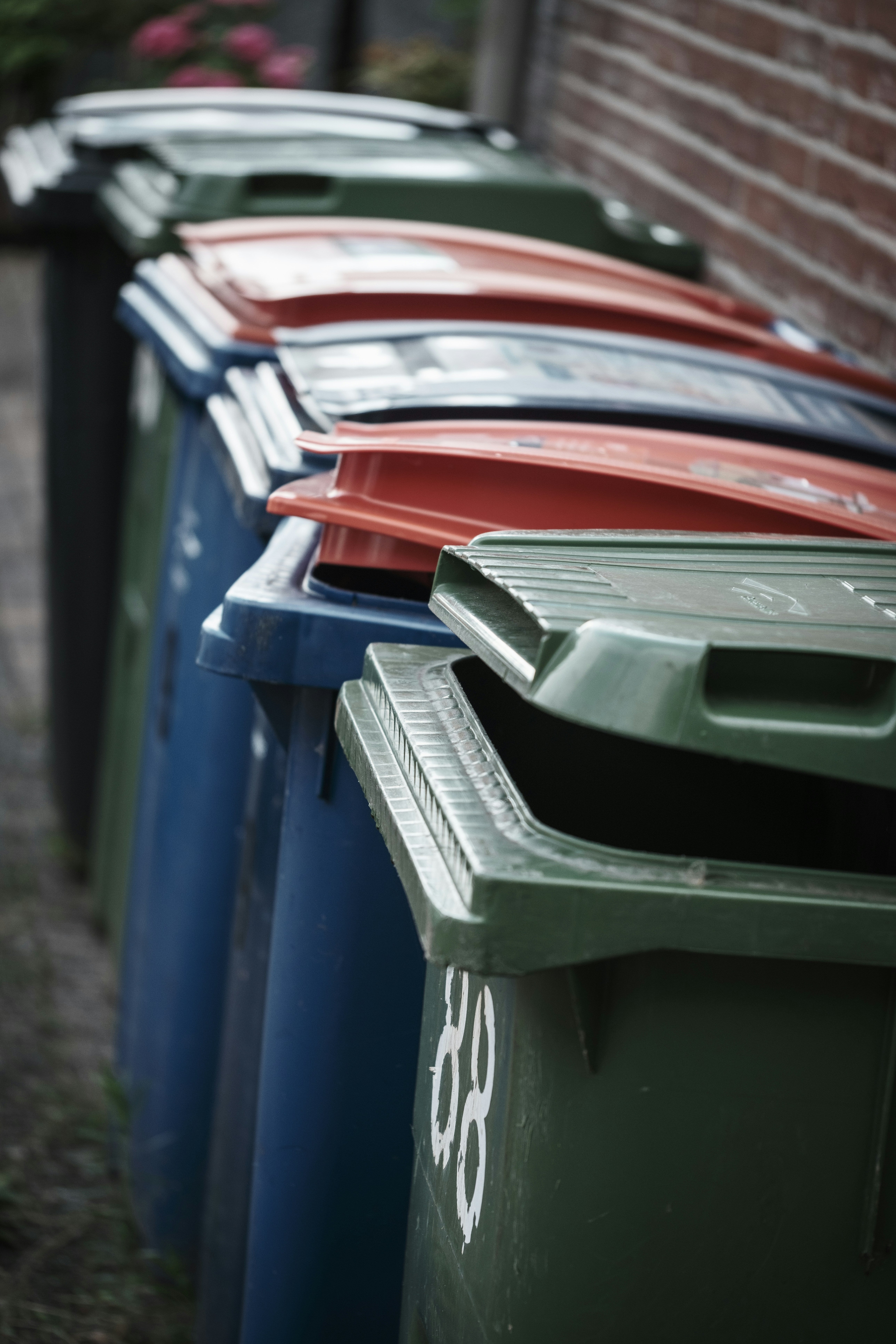
The standard requirement for businesses and households will be the following four bins:

  • residual (non-recyclable) waste,
  • food waste (mixed with garden waste if appropriate),
  • paper and card,
  • all other dry recyclable materials (plastic, metal and glass).

That means they’ll be collected separately.

“Plastic film packaging and plastic bags will need to be collected with plastic recycling from 31 March 2027,” the government explained on its website.

In the meantime, the four options bullet-pointed above will become the standard ones in England.

They must be collected from all households, including flats.

Why has the government created this change?

They hope it will make recycling easier.

Recycling rates have stayed under 45% since 2015 in the UK. But the government wants us to reach a 65% recycling rate by 2035.

It is hoped that by getting rid of a “muddled and confusing patchwork of approaches to bin collections,” people will be more likely to recycle.

Currently (prior to the March 21 change), some households would have to use seven bins to get all of their waste collected properly.

The government hopes a country-wide approach will “end the ‘postcode lottery’ of bin collections in England whereby councils collect different materials for recycling, causing confusion for households”.

This way, you won’t have to check with your specific council to see whether your waste can be collected. It will be the same across England.

Simpler Recycling aims to make recycling simple and consistent. It will include food waste bins nationally, which will get rid of “bad-smelling” food waste. At the moment, lots of UK households don’t get food waste collection.

So, what do I put in each bin under the new rules?

1) Paper and card

This covers all paper and card, except that which has been laminated, contains glitter, or is dirty, wet, and/or sticky.

This will also not include books, wallpaper, or padded envelopes.

2) Mixed recycling

That includes glass items like jars and bottles.

But waste collectors don’t have to collect glass not used as packaging, like mirrors, drinking glasses, microwave plates, light bulbs, or glass vases as mixed recycling.

The category also excludes ceramics like earthenware or crockery.

Mixed recycling also includes metals, like aluminium and steel cans, tins, and spray cans, foil, food trays, jar and bottle lids, and tubes (like empty tomato puree tubes).

But it does not include “laminated foil, like pet food pouches and coffee pouches”, electrical items like batteries, kitchenware like knives and forks, kettles, irons, or containers that held white spirits, paints, engine oils or antifreeze.

Plastics like bottles, tubs, trays, tubes (like toothpaste tubes), and cartons for food or drink (like Tetra-Pak) also count as mixed recycling.

But any plastic labelled “biodegradable” or “compostable,” like coffee pods, or plastic containers that held white spirits, paints, engine oils or antifreeze, does not count as mixed recycling.

Mixed recycling also does not cover bulky plastics like garden furniture, or polystyrene or PVC packaging.

3) Food waste

This counts for all food waste except liquid. That can include eggshells, vegetable peels, etc.

The food waste caddy liners that your food waste will sit in can also be collected.

4) Residual waste

That includes things that can’t be recycled, like plastic film, foil, kitchen roll, food containers that can’t be wiped clean, and nappies.

You can also put some garden waste in here, like grass clippings.

But it does not cover animal bedding, sand, sawdust, plastic, rocks, plant pots, gardening tools, bulky waste like fencing or garden furniture, or very large branches that have not been cut down.

Share Button

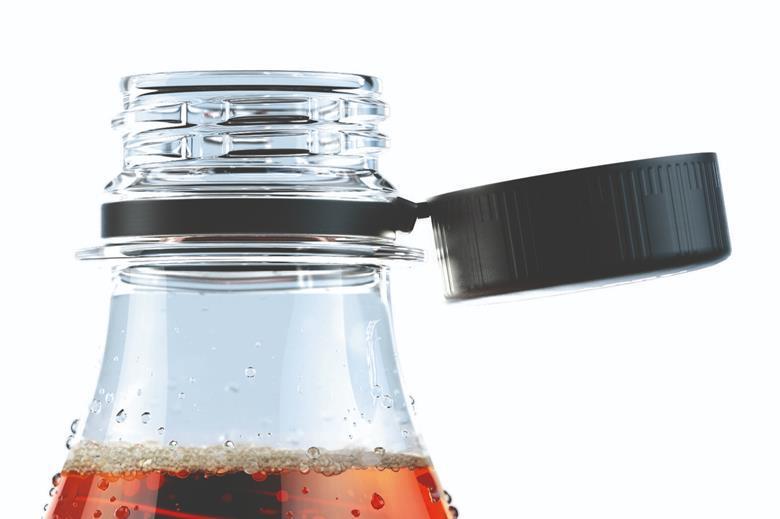
So THAT’S Why We Have Those New Attached Caps On Drinks Bottles

Have you noticed now that when you buy a bottled soft drink, the lid doesn’t fully detach?

It’s something social media users have noticed and they are truly not impressed, with one X (formerly Twitter) user saying, “whoever decided that bottle caps needs to be attached to the bottle now count ur days. worst thing ever.”

In their defence, at first, these caps were annoying. Being in the habit of taking them cleanly off and then finding that you simply… can’t anymore, is a little disorienting.

However, there is good reason behind it.

Why the caps on bottled drinks changed

So, according to the retail experts at The Grocer, it was Coca Cola that originally brought this change in.

The Grocer said that Coca Cola implemented this in an attempt to ramp up the recyclability of their products because, although their caps have always been recyclable, they were often discarded.

However, this is now becoming EU law.

Sustainable Plastics said: ”[According to EU law] plastic caps must remain attached after opening on all single use plastic beverage containers of up to three litres from July 2024 onwards.

“Metal and glass containers are exempt from this obligation. The measure is expected to prevent 10% of plastic litter found on European beaches.”

Additionally, the relevant part of this EU regulation for Caps & Closures production reads: “Plastic closures and lids used for beverage containers are among the single-use plastic items most frequently found as litter on the beaches of the European Union.

“Therefore, the placing on the market of single-use plastic beverage containers should only be allowed if they comply with certain product design requirements in order to significantly reduce inputs of plastic container closures and lids into the environment.”

If you weren’t aware, you can recycle almost every type of plastic bottle at home, including beverages. The only exception is plastic bottles containing chemicals, e.g. anti-freeze, according to Recycle Now.

Looks like we better get used to those caps!

Share Button

6 Things People Leave Behind At Festivals (And Really, Really Shouldn’t)

Glastonbury is over, but the big cleanup has just begun. Collecting waste abandoned by festival-goers has taken between four and six weeks in previous years.

Now, a new survey has revealed the items people are most likely to leave behind, lose or break at festivals, despite 81% of people saying they think festivals generate too much waste, and 89% claiming they want to be more responsible.

Over half (58%) of those surveyed by gifgaf said they have left, lost or broken something at a festival before. The most common items are:

The findings also show that waste isn’t confined to what’s left behind on the site, with 79% of festival-goers buying new items ahead of the festival season. New outfits and wellies come top of the ‘must have’ list, with 49% and 41% respectively making the purchases. Around one in three (30%) buy a new tent and 15% also pick up a spare phone.

But festival organisers say they’re doing their bit to encourage environmentally-friendly habits. Glastonbury has launched the Love Worthy Farm, Leave No Trace campaign, for example, urging ticket holders not to pack anything they won’t be taking home with them again.

“There are now 15,000 very well signposted and beautifully painted bins (colour-coded for recycled and other rubbish) virtually everywhere on site for your rubbish,” the festival organisers say on their website.

“As you enter the site, stewards will hand you a green bag for recyclables and a clear bag for general waste – please help us look after the land by correctly filling them up as you go!”

In 2019 – the last pre-pandemic festival – organiser Emily Eavis said on Instagram that “93.3% of all tents were taken home”, calling it a “massive improvement” on previous years.

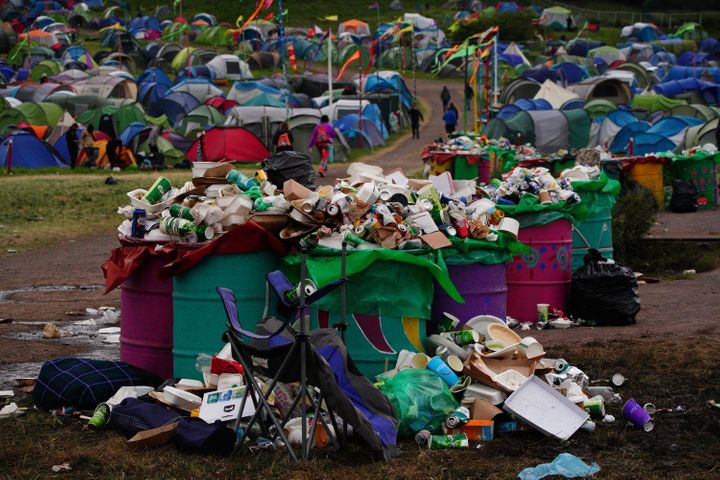
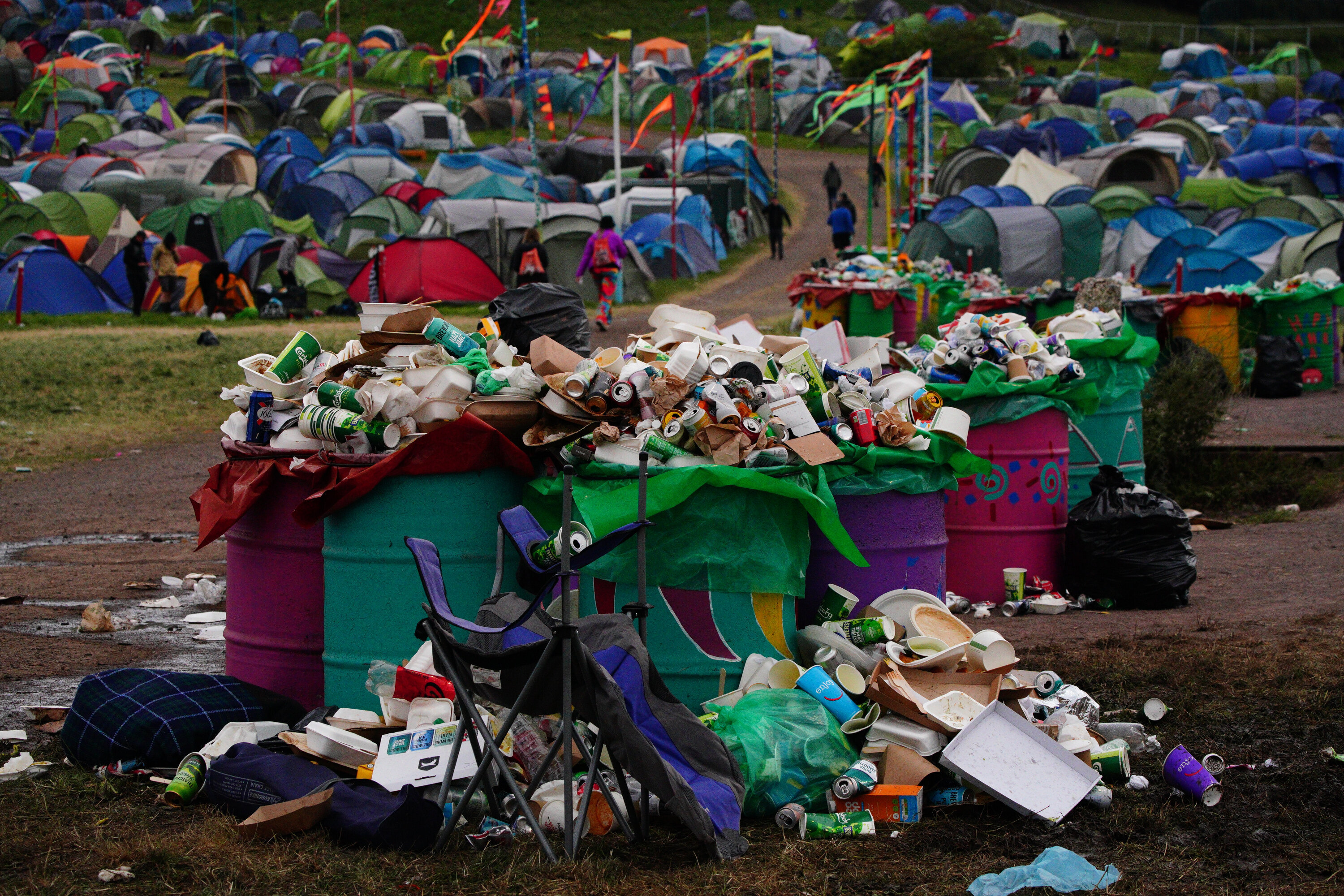
Waste left by festival goers waiting to be cleared at Worthy Farm on the Monday after Glastonbury Festival.

Ben Birchall via PA Wire/PA Images

Waste left by festival goers waiting to be cleared at Worthy Farm on the Monday after Glastonbury Festival.

The Association of Independent Festivals (AIF), a membership body for 60 independent festivals including Boardmasters, Boomtown and Kendal Calling, previously called on people to take their tents home with them.

The AIF said it wants to reduce the estimated 250,000 tents that are left at music festivals across the UK every year – most of which aren’t collected by charities and can’t be recycled, meaning they end up in landfill.

The average tent weighs 3.5kg and is mostly made of plastic – the equivalent of 8,750 straws or 250 pint cups, the AIF said.

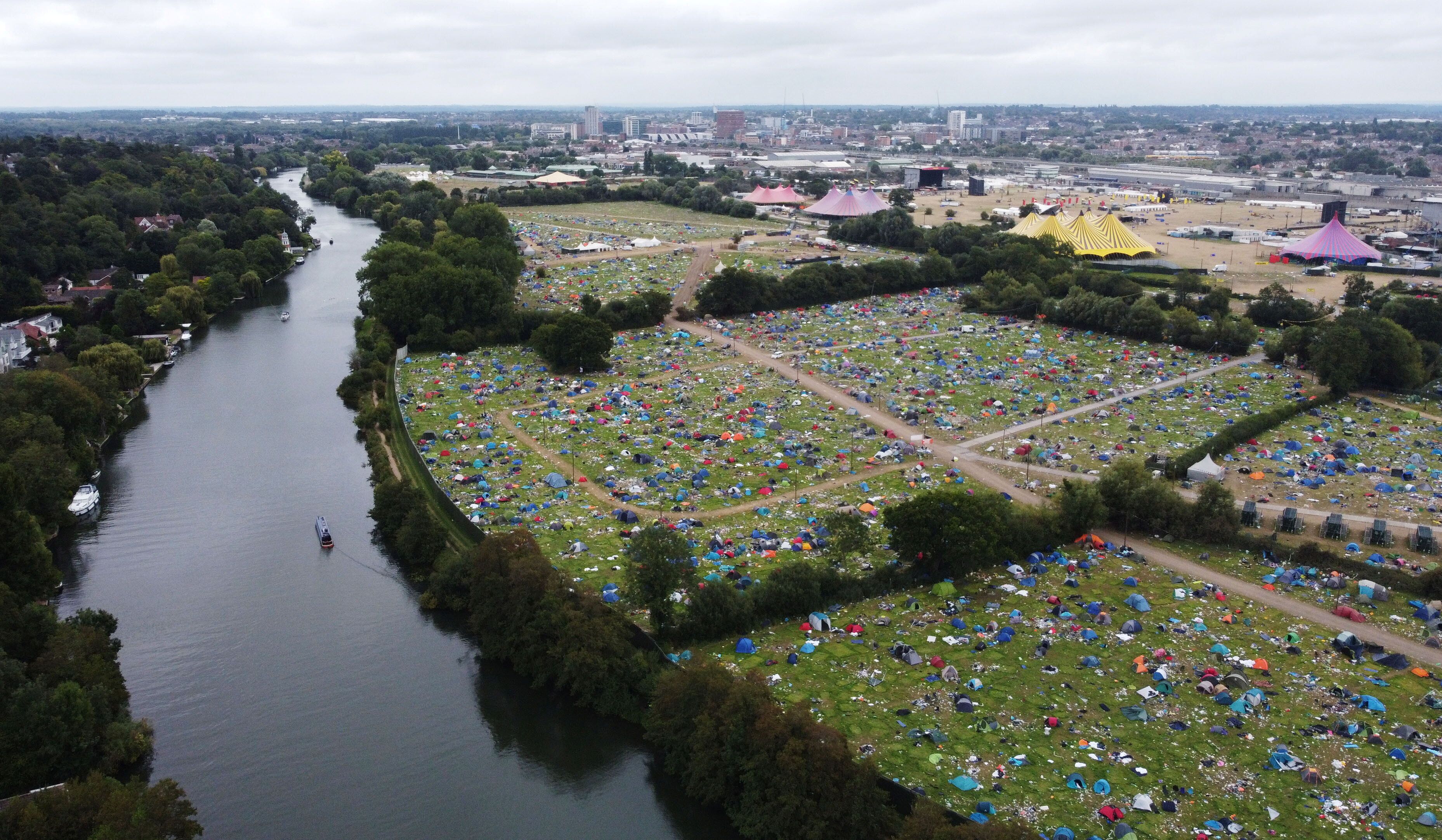
In 2021, photos showed the mass waste left behind by revellers at Reading Festival. After seeing the images, Clean Up Britain founder John Read said: “Leaving behind tents seems like self-indulgent, first world and lazy behaviour.”

Abandoned tents at the Reading Festival campsite after the event in August 2021.

Matthew Childs via Reuters

Abandoned tents at the Reading Festival campsite after the event in August 2021.

He continued: “All of us must become more aware of the need to protect and cherish the environment. Dumping perfectly good tents runs contrary to this. Festival organisers need to get more socially responsible too, and insist on festival goers taking tents home with them.

“Some sort of deposit return scheme is required, but they have been very slow to act on this.”

Charities such as New Beginnings in Reading collect some of the abandoned tents and donate them to the homeless community, according to Berkshire Live.

Lily Robbins, the Reading festival’s sustainability manager, said: “We have loads of different teams working together this year to actually get the site back to what it was looking like before we arrived.

She added the clear up “always takes time, because we want to do it properly”.

Share Button

Why ‘Super Worms’ Might Be The Answer To Our Plastic Waste

Worms are the last thing we want around us, but scientists reckon these special ‘superworms’ could actually be super helpful.

That’s because they have an amazing capacity to digest waste plastic. Think of what that could mean for our environmental woes – namely the amount of rubbish we throw out or attempt to recycle.

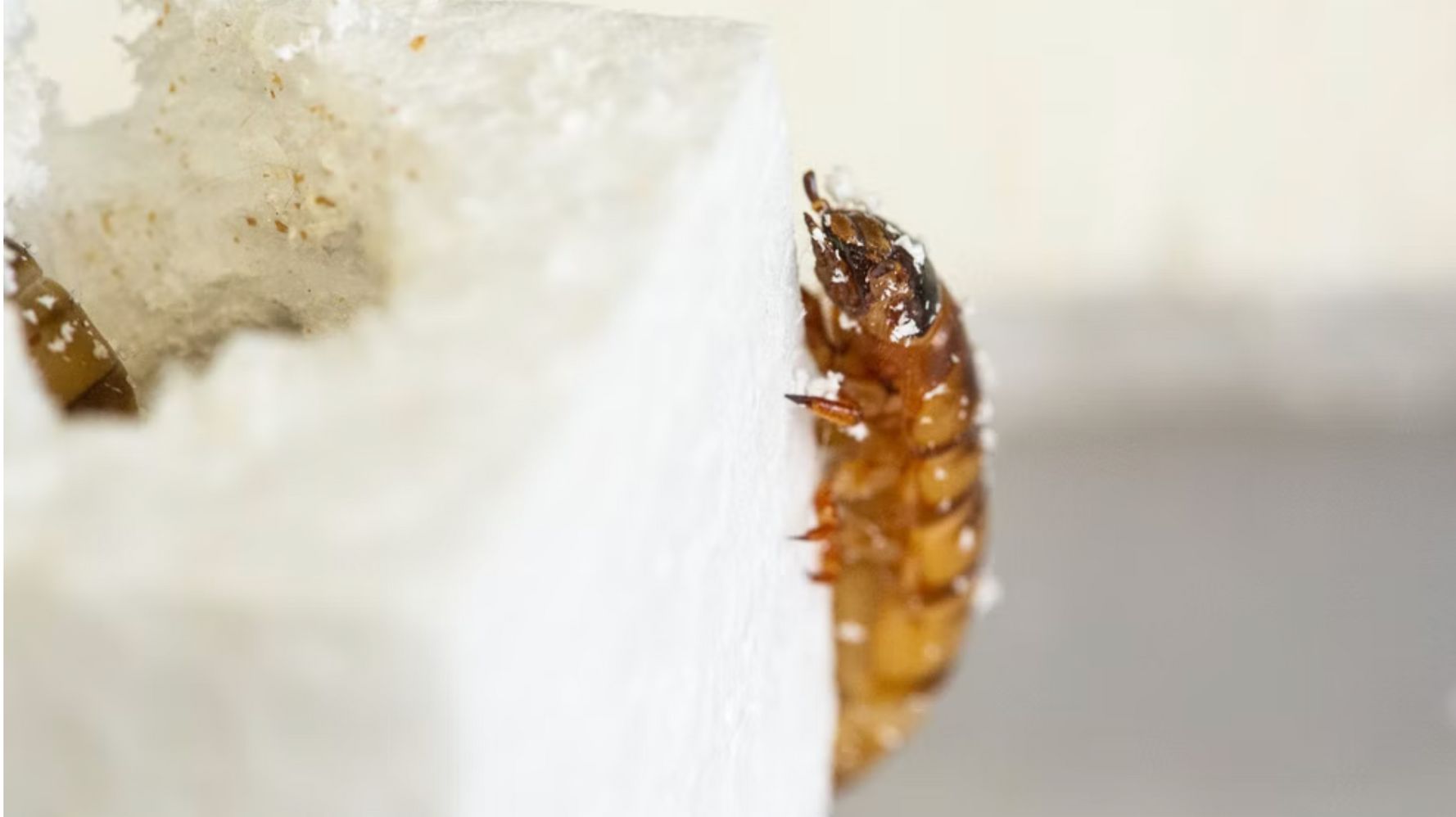
The larvae of the darkling beetle, dubbed superworms, are currently being used by people as food for pet reptiles.

But publishing their findings in the journal Microbial Genomics, scientists have found a new purpose for them, which could soon be available to customers.

Scientists at the University of Queensland in Australia say that the larvae, Zophobas morio, are able to break down polystyrene (found in lightweight plastics), at no harm to them.

In fact, these superworms can thrive on a diet of polystyrene. Dr Chris Rinke from the university’s School of Chemistry and Molecular Biosciences, said: “We found the superworms fed a diet of just polystyrene not only survived, but even had marginal weight gains.”

So how does it work, then? Dr Rinke says the creatures work away at the polystyrene and use it for energy.

“This suggests the worms can derive energy from the polystyrene, most likely with the help of their gut microbes,” he said.

“Superworms are like mini-recycling plants, shredding the polystyrene with their mouths and then feeding it to the bacteria in their gut.

“The breakdown products from this reaction can then be used by other microbes to create high-value compounds such as bioplastics.”

To get these results, the scientists fed the worms different diets over three weeks, with some eating bran (the outer layer of cereal grain), others fasting and some on polystyrene.

But don’t fret, this advancement doesn’t mean we’re going to get our individual worm plants to break down our plastic takeaway containers and such (think how chaotic that could be).

Instead, the scientists are looking to replicate the enzyme the creatures use so it can be reproduced at scale for recycling. Then, plastic would be mechanically shredded and treated with the enzyme to help degrade it.

Co-author of the research, PhD candidate Jiarui Sun, said further testing needs to be done as they intend to grow the gut bacteria in the lab and examine its breakdown of the plastic.

Sun added: “We can then look into how we can upscale this process to a level required for an entire recycling plant. Our team is very excited to push the science to make it happen.”

If we can prevent these plastic materials going to landfills with a little help from our wormy friends, then why not?

Share Button

This Is What Your Laughing Gas Habit Is Doing To The Environment

HuffPost is part of Oath. Oath and our partners need your consent to access your device and use your data (including location) to understand your interests, and provide and measure personalised ads. Oath will also provide you with personalised ads on partner products. Learn more.

Select ‘OK’ to continue and allow Oath and our partners to use your data, or select ‘Manage options’ to view your choices.

Share Button