What Are The New ‘Severe’ Sanctions Boris Johnson Has Slapped On Russia?

Russia launched a full-scale invasion of Ukraine this morning, sending troops, missiles and bombs across the border.

There has been reports of civilian casualties and families have been trying to flee Kyiv amid the chaos.

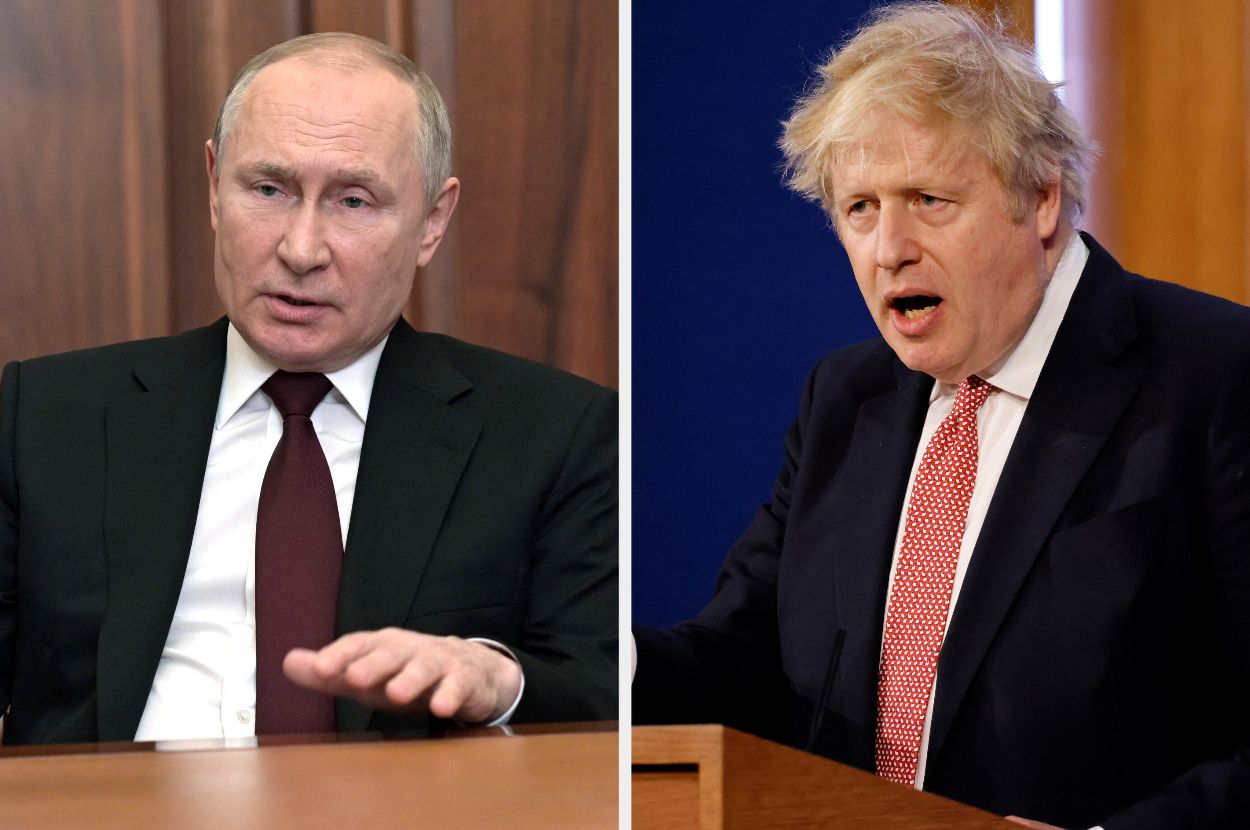
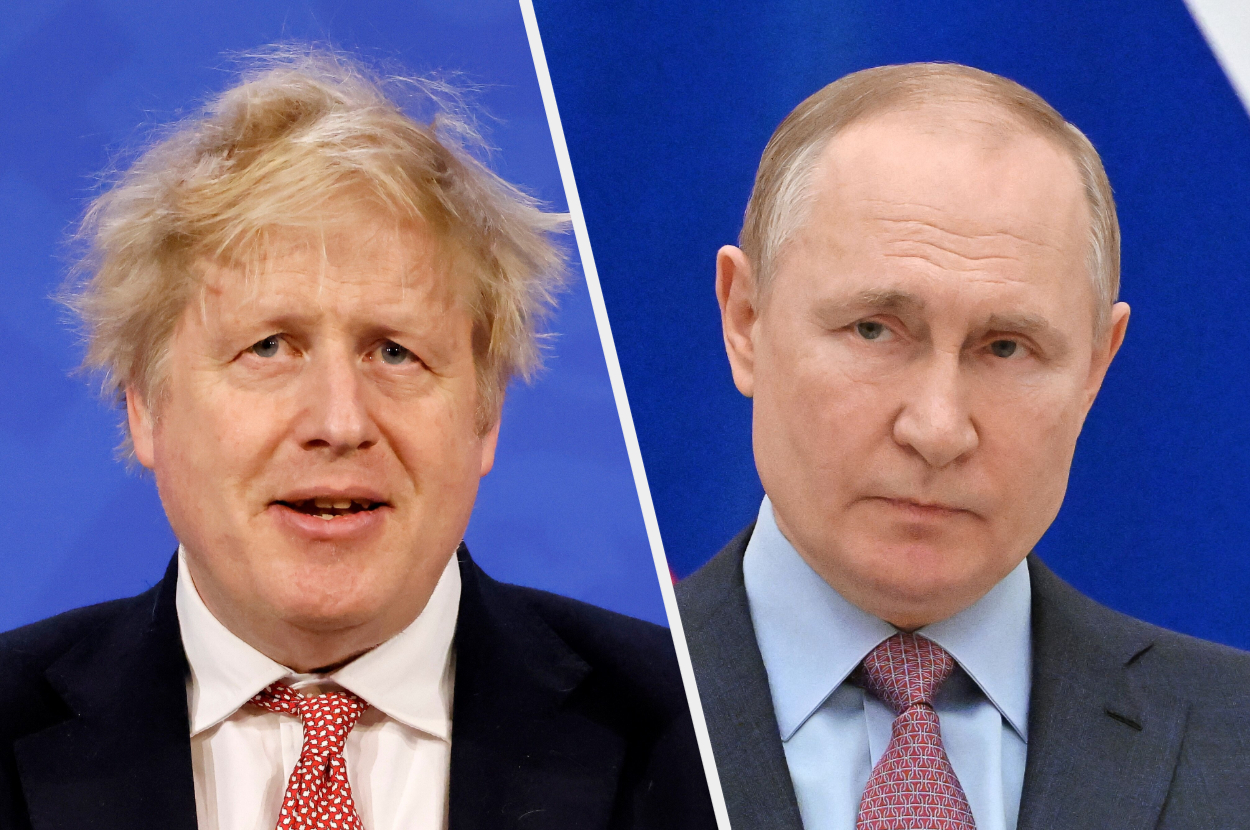
President Vladimir Putin’s invasion has been condemned by western allies, with Boris Johnson accusing him of being a “blood-stained aggressor who believes in imperial conquest”.

Johnson has now unveiled ten further punitive measures after he was initially criticised for not going far enough with his first set of sanctions.

In a Commons statement, he vowed the UK would implement “the largest and most severe package of economic sanctions that Russia has ever seen”.

Here, HuffPost UK takes you through what has been announced today and assesses what impact they will have.

What Did Boris Johnson Announce Today?

Here are the 10 new sanctions:

1) An asset freeze on all major Russian banks, including VTB, the country’s second largest bank with assets totalling £154 billion.

2) Legislation to stop Russian companies to raise finance in this country and to ban the Russian state from raising sovereign debt on the UK markets.

3) Sanctions against more than 100 Russian individuals, entities and subsidiaries. They include five wealthy oligarchs with links to the Putin regime.

4) Immediately banning Russian airline Aeroflot from landing planes in the UK.

5) Suspend and prohibit all dual use export licences to Russia on items such as electrical components that could be used in military or civilian computers.

6) Legislation prohibiting a wide range of high-tech exports to Russia.

7) A new law limiting the amount of money Russian nationals can deposit in UK bank accounts.

8) Work with allies to limit Russian access to the Swift international payment system.

9) Extend the full range of sanctions against Russia to Belarus, given its close links with Moscow and the part it played in the invasion of Ukraine.

10) Bring forward measures intended for the Economic Crime Bill to strengthen unexplained wealth orders and take action against kleptocrats that launder funds in the UK.

What Sanctions Were Already In Place?

Johnson announced the UK’s first set of measures against Putin on Tuesday which included sanctioning three wealthy allies of Putin and five Russian banks.

Alongside this, members of Russia’s lower parliamentary chamber, the Duma, and the Federation Council, who voted to recognise the independence of Donetsk and Luhansk, also face sanctions.

In addition, the territorial sanctions that were imposed on Crimea in the aftermath of the 2014 war will be extended to Donetsk and Luhansk, so no trade can be undertaken with UK individuals or businesses until they are returned to Ukrainian control.

How Will The New Sanctions Hurt Russia?

The sanctions announced today will hit the pockets of oligarchs, big banks and companies with direct links to the Kremlin.

On the five super-rich oligarchs being targeted, a diplomatic source said: “These are people who have international lifestyles.

“They come to Harrods to shop, they stay in our best hotels when they like, they send their children to our best public schools, and that is what’s being stopped.

“So that these people are essentially persona non grata in every major Western European capital in the world. That really bites.”

In Johnson’s words, the aim is to “hobble” the Russian economy and increase the pressure on Putin to end his military action in Ukraine.

Even before the sanctions take effect, Russia’s economy is already feeling the impact of the global condemnation of its invasion.

Some $250 billion has already been wiped from the value of Russia’s top companies – the biggest one day decline on record – while the rouble has plummeted to record lows against dollar.

What Has Been The Political Reaction To The Sanctions?

Unlike the response to the previous sanctions announcement, opposition parties have responded positively to the latest measures, while urging the prime minister to go further if necessary.

Labour leader Keir Starmer said: “I welcome the set of sanctions outlined by the prime minister today and pledge opposition support for further measures.

“And there are changes we must make here in the UK. For too long our country has been a safe-haven, for the money that Putin and his fellow bandits stole from the Russian people. It must change now.

“Cracking open the shell companies in which the stolen money is hidden will require legislation. Bring it forward immediately prime minister and Labour will support it.”

SNP leader Ian Blackford called for the “complete economic isolation” of Russia.

He said: “Let’s not fall for the Kremlin propaganda that they are prepared to soak up any sanctions. If we act now, if the sanctions are targeted enough, swift enough, severe enough, if we impose nothing less than economic isolation, Putin and his cronies will suffer the consequences of their actions.”

What Might Happen Next?

Western officials believe Putin is determined to capture the Ukrainian capital, Kyiv, and replace the pro-western president Volodymr Zelensky with a puppet regime.

They fear such an assault would lead to large numbers of civilian casualties and the conflict could lead to clashes with neighbouring countries such as Poland, a Nato member.

Under Article 5 of the Nato constitution, which decrees that an attack on one member is an attack on them all, this would lead to full-scale war between Russia and the west.
Share Button

Rishi Sunak Has Received A Questionnaire From Police Investigating Partygate

Rishi Sunak has received a questionnaire from police investigating the partygate affair.

The Chancellor has joined the prime minister, and other Downing Street staff, in being questioned by the Metropolitan Police..

It is understood Sunak attended a birthday party for Boris Johnson in the Cabinet Room in June, 2020 – one of the alleged gatherings under investigation.

A source close to the Chancellor confirmed to HuffPst UK that he has received a questionnaire asking him to explain his attendance at the event.

He has a week to fill in the form and return it to the Met.

If he is found to have broken the anti-Covid social distancing rules that were in place at the time, he faces receiving a fixed penalty notice.

A copy of one of the questionnaires was leaked to ITV earlier this week, revealing that recipients were effectively being interviewed under caution.

Recipients were told that they “do not have to say anything but it may harm your defence if you do not mention we questioned something which you later rely on in court”.

Respondents are advised to “ensure the caution is read and understand prior to any answers to questions being provided”.

The document goes on to say that those sent the questionnaire are being provided with the “opportunity to cooperate with police in the form of a written statement under caution”.

Among the questions posed are “What, if any, lawful exception applied to the gathering and/or what reasonable excuse did you have for participating in the gathering?”

It meant that Boris Johnson is the first prime minister ever to be interviewed under caution.

When Tony Blair was prime minister during the cash for honours scandal, he was interviewed by police as a witness.

He let it be known to aides that if he were interviewed under caution, he would have to resign.

Share Button

‘Low Taxation’ Rishi Sunak Derided As Tories And Labour Square Off Over The Economy

Labour has questioned Rishi Sunak’s attempt to portray himself as a low taxation Conservative as both parties stake their claims to being the most trusted on the economy.

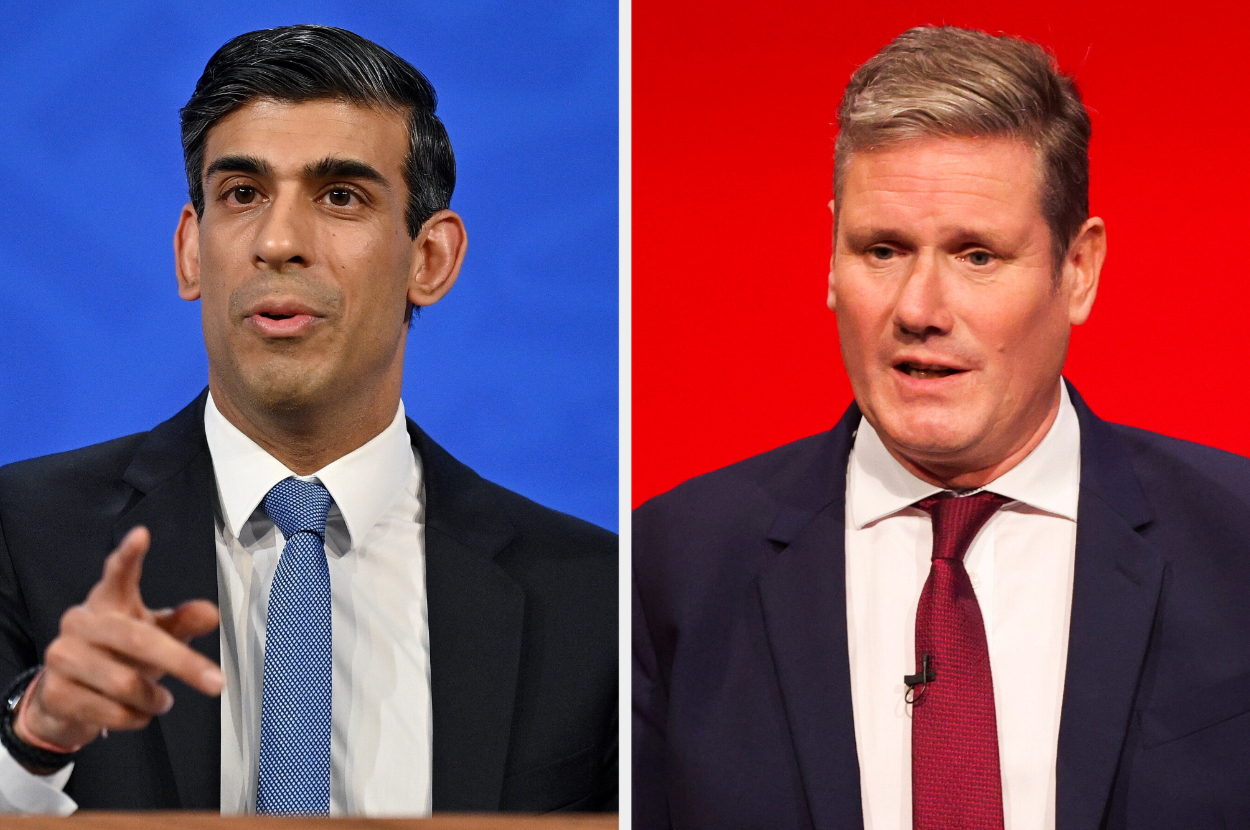
The chancellor and Labour leader Keir Starmer will on Tuesday both deliver speeches that make their cases to be the next prime minister.

Sunak, seen as the most likely Tory to succeed Boris Johnson if the PM is brought down by the partygate scandal, will insist he wants to create a “lower tax economy” in an appeal to traditional Conservatives.

Meanwhile, Starmer will evoke the spirit of former Labour prime minister Harold Wilson by promising the “white heat” of a new technological revolution will deliver prosperity for all.

But in an attempt to thwart Sunak’s ambitions, Labour will claim the chancellor has slapped 15 tax rises on households and businesses in the last two years – and that he has raised the most tax on average per budget than any chancellor in the last 50 years.

Amid the cost of living crisis, the chancellor and the prime minister have been refusing to back down on the 1.25 percentage point hike to National Insurance for April despite pressure from numerous Tory MPs.

Delivering a lecture to the Bayes Business School in London, Sunak is to insist he will make “difficult and often unpopular arguments” on spending, hinting at his determination to resist calls from cabinet colleagues for fresh money.

He will argue that cutting taxation in the future needs to be done in a “responsible way”, following a row with health secretary Sajid Javid over funding the “living with Covid” plan.

Sunak is expected to say: “I firmly believe in lower taxes.

“The marginal pound our country produces is far better spent by individuals and businesses than government.

“I am going to deliver a lower tax economy but I am going to do so in a responsible way, and in a way that tackles our long term challenges,” he is due to add.

But in comments that will be seen as a challenge to ministers demanding increased spending, he is expected to say: “Cutting tax sustainably requires hard work, prioritisation, and the willingness to make difficult and often unpopular arguments elsewhere.”

He will also say that he is “disheartened” when he hears the “flippant claim” that tax cuts always pay for themselves, adding: “They do not.”

In response, shadow chancellor Rachel Reeves used the speech to brand the Conservatives the party of “high tax” as a result of being “the party of low growth”.

“Over a decade of Tory government, the economy has grown far slower than when Labour was in power, and it is set to go even slower in the coming years,” she said, citing research suggesting the £27.3bn raised by Sunak per year is higher than that brought in by 12 Tory and Labour predecessors at the Treasury since 1970.

Elsewhere, Starmer will promise to build a “new economy of security” as he borrows from Wilson’s 1963 pledge to harness “the white heat of technological change”. At the time, Wilson was seeking to become the first Labour prime minister for more than a decade.

Speaking in Wilson’s home town of Huddersfield in West Yorkshire, Starmer will say that after 12 years of a Conservative government, it will fall to Labour to deal with the next generation of change.

“Our country and our economy are entirely different now, but we too are going through the white heat,” he is expected to say.

“We face our own revolutions in technology and industry, and it will fall to the next Labour government to shape that change so it works for all.”

It marks the latest stage of his effort to restore the party’s economic credibility in the eyes of voters following the controversy over Jeremy Corbyn’s plans.

Starmer will declare his determination to end the “economic fatalism” of the Tories, who he will accuse of lacking a clear plan for business.

“Britain cannot rise to the great challenges of the day without the innovation of business,” he will say.

“A political party without a clear plan for making sure businesses are successful and growing … which doesn’t want them to do well and make a profit … has no hope of being a successful government.”

He will argue that if the Tories had matched Labour’s record on growth, people would have enjoyed higher incomes while an additional £30 billion a year would have been available for public services without raising taxes.

“We will build a new economy of security, where stable employment will be the bedrock of a better future for the next generation,” he will say.

“We will build an economy of prosperity, in which the places that once powered Britain flourish again. We will build a new economy of respect, where the contribution of every worker and employee is given its due.”

Share Button

Buckingham Palace Gives Update On The Queen’s Health After Death Hoax Circulates

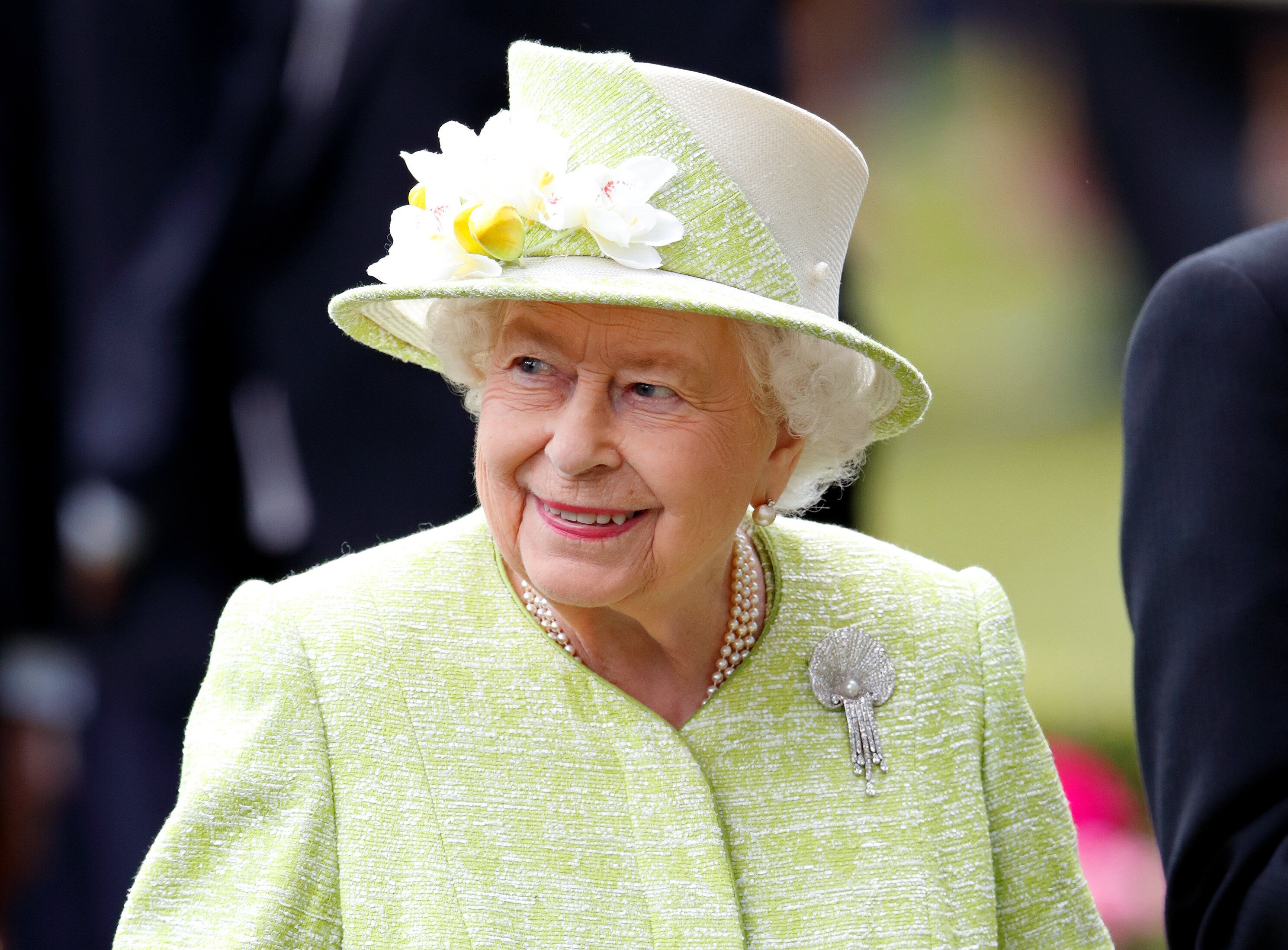
Buckingham Palace has released another update regarding Queen Elizabeth’s health.

The palace said on Wednesday that the queen, who tested positive for Covid-19 on Sunday, held her weekly telephone audience with prime minister Boris Johnson.

The news of the queen’s call followed the US blog Hollywood Unlocked’s false “exclusive” claim that the Queen died on Tuesday, which quickly circulated on social media. The false claim, made on the site’s Instagram page, has yet to be taken down by the blog.

The queen’s positive Covid-19 test came just days after her son, Prince Charles, and Camilla, Duchess of Cornwall, also tested positive. The statement from the palace over the weekend said the queen was “experiencing mild cold like symptoms but expects to continue light duties at Windsor over the coming week”.

The queen cancelled virtual engagements on Tuesday, as the palace said she was “still experiencing mild cold-like symptoms”, but would still “continue with light duties”.

The latest news about the queen’s health comes after questions were raised in October, when the sovereign cancelled a planned engagement to Northern Ireland the day of the trip.

Buckingham Palace said at the time that the queen had “reluctantly accepted medical advice to rest for the next few days”.

The Sun later published a piece on the monarch’s hospitalisation, prompting the palace to confirm her hospital stay for “preliminary investigations.”

The queen held a virtual appointment the following week, though she cancelled an in-person appearance at the United Nations climate change conference, COP20.

In late October, the palace released another statement on Queen Elizabeth’s health, saying that she was intent in making an in-person appearance at the National Service of Remembrance on November 14.

The queen was unable to attend the service, though, missing it due to a sprained back.

Charles talked about his mother’s health just a few days later, telling press during a trip to Jordan that the sovereign was doing “all right”.

“Once you get to 95, it’s not quite as easy as it used to be,” the Prince of Wales told Sky News royal correspondent Rhiannon Mills in November. “It’s bad enough at 73.”

Share Button

Palace Of Westminster Restoration Could Cost £22 Billion And Last 76 Years

The long-awaited restoration work needed to save the Palace of Westminster could cost up to £22 billion and last 76 years, a bombshell report revealed today.

Three options for renovating the crumbling palace have been outlined as part of a survey by the official body overseeing the renovations.

The various scenarios show that the longer everyone remains in the building – the longer the project will take and the more expensive it will be.

They include:

1) Full decant, everyone leaves: £7-13 billion, 19-28 years.

2) Partial decant, Commons moves to Lords: £9.5-18.5 billion, 26-43 years.

3) Commons stays put: £11-22 billion, 46-76 years.

The report, by the Houses of Parliament Restoration and Renewal Programme [R&R], warned that a continued presence “substantially heightens the overall risk” for the restoration project and parliament, compared to a full decant.

“In particular, the pre-existing level of fire risk in the Commons chamber is not reduced until completion and so would not be ‘as low as reasonably practicable’ and would be sustained for decades,” the report said.

The Grade I listed building is riddled with asbestos, leaking pipes and costs millions every year to maintain.

It comes less than a week after HuffPost UK revealed separate works in the Speaker’s apartments had to be halted for three days last year after the discovery of asbestos.

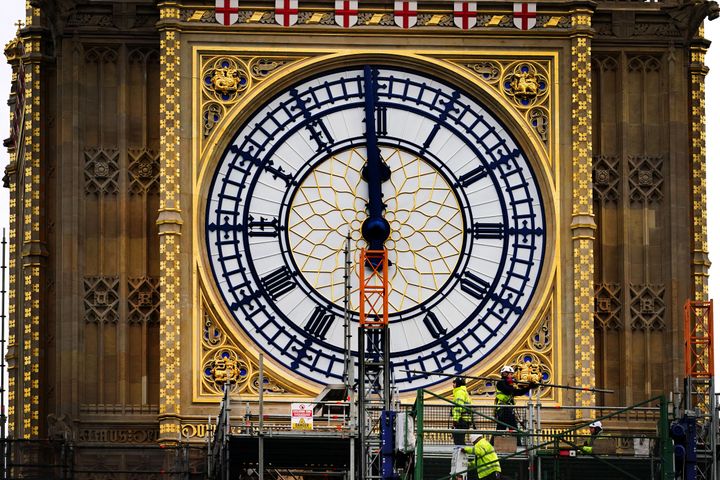
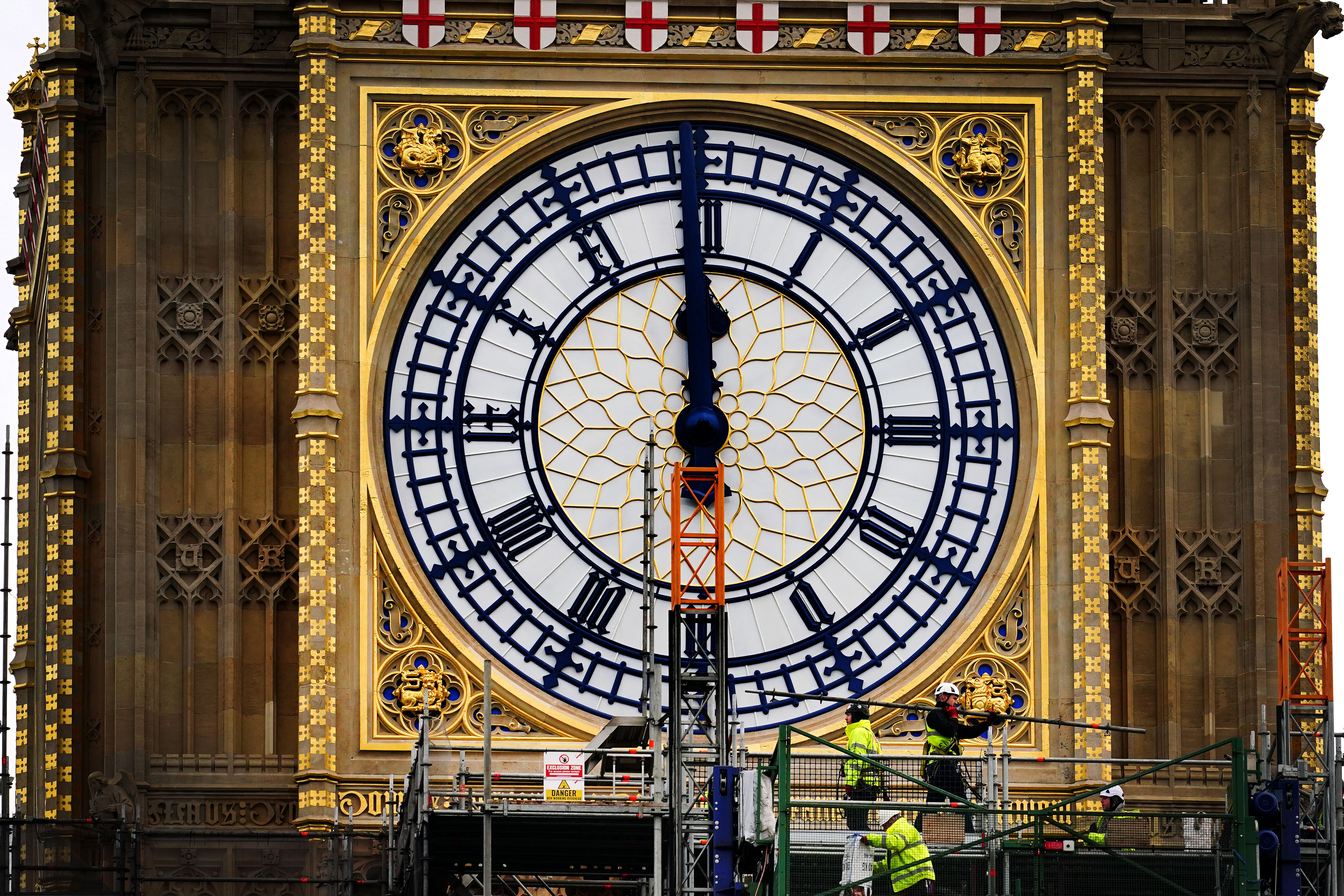
Construction workers remove the scaffolding from the restored west dial of the clock on Elizabeth Tower, known as Big Ben, at the Palace of Westminster.

Victoria Jones – PA Images via Getty Images

Up to nine members of parliamentary staff and even more contractors may have been exposed to the potentially-deadly substance between October and November last year.

The R&R scheme was intended to deliver a number of “critical” improvements to the palace such as removing asbestos, reducing the fire risk and replacing the “failing network” of essential building services including power, sewage, water, gas, heating and data cables.

Today’s study found that there are a number of “key risks” if MPs stay put, they include fire safety and other serious concerns such as health and safety legislation.

They even suggested it could alter parliamentary business, ways of working and parliamentary procedure.

“A partial decant or staying put means we continue to risk the palace burning down, a major asbestos or sewage leak or a major water failure.”

– Dame Andrea Leadsom

The multi-billion pound cost estimates factor in a lease with the QEII conference centre close to parliament – where a temporary House could be constructed.

MPs originally backed a full decant proposal in 2018, which would see them move into Richmond House in Whitehall for around six years.

But the latest report comes amid a number of set backs for the project and a desire from some MPs to remain in the historic building.

Former cabinet minister Dame Andrea Leadsom told HuffPost UK it was clear that staying in the palace while work continued was not only “outrageously expensive” but posed “difficulties and danger” for everyone visiting and working there.

“Throughout my time as leader of the Commons and ever since, I have been consistent in my view that the only option is to decant. It is the safest and most cost effective way to preserve this irreplaceable UNESCO World Heritage site for future generations,” she added.

“A partial decant or staying put means we continue to risk the palace burning down, a major asbestos or sewage leak or a major water failure. I think it is ridiculous that the tough decision the House took in 2018 has been reopened yet again.”

However, another former Commons Leader Jacob Rees-Mogg recently warned that MPs would “never come back” to the Houses of Parliament if the worst-case scenario went ahead.

Rees-Mogg told the Commons earlier this month: “It seems to me that if we were to have a decant of 20 years we would never come back into this palace and £13 billion or possibly even £14 billion of taxpayers’ money is not justifiable.

“This has gone on for too long, we have been waiting for years for the perfect scheme and instead of getting on with what we ought to do.”

It is thought that MPs may be asked to be vote once again on alternative proposals for the refurbishment.

A House of Commons spokesperson said: “The House of Commons commission wants vital work to secure and restore the Palace of Westminster to begin as soon as possible and is determined to secure value for the taxpayer, while ensuring the parliamentary estate remains a safe place to work and visit.

“The commission’s proposals are intended to ensure that critical works to the Palace can be started sooner, are affordable, and minimise the time that Members spend outside the Palace.

“A final decision will be taken by both Houses. In the meantime, the sponsor body and delivery authority continue to carry out important preparatory work, including surveys.”

Share Button

Kenya’s United Nations Speech On Ukraine Praised For Citing Africa’s Colonial Legacy

Martin Kimani used his address at an emergency meeting of the UN Security Council to warn Vladimir Putin to respect Russia’s border with Ukraine and highlight the dangers of stoking the “embers of dead empires”.

His remarks came after the Russian president ordered troops into eastern Ukraine – under the fabrication of “peace keeping” – after recognising the independence of two separatist regions, a move criticised globally as a breach of international law.

Kimani said the birth of Kenya and Ukraine’s independence in 1991 after the collapse of the Soviet Union had the “ending of empire” in common.

He said rather than engage in “bloody wars” that would be raging decades later, Africa opted to “settle for the borders that we inherited”, even if there was a “yearning for integration with peoples in neighbouring states”. Kimani added Kenya “rejects such a yearning from being pursued by force” and “we reject it again today”.

A clip of the address, which came hours after Putin had given a rambling speech re-writing the history of eastern Europe, was viewed more than 3 million times from one Twitter feed.

“Kenya and almost every African country was birthed by the ending of empire. Our borders were not of our own drawing. They were drawn in the distant colonial metropoles of London, Paris, and Lisbon with no regard for the ancient nations that they cleaved apart.

“Today, across the border of every single African country live our countrymen, with whom we share deep historical, cultural, and linguistic bonds.

“At independence, had we chosen to pursue states on the basis of ethnic, racial, or religious homogeneity, we would still be waging bloody wars these many decades later. Instead, we agreed that we would settle for the borders that we inherited, but we would still pursue continental political, economic, and legal integration. Rather than form nations that looked ever backwards into history with a dangerous nostalgia, we chose to look forward to a greatness none of our many nations and peoples had ever known.

“We chose to follow the rules of the Organisation of African Unity and the United Nations Charter, not because our borders satisfied us, but because we wanted something greater, forged in peace.

“We believe that all states formed from empires that have collapsed or retreated have many peoples in them yearning for integration with peoples in neighbouring states. This is normal and understandable. After all, who does not want to be joined to their brethren and to make common purpose with them?

“However, Kenya rejects such a yearning from being pursued by force. We must complete our recovery from the embers of dead empires in a way that does not plunge us back into new forms of domination and oppression. We rejected irredentism and expansionism on any basis, including racial, ethnic, religious, or cultural factors. We reject it again today.”

Putin also ordered the deployment of Russian forces to the Donbass region in eastern Ukraine “keep the peace” – though commentators have warned not to be fooled by the language.

Share Button

Johnson: Putin’s Decision To Recognise Separatist Ukraine States ‘A Very Dark Sign’

Boris Johnson has hinted Russia could face fresh sanctions as Vladimir Putin said he would recognise two breakaway republics in Ukraine.

The UK prime minister said the Russian president’s decision to acknowledge Donetsk and Luhansk’s claims to independence was a “very dark sign” that is “plainly in breach of international law”.

On Monday, the Ukraine crisis intensified as Putin used a long speech to recognise the two rebel-controlled regions in eastern Ukraine, which breaches the 2015 protocol that ended the conflict in Donbas.

The comments come amid mounting Western fears that Russia, which has massed an estimated 150,000 troops near Ukraine’s border, is poised to invade.

The move appears to have dashed hopes for a diplomatic breakthrough which had been raised with the possibility of talks between Putin and US president Joe Biden.

Johnson said he was considering whether the actions could trigger the imposition of fresh sanctions on Russia, as foreign secretary Liz Truss said Putin’s actions could not be allowed to go “unpunished”.

At a Downing Street press conference, the PM said: “This is plainly in breach of international law, it’s a flagrant violation of the sovereignty and integrity of Ukraine.

“It is a repudiation of the Minsk process and the Minsk Agreements.

“I think it’s a very ill omen and a very dark sign.”

It was “yet another indication that things are moving in the wrong direction in Ukraine”.

The prime minister had previously said sanctions would be triggered if Russia invaded Ukraine.

But he said: “Plainly what has happened is extremely bad news and we will be urgently talking to our friends and allies around the world, all of whom are jointly signed up with us in this package of sanctions.”

Johnson said it was “becoming clear that we are going to need to start applying as much pressure as we possibly can”.

“It is hard to see how this situation improves,” he acknowledged.

But he added: “I think there’s a sort of chance that (Putin) could row back from this, and we’ve got to pray that that’s the case.”

The prime minister said he would speak to Ukraine’s president Volodymyr Zelensky to “offer him the support of the United Kingdom”.

Meanwhile, the foreign secretary said the recognition of the Donetsk People’s Republic and the Luhansk People’s Republic as independent states “demonstrates Russia’s decision to choose a path of confrontation over dialogue”.

“We will co-ordinate our response with allies,” she said.

“We will not allow Russia’s violation of its international commitments to go unpunished.”

The government has already promised a tougher sanctions regime to deal with any Russian transgression, with MPs expected to approve the new framework on Tuesday.

Shadow foreign secretary David Lammy said: “This blatant breach of international law must be met with consequences from the international community.”

The European Union announced it would impose sanctions in response to Russia’s recognition of the two states.

In a joint statement, European Commission president Ursula von der Leyen and European Council president Charles Michel said it was an “illegal act”.

Nato secretary general Jens Stoltenberg said: “This further undermines Ukraine’s sovereignty and territorial integrity, erodes efforts towards a resolution of the conflict, and violates the Minsk Agreements, to which Russia is a party.”

Earlier defence secretary Ben Wallace has said there was still “strong cause for concern” that Putin remained committed to an invasion of Ukraine, despite diplomatic moves to end the crisis.

In a Commons statement, he said Russian forces were continuing to move towards the border zone contrary to repeated assurances given by Moscow.

There were now more than 110 battalion tactical groups massed along the border while the Black Sea fleet included two amphibious groups and nine cruise missile-equipped ships with a further four cruise missile-capable vessels in the Caspian.

At the same time, he said there had been “a proliferation of false flag operations and propaganda stunts and Russian news outlets carrying fictitious allegations”.

Downing Street said intelligence reports suggested the Russian plan “has in effect already begun” and that it was “starting to play out in real time”.

Nevertheless Johnson’s official spokesman said there was still a “window for diplomacy” after it appeared that a tentative agreement had been reached on a crisis summit between Putin and Biden.

Following a series of lengthy calls involving French president Emmanuel Macron, the White House said talks could go ahead provided there had been no invasion.

However Kremlin spokesman Dmitry Peskov said later that while the two leaders could meet if they considered it necessary, no plans for a summit had been agreed.

“It’s premature to talk about specific plans for a summit. The meeting is possible if the leaders consider it feasible,” he said.

Share Button

Chris Whitty And Patrick Vallance Urge Caution Despite Removal Of Covid Restrictions

The UK government’s leading scientific advisors on the Covid pandemic have sounded notes of caution as Boris Johnson released his plan for living with the virus.

England’s chief medical officer professor Sir Chris Whitty and Sir Patrick Vallance, the government’s chief scientific adviser, both used markedly different language to the PM as he announced a rolling back of all legal Covid restrictions within weeks.

In addition, from this Thursday people will no longer have to self-isolate if they test positive for Covid. Currently, the rules state that anyone who has tested positive or has symptoms must isolate for up to 10 days.

At a Downing Street press conference, the scientists were at pains to stress the lifting of restrictions “needs to be a gradual, steady change”, and warned new Covid variants will cause “significant problems”. Whitty even said people should still isolate if they have Covid-19.

But despite the differences in tone, Johnson insisted there was no divide between the “gung-ho politicians and the cautious, anxious scientists”.

Earlier in the Commons, the PM admitted that the “pandemic is not over”, but said he wanted people to take personal responsibility for dealing with the pandemic, rather than relying on government intervention.

At the press conference, Whitty warned high rates of Omicron remain and “I would urge people in terms of public health advice, and this is very much the government’s position, that people should still if they have Covid try to prevent other people getting it and that means self-isolating”.

“So, that is the public health advice. It would have been the public health advice, and will be the public health advice, for multiple other diseases,” he said, describing it as “standard public health advice for a significant and highly transmissible infection”.

Vallance added that “the one thing this virus has taught you, is not to be cocky”, and said Covid will continue to evolve over the next couple of years.

He told the Downing Street news conference that there was no guarantee that future variants would be less severe.

“This pandemic is not over. The virus is continuing to evolve. It will continue to do so quite fast probably for the next couple of years,” he said.

“There is no guarantee that the next variant is as reduced severity as Omicron. As is it evolves what it is trying to do is to transmit more readily.

“The change in severity is a random by-product. We expect there to be further variants and they could be more severe.”

Johnson said there will likely be another variant that will “cause us trouble”.

Speaking at the press conference, he said: “I don’t want you to think that there’s some division between the gung-ho politicians and the cautious, anxious scientists, much as it may suit everybody to say so.

“We have a very clear view of this. This has not gone away. We’re able to make these changes now because of the vaccines and the high level of immunity and all the other considerations about Omicron that you’ve seen.

“But we have to face the fact that there could be, likely will be, another variant that will cause us trouble.

“But I believe that thanks to a lot of the stuff that we’ve done, particularly investment in vaccines and vaccine technology and therapeutics, we’ll be in a far better position to tackle that new variant when it comes.”

Routine contact tracing will also end on Thursday, as will the £500 self-isolation payments and the legal obligation for individuals to tell their employers about their requirement to isolate.

Changes to statutory sick pay and employment support allowance designed to help people through the coronavirus pandemic will end on March 24.

People aged 75 and over, the immunosuppressed and those living in care homes will be offered another Covid-19 booster vaccine this spring under the plans.

But free universal testing will be massively scaled back from April 1 and will instead be focused on the most vulnerable, with the UK Health Security Agency set to determine the details, while asymptomatic testing will continue for social care staff.

But the Department of Health and Social Care will receive no extra money to deliver the testing.

Share Button

Alan Carr Reveals Surprise Relation To Fellow Comedian Jonathan Ross

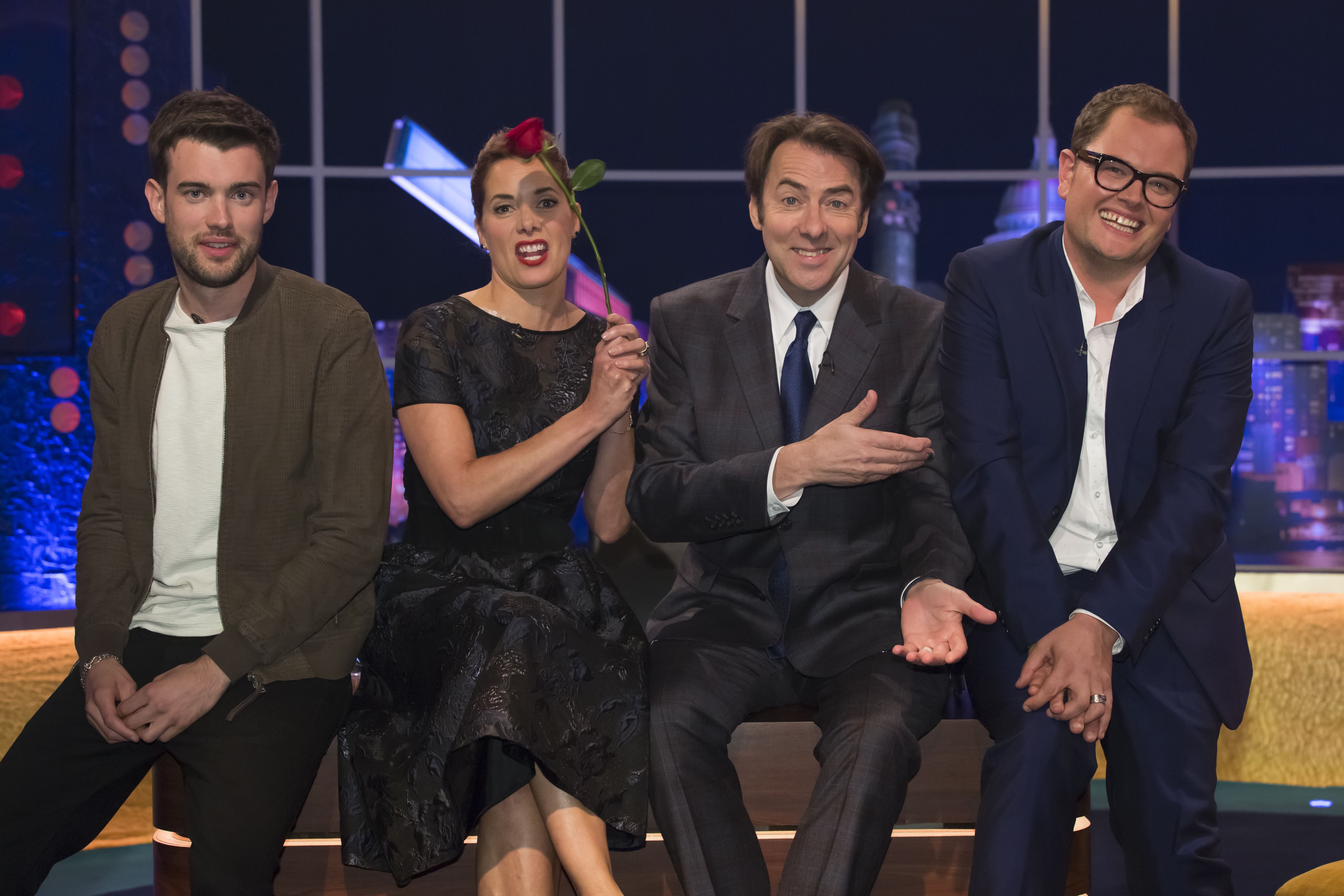
Alan Carr has revealed he is distantly related to fellow comic Jonathan Ross.

The RuPaul’s Drag Race UK judge told of how he was once told of a family link to the Masked Singer panellist by Jonathan’s mother, late EastEnders star Martha Ross.

Speaking on the latest episode of his Life’s A Beach podcast where Jonathan appeared as a guest, Alan explained how they both have links to Margate in Kent.

Alan said (via The Mirror): “People might not know this, but your lovely late mum came up to me at your Halloween party and said, ‘We are related aren’t we’. Do you remember?

“I was so excited because we come from the same area, we are distantly related. I remember going over to you saying, ‘Jonathan, Jonathan your mum says we’re related’ and you went, ‘For fuck sake’.”

Jonathan said: “I tried to stop her talking to people because she’d always find some famous connection.”

Alan told him it is apparently “quite a strong link”, to which he asked: “Is it really? I don’t know if I want to involved with you.”

“What! Fuck you,” Alan joked.

Alan has made a number of appearances on Jonathan's ITV chat show
Alan has made a number of appearances on Jonathan’s ITV chat show

Brian J Ritchie/Hot Sauce/Shutterstock

“I saw your episode of Who Do You Think You Are? and you’ve got a deserter in your family. I don’t know if I want to be tarnished by that,” Jonathan said, adding that he “forgets” they are related.

“But we don’t look alike, do we?” Alan asked.

Jonathan said: “Well, neither of us have got looks, let’s be honest. But you scrub up very well, you just don’t do it often!”

Alan Carr’s Life’s A Beach podcast is available to stream on podcast platforms now.

Share Button

Trigger Point Episode 5: The 8 Burning Questions We Have Now

As Trigger Point nears its climactic finale, the ITV drama served up more explosive action on Sunday night, as far-right terrorist group The Crusaders continued their series of co-ordinated attacks.

With another device planted at a London university, it was confirmed that EXPO John Hudson was indeed a a member of the terror cell.

However, after he managed to evade capture, the capital faced its biggest threat of the series, as Lana and the team uncovered a plan to blow up a street of houses near the Progressive Alliance HQ.

Ahead of next week’s final episode, these are the questions we have been left asking…

Is there more to Karl?

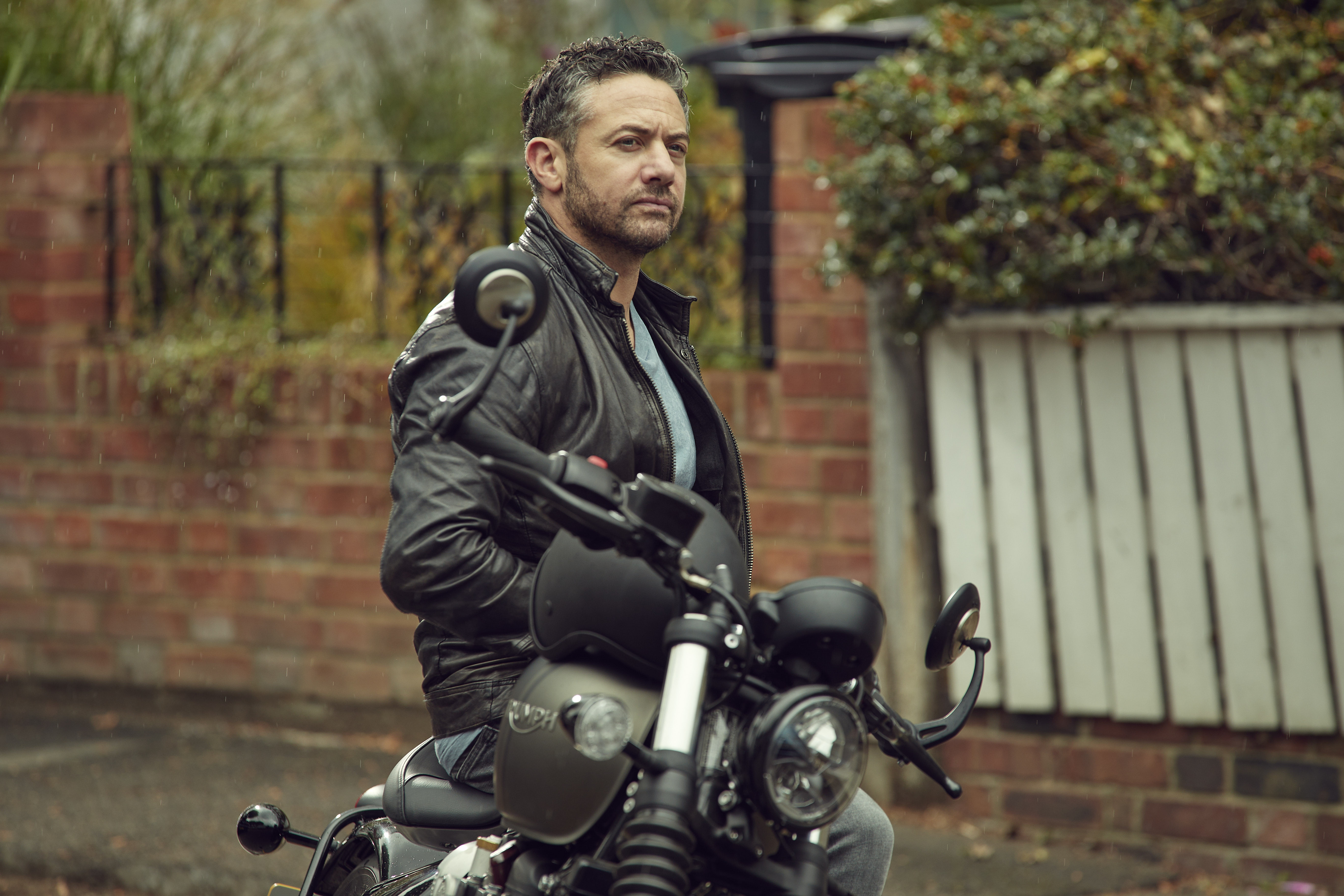
Warren Brown as Karl

MATT FROST

At the moment, Karl seems like a nice guy, with no reason to be suspicious of, which is now starting to make us suspicious of him.

In a pre-series interview, actor Warren Brown said that “further down the line [Karl] might reveal what some of his demons are”, but we’re now at the finale and we’re yet to see any demons, suggesting they are about to come out in the final episode. Could he be part of The Crusaders? More on that in a bit…

How did the police not find anything on John?

While we had our doubts that Youngblood had actually shared Lana’s suspicions about John with any of his police colleagues, it appears he did, as during a debrief it was confirmed that the EXPO had been under investigation, but it had turned up no evidence.

Is this because evidence was covered up by someone? Youngblood perhaps?

We still have our suspicions about Youngblood

MATT FROST

Where was the address in Brixton Billy visited before his death?

In the days before his death, police found out that Billy was living with his friend Tommy Marshall in Streatham, before he then spent an hour at an unknown address in Brixton before setting off to Farringdon, where the bomb plot was revealed.

Who was it he visited? Was it just Frank Walsh, or was it someone else?

Are Lana’s lies to the police going to come back to bite her?

During her interview about Billy’s death, Lana told two lies – that she was with Danny and Mark in the pool hall, when she was actually with Karl; and that Billy hadn’t displayed any far-right behaviour, despite his attack on a Halal butchers.

Youngblood has already confronted Lana after checking duty logs that confirmed Danny and Mark were not with her, so other officers could surely find this out for themselves.

If it does come out that she’d lied about actually being with Karl and he is a member of The Crusaders, it is not a good look – neither is lying about her brother’s racist attack.

Could she end up being implicated?

Who text John before he detonated the bomb?

Prior to setting off the bomb in the university, which was hosting a radio broadcast about an upcoming by-election where candidates for a Progressive Alliance were in attendance, John received a text message, seemingly instructing him to make the call to detonate.

The person who sent it must have been someone who knew that Frank Walsh was unable to do so, having been shot by police, which suggests it was a police officer or fellow EXPO.

The possibility that John was receiving instructions also suggests he is perhaps not the overarching mastermind behind the attacks – so who is?

Just how many more people are involved?

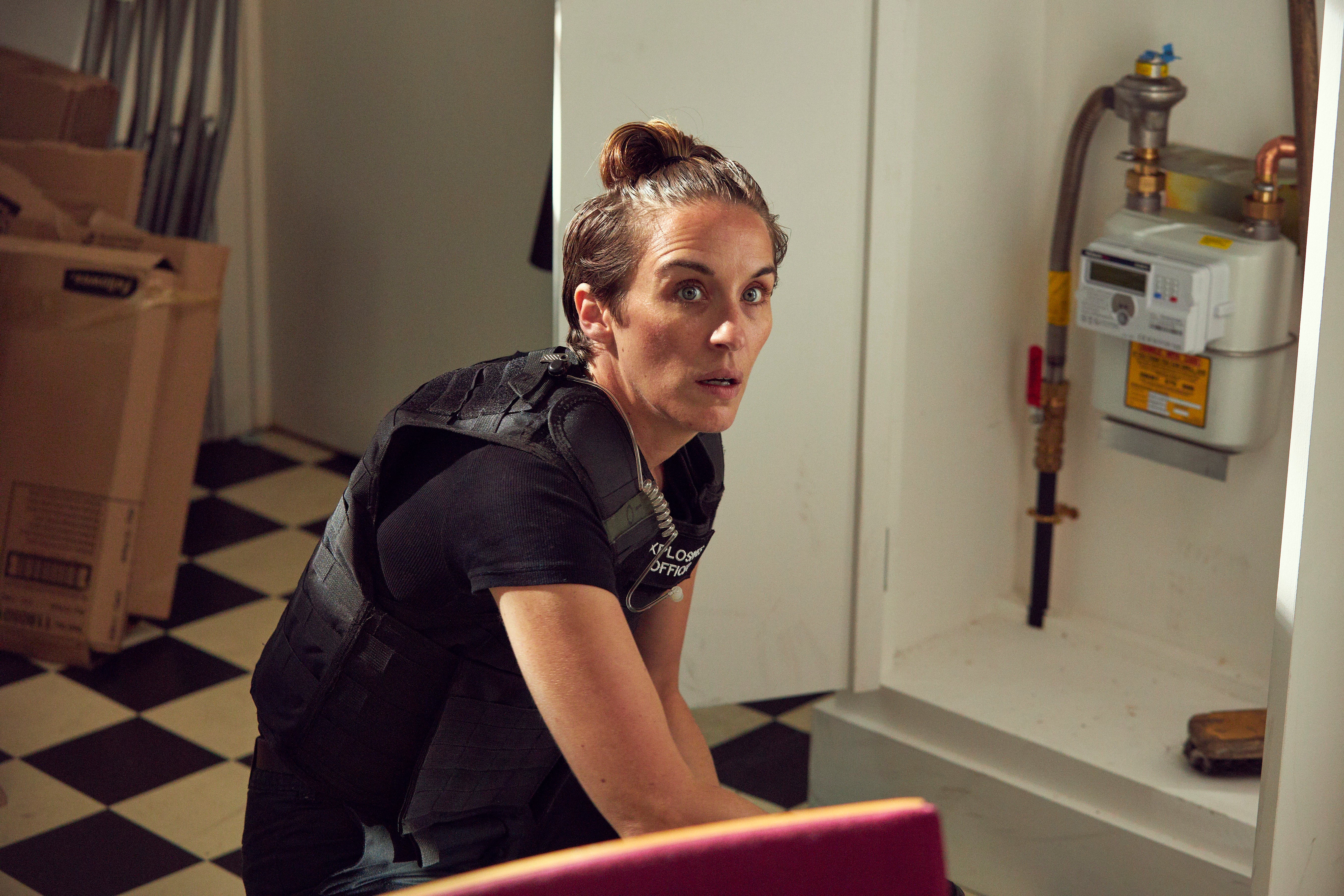
The police originally thought they were just looking for a third man – the bomb maker – in The Crusaders, but this episode unmasked both John and Frank Walsh, indicating there are many more members of the cell the force haven’t considered. After all, John also must have had some help changing all the gas metres in the street for the far-right group’s latest attack.

All the gas metres in a street of houses have been changed as part of The Crusaders' next attack
All the gas metres in a street of houses have been changed as part of The Crusaders’ next attack

MATT FROST

Could one of them be someone Lana served with in Afghan?

While Sonia managed to get hold of the confidential file on HMX319 file from Porton Down, it had been wiped (which could be standard precise or suggest someone is trying to cover their tracks), but she was able to tell that the explosive was originally authorised for use in Afghanistan.

Given that we also knew that the explosive was older than 10 years old, it suggests that perhaps it was obtained by someone serving in Afghan around that time.

We know that Karl served in the military and knew Lana and Nut from a long time ago, suggesting he too might have done tours in Afghan. Just saying…

What is the significance of 1912?

Some parts of the device used in the university attack were recovered and revealed that the number 1912 was written inside – this is the same number that was written in the airing cupboard where the device was wired in Andy Phelan’s flat at the West Haven estate.

It’s now clear the bombers are trying to send a message, but what is it?

Trigger Point concludes on Sunday at 9pm on ITV.

Share Button